Piston.my

Latest News

Lexus started off with just sedans – the ES and LS models – and it was only about 7 years after the brand began life that it had its first SUV (the LX). In 1997, it introduced the RX, which started the rest of the premium brands towards offering SUVs as well. And in recent years, Lexus also offers a luxury MPV in some markets as well.

The brand has yet to offer a pick-up and you can’t rule that out since some brands are starting to try luxury versions of such vehicles and see how response is. But the designers obviously look at all kinds of vehicles and one idea they have is a Recreational Off-highway Vehicle, like a luxury ATV.

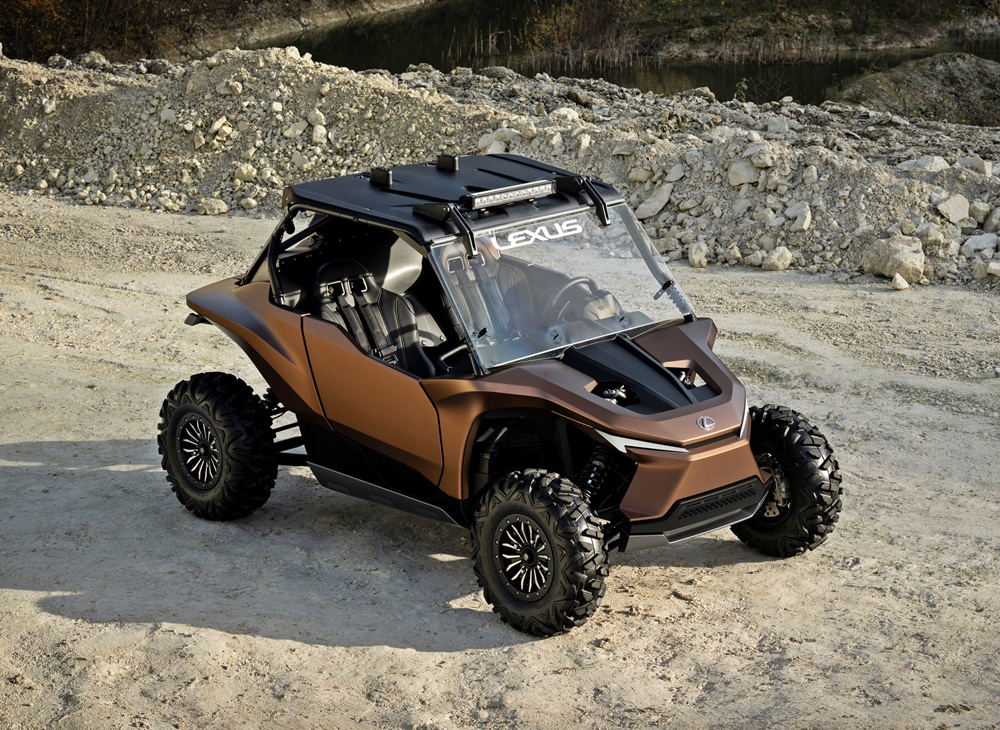
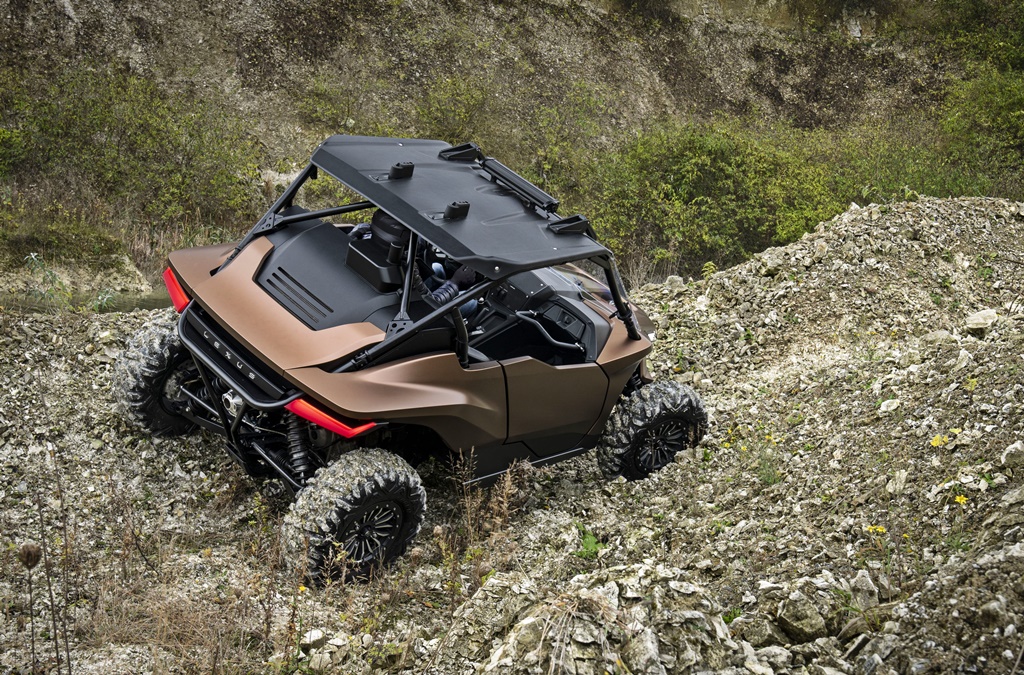
2021 Lexus ROV concept

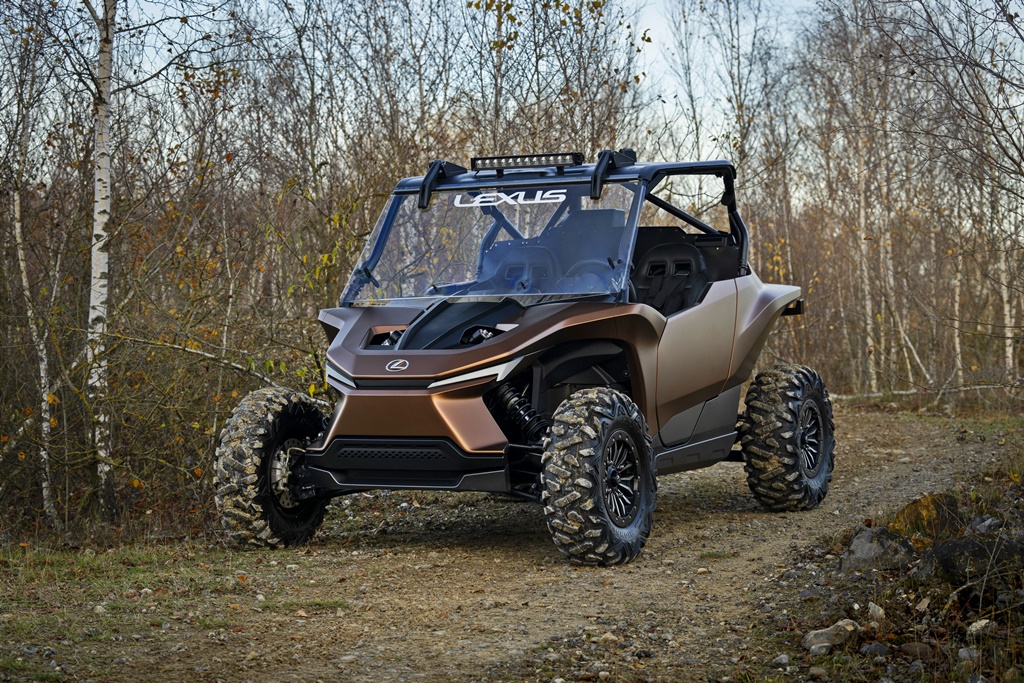
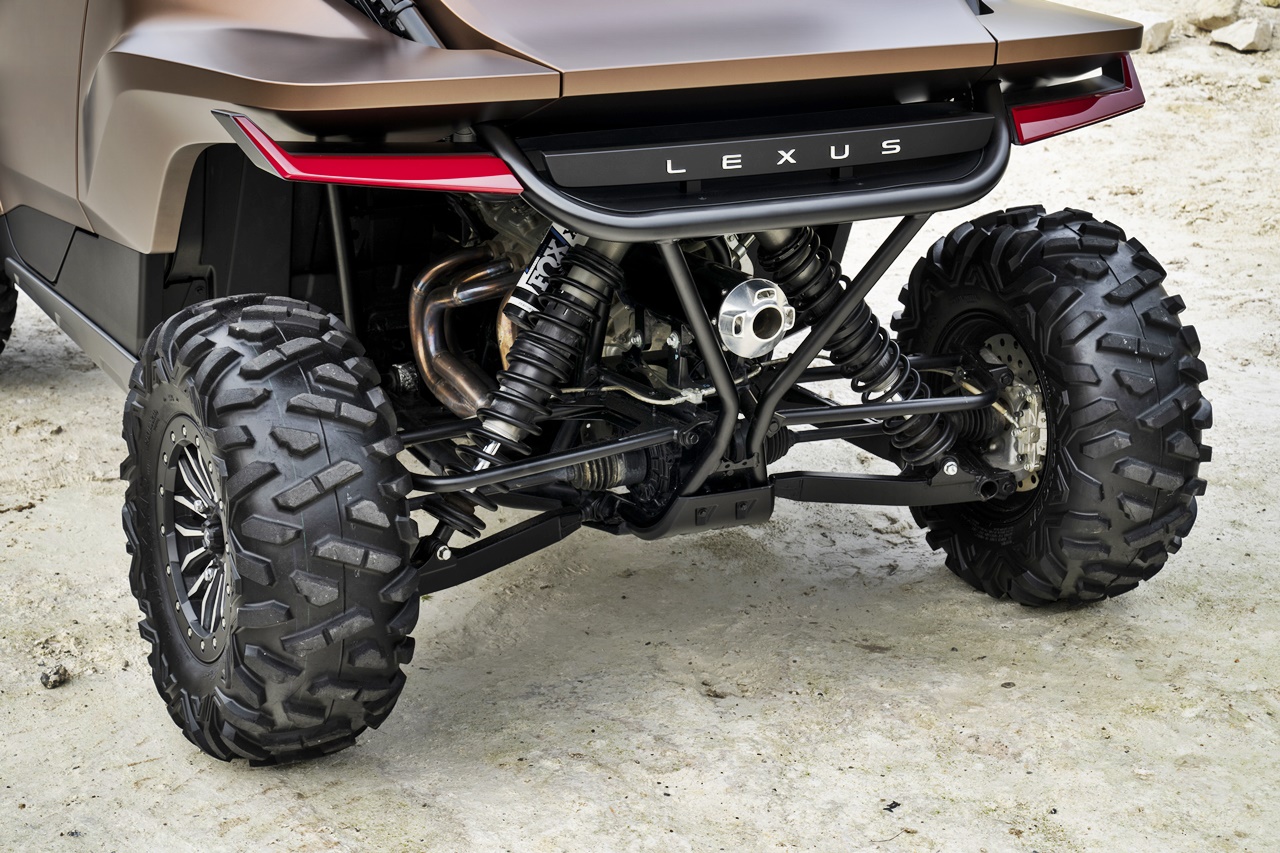
Referred to a ROV concept, it is intended to provide a luxury lifestyle experience to those wishing to discover the wilderness. The design team developed a vehicle that has Lexus design elements as well as the features of a genuine off-road vehicle – like exposed suspension, protective cage and chunky off-road tyres. The dimensions are 3120 mm in length), 1725 mm in width) and 1800 mm high.

2021 Lexus ROV concept

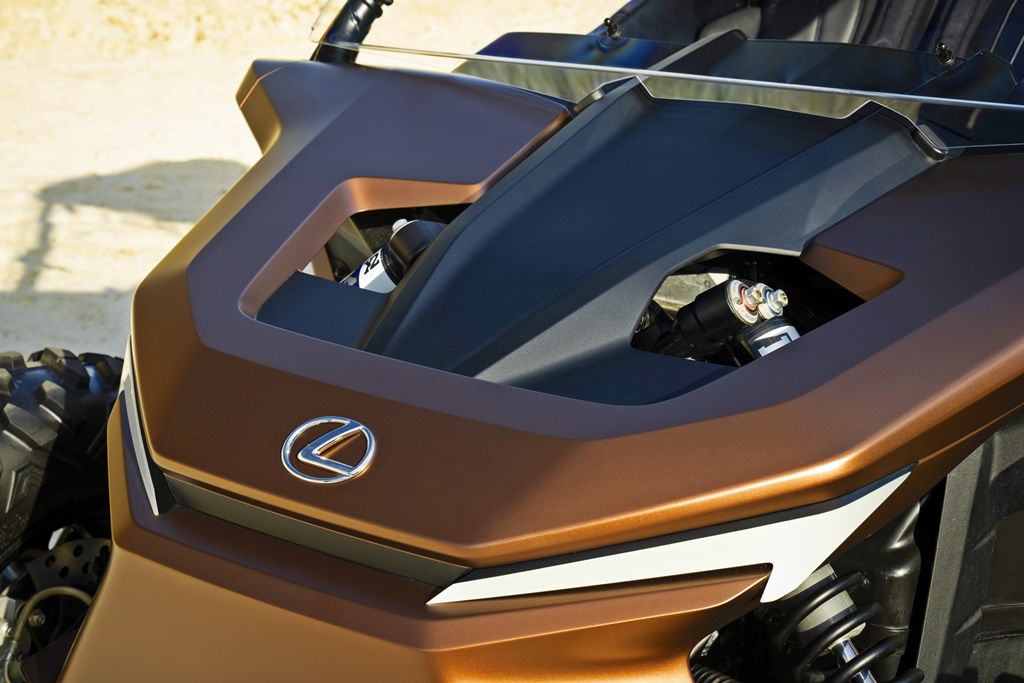
The dark bronze paint is carefully crafted along with a lightweight body that has an interpretation of the iconic Lexus grille. The suspension cover protects functional parts as well as conveying the sense of durability and though a rugged machine, it still has the much-admired Lexus craftsmanship.

2021 Lexus ROV concept

2021 Lexus ROV concept

2021 Lexus ROV concept

An interesting aspect of the ROV concept is that its engine runs on hydrogen, not petrol. Toyota is exploring hydrogen engines as another approach towards carbon-neutrality without giving up on internal combustion engines. Besides the sound of a combustion engine, there is also the responsive rise in torque that comes from the fast combustion speed of hydrogen.

The displacement of the engine is 1 litre and it works just like a petrol engine. There is a high-pressure tank for compressed hydrogen which is delivered precisely by a direct hydrogen injector. Of note is that the hydrogen engine produces close to zero emissions, with a negligible amount of engine oil burned during driving.

2021 Lexus ROV concept

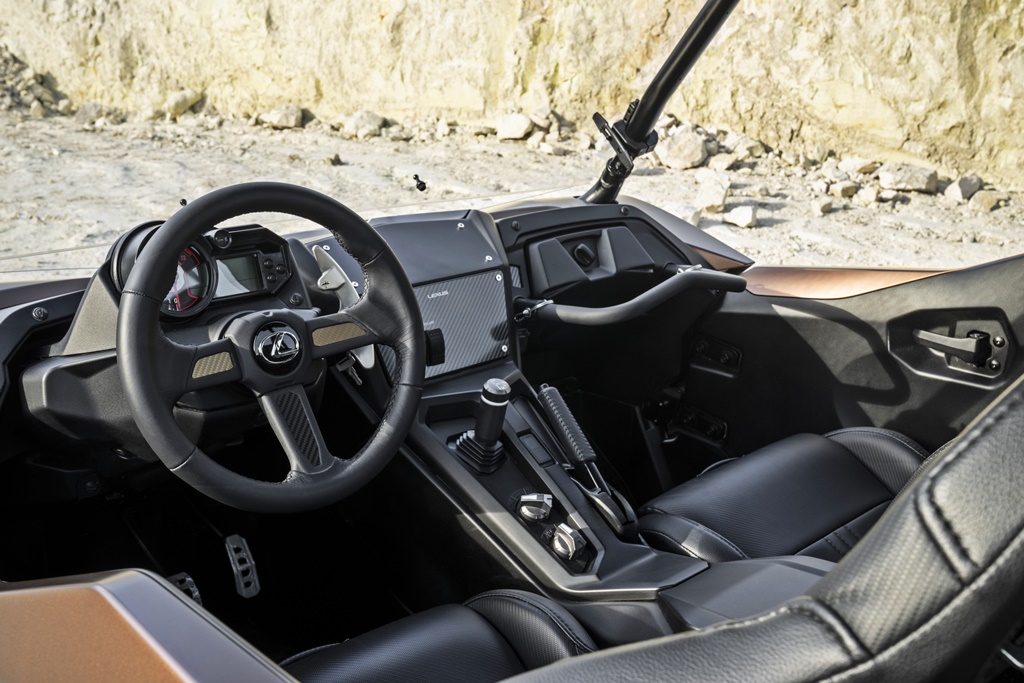
Inside, based on the Tazuna interior concept, it has a simple meter that instantly reads the information the driver needs while the driver concentrates on driving. Luxury details include a leather steering wheel and a sculpted shift knob. feature suspension elements that smooth bumps out of the ride. The seats are also upholstered in hard-wearing synthetic leather.

2021 Lexus ROV concept

Sneakers inspired by new Lexus IS F SPORT (w/VIDEO)

Race starts at 8:30 pm in Jeddah/1:30 am (Monday) in Malaysia
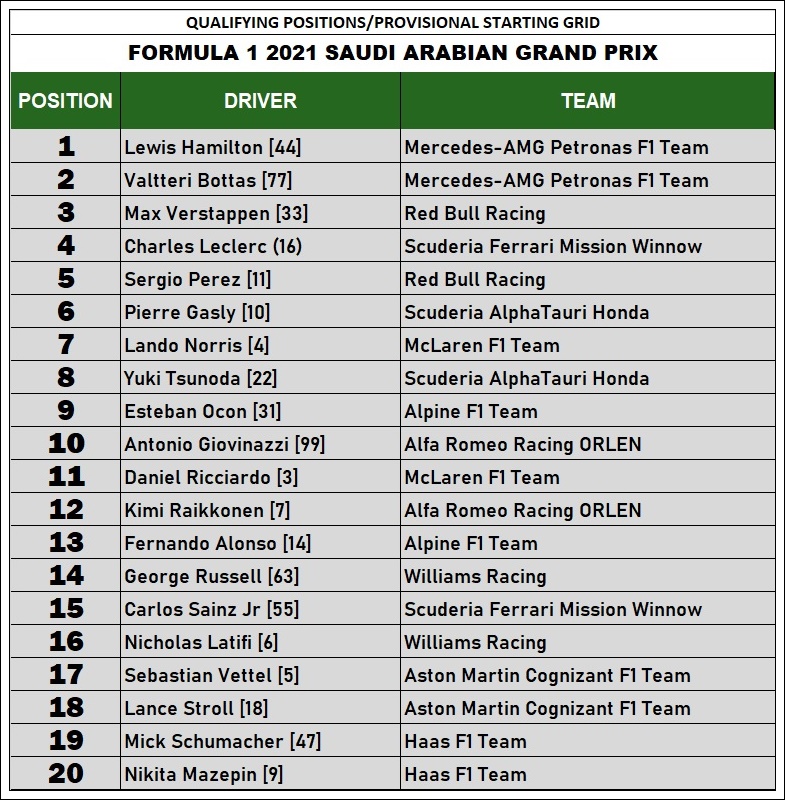
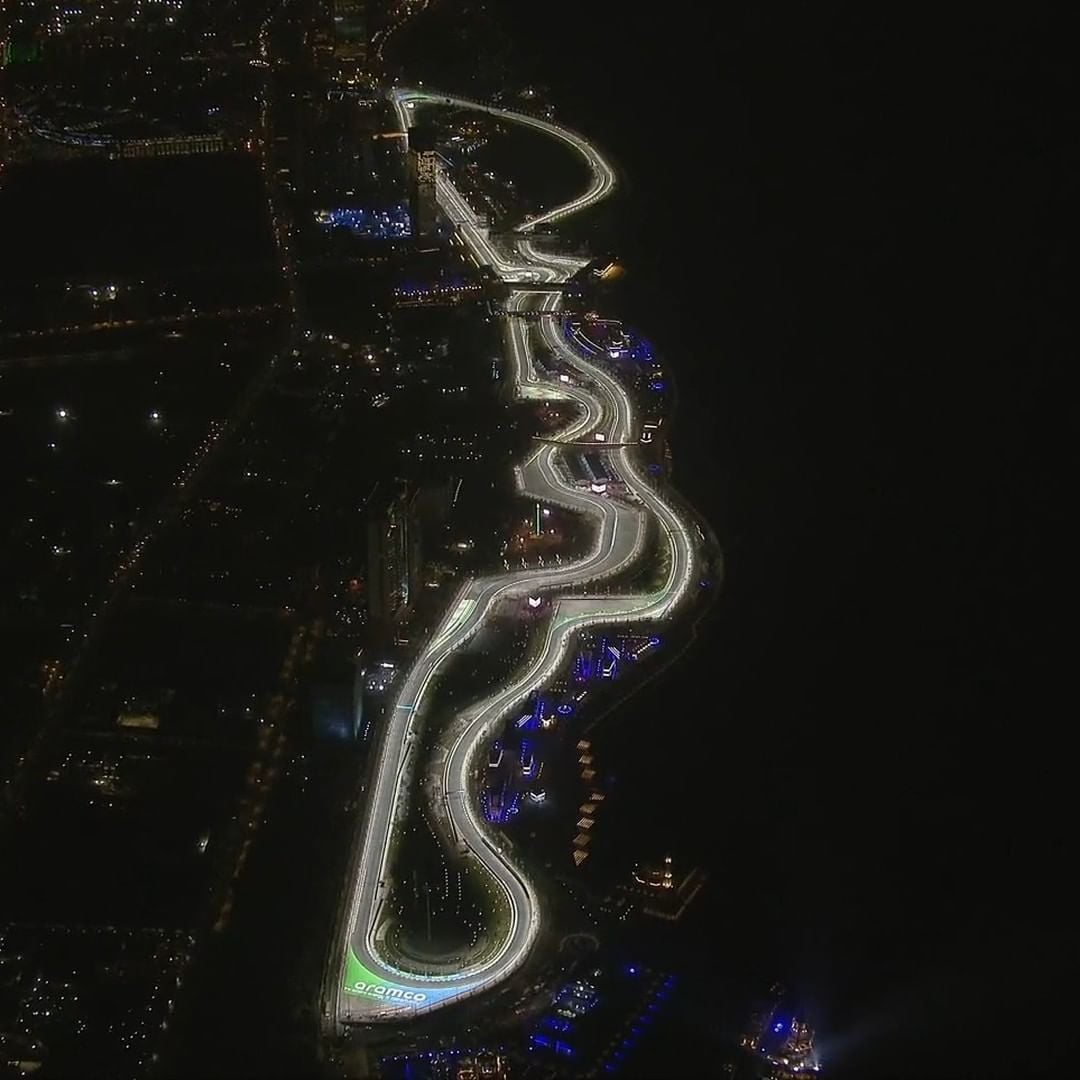
This weekend, for the 21st round of the 2021 championship, Formula 1 goes to Saudi Arabia for the country’s first F1 event at the Jeddah Corniche Circuit. The circuit, newly created, is a street circuit situated 30 kms outside the historic city of Jeddah, the second largest city in Saudi Arabia. It is the second venue to join the calendar this year, following Qatar a fortnight ago.

While this is the first time an F1 race is being held, Saudi Arabia is no stranger to international top-level motorsports and, in recent years, has hosted rounds of the Formula E series and the Dakar Rally. Saudi Arabia also joins three other countries in the Middle East – Qatar, Bahrain and the UAE – to host F1 rounds.
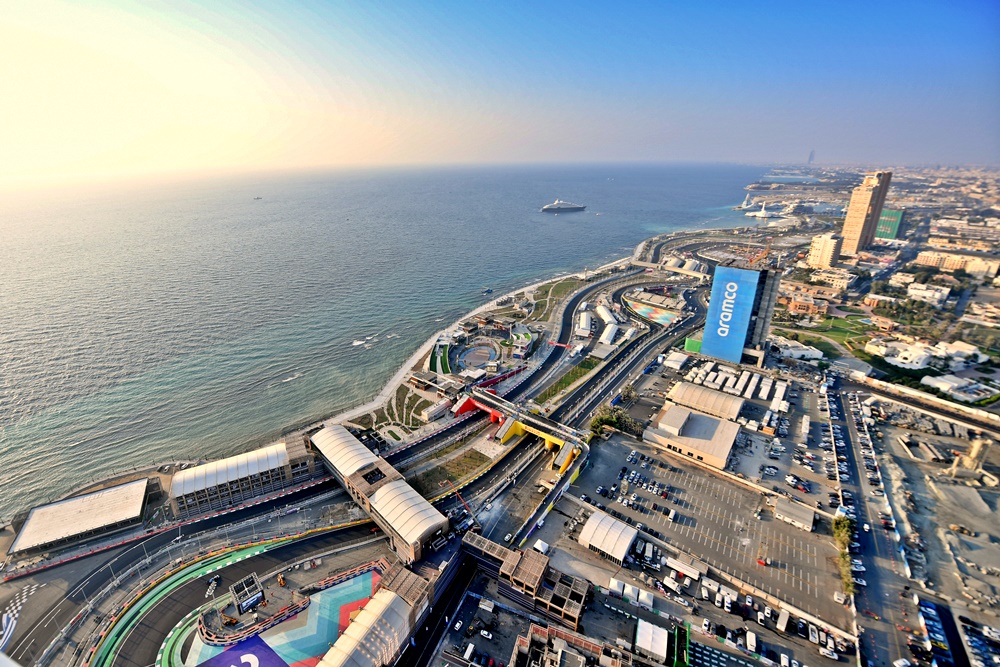
Second longest circuit
The streets have been specially prepared to meet FIA’s strict standards for a Formula 1 circuit, with 34 tonnes of new asphalt and 550,00 tonnes of cement used. At 6.175 kms, it is the second longest circuit in the 2021 calendar, just 800 metres longer than the circuit at Spa-Francorchamps, Belgium.

The Jeddah Corniche Circuit will be the fifth track to run a F1 race at night. The total number of lights is estimated at over 600 to achieve lighting levels have to be 1,500 lux, and there is more than 20 kms of electric cabling.
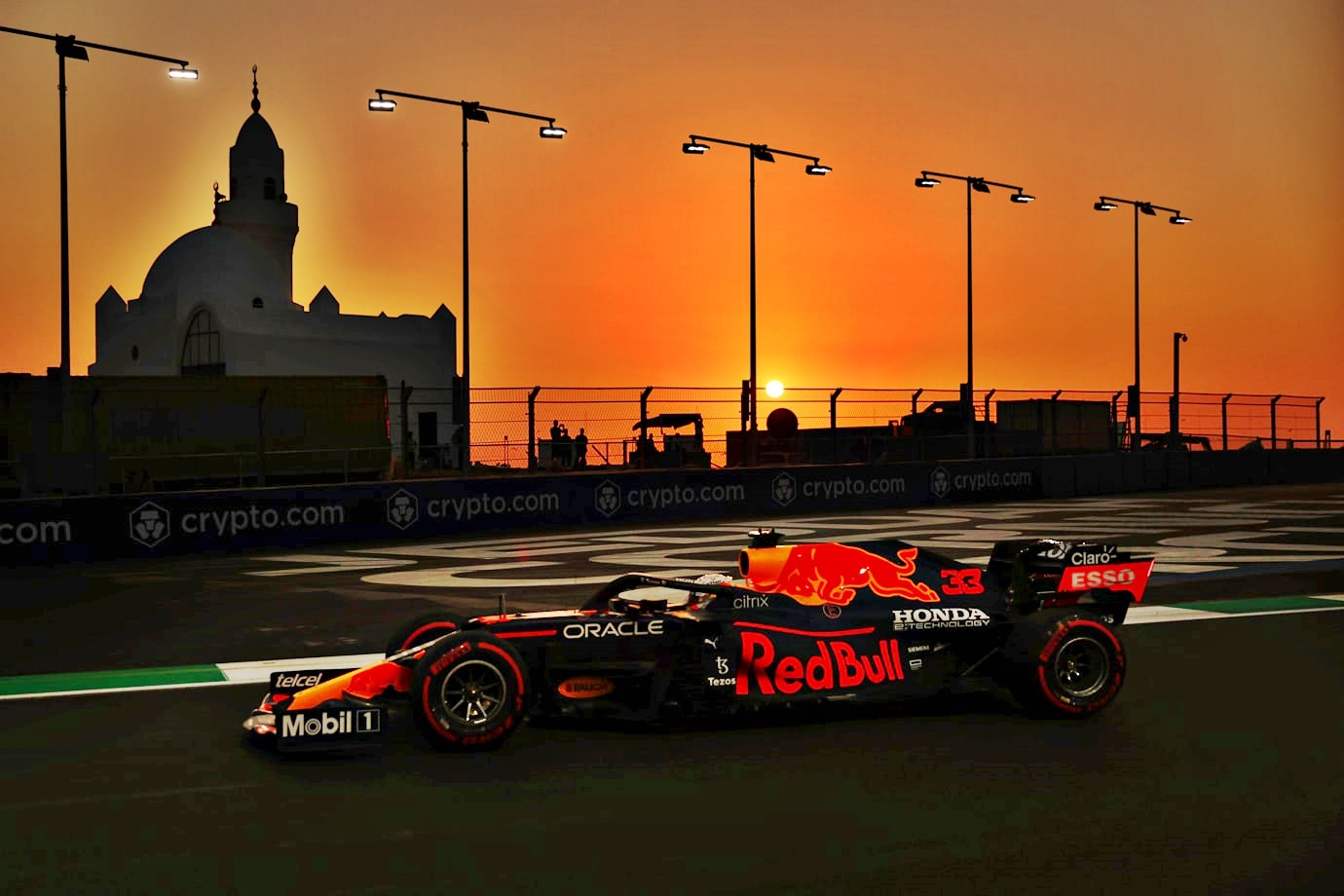
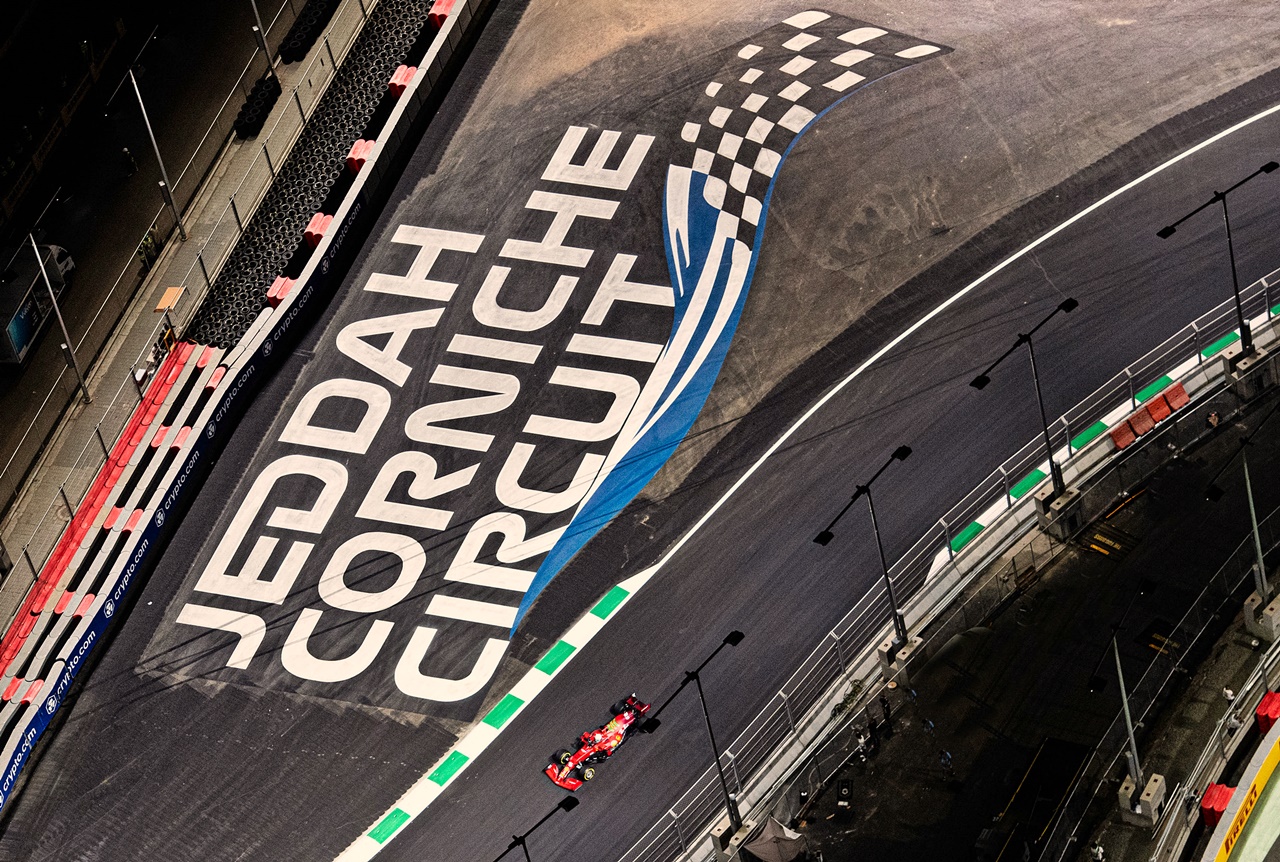
There are 27 turns around the track with one (Turn 13) banked at 12 degrees. That’s three degrees steeper than Indianapolis’ banked corners and 7 degrees less than those at Zandvoort. This will add stress for the drivers who will experience a high g-load (around 4.9 lateral g) as they circulate for 50 laps.

As the track is totally new, the top speed that the cars will reach is not known but simulations put it as 322 km/h, with an  average speed as high as 252.8 km/h. On this basis, Jeddah has billed its circuit as the ‘fastest street circuit in the world’.
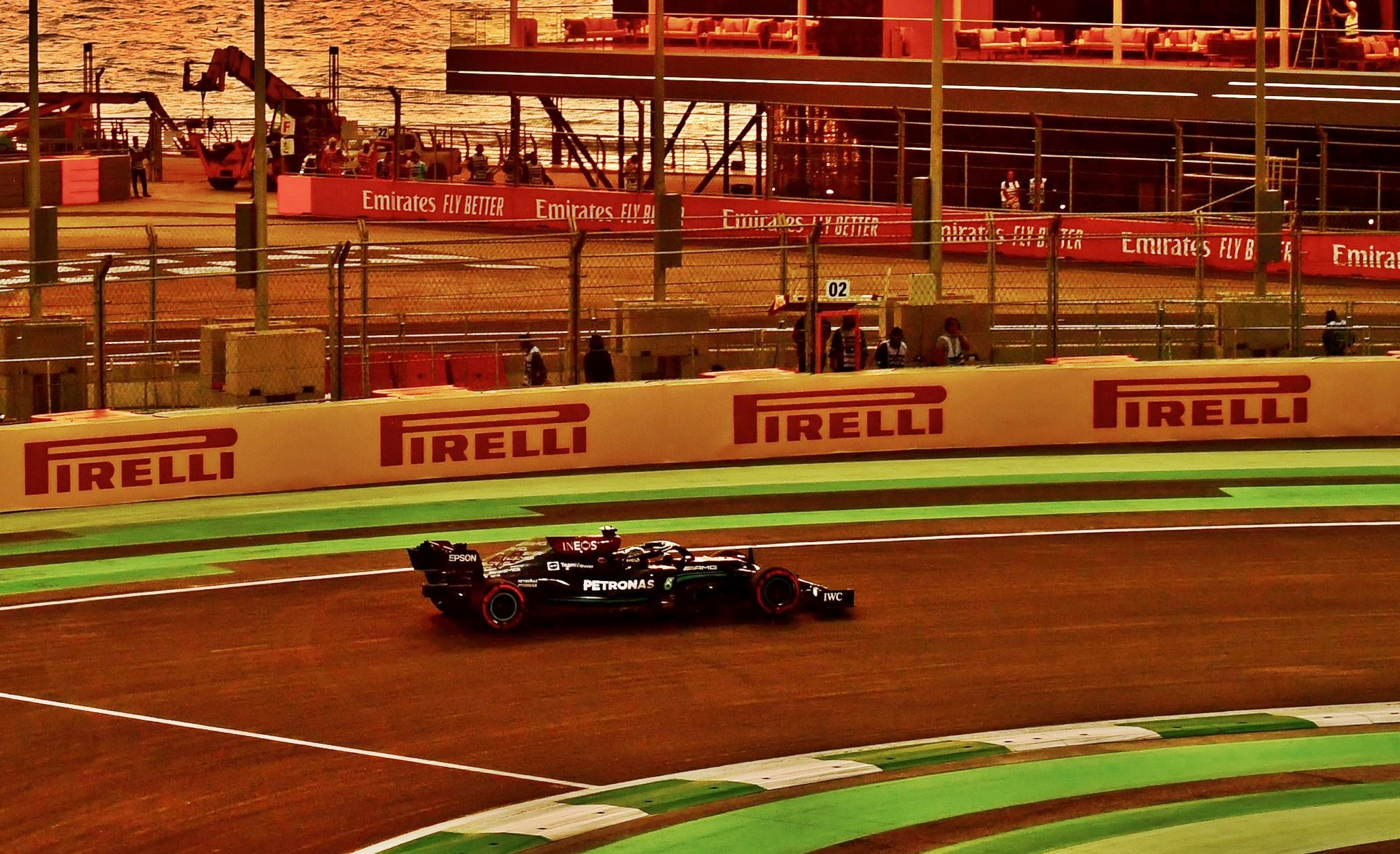
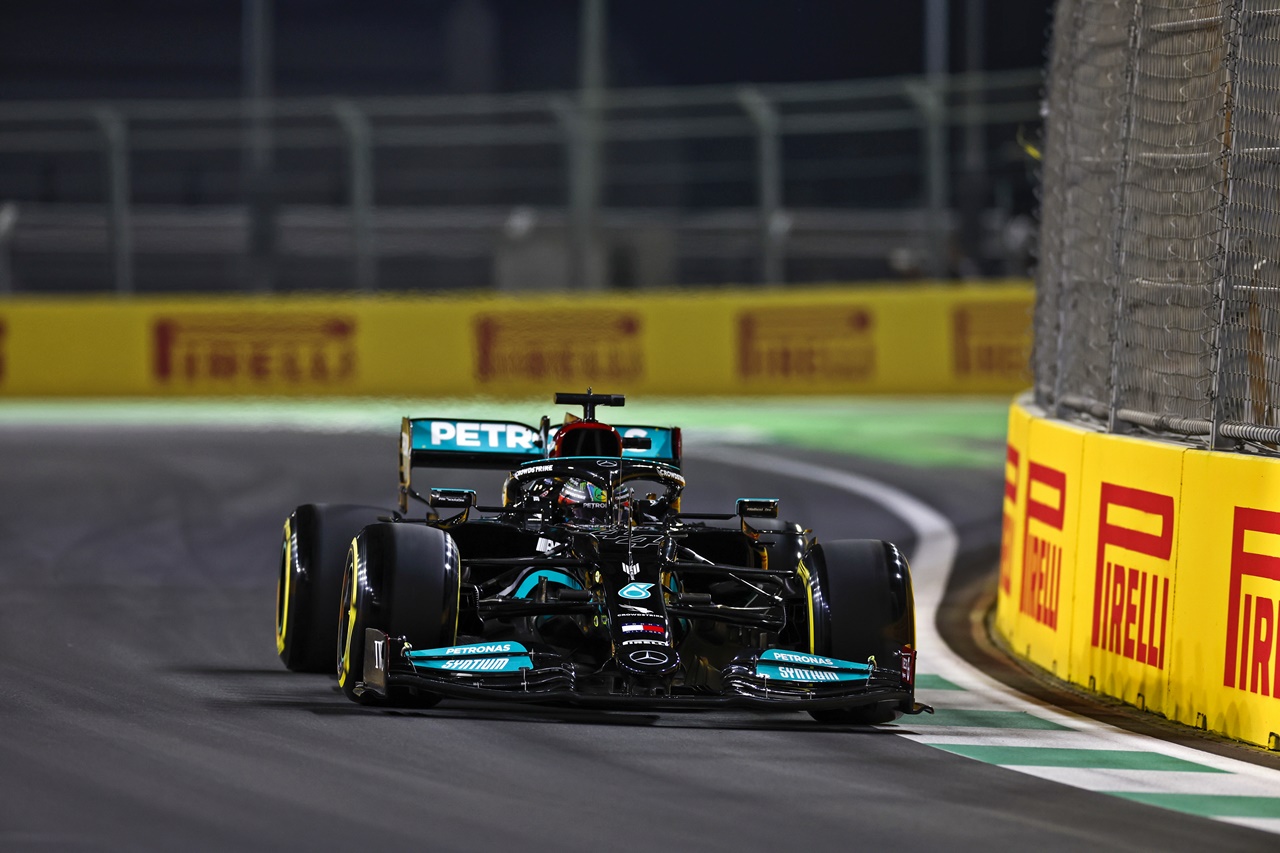
2021 F1 Saudi Arabian GP

The waterfront location presents similar challenges to Abu Dhabi, blowing sand onto the track and experiencing wind shifts from daytime to the evening. Because of the long track length, energy management is very difficult, which puts more focus on the performance of the MGU-H and hybrid systems.

Hard work for tyres
The circuit has more corners than any other track on the calendar, which will keep the tyres working hard. As it’s never been used before, drivers can expect a slippery and ‘green’ track at the start of the weekend. “Jeddah is probably the biggest unknown we face all year, as with the track being completed very close to the race. As a result, we can only rely on simulations from F1 and the teams, along with other information we’ve collected, to come up with our nomination of tyres to supply,” said Mario Isola, Head of F1 and Car Racing at Pirelli. “This street circuit looks set to be quite different to anything else, and the high speeds with fast corners will obviously play a big part in the way that the tyres behave.
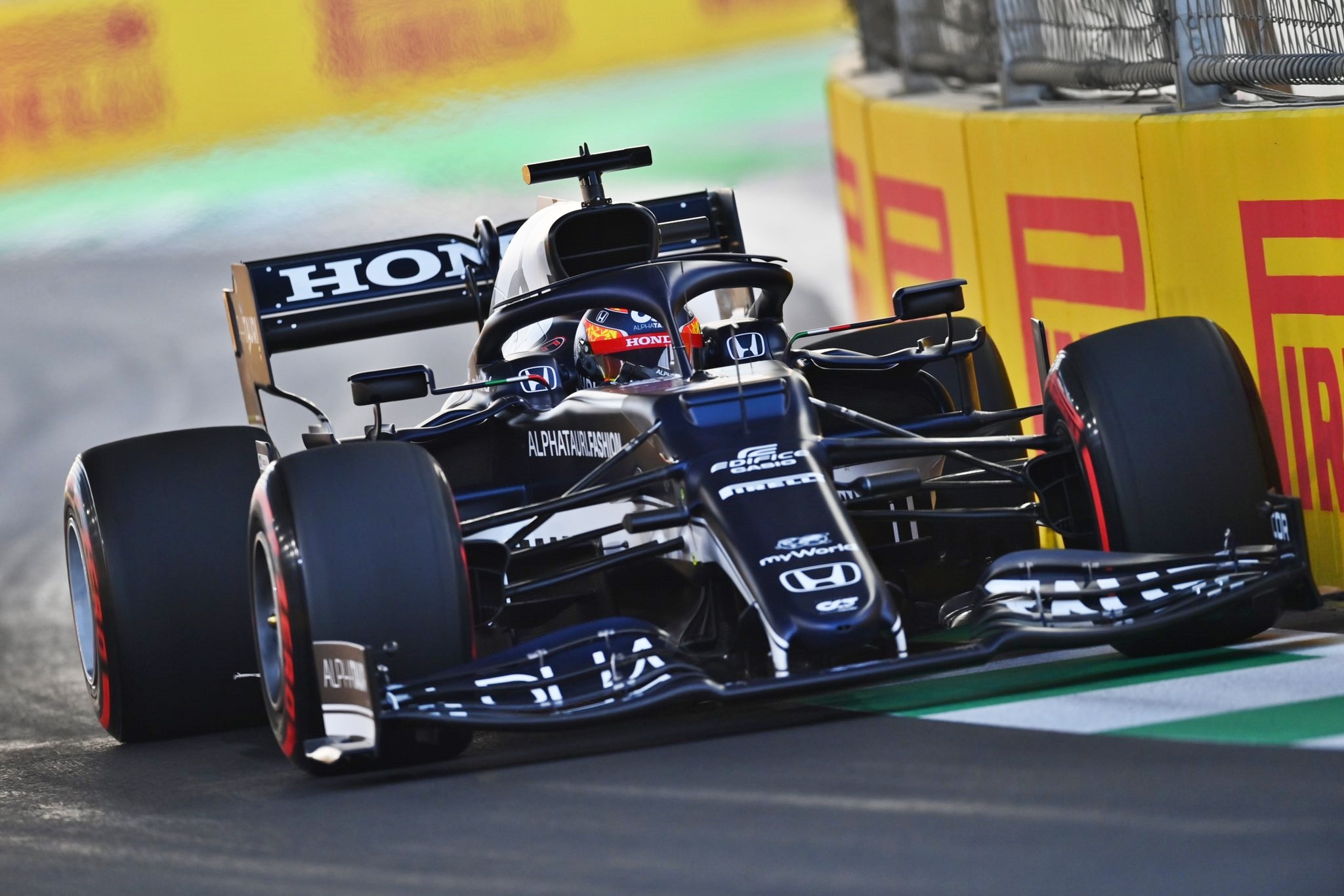
2021 F1 Saudi Arabian GP

Blind corners, unforgiving track
Many parts of the circuit are quite narrow and unforgiving, with the walls close to the side of the track. “Blind corners are obviously an issue whenever someone is cooling down and you are on a push lap because of the huge speed difference so we all need to be super focused even when we are not pushing. The track leaves very little margin for mistakes and Charles Leclerc was unfortunate to crash,” said Ferrari’s Carlos Sainz.

“It is unforgiving; there is no room for any mistakes. The most challenging part is getting into the right rhythm with all the blind corners there are. But as soon as you do, it’s even more exciting to drive,” added Leclerc.
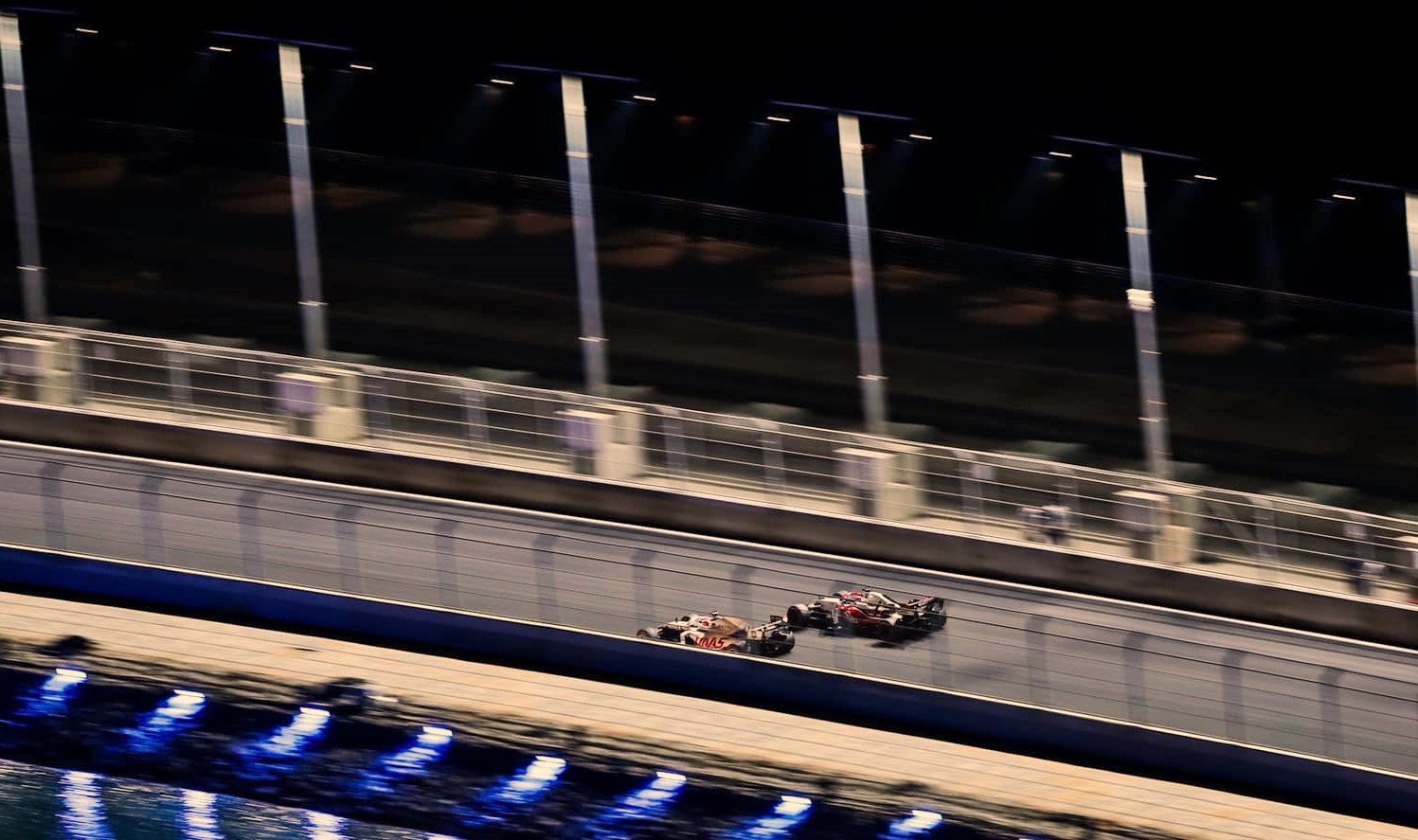
2021 F1 Saudi Arabian GP

With the exceptionally high speeds, stopping power will be of great importance and the expert at Brembo have classified 2 braking sections as ‘very demanding’ on the brakes; 2 are of ‘medium difficulty’; and the other 3 are ‘light’. The hardest on the brake system is the last corner because the racing cars come to it after braking for the last time on turn 22 (they don’t have to brake in the other 4 corners). As they come onto Turn 27, the cars will be at around 317 km/h when the brakes will need to be used for 2.6 seconds. This is the time needed to slow down to 110 km/h. In the meantime, they cover a distance of 127 metres and the drivers experience 4.3g of deceleration.
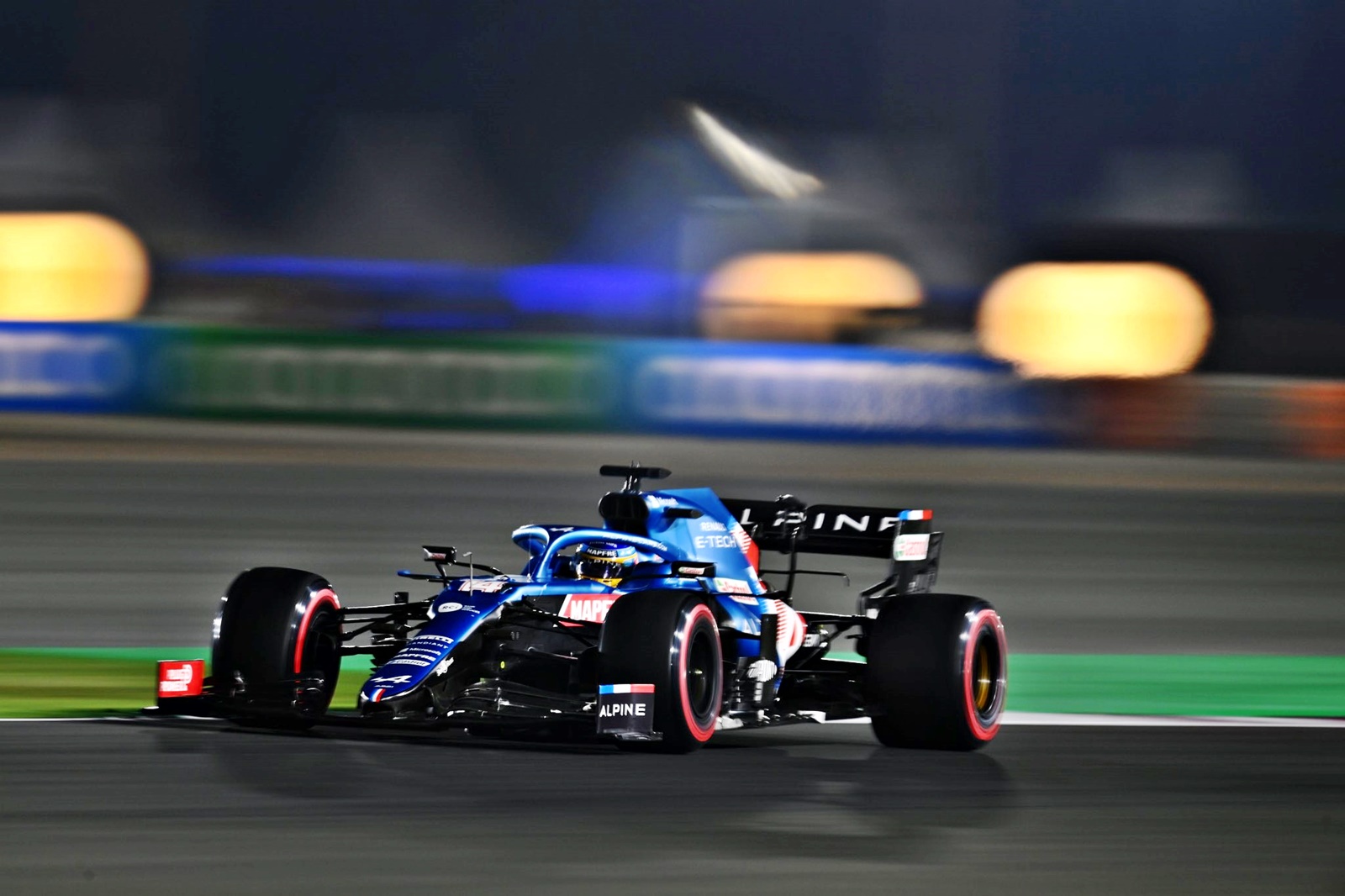
2021 F1 Saudi Arabian GP

Can Verstappen be champion?
Following Lewis Hamilton’s victory in Qatar, Max Verstappen’s lead had been cut to just 8 points. The Red Bull Racing driver still has a chance to take the 2021 title and he must outscore Hamilton by 18 points. This requires the Mercedes-AMG driver to finish 6th or lower. Clocking the fastest lap with its precious point – and holding it till the end – will also be an important factor. If he finishes second with the fastest lap and Hamilton is down in 10th place at the end of the race, then the Dutchman can be confirmed as 2021 champion.
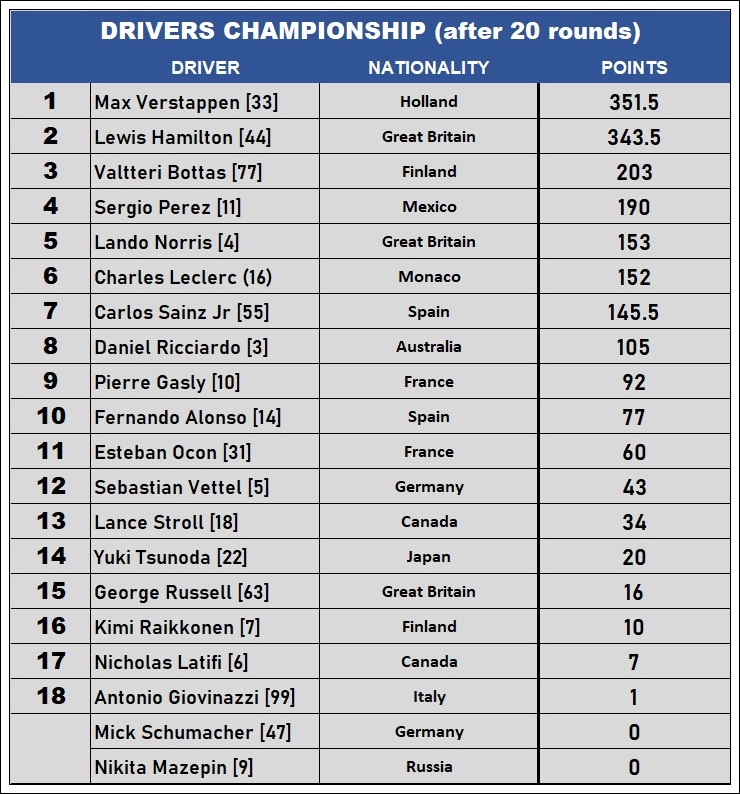
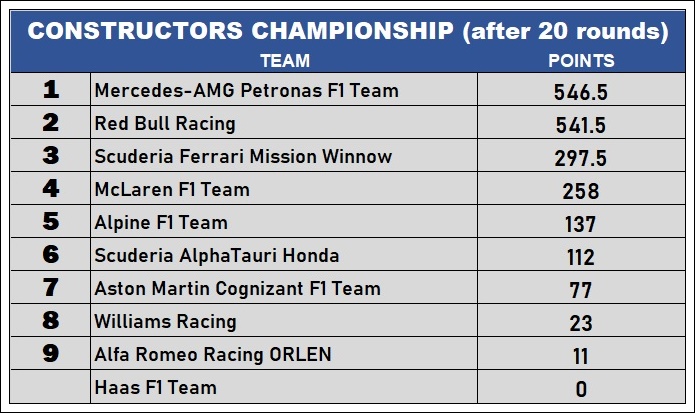
In the Constructors Championship, the gap is narrow – just 5 points – so the drivers of each team will be working hard to collect as many points as possible. Ferrari looks set to take third overall this year, with McLaren in fourth.

Guanyu Zhou – first Chinese driver in F1, to race with Alfa Romeo Racing ORLEN team in 2022

 

Although Perodua has a commitment from chip suppliers till the end of 2021 and has been fairly confident of meeting its planned output, it has still faced issues in the automotive ecosystem which have affected its production. As a result, the company could deliver only 20,299 vehicles in November, which was 27.1% lower than the 27,858 units it reported for the month before – which was also the highest ever sales volume in the company’s history.

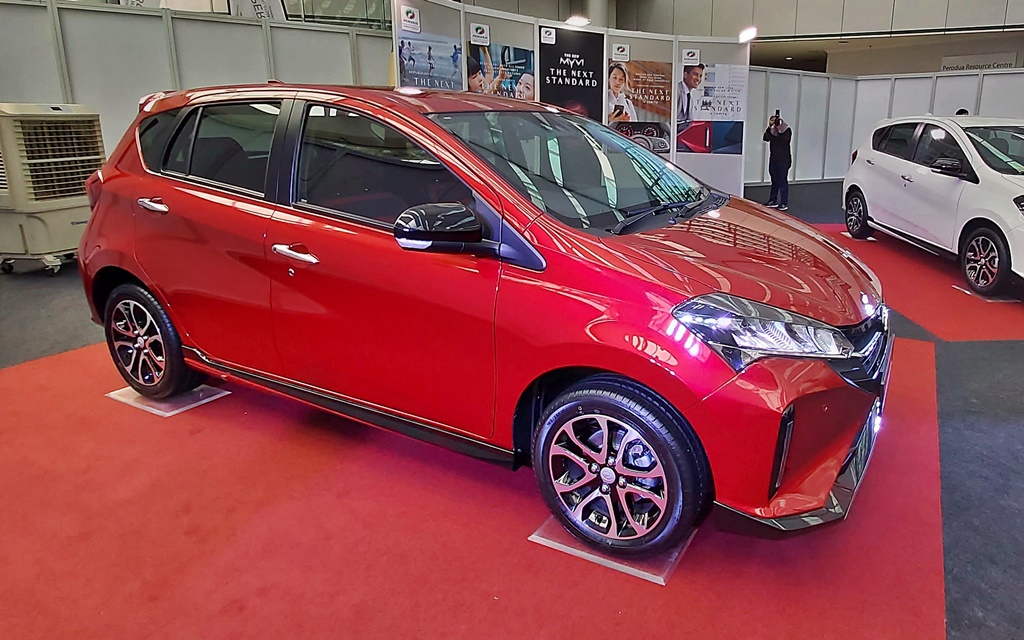
This disruption of production obviously affects deliveries and waiting periods get longer. At the same time, orders for the new Myvi which was launched in mid-November have been strong. According to Perodua President & CEO, Dato’ Zainal Abidin Ahmad, some 14,600 orders had been received for the new and improved model up till December 2.

14,600 orders for the new Myvi were received within the first 2 weeks after launch.

“We wish to apologise for the delay in delivery and thank all our customers for their support and patience, especially in the most challenging year so far,” Dato’ Zainal said. “We are working with the automotive ecosystem to overcome these issues, such as rising COVID-19 cases as well as the semiconductor chip supply shortage. With these countermeasures in place, we see December 2021 as our best month yet,” Dato’ Zainal said.

14.2% lower cumulative volume than 2020
The continued popularity of the Myvi keeps it as the brand’s bestseller and from January and November this year, a total of 42,288 units were delivered nationwide. This represented a share of around 25% of Perodua’s total sales of 167,250 units for the first 11 months of 2021. As an indication of the impact of the long suspension of operations, the total volume was 14.2% lower compared to the 194,980 units registered in the same period last year.

While the company should finish this year at around 200,000+ units, Dato’ Zainal is now focussed on 2022 which he foresees as ‘a year of recovery’. The company is initially setting a target of 240,000 units which would be about 20% more than what is achieved in 2021. As always, Perodua constantly refines its project with new data and will offer a more accurate forecast would at the end of January 2022.

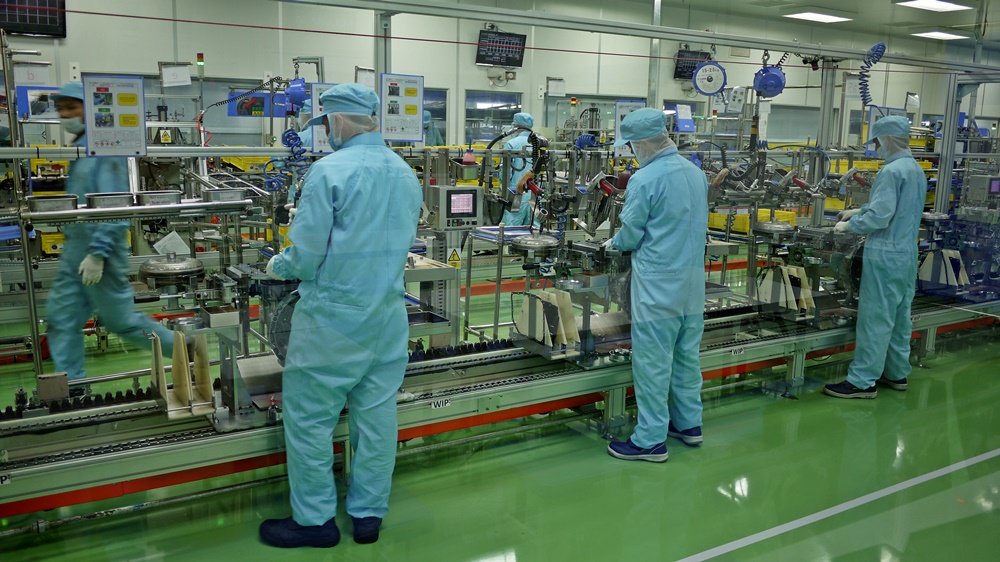
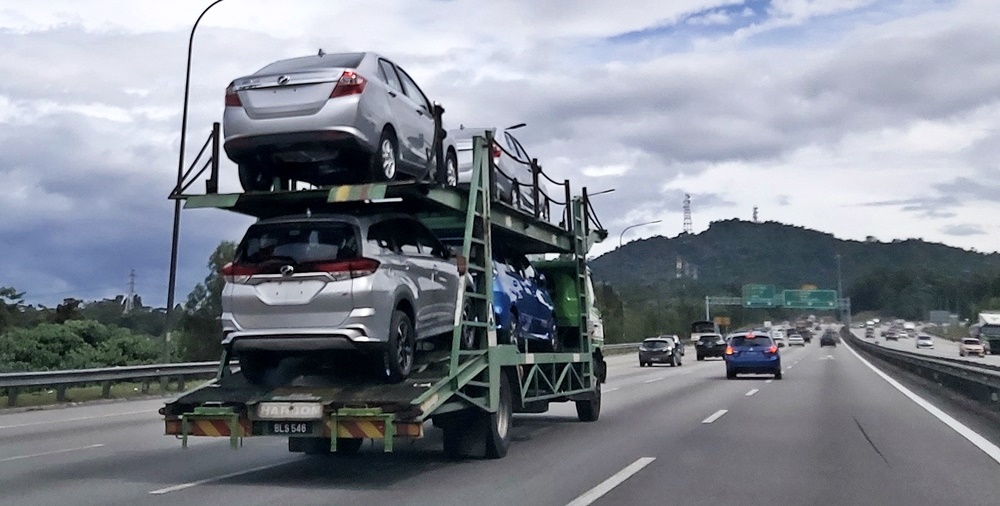
Some issues in the automotive ecosystem disrupted Perodua’s output of vehicles, reducing its output in November.

240,000 units in 2022
“We believe that the worst is behind us in terms of COVID-19 related lockdowns– Insya Allah – and while there are other risks in the market, we foresee the year 2022 as a year of recovery. Based on current information and forecasts, we foresee that we can at least reach the 240,000 registration target next year as the market stabilises and our waiting period will be reduced significantly,” Dato’ Zainal said.
“The 240,000 registration number is important as we want to grow the Malaysian automotive ecosystem. With this growth, we expect to see auto component purchase to be back to around RM6.5 billion for next year,” he explained.

He believes that the demand for vehicles would peak in the first 6 months of 2022 as people will want to benefit of the sales tax exemption incentive by the government (to expire on June 30, 2022) while the second half would see demand slowing.
New sales and production records set in October by Perodua

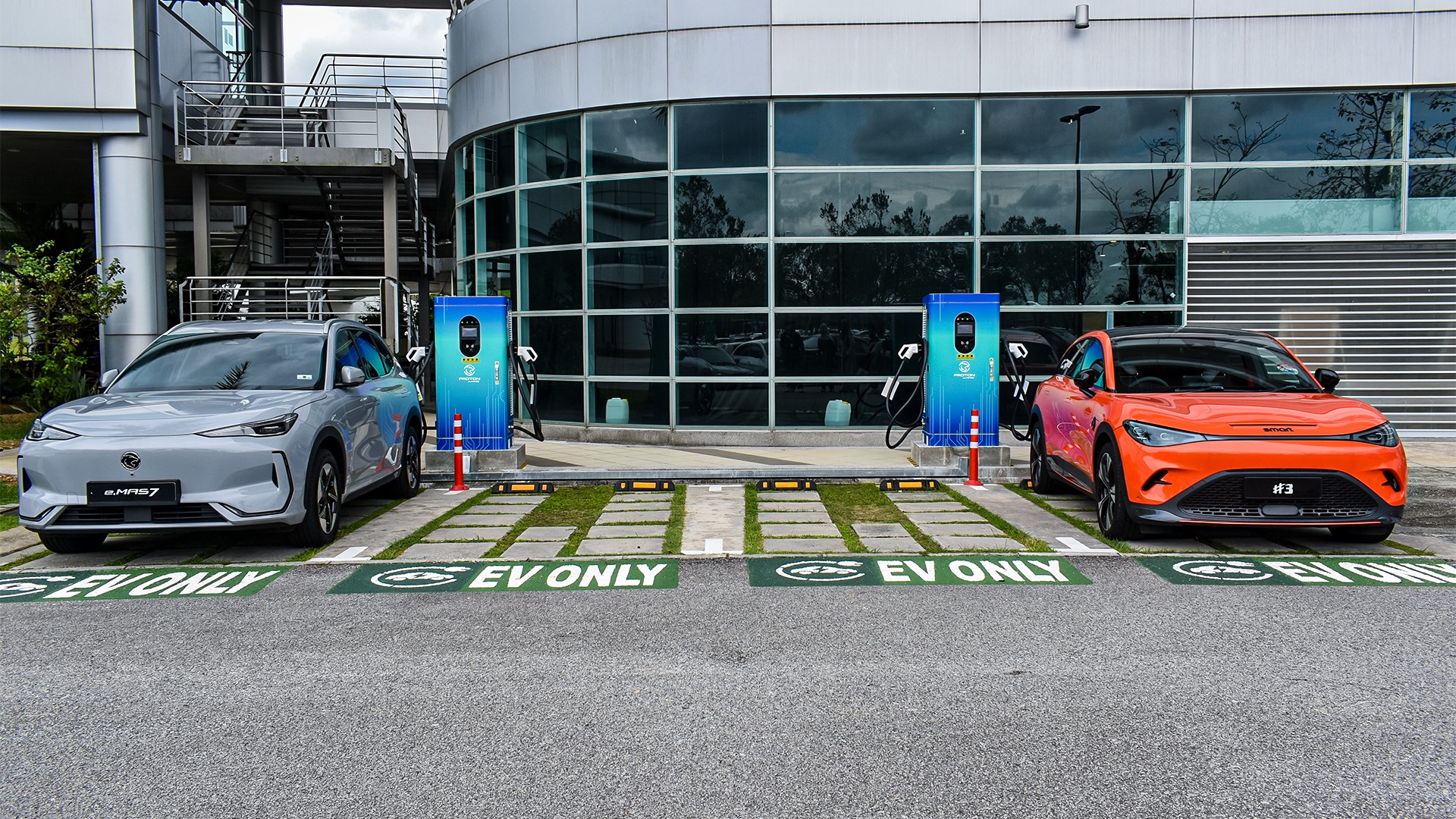
With the duty-free incentive for fully electric vehicles (EVs) to start next month, there may be many who are wondering if they should switch to such vehicles. While the exemption of all duties and taxes will mean a lower price, don’t expect prices to drop to the same as a Nissan Almera Turbo just because they are duty-free. EV technology is still young and therefore expensive, which is why manufacturers hope governments will help by making them more ‘affordable’.

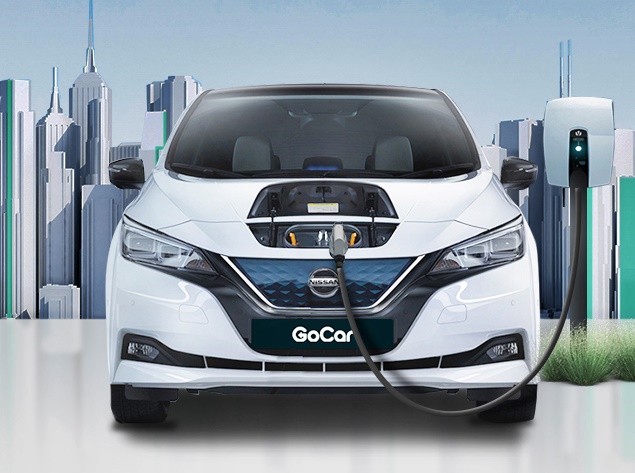
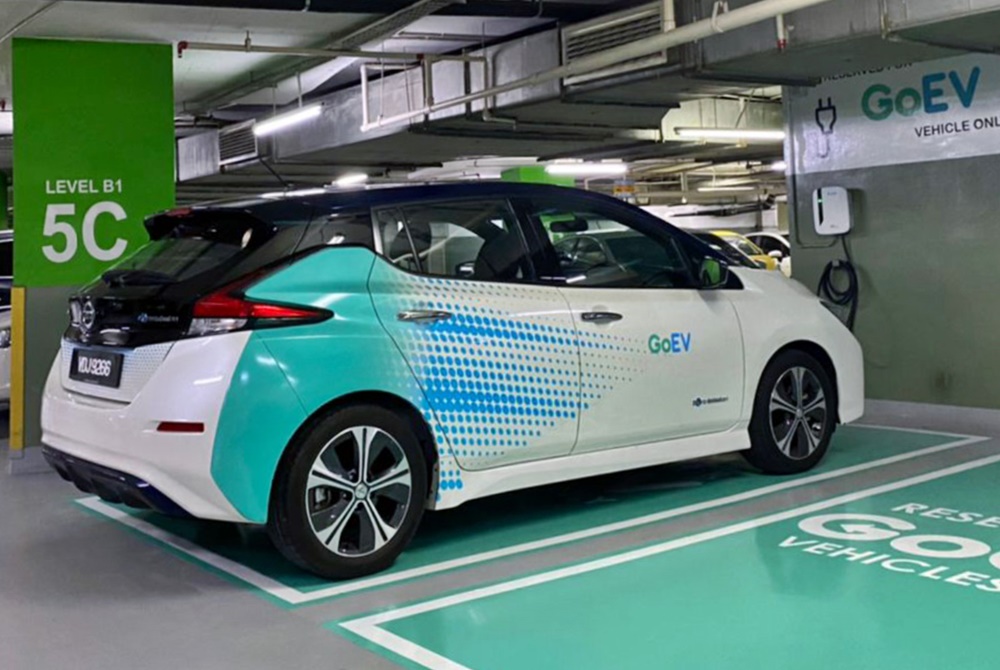
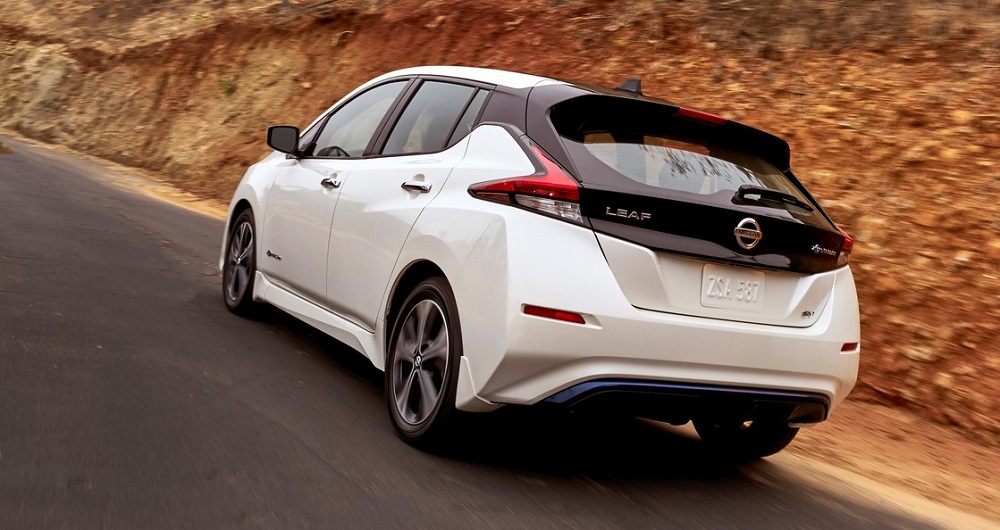
For those who are thinking of getting one, you can experience ownership for a short while with GoCar’s new GoEV programme. This programme, which requires first signing up as a GoCar member, offers affordable EV access with car-sharing and subscription options. It is available to all fully licensed drivers aged 18 and above.

GoCar GoEV Nissan LEAF

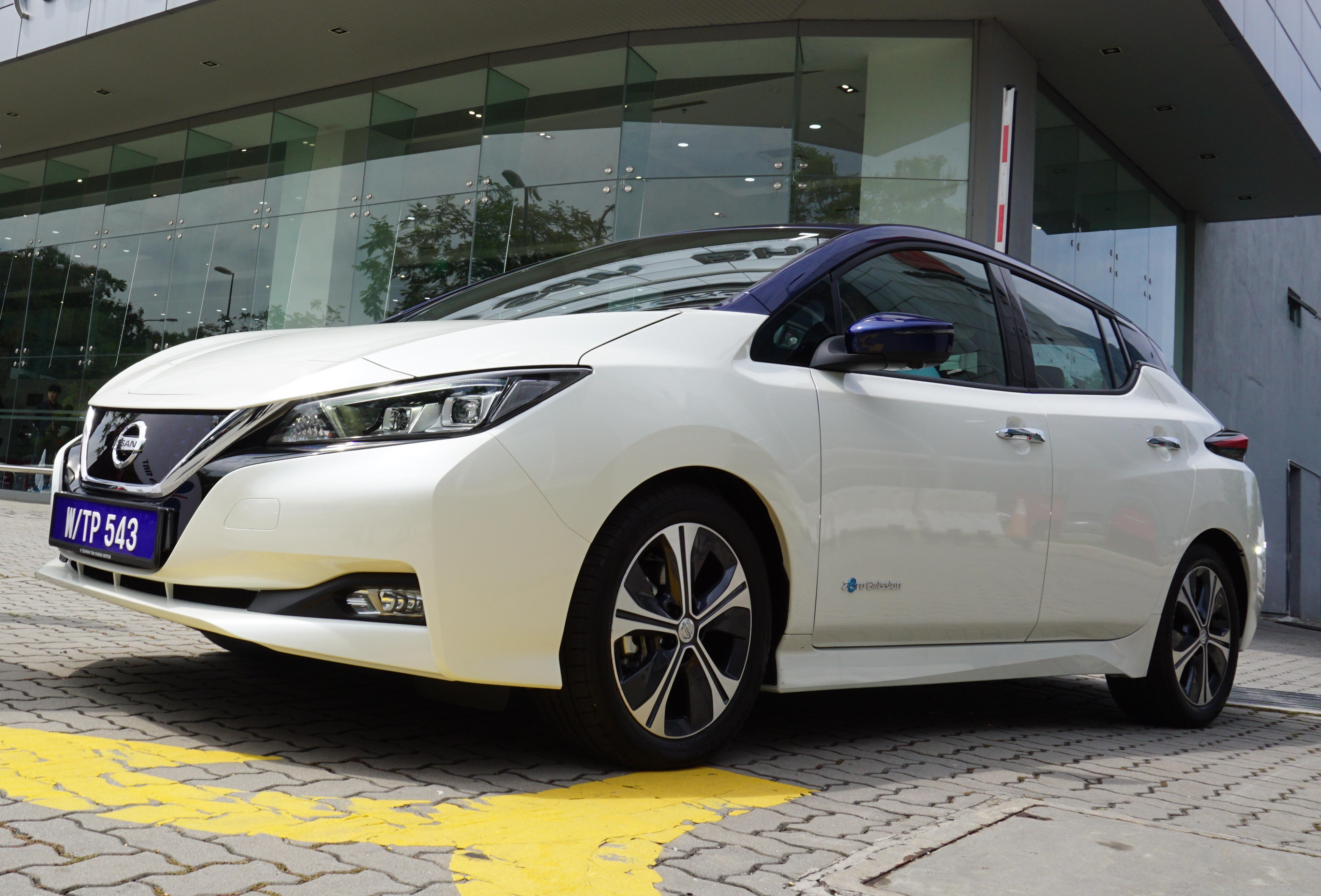
Nissan LEAF used
The members can select their preferred GoEV Share or GoEV Subs plans which have 25 units of Nissan LEAF fully electric vehicles. The sharing option is currently available only for round-trips (pick-up and return at the same zone) and short-term use – by the hour or by the day. Rates start from RM24.90 per hour or RM249 per day. From now until January 31, 2022, there will be a 25% reduction on rates for all GoEV Share bookings.

The GoEV programme will initially be offered in the Klang Valley where 3 GoEV zones are already in operation. Another seven will be added before this year ends.

GoCar GoEV Nissan LEAF

“Global warming is at the tipping point and the negative effects of climate change will continue to perpetuate for decades. As a top contributor to greenhouse gases emissions, the transport sector must transition to full electrification, which studies have shown significantly reduces the amount of carbon dioxide released into the atmosphere,” said Wong Hoe Mun, CEO of GoCar Malaysia.

EV experience for more Malaysians
“Malaysia still has a long way to go to catch up on EV adoption and infrastructure. However, we believe that through car-sharing and subscription, we can help encourage mass adoption. We are so excited to be bringing affordable EV access to the general public. This way, everyone – not just the privileged few – can experience the EV lifestyle,” he added.

GoCar GoEV Nissan LEAF

Longer terms also available
Those who want a longer duration to experience what it is like to live with an EV can opt for a 36-month subscription at RM2,299 per month. These rates are inclusive of roadtax, insurance, regular servicing and a wall box home charger to allow more efficient recharging.

To ease any potential range anxiety for car sharing customers, GoCar is also providing complimentary ChargEV cards in each vehicle, which will give users access to almost 300 charging stations nationwide. Charging stations at the GoEV zones are free to use for all GoEV customers.

If you want to know more about the Nissan LEAF or purchase one, visit www.nissan.com.my.

GoCar GoEV Nissan LEAF

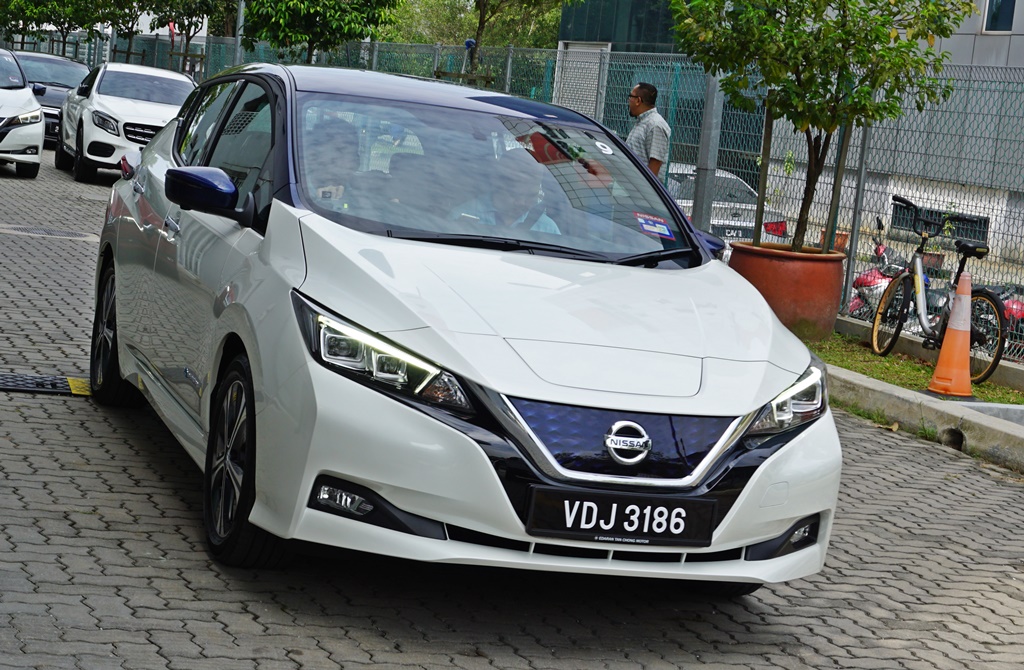
FIRST DRIVE: 2019 Nissan Leaf – “Simply Electrifying”

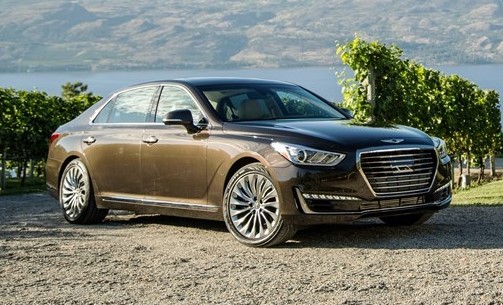
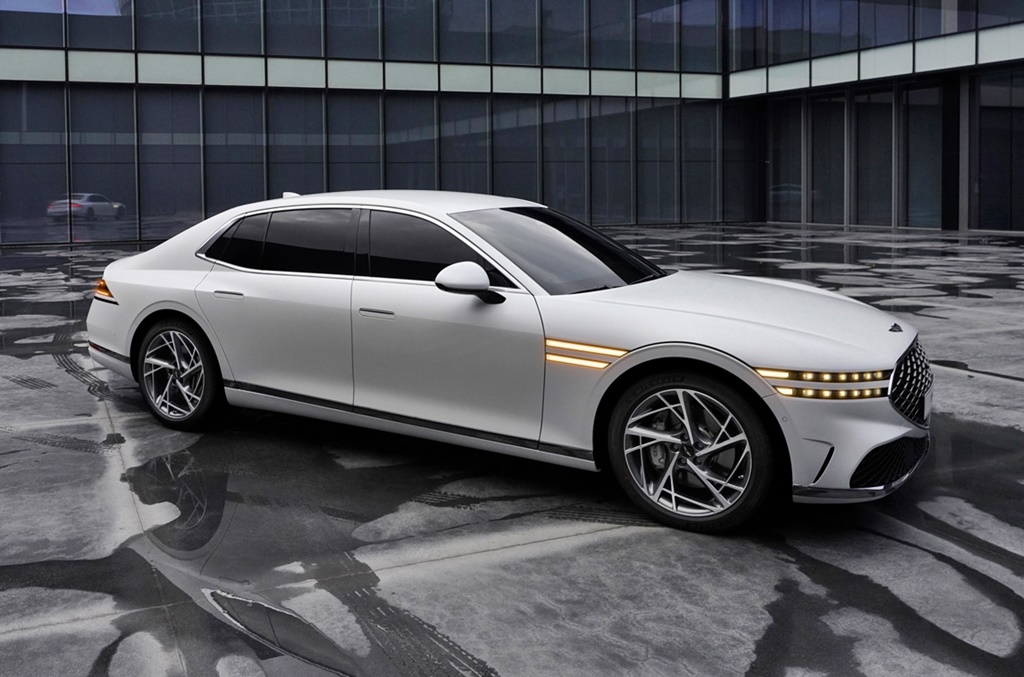
The G90, flagship of Genesis, Hyundai’s luxury brand, has undergone a full model change. This is the model which originally began life as the Hyundai Equus. In 2015, when the Korean carmaker launched its new luxury brand, the Equus became the Genesis G90 (EQ900 in Korea). The model was then facelifted and now enters its second generation.

Athletic Elegance design philosophy
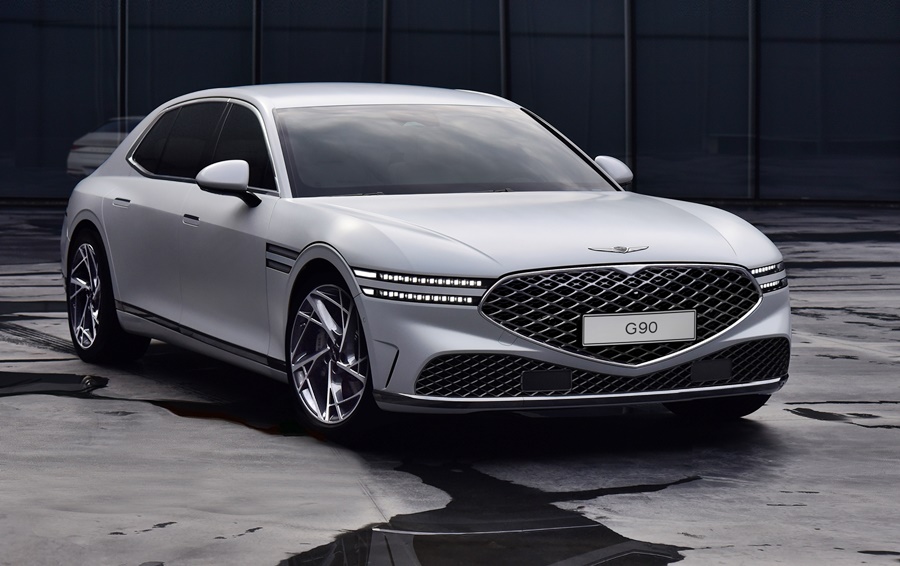
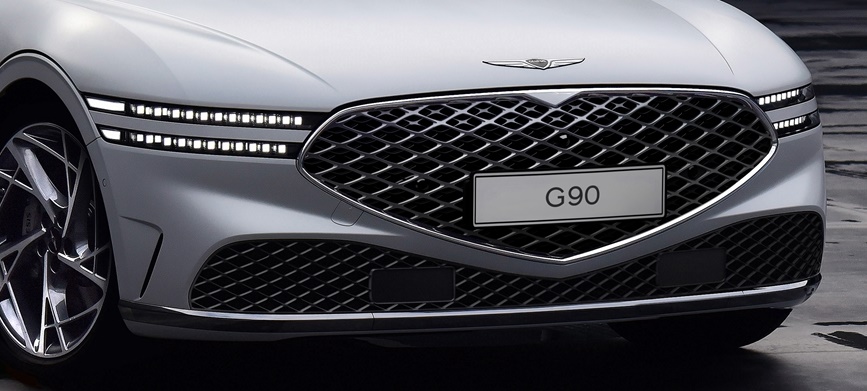
Much of the new design adopts the Genesis design cues that are guided by the brand’s design philosophy of ‘Athletic Elegance’. The frontal presentation consists of a new Crest Grille which has a luxurious look with its Layered Architecture finish. This comprises two G-Matrix patterns layered on top of one another to create a 3-dimensional effect.

2022 Genesis G90
Resembling the brand’s emblem, the Two-Line headlamps located on both sides of the grille feature the thinnest such lamp designs by Genesis. Intercrossing the lens of the Daytime Running Lights (DRLs) with low beam powered by MLA (Micro Lens Array) technology has made it possible for thin lines of the headlamps.

Clamshell Bonnet
A special design feature is the Clamshell Bonnet, a single panel that combines the bonnet and fenders in order to eliminate panel gaps and create a sleek impression. This sleekness is also embodied in the Guilloche (a decorative technique) pattern-applied emblem, which is nearly 80% thinner than seen on previous emblems.

2022 Genesis G90
First generation G90 (2017)

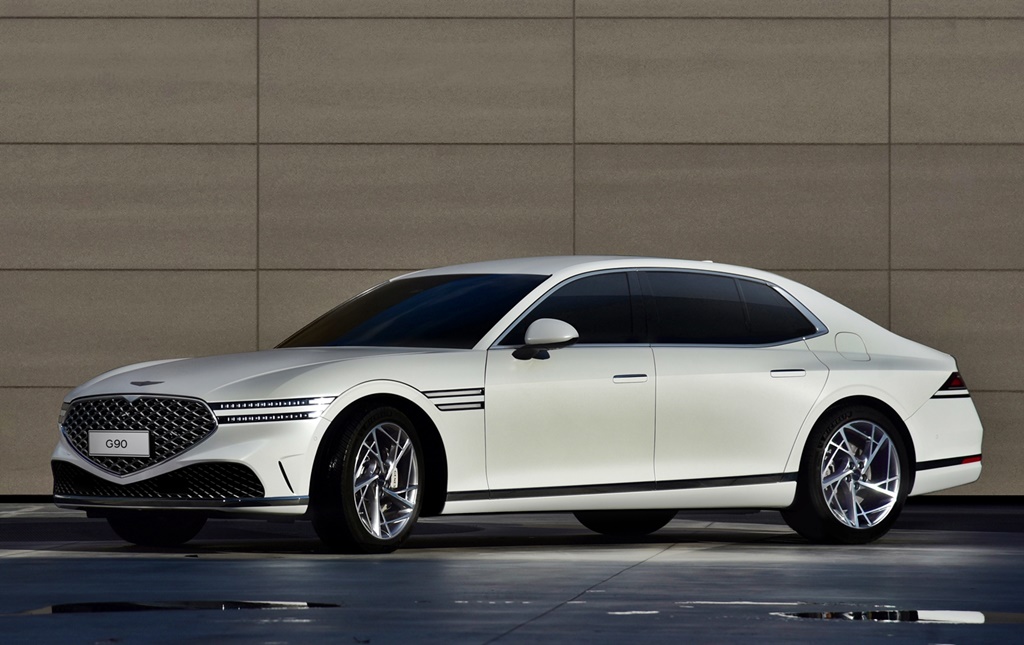
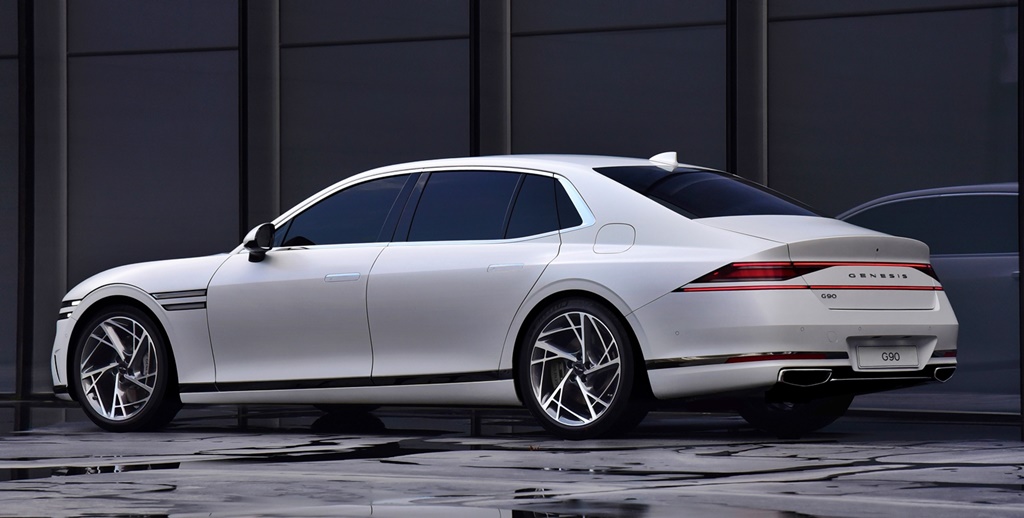
Viewed from the side, the Parabolic Line design can be seen to start from the bonnet and flows along the bottom of the window to the boot in a seamless line. The voluminous body has been further enhanced with the Athletic Power Lines on the fenders around the wheels, projecting power and dynamism.

The DLOs (Day Light Openings) that surround the first and second-row seat windows are designed to harmonize with its thick C-pillars. This offers second-row passengers both an open atmosphere and privacy at the same time, a clear complement to the model’s image as a best-in-class luxury sedan.

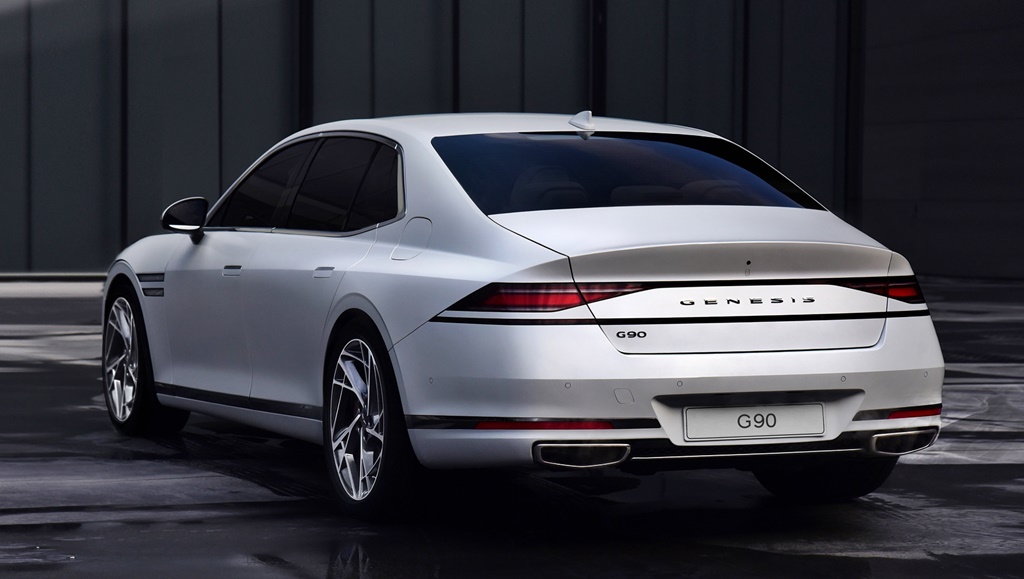
The elegant proportions of the wide rear create a strong and well-balanced image. The Two-Line rear combination lamps – key elements of the Genesis design language – are elongated along the boot, with Genesis’ lettering emblem placed concisely between them.

2022 Genesis G90
To draw focus to the iconic Genesis design elements on the upper rear part of the car, functional elements, such as the license plate, various sensors, and the reverse lights, have been placed toward the bottom to ensure that the rear offers a clean look.

Long-wheelbase version
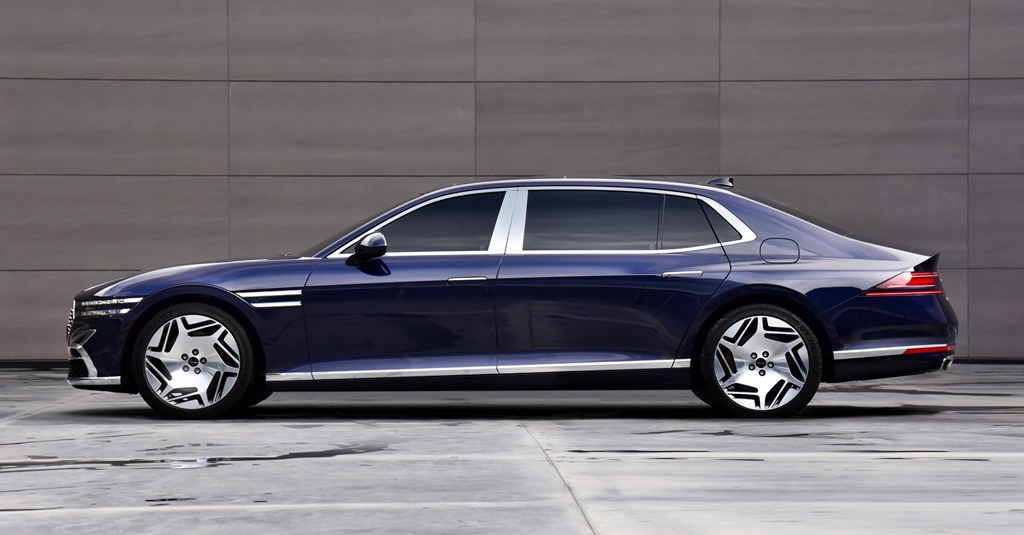
Genesis will also offer a long-wheelbase version with more space for the second-row door and C-pillar area. This allows more space for the rear seats. This longer version also comes with an exclusive design for the 20-inch wheels. There are also exclusive front and rear bumper designs with chrome decorations on the rims.

2022 Genesis G90 long-wheelbase
G90 Long Wheelbase version.

“The G90 will redefine the flagship luxury design experience in a unique way only offered by Genesis,” said to Head of Genesis Global Design, SangYup Lee. “The G90 is the ultimate expression of Athletic Elegance that carefully balances dynamic driving and an elegant rear seat experience.”

With the G90, Genesis plans to expand its presence in the luxury sedan market not only in Korea, but across the globe.

2022 Genesis G90

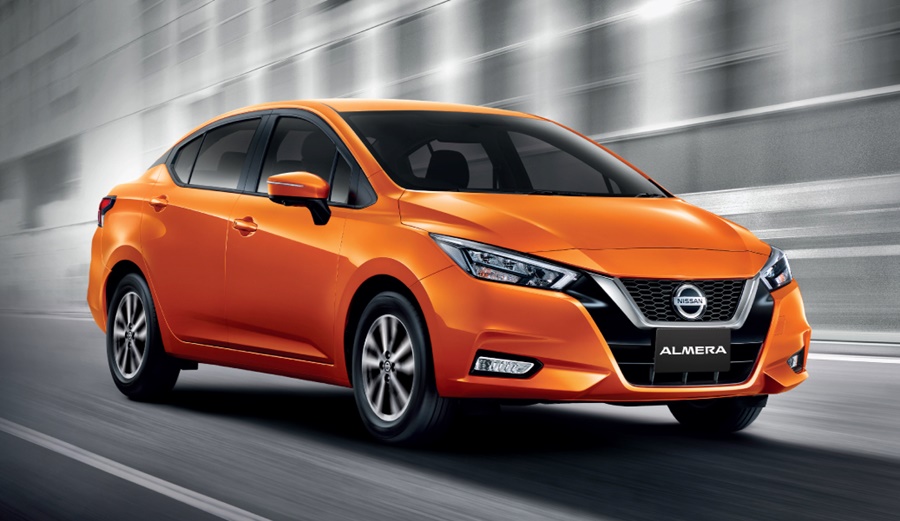
Organized by Edaran Tan Chong Motor (ETCM), the Nissan Almera Turbo Fuel Efficiency Charity Drive was unique way to raise funds for charity. Owners of the sedan were invited to submit the best fuel consumption figure they achieved and the total number of kilometres of all the entries would be converted to money for charity at the rate of RM1 per kilometre.

Almera Turbo owners throughout the country participated, trying their best to get the lowest consumption (which was shown on the computerized display) and when the entries were added up, the total distance was 12,841 kms. This meant that RM12,841 would be provided by ETCM which would be donated to few charitable organizations (to be announced soon).

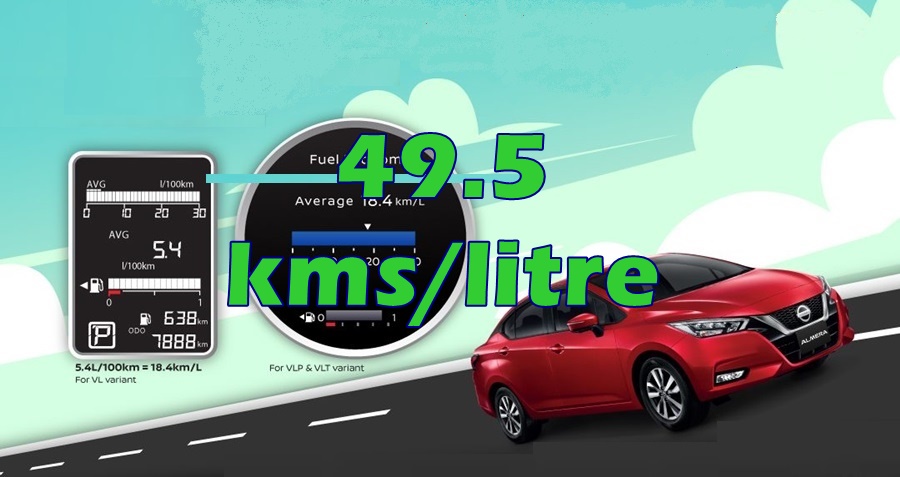
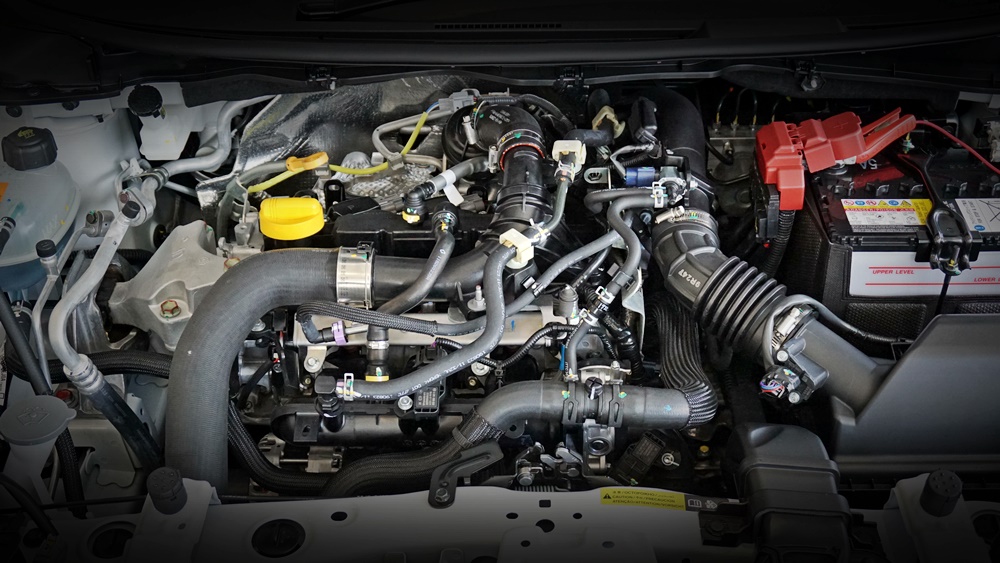
Turbocharged engine of Almera Turbo can achieve fuel consumption up to 49.5 kms/litre.

2.7 times better than official figure
For the record, the lowest consumption achieved (owners had to send a picture of the Drive Computer display) was 49.5 kms/litre – almost 2.7 times the figure officially stated by ETCM (18.4 kms/litre). In fact, the top 10 drivers were able to achieve more than double the official figure.

To reward the efforts of the top 20 drivers (click here for the list of drivers), ETCM will send them an exclusive Nissan GT-R by LEGO while the next best 30 will receive a special edition Nissan Duffle Bag.

Keen to experience the Almera Turbo
If you’re planning on experiencing this fuel efficient, yet powerful (152 Nm of torque) sedan, this would be a good time to do so as ETCM is having a ‘Test Drive & Win’ contest. 50 lucky customers will be rewarded with WATSONS vouchers worth RM500 each when they test drive the Almera Turbo at any authorised Nissan showroom nationwide. Alternatively, they can contact the nearest dealership and have a testcar brought to them.

For a limited period, the Almera Turbo also comes with a free Urban accessories package worth up to RM5,500 while sales tax is exempted, bringing to price down to as low as RM79,906. Two other variants, which also come with the free accessories package, are priced from RM85,715 and RM91,310. Purchasers can enjoy an attractive 1.88% Hire-Purchase interest rate (terms and conditions apply).

Other special offers
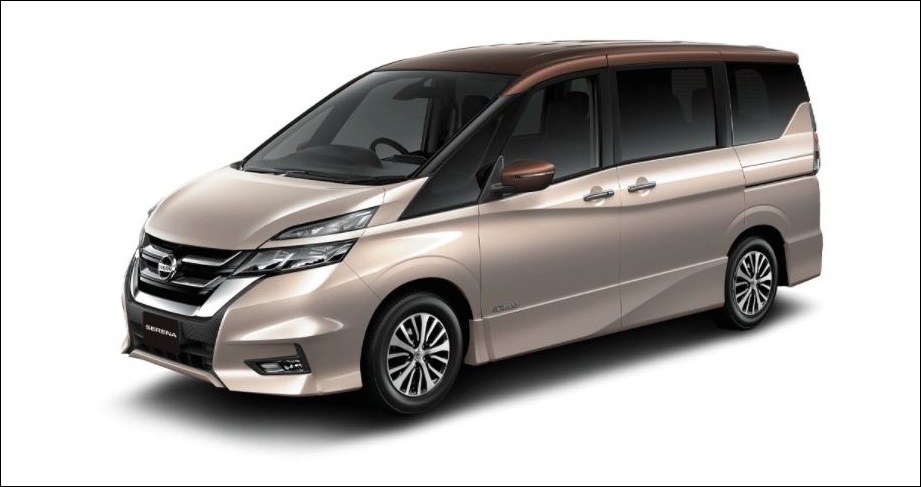
Other special offers are for the X-Trail (priced from RM139,643) which comes with an Aero Edition accessories package worth RM5,000, and the Serena S-Hybrid (priced from RM140,226) which comes with 3 years of free maintenance service, parts and labour included.

Nissan Serena S-HYBRID

More information is available at any Nissan showroom or at www.nissan.com.my.

Edaran Tan Chong Motor opens Nissan Flagship Store on Lazada

Archive

Follow us on Facebook

Follow us on YouTube