With the overturning of the acquittal of Sam Ke Ting in the ‘basikal lajak’ case in Johor, it seems that young children may now believe that they are protected by the law even if their action of dangerous and irresponsible. They now feel emboldened to play on roads and not only inconvenience other road-users but also put themselves and others in danger.
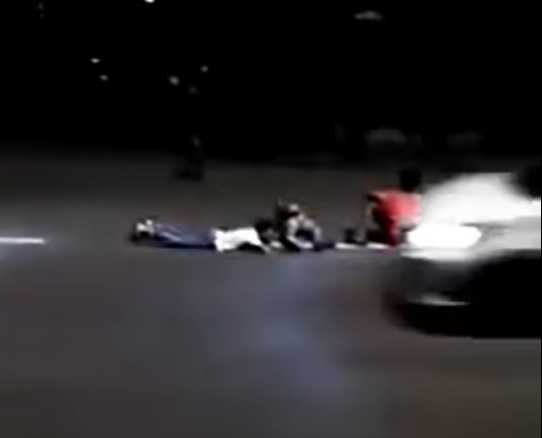
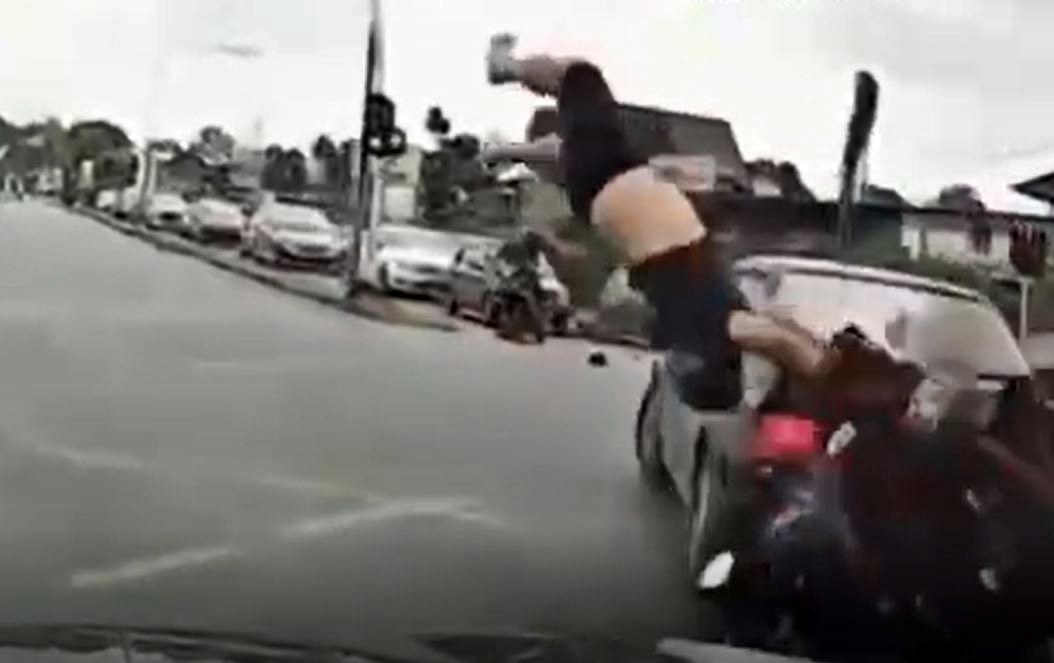
This 19-second video posted by Facebook user Che Kumar recently shows a group of children along a narrow road said to be in the Taman Anggerik area in Cheras, Kuala Lumpur. The video shows them purposely lying on the roadside as a car approaches, and because the area is not well lit, the driver might only see them at the last moment.
They take positions lying down right next to the path of the car and just after it passes, one boy rolls across the road, perhaps to give the impression that he had been hit. Had the driver been shocked or confused by such a strange situation, he or she might have lost control of the car in panic and then an accident would have occurred.
Hopefully, the police (who are quick to notice videos on social media) will take action before someone does get hurt and an innocent motorist might be jailed even though he may not be aware that such ‘games’ are played in the area at night.
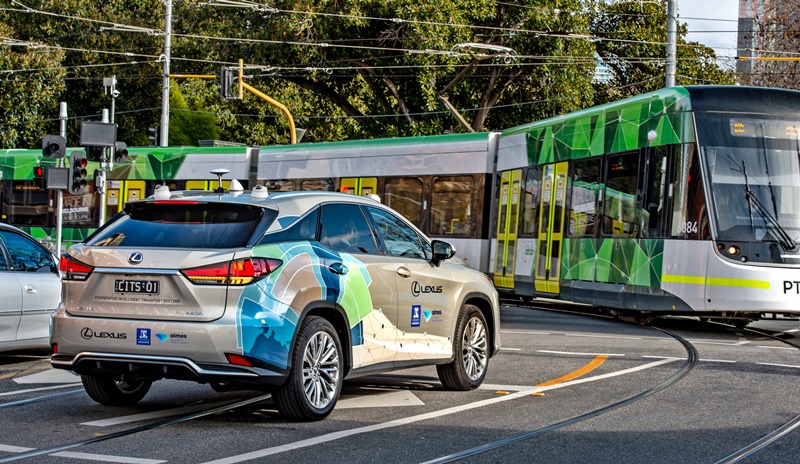
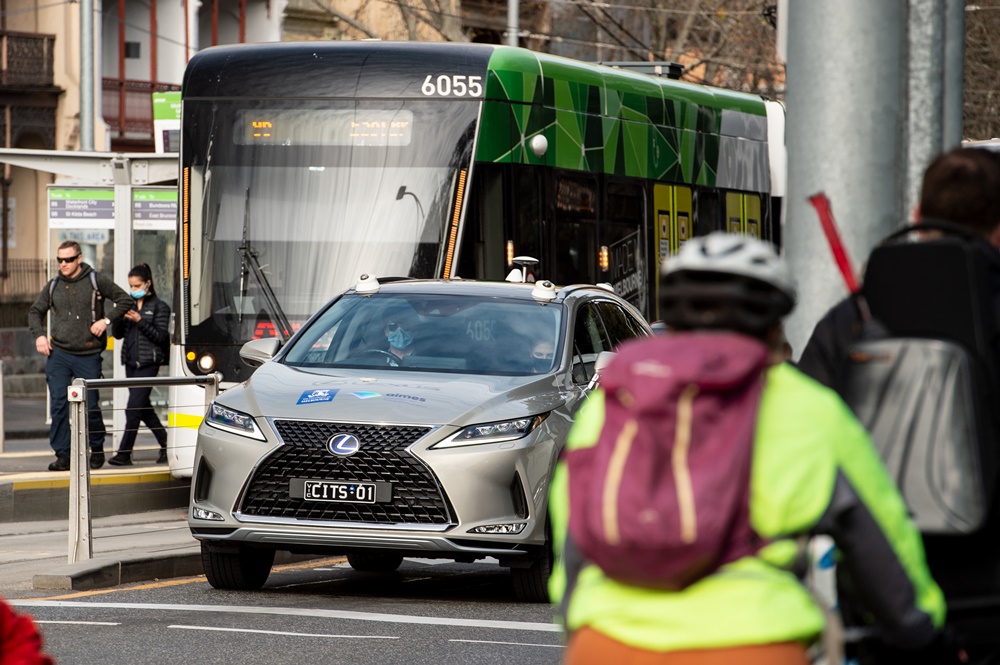
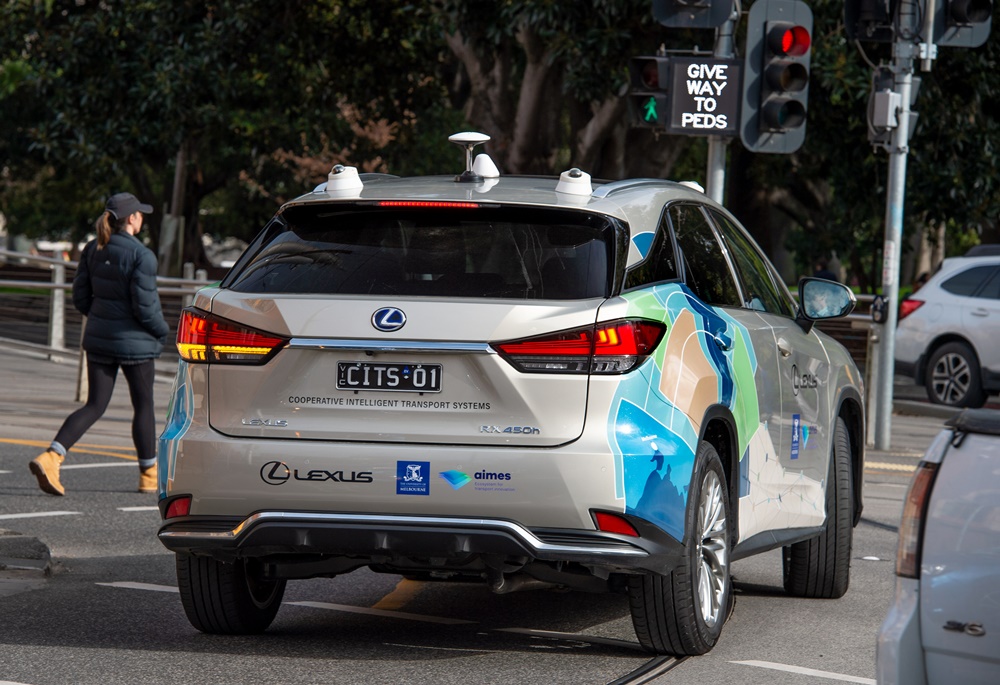
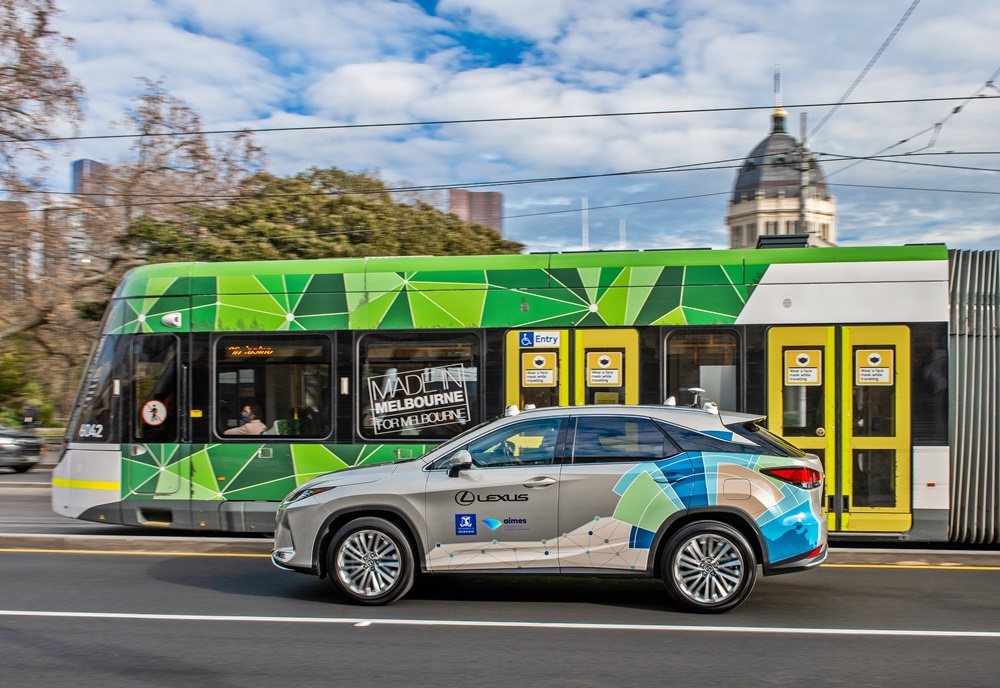
Two units of the Lexus RX450h are now cruising around an area of Melbourne in Australia and they are ‘talking’ to each other as well as the traffic infrastructure. The two hybrid SUVs are provided by Lexus Australia which is the first automotive partner to join the groundbreaking Australian Integrated Multimodal EcoSystem (AIMES). This is a real-world testing environment for vehicle-to-vehicle and vehicle-to-infrastructure communications technology.
AIMES is a collaboration of 50 government, transport and technology partners led by the University of Melbourne, and this real-world trial of advanced Co-operative Intelligent Transport Systems (C-ITS) technology will deliver crucial research to provide next-generation road safety solutions.
Lexus Australia’s partnership with AIMES builds upon previous C-ITS trials in partnership with the Victorian and Queensland governments that concluded in 2020. In Victoria, Lexus Australia participated in the Advanced Connected Vehicles for Victoria project. In Queensland, the company worked with the Department of Transport and Main Roads (Queensland) Cooperative and Automated Vehicle Initiative (CAVI) in Brisbane.
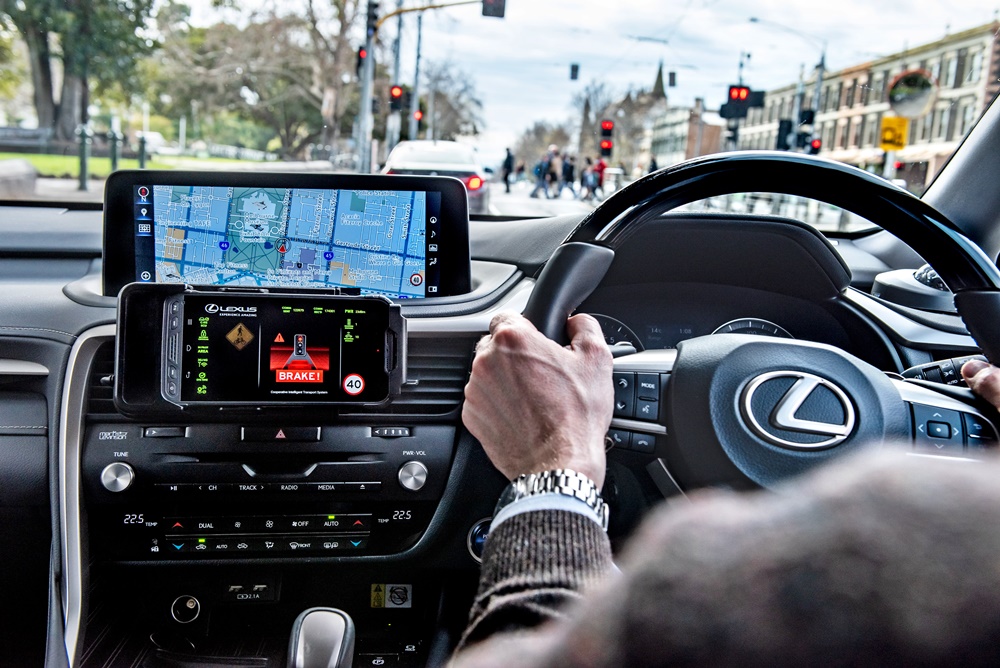
Those trials enabled Lexus to develop applications such as warning drivers of red lights ahead, pedestrians about to cross the road at traffic lights, and alerting drivers to the presence of slow or stopped vehicles, road works or road hazards such as water or debris – elements that will continue to be tested in this trial.
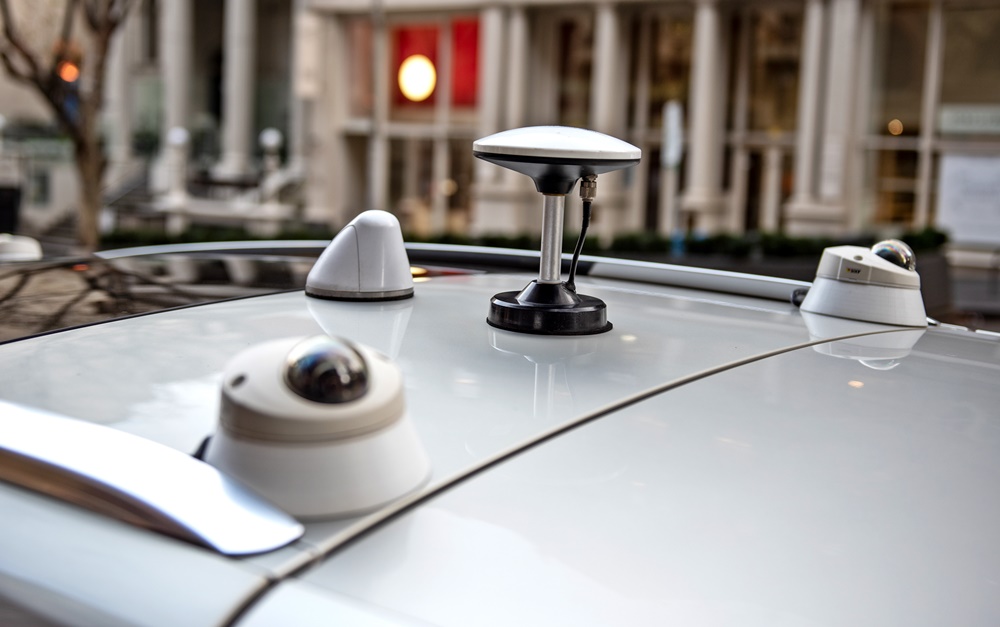
Various sensors and antennas on the roof of the SUV for communication.
Lexus has already successfully demonstrated Dedicated Short Range Communication (DSRC) technology for vehicle to vehicle (V2V) and vehicle to infrastructure (V2I) communications in Japan since 2015. This enabled it to prepare the two units with DSRC and cellular network technologies.
The two Lexus RX 450h SUVs can communicate with traffic lights, trams and emergency service vehicles to proactively deliver warnings and alerts of potential danger to the driver of the vehicle before they come into a driver’s line of sight. Lexus aims to use the trial to develop applications such as warning the driver when turning in front of a tram, or warning the driver when a cyclist or pedestrian has pushed the button on traffic lights to cross the road – including at challenging ‘hook-turn’ intersections.
Further applications to be developed include alerts when a driver attempts to enter a one-way street or freeway entry/exit the wrong way, when an emergency vehicle is approaching – or when it might not be safe to enter an intersection.
Trialing this technology targets a reduced risk of vehicles driving through red lights, turning into trams, or being unable to see pedestrians obstructed by traffic lights and other infrastructure before they step onto the road.
In addition to the connected vehicles, the AIMES trial area incorporates a network of smart sensors connecting public transport, pedestrians and cyclists, intersections, and streets into a fully integrated ecosystem.
Speed doesn’t kill – it’s the driver behind the steering wheel who kills himself or others because he or she does not drive in a safe manner. In a perfect world, there would be no need to speedtraps, speed limits and speedbumps because every motorist would know how to drive sensibly and safely according to the conditions. Unfortunately, the world is not perfect where motoring attitudes are concerned and because of the reckless drivers who cause accidents – some fatal – the rest of us are also constrained by measures meant to keep us under control.
For decades, manufacturers have tried to find ways to address accidents with their vehicles and because they could not control the attitude of the driver, they instead made their cars as safe as possible, providing sufficient protection when an accident occurred. Then they also added driver assistance features to help drivers keep their cars under control, or to take actions to prevent accidents.
Still, the accident numbers are high, even in developed countries. Police still issue thousands of summonses for speed limits being exceeded. As one way to reduce accidents, Volvo made a decision in 2019 that all its vehicles would have the maximum speed limited to 180 km/h. Regardless of how powerful they are, the top speed will be fixed with the hope that it will make a difference over time.
Speed-limit policy starts in 2022
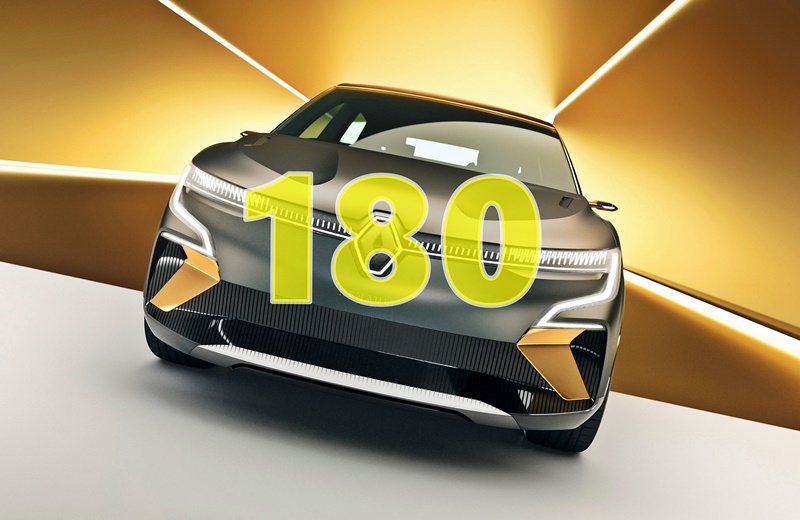
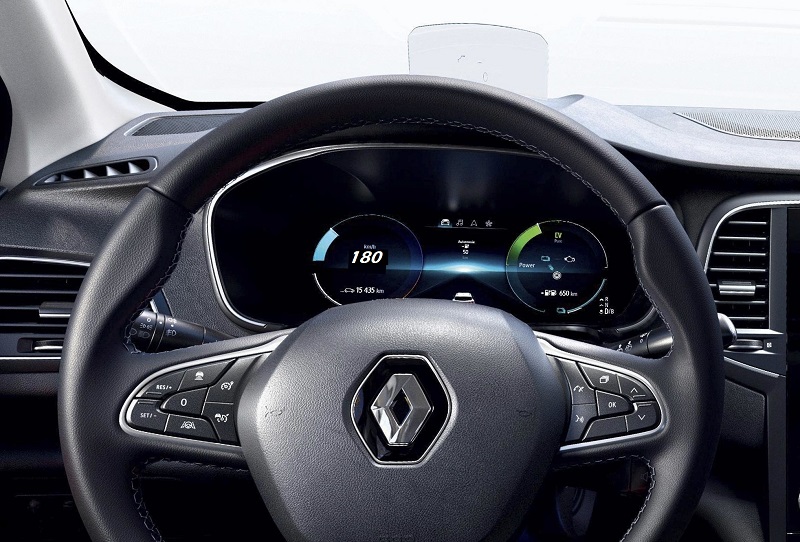
Now the Renault Group is doing the same thing, announcing recently that it will limit the top speed of models of the Renault as well as Dacia brands to 180 km/h as well. The first model in 2022 to be subject to this policy will be the Megane-E which will come equipped with an automatic speed limit adjuster, set by default to prevent it from going faster than 180 km/h. However, high-performance models may not have a speed-limiter.
This move is just one part of the carmaker’s Safety Plan in which it strives to optimise safety for its employees and all those who use its vehicles. The plan covers Prevention and Rescue, with the former encompassing ‘Detect and Inform’, Guide, and ‘Act’. For Rescue, the company will provide access for first responders at accident sites as well as install a Rescue Code to help them.
To ‘Detect and Inform’, Renault will install equipment in vehicles that will generate a ‘Safety Score’. This will be based on an analysis of driving data using sensors around the vehicle. By being aware of this ‘Safety Score’, it is hoped that safer driving will be encouraged.
To ‘Guide’ drivers is a ‘Safety Coach’ which can process road and traffic data to inform drivers of potential risks on their route. It can also give real-time warnings on danger-prone areas. Ultimately, greater awareness of hazards along the road should help reduce the chances of an accident occurring.
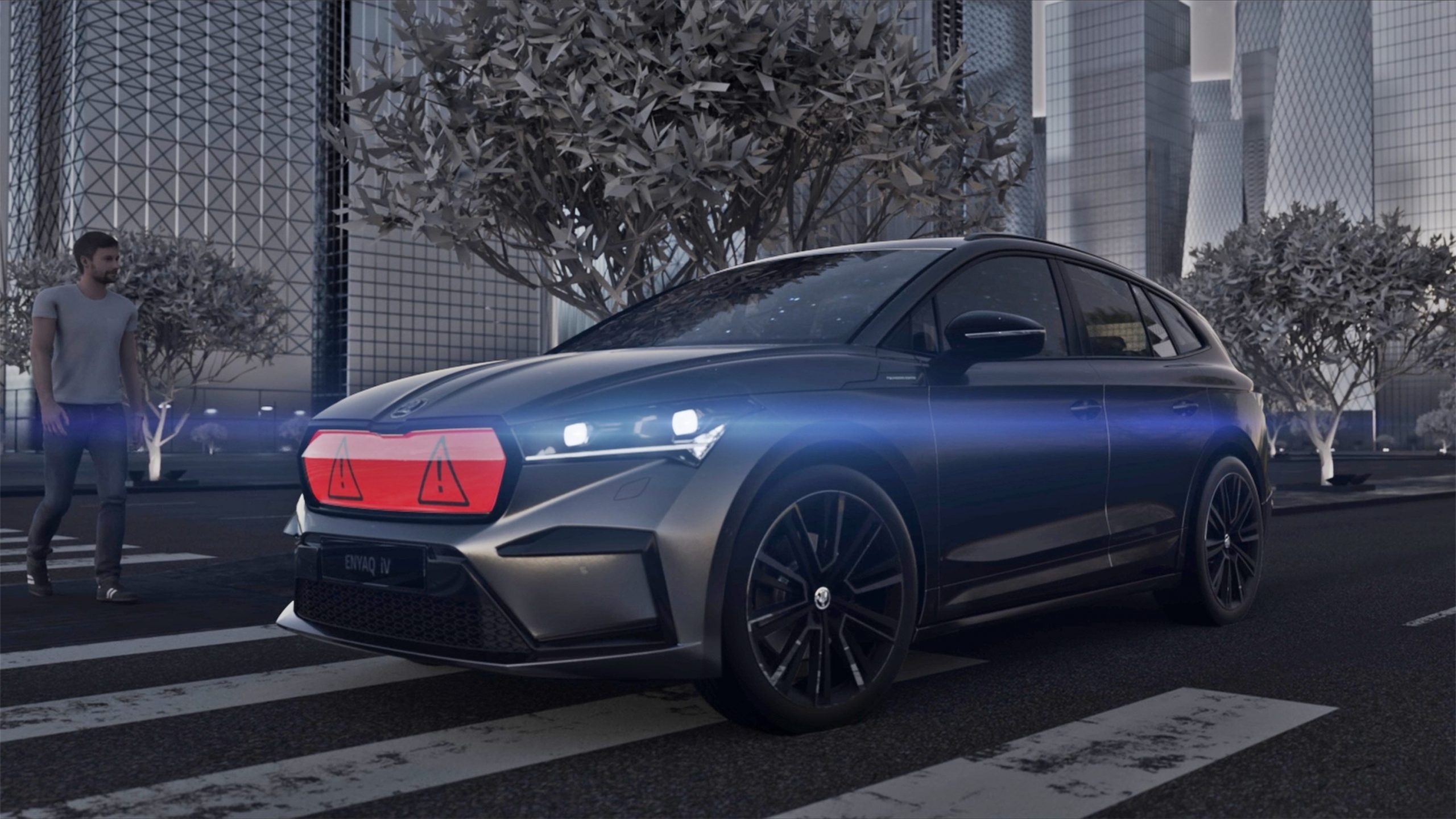
‘Act’, which uses ‘a fail-safe mechanism’ is likely to be a pro-active and autonomous system that assist drivers, which is available with other brands nowadays. The mechanism will trigger automatically in the event of a clear and present danger (eg a dangerous turn, loss of steering wheel control for a prolonged period, drowsiness, etc.). With a ‘Safe Guardian’, the vehicle will slow down and return to a safe driving mode.
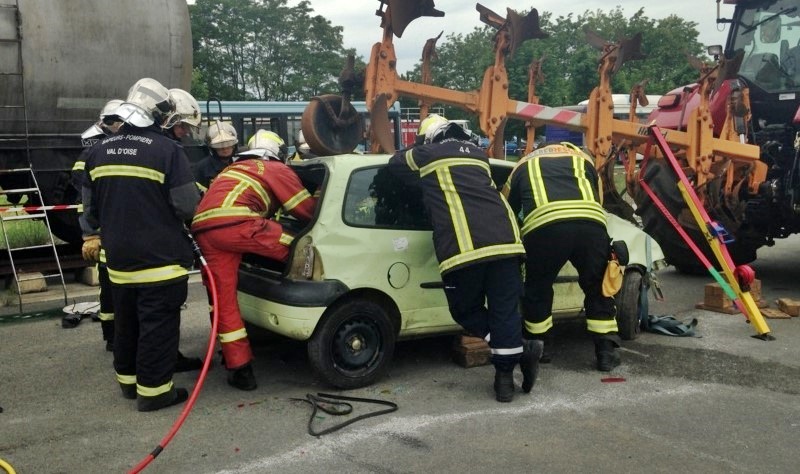
How fast rescue teams can extract occupants from a vehicle in an accident is crucial and Renault is working to make it as fast as possible.
Helping rescuers work faster
The attention given to first responders – the people who reach an accident site first and can provide assistance – is aimed at reducing emergency response time and give emergency services easy vehicle access in the event of an accident.
The Renault Group has also developed two major innovations, which will be rolled out on all future releases in Europe. The first is called ‘Fire-fighter access’ which will help fire-fighters put out accidental battery fires (which can occur mainly in electrified vehicles). It considerably reduces response time (from nearly 2 hours to only a few minutes). Already a feature on electric vehicles, it will be added to all future hybrid rechargeable and electric models of the Group.
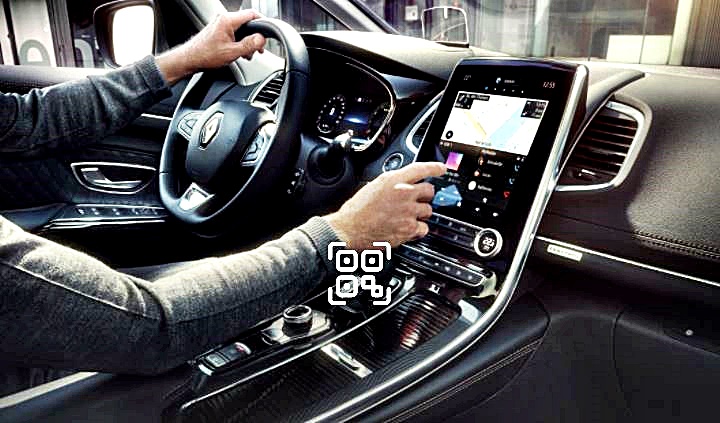
Each vehicle will have a ‘Rescue Code’, and this is a QR code to help first responders identify a vehicle and access its structural information. This can help them safely and quickly reach and extract the occupants. The Renault Group has already trained fire-fighters in 12 countries in Europe on how to use the code, while also donating several hundred vehicles to be used for training purposes.
The built-in headlights in every car today have been around for about 100 years and over the decades, the lighting systems have evolved to make the illumination stronger, giving a better view of the road or ground ahead. From making headlights more powerful, the engineers have also been making them operate ‘intelligently so that optimum illumination is achieved with changing conditions.
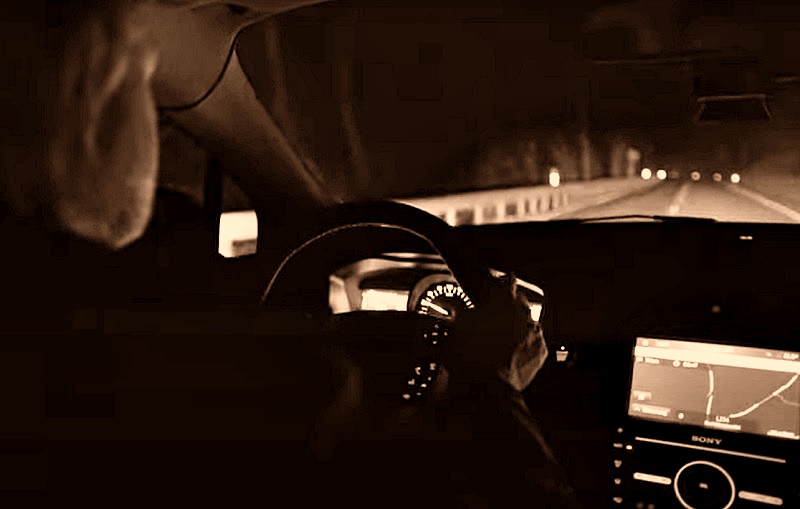
Driving in the dark can be stressful, especially on unfamiliar, winding roads. Ford is therefore working on a new technology to increase comfort and safety when driving after sunset. The company has already done pioneering work in the camera-based recognition of traffic signs and lane markings to optimize headlights in order to better illuminate streets in the dark, especially at intersections.
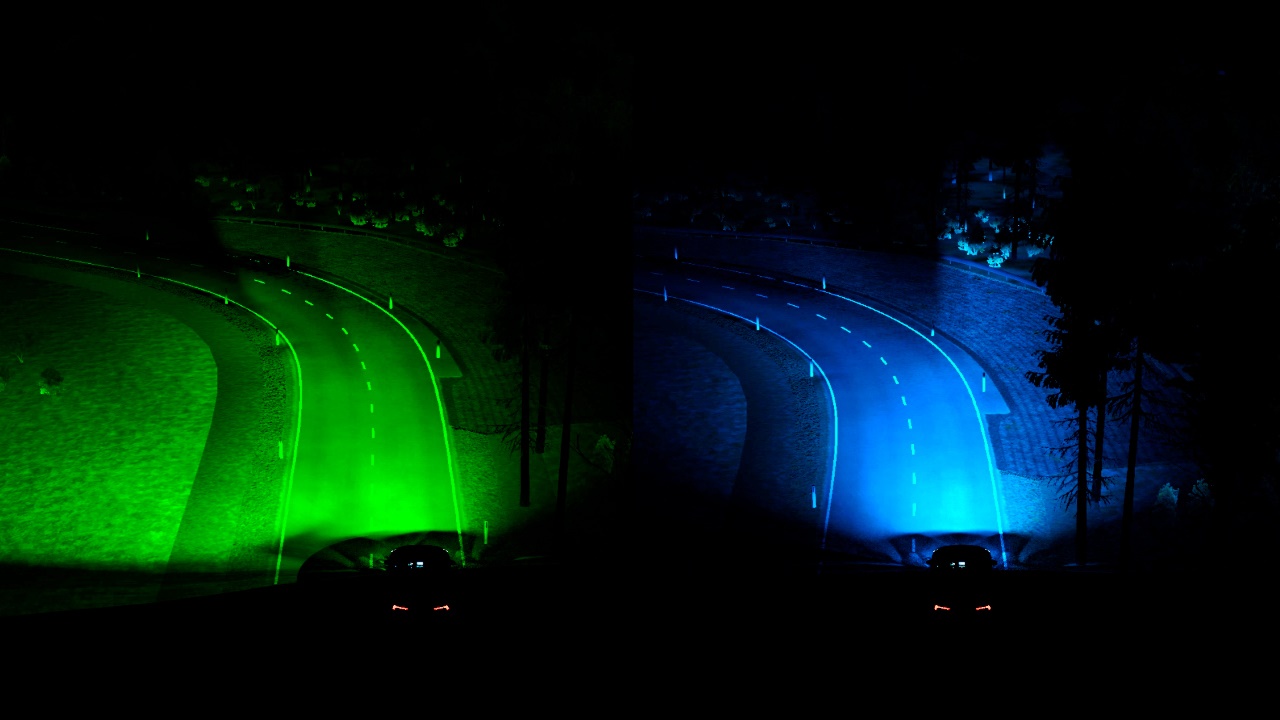
Now, engineers from Ford Research and Advanced Engineering Europe are testing technology that uses real-time location data to effectively show the car the way to go. The predictive ‘smart’ headlight system directs beams into upcoming corners – even before drivers may have seen them, illuminating hazards and other road-users more quickly and effectively.
How it works
The prototype advanced lighting system uses GPS location data, advanced technologies and highly accurate street geometry information to accurately identify turns in the road ahead. An algorithm calculates the trajectory and speed of the vehicle to proactively adjust the direction of its headlights, providing optimal light coverage of bends, junctions – and even hazards lurking around the corner.
If the vehicle encounters a stretch of road where location data is not available, the system will work alongside camera and steering‑based dynamic headlight-bending technologies to continue to intelligently light the road until the location data improves.
Researchers have made extensive use of ‘digital twin’ simulation that recreates the physical world in a virtual environment. The simulator accurately calculates how light falls and reflects in the real world, enabling researchers to better visualise and optimise the technology for drivers. The Ford researchers used a simulation that reproduces the real world in a virtual environment. The simulation environment calculates the correct reflection of the headlights as in the real world, so that the researchers can visualize the lighting technology realistically and optimize it in terms of traffic safety.
“The predictive lighting technology we are now developing could one day make driving in the dark so easy that the driver basically just has to follow his headlights,” said Michael Koherr, Lighting Research Engineer, Ford of Europe. “This new map and location-based system is the next step in our search for how we can make driving at night as easy as it is during the day.”
Road Edge Detection – available today
The advanced lighting technology will complement another new technology that Ford has developed which can be especially useful on rural roads at night – Road Edge Detection. Roads in rural areas can be tricky as they may not only lack proper lane markings but also give way to open land, muddy ditches and sheer drops.
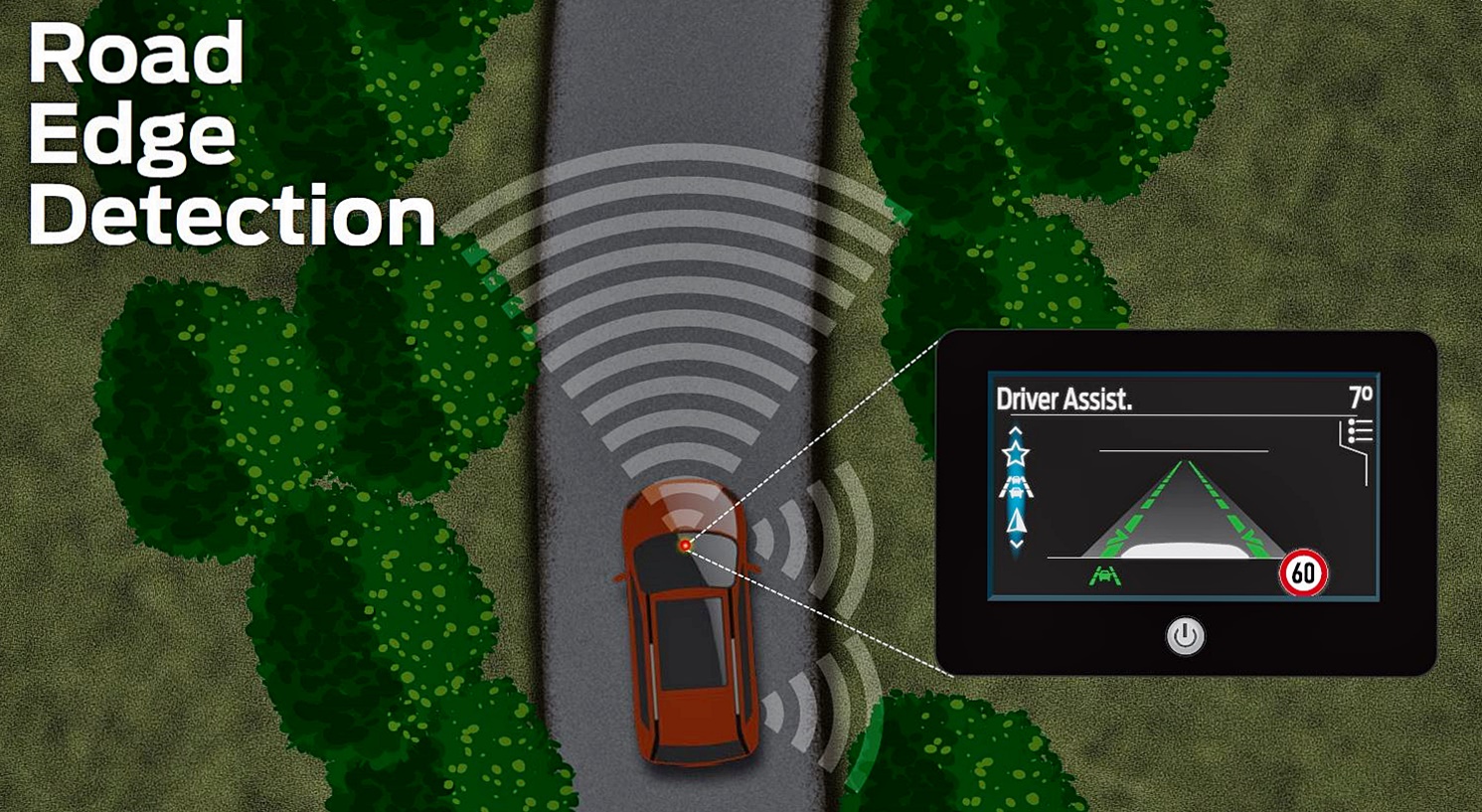
Ford’s new technology can help make rural driving easier as Road Edge Detection scans the road ahead and can gently steer the vehicle back on track when needed. Designed for use at speeds of 70 – 110 km/h, Road Edge Detection relies on a camera located below the rearview mirror to monitor road edges 50 metres in front of the vehicle and 7 metres to the side.
How it works
Where a paved road becomes a soft side, gravel hard shoulder or grass, the system provides gentle steering support as required to prevent the vehicle from drifting off the carriageway. The system features an advanced algorithm that determines when there are clear structural changes from the road to the area beside the road. It can also provide steering support on marked roads when the lane marking is obscured or hidden by snow, leaves or rain.
If the driver is still close to the edge following initial steering support, the system vibrates the steering wheel, to prompt the driver to steer. At night, the system uses the illumination from the headlights and functions as effectively as during the day.
While predictive lighting technology is still under development, Road Edge Detection is already available in Europe on certain models and will be offered in more models in future the way advanced safety systems like Pre-Collision Assist and Automatic Emergency Braking have been progressively included in almost all models.
To experience Ford’s safety technologies, ask any authorised Ford dealer for a test-drive. To locate a dealership in Malaysia, visit www.sdacford.com.my.
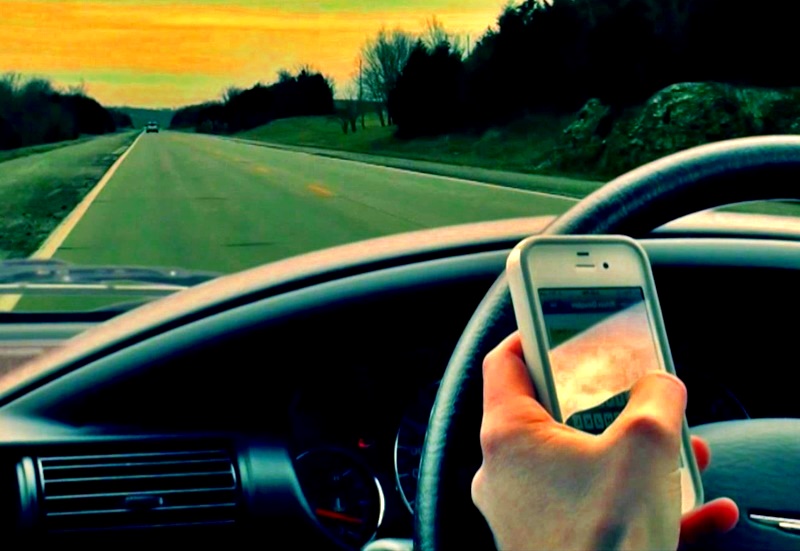
How long do you think it takes to glance at a SMS (text message on your mobilephone) when you’re driving? One second? Two seconds? You’re not alone. Most drivers believe that texting and driving creates only a momentary distraction. This week, Lexus in the USA has released a new video to shatter this common misconception. The average length of time it actually takes to send or receive a text message when you’re behind the wheel is 4.6 seconds, according to the US National Highway Traffic Safety Administration (NHTSA).
Driving for 4.6 seconds with eyes closed
The company’s initiative is in support of national Distracted Driving Awareness Month, established by the American National Safety Council (NSC) more than 10 years ago. Distracted driving is dangerous, claiming 3,142 lives in 2019 (the most recent available data) in America, according to NHTSA. Texting is the most alarming distraction: at about 90 km/h, taking your eyes off the road for 4.6 seconds is like driving the length of an entire football field – with your eyes closed.
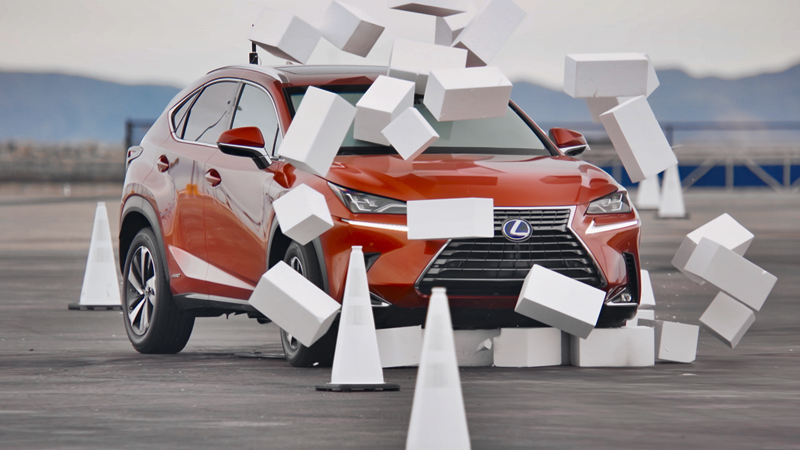
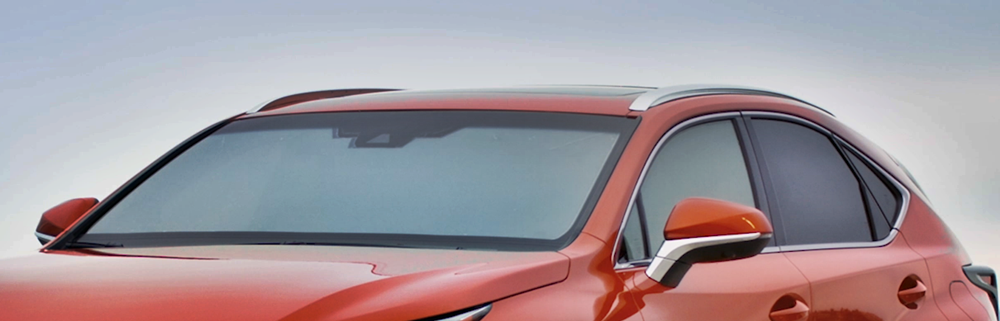
In the video called “Driving Disrupted,” Lexus demonstrates exactly what happens when drivers can no longer see the road for 4.6 seconds. Participants get behind the wheel of a Lexus NX on a closed course, thinking they’re taking SUV for a routine test drive. What they don’t know is that they’re not driving an ordinary NX. They’re driving a one-of-a-kind specially modified vehicle called the NX 4.6. It’s equipped with electrochromic technology that turns the windscreen and windows from transparent to opaque instantaneously, completely obscuring the driver’s view for 4.6 seconds. The video captures the chaos that ensues.
“Lexus wants to bring awareness to safety behind the wheel by changing perceptions about texting and driving,” said Vinay Shahani, Vice-President of Lexus marketing. “Even the most advanced safety systems on the road today can’t replace the undivided attention of the driver.”
In Malaysia, under Rule 17A, LN166/59, a motorist will be subject to fines of up to RM1,000, or jail time of up to 3 months. Second-time offenders are subject to fines of up to RM2,000, and/or jail time of up to 6 months. The offence has been considered a non-compoundable offence since the middle of 2020, and offenders will be required to make a court appearance before a magistrate to settle individual cases. Compoundable offences have the provision where the motorist, in admitting guilt, is allowed to pay a specific fine without having to go to court.
About electrochromic glass
By the way, about that electrochromic technology for the glass. It’s like the photochromic sunglasses that darken in strong lighting conditions but more advanced for use in cars. There are various technologies for this, among them using a small electrical charge (at the press of a button) to move lithium ions so that the glass is either light or dark. It therefore eliminates the need to add tinting film.
Electrochromic glass is appearing in more new models, mostly of premium brands as the technology is still fairly new (to the auto industry) and therefore expensive. Over time, like laminated glass which does not shatter when hit by a stone, prices should drop and the glass will be offered in lower-priced models.
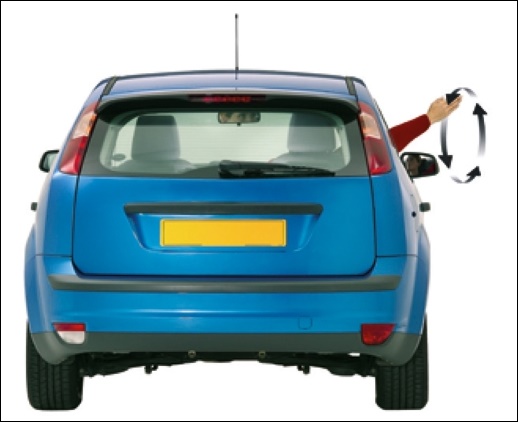
Older drivers will remember the days when they had to use their own arms to signal when they were turning left or right. In case you don’t know, to indicate turning left, you moved your arm in a circle (outside the window of course). Thankfully, signal lights were invented and could be activated from the steering column by moving a stalk up or down.
Records at the US Patent Office show that in 1933, one Joseph Bell applied for, and was granted a patent, for his invention of what would be the earliest electrically-operated signal lights for motor vehicles. In his description, he said: “The principal object of my invention is to provide a signalling device which is readily visible and will clearly indicate to all nearby persons an intended change of direction or a stop or both simultaneously.” The patent expired permanently in July 1955.
While not an inventor, silent-film star Florence Lawrence is also credited with having designed the first signaling arm for cars, like the one many remember on the Morris Minor.
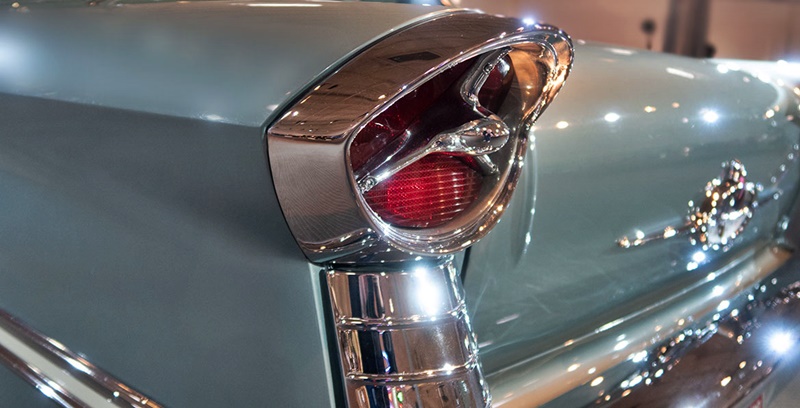
Electrically-operated signal lights have been on cars for many decades, especially American ones as they were invented and patented in the 1930s. The extending arm for signalling on the Morris Minor is often remembered but generally, signal lights were separate units on the bodywork or integrated with the other lights as a single unit.
Unchanged feature for decades
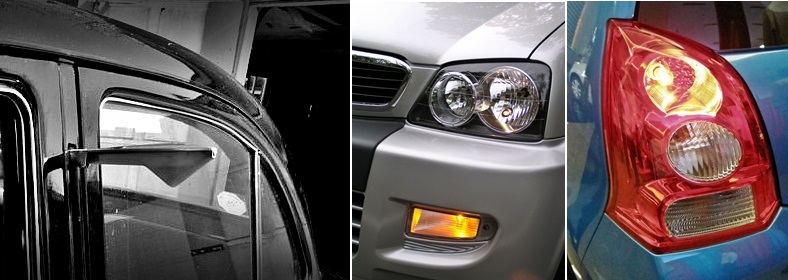
Carmakers naturally adopted the signal light as soon as they could and it remained unchanged for many decades, relying on bulbs to flash and a clicking sound which the driver could hear to be aware they were in operation. Authorities in various countries made signal lights compulsory and also specified certain dimensions which were generally similar globally, making it easier for the manufacturers when they designed their cars.
Initially, the signal lights were installed separately with their own housings. As designers came to create integrated lighting units, the signal lights were incorporated in the same housing in some cases, making for a neater appearance and also easier wiring. In some cases, the bulbs were coloured, or the reflector was coloured with the universal orange/amber colour.
LEDs provide more design flexibility
In the late 1990s, light-emitting diode (LED) technology was gradually adopted for signal lights and brake lights, allowing designers more flexibility in how they styled these elements. They still had to be mindful of regulations but were able to be creative at the same time. The use of LEDS had many benefits – longer service life, less failures due to vibrations and less energy use. LEDs could also light up almost instantly, unlike bulbs, and that helped in road safety, especially for brake lights.
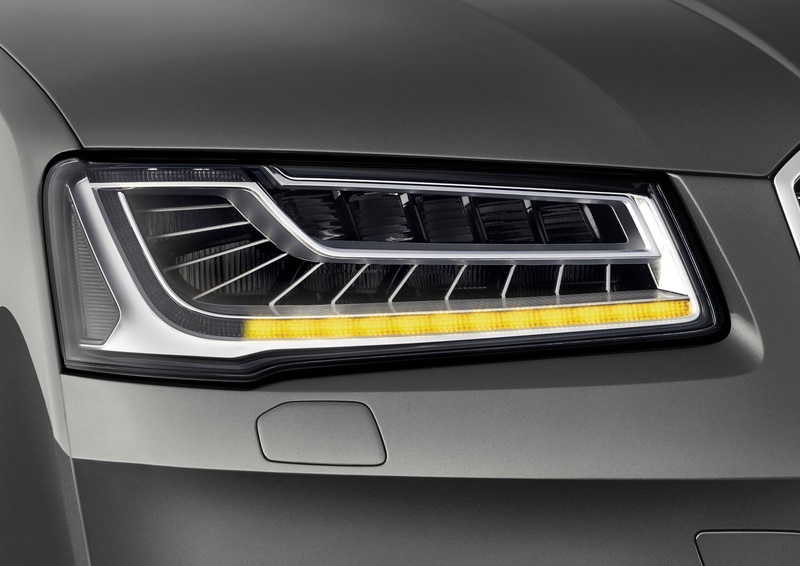
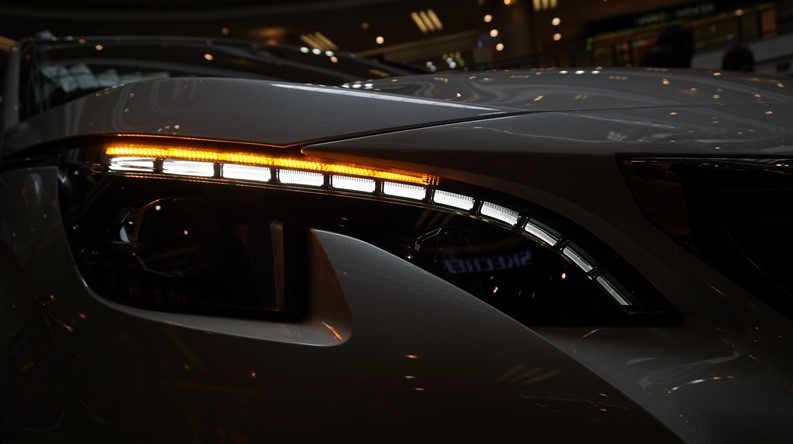
Some European manufacturers advanced signal light design with the dynamic indicator. This consists of several light segments that progressively light up from the centre towards the outside, pointing in the direction of turning. They are eye-catching and were initially associated with more expensive models. They are slowly moving downwards in the market and in time, they should also be available in lower-priced cars as a standard feature.
With the need to stick an arm out of the window being unnecessary, one would think that drivers would readily use the signal lights. However, a study by Abertis Global Observatory on road safety in several countries found that, on average, 44% of drivers don’t use them when overtaking or making lane changes. There would also be other road-users who do not pay attention to signals and collide with vehicles as they turn.
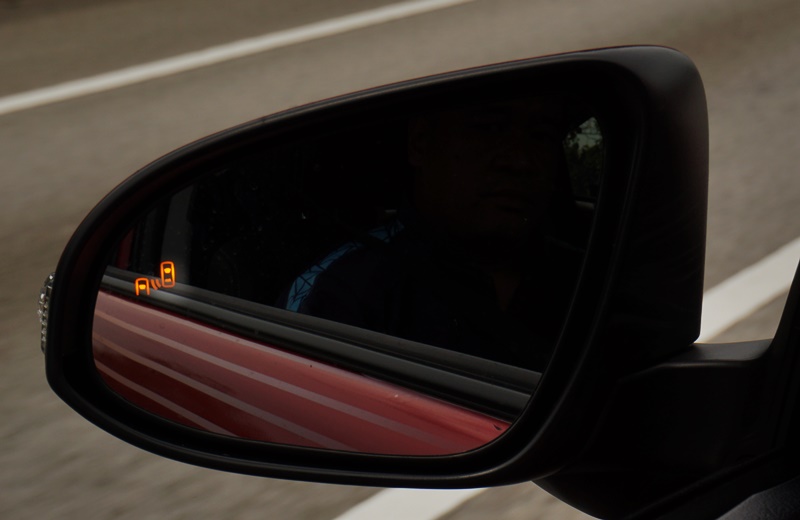
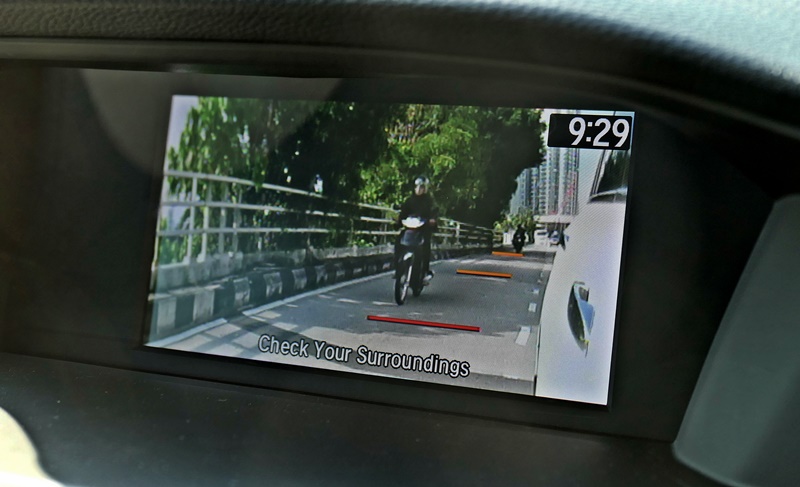
Many of today’s cars have a Blind Spot Monitor which alerts the driver of another vehicle in the blind zone if they want to make a turn or change lanes. An even better approach is Honda’s camera-based Lane Watch system (below) which serves the same purpose.
Proper use of turn indicators
Driving safety experts advise that before making a turn or lane-change, the driver needs to look in all the mirrors first. Just because you activate the signals does not mean you have the right of way and you need to ensure that other road-users are not endangered or inconvenienced. This is where the Blind Spot Monitor that more and more cars are having will come in useful, as it can alert the driver of another vehicle that may not be visible.
It is also a good idea to activate the signals well in advance of making the manoeuvre so others can either reposition themselves as they anticipate your vehicle slowing down, or slow down if you are about to move into the lane in front of them. Of course, in lane-change manoeuvres, the time between a decision to do so and executing the action may be very short so in this case, checking the mirrors is more important.
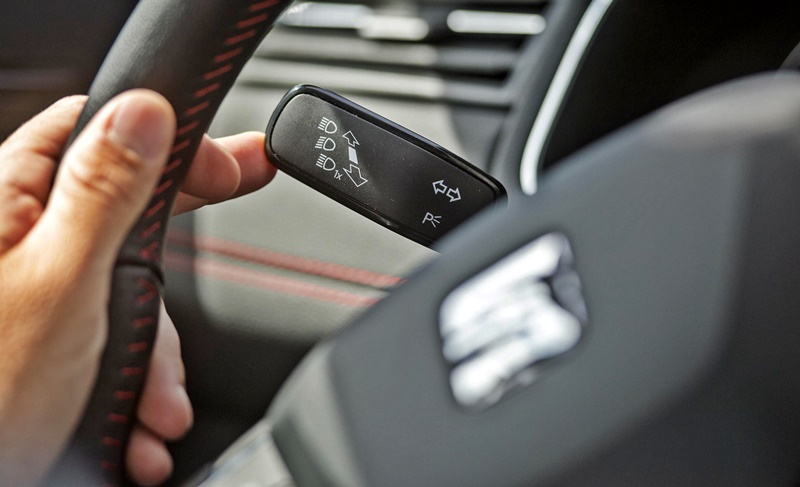
In earlier years, motorists stuck their arms out to signal turns and the action to turn left was to move the arm in a circle. Today, they just press a stalk by the side of the steering column up or down (below)
In many vehicles, there is a lane-change mode on the signal stalk where a gentle partial press will activate the signals for a few seconds. This is to alert others just long enough and the signal lights will go off by themselves. They will not remain on for long as when you push the stalk up or down.
It is also recommended to use the signal lights when leaving a roundabout. The more aware other drivers are of your intentions, the less likely an accident will occur. You should also use the signal lights to let others know that you are waiting for someone to come out of a parking bay if you happen to be stopped in a carpark. Your brake lights might not be one so a vehicle approaching may not know you are fully stopped and waiting; seeing the signal lights will at least let the driver know of your intentions.
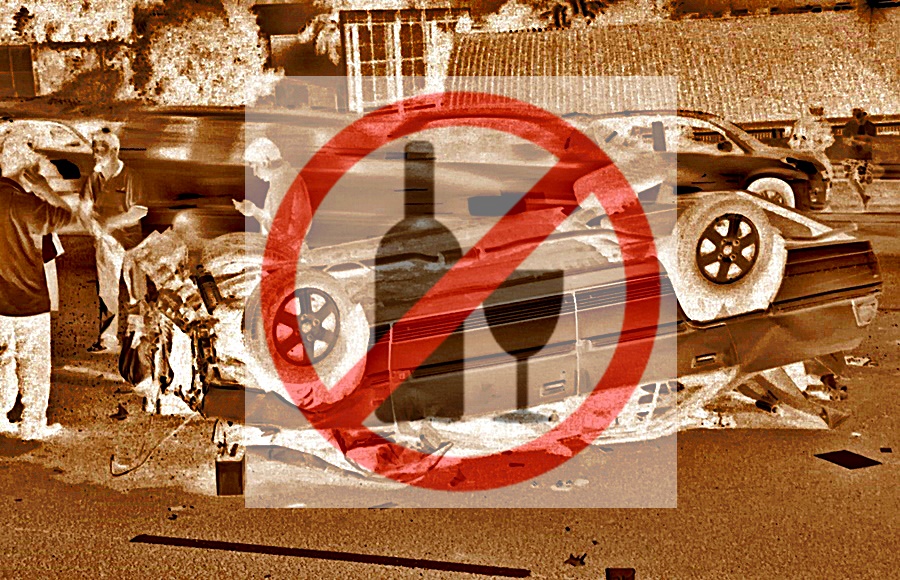
The statistics show that that drunk driving is the cause in only a small percentage of the total accidents and deaths. However, in recent years, there seem to have been an increasing number of accidents caused by drunk drivers which have been very serious, causing deaths of other innocent people.
Perhaps there are more such incidents but it is only the ones that cause injuries and deaths that get publicised. In America, one study found that a driver could be drunk over 80 times before getting arrested for such an offence.
There are already laws in Malaysia – and more severe penalties have been proposed by the Transport Ministry – but enforcement is still necessary. Strict enforcement is obviously a way to reduce drunk driving but the police can’t be stopping people all the time to check. Motorists would usually be stopped only if they show signs of being drunk but sadly, it is often too late and they kill someone before they are stopped.
What the manufacturers are doing
The car manufacturers have, over the years, come up with various ideas to address drunk driving. Some have developed devices that can detect if a driver has a blood alcohol concentration (BAC) above permissible levels and prevent the car from being started. But legal issues have probably prevented such devices from being introduced, not to mention the possibility that people may just not want to buy the car.
So the best they can do is to install systems that can detect possible drunk driving by the way the car’s movements. Weaving or departing from the lane could indicate that the driver has lost concentration due to fatigue or due to being drunk and cannot maintain proper control of the steering.
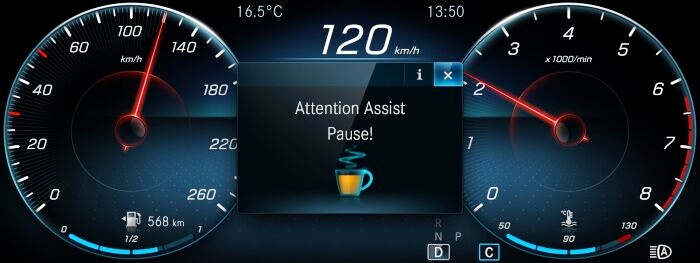
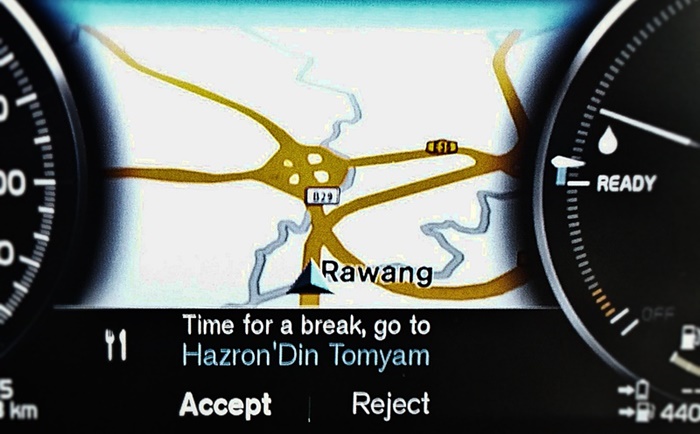
The early systems, like the ATTENTION ASSIST introduced by Mercedes-Benz ten years ago, shows a coffee cup on the instrument panel when low attention is detected. The indicator is to suggest to the driver that a break is advisable, and some systems may also suggest nearby places to stop at if a route navigation system with Points of Interest is present.
Mercedes-Benz ATTENTION ASSIST shows a coffee cup to alert the driver when the driving seems ‘unusual’.
The system continuously monitors over 70 parameters – after first determining your unique driving style. It would work as advertised for most people but could be fooled by a driver who starts off weaving crazily and the system thinks that is the ‘normal’ driving style!
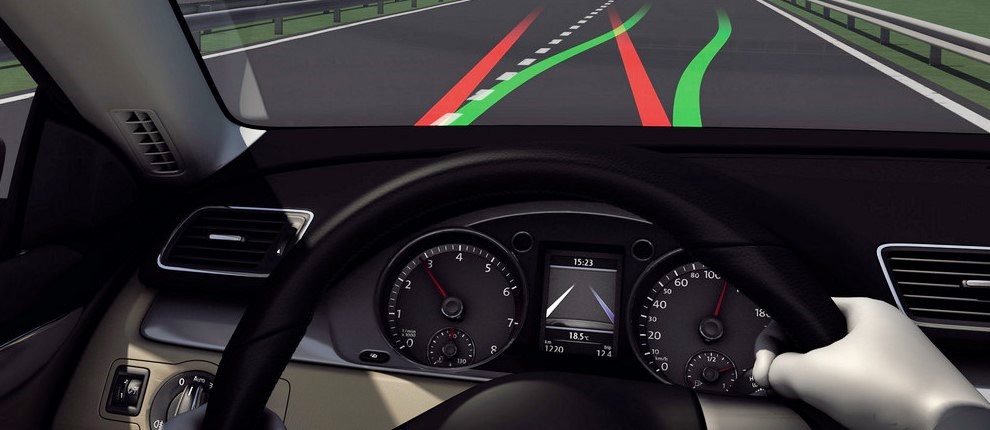
Besides passive systems, there are now active systems which use cameras monitor the vehicle’s position within a lane. In the Ford Ranger, example, there is a Lane Keeping Alert which warns the driver by vibration of the steering wheel when the vehicle appears to be moving out of the lane unintentionally. Some systems may also exert a slight force on the steering wheel to move the vehicle back into the lane properly.
Such intelligent systems can help to reduce the dangers of drunk driving but not all vehicles have them. Local car companies are adding more active safety systems (like Perodua’s A.S.A. system which has automatic emergency braking) as they become cheap enough not to impact the price.
So it is still up to the driver to be responsible enough not to drive if he or she is aware of being drunk. They should understand that an accident, especially one which causes a death has major consequences. Apart from the penalties (fine and possibly jail) and injuries, there can be a serious impact on the lives of those whose loved one was killed or seriously injured. If the court decides to take the driving licence away for a certain period – or forever – that can also affect the employment situation.
Signs of being drunk
The obvious signs would be the physical ones, of course, such as walking unsteadily or being unable to unlock the car door. But people who are drunk often do not realise it or if they do, they will argue that they are ‘okay’ and can drive home.
If they manage to start the car and drive, then there are many signs that will warn of their dangerous condition. Because their judgement is impaired, they might bump into kerbs – or even hit things. In many case, they may drive slowly but brake erratically and might turn suddenly.
The most dangerous conditions are when they don’t pay attention to traffic lights, weave into other lanes and even drive on the wrong side of the road. There have been reported cases where innocent motorists have died as a result of head-on collisions by drunk drivers on the wrong side of the road. Even worse are those who are drunk and speed or ever race with others and have a very high risk of crashing.
What you can do
As mentioned earlier, a drunk driver may not always be aware so it is hard to avoid in the first place. Avoiding alcohol when out at parties or socialising would be one way. But there are often times when others ‘pressure’ you into drinking ‘just one’ – which can lead to another… and another. And then there is that ‘one for the road’ which should be avoided.
The ’hardcore’ drinkers may have a high tolerance and also be more resistant to suggestions of being drunk. But for those who realise they have had too much to drink and are responsible enough not to drive, the thing to do would be to call a taxi or be sent home by someone else. If someone is available to drive your car, then that would be helpful. Ideally, one person in the group who is a non-drinking person can be a designated driver. It is important not to accompany someone driving the car who is obviously drunk as your life will be at risk.
Accidents due to drunk driving will continue even with stricter laws and more severe penalties. So motorists need to be more responsible and those who are with them also need to help prevent friends who are drunk from driving.
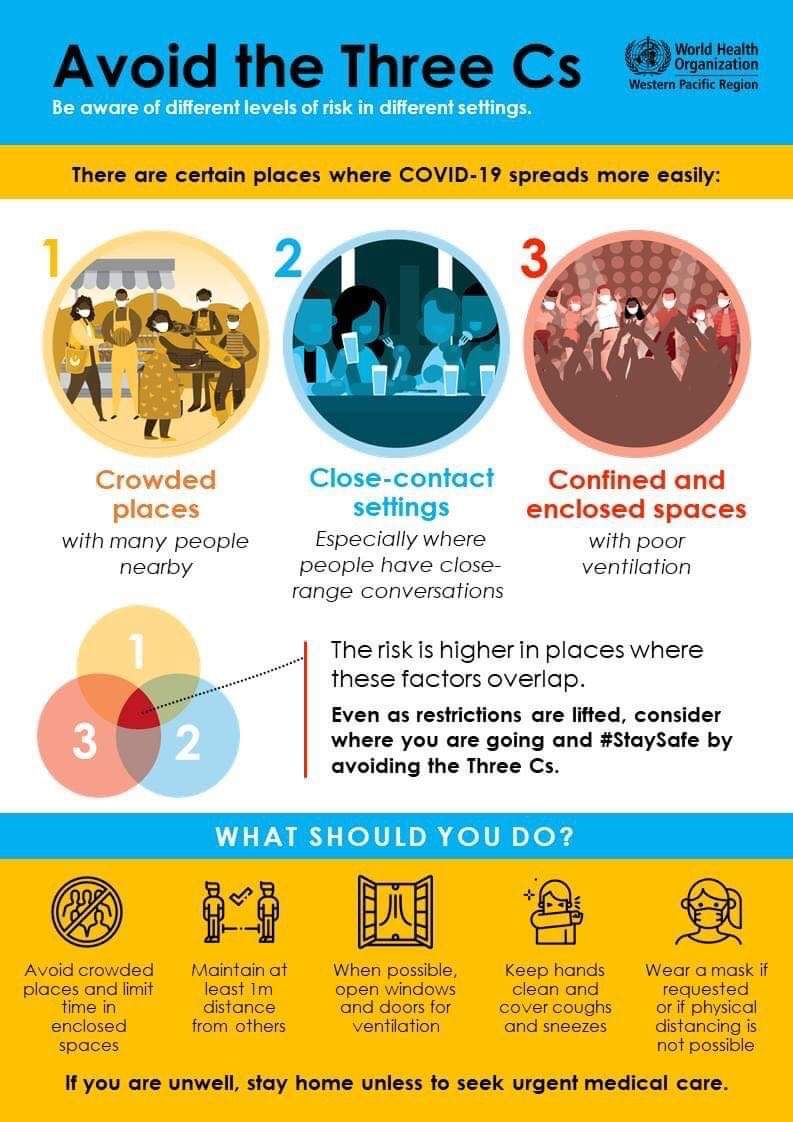
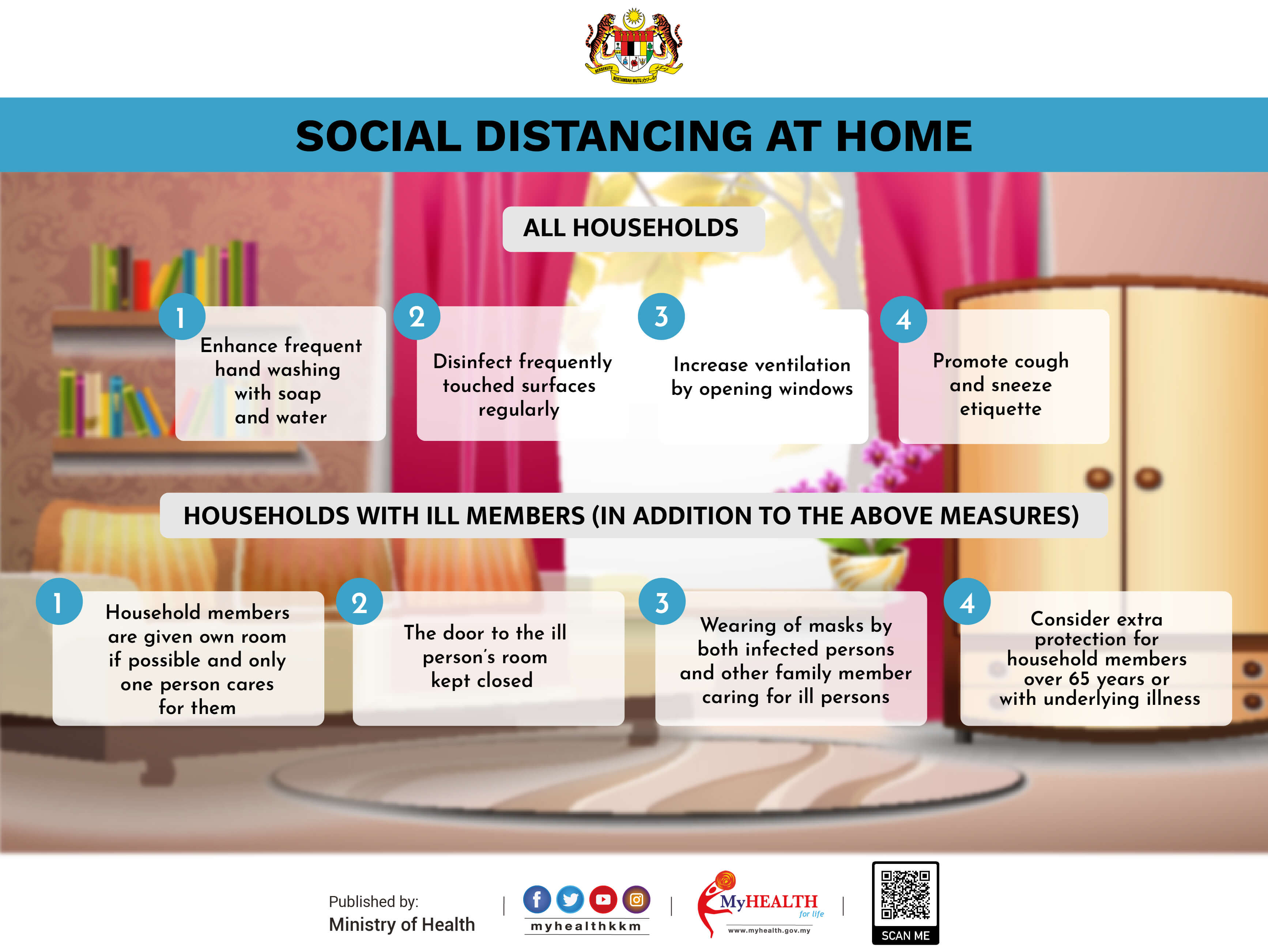
In these times of the COVID-19 pandemic, a lot of messages to the public focus on social distancing and personal hygiene to help stop the spread of the coronavirus. However, traffic accidents still happen and road and car safety are still important.
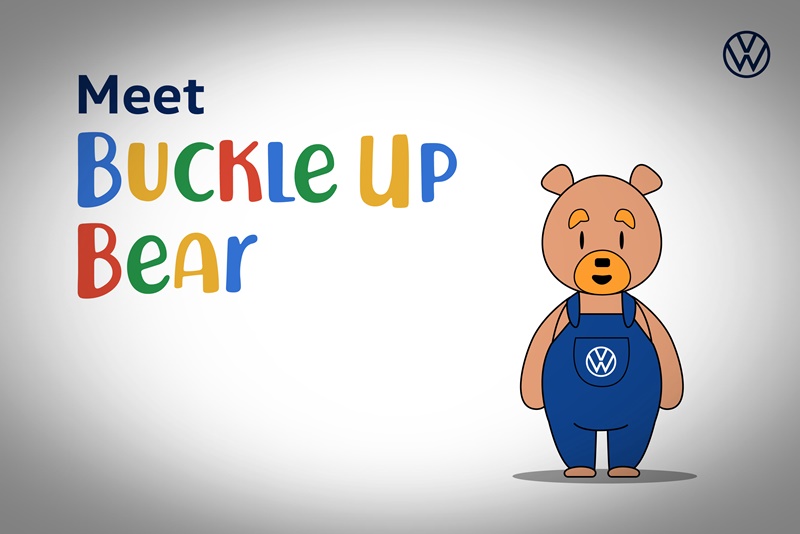
Volkswagen Passenger Cars Malaysia (VPCM) has not forgotten this and is taking an initiative to educate the younger generation on the importance of road and car safety. The company has created the ‘Buckle Up’ animation series on YouTube for children.
Targeting children 3 – 7 years old
Part of the brand’s social responsibility here in Malaysia, the entertaining series brings online the much-loved Volkswagen mascot, a familiar face and adored by children at roadshows and events. Specifically targeting children aged between 3 to 7 years old, the content is communicated in a fun and entertaining way and covers topics such as how to cross the road, understanding traffic lights and the importance of wearing a seatbelt.
“As a responsible brand, we are socially accountable to our stakeholders and the public – at the same time not forgetting the little ones. It is never too early for us to teach children how to keep safe, and we believe that in the long run, this will help them develop the right attitude and behaviour on the road. Of course, with children being more internet-savvy, the perfect avenue to communicate this is online” said Erik Winter, Managing Director of VPCM.
The Malaysian Institute of Road Safety Research reported that road accidents are the fourth common cause of death in Malaysia, and more than 1,500 children under the age of 10 died in road accidents from 2007 to 2017. Last year, Malaysia had the third highest fatality rate from road accidents in Asia, behind Thailand and Vietnam.
A follow-up campaign
Volkswagen first launched the ‘Buckle Up’ campaign in 2015 and partnered with the Association of Registered Child Care Providers Malaysia or PPBM to educate the general public on the importance of child passenger safety through training modules across 280 childcare centres nationwide.
Since then, Volkswagen has constantly communicated child safety through training modules to dealers at the Volkswagen Academy in Selangor, to customers and owners via dealership events, and on social media platforms.
The Volkswagen ‘Buckle Up’ campaign series is available on Volkswagen’s YouTube channel here. Parents are encouraged to subscribe to receive the latest updates and notifications when new episodes are added.
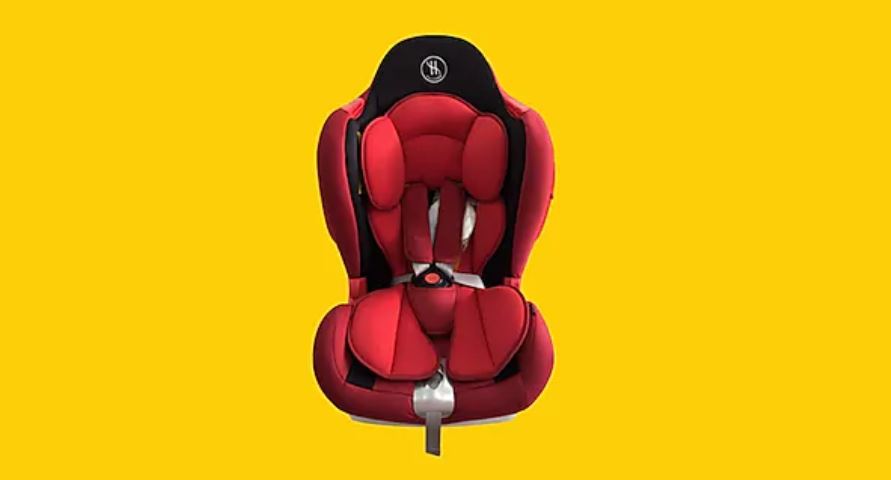
Your little ones deserve the best protection when they are travelling with you in the car, and that means having them securely seated in a Child Restraint System (CRS), typically a childseat. Until this year, there was no compulsion for drivers to use CRS but the fatalities involving small children has been high and the authorities therefore decided that if people won’t use their common sense, then they need to be forced to do so by law.
A child in a car with a proper CRS has a lower risk of getting injured compared to an unrestrained child, in the event of a road accident. As pointed out by the World Health Organisation, a major problem today is child injuries, disabilities and even fatalities caused by road accidents. The Malaysian Institute of Road Safety (MIROS) found that only 30% of car drivers use child carseats.
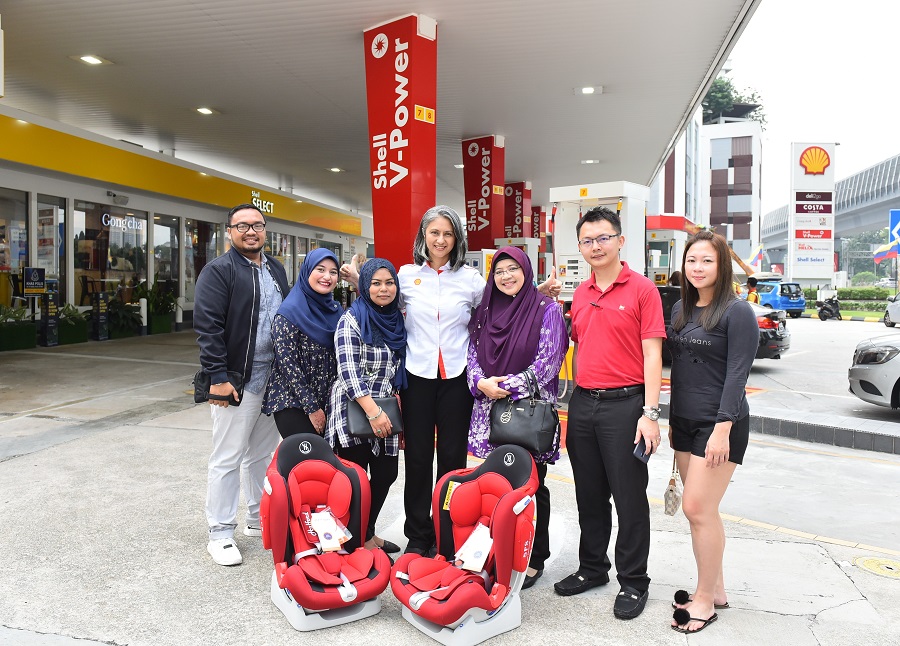
As part of their initiative to support the call in enforcing the mandatory use of child carseats, Shell is giving away 138 child carseats. The campaign is on until April 12,2020 at 136 Shell stations in the Kuala Lumpur and Negeri Sembilan regions. Up to 17 customers will stand a chance to win a child carseat every week since the campaign began last month.
Naturally, the winners are delighted to get a free carseat and in the case of Lim Yen Wei, it means that they won’t have to swap the seat between his car and his wife’s car as each one can have its own installed all the time.
Another winner, Mohd Faizal Abdul said: “My 3-year-old niece used to travel without a child carseat. Now, she gets to travel on the road safely. I am very glad that Shell is promoting road safety by rewarding customers with child car seats! This is a good initiative by Shell.”
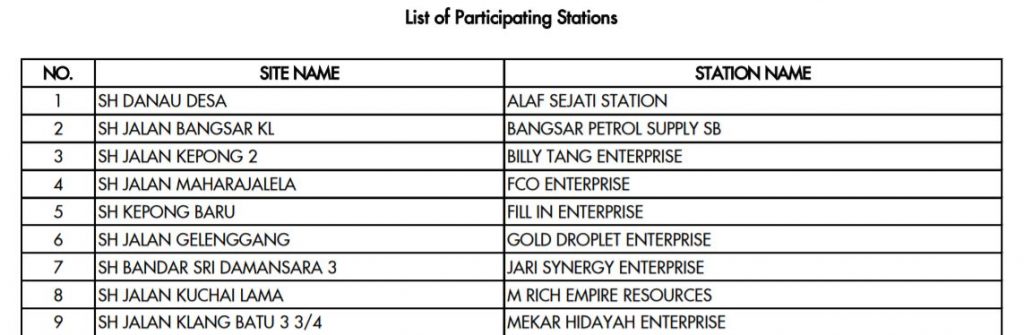
Click on the image above for the full list of participating stations.
As of this week, 70 lucky parents have already won child carseats. To win one, it takes only two simple steps: No.1 – customers need to spend a minimum of RM40 in a single receipt at participating Shell stations in Kuala Lumpur and Negeri Sembilan; No. 2 – customers need to submit their details via a contest form at the station. Upon completion of these two steps, customers will stand a chance to win a child carseat that is given each week.
“At Shell, we always want to make life’s journey better for our customers. This is a gesture from some of our stations to promote the use of child carseats. Often, many parents do not know how important it is to have suitable Child Restraint Systems. By rewarding customers with child carseats, we hope we can educate parents to protect their children when travelling on the road,” said the MD of Shell Malaysia Trading Sdn Bhd and Shell Timur Sdn Bhd, Shairan Huzani Husain.
Many cars nowadays come with a sensing system that monitors the area along the sides of the car which are in the driver’s blind spot. The sensors detect the presence of another car or motorcyclist and alert the driver by a flashing light on the mirror or on the instrument panel. The warning can prevent a collision if the driver had been intending to change lanes or turn.
Volvo (while it was in the Ford Group) developed this active safety system that came to be called the Blind Spot Information System or BLIS. Naturally Volvo models were the first to have BLIS from 2007 and Ford too adopted the system on many of its models as an optional or standard feature.
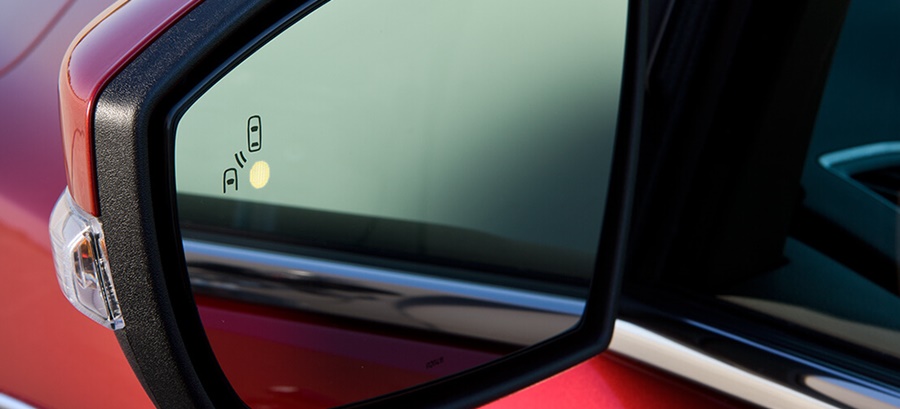
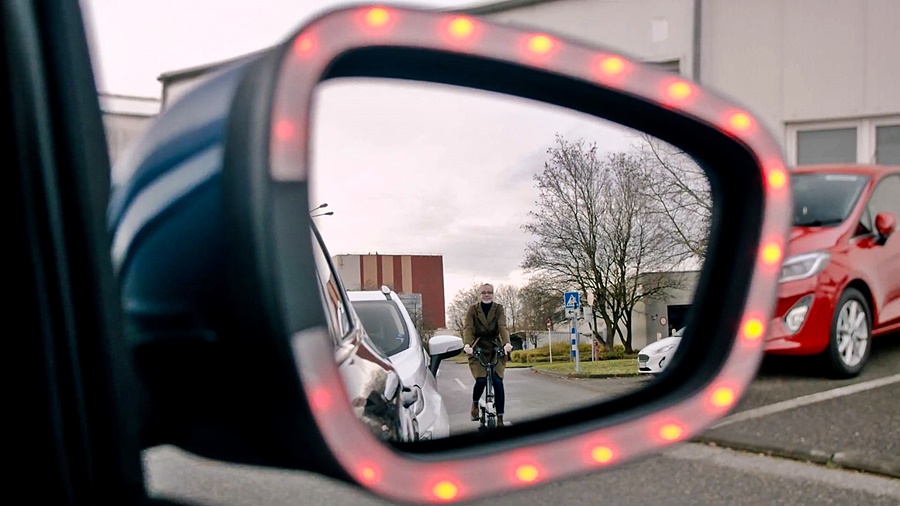
Ford BLIS warning flashes on the door mirror if there is another vehicle or motorcyclists in the blind spot.
Eventually other manufacturers also had similar systems and today, the sensors also detect cross traffic approaching as the vehicle reverses out of a parking bay. This is especially useful as the driver may not be able to see either side due to the view being blocked by other adjacent vehicles.
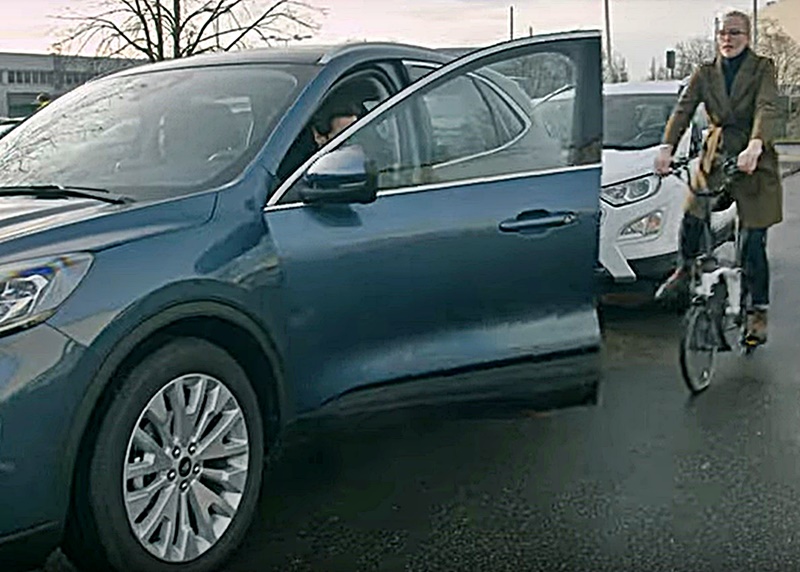
However, BLIS works only when the vehicle is moving and now Ford has gone further in this area by developing new technology which can reduce accidents caused by drivers or passengers opening their doors as a cyclist is approaching. Although they should first open the door slightly and look to the back first, many just open it suddenly and a cyclist might not be able to stop in time.
3,500 accidents in one year
While this sort of accident may not be so common in Malaysia, there are thousands such accidents in Europe every year. In 2018 alone, 3,500 ‘car dooring’ accidents occurred in Germany. This problem is expected to get worse as more people choose to cycle and ride e‑scooters in cities.
Ford’s new technology is called Exit Warning and provides visual and audible alerts to road users and vehicle occupants when it detects that opening the door of a parked car might cause a collision. It could also prevent a vehicle door from opening into someone’s path.
How it works
Many Ford vehicles already have sensors and technology that can automatically detect and brake for cyclists ahead and as mentioned earlier, BLIS lets drivers know when other road-users are in their blind spots.
Using these existing sensors, Exit Warning analyses and understands the movements of approaching road-users – whether they are riding a bicycle or an e-scooter – on both the driver and passenger sides of the vehicle. If the system detects that opening the vehicle door could cause a collision, an alarm sounds to warn the driver or passenger of the danger.
To attract attention, bright red LEDs on the wing mirror also begin to flash as a visual warning for cyclists and a strip of red LEDs along the inner trim of the door – that becomes visible when the door is opened – provides further warning for passing road-users.
For engineers are also testing a new mechanism for the car door that momentarily prevents it from fully opening until the Exit Warning system determines the passing road-user is safely clear of the vehicle. Of course, the vehicle occupant will be able to manually override this feature in an emergency.
Following testing with drivers and cyclists from within Ford, the engineers will be conducting customer clinics in coming months. Part of the testing will be to ensure that the technology accommodates road-users in different markets, taking into account right-hand and left-hand drive vehicles as well as different road and lane layouts.
Fostering harmony between road-users
Ford’s ‘Share The Road’ campaign seeks to foster harmony between road-users and underlines the company’s belief that enabling more people to cycle safely, especially for short journeys, benefits everyone.
The company recently highlighted the challenges of communication between drivers and cyclists – and how smart thinking could potentially ease tensions and reduce accidents. Its prototype ‘Emoji Jacket’ is a one‑of‑a‑kind wearable that features a brightly lit LED mesh panel to display emojis, indicators and the hazard warning symbol. The prototype jacket enables cyclists to more easily and clearly signal their intent – and their feelings – to drivers and other road-users.
Visit www.sdacford.com.my to know more about the safety technologies in today’s Ford models.