Piston.my

English

After conducting more than 5,000 interviews and dozens of customer workshops around the planet, Ford designers had a good idea of what was required and expected from the next-gen Ranger. Customers and owners told them that they wanted a flexible, modern cockpit that would cater to both work and family duties, with smart and connected features and a high level of well-integrated technology.

The result is the smartest Ranger ever, with an enhanced user experience that means owners can transition seamlessly from home or work to their vehicle. With customer focussed technology, the next-gen Ranger pushes the boundaries of what a smart pick-up should be.
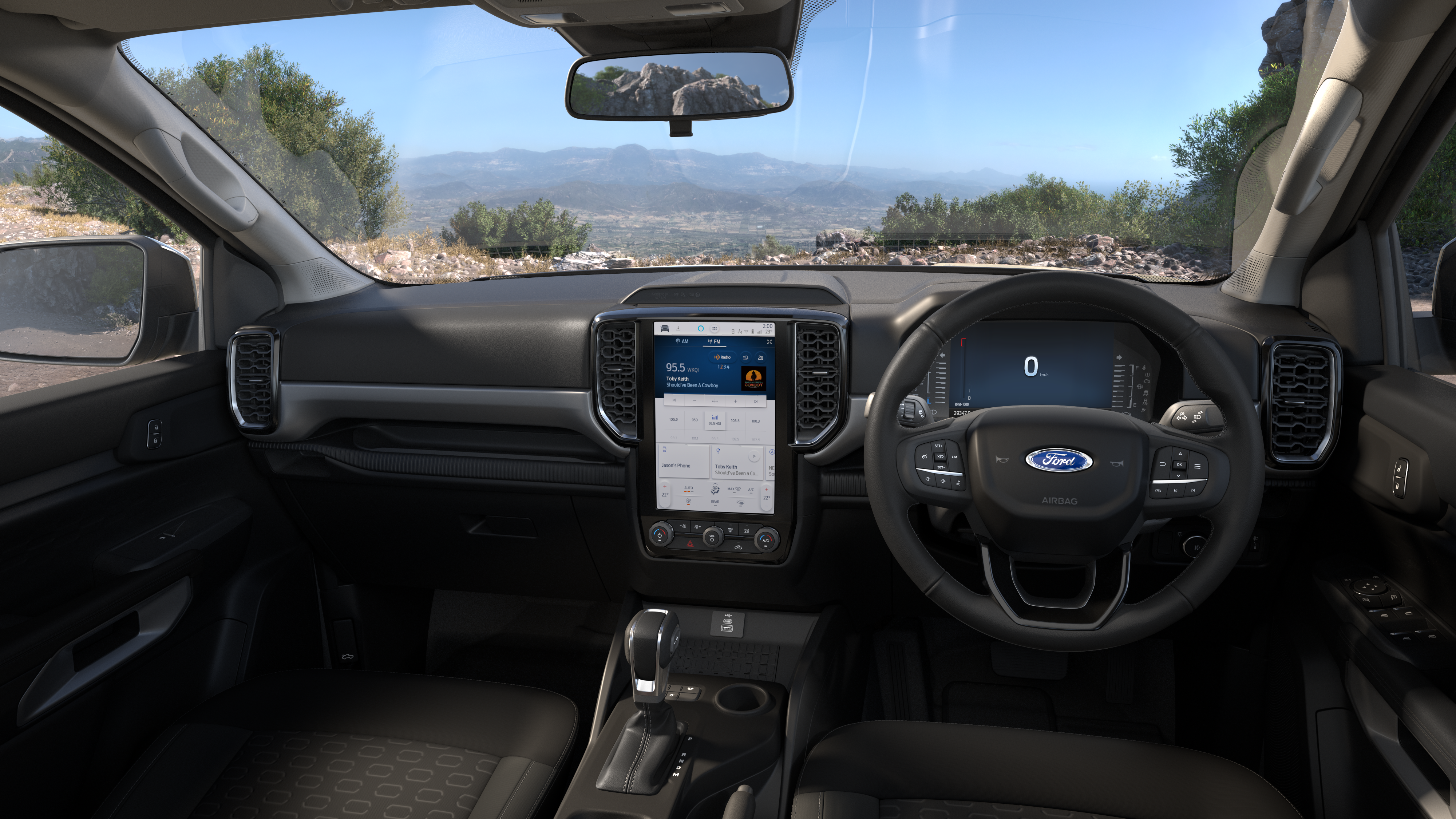
Key Technology Features

Digital Display
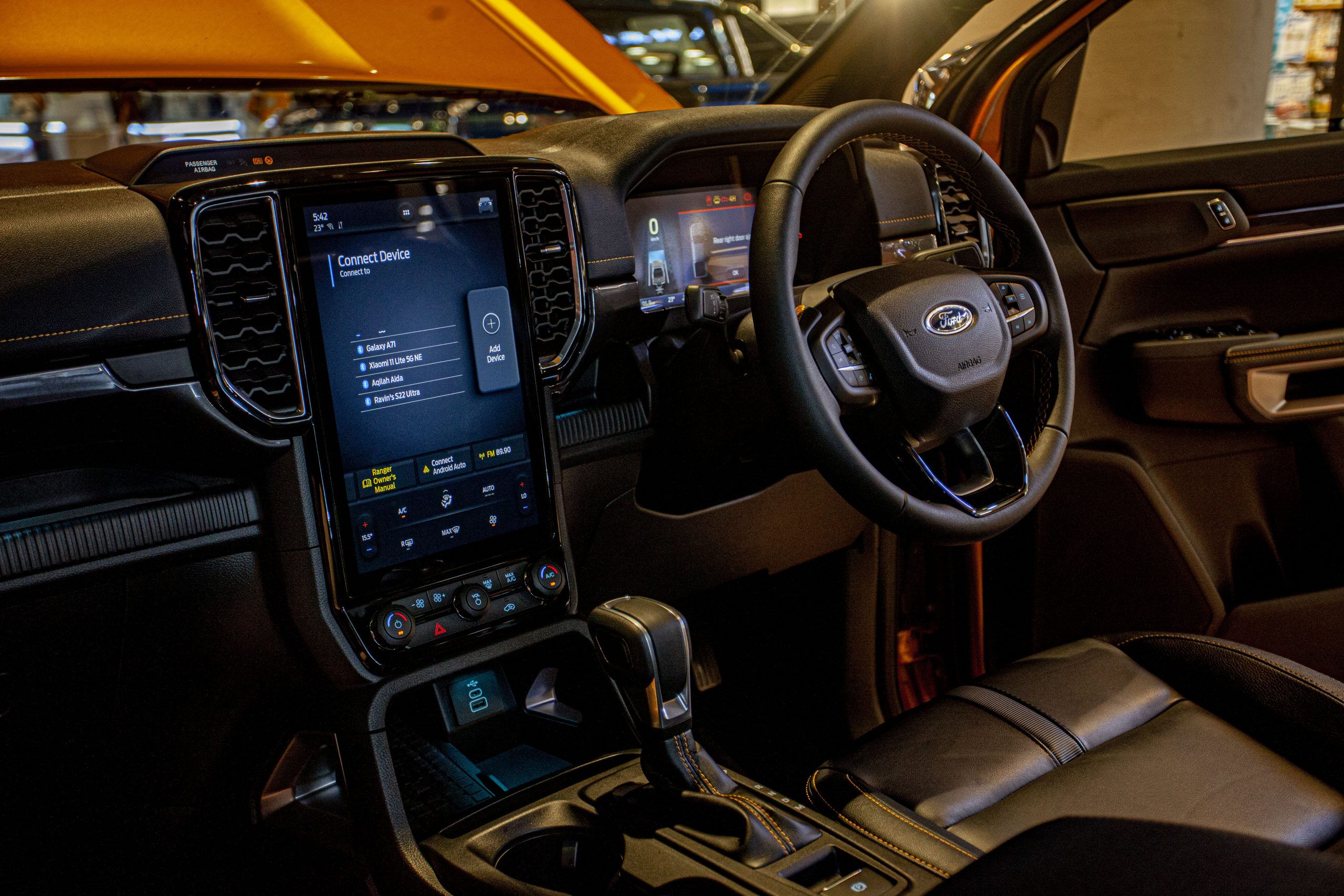
The physical instrument panel that used to house things like the speedometer and tachometer was always limiting in the amount of information it could provide the driver. With the next-gen Ranger, that’s replaced by an 8-inch digital instrument panel that can be customised.

These displays show a start-up and farewell animation and a digital speedometer and tachometer, while the graphics feature realistic body-style avatars. Depending on the variant, the driver can switch between layouts to show additional information like the driver-assist technologies. And for those times when he or she wants to focus on driving, there’s also a ‘calm view’ which minimises the information shown to the minimum necessary for safety.
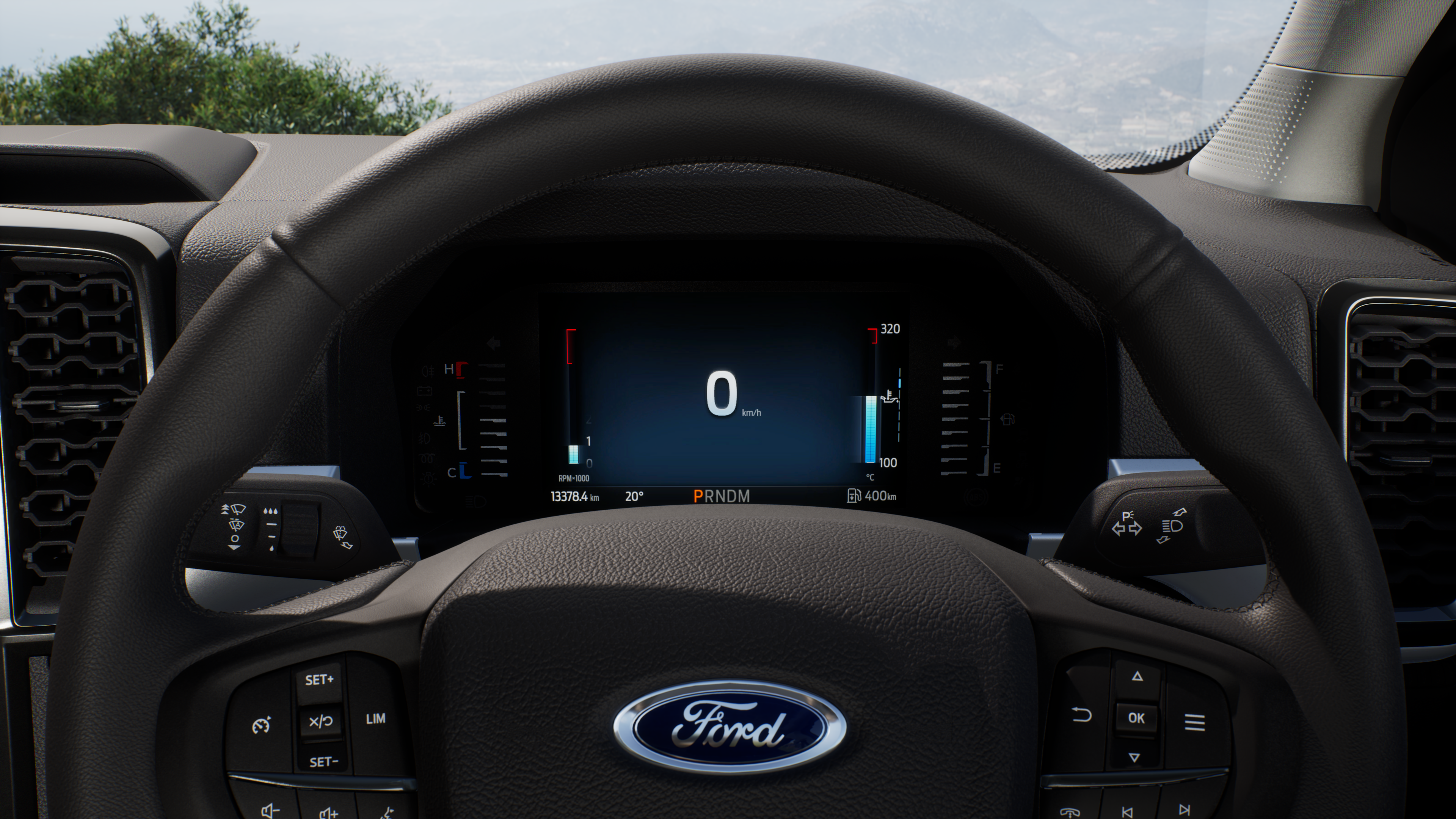
The panel is also matched to the various on-road and off-road driving models, showing a different theme so the driver knows at a glance what’s been selected. The mode changes also have animations as the driver scrolls from one to the other.

Smarter, Intuitive Connectivity
At the heart of the next-gen Ranger’s technology story is the SYNC 4A communications and entertainment system. SYNC 4 brings new levels of connectivity and voice recognition seamless for a personalized driving experience while delivering easy smartphone integration. Wireless Apple CarPlay and Android Auto enables favourite apps (eg Waze and Spotify) from compatible smartphones to be transferred onto the display where they can be used.

Big Screen
The centrally located infotainment screen is mounted portrait style, with a 10.1-inch or a best-in-class 12-inch size (depending on the variant). The design team chose a large-format tablet screen because it allowed for a good depiction of navigation with room to spare lower down.

Its extra height allows a customisable split-screen set-up with an information-on-demand panel always visible at the bottom of the screen. This displays key information, the user’s connected smartphone and more.
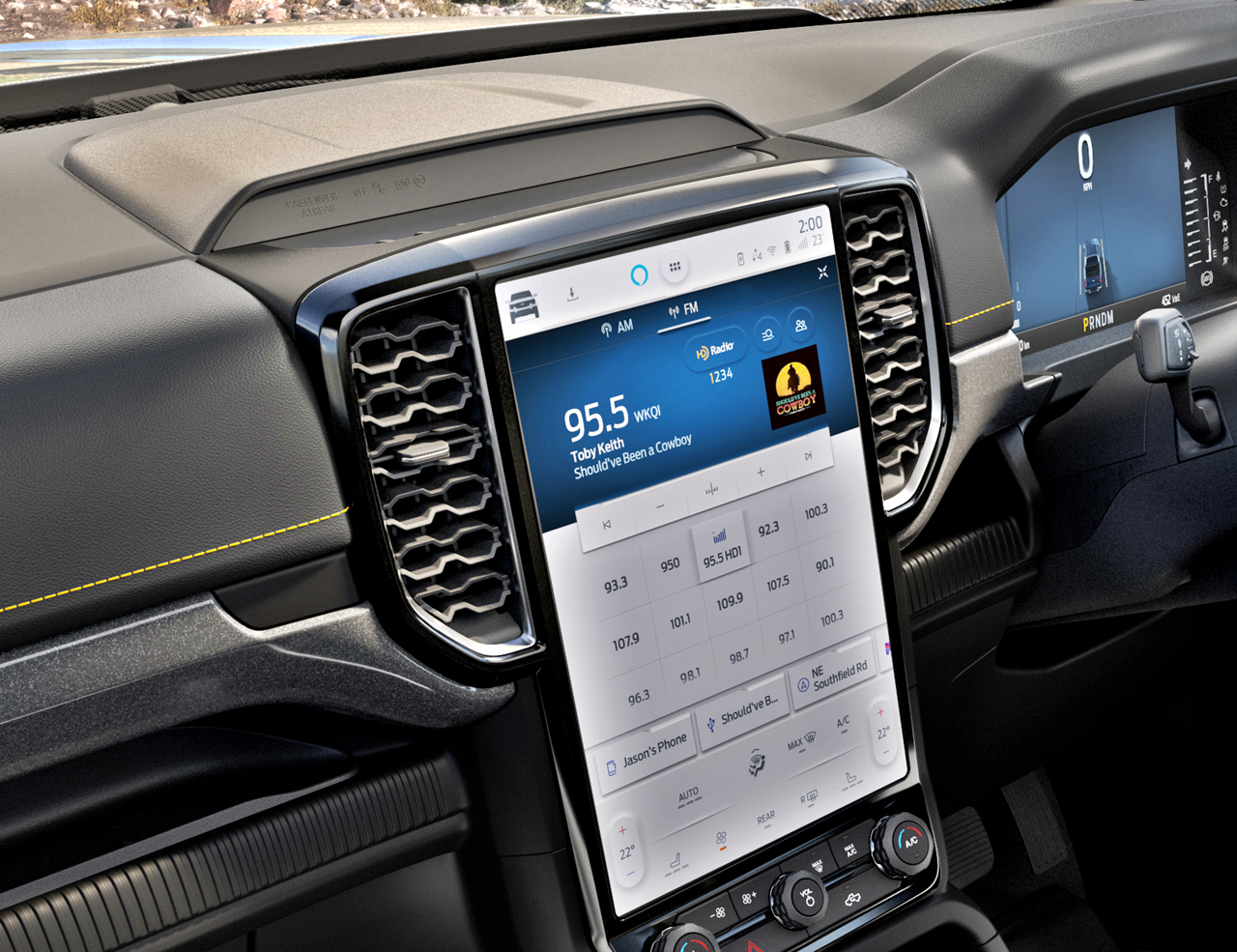
Fewer Buttons, More Capability
In line with the digital instrument panel, many of the traditional driving mode controls have been moved from the dashboard and centre console to a dedicated display on the SYNC screen. Depending on the variant, for example, with one button press, the driver can go to Ranger’s dedicated off-road screen where he can monitor the driveline, steering angle, vehicle pitch, roll angles and other controls.

The cabin temperature and ventilation as well as entertainment can be controlled via the SYNC screen too. Additional physical controls mounted just below the screen allow for quick and easy adjustments.

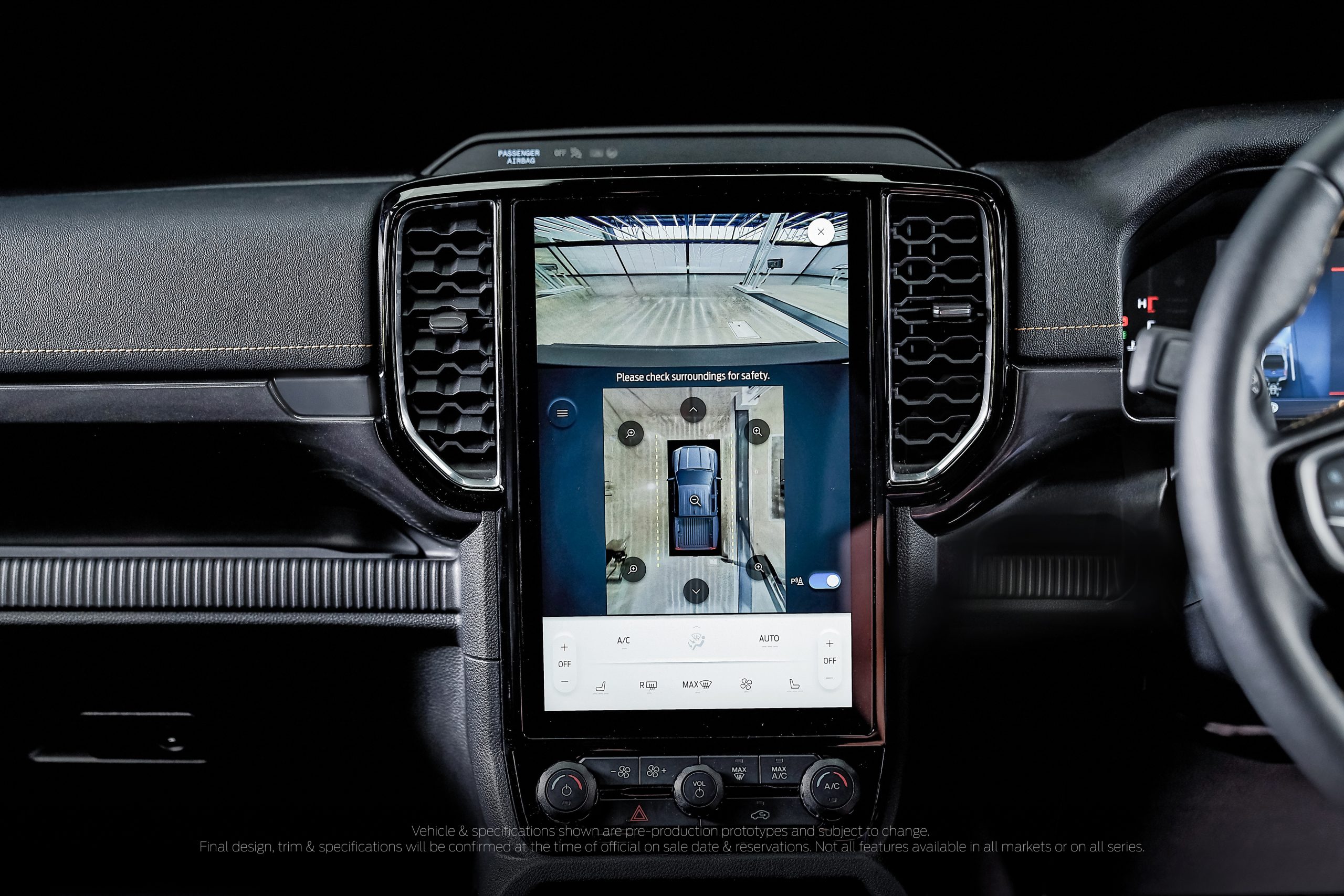
Look All Around
The next-gen Ranger is long and large but that’s no issue as a 360-degree camera allows the driver to see all round and even from above with a simulated view. This makes parking easy in tight spots or even when moving over tricky terrain while travelling off-road.
Electric Parking Brake
Along with other mechanical elements, the traditional handbrake lever is also gone in the next-gen Ranger Wildtrak. In its place is a first-in-class electric parking brake for a more high-tech feel. Not only does it free up space on the centre console but it also requires very little effort to use (just one finger).

Charged And Ready Always
The next-gen Ranger comes with power sockets to charge or supply electricity to many different devices. Compatible smartphones with wireless charging capability can be placed on a charging pad at the base of the centre console, or connected via a cable to a USB port. There are also 12V/240V sockets and a 150W inverter to provide power for laptops and other devices. Depending on the variant, located at the side of the cargo deck, there are 400W and 12V sockets to power camping gear.
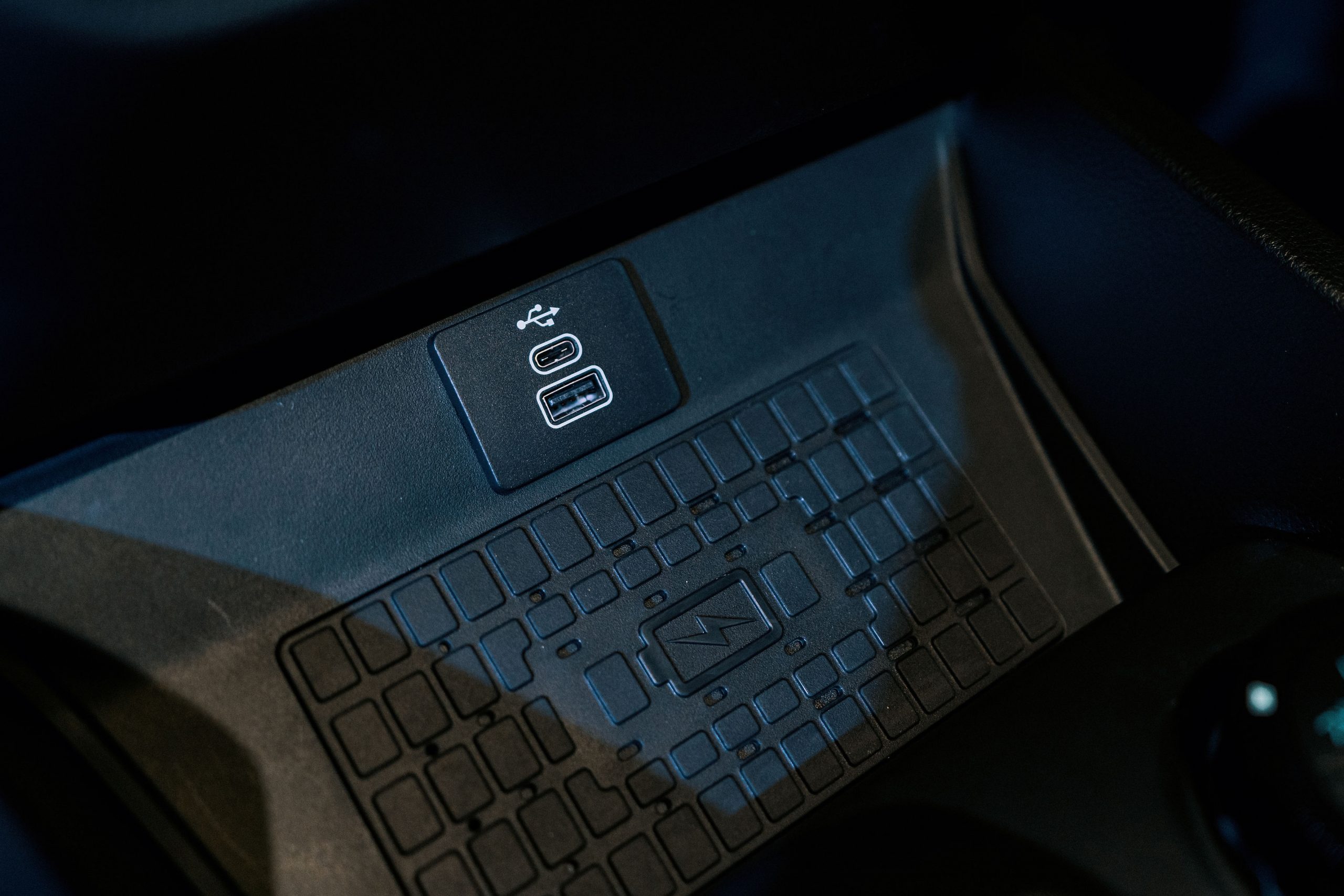
With more and more drivers using dashcams to keep a record of their journeys, the designers thoughtfully installed a USB port at the top of the windscreen. It’s located adjacent to the rearview mirror so there’s no cable dangling down. This Type-A USB outlet converts 12V power into 5V USB output suitable for an external GPS or dash camera. It also can be used to charge a smartphone (but isn’t connected to the SYNC 4A system).

Let There Be Light
The segment-first Matrix LED headlights (on the Ranger Wildtrak) not only have the high-tech look but also many clever features. These include auto dynamic levelling and speed-dependent lighting that can adjust the intensity of the beam in front of the vehicle depending on the speed at which you’re travelling.
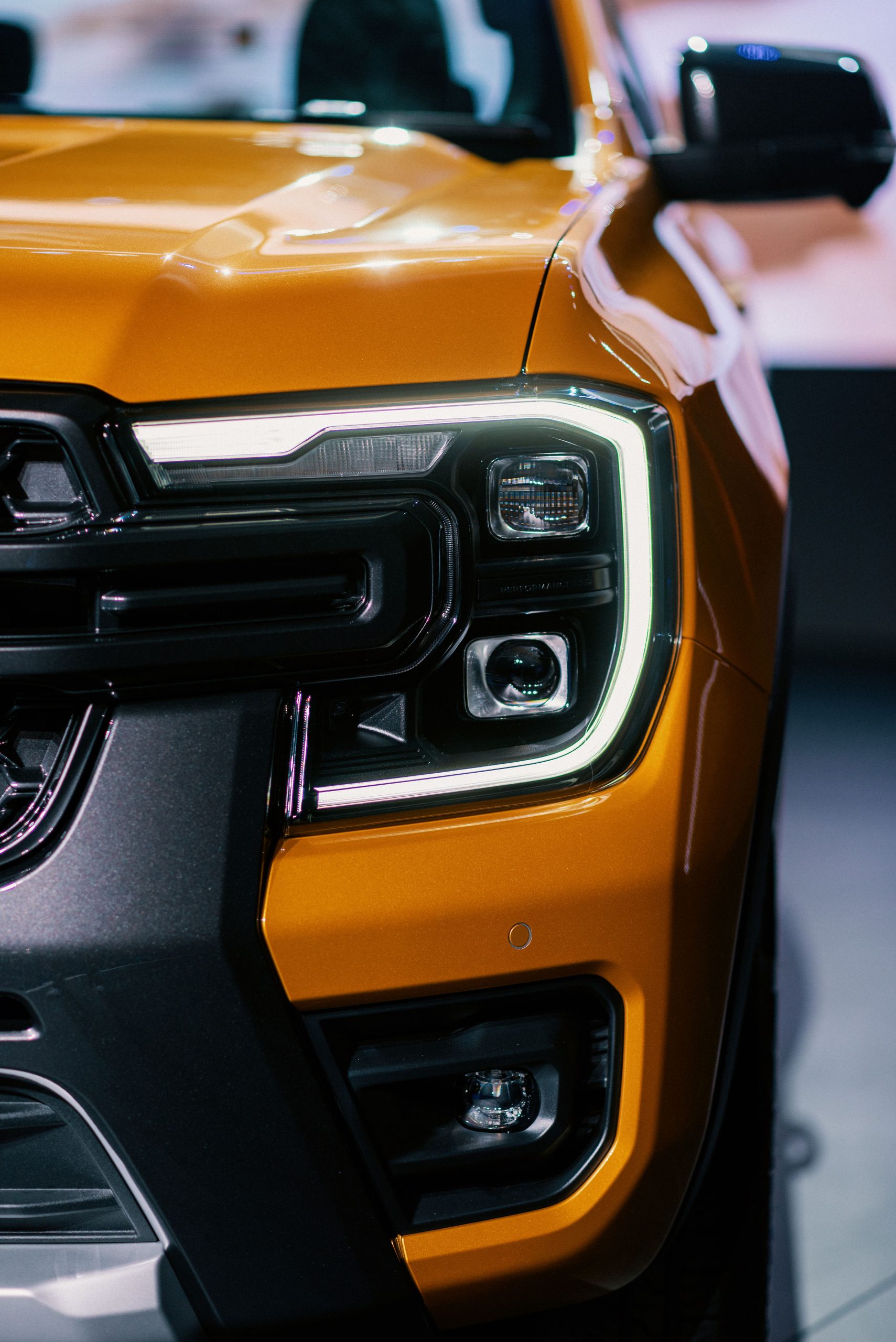
The headlights also offer both static and dynamic bending capability as well as glare-free high-beams, which help block light that could otherwise temporarily blind other drivers and cyclists. That means maximum illumination is provided whenever it is possible without disturbing other road-users.

Join the Debut Tour
The next-generation Ranger has been making a debut tour since its first public appearance last month. Sime Darby Auto ConneXion (SDAC), the sole distributor for Ford in Malaysia, is offering previews at a series of events around the country over 5 weekends. These include events in Kuching on September 7 -11 at Vivacity Megamall, and at the Suria Sabah Shopping Centre, Kota Kinabalu on October 5 – 9.
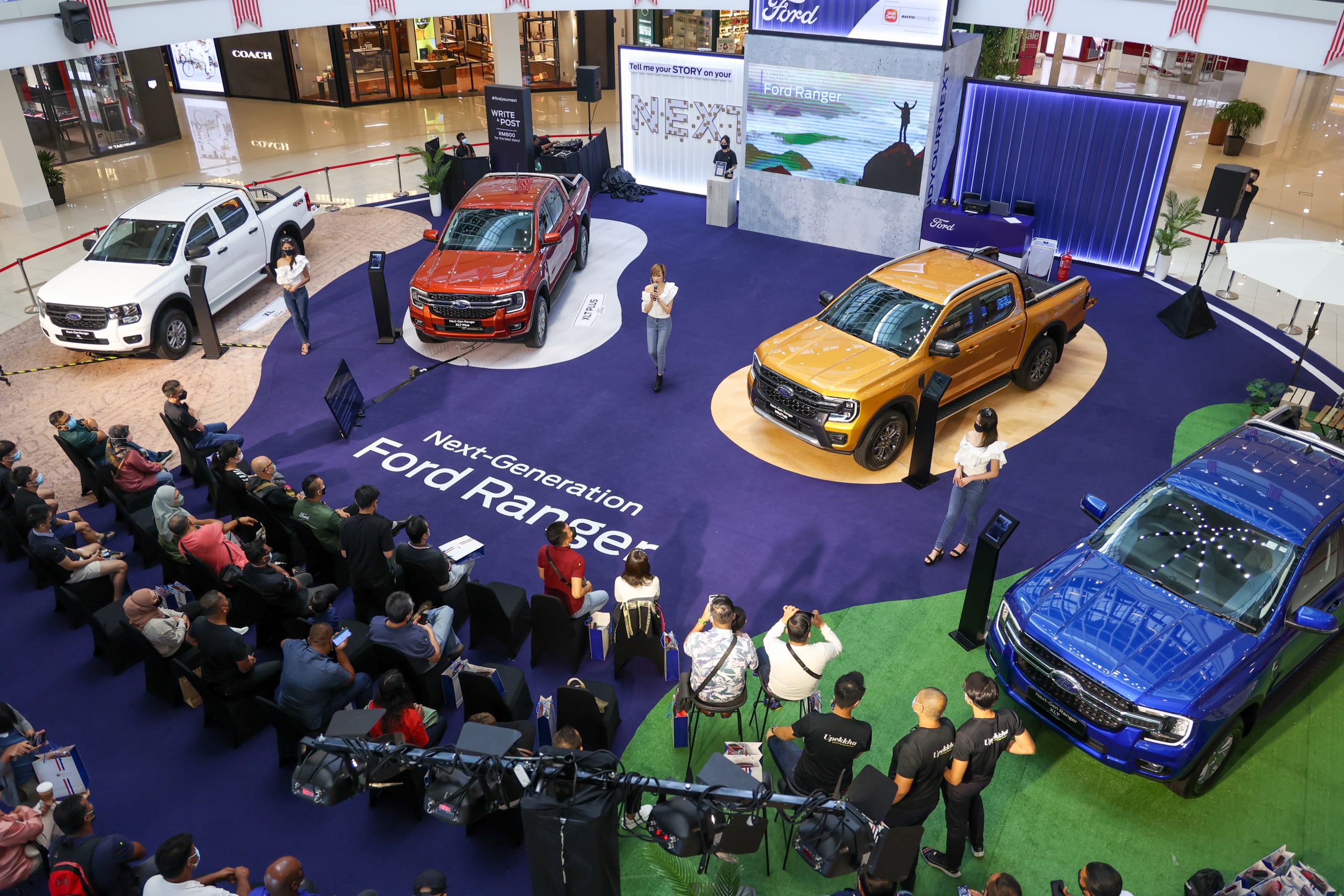
Don’t miss out on the upcoming preview events of the next-generation Ranger debut tour. Sign up here to get an exclusive invitation to a venue close to you. Or if you want more information about the next-generation Ranger, follow the Ford Malaysia Facebook, Instagram, Twitter and YouTube channel or visit www.sdacford.com.my.
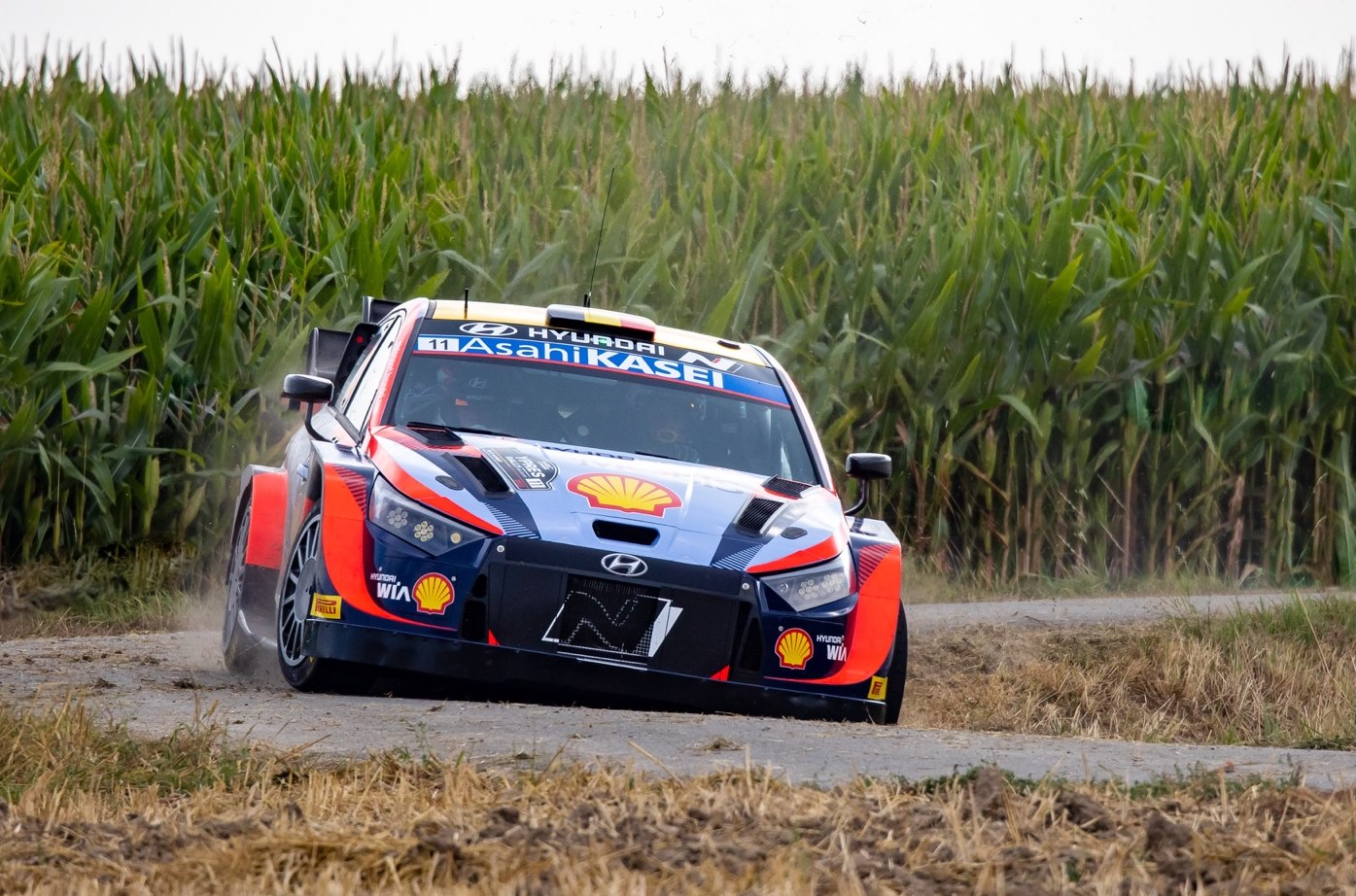
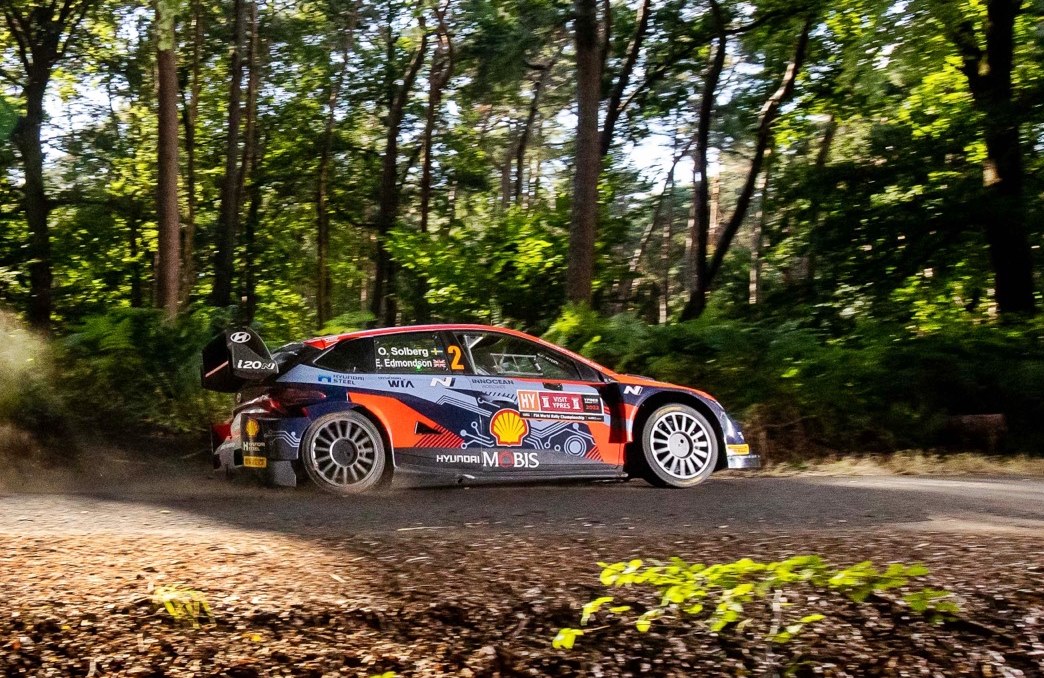
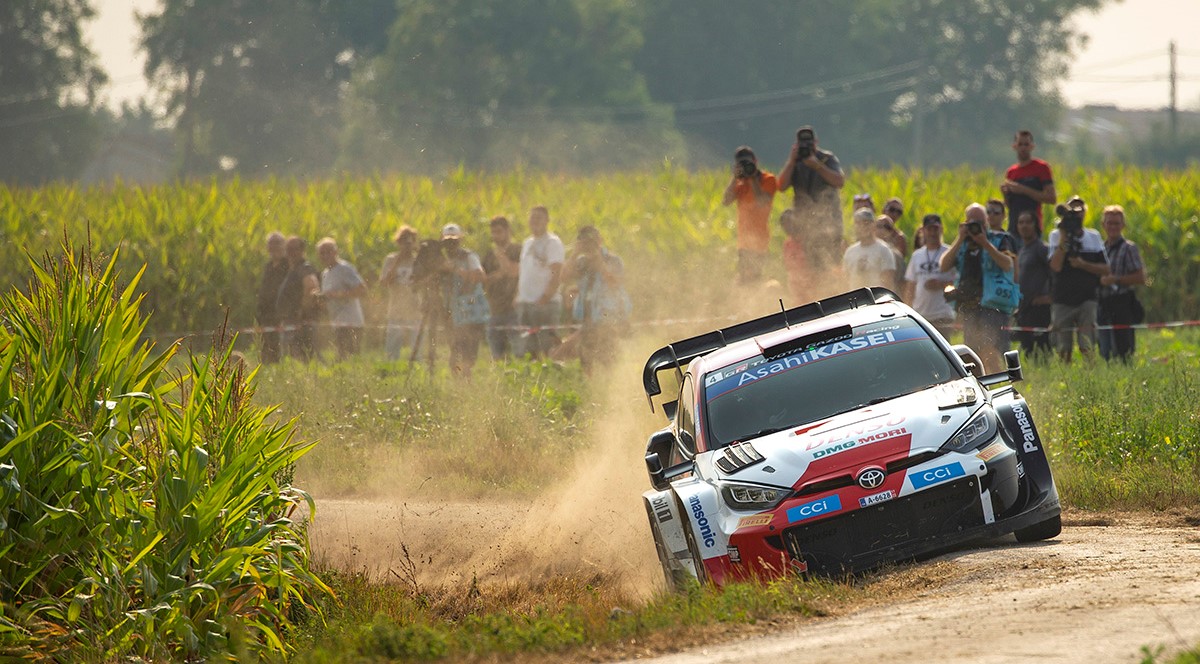
The Hyundai Motorsport team scored another WRC victory at the Ypres Rally Belgium as Ott Tanak took his Hyundai i20N Rally1 to win with a 5-second margin. The Estonian driver, co-driven by compatriot Martin Jarveoja, inherited the top spot late on the penultimate day when his team-mate and long-time leader Thierry Neuville understeered off the road and into a ditch, shattering the Belgian’s hopes of a repeat home win.

Tanak, who had also won the last round in Finland earlier this month, carried an 8.2-second buffer over Elfyn Evans (Toyota GR Yaris Rally1) into Sunday’s final leg, which comprised 4 short and sharp asphalt stages in the Flanders region. Although Evans did not make things easy for the leader, with two fastest time times on the opening stages, he was still unable to close the gap.

Tanak’s success reduces the gap with championship leader Kalle Rovanpera. The Toyota GAZOO Racing driver got nothing from this rally as he rolled his hybrid rallycar out of contention on Friday morning. The 21-year-old Finn was, however, able to collect 5 Wolf Power Stage bonus points and, with 72 points, remains on track to become the youngest WRC champion in history. 

The two Hyundai wins have not managed to take the team any higher and the Manufacturers’ championship situation remains unchanged. The Hyundai Shell Mobis World Rally Team remains behind Toyota GAZOO Racing WRT with an 88-point gap. In third is the M-SPORT Ford World Rally Team, 191 points behind the leader.

“To win here is a big surprise for us – more or less the same as it was in Finland,” said Tanak. “We didn’t expect it from anywhere basically, but somehow we were able to pull it together during the rally. It’s great to see that some WRC results are coming, but there is so much we can improve and we could still be a lot stronger, so there is still some work to do.”

For Evans, it was a case of what could have been. He gave away valuable seconds on Friday when a slow puncture forced him to run a wet weather tyre in dry conditions. He was also lumbered with a 10-second time penalty for arriving late to SS8. Without that, the outcome could have been different.

BHPetrol

Rally2 & Rally3
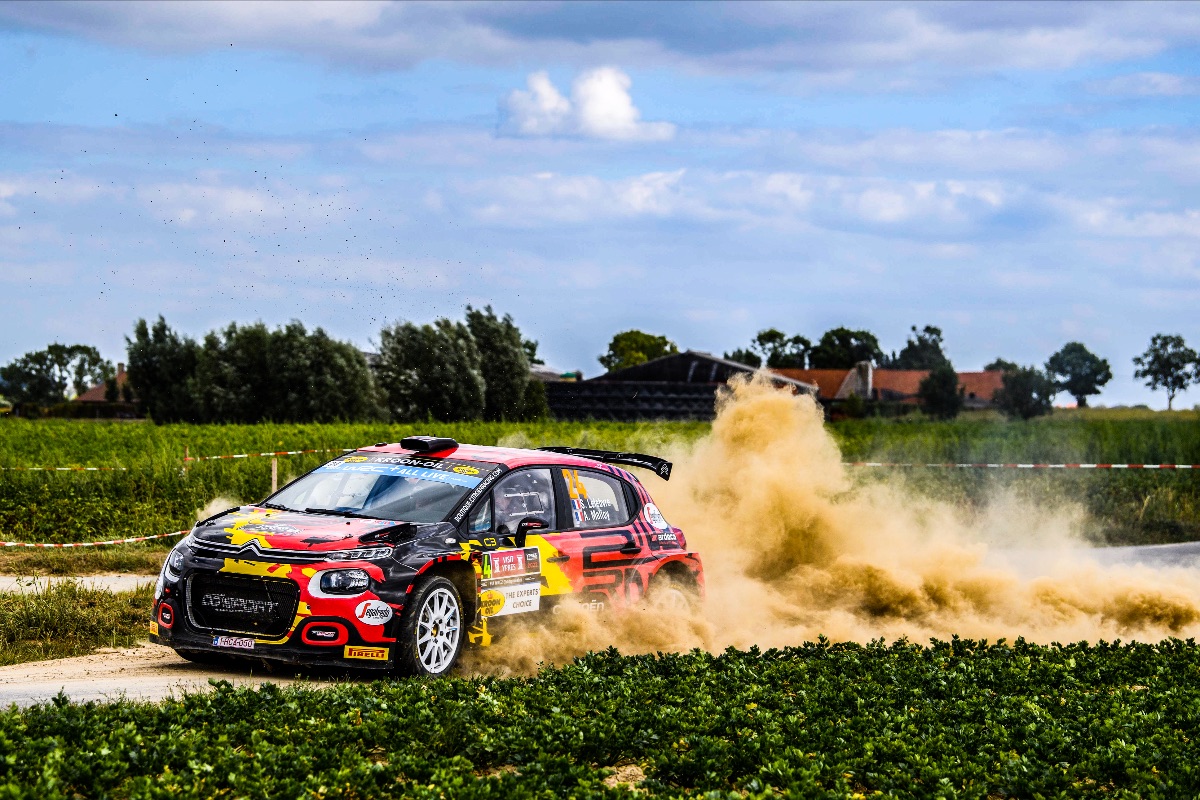
WRC Rally2 cars also finished within the top 10, with FIA WRC2 victor Stephane Lefebvre leading the charge in a DG Sport Citroen C3 Rally2 ahead of Andreas Mikkelsen (Toksport WRT Skoda Fabia Rally2 Evo, Yohan Rossel (PH Sport Citroen) and Chris Ingram (Toksport Skoda), who won the WRC2 Junior division. Armin Kremer took WRC2 Masters glory, while Jan Cerny topped WRC3 in a Ford Fiesta Rally3.

Public debut of hydrogen-fuelled Yaris
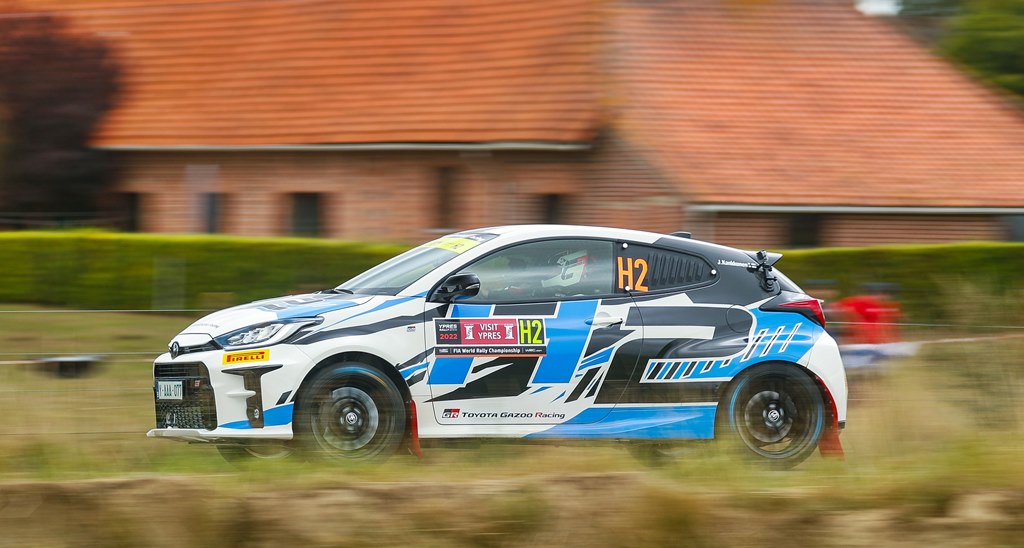
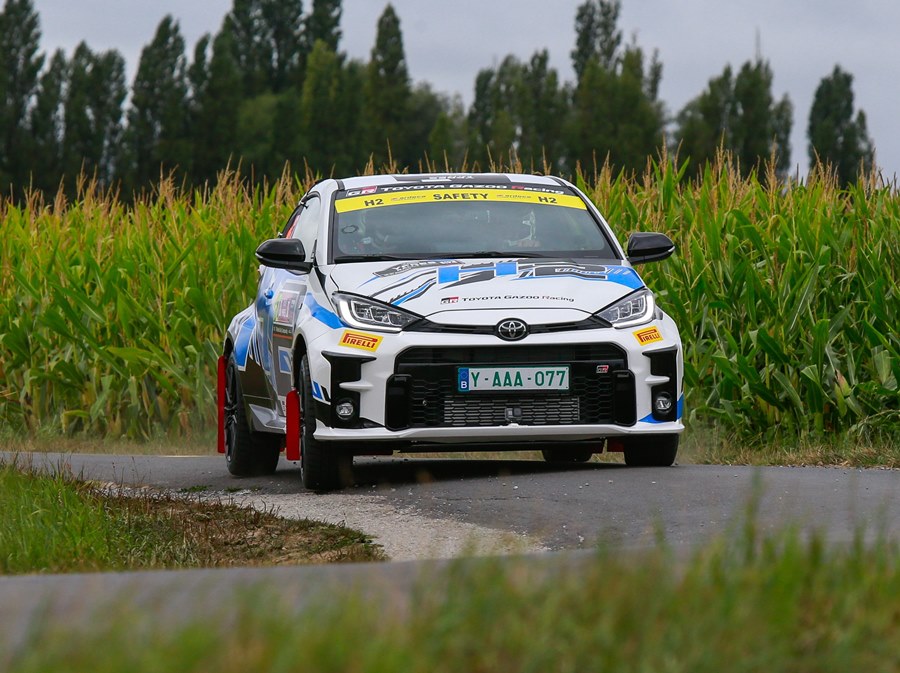
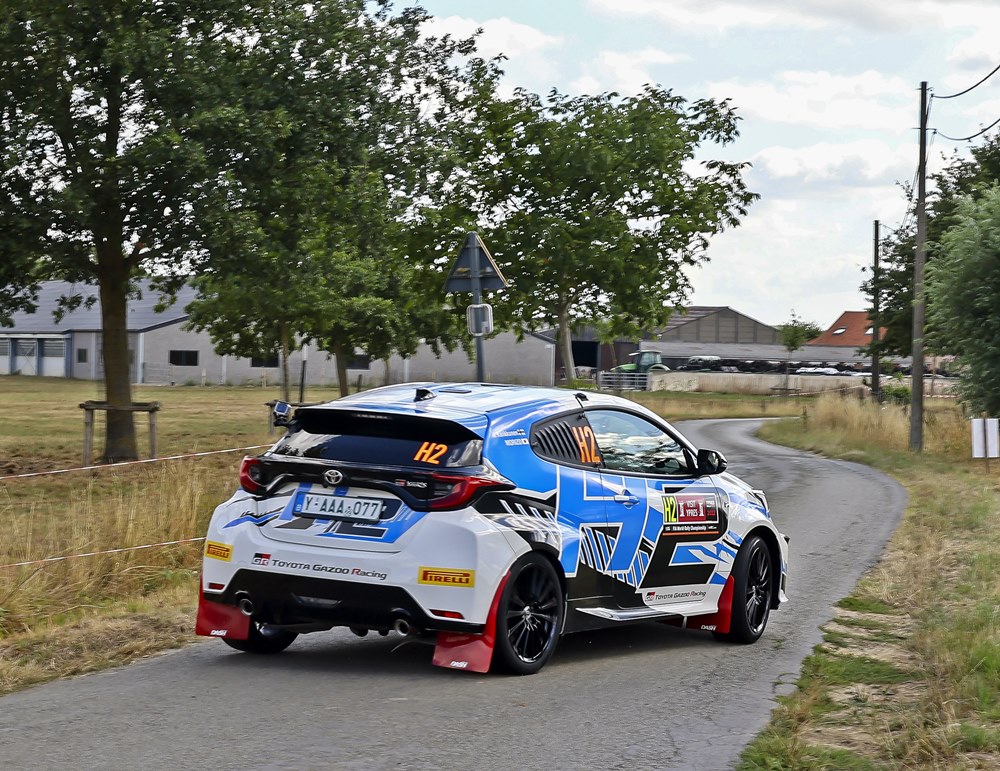
The public debut of the Toyota GR Yaris H2 concept took place on the stages in Belgium, and was completed by Toyota rally legend Juha Kankkunen driving the Power Stage ahead of the competitive field in the hydrogen-fuelled car.

The rally was the first time for Toyota to drive an under-development hydrogen-engine vehicle on public roads outside Japan. The GR Yaris H2 served as a testcar and ran ahead of a Safety Car that confirms safe conditions before the start. After driving the GR Yaris H2 himself on Saturday, Team Founder Akio Toyoda had the chance to ride alongside Kankkunen.

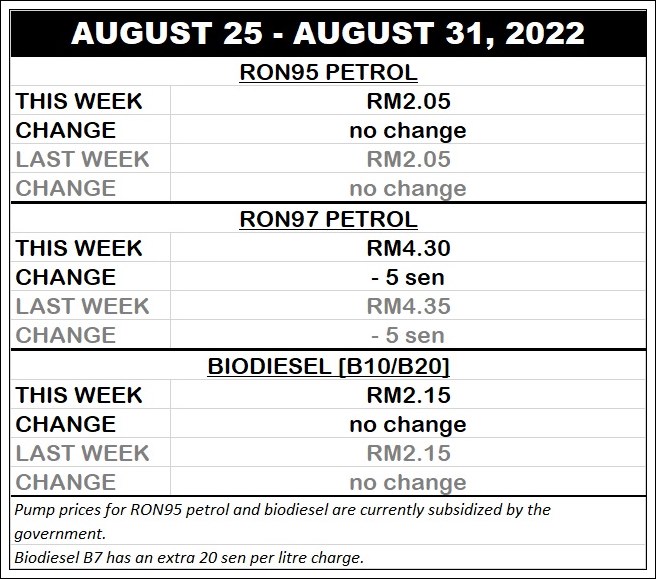
Fuel price updates for coming 7 days – another 5 sen drop in the pump price of RON97 petrol to bring the price per litre to RM4.30. Other grades unchanged. New fuel price effective after midnight today.

Right tyre pressures: Under-inflated tyres will cause more rolling resistance (not to mention faster wear) which will worsen fuel consumption. Be sure they are inflated to the minimum recommended by the manufacturer and a bit more might also be better.

Service the engine regularly: Engine parts wear out or get dirty over time and reduce the operating efficiency of the engine. Regular servicing ensures that adjustments are set correctly and periodically, parts like filters or sparkplugs need to be replaced.

Slow and steady: You don’t have to drive at a crawl to save fuel but if you just drive more frequently at 80/90 km/h instead of 100/110 km/h, you could save 10 to 15% in fuel. Keeping a steady speed rather than ‘pumping‘ the pedal will also save on fuel.

Plan trips: If you have different places to go on a single journey, spend a few minutes to think about the route so that you avoid congested areas. You may have to travel a few extra kilometres using a less congested route but you will actually use less fuel because the car won’t be stuck in a jam burning fuel going nowhere. Plus you will probably be less stressed out when you reach your destination.

Switch off the engine more: Many motorists do not fully realize that the engine is burning fuel every second it is running. They will keep the engine running for long periods while waiting for someone to buy things or waiting for their children to come out from school. This is very wasteful and running the air-conditioner at the same time wastes more fuel. Switch off the engine when you are going to be stationary for more than 5 minutes and you’ll find your fuel consumption improving.

Don’t carry unnecessary weight: The less weight your car has to move, the less hard the engine has to work. So whatever you do not need to keep in the boot should be taken out. This includes those golfbags.

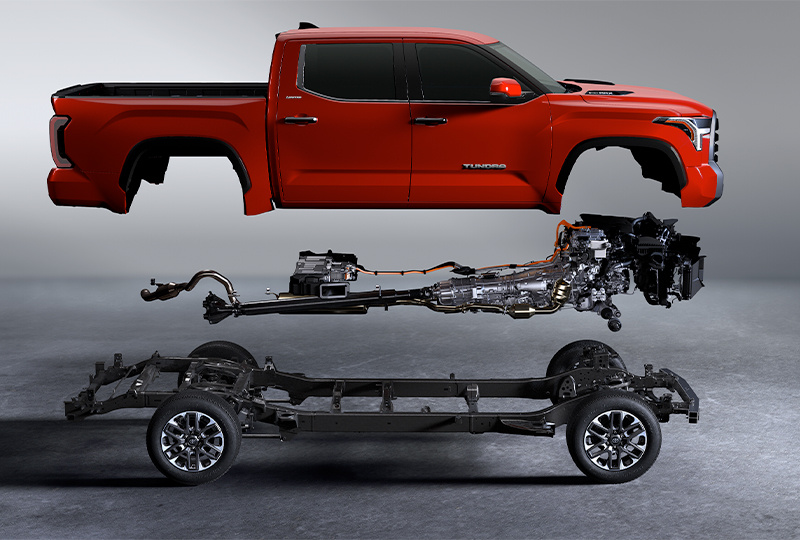
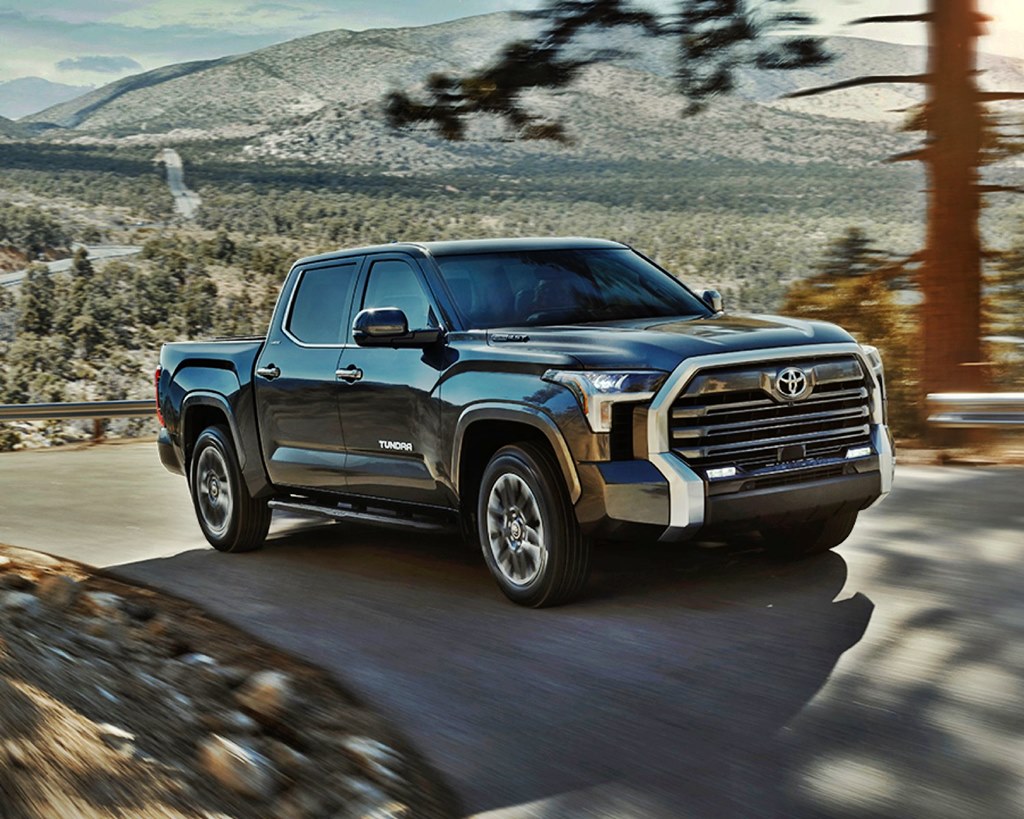
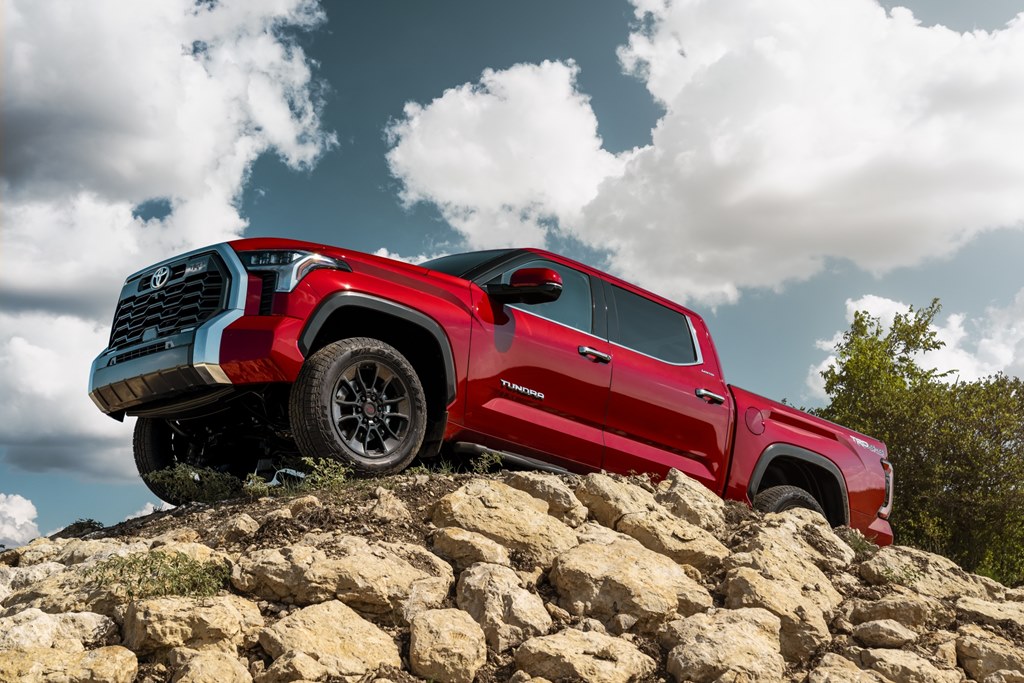
The Tundra is a pick-up model Toyota developed specially for the North American market and also manufactures it there. As a full-size truck, it is Toyota’s challenger in the world’s largest pick-up truck market. However, because it has been sold almost entirely in North America since being introduced in 1999, it has remained as a lefthand drive (LHD) model, limiting export potential in some ways.

Now Toyota has decided that it will also offer a Tundra with righthand drive (RHD), which means it can become a global model. A RHD variant is not merely a case of moving the driver’s seat and steering wheel to the right side and requires an engineering program that is extensive. It might not be as extensive as developing a brand new model as much of the basic architecture has been done but it is also not as simple as it may seem.

Toyota Tundra 2022

It won’t be the first time that Toyota has converted a LHD model into a RHD one as it also did the same with the Chevrolet Cavalier in the late 1990s. Back then, as a favour to General Motors, Toyota agreed to take the Cavalier and sell it in Japan as a Toyota Cavalier. To do so meant re-engineering it to be RHD, a task which the engineers found challenging. Besides moving the steering wheel to the right side, there were also little details that needed to be altered to conform to Japanese regulations.

This time round, for the Tundra, Toyota is working Walkinshaw Automotive Group and has assigned Toyota Australia to lead the project. Since ending manufacturing activities in Australia in 2017, Toyota has given its Australian operations a role as one of its global R&D centres. With the wide open spaces and varied local terrain, it is an ideal region for testing prototypes.

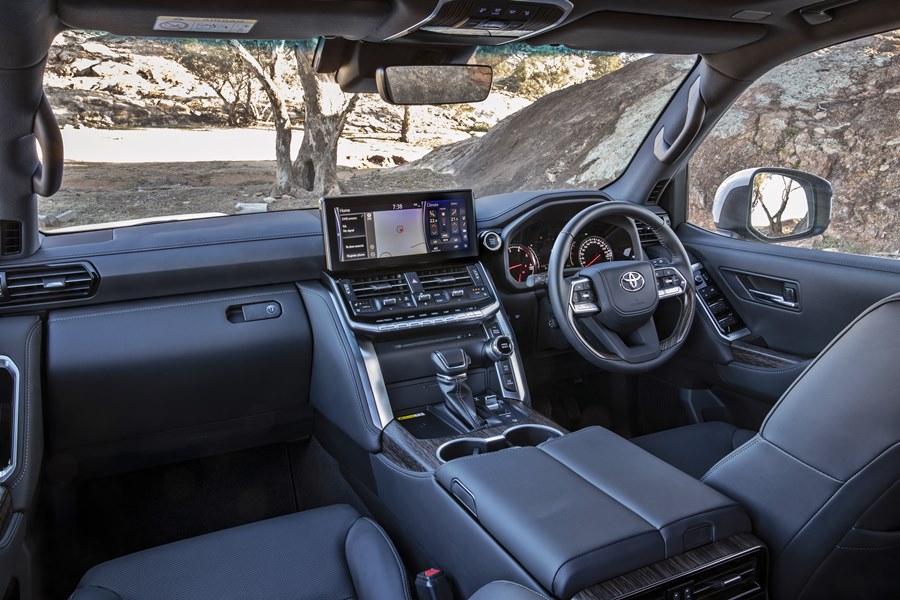
The RHD Tundra will use components from the Land Cruiser 300.

Parts from Land Cruiser 300
The program with the Walkinshaw Automotive Group is expected to set a new benchmark in Australia for the re-engineering of a full-sized pick-up truck from LHD to RHD. It will include the adoption of key components from Toyota’s comprehensive global parts catalogue, including the steering column and rack, accelerator, brake pedals and shift lever from the Land Cruiser 300 platform, with which the Tundrsa shares the same TNGA platform.

The vehicles will be equipped with a new inline hybrid system that has a twin-turbo 3.5-litre petrol V6 engine.

After significant development in-house, prototype testing on public roads will begin in September 2022. Starting from October next year, approximately 300 vehicles will be deployed all around Australia as part of the final stage of the re-engineering program. These vehicles will not be for sale but will involve monitoring under real-world usage conditions in Australia.

Launch date not confirmed yet
At this time, Toyota is not saying when the Tundra will go on sale, but Australia will be the first market. Due to the brand’s strong demands for quality, durability and reliability, there will be a thorough approval process until all aspects meet the high standards.

The Tundra, now in its third generation, is a huge truck that fits right into the American landscape. It is much larger than a Hilux with a wheelbase that is 1 metre longer. Since the first generation, over 2 million units have been sold and annual sales have never been less than 100,000 units.

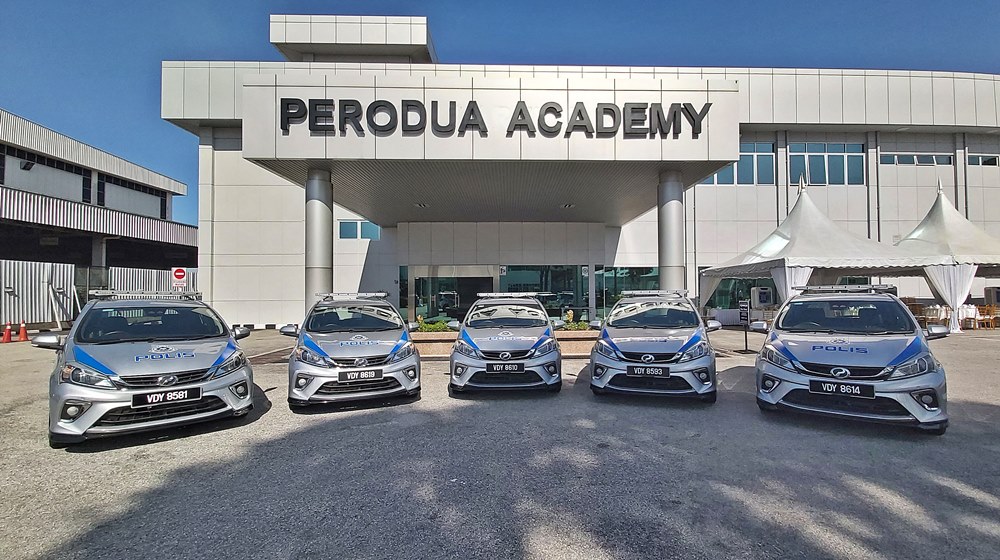
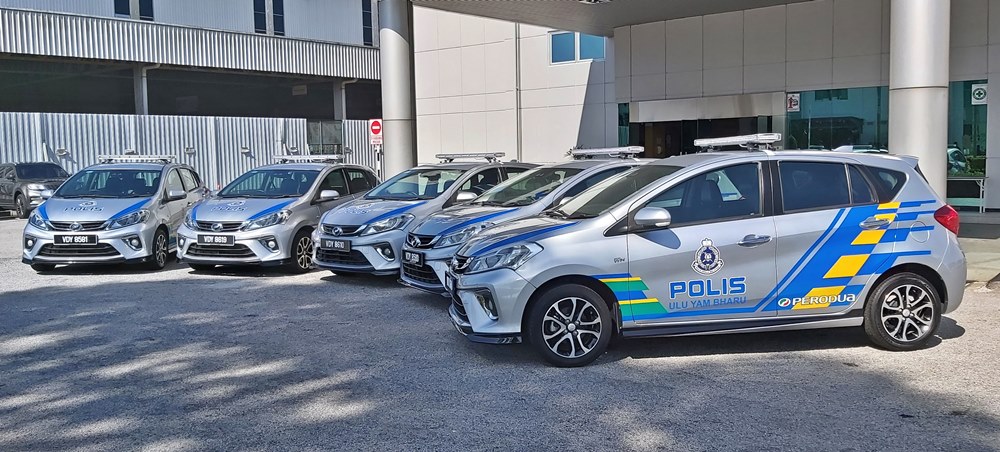
Perodua today handed over another 5 units of the Myvi to the Selangor Police Contingent as a service to the public and country. The donation is part of the Malaysian carmaker’s ongoing activities relating to Corporate Social Responsibility which has seen other cars also being donated to the police earlier.

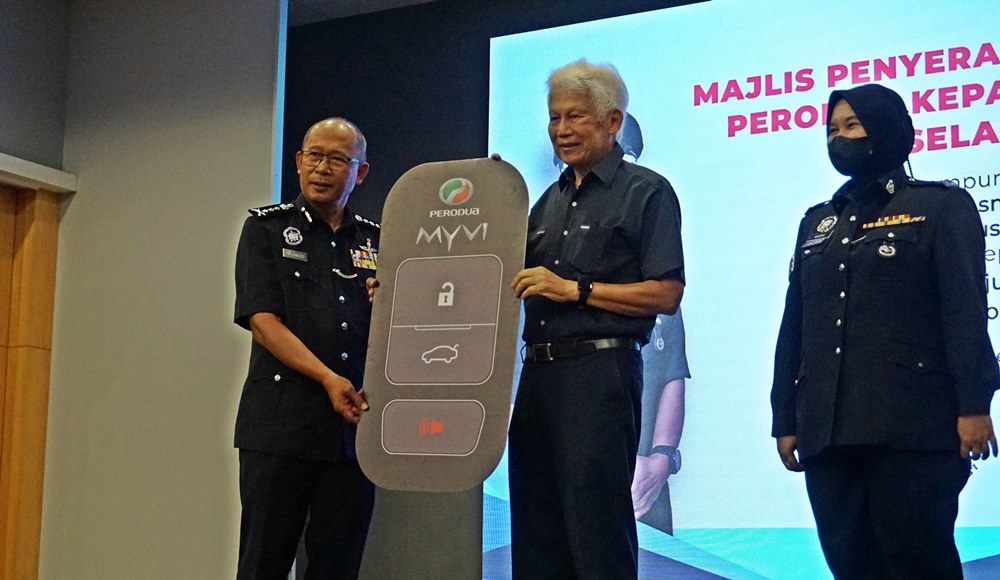
The 5 Myvis were handed over by Tan Sri Asmat Kamaludin (right), Perodua’s Chairman, to Dato’ Arjunaidi Mohamed (left), the Police Chief of the PDRM Selangor contingent.

The Myvis will be assigned to police stations in the Hulu Langat and Gombak districts and used for various purposes. The value of the donation is RM400,000 and this includes 2 years of free scheduled maintenance and required parts for each car. The car is, of course, also covered by the 5-year factory warranty that all Myvis come with.

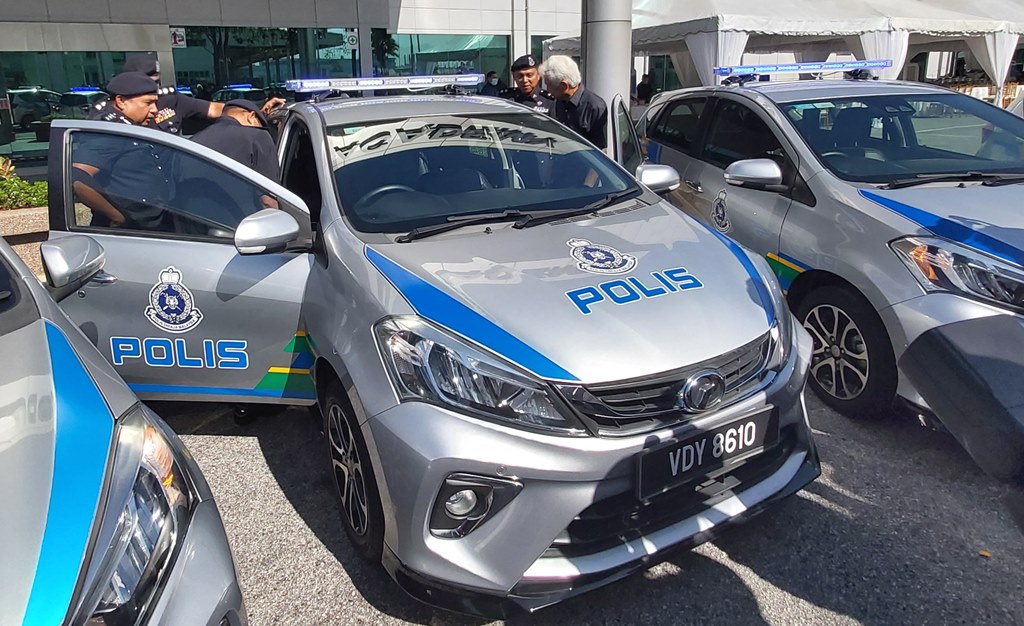
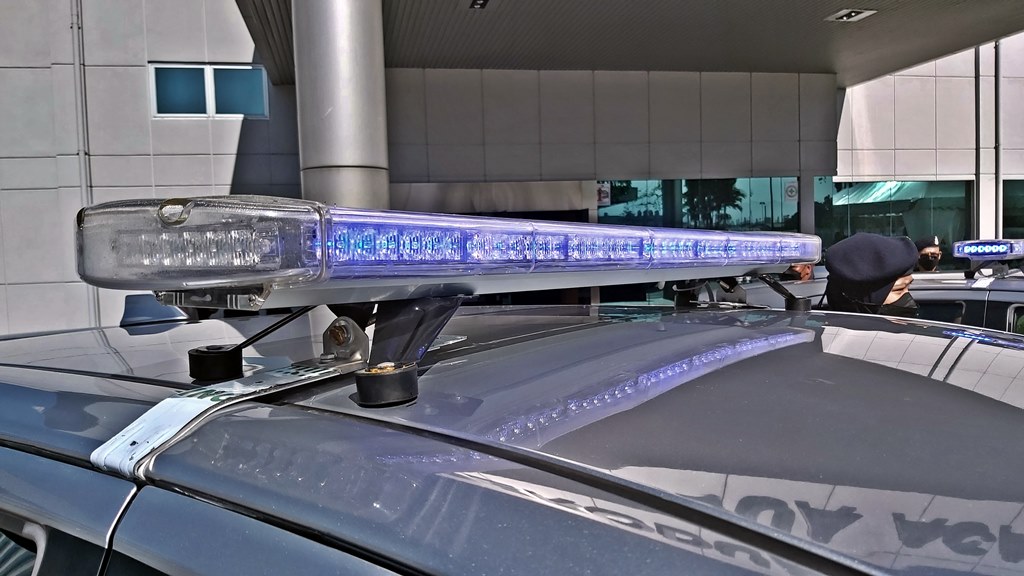
The units provided are the Myvi AV version which comes with Perodua Smart Drive Assist that comprises Advanced Safety Assist (A.S.A.), Driving Assist, Parking Assist and Headlamp Assist. Apart from the PDRM blue/yellow livery on the bodywork and a light bar on the roof, the cars are pretty standard as they are not intended to be used for pursuit.

Senior police officers inspecting the new cars for their fleet.

Of course, if necessary, the Myvi’s ‘hidden’ capabilities can be drawn upon. As we have seen in many incidents, the Myvi (which has come to be nicknamed ‘King’) seems invincible as it can crash into shops, fly through the air and even tip over other cars it rams!

But while these have gained it fame in a notorious way, there’s no denying that the Myvi is a much-loved car by Malaysians as it occupies the top spot in sales year after year. This year, the Myvi accounted for almost 30% of the 127,543 vehicles delivered by Perodua.

There are 5 versions of the Myvi available with prices ranging from RM46,500 to RM59,900 (excluding insurance). 1.3-litre and 1.5-litre engines are available, but all versions use a CVT and manual transmission is no longer available with this generation.

To know more about the Myvi or to locate a showroom to test one, visit www.perodua.com.my.
BHPetrol
BHPetrol

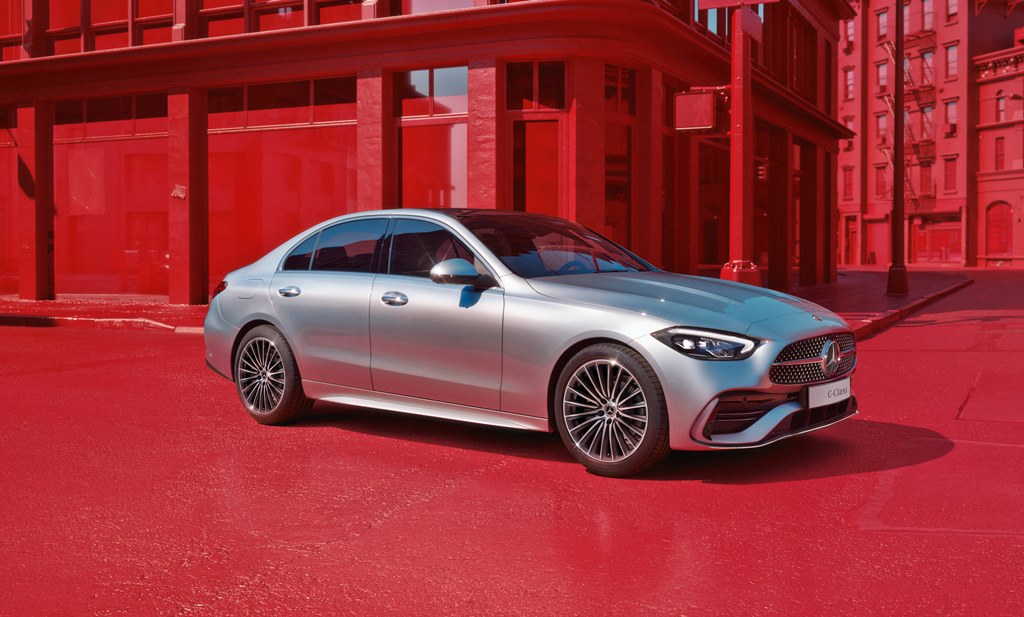
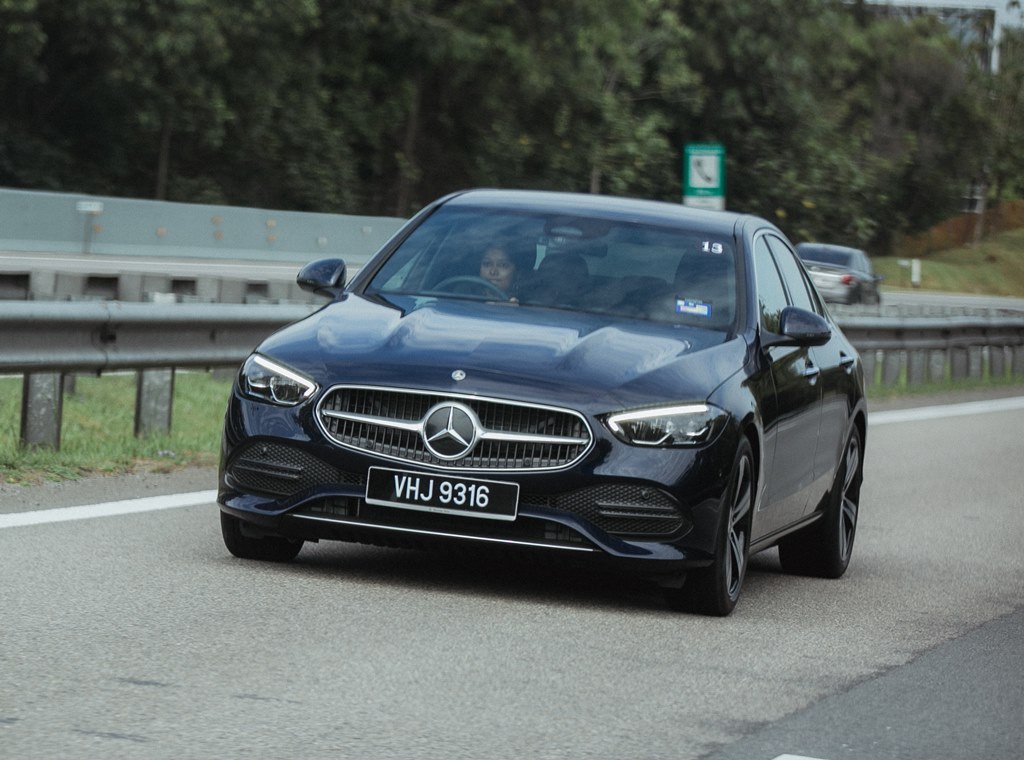
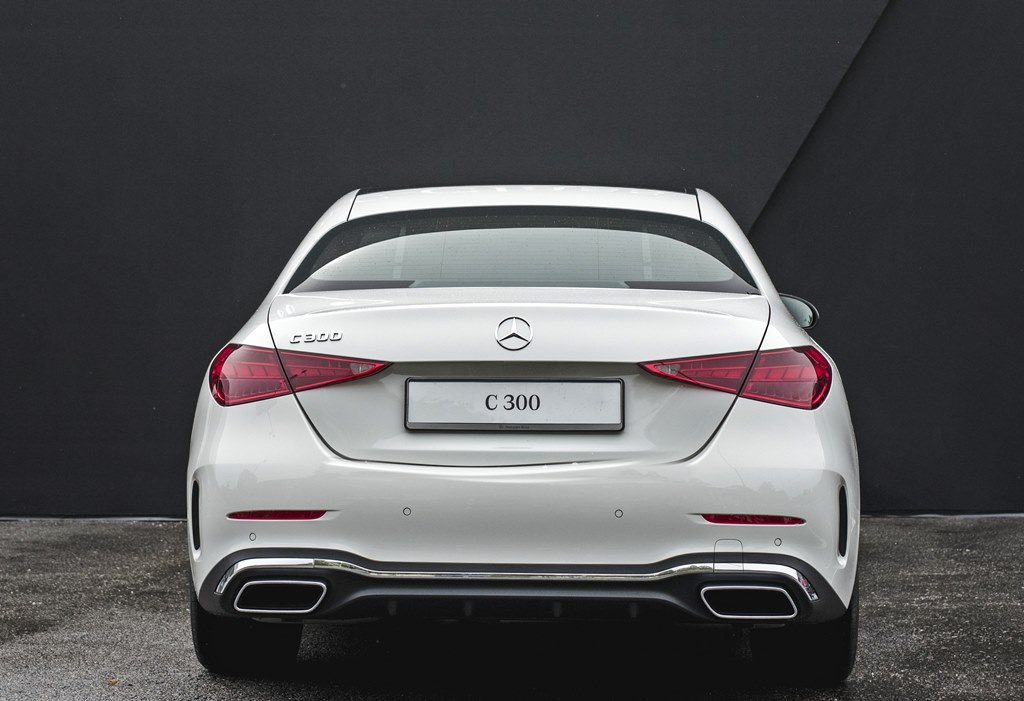
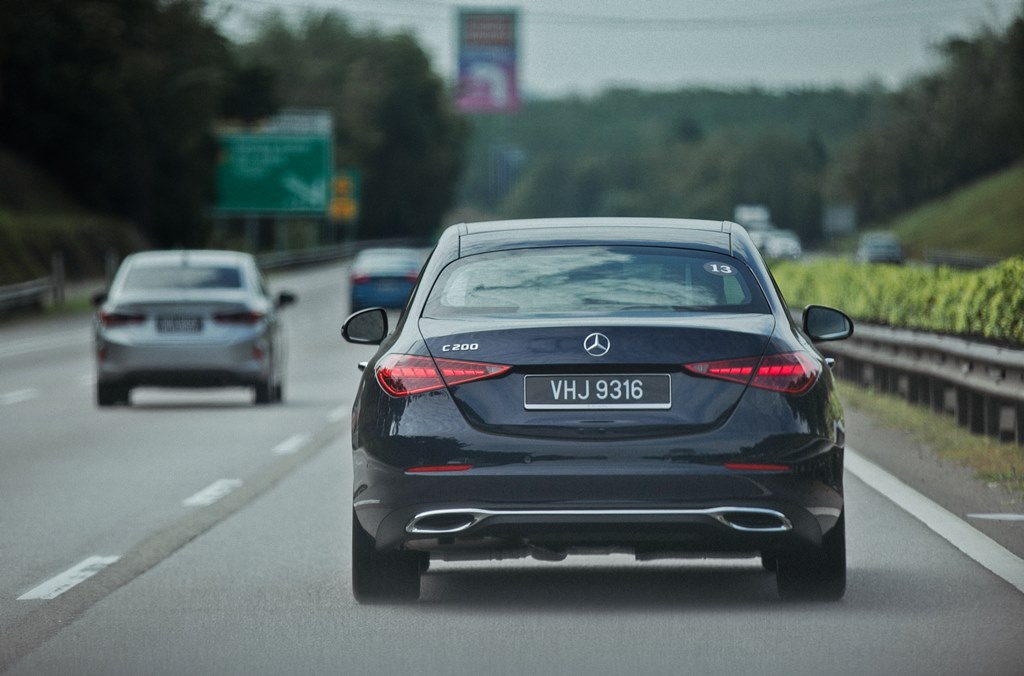
Six months after introducing the latest generation of the Mercedes-Benz C-Class (W206), Mercedes-Benz Malaysia (MBM) has launched the locally-assembled version. As with other models assembled in Malaysia, the new C-Class comes from the brand’s facility in Pekan, Pahang.

Two versions of the sedan are offered – the C200 Avantgarde priced from RM287,888 (excluding insurance) and the C300 AMG Line from RM327,888 (without insurance). Local assembly naturally saves money and unlike some cases, there doesn’t seem to be any significant difference in the features and equipment compared to the CBU versions we saw earlier.

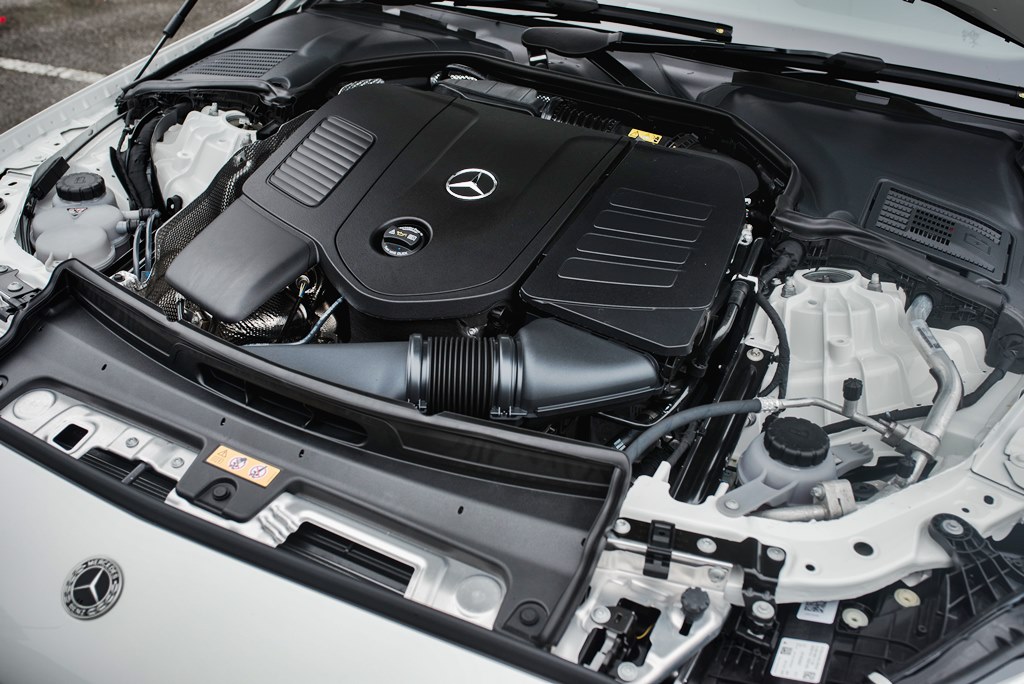
Both models are powered by 4-cylinder turbocharged engines, the C200 having a 1.5-litre displacement and an output of 204 ps/300 Nm, while the C300’s 2-litre engine produces 258 ps/400 Nm. Both engines get additional assistance with the integrated starter generator which can add 15 kW (equivalent to 20 ps) and 200 Nm to the output for brief periods. The same 9G-TRONIC automatic transmission with 9 speeds is used to deliver power to the rear wheels.

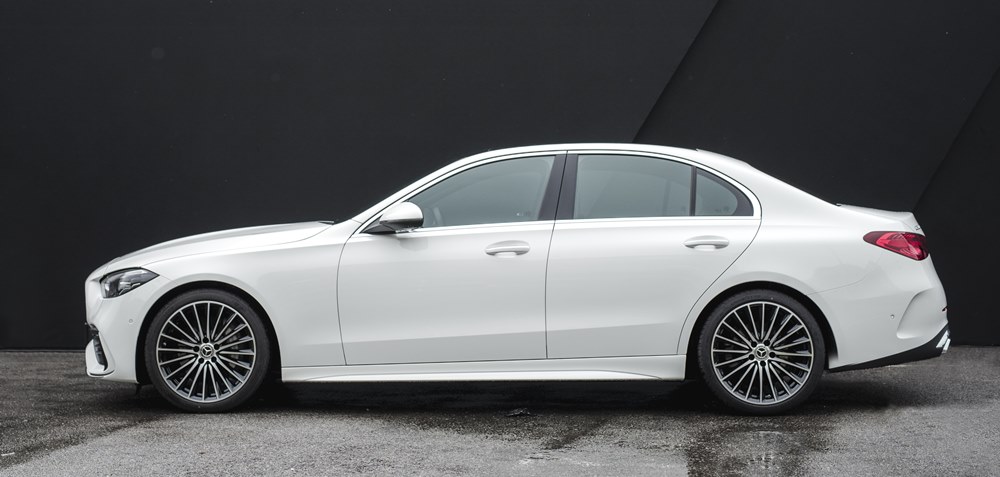
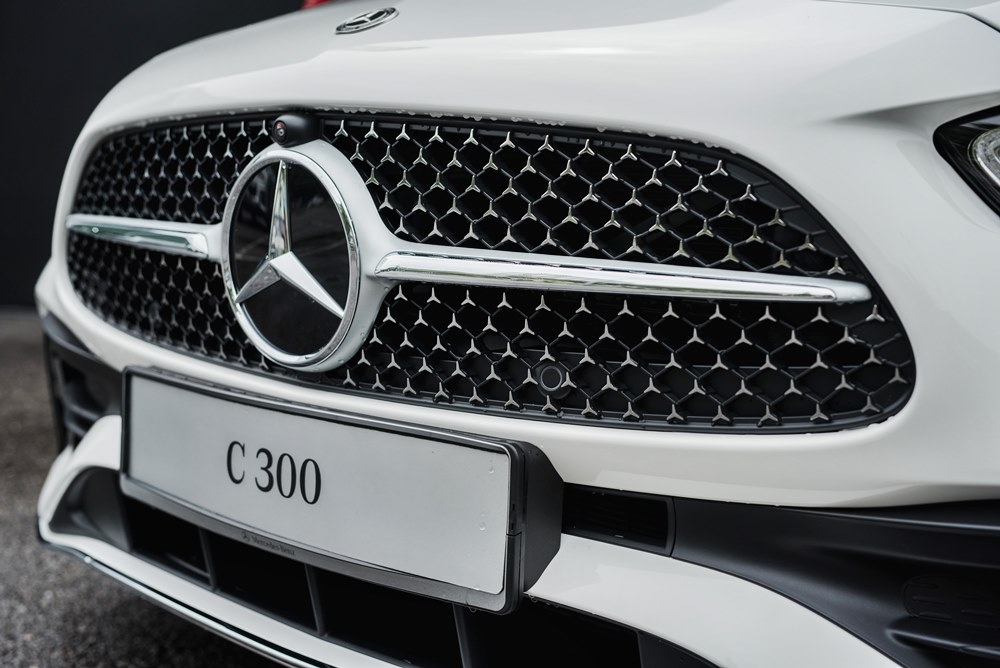
The classic sedan form that has characterised the C-Class is maintained with a more modernised appearance that has sporty elements. The C200’s Avantgarde line features include the radiator grille design with central Mercedes star as well as elegant trim strips in high-sheen aluminium and chrome with 18-inch 5-spoke wheels.

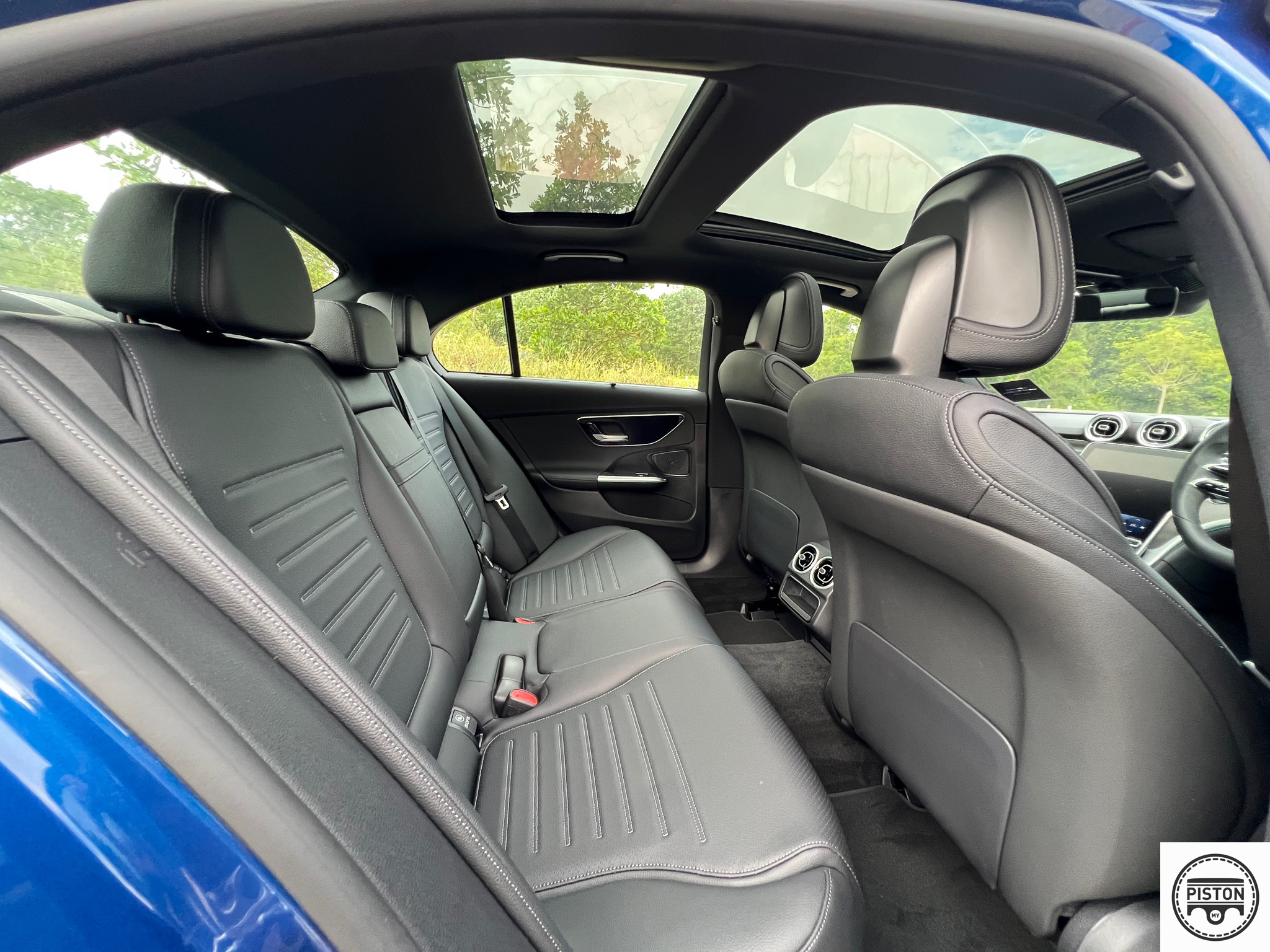
For the C300 with AMG Line, the grille incorporates the star design in chrome. To distinguish this version are LED High Performance headlamps with Adaptive High Beam Assist, 19-inch AMG multi spoke wheels and a panoramic sunroof is standard.

The rear ends of both models are similar, but this generation has had more attention given to the tail lamp units. For the first time in a C-Class, they have a 2-piece design, with the light functions divided between the side wall and bootlid lamps.

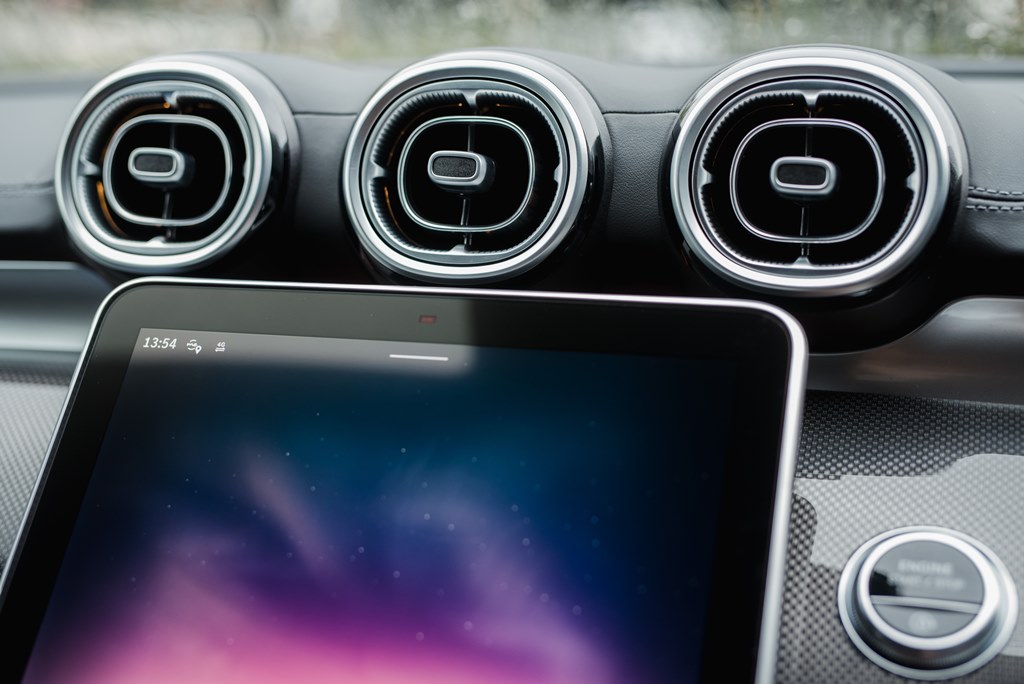
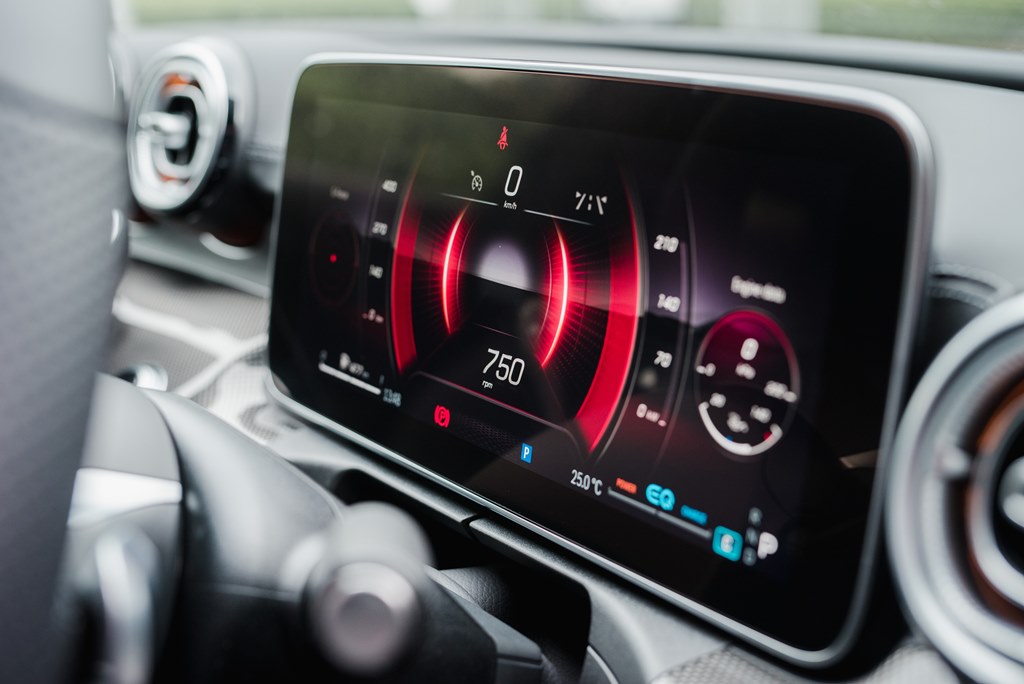
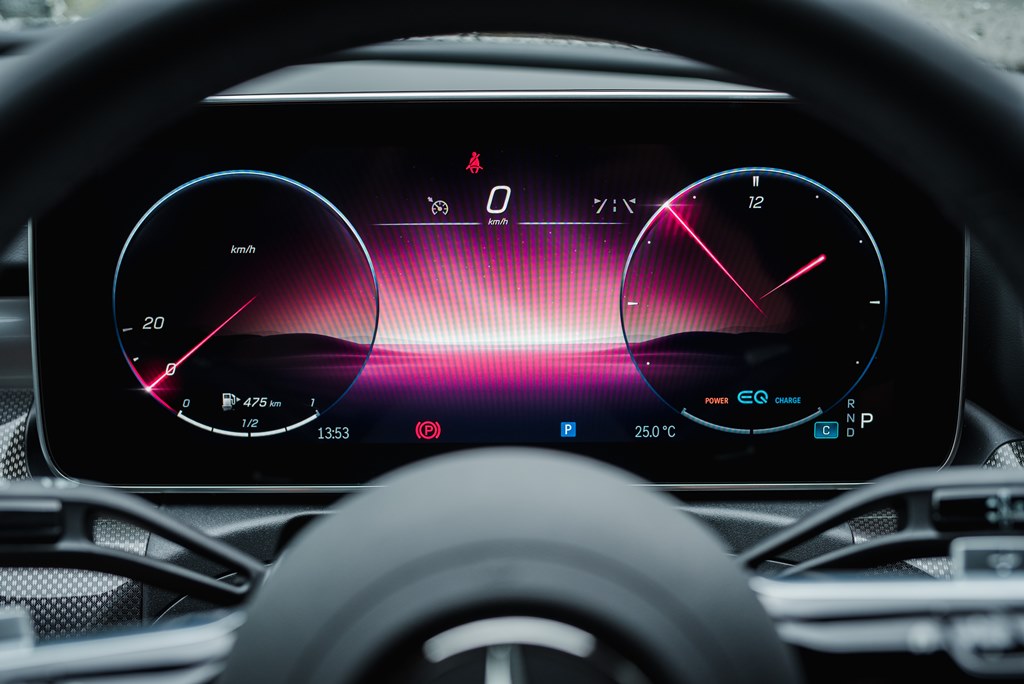
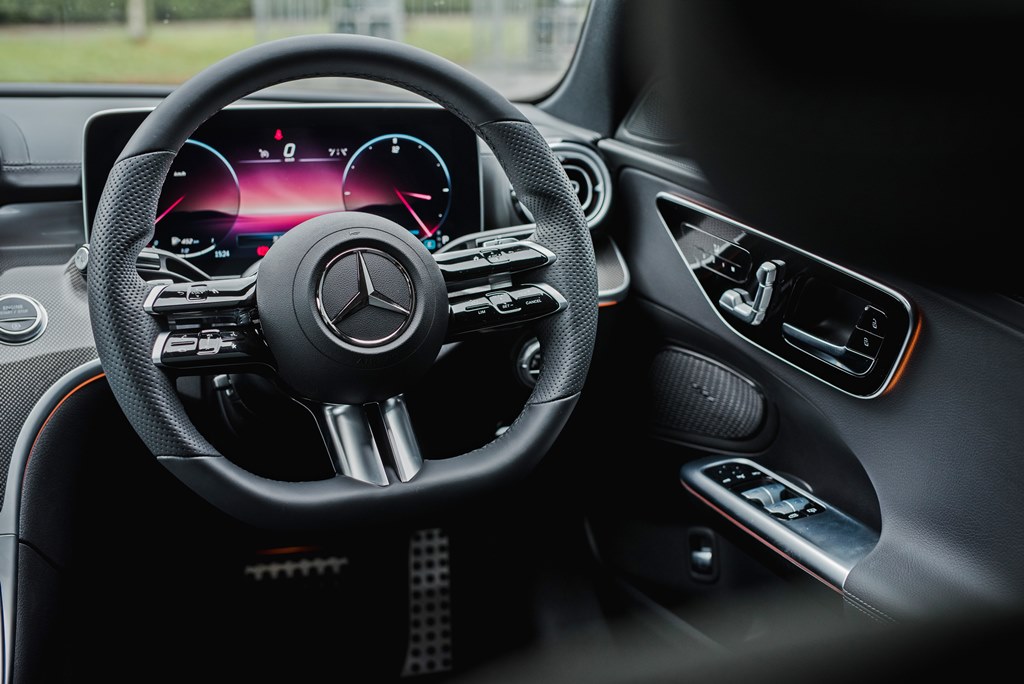
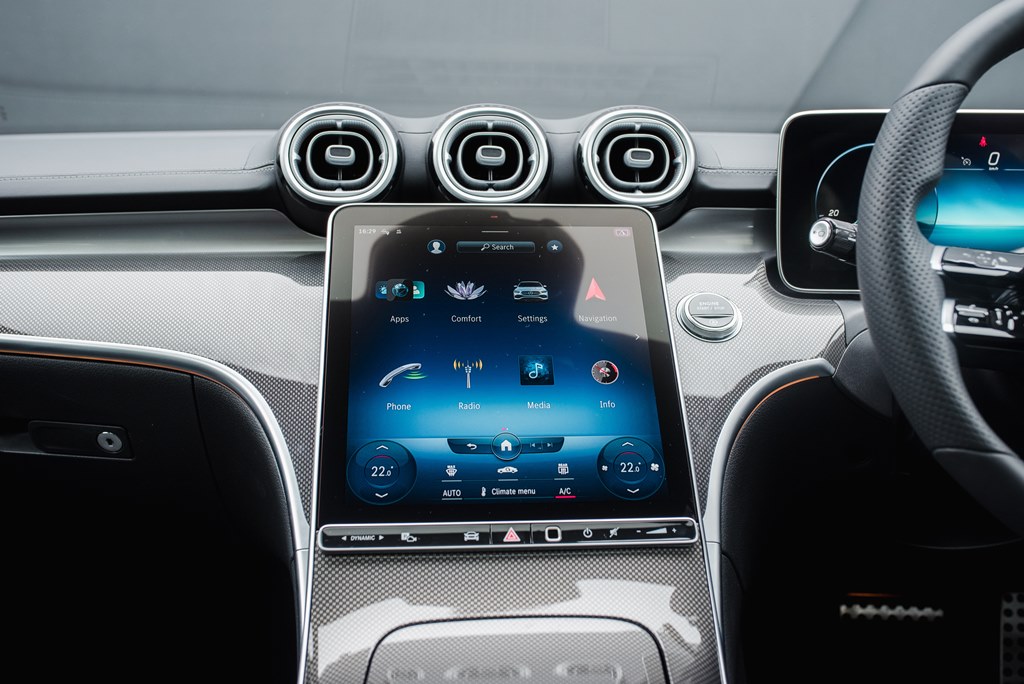
For this new generation, the interior has influences from the latest S-Class so its image is elevated. Notable features in the cabin are the high-resolution 12.3-inch free-standing display, which makes a difference from traditional cockpits with the classic round meters. The touchscreen appears to float above the expanse of trim and is slightly tilted towards the driver for easier viewing.

The dashboard is divided into an upper and a lower section. Above the wing-like section are a trio of  flattened round vents reminiscent of aircraft engine nacelles. The tablet-like central display flows down to the centre console which has a rear padded section for the armrest and a front section in lustrous jet black, divided by a chrome insert.

As with every new Mercedes-Benz in recent times, the new C-Class comes with MBUX and includes MBUX Navigation Premium. The MBUX multimedia system has extended functions and comes with a LTE module to connect to Mercedes me, the app that allows the owner to interact with his car. Apple CarPlay and Android Auto make it possible to transfer favourite apps like Spotify or Waze onto the display screen and use them from there.

The system also has a fingerprint scanner but this is not used for security. Instead, it is used to retrieve stored profiles of different occupants (usually the driver) with regards to their personal preferences such as seat and steering adjustments, air-conditioning settings and even the ambient lighting levels.

Besides the advanced driver assistance systems to help the driver’s awareness and intervention when action is not taken to avoid an accident, there is also an emergency call (e-call) system. This will send a message to a control centre to notify of a possible accident when sensors detect a severe impact and deployment of the airbags. This could bring rescuers faster and make a difference in saving a life.

Each new C-Class comes with the URBAN GUARD vehicle protection package which is a security system for the car that can be helpful on recovering it if stolen. This makes use of the Mercedes me app and besides the usual security systems, it is also possible to deactivate the car keys preventing their use to start the engine. There is also visualisation with camera images to identify possible cause of parking damage.

For those interested in buying the new C-Class, Mercedes-Benz Financial has various financing plans starting from RM2,388 per month (for the C200). Additionally, there’s a MobilityPlus programme with a guaranteed temporary Mercedes-Benz replacement car if the car is retained by the service centre for 48 hours or more.

How times have changed. 40 years ago, when you thought of pick-up trucks, the image might be one of a vehicle carrying construction materials or workers, or a dirty truck struggling along a muddy trail in the jungle. Fashion would hardly come to mind, let alone be associated with it.

Today, the image of the pick-up truck has changed and while it still retains its workhorse role in the commercial sector, trucks are considered ‘lifestyle’ machine today. They are designed for daily use in cities and also for recreational activities during the weekend.

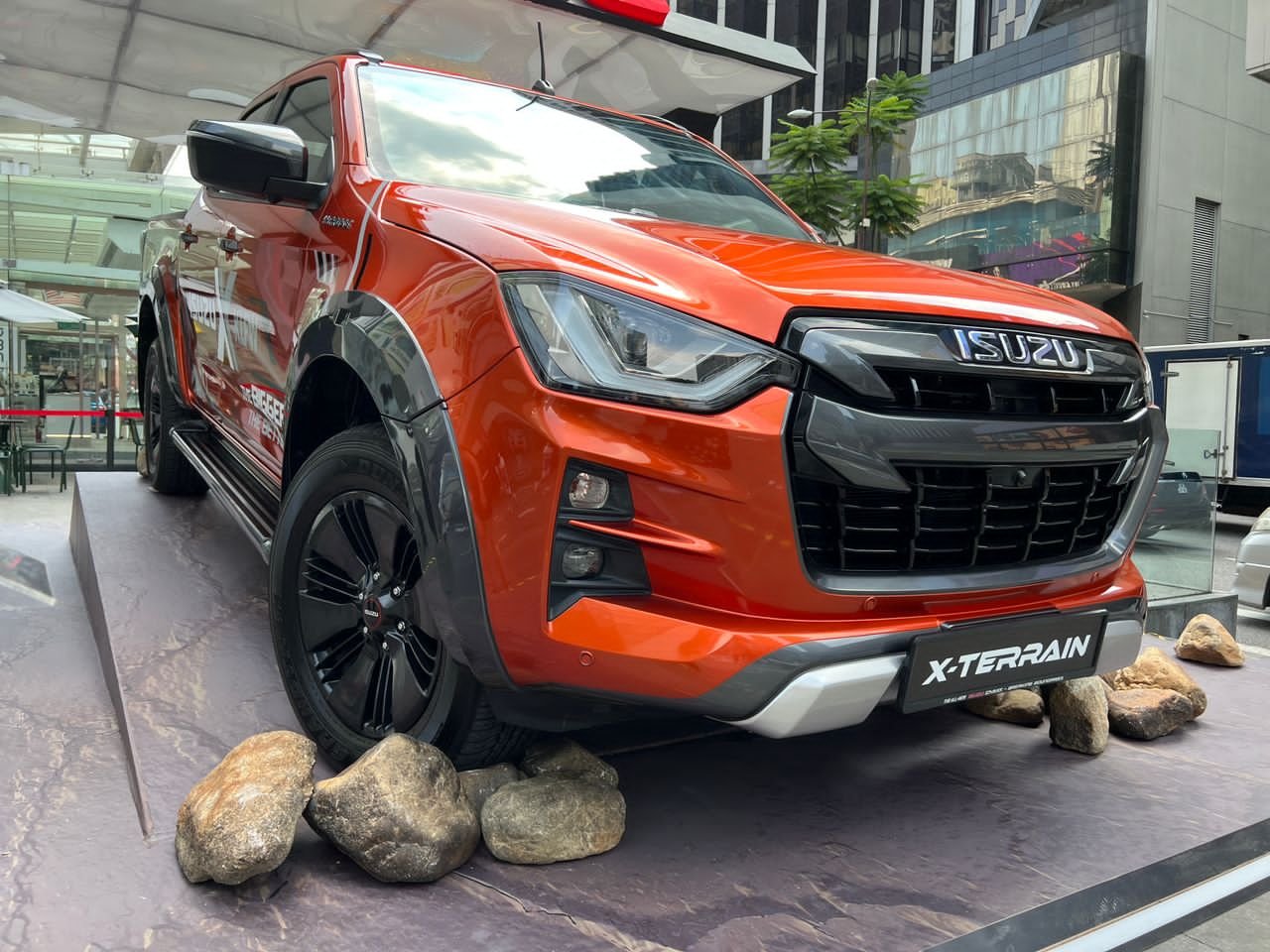
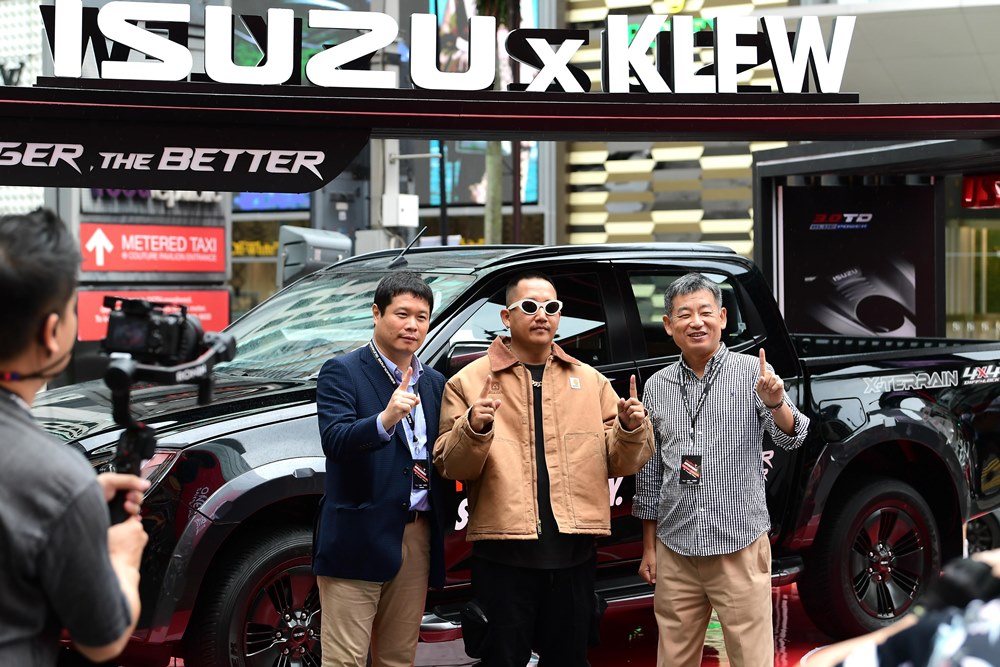
Epitomising the modern truck is the Isuzu D-MAX X-Terrain, the stylish truck introduced in Malaysia in April last year. The X-Terrain is the flagship of the D-MAX range and clearly focussed on style but without losing any muscular capability either.

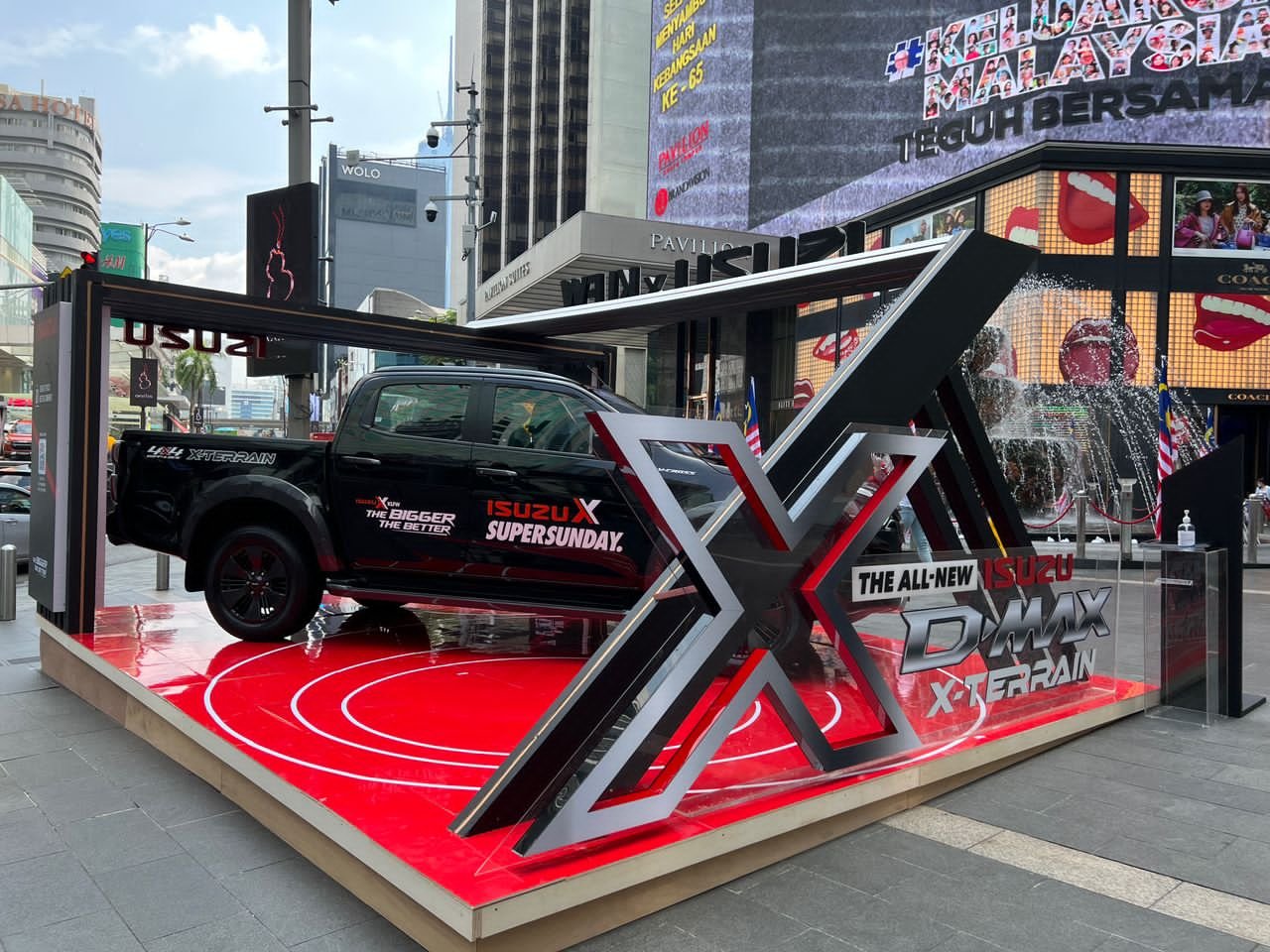
To demonstrate how the D-MAX and fashion can go together, Isuzu Malaysia provided the model as the Official Ultimate Lifestyle Vehicle of 2022 KL Fashion Week. The annual event has the theme of ‘The Bigger, the Better’, which is certainly appropriate for the imposing D-MAX!

Isuzu Malaysia’s CEO, Shunsuke Okazoe (right) and Chief Operating Officer, Kenkichi Sogo (left) with Bob, the founder of Super Sunday streetwear which the company collaborated with.

As the event’s Official Ultimate Lifestyle Vehicle, the D-MAX X-Terrain showcases a fresh dimension to its identity, one that hinges on its appeal as an urban vehicle and not one purely focused on its talents as a capable cargo-mover and dependable off-roader. Isuzu Malaysia also displayed the D-MAX at the Pavilion KL in Bukit Bintang Kuala Lumpur during KL Fashion Week.

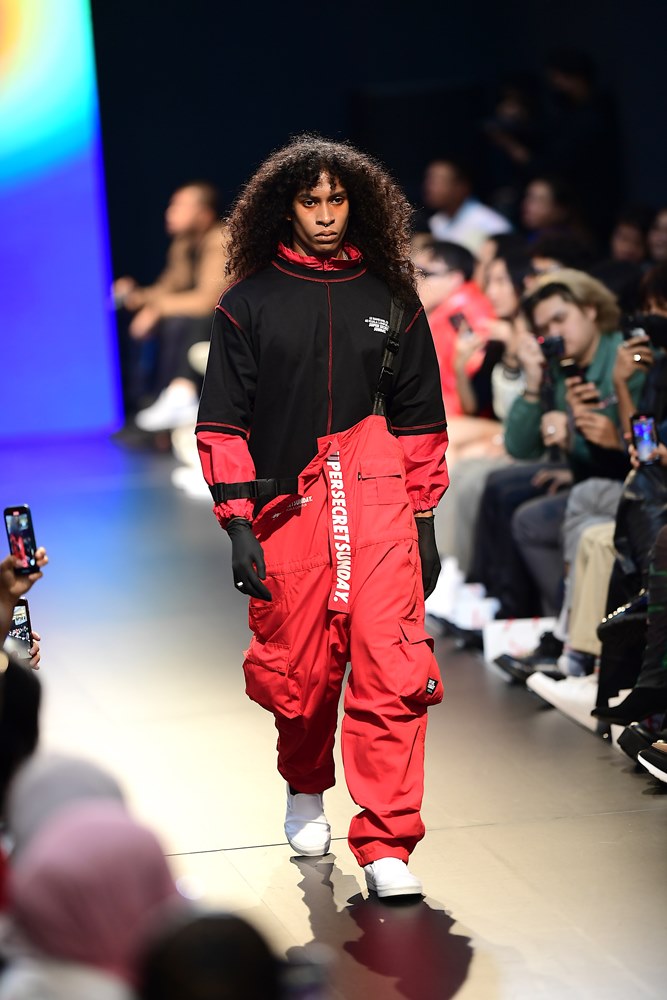
During the event, Isuzu Malaysia also presented a segment at the fashion show to show Super Sunday, a local streetwear line. The brand was founded by Bob, a businessman who established a multi-level store for independent artists. From humble beginnings in 2007, the local brand has become popular among the young for its bold and bright streetwear. For the fashion show, Bob displayed some new creations inspired by the X-Terrain after he experienced it.

To know more about the D-MAX range and locate a showroom to test it, visit pickuptruck.isuzu.net.my.

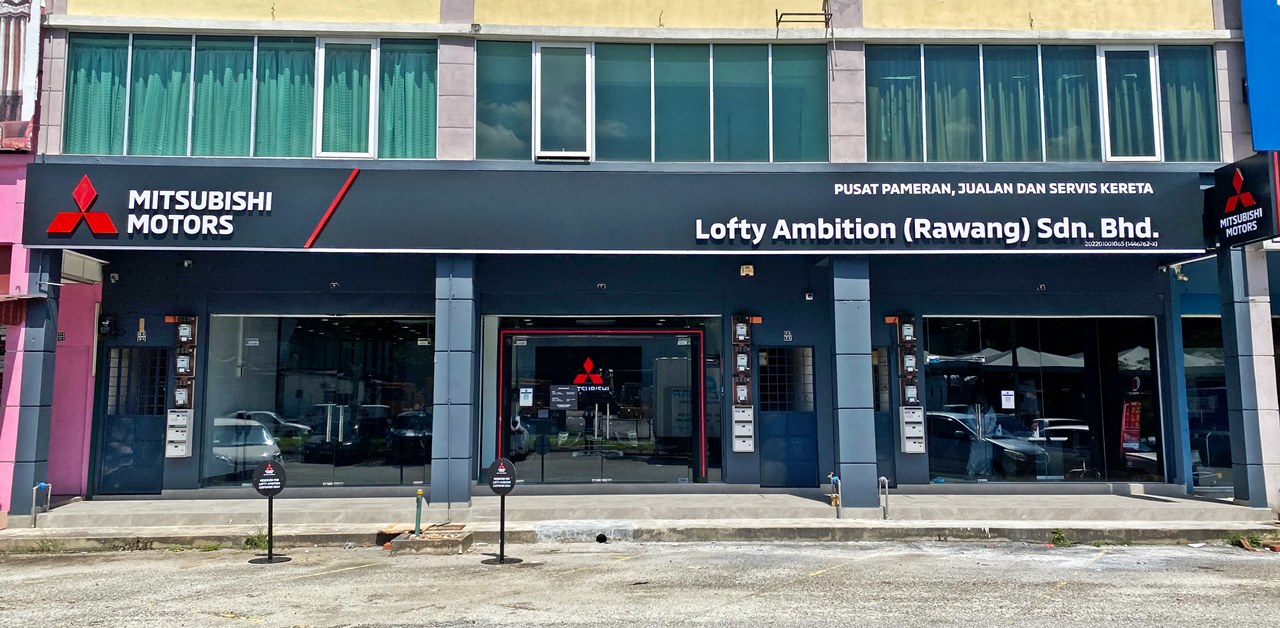
The Mitsubishi Motors network continues to grow in Malaysia with the opening of a new 3S Centre (Sales, Service & Spare parts) in Rawang, Selangor, recently. This brings the number of Mitsubishi Motors outlets in the Klang Valley to 16, with a total of 54 showrooms (out of which 49 are 3S Centres) and 55 service outlets nationwide.

The new outlet in Rawang is operated by Lofty Ambition (Rawang) Sdn Bhd which is not a newcomer as a Mitsubishi Motors authorised dealer. The company, which has been an authorised Mitsubishi Motors dealer since 2014, also operates three other outlets for the brand in Ipoh, Taiping, and Sitiawan in Perak.

Besides being strategically located to serve customers and Mitsubishi owners in the surrounding areas, the 3S facility is also accessible via the PLUS North-South Expressway, useful to note for travellers who may need assistance on their journeys.

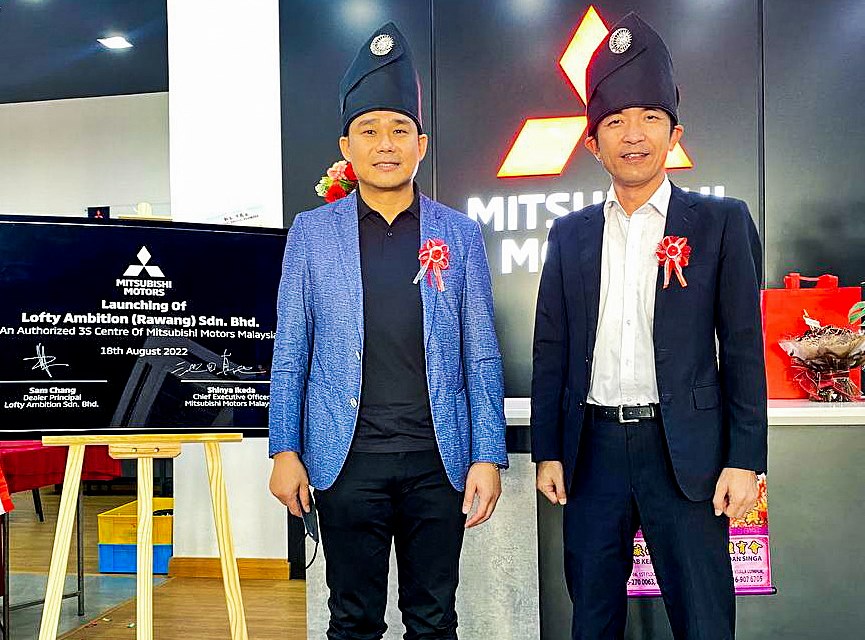
Shinya Ikeda, CEO of Mitsubishi Motors Malaysia (right) with Sam Chang, Dealer Principal of Lofty Ambition Rawang.

The 3S centre consists of a 3-storey shoplot and has a built-up area of 4,000 square feet. It is designed in accordance with the Mitsubishi Motors’ brand identity and presents the brand’s global brand message: ‘Drive Your Ambition’.

Customers will be able to view new Mitsubishi models in the showroom while those who send their vehicles to the service centre can make use of a comfortable customer lounge which has complimentary wifi service. The service centre is fully equipped with the necessary tools for maintain Mitsubishi vehicles and the technicians have also been thoroughly trained for their work.

Congratulating Lofty Ambition for opening another Mitsubishi Motors showroom, Shinya Ikeda, CEO of Mitsubishi Motors Malaysia (MMM), said: “This goes to show the company’s confidence in the Mitsubishi brand, and commitment to further strengthen Mitsubishi’s presence and network in Malaysia. This new showroom is to serve our customers better in the Klang Valley as we see a huge potential for business growth, especially for the Triton pick-up truck and XPANDER 7-seater crossover.”

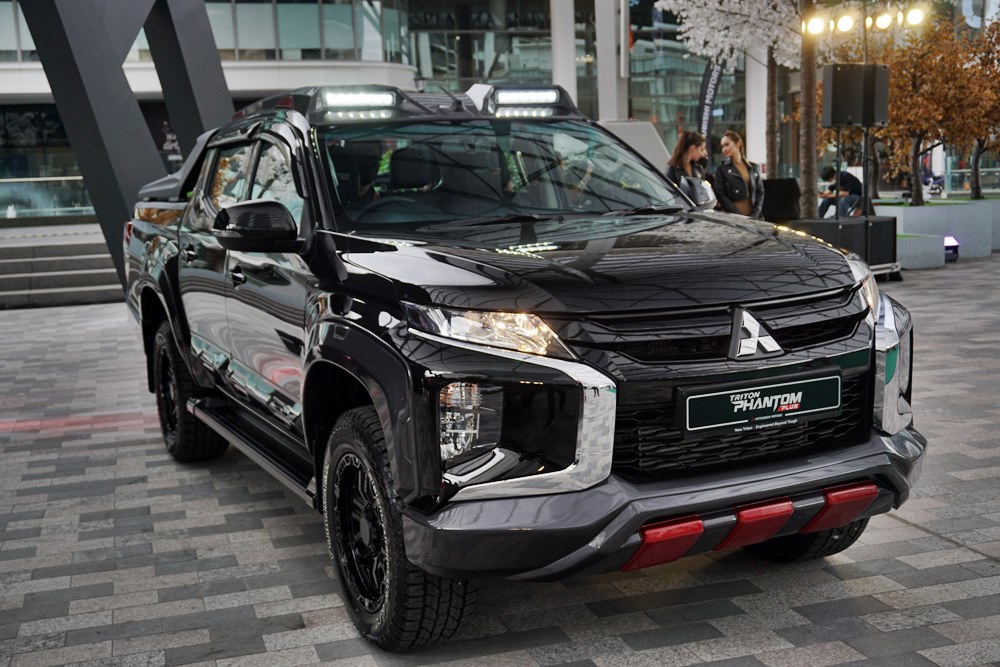
Mitsubishi Triton Phantom Plus, a limited edition of the popular pick-up truck.

Commenting on the business situation this year, Mr. Ikeda said that, during the first half of the year, MMM sold 12,261 cars, a 63% growth compared to the same period in 2021. “Our estimated market share is 4% and Mitsubishi Motors is retaining its position in the top three spot among non-national brands in Malaysia,” he added.

To know more about Mitsubishi Motors’ products and services in Malaysia or to locate an authorised dealer in the network, visit www.mitsubishi-motors.com.my.
Ever since Lamborghini launched its first SUV, the Urus, sales have been exceptionally high and propelled it to become the bestselling model for the Italian sportscar maker. In fact, in 4 years, it has produced over 20,000 of the SUVs, which makes the Urus the most successful model the company has ever produced.

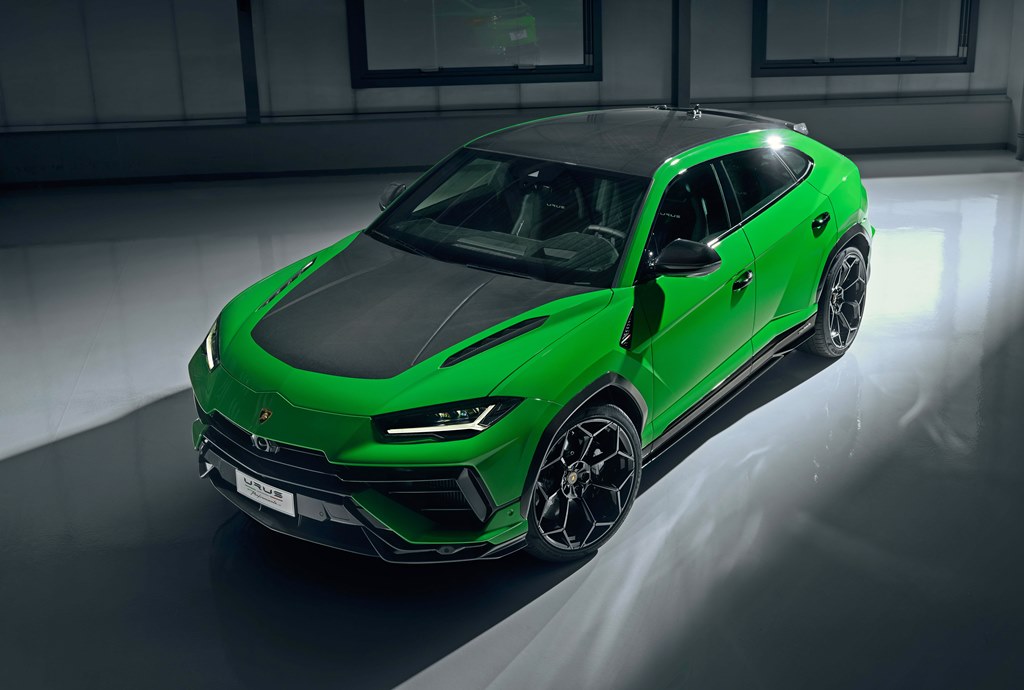
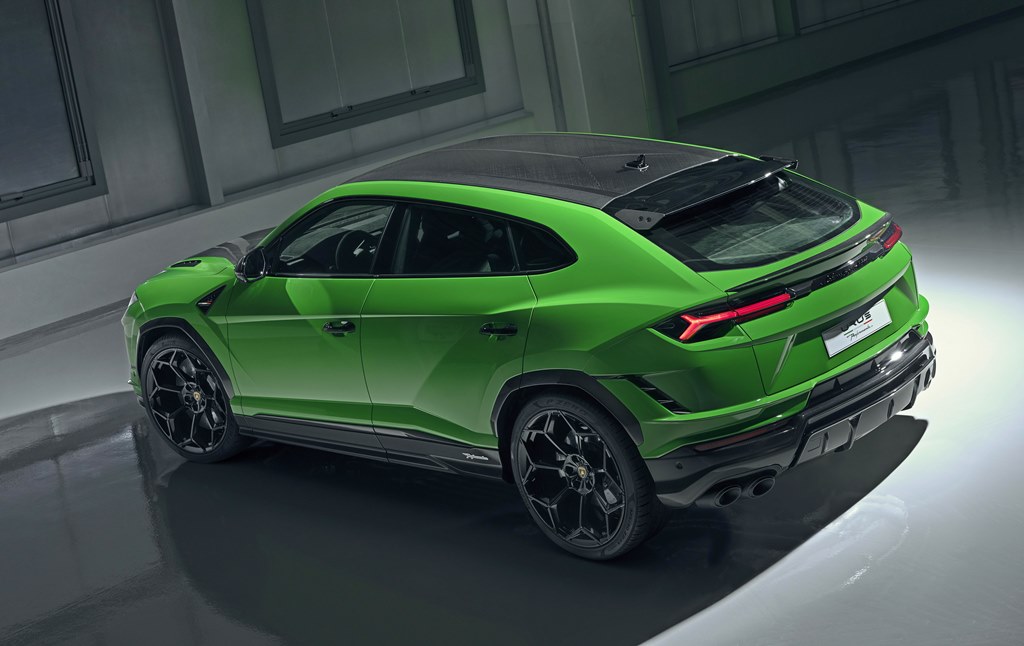
But like any progressive company, Lamborghini has not left the Urus as it is and has been inspired by success to raise the bar on its Super SUV. With the new Urus Performante, there are revisions in styling and both the powertrain and chassis have also received improvements for higher performance.

“The Urus set a new standard at its launch, taking Lamborghini’s design DNA and technological talent and delivering the world’s first Super SUV for a new era. The Urus Performante sets the bar even higher for the SUV segment,” said Stephan Winkelmann, Lamborghini Chairman & CEO.

Extensive use of carbonfibre
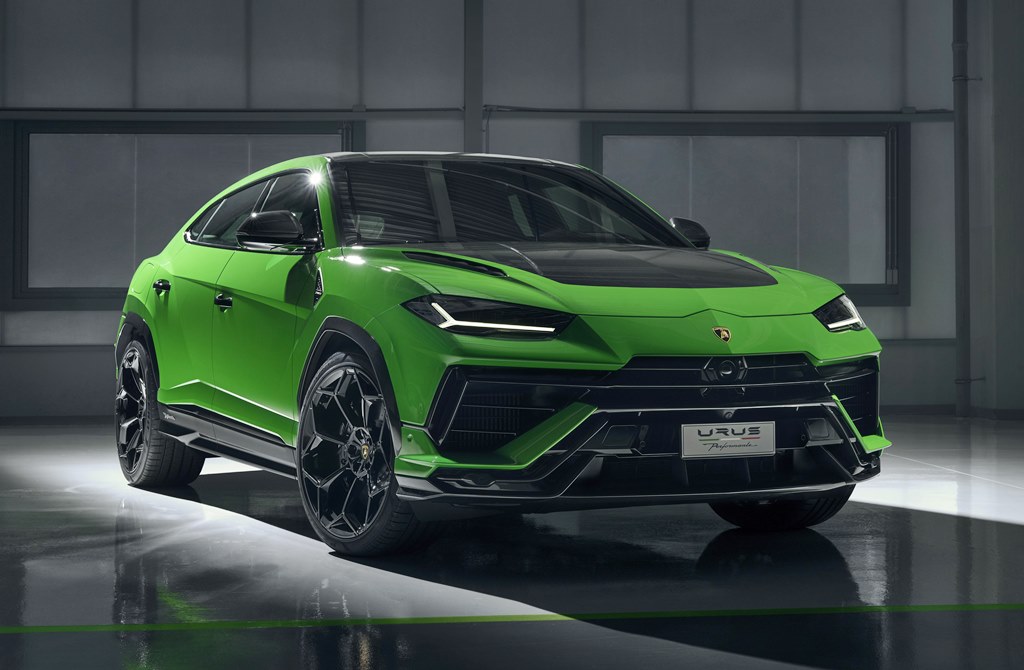
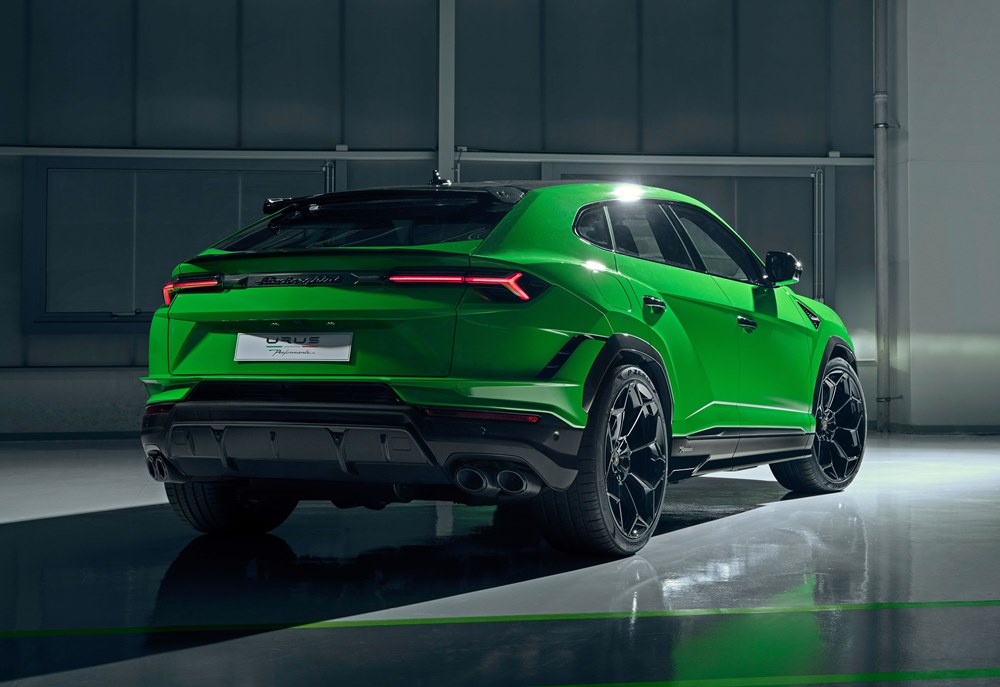
The Urus Performante can be identified by a pure, sharper, more prominent bonnet and bumper design/ Deep cuts in the bonnet lines extend down to the new front bumper, and the bonnet has an air outlet forged from lightweight. A roof in carbonfibre is also available as an option, reflecting the Urus Performante’s extensive use of composite materials that makes it the car with the highest number of carbonfibre parts in its segment.

The front bumper and splitter in carbonfibre sport assertive new lines. There are new black front air-intakes which deliver increased engine cooling, while a new air curtain draws airflow over the front wheels. The aerodynamic design theme decreases drag to contribute to the overall aerodynamics efficiency with the newly-designed rear spoiler increasing downforce of the Urus Performante by 38% at the rear end.

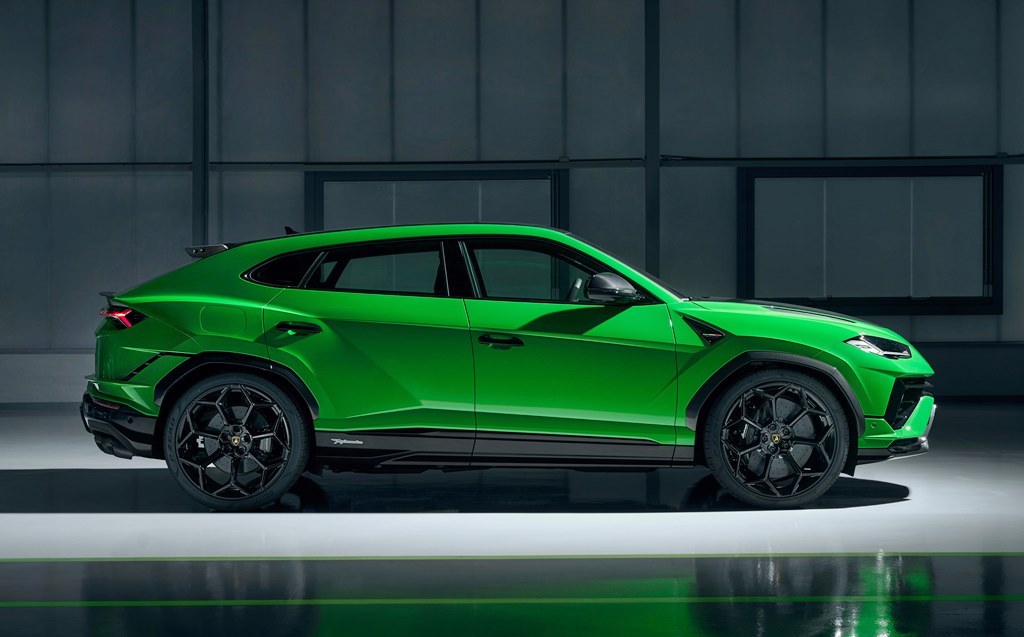
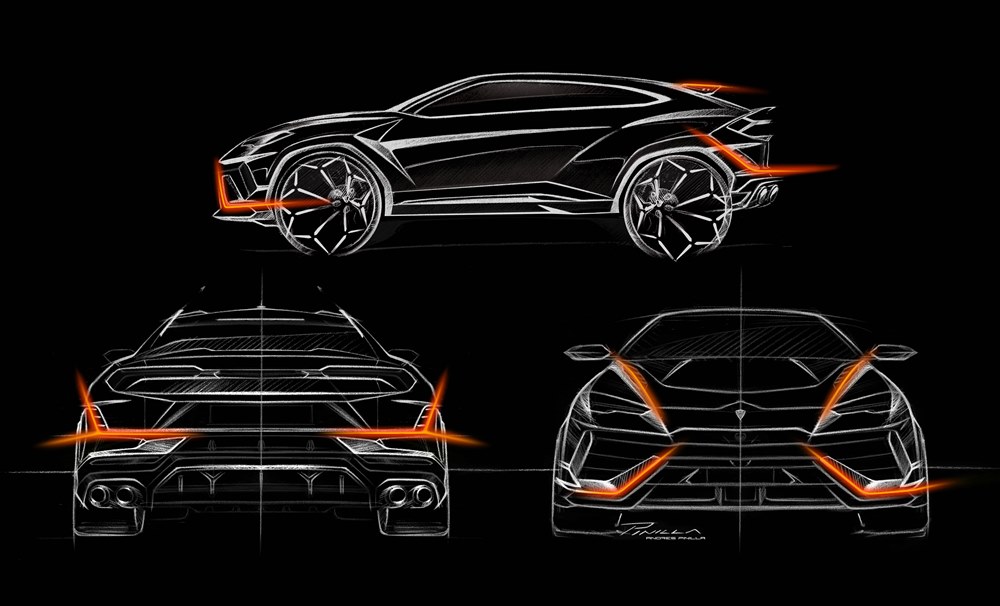
In profile, the SUV’s lowered stance is accented by its prominent front, and rear wing and bumper, increasing overall length by 25 mm. The rear is equally distinctive by its purposeful high-performance design as the rear spoiler with carbonfibre fins takes design inspiration from the Aventador SVJ.

The lower rear bumper and diffuser are also in carbonfibre with a lightweight titanium Akrapovic sports exhaust as standard. This generates the characteristic Lamborghini resonance depending on the drive mode selected.

“The Urus Performante’s very bold and characterful design perfectly integrates the improved aerodynamics incorporating the front bumper’s air curtain, with significant visual differentiation including the new lightweight carbonfibre bonnet and extensive use of carbonfibre throughout reminding of its ‘Performante’ heritage. This benchmarking Urus is designed as a unique driver-oriented Super SUV,” said Mitja Borkert, Head of Design.

Ad Personam options available
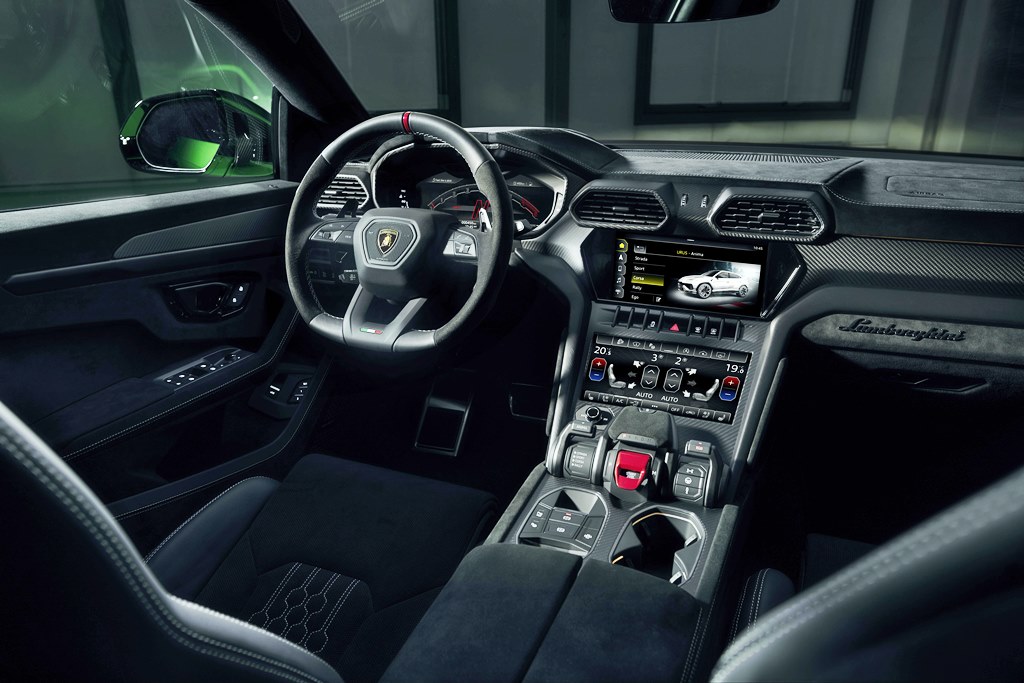
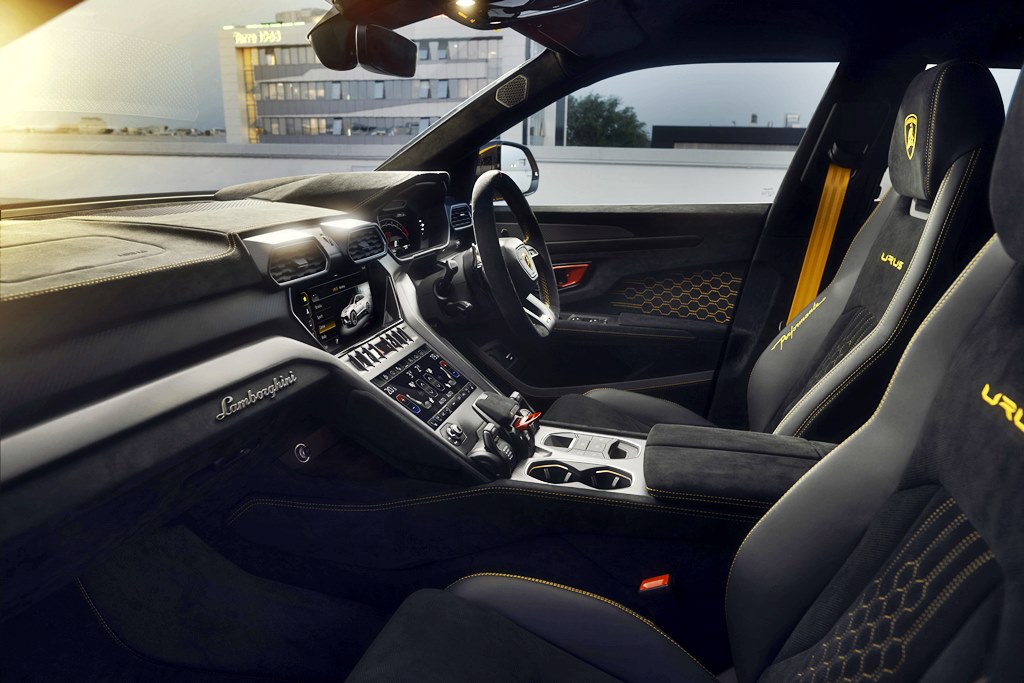
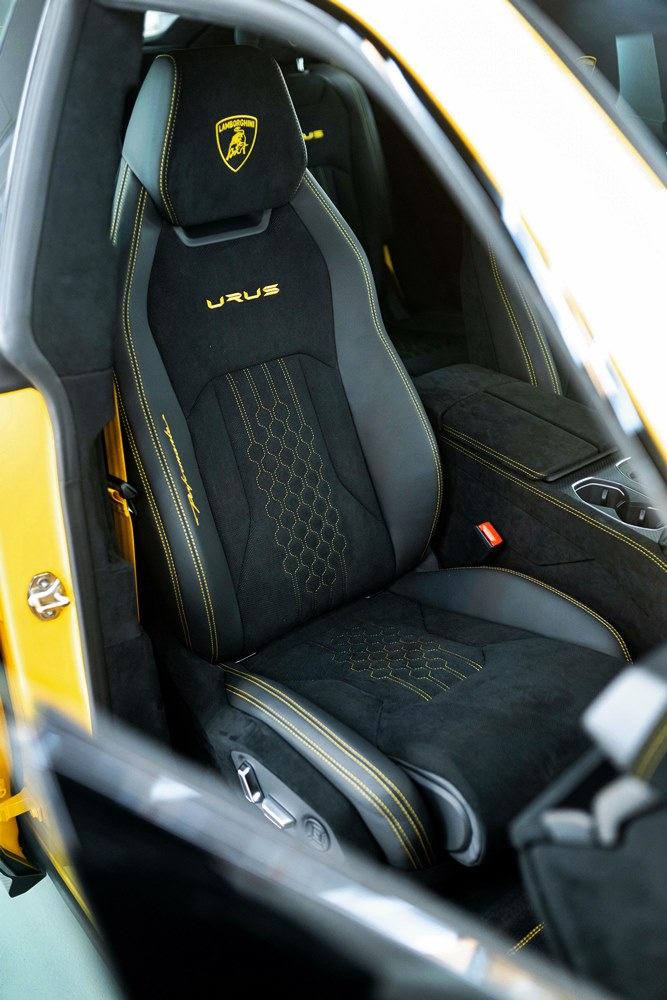
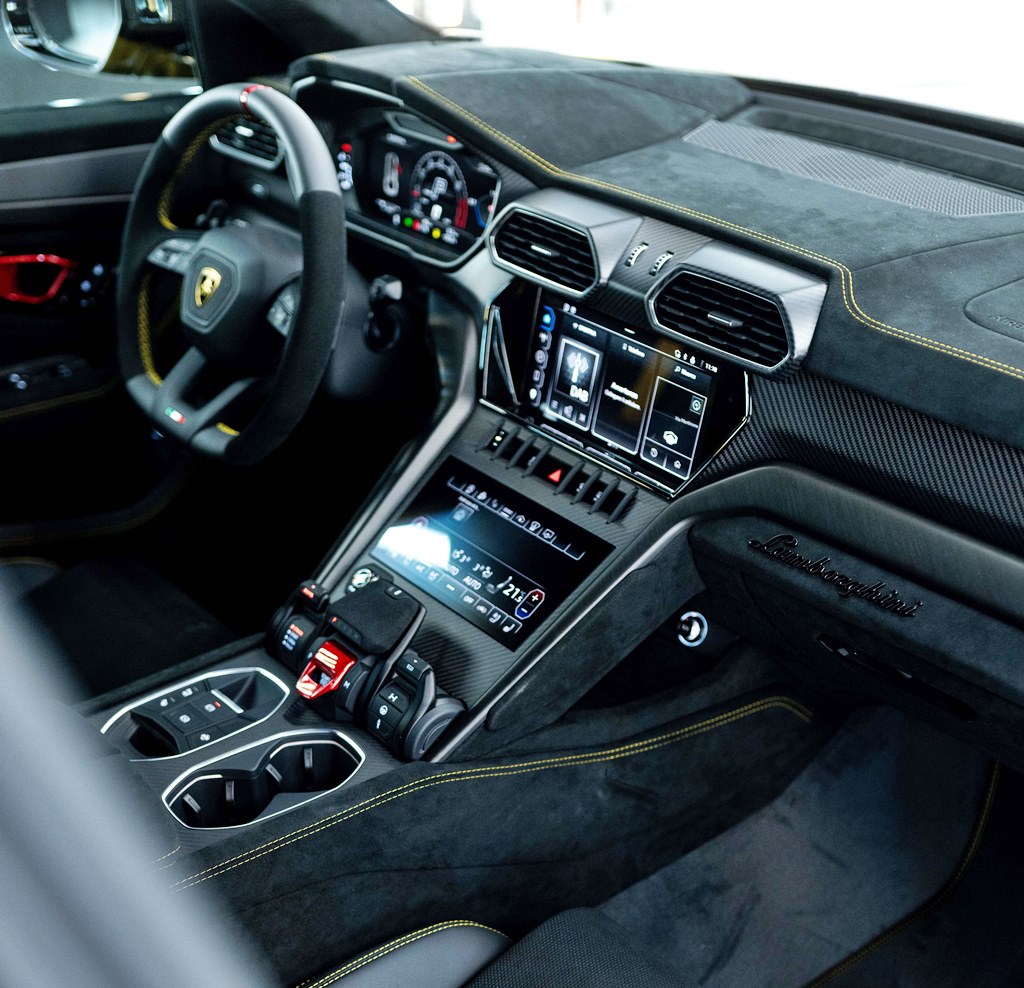
Inside, the cockpit features Nero Cosmus black Alcantara as standard with a new hexagonal seat stitching design known as the ‘Performante trim’. Customers have a wide choice of options in colour and trim, with further Ad Personam customization including interior matt carbonfibre details, red door handles, and a customized kickplate with the Ad Personam logo.

A new HMI graphic, with a dedicated design for the Urus Performante, features on both the centre console screen and in a large arc across the main display.
Increased power output
Under the bonnet, the V8 twin turbo powerplant power has gained a 16 ps increase to 666 ps (640 ps for the Chinese market due to homologation reasons) with 850 Nm of torque to take it up to a top speed of 306 km/h. With overall weight decreased by 47 kgs, the Urus has a best-in-class weight-to-power ratio of 3.2, allowing it to go from 0 – 100 km/h in a claimed 3.3 seconds and from 100 km/h to standstill in 32.9 metres.
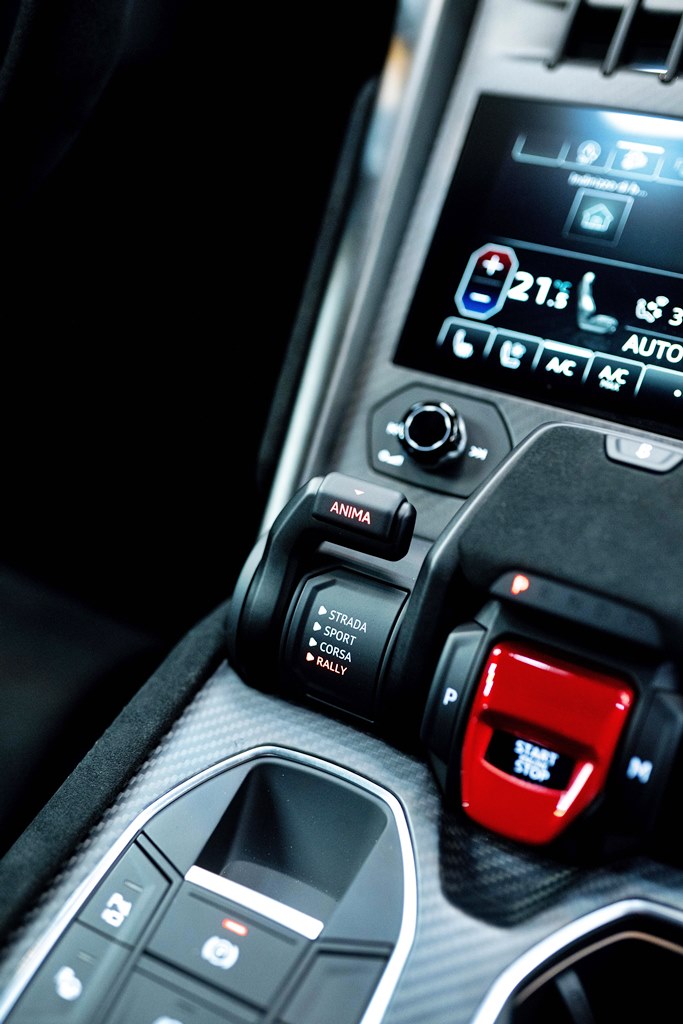
The re-engineered drive modes allow the driver to select the perfect set-up for every surface condition to enjoy more comfort or sharper, stronger throttle response with enhanced agility. Besides the standard drive modes, there is also a new RALLY mode which provides more fun dirt tracks with amplified oversteer.

Lamborghini Urus 2022 at Pikes Peak

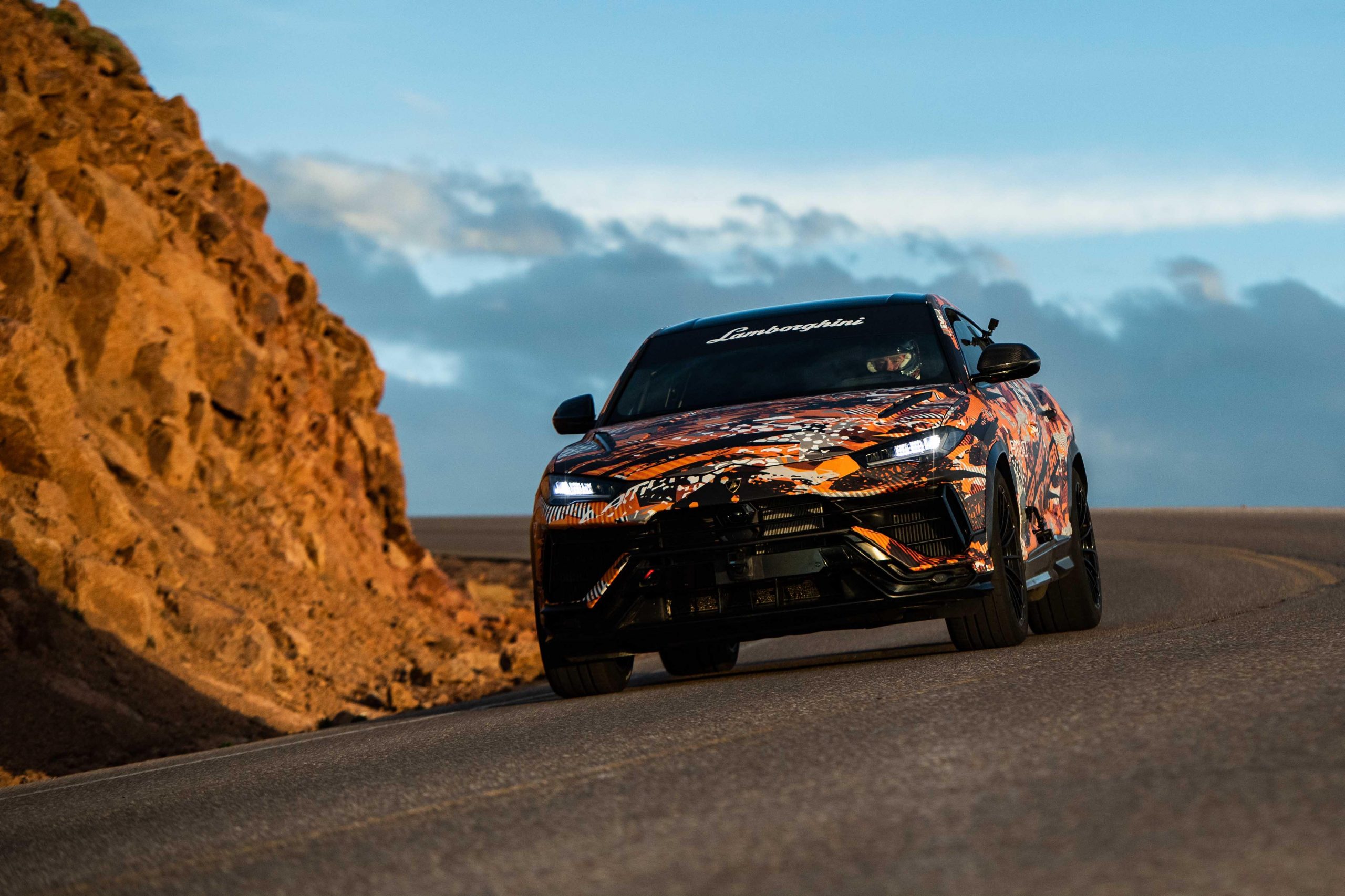
Prior to its global debut, the Urus Performante’s high level of performance was demonstrated when it set a new record in the production SUV category on the 2022 Pikes Peak International Hill Climb Road, beating the record set 4 years ago.

Chassis upgrades
Under the bonnet, the V8 twin turbo powerplant power has gained a 16 ps increase to 666 ps (640 ps for the Chinese market due to homologation reasons) with 850 Nm of torque to take it up to a top speed of 306 km/h. With overall weight decreased by 47 kgs, the Urus has a best-in-class weight-to-power ratio of 3.2, allowing it to go from 0 – 100 km/h in a claimed 3.3 seconds and from 100 km/h to standstill in 32.9 metres.

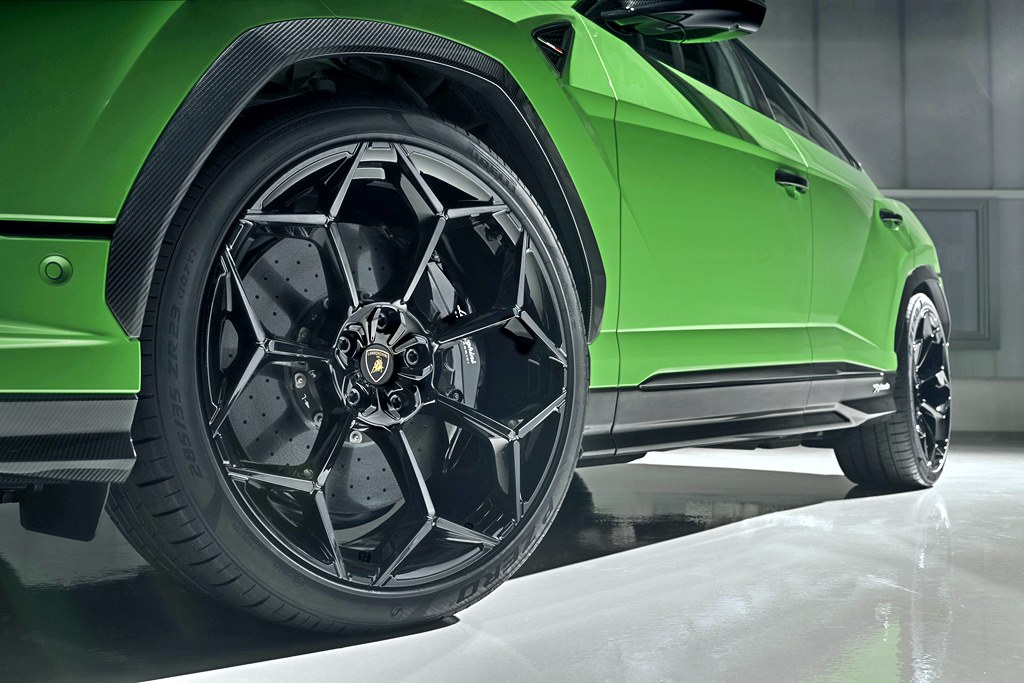
New steel springs lower the Urus Performante’s chassis by 20 mm, with a wheel track that is broader by 16 mm, over which wider carbonfibre wheelarches surround the new optional 23-inch or forged 22-inch lightweight wheels with titanium bolts and specially developed Pirelli tyres.

Special-developed Pirelli tyres
The tyres come alongside with an evolution of the Urus Pirelli P Zero Trofeo R. For the first time, the Pirelli semi-slick tyre has been developed to meet the characteristics of an SUV, with this particular variant developed in co-operation with Lamborghini. The result of the collaboration is a tyre with increased capability, achieving performance both on dry asphalt with high ambient temperatures and on wet surfaces with colder temperatures.

Until recently, any company with an Open AP (Approved Permit to import vehicles) has been able to bring in Lamborghini models, new and used. However, this is no longer the case as we understand that the Ministry of International Trade & Industry (MITI) has given exclusive rights to only one company to import new Lamborghinis under the Franchise AP privileges.

The change, which applies only to importation of new units, has been effective since August 17, 2022, and PEKEMA, the largest group of AP holders in Malaysia, has been informed accordingly by MITI.

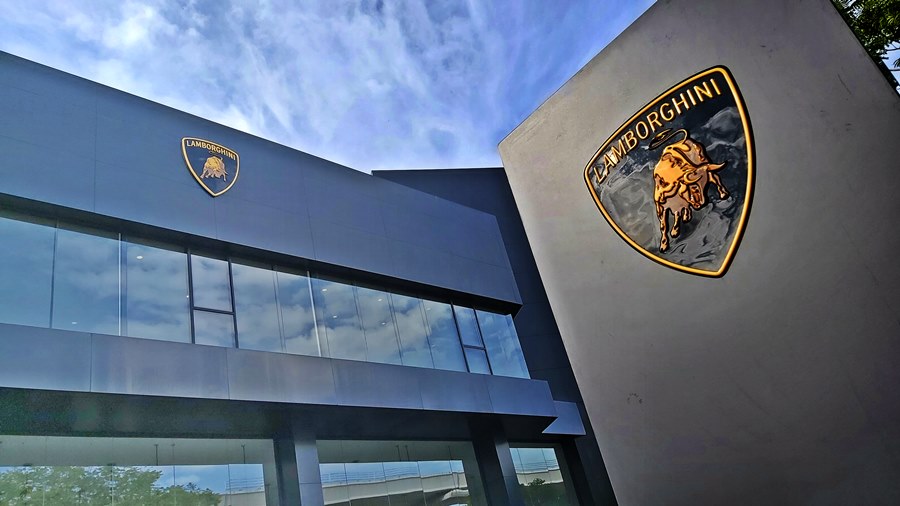
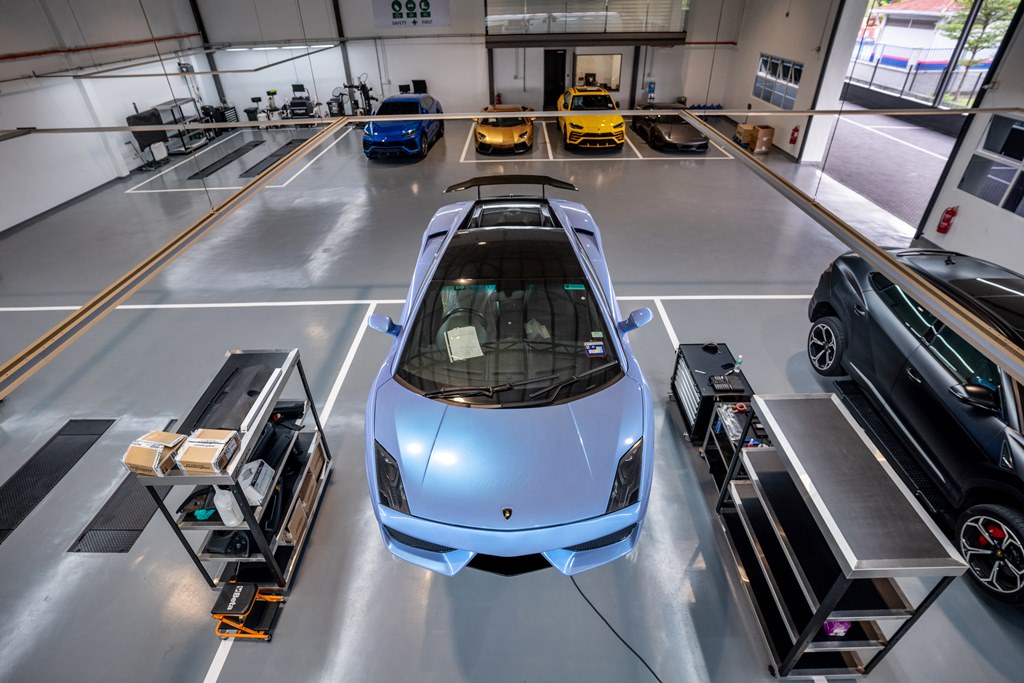
The company appointed by Lamborghini as its official dealer for Malaysia is SunAgata Supercars Sdn Bhd (Lamborghini Kuala Lumpur), which began business in April 2021. It has a sales and aftersales facility in Glenmarie, Selangor, which opened in March this year. SunAgata Supercars is among the 22 Franchise AP holders which are currently given exclusive rights to import new vehicles of brands they represent in Malaysia.

Lamborghini Kuala Lumpur 2022
The service centre of SunAgata Supercars, which is the authorised dealer appointed by Lamborghini.

About the AP policy
The AP policy, which was introduced in 1970, had the objective of helping bumiputera businessmen make inroads in the automobile sector. In earlier years, it was evident that much of the car business was in the hands of foreign companies (mainly British) and bumiputera participation was low. With the AP policy making APs available only to bumiputera businessmen and companies, it was expected that they would be able to become more involved in the auto industry.

The policy was intended to support the development of bumiputeras in the auto industry, but it was not properly managed in its early years. There were parties that applied and received APs but did not make an effort to actually do business. Instead, they merely allowed others to use their AP to import vehicles and charged a fee.

BHPetrol

As that was not what the government had created the policy for, there was a review in 1987 and around 150 AP-holders were terminated. With the review also came the introduction of the Franchise AP for legitimate authorised franchise holders for them to import new vehicles of the brand they represented.

The condition, however, was that their company need to have a bumiputera shareholding of at least 70%, unlike the Open AP condition where the company must be 100% bumiputera-owned. For those with Open APs, their companies would have to set up a proper business with a paid-up capital of at least RM1 million and sales and aftersales outlets.

Controversial subject
With Malaysia being a member of the WTO (World Trade Organisation), the AP policy has been controversial as it conflicts with free trade practices because issuance of APs is subject to certain conditions. Periodically, there has been talk of ending the AP policy, but the government has found it difficult to remove it due to strong arguments from groups like PEKEMA.

Archive

Follow us on Facebook

Follow us on YouTube