Piston.my

English

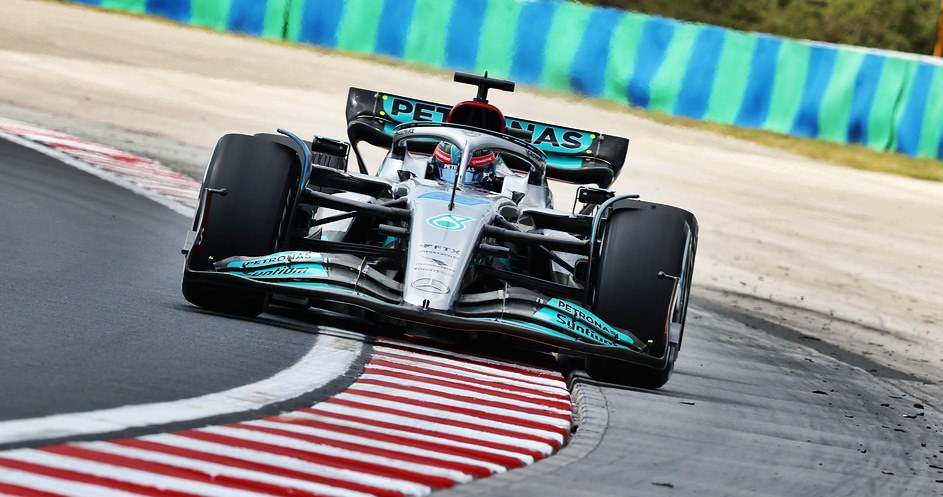
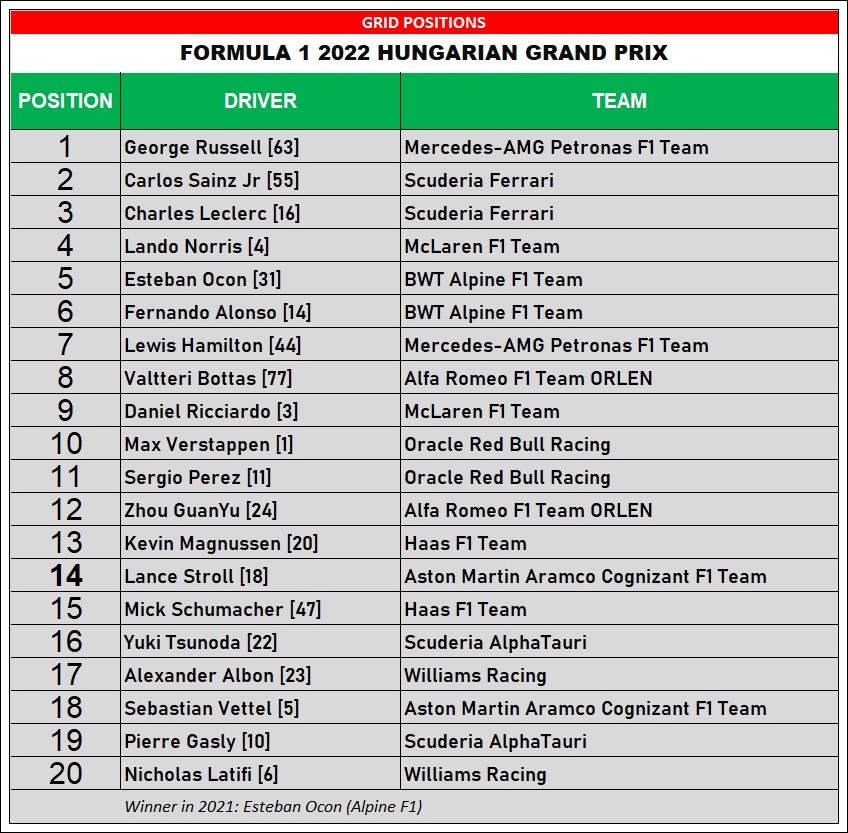
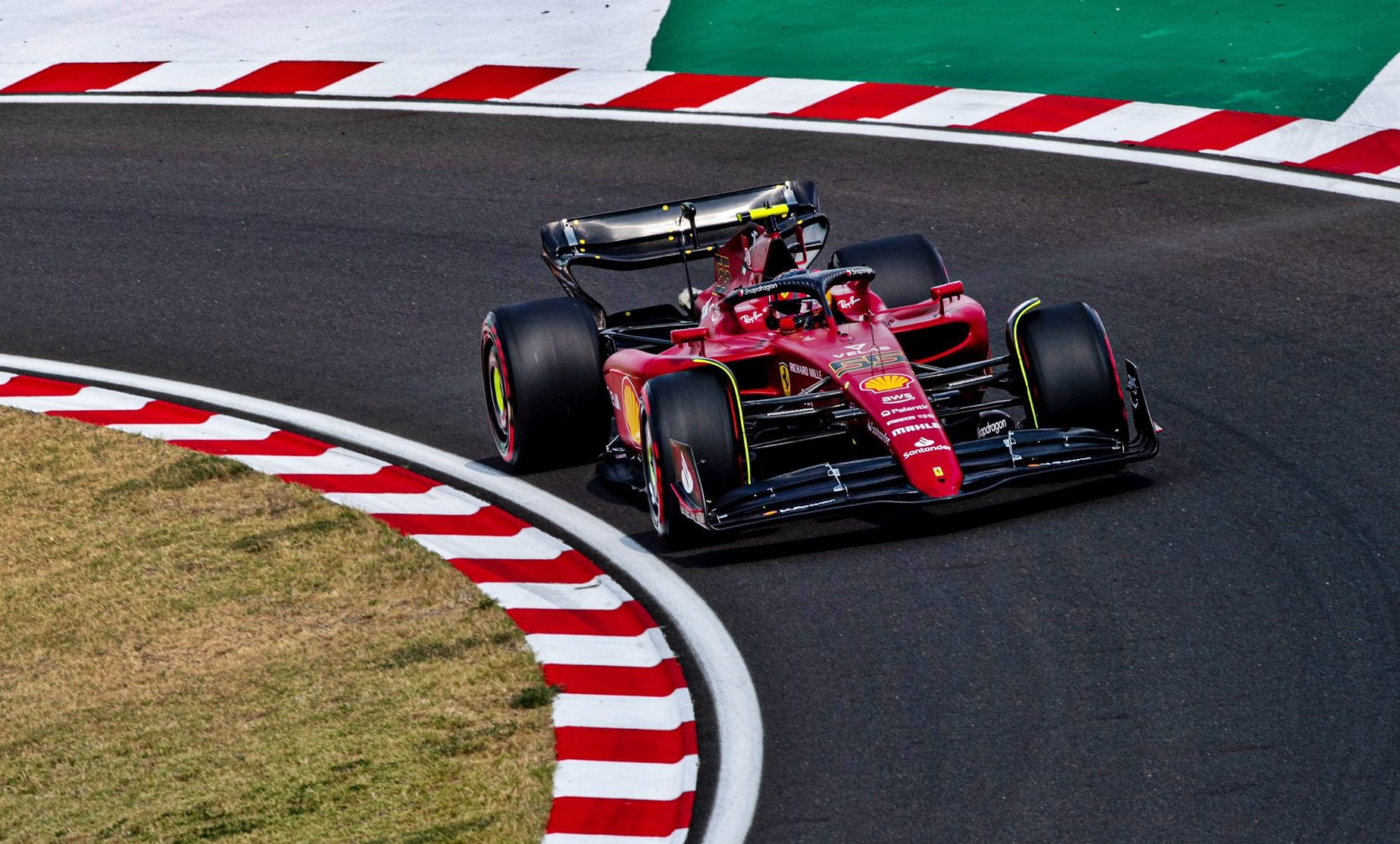
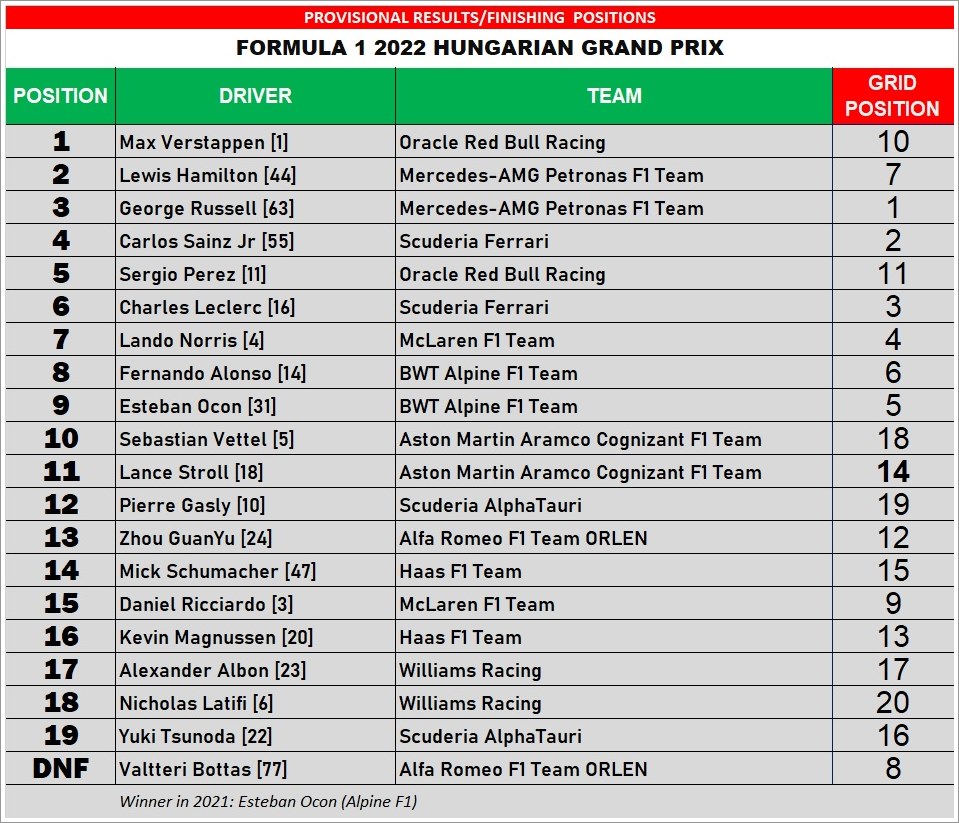
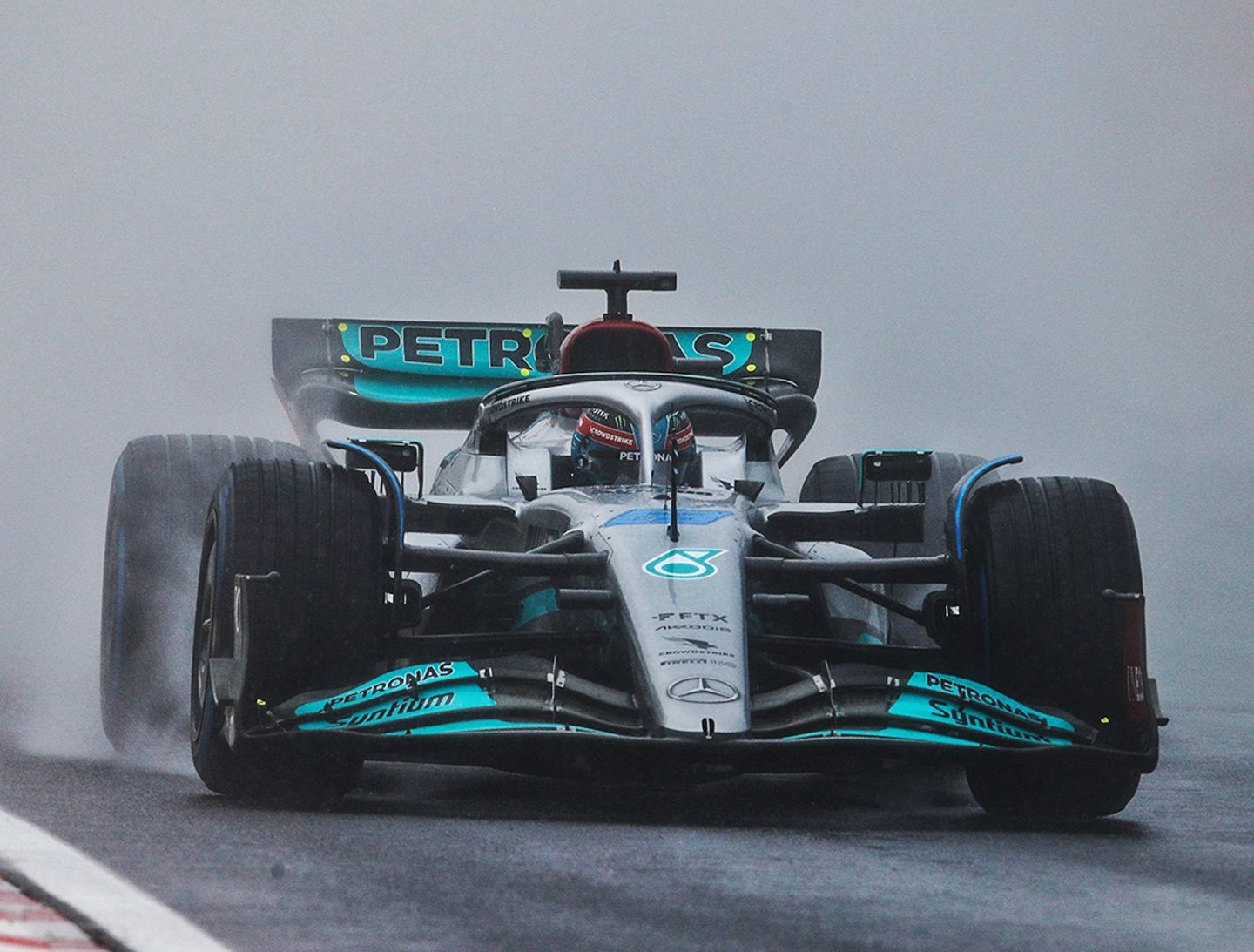
A new name was on pole position for F1 Round 13 – George Russell – and in his mirrors were two red Ferraris ready to outrun him to the first corner. But the young Mercedes-AMG F1 driver was ready and although Carlos Sainz was able to come up alongside as the cars moved off, Russell held on to his slight lead.

His team mate, Lewis Hamilton, starting from was able to slip past both on the first lap to move from seventh to fifth. The two Red Bulls also moved up two positions before the first turn. However, further back, there was an incident between Aston Martin’s Sebastian Vettel and Williams Racing’s Alex Albon which brought out the F1 Virtual Safety Car (VSC) for a while. The moment the VSC was deactivated, Russell was able to take advantage of the lull to open up a gap with Sainz.
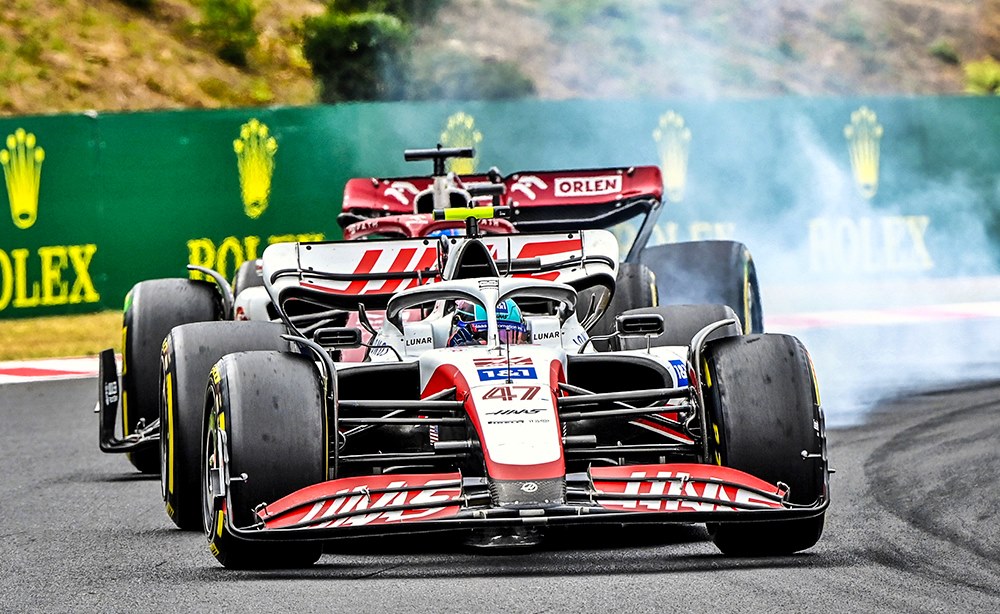
Haas F1’s Kevin Magnussen had contact with McLaren’s Daniel Ricciardo and the former’s car sustained damage to the front wing. It was severe enough that Magnussen got the black and orange flag which required him to return to the pits to fix the damage.

By lap 11, Verstappen was up to fifth and taking on Hamilton for the position. McLaren’s Lando Norris was just ahead but both drivers were able to get past him and continued their duel for the fourth place Norris was displaced from. However, Verstappen was heard to be asking questions about an issue with his car which was alarming him. 8 seconds ahead, Ferrari’s Charles Leclerc was shadowing his team mate who was looking for a way past leader Russell.
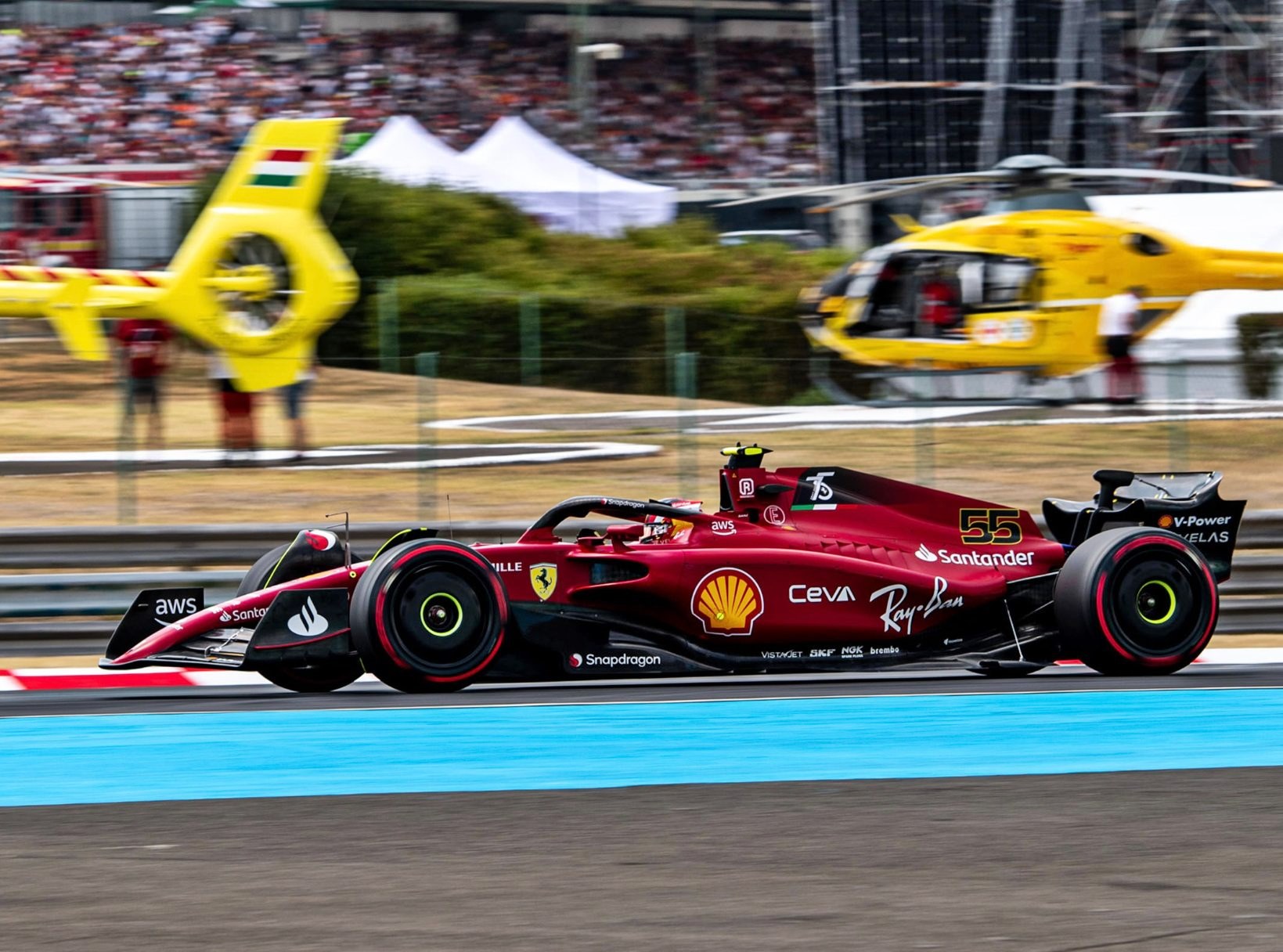
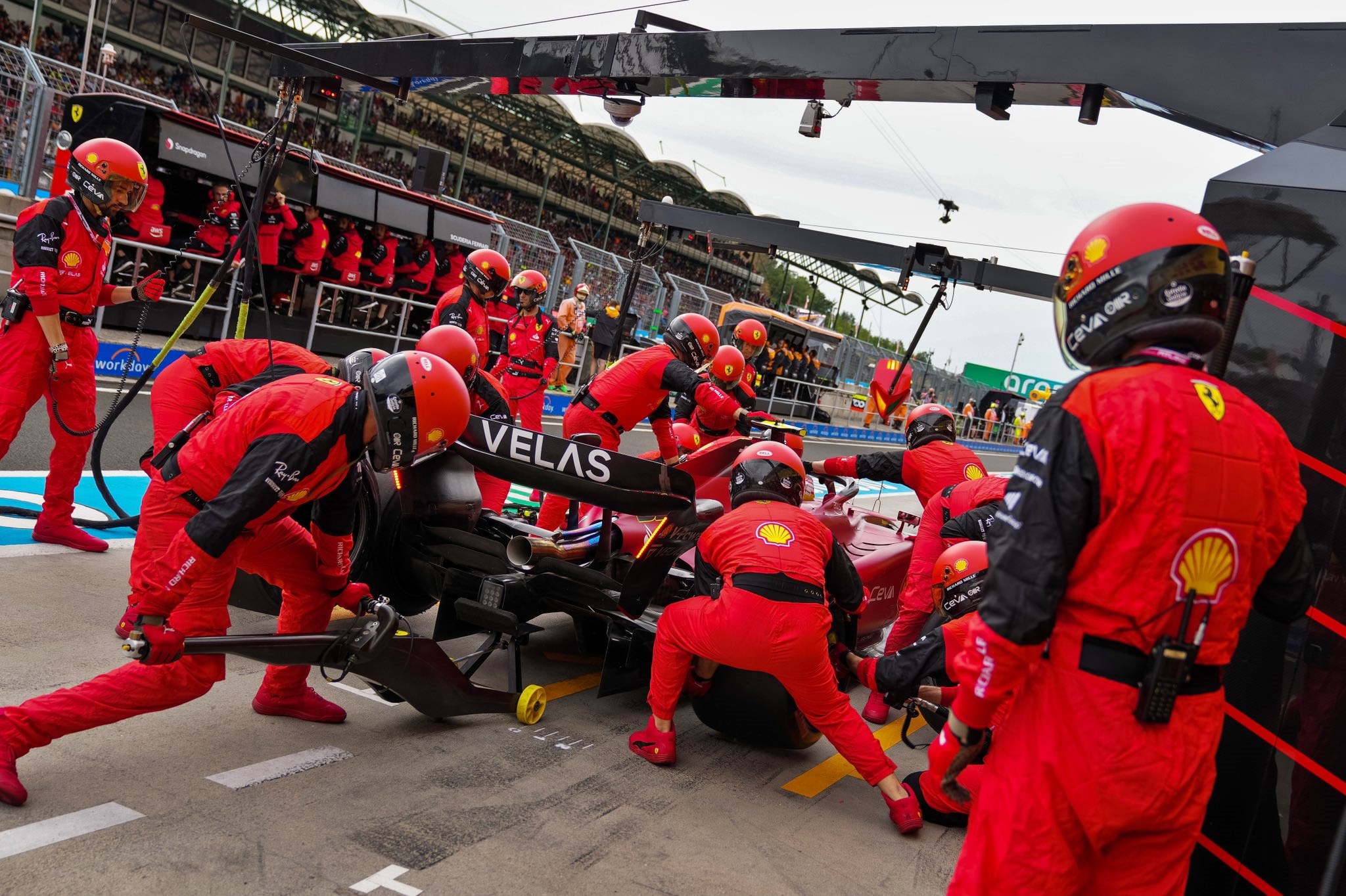
Cars were being called in and on lap 17, Russell came in for mediums but Sainz, though called in, did not do so right away and stayed in the lead that the Mercedes-AMG driver had given up. But on the next lap, Sainz came in and Leclerc took over the lead with Hamilton in second and Russell in third, both not within striking distance. Hamilton too would come in on lap 20 for a change of tyres. The forecast for rain was 60% at that point.

On lap 22, Leclerc finally came in, and Russell was back in the lead. When the Ferrari driver rejoined, he managed to slot in ahead of his team mate, which can’t have been a happy moment for Sainz. Leclerc was around 2 seconds behind Russell, while Sainz was 5 seconds and having to watch out for a hard-charging Verstappen. At the back of the top 10, Ricciardo had passed two cars to get back into the points.
On lap 28, Leclerc was close enough to challenge Russell in each corner but the British driver remained calm and held his lines. It took 3 laps for the Ferrari to pass and take the lead but Russell did not give that up easily either.

Leclerc didn’t waste time pulling away and left Russell to be dealt with by Sainz, who was getting closer. Verstappen was still a threat to Sainz but the Dutchman did not have to worry about Hamilton who was some distance behind.

As the 70-lap F1 race passed the halfway mark, all 20 cars were still running which was not always the case. Rain was also coming down lightly and could change things dramatically for the remainder of the race.
Scuderia Alphatauri’s Yuki Tsunoda spun at the chicane on lap 36, bringing out the yellow flags. But he was not immobilized and continued going but was in last place. Pirelli was expecting who went from medium to hard to probably do a one-stopper while everyone else would have to stop again.

Although he was within reach of Russell, Sainz had to go from attack to defence as Verstappen came up behind him. The second position would have to wait first while he held on to his third place. And then Sainz got a break when the Red Bull team called Verstappen in to put on mediums. When he rejoined, he was down to sixth behind his team mate, Sergio Perez. It was still drizzling and heavier rain was forecast by lap 62.

Leclerc gave up his lead on lap 40 to pit, and Russell followed him off the track as well, giving Sainz the lead. With the fresh tyres seemingly warmed up, Verstappen thought he was ready to fight and went flat out – and spun. He was able to recover quickly before Russell could take advantage and held on to his fourth place as he headed in pursuit of Leclerc, whom he passed on lap 45.
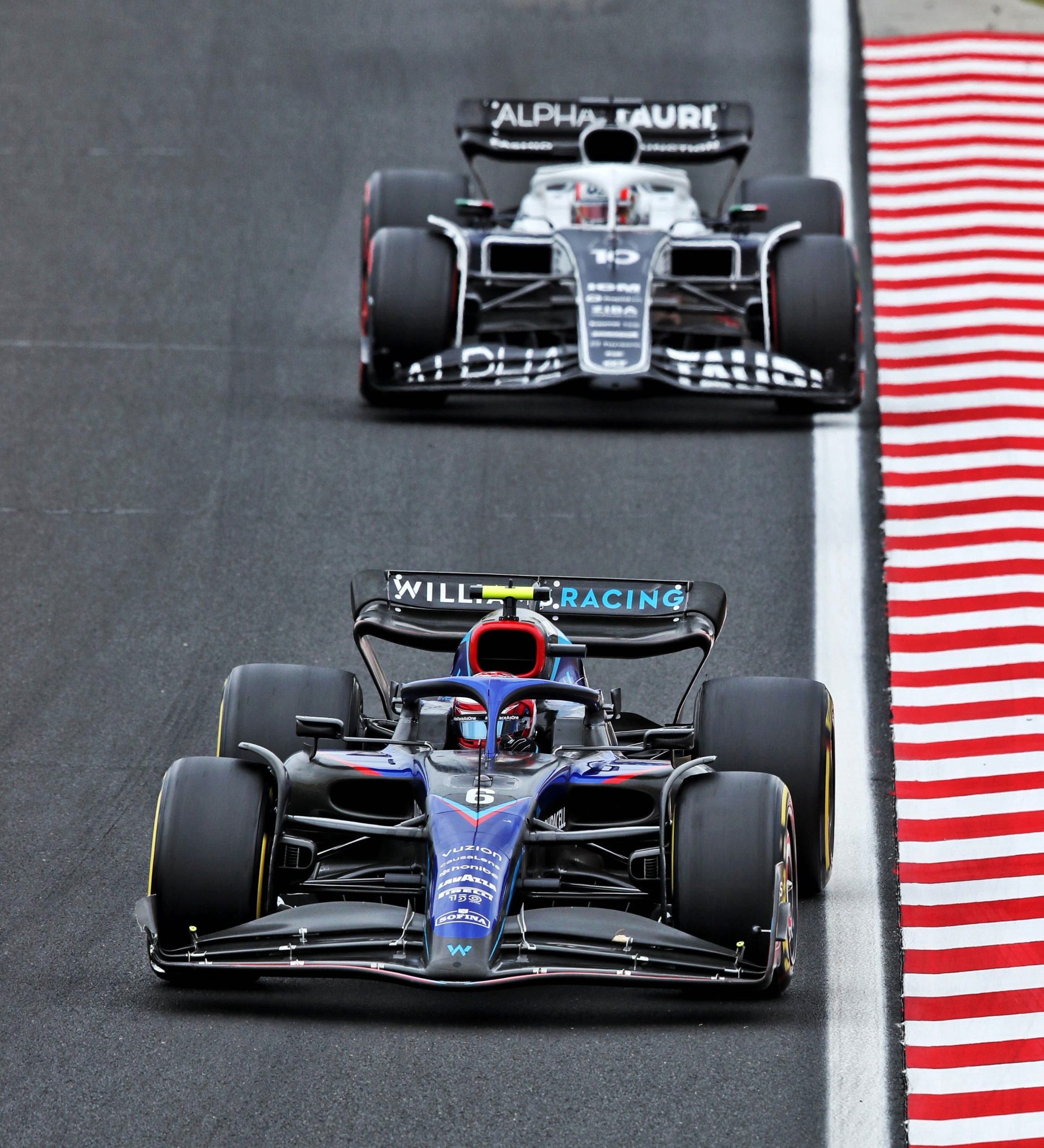
Hamilton took over the lead on lap 48 when Sainz came in to switch to soft tyres. It remained to be seen if that was the right move for Ferrari. With Red Bull pitting so early, they should have stayed out and put the soft tyres on later.

It was now Verstappen going after Hamilton in the lead, trying to close the gap of 6 seconds. Leclerc was 3 seconds behind the Dutchman with Russell in fourth and Sainz in fifth. On lap 51, it was Russell’s turn to try to displace Leclerc but the Ferrari driver was making it very difficult.

Hamilton rushed into the pits on lap 52 to get onto softs, rejoining in fifth between Sainz and Perez. Verstappen was now in his more familiar position at the front with a 6-second lead over Leclerc.

The F1 Stewards had finally decided on the Ricciardo – Stroll incident and it was deemed that the Aussie driver was at fault and he received a 5-second penalty.
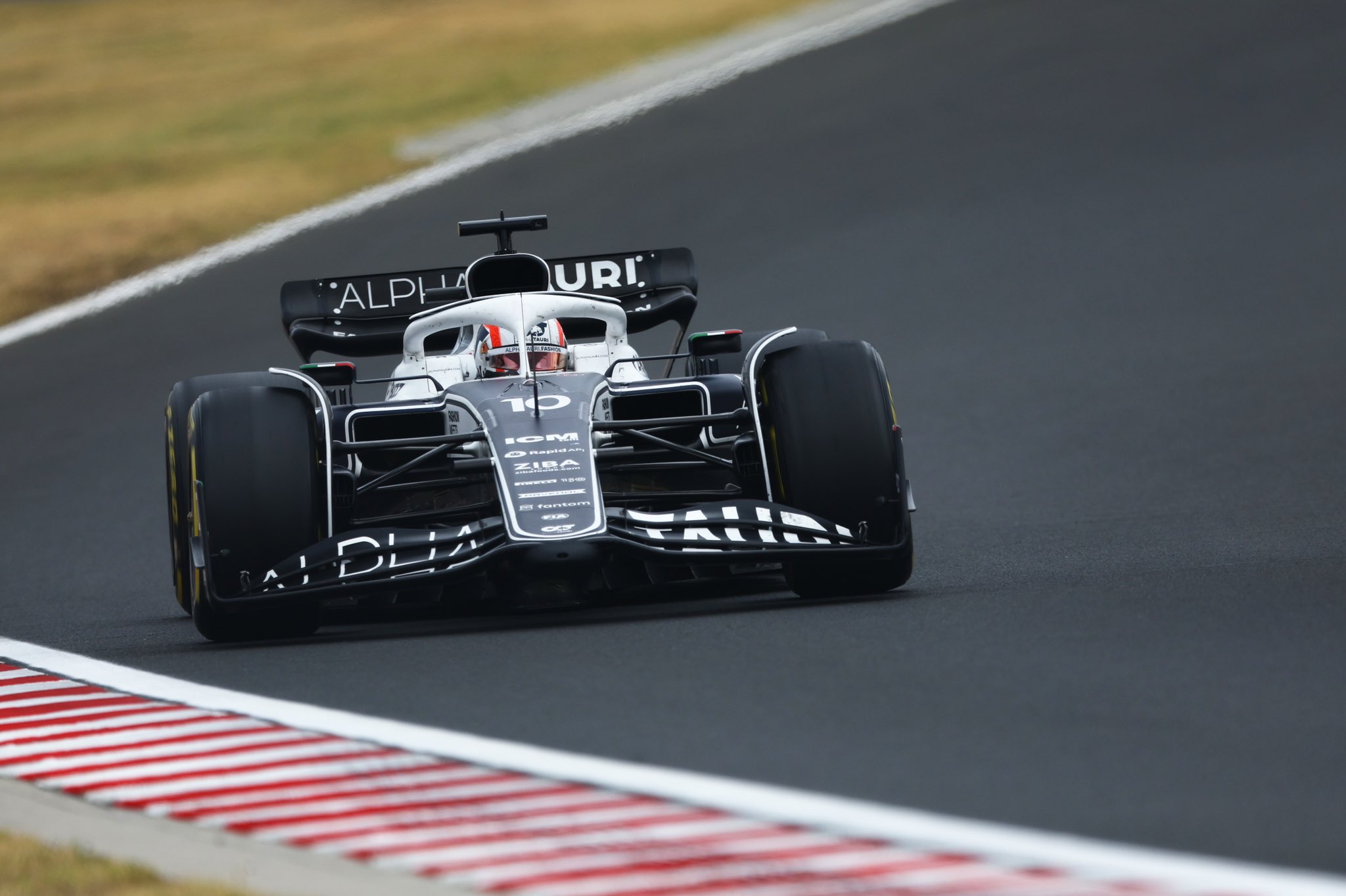
Leclerc finally had to give way to Russell on lap 53 and the Mercedes-AMG driver took over second, with the 6-second gap behind Verstappen that wasn’t going to be easy to close. Having lost his position, Leclerc came in on lap 54 to get rid of the hard tyres and run on softs for the rest of the race. At that point, the top 5 were spaced many seconds apart and the order was likely to stay till the end. Barring unexpected incidents, the only battle for positions was likely to be between Russell and Sainz.

As 10 laps remained of the 13th F1 round, Verstappen looked comfortable in the lead and if rain came down, he could even benefit from it. It was an achievement coming into the lead from tenth at the start, and he did not have to worry about Russell being an immediate threat.

No more distractions for Hamilton as he pushed forward past Sainz and moved into third and a place on the podium right behind Russell. Now the question was whether Russell would let his team mate past but it did not seem to be so, although it would be Hamilton eventually finishing second. With two Mercedes-AMGs chasing him, Verstappen could not afford to make any mistakes – and also pray his car would not fail.
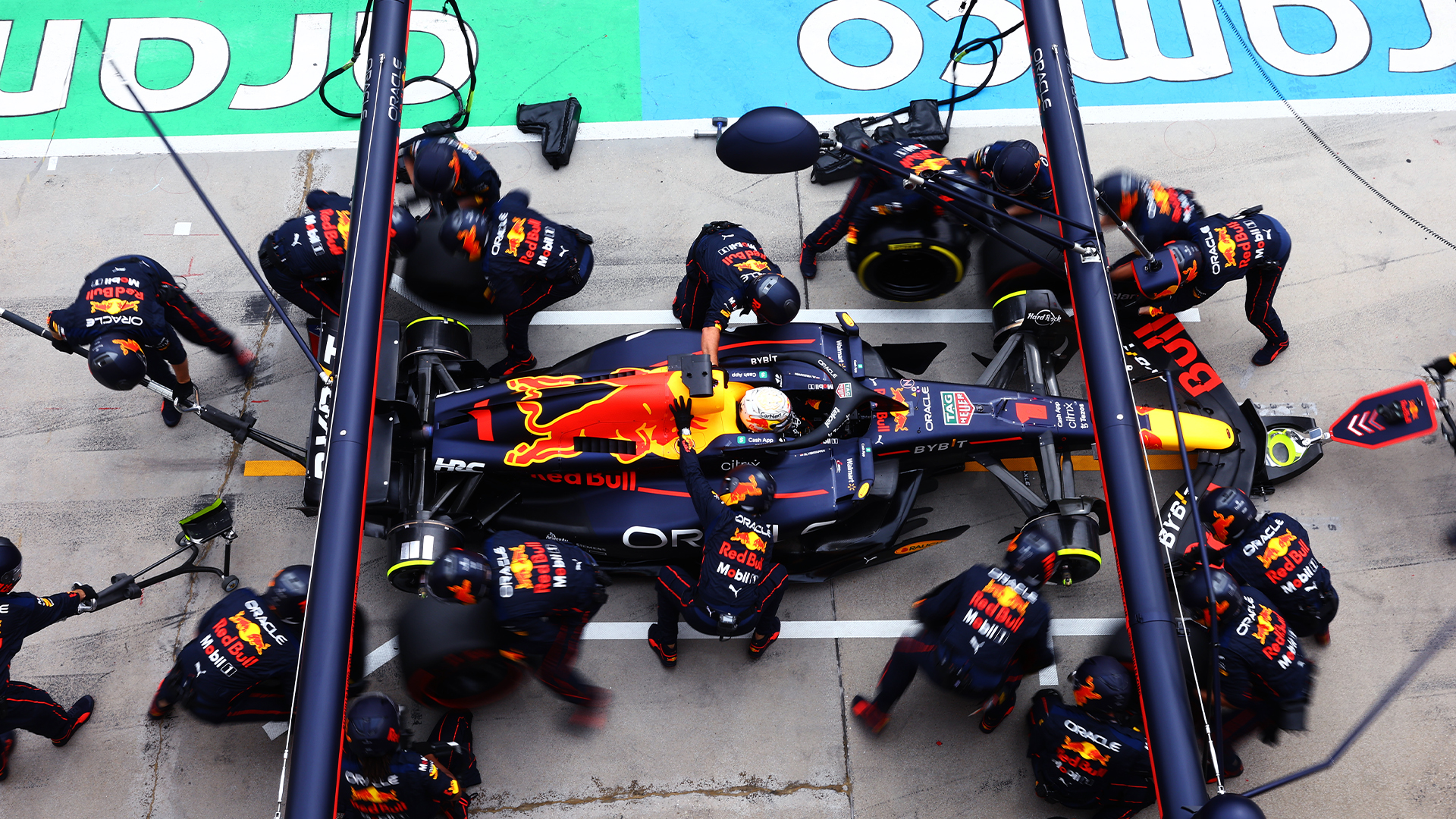
As 5 laps remained, rain slowly started coming down. At the end of the top 10, Vettel had managed to take over the last points-paying position from his team mate, Lancer Stroll.

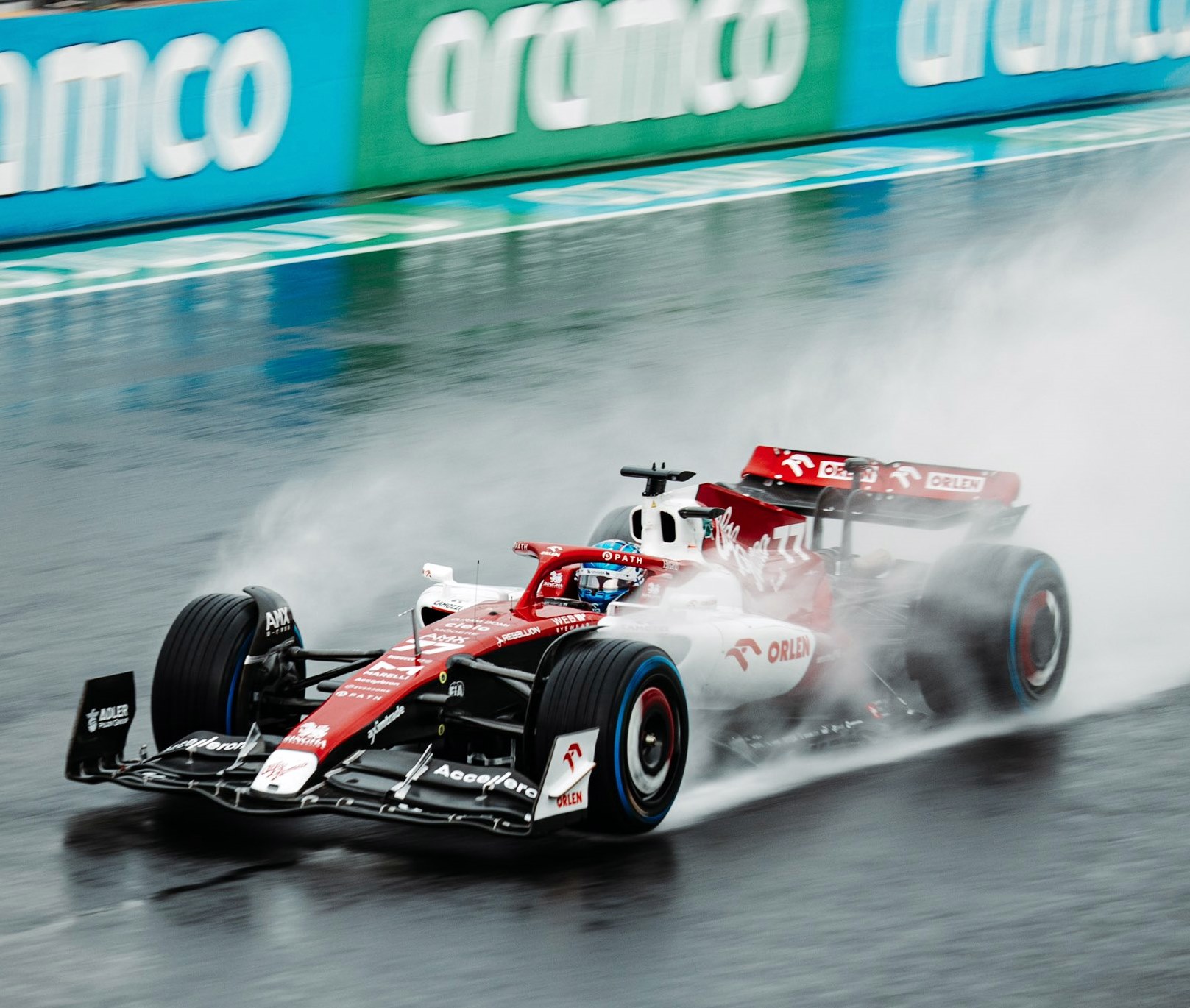
And then on lap 68, Alfa Romeo’s Valtteri Bottas went off on Turn 11 as his car lost all power. The yellow flags came out, followed by the VSC. It was active for just 1½ laps and then it was a rush to the finish. The rain was heavier and Verstappen was doing his best not to lose it. And he didn’t, taking the eighth chequered flag of the F1 season at Hungaroring.
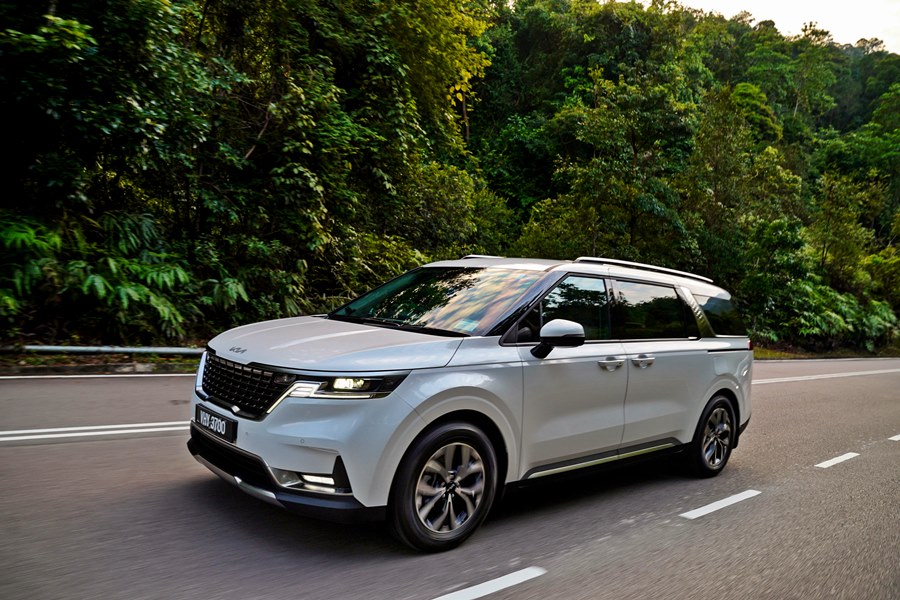
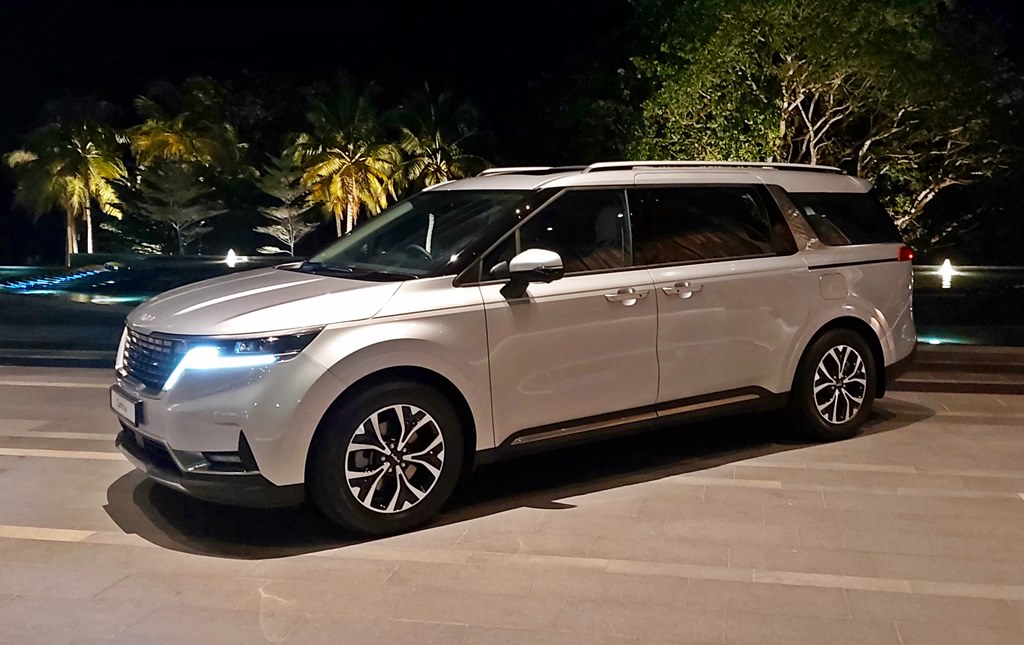
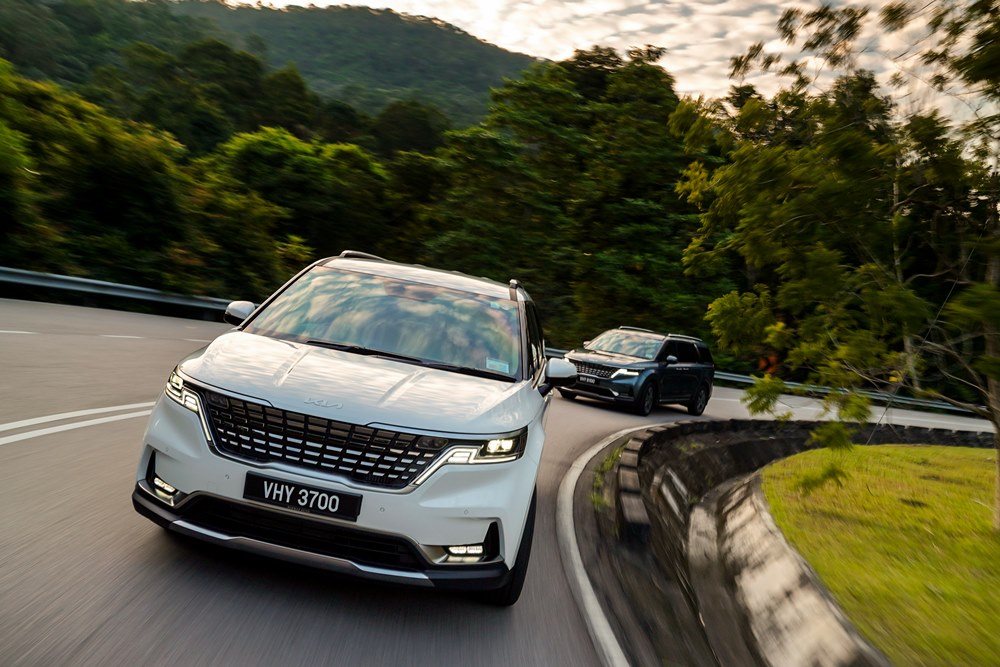
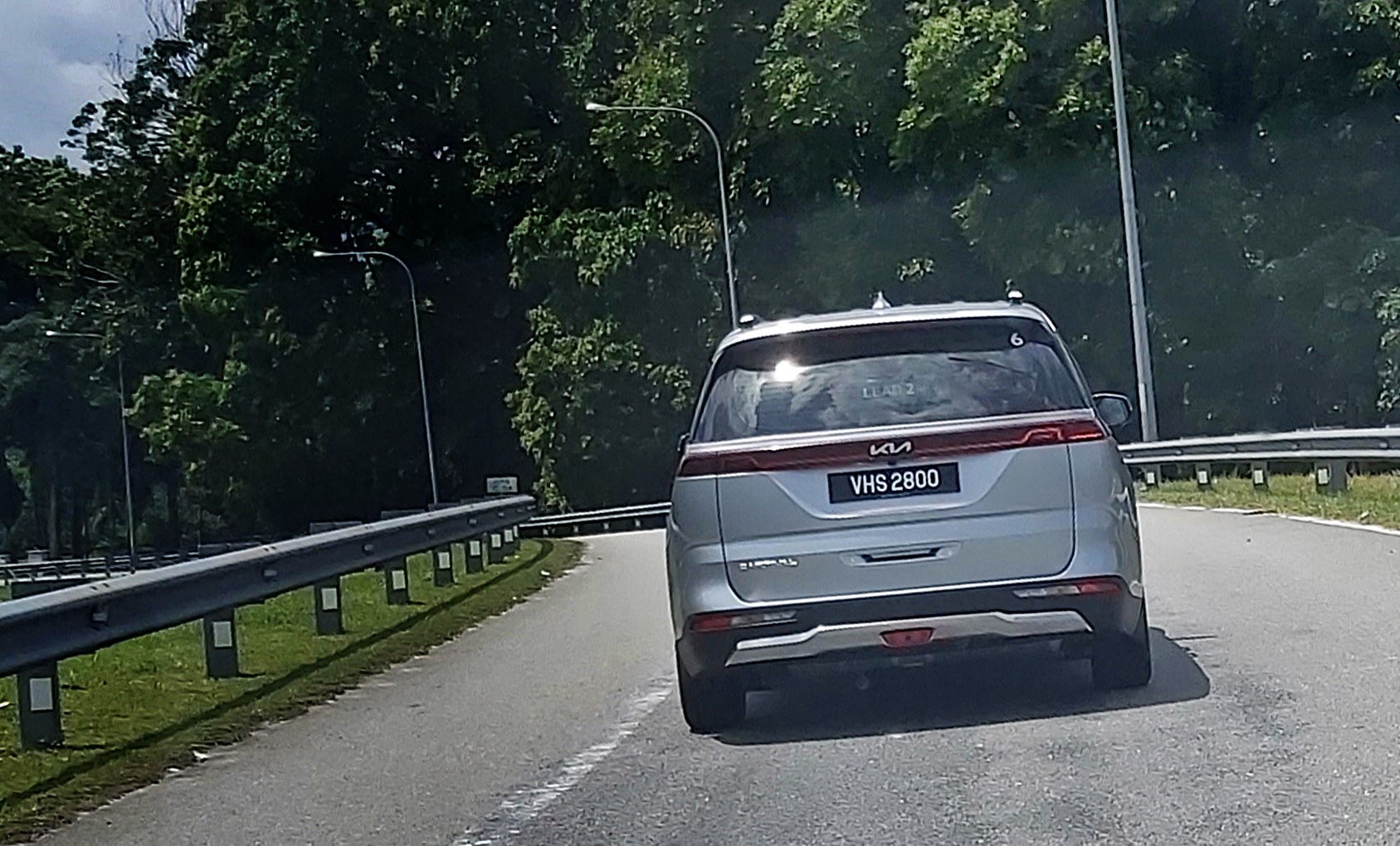
The new locally-assembled Kia Carnival shows how Korean design has come a long way in 50 years, having started with adapting foreign models (under licence) and then trying to design their own cars. They tried to be different, seemingly for the sake of being different and there were strange forms and shapes which were unnecessary. After realizing there was no need to ‘reinvent the wheel’, they began to get experienced foreign designers – the best known being Peter Schreyer who gave Kia a recognizable identity.

From having foreign designers, they also opened design studios in Europe and America where their designers could be immersed in the markets that they were developing products for. As a result, the designs today are original and appealing, without the oddities of trying to be different.

New design approach
In the case of the new Carnival, the design originated from Kia’s studio in California which has been in existence since 2008. It’s therefore not surprising that the design is polished, of high quality and has a unique combination of MPV and SUV. In fact, Kia designers have coined the term ‘GUV’ – for Grand Utility Vehicle – to reflect a slightly different class of MPV.

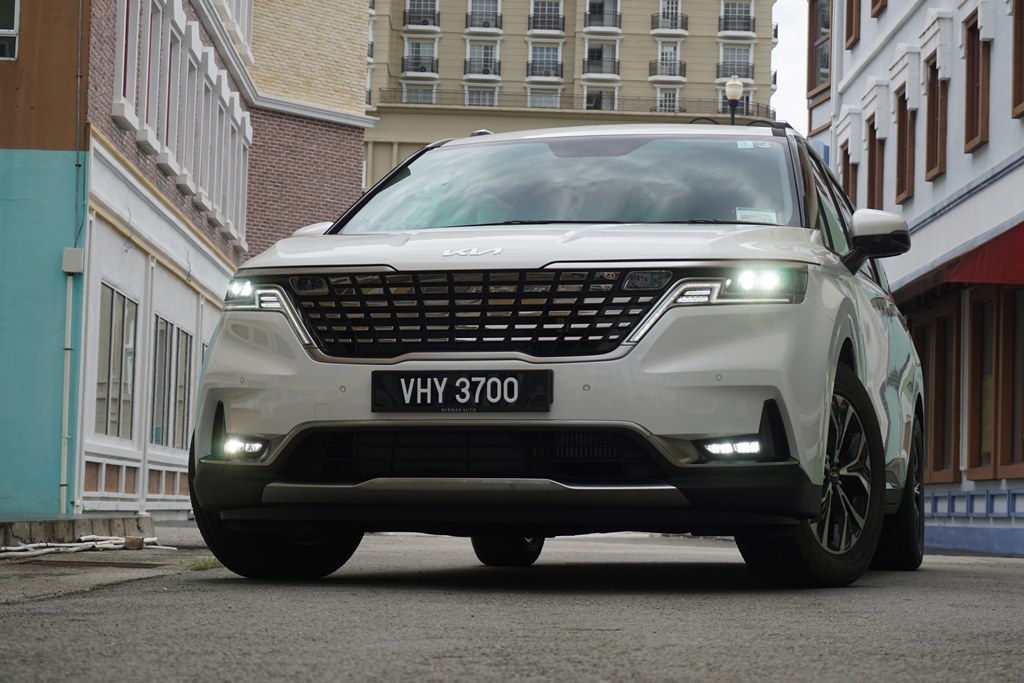
While it has the long monoform of a people-carrier, it doesn’t have the bulkiness and has styling elements that make it look like a long SUV. Besides the lifted front top of the bonnet to give the feel of a large SUV, a skidplate on the bottom edge of the front and rear bumpers are elements which give the SUV-like impression.

The headlamps don’t have conventional covers, with each of the DRLs and lighting elements being separate. The appearance is a bit futuristic, which also gives originality to the Carnival’s design. The grille, sized proportionately to the vehicle, is quite a simple execution which looks like the ‘Tiger Nose’ has finally evolved away from its familiar look.

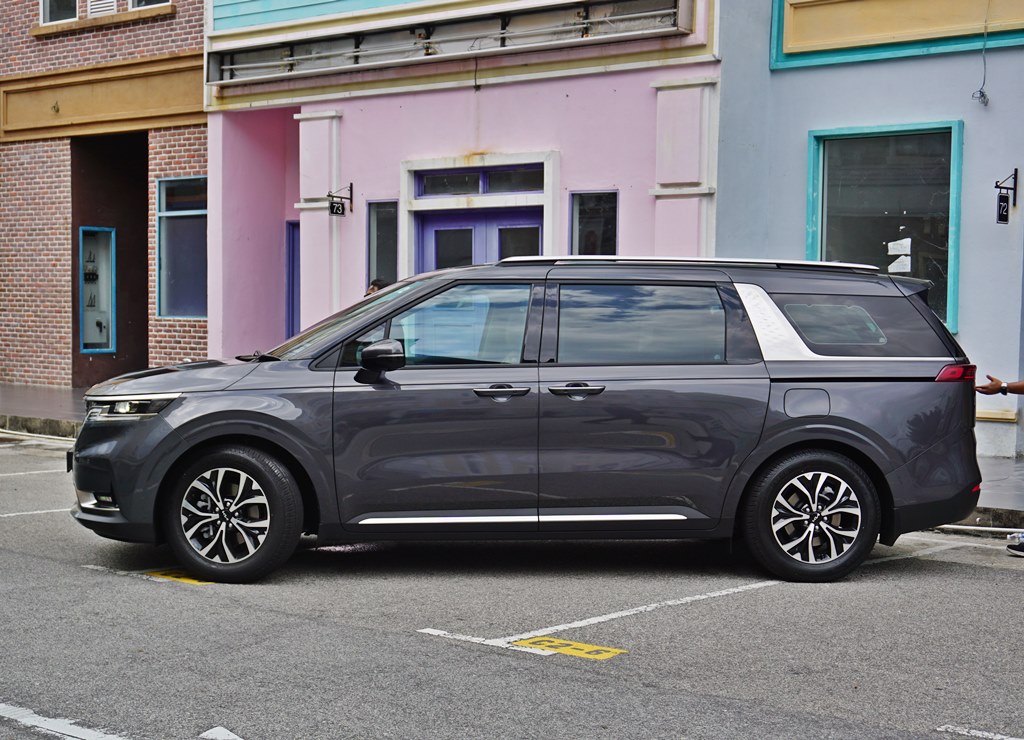
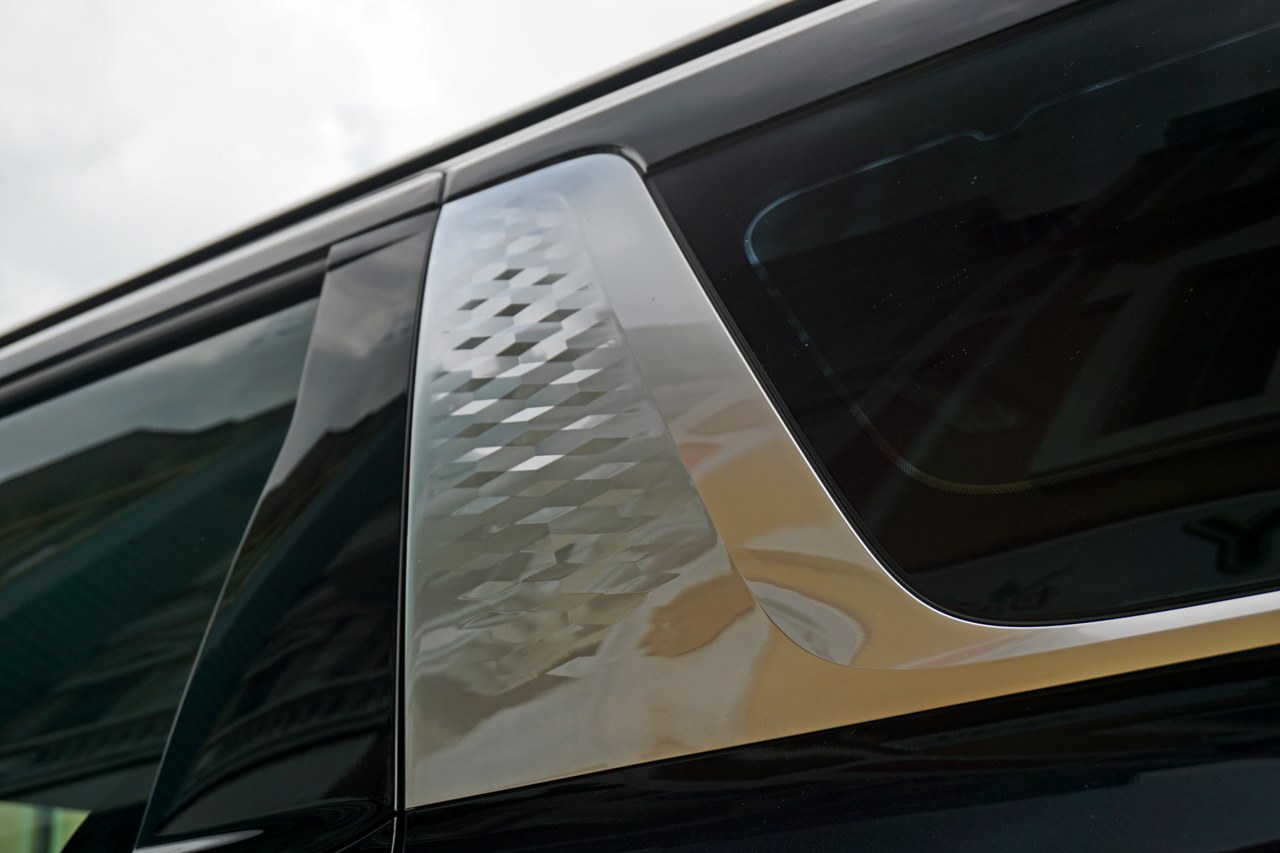
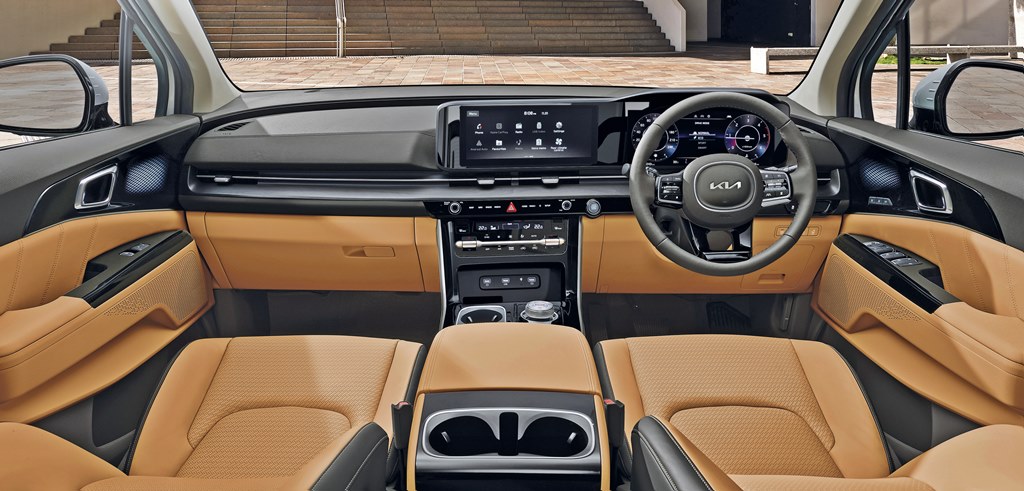
Most MPVs have a pretty dull side view but the Kia designers have given the Carnival a more eye-catching and sporty appearance here. Apart from the ‘floating roof’, the tapered and angled C-pillar provides a unique look, and the texture garnish adds a touch of class too. The texture is also found on the dashboard trim, contributing to the premium image that Kia is aiming for.

2.2-litre Smartstream turbodiesel
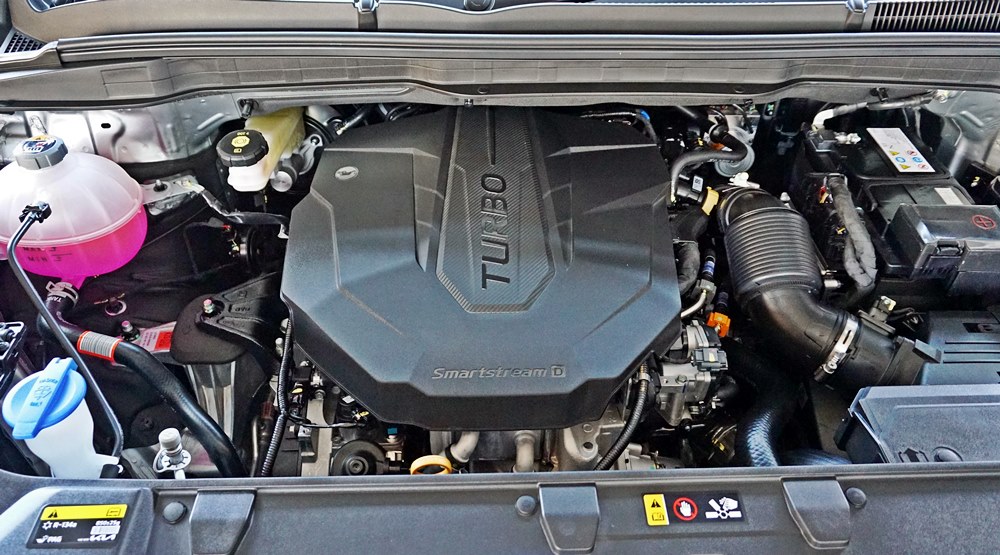
Like the imported version we drove earlier, the locally assembled Carnival also has a turbodiesel engine and it is the same all-aluminium 2.2-litre Smartstream 4-cylinder unit. With high-pressure commonrail fuel delivery (Euro5 B7 biodiesel), it develops 199 bhp/440 Nm, with the strong torque available from 1,750 rpm.

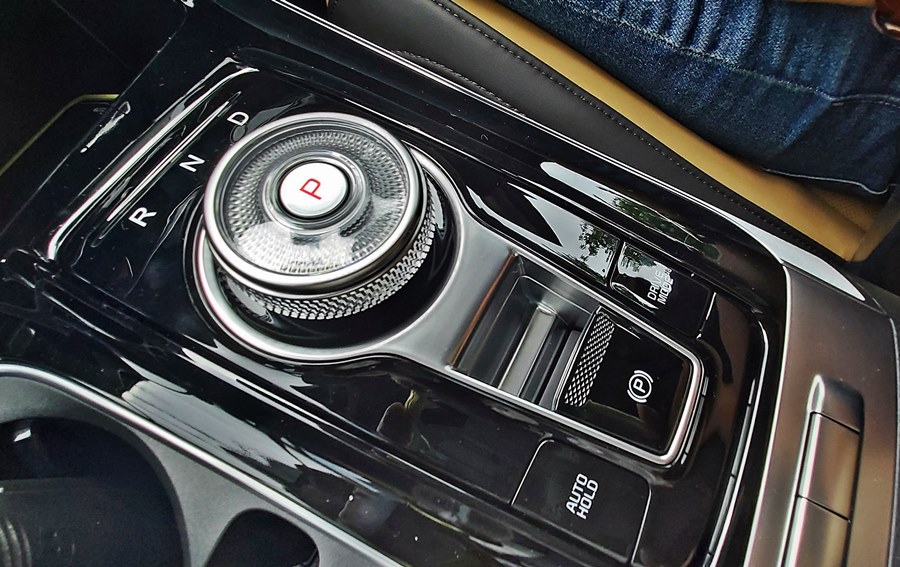
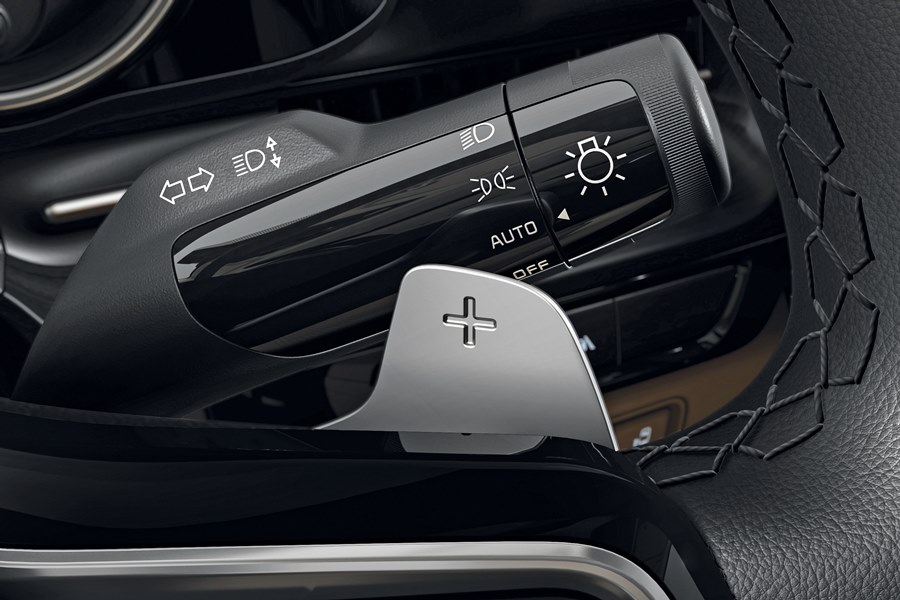
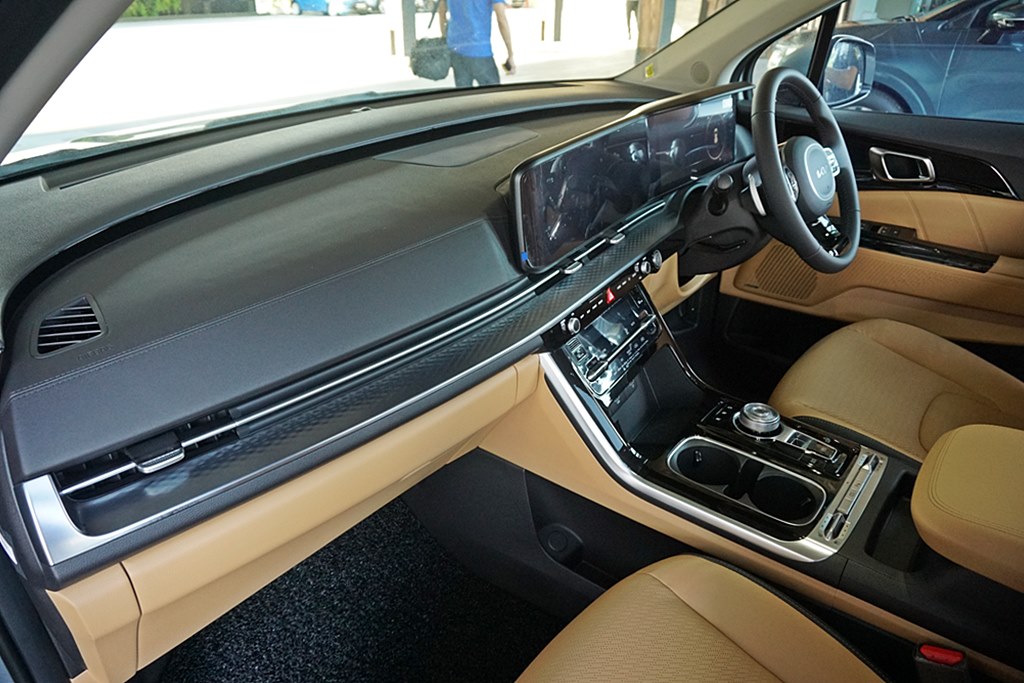
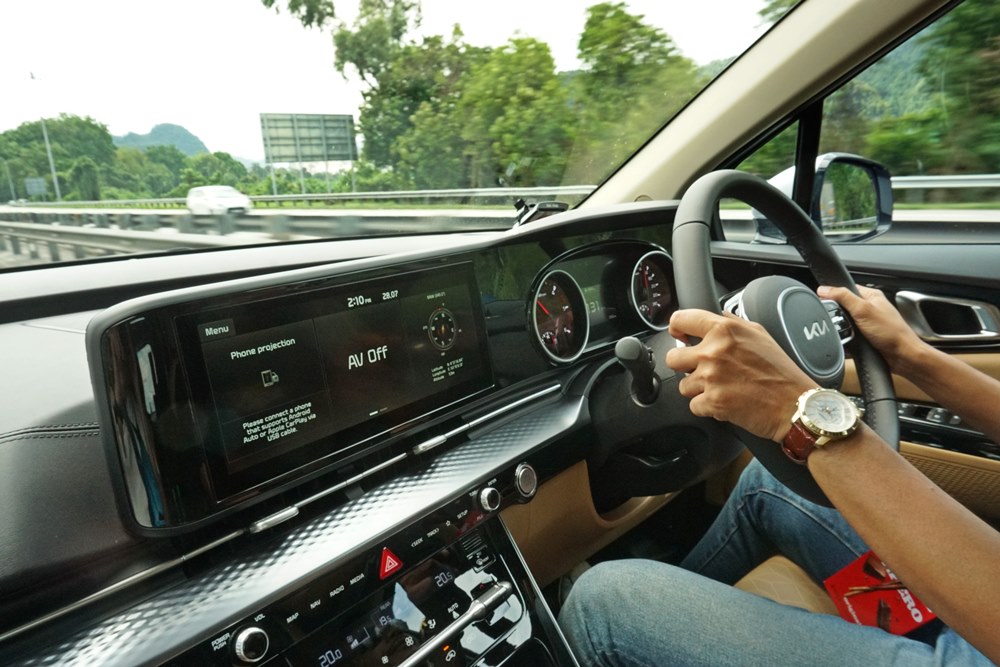
The engine is mated to a conventional torque converter automatic transmission with 8 speeds. There’s no conventional lever for selecting transmission positions; instead, a large E-Shift knob (with a high quality finish) on the centre console is rotated to select the R, N and D positions. Manual selection of gear can still be done using paddle shifters on the steering wheel. The PARK position is easily selected by just pressing the button in the middle of the knob. It’s probably the way transmission control will be in future but for now, some might still miss a lever.

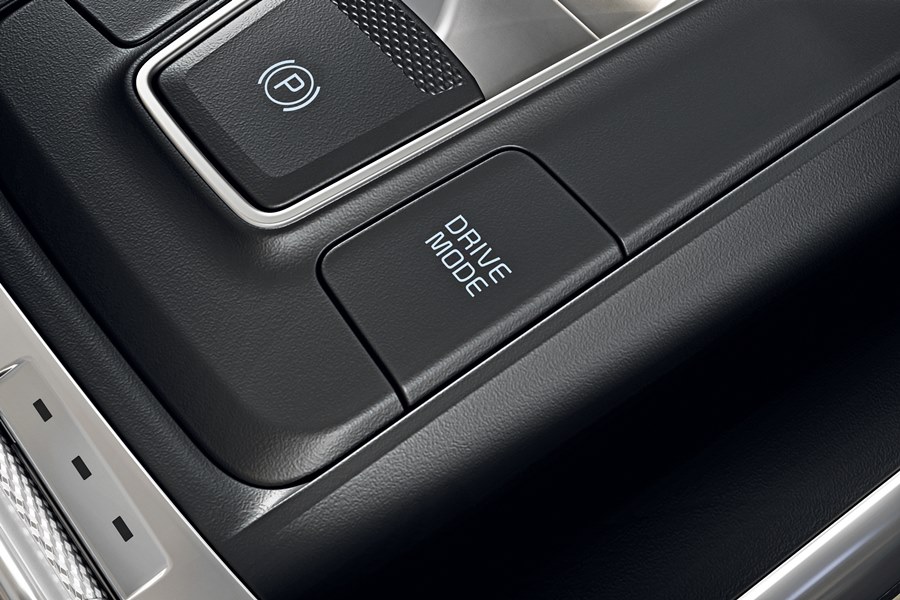
There are also drive modes for quicker acceleration or better economy as well as a SMART mode which is adaptive. It learns the behaviour of the driver and gradually adjusts the characteristics to suit the driving style. Over time, the driver will find the transmission operating smoothly and almost predictably. However, a different driver who takes over may not necessarily like that character and if this new driver uses the vehicle for a long period, then it will gradually change to his or her style. Perhaps then there should be a ‘memory’ function to store preferred characteristics, just like seat positions.

Spaceship-inspired interior
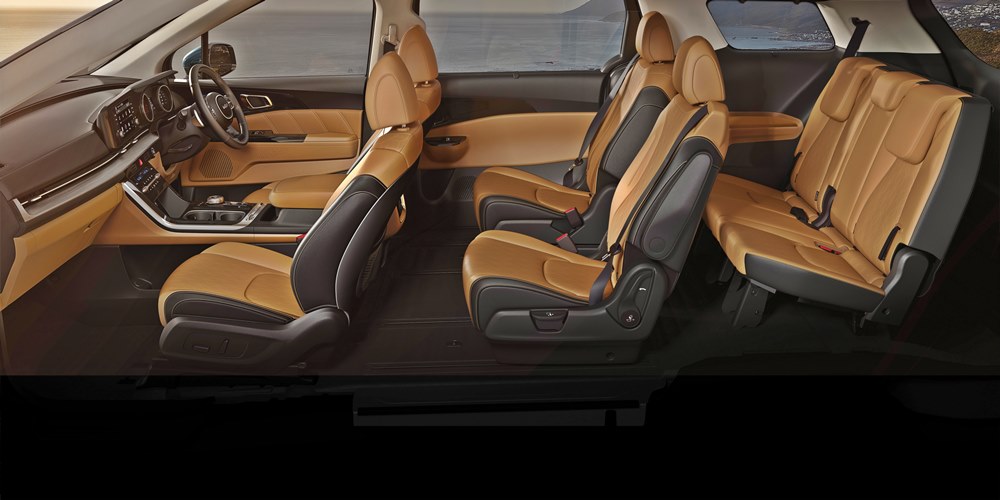
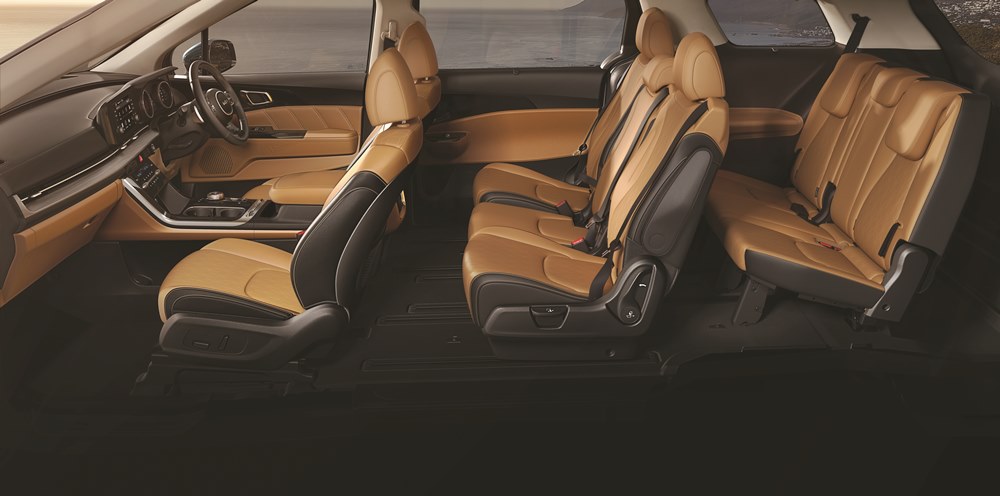
The interior is where the new Carnival impresses, and not just with spaciousness that would be expected from its exterior dimensions. The designers have created a more premium image and feel to the cabin with convenience features for everyone on the three rows. The interior designers were inspired by the minimalist yet elegant spaceship interior in the classic 1968 movie ‘2001: A Space Odyssey’ so their initial idea was a family vehicle for going on space travels! Even the dashboard panoramic display that stretches across the driver’s side is intended to give the feeling of being in the cockpit of a high-tech spaceship.

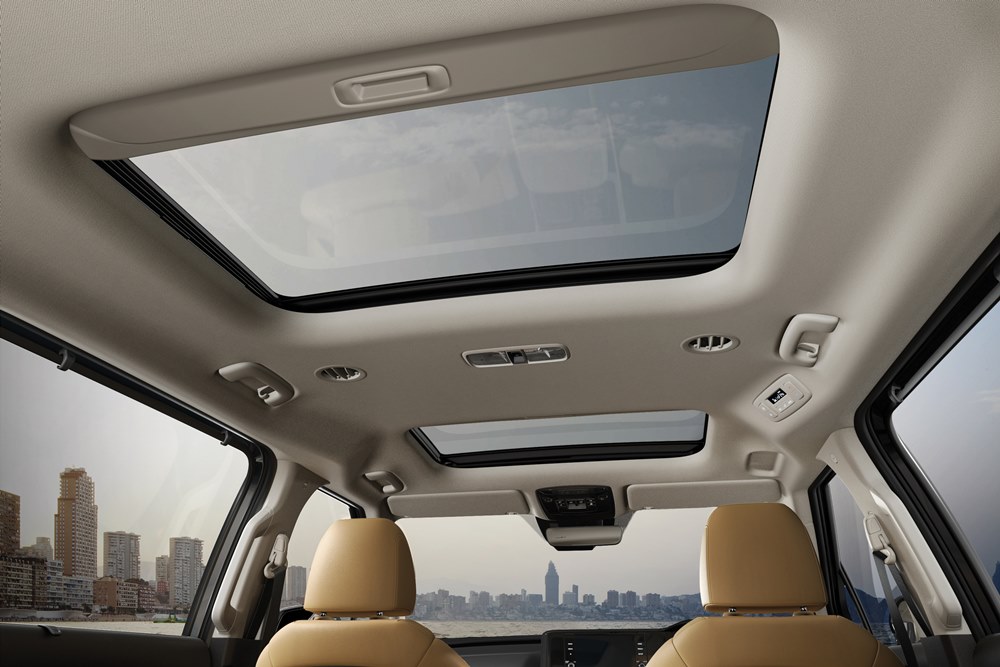
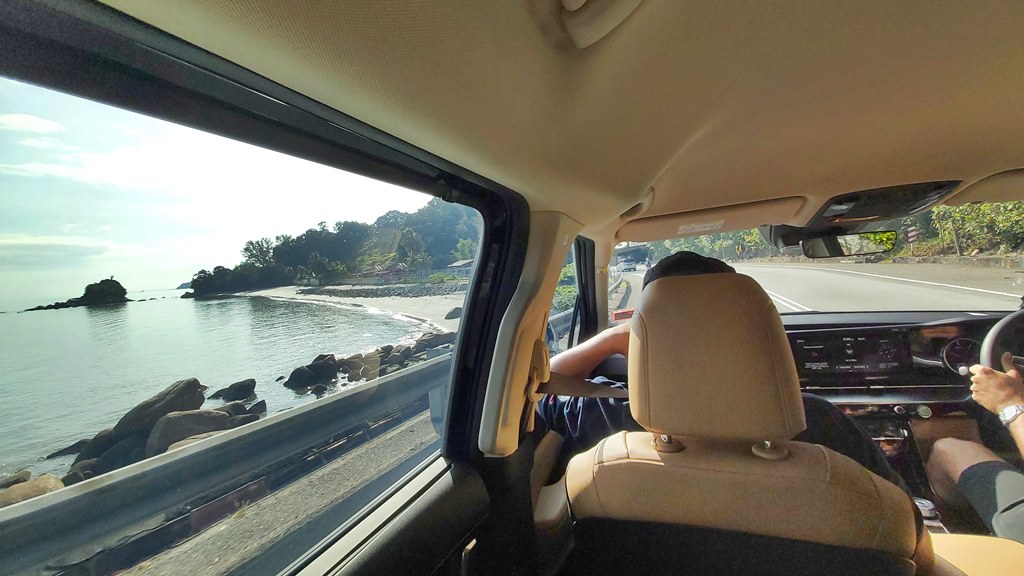
The spaciousness is enhanced by the large windows, especially on both sides of the second row. There’s a panoramic view of the world passing by and with the High version, there are also dual sunroofs overhead to make things feel even more airy.

Versatile seating a strong point
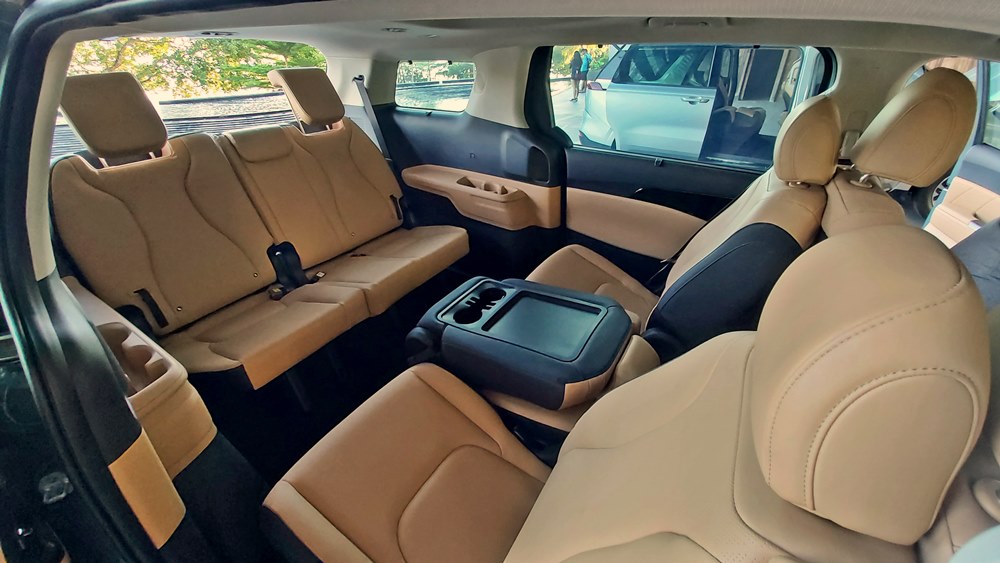
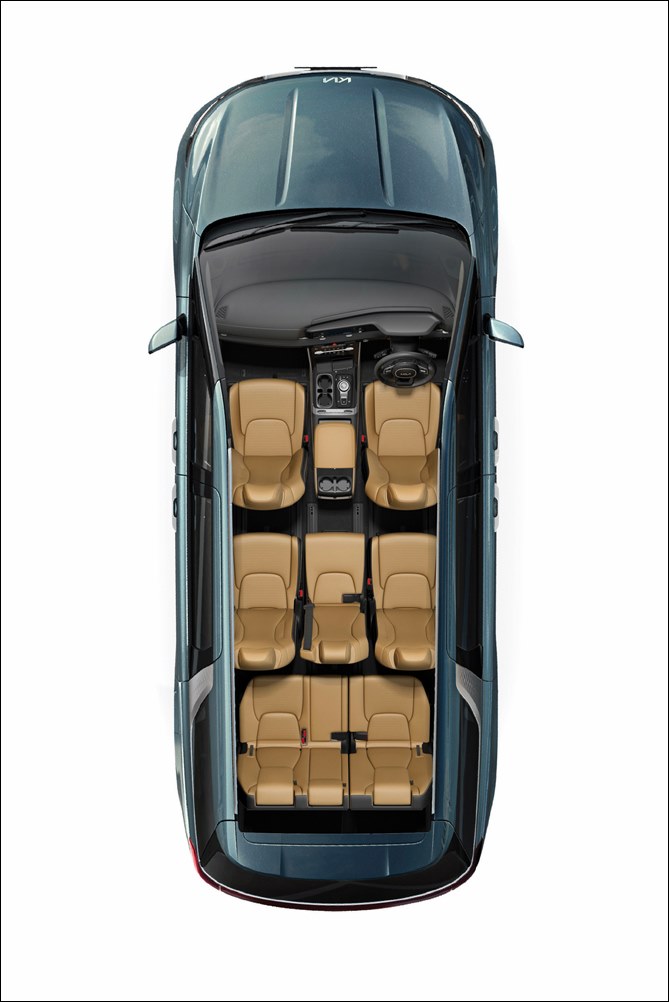
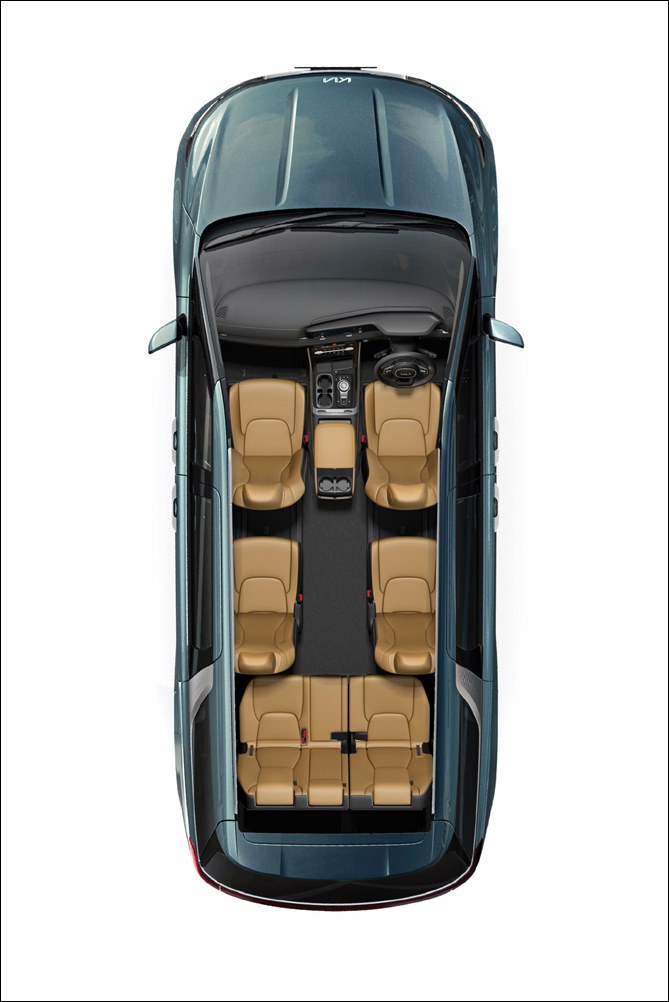
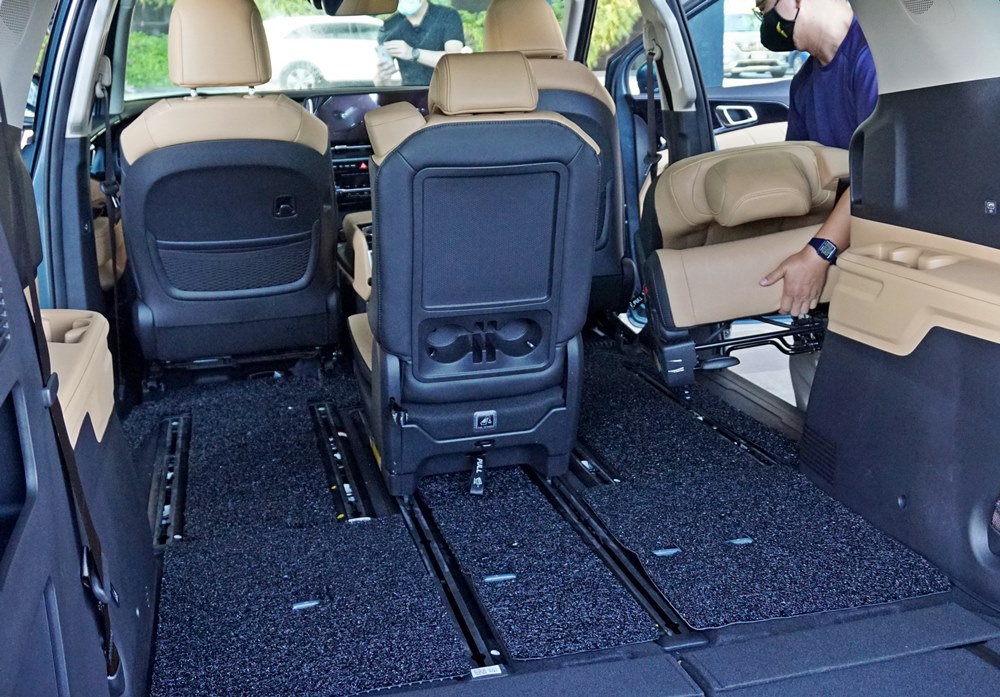
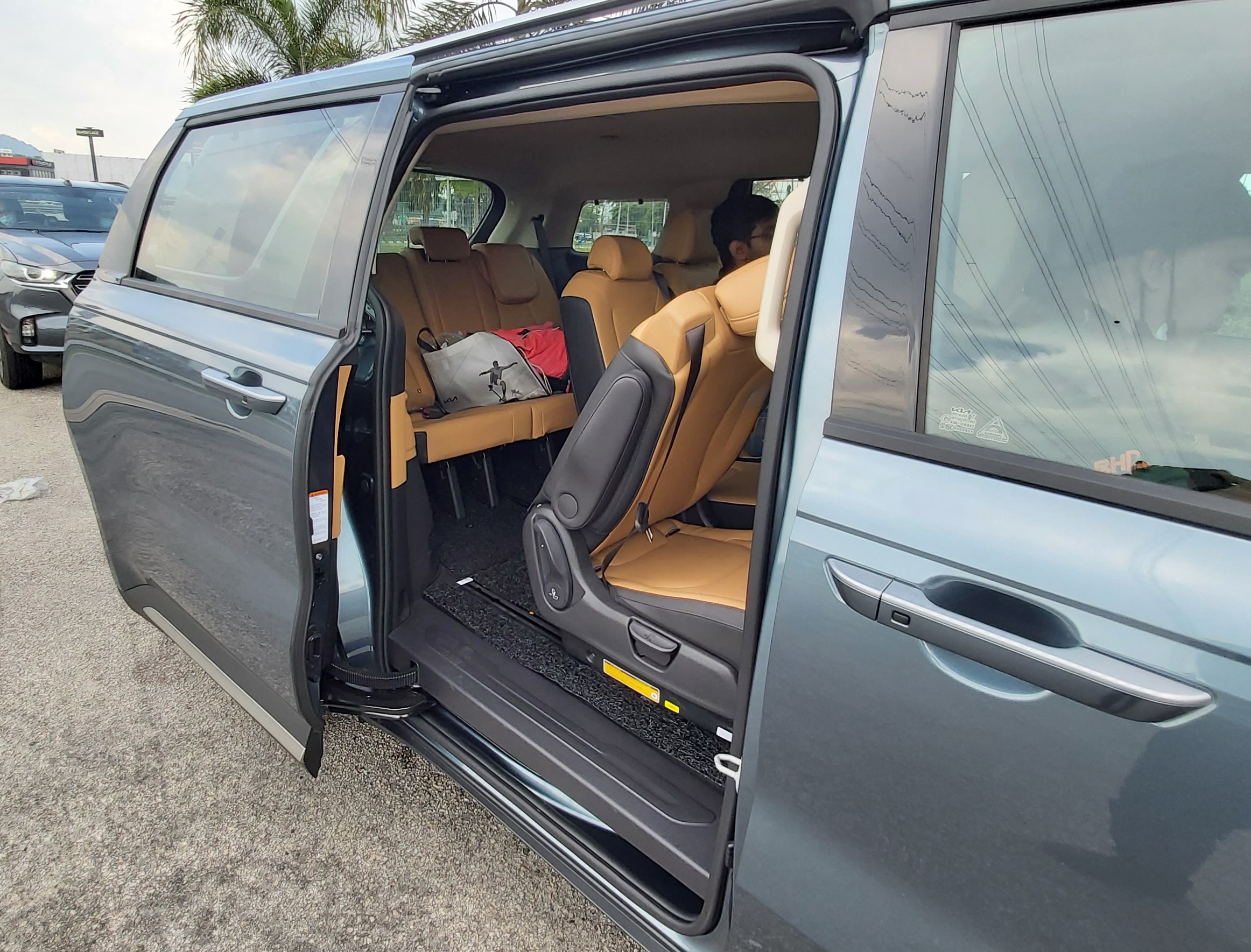
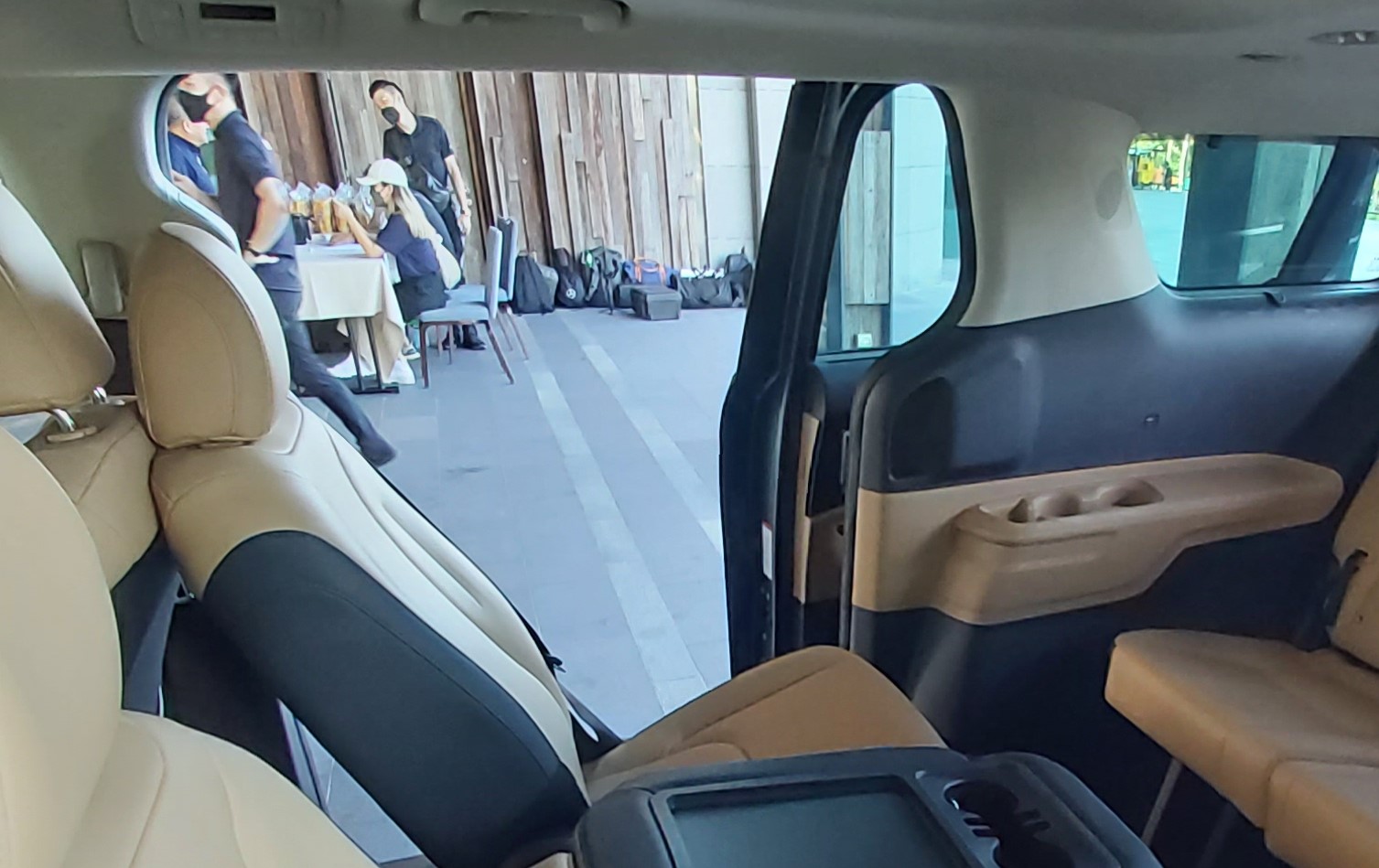
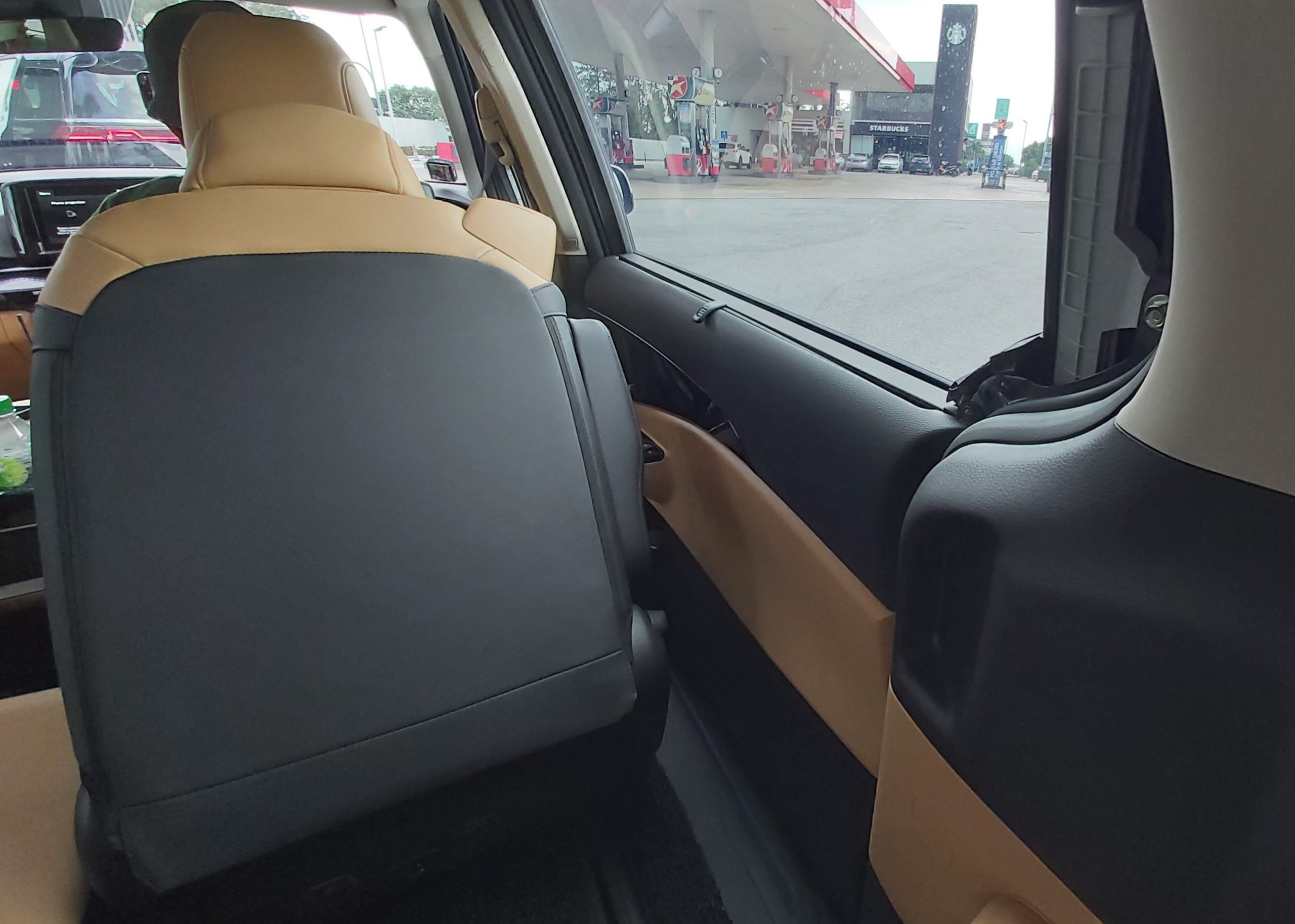
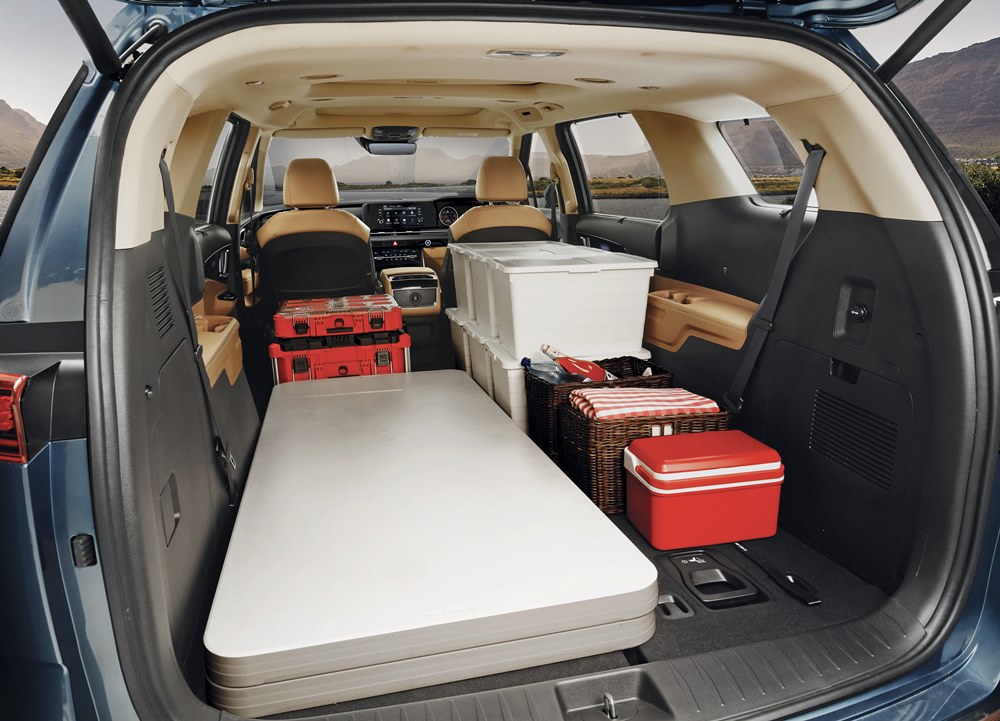
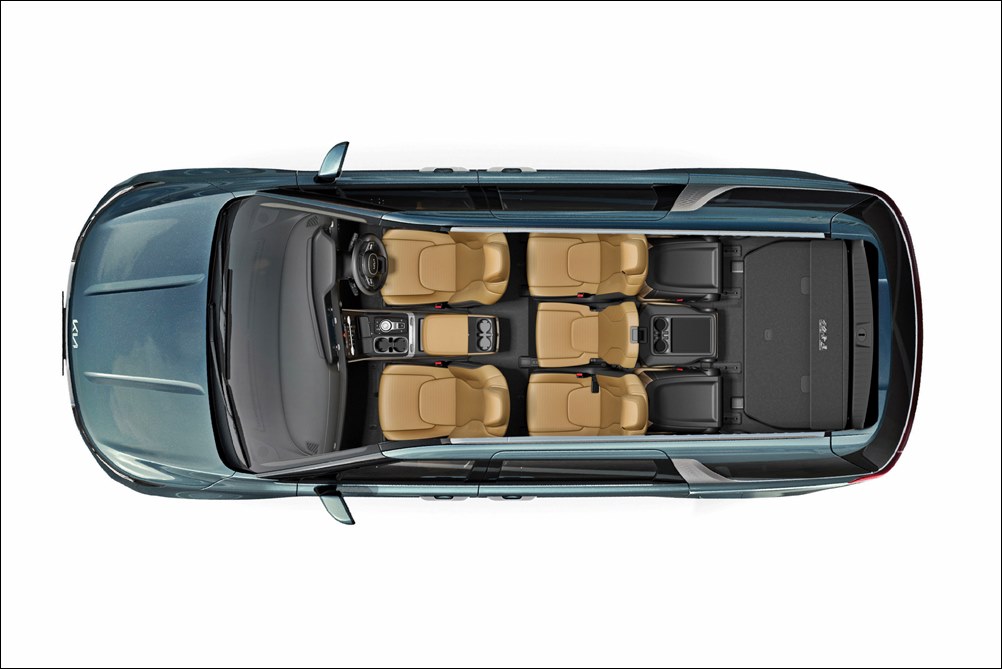
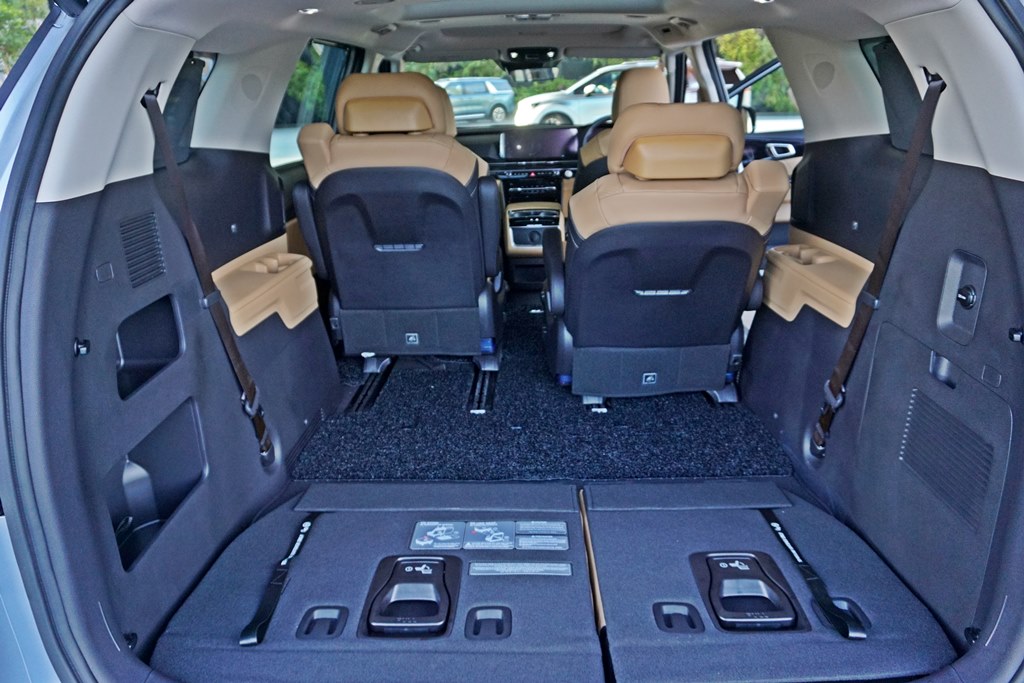
By far, it was the seating that attracted a lot of attention with its variability. As mentioned before, the locally-assembled model is available as a 7-seater or 8-seater, whereas the CBU version we tested in February was an 11-seater. The layout, with maximum people capacity, would be 2-2-3 or 2-3-3. In both versions, the third row folds flat into the floor but for the second row, the seats are fixed in the 7-seater due to the many electrical systems in them. For the 8-seater, they can be adjusted in various ways, turned around the face backwards and even removed completely.

Turning the seats to face backwards requires a bit of work as the left and right side seats have to exchange positions. They are not that difficult to remove and there are security features to ensure that they are locked in place when installed. Most people should be able to handle the task but it’s not something that might be done frequently either.

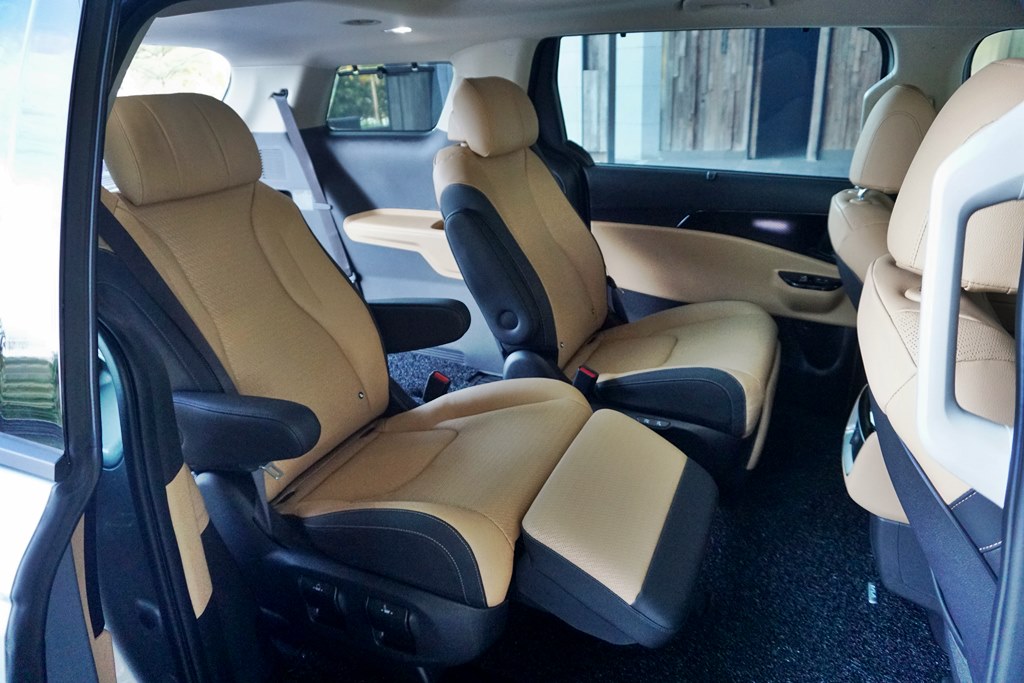
For the ultimate in comfort, the 7-seater comes with two Premium Relaxion (not a spelling error) seats for the second row. These are wide and when reclined, there is an additional pad that extends forward and up to provide support for the lower part of the legs. Pivoting armrests on the outer side of each seat provide a place to rest the arm while being out of the way when getting in and out.

The seats (which are made locally) have heating and ventilation within and for keeping the entire cabin cool, there are air-conditioning vents on the ceiling over the middle and rear sections. The fan speed and temperature can be controlled separately from the front system but because the panel is situated just behind the driver’s seat (on the ceiling), it can be difficult to reach for most passengers.

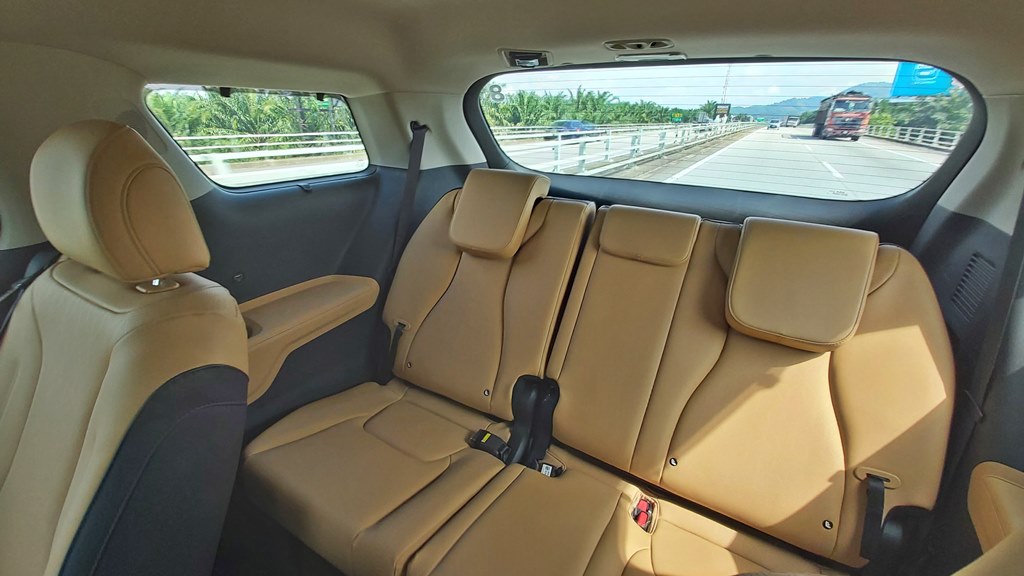
The third row, for 3 persons, is quite comfortable, as we found from sitting in the section for about a third of the journey to Penang. You can’t say that of all MPVs but with the Carnival, there won’t be reluctance to go to the back. Legroom is also pretty good and more importantly, even though the seats are over the rear end, there’s no bumpiness.

The powered sliding doors on both sides are a nice luxury feature but to be expected considering the price. Getting into the third row is easy as the second row seats tumble forward, but when getting out, the passenger in the third row might need help as the release handle is right at the B-pillar. Presumably, there will be a driver to help, or someone in the second row will also be getting out.

Enough cargo space for moving house
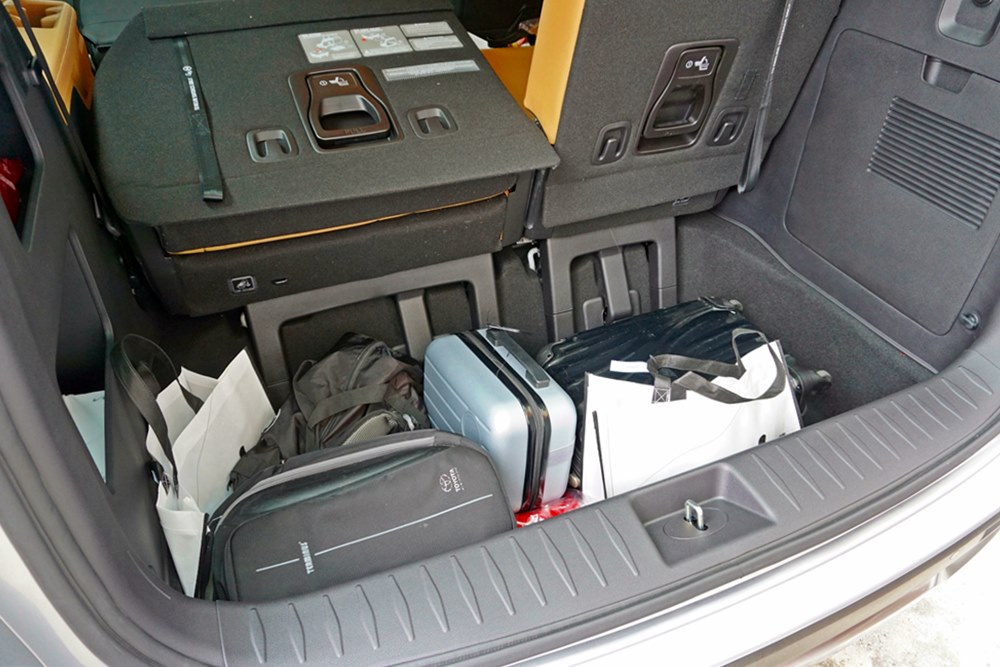
The standard boot space when the third row is in use is limited but there’s a deep compartment below it for storing items. This, however, means that only a temporary spare wheel can be carried. This is the skinny tyre for emergencies which is lighter and saves space too.

The cargo volume is variable so it depends on what you want to carry. For maximum volume, the third row can be folded into the floor and the second row seats removed. This gives a space that would rival a pick-up truck – and it’s enclosed. So that adds another dimension to the term ‘multi purpose’ as you could probably do house-moving with just the Carnival alone.

Most features are common to all three versions and the extras that the High versions have are the dual sunroof, memory function for the front seats, larger digital instrument panel and a comprehensive suite of Advanced Driver Assistance Systems. There won’t be fighting for USB recharging ports as up to 7 are provided plus a wireless charging pad. The sound system is from Bose and has 12 speakers placed around the cabin. The only thing missing for a family-type vehicle would be a cooler box but that’s something that can be purchased as an accessory anyway.

Driving impressions
At 5 metres long and almost 2 metres wide, the Carnival is an imposing vehicle and for some, it may be intimidating. It would fit right into the landscape in America but in Malaysia, with our narrower roads and tighter congestion, a large vehicle might seem impractical. However, as we discovered back in January when we drove the 11-seater, the size does not mean it is difficult to drive. In fact, when on the move, it doesn’t feel much different from a smaller MPV and there is the added stability of being 2,100+ kgs.

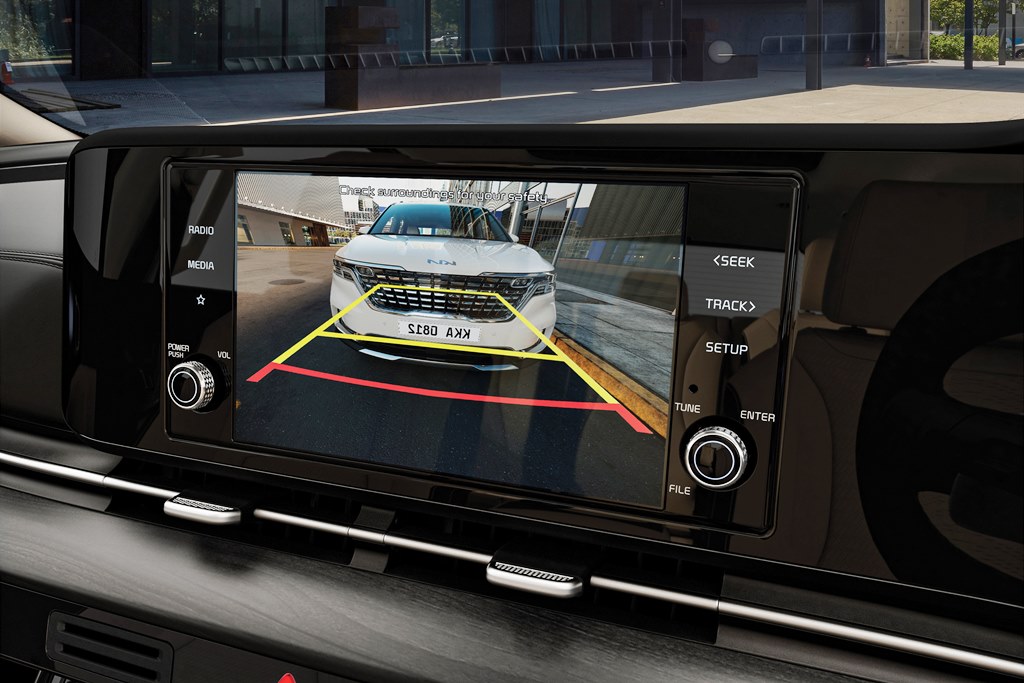
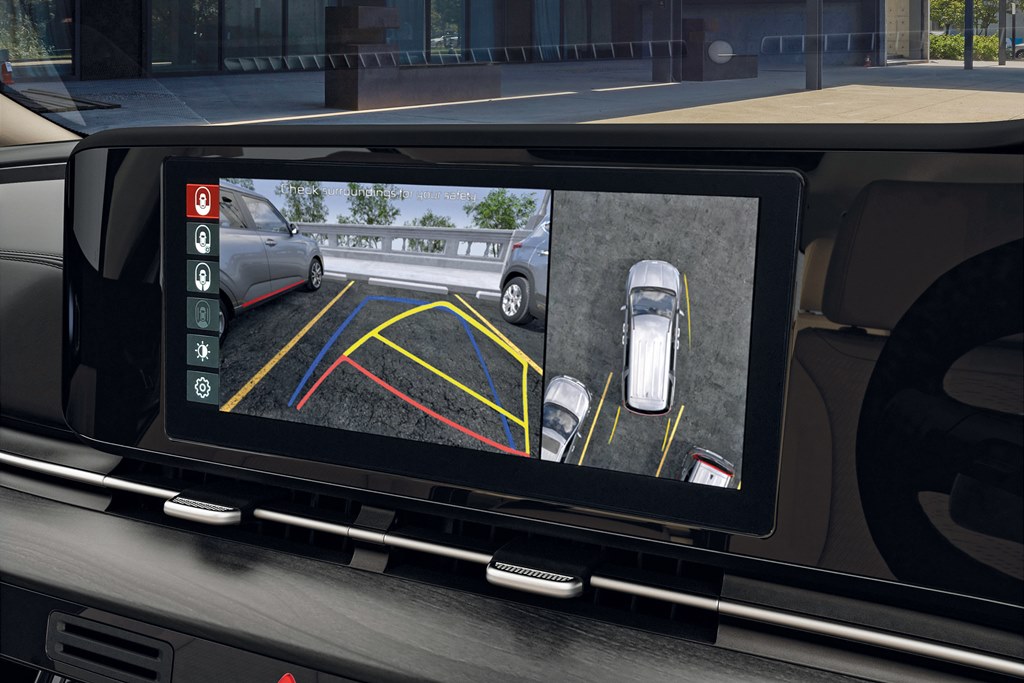
Where you become aware of its bulk is in tight situations, like parking, but even then, it is not as cumbersome as a pick-up truck. The Surround View Monitor is a great help here and we found that parking was a ‘no-sweat’ exercise and the vehicle could be positioned properly within a bay.

Even more surprising is the way the vehicle behaves on winding roads. Apart from the competent chassis design, the low ride height also helps keep the Carnival stable and hardly any lean could be felt. With motor-assisted power steering these days, big vehicles like the Carnival are no harder to drive than small sedans. The feedback is good and assistance is progressive. The body control is certainly light years from what we remember of the original Carnival (the one that was also sold as a Naza Ria) which wallowed when pushed too hard in turns.

2022-Kia-Carnival

The 2.2-litre Smartstream engine provided enough power for brisk motoring but it has also to be said that our two drives did not have the maximum number of passengers aboard and the load was fairly light. With all 7 or 8 seats occupied, perhaps the performance might feel different but as we kept hearing from our convoy leader ‘Enjoy the drive’, and unless you are in a rush, the engine should be able to provide decent performance.

The weight also helps with ride comfort although the pressures were on the high side as the vehicles had come straight from the plant with pressures meant for maximum load. It’s not super quiet in the cabin but the ambient noise level seemed to be consistent. Conversations with people next to you are fine but because the seat rows are far apart, you sometimes have to raise your voice to talk to the drive (certainly if the person right at the back is talking).

Priced (excluding insurance) from RM231,228 – RM261,228, the Carnival is a breath of fresh air in the MPV segment, with smart styling and it has not just a premium image but also the feel to go with it. We would go as far as to say it sets a new benchmark for the MPV class and even those who have not had a liking for MPVs will find the Carnival appealing.

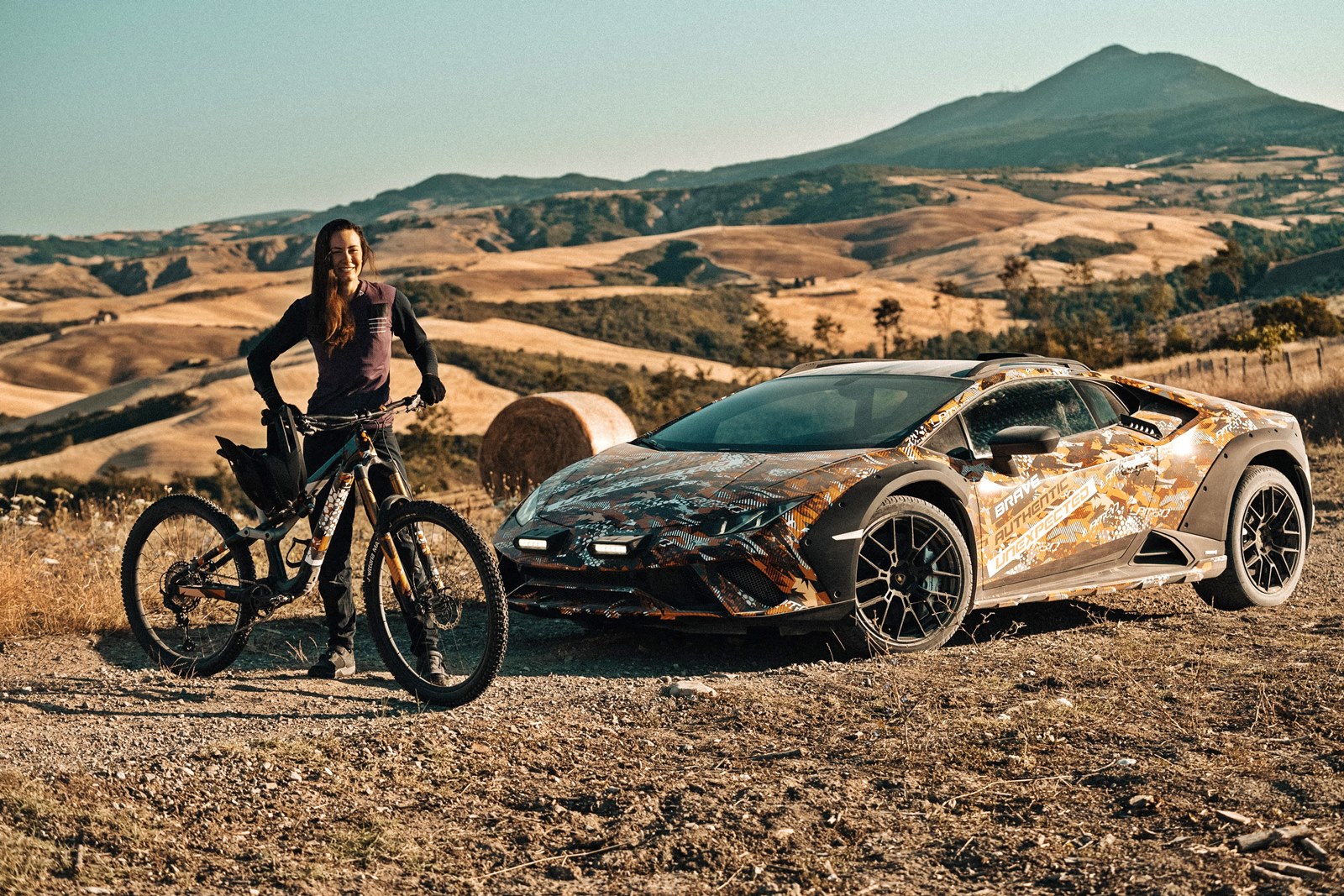
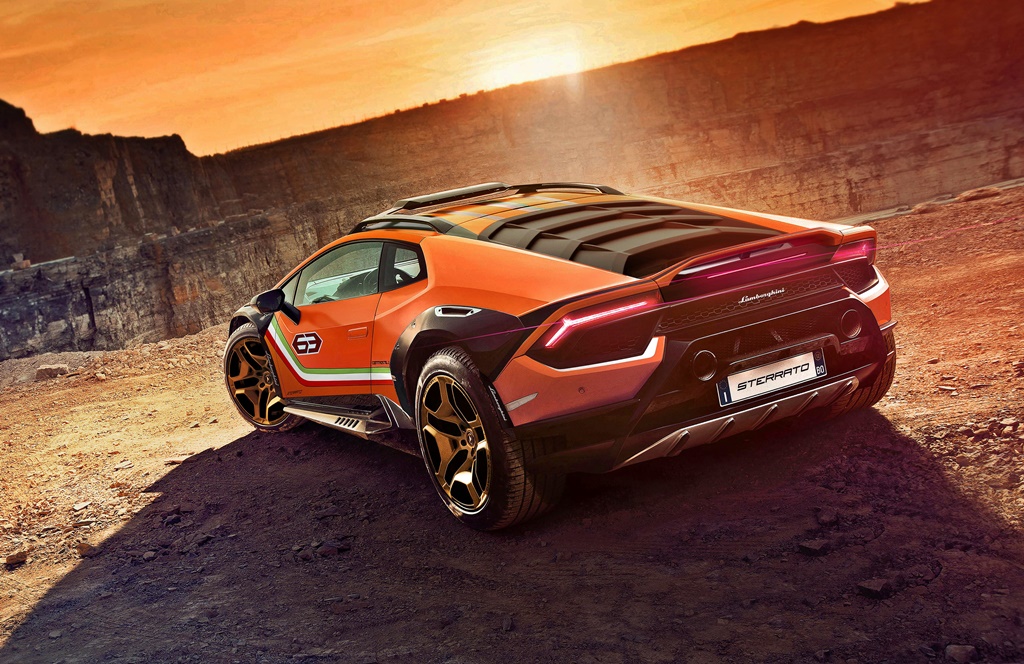
In December 2019, just before the world was attacked by COVID-19, Lamborghini showed the Huracan Sterrato as a proposal for a super off-road machine. It was only a concept then, based on the V10 Huracan which drew on off-road expertise developed with the Urus.

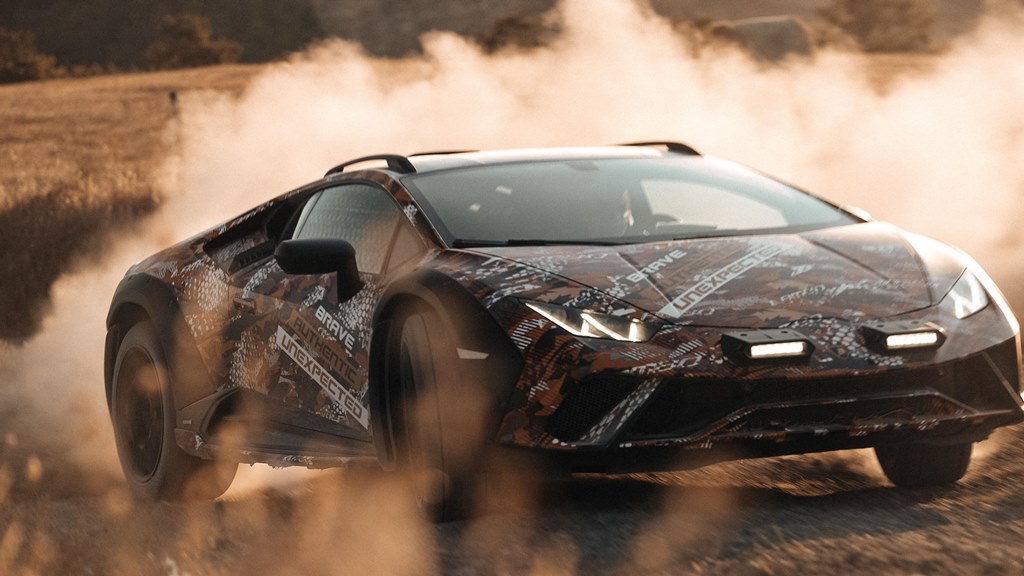
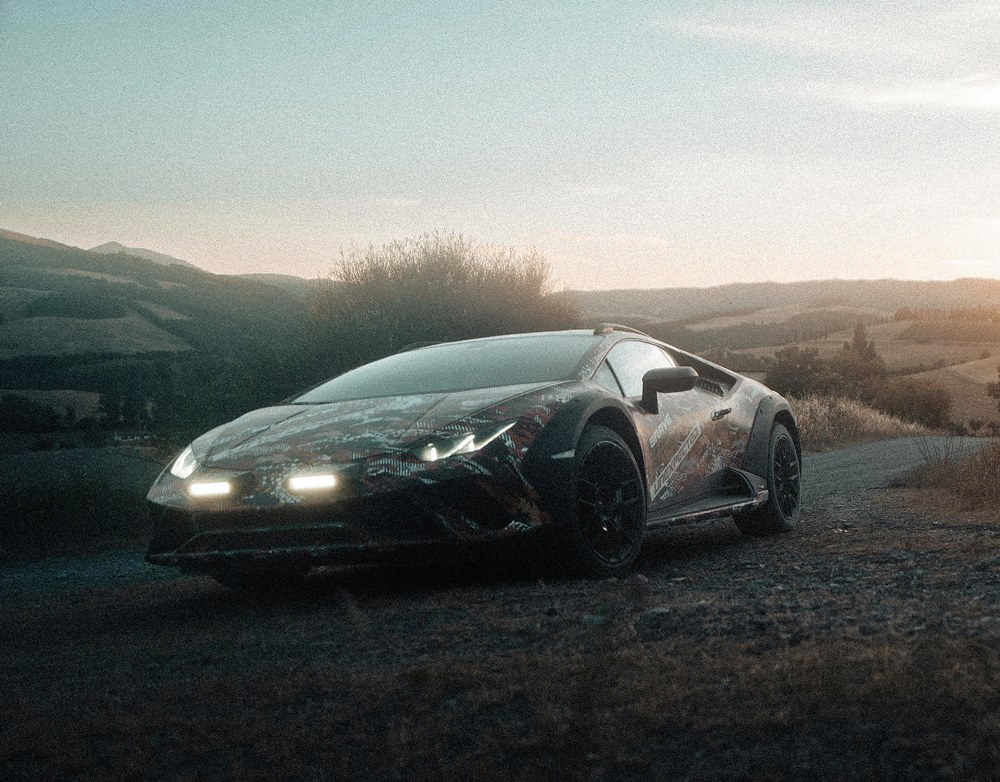
Now it appears that there is a running prototype in action although Lamborghini is not saying anything. All it has released is a video entitled ‘Beyond the Concrete’ which shows the Sterrato in action on very rough ground.

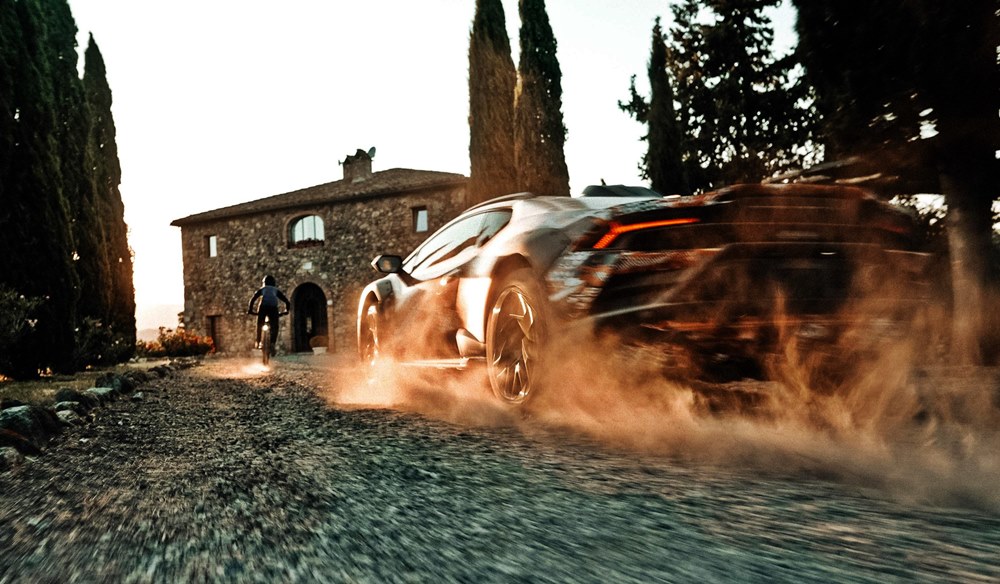
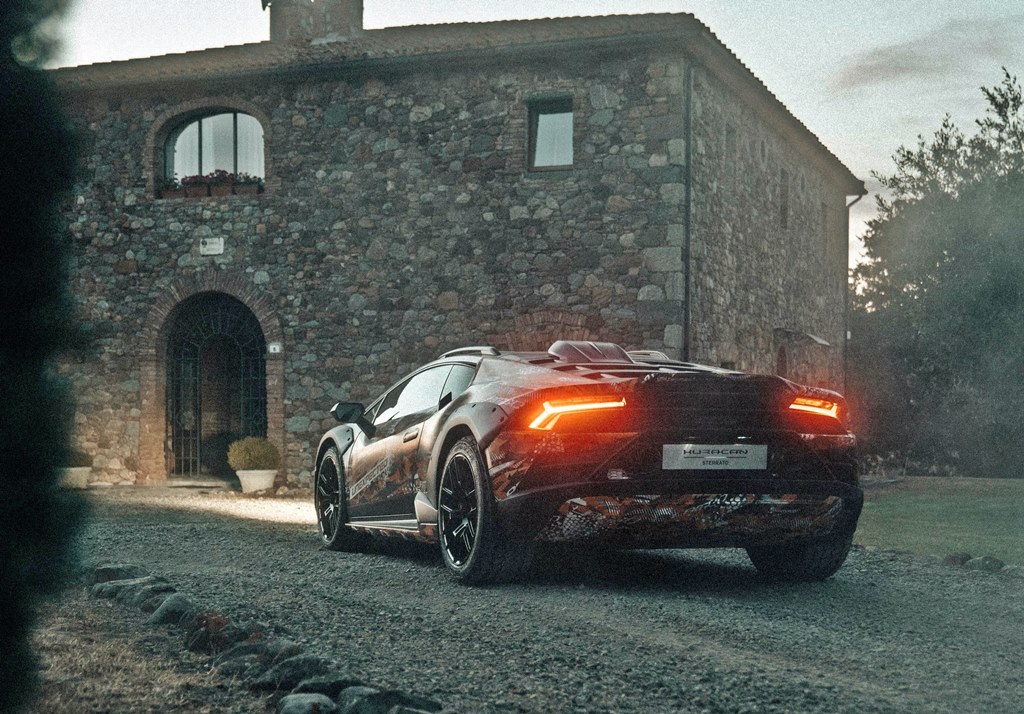
The video shows the supercar racing along a country road and then diverting off-road to race with a mountain bike up to a villa on a hill. There’s a lot of drama along the way as the 5.2-litre V10’s power tries to reach the ground with the chunky tyres.

The Sterrato is intended for rough and demanding environments and its appearance illustrates this.  More ground clearance is necessary in rough terrain so 47 mm is added, with the car’s front approach sharpened by 1% and the departure angle enhanced by 6.5%.

The wheel track is enhanced front and rear by 30 mm, with 20-inch wheels on balloon tyres set into widebody wheelarches with integrated air intakes. The larger tyres have been specially developed with increased sidewalls to improve the absorption of bumps and also provide good grip.

When driving over rough terrain with rocks and loose stones, the underside is at risk of being damaged. To prevent this, the Sterrato is fitted with underbody reinforcements and body protection, including a rear skidplate that acts as a diffuser. Aluminium reinforcements are integrated within the front frame and covered with an aluminium skidplate, with aluminium-reinforced sideskirts.

2019 Lamborghini Sterrato concept

We don’t know what exactly this video is meant to tell other than that another super SUV could be coming soon. It could be the last model in the Huracan line which was introduced in 2014, and certainly a wild way to finish off.

Race starts at 3 pm in Hungary/9 pm in Malaysia

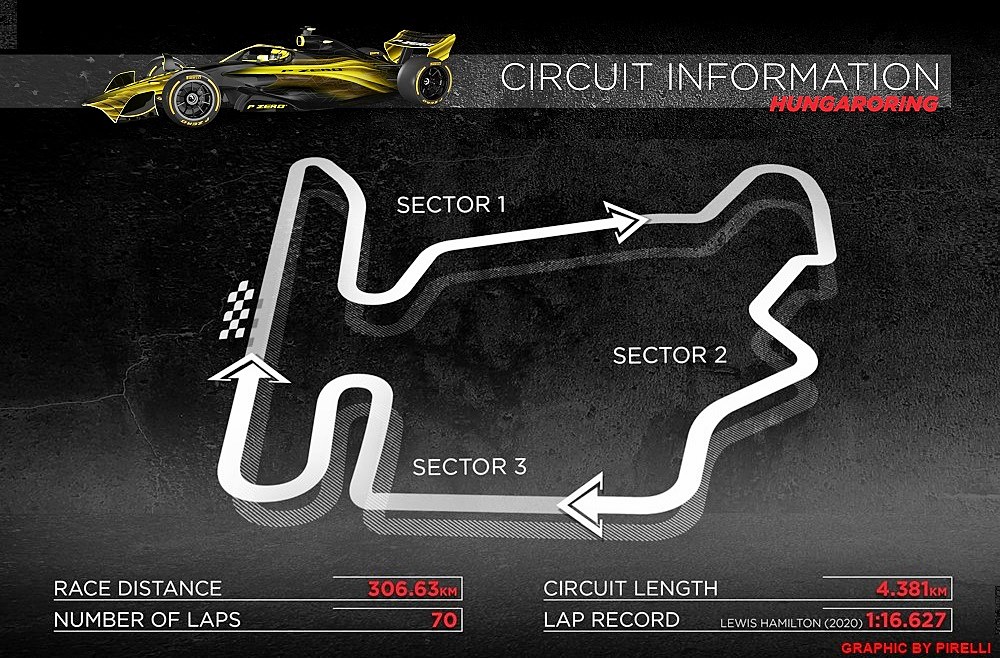
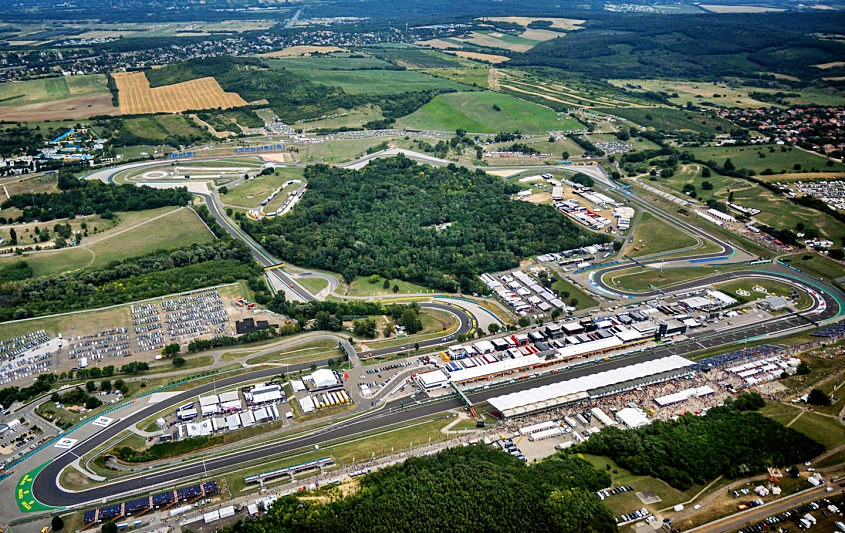
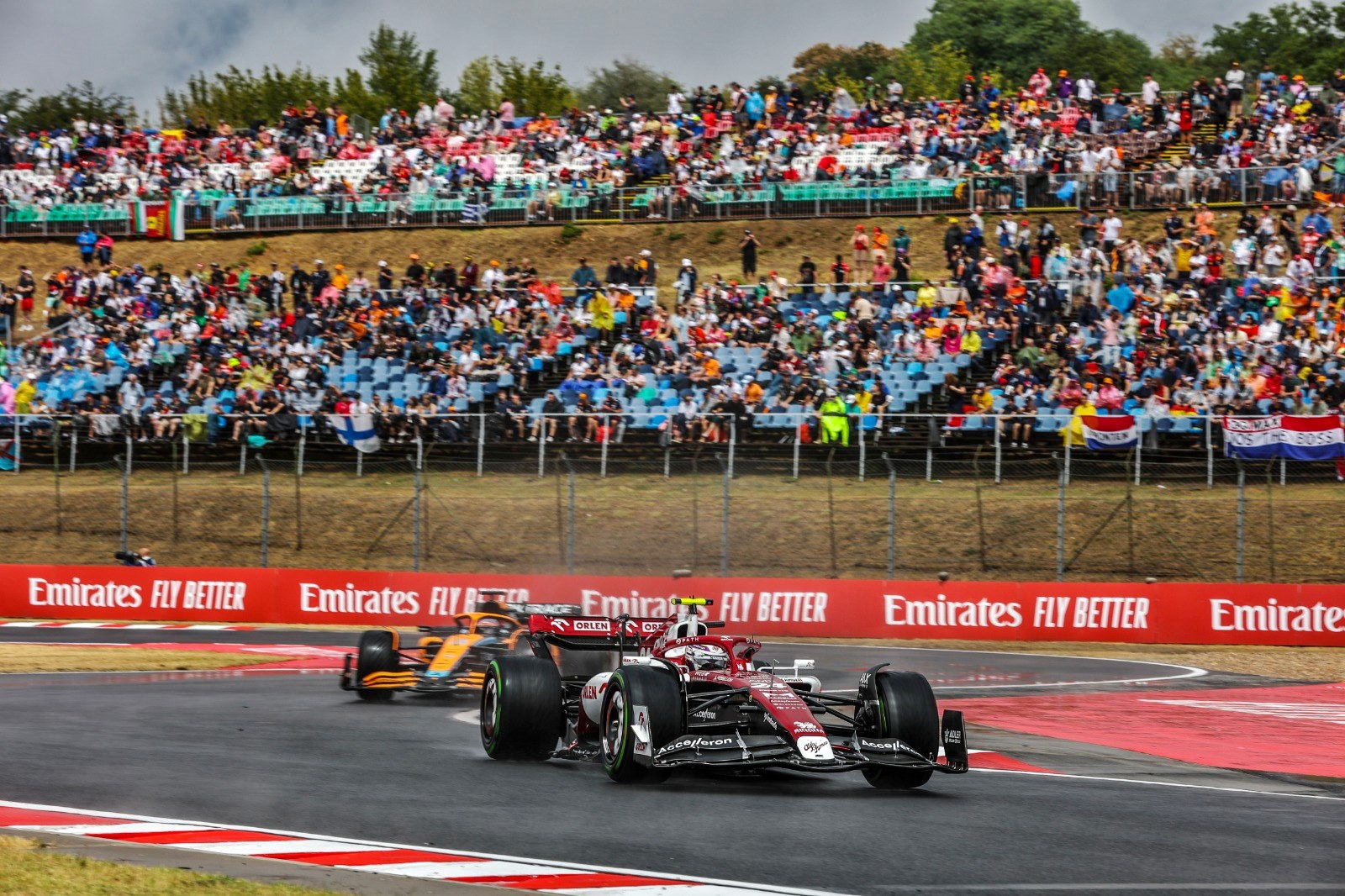
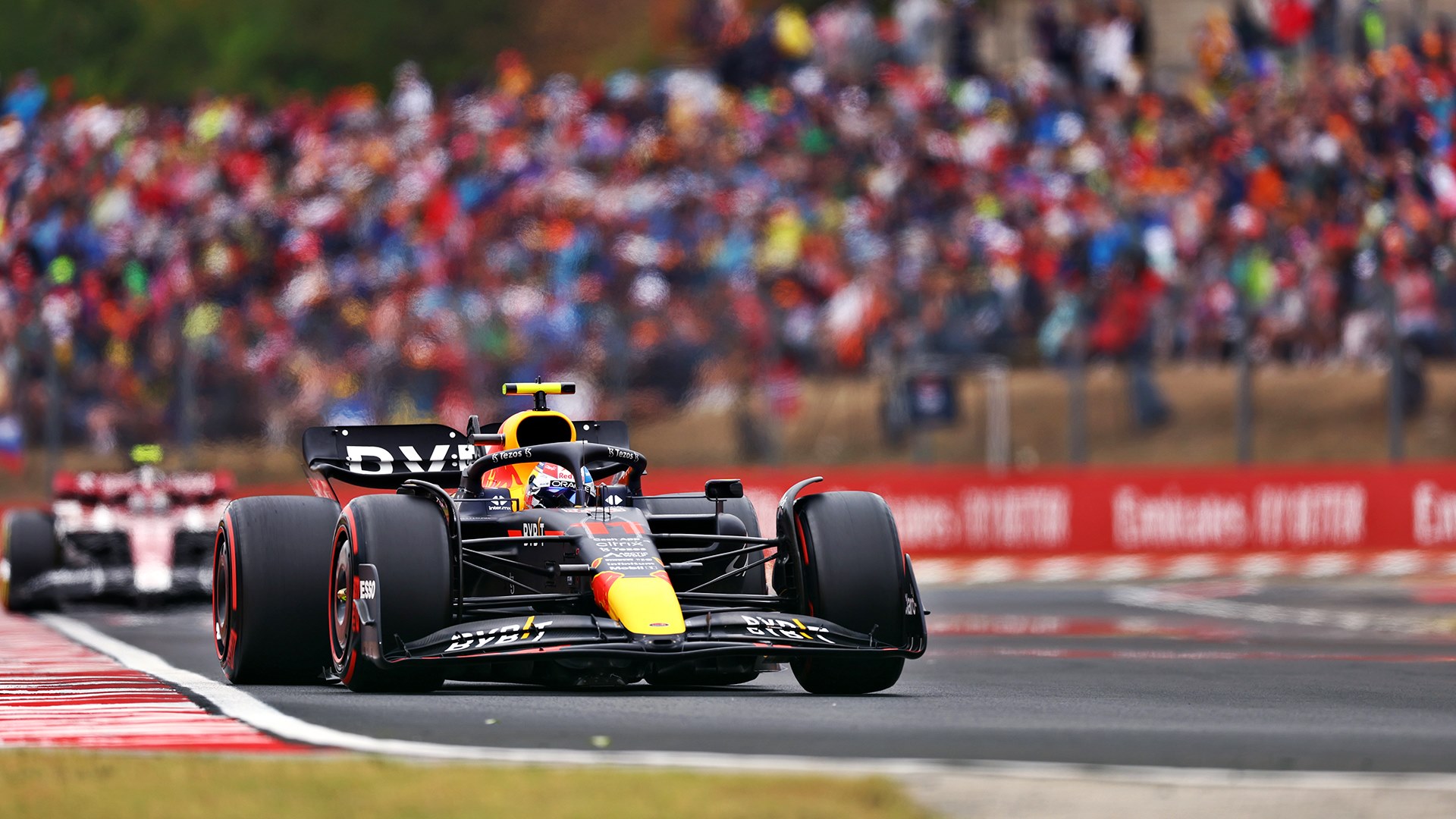
Just days after a dramatic race in France, the 2022 F1 World Championship is at the Hungaroring in Budapest for the Hungarian Grand Prix. This is the 37th time the event has been held and it has been on the calendar every year since being added in 1986. All of the F1 races in Hungary have been held at the Hungaroring; Monza in Italy is the only track with a longer run of consecutive Grands Prix.

It’s therefore a familiar circuit and engineers who have prepared for the hot and dusty environment. The air and track temperatures experienced at the Hungarian F1 Grand Prix are typically some of the highest of the season, with an average air temperature of 30°C and average track temperature of 49°C. In fact, during practice last year, the temperature was seen to reach nearly 60°C.!

Formula 1

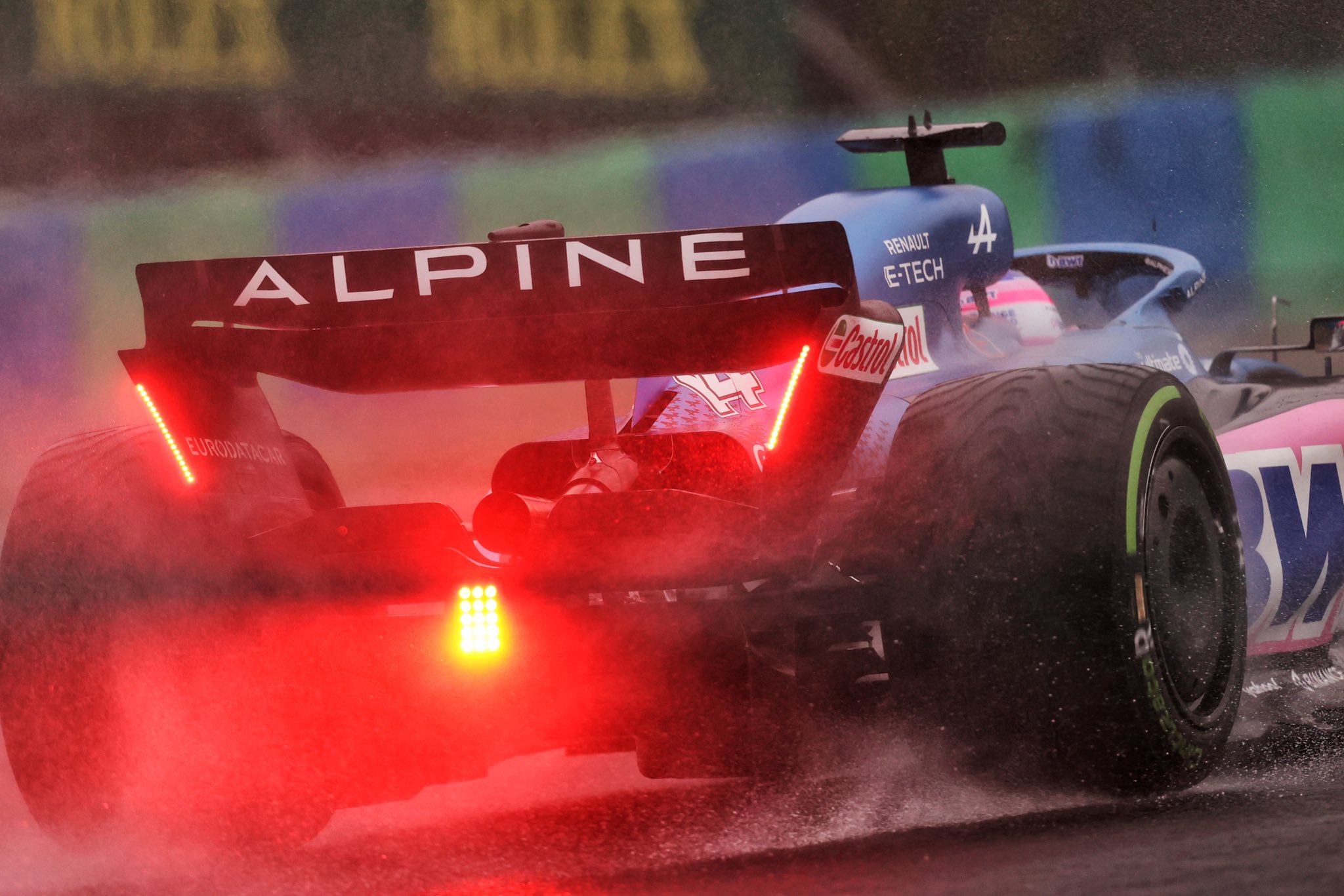
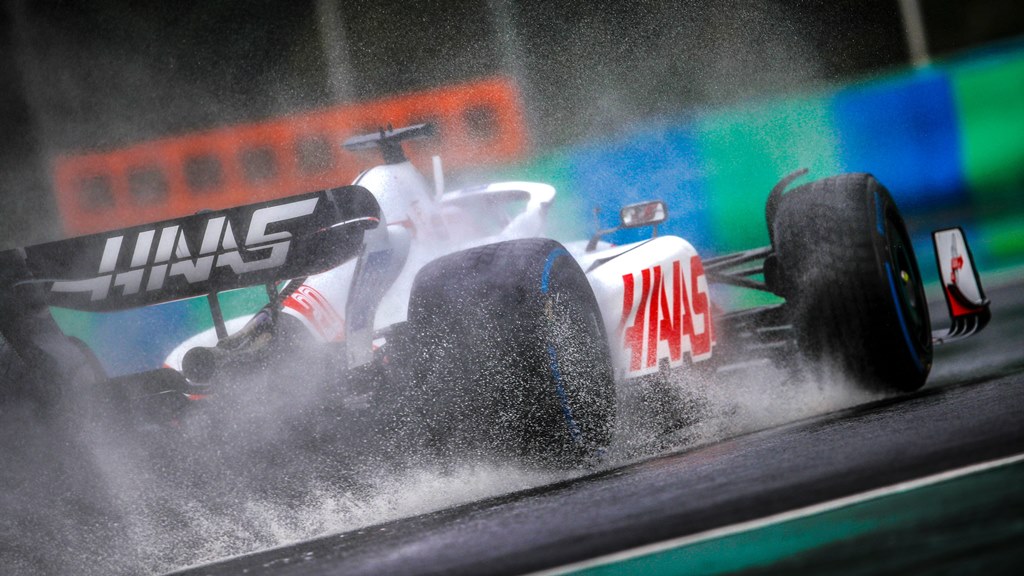
But with climate change, unexpected weather can also occur. On the past two occasions,  it’s actually rained just before the race – and this year. rain came down during final practices. Last year, that led to a somewhat surreal re-start following a first corner incident. “We’ve seen some surprises at the Hungaroring before, and that could be the case even more this year,” predicts Mario Isola, Pirelli’s Motorsport Director.

The Hungaroring circuit has 14 turns running around a valley. It is twisty and bumpy, giving a ‘street circuit’ feel like that of Monaco (or rather ‘Monaco without walls’, as some describe it). It was resurfaced several years ago, and most of the bumps were flattened out. However, the track surface is gradually starting to show its age and the irregularities are forming again.

Formula 1 2022

Six of the 14 turns are left-handers and 8 are to the right. Many of these corners are combined, making good directional changes more important. The straights are relatively short and taking the corners at the right speed is crucial. Consequently, the standard setup for Hungary includes maximum downforce.

Due to its nature as a high-downforce track, the Hungaroring has one of the lowest top speeds of the season so far: 308 km/h. The F1 cars only go straight for about 10 seconds during the course of a fast lap, spending the remaining 65 seconds or so cornering. Only 65% of the lap distance of 4.381 kms will be taken at full throttle – one of the lowest ratios in Formula One.
The kerbs in the final corner can be very aggressive, and the same applies to the exit of Turn 11. However, unlike on faster tracks such as Spielberg, the kerbs in Hungary are driven over at lower speeds (but keeping within track limits, of course). The chicane (Turns 7 and 8), on the other hand, can prove problematic, especially in the wet, and take the drivers by surprise.

Formula 1 2022

The twisty track makes it seem like a big go-kart circuit and this affects the average lap speed which is below 205 km/h throughout the race, but can increase to 214 km/h during the qualifying rounds. On each lap at the Hungaroring, the drivers use their brakes 11 times for a total of 14.3 seconds per lap which amounts to 19% of the duration of the race. ​

The hardest on the brake system is going into Turn 1: to go from 321 km/h to 95 km/h, the drivers have to brake for 2.43 seconds with a load of 142 kgs on the brake pedal, during which they are subjected to 4.6 G deceleration. In that length of time, the F1 cars cover a distance of 118 metres.

“In the past, the Hungaroring has been known as a place where it’s difficult to overtake, but the new package of cars and tyres this year helps drivers get much closer to each other, which is why we have seen some great races with plenty of overtaking so far this season. Hopefully, that’s going to be the case at the Hungaroring as well; a tight and twisty track where the cars are often grouped together,” said Pirelli’s Isola.

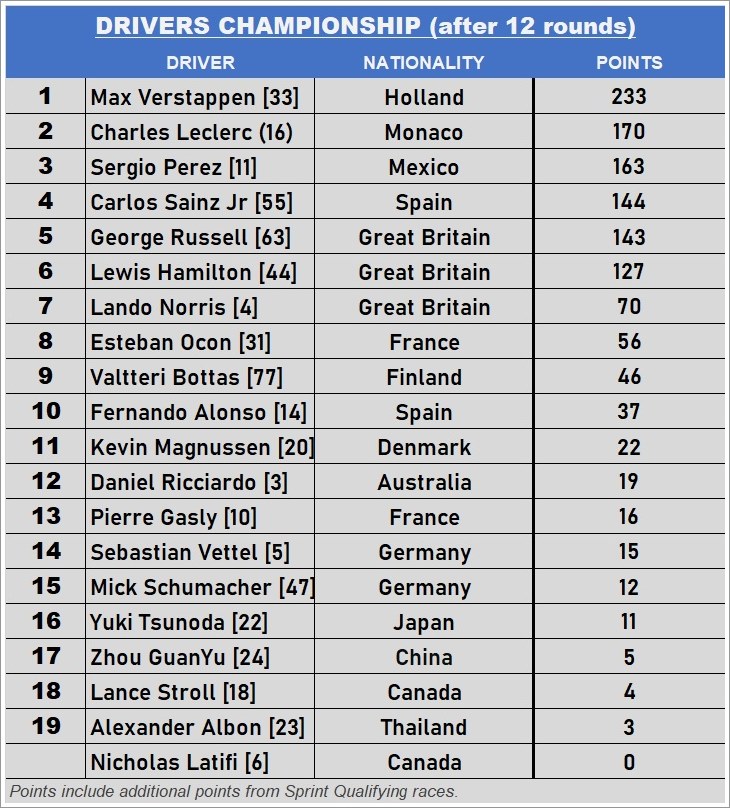
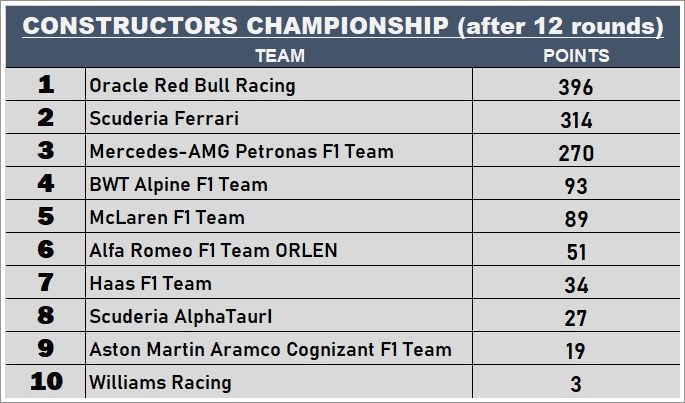
Max Verstappen’s victory in France, combined with a disappointing DNF for Ferrari’s Charles Leclerc and fourth place for Red Bull teammate Sergio Perez, gives the defending World Champion a healthy lead in the Drivers’ Championship. He is 63 points ahead of Leclerc and a further 7 points beyond Perez. Red Bull, meanwhile, pull ahead in the Constructors’ Championship and now lead Ferrari 396-314. And the Italian team is now seeing a resurgent Mercedes-AMG just 44 points behind.

A bit of history: the 2009 Hungarian Grand Prix was the first race in F1 history to be won by a hybrid car. Back then, using the Kinetic Energy Recovery System (KERS) was optional and the opening races were won by cars with conventional engines. However, Mercedes-AMG had developed a hybrid system run by McLaren-Mercedes in 2009. So, when Lewis Hamilton won the event that year, it was the first ever victory for a hybrid F1 racing car.

Over its long history, Lewis Hamilton has been the most successful driver at the Hungarian Grand Prix, with 8 victories – twice the number of Michael Schumacher, who is the next driver on the list. McLaren has had 11 victories at the Hungaroring, the most of any team.

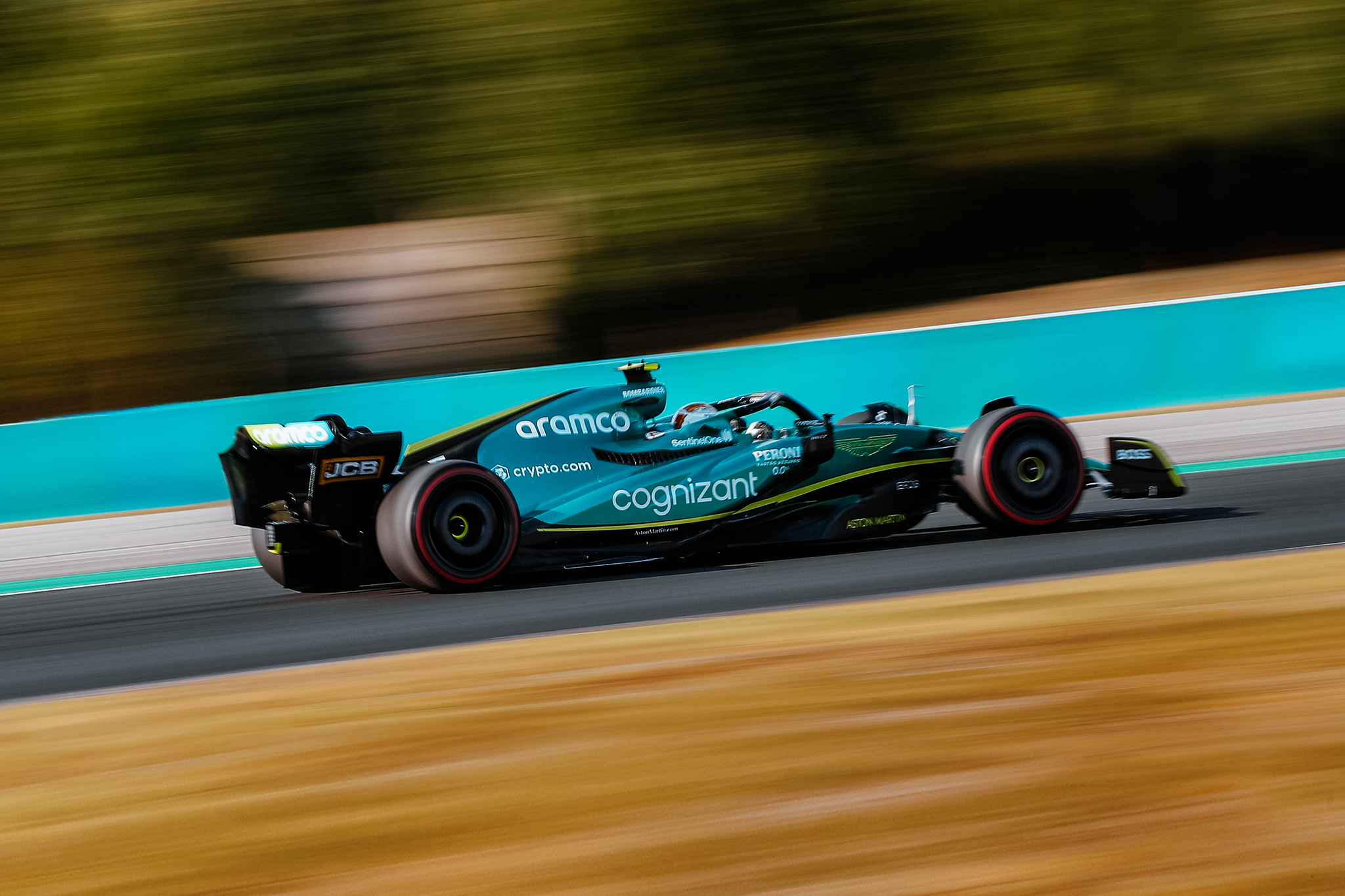
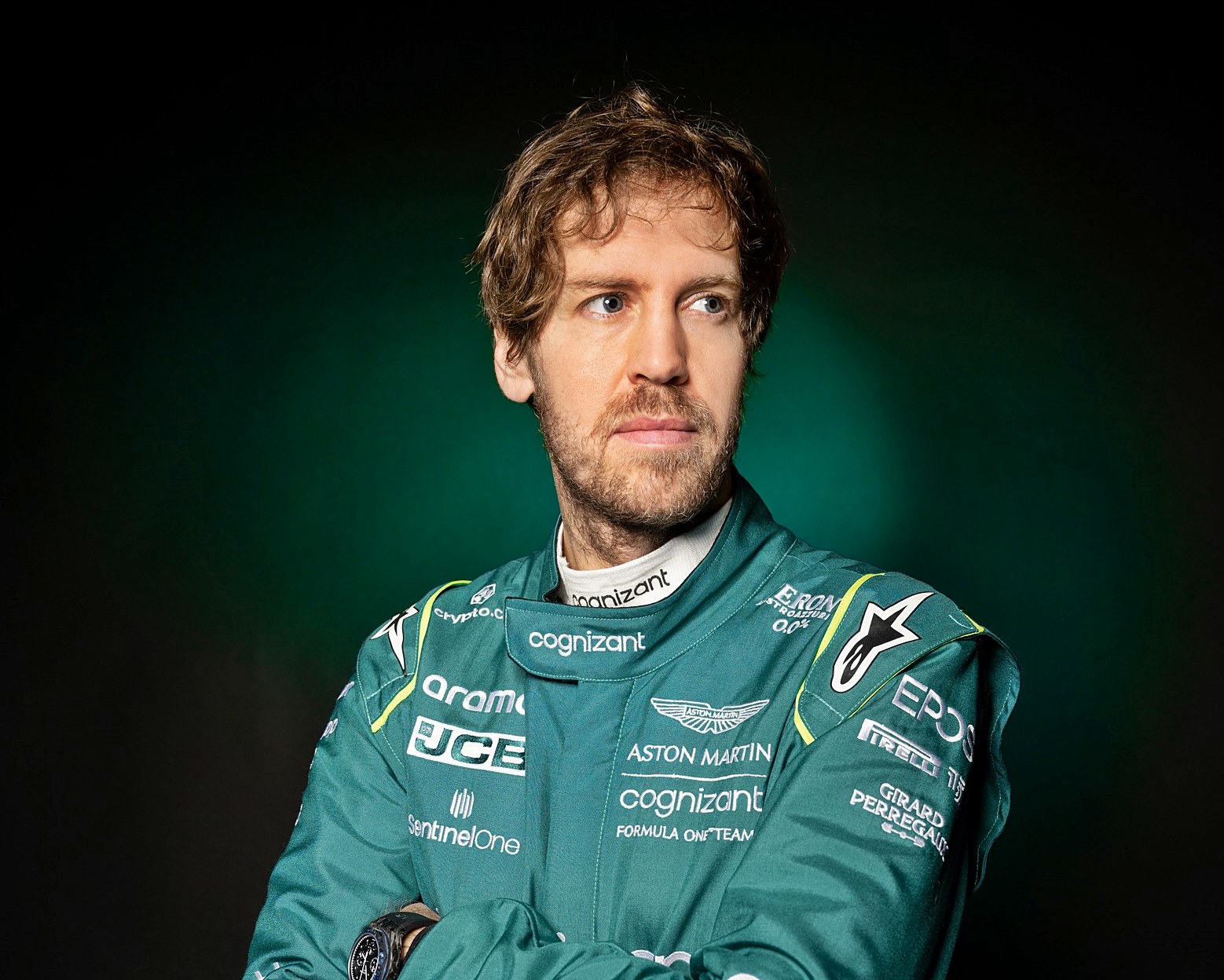
Sebastian Vettel has announced his retirement from Formula 1 at the end of this season. Since entering F1 in 2007, the German driver, now 35 years old, has won 53 races and with 4 world championship titles, he is beaten by only Lewis Hamilton, Michael Schumacher and Juan Manuel Fangio. Now with the Aston Martin ARAMCO COGNIZANT Racing Team, Vettel has previously raced with BMW Sauber (2006–2007), Toro Rosso (2007–2008), Red Bull (2009–2014), and Ferrari (2015–2020).

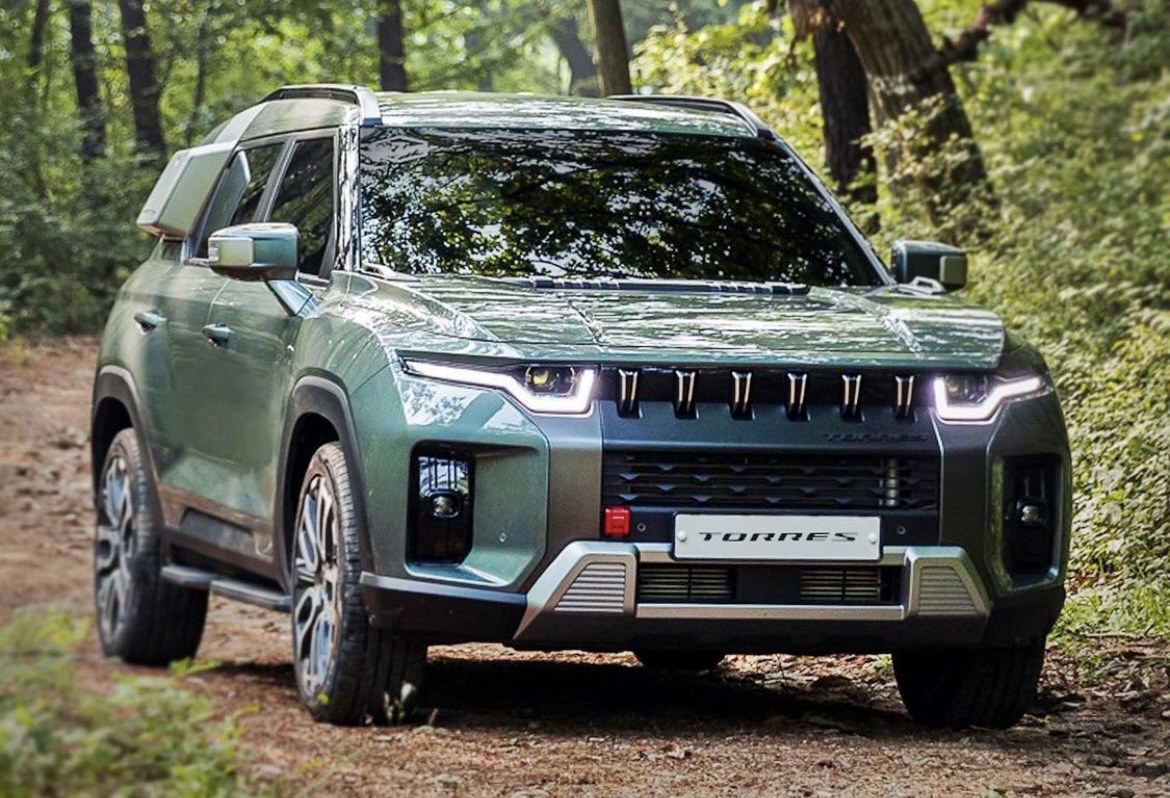
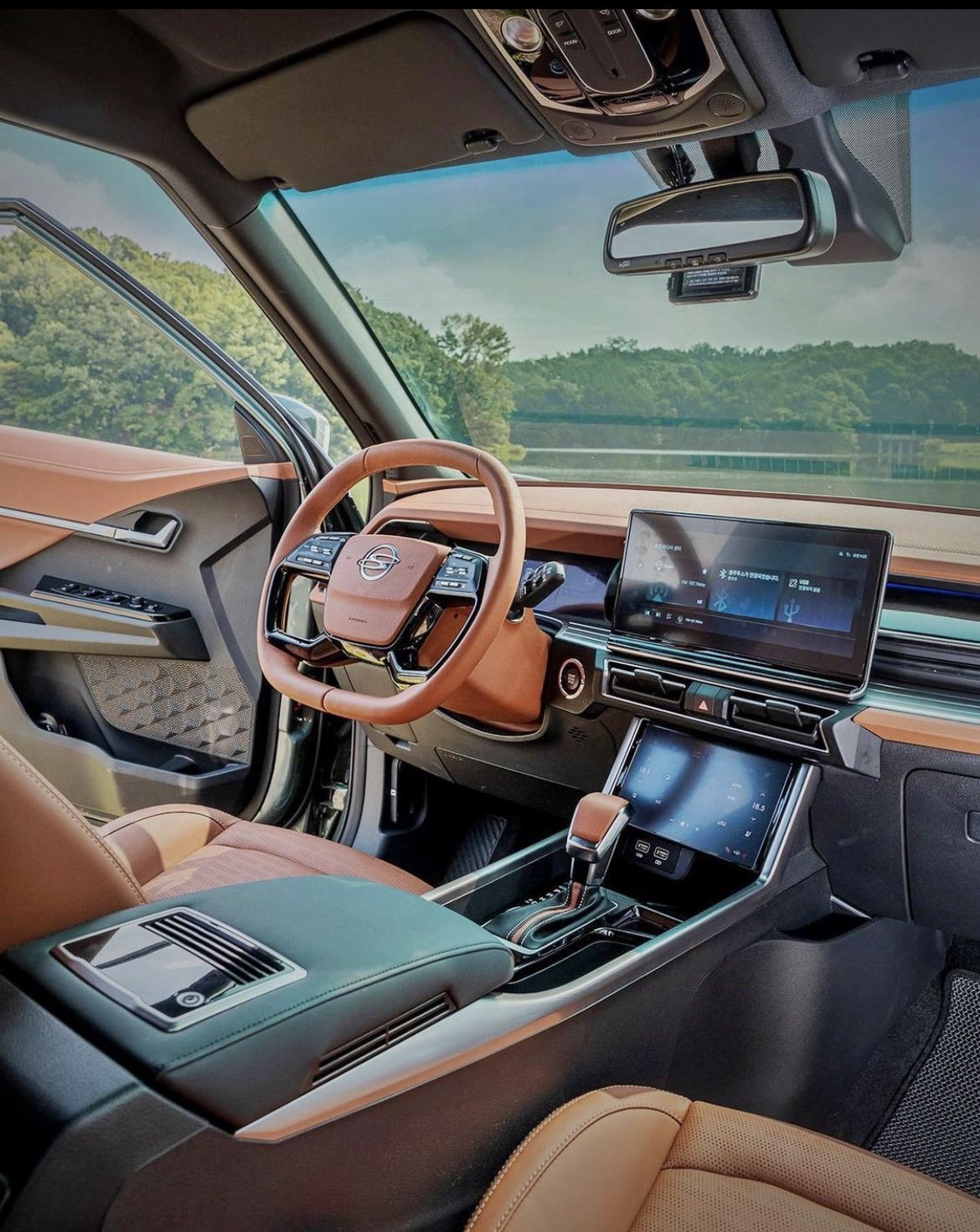
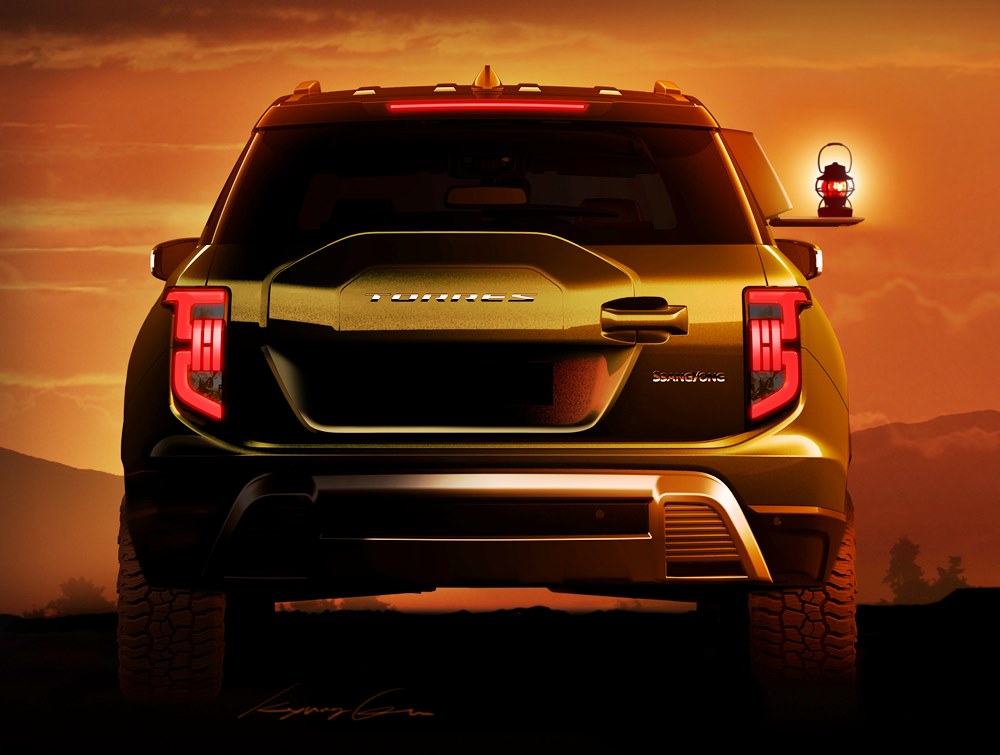
SsangYong Motor Company (SMC) has been struggling with financial problems, but it has also been allowed to continue running its operations. This includes product development for its next generation of models and one of the new ones will be a SUV called Torres. Two pictures of a production model have now been shown on social media outside Korea.

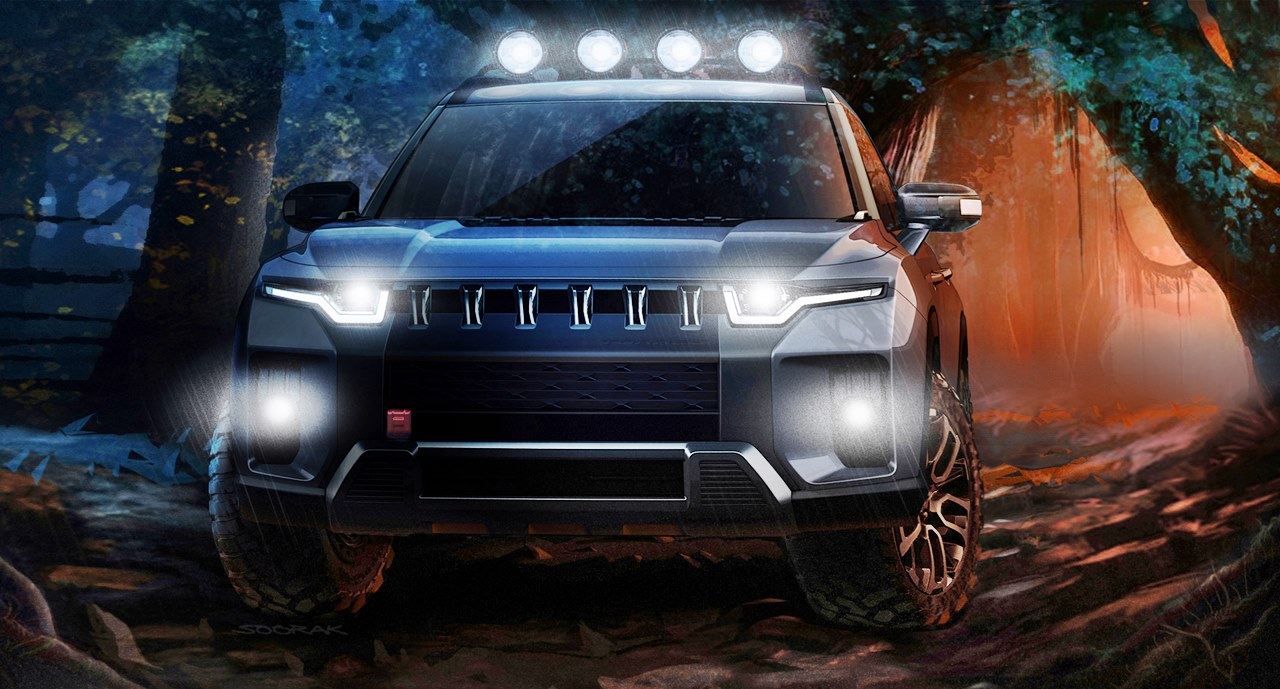
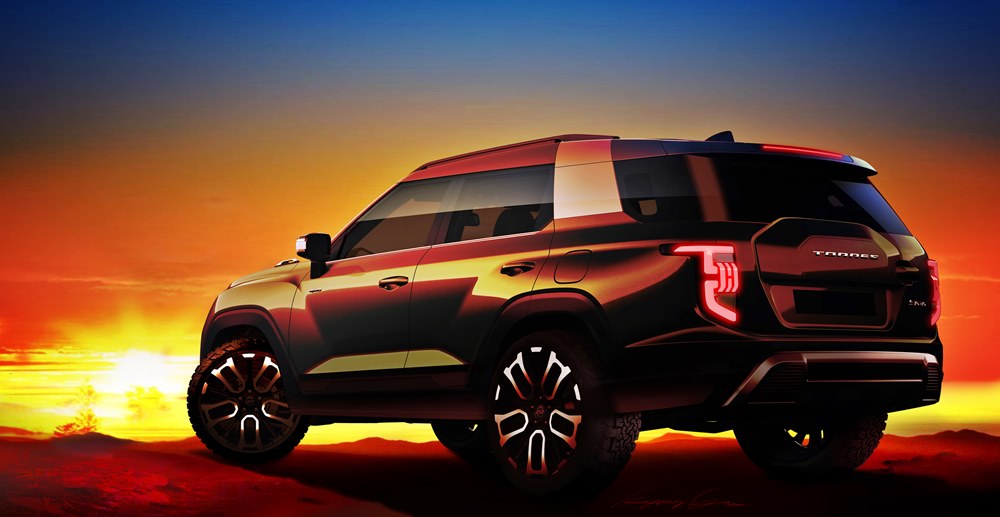
The front of the Torres has a vertical radiator-style grille, a classic look for SUVs, while the rear tailgate continues this theme with a classic off-road appearance. Inside, there is the functional and rugged look that many SUVs are given as well as a dual centre display. The upper panel has a widescreen format for map displays, with the lower one appearing to be more for adjusting functions and features.

The name was inspired by the spectacular views of Torres del Paine National Park in Patagonia, South America. The park was designated a World Biosphere Reserve status by UNESCO in 1978 and is well known for its magnificent mountains, glaciers, lakes, and rivers. The name this ‘embodies a sense of adventure, challenge, and escapism’, according to the Korean carmaker.

The Torres is the first model to reflect the brand’s new design philosophy ‘Powered by Toughness’, and is said to introduce a new segment in the SUV sector. The first teaser images of the exterior of the Torres show a modern SUV style which uses some elements of earlier models.

“The SUV market continues to expand and subdivide, and with Torres, we are filling the gap between semi-medium-sized SUVs such as Korando and large SUVs like Rexton. This move will create an additional segment in the market and will open up new opportunities for us, especially as we further develop the product offering and continue to add value and originality,” said a spokesperson for SMC.

The Torres will soon go into production and customers who have booked vehicles since last month will be taking delivery during this quarter. For the European market, a BEV version (U100) will be introduced towards the end of 2023.

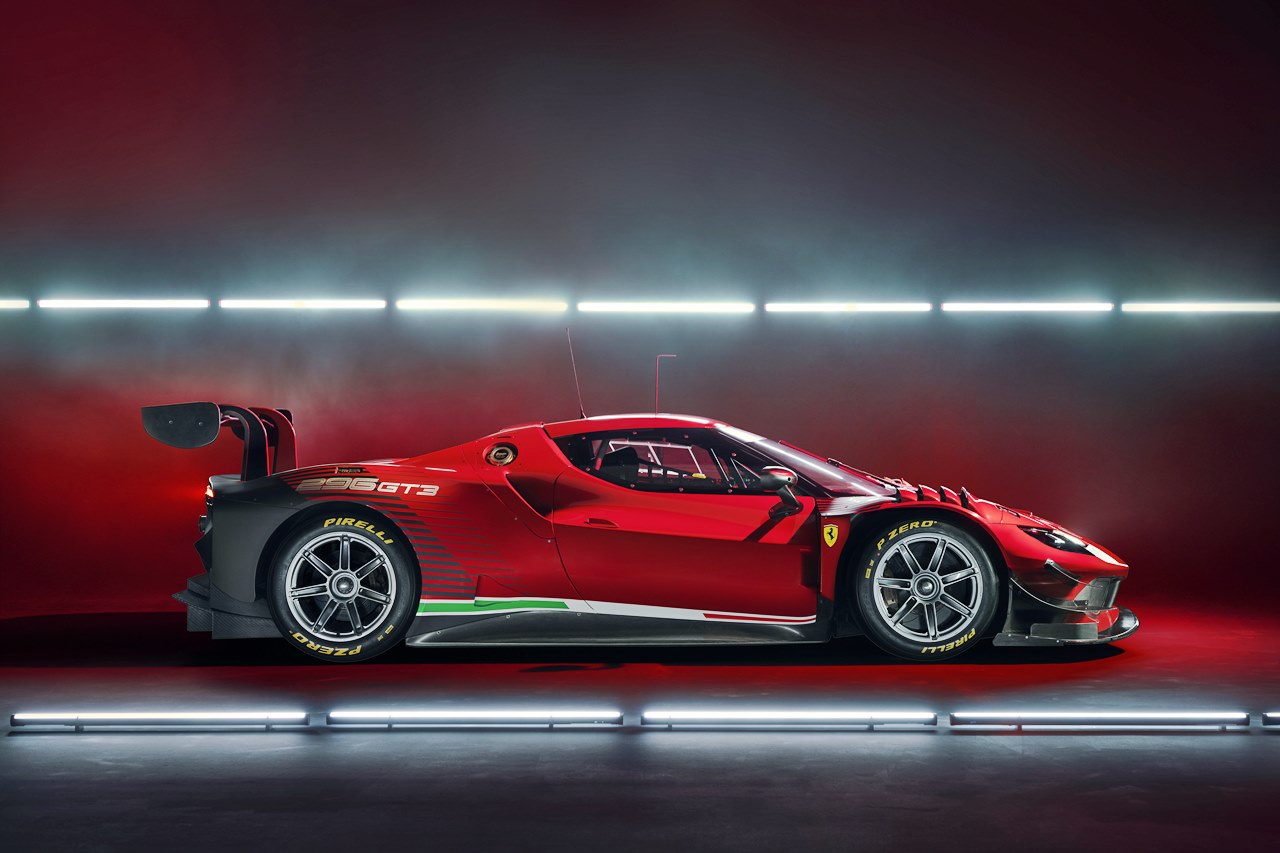
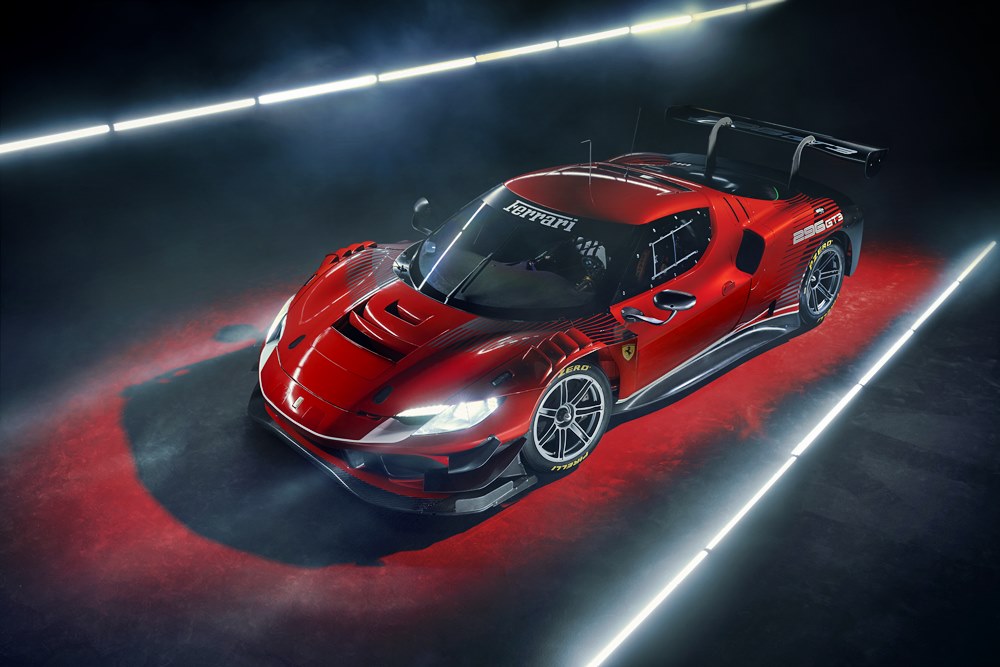
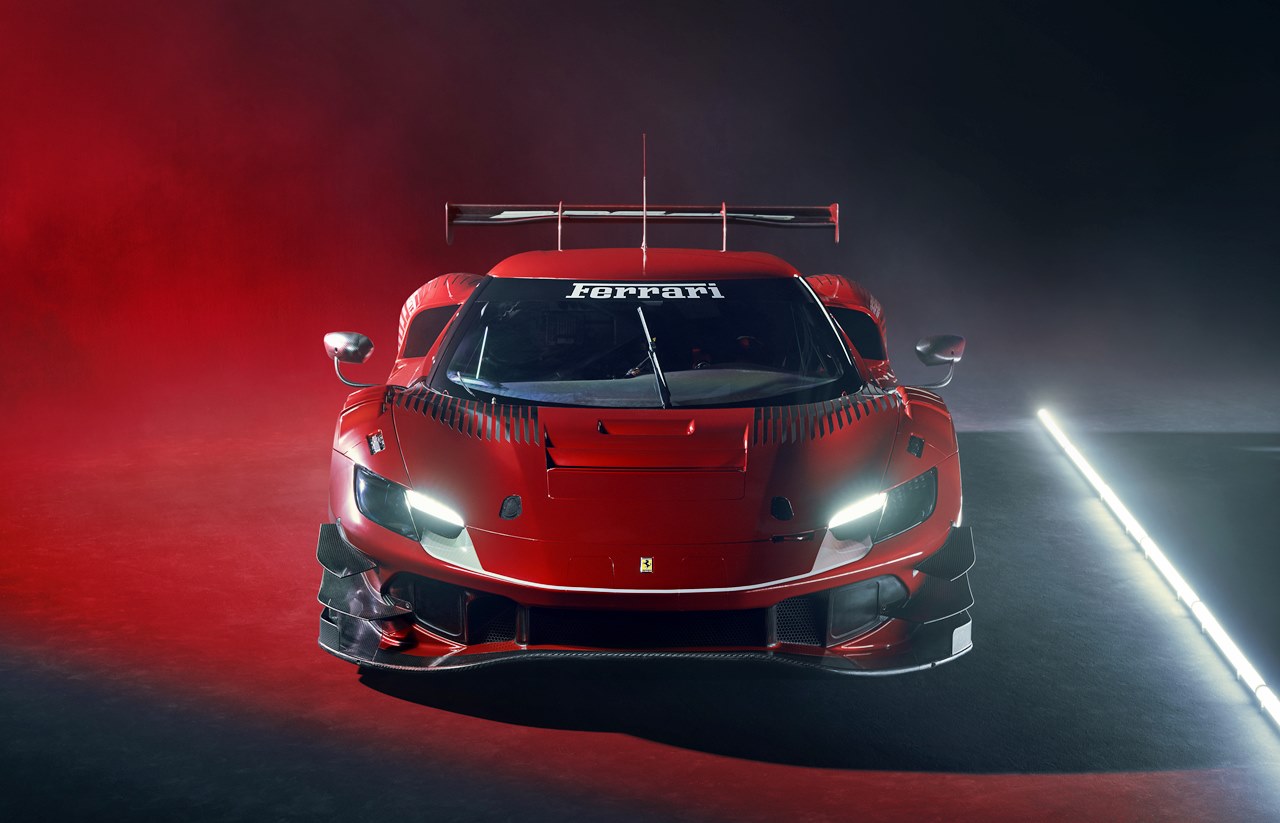
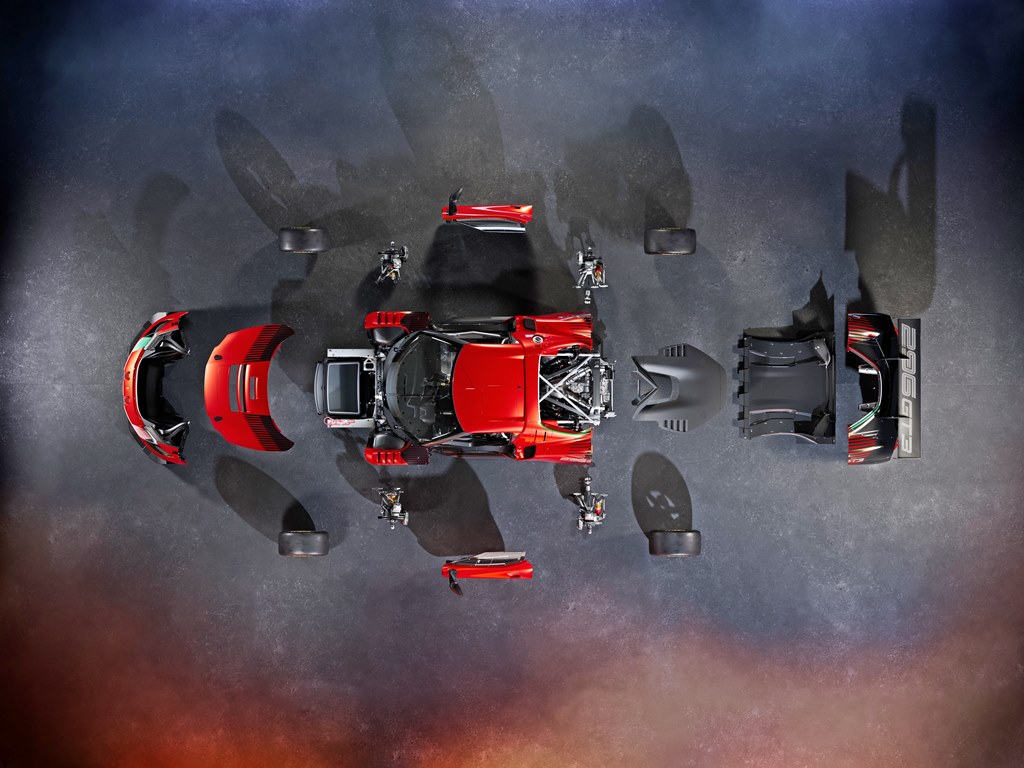
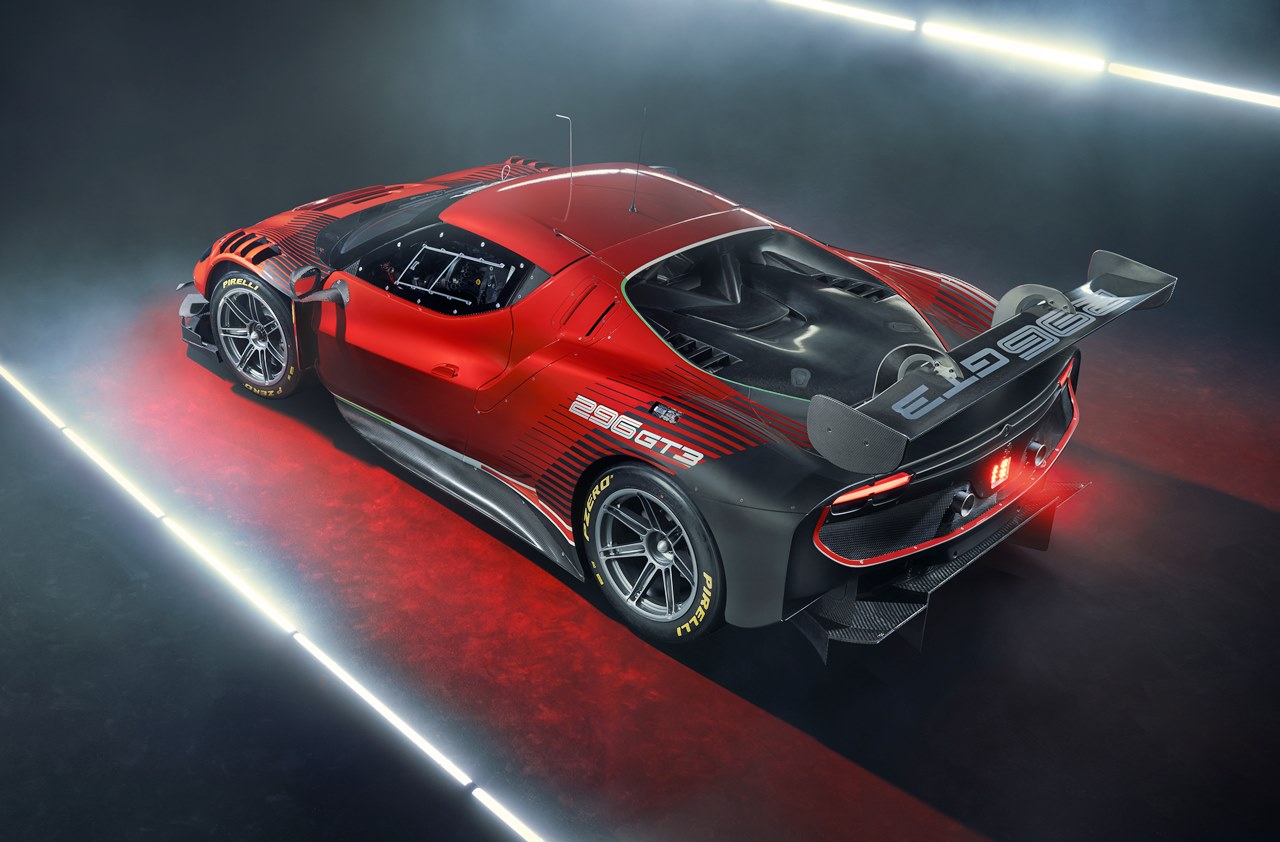
Ferrari has unveiled its 2023 contender, the 296 GT3, at Circuit de Spa-Francorchamps in Belgium ahead of this weekend’s TotalEnergies 24 Hours of Spa race. The 296 GT3 was developed with extreme use in mind, typical of the Pro classes, but also for gentlemen drivers, for whom racing is first and foremost about having fun.

The entire Ferrari 296 GT3 project concept emerged in 2020 and went live with the first simulations and simulator models. Then came the indoor testing, which defined the car’s aerodynamic shape in the wind tunnel, the bench-tuning of the engine and rigidity testing the chassis. The car finally completed the endurance tests in Maranello’s 4WD Dyno. Since the first shakedown at the Fiorano track on April 12, 2022, the new Ferrari has completed tens of thousands of kilometres preparing it for racing.
This is the first modern-day Ferrari GT that has been designed and developed completely in-house and is the mid-engined successor to the 488 GT3 Evo 2020.  ORECA will put together the 296 GT3 as well as provide parts support for customers.

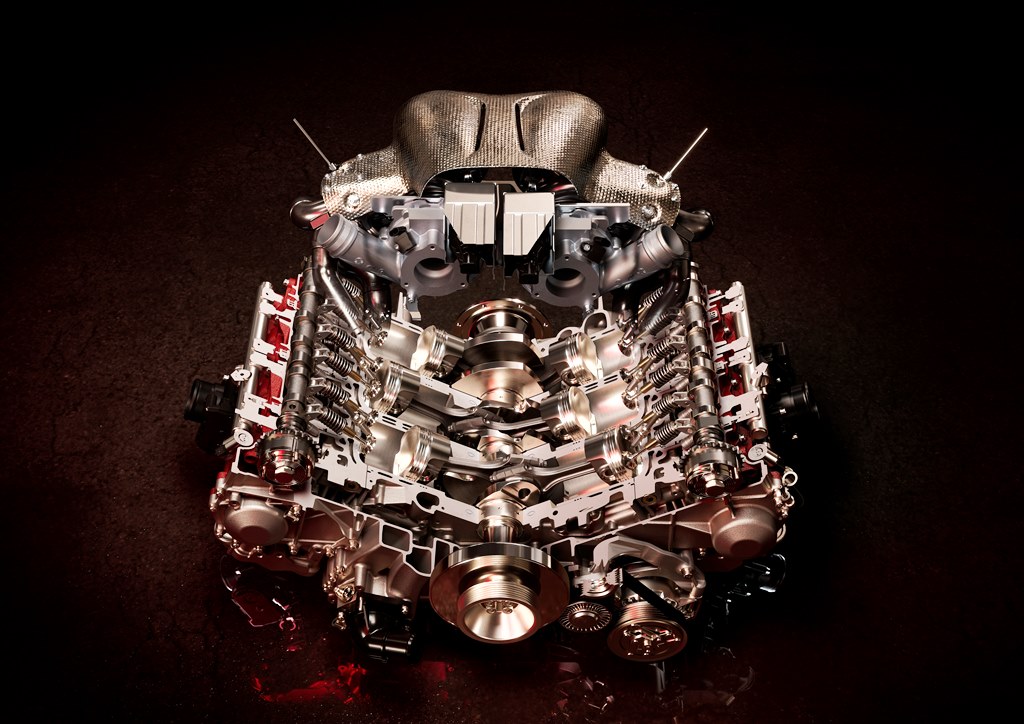
The Ferrari 96 GT3 grew out of the 296 GTB, the latest evolution of the company’s two-seater mid-rear-engined sports berlinetta concept. It’s a new approach in terms of design, car management at all stages of a race weekend, electronics, and even the engine architecture, a 120° turbocharged 6-cylinder (600 ps/710 Nm) – in compliance with the new GT3 regulations.

6-cylinder-engined Ferrari returns to track

This new model marks the return to the track of a 6-cylinder-engined Ferrari even though, in compliance with technical regulations, it doesn’t have the electric unit featured in the 296 GTB. Like its road-going twin, the positioning of the turbos is inside the vee. All this brings significant benefits in terms of compactness, lower centre of gravity and reduced mass

The gearbox of the 296 GT3 is new and specially developed for this car. The designers opted for a single-disc clutch unit with 6 gears, arranged transversely for better aerodynamics and weight distribution. Clutch actuation is now electronic and can be controlled from the steering wheel, rather than mechanical via the foot pedal, while the gear change is electrically actuated.

Connection to production car

The car’s design, minus the aerodynamic devices or features specific to the racing version, has retained its connection to the production model. The Ferrari engineers have been able to define an aerodynamic configuration within the homologation performance window by reducing ride height sensitivities with the aim of improving handling and driveability. This precise and detailed work on the shapes yielded a gain of 20% in downforce on the car over the previous generation.

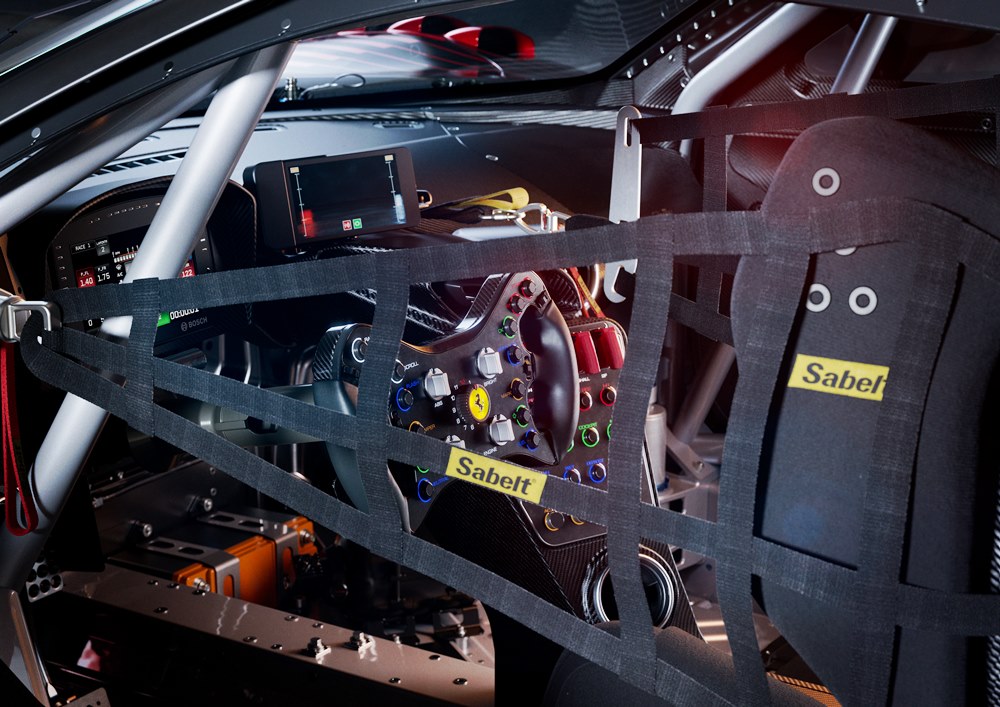
Development of the cabin design was done without neglecting essential aspects such as safety and comfort. In endurance racing, performance depends on these features. The cabin was completely redesigned over the 488 GT3, in response to input from factory drivers and customers. The result is a cockpit that allows its occupant to quickly and effectively find the best driving position, with the main functions always within easy reach.

F1-inspired controls

Many controls and functions have moved to the new Formula 1 single seater-inspired steering wheel, while the position of the Sabelt seat provides optimal visibility, both day and night. It also adds a new level of comfort for drivers of different sizes and statures who can use the adjustable pedals and steering to find their best position in the car. The air conditioning system and airflow inside the cabin were designed to provide adequate ventilation in all conditions, helping the driver to concentrate during every stage of a race.

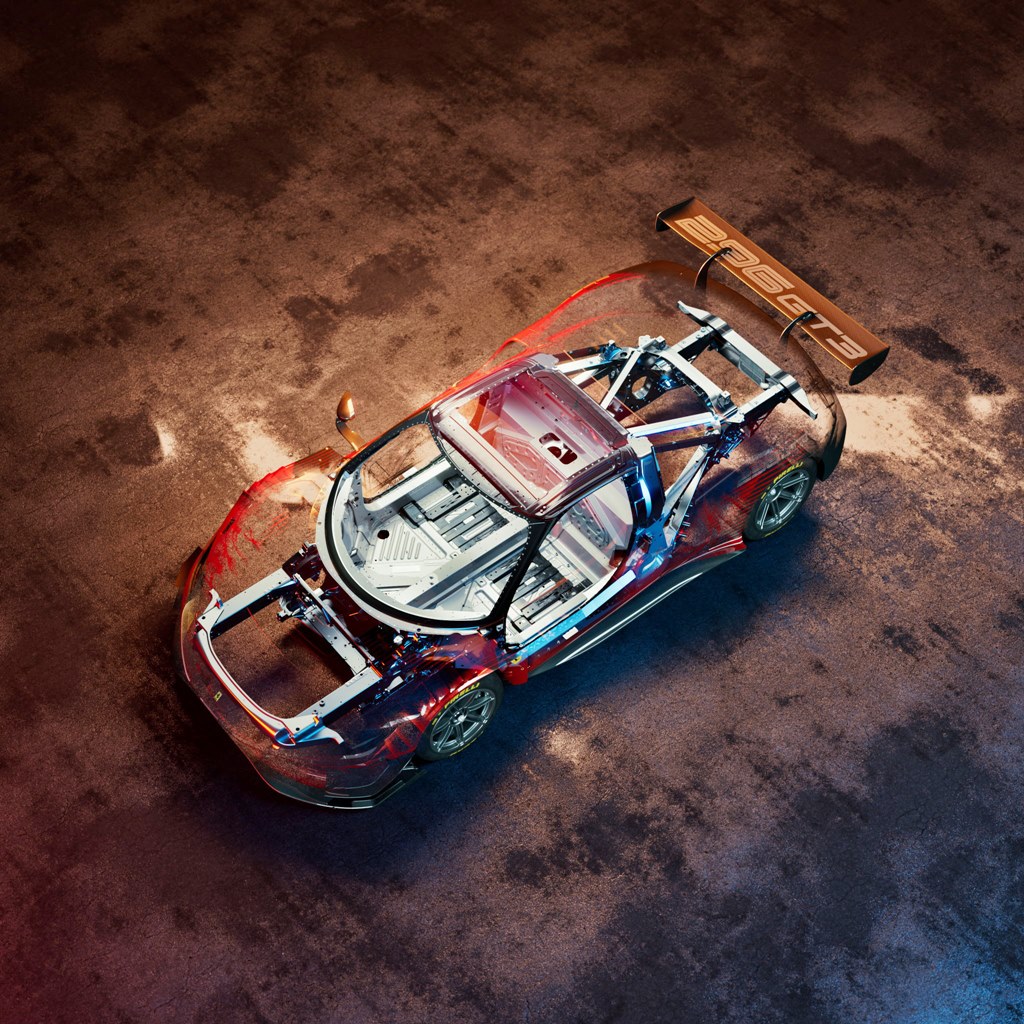
While the 296 GT3 chassis draws on the experience of the 488 GT3, it is entirely new and is made of aluminium. It allows the car to exploit the grip potential offered by the tyres without compromising their integrity in just a few laps, benefiting performance and repeatability. The chassis’ extreme lightness, which in the 296 GT3 also allows better and more efficient ballast management, contributes to this. The safety structure has been carefully designed using the most sophisticated simulations and innovative technologies and research, especially in alloys and materials.

Suspension differences

The 296 GT3 has a longer wheelbase than its road-going counterpart, within the regulatory limits, and a different suspension design to the 488 GT3, with dedicated kinematics and structures. The double wishbone arms in the front and rear suspensions are designed to offer maximum grip even at high speeds, limiting stress on the tyres as far as possible, to the benefit of tyre life, performance and reliability. The suspension, like the anti-roll bars, features the widest possible range of settings providing drivers with the best possible setup.

Ferrari is still working on the pricing which will be available towards the end of the year. The first customer teams will get their cars late in the year but in time for them to prepare for the debut race which will be the 2023 Rolex 24 at Daytona.

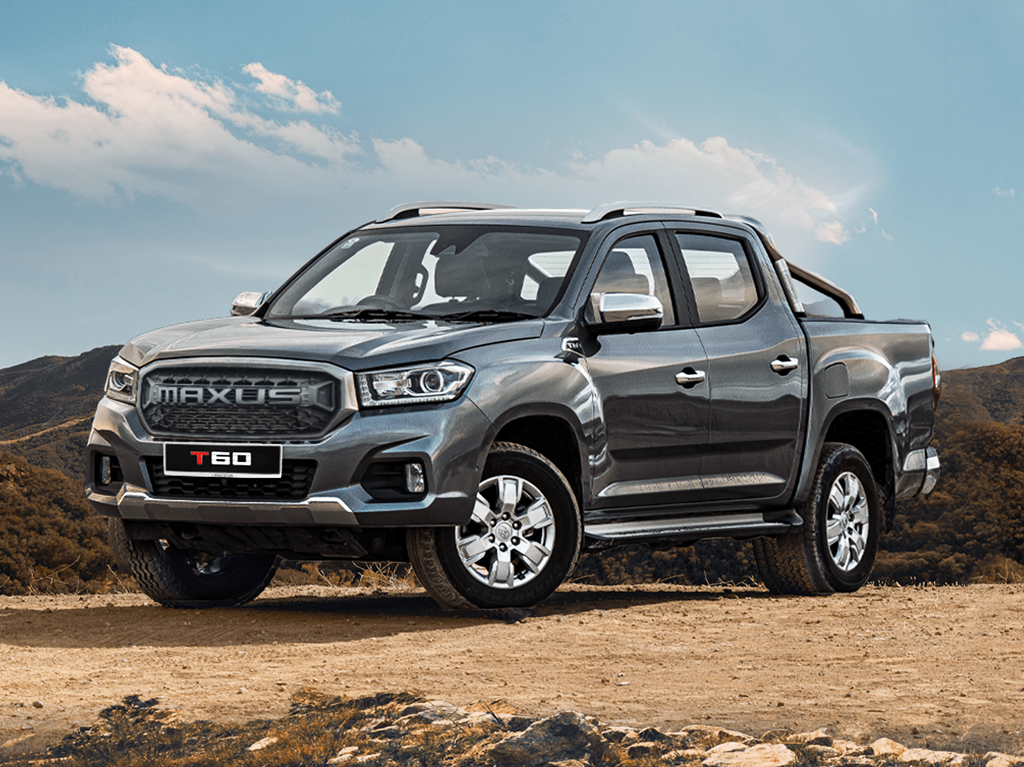
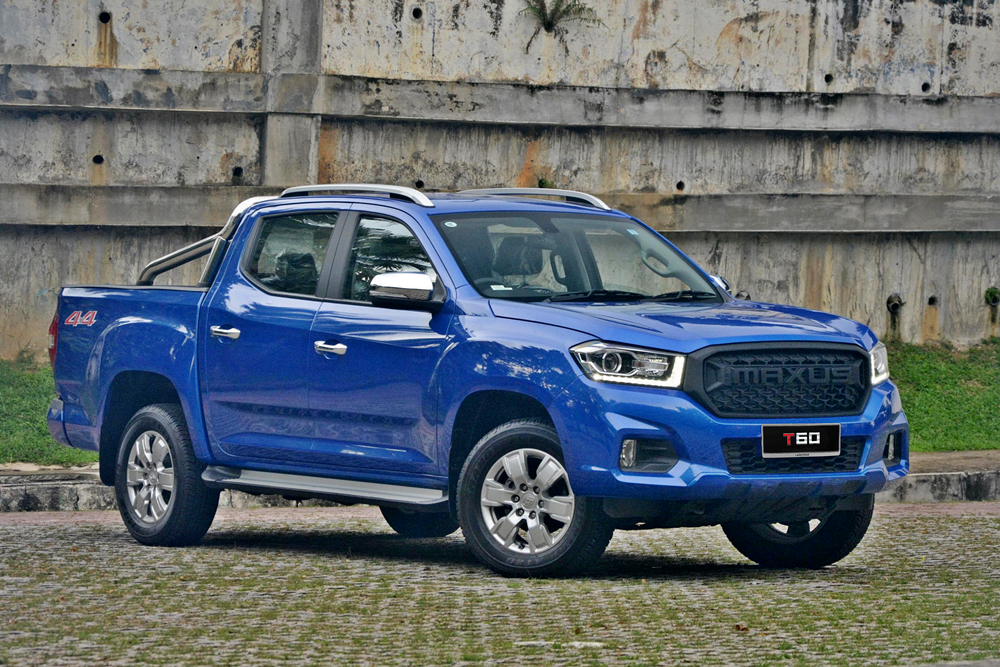
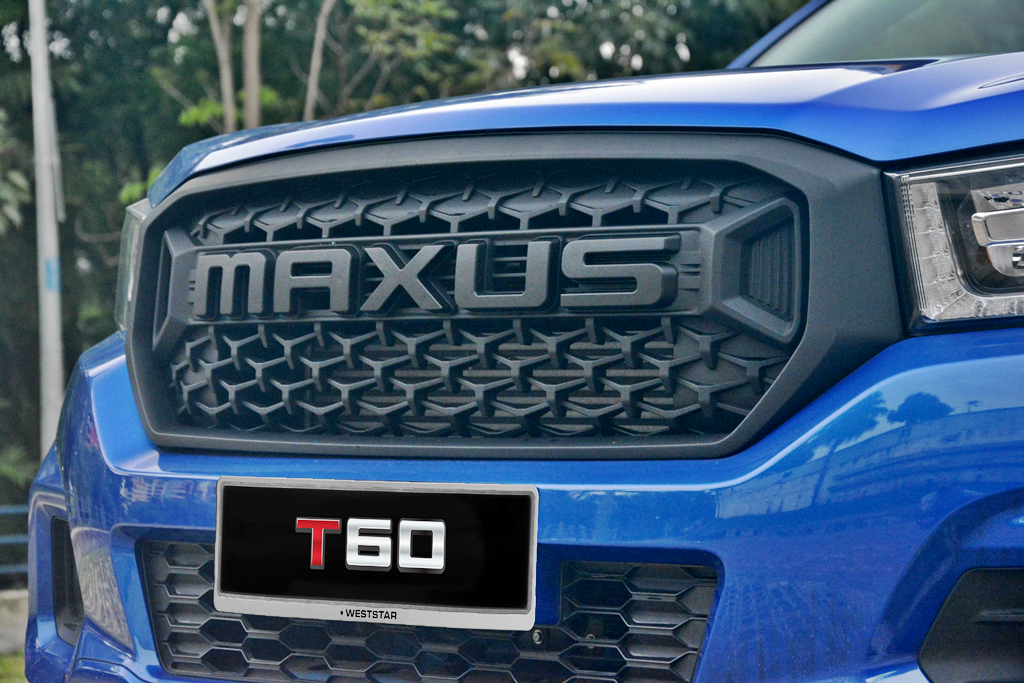
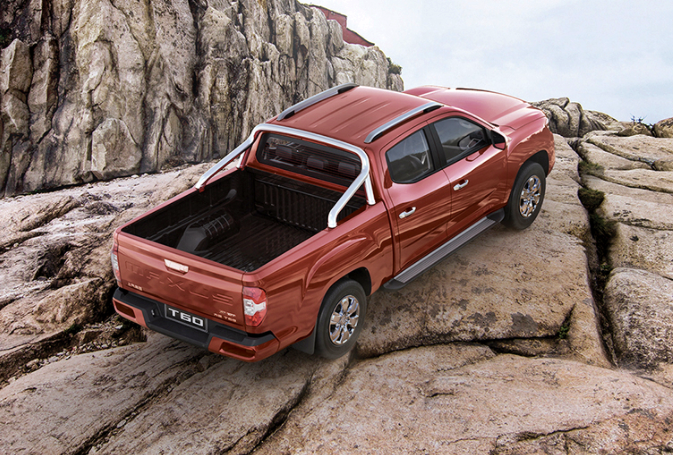
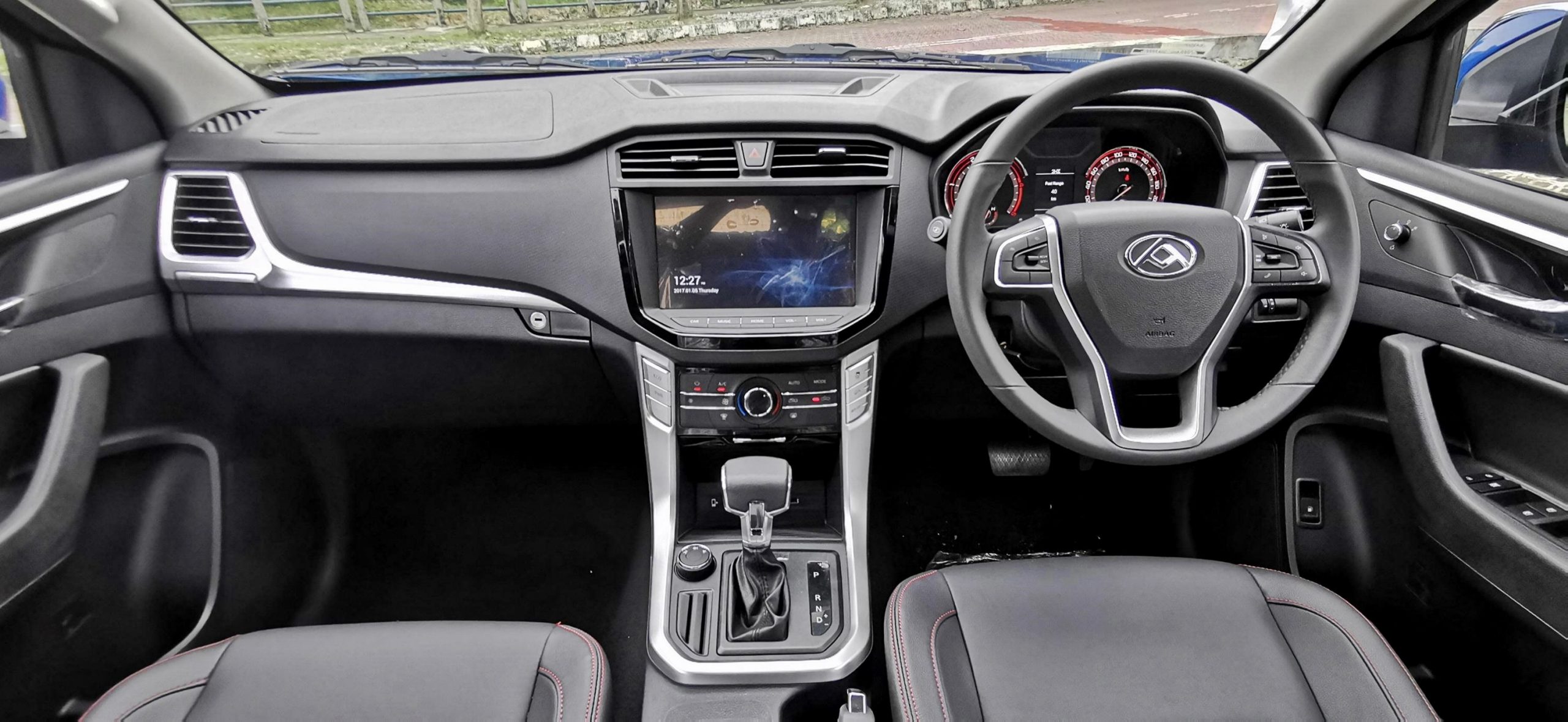
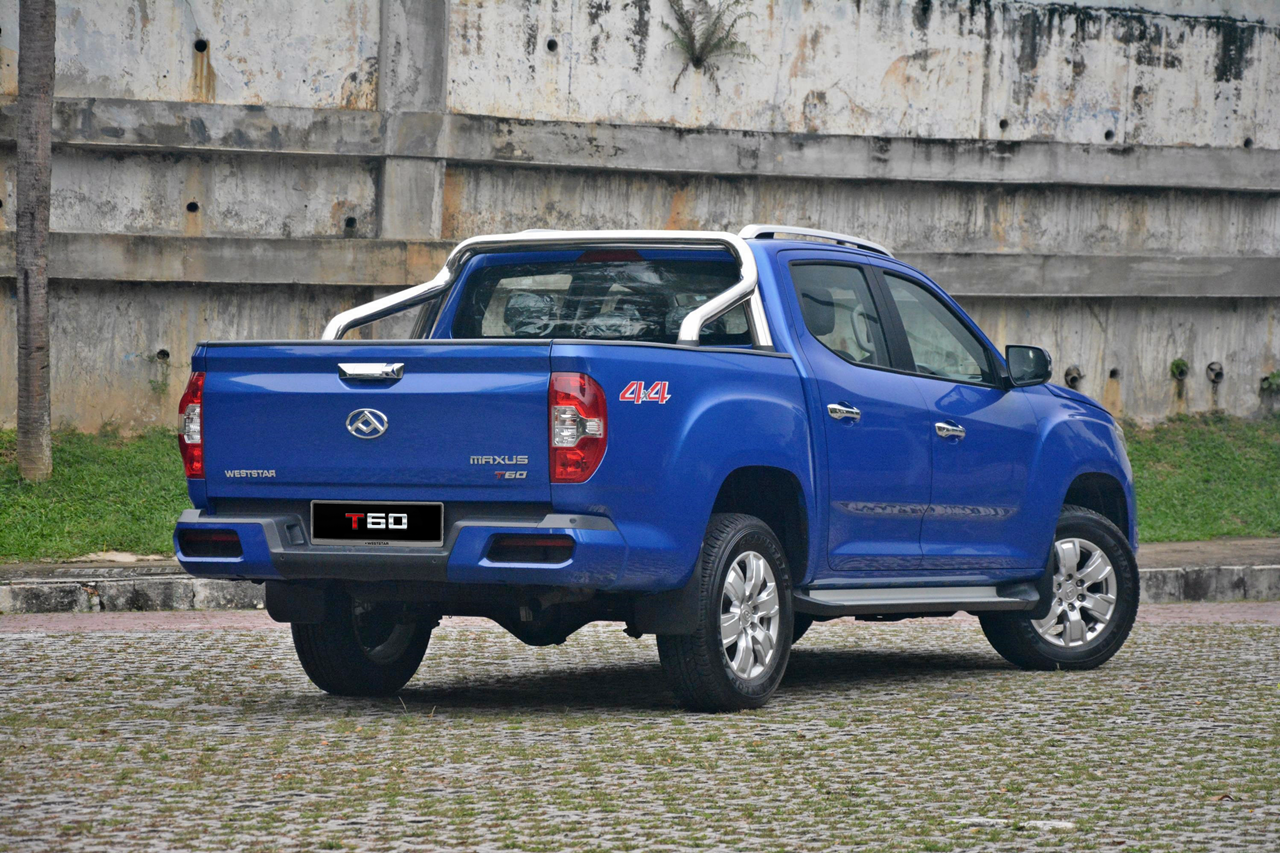
Better known for its MPV and commercial vehicles, Maxus also has a representative in the pick-up truck segment in Malaysia. This is the T60 which it has been selling since mid-2019, and which has now been updated to become a better value-for-money proposition.

2022 Maxus T60

Complimentary Performance Kit

Besides cosmetic changes, there are feature upgrades as well as an improved powertrain. For a limited time, all bookings of the updated T60 will come with a complimentary new performance enhancement kit, dubbed the MAXUS Performance Kit. Worth RM3,000, the kit raises power to 155 bhp at 3000 rpm and boosts torque from the standard 360 Nm to 425 Nm between 1600 – 2300 rpm.

Though more powerful, the fuel consumption is actually better and where the standard engine is claimed to do 10.4 kms/litre, the uprated engine can go up to 11.1 kms/litre. With the 75-litre fuel tank, the T60 should be able to travel further before requiring refuelling – which would be welcome by those who venture deep into the jungle.

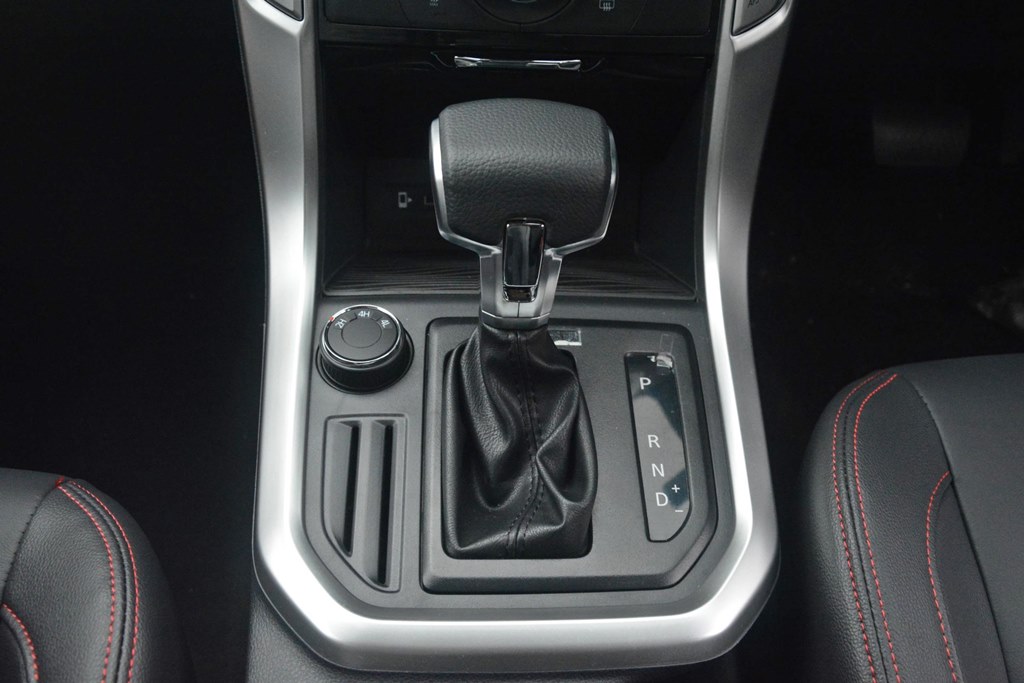
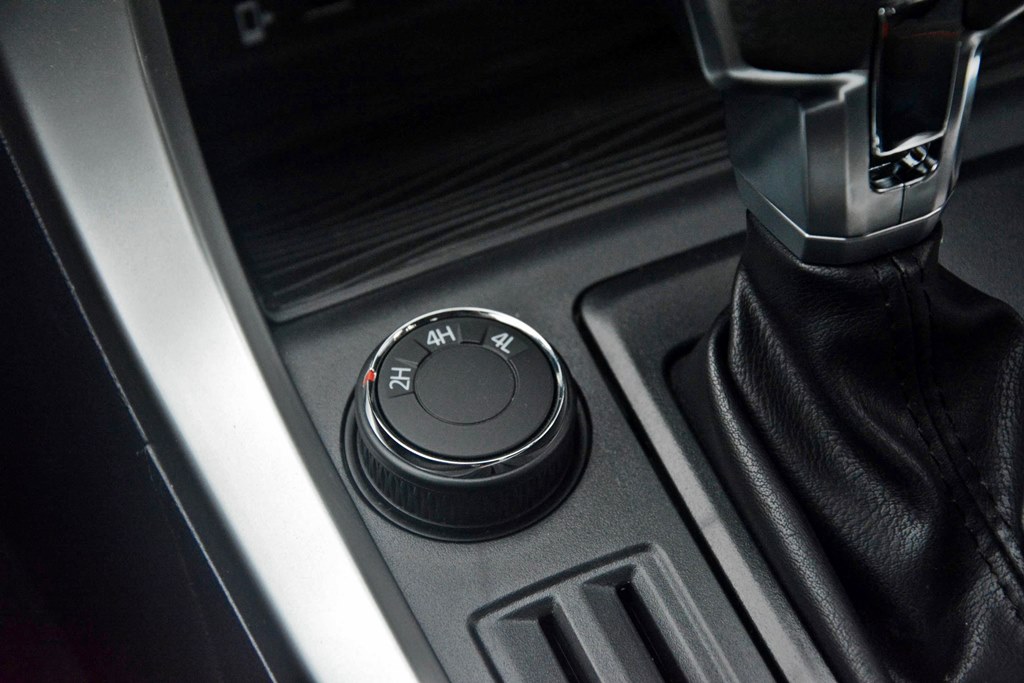
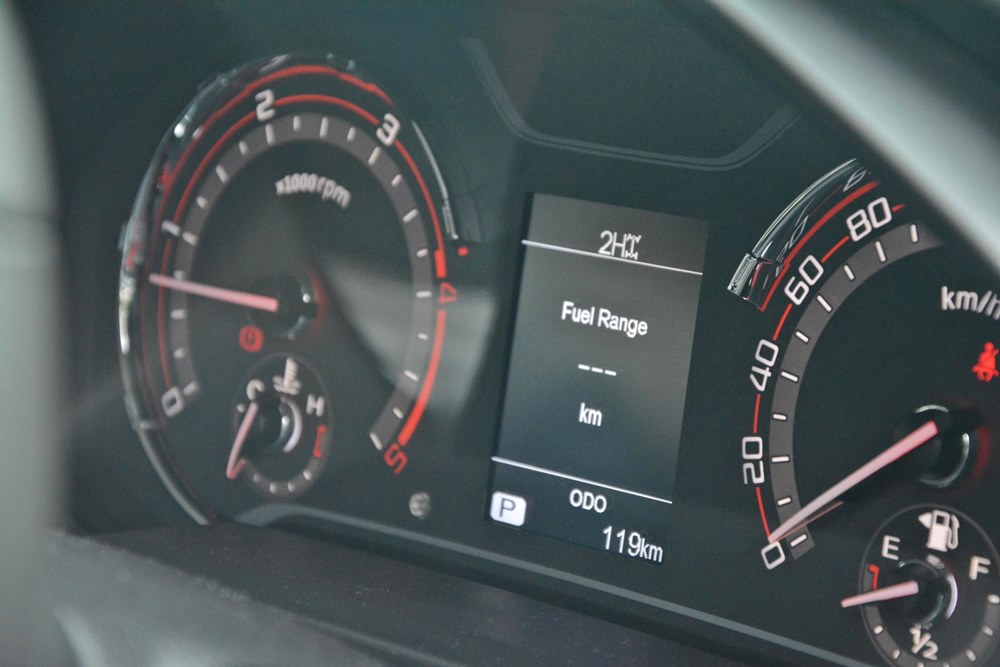
The Performance Kit is fitted to the same 2.8-litre, 16-valve, DOHC turbocharged (VGT) engine which meets Euro 4 emission standards. Power goes to all 4 wheels via the 6-speed PUNCH automatic transmission with a BorgWarner Electronically-Controlled Four-Wheel Drive System that has the usual 2H, 4H and 4L modes that can be selected while on the move. An Eaton mechanical differential lock is also provided as standard for better stability in difficult conditions.

The driver can also select from three drive models – Eco, Power and Normal – to suit the driving conditions. The Eco mode is claimed to stretch the mileage by 2% (compared to the default Normal mode) while the Power mode is said to give a 5% increase in performance.

In addition to the complimentary Performance Kit, the T60 comes with 17-inch wheels. The previously available 19-inch wheels are still available as optional equipment basis for an extra RM3,000.

Safety like a car

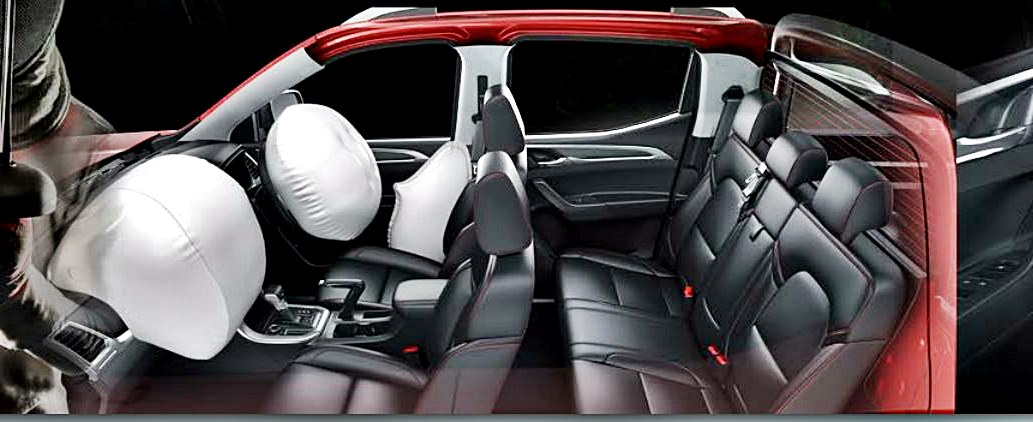
The T60 has high safety standards and when it was introduced, it raised the bar in its segment as the only 4×4 pick-up that offered front and rear ventilated disc brakes and a Tyre Pressure Monitoring System. Besides that, it also has Bosch Electronic Stability Program, ABS, Electronic Brake Distribution, Traction Control System, and Brake Assist – all active safety systems commonly found in passenger cars.

Due to the higher centre of gravity of a pick-up truck, drivers need to be cautious when cornering fast. To provide safer cornering, the T60 has Roll Movement Intervention (RMI) which gives greater stability as well as improved traction at high speeds or in the event of emergency avoidance (lane-change) maneuvers. The RMI recognizes the threat of an impending roll-over from the various sensors and intuitively applies the brakes individually to counter the motion and return stability to the vehicle.  On steep slopes, the driver can press a button for assisted driving upwards or downwards.

Premium features inside

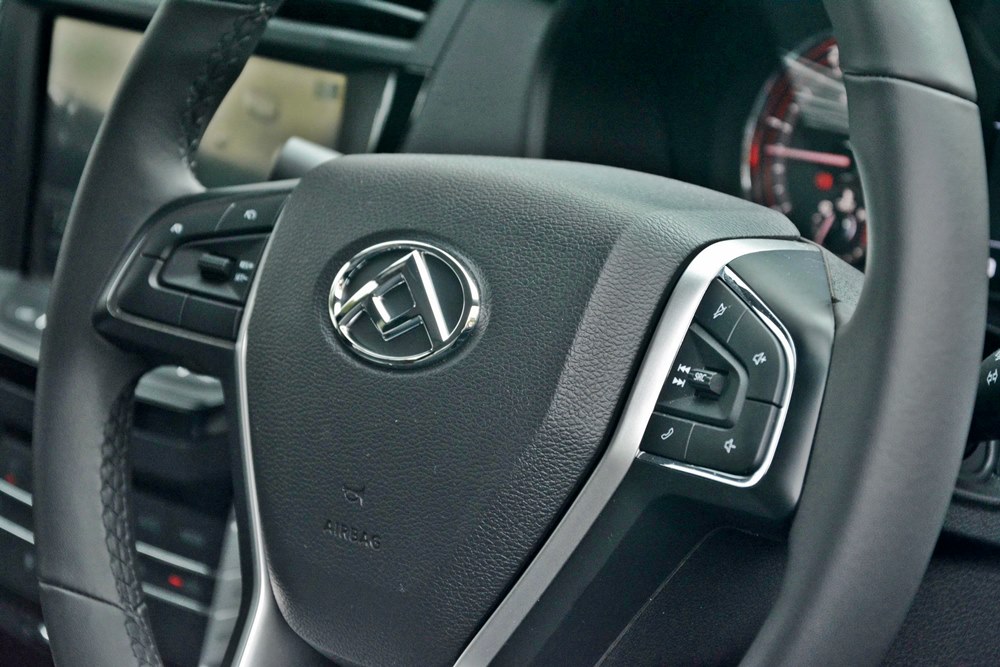
In the cabin, the atmosphere is passenger car-like with features like power-adjustable front seats, a multifunction steering wheel with integrated switches, 10-inch inch HD infotainment system with touchscreen (Android Auto /Apple CarPlay ready), pushstart button, and automatic air-conditioning.
Besides 15 storage areas around the cabin, the forward and rearward folding rear seats provide extra storage, while the overall cargo volume is 1,188 litres. For those who need still additional carrying capability, there’s an aluminium luggage rack.

The new T60 is priced from RM115,888 and, for a limited period, there is a RM1,500 rebate for all bookings received. Confident of the reliability and durability of the vehicle, Maxus offers a warranty of 5 years or maximum of 130,000 kms. For the first 4 years of ownership (or maximum of 80,000 kms), scheduled maintenance will be free with a complimentary service package that covers required parts, lubricants and labour charges.

“We are proud to announce that the 2022 model is not only refreshed in terms of looks, but also comes with performance options for the growing pick-up truck segment here in Malaysia. The CBU unit is the ideal balance of performance, capability, and safety, and offers the best value for money for a pick-up truck in the current market. We are fortunate our principal has given us priority and sufficient stock for us to supply the current demand here in the country,” said Syed Ammar Syed Azman, CEO of Weststar Automotive Division.

Rolls-Royce, like other carmakers, is on an electrification journey as social demands are growing for cars to be environment-friendly. Presumably, its customers also expect that if the Rolls-Royce goes electric, it will do so without losing any of the superlative attributes that keep it at the topmost end of the car market.
That’s the challenge for Rolls-Royce and it may seem like the company would need time to get a perfect electrically-powered limousine into production that Is worthy of having the Spirit of Ecstasy on the bonnet.

Experience with electric power
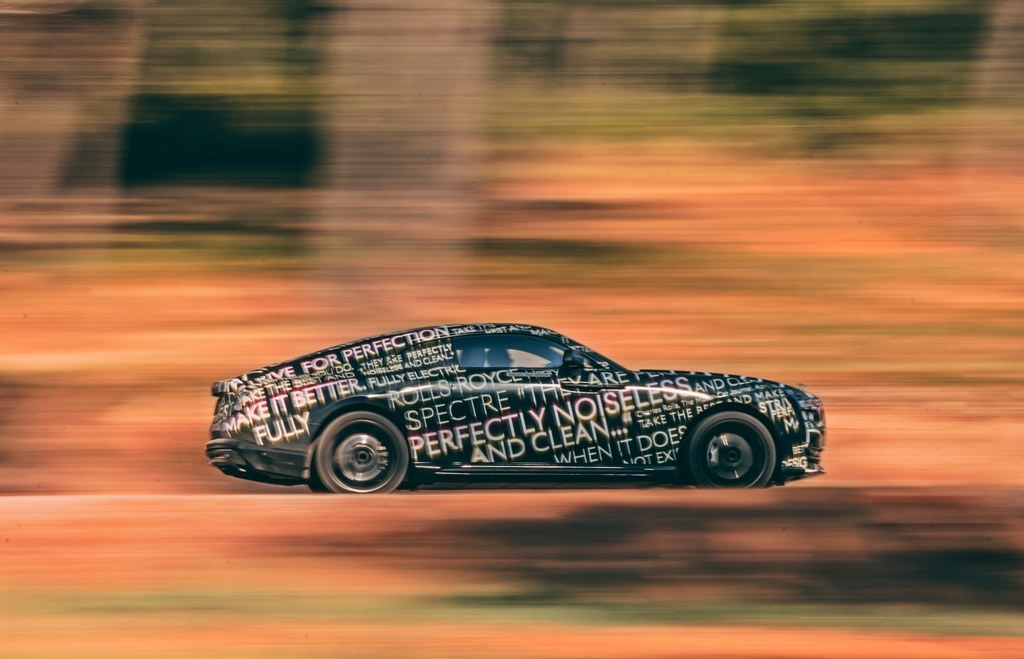
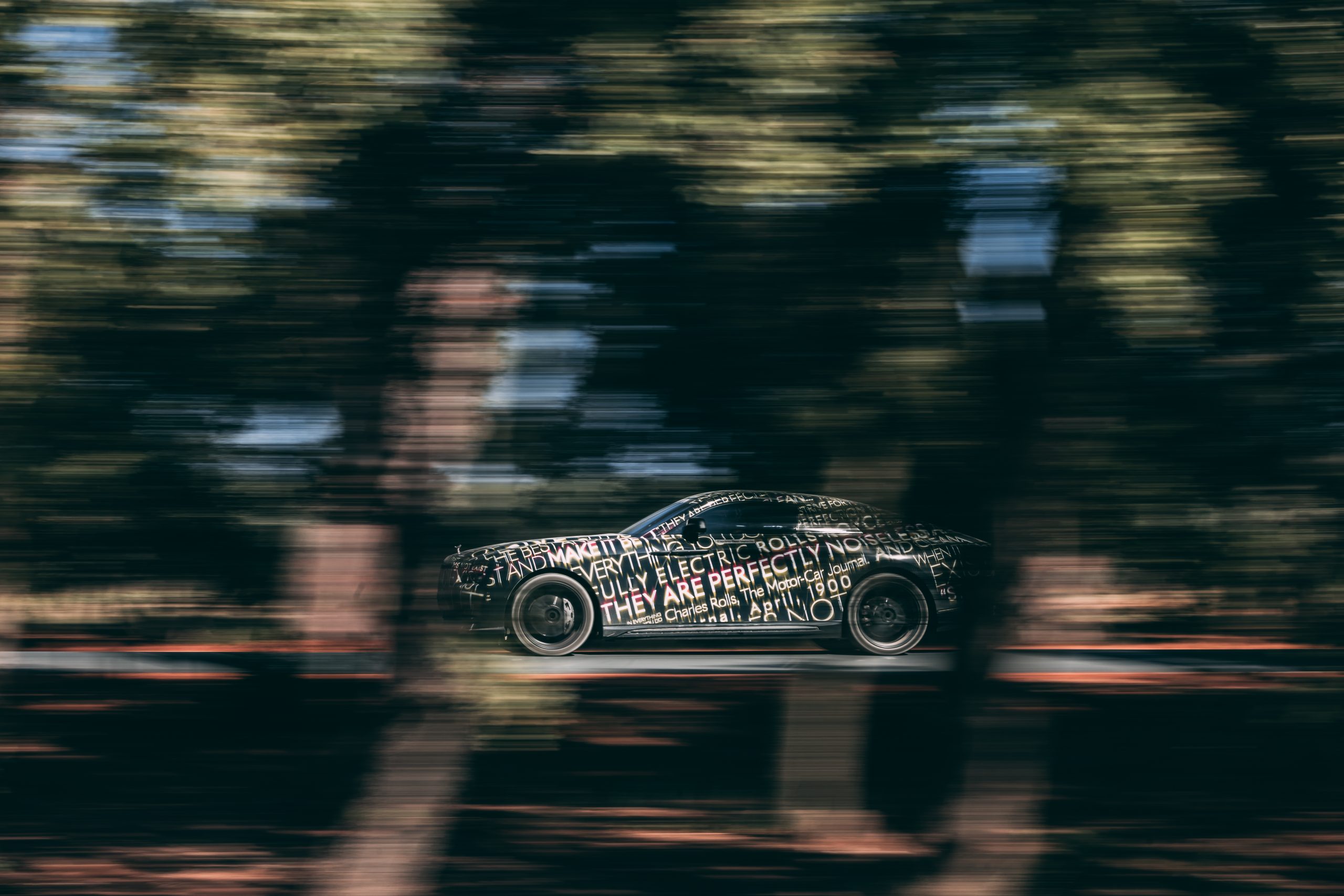
But electric power Is not new to the company as Charles Rolls, one of the founders, personally experienced electric cars in 1900. He was impressed enough to say this: “The electric car is perfectly noiseless and clean. There is no smell or vibration. They should become very useful when fixed charging stations can be arranged.”


Of course, In the years that followed, Rolls-Royce gave attention to the internal combustion engine instead, since that was the way the industry was going. But with its technological resources, it could still develop an electric car and did so in 2011 with a fully electric Experimental Phantom concept named 102EX (which was followed by 103EX). But in 2011, the urgency was not there to fully commit to electric power, so the company did not go further.


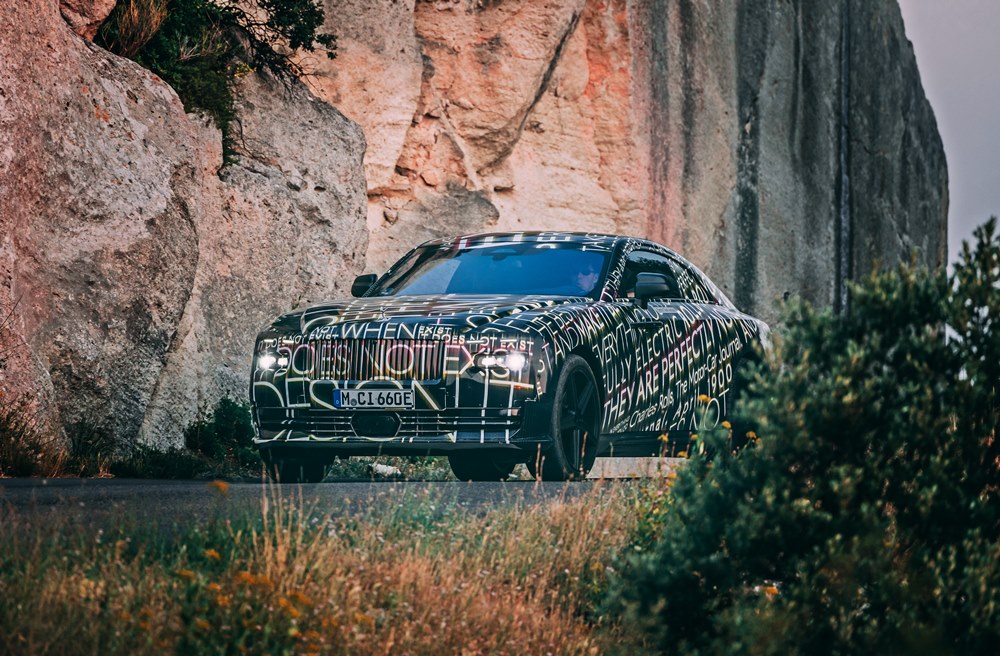
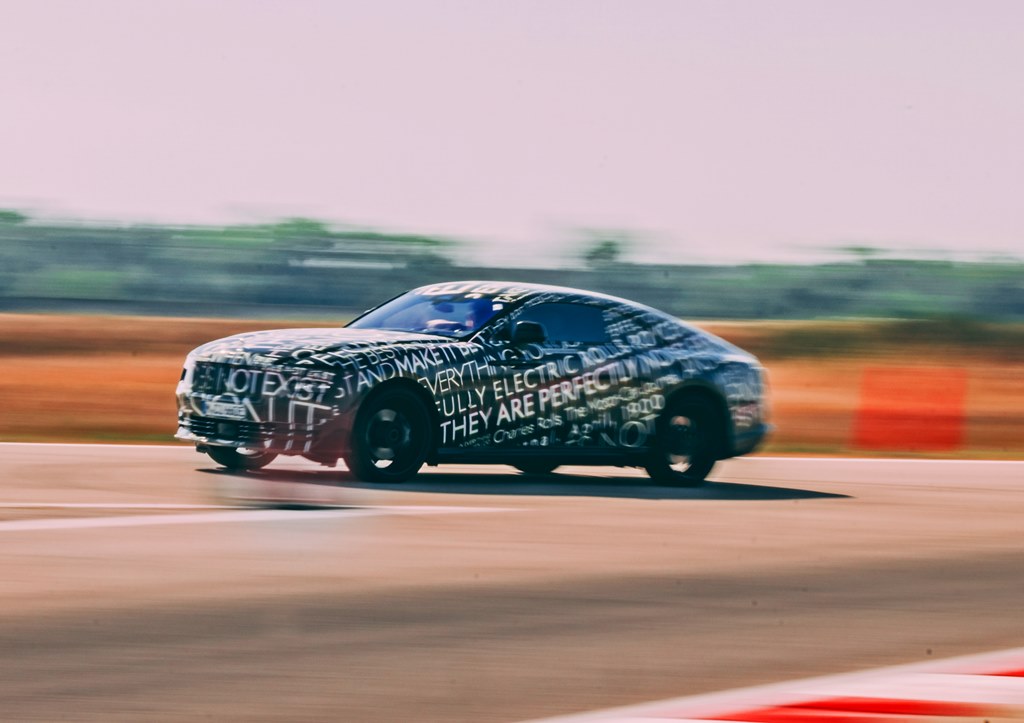
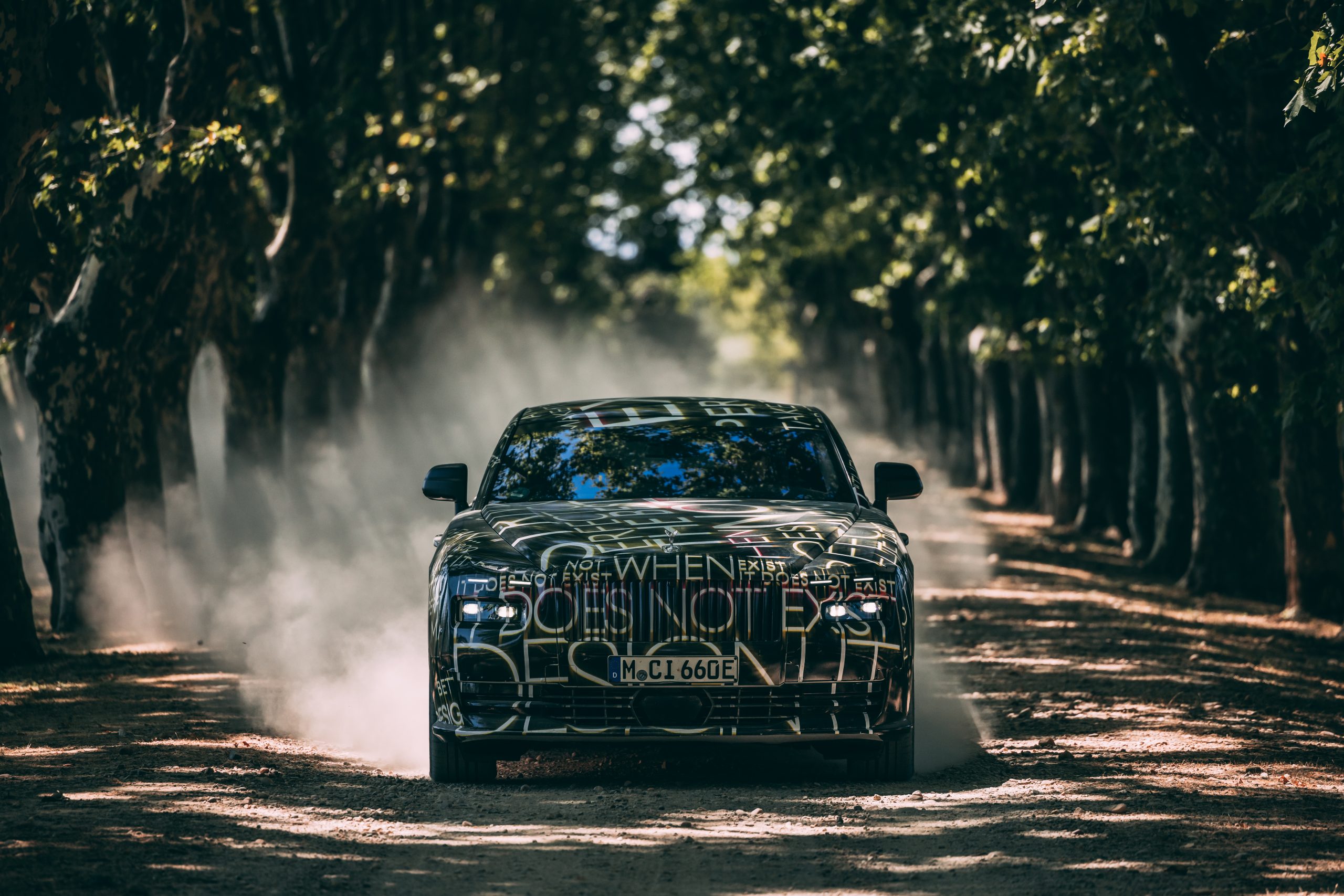
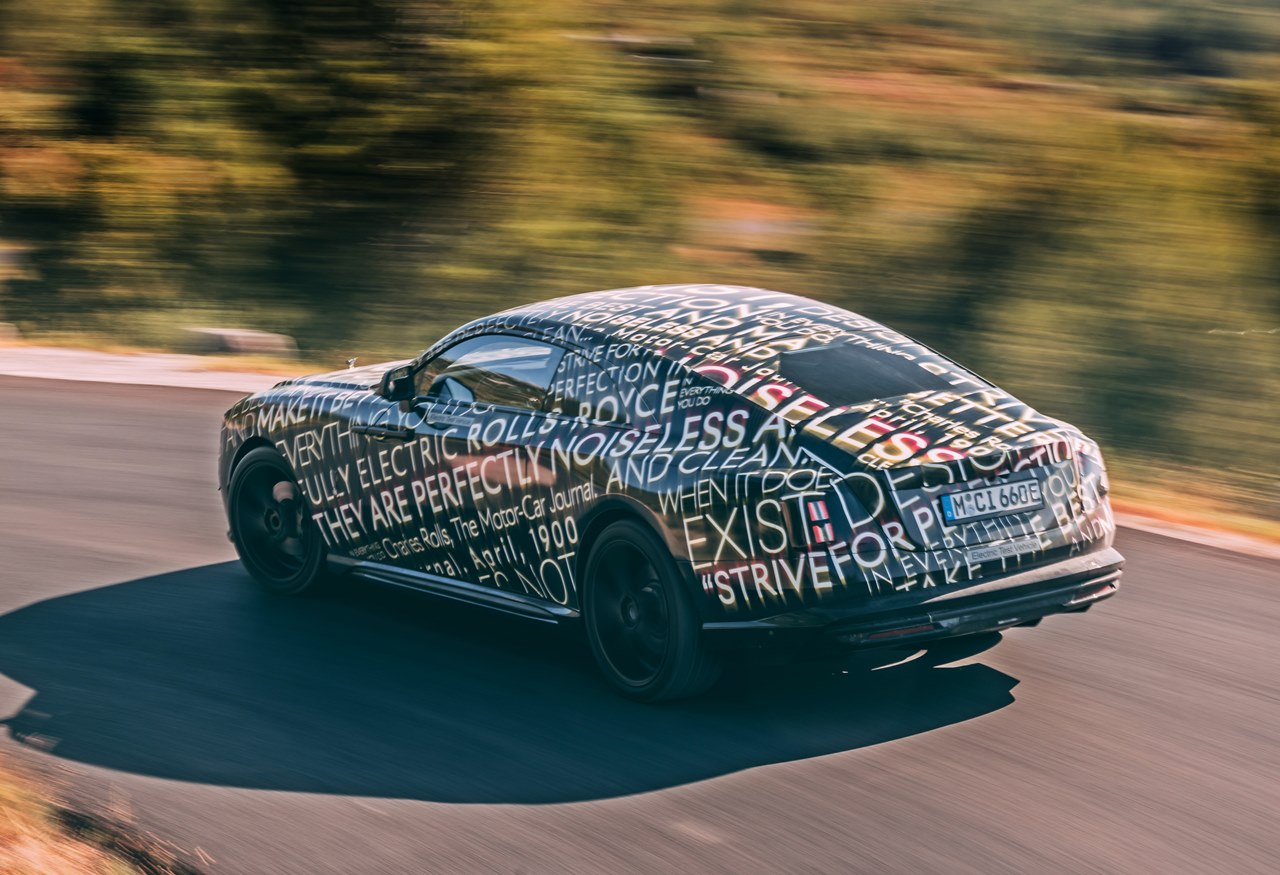
Now that there is a commitment to be fully electric by 2030, the company is drawing on past experience and also the latest technologies. Thus it was able to have running prototype by September last year for real-world testing. To ensure that the new car, to be called Spectre, is a true Rolls-Royce, it will undergo the most demanding testing programme ever conceived by the marque. No less than 2.5 million kms will be covered by prototypes, simulating on average more than 400 years of use for a Rolls-Royce.
New phase in testing
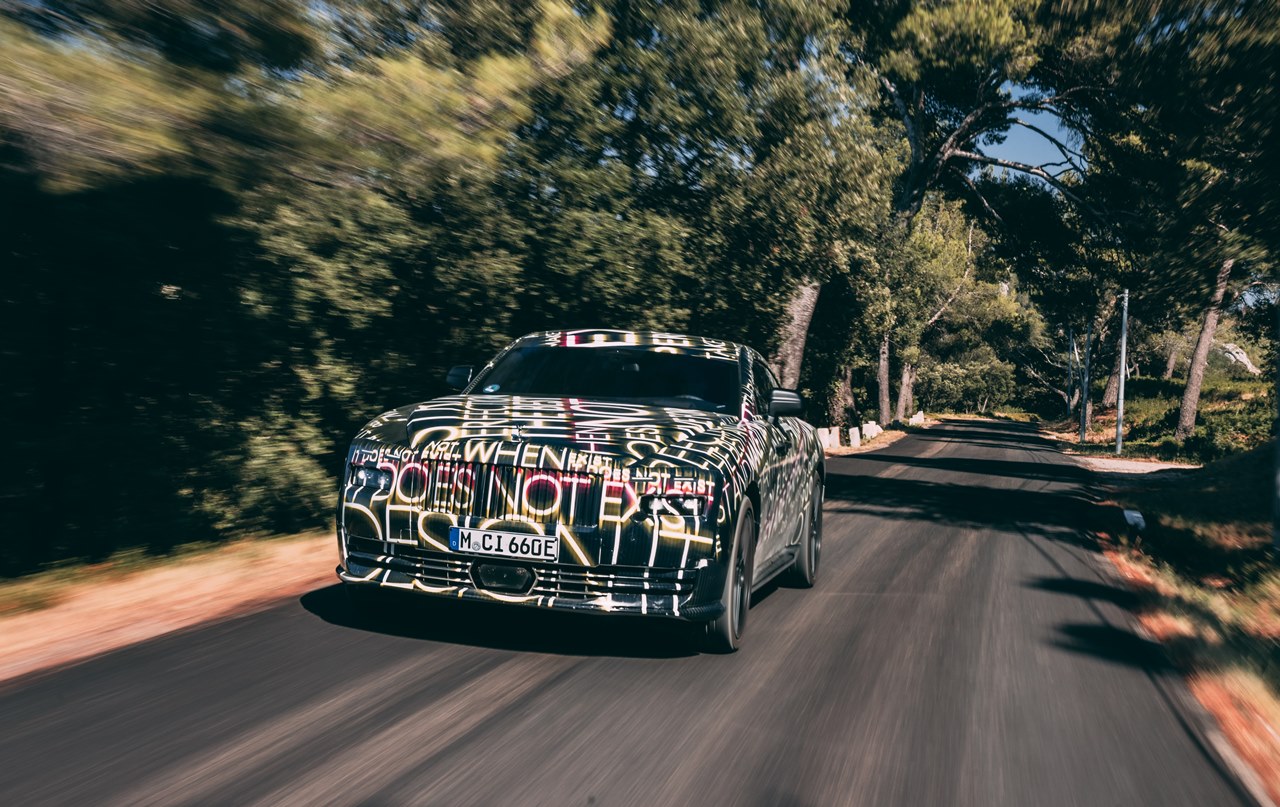
Earlier this year, in Sweden, the Spectre prototype received the first ‘lessons’ in a finishing school that is custom designed to teach the car how to behave and react like a Rolls-Royce. Over the past months, the marque’s test and development engineers have shifted their focus from extreme conditions to more formal scrutiny in a location that reflects the car’s everyday use: the French Riviera.


The French Riviera and its roads present a perfect combination of the types of conditions that will be demanded from future owners of the Spectre, ranging from technical coastal corniches to faster inland carriageways. Forming a crucial part of the global testing programme, a total of 625,000 kms will be covered.

This phase is split into two parts, beginning at the historic Autodrome de Miramas proving ground (a circuit that once hosted the 1926 Grand Prix) which is a state-of-the-art test and development facility. The engineers will be able to do their testing in privacy as there are more than 60 kms of closed routes and 20 test track environments over its 1,198-acre site.


These include irrigation units that create standing water, demanding handling circuits with tight corners and adverse cambers, as well as a heavily banked 5-km 3-lane high-speed bowl, enabling the Spectre to be tested at continuous high speeds.

Driving in real-life conditions
The second phase of testing moves around the countryside surrounding the Autodrome de Miramas. Many Rolls-Royce owners drive around this region, therefore a significant 55% of testing here has taken place on the very roads that many production Spectres will be driven on following first customer deliveries in the fourth quarter of 2023.


This provision for testing under local, real-life conditions is repeated in key markets around the world, as Rolls-Royce will make sure that its products meet – and usually exceed – the expectations of its highly discerning customer group.


Unlike any other Rolls-Royce
The Spectre is unlike any Rolls-Royce before it. This is not only because of its fully electric powertrain, but also its unprecedented computing power and application of advanced data-processing technologies. It will be the most connected Rolls-Royce ever, with each of its components more intelligent than in any previous Rolls-Royce.


Yet developing the Spectre is not an exercise in computer science alone. The car requires a response to hundreds of thousands of possible scenarios and therefore it needs the most skilled and experienced specialists to define and finesse an appropriate mechanical reaction. Over the course of the Riviera Testing Programme, the marque’s most experienced engineers are painstakingly creating a dedicated control for each of Spectre’s 25,000-plus functions, incorporating variations of response depending on factors including weather, driver behaviour, vehicle status and road conditions.

‘Magic carpet ride’ in high definition
Following months of continual testing, a new suspension technology has been approved that will give the Spectre Rolls-Royce’s hallmark ‘magic carpet ride’. This technology is now being refined and perfected at Miramas and on the roads of the French Riviera.


The Spectre will have an all-aluminium spaceframe architecture – only used by Rolls-Royce – which has enabled the designers to create a new class of Rolls-Royce – the Electric Super Coupe. To achieve the most rigid body in the marque’s history, the aluminium architecture is reinforced with steel sections that provide exceptional torsional rigidity. This is combined with aluminium body sections that represent the largest of any Rolls-Royce yet.

New aerodynamic standard
In announcing the redesigned Spirit of Ecstasy mascot that will sit proudly at the prow of Spectre, Rolls-Royce aerodynamicists predicted that the new car would have a drag coefficient just 0.26 Cd, making it the most aerodynamic Rolls-Royce ever created. Following rigorous wind tunnel testing, digital modelling and continuous high-speed testing in Miramas, this figure has been further reduced to 0.25. This does not just represent a record in the context of Rolls-Royce, but is unprecedented in the luxury sector.


“It is no exaggeration to state that Spectre is the most anticipated Rolls-Royce ever. Free from the restrictions connected to the internal combustion engine, our battery-electric vehicle will offer the purest expression of the Rolls-Royce experience in the marque’s 118-year history. This latest testing phase proves a suite of advanced technologies that underpin a symbolic shift for Rolls-Royce as it progresses towards a bright, bold, all-electric future. This will secure the ongoing relevance of our brand for generations to come,” said Torsten Muller-Otvos, CEO of Rolls-Royce Motor Cars.

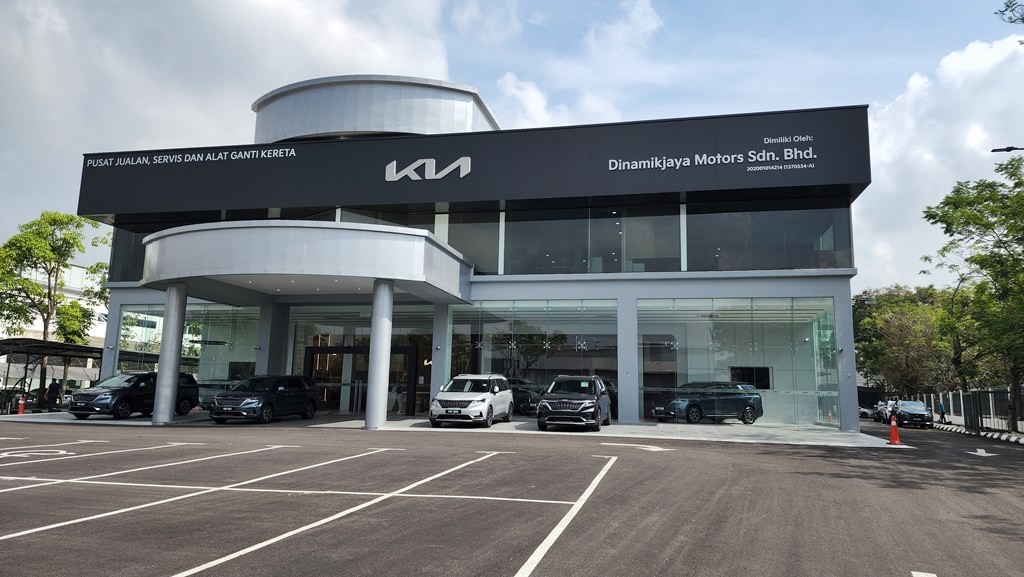
Dinamikjaya Motors Sdn Bhd, the new sole distributor for the Kia brand in Malaysia, is picking up speed now that the locally-assembled Kia Carnival has started rolling out of the Inokom plant in Kedah.

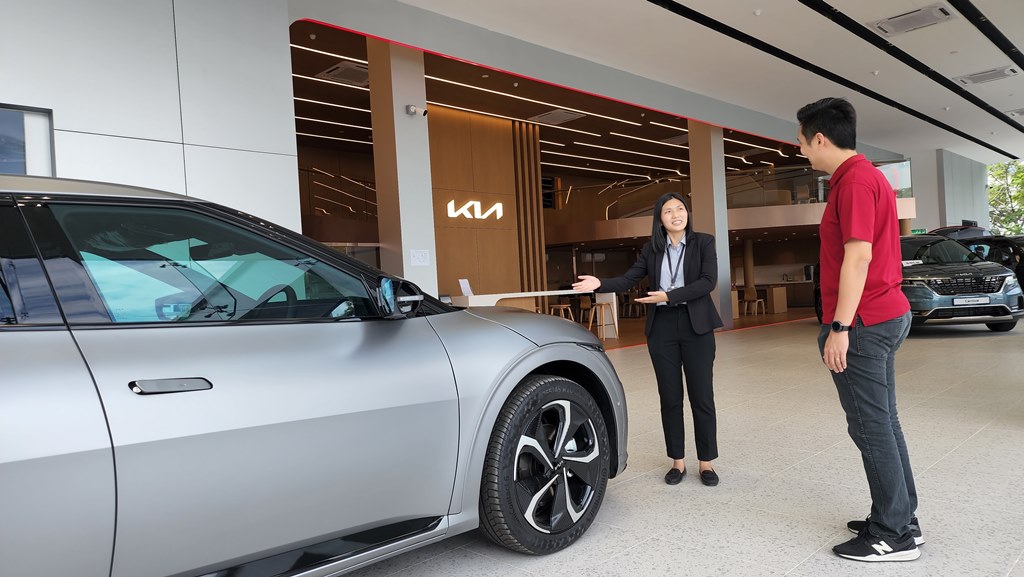
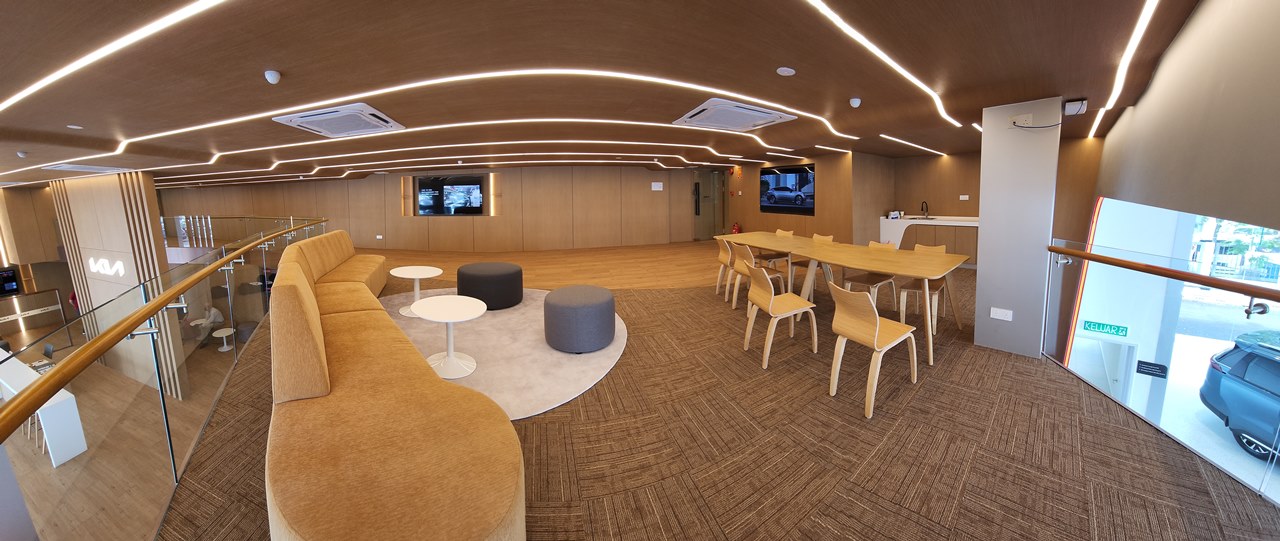
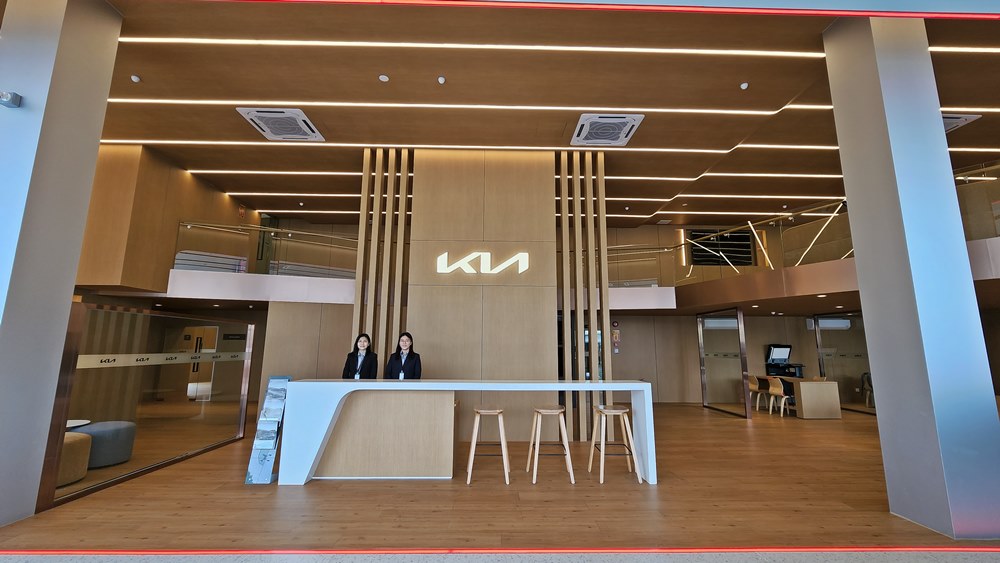
The company has officially opened its first flagship 3S Centre in the Temasya Industrial Park at Glenmarie, Shah Alam, Selangor. It provides the full range of services, ie sales, service and sale of spare parts, at one location for the convenience of customers and owners.

The flagship outlet features Kia’s new brand identity which was introduced last year as part of its brand transformation to a new image. The new brand identity aims to shift the customers’ mindset and provide them with a meaningful experience with Kia. Dinamikjaya Motors, like the other subsidiaries in the Bermaz Automotive Group, is committed in providing the best ownership experience to customers.

Kia Flagship 3S Centre 2022

Kia Store concept
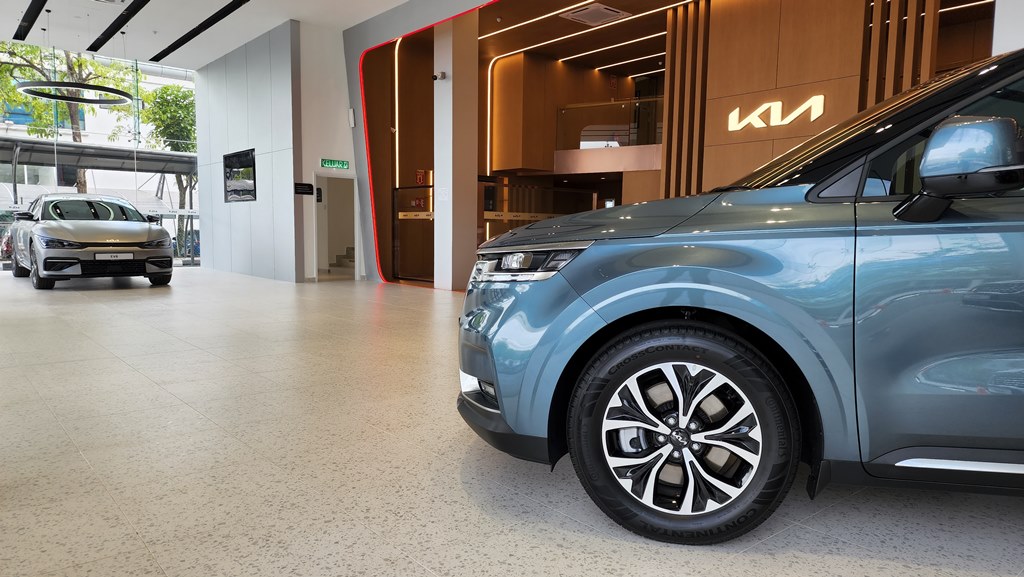
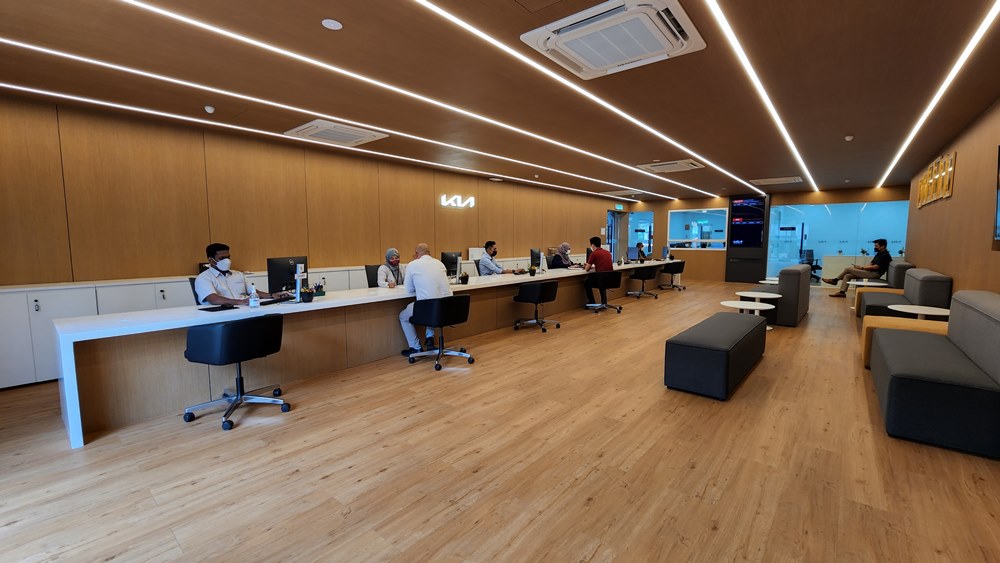
Adopting the Kia Store concept, the spaces in the showroom are separated by red loop across the store that connects the display area and customer area. The wood tone radiates an earthy coziness with a minimalistic and natural sensibility that gives the customer a warm space. The point of this space initiates a whole new customer experience in the journey of purchasing a car.

With a built-up area of 39,240 sq ft, the showroom can display up to 4 vehicles. In the display zone, an achromatic colour theme infuses a futuristic tone on the metallic surfaces and reflections, offering tranquillity that ensures the display vehicles receive undivided attention.

Kia Flagship 3S Centre 2022

Kia Flagship 3S Centre 2022

Aftersales support
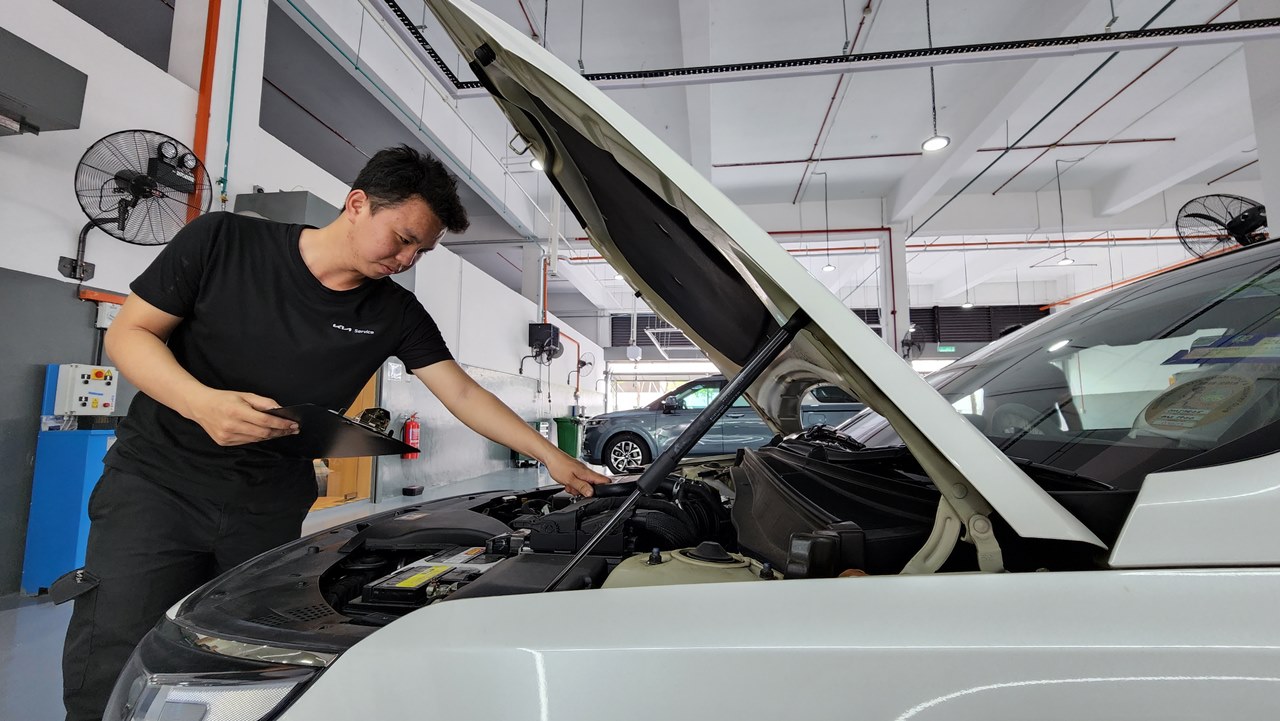
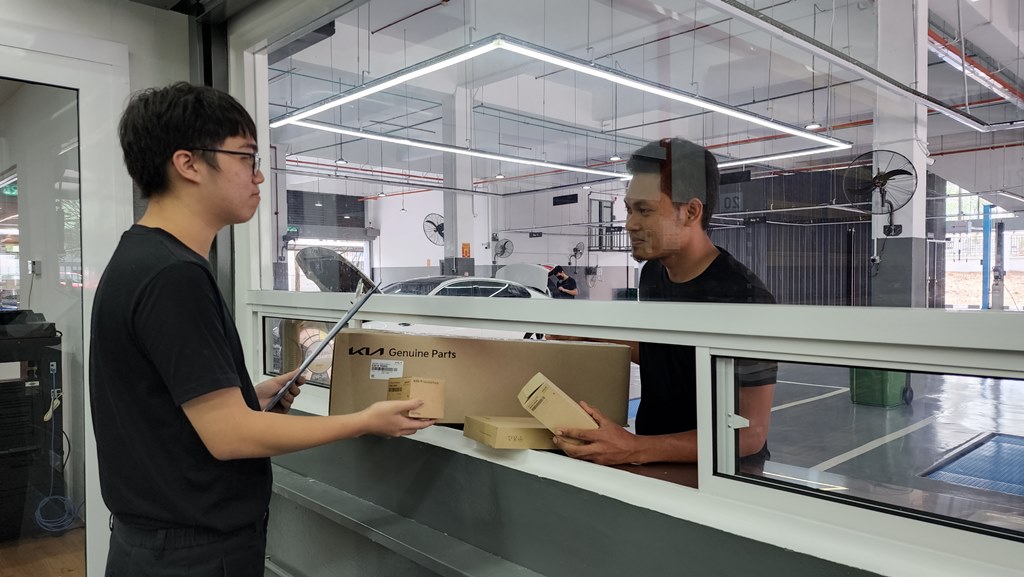
The service centre with state-of-the-art facilities has 20 bays and a team of trained and skilled technicians to look after Kia vehicles, including the fully electric EV6. It is equipped with the latest manufacturer’s diagnostic system equipment and maintenance tools. Customers who wait can use the comfortable waiting lounge which has refreshments and a working space (with complimentary wifi).

Kia Flagship 3S Centre 2022

Kia Flagship 3S Centre 2022

Kia Flagship 3S Centre 2022

The showroom is open seven days a week while the service centre operates from Mondays to Saturdays. Kia owners who have vehicle problems or an accident can obtain support from the 24/7 roadside assistance service by calling 1800-22-2228.

As the new distributor, Dinamikjaya Motors would like to establish contact with all Kia owners in Malaysia. If you are a Kia owner, you should provide them with your contact details so that they can keep you informed of any technical updates, recall notifications or other matters related to your ownership of a Kia vehicle. Click here to obtain a form to submit your details which will be kept and protected in accordance with the law of the Personal Data Protection Act (PDPA) of Malaysia.

Kia Malaysia reveals 5-year plan with 61% of local production to be exported

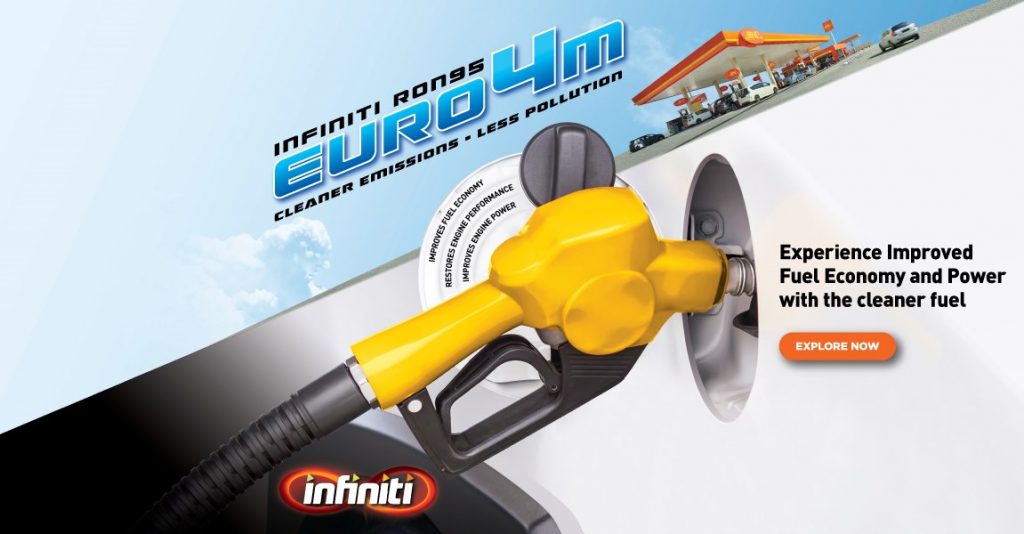
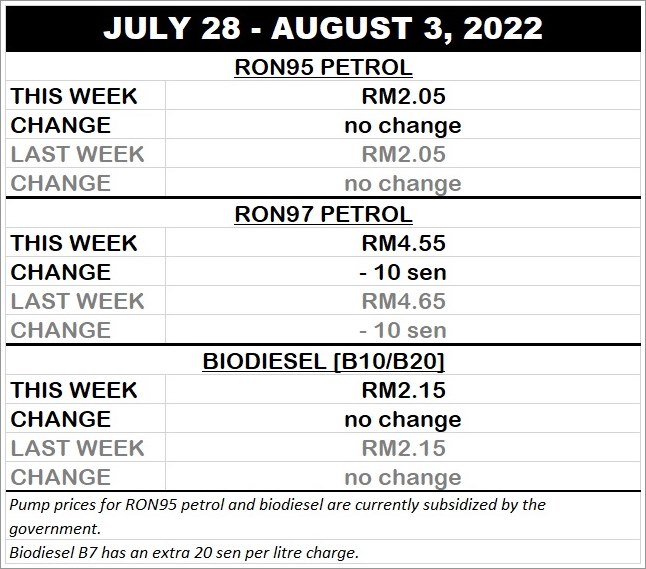
Fuel Price Updates for coming 7 days see another 10 sen reduction in RON97 petrol to bring the price per litre to RM4.55. New fuel price effective after midnight today.

Fuel saving tips
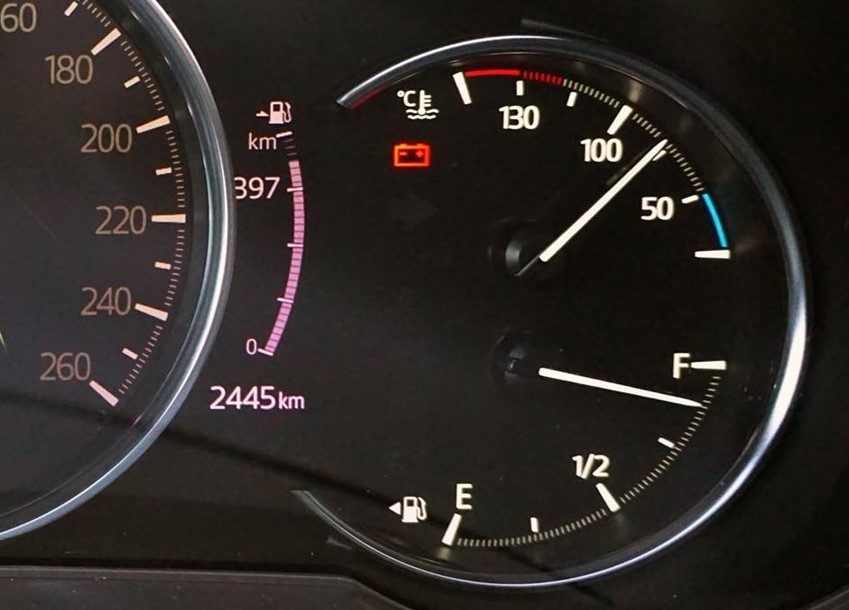
Slow and steady: You don’t have to drive at a crawl to save fuel but if you just drive more frequently at 80/90 km/h instead of 100/110 km/h, you could save 10 to 15% in fuel. Keeping a steady speed rather than ‘pumping‘ the pedal will also save on fuel.

Switch off the engine more: Many motorists do not fully realise that the engine is burning fuel every second it is running. They will keep the engine running for long periods while waiting for someone to buy things or waiting for their children to come out from school. This is very wasteful and running the air-conditioner at the same time wastes more fuel. Switch off the engine when you are going to be stationary for more than 5 minutes and you’ll find your fuel consumption improving.
Right tyres pressures: Under-inflated tyres will cause more rolling resistance (not to mention faster wear) which will worsen fuel consumption. Be sure they are inflated to the minimum recommended by the manufacturer and a bit more might also be better.
Service the engine regularly: Engine parts wear out or get dirty over time and reduce the operating efficiency of the engine. Regular servicing ensures that adjustments are set correctly and periodically, parts like filters or sparkplugs need to be replaced.

Don’t carry unnecessary weight: The less weight your car has to move, the less hard the engine has to work. So whatever you do not need to keep in the boot should be taken out. This includes those golfbags.

Plan trips: If you have different places to go on a single journey, spend a few minutes to think about the route so that you avoid congested areas. You may have to travel a few extra kilometres using a less congested route but you will actually use less fuel because the car won’t be stuck in a jam burning fuel going nowhere. Plus you will probably be less stressed out when you reach your destination.

Archive

Follow us on Facebook

Follow us on YouTube