
Piston.my

EV

Visit www.bhpetrol.com.my for more information.

As electric vehicles move into the mainstream, tyremakers are slowly focussing R&D on developing tyres which are more specifically engineered to meet the specific handling and range requirements. This will be especially so with the new generation of electrically-powered sportscars like the Porsche Taycan. Issues like weight and rolling resistance will have a great priority.

Specifically for electric sportscars
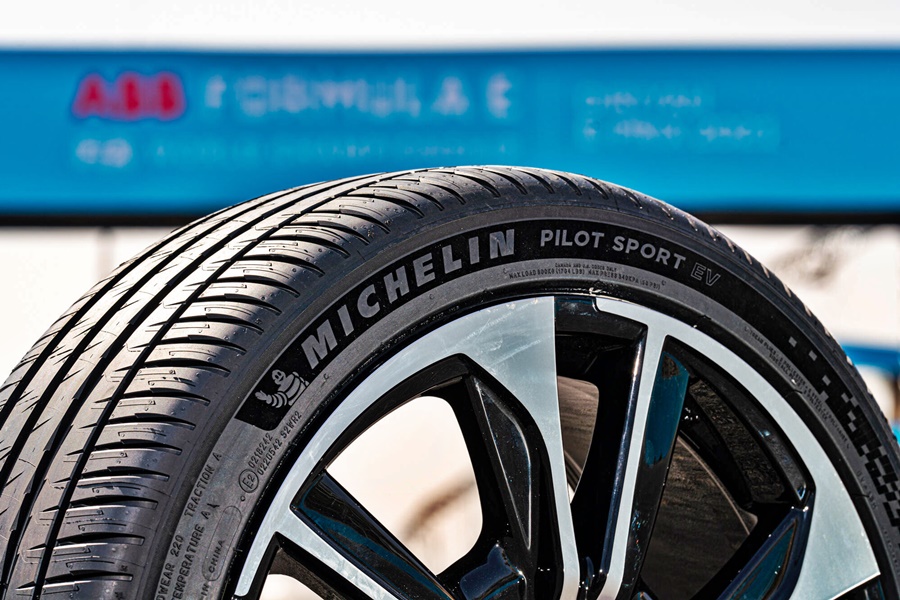
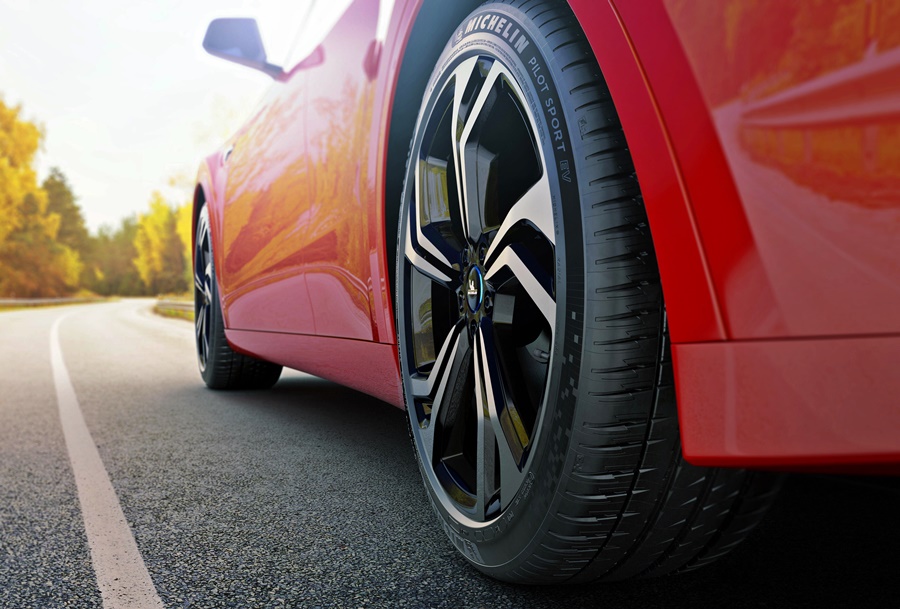
Michelin’s Pilot Sport EV is the first tyre from the French company which is designed to address the specific demands made by electric sportscars. It is the result of the unique experience acquired by Michelin’s involvement in the all-electric single-seater Formula E racing series.
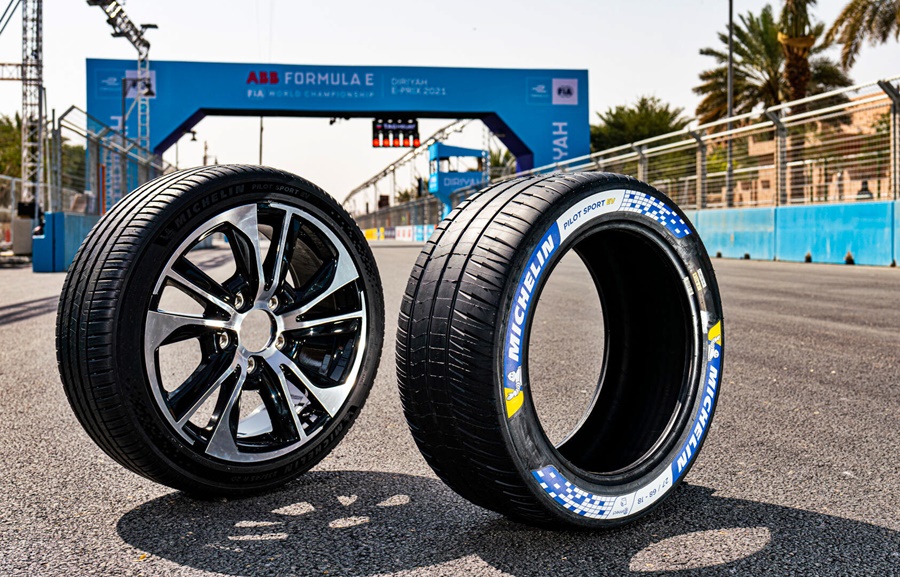
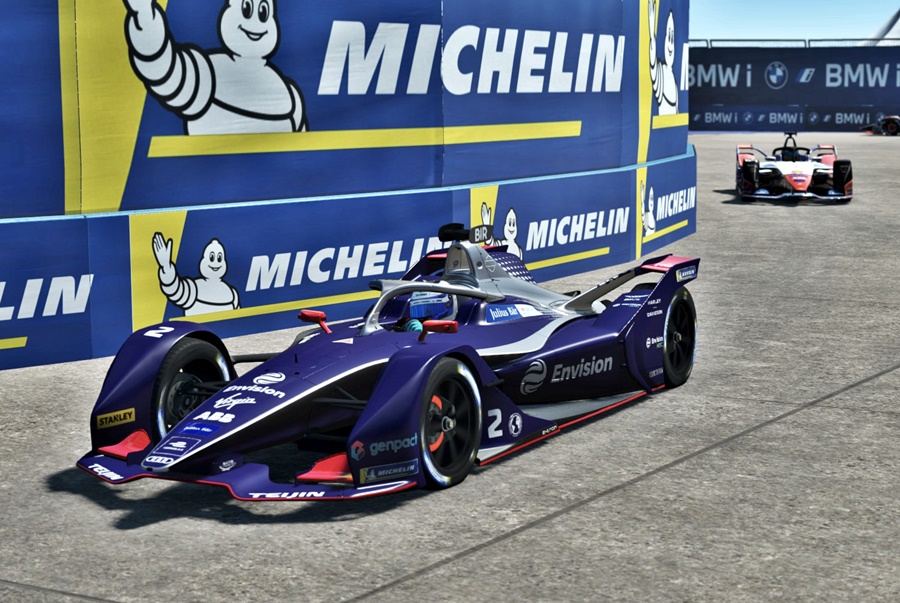
Michelin, as the tyre supplier for the all-electric single-seater Formula E championship, has developed tyres specifically for the racing cars.

Technological experience from Formula E
A founding partner of Formula E, Michelin proposed a specific solution for the championship’s racing cars that is similar in its concept to a road tyre. The Michelin Formula E tyre is capable of racing in any weather conditions, while its size – 18 inches – is consistent with current road-car norms.

One example of how the Pilot Sport EV benefits directly from the progress Michelin has achieved over 6 seasons in Formula E is the ElectricGrip Compound technology. This features a hard compound for the centre of the tread to provide the grip required to handle high torque characteristics of electric sports cars. The sidewalls carry over the same pattern and velvet-finish markings of Michelin’s Formula E tyre.
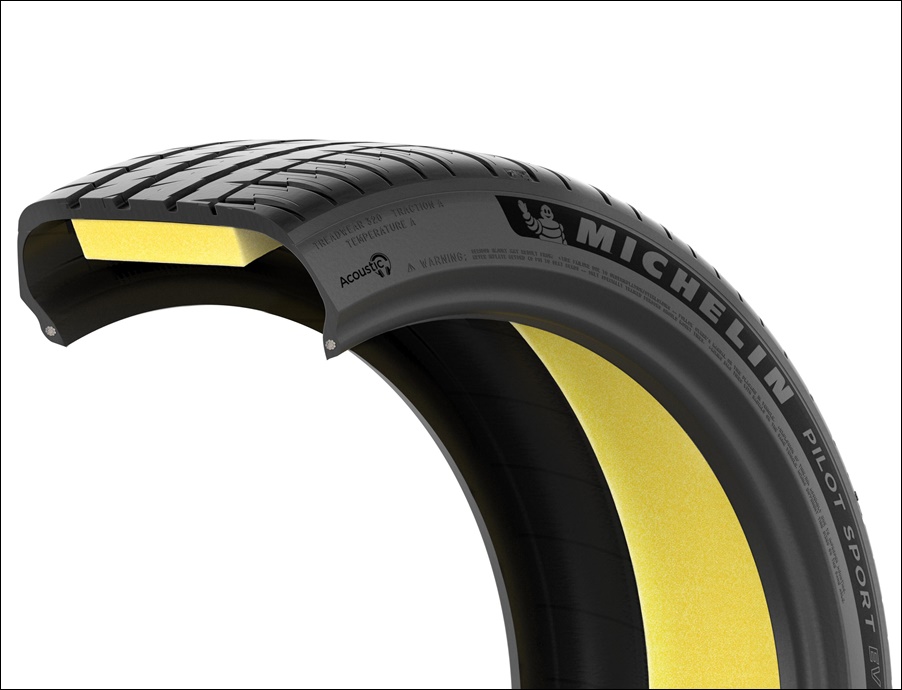
Additionally, MaxTouch Construction maximizes the tyre’s contact with the road and evenly distribute the forces of acceleration, braking and cornering – delivering longer tread life without sacrificing performance.

Quieter and further
Electric cars run quietly so the tyres will also have to be as quiet as possible. To achieve this, Michelin engineers have cut out 20% of road noise using the company’s Acoustic technology which takes the form of a custom-developed polyurethane foam that reduces cabin noise.

There is the promise of optimal grip on dry and wet road – irrespective of the tyre’s level of wear – taking into account the higher weight and weight-distribution characteristics associated with electric sportscars. Resistance to wear is also tailored in response to the high torque and acceleration forces generated by electric powertrains.

The tyre’s low rolling resistance is claimed to extend operating range by up to 60 kms. This has been calculated in a Rolling Resistance internal study comparing a 255/45 R19 Pilot Sport EV (6.7 kg/t) with the same-sized Pilot Sport 4 SUV (8.8 kg/t). In the case of an electric vehicle weighing 2,151 kgs with a range of 540 km, the difference (2.1 kg/t) equates to more than 60 kms of additional range, or more than 10% of the original range.
Carbon-neutral throughout
The new tyre is also an eco-responsible product and will be CO2-neutral at the point of sale. Michelin has cut CO2 emissions from its industrial sites by 25% since 2010 and aims at their carbon neutrality by 2050.

In order to achieve carbon neutrality throughout the life of its tyre and address the demands of electric sportscar owners, Michelin has pledged to neutralize the CO2 emissions associated with the tyre’s production and transport to its point of sale. This process includes the financing of projects aimed at offsetting and absorbing the residual CO2 emissions associated with tyre production through the Livelihoods carbon fund until the day comes when it will be possible to eliminate them entirely.
The Pilot Sport EV will go on sale from April 2021, starting with the China market, followed by Europe and North America from the third quarter of this year. By 2024, Michelin plans to increase its sales in the high-growth markets by a factor of eight.

Click here for other news and articles about Michelin.

Visit www.bhpetrol.com.my for more information.

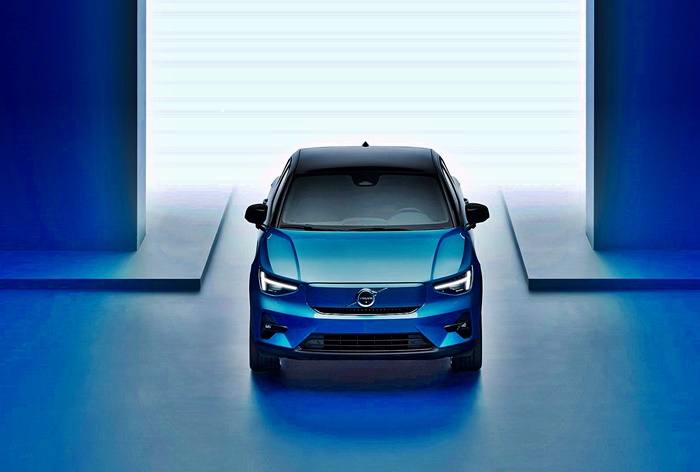
The Volvo Cars electrified Recharge line gets another model – the C40 Recharge – as part of the carmaker’s ongoing plans to have fully electric vehicles account for 50% of its global sales volume by 2025. And by 2030, it plans for every vehicle it sells to run only on electricity, no more combustion engines or hybrids.

The C40 Recharge will go in production during the fourth quarter of this year at the Volvo Cars plant in Belgium where the XC40 Recharge is also built. In line with its ambition of reducing complexity in its model offering and focus on attractive pre-selected variants, Volvo Cars has drastically simplified the consumer offering of the C40 Recharge.

2021 Volvo C40 Recharge

420 kms range and more to come
The propulsion consists of twin electric motors – one on the front and one on the rear axle – powered by a 78 kWh battery pack that can be fast-charged to 80% in about 40 minutes. Its range is anticipated to be around 420 kms, and this figure is expected to improve over time via over-the-air software updates that will make running more efficient.

2021 Volvo C40 Recharge

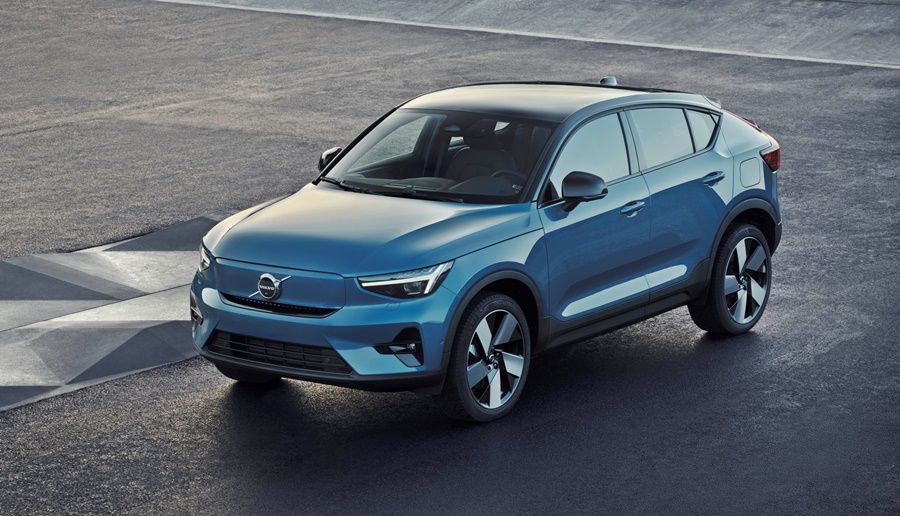
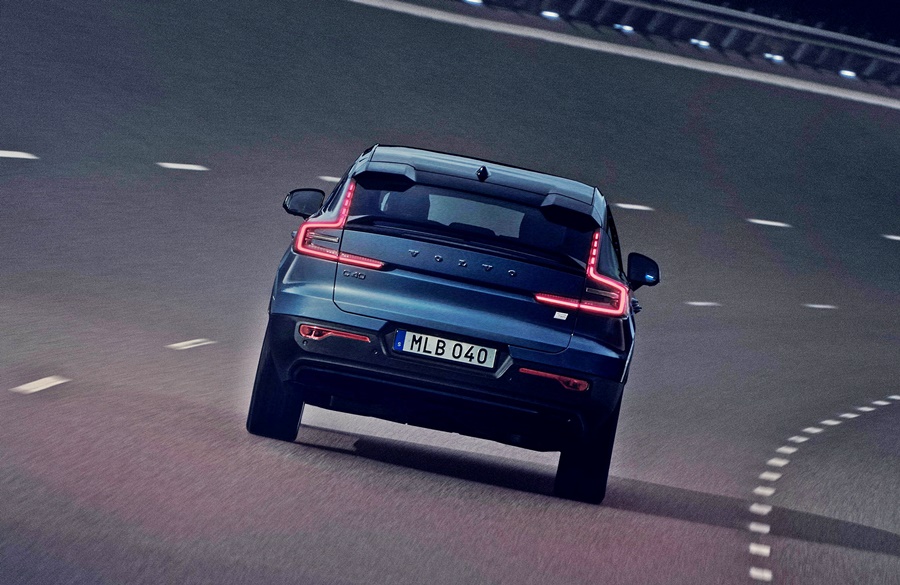
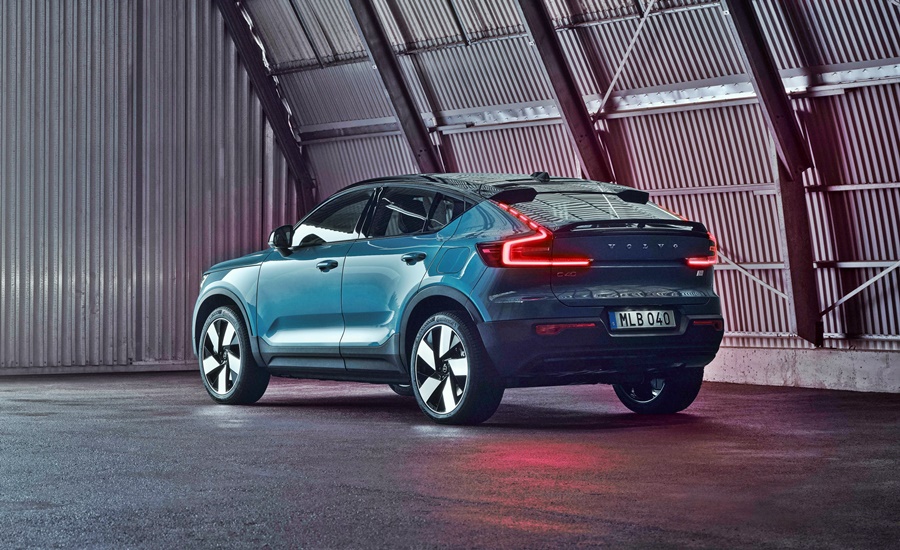
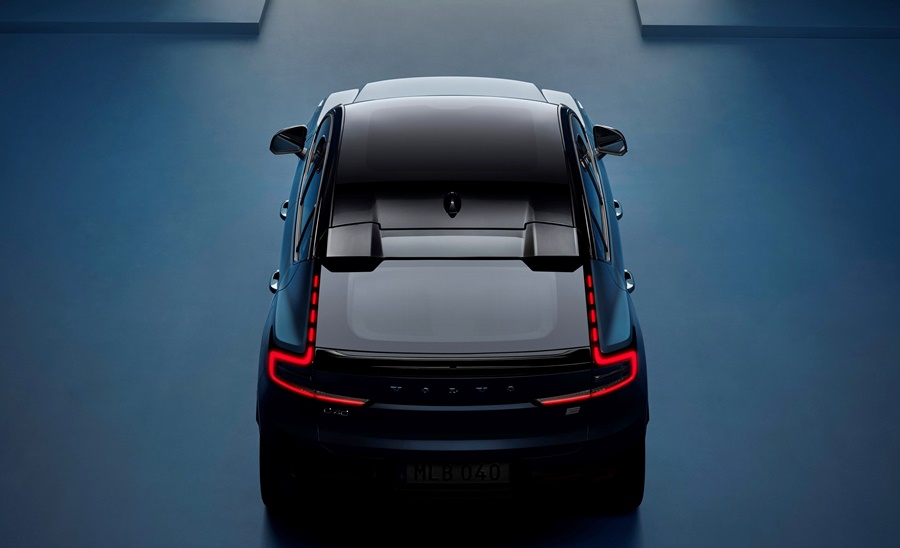
The C40 Recharge has all the benefits of an SUV but with a lower and sleeker design. It is based on the CMA vehicle platform and the first Volvo model in history designed as pure electric only. The new front design introduces a new face for all-electric Volvos and includes headlights with state-of-the-art pixel technology. The rear of the C40 Recharge features a striking rear-end design to go with the lower roofline.

2021 Volvo C40 Recharge

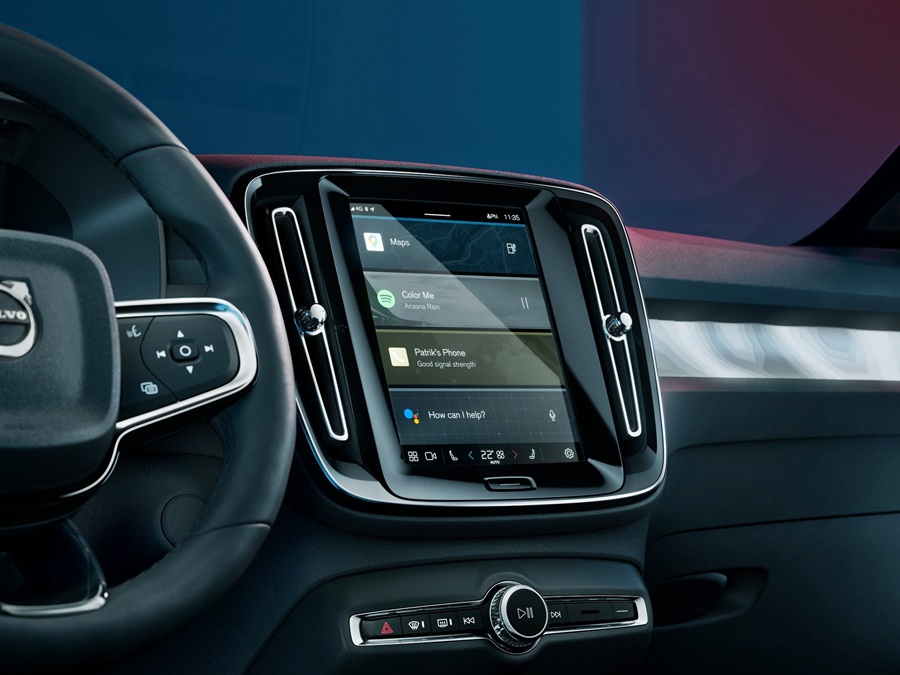
Inside, the C40 Recharge provides customers with the high seating position that most Volvo drivers are said to prefer. Besides a range of colour and decor options unique to the model, it is also the first Volvo model to be completely leather-free.

Google/Android infotainment system
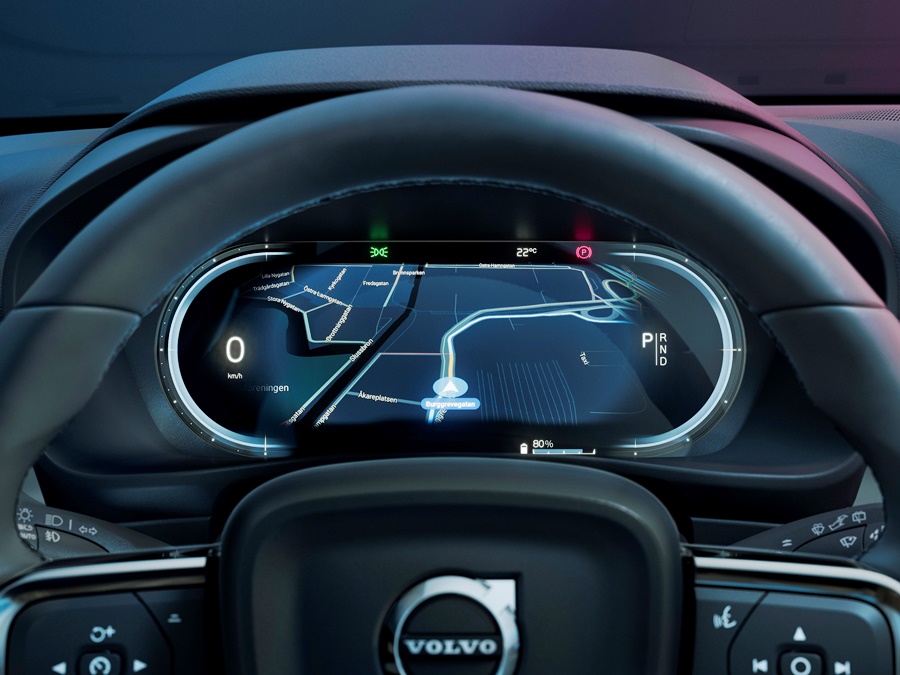
Like the XC40 Recharge, the C40 Recharge will come with what is claimed to be one of the best infotainment systems on the market. The system, jointly developed with Google and running the Android operating system, provides consumers with Google apps and services built-in. This includes navigation and connectivity apps which are commonly found on other portable personal devices.

2021 Volvo C40 Recharge

“The C40 Recharge represents the future of Volvo and shows where we are going,” said Henrik Green, the company’s Chief Technology Officer. “It is fully electric, offered online only with a convenient care package and will be available for quick delivery. Getting a new Volvo was never this attractive.”

2021 Volvo C40 Recharge

Available online only
Volvo Cars is fundamentally changing how and where to meet its customers, and will transform the current wholesale model by moving online. Its electric vehicle models will be available online only. As part of this new commercial strategy, Volvo Cars will invest heavily in its online sales channels, radically reduce complexity in its product offer, and with transparent and set pricing models.

When customers get a new C40 Recharge, it will come with a convenient care package that includes items such as service, warranty, roadside assistance, as well as insurance and home charging options.

2021 Volvo C40 Recharge

Volvo XC40 range gets PHEV Recharge T5 variant, priced from RM241,997

Visit www.bhpetrol.com.my to know more about promotions at BHPetromart.

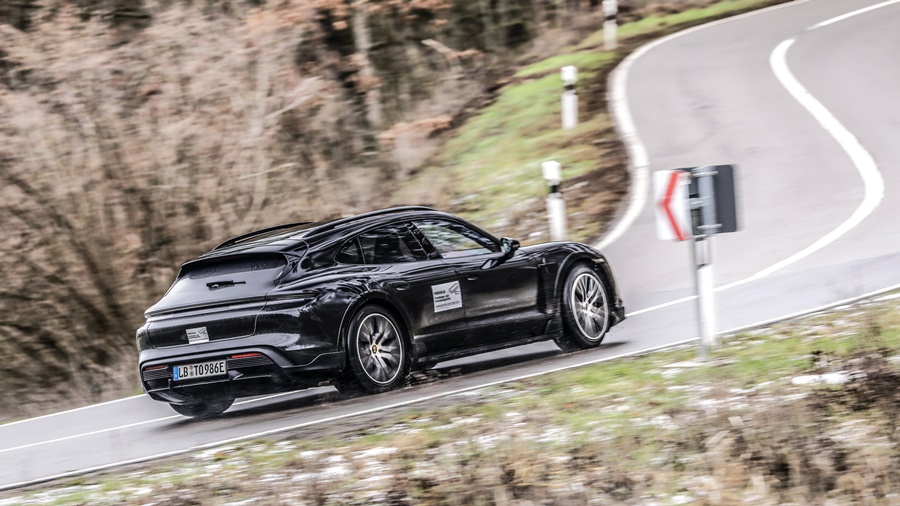
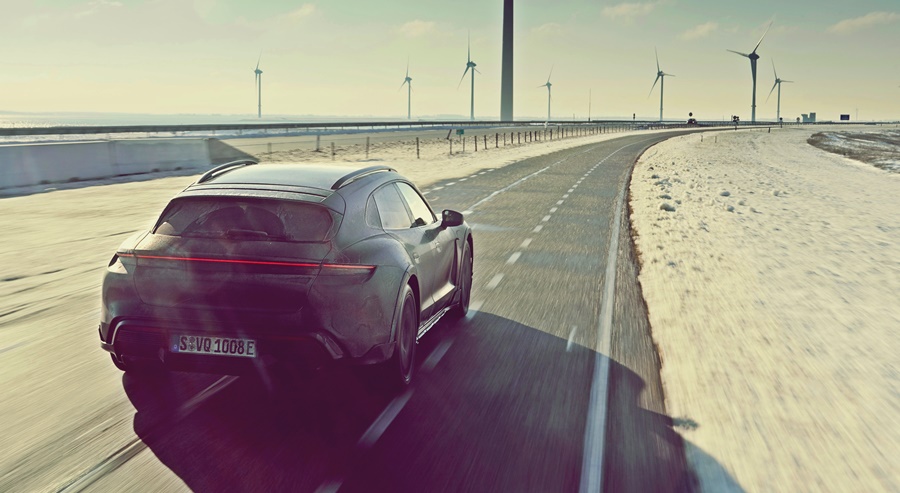
With the Taycan – Porsche’s first production all-electric sportscar – successfully launched and progressively entering various markets, including Malaysia, the carmaker is now busy following up with final development work of the Taycan Cross Turismo. Prototypes have already covered more than 998,361 testing kilometres, a distance that equals almost 25 times around the planet (measured at the equator).

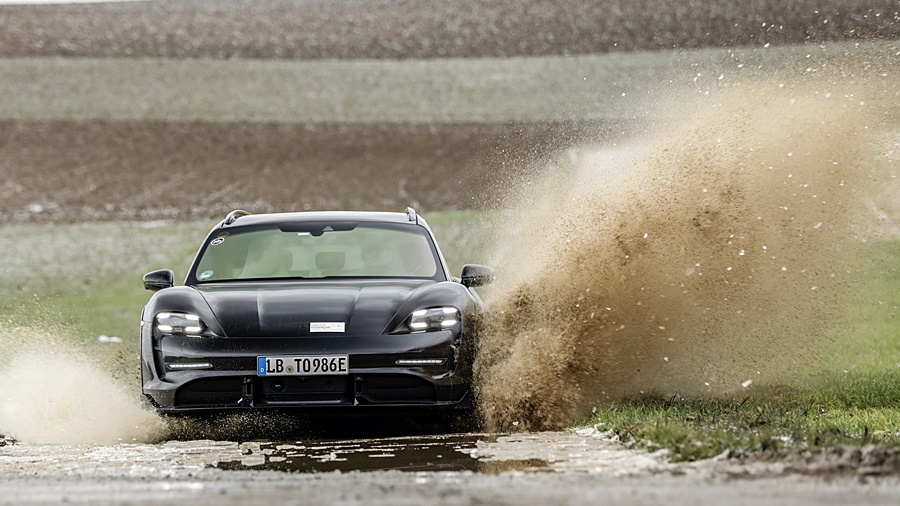
“When developing the Cross Turismo, we were of course able to build on our experience with the Taycan sports saloon. The biggest challenge was combining the requirements of sportiness with off-road capabilities,” explained Vice-President Model Line, Stefan Weckbach. “The Cross Turismo has to be capable of high performance on the racetrack and must also be able to handle mud and gravel.”
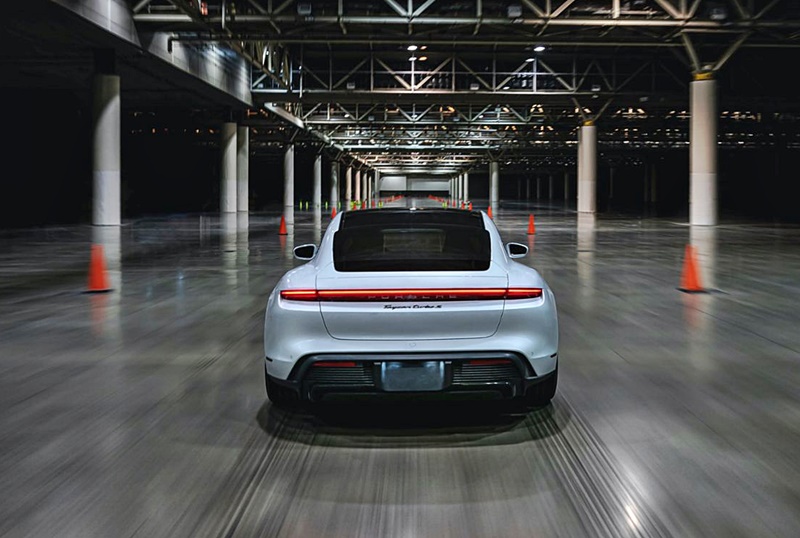
2021 Porsche Taycan Cross Turismo

2021 Porsche Taycan Cross Turismo

25 times around the planet
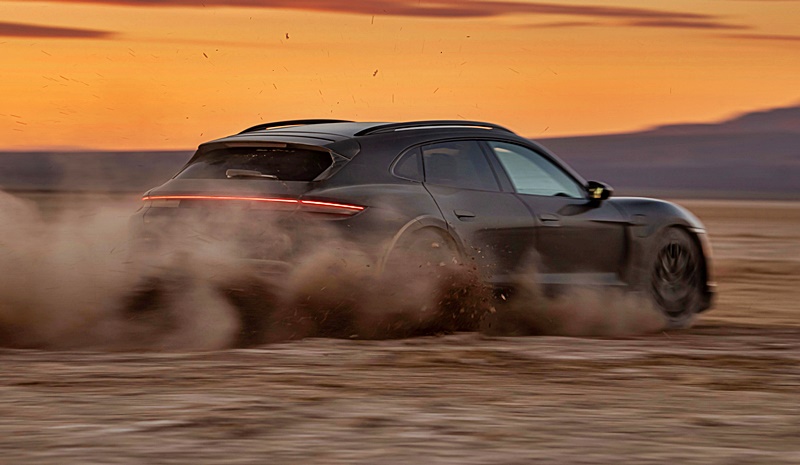
The latter conditions were simulated on the Endurance Testing Ground at the Development Centre in Germany. The conditions at this facility include a ‘Safari’ track that mimics terrain in Africa. Having completed a total of 998,361 testing kilometres, the Cross Turismo prototypes have circumnavigated the globe almost 25 times (measured at the equator).

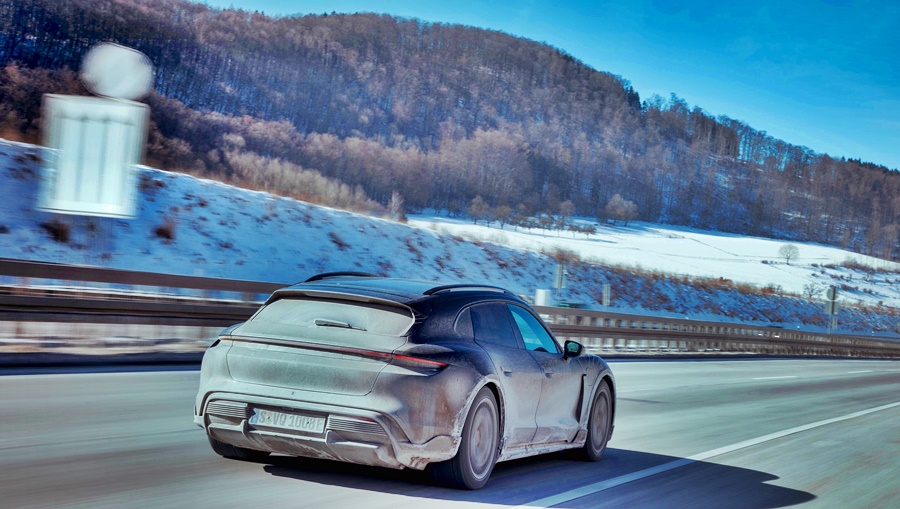
The extensive Porsche testing programme has also taken place on racetracks such as the Nurburgring Nordschleife and the Grand Prix track in Hockenheim (both in Germany) as well as on testing grounds worldwide. The Cross Turismo has also been tested off the beaten track in the south of France and in the Pyrenees region.

2021 Porsche Taycan Cross Turismo

‘Swiss army knife on wheels’
“The result is impressive. However, the Cross Turismo is not a hardcore off-road vehicle, but specialises in unpaved and dirt roads. It’s like a type of ‘Swiss army knife on up to 21-inch wheels’,” added Weckbach.

The new derivative, which features all the strengths of the Taycan sportscar, will have a chassis with all-wheel drive and height-adjustable air suspension. There is also significantly more headroom for the passengers in the rear and a large load capacity under the tailgate. The package and space conditions have been optimised down to the very last detail.

2021 Porsche Taycan Cross Turismo
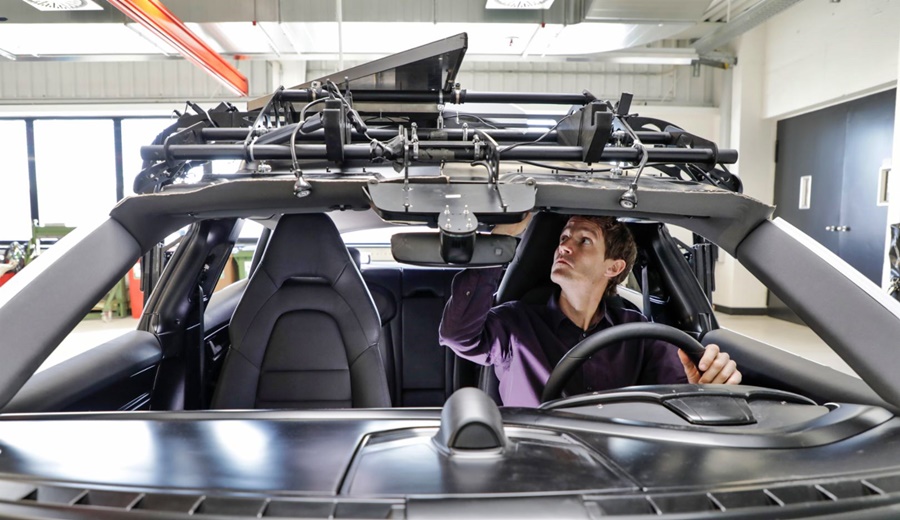
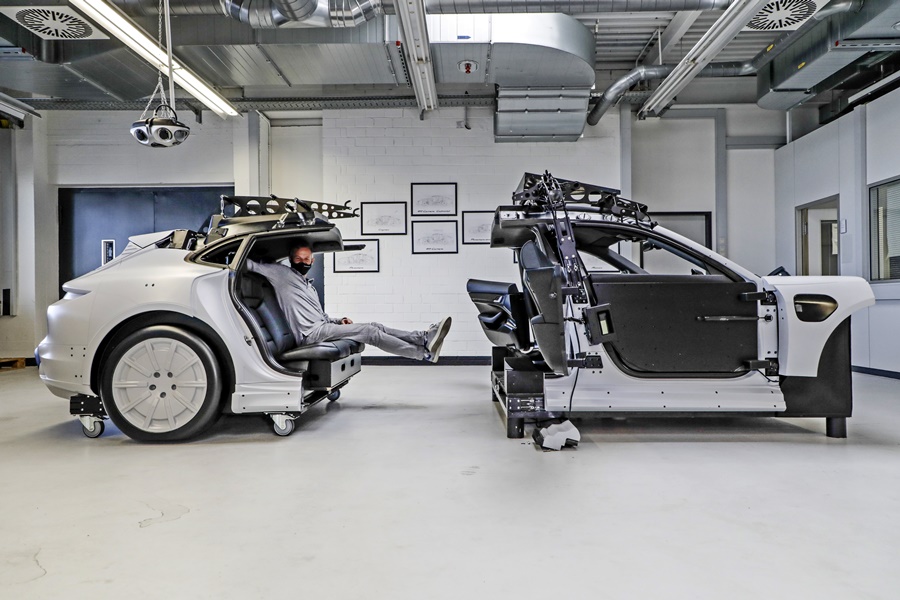
The mock-up – a faithful, physical representation of the interior – and the package function model alone took 650 design, electronic and coordination hours and 1,500 workshop hours to complete.

2021 Porsche Taycan Cross Turismo

Same test programme as other sportscars
At Porsche, electric cars have to undergo the same rigorous testing programme as all its other sportscars with combustion engines. In addition to displaying superior performance, this always includes proving unrestricted everyday usability in all climatic conditions. Particularly demanding tasks such as charging the battery, or controlling the temperatures of the powertrain and interior under extreme temperatures, are additional aspects that are tested in the battery-powered electric models.

2021 Porsche Taycan Cross Turismo

Other development goals typical for Porsche include racetrack performance, the ability to perform repeated acceleration runs at full throttle, and a range suitable for everyday use. Extensive testing is also carried out in the laboratory and on test rigs, and includes development and validation of the aerodynamic design. The Cross Turismo braved the storm in the wind tunnel for around 325 hours, part of the 1,500 hours spent there during its development process.

The new rear bicycle carrier designed by Porsche for this model also underwent its own rigorous testing programme with rough road tracks and driving dynamics tests. It sets new benchmarks when to comes to handling, ergonomics, driving safety and stability. Several e-bikes can be transported on its generously spaced wide rails.

2021 Porsche Taycan Cross Turismo

The Taycan Cross Turismo combines Porsche E-Performance with enhanced suitability for everyday use. It will go on sale in Europe in mid-2021. To date, more than 20,000 Taycans have been delivered worldwide.

2020 Porsche Taycan
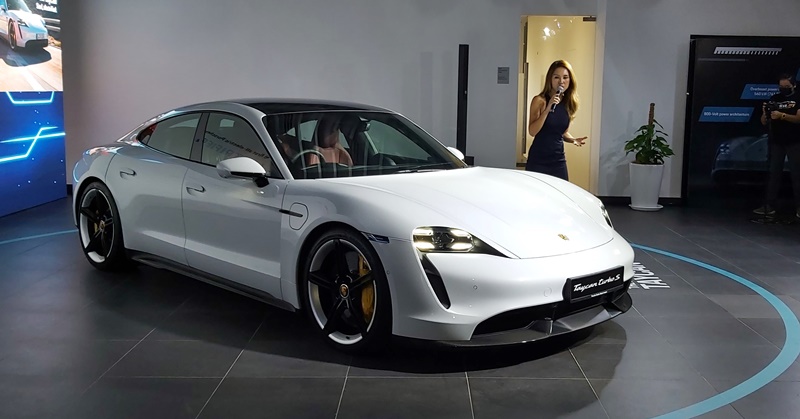
The Taycan was launched in Malaysia last September by Sime Darby Auto Performance.

Click to know more about the Taycan and other Porsche models in Malaysia

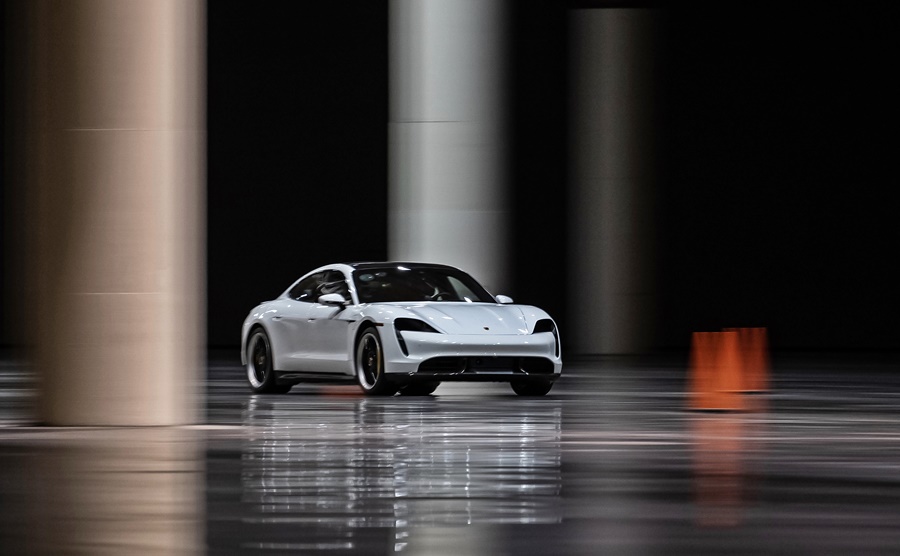
Porsche Taycan does 165 km/h inside a building – a new Guinness World Record (w/VIDEO)

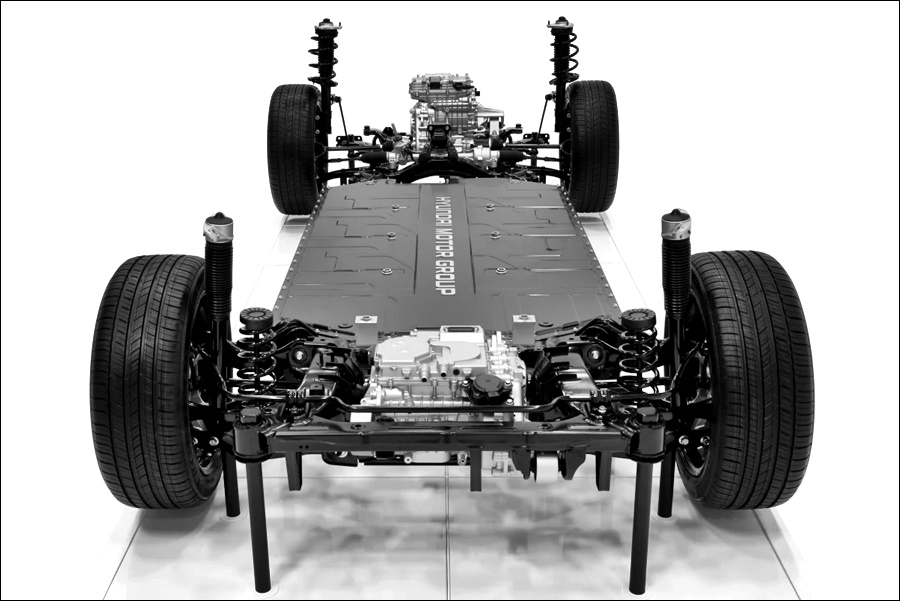
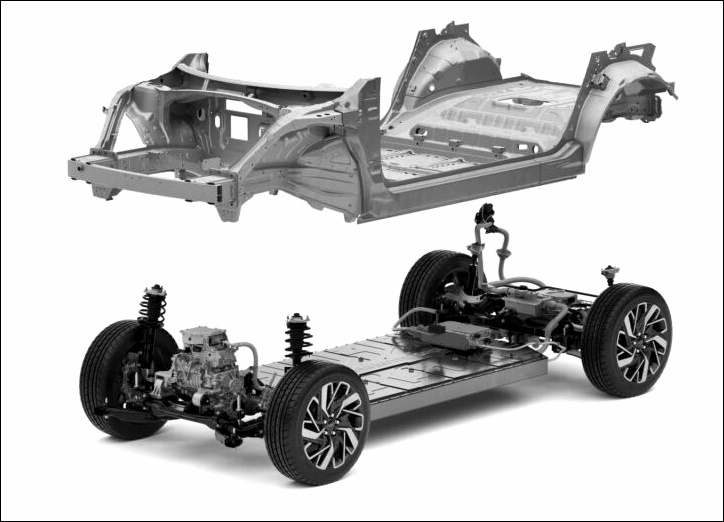
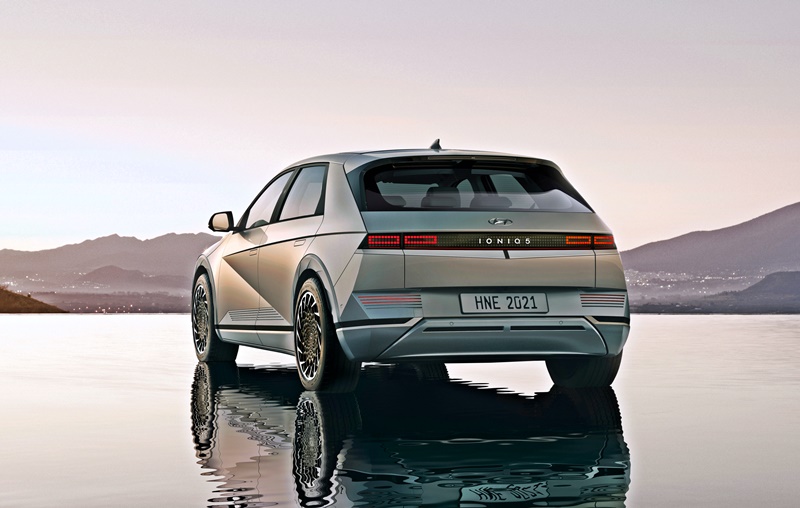
Hyundai Motor Company today launched the IONIQ 5 as the first model in the Korean brand’s new IONIQ brand which will offer only battery electric vehicles (BEVs). Unlike other models which also have combustion engine variants, the IONIQ 5 and coming models will use Hyundai Motor Group’s dedicated BEV architecture called Electric-Global Modular Platform (E-GMP). First deliveries in selected markets will begin in coming months.

Hyundai expects this universal platform for its BEV models will make manufacturing simpler and cheaper – for both the carmaker and the customer. It plans to introduce at least 23 BEV models and expects to sell more than a million of them worldwide by 2025.

Hyundai E-GMP for Battery Electric Vehicles

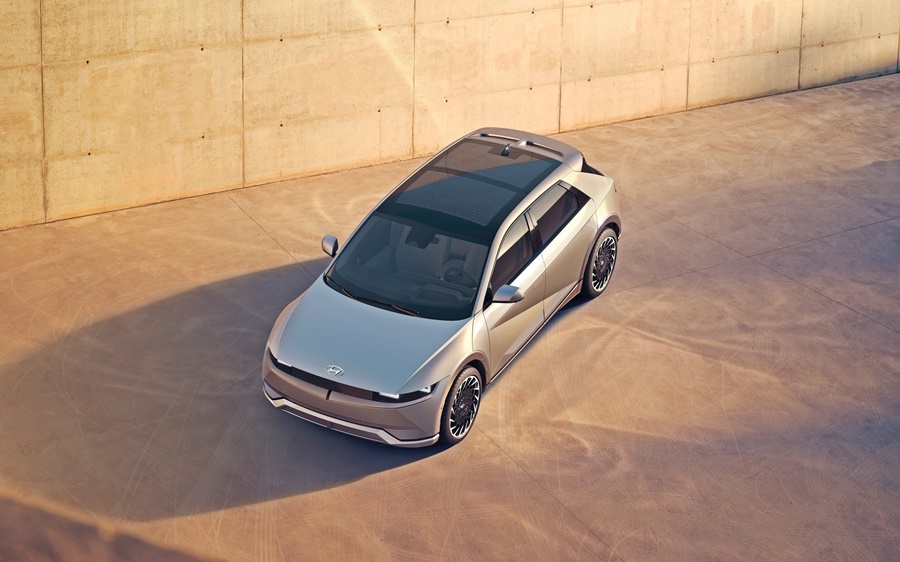
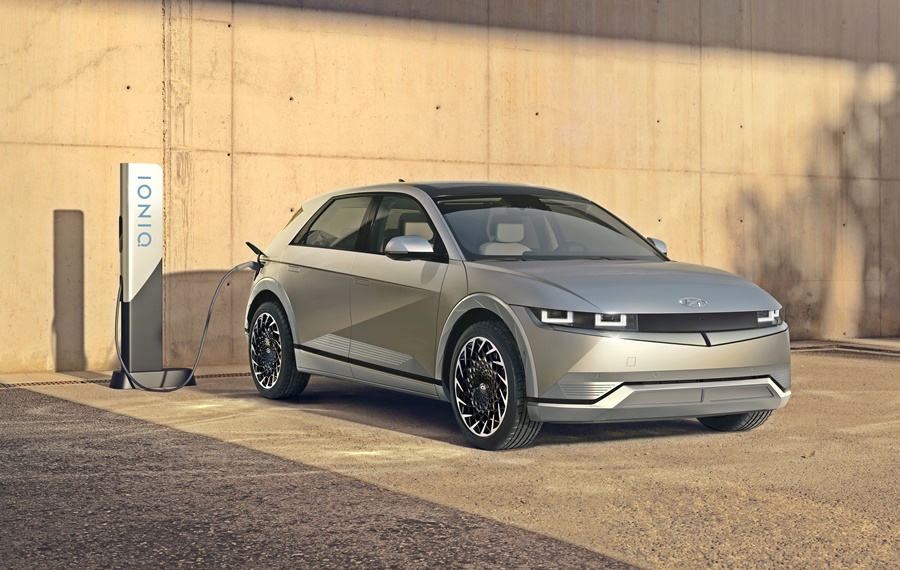
2021 Hyundai IONIQ 5

Using a platform designed from the outset for BEVs means the engineers can maximise the benefits of a BEV without the compromises that a conventional combustion engine model would impose. The interior can be more innovatively designed and planned and more BEV-specific features can be incorporated.

Visit www.bhpetrol.com.my to know more about promotions at BHPetromart.

Range of electric powertrains
The IONIQ 5 will be available with a range of power electric (PE) configurations to fit the mobility needs of every customer, with no compromises on performance. Customers can select from two battery pack options – either 58 kWh or 72.6 kWh – and two electric motor layouts. The latter can be  either with a rear motor only or with both front and rear motors for all-wheel drive (AWD). Range is said to be ‘outstanding’ with a claimed top speed of 185 km/h.

The AWD option paired with the 72.6-kWh battery produces a system output of 225 kWh and 605 Nm. This can give a claimed 0 to 100 km/h time of 5.2 seconds. With the 2-wheel drive set-up and 72.6-kWh battery, the IONIQ 5’s maximum driving range with a full battery pack is said to be up to 480 kms.

IONIQ 5’s E-GMP can support both 400-V and 800-V charging infrastructures. The platform offers 800-V charging capability as standard, along with 400-V charging, without the need for additional components or adapters. The multi-charging system is a world’s first patented technology that operates the motor and inverter to boost 400 V to 800 V for stable charging compatibility.

As for recharging the battery pack, with a 350-kW charger, the time to ‘refuel’ from 10% to 80% is claimed to be 18 minutes. A 5-minute charging time can get up to 100 kms of range.

The IONIQ 5 also has an innovative V2L function which makes it a mobile charger. It can provide electricity for charging large electric devices such as electric bicycles, scooters or camping equipment. The V2L function can supply up to 3.6 kW of power.

Departure from norms
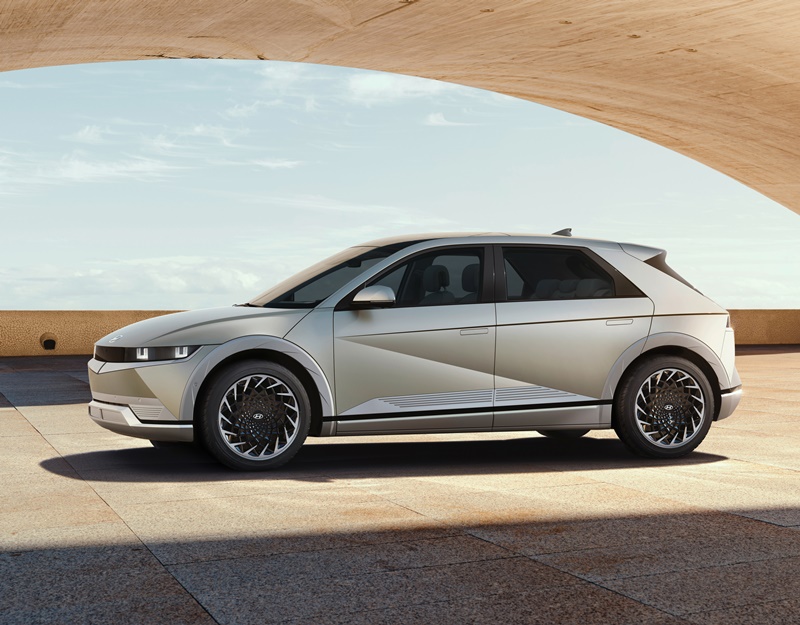
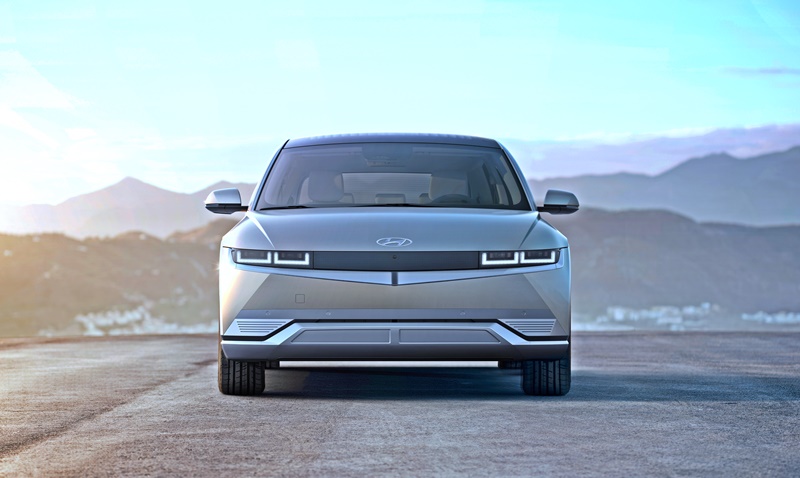
Using the E-GMP, the IONIQ 5’s design represents a departure from past norms, exploring the new design freedom offered by a dedicated BEV platform. Its exterior design is characterized by profile of the Pony, a historically significant model for Hyundai. The 4.6-metre long body sits over a platform with a 3000 mm wheelbase. This extended wheelbase requires a more sophisticated approach to translate this new proportion into a contemporary EV typology.

2021 Hyundai IONIQ 5

The front of the car has Hyundai’s first clamshell bonnet that minimizes panel gaps for optimal aerodynamics. The front bumper is defined by an eye-catching V-shape incorporating distinctive daytime running lights (DRLs) that provide a light signature unique to IONIQ 5. The small pixel-like clusters also appear at the rear of the car.

On the sides, auto flush door handles provide clean surface styling and obviously, enhanced aerodynamic efficiency. The front and rear forms of the car merge at its doors, offering another example of Hyundai’s ‘Parametric Dynamics’ design first seen on the latest Tucson and also on the Elantra. The strong C-pillar shape, inspired by the ‘45’ EV concept, gives a commanding presence clearly identifiable from a distance. Aero-optimized wheels further echo the Parametric Pixel design theme and are offered in a super-sized 20-inch diameter, the largest rims ever fitted to a Hyundai EV.

Living Space within
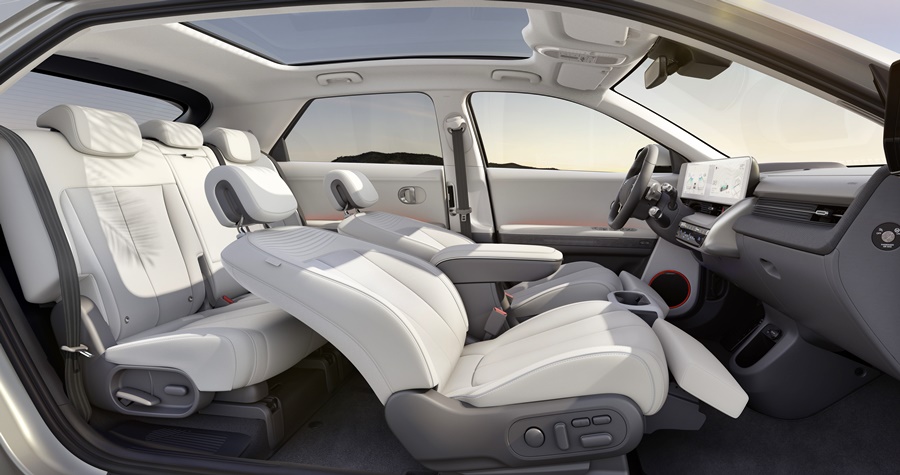
The ‘Living Space’ theme runs throughout the interior, most notably embodied by the Universal Island, a moveable centre console that can slide back as much as 140 mm. This Universal Island, along with the flat floor where the battery pack is stored, allows more freedom of movement inside the cabin.
2021 Hyundai IONIQ 5

2021 Hyundai IONIQ 5

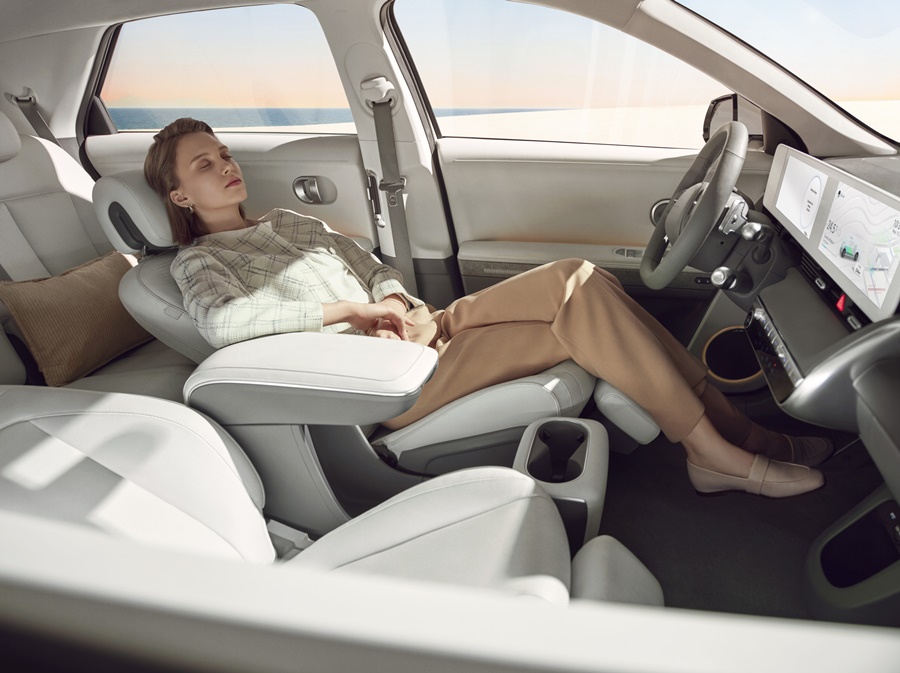
The front seats are electrically adjustable, with the ability to recline to an optimum angle that offers  a weightless feeling for the passenger. The interior designers reduced the thickness of the front seats by 30%, providing more space for those seated behind.

Many of the interior touchpoints — seats, headliner, door trim, floor and armrest — use eco-friendly, sustainably-sourced materials. Examples of such materials are recycled PET bottles, plant-based (bio PET) yarns and natural wool yarns, eco-processed leather with plant-based extracts, and bio paint with plant extracts.

2021 Hyundai IONIQ 5

Enhanced digital experience
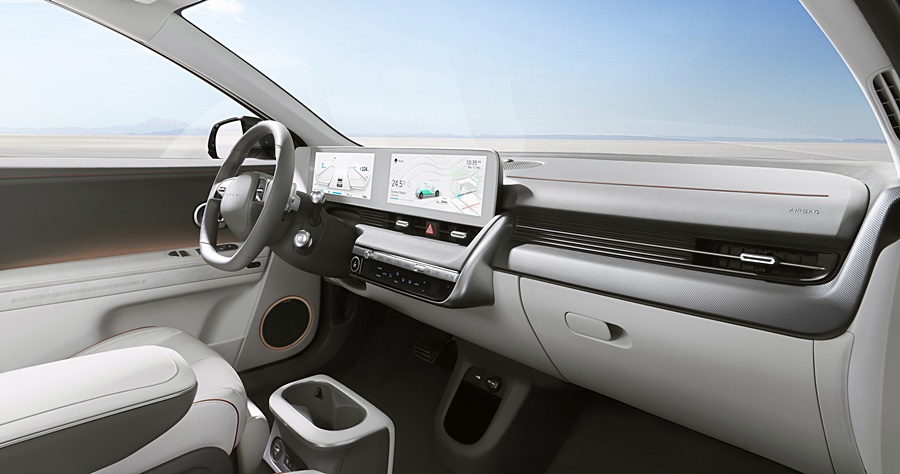
As would be expected, the IONIQ 5 has advanced technologies for an enhanced digital user experience. The wide, configurable, dual cockpit features a 12-inch, full-touch infotainment screen and hoodless 12- inch digital gauge cluster that can be customized to meet customers’ needs. For the first time in a Hyundai model, there is an Augmented Reality Head-Up Display, essentially turning the windscreen into an informative display screen.
2021 Hyundai IONIQ 5

“A new mobility experience for the next generation—this was the mission from the first day we began this project, to look ahead towards the horizon, but stay fundamentally Hyundai,” said SangYup Lee, Senior Vice-President and Head of Hyundai Global Design Centre. “IONIQ 5 is the new definition of timeless, providing a common thread linking our past to the present and future.”
Visit www.bhpetrol.com.my to know more about promotions at BHPetromart.

Sportscar makers – as well as every other carmaker – know that the future is electric and they cannot waste any more time just doing R&D but actually get products out on the roads for sale. Nevertheless, the process of R&D still has to continue to advance technologies as well as develop new ones.

Motorsports offer a good testbed for R&D as extreme conditions are encountered, for which solutions to problems have to be found quickly with the competitive environment. The learnings gained by the engineers can be brought back and use for production cars.

Lotus E-R9 EV racer prototype

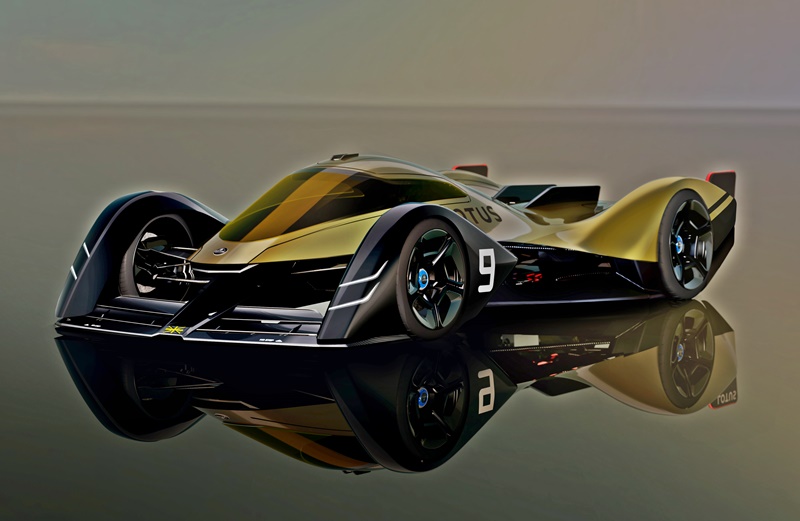
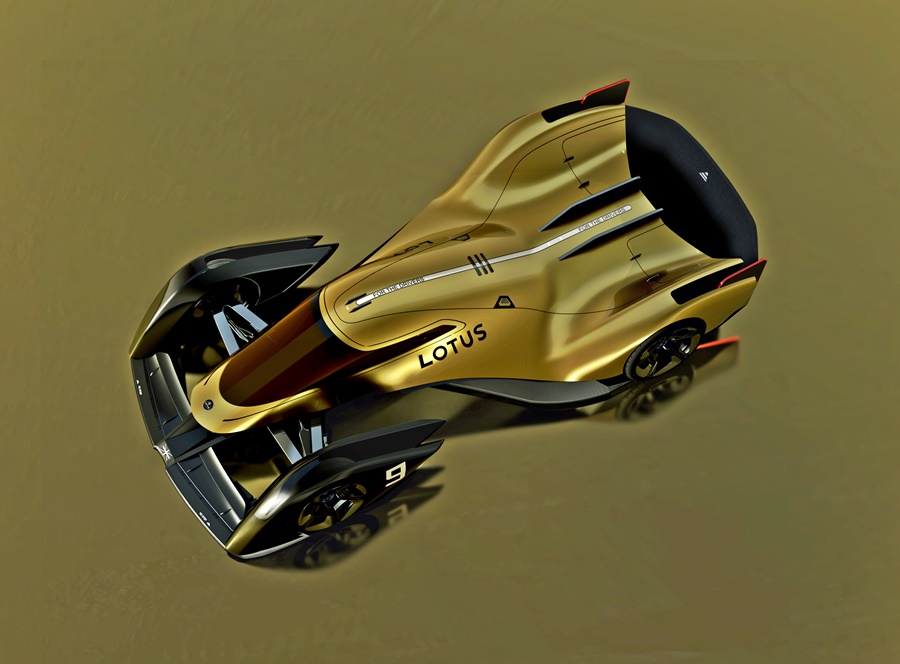
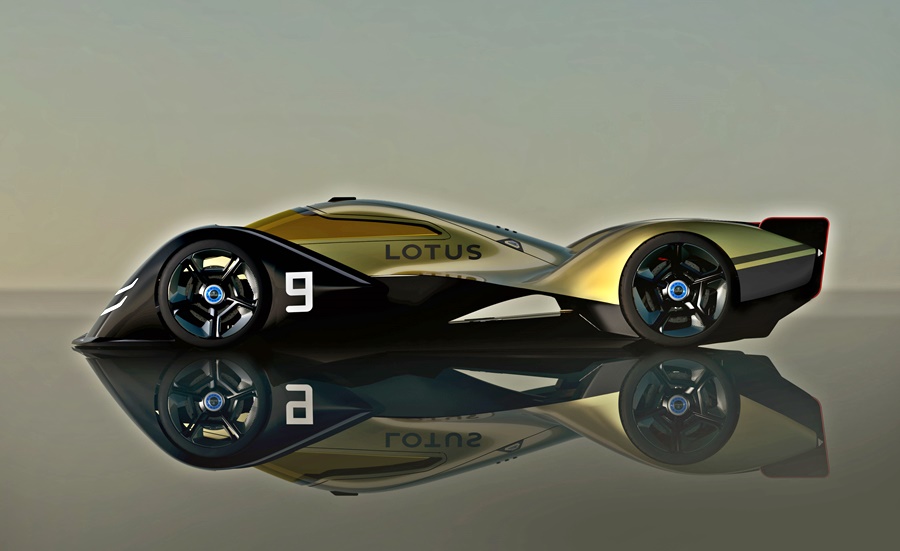
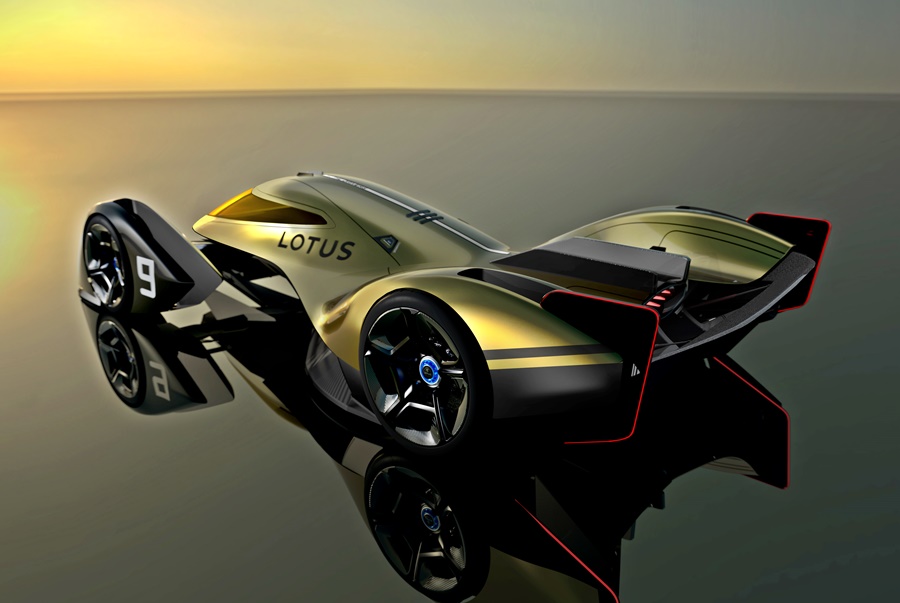
Lotus appears to be doing just that with the E-R9, a dramatic new design study for a next-generation pure electric endurance racer that could be on the starting grid of circuits around the world for the 2030 racing season.

‘E-R’ stands for Endurance Racer, while ‘9’ is the car’s competition number carefully chosen in tribute to Lotus’ racing past. It was in a Lotus Mark IX that the race team made its debut appearance at the Le Mans 24 Hours, with company founder Colin Chapman among the drivers competing. The year was 1955, meaning the E-R9 race car concept – if raced in 2030 – would be in celebration of the Mark IX’s 75th anniversary.

Lotus E-R9 EV racer prototype

Technology showcase
The E-R9 has been developed by Lotus Engineering and is intended to serve as a technology showcase of Lotus philosophy, capability and innovative spirit in the fields of advanced electrified powertrains and aerodynamics. It was developed by the engineering team that included Louis Kerr, principal platform engineer on the Lotus Evija pure electric hypercar as well as technical director, GT, Geely Group Motorsports International.

Visually, it was brought to life by the Lotus Design team, led by Russell Carr, Design Director for Lotus. Finished in striking black and gold – a clear nod to Lotus’ pioneering motorsport heritage that led to 13 Formula 1 championship titles – the EV features a sleek fighter jet-style canopy centrally mounted in a delta-wing upper body.

Lotus E-R9 EV racer prototype

‘Morphing’ body panels
Chief among the car’s aero innovations are its ‘morphing’ body panels. Located across the delta-wing profile, this adaptability – where active surfaces can change their shape and attitude to the air flow either at the press of a button by the driver or automatically according to performance sensor inputs – would deliver minimum drag on the straights and maximum downforce in the corners.

Vertical control surfaces at the rear would generate aerodynamic forces to help the car change direction, without the limitations of grip at the tyre contact patch. The result is a racer that’s partly driven like a car and partly flown like a fighter jet.

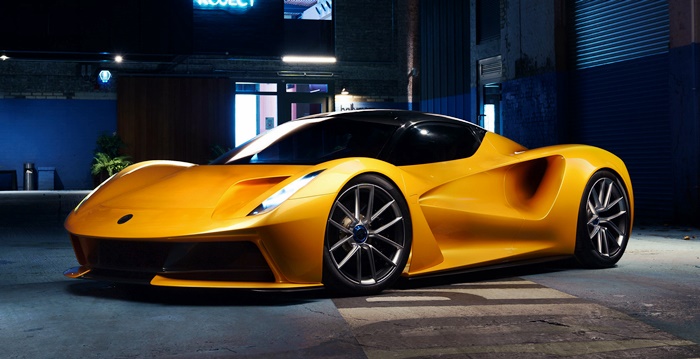
Lotus Evija
Lotus Evija electric hypercar

Technology from Evija
The E-R9 has an advanced electric drivetrain powering each wheel independently, a system enhanced with torque-vectoring. It builds on technology already integrated on the Evija though, for the E-R9, the system would be fully adjustable by the driver on the move.

“Battery energy density and power density are developing significantly year on year. Before 2030, we’ll have mixed cell chemistry batteries that give the best of both worlds, as well as the ability to ‘hot-swap’ batteries during pitstops,” predicts Kerr.

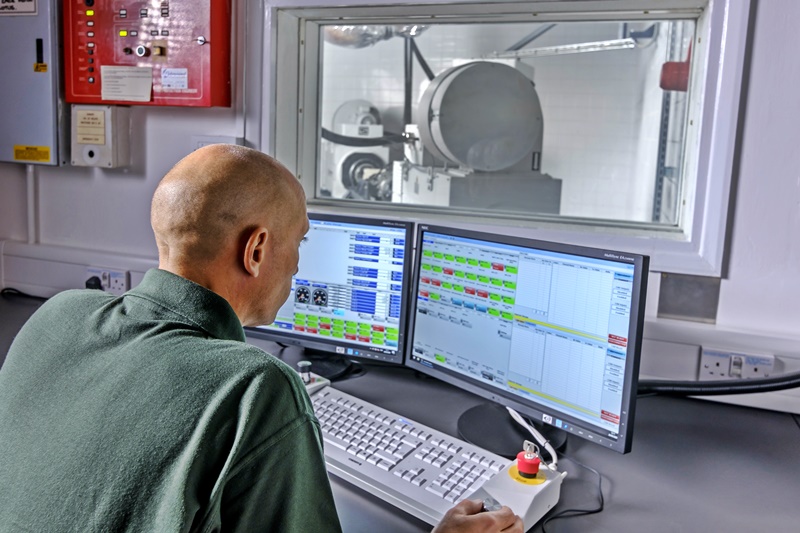
The Electric Drive Unit (EDU) test cell is an all-new facility at Lotus Engineering. It allows engineers to test EV powertrains including the motor, gearbox and supporting electronics. Lotus software can communicate with the motor control system and load the powertrain as if it were in a vehicle, to test, develop and validate its performance.

The phenomenal aerodynamics of the Lotus Evija hypercar explained

Visit www.bhpetrol.com.my to know more about promotions at BHPetromart.

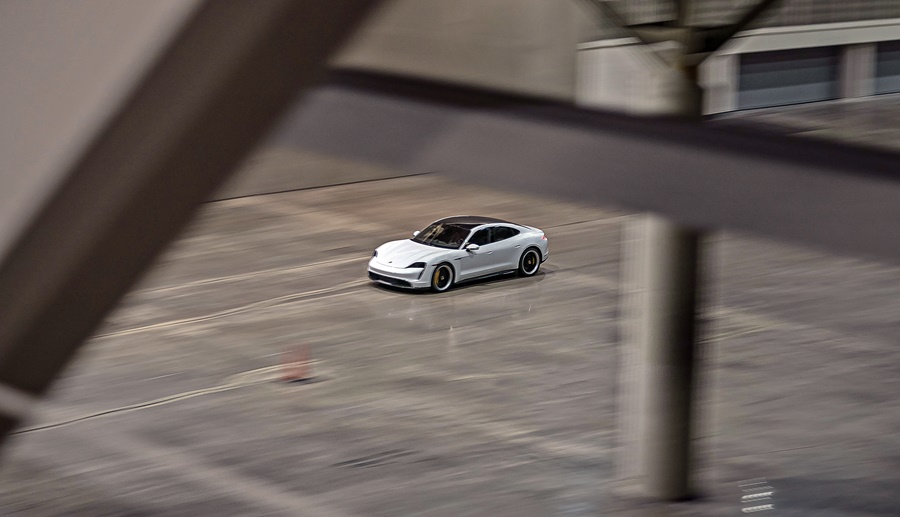
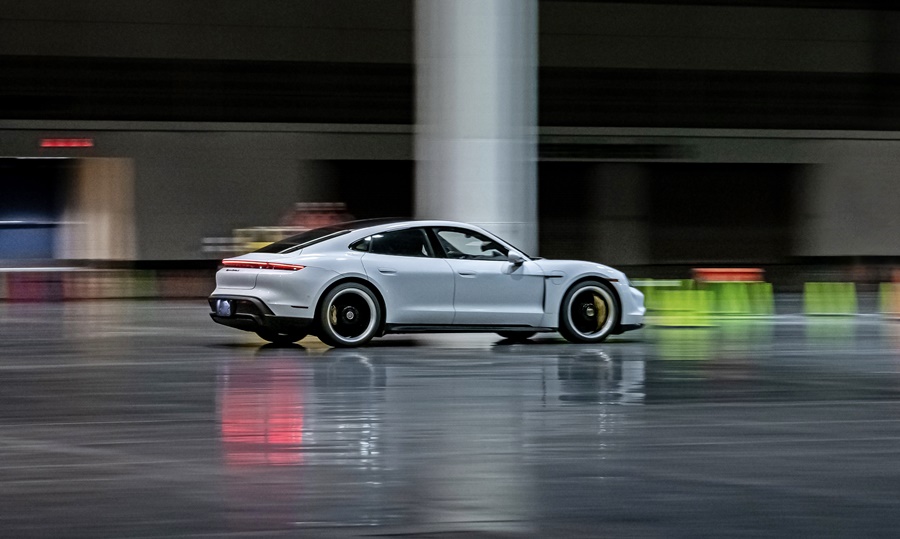
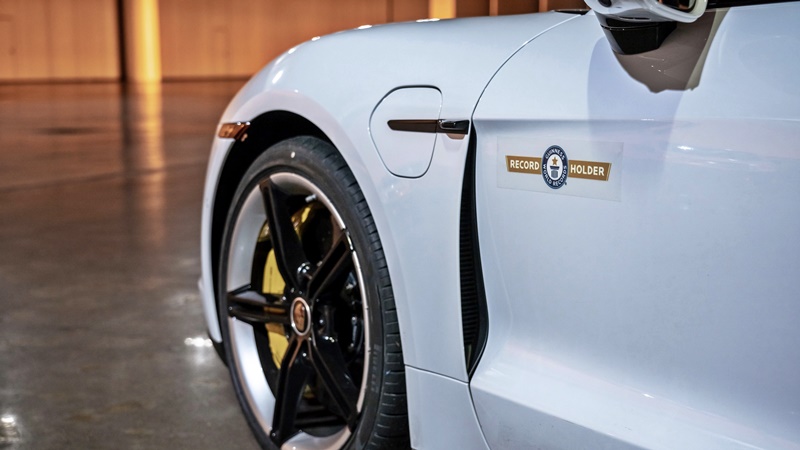
During this period of the pandemic, we are urged to ‘Stay indoors’ to avoid being infected and also to help cut the transmission of the virus. For many people, ‘indoors’ may mean a boring time but not for racer Leh Keen: while being ‘indoors’, he achieved a Guinness World Records title for the fastest speed by a vehicle indoors.

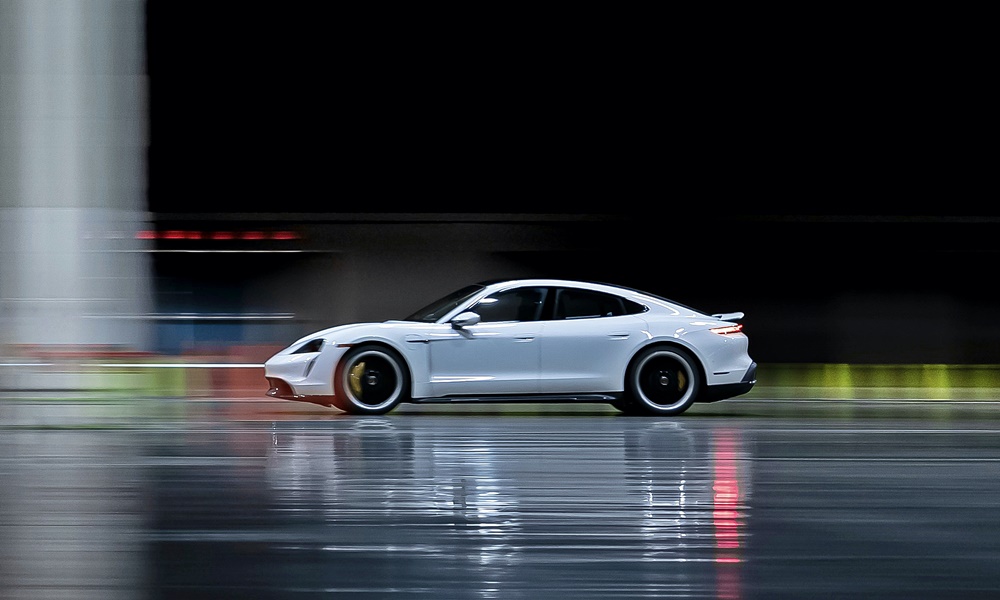
It’s not a new category in the world famous list of records and the last person set it at a speed of 138.5 km/h. That was 7 years ago. The rules – strictly enforced by Guinness World Records – are tough. The record tun must be done up to a standstill within the space of the building. There can be no run up, no safety net and no doors open and therefore no escape route. It means not just being able to accelerate to a very high speed but also being able to come to a stop in time.

2021 Porsche Taycan Guinness World Record run

Leh  therefore required a car that would be able to perform with such challenging conditions. It had to be one that he could trust his life with in order to safely break the record safely. With an output equivalent to 750 bhp, 4-wheel drive providing maximized grip, powerful carbon ceramic brakes and the ability to accelerate to 60 mph (96 km/h) from standstill in just 2.6 seconds, the all-electric Taycan Turbo S by Porsche was the car to use.

Selecting the right building was just as challenging. In the end, it was the Ernest N. Morial Convention Centre in New Orleans, Louisiana, USA. At around 93,000 square metres, the convention centre boasts having the largest contiguous exhibit hall in the country, ideal for the distance it provided. However, like many other indoor facilities, the polished concrete surface replicated ice when being driven over at speed…

2021 Porsche Taycan Guinness World Record run

2021 Porsche Taycan Guinness World Record run

“I didn’t really appreciate the scale of the record attempt until my first exploratory run. The surface is so unpredictable, so slick, that you have to have complete trust in your car. It truly was like ice – and you’re accelerating flat out, facing a really hard wall at the end. Suddenly, even in a massive space like the one we had, it seemed very small,” said Leh Keen after his record attempt. “I could feel the Taycan’s systems figuring it out, working so hard to keep me heading straight – it was such an impressive feat. To accelerate so hard on such an erratic surface was incredible. Not for a moment did I doubt I could do it.”

Leh’s strategy was to build up slowly, with low-speed exploratory runs. The standard street tyres were pre-heated as a precaution. And, when it came to the record attempt, one run was all it took. “I did take a moment on the starting line – knowing I was going to have to go as fast as I could – and stop again –  all before reaching the wall I was facing. It got my attention.”

2021 Porsche Taycan Guinness World Record run

“I used the car’s launch control and the Taycan just hooked up – the sensation of speed indoors, even in such a big space, is enormous – that wall rushed up fast. I was gentle on the brakes at the end… the Taycan’s brakes were more than up to the job. Of course, I didn’t look down at my speed, so it came as a surprise and a relief that I’d beaten the record, and by such a margin. It was a rush! I’m thankful for Porsche for trusting my abilities and for their preparations and encouragement – 165 km/h (officially 102.6 mph) inside a building. What was I thinking?”

The Taycan is available in Malaysia from Sime Darby Auto Performance. Click here to find out more.

All-electric Porsche Taycan sets a drift world record (w/VIDEO)

Visit www.bhpetrol.com.my to know more about promotions at BHPetromart.

The performance game is starting again; from the time the car was born, rivalry between carmakers saw performance levels rising as internal combustion powerplants grew more powerful with new technologies. Now, in the 21st century, there is again the same competition in the industry – but with a zero emissions electric powertrain. It’s not just the traditional performance measures that are the challenge but also how far an electric car can go.

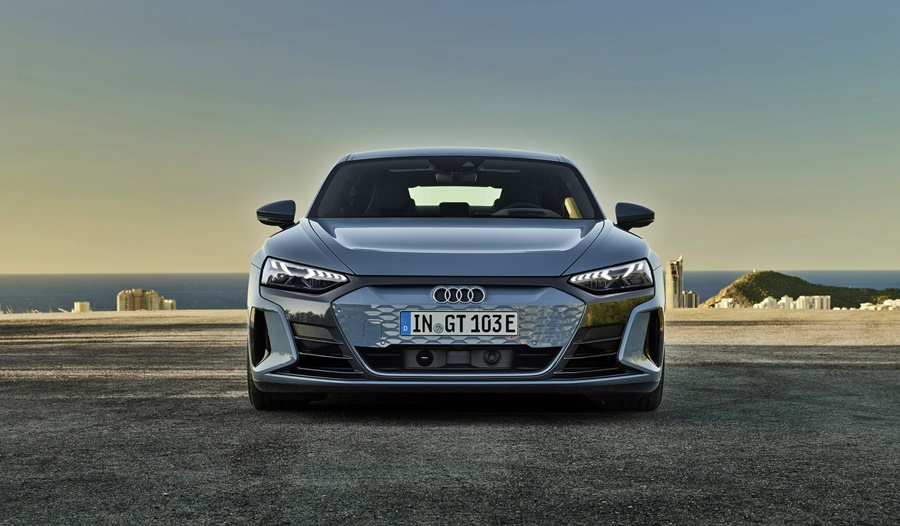
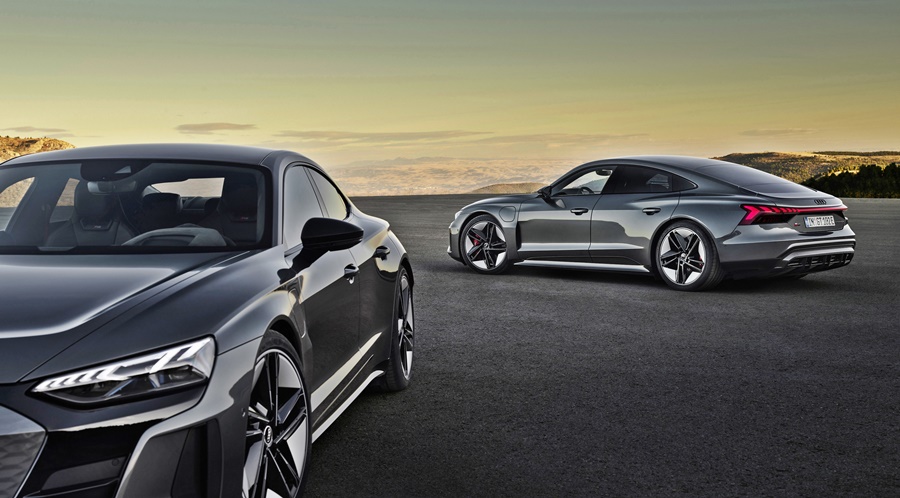
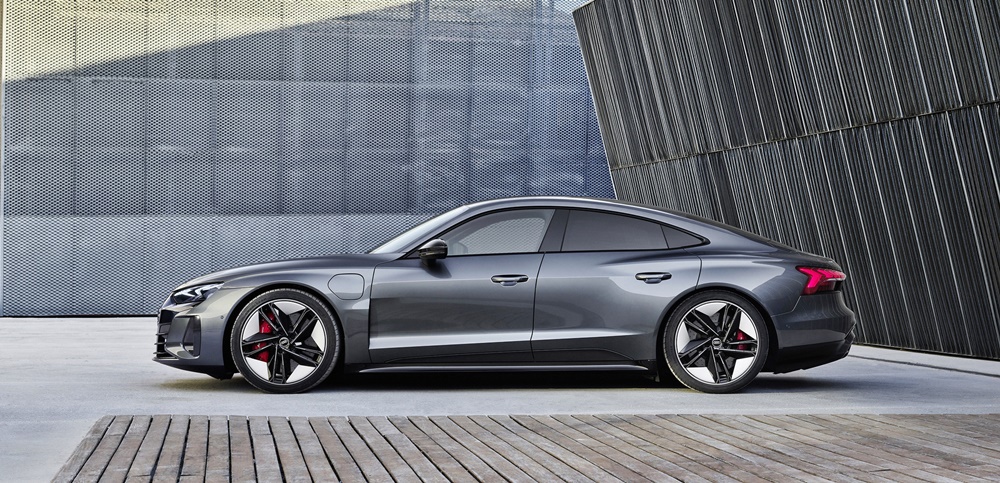
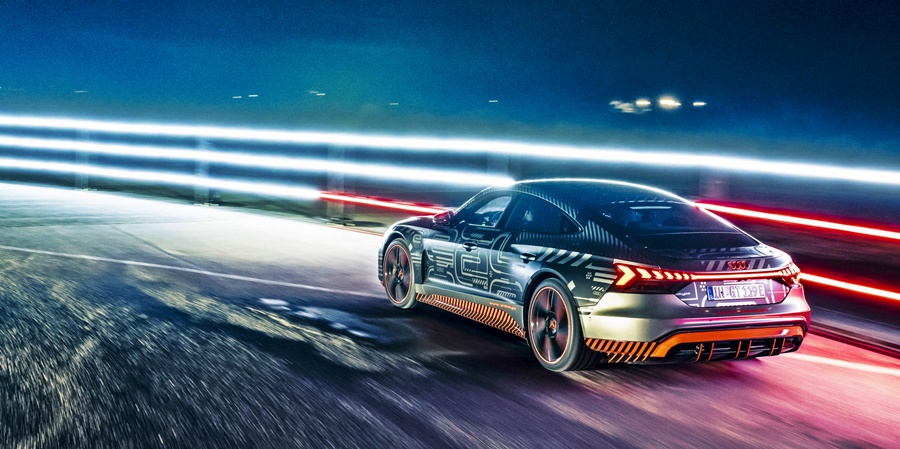
2021 Audi e-tron GT quattro

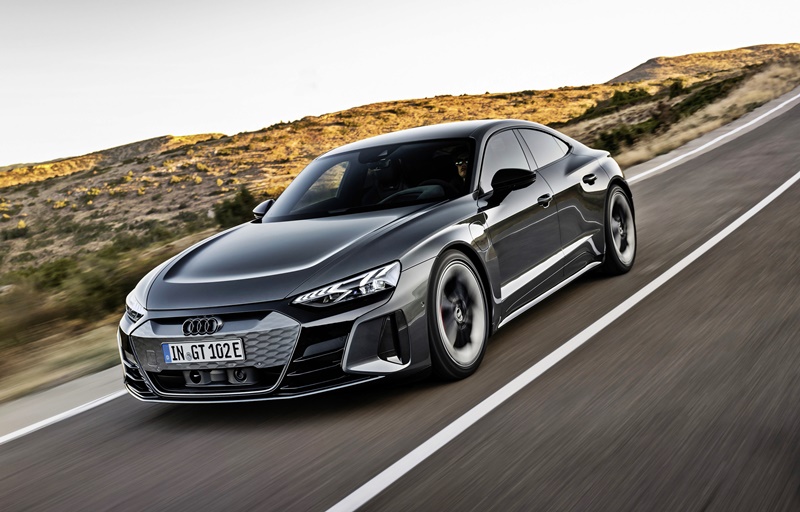
Audi’s latest representative in this race is the new e-tron GT, which mark its entry into a different segment of the electric range. With the e-tron GT, Audi is demonstrating that electric mobility can still offer exhilarating motoring in complete contrast to the perception 30 years ago that electrically-powered cars would be dull machines.

Third and fourth all-electric models
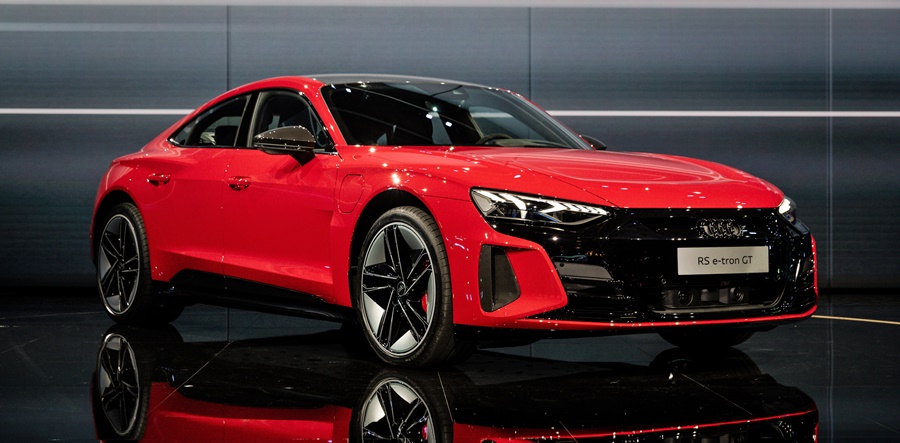
The e-tron GT and RS e-tron GT join the e-tron SUV and e-tron Sportback that debuted in 2018 and 2019, respectively. They are part of the electrified model offensive Audi has planned up till 2025 which will see more than 30 electric and hybrid models being introduced into markets around the world.

2021 Audi e-tron GT

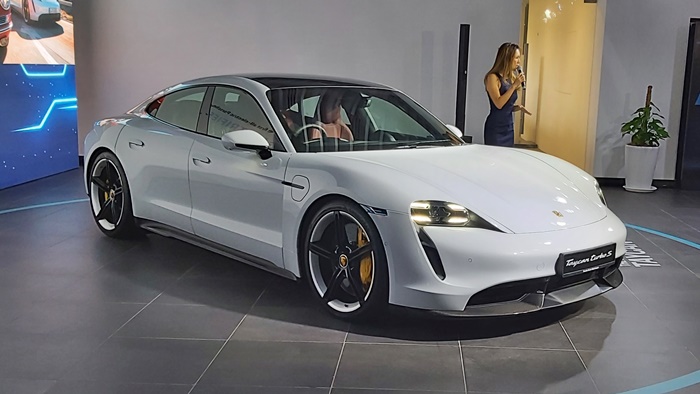
Porsche Taycan

Relative of Porsche Taycan
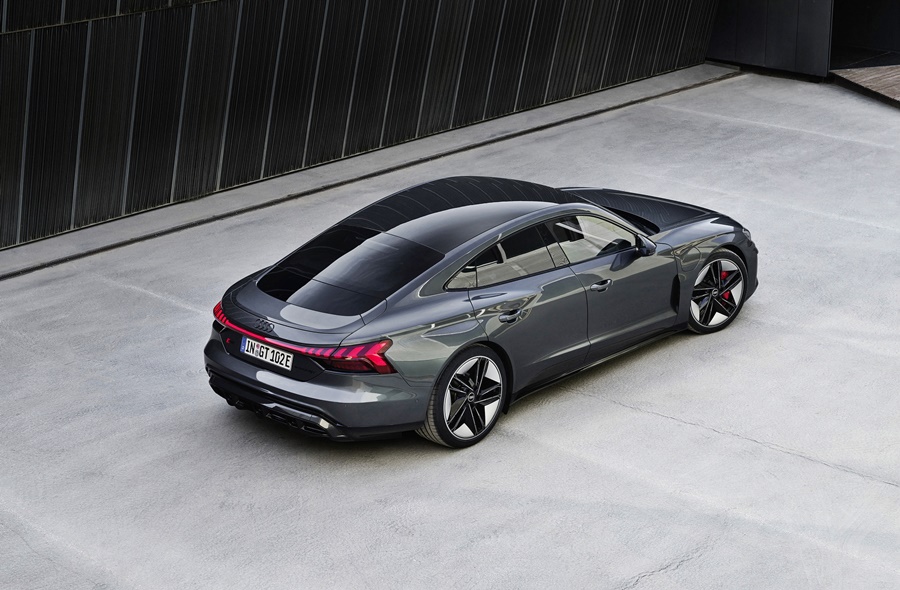
The exterior of the e-tron GT is a dynamic work of art. A relative of the Porsche Taycan, Audi’s new 4-door coupe offers a new, very progressive interpretation of the classic Gran Turismo. It has the proportions like a sportscar, with the usability of a 4-seater. Each surface and each line is harmonious, from the headlights, which are available with Audi laser light, to the large diffuser at the rear.

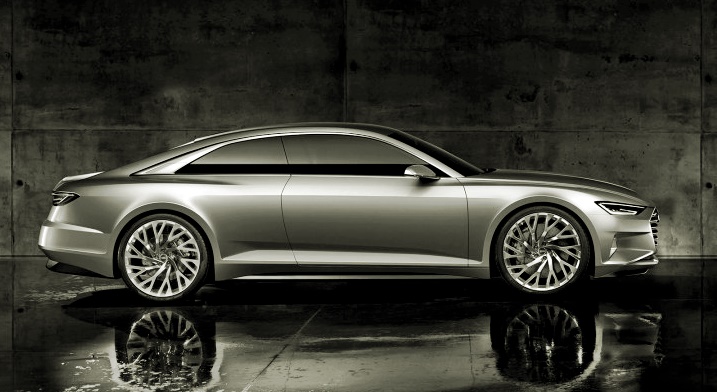
Following the Audi Prologue design study, which offered a preview of the design language of the subsequent full-size class models as a showcar in 2014, the e-tron GT constitutes the next evolutionary stage of the Audi design language. In combination, the details create a sculpture that looks like it was shaped by the wind. The body line is extremely aerodynamic, and the drag coefficient is just 0.24 Cd.

2014 Audi Prologue Concept

2021 Audi e-tron GT quattro / Audi RS e-tron GT

Classic gran turismo interior
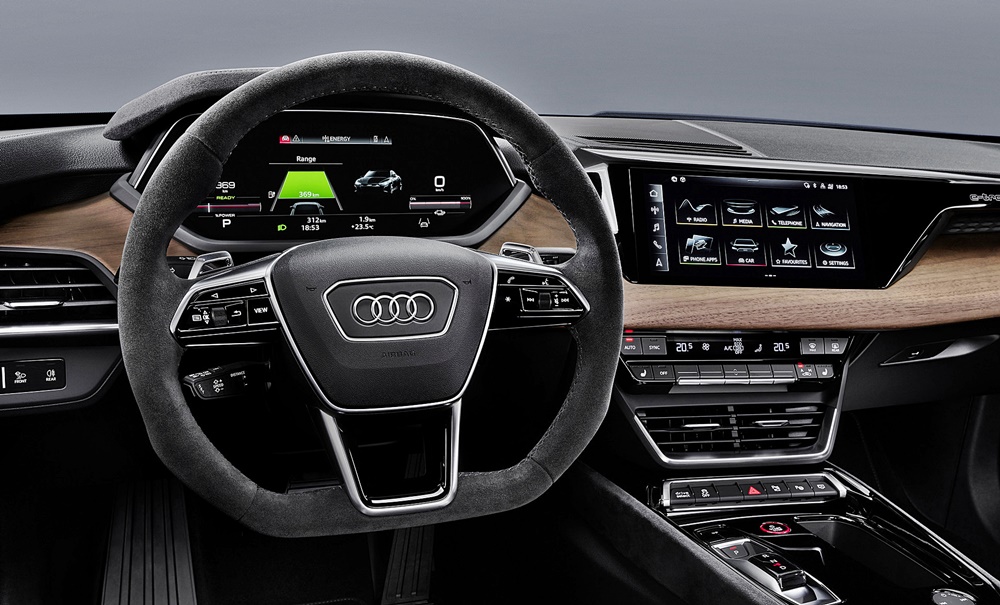
The interior also corresponds to that of a classic gran turismo. The strong focus of the interior on the driver, inspired by the monoposto idea, is a characteristic of sporty Audi models and the e-tron GT in particular. The driver and front passenger seats are installed in a sporty low position and separated by a wide centre console, and the rear seats provide sufficient space even for adults.

2021 Audi RS e-tron GT

The central dashboard is tilted slightly to the left, and the pronounced three-dimensional instrument panel looks light and lean. Its upper section is drawn away from the driver in a large, elegant arc. The display of the Audi virtual cockpit plus stands freely in this space, while the MMI touch monitor is surrounded by a black piano finish bezel that seems to float above the instrument panel.

Like all Audi models, the e-tron GT is connected extensively. The infotainment, the online services from Audi connect, and the assist systems are state-of-the-art. And since the dynamic work of art must also sound good, Audi has composed a unique sound – powerful and progressive – for the e-tron GT.

2021 Audi RS e-tron GT

2021 Audi e-tron GT

Range of up to 487 kms
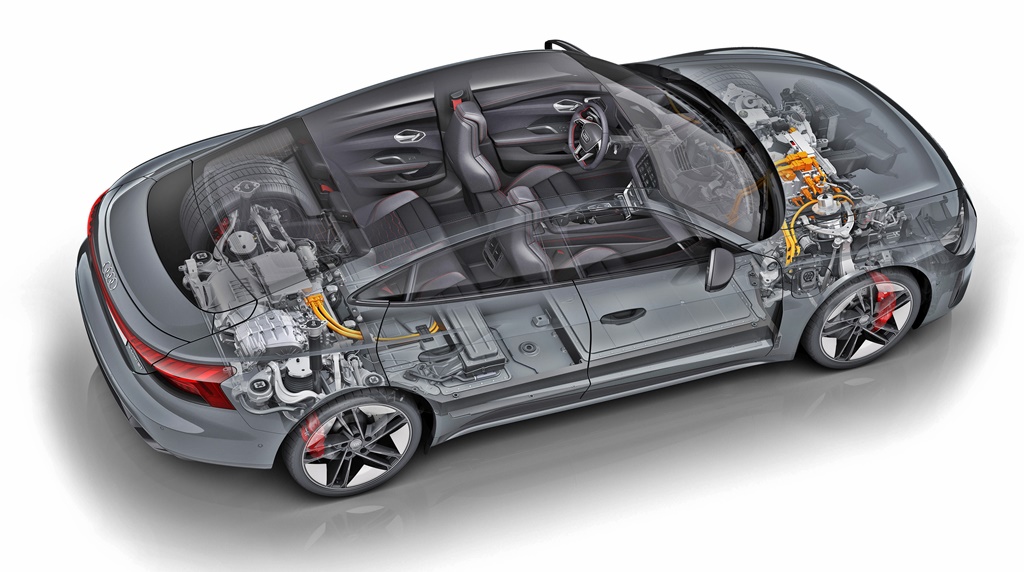
Depending on the version, the electric motors can generate 350 kW (476 ps) or 440 kW (598 ps). The stated range of up to 487 kms which is made possible by the battery and its net capacity of 85 kWh, is equally important. Its 800V technology enables fast DC charging with an output of up to 270 kW.

2021 Audi RS e-tron GT

The suspension is also based in the balance of dynamism and comfort, thanks to technologies such as Audi drive select, all-wheel steering, controlled damping, three-chamber air suspension, electric all-wheel drive, and the rear-axle differential lock. The brake discs – which are available in carbonfibre ceramic as an option – have a diameter of up to 420 mm.

Presales of the two models start this month with the e-Tron GT priced in Germany from €99,800 (about RM490,000), rising to €138,200 (about RM677,235) for the RS e-tron GT.

Audi goes further with its digital OLED technology (w/VIDEO)

BHPetrol Euro5 Diesel

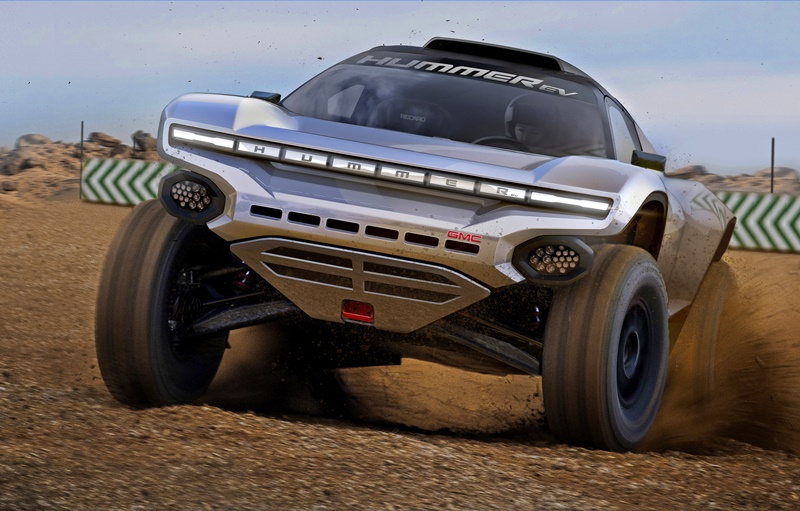
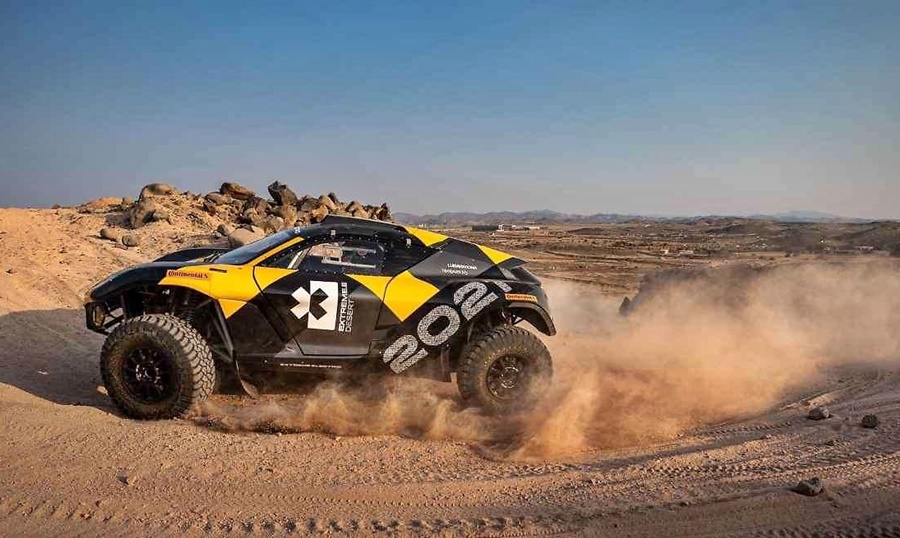
GMC (a division of General Motors) will compete in the inaugural Extreme E championship which starts this April. The event will be an ideal showcase for the company which is embarking on electrification with its all-electric Hummer EV which was unveiled last October.

The Extreme E championship is for vehicles powered only by electricity and a specially-developed all-electric inspired by the Hummer EV will be used. Development of the vehicle and the racing team entering it is Chip Ganassi Racing, a team which has won in many iconic races including the 24 Hours of Le Mans.

“I can’t think of a better fit than showcasing the look of GMC’s HUMMER EV in Extreme E with Chip Ganassi Racing,” said Jim Campbell, General Motors U.S. Vice-President, Performance and Motorsports. “Both GMC HUMMER EV and the Extreme E series are designed to be revolutionary – to challenge perceptions of electric vehicles and to showcase their true capability.”

Kyle LeDuc and Sara Price, the crew for the GMC-Chip Ganassi Racing entry.

GMC association with Chip Ganassi racing will be for a number of years. This year, the team will have noted off-road racers Kyle LeDuc and Sara Price as drivers in the Extreme E event. The event regulations specify that there must be one male and one female member, and both must also perform driving duties.

The GMC Hummer EV production model which has 1,000 horsepower.

Global championship
The 5 rounds of the Extreme E championship will take place in some of the world’s most remote locations. Each round will take place within an area no larger than 10 square kms. Routes will be designed to incorporate existing obstacles and features with elevation changes and jumps without the need to adapt the natural setting, thereby avoiding negative impact on the environment.

The opening Desert X Prix round takes place in AlUla in the northwest of Saudi Arabia on April 3 – 4. The calendar for the rest of the year is as follows:
Ocean X Prix: Lac Rose, Senegal – May 29-30
Arctic X Prix: Kangerlussuaq, Greenland – August 28-29
Amazon X Prix: Para, Brazil – October 23-24
Glacier X Prix: Patagonia, Argentina – December 11-12

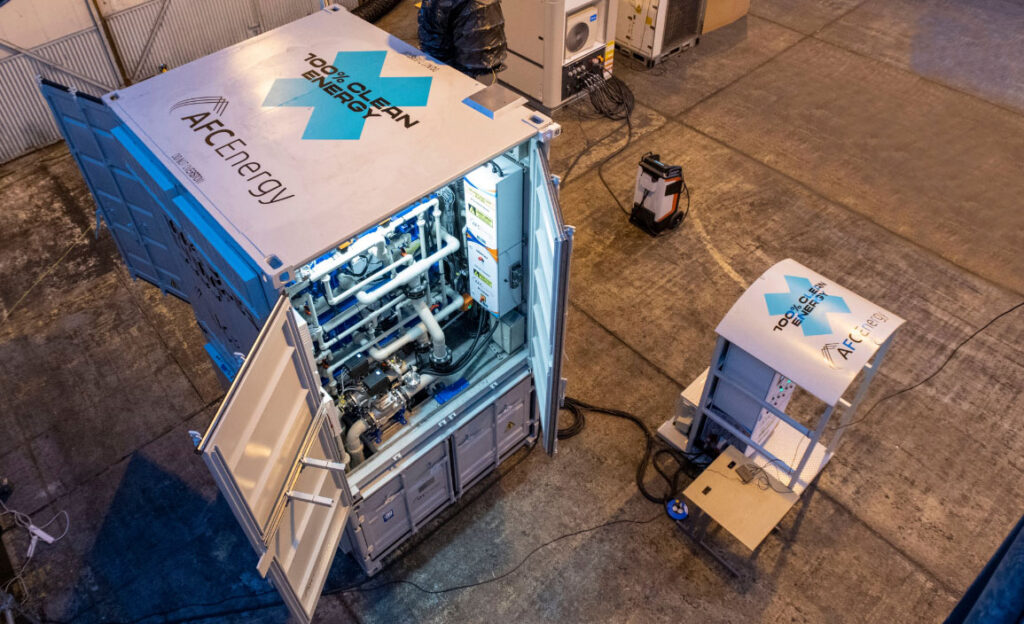
An interesting aspect of the event will be the way the vehicles are ‘refuelled’ as they require electricity. A special hydrogen fuel cell generator has been developed in collaboration with AFC Energy, and this technology will allow Extreme E vehicles to recharge using zero emission energy, with the only by-product being water for utilisation elsewhere after each round.

Hydrogen fuel cell generator will provide electricity to recharge vehicles on-site during the event.

Raising awareness of climate change
One of the main goals shared by Extreme E’s founders, partners and participants is to raise awareness among spectators of the challenges facing society as a whole, such as climate change, humankind’s interaction with the environment and the protection of threatened animal and plant species.

“This new racing format is an opportunity for us to show that our high-performance tyres keep delivering even under extreme conditions. But Extreme E is also a radical new initiative for raising awareness of the challenges facing the modern world. It is this unconventional mix of adrenaline, entertainment and sustainability that makes this series so exciting. That is why we became Founding Partners and sponsors of the series in January and why we are really looking forward to the test phase,” said Sandra Roslan, Extreme E project leader at Continental, one of the founding partners of the event.

Hispano Suiza team unveils all-electric off-roader for Extreme E

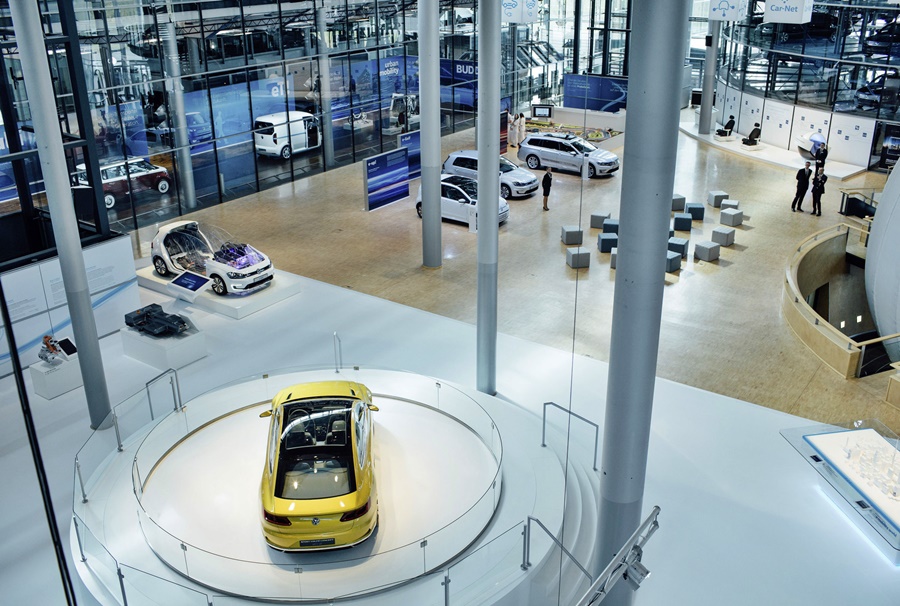
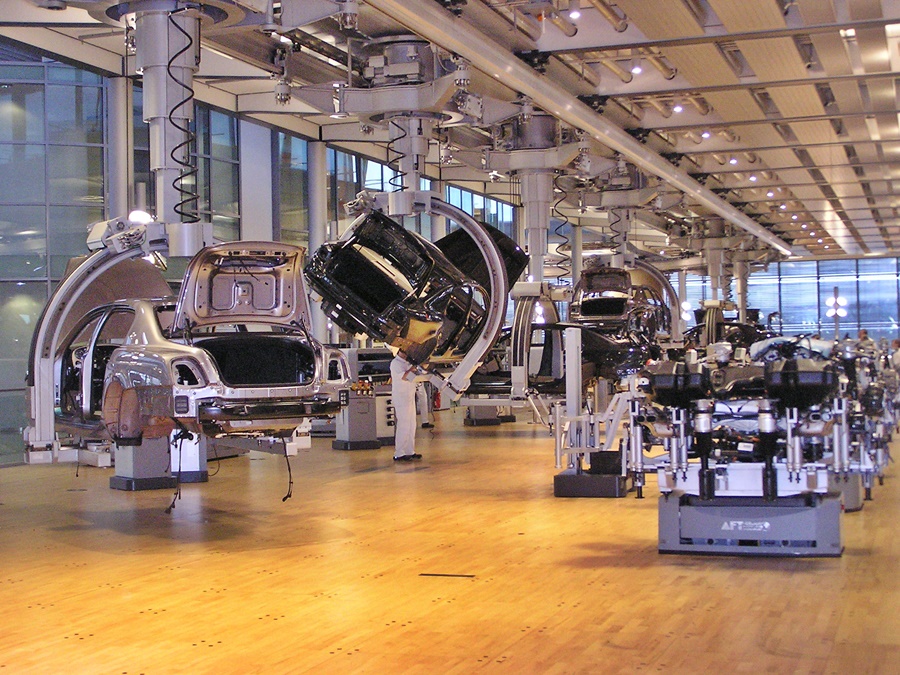
Volkswagen’s Transparent Factory, located in Dresden (which used to be in the former East Germany), began operations in 2002 making the company’s Phaeton luxury sedan. At one point, it was also used for production of the Continental Flying Spur by Bentley, which is part of the Volkswagen Group. The unique factory, with glass walls, also assembled the e-Golf.

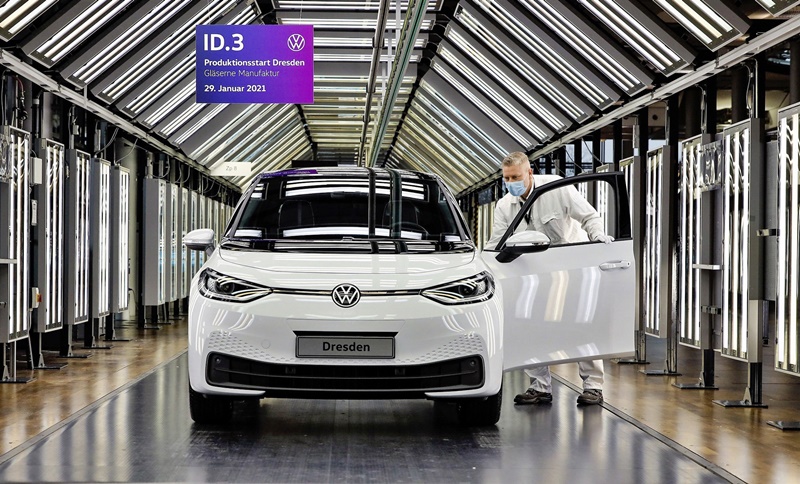
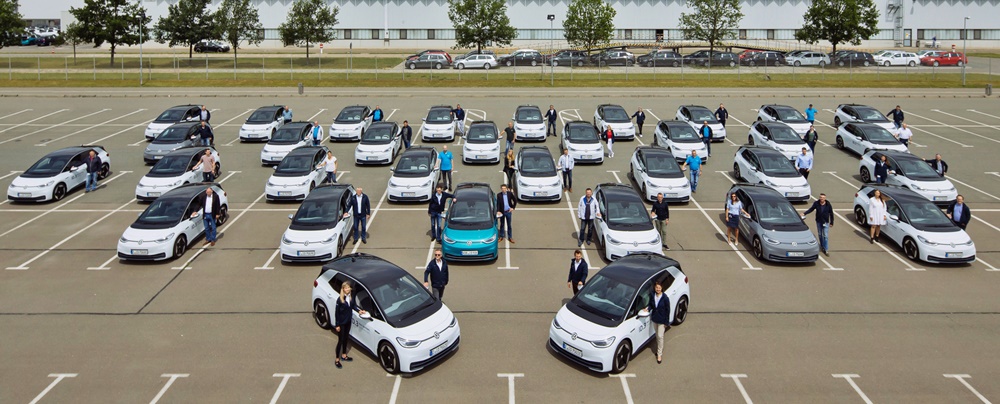
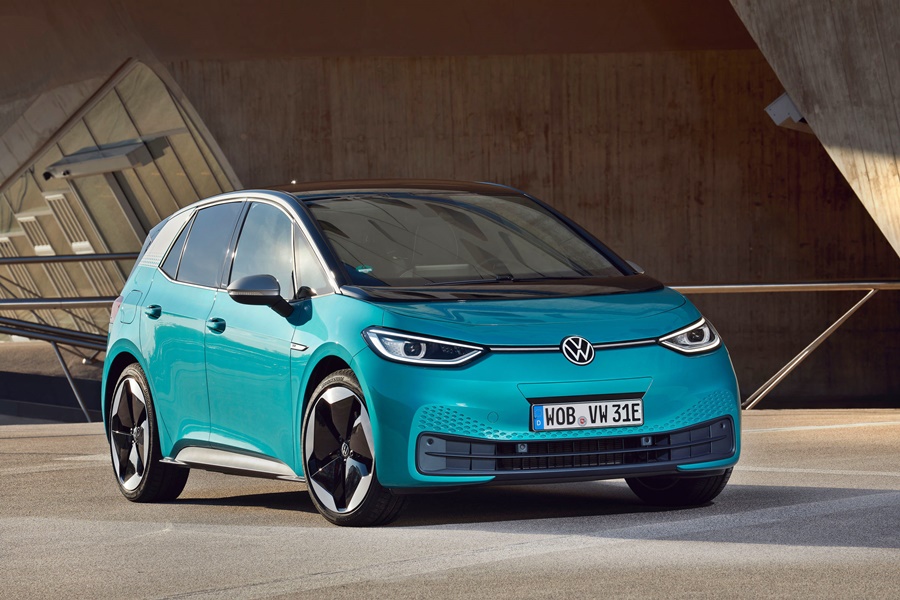
Now, it is making the ID, Volkswagen’s range of all-electric vehicles. It is the second production site for the ID.3 and already the fourth site in the world producing Volkswagen models based on the Modular Electric Drive Toolkit (MEB). Over the coming years, the former ‘Centre of Future Mobility’ will steadily transform into the ‘Home of the ID’.

Showcase for mobility of tomorrow
“The Transparent Factory plays an important role within the Volkswagen brand. Here, visitors, customers and guests come into direct contact with the mobility of tomorrow. We are a production plant, tourist attraction, event location, test lab and delivery centre – all in one. With the start of the production of the ID.3, we are giving the green light for our strategic realignment,” said Danny Auerswald, Site Manager of the Transparent Factory.

An additional focus of the strategic realignment is the development of a research and innovation site that drives innovative projects on a pilot scale for later use in large capacity sites at Volkswagen.

Holistic experience
As it was before, the Transparent Factory offers customers, visitors and guests a holistic experience of the ID. family – from initial advice and test drives, to production visits, co-constructing the ID.3 and modern event formats, up to the handover of the electric  vehicles.

The first ID.3 rolled off the assembly line recently, and as with the start-up of the e-Golf in 2017, the production of the ID.3 will also start with one shift and 35 vehicles from Monday to Friday. Visitors can tour the factory from Mondays to Sundays.

The Transparent Factory, located in the former East Germany, also offers tours to the public and customers can collect their vehicles there as well.

In future, significantly more vehicles will be handed over to customers in the Transparent Factory. To that end, a second delivery point was recently set up in the factory – which is unique in the automobile industry. The number of vehicle handovers to customers is expected to increase from 1,301 in 2019 and 3,296 in 2020, to more than 5,000 vehicles in 2021. The goal is around 9,700 deliveries a year by 2022.

Conversion of the factory
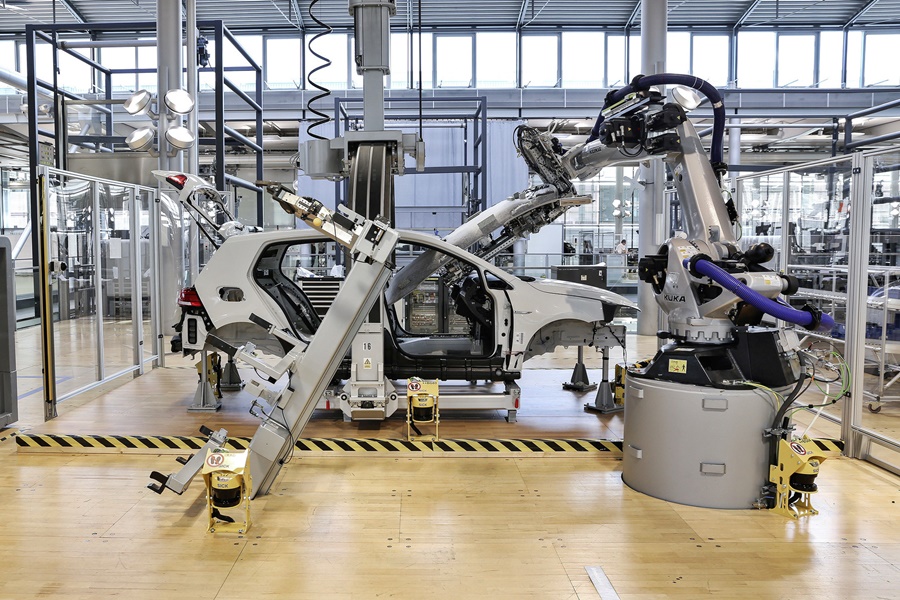
At the beginning of 2021, the production area of the Transparent Factory was converted to meet the requirements of the MEB. The first conversions for the ID.3 already took place in summer 2020. As one of seven stations, the ‘marriage’, where the body and chassis are bolted together, was adapted. The conversion measures include, for example, the installation of a system on which the panoramic roof is fitted and for the adaptation of the gripping devices for installing the cockpit and seat system.

The factory produced the Phaeton as well as Bentley Continental Flying Spur (above) and e-Golf (below).

Fourth MEB factory
The Transparent Factory is already the fourth site in the world producing Volkswagen electric cars based on the Modular Electric Drive Toolkit. At the end of 2020, the Chinese sites in Anting and Foshan also started production of MEB vehicles. Together, the two plants in Germany and two plants in China have a maximum production capacity of more than 900,000 vehicles a year. Two more  sites in Germany and one in the USA are also preparing for MEB production.

The topic of Production 4.0 will also be driven forward in the Transparent Factory. The guiding principle is the automation and digitalization of complex operations within assembly and logistics. Specifically, the factory will act as a planned pilot plant in the company for the development and application of new technologies in volume production processes.

To know about Volkswagen models available in Malaysia, visit www.volkswagen.com.my.

2020 Volkswagen ID.3 makes global debut

StayAtHome

To know about other promotions, visit www.bhpetrol.com.my.

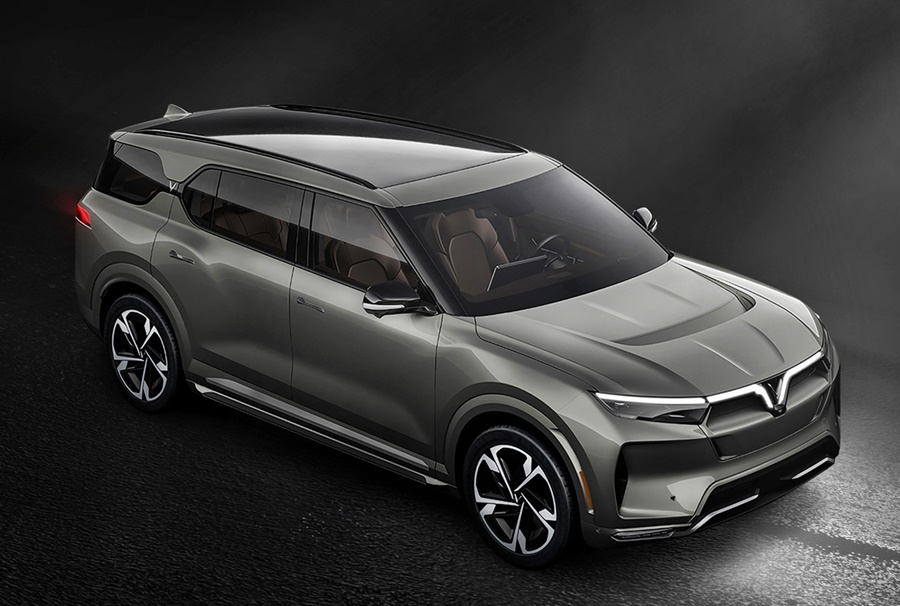
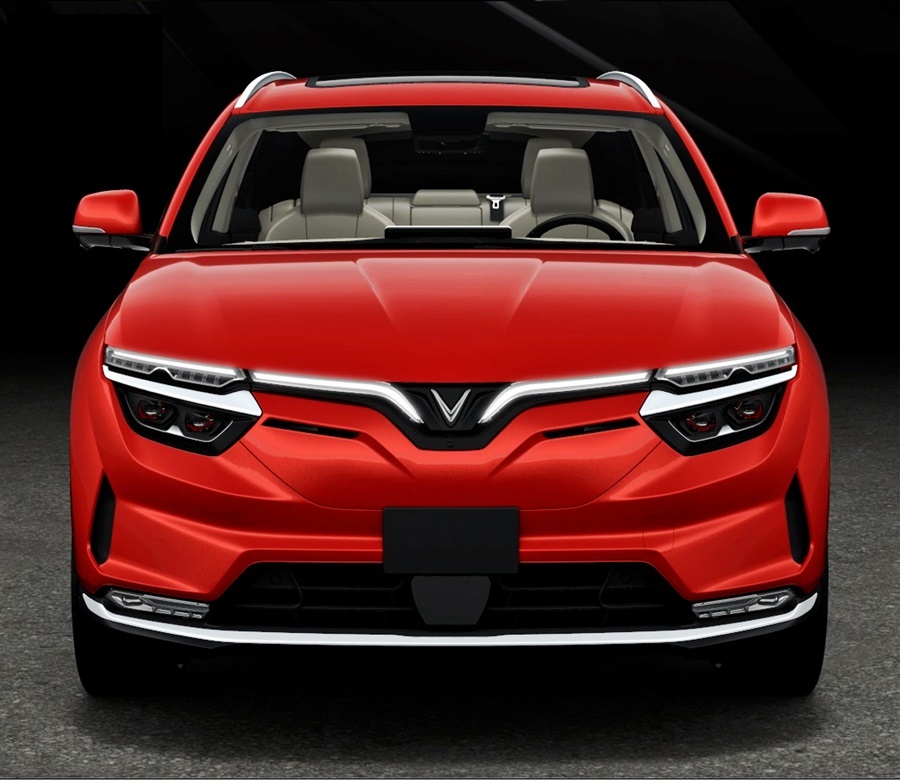
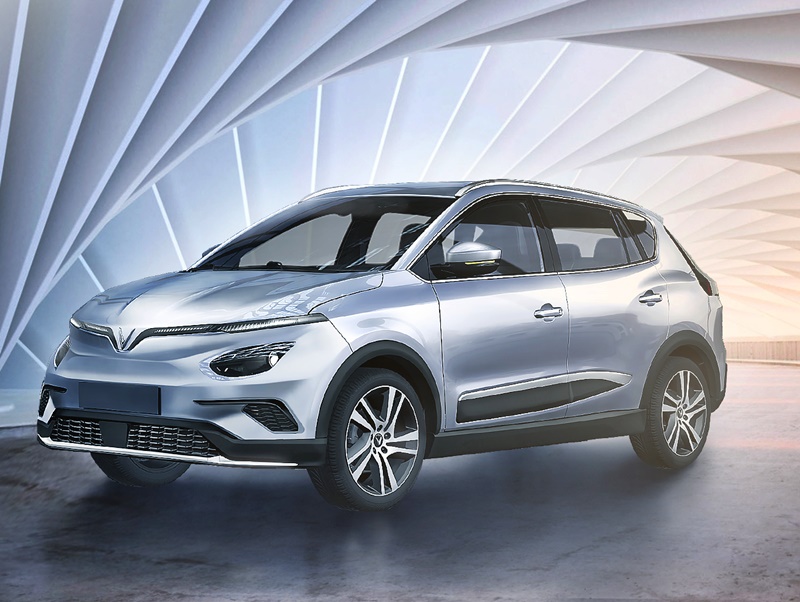
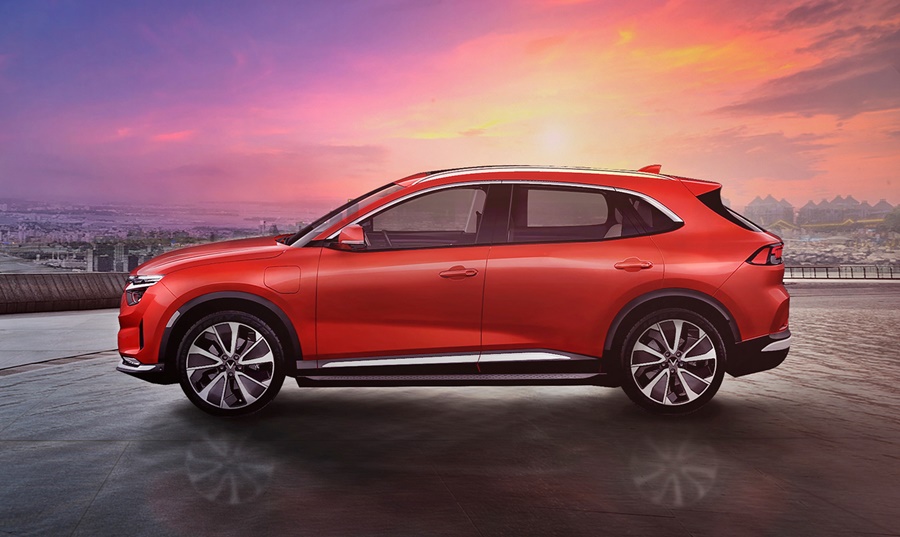
Vinfast, the Vietnamese carmaker which has been in operation for 3 years, has completed development of its first three smart cars. While the company aims to become a major global player in the EV (electric vehicle) segment, these new models are also available with 2-litre petrol engines.

The new range consists of the VF31, VF32, VF33, in which VF31 is a mid-size C-segment SUV while the VF32 will be one size up in the D-segment and the VF33 will be in the E-segment. The VF31 will be available with only an electric powertrain, while the VF32 and VF33 will each have 2 electric and petrol versions.

All 3 models have Level 2-3 autonomous features, with 30 smart features divided into 7 groups. These include intelligent driver assistance system, adaptive lane control system, cruise control system active, multi-point collision warning system, comprehensive collision mitigation system, intelligent automatic parking system and driver monitoring system.

Vinfast expects that, at launch, these will be the few SUVs in the world with many Level 3 autonomous features. For the high-end versions, high-performance sensor systems will be used. These will employ LiDAR sensors with 14 cameras capable of detecting objects up to 687 metres away. Around the vehicles will be 19 sensors to scan 360 degrees which can operate at high speeds above 100 km/h.

The self-driving system controlled by the Orin-X chip can process up to 200 GB of data per second, allowing control and navigation 8 times faster than current generations. In addition, the premium version of all 3 models is equipped with some Level 4 autonomous features such as automatic 3-dimensional map setting (market-dependent), allowing automatic parking and location, as well as summoning the vehicle.

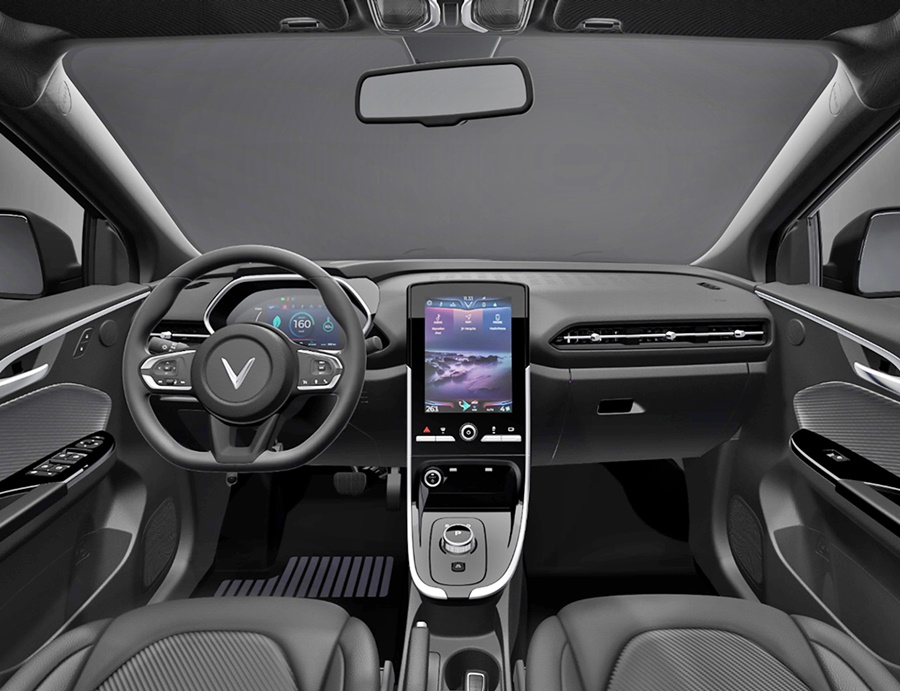
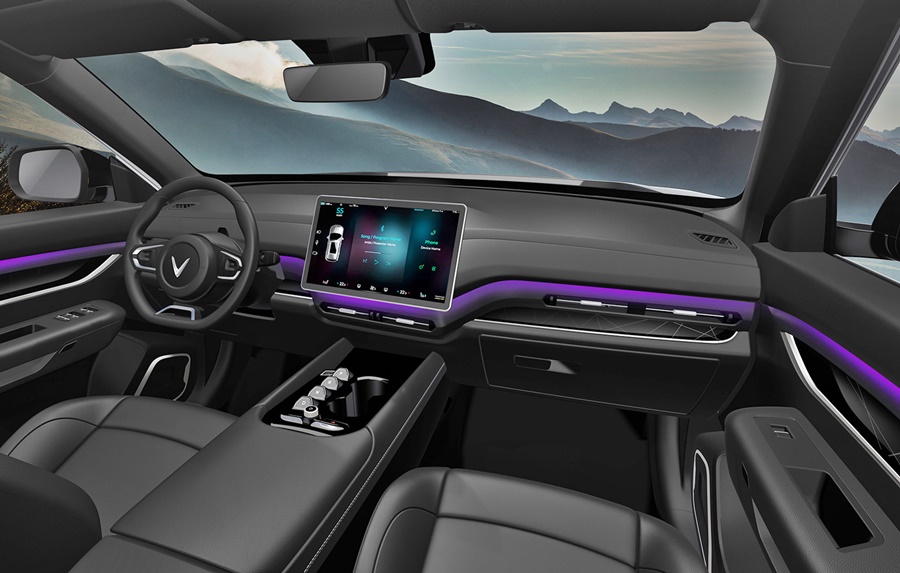
In addition to autonomous features, Vinfast has applied a user-centric development philosophy. There are smart features in the e-cockpit virtual cockpit which makes use of artificial intelligence technology (AI), machine learning and deep learning, facial recognition, and a multilingual virtual assistant.

The objective of using advanced technologies is to provide comfort and enjoyment when travelling in the vehicle. The occupants will also have an extensive range of customization so that they can personalize the vehicle according to characteristics and usage habits.

The vehicles are engineered to meet the world’s highest safety standards and are expected to be able to score the maximum 5-star ratings in the US NHTSA and Euro NCAP assessments. Besides the usual active safety systems to assist the driver, there are also automatic detection, warning and notification systems to medical facilities in the event of an accident.

Vinfast says that the battery packs. Which can provide a range of over 500 kms, are situated under the floor of the vehicle. They are designed to high safety standards and will have the ability to update software remotely, automatically detect faults on the vehicle and automatically contact the service centre.

The first model to go into production this year will be the VF31 and orders from the domestic market will be accepted from May, with deliveries to begin from November 2021. Order-taking for the VF32 and VF33 models will start from September 2021, with first deliveries planned to start from February 2022.

Vinfast also has ambitions to export the SUVs to the US market by the middle of next year. It is not easy to get into the US market as the regulations are tough, especially for safety. Emissions should of course be no problem since it is electric, and the autonomous capabilities should put Vinfast ahead of others.

Vinfast to offer one of the most powerful SUVs in the world

Archive

Follow us on Facebook

Follow us on YouTube