
Piston.my

EV

To know more about promotions at BHPetrol stations, visit www.bhpetrol.com.my.

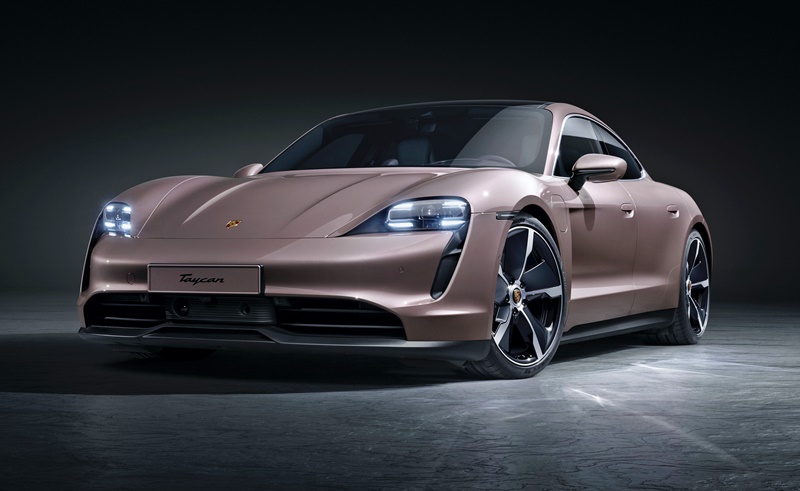
Porsche is steadily expanding its all-electric Taycan range with a fourth variant that has rear-wheel drive. It is called just Taycan, no suffix, which reflects it entry-level position in the range which has the Taycan Turbo S, Taycan Turbo and Taycan 4S. Sime Darby Auto Performance will have the model in Malaysian showrooms from March this year and is pricing it from RM584,561 with sales tax until June 30, 2021.

As the youngest member of the family, the Taycan comes with the new features introduced in the other versions at the model year changeover. As on the other variants, optional equipment includes a colour head-up display and an on-board charger with a charging capacity of up to 22 kW.
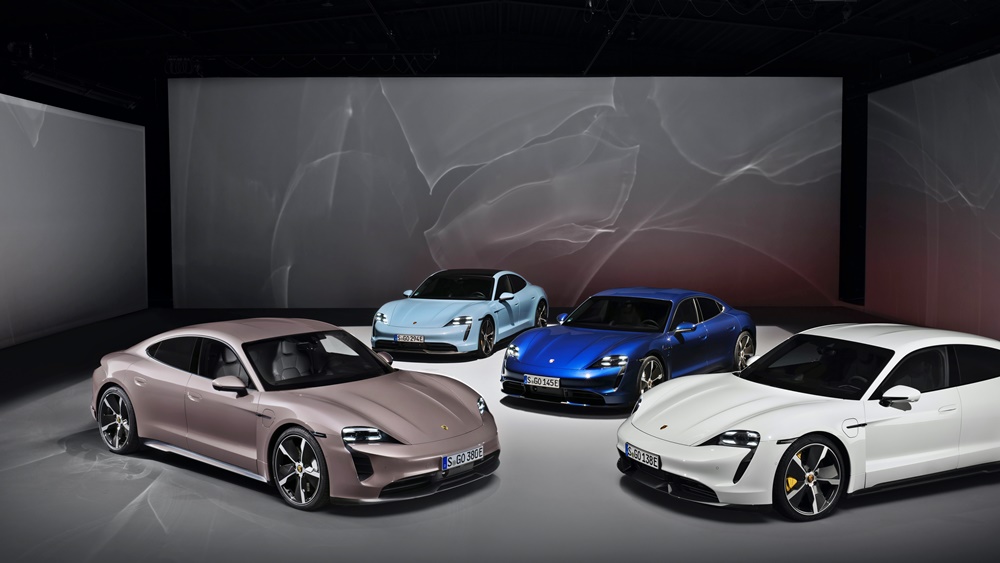
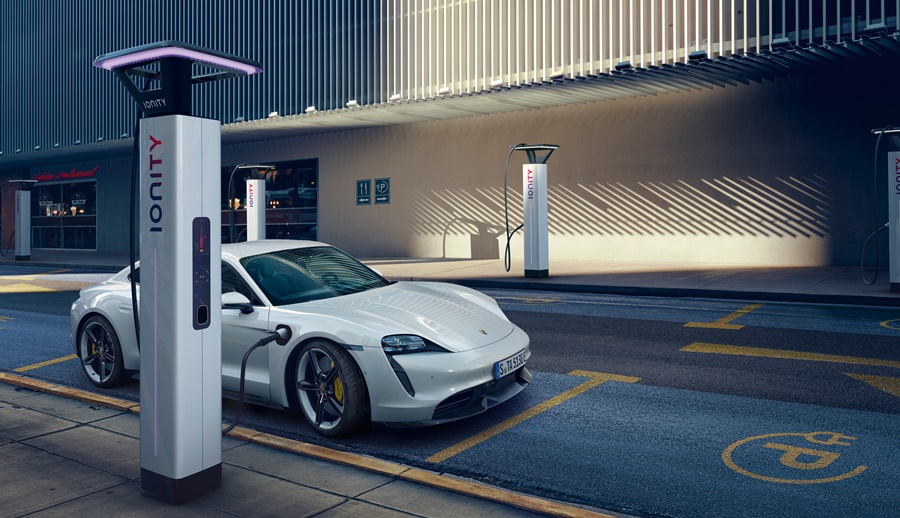
2021 Porsche Taycan

Two battery pack choices
Two battery pack sizes are available: the standard Performance Battery and the optional Performance Battery Plus. The new entry-level model delivers up to 300 kW (408 ps) in ‘overboost’ mode with Launch Control; this increases to an output of up to 350 kW (476 ps) with the optional battery pack. Nominal power is 240 kW (326 ps) or 280 kW (380 ps), respectively. The range with the standard battery pack is claimed to be up to 431 kms, while the more powerful pack will extend it to 484 kms.

Maximum charging capacity is up to 225 kW (Performance Battery) or up to 270 kW (Performance Battery Plus). This means that both batteries can be charged from 5% to 80% in 22.5 minutes and that power for a further 100 kilometres is achieved after only 5 minutes. Just as with the other variants, the Taycan has intelligent charging management.
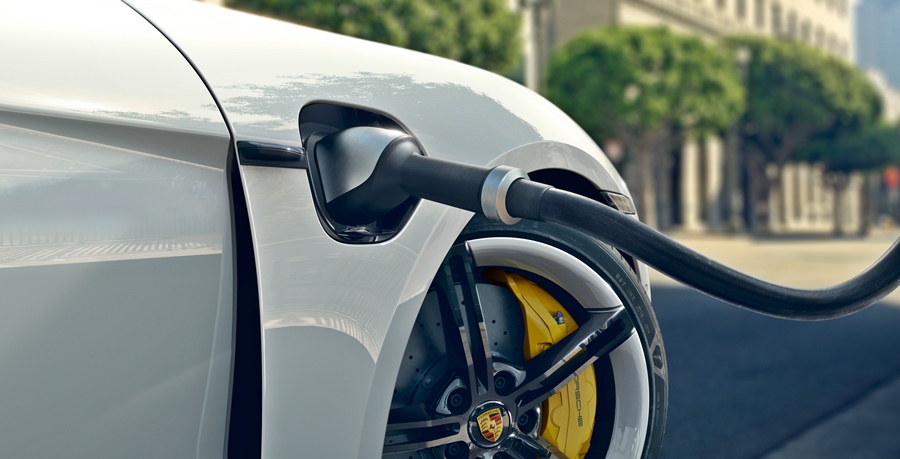
2021 Porsche Taycan

The Taycan can accelerate from a standing start to 100 km/h in 5.4 seconds, it is claimed, and having the more powerful battery pack makes no difference to acceleration time nor top speed which is said to be 230 km/h.

In addition to the electric  motor on the rear axle, the drive architecture also includes a 2-speed transmission. With a Cd value from 0.22, its aerodynamics make a significant contribution to its low energy consumption, contributing to long range.

Incidentally, this new rear-wheel drive Taycan also holds the Guinness World Record for the longest drift with an electric car, having been driven sideways non-stop for exactly 42.171 kms. You can read about it here.
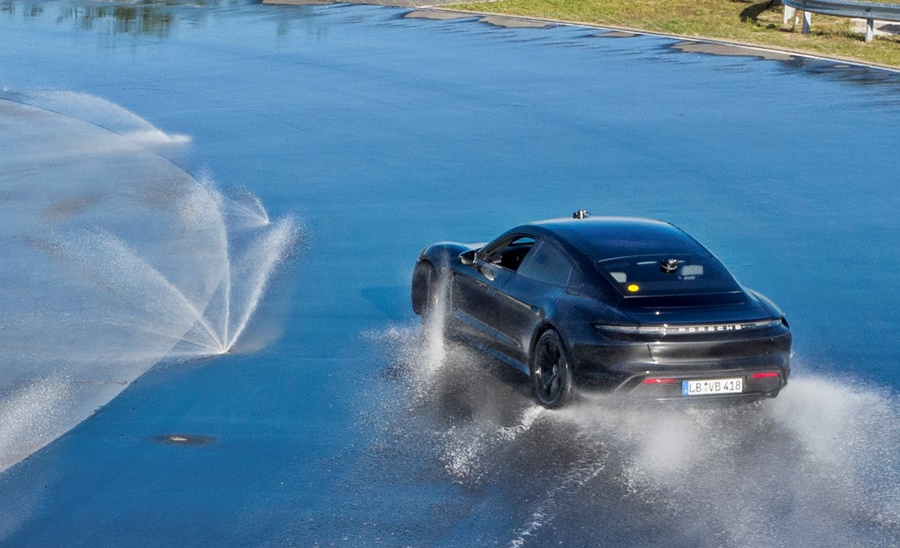
A Taycan drifting its way to a Guinness World record in 2020.

Purist exterior design, Porsche DNA
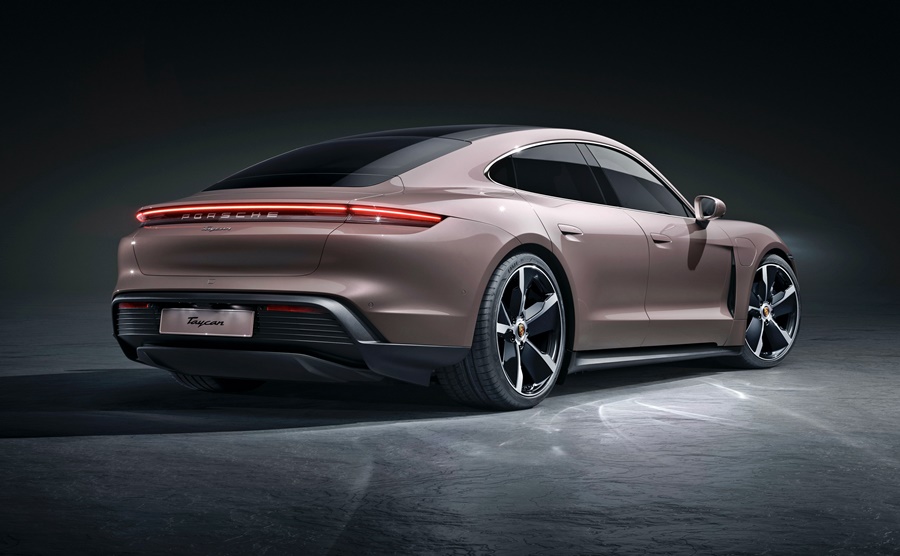
With its purist design, the Taycan signals the beginning of a new era. At the same time, it retains the unmistakable Porsche design DNA. From the front, the electric sportscar looks particularly low and wide, with highly contoured wings. Its silhouette is shaped by its sporty roof line sloping downward to the rear, while its highly sculpted side sections are also characteristic. These features are complemented by innovative elements such as the glass-look lettering for the Porsche logo in the rear light bar.
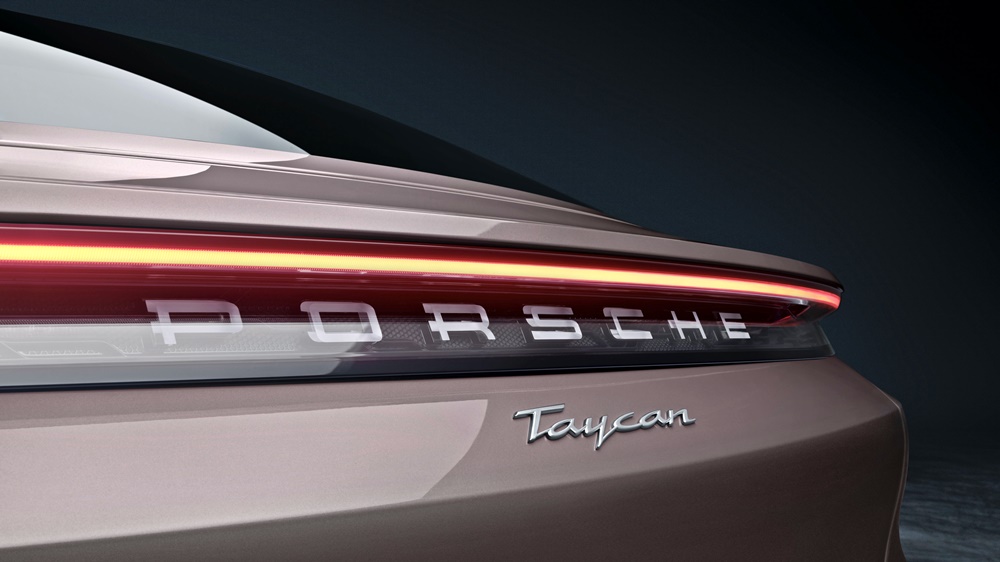
2021 Porsche Taycan

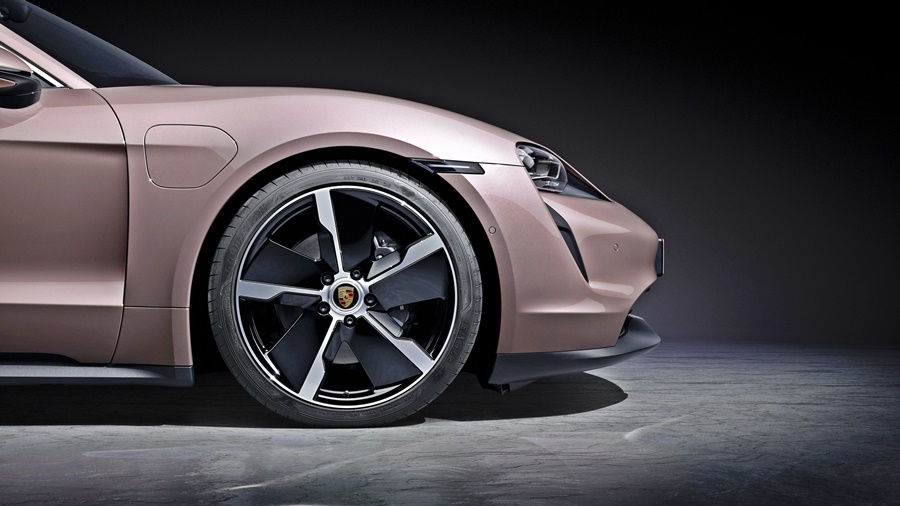
Distinguishing features of the Taycan within its model family include aerodynamically optimised 19-inch Taycan Aero wheels and black anodised brake callipers. The front apron, side sills and rear diffuser in black are the same as those on the Taycan 4S. LED headlights are fitted as standard.
2021 Porsche Taycan

2021 Porsche Taycan

Unique interior design
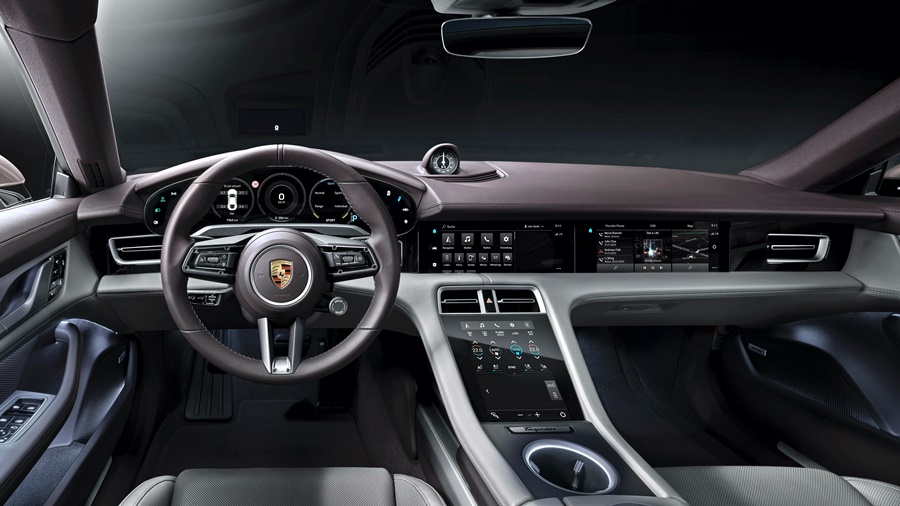
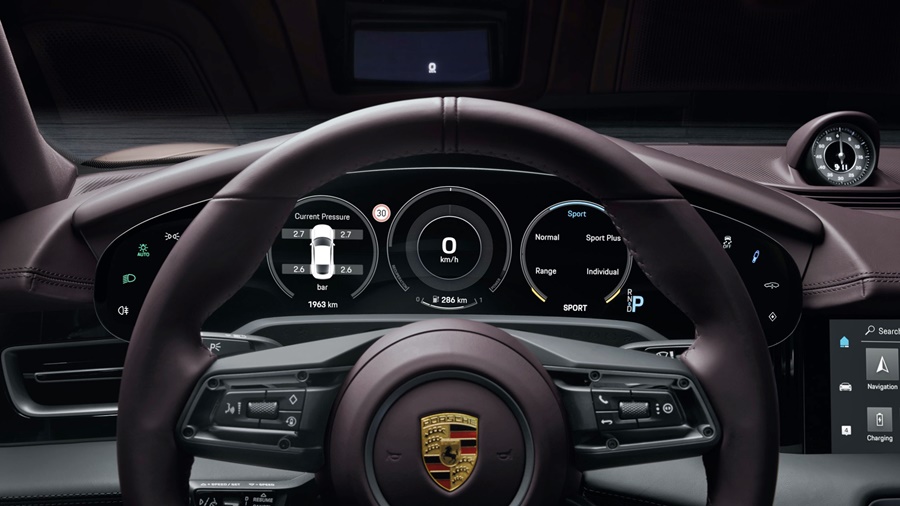
The cockpit of the Taycan unique with its clear structure and completely new architecture. The free-standing curved instrument cluster forms the highest point on the dashboard. This places a clear focus on the driver axis. Other elements include a central 10.9-inch infotainment display and an optional display for the front passenger.

The Taycan is the first Porsche model available with an entirely leather-free interior. Interiors made from innovative recycled materials underscore the sustainable concept of the electric sports car.
2021 Porsche Taycan

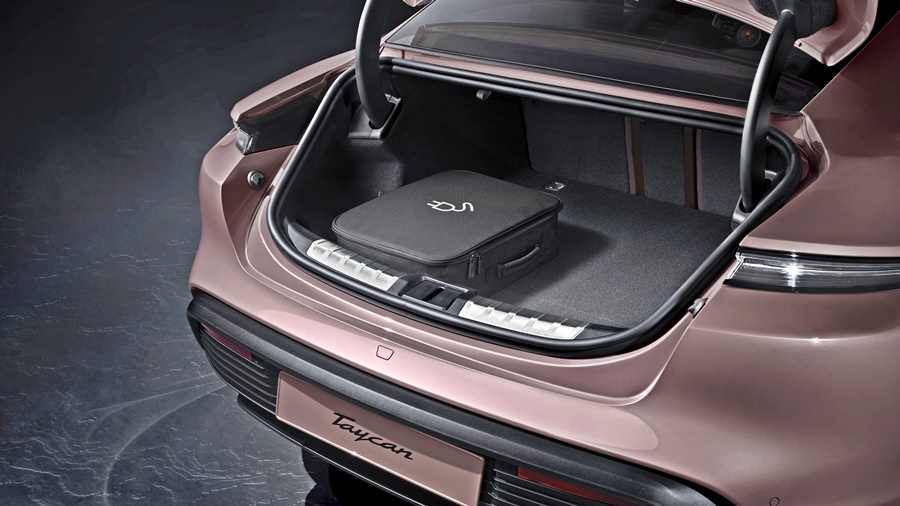
As standard, the Taycan comes with a partial leather interior as well as front comfort seats with 8-way electrical adjustment. There are two luggage compartments – 84 litres at the front, and up to 407 litres at the rear.

Adaptive air suspension
The adaptive air suspension is equipped with a Smartlift function which allows the car to be programmed so that it raises its ride height automatically at certain recurring locations such as road humps or garage driveways. The Smartlift function can also actively influence the height on motorway journeys and can adjust this height for the best possible balance between efficiency and driving comfort.
2021 Porsche Taycan

6-piston aluminium monobloc fixed-calliper brakes at the front and 4-piston aluminium monobloc fixed-calliper brakes at the rear are standard. The brake callipers have a black anodised finish. Customers can also choose an optional high-performance Porsche Surface Coated Brake.
2021 Porsche Taycan

Over 20,000 sold worldwide
Porsche has delivered just over 20,000 Taycans to customers worldwide in 2020. In Norway, the Taycan currently accounts for 70% of all Porsche models sold, and start of November saw the 1,000th unit being delivered in that market.

All-electric Porsche Taycan debuts in Malaysia with pricetag starting from RM725,000

To know more, visit www.bhpetrol.com.my.

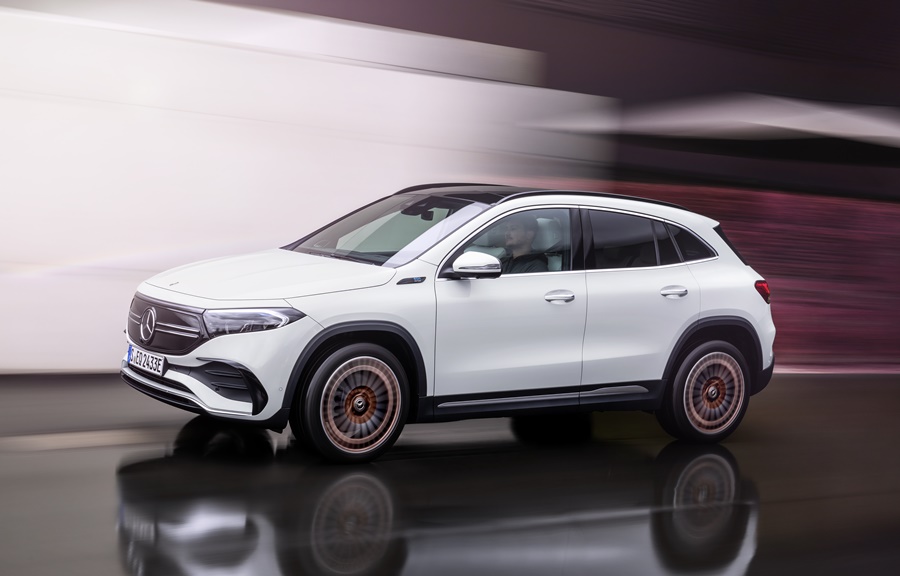
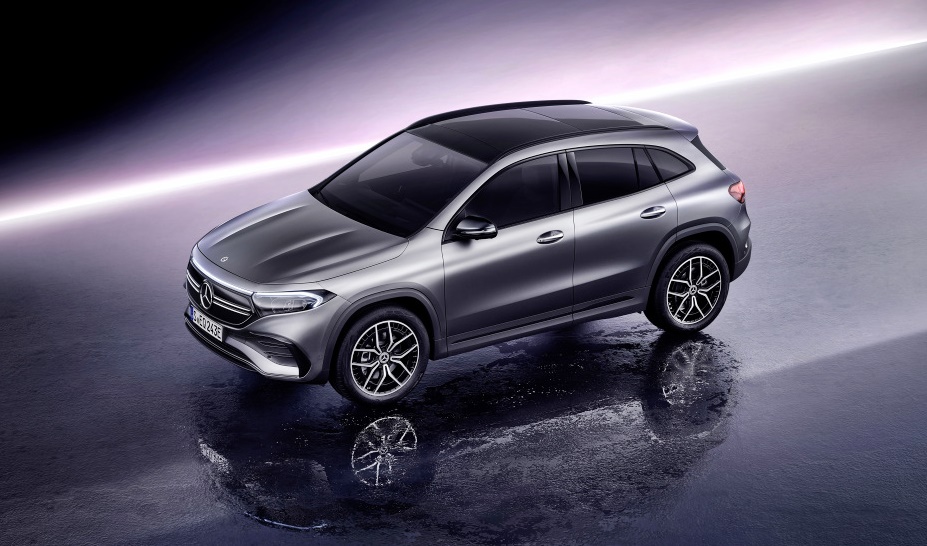
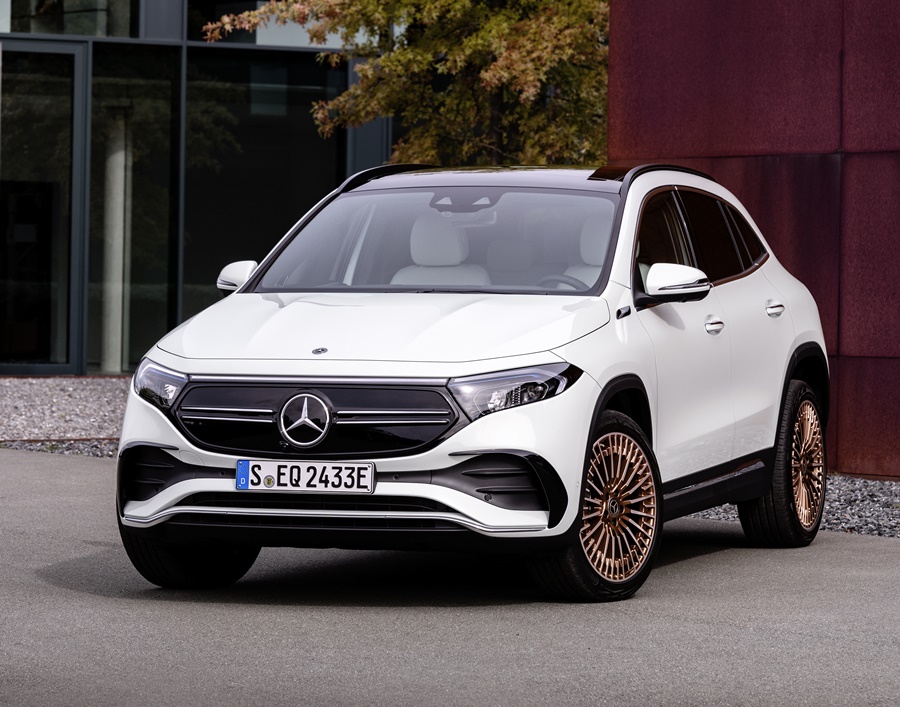
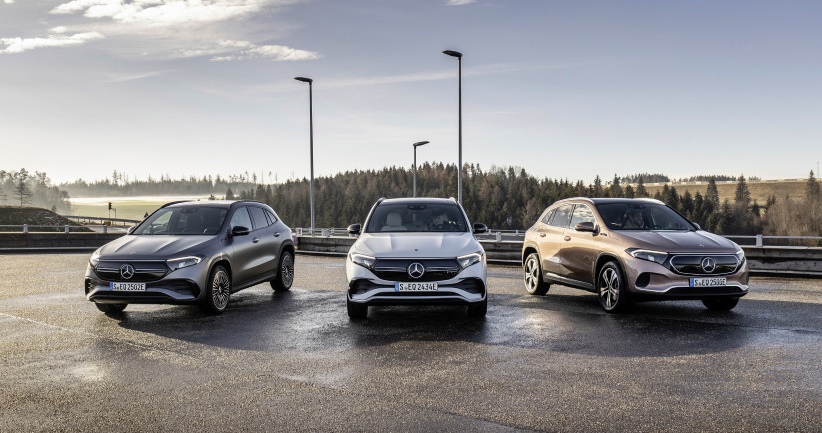
Mercedes-Benz continues its roll-out of its all-electric EQ range, which will total 10 models by 2022, with the unveiling of the EQA. The ‘A’ indicates its entry-level positioning in the big Mercedes-Benz family, and it is considered a member of the compact car line although it has a dedicated electric powertrain.

Besides being built in Germany, from which European dealerships will soon get their units, the EQA will also be built in China. The first version, the EQA 250, will be sold in Germany at prices from 47,540.50 euros (about RM233,000) with various rebates being available from the government and also the manufacturer.

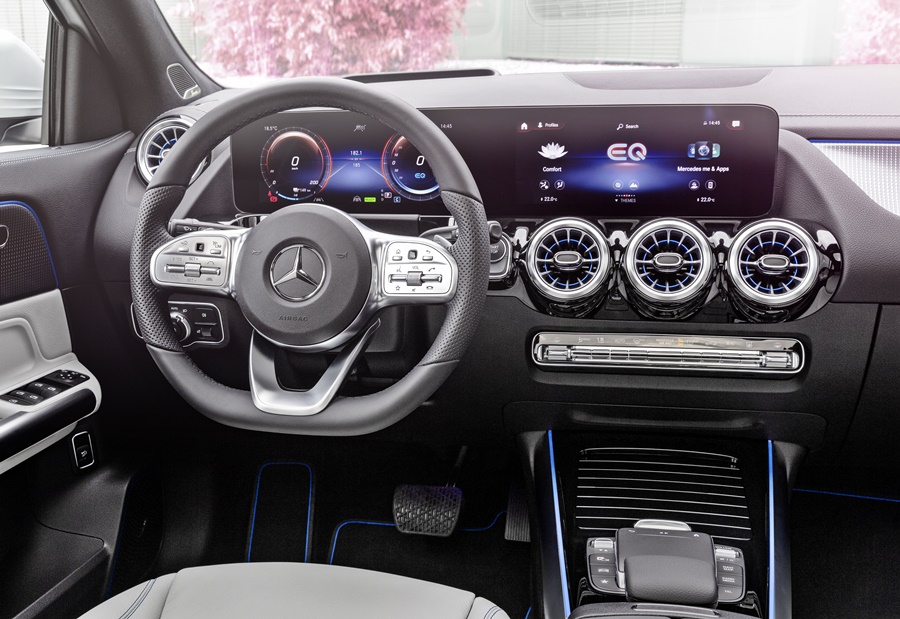
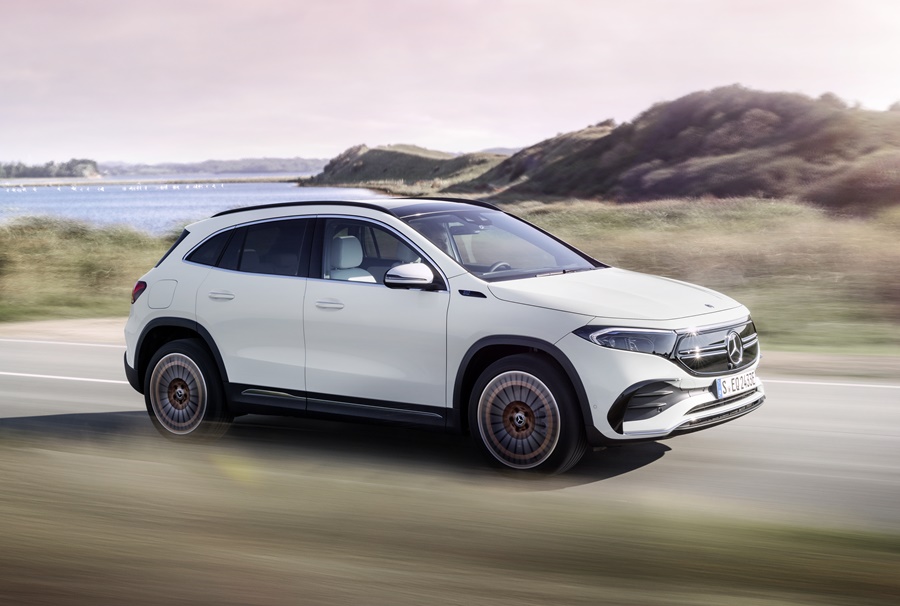
2021 Mercedes-Benz EQA

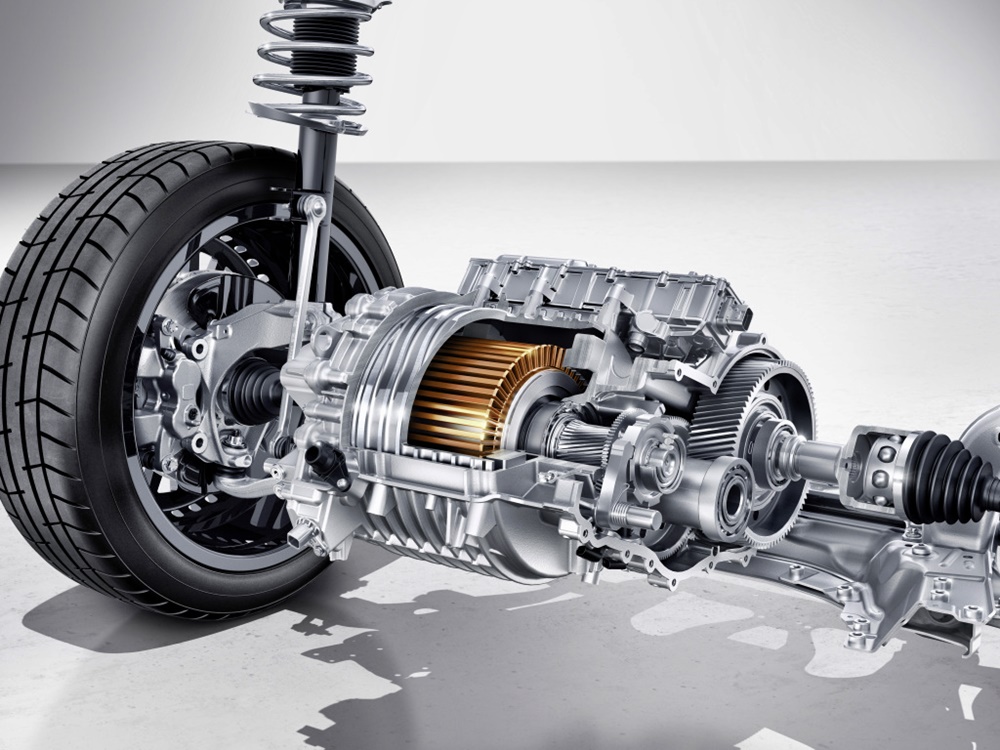
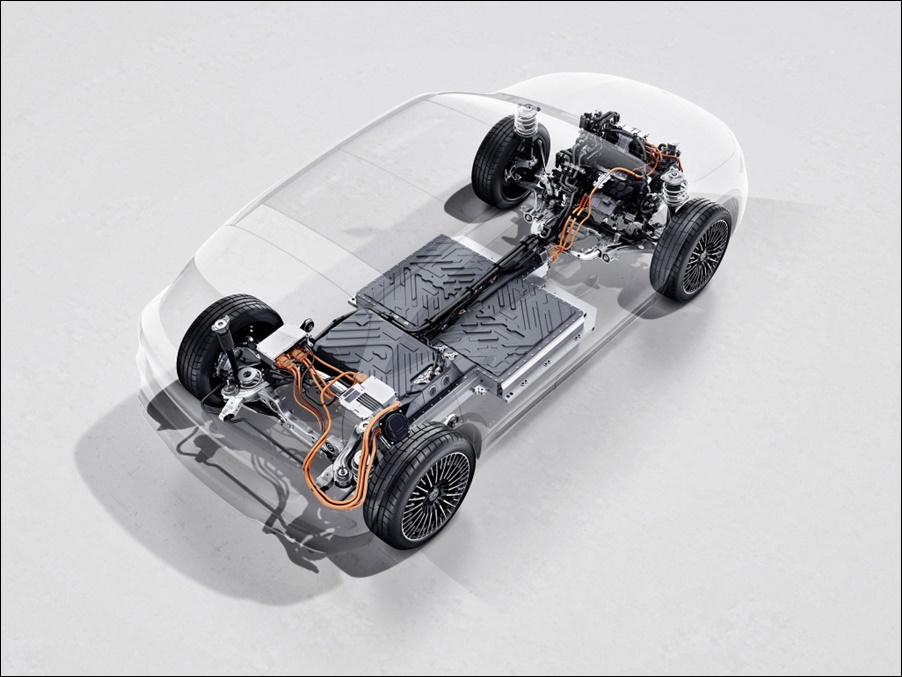
The EQA 250 has a ‘double-decker’ lithium-ion battery pack which sits as a structural element within the underbody of the vehicle. In order to meet the low levels of noise and vibration expected from the brand, complex damping measures have been taken to isolate the electric powertrain from the chassis and body.

The battery pack has an energy content of 66.5 kWh and a stated combined electric consumption of  15.7 kWh/100 kms, and a claimed range of 486 kms. Further variants to meet specific customer requirements will follow. These will include all-wheel-drive with an additional electric powertrain, and, for those wanting range, a version that will go more than 500 kms.

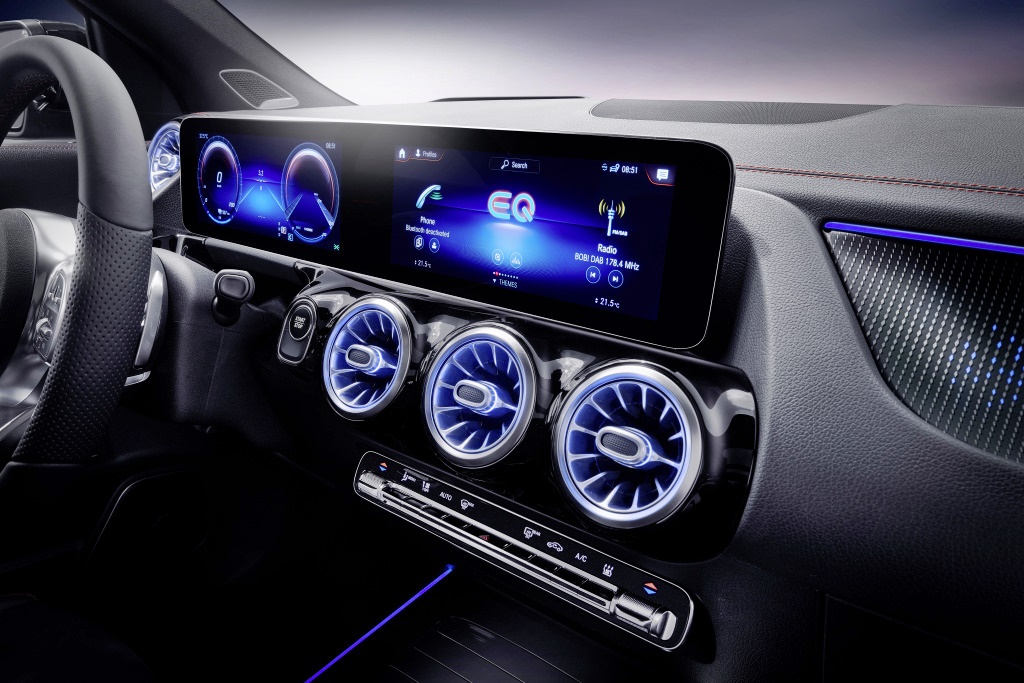
2021 Mercedes-Benz EQA

2021 Mercedes-Benz EQA

Charging management
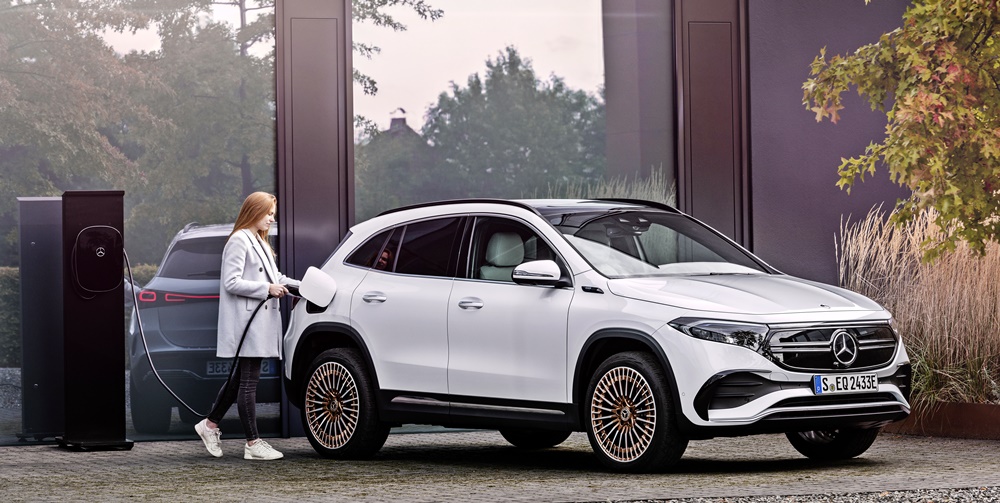
At home or at public charging points, the on-board charger provides a convenient way of charging the EQA with up to 11 kW using alternating current (AC). The charging time required for a full charge depends on the available infrastructure and the country-specific vehicle equipment. Charging at a Mercedes-Benz Wallbox would be considerably faster than at a domestic power socket. Faster speeds can be achieved at direct current (DC) rapid charging stations. Here, the EQA can be charged with a maximum output of up to 100 kW from 10% – 80% in around 30 minutes.

Electro-aesthetics
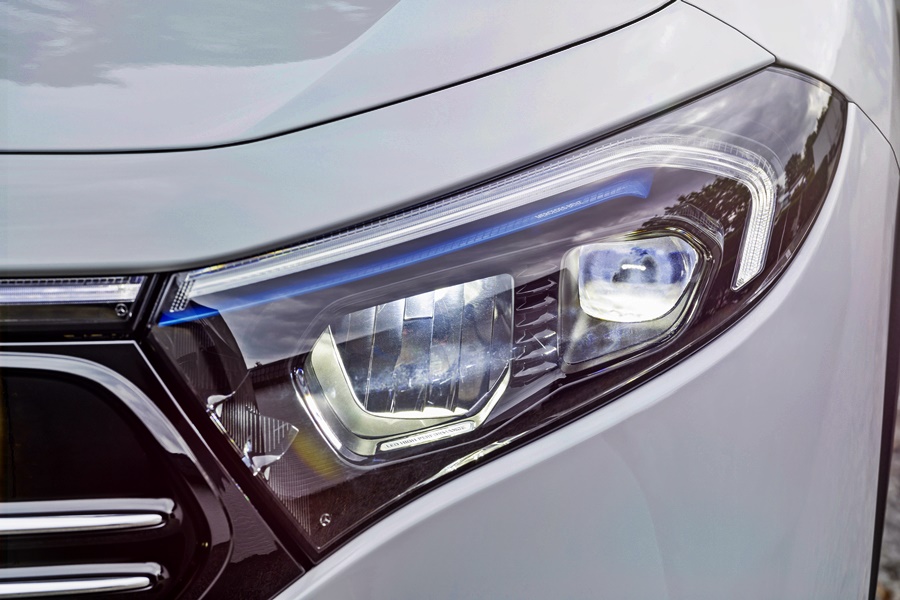
The EQA features the black panel radiator grille with the central star, which will be used for all EQ models. A further distinctive design feature of the all-electric vehicles is the continuous light strip at front and rear. A horizontal fibreoptic strip connects the daytime running lights of the full-LED headlamps, ensuring a high level of recognisability both in daylight and at night. Blue colour highlights within the headlamp reinforce the signature Mercedes-EQ appearance.

2021 Mercedes-Benz EQA

2021 Mercedes-Benz EQA

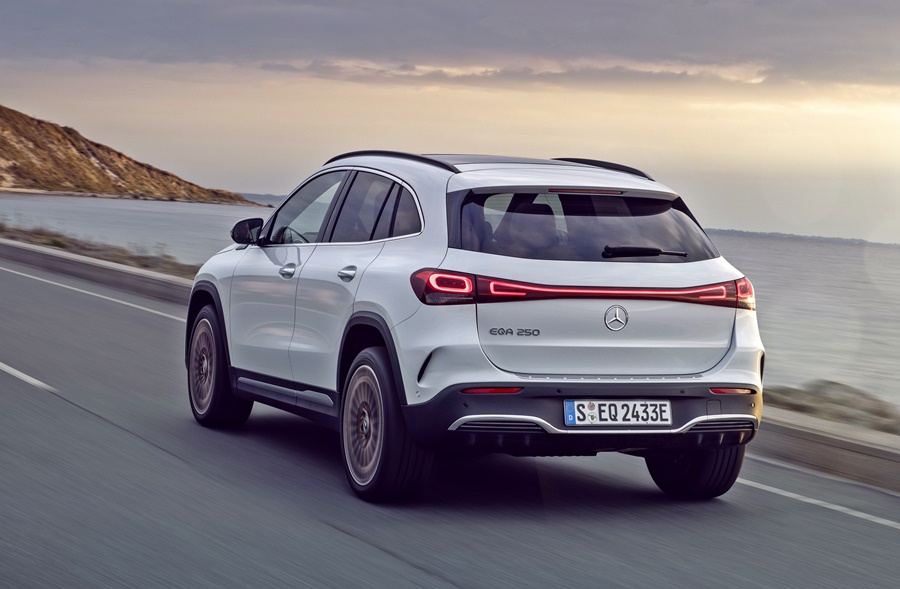
The LED tail lamps merge seamlessly into the tapered LED light strip, thus underlining the impression of width in the rear view of the EQA. The licence plate has also been relocated to the bumper. Exclusive to this model are light-alloy wheels in a bi or tri-colour design, up to 20 inches in size, in some cases with rosé gold-coloured or blue decorative trim.

2021 Mercedes-Benz EQA

Efficiency the key factor
The frontal area totals 2.47 square metres, contributing to a Cd of 0.28. Aerodynamic measures adopted include the completely closed cooling air control system in the upper section, the aerodynamically efficient front and rear aprons, a very smooth, almost completely enclosed underbody, specially optimised Aero wheels and specifically adapted front and rear wheel spoilers.

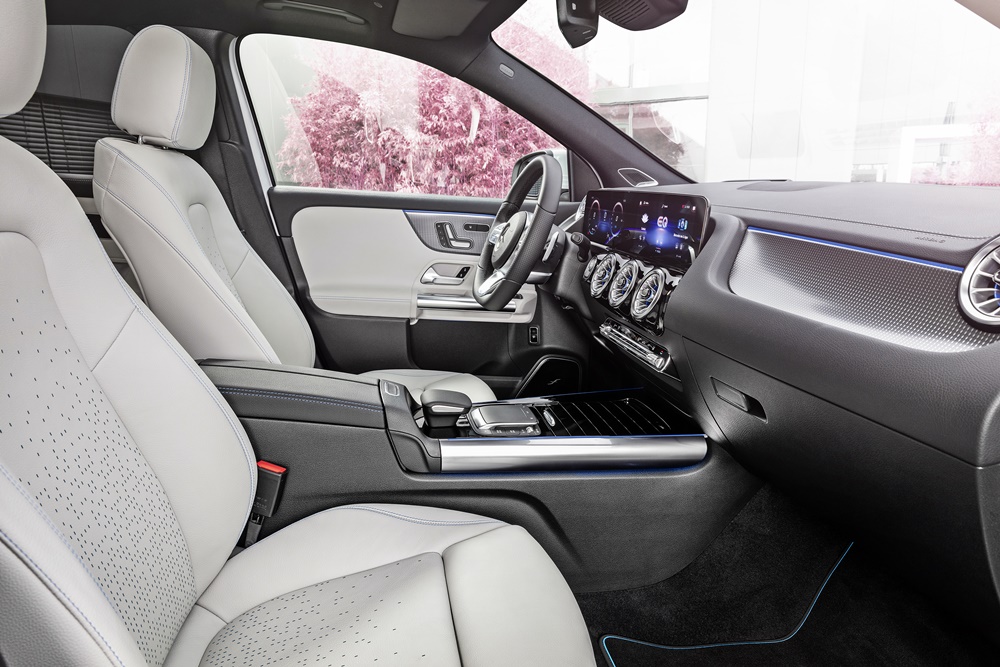
An indication of the electric character in the interior of the EQA is provided by a new-style back-lit trim element and rose gold-coloured decorative trim on the ventilation outlets, seats and the vehicle key. The Edition 1 special model additionally features perforated leather seats, through which blue fabric can be seen. The instruments, with their electric car-specific displays, pick up on the same colour scheme with rose gold-coloured and blue highlights.

2021 Mercedes-Benz EQA

The seating position is high and upright, as is typical for an SUV – making it not only comfortable for getting in and out, but also good in terms of all-round visibility. Utility value was one of the general focuses during development and as with most SUVs, the rear seat backrests are divided 40:20:40 and can fold down to vary cargo volume and floor length.

The standard heat pump forms part of the sophisticated thermal management system. With its numerous innovative details, such as the reuse of the waste heat from the electric drive system, the system is configured for exceptional efficiency and thus maximum range.

2021 Mercedes-Benz EQA

2021 Mercedes-Benz EQA

Latest MBUX with EV-specific features
Included as standard is, of course, the intuitively operated MBUX infotainment system (Mercedes-Benz User Experience). MBUX, with a powerful computer system, can be individually configured with the help of various options. It has learning software and voice control activated by the keyword ‘Hey Mercedes’, and options such as a full-colour head-up display, navigation with augmented reality,

The Mercedes-EQ tile in the media display can be used to call up menus relating to charging options, electrical consumption and energy flow. The right-hand display within the instrument cluster is a wattmeter rather than a tachometer. The upper section shows the percentage of power used, the lower section the recuperation. The left-hand instrument can be used to show whether the destination can be reached without an interim charging stop.

The colours change according to the driving situation. During a boost process, for example, the display changes to white. Depending on mood, or to match the particular interior, the user has a choice of four different styles.

2021 Mercedes-Benz EQA

In conjunction with Mercedes me, the URBAN GUARD Vehicle Protection and URBAN GUARD Vehicle Protection Plus enable all-round monitoring of the parked vehicle, including its location. If the service is active, the driver is informed via the Mercedes me App not only if the vehicle is being removed (as in being stolen) but also the severity of parking damage and in which area of the vehicle it occurred. In the case of the latter, the vehicle sensors register when the parked and locked vehicle is bumped.

Driving assistance systems
It goes without saying that the EQA would have a comprehensive range of intelligent driving assistance systems and these have cooperative driver support. The enhanced functions of the Driving Assistance Package include a turning manoeuvre function, emergency corridor function, exit warning function (alerting the driver to approaching cyclists or vehicles), and a warning when pedestrians are detected near zebra crossings.

Included as standard on board are Active Lane Keeping Assist and Active Brake Assist. In many situations, the purpose of the latter is to prevent a collision by autonomous braking, or to mitigate its consequences. The system is also able to brake for stationary vehicles and crossing pedestrians at typical city speeds and even to prevent collisions, depending on the situation.

2021 Mercedes-Benz EQA

Partial autonomous mode
In certain situations, the EQA is able to drive in partially automated mode. To do this, it keeps a close eye on the traffic situation. Improved camera and radar systems allow it to see far ahead, adjusting the cruising speed when necessary to ensure a safe gap.

The EQA also uses map and navigation data for assistance functions. For example, Active Distance Assist DISTRONIC as part of the optional Driving Assistance Package is able to provide route-based support to the driver in numerous situations, and to predictively and conveniently adjust the speed, eg when approaching bends, junctions or roundabouts. In doing so, it interacts with ECO Assist.

2021 Mercedes-Benz EQA

“Mercedes-EQ aspires to take the lead in the field of electric drive systems and vehicle software. To this end, we have defined some ambitious product development goals and resolved to push forward with the accelerated market introduction of new technologies,” said Markus Schafer, Member of the Board of Management of Daimler AG and Mercedes-Benz AG; responsible for Daimler Group Research and Mercedes-Benz Cars COO.

“The new EQA allows us to show the way we envisage e-mobility as tailored to the needs of our customers. It proves that, by using a tried and tested architecture, it is possible to achieve an excellent compromise between performance, costs and time to market,” he said.

Mercedes-Benz EQC goes into production – First all-electric Mercedes

Covid-19
Fighting COVID-19 is our joint responsibility. Protect yourself and others: make these 6 simple precautions your new habits.

To know more about promotions at BHPetrol stations, visit www.bhpetrol.com.my.

Retro models have a certain appeal to the young and of course to the old, who remember the originals. Perhaps they bring back memories of happier times or of what is perceived to be more adventurous periods in automobile history.

Car designers often look to previous models for inspiration and sometimes use certain elements in a new model. Sometimes they may even recreate or, in the more popular term used today – reimagine – a model in the 21st century.

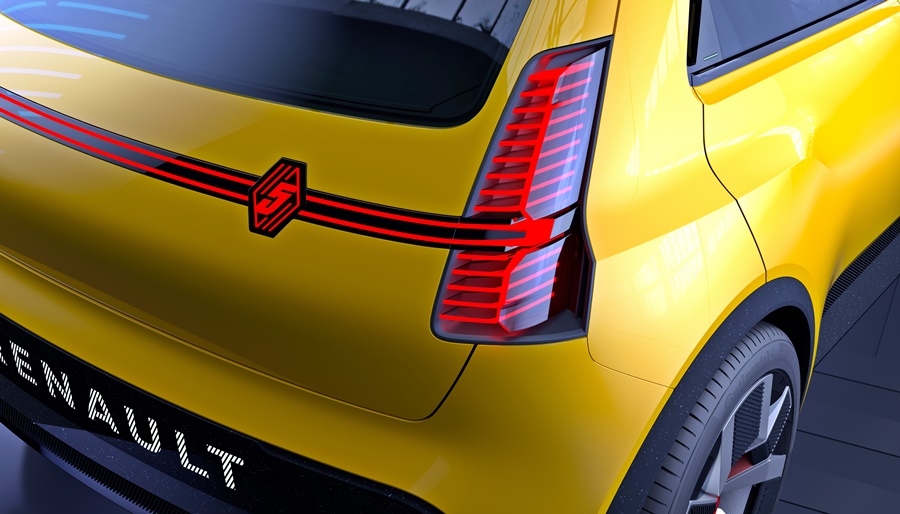
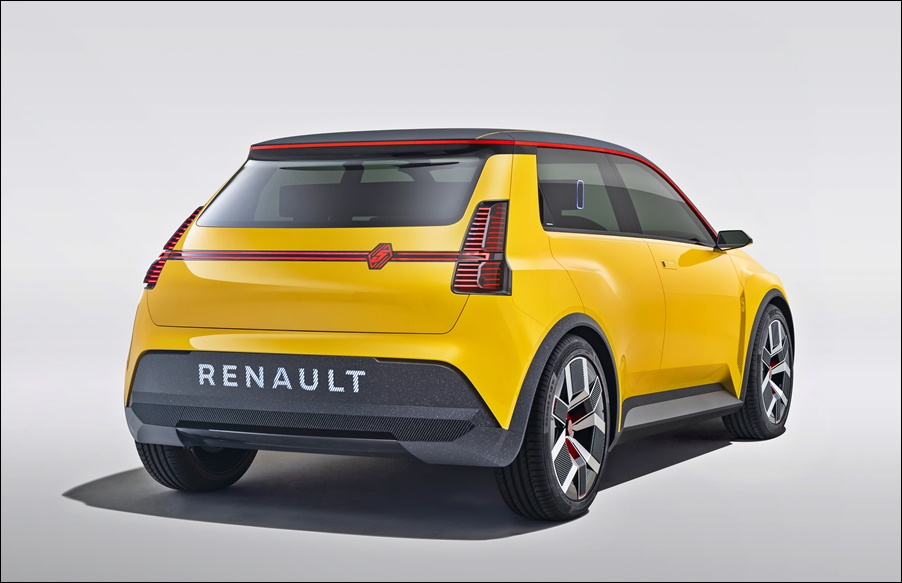
Renault R5 Prototype 2021

Reimagining a cult model
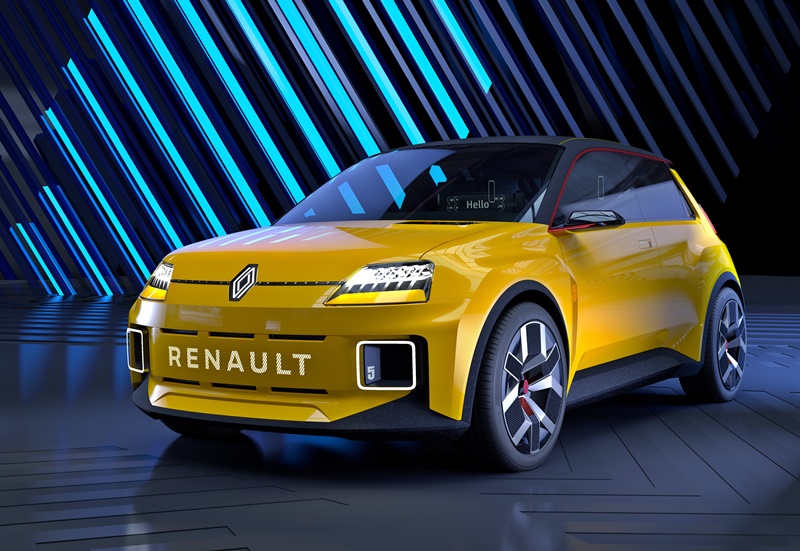
Understanding that the soul of a brand is in its roots, Renault’s designers have chosen to reconnect with the past and draw inspiration to find the spirit of the glorious times. They have created the Renault 5 Prototype, a model that immediately brings to mind the cult model from Renault’s past, the R5.

The role of the Renault 5 Prototype is to show that Renault will democratize the electric car in Europe with a modern approach to the popular and essential car. Like its predecessor, it is a compact and cute city car but with a modern, 100% electric twist.

The modern approach is evident in the chosen finishes and materials, which are inspired by the worlds of electronics, furniture and sports. It has also kept the fun, anti-crisis and mischievous side  with the pop of yellow highlights.

Renault R5 Prototype 2021

Urban, electric, attractive
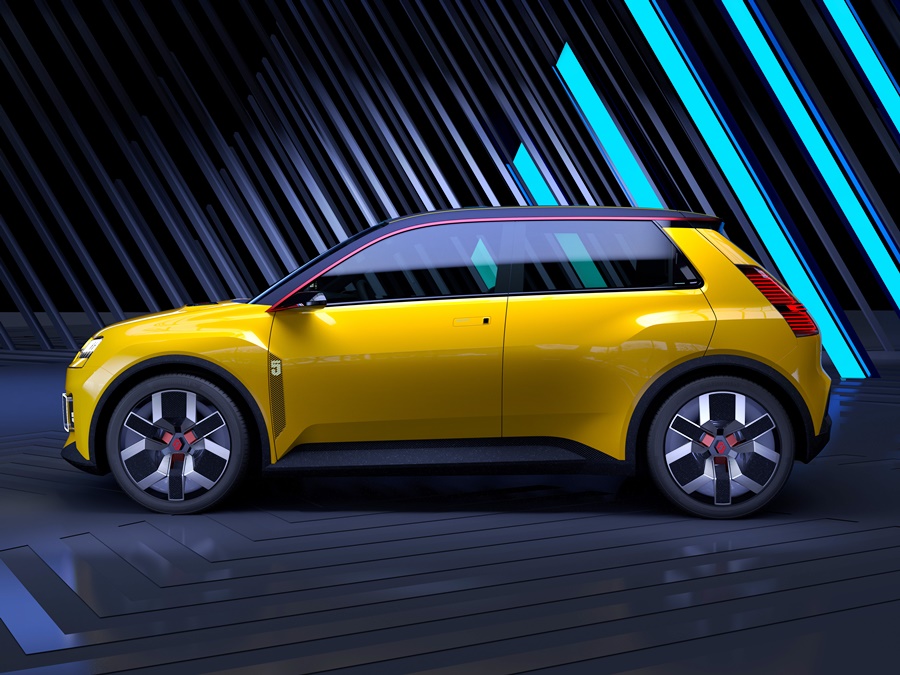
This prototype embodies modernity relevant to its time – urban, electric, attractive – and is immediately recognizable. With a modern treatment of lines and flush surfaces with futuristic detailing (lights, front face, etc, the result is resolutely in the spirit of the current times.

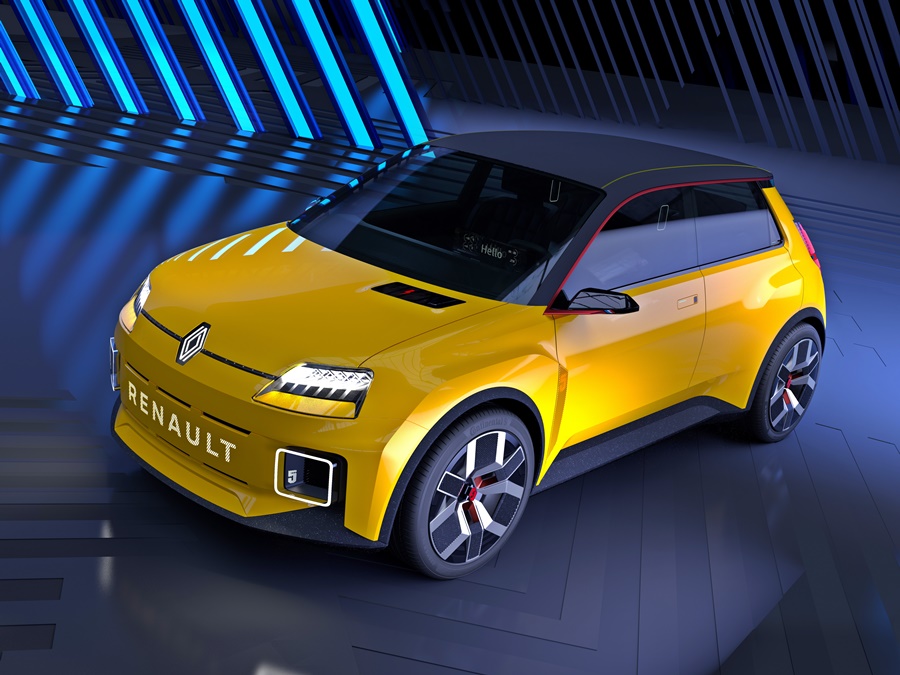
The styling elements taken from the original design in a modern way hide very modern functions. For example, the bonnet air intake hides the charging hatch; the rear lights include aero flaps, and the foglamps in the bumper are daytime running lights. There is even a hint of the original ‘5’ on the side grid, the wheels and the rear logo.

Renault R5 Prototype 2021

French in many ways
The front end and the textile roof drawn from the world of furniture are full of ‘French charm’, a hint of mischief, character that pulls on the heartstrings. The front and rear logos light up, bringing the car ‘to life’. The French flag in the rearview mirrors to underline the “invented in France” side of the electric vehicle, while the headrest lights and the name displayed on the small transparent screen on the dashboard, invite you to hop in for a ride.

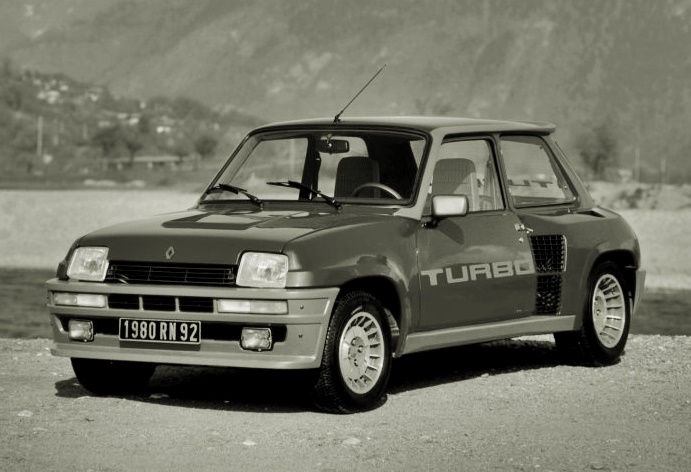
The fenders extend a bit and those who remember the potent R5 Turbo of the 1980s. It had a more aggressive widebody appearance and the engine was actually in the middle. It won four times in the WRC and is a collectors item today.

Renault R5 Prototype 2021

‘Renaulution’ strategic plan
Renault has not said anything about this prototype going further and unveiled it in conjunction with the announcement of its ‘Renaulution’ strategic plan. The plan calls for about a third of Renault sales to be electric vehicles by 2025, by which time the company will have launched at least 7 EVs. This could be one of them.

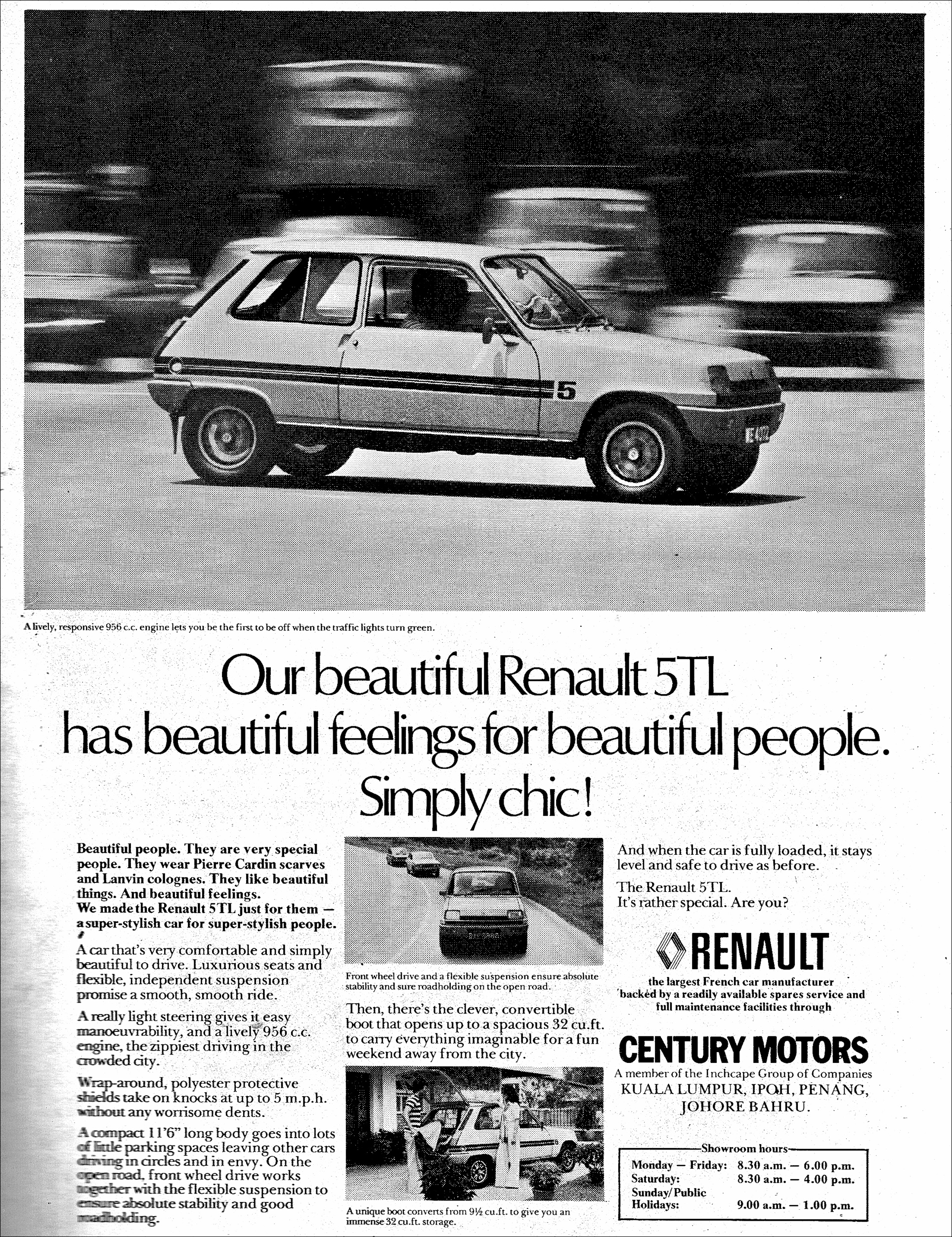
The original R5 actually started off as an idea penned by a Renault designer in his free time. When his bosses saw it, they liked it and authorised developing it into a production model. It was produced between 1972 and 1985 and sold worldwide, including the USA. It cost about RM10,800 in Malaysia in the mid-1970s. During the 1980s, a powerful variant known as the R5 Turbo (below) was developed, primarily as a homologation special for use in rallies. It was quite a different car as the 1.4-litre engine was mid-mounted and produced 160 ps/21 Nm, which went to the rear wheels instead of the front wheels.

Renault Megane eVision concept previews new Megane for 2022 (w/VIDEO)

COVID-19

Earlier this month, Kia unveiled its new corporate logo with the new brand slogan of ‘Movement that inspires’. This slogan replaces ‘The Power to Surprise’ which has been in use since 2005 (although the US also had a new slogan in 2019 – ‘Give It Everything’). With the new slogan also comes a new strategy which the Korean carmaker will probably use throughout this decade, or into the next one.

Signalling the brand breaking away from its traditional manufacturing-driven business model, the corporate name will now be Kia Corporation, instead of Kia Motors Corporation, though the public has usually used just ‘Kia‘ anyway.

Beyond vehicle manufacturing
The strategy will see the company go beyond vehicle manufacturing to create sustainable mobility solutions for customers. According to Ho Sung Song, President & CEO of Kia Corporation, the company’s vision is to create sustainable mobility solutions for consumers, communities, and societies globally.

“At Kia, we believe that transportation, mobility, and movement represent a human right. Today, we start putting the company vision into action with the launch of our new brand purpose and strategy for the future,” he said.

New brand purpose
Kia’s new brand purpose emphasises that movement is at the genesis of human development. Movement enables people to see new places, to meet new people, and to have new experiences. This connection is the essence of Kia’s new brand – to enable human progress by providing innovative in-car spaces, exciting new products, and meaningful, convenient services that inspire customers and free up time for the activities that they enjoy the most.

Kia has been in the ‘movement’ industry for more than 75 years, starting with Korea’s first domestic bicycles and then manufacturing motorcycles and delivery trucks. As in past decades, it will meet changing customer expectations about how they move, and how their movement impacts the world around them.

The broader vision for sustainable mobility
Reflecting the brand’s broader vision for mobility, Kia is expanding its business to encompass EVs, mobility solutions and services, purpose-built vehicles, and more. Alongside these efforts, Kia will simultaneously promote more sustainable production through the usage of clean energy and recyclable materials.

The company is focused on popularising battery electric vehicles (BEVs) and plans to reinforce its global product line-up with the introduction of 7 new dedicated BEVs within the next 6 years. These new models will be in several segments, each incorporating advanced technologies for long-range driving and high-speed charging from Hyundai Motor Group’s new Electric-Global Modular Platform (E-GMP).

Purpose-Built Vehicles
Kia is also developing a range of new Purpose-Built Vehicles (PBVs) for corporate customers. These specialised vehicles will be based on flexible ‘skateboard’ platforms, with modular bodies designed to meet the specific mobility needs of a broad range of corporate and fleet customers. Partnerships with the likes of Canoo and Arrival will mean Kia PBVs can offer different bodies mounted on top of an integrated modular ‘skateboard’ platform, tailored to users’ functional requirements.

To know about other promotions, visit www.bhpetrol.com.my.

Demand for PBVs is expected to grow 5-fold by 2030 due to rapid and sustained growth in e-commerce and car-sharing services. Bespoke Kia PBVs will be tailored to meet the needs of corporate and fleet customers. For instance, these could include car-sharing vehicles, low-floor logistics vehicles, and delivery vehicles.

The change in the company’s corporate name also means transforming the organisation’s working culture. “Changing our corporate name and logo is not only a cosmetic improvement. It represents us expanding our horizons and establishing new and emerging businesses that meet and exceed the diverse needs of our customers worldwide. More importantly, it also means adapting our working culture, enabling the creativity of all our employees and establishing an inspiring work environment,” President Song explained.

First dedicated BEV coming soon
With its growing range of BEVs, Kia is targeting a 6.6% share of the global BEV market by 2025, and global annual sales of 500,000 BEVs by 2026. The first of Kia’s next-generation BEVs will be revealed in the first quarter of 2021, embodying Kia’s shifting focus towards electrification.

Based on new E-GMP technology, this dedicated BEV will boast a crossover-inspired design, while offering an electric driving range of over 500 kms and a high-speed charging time of under 20 minutes. This will also be the first global model to bear Kia’s new logo.

Kia introduces new corporate logo as part of bold transformation move

To know more, visit www.bhpetrol.com.my.

Over the past 15 years, a number of new companies have announced intentions to make cars, mainly electric vehicles. The notion was that cars of the future are largely packages of electronics so it was more like putting a computer package on wheels with people inside. Obviously, it’s not that simple as there are quality and safety issues to consider but there have been many companies which have already started up and begun making hybrid or electric cars.

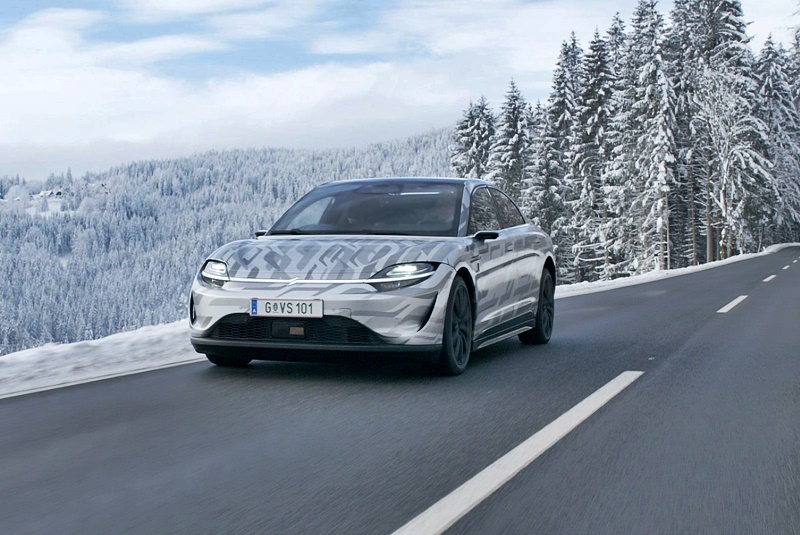
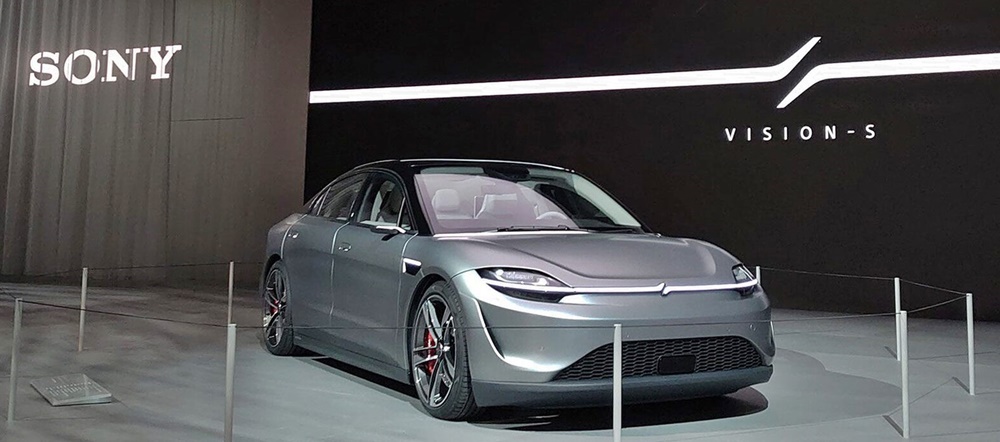
Joining them could be Sony – yes, the Sony we all know from the consumer electronics sector – which actually indicated its intentions a year ago at the 2020 Consumer Electronics Show (CES) in America. At that time, it displayed what seemed to be a concept car to show off various technologies, which is also done by other electronics companies.

2021 Sony Vision-S prototype
Vision-S concept first shown at CES in 2020.

From concept to running prototype
However, it appears that the company has decided to go further with the concept car and has been quietly developing it into a running prototype. In fact, for the CES this year, Sony even showed a short video showing the car – known as Vision-S – being tested on public roads and on a test track in Austria.

“We made a fairly grand announcement [at CES 2020], so I often get asked why Sony moved into car development. As a matter of fact, the move wasn’t triggered by any dramatic decision. Rather, it was more like the time had finally come. At the time, the 2010s—the decade of smartphones—were drawing to a close, and we knew the next decade would belong to mobility” said Izumi Kawanishi, a senior Vice-President in the company.

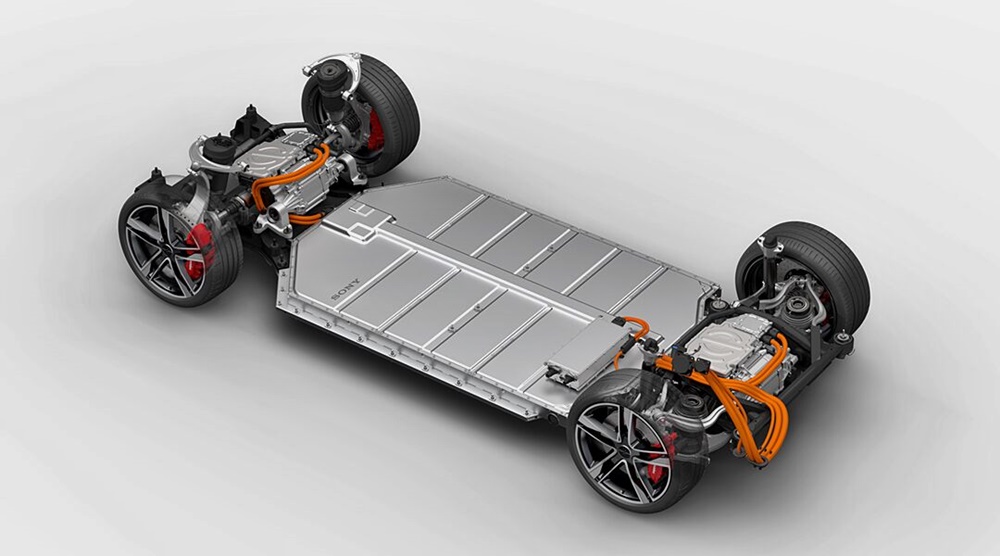
Full technical details are still not revealed but it has a fully electric powertrain. It obviously has much experience in electronics, even in automotive-related areas, but as it has not made cars before, it has commissioned Magna Steyr to provide engineering services for chassis development.

Other partners include familiar names such as Bosch, Continental, ZF, Vodafone Nvidia and Qualcomm as well as other companies which may not be as readily known to the public. Just as specialist suppliers work with carmakers on specific systems, Sony would be getting its own group of specialists although they may not be in traditional automotive fields.

2021 Sony Vision-S prototype

2021 Sony Vision-S prototype

In-house design
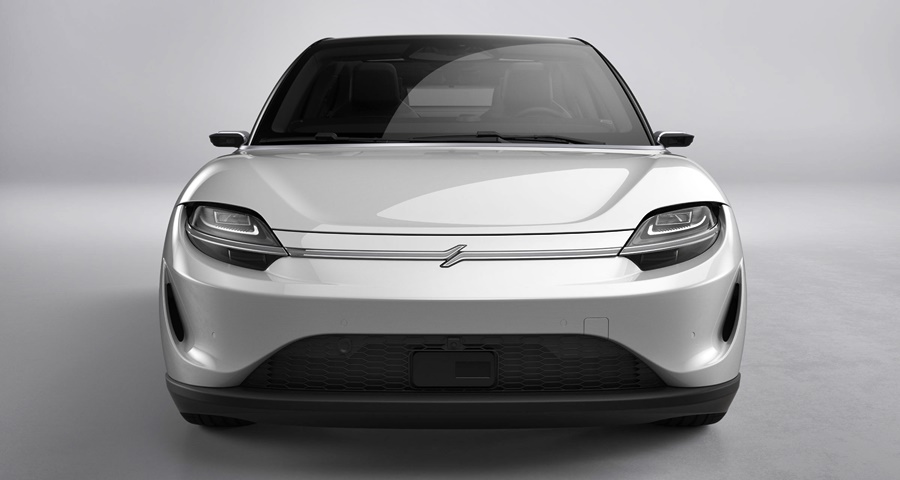
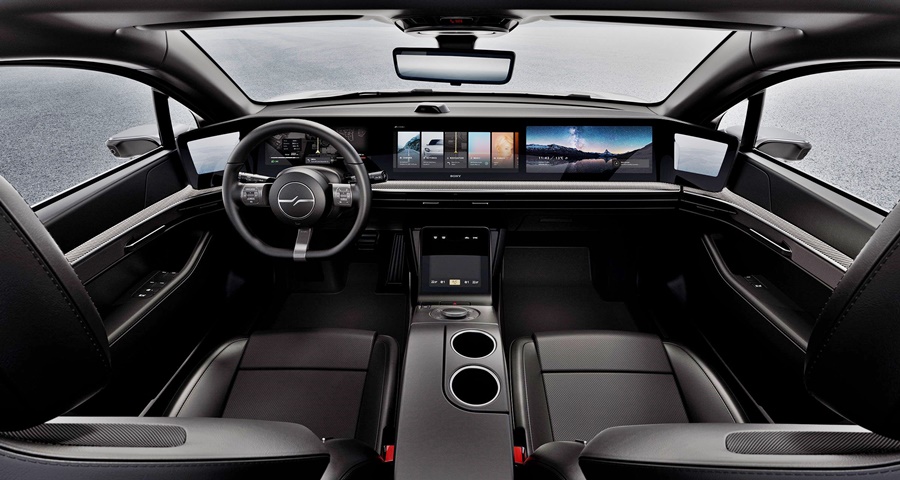
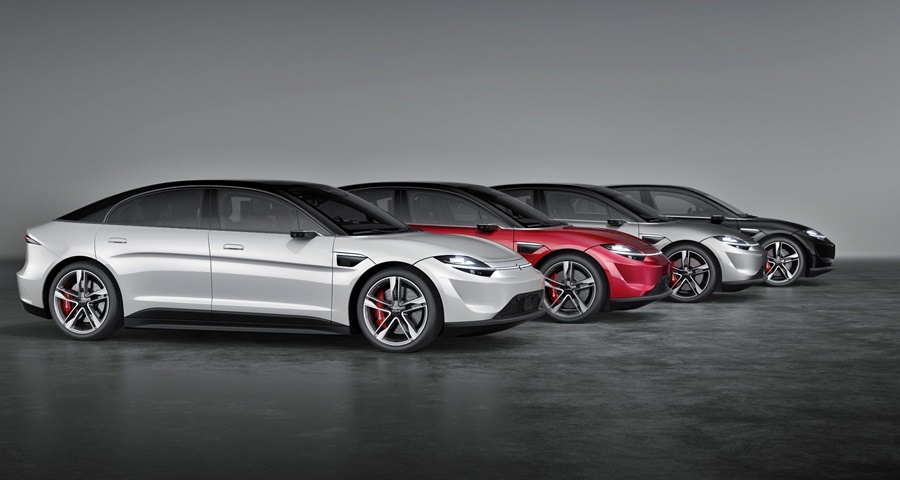
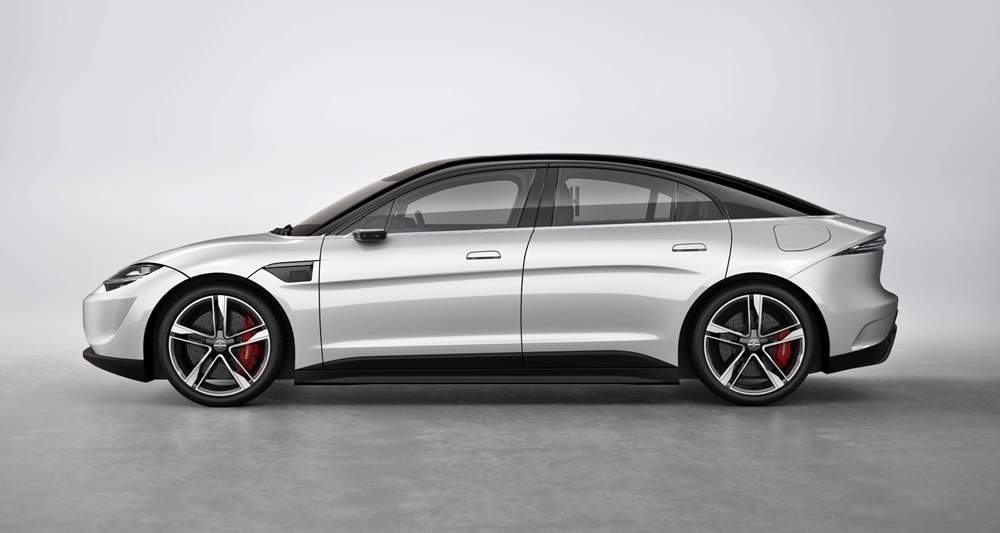
The design was developed in-house by Sony’s own team. Commenting on the appearance of the Vision-S, Daisuke Ishii, Creative Director at the Sony’s Creative Centre, said they aimed for a style that would be clearly distinct from the bold, aggressive designs with a focus on on-road performance that are common these days.

“At the same time, a nondescript or impersonal design wouldn’t work either, so it was a tough process. One of the things we tried to realize with this car was the concept of ‘wrapping’ people. So you could say the design was the stylistic embodiment of the idea of mobility that protects people through sensing. A blacked-out glass cabin wrapped in a sensor-packed case that gleams with a metallic light. The interior was also designed to encircle the rider, almost like a capsule holding people,” he explained.

2021 Sony Vision-S prototype

Camera-based rearview mirrors
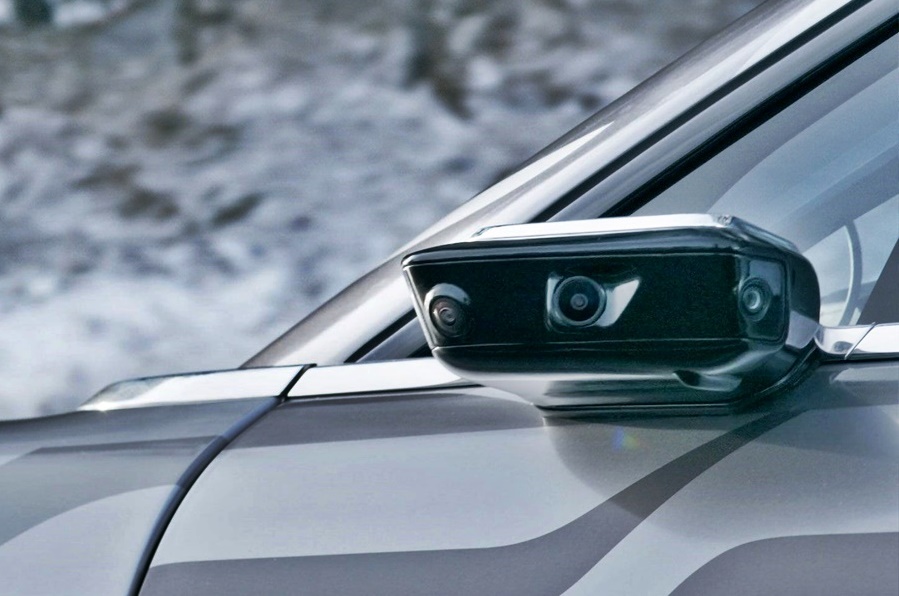
The prototype has some of the technologies which were showcased last year such as camera-based rearview ‘mirrors’ – which carmakers like Lexus and Audi have already begun offering as options in countries where their use is permitted. Of course, Honda has also been offering this idea for a few years now in its LaneWatch system for blinsspot monitoring.

2021 Sony Vision-S prototype

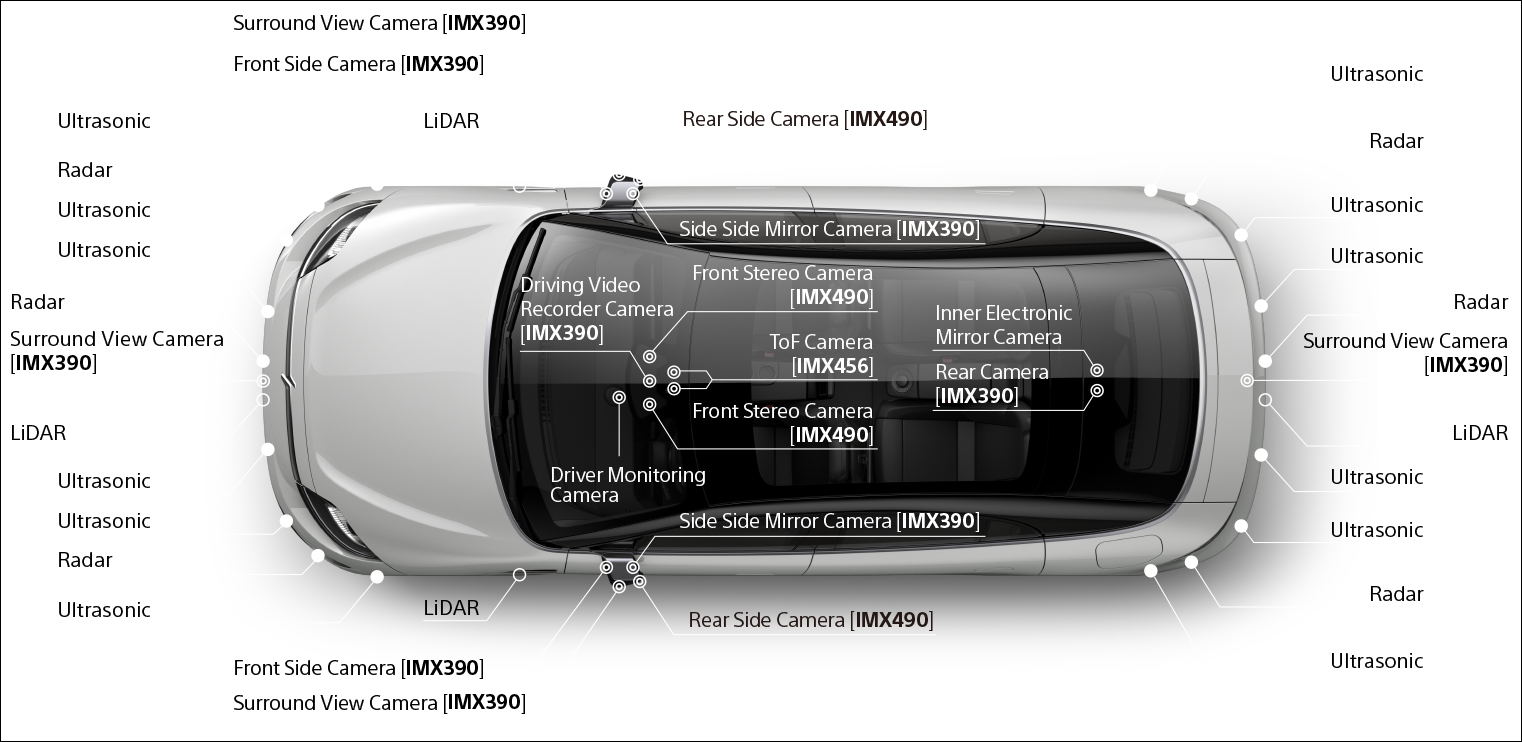
Autonomous capability would certainly be available as the car, if it goes into production, would be entering the market when autonomous cars become available. Up to 40 sensors are installed on the car to fully cover 360 degrees and collect data and imagery to be processed by the computer.

2021 Sony Vision-S prototype

Occupant recognition
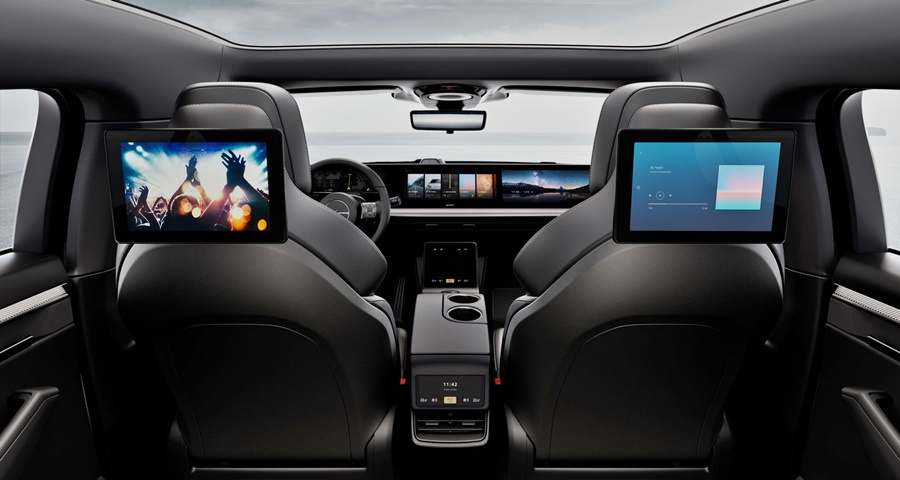
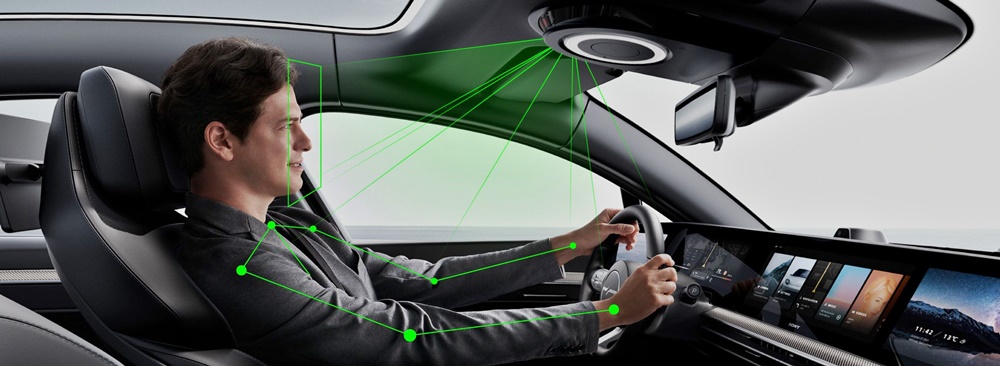
Sony interior designers also propose the use of camera imagery of occupants in the car for managing things like air-conditioning and other personal preferences. Facial recognition could identify the occupant and from data input, preferences relating to temperature or even music can be applied automatically.

2021 Sony Vision-S prototype

2021 Sony Vision-S prototype

2021 Sony Vision-S prototype

From the video, the dashboard layout can be seen to be fully occupied by digital panel displays. This is only to be expected and given Sony’s expertise in displays, we will probably see high-definition images and advanced interfaces for audio-visual systems and navigation.

2021 Sony Vision-S prototype

No production schedule has been mentioned yet so Sony is probably not in a hurry to launch is first car. It will certainly be interesting to see which of the ‘big names’ in the electronics industry will be the first to do so, signalling the beginning of a change in the auto industry’s status quo.

China’s NIO Inc. launches all-electric ET7, its first autonomous car

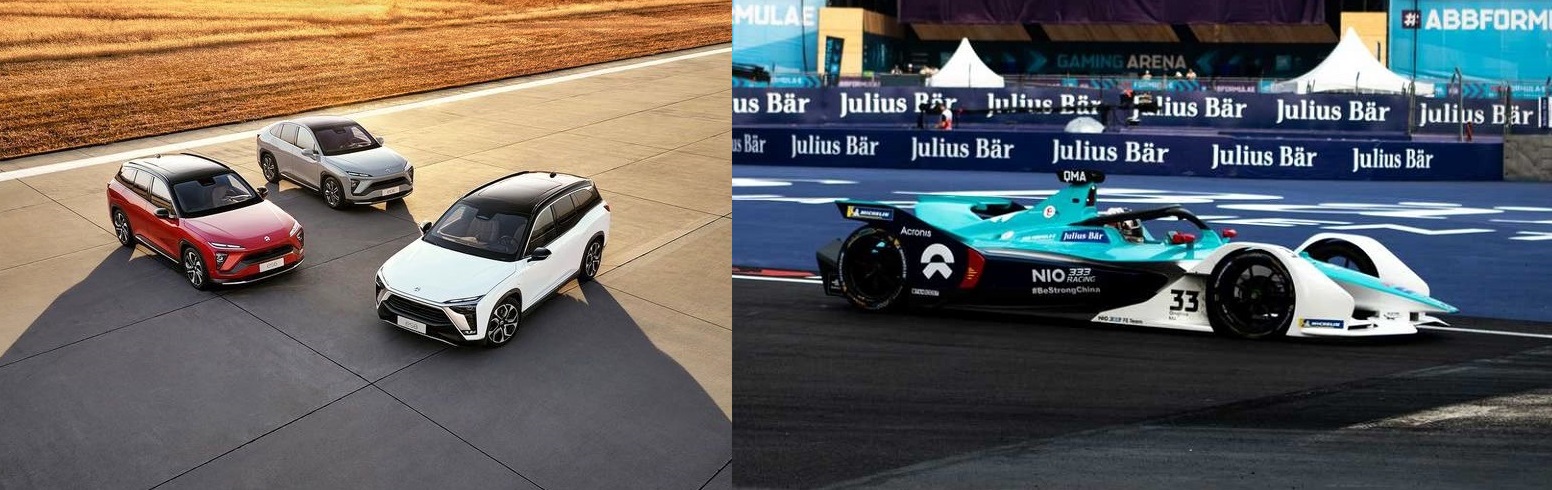
NIO Inc., a global smart electric vehicle company founded in November 2014, is still pretty much unknown although it has generated some news for itself in various way. In 2015, the NIO Formula E team won the inaugural Formula E Drivers’ Championship and in 2016, it launched the EP9, one of the world’s fastest electric vehicles. The EP9 broke lap records and the world’s autonomous driving records at Nurburgring Nordschleife.

In 2017, NIO unveiled a concept car called EVE and a year later, it began deliveries of the ES8, a 7-seater high-performance electric flagship SUV, in China. Since then, it has also added the ES6, a 5-seater electric SUV to its range as well as the EC6 electric Coupe SUV and ES8 premium electric SUV.

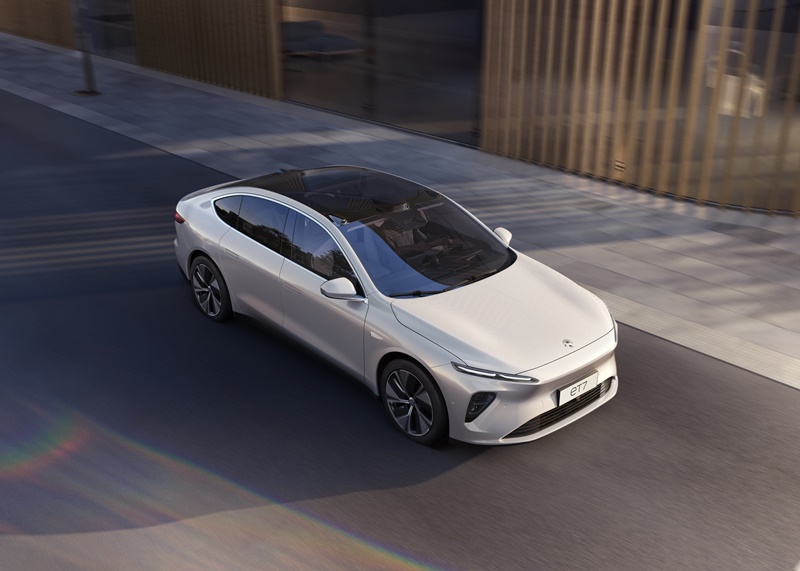
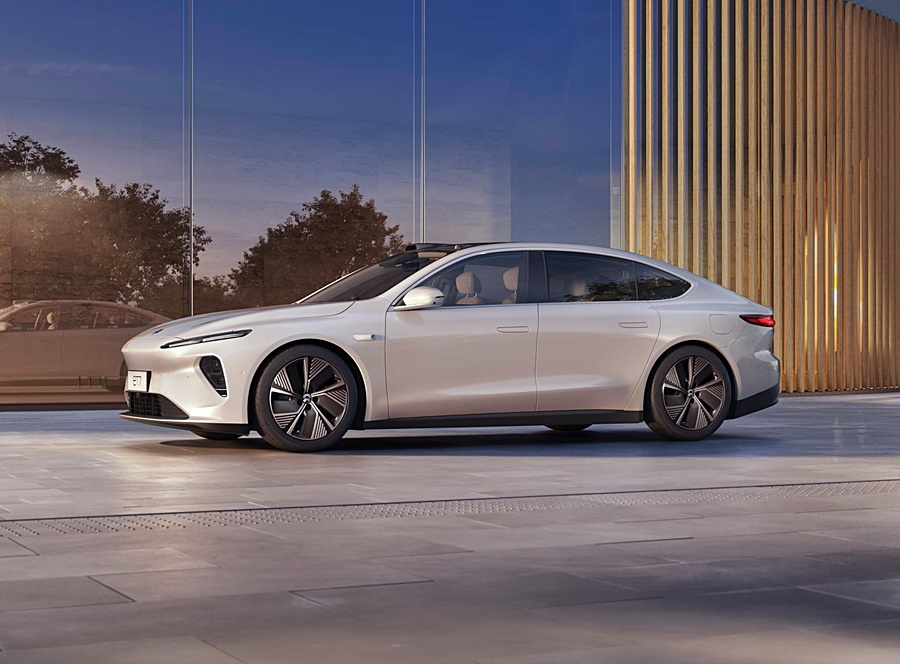
2022 NIO ET7

Autonomous driving capability
This year, it has started off with the launch of the ET7, an electric flagship sedan, its first model with autonomous driving capability. The ET7 features NIO’s latest NAD (NIO Autonomous Driving) technology based on NIO Aquila Super Sensing and NIO Adam Super Computer. NAD is said to provide safer and more relaxing autonomous driving.

The NAD full stack autonomous driving capability includes perception algorithms, localisation, control strategy and platform software. NIO Aquila Super Sensing features 33 high-performance sensing units, including 11 8MP high-resolution cameras, one ultralong-range high-resolution LiDAR, 5-millimetre wave radars, 12 ultrasonic sensors, two high-precision positioning units, V2X and ADMS.

Aquila can generate 8GB data per second, while NIO Adam features 4 Nvidia Orin SoCs with a total computing power of 1,016 TOPS. All these elements and computing capabilities are necessary for autonomous motoring.

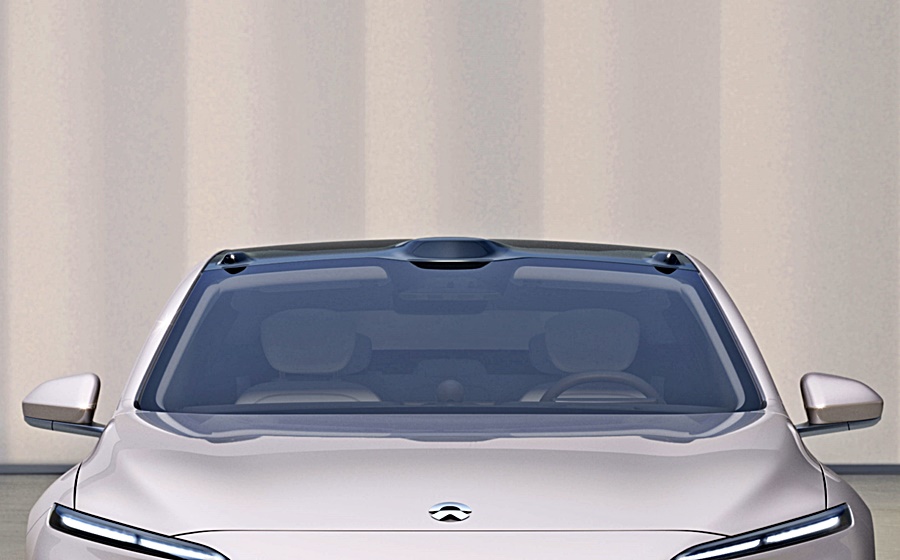
Sensors are integrated with the bodywork of the ET7.

Integrated sensors
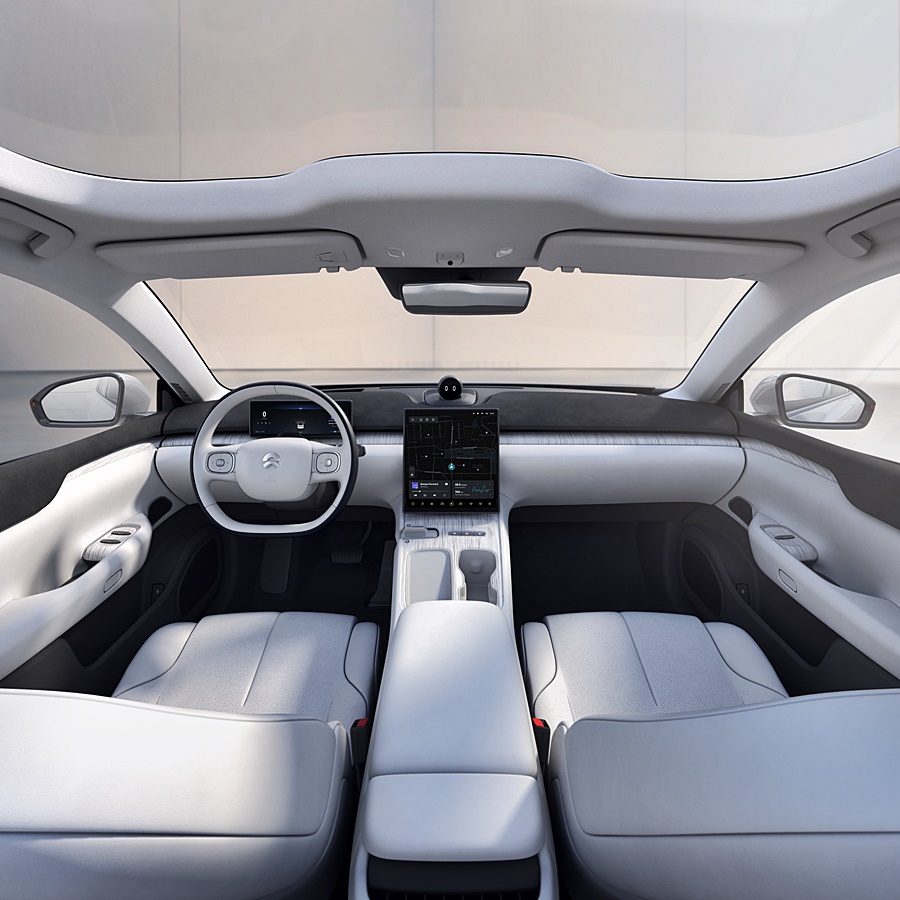
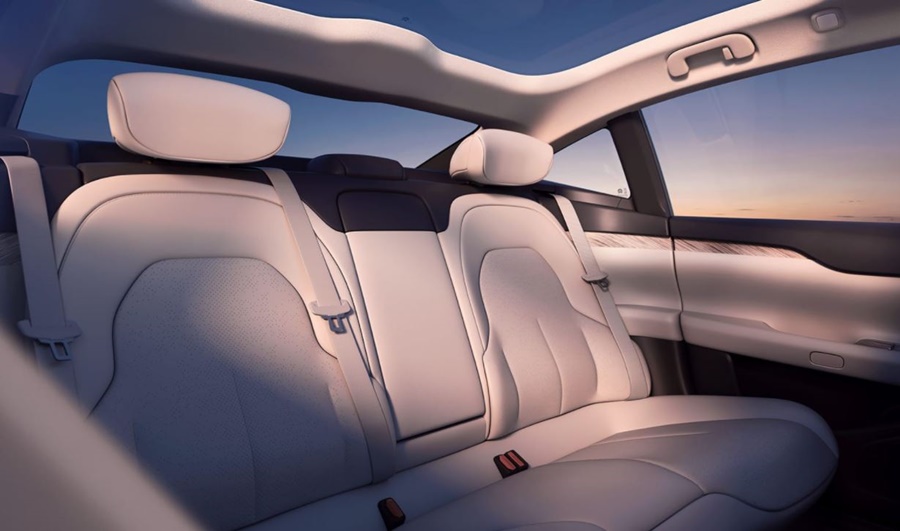
The 5098 mm long ET7 breaks the norm by integrating high-performance sensors naturally into the body. Inside, it has an interpretation of the ‘second living room’ concept. This provides a refined and cozy mobile living space. Frameless soft-closing doors make for easy and quite entry and exit.

2022 NIO ET7

First application of renewable rattan 
The ET7 also marks the first application of Karuun renewable rattan on a production model for a green and natural experience. The standard massage seats with heating and ventilation offer a reassuring and comfortable experience for every passenger.

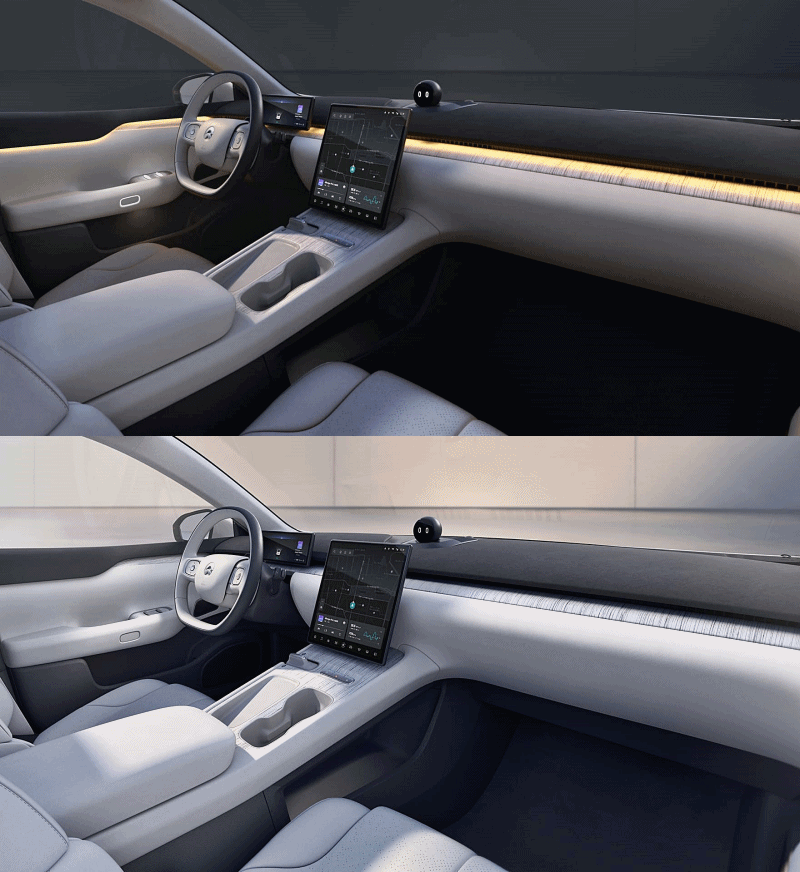
NIO’s interior designers have already moved to a second-generation smart cockpit for the ET7. This has enhanced mobile connectivity and communication capability enabled by the third Generation Qualcomm Snapdragon Automotive Cockpit Platform.

2022 NIO ET7

The new 12.8-inch AMOLED centre display has greatly improved resolution and contrast, while NOMI, the world’s first in-car AI system, continues to evolve. The 7.1.4 immersive sound system has no less than 23 speakers and 1,000W total output.

0 to 100 km/h in 3.9 seconds
Powering the ET7 is a 180-kW electric motor in the front and a 300-kW induction motor at the rear. The combined output is rated at 480 kW with peak torque at 850 Nm. This gives a claimed 0 to 100 km/h time of 3.9 seconds while braking from 100 km/h is claimed to be within 33.5 metres.

With a drag coefficient of 0.23 Cd and the application of the second-generation high efficiency electric drive platform with silicon carbide power module, the energy efficiency is further improved. The 70-kWh battery pack has enough energy for a claimed range of over 500 kms; customers can also opt for a 100-kWh battery pack to extend this range to over 700 kms. Additionally, NIO will offer a new 150-kWh battery pack which will stretch the range to over 1,000 kms.

2022 NIO ET7

The ET7 is designed to be able to achieve 5 stars in both China and Euro NCAP assessments. Its body structure, featuring an ultra high strength steel aluminium hybrid body, has high torsional stiffness.

In China, the ET7 has a pre-subsidy price starting from RMB 448,000 (about RM280,000). Deliveries are expected to start during the first quarter of 2022.

NIO already sells a range of electric vehicles and has been participating in the Formula E championship.
To know more, visit www.bhpetrol.com.my.

To know more, visit www.bhpetrol.com.my.

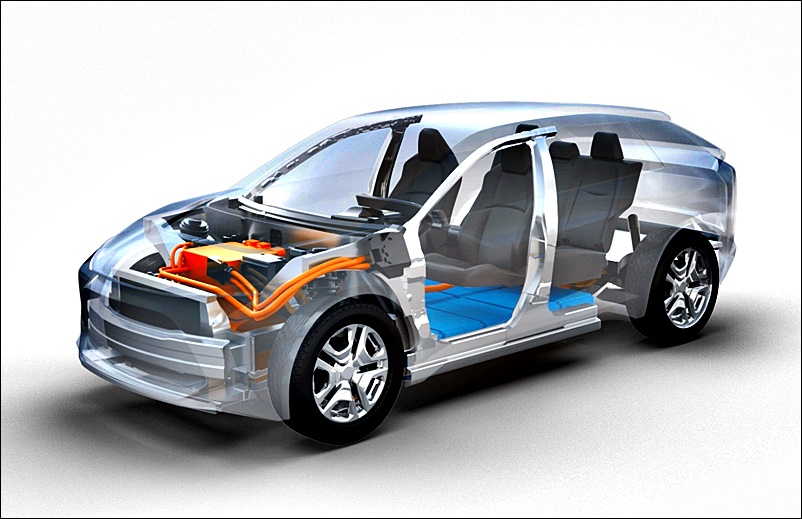
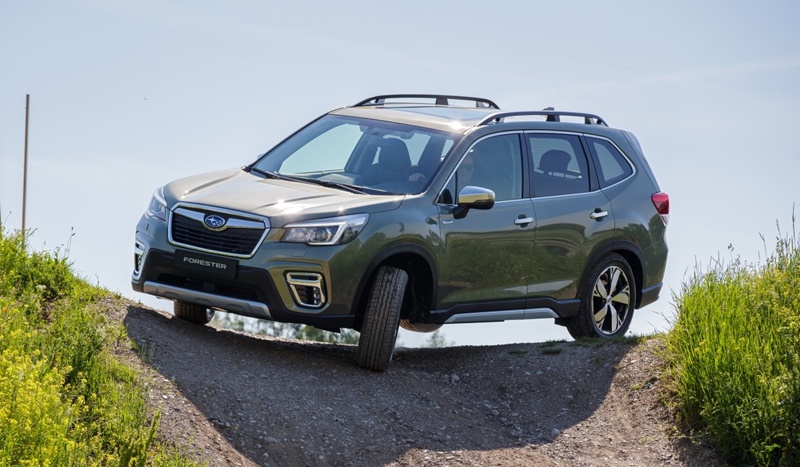
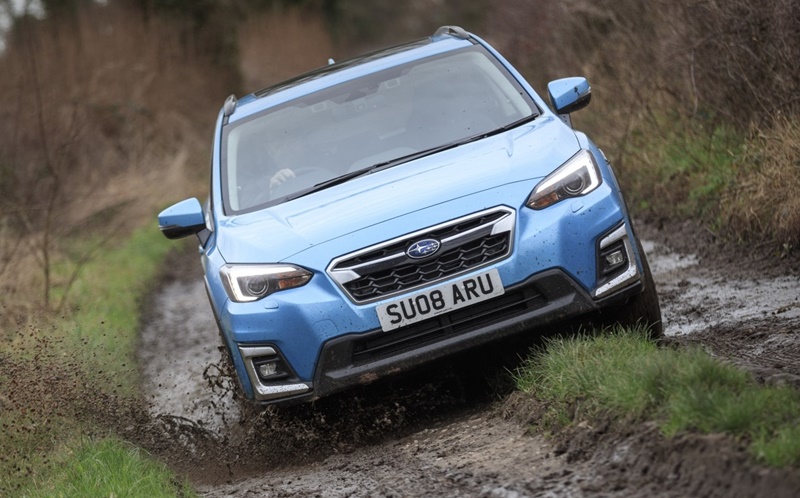
With tightening regulations iyn Europe, carmakers have no choice but to switch their ranges to electrified powertrains. Subaru has already begun offering two electrified models – the XV e-BOXER and Forester e-BOXER – and will add a fully electric model before the middle of this year.

The model will be about the size of the Forester and will sit on a platform shared with Toyota. The news underlines Subaru’s efforts to reduce its environmental footprint in Europe and satisfy a growing demand for alternative powertrains. It also signals the brand’s second electrification step in Europe.

e-BOXER accounts for 60% of sales
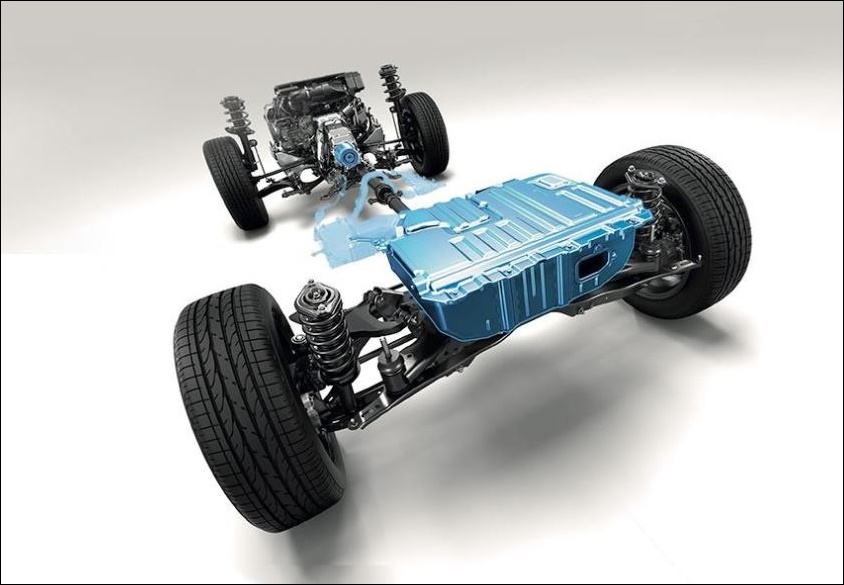
So far, since being introduced, the two e-BOXER models already account for 60% of Subaru sales in Europe. The e-BOXER powertrain combines a 2-litre direct injection horizontally-opposed petrol engine with an electric motor. A lithium-ion battery unit is mounted within the boot floor and allows for pure-electric driving at speeds of up to 40 km/h.

Forester e-BOXER
XV e-BOXER

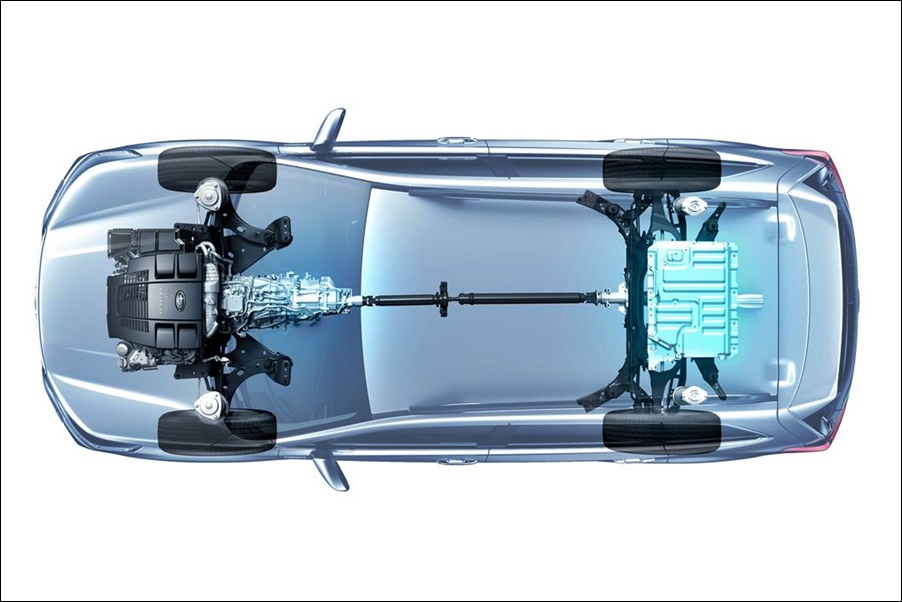
Paired with an updated Lineartronic transmission and Subaru’s Symmetrical All Wheel Drive, the e-BOXER powertrain provides achieves smooth and linear acceleration with highly responsive torque.  Power-split adjusts according to the driving condition and alternates between 3 driving modes: EV driving, Motor Assist driving and Engine driving.

In EV Driving mode, the vehicle is powered by the electric motor and can travel for a distance of about 1.6 kms at speeds of up to 40 km/h. This is suitable in urban conditions with stop-and-go traffic where a 10% improvement in fuel economy is claimed compared to the 2-litre variant with just a petrol engine.

During Motor Assist Driving, at medium speeds, the motor and the engine work together to improve power and performance. For higher speeds, the Engine Driving mode is utilised, and this operates with just the engine alone. Depending on speed and driving conditions, the engine will recharge the battery pack.

The Subaru Way
In designing the e-BOXER powertrain, the engineers stuck to the ‘Subaru Way” where it is arranged in a symmetrical layout. The electric motor assist and battery pack are aligned longitudinally with the heavy motor placed near the vehicle’s centre of gravity. The battery and other components are positioned above the rear axle which plants the car on the road giving noticeable handling improvements and achieving a balanced weight distribution.

First details and pictures of the new Subaru BRZ

The transition to electrified vehicles has been taking place across the auto industry since this century began although for the premium and luxury brands, it may appear slower. Perhaps these brands in the upper stratosphere of the market want to make sure that when they do go all the way to fully electrically powered cars, their customers will still enjoy the same comforts and performance.

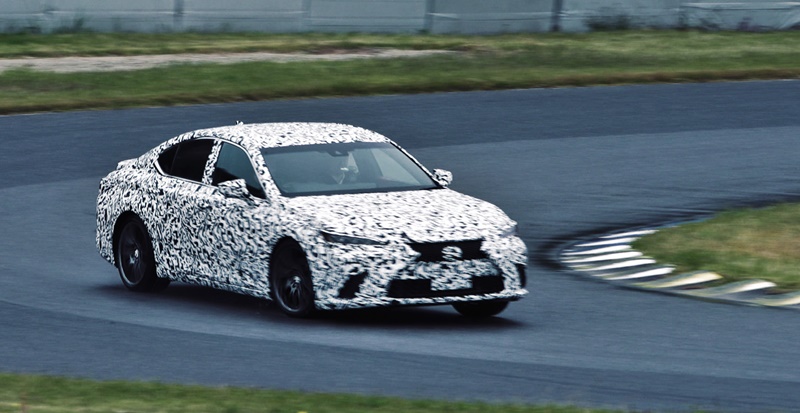
Lexus, Toyota premium luxury brand, has been working towards this to ensure that the ‘Lexus Driving Signature’ will be present in future hybrid and battery electric vehicles (BEVs). While it obviously shares resources with Toyota, it also has its own technological advancements and one of them now being revealed is DIRECT4, which will be a core Lexus Electrified technology.

DIRECT4 is a new system which can provide instant electric control to all four wheels to transform dynamic performance, working instantaneously according to driving conditions and driver intentions It is said to also give greater design freedom to reimagine Lexus’ signature design.

First glimpse of new BEV design concept
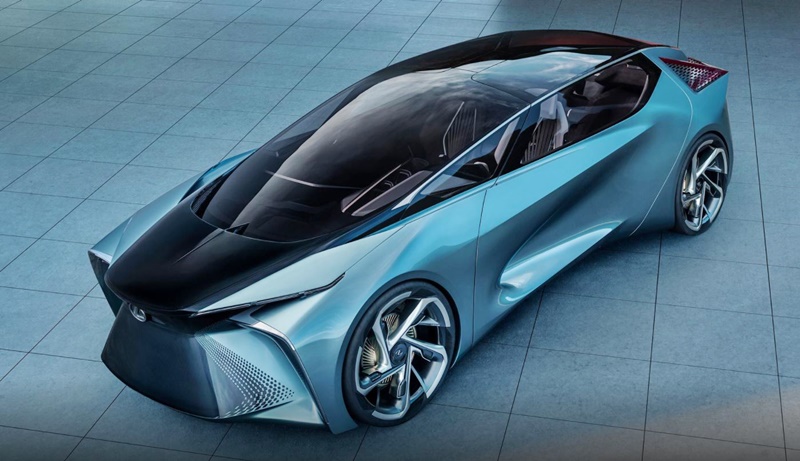
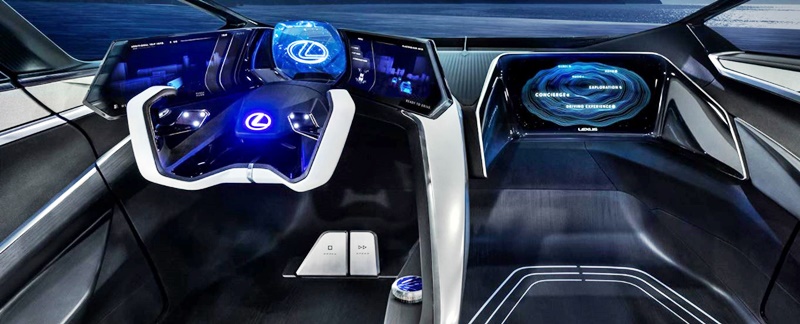
At the 2019 Tokyo Motorshow, to illustrate its new global electrification strategy, Lexus displayed the futuristic LF-30 concept car (pictured below). The new strategy, called ‘Lexus Electrified’ targets a fundamental leap in vehicle performance, handling, control and driver enjoyment.

Lexus Electrified technology supports this vision with DIRECT4 for its next generation of battery electric and hybrid electric vehicles. DIRECT4 precisely controls the delivery of drive torque from front and rear electric motors and braking force to all four wheels. By automatically adjusting the balance of front and rear-wheel drive, the system adapts the driving conditions to the driver’s intentions, changing the driving feel and giving the car the best driving posture.

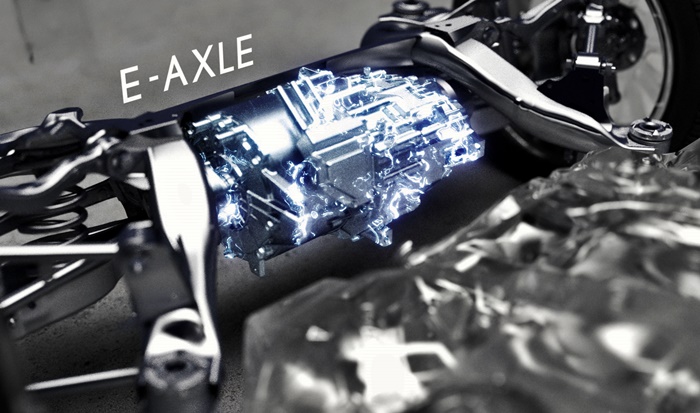
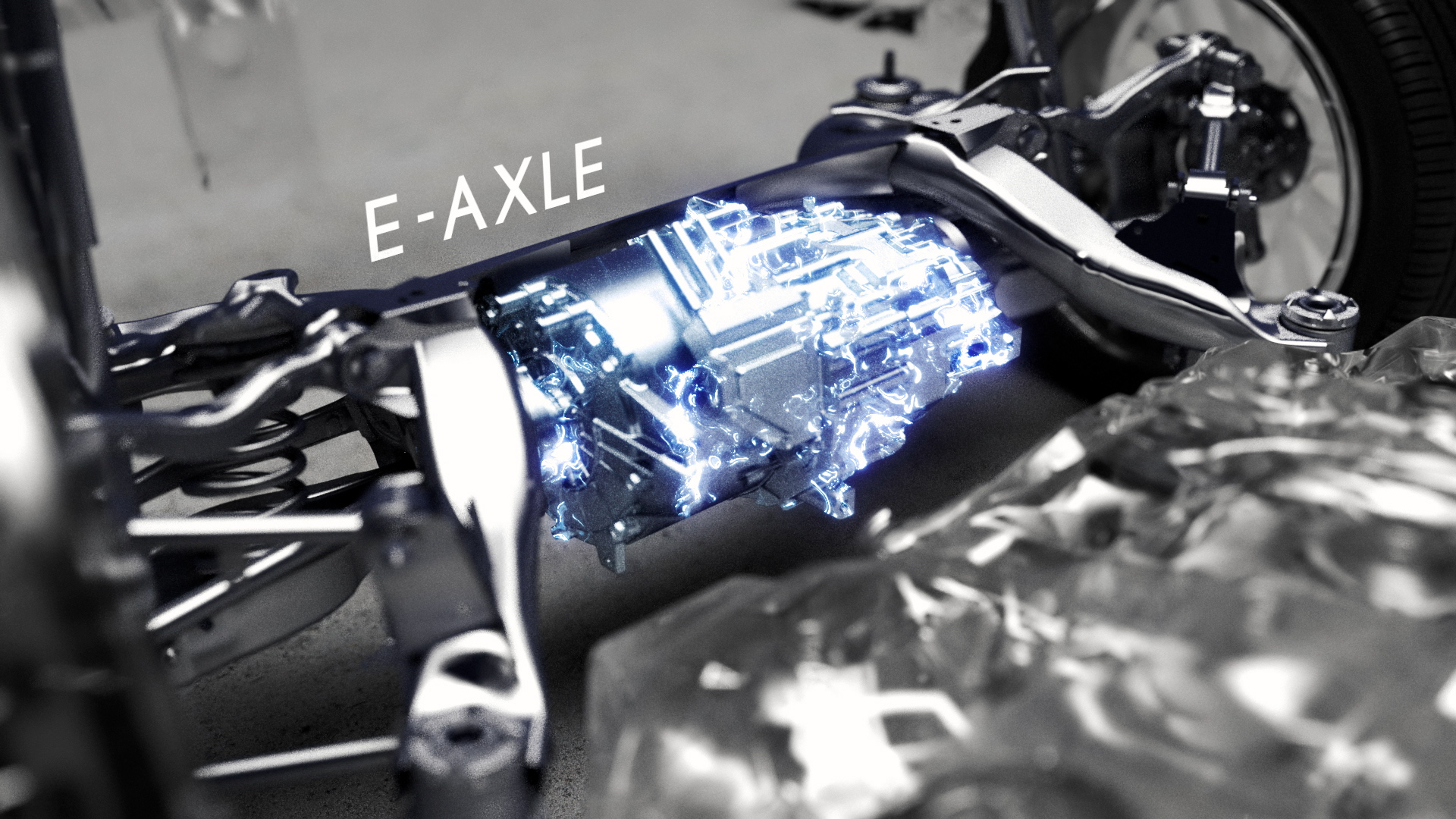
The system uses a front and rear e-axle, each featuring a high-torque electric motor and transaxle, focusing on optimum drive force distribution. As the motor is directly connected to the wheels by a single driveshaft, it operates without delay.

Its operation is intuitive and highly responsive, giving the driver a genuine sense of being fully connected with the vehicle. Moreover, it provides an ideal balance of predictability and excitement, with powerful, linear acceleration and exhilarating cornering. At the same time, the system is engineered for quietness and comfort, which will always be expected by those who travel in a Lexus.

Supporting the Lexus Driving Signature
In developing DIRECT4, Lexus has been able to draw on its experience in electrified vehicle technologies. This expertise supports the development of ‘Lexus Driving Signature’ that will define the dynamic performance of Lexus’ next-generation vehicles.

According to Chief Designer Koichi Suga, electrification technologies will impact on vehicle design as well as performance, for example with no requirement to provide front cooling for an engine and radiator. This will present new opportunities to express technological advances in the car’s 3-dimensional form.

New Lexus IS introduces ‘The Lexus Driving Signature’

COVID-19

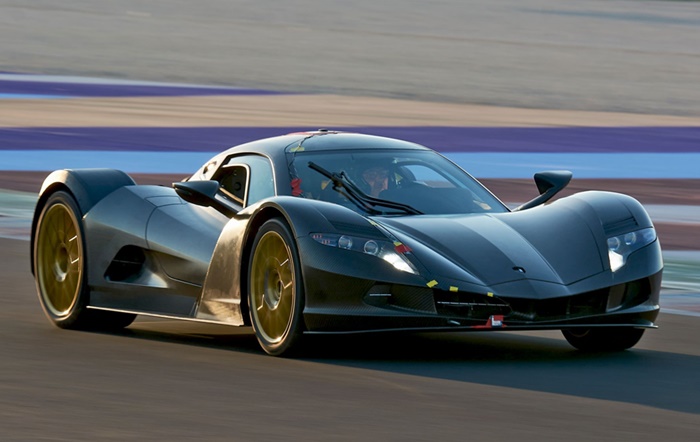
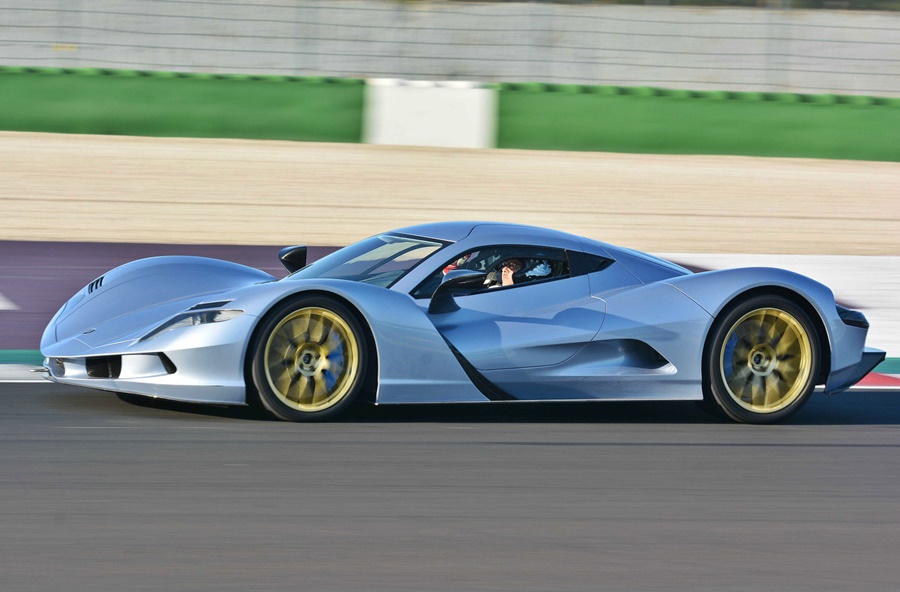
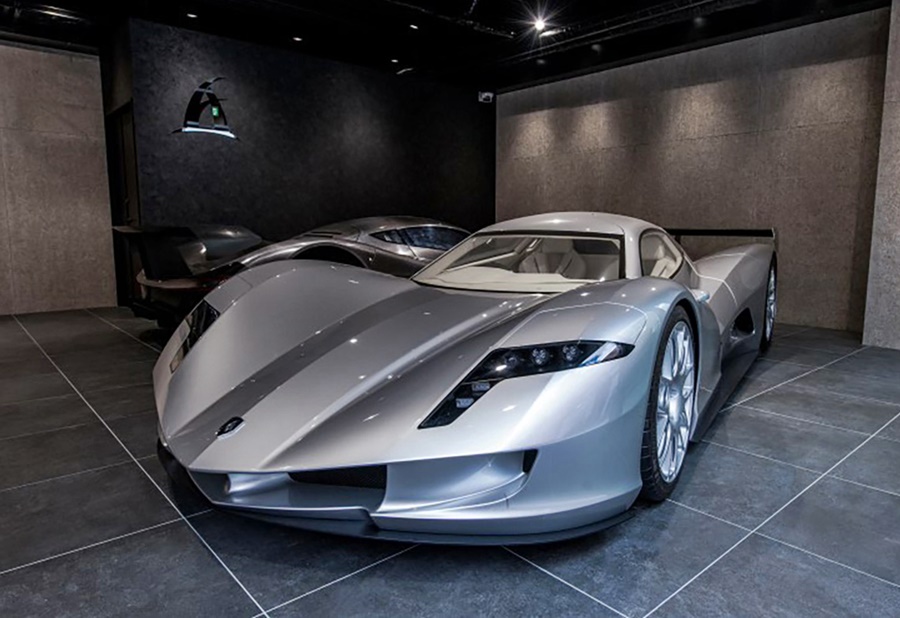
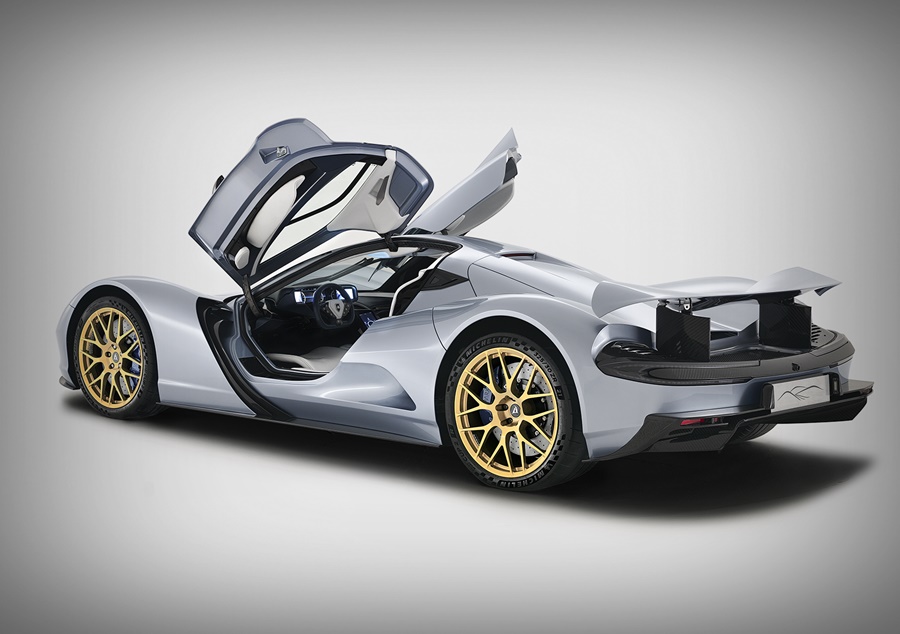
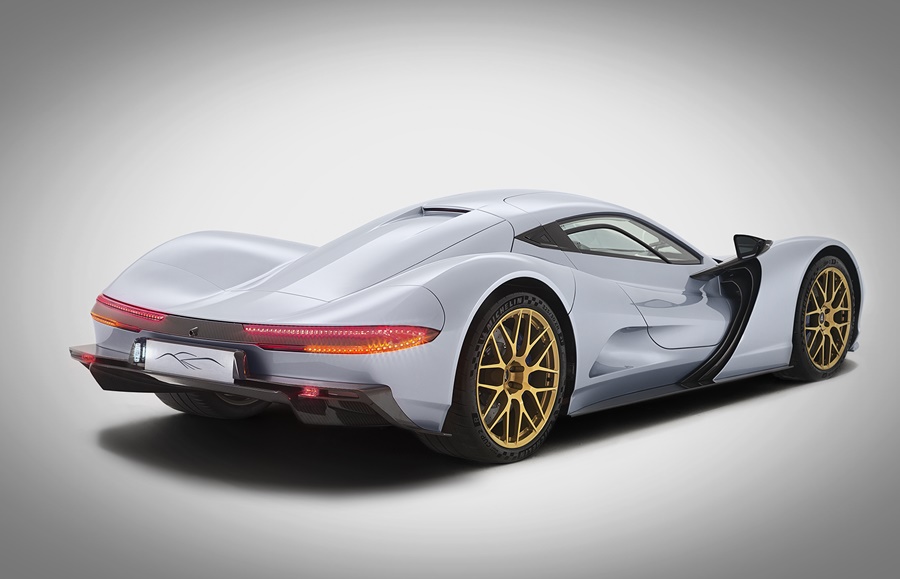
The owl isn’t known for any speed records but there is one ‘owl’ that has an acceleration record. It’s the Aspark Owl and was recently confirmed as the quickest accelerating car in the world – 0 to 60 mph (96 km/h) in 1.72 seconds, set at the Misano World Circuit in Italy. It is also the first Japanese all-electric hypercar to go into production for commercial sale.

“It’s a great honour for us to announce this achievement, reached in a record time,” said Aspark CEO Masanori Yoshida. “In 2015 when we decided to start this project, no one believed it could have been done”.

2021 Aspark Owl

From concept to production in 3 years
The Owl was first shown as a concept in 2017 and a production prototype was displayed at the 2019 Dubai Motor Show.  The original plan had been to start first deliveries in the second quarter of 2020, but the COVID-19 pandemic disrupted the schedule. Production is now underway with a limited series of 50 cars to be available worldwide, each one priced from 2,900,000 euros (about RM14.4 million). The Owl will be offered by selected dealers in North America, Europe and Japan, as well as the Middle East.

The hypercar is the product of Aspark, a Japanese company which ventured into car manufacturing in recent years. The company was founded in 2005 by Yoshida and has global operations providing engineering and R&D  services for the automotive industry, as well as for electronic, industrial and medical sectors. It has a Technology Development Centre in Japan and also carries out development and production of the Owl hypercar in Turin, Italy.

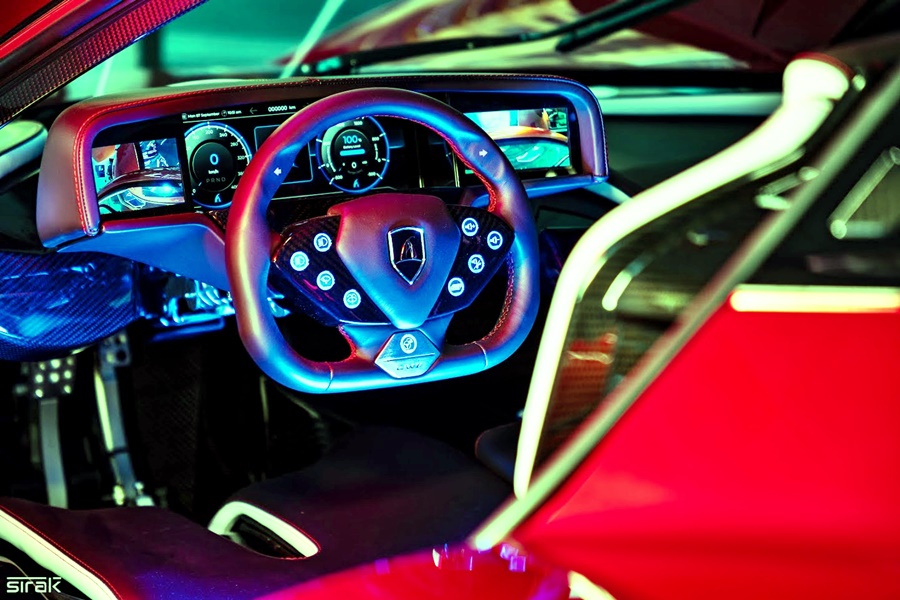
2021 Aspark Owl

2021 Aspark Owl

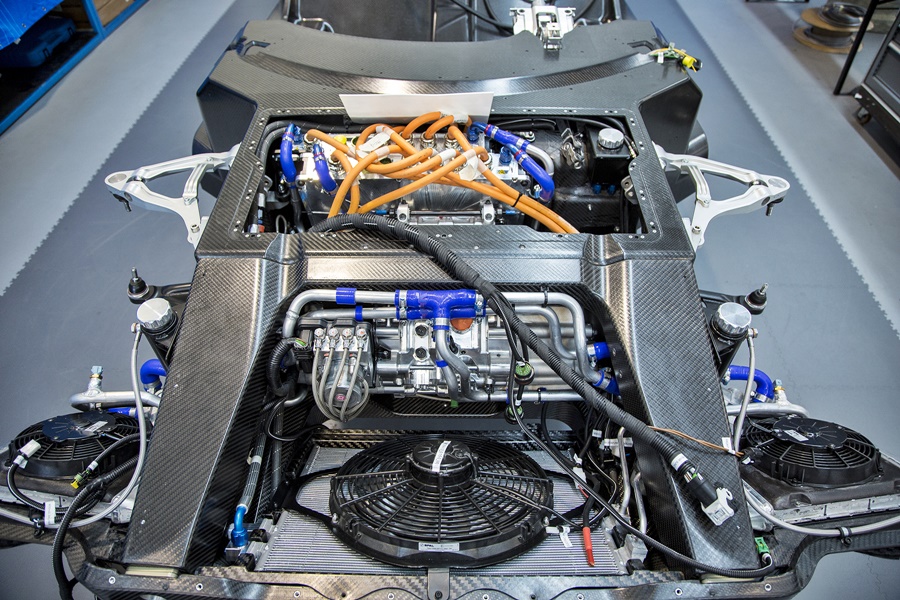
The Owl is the first of a series of extreme and disruptive automotive projects planned by the Osaka-based company.  It has the most powerful powertrain with 4 electric motors ever made. The rotational speed of each motor is 15,000 rpm, said to be the fastest in the world.
They produce a total output of 1,480 kW (2012 horsepower), with maximum torque of around 2,000 Nm. That’s 3 times more power than Formula E electric racing cars and 2 times more than today’s Formula 1 cars.
Unique Battery Monitoring System
The centrally mounted unique shape of the battery pack is specifically designed and developed for the Owl. The lithium-ion battery pack has a total capacity of 1,300 kW and can be charged within 80 minutes with 44 kW system.
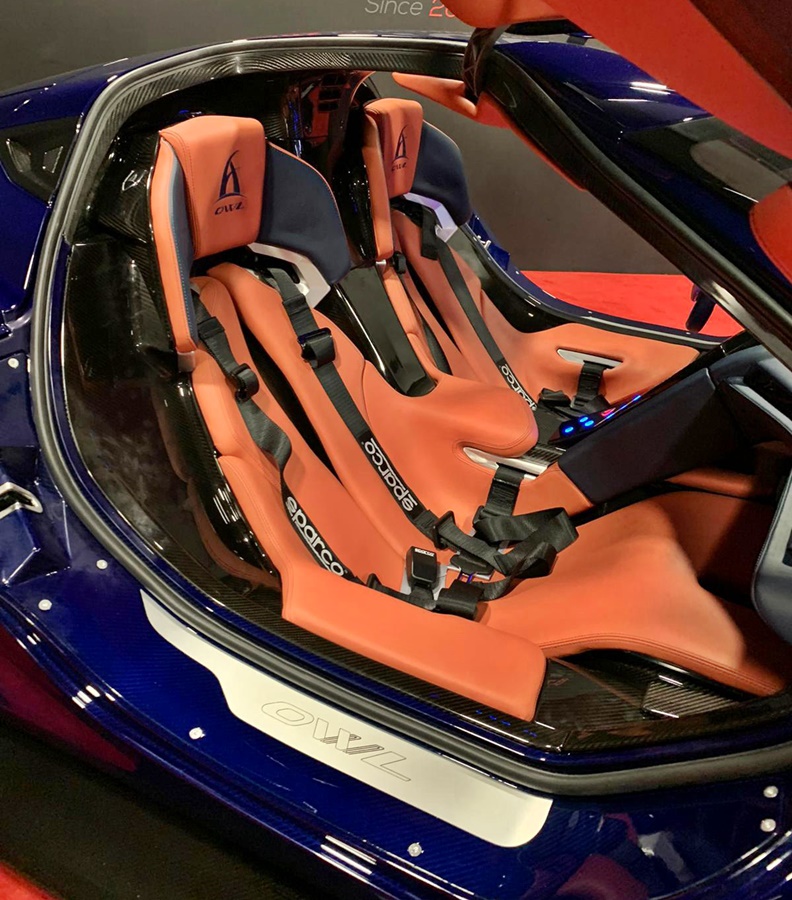
2021 Aspark Owl

One of the strongest characteristics of the battery pack is the Battery Monitoring System, which continuously monitors the level of each cell and protects the battery from overcharge, over-discharge, overheat and more. This safety device keeps the battery system under automatic control.

Carbonfibre monocoque structure
The chassis of the Owl is a single piece carbonfibre monocoque structure. The overall weight of the chassis is only 120 kgs. Honeycomb features are used on the chassis in order to absorb the shock as much as possible and to increase the safety. The body of the Owl, weighing 180 kgs,  is completely made with the highest quality level of CFRP, which has high stiffness, an extreme level of lightness and a great beauty.

2021 Aspark Owl

Stainless steel frames under the carbonfibre roof and a combination of steel frames with high stiffness ensure maximum safety for the occupants in the cockpit in case the car rolls over. It is just 99 cm tall, but the ride height can be varied between 80 and 160 mm.

“By accelerating the final stage of the Owl project in Italy and establishing a new legal subsidiary in Switzerland (Aspark Promotion AG) dedicated to the hypercar business, Aspark reinforces its international presence outside Japan,” said Head of Sales and Communication, “We are not only delivering the premium-level hypercars to our customers, but we also take the full responsibility for aftersales, right level of warranty and full product liability.”

COVID-19 Facemask

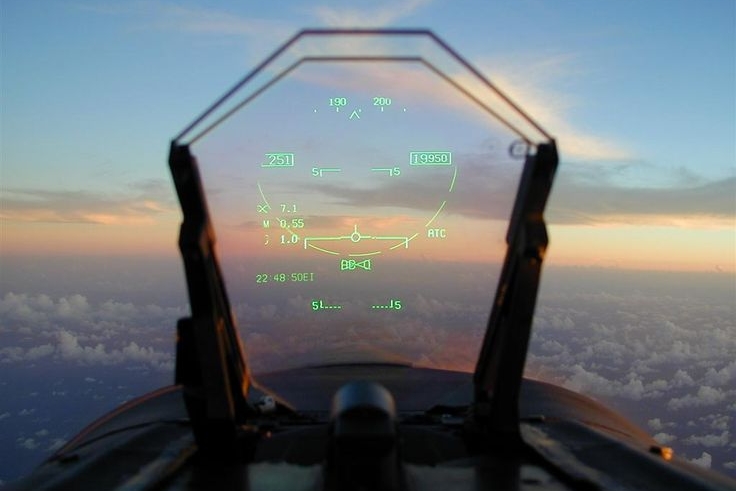
The Head-Up Display (HUD) was originally developed for use in fighter jets, providing pilots with important operating information without having to look down at instruments. This was important at the speeds they were flying, more so when in combat where they had to be looking ahead (or around) all the time.

The value of HUDs eventually saw them being installed in commercial aircraft, providing pilots with an additional ‘screen’ ahead of them so they could still view the runway ahead when landing. The system also caught the attention of engineers in the auto industry who thought it would be a good idea to use in cars. By projecting information on the windscreen, the driver could stay focussed on the road ahead and still be informed of things like speed and other functions.

HUD in a fighter aircraft

The earliest use of the HUD in a car was in a Nissan Silvia in the mid-1980s and General Motors also put it in some of its models. However, the early HUDs were simple with just a few items of information. There were initial issues of visibility in bright sunlight which limited their wider use, apart from the cost. As such, while they continued to be offered, only very expensive models had them, usually as an option.

Some manufacturers came up with a low-cost approach which did not need any special windscreen glass. Instead, a flip-up see-through panel was installed on top of the dashboard ahead of the steering wheel. Information was projected onto this from inside the dashboard, which was visible to the driver. In a way, it was a return to the earliest concept of the HUD which was basically a reflector sight installed in fighter planes in World War II.

A genuine innovation
With advancements in electronics and other technologies, the HUD for cars has also evolved and with costs dropping as volume increases, it is slowly becoming available in lower segments. Volkswagen is the first car manufacturer in the world to introduce this technology in the compact segment (initially in the new ID.3 and ID.4 electric models), and it includes augmented reality (AR) as well.

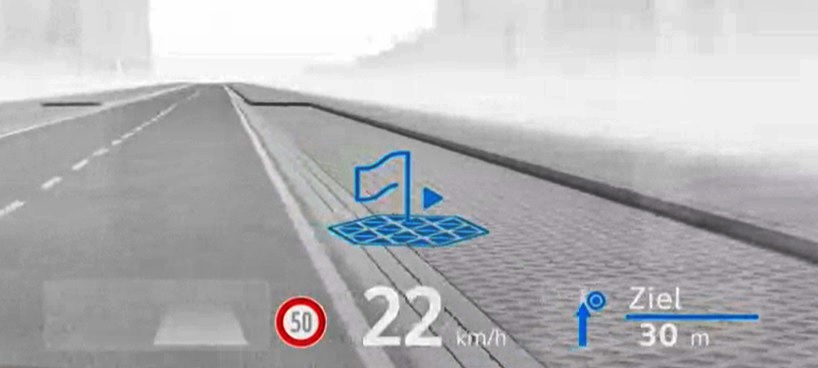
With AR, the virtual and real worlds are merged in the HUD panel. The innovative system superimposes selected symbols onto the outside world and displays them dynamically. It’s a new chapter in driver information displays and a genuine global innovation.

Two fields, two levels.
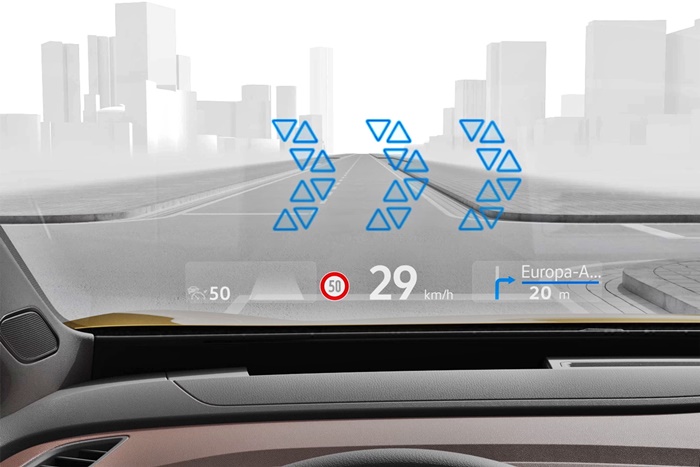
The AR HUD projects important information onto the windscreen – separated into two fields and levels. The large window for the dynamic displays is located in the driver’s field of view at a virtual distance of around 10 metres and has a diagonal measuring around 1.8 metres. Information from the driver  assist systems as well as the turn arrows and starting points and destinations of the navigation system are displayed in this far-range window.

The close-range window is located as a flat band under the large far-range window. This shows the driving speed, road signs, and assist and navigation symbols as static displays. They appear to ‘float’  around 3 metres in front of the driver.

All displays are positioned perfectly in line with the real world outside the vehicle and are shown dynamically. When the vehicle approaches a junction where it should turn off according to the navigation route, the driver sees two indications: in the first step, an advance notification on the road level, and then three arrows located at the junction.

The closer the driver gets to the junction, the larger the arrows become. At the same time, their textures fade in order to ensure a clear view of the road. When developing all displays, Volkswagen followed the basic concept of “Less is more”. This ensures that the driver is not overwhelmed with distracting information under any circumstances.

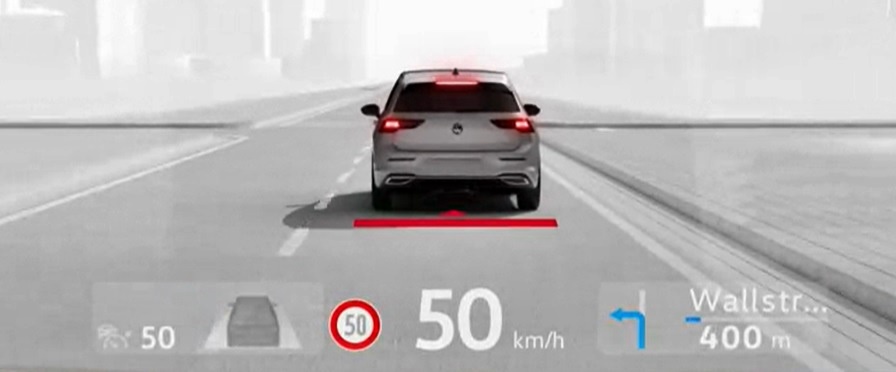
The Lane Assist function is also visualised in the far-range window. If the vehicle moves closer to a boundary line at the edge of the road without indicating, this line is displayed in orange. Two green lines appear after switching on Travel Assist, which keeps the car in the middle of the lane. When following another vehicle, the display marks the vehicle in front with a coloured stripe as soon as Adaptive Cruise Control or Travel Assist is activated. When the assist systems are switched off, the driver sees a red warning signal if they drive dangerously close to the vehicle in front.

The technical heart
The technical heart of the AR HUD is the picture generation unit display located deep inside the dash panel. The beam bundles generated by an especially bright LCD display are transmitted onto two flat mirrors, and special lenses separate the portions for the close and far range display levels. The flat mirrors deflect the beams onto a large, electrically adjustable concave mirror. From here, the beams reach the windscreen and thus enter the driver’s field of view. The driver sees the symbols with the same sharp definition as the real world at an apparent distance of just under 10 metres.

The images are generated by an AR creator located in one of the two central computers in the ID. models. The AR creator calculates the positioning of the symbols corresponding to the surroundings. To make these calculations, it receives information from the raw data of the front camera, radar sensor and navigation map. The displays that appear in the large window are stabilised with respect to the vehicle’s movements and adapted to the geometry of the optical projection system.

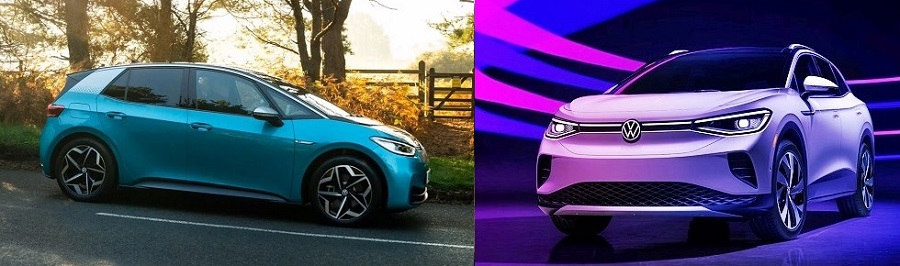
The ID.3 (left) and ID.4 are the first members of Volkswagen’s all-electric ID. family to go on sale.

“We have introduced a genuine innovation not in a premium vehicle, but in the compact models of the all-electric ID. family. Making pioneering technologies available to a large number of customers is a core competency of Volkswagen,” said Frank Welsch, Member of the Board of Management for Development at Volkswagen.

ID.4 – first all-electric SUV from Volkswagen

Archive

Follow us on Facebook

Follow us on YouTube