Piston.my

EV

Just as motorcars from the time of Gottlieb Daimler evolved over the decades to be varied in purpose, design and performance, electric vehicles have also a variety of types. Initially, constrained by technology, ‘performance’, as enthusiasts know it, was not highlighted much even though an electric motor provides a lot of torque right from moving off for brisk acceleration. But with EV technology pushing the edge of the envelope more and more, ‘high performance’ can also be used with electrically-powered vehicles.

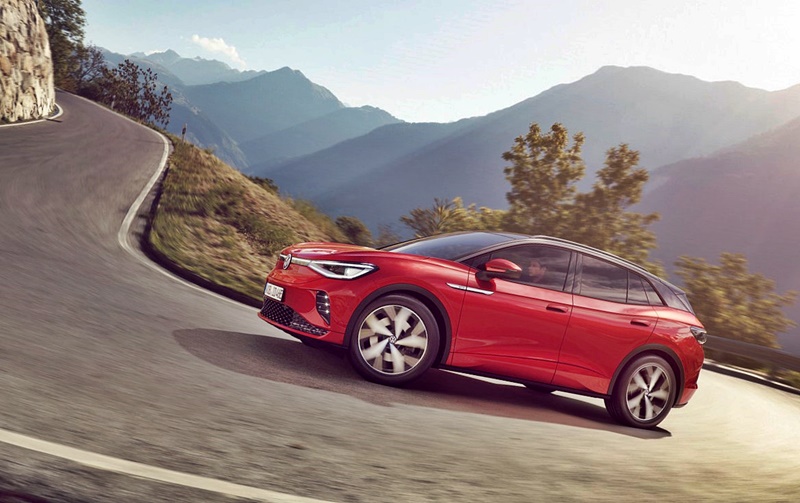
Volkswagen is now heading into the new segment with the ID.4 GTX unveiled at a digital world premier recently. A member of the brand’s electric range, it is the first fully electric high-performance model that is said to add a new dimension to sportiness and dynamics. Just as ‘GTI’ has been used to identify Volkswagen’s performance models, ‘GTX’ will do likewise with the electric vehicles.
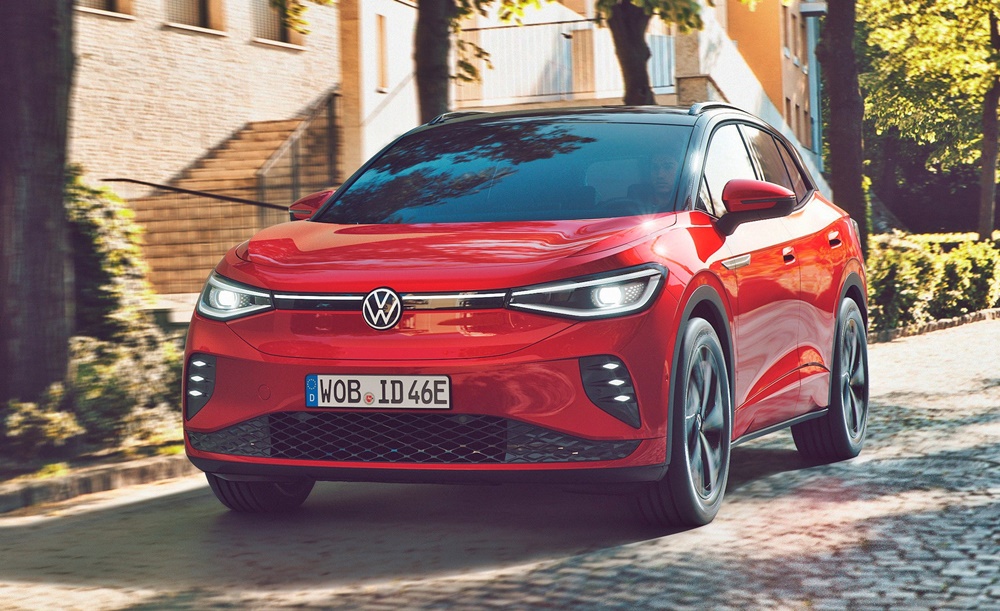
2021 Volkswagen ID.4 GTX

“The most emotional member of the ID. family to date shows that electric mobility and top sporty performance are not mutually exclusive. The full torque of the electric powertrain is immediately available and you can feel the excellent vehicle handling in every bend,” said Thomas Ulbrich, member of the Board of Management for Development.

Two motors for all-wheel drive
The ID.4 GTX is the first model based on the modular electric drive matrix (MEB) to feature dual-motor all-wheel drive. There is one electric motor installed on the front and the rear axle. Together, both motors can generate maximum electrical output of 220 kW (299 hp) and can work together to give all-wheel drive.

Putting one motor at the front and one at the back to get all-wheel drive is actually an idea that goes back to the 1980s. Volkswagen engineers put two 1.8-litre engines in a Golf (Mark 2) that was entered in the Pikes Peak Hillclimb event in America. The prototype completed the course in 1985 and 1986 but suspension failure prevented it from finishing in 1987 and after that, the project did not continue after that.
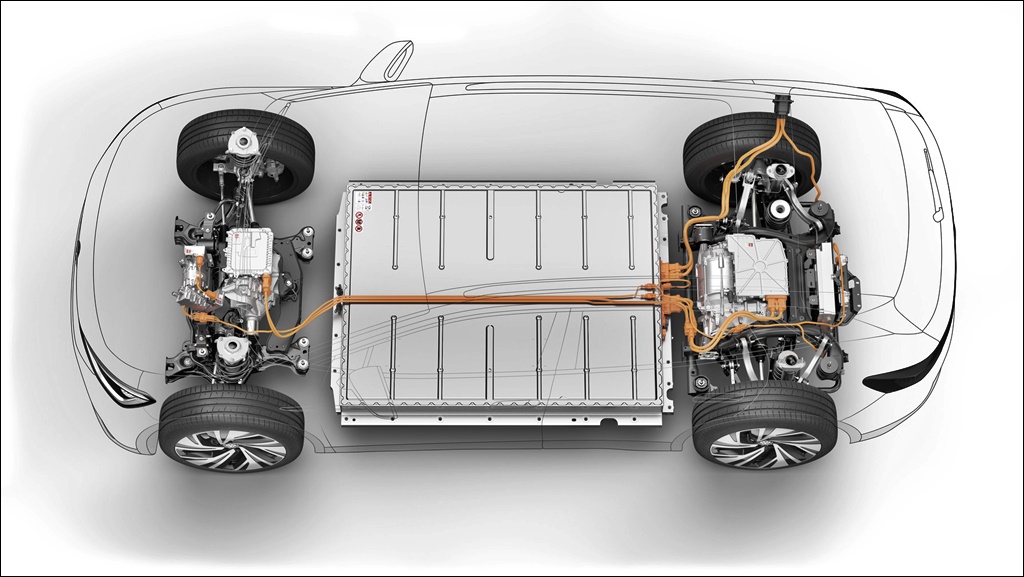
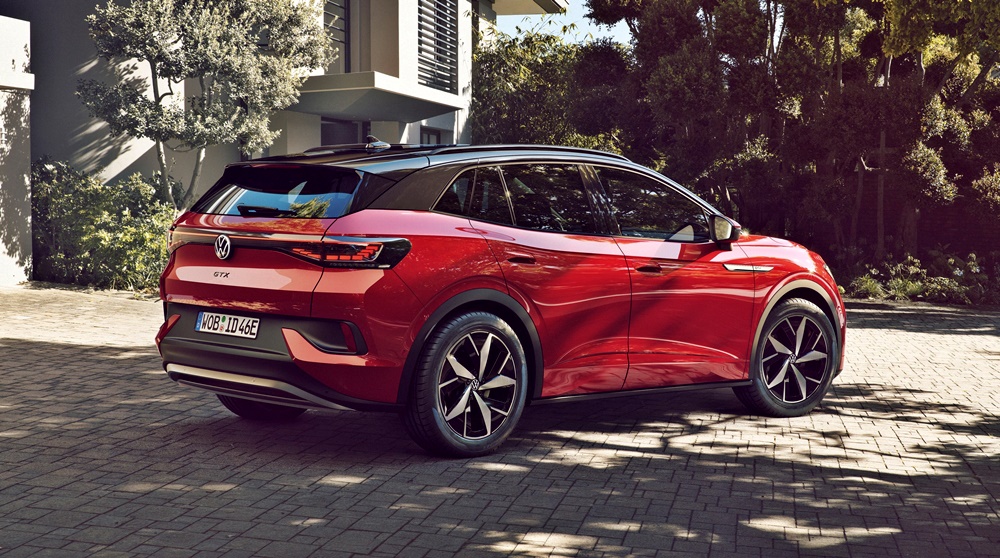
2021 Volkswagen ID.4 GTX

The AWD system in the ID.4 GTX operates with greater efficiency as the motors are managed by computer, so optimum output will be generated on each axle according to conditions. Volkswagen claims that acceleration from 0 to 60 km/h can be done in 3.2 seconds, with 0 to 100 km/h in 6.2 seconds. Not exceptionally quick but can be considered high performance for an e-SUV. The top speed will be limited to 180 km/h.

Sportier character emphasised
The ID.4 is the 2021 World Car of the Year and the GTX shares the overall design with the other versions but gets differentiation to emphasise its sportier character. The familiar light strip has been combined with dynamic elements, in particular, the three honeycomb elements that form the daytime running lights. Besides conveying the sporty character, this styling element establishes a connection to the Golf GTI. Alongside the different bumpers are distinctive elements at the rear include the 3D LED tail light cluster with brake lights that form an X.
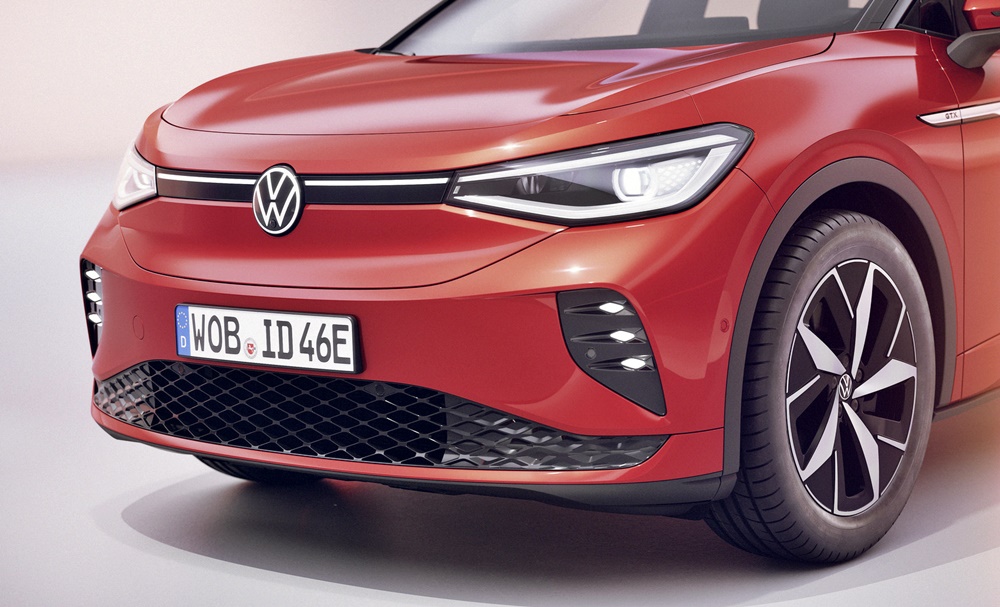
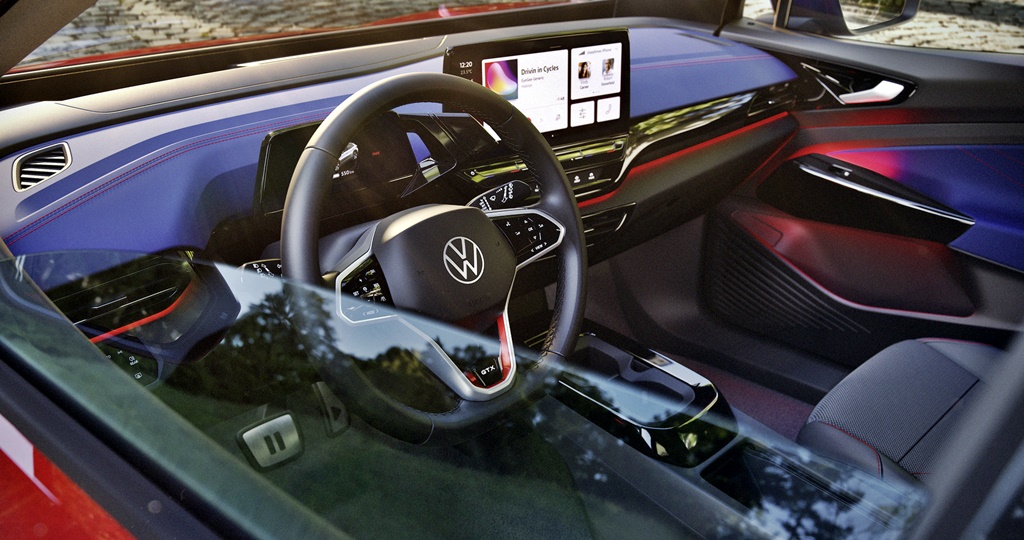
2021 Volkswagen ID.4 GTX

2021 Volkswagen ID.4 GTX

Visual connection to Golf GTI 
The body colour is more dominant than on rear-wheel drive versions. The roof and rear spoiler are black, while the roof frame bar is a high-gloss anthracite. The interior also has a different colour scheme with the upper section of the dashboard and leatherette inserts in the doors in a dark shade called ‘X-Blue’. Red contrasting seams – a classic symbol for sportiness and strength – add accents to the seats. The GTX logo appears on the steering wheel, sill panel trims and – in perforated form – at the top of the front seat backrests.

The ID.4 line has been available in Europe, North America and China since last year, and the GTX will go on sale in Europe after June this year. The lowest priced ID.4 GTX will be 50,415 euros (about RM249,000) but buyers can apply for an EV grant of 7,500 euros (about RM37,000) to offset the cost.
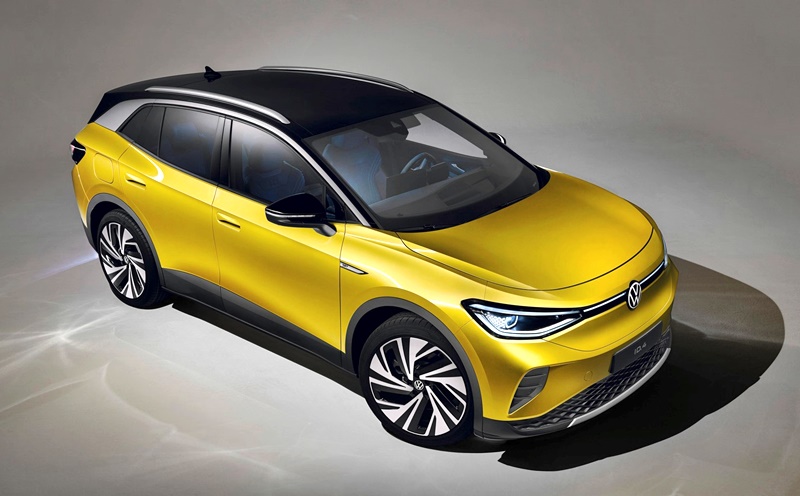
2020 Volkswagen ID.4
The standard ID.4 which is now on sales in Europe, North America and China.

Will we see such EVs in Malaysia?
As more and more EVs are launched, Malaysians must wonder if we will see them in the showrooms. In neighbouring countries, government policies are already in place to give a big push to switching to EVs but Malaysia seems to show little initiative. There is a plan which will allow 10,000 EVs to be imported tax-free but unless there are assured long-term incentives to make it worthwhile for companies, we will see the same thing happening as before when there was tax exemption for a few years for hybrids and EVs. When the exemption ended and prices went back up, sales died altogether except for a few companies that decided to include electrified models in their locally-assembled line-up.


ID.4 – first all-electric SUV from Volkswagen

Cadillac is one of the first automotive brands in the world, with a history that goes back 118 years. While it was already established as a luxury brand from its early years, the name outside America was often associated with ‘gas guzzlers’ – cars with high fuel consumption and with dimensions like an aircraft carrier (an exaggeration, of course). The fact is, Cadillac models were fairly large and their heavy weight as well as big engines consumed fuel at a high rate but thankfully for American motorists, petrol prices were cheap.
By the 1970s, Cadillac began to ‘downsize’ and by the 1980s, even started to use front-wheel drive. Technology helped bring fuel consumption down and by the time the 21st century began, the company’s model range was sized more practically. Fuel consumption was certainly much lower than ever before although perhaps high compared to models from Europe and Asia.
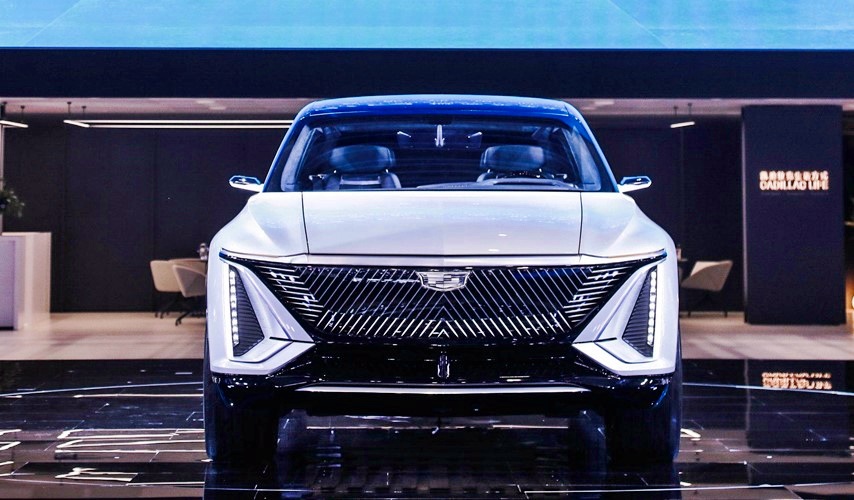
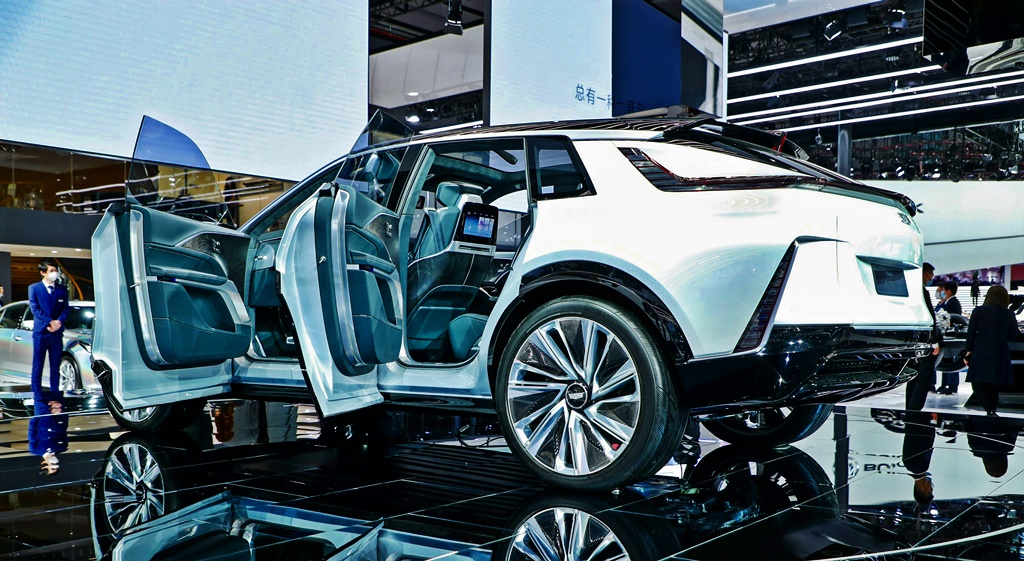
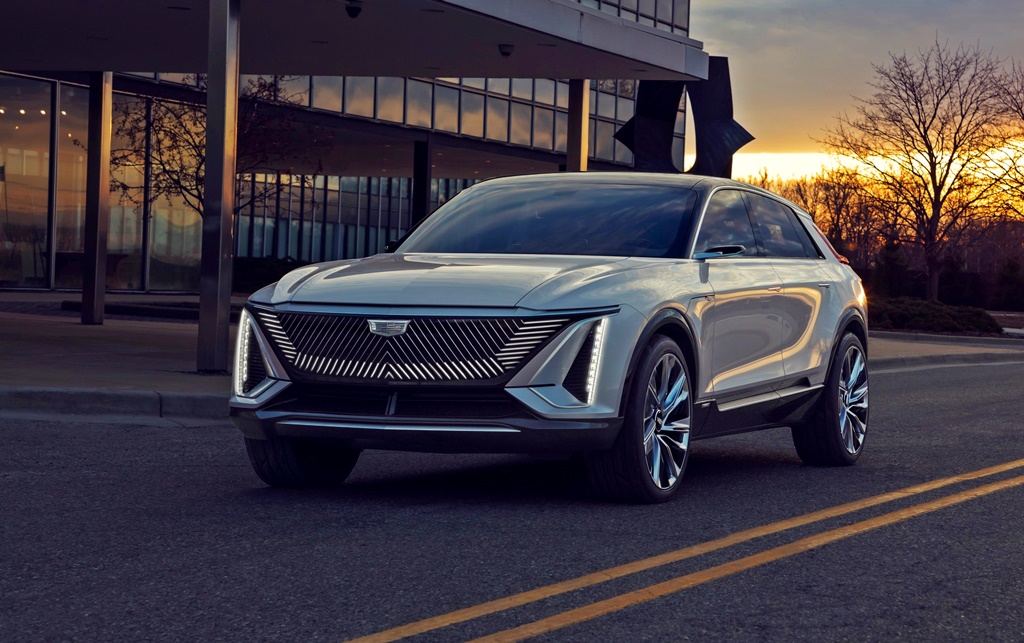
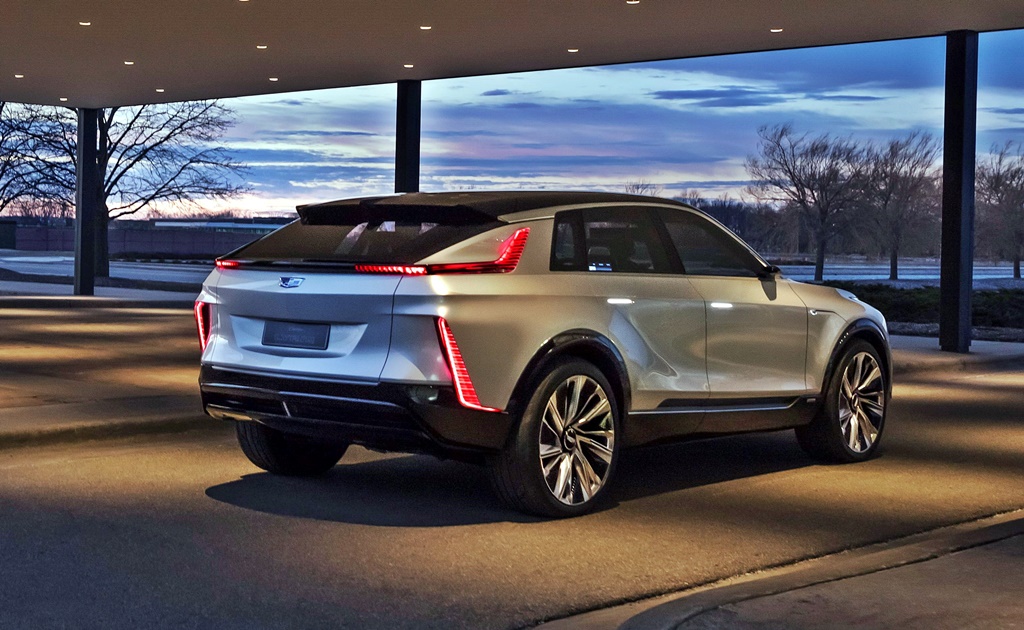
2022 Cadillac LYRIQ

No more new combustion engine models
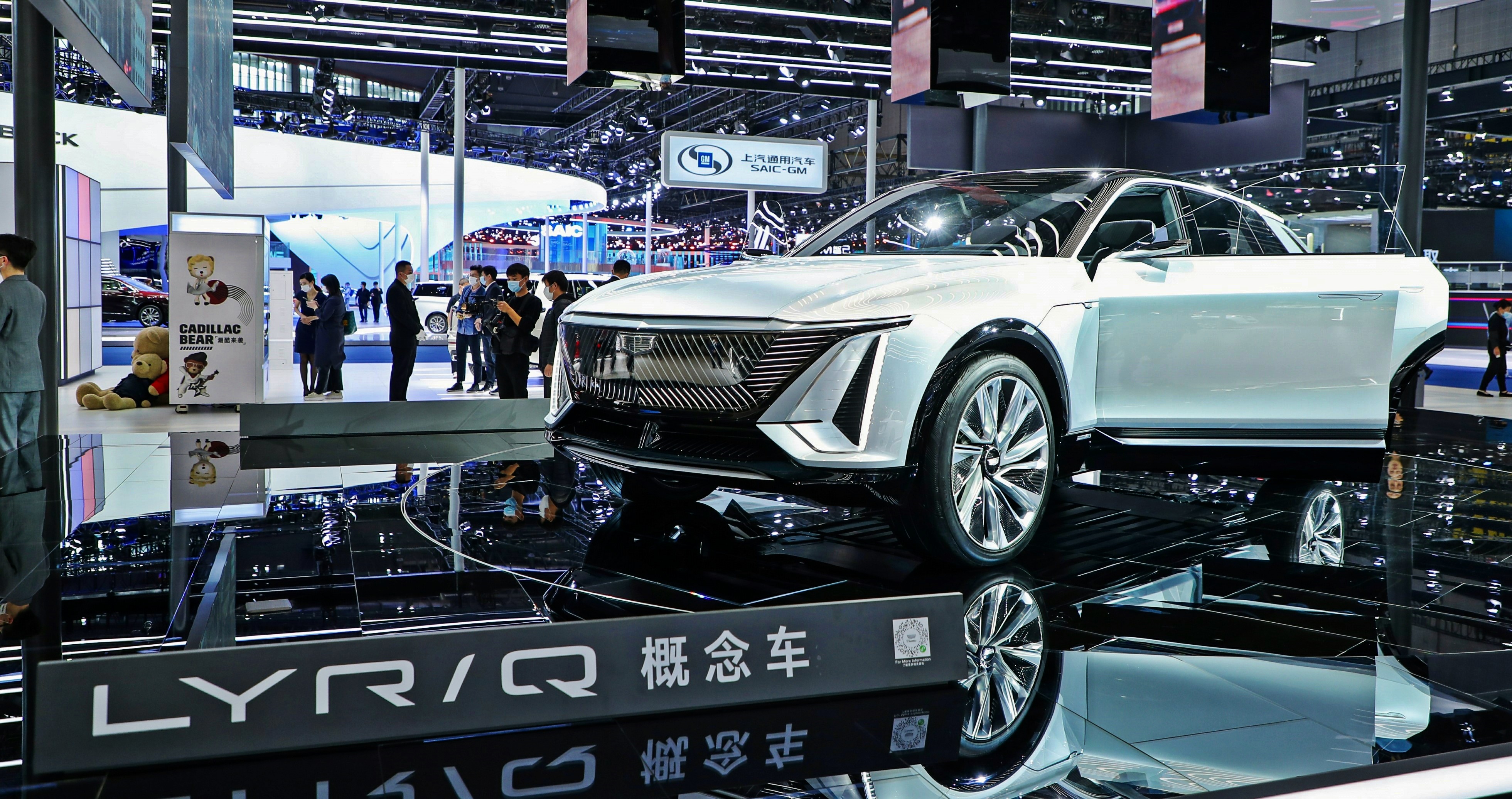
Now the company is making a big leap forward with the decision to stop introducing new models with combustion engines (although it will continue to sell existing models). From next year, it will launch the first of many electrically-powered models to come and it has revealed what the first model will look like with the unveiling of the LYRIQ at Auto Shanghai last week.

Cadillac executives avoided calling it a concept car and said that the production model will look the same. “We are calling the model on display in Shanghai a showcar – not a concept – because it will go into production soon. You may be surprised how similar it is to the showcar,” said Felix Weller, Vice-President of Cadillac in China and General Director of Cadillac Marketing and Sales at SAIC-GM.

2022 Cadillac LYRIQ

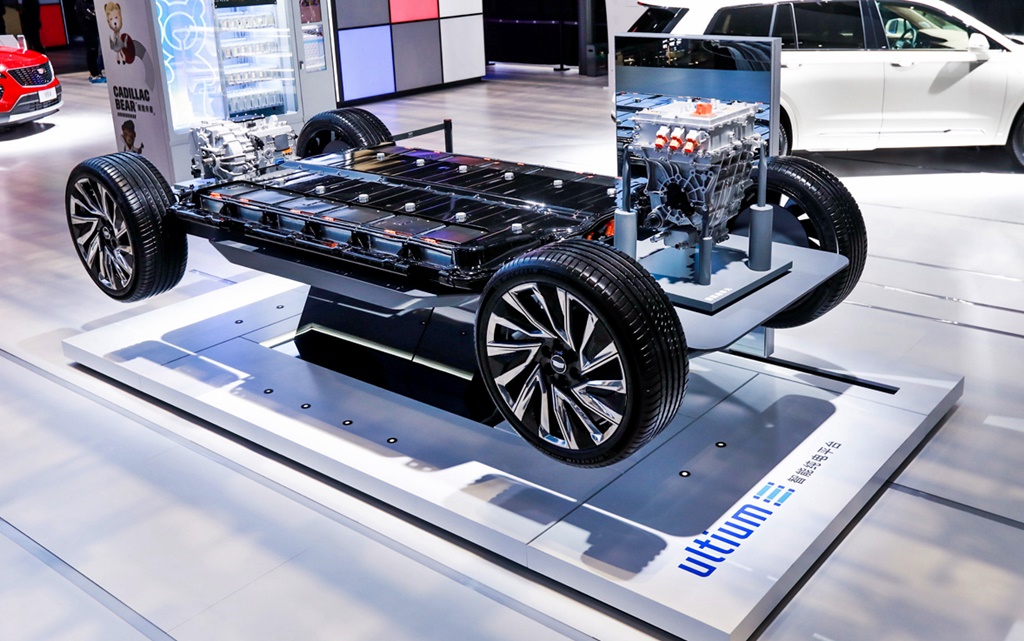
GM Ultium batteries and platform
Th LYRIQ is positioned as a midsize all-electric SUV, equipped with GM’s latest Ultium batteries, the industry’s first wireless battery management system which saves up to 90% of the wiring. Also, the battery system can receive new features as they become available, with support for over-the-air (OTA) updates provided by its Vehicle Intelligence Platform.

At launch, the LYRIQ’s dedicated electric architecture will include a 12-module, 100 kWh battery pack and a rear-wheel-drive Ultium Platform. The powertrain is expected to generate up to 340 hp, with 440 Nm of torque, and on a fully-charged battery pack, the estimated range will be over 480 kms.

As the cornerstone of GM’s electrification across the board, the next-generation and highly flexible Ultium platform allows Cadillac to deliver a variety of range and performance options. The modular EV platform on which the LYRIQ is based eliminates significant physical constraints associated with adapting electric propulsion within a conventional vehicle architecture. The result is an optimized design that supports greater driving range, an engaging driving experience and a new interpretation of the passenger space.

High-speed charging
The LYRIQ features an industry-first wireless battery management system and patented thermal protection technology to offer a safe, powerful and reliable luxury EV experience. Recharging time can be short as the LYRIQ can accept high-speed DC fast charging at 190 kW. This means that the owner can add an estimated 122 kms of range in about 10 minutes. For home charging, the LYRIQ will have a a segment-leading 19.2 kW charging module which can add up to 83 kms of range per hour of charging.

Next-generation variable ‘Regen on Demand’ technology, along with the convenience of One-Pedal Driving, will also be available. With Regen on Demand, drivers can control how quickly LYRIQ slows down or comes to a complete stop using a pressure-sensitive paddle located on the steering wheel. Both technologies make use of regenerative braking to help maximize electric driving efficiency.

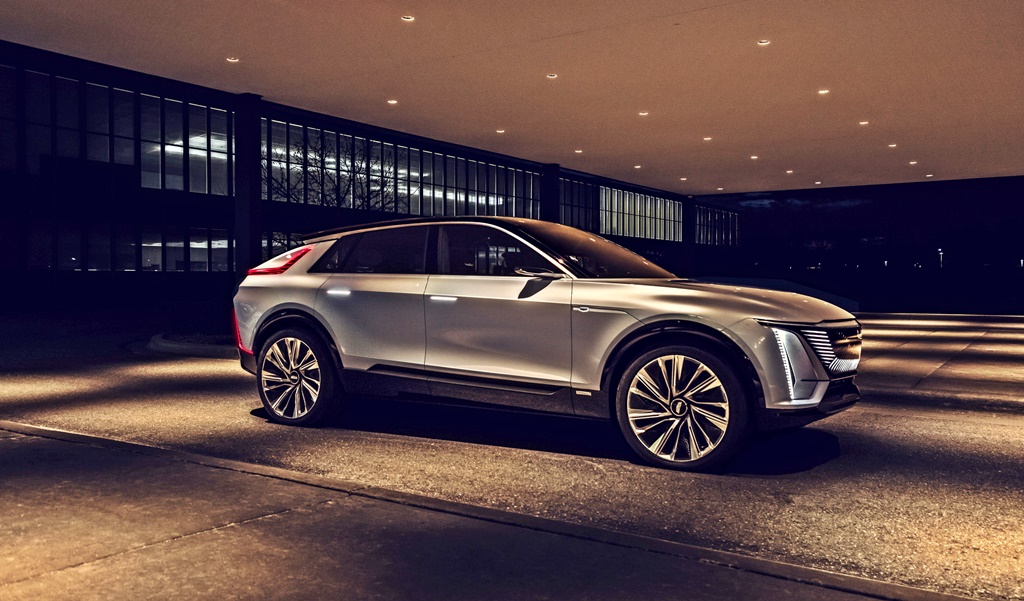
2022 Cadillac LYRIQ

Name inspired by music and poetry
The name ‘LYRIQ’ was inspired by Cadillac’s rich connection to the arts such as music and poetry. Its exterior styling is true to its intent to blend a sensory artform with intelligent technology, and underscores the brand’s bold aesthetic design philosophy.

The front of the showcar is designed to blur the lines between lighting and the grille. Vertical, slim-line LED headlamps interplay with Cadillac’s signature vertical lamps via the Illuminated Black Crystal grille, which not just follows the brand’s classic elements but presents a charming and futuristic visual effect like never before.

2022 Cadillac LYRIQ

A full, two-tone glass roof stretches straight through to the roof spoiler, defining a low and fast profile while enabling outstanding aerodynamics. The lower centre of gravity and near 50/50 weight distribution between the front and rear axles was enabled by the placement of the battery pack. Large 23-inch wheels in a matte finish enhance the vehicle’s dynamics and visual impact when still.

In order to highlight the purity and lightness of the LYRIQ’s form, Cadillac’s design team straddled the line between white and silver, using an unusual 14-layer painting process. With the change of light angle, the body finish shows a strong sense of flow, reflecting Cadillac’s distinctive luxurious style.

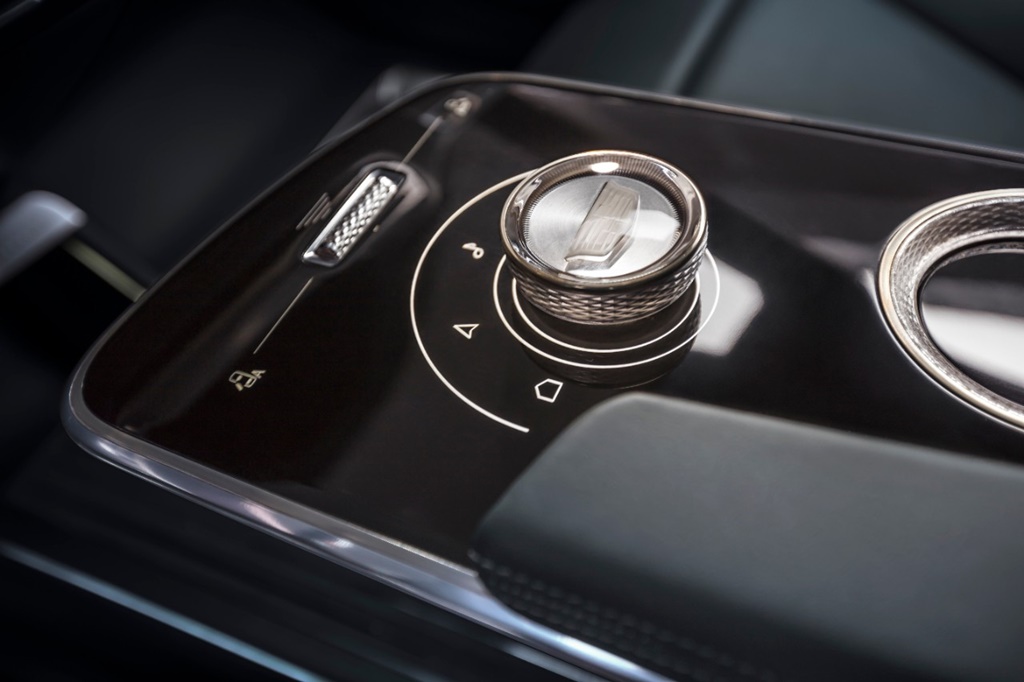
The seamless integration of art and technology is woven through every detail of the interior. Graceful and specific Cadillac knurling is etched on each component, and laser-etched patterns run throughout the metal-based wooden décor. There is detailing inside the vents as well, which emphasizes the idea of high design even in the smallest of areas.

2022 Cadillac LYRIQ

2022 Cadillac LYRIQ

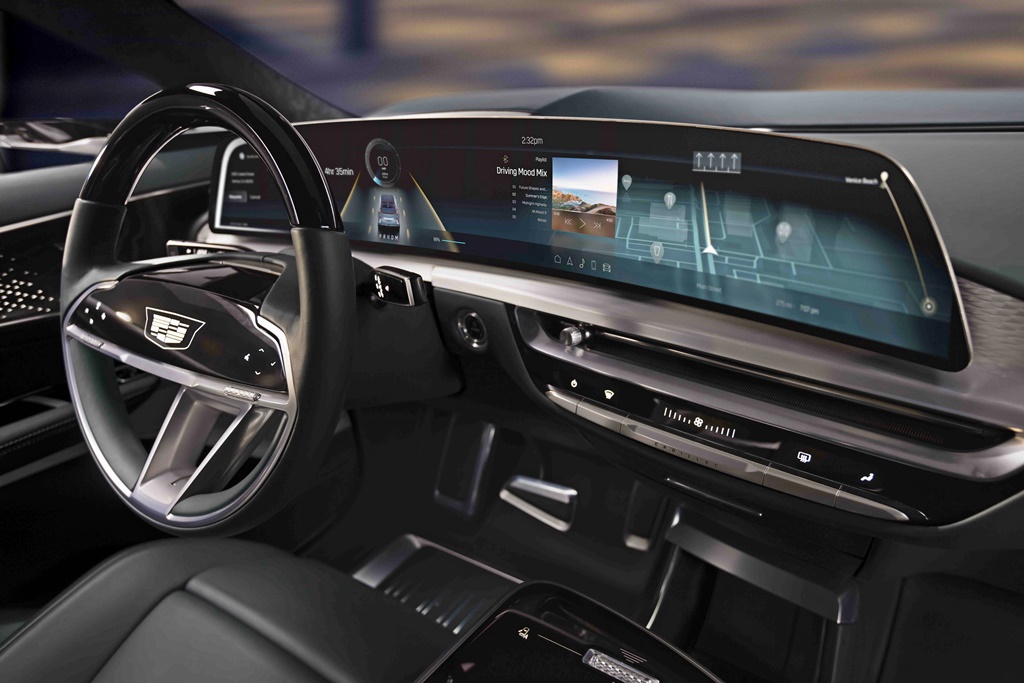
A 33-inch-diagonal advanced LED display artfully integrates a single large screen that spans the viewing area for the driver. This new display has the highest pixel density available in the automotive industry today and can display over one billion colours.

The LYRIQ’s new augmented reality-enhanced Head-Up Display employs two planes – a near plane indicating speed, direction and more, and a far plane displaying transparent navigation signals and other important alerts. The vehicle’s technology also addresses sound in two important ways: blocking unwanted sounds and making the most of the sounds passengers want to hear. For the first time, Cadillac will introduce a new road noise cancellation technology, which takes active noise cancellation to the next level by introducing more microphones and accelerometers.

“Throughout the next decade, Cadillac will define the future of luxury transportation through a series of exciting new electric vehicles, and it all begins with LYRIQ,” said Rory Harvey, Vice-President, Global Cadillac.

2022 Cadillac LYRIQ

GM looking forward to all-electric future with Ultium batteries

The National Vaccination Program in Malaysia is free of charge.

Visit www.bhpetrol.com.my for more information.

‘Mobility’ is a word that automakers like to use today, some explaining that they are transforming themselves from just being vehicle manufacturers to ‘mobility companies’. Honda too sees itself as a mobility company and indeed, over the 73 years it has been in business, it has developed products that provide mobility for the masses. In fact, it’s the world’s largest power unit manufacturer, making products from power generators used at pasar malams to motorized transport and even jet aircraft.

Honda would like to be regarded as a company that society wants to exist, because of the good things it does and can do. And as a responsible corporate citizen, it also has to consider important global issues concerning the environment and road safety, the latter related to the vehicles it provides.

With reduction of carbon emissions as a priority, Honda has made a firm commitment to achieve carbon neutrality for all its products and corporate activities by 2050. In this way, its business will have zero environmental impact and this will require the use of clean energy and resource recirculation.

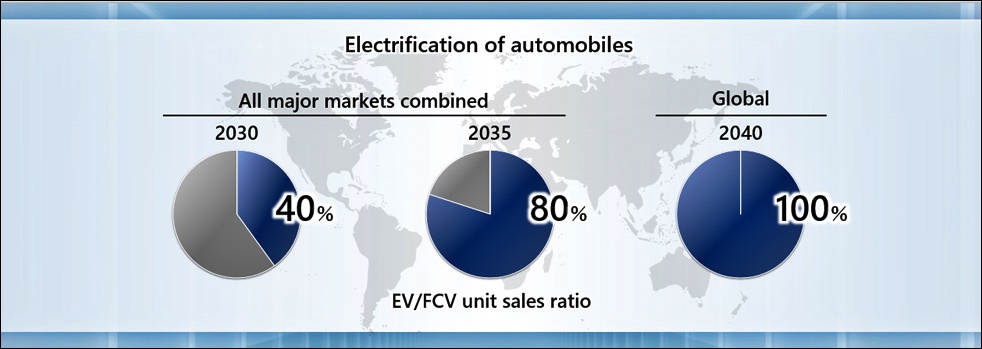
In order to achieve this carbon-free goal on a ‘tank-to-wheel’ basis, Honda has decided that by 2040 – just 19 years from now – it will sell only battery-electric vehicles (BEVs) and fuel cell electric vehicles (FCVs). It will no longer sell vehicle with internal combustion engines (ICE) that generate pollution, even if much has been done in past decades to bring pollution from exhaust emissions down (Honda’s CVCC system being one of the ways).

Of course, between now and 2040, the phasing out of ICE vehicles has to be progressive and will start with the more advanced markets where there is already a trend of electrification. In fact, Norway has already reported that sales of fully electric vehicles have overtaken ICE vehicles in that country. The ratio of electrified vehicles will be 40% by 2030 and then doubled to 80% by 2035.

The company has identified North America as one of the regions where it will pursue the targets and has formed an alliance with GM to achieve electrification in North America efficiently. The two companies are jointly developing two large EV models using GM’s Ultium batteries which will enter the market in 2024 under both the Honda and Acura brands.

Starting from the second half of the 2020s, Honda will launch a series of new EV models which adopt e:Architecture, a completely new EV platform developed by the company. These EV models will first be introduced to the North American market, and then to other regions of the world.

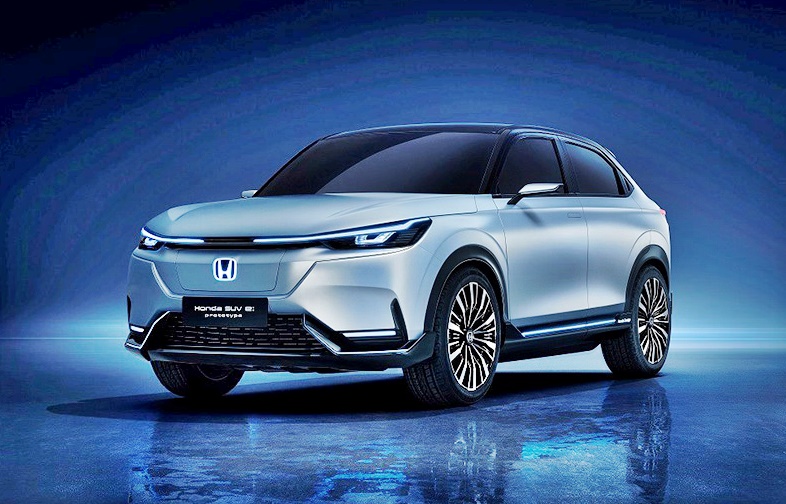
China, the world’s largest automobile market, will also see a similar progression to EVs and during the next 5 years, at least 10 Honda-brand models will be introduced. In fact, the first of these will be the SUV e:prototype which is scheduled to go on sale in early 2022.

SUV e:prototype, unveiled in Shanghai this week, will go on sale in 2022 as the symbolic first Honda-brand EV in China.

Japan, Honda’s home market, will see a sales ratio of 20% EVs by 2030, 80% by 2035 and 100% by 2040. However, if including hybrid models, 100% of automobile sales in Japan can be electrified by 2030. There will also be a K-car EV in 2024 as well.

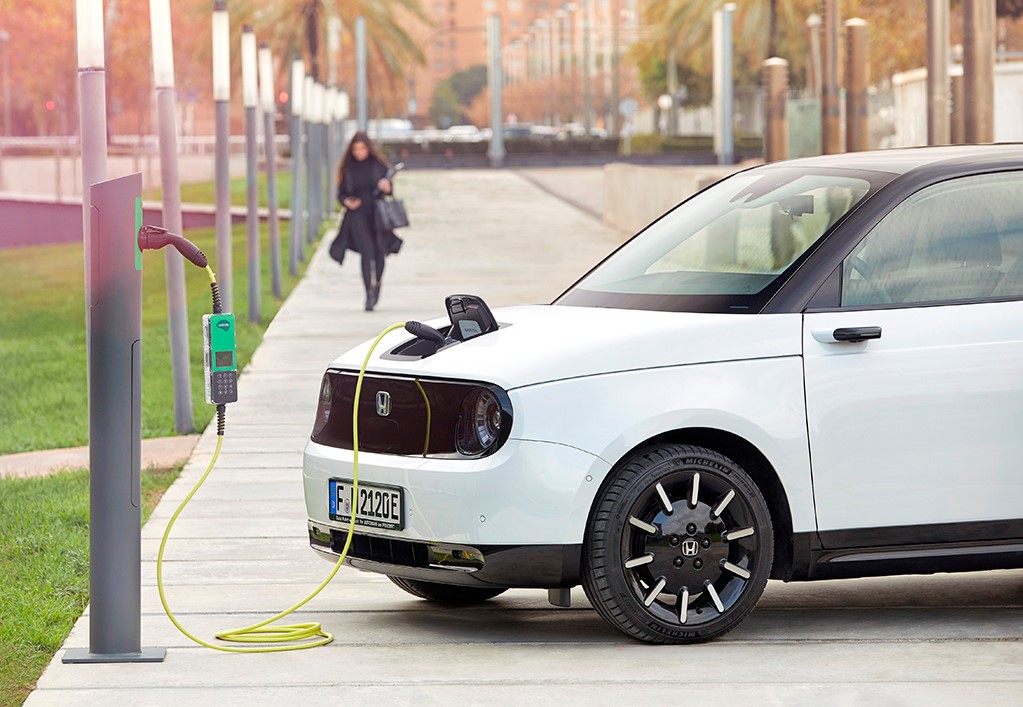
It will be interesting to see how Honda deals with markets which do not have firm policies concerning EVs. Obviously the company won’t want to stop selling altogether but conditions could be difficult if prices of EVs do not come down sufficiently for the masses to afford. Right now, in countries like Malaysia, the fact that EVs have to be imported in CBU form makes them very expensive and low numbers will not be encouraging for companies, even less so to consider local assembly that could help offset the high production costs. Even then, a poor recharging infrastructure will be a discouraging factor to consumers and this would need government support to establish comprehensively and extensively.

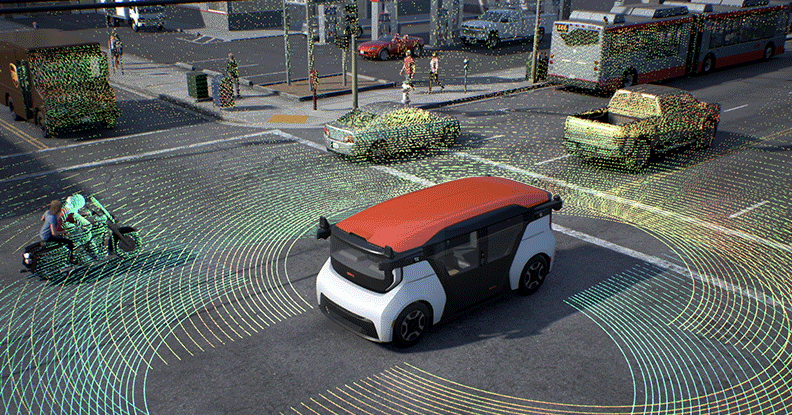
Cruise Origin self-driving vehicle.

In the area of mobility services (MaaS), Honda will introduce the Cruise Origin, an electric self-driving vehicle. The company is currently developing jointly the vehicle with GM and Cruise, for the Japanese MaaS market in the mid-2020s.  On a broader scale, Honda will continue to work on the concept of Honda eMaaS (mobility services) by connecting electrified mobility products and energy service. Honda eMaaS will have three core areas: Expansion of the utilization of Mobile Power Packs; utilization of large-capacity batteries for electrified vehicles; and application and implementation of fuel cell systems.

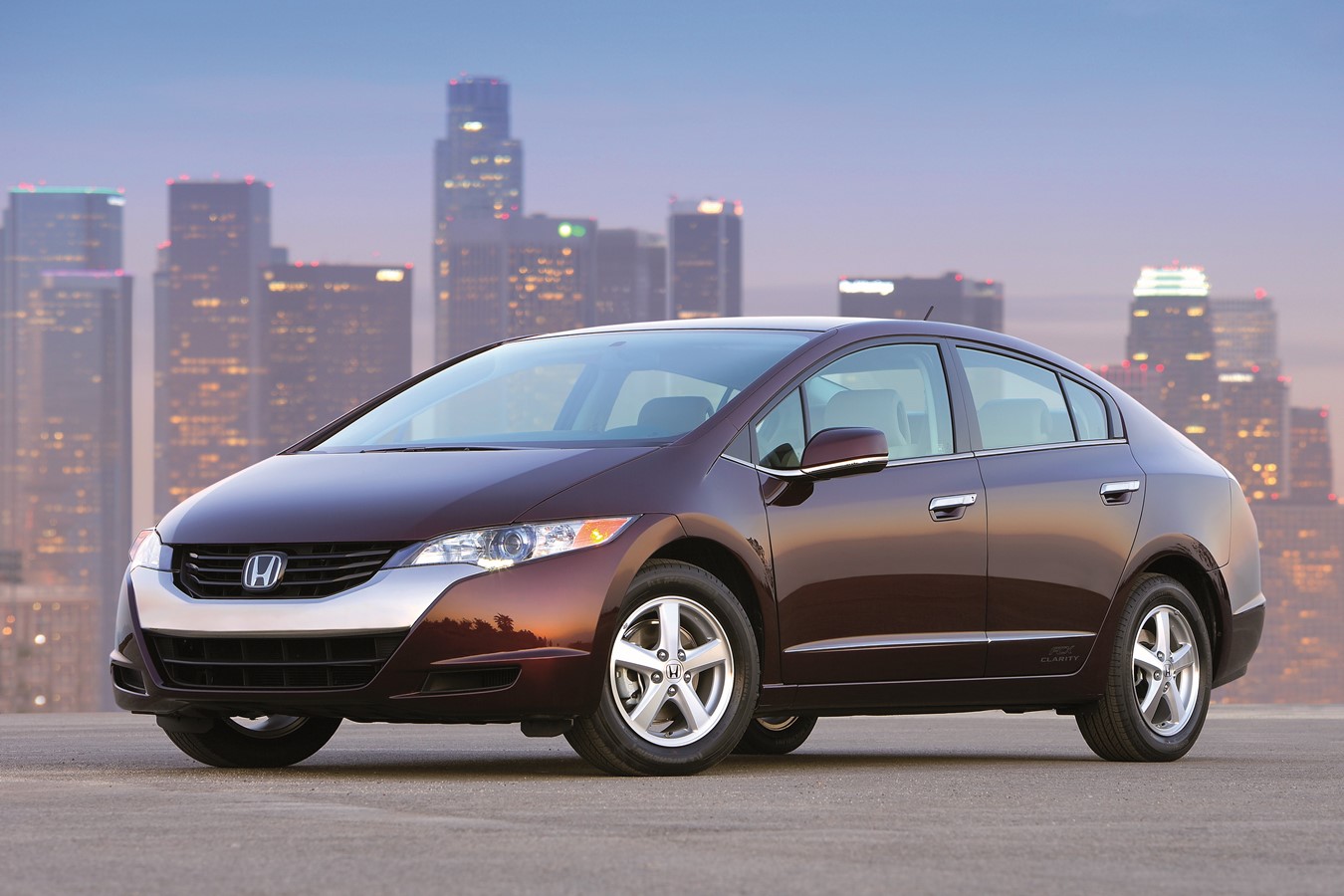
Regarding fuel cell systems, hydrogen is expected to be popularized as a renewable energy source and Honda has a long history of R&D in hydrogen fuel cell vehicles (FCVs). It was one of the first carmakers to produce a FCV which was successfully used on a commercial basis and its collaboration with GM will see reduced costs and expansion of its line-up of FCVs and also using FC systems for a wide range of applications.

Honda has many years of experience in developing fuel cell vehicles (FCVs). In 2008, it introduced the FCX Clarity which had a hydrogen fuel cell to generate electrical power.

Honda will strive for zero traffic collision fatalities involving Honda motorcycles and automobiles globally by 2050. The major challenge we will face as we work toward this goal is how to eliminate motorcycle collision fatalities, especially in emerging countries. As a company that has both motorcycle and automobile businesses, we will continue to strengthen our research on safety technologies that enable motorcycles and automobiles to safely coexist and lead the way in realizing a collision-free society from the standpoint of both hardware and software.

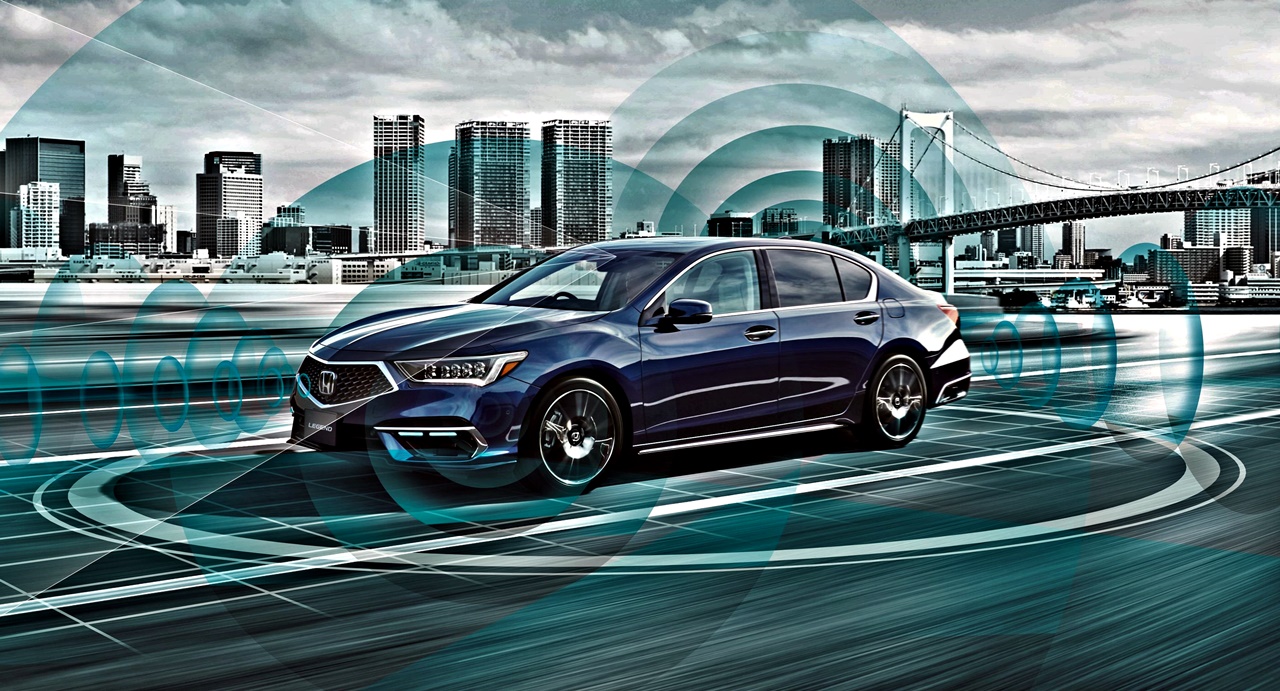
As for road safety and the 2050 objective of zero traffic collision fatalities involving motorcycles and cars, Honda will apply omnidirectional ADAS (advanced driver-assistance system) to all new automobile models on sales in developed countries by 2030. However, the high accident rates occur in less developed or emerging markets where there are very high numbers of motorcycles. In such areas, particularly in emerging markets, there are many collisions that can be prevented through traffic safety education activities and by approaching the issue from the perspective of infrastructure and government policies. Therefore, Honda will focus also on such areas including strengthening of educational programs and government/industry relations activities.

Future Honda models will have sensors that can scan all round the vehicle to reduce collisions with other road-users, especially motorcyclists.

In order for Honda to keep making progress in its environmental and safety initiatives, it will be necessary for the company to invest in the R&D. This investment will not be influenced by fluctuations in sales revenues and Honda declares that it will invest a total of approximately 5 trillion yen as R&D expenses over the next 6 years.

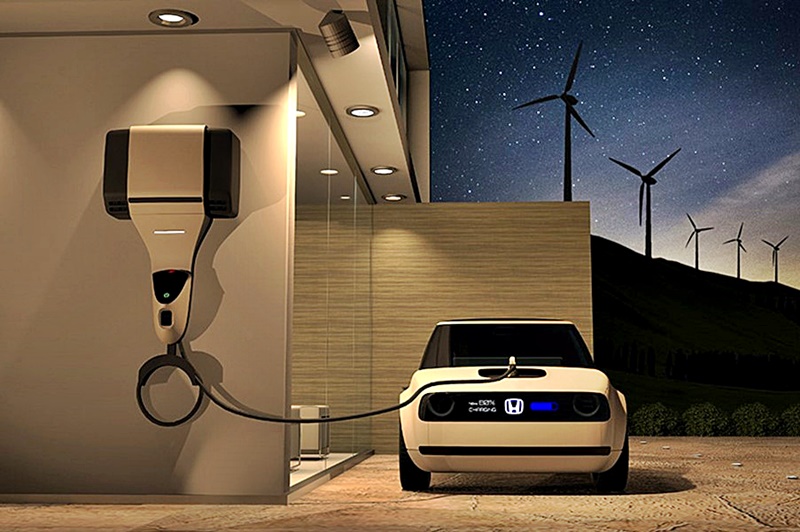
Honda has been actively developing EV models since the 1990s, some of which have gone on sale in selected markets. By 2040, its range will consist entirely of EVs.

“As of last fiscal year, we enabled Honda R&D to focus on the research of advanced technologies, and we are conducting research on leading-edge environmental and safety technologies for the realization of a society that aims for zero environmental impact and a collision-free society. Also, we are making progress with research on technologies which will expand mobility into the 3rd and 4th dimensions, into the skies, the ocean, outer space and the area of robotics. We will strengthen our original research of technologies by ensuring optimal allocation of resources into the area of advanced and cutting-edge technologies,” said Toshihiro Mibe, Honda Motor’s new President and Representative Director who took over the position from Takahiro Hachigo at the beginning of this month.

“My hope is to hear people saying, ‘We are glad Honda exists’ or ‘Honda will definitely do it’. Honda wants to continue to be a company that people want to exist. That is what we want to achieve,” Mr. Mibe said during his inaugural speech as new President.

Visit www.bhpetrol.com.my for more information.

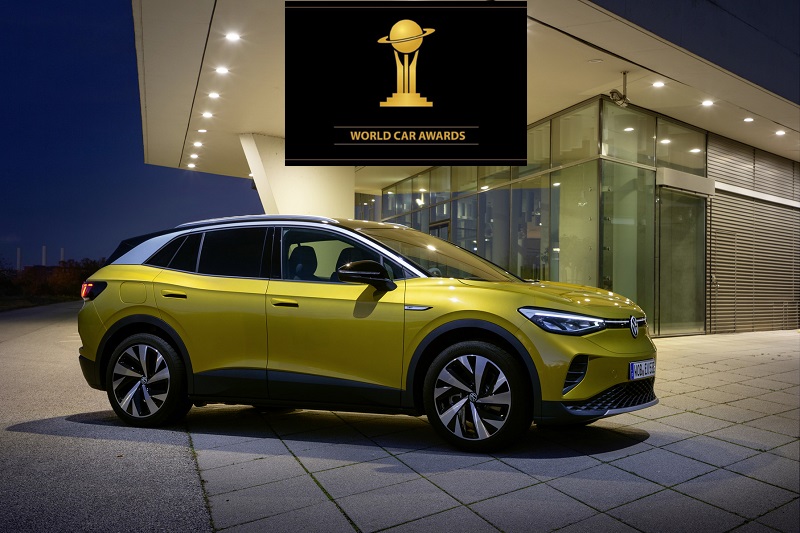
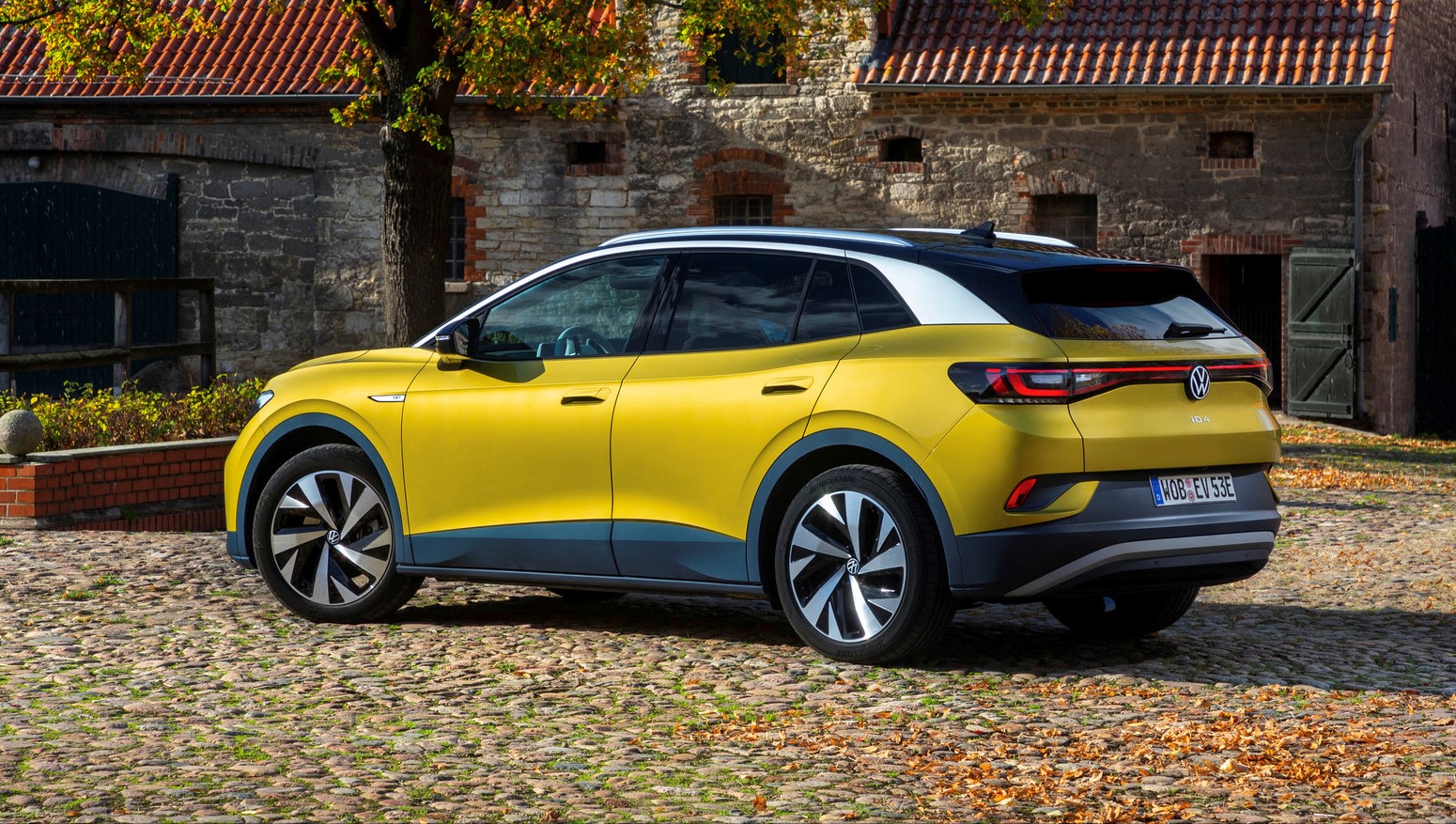
The Volkswagen ID.4 becomes the third all-electric model to be chosen as World Car of the Year (WCOTY) in the 2021 edition of the awards. 93 international journalists from 28 countries that make up the World Car Awards jury panel chose the EV, giving the German carmaker its fifth WCOTY overall award since 2009 (the WCOTY started in 2005).

This year’s winner was chosen from an initial entry list of 24 vehicles from all over the world, then a short list of three finalists as announced on March 30, 2021. The Top Three in the World finalists for 2021 were the Honda e, Toyota Yaris and Volkswagen ID.4.

Volkswagen ID.4 - 2021 World Car of the Year
Since the event began in 2005, Volkswagen models have so far won 5 overall World Car of the Year awards, the most of any carmaker.

Vehicles eligible for the World Car of the Year award must be produced in volumes of at least 10,000 units/year; must be priced below the luxury-car level in their primary markets; and must be ‘on sale’ in at least two major markets, on at least two separate continents, between May 1, 2020 and May 1, 2021.

Category winners
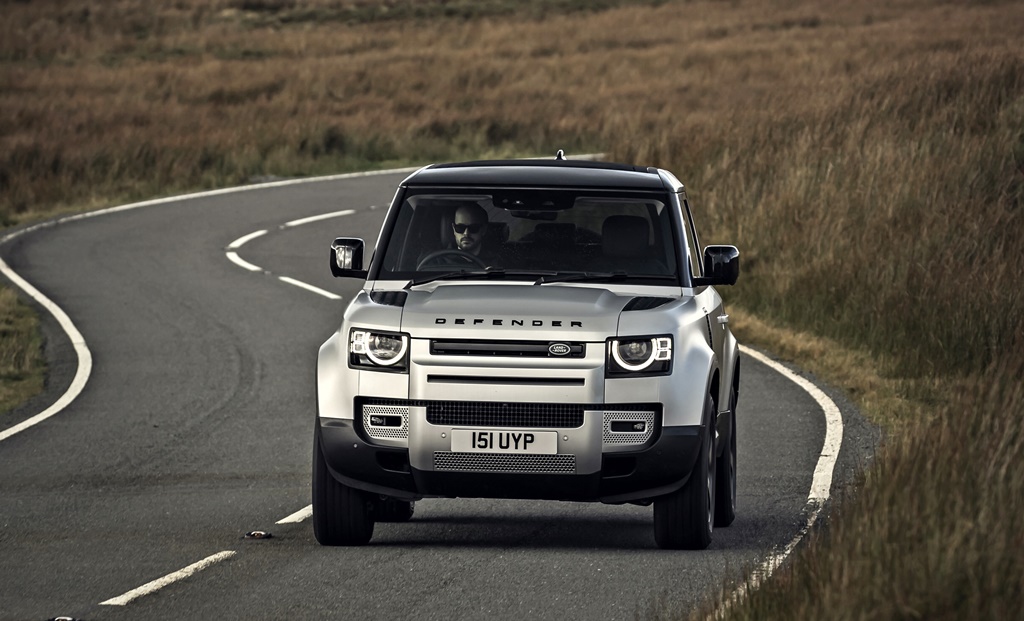
Other WCOTY category winners from the 24 contenders were the Honda e (World Urban Car), Land Rover Defender (World Car Design), Porsche 911 Turbo (World Performance Car), and Mercedes-Benz S-Class (World Luxury Car). Earlier, the same organisation had also picked Akio Toyoda, President of Toyota Motor Corporation, as 2021 World Person of the Year.

Land Rover Defender - 2021 World Car Design of the Year
The Land Rover Defender, which won the World Car Design of the Year award, was also the 2021 Women’s Car of the Year winner.

New award for EVs in 2022
The 2022 awards season and the 18th edition of the Road to the World Car Awards journey will officially begin at the New York International Auto Show on August 19. A new highlight of the 2022 awards program will be the debut of the World Electric Vehicle of the Year award. This new award, which supersedes the World Green Car award, is intended to recognize, support and celebrate the global transition to electrically-powered vehicles that is now underway and the efforts of automakers around the world in developing these climate-conscious vehicles.

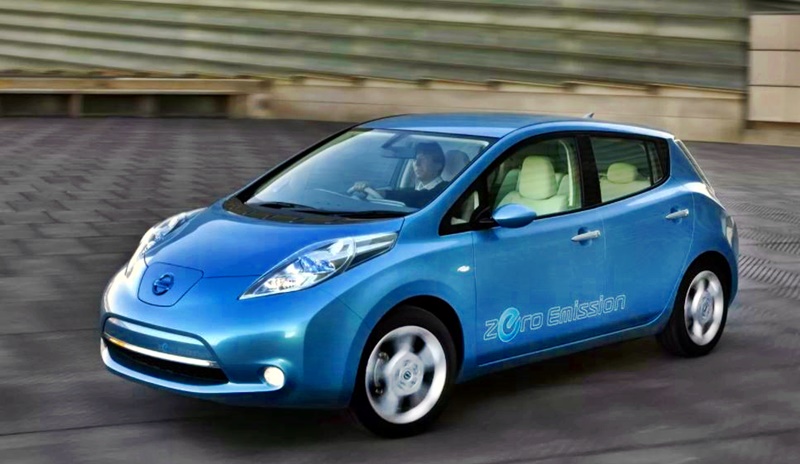
First generation of the Nissan LEAF was the first EV to win the World Car of the Year title in 2011.

PREVIOUS OVERALL AWARD WINNERS
2020 – Kia Telluride
2019 – Jaguar I-PACE
2018 – Volvo XC60
2017 – Jaguar F-PACE
2016 – Mazda MX-5
2015 – Mercedes-Benz C-Class
2014 – Audi A3
2013 – Volkswagen Golf
2012 – Volkswagen UP!
2011 – Nissan LEAF
2010 – Volkswagen Polo
2009 – Volkswagen Golf 7
2008 – Mazda2
2007 – Lexus LS460
2006 – BMW 3-Series
2005 – Audi A6

Akio Toyoda is 2021 World Car Person of the Year

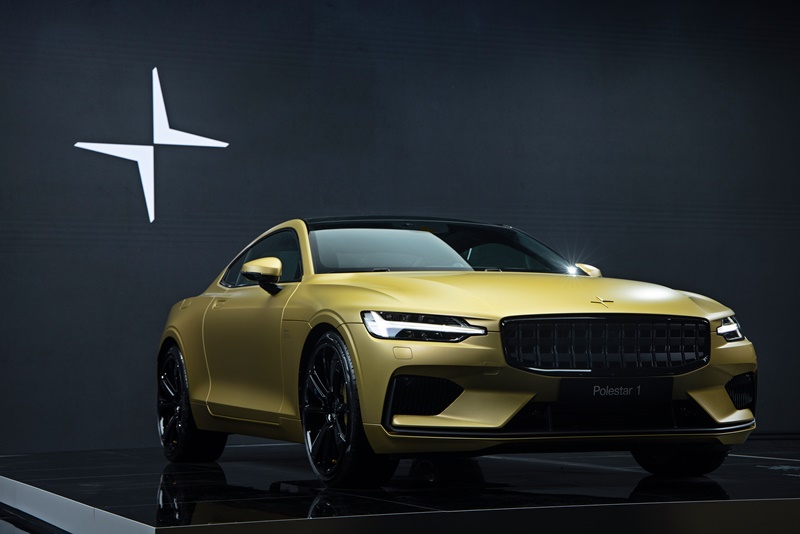
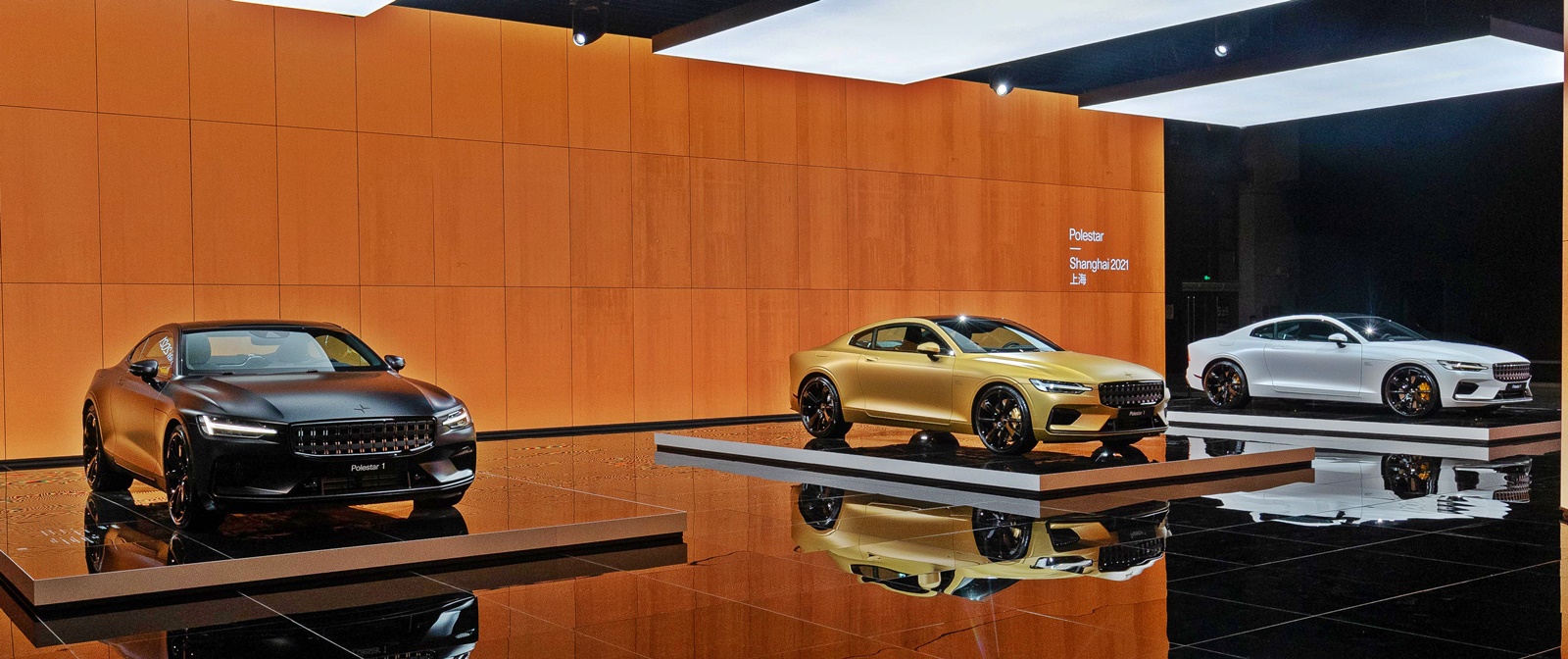
Polestar, the independent Swedish electric performance car brand founded by Volvo Cars and Geely Holdings, has produced two models to date – the Polestar 1, a low-volume hybrid GT; and the Polestar 2 fastback which is the company’s first fully electric, high volume car.

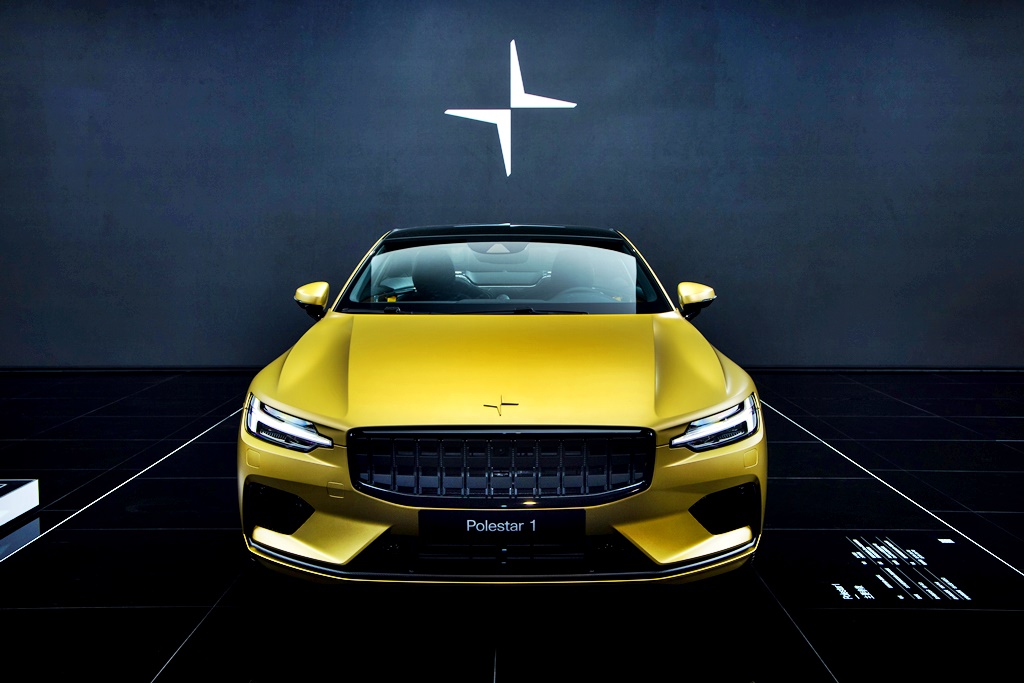
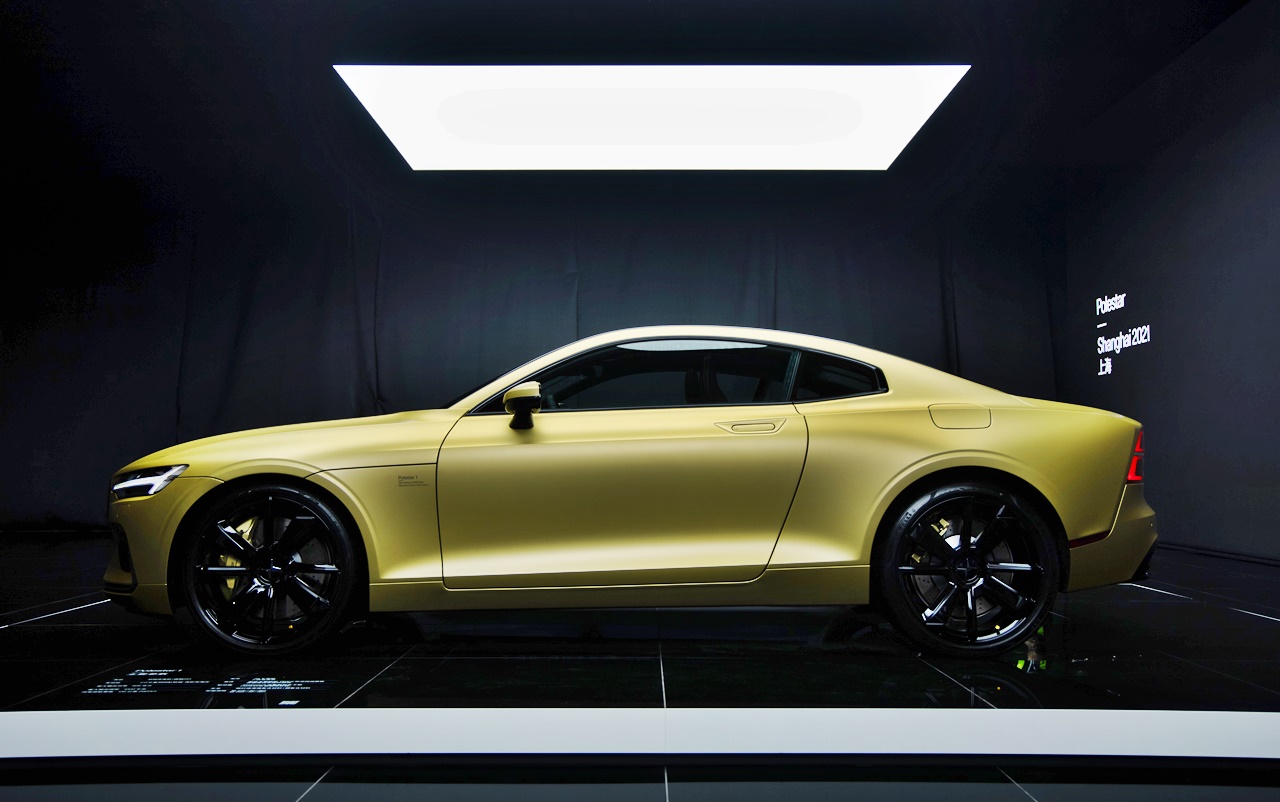
The Polestar 1 made its debut in 2017 and since 2019, has been built a new factory in China. After 4 years, the model’s production will end later this year as the Polestar 3 SUV makes its entry. To commemorate the end of its production life, the company has revealed a special version which will be made in 25 copies only.

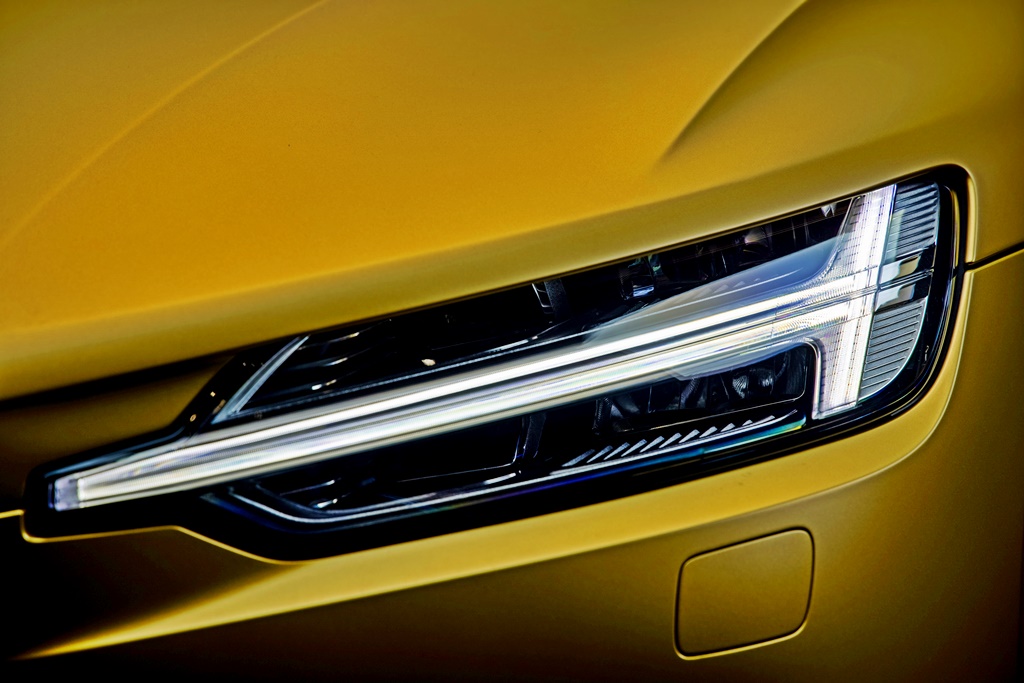
Polestar 1 Special Edition 2021

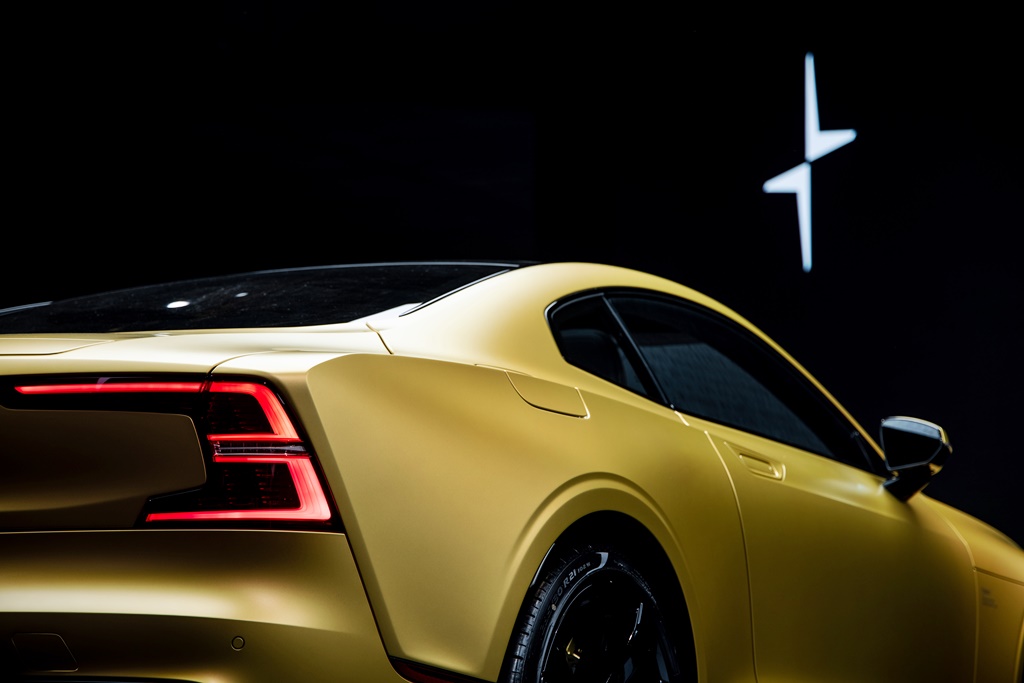
The special edition will feature a bespoke matte gold exterior paint job with matching calipers and black wheels. Inside, colour-matched gold stitching gives the interior an even more unique feel.

The halo car

“It’s hard to believe that our beautiful halo car comes to the end of its production life later this year,” said Thomas Ingenlath, Polestar’s CEO. “We pushed boundaries with this car, not only in terms of engineering but also in its design and execution. Polestar 1 set the tone for our brand and its genes are evident in Polestar 2 – as they will be in our future cars to come.”

Polestar 1 Special Edition 2021

Polestar 1 Special Edition 2021

Technical tour de force

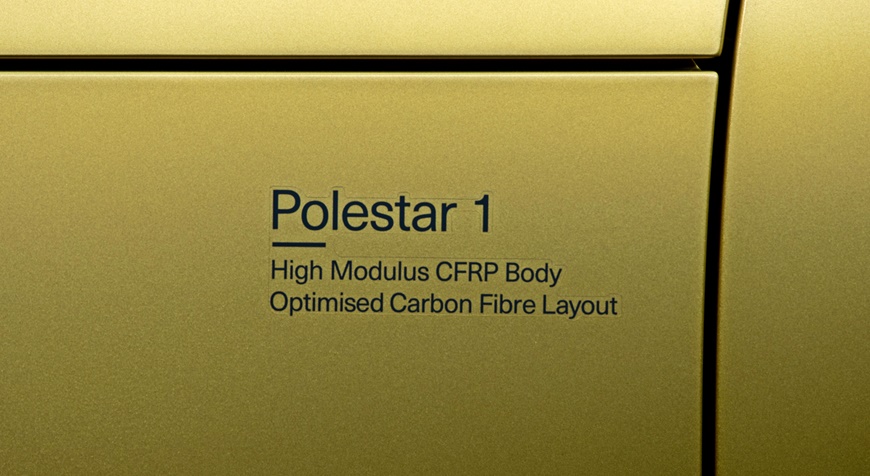
A technical tour de force, the electric performance hybrid has a lightweight body made from carbonfibre reinforced polymer (CFRP), and is powered by twin rear electric motors with genuine torque vectoring. As a performance model, it is fitted with high-performance components like Akebono brakes and adjustable Ohlins dampers.

With a combined power output of 609 bhp and 1,000 Nm of torque, and a purely electric driving range claimed to be up to 124 kms  – still the longest of any hybrid car in the world – the Polestar 1 is a performance car that can be driven as a full EV in daily use, doubling as a great long-distance GT at any moment.

Polestar 1 Special Edition 2021

Polestar 1 Special Edition 2021

“This car was not designed to fit into a ‘box’,” noted Ingenlath. “We didn’t design it to compete with other cars, and neither did we design it to suit a specific target customer. Polestar 1 was about pushing our own boundaries, exploring a new era for Polestar and launching the brand with a strong statement – and it’s done a great job of capturing the hearts and minds of fans, press and the lucky customers who own one.”

The journey continues with the Polestar 2

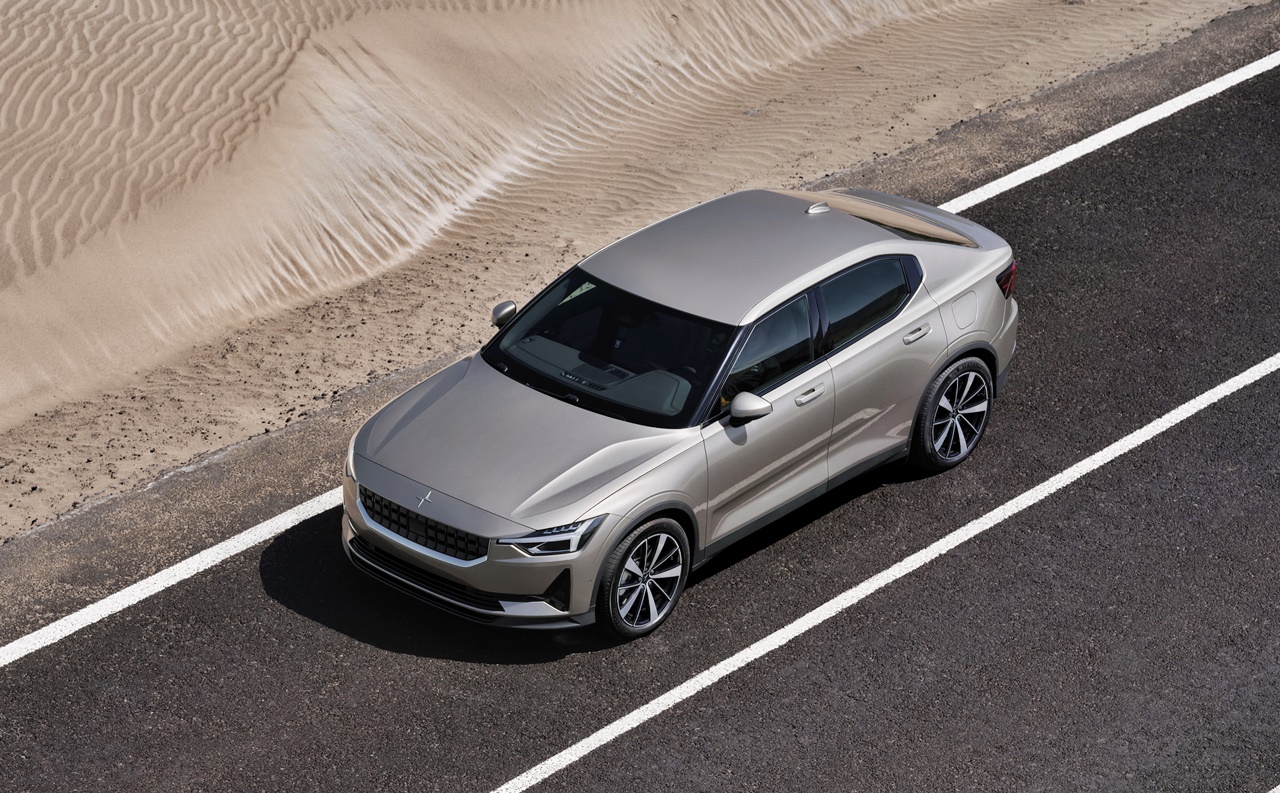
Until the Polestar 3 is launched, the Polestar 2 model (pictured below) will offer 3 variants with a combination of long- and standard range battery packs as large as 78 kWh, and dual-motor and single-motor powertrains with as much as 300 kW/408 hp and 660 Nm. It is produced at a Geely factory in China.

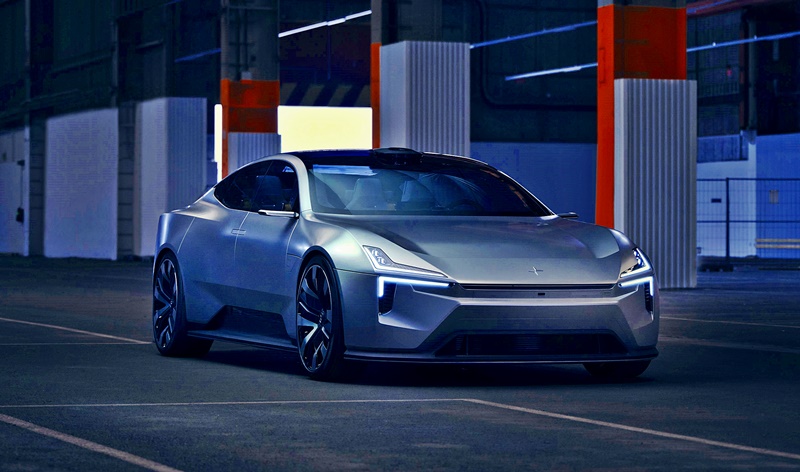
Besides the Polestar 3, the Precept (concept model shown above) will also go into production later on. The Precept highlights Polestar’s path for digital technology and the use of innovative sustainable materials, inside and out.

“‘Stunning. Spectacular. Cutting-edge. We’d like to see it on the road!’ – this is what the press wrote about Precept and the public said, ‘We want it’, so we decided to build it,” explained Ingenlath.

Expanding market footprint

Polestar, which is recognised as a car manufacturer, will expand its market footprint further this year with the addition of 5 new markets in the Asia-Pacific region. These markets will join 3 new and previously announced European markets, bringing Polestar’s global footprint to 18 markets by the end of the year. The new markets include South Korea, Singapore, Hong Kong, Australia and New Zealand.

Polestar presents high-performance EV of the future – the Precept Concept

Visit www.bhpetrol.com.my for more information.

‘PPE’ to most people today would refer to ‘Personal Protective Equipment’, the necessary items like gloves, facemask, overalls, etc that healthcare workers have to wear daily while attending to patients with COVID-19 infections. But for Audi, ‘PPE’ also means Premium Platform Electric, a completely new architecture which will serve as the technology platform for its high-end models.

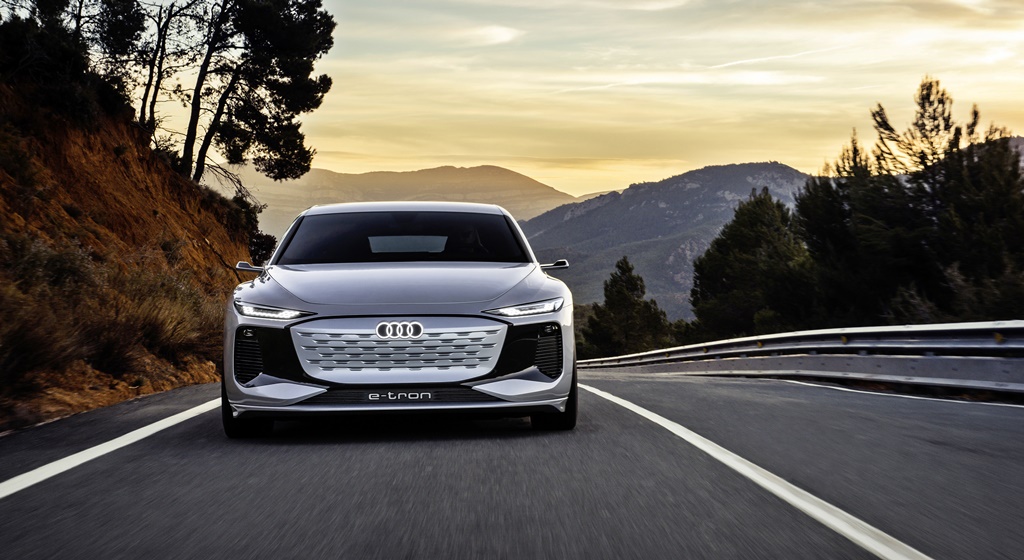
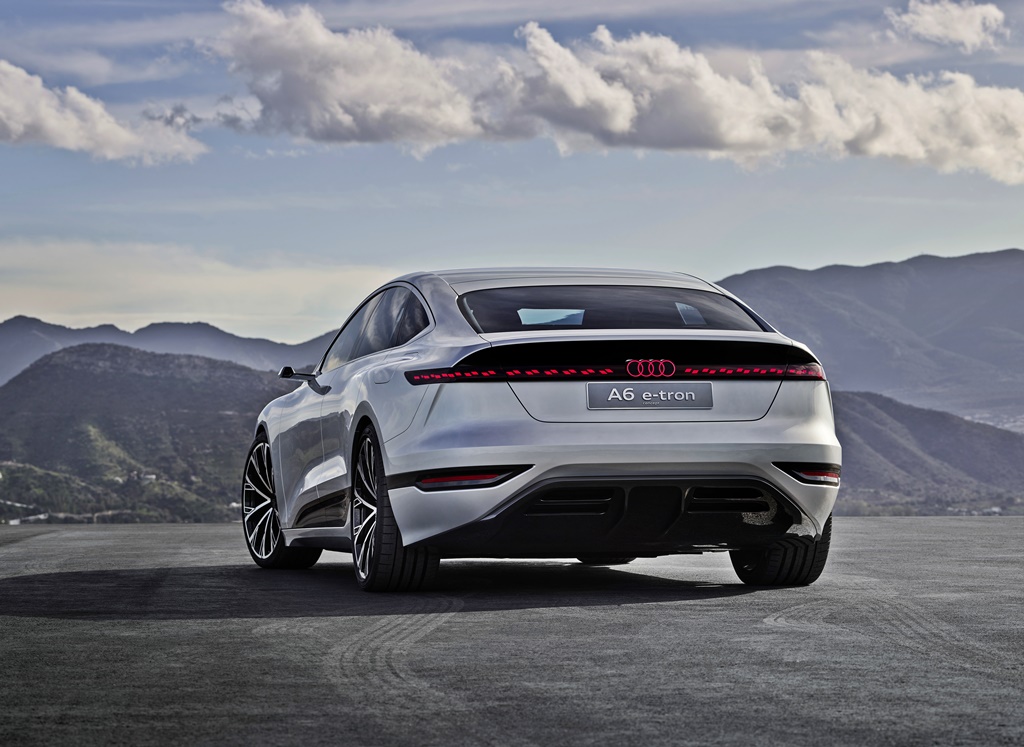
The PPE is an essential element of the carmaker’s ‘e-volution’ towards electric mobility which will see, in late 2022, the launch of the first production models in the C-segment and then the B-segment. As a preview to this future range of fully electric models, Audi is displaying the 4-door A6 e-tron concept at Auto Shanghai this week.

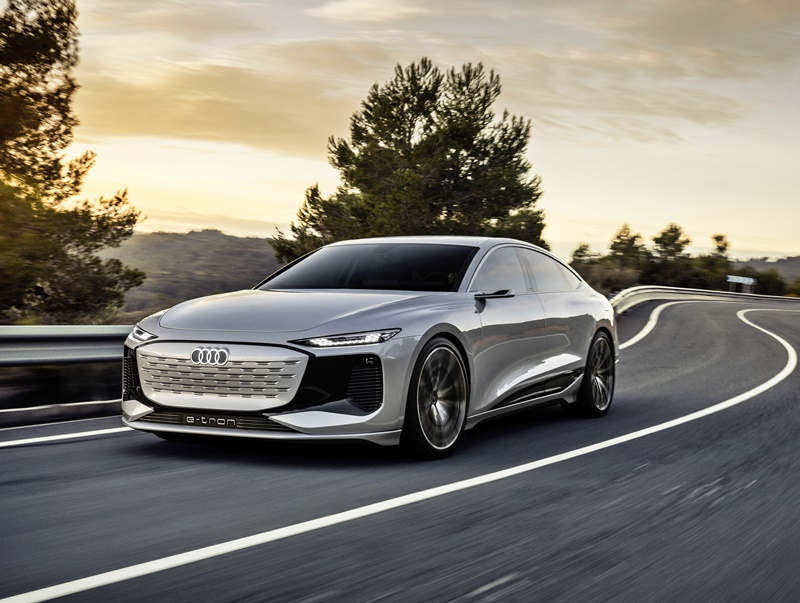
2021 Audi A6 e-tron concept

Sporting the A6 emblem, the concept car underscores its place in the brand’s luxury-class model series. This model (earlier known as the Audi 100) has represented the brand in the segment since 1968. Different bodystyles have been added over the years, including the Sportback, which was introduced as the A7.

An electrified drive system was offered with the A6 Hybrid in 2011, while the current A6 TFSIe made its debut in 2019 with a plug-in hybrid drive (PHEV) that could give a claimed electric range of up to 91 kms.

Fully electric propulsion
Unlike the latter, however, the A6 e-tron concept relies exclusively on electric power, based on the future PPE platform. At the same time, it also represents an entirely new design concept; the only thing it has in common with the current A6 are its dimensions. The 4.96-metre long, 1.96-metre wide, and 1.44-metre high body is designed as a Sportback, its lines are an obvious reflection of the systematic advancement of Audi’s current design language. This design language and the form of the A6 e-tron concept will be applied to Audi’s future production models.

For its part, the PPE technology will ensure that what the car’s lines imply translate into dynamic driving performance and everyday suitability befitting use as a primary vehicle. Specifically, this means that, depending on the selected drive system and model version, an A6 e-tron should be able to travel more than 700 kms on a fully charged battery pack, with the most powerful variants able to sprint from 0 to 100 km/h in less than 4 seconds.

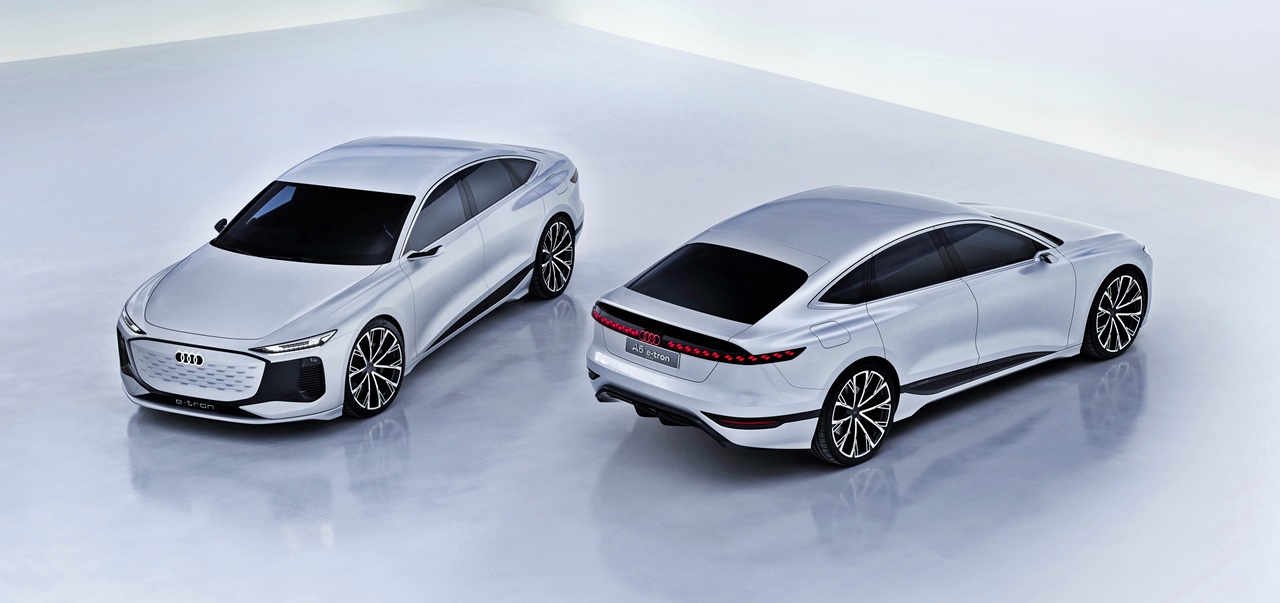
2021 Audi A6 e-tron concept

Excellence in aerodynamics
Aerodynamics has always played a key role in Audi’s long history. In the early 1980s, the Audi 100 with a Cd of 0.30 was the more aerodynamically efficient production car available. The A6 e-tron concept continues that achievement  with a Cd of 0.22, unprecedented in the electrified C-segment. The significantly low aerodynamic drag means lower energy consumption and therefore extended range. At the same time, fine-tuning in the wind tunnel has resulted in an organic design with elegance and harmony – instead of an ugly teardrop or bubble shape. The form appears monolithic, as if from a single mold, particularly when viewed from the side.

The wheel arches are connected by the specially sculpted battery area above the rocker panel, which is highlighted with a black inlay – a design element that is now a hallmark of the Audi brand’s fleet of EVs. Also typical of e-tron models are the sleek, camera-based virtual exterior mirrors at the base of the A-pillar.

Looking at the front, it is immediately apparent that the A6 e-tron concept is electrically-powered. A characteristic feature is the large enclosed Singleframe grille, which is bordered at the bottom by deep air intakes for cooling the drivetrain, battery, and brakes. The flat headlight bezels extend far into the sides of the laterally sweeping front end, underscoring the horizontally aligned architecture of the vehicle body.

2021 Audi A6 e-tron concept

The body colour
Heliosilver is the name of the technoid-looking body colour which accentuates the shapes of the body with a three-dimensional depth effect (particularly visible in the area around the quattro wheel arches). The Singleframe grille, also in Heliosilver, forms a striking contrast to the deep matte black of the frame.

Additionally, the paint offers tangible technical benefits that reduce energy consumption. This is because it can reflect a significant percentage of thermal radiation in sunlight, thus reducing the amount of energy that enters the car’s body and its cabin. The result is that the occupants do not need to use the air conditioning as much, a factor that has an impact on energy consumption and can enhance range.

Advanced lighting technology
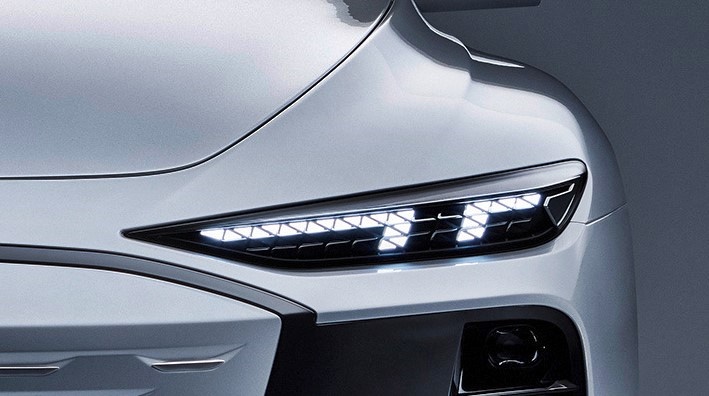
The flat headlights and taillights are slim and flush with the overall composition of the lines. Digital Matrix LED and digital OLED technology makes it possible to achieve maximum brightness and a wide range of features even with a minimal surface area, while at the same time offering customizable light signatures. The small, high-resolution projectors can display warning symbols on the ground to warn a bike rider that the car door is about to open, for example.

2021 Audi A6 e-tron concept

Another four high-resolution LED projectors – inconspicuously integrated into the corners of the vehicle – generate turn signal projections. The design of these projections can be modified to address regulations in different markets and regions.

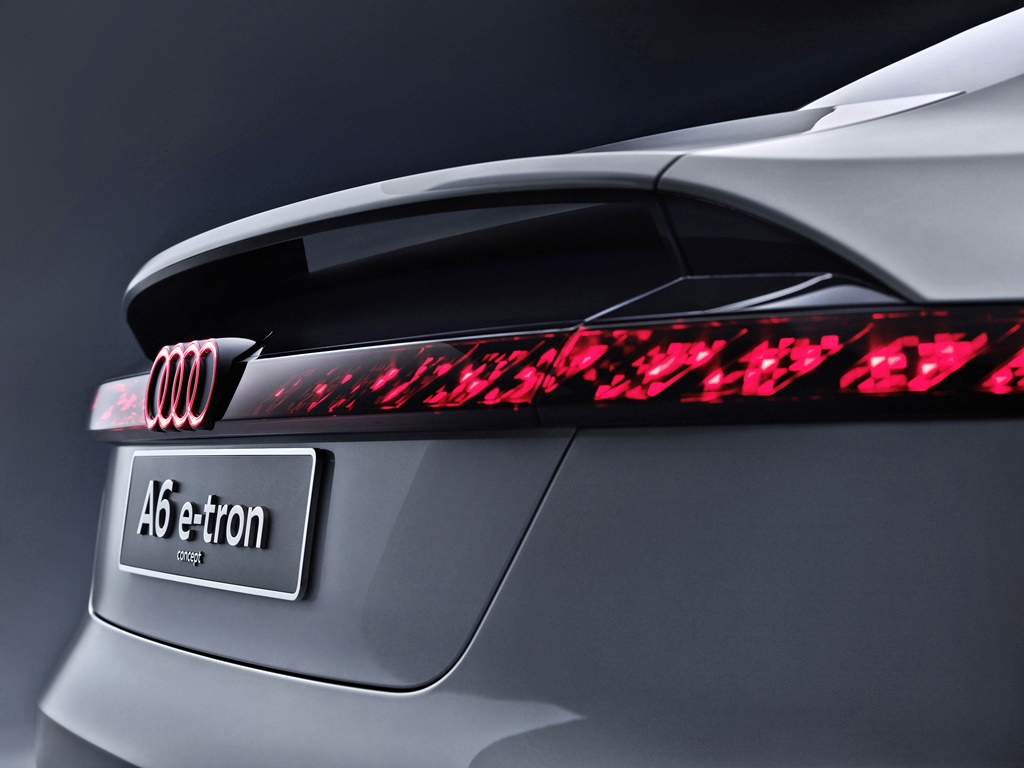
The rear end of the concept car features a new generation of digital OLED elements that, as a continuous strip of lights, act like a display. They can also be used to create almost unlimited customizable variations of digital light signatures and dynamic lighting displays that can be adapted to the customer’s personal taste.

2021 Audi A6 e-tron concept

High ground clearance, low ride height
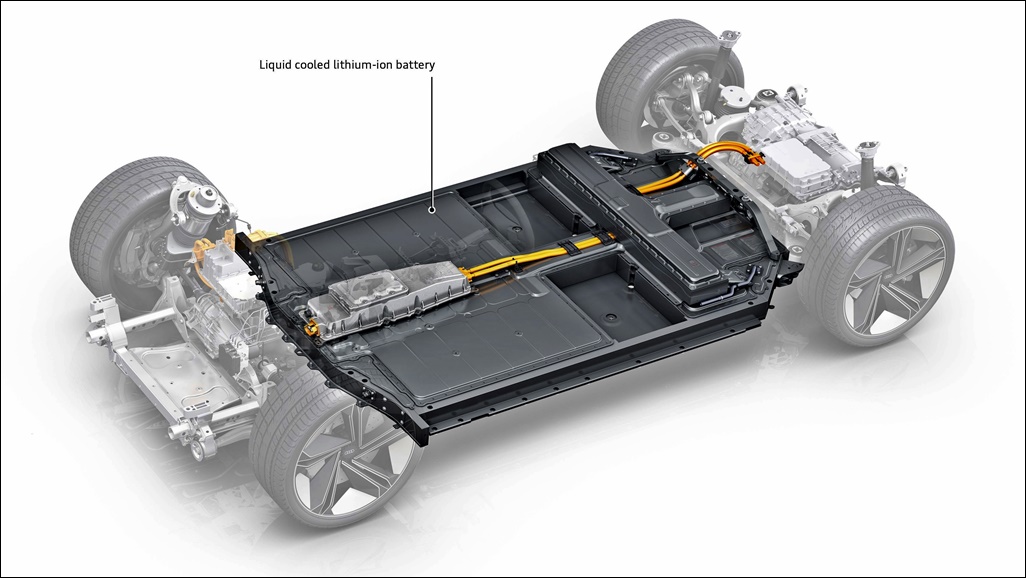
The PPE is designed specifically for battery-electric drive systems and can therefore take full advantage of all the benefits of this technology. The key element is a battery module between the axles that holds around 100 kWh of energy in the A6 e-tron concept. The use of the entire vehicle base makes it possible to achieve a relatively flat layout for the battery. This means that for the first time, it will be possible to use this single platform for both vehicles with a high ground clearance and vehicles with a decidedly dynamic, flat architecture without any changes to the basic architecture.

Fast charging, high range
800V charging technology allows the battery pack to be charged with up to 270 kW, making recharging time very short time – provided the relevant fast-charging system is available. This technology makes charging times possible that come close to a stop to refuel a car powered by a combustion engine. Just 10 minutes would be enough to recharge the battery to a level sufficient to power the vehicle for more than 300 kms. In less than 25 minutes, the 100-kWh battery pack can be charged from 5% to 80%.

The battery size and wheelbase of PPE vehicles are scalable, making them suitable for use in different market segments. The ratio of a fairly long wheelbase and very short overhangs is something they will all have in common. The occupants will benefit from the long wheelbase which allows a longer interior and more legroom.

Quattro all-wheel drive
The absence of the traditional a transmission tunnel (because of the EV architecture) also contributes to the spaciousness but it does not mean that the quattro all-wheel drive system is omitted. It can be included as there can be one electric motor each mounted to the front and rear axles that use electronic coordination to deliver all-wheel drive on demand and achieve a perfect balance between driving dynamics and energy efficiency. The 2 electric motors are capable of delivering a total output of 350 kW/800 Nm.

In addition, the e-tron family will also include basic versions optimized for minimum consumption and maximum range – in this case, propulsion will come from a single electric motor mounted to the rear axle.

2021 Audi A6 e-tron concept

Audi Q4 e-tron Sportback Concept

The National Vaccination Program in Malaysia is free of charge.

Electrification of product lines has picked up speed in recent years, partly because of tougher regulations in Europe. With the future clearly being electric, many companies are preparing their future zero emission product ranges to cover as many segments as possible, from bottom to top. Even Rolls-Royce and Bentley have plans to offer all-electric models eventually and are certainly developing them now.

2021 Mercedes-EQ, EQS

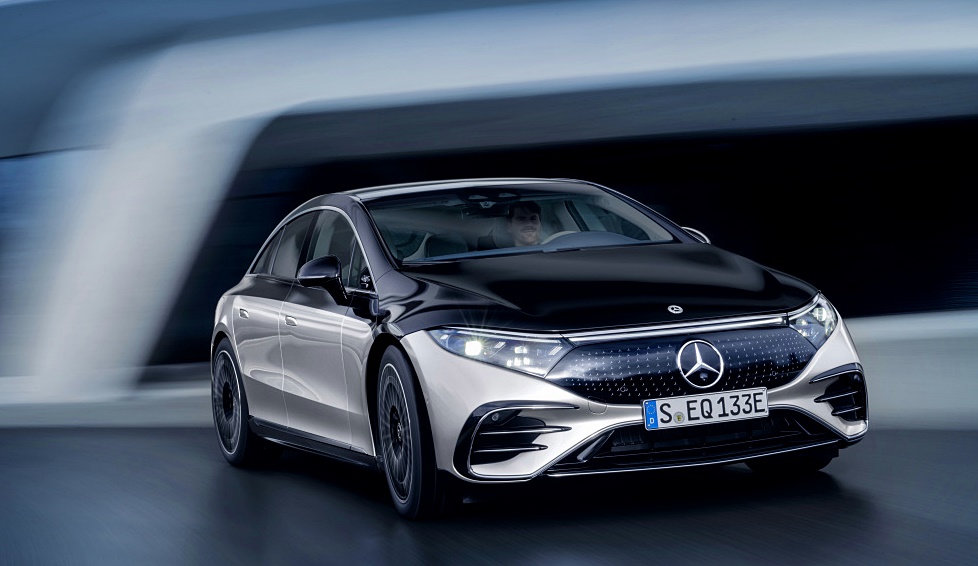
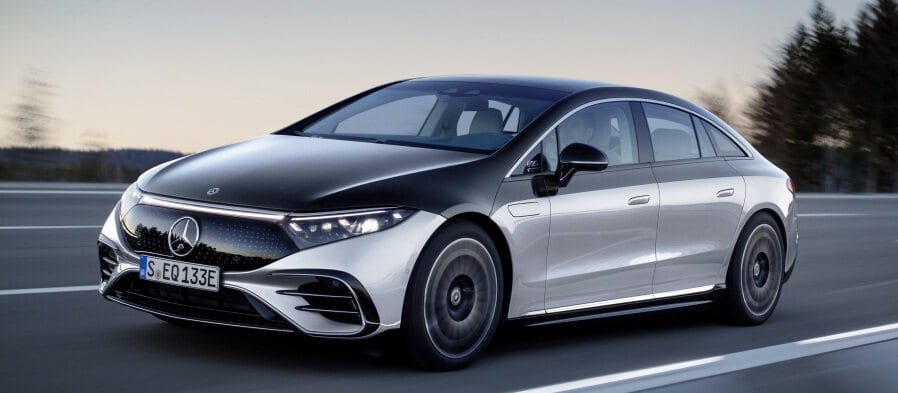
But Mercedes-EQ (the EV brand for Mercedes-Benz) is ready with its luxury limousine that runs only on electricity with a flagship model designated the EQS. This  is the first model to be based on the modular architecture for luxury and executive-class electric vehicles and will initially be available in two variants – EQS 450+ and EQS 580 4MATIC. These will be the S-Class of the electric range, the beginning of a carbon-neutral new car fleet that will be completed over the coming 20 years.

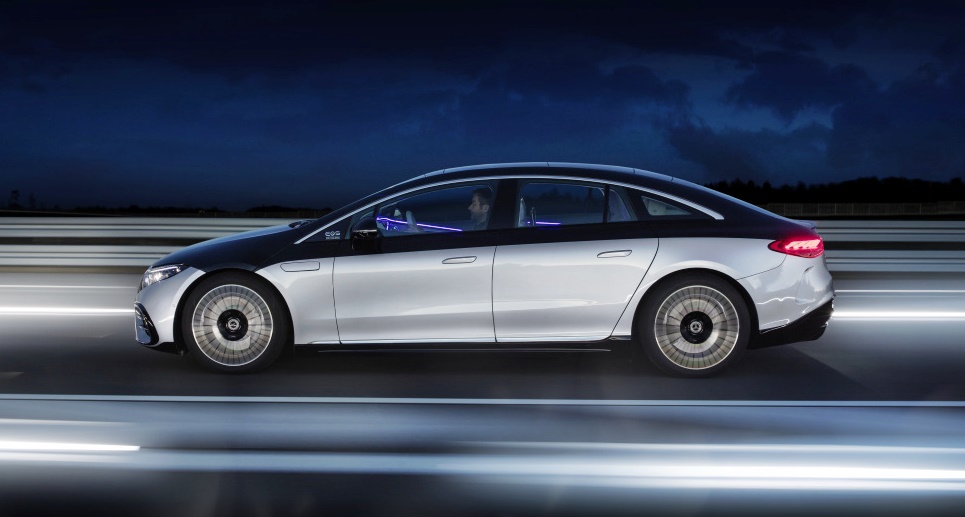
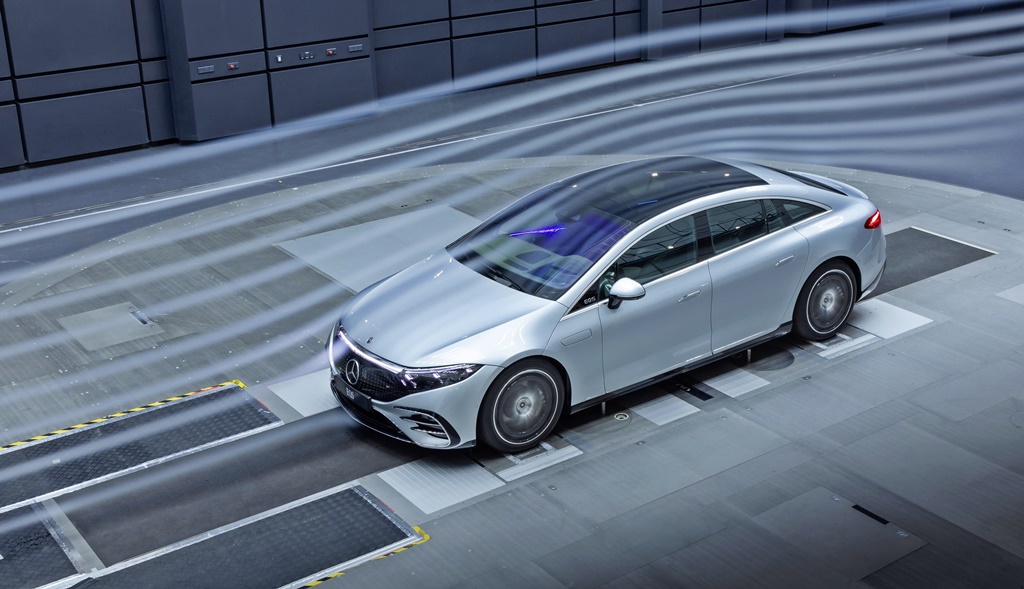
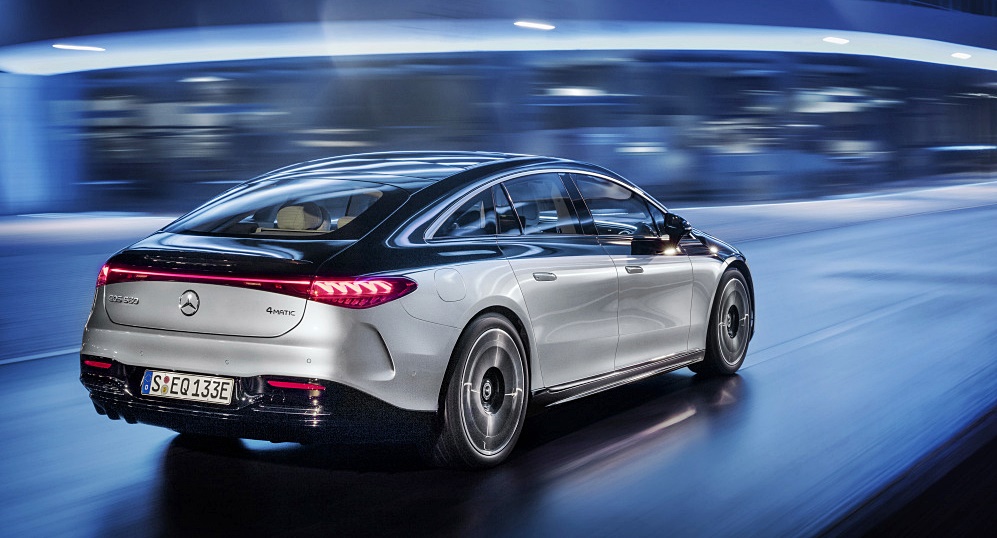
With the need for minimum air resistance to overcome, it’s not surprising that the designers have brought the CD value down to 0.202, even with a large form that the EQS has. It’s the most aerodynamic production car in the world now, and this superior efficiency benefits many aspects – operating range, quietness and stability at high speeds.

2021 Mercedes-EQ, EQS

Related to S-Class but different too
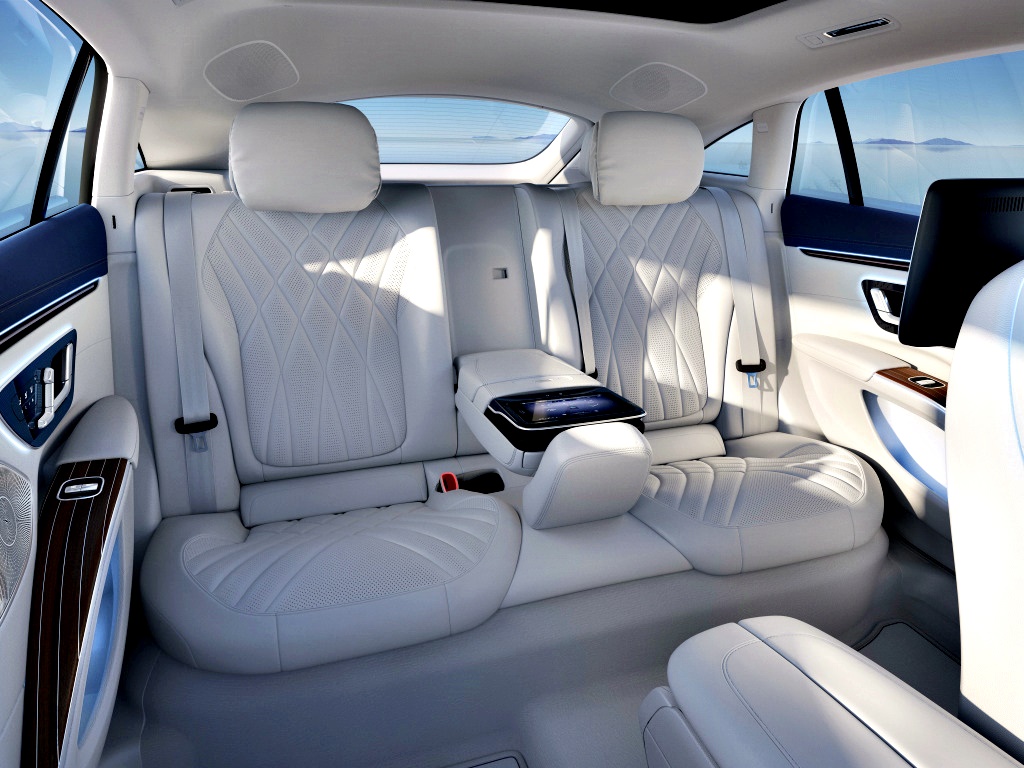
Although the EQS is a close relative of the new S-Class, it is built on an all-electric architecture. This completely new concept made a rigorous Purpose Design possible: with its one-bow lines and cab-forward design with fastback, the EQS is clearly distinguishable from vehicles with combustion engines even at first glance. The design philosophy employs generously sculpted surfaces, reduced joints and seamless transitions between surfaces.

2021 Mercedes-EQ, EQS

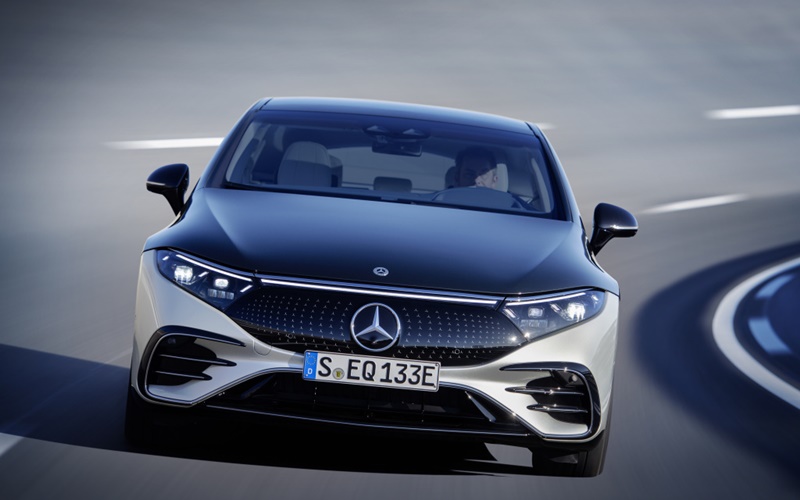
The front is combined into a ‘Black Panel’ unit with innovative headlights connected by a light band and the deep black radiator grille (Black Panel) to form the distinctive ‘face’. The exclusive look of the Black Panel radiator grille with central Mercedes star can be enhanced still further: as an optional extra they are also available with a three-dimensional star pattern. The design picks up on the original star of the Daimler-Motorengesellschaft company, which was registered as a trademark in 1911.

770 kms range, up to 560 kW of power
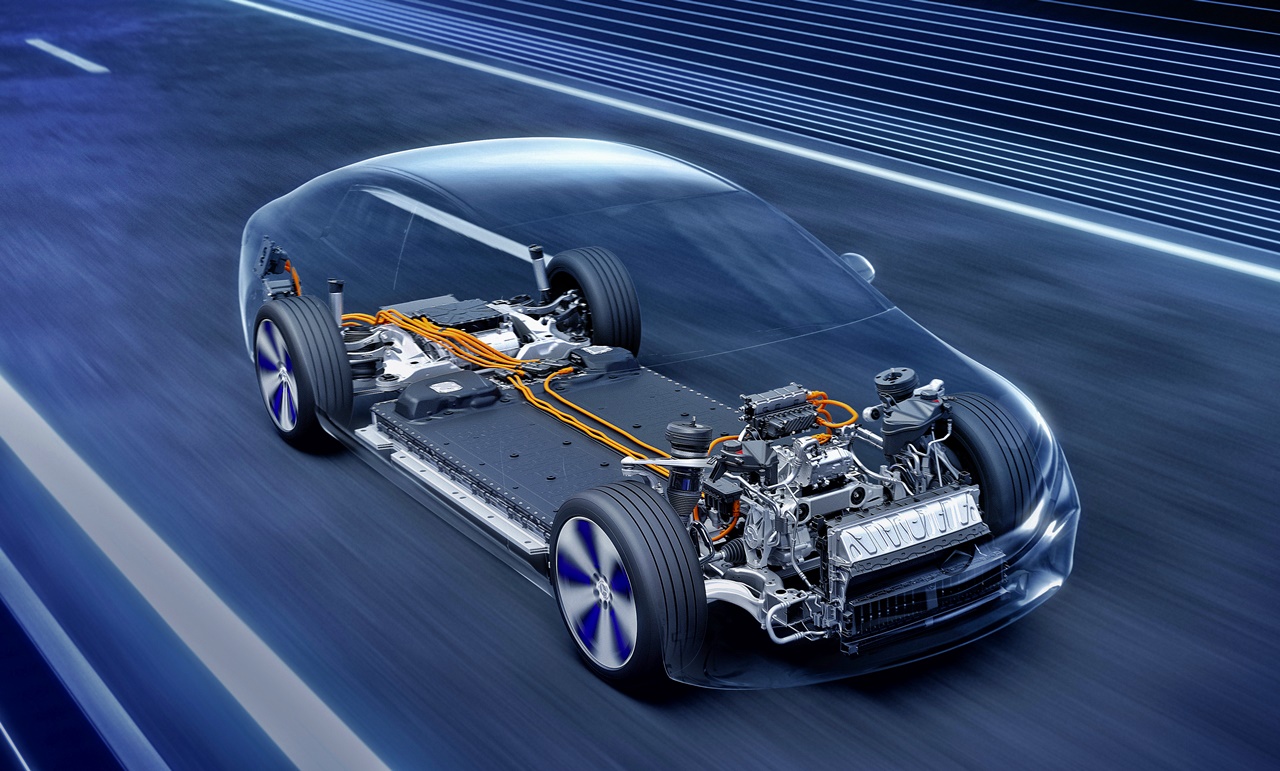
Being an EV, much interest will naturally be on the powertrain. With claimed ranges up to 770 kms and an output of up to 385 kW (524 ps), the powertrain of the EQS provides appropriate performance levels that would be expected of a model as the same level as the S-Class. A performance version with up to 560 kW (762 ps) is being planned. Torque levels are 568 Nm and 855 Nm and peak torque can be expected from takeoff, as is the characteristic of electric motors. All EQS models will have an electric powertrain (eATS) at the rear axle, while the versions with 4MATIC also have an eATS at the front axle.

2021 Mercedes-EQ, EQS

2021 Mercedes-EQ, EQS

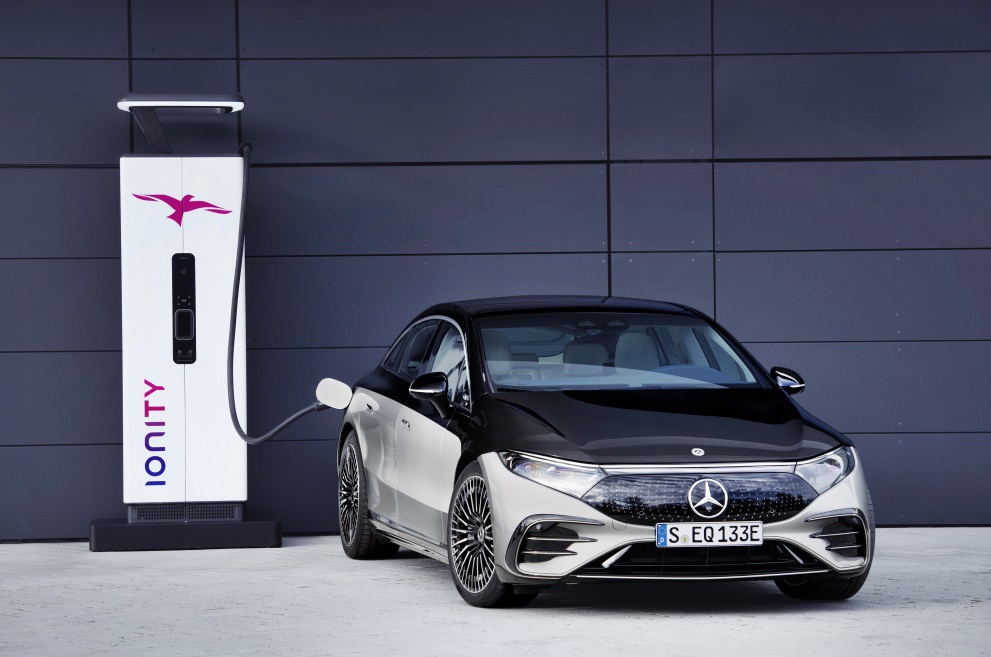
The EQS marks the launch of a new generation of batteries with significantly higher energy density. The larger of the two batteries has a usable energy content of 107.8 kWh. Recharging with a power supply of up to 200 kW at fast charging stations with direct current can provide 300 kms of range within 15 minutes. At home or at public charging stations, the EQS can be charged with up to 22 kW AC using the on-board charger.

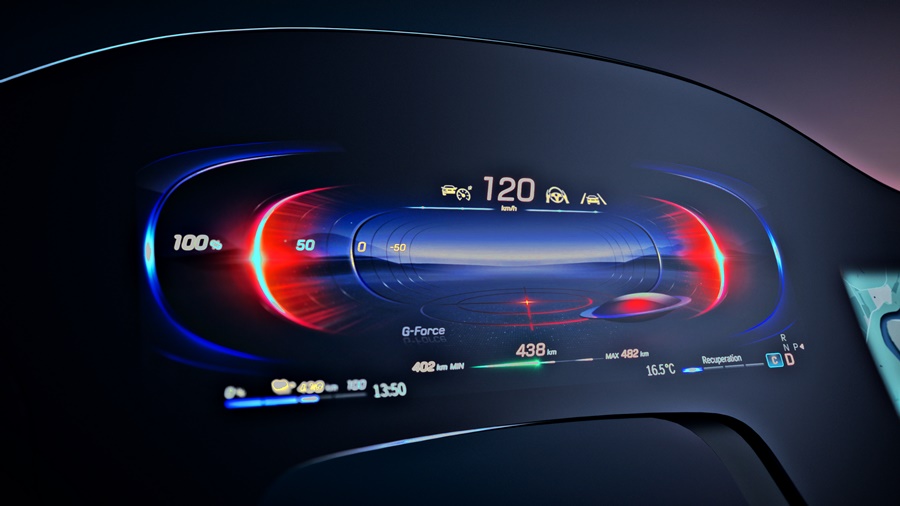
The huge MBUX hyperscreen
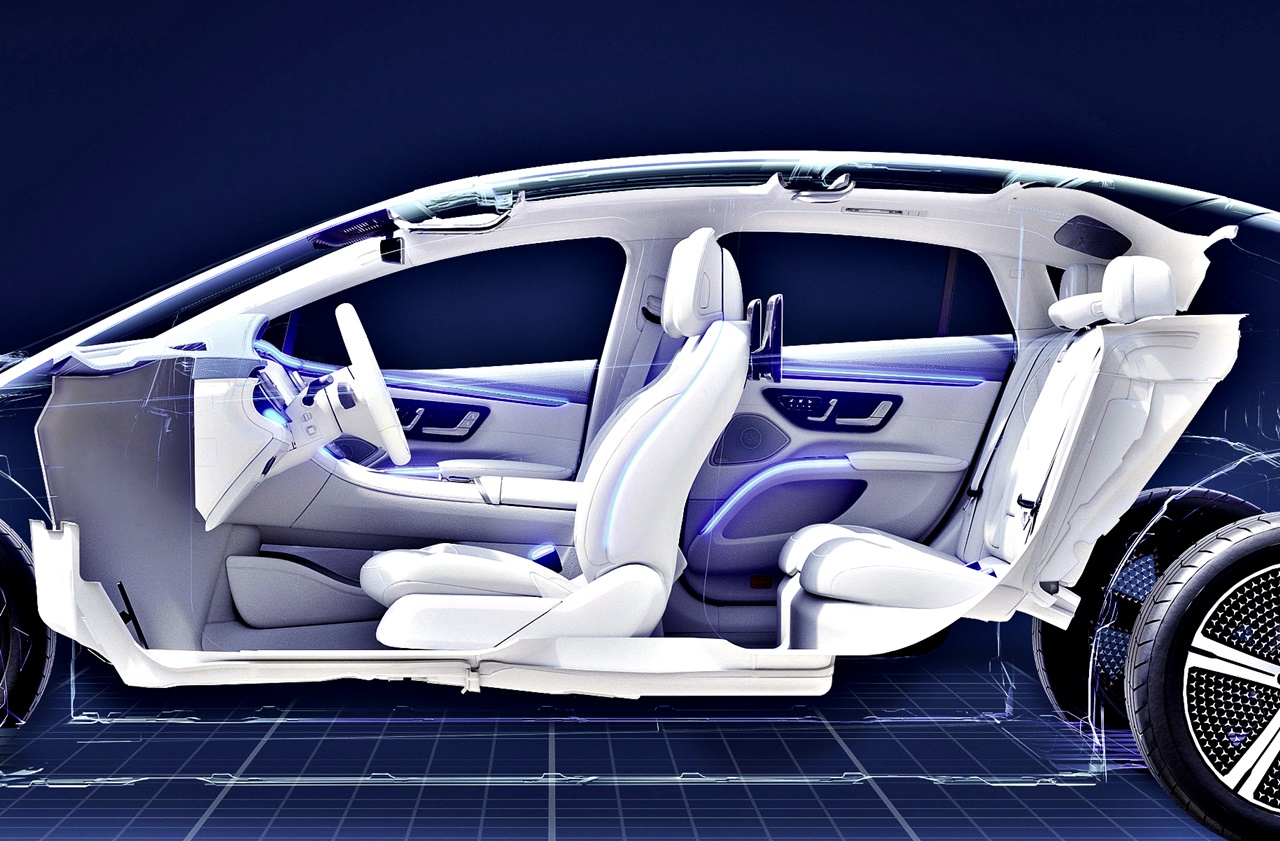
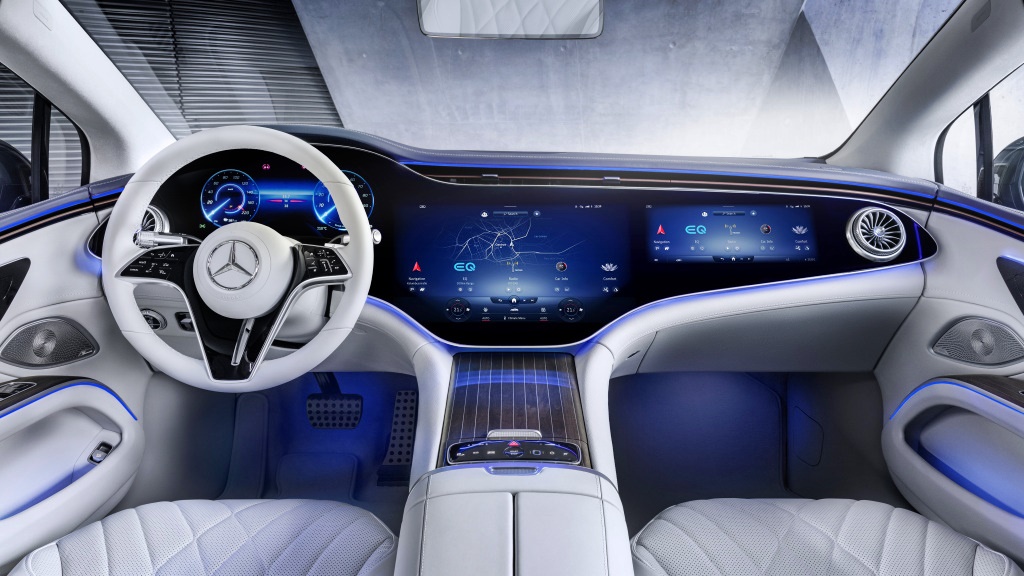
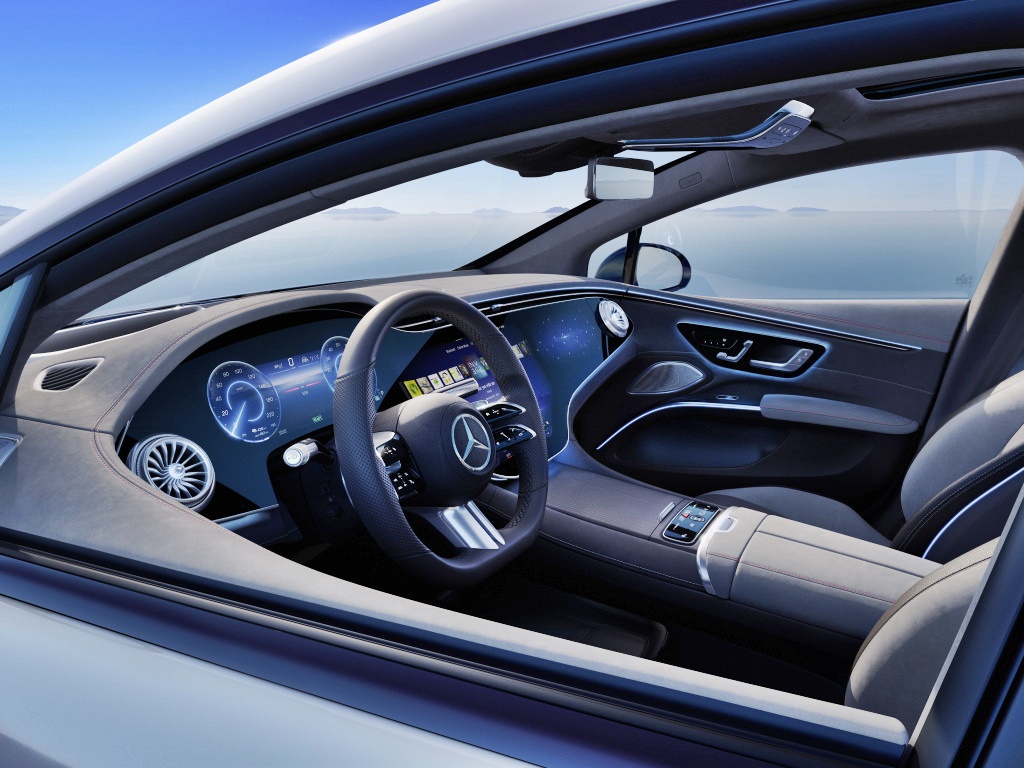
Having dedicated architecture has enabled the interior designers to package the cabin with new approaches that are not constrained by traditional structures used for models with combustion engines. The advanced appearance has the MBUX Hyperscreen as the absolute highlight in the interior. This large, curved screen unit sweeps almost from A-pillar to A-pillar, with three screens under a cover glass appearing to merge into one.

2021 Mercedes-EQ, EQS

2021 Mercedes-EQ, EQS

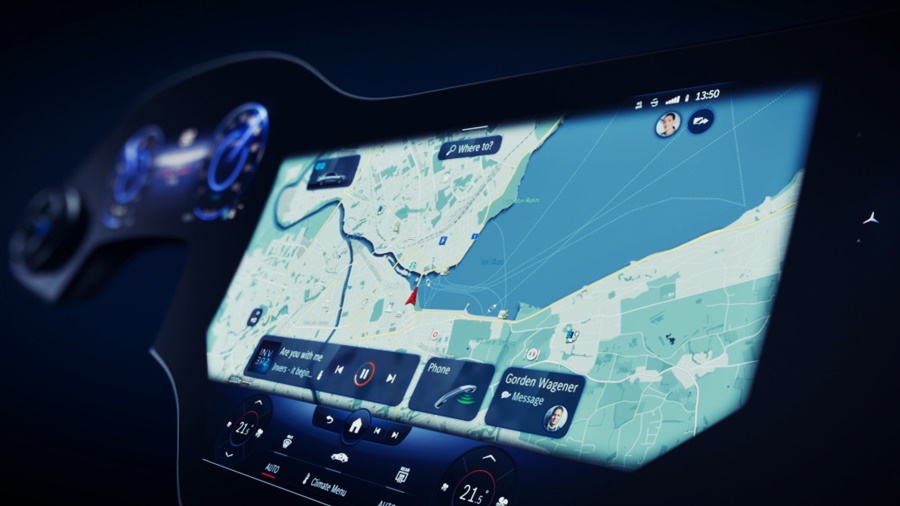
With adaptive software, MBUX adapts completely to its user and makes personalized suggestions for numerous infotainment, comfort and vehicle functions. With the zero layer, the most important applications are always offered on the top level within the field of vision, according to situation and context.

A new feature of the EQS is a visualization in the MBUX showing whether the available battery capacity is sufficient to return to the starting point without charging. Charging stations along the route that have been added manually are given preference in the route calculation. Proposed charging stations can be excluded. The estimated charging costs per charging stop are calculated.

Navigation with Electric Intelligence plans the fastest and most convenient route, including charging stops, based on numerous factors and reacts dynamically to traffic jams or a change in driving style, for example.

Mercedes-Benz MBUX Hyperscreen

2021 Mercedes-EQ, EQS

Mercedes-Benz MBUX Hyperscreen

Over-The-Air updates
The EQS is the first Mercedes to offer the option of activating completely new vehicle functions via over-the- air updates (OTA) in many functional areas. Available from launch will be two special driving programs for young drivers and service staff, some little games and the demo program ‘The Best or Nothing’.

This means that, following the purchase and the initial new-car configuration, some of the features of the EQS can be adapted according to personal preferences. It will also be possible to unlock the rear axle steering with the larger steering angle of ten degrees. In addition to the classic purchase of individual functions, subscriptions, temporary activations and free test phases are also planned.

2021 Mercedes-EQ, EQS

Exceptionally intelligent car
As an exceptionally intelligent car, the EQS has up to 350 sensors, depending on the equipment installed. These record distances, speeds and accelerations, lighting conditions, precipitation and temperatures, seat occupancy as well as the driver’s blink of an eye or the passengers’ speech. This wealth of information is processed by control units that, controlled by algorithms, make decisions at lightning speed. So they are the ‘brain’, so to speak. The new EQS can expand its capabilities based on new experiences, because it is highly capable of learning thanks to artificial intelligence (AI).

2021 Mercedes-EQ, EQS

The sensors also monitor the vehicle’s surroundings, with parking systems can help the driver with maneuvering in many areas. The driver can park and unpark the car via smartphone using Remote Parking Assist. With the pre-installation for the INTELLIGENT PARK PILOT, the EQS is prepared for Automated Valet Parking (AVP, SAE level 4).

With the optional DRIVE PILOT, the EQS will be able to drive in conditionally automated mode at up to 60 km/h where traffic density is high or in tailbacks on suitable motorway sections, initially in Germany. By relieving the pressure on the driver, the system enables him or her to undertake secondary activities1 such as browsing on the internet or dealing with emails in the In-Car Office, and so gain extra time.

2021 Mercedes-EQ, EQS

Mercedes-Benz EQC goes into production – First all-electric Mercedes

Visit www.bhpetrol.com.my for more information.

Toyota is known to be cautious in venturing into new segments, watching competition start first and seeing the shortcomings – and then coming in with products that are often better. With electrification, the company has had dominance in the hybrid segment but seemed to be slow to get into full electrification. This is not to say that it was not developing models, but commercialising them was something that was slower.

Now, however, the company is starting its big push into full electrification, which is part of its commitment to contribute to reducing CO2 emissions. To achieve this. Toyota is establishing a full line-up of electrified vehicles which will reach around 70 by 2025; at least 15 models will be launched by 2025.

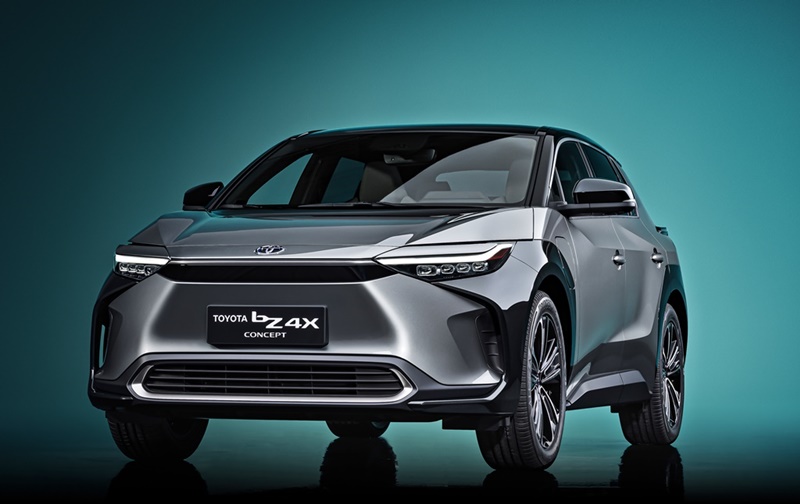
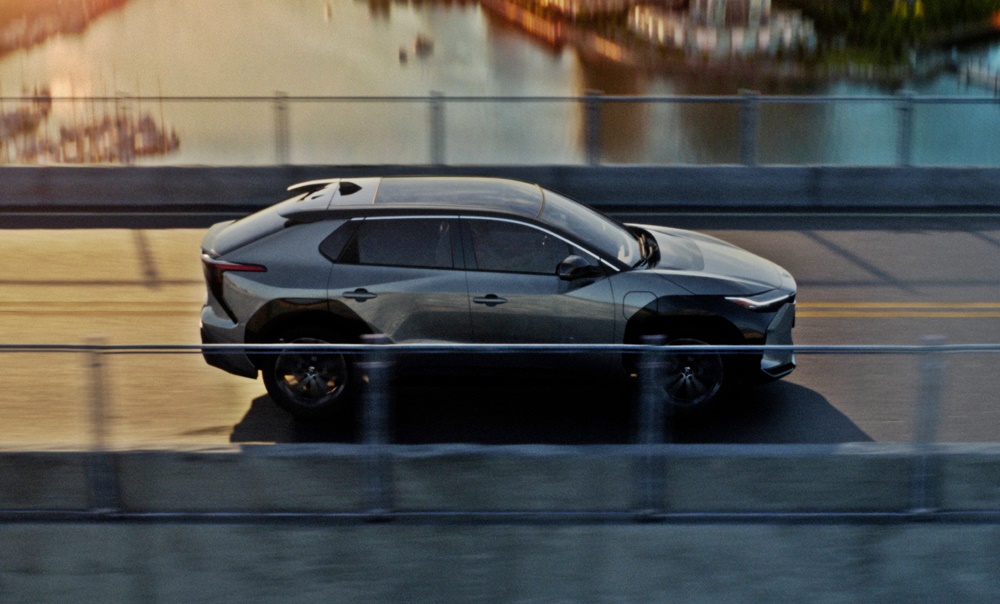
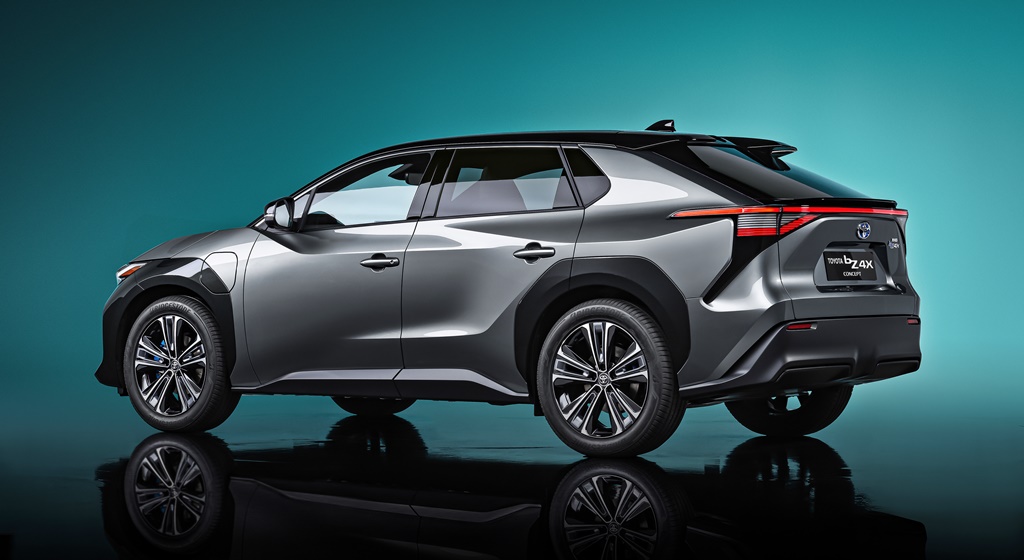
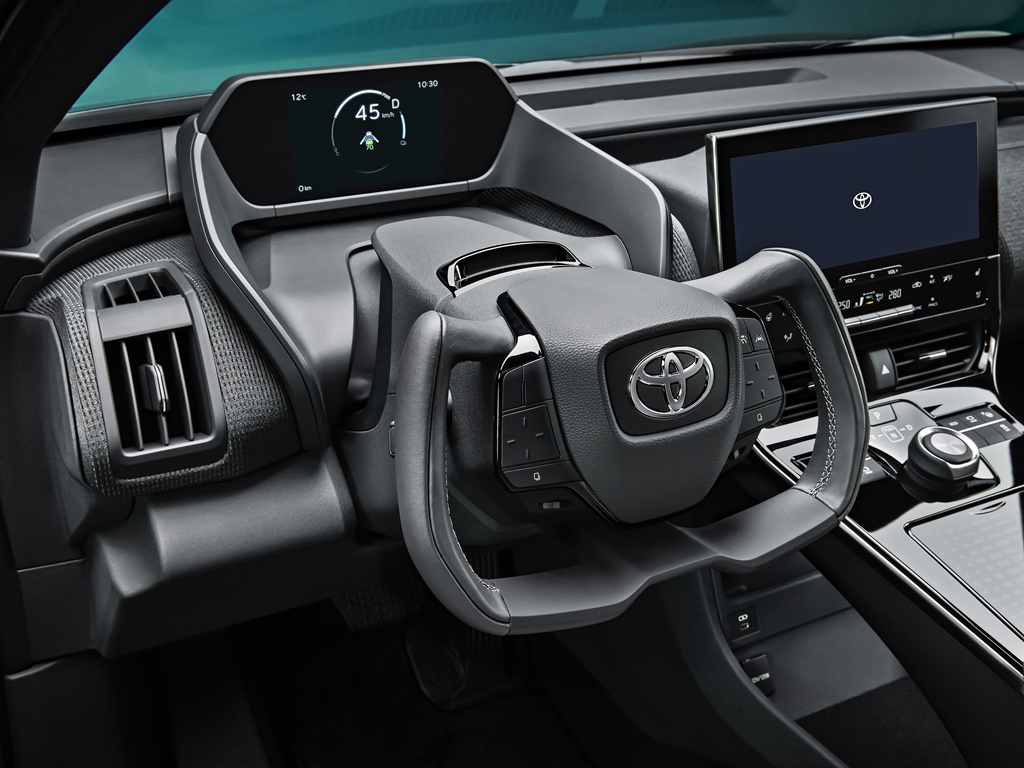
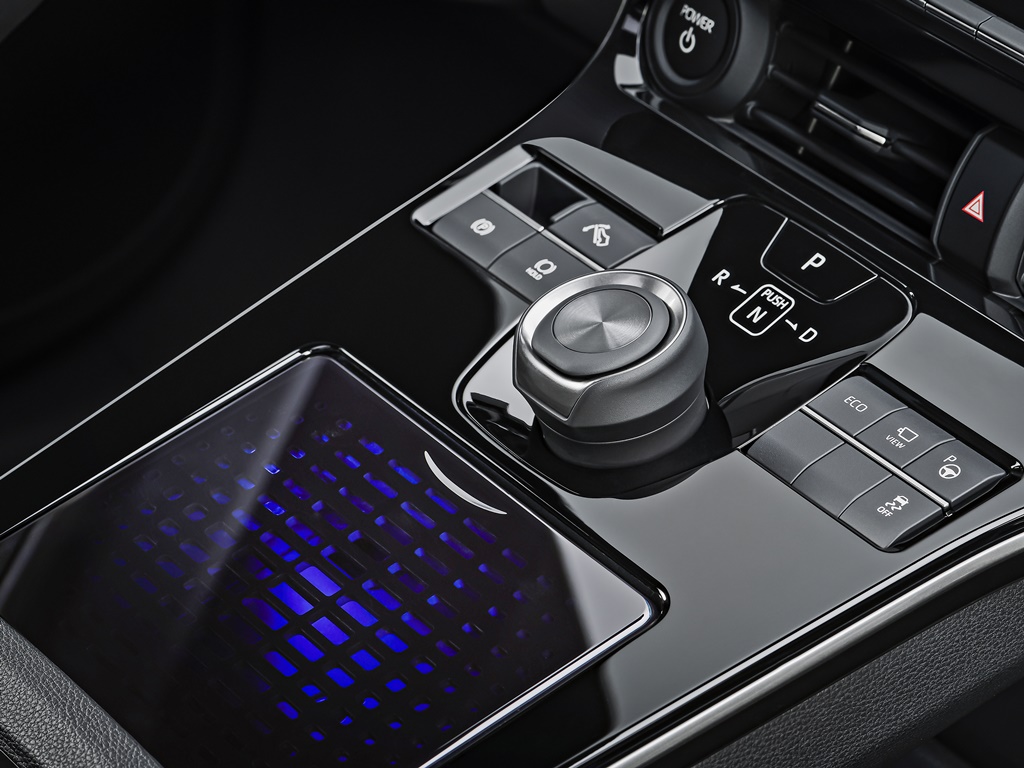
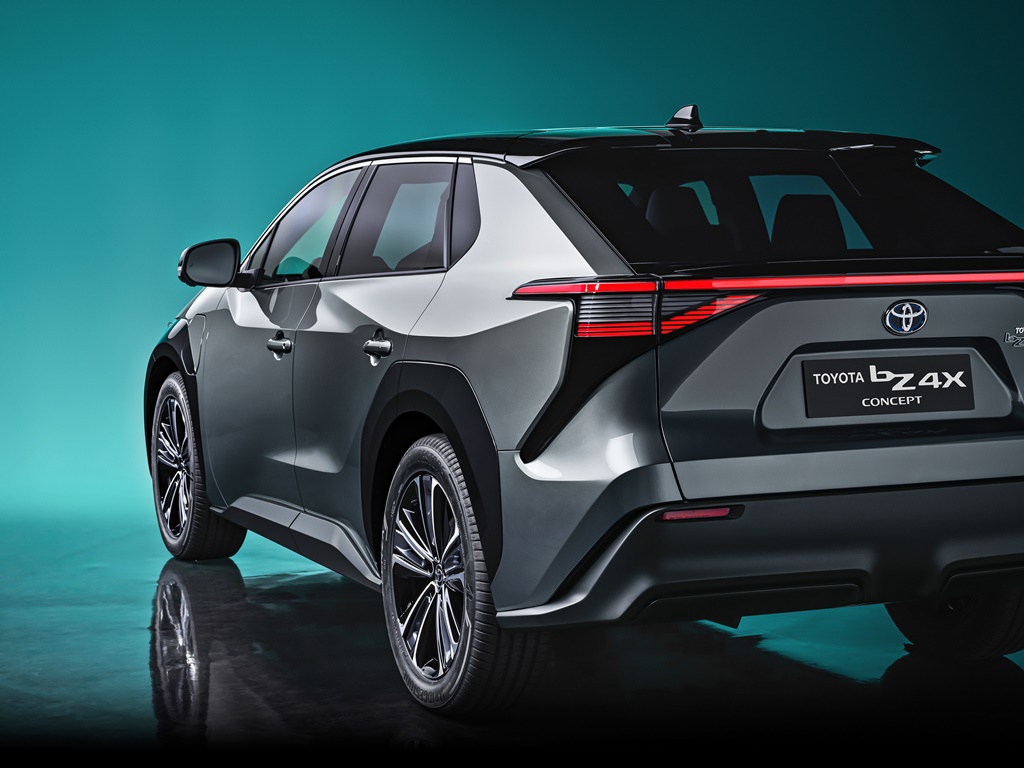
2021 Toyota bZ4X concept

2021 Toyota bZ4X concept

Starting with SUV BEV
At Auto Shanghai, which is on this week, the Japanese carmaker has announced its new BEV (Battery Electric Vehicle) series to start off and is displaying a concept car, the Toyota bZ4X, as a preview of the first model of this series. To be made in China and Japan, worldwide sales of the production version of the new SUV BEV is expected to start by the middle of 2022.

Development of the bZ series (‘bZ’ stands for ‘beyond Zero’) is based on BEV-dedicated platforms that can be used with multiple variations in terms of size and design. Since it is difficult for Toyota to prepare such a wide range of choices by itself, it is jointly developing the series with partners who have the appropriate expertise in various fields. In the case of the bZ4X, Subaru is involved as a partner.

e-TNGA platform
The new vehicle will adopt the e-TNGA BEV-dedicated platform that was jointly developed by the two companies. It takes advantage of the strength of Toyota, which boasts expertise in vehicle electrification, and Subaru, which possesses AWD technologies. The bZ4X combines a long wheelbase with a short overhang which allows both a distinctive design and interior space comparable to a D-segment sedan.

2021 Toyota bZ4X concept

2021 Toyota bZ4X concept

2021 Toyota bZ4X concept

The bZ series BEVs will have a human-centered approach aimed at widespread use in regions such as China, the USA and Europe, where there is significant demand for BEVs, and where there is a large supply of renewable electricity.

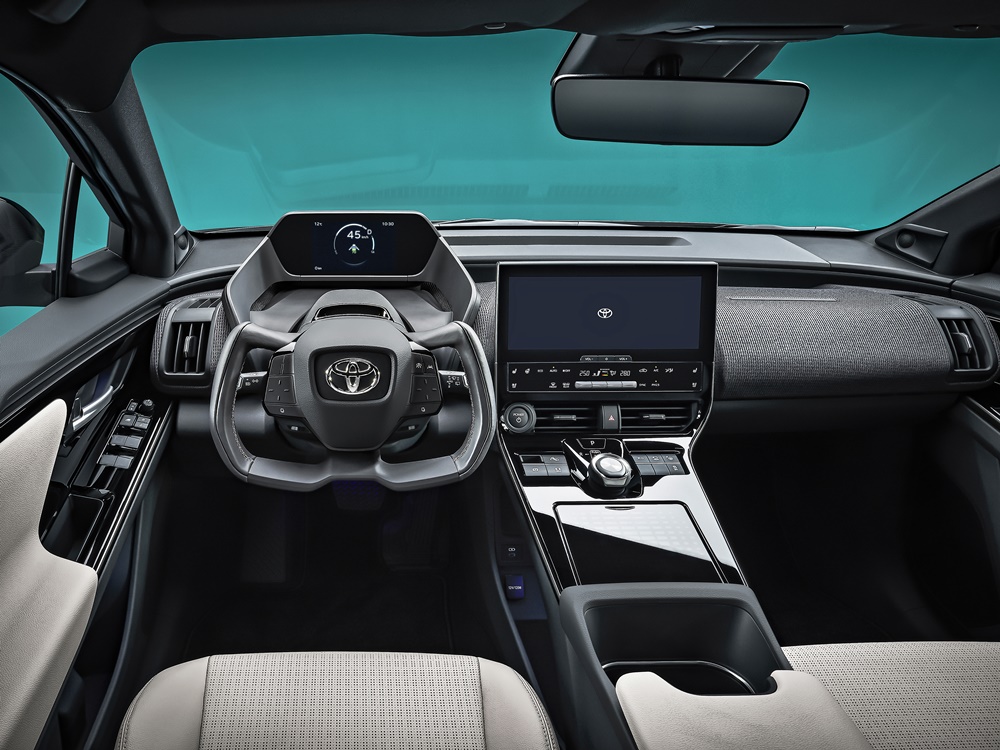
A uniquely shaped steering wheel eliminates the need to change grip when steering, and also contributes to a spacious interior. The vehicle will have a steer-by-wire system that provides a smooth driving feel aligned with the driver’s intentions. The low position of the instrument panel and the location of the meters above the steering wheel serve not only to enhance the vehicle’s sense of space, but also improve visibility and contribute to safe and secure driving.

2021 Toyota bZ4X concept

The bZ4X has a new AWD system jointly developed by Toyota and Subaru. In addition to the use of regenerative energy systems, the vehicle also adopts a solar recharging system that recharges the battery while stationary.

Toyota adds new C+pod Battery Electric Vehicle to its range in Japan

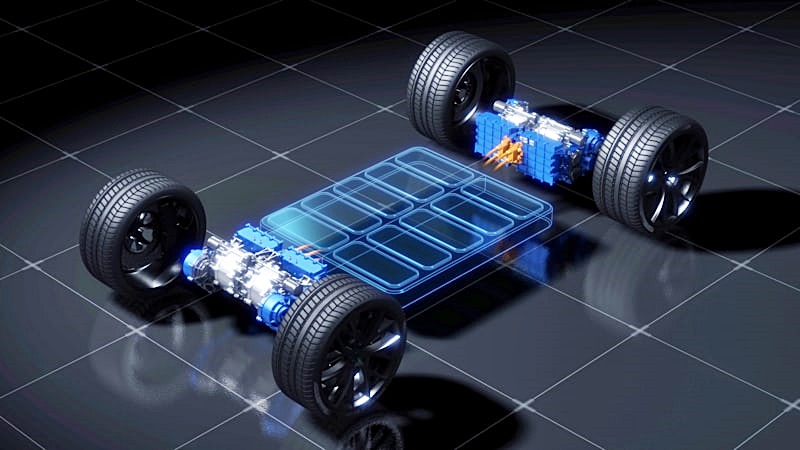
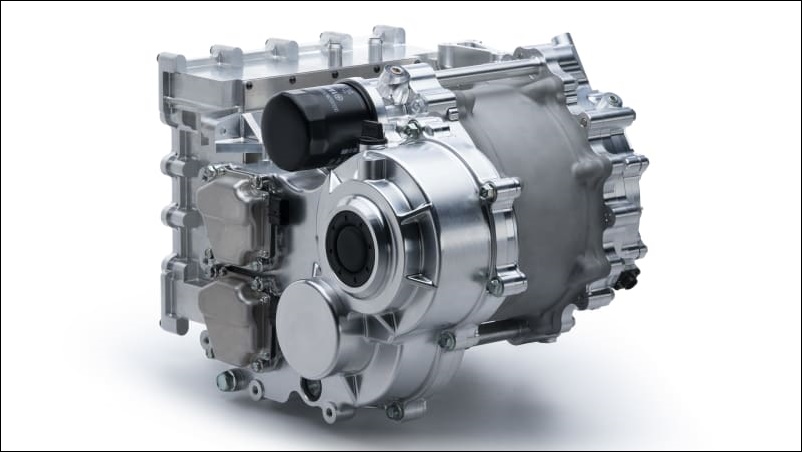
Yamaha Motor has completed development of an electric motor which it claims reaches the industry’s highest class in output density. This unit, which can be used in hyper-EV models to provide exceptionally high performance, is available for ordering for commissioned prototype development from this month. This would be useful for companies which are not established car companies with technical and financial resources for R&D but require a well engineered powertrain.

Maximum output up to 350 kW/476 ps
Since 2020, Yamaha Motor has been accepting commissions for developing prototype electric motors (35 – 200 kW/48 ps – 272 ps) for automobiles and other mobility applications. However, the company has also newly developed a unit boasting a maximum output in the 350 kW/476 ps class (operating voltage of 800V) intended for installation and use in hyper-EVs and other high-output applications.

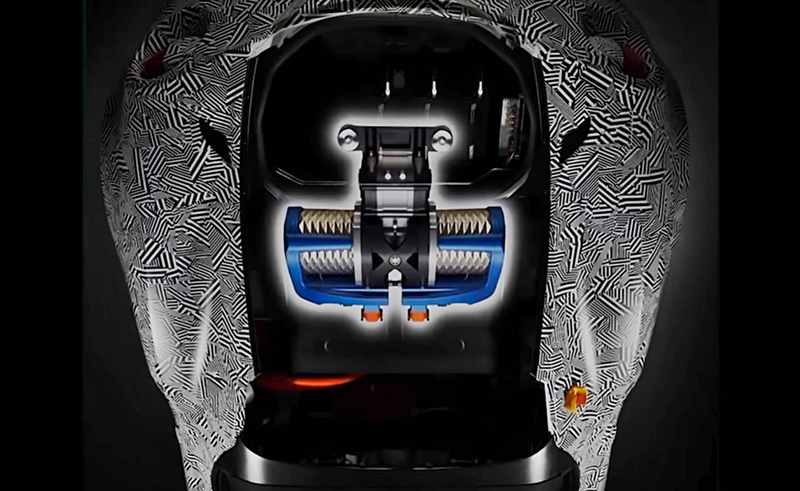
The main feature of this newly developed electric motor is its compact construction that treats the mechanical and electrical components as a single entity, integrating the gear and inverter into one unit. It was also developed in anticipation of installation and use of multiple units on a single vehicle.

Broad scope of prototype development
Regarding commissioned prototype development, Yamaha will leverage its production technology and know-how in the casting, machining and assembly fields that give the company the flexibility to adapt to the needs of motorcycles and its numerous other products, its prototyping equipment and facilities and more in order to develop prototype motors tailoring to the specific requirements of clients in a short period.

Involved in high-performance Toyota engines
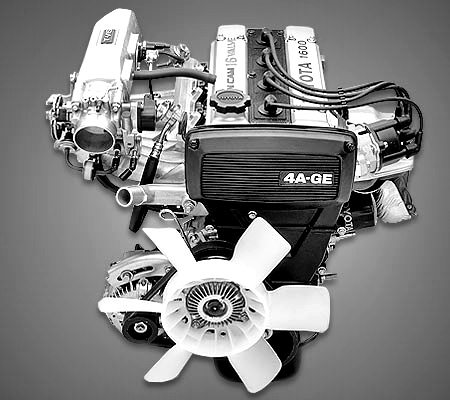
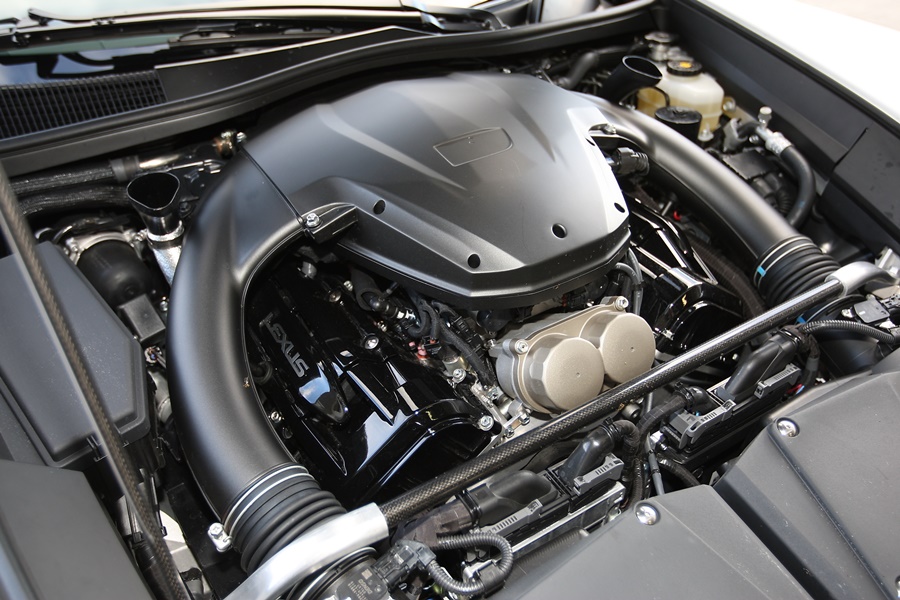
To many, Yamaha may be well known for its motorcycles although it has business units involved in various power units. It also has long experience in high-performance engines and helped Toyota develop and built the DOHC 6-cylinder engine in the 2000GT in 1967. The company was also involved in the development and manufacture of various Toyota twincam engines, among them to 2T-G and 4A-GE used n models like the Corolla Levin/AE86 and MR2. The V10 in the Lexus LFA was also developed with assistance from Yamaha.

1.6-litre Toyota 4A-GE engine used in the Corolla Levin AE86 (above) and V10 engine in the Lexus LFA (below) were developed with Yamaha’s expertise.

Ford too commissioned the Japanese company to make a 3-litre DOHC V6 for its Taurus SHO model and it is known that the 4.4-litre V8 in the Volvo S80 and XC90 was developed with expertise from Yamaha too.

FEATURE – The German engine that was born on a Japanese bullet-train

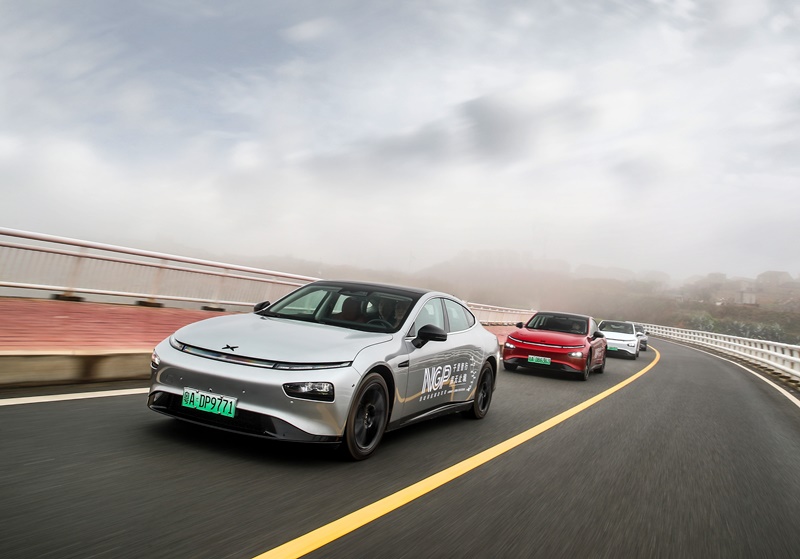
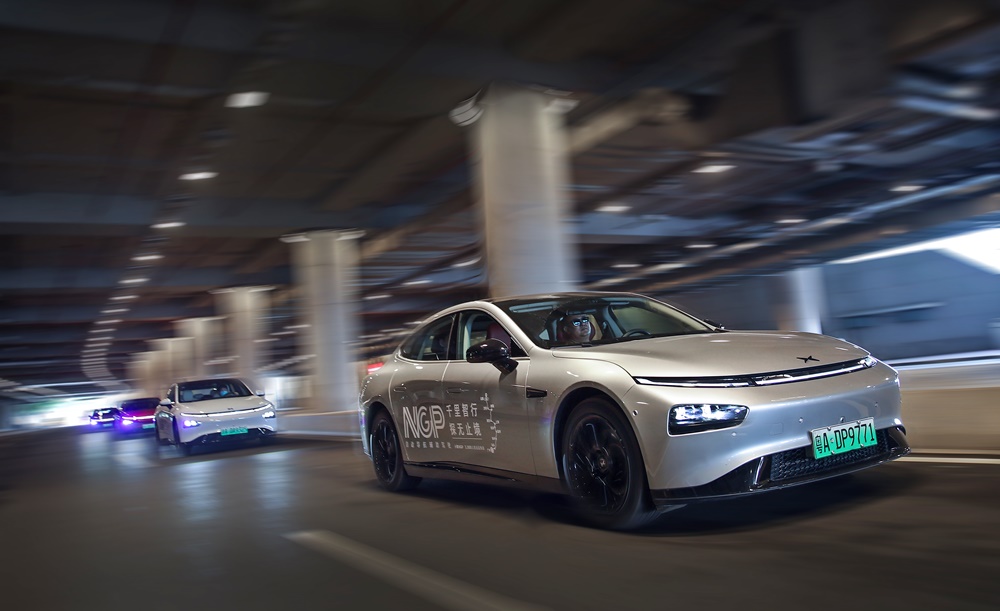
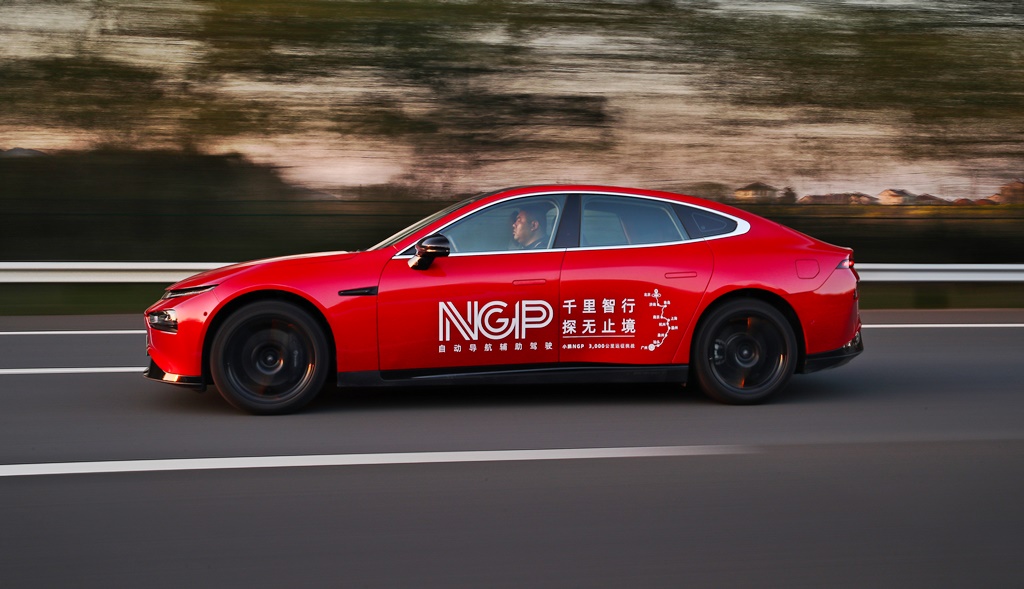
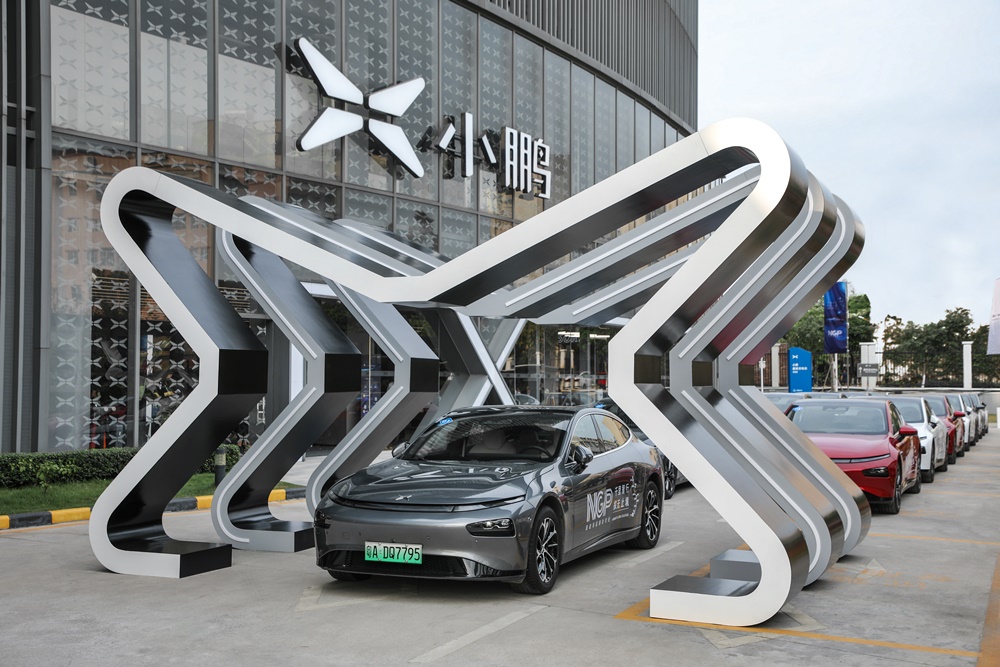
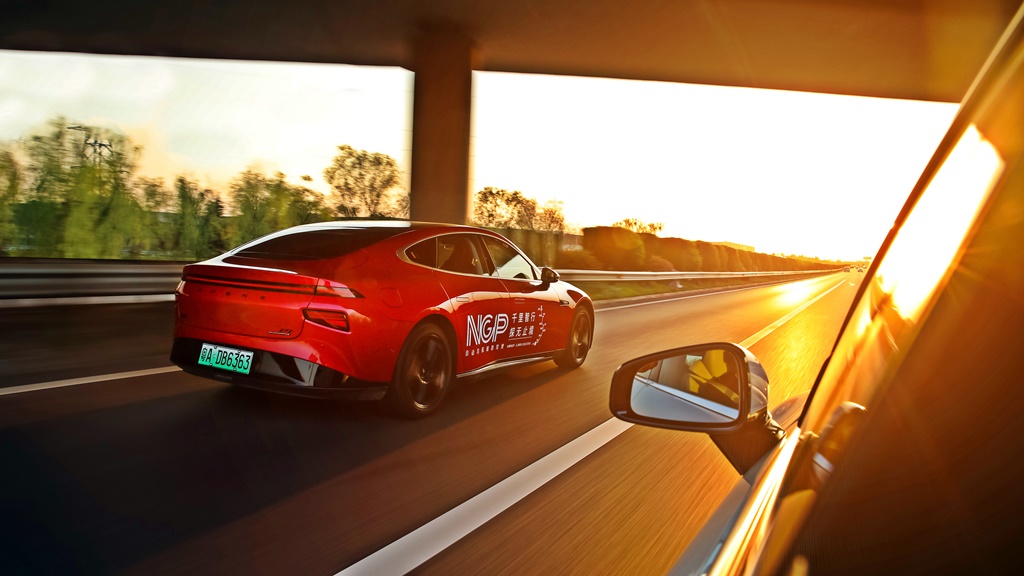
XPeng Inc., a Chinese manufacturer of electric vehicles, has set a record for China’s longest real highway autonomous driving by a mass-produced vehicle. Its fleet of P7 sedans travelled over 3,600 kms from Guangzhou to Beijing, of which 2,930 kms of highway driving were done under the control of the NGP (Navigation Guided Pilot) that enabled autonomous motoring.

0.71 human driver interventions
During the time when NGP was active, the human driver interventions per 100 kms was an average of 0.71. The average success rate for lane changing and overtaking was 94.41% during the 8-day expedition. The average highway ramp entering and exiting success rate was 92.76% and average tunnel pass-through success rate was 94.95% during the same period.

XPeng autonomous drive record in China 2021

The drive was done in the public eye with 228 auto journalists, EV enthusiasts and industry experts participating along the way. The fleet numbered 12 to 15 cars and passed through 10 cities in 6 provinces along China’s eastern costal corridor. The route was chosen to cover some of the most complex yet representative road conditions and driving scenarios in China so as to fully test the NGP’s responses and effectiveness.

XPeng reported that the NGP delivered stable performance in rainstorm conditions, passing through tunnels, and on highways in mountain areas, demonstrating its high robustness and reliability even in difficult driving scenarios.

XPeng autonomous drive record in China 2021

XPeng autonomous drive record in China 2021

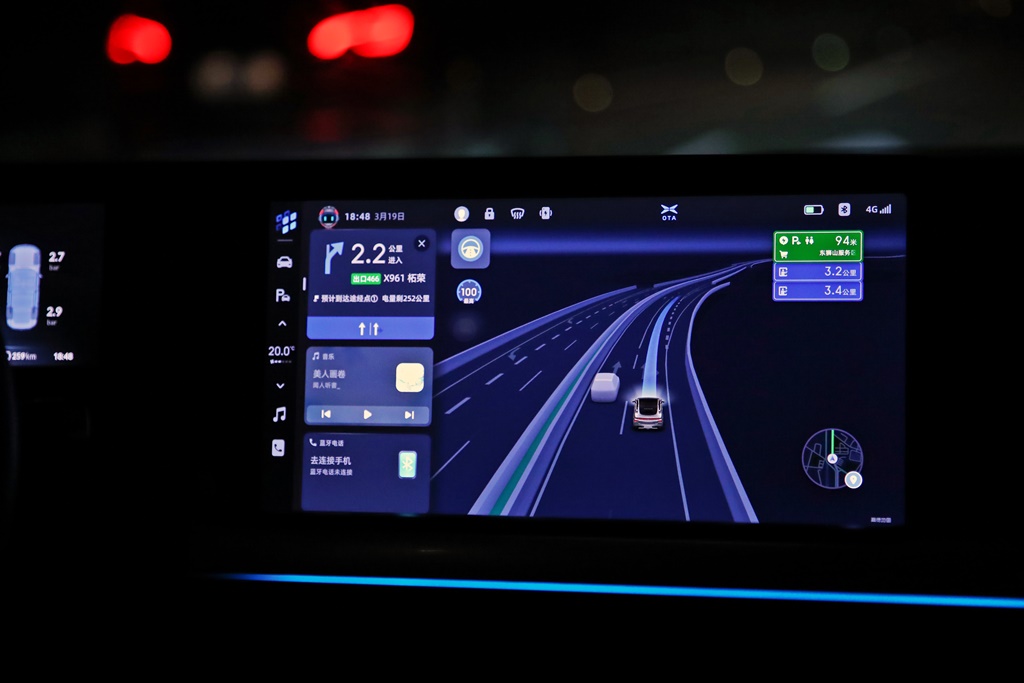
The NGP highway solution provides navigation assisted autonomous driving from point A to B, based on the navigation route set by the driver, and is available on highways covered by high-precision maps in China. Its full-scenario high-definition positioning capability solves HD-map positioning challenges for China’s highly complex road conditions, including areas with no GPS signals.

Most powerful autonomous system
The system is enabled by the P7’s strong underlying autonomous driving architecture, claimed to be the most powerful system in production vehicles in China. It has 14 cameras, 5 millimetre-wave radars, 12 ultrasonic sensors, centimetre-level high-definition positioning, decimetre-level high-definition mapping, NVIDIA Xavier system-on-the-chip computing platform, and a Bosch iBooster brake system. The P7 is also China’s only mass production car with a 360-degree dual camera and radar fusion perception system for added safety.

XPeng autonomous drive record in China 2021

“The expedition has fully challenged the robustness and reliability of the NGP function. The results demonstrate that it is not only the strongest, but also the easiest to use autonomous driving function for production vehicles available in the market,” said He Xiaopeng, Chairman & CEO of XPeng Inc. “We strive to become the world’s top autonomous driving hardware and software provider, and our strategy and R&D capabilities place us well in achieving this goal.”

XPeng autonomous drive record in China 2021

About XPeng Inc.
XPeng Inc. was founded in 2015 with the aim of designing, developing, manufacturing and marketing smart EVs in China. While it is currently selling its two models only in China, it has established a presence in America and has future plans to enter that market. It has a permit to conduct autonomous vehicle testing in California and has displayed a model at the 2018 Consumer Electronics Show (CES) in Las Vegas. The company’s stock is also publicly traded on the New York Stock Exchange.

Archive

Follow us on Facebook

Follow us on YouTube