Piston.my

English

Being at the right place and striking at the right time – that seems to have been the winning formula for the pair of Tengku Djan Ley and Mika Hakimi who drove to almost identical wins in both the races of the inaugural GAZOO Racing Vios Sprint Cup.

The Prima Pearl TD Racing duo finished of their race weekend at the Sepang International Circuit with a win in the second 1-hour race. While it was 18-year old Mika who had taken the chequered flag in the first race the day before, Tengku Djan – a 3-time Vios Challenge overall champion and Malaysia’s ‘Drift King’ – was at the wheel for the second win.

Toyota GR Vios Sprint Cup 2022

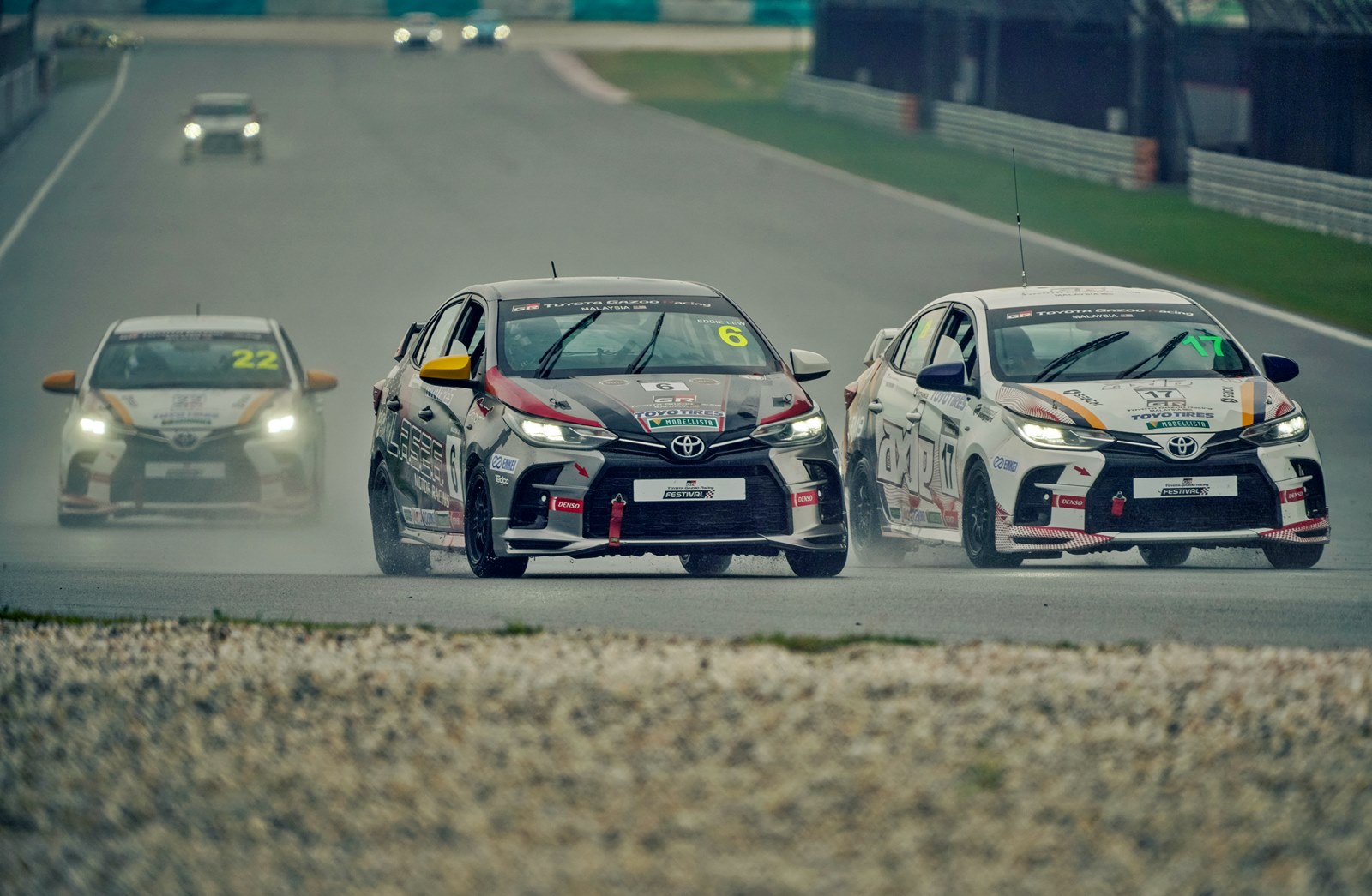
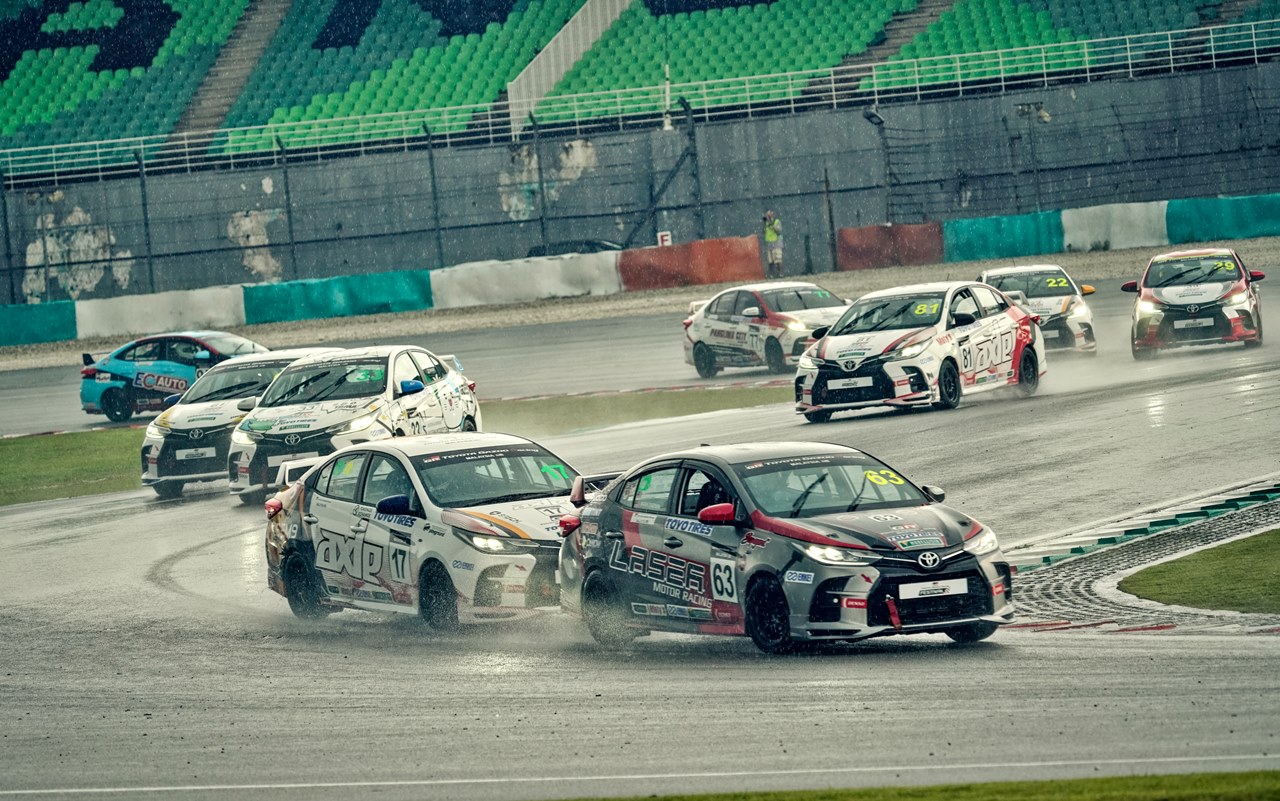
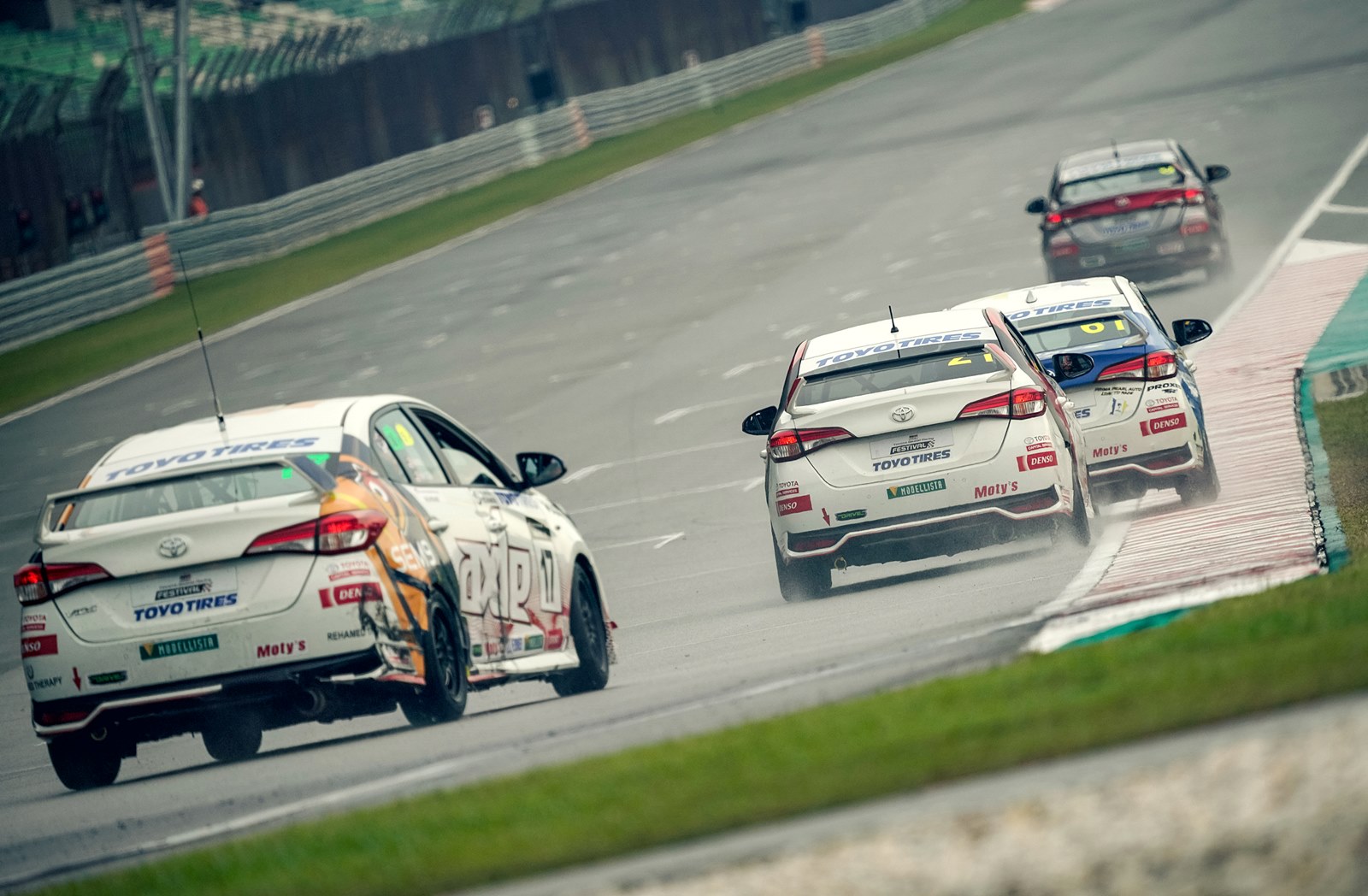
Unlike Race 1 on Saturday which was held in blistering heat, Race 2 got underway after being delayed twice to wait for a heavy downpour to subside. So conditions around the 5.543-km circuit were slippery and made things even more challenging.

Race 2’s grid was filled with 19 cars, with each car having two drivers. There was one car and crew more than Race 1 as Laser Motor Racing’s Eddie Liew/Putera Adam had not taken part due to a technical problem with their Vios.
Toyota GR Vios Sprint Cup 2022

Toyota GR Vios Sprint Cup 2022

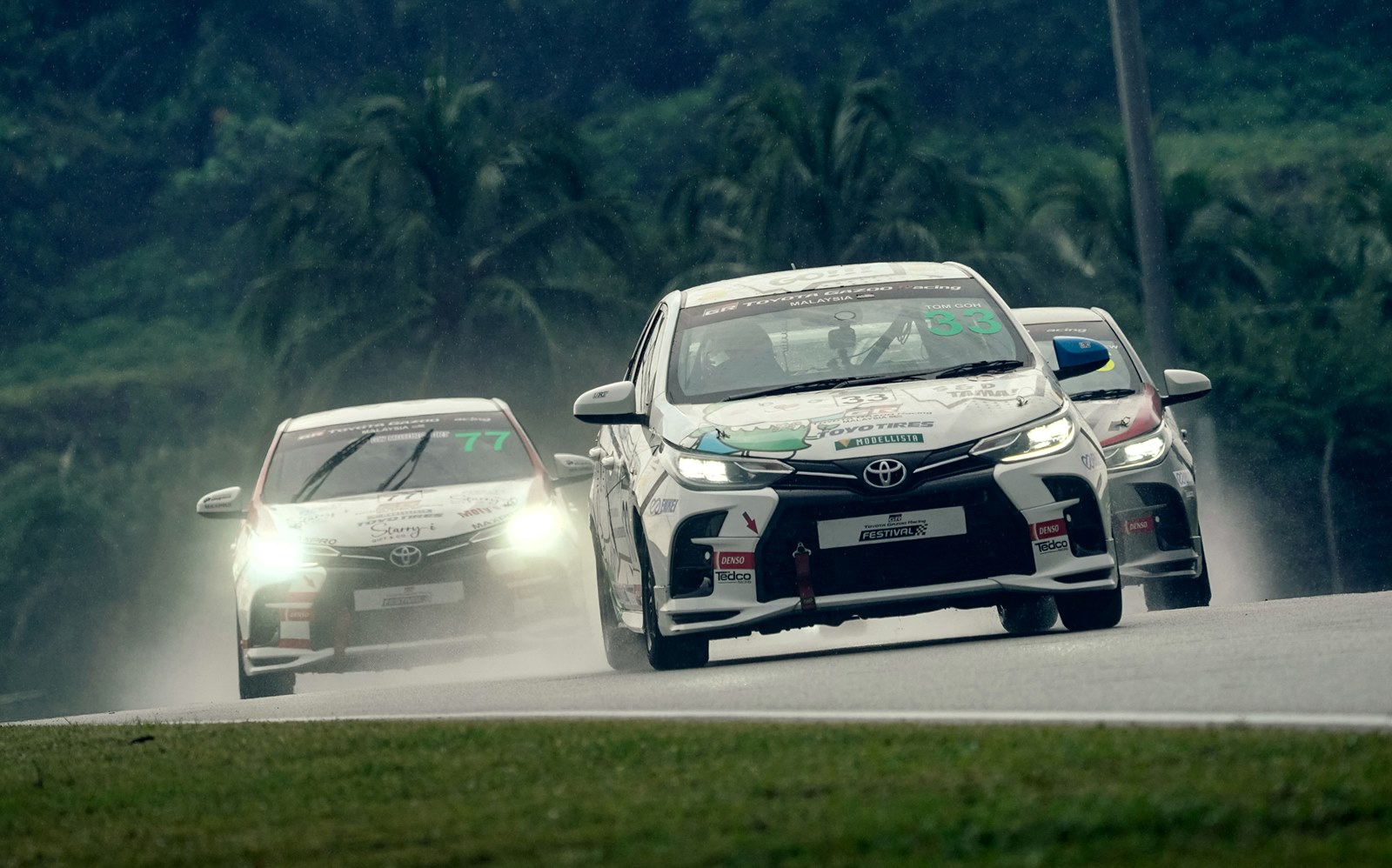
To make the race more interesting, the reverse grid format was adopted and the winning pair started Race 2 in sixth position, plus weight penalties as well. On pole position was the Vios driven by the pair of Ady Rahimy and 16-year old Abdul Miqail, followed by Laser Motor racing’s Mark Darwin/Bradley Benedict Anthony, while in third position was Axle Motorsports’ Hayden Haikal/Naquib Azlan who finished fourth in Race 1. Starting from fourth on the grid was S&D Tama Motorsports’ Tom Goh/Freddie Ang, third placed winners the day before

Abdul Miqail got off to a great start but failed to hang on to his race lead when he spun off the wet track just as the race entered its second lap. That immediately promoted Naquib to race leader with Bradley, Nabil and Mika in close pursuit. Positions remained unchanged for 4 laps until Bradley misjudged his braking point, losing his position to Nabil and Mika.
Toyota GR Vios Sprint Cup 2022

Toyota GR Vios Sprint Cup 2022

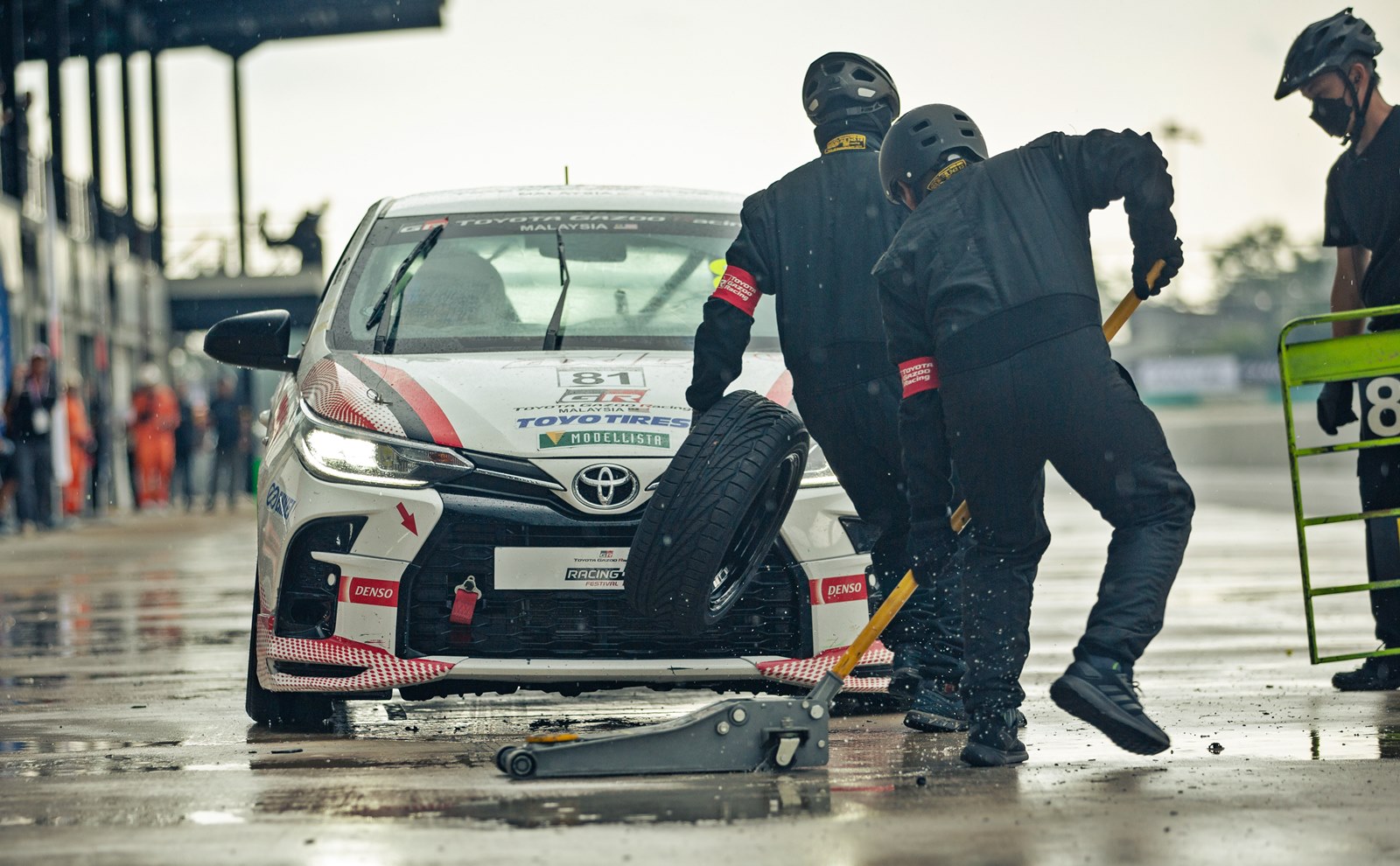
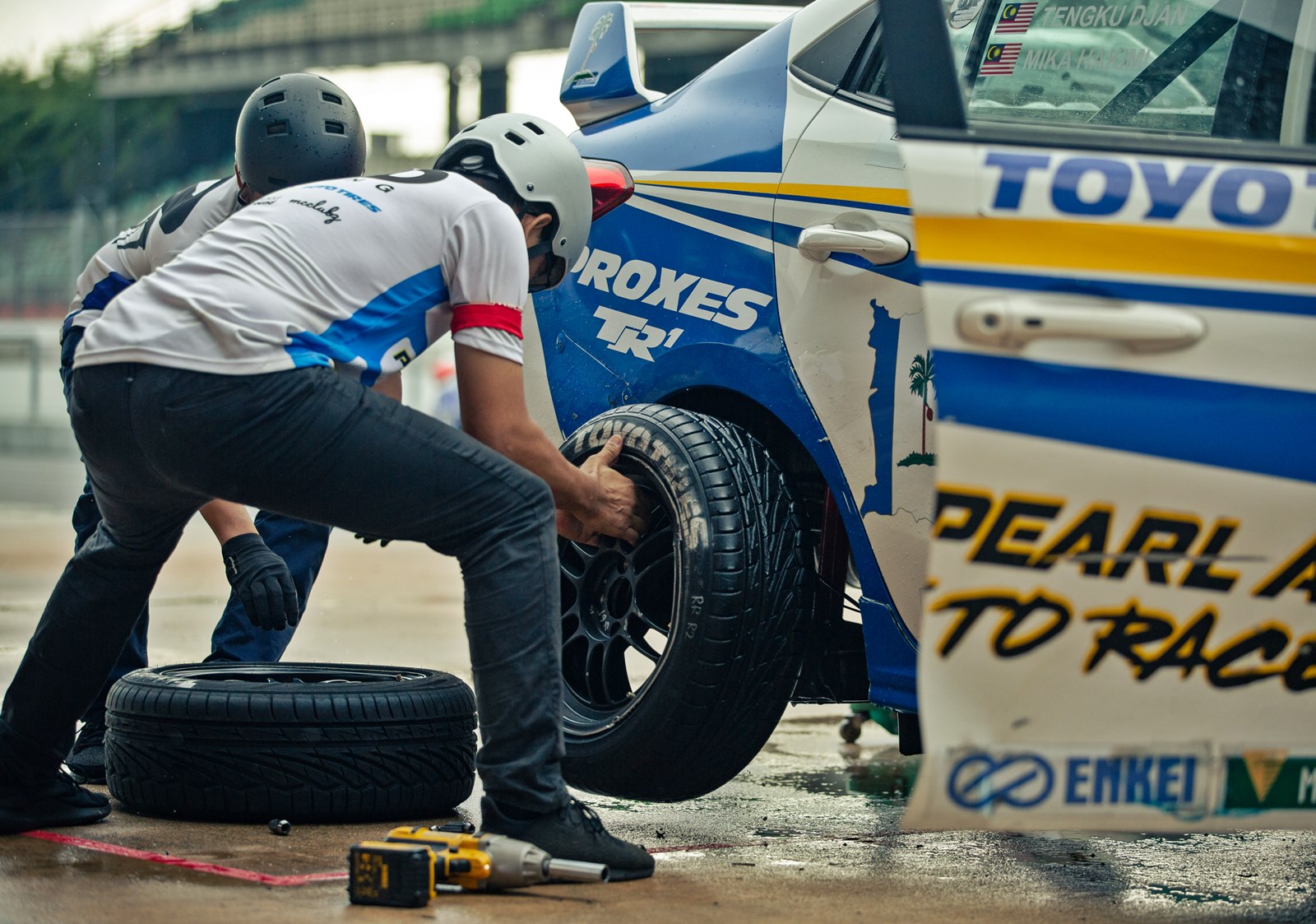
The biggest gainer in the opening stages was Putera Adam who jumped 17 places from last position and into the lead by lap 7 of the race. The 16-year old drove a blistering pace and was among the last drivers to make the compulsory pit-stop for a driver change, handing the car over to his team mate for the remaining 30 minutes of the race.

With the driver changes completed, Eddie led the race 4.7 seconds ahead of Tengku Djan with Hayden, Boy and Mark rounding up the top 5 frontrunners. His lead however, diminished lap after lap as the pair of Tengku Djan and Boy lapped the circuit almost a second a lap quicker. By lap 14, the three drivers were abreast of each other and fighting for the lead.

The closing 3 laps were thus exciting and Tengku Djan used his experience and skills to move from third to first. It was a similar move as Mika did the previous day; once in front, his lead would grow from 1.3 seconds to 4.5 seconds by the time he took the chequered flag. Boy secured second place, with Hayden finishing third, Eddie in fourth position and fifth place going to the M7 Japan Project Team’s Fariqe Hairuman and Tarmimi Tahang.

Toyota GR Vios Sprint Cup 2022

“At the end of the day, it’s all about teamwork and both drivers must have similar pace, and only then will you have a fighting chance. Mika has been able to keep his cool throughout the race weekend and on top of that, he has the speed. We have to work as a team, there must be a sharing of knowledge, and you can’t do everything yourself,” said Tengku Djan.

UMW Toyota Motor President Ravindran K. said the GAZOO Racing Vios Sprint Cup and its format of a 1-hour race with a driver change certainly introduced new dynamics to the racing many of the drivers who are already competing in the Vios Challenge used to.
Toyota GR Vios Sprint Cup 2022

“As you know, UMW Toyota Motors’ foray into Malaysian motorsports began with the introduction of a street racing series. That has since evolved to include races on the half and full track length at the Sepang International Circuit; the organizing of a night race; the introduction of a program to develop young drivers and creating a Rookie Class; and even participation in the Sepang 1000KM Endurance Race last year as well as the running of the Vios Enduro Cup,” he said.

“These elements combined are in line with our efforts to contribute to not only growing interest in motorsports, but to make it even more exciting for both the participating teams and drivers, as well as spectators and enthusiasts,” Mr. Ravindran said.

Tengku Djan/Mika Hakimi duo win first race of GR Vios Sprint Cup
The high temperatures caused much concern as race preparations started, the heat growing quickly and even the drivers needing to stay hydrated. Pirelli engineers were warning of tyre degradation and teams were figuring out how their drivers should manage the tyres and how many stops would work. All the drivers chose to start on softs, except Mercedes-AMG’s Lewis Hamilton who had medium compound tyres on his car.

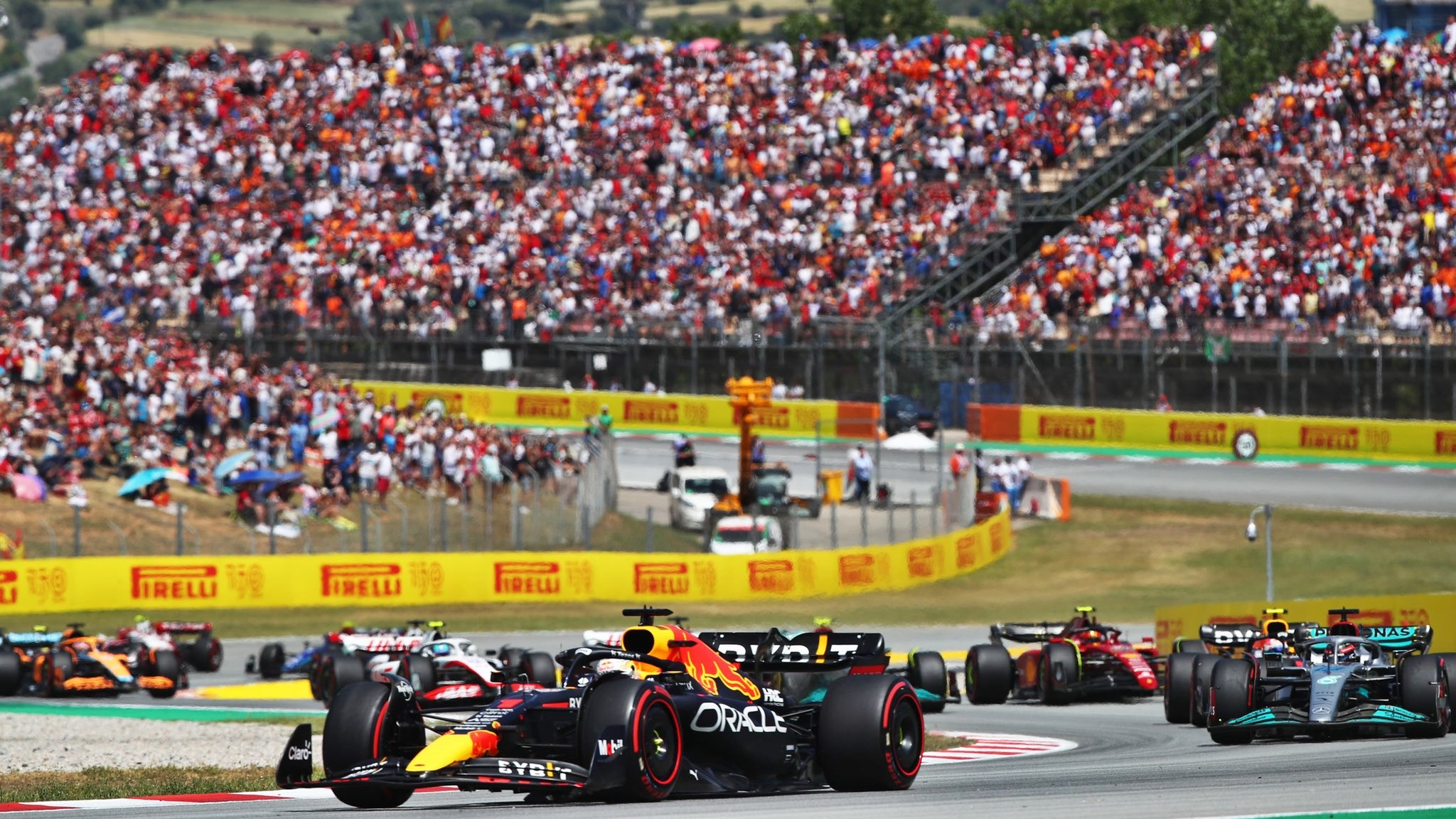
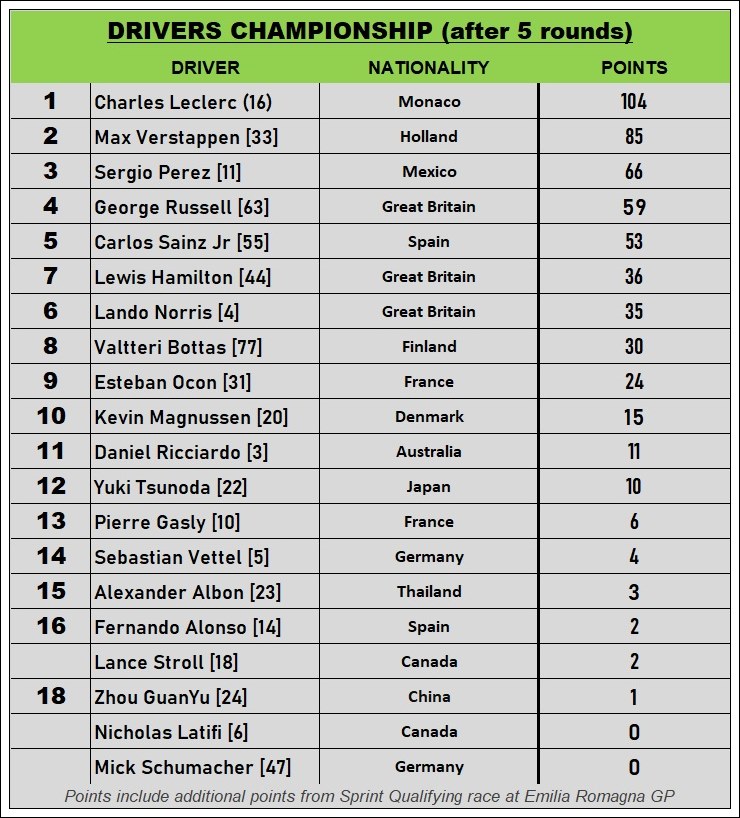
Ferrari’s Charles Leclerc got off to a good clean start from his pole position, outrunning Red Bulls’ Max Verstappen to the first turn. However, Leclerc’s team mate, Carlos Sainz did not get a good start and the fumble allowed the other Red Bull, Sergio Perez to slip into third place.

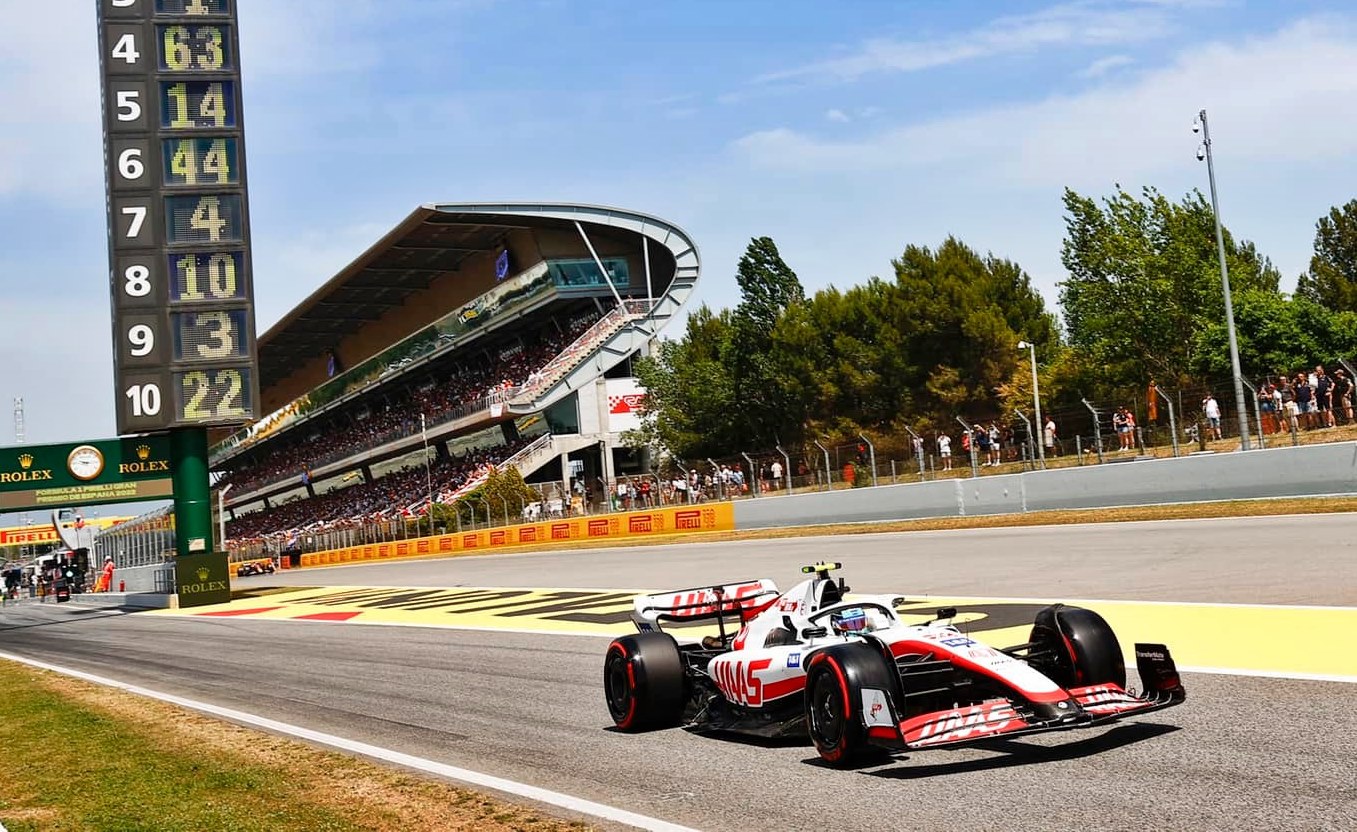
Hamilton must have been counting on the tyres to help him get off the line fast and as he raced up to Sainz, the Spaniard suddenly pulled ahead and the Mercedes-AMG driver had to manoeuvre away. Problem was, Haas F1’s Kevin Magnussen was nearby and brushed into Hamilton’s car before heading into the gravel. But he managed to get back onto the track although Hamilton had a puncture and had to quickly get back to the pits. And that excitement was in just the second lap.
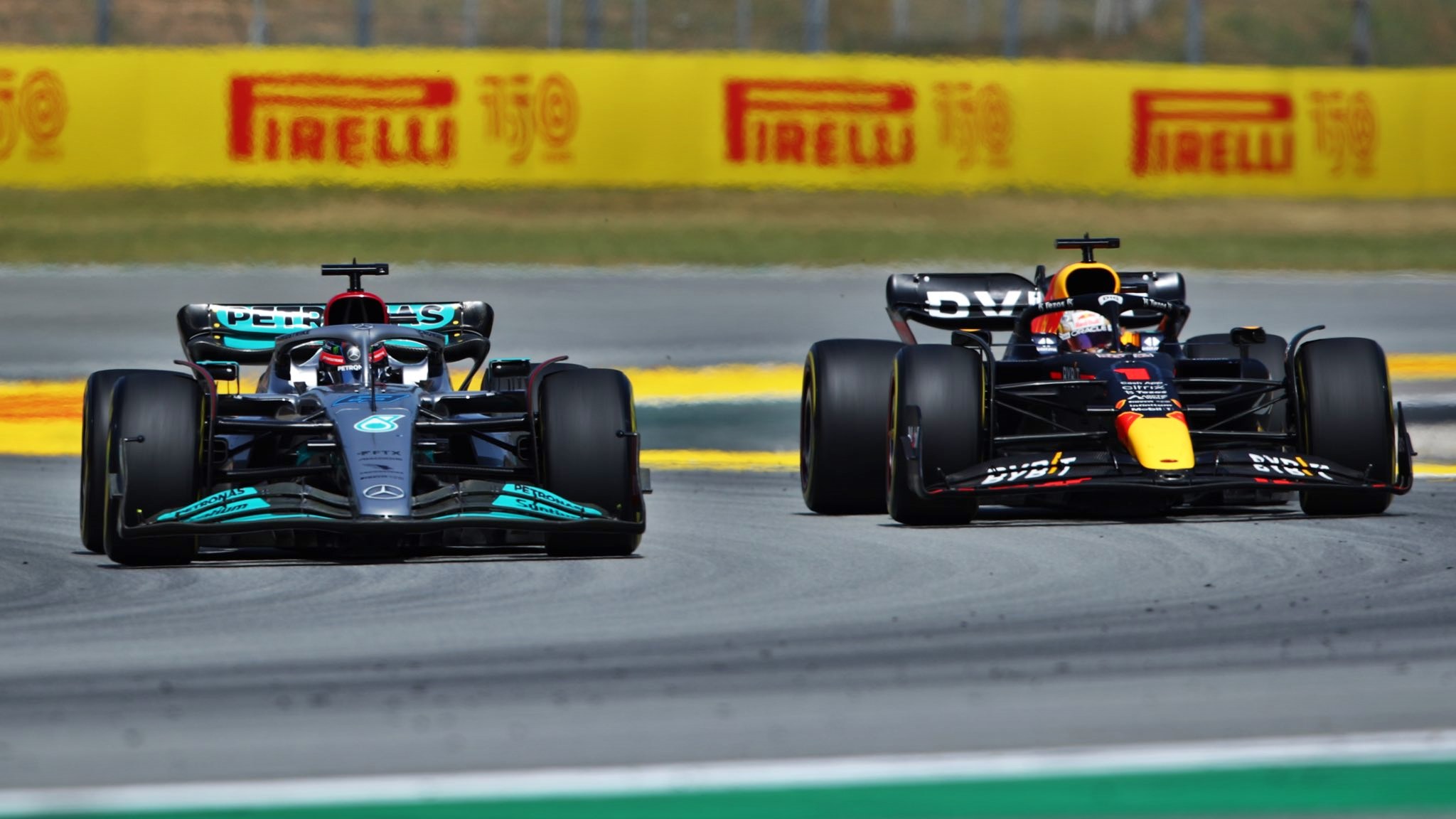
Hamilton’s car was then fitted with soft tyres and when he rejoined he was way down the field. There would be a lot of work ahead, and uncertainty as to how the Stewards would judge the incident with Magnussen. But his team mate, George Russell was doing great, having taken second by lap 10. He had gotten past Sainz who spun into the gravel, and was followed by Verstappen too. So the young British driver had two angry bulls coming after him as he chased after Leclerc who was 10 seconds ahead.
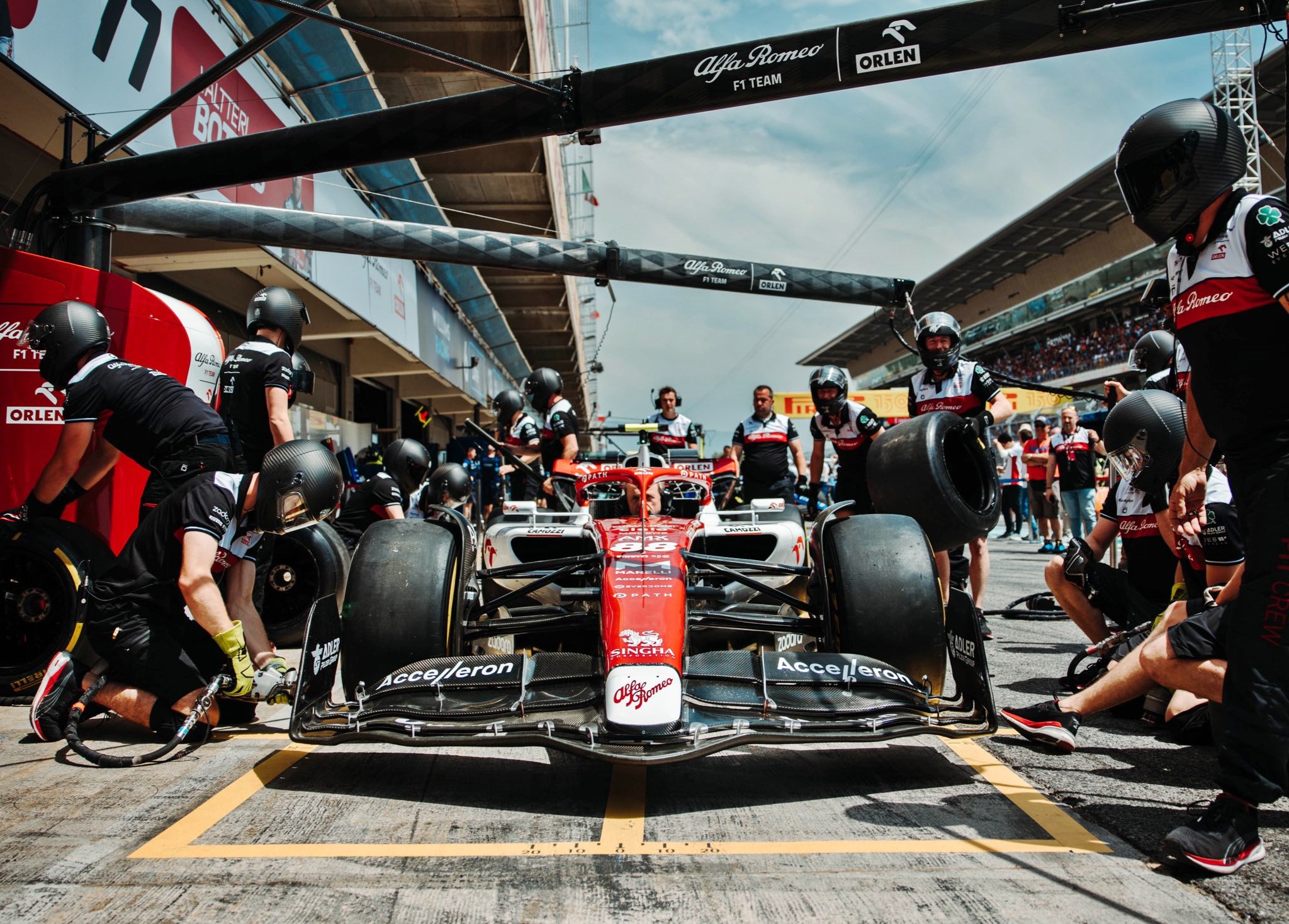
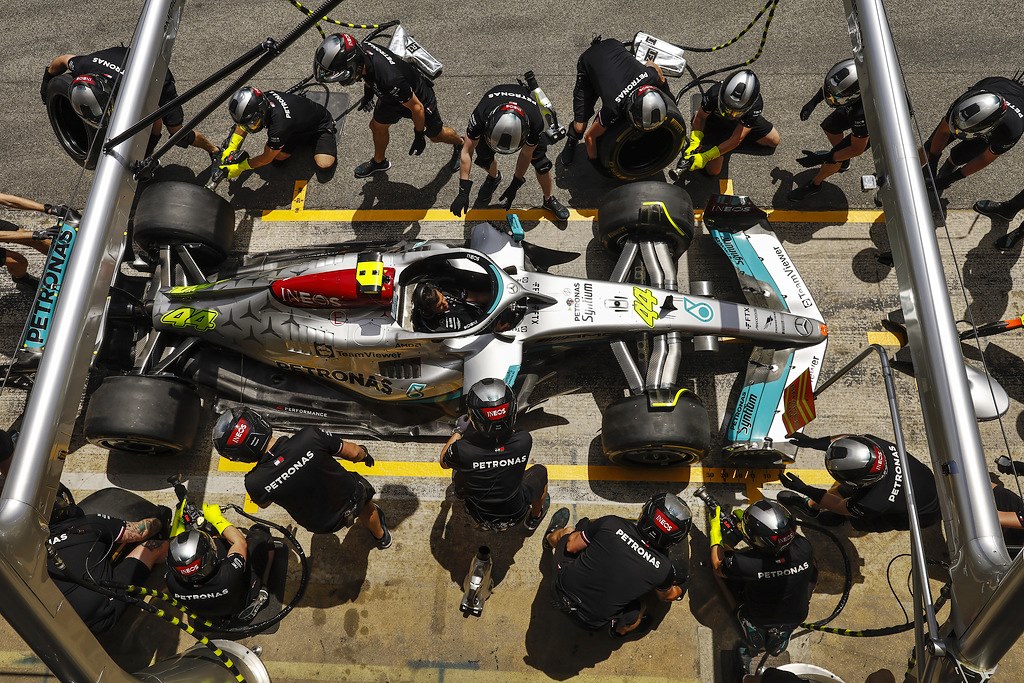
Verstappen passed Perez to go after Russell but on lap 14, Russell and Verstappen came into the pits and took on medium tyres. Both teams have skilled pit crews and got quick stops, with Russell able to get off faster. However, Verstappen had a frustrating problem which was that the DRS flap on his car could not open properly.

Lap 19 saw Perez coming in for mediums and when he rejoined, he was in fourth. With fresher tyres though, he would have more confidence to push harder if necessary but Verstappen was 7 seconds ahead at that time.

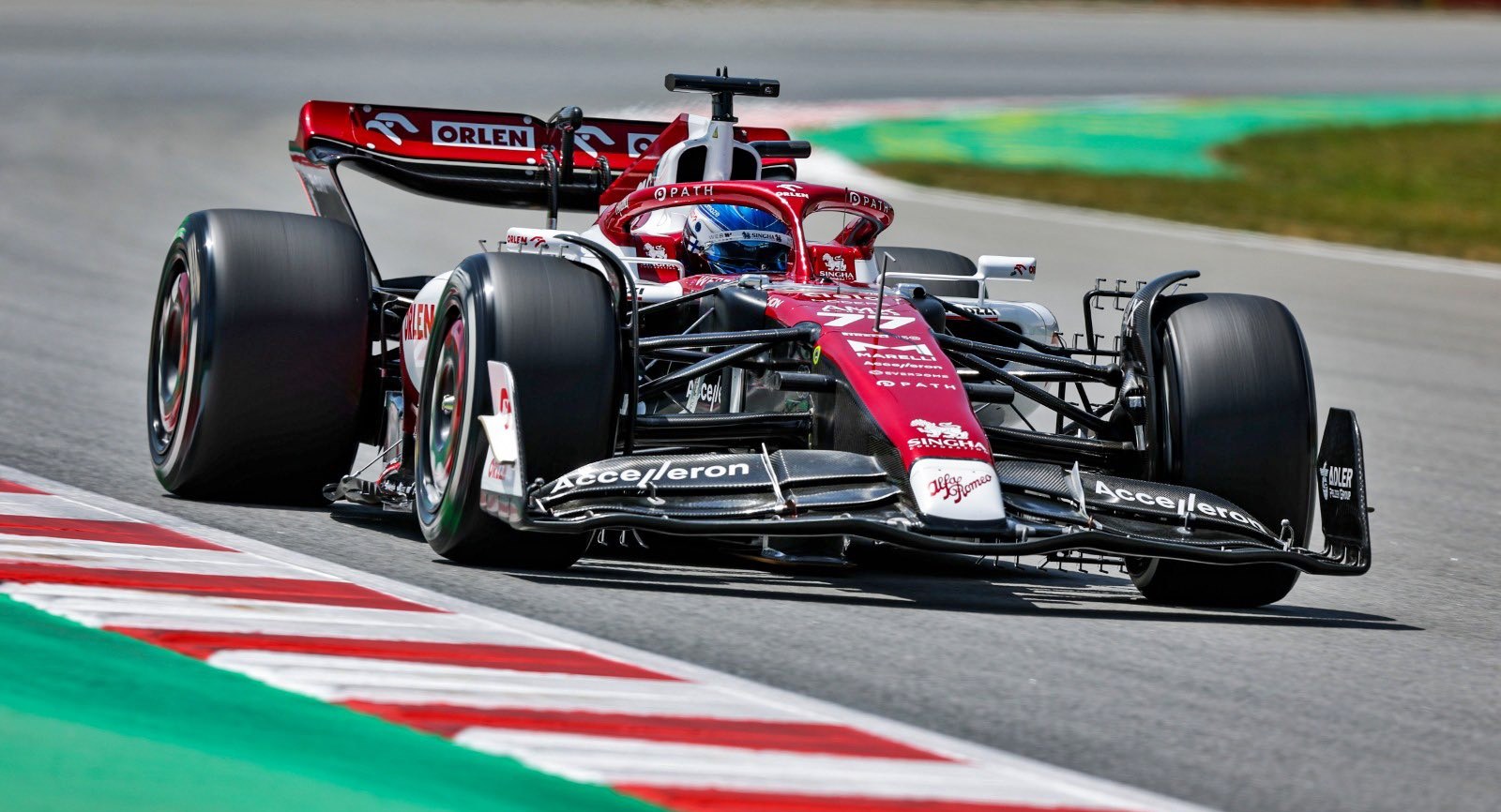
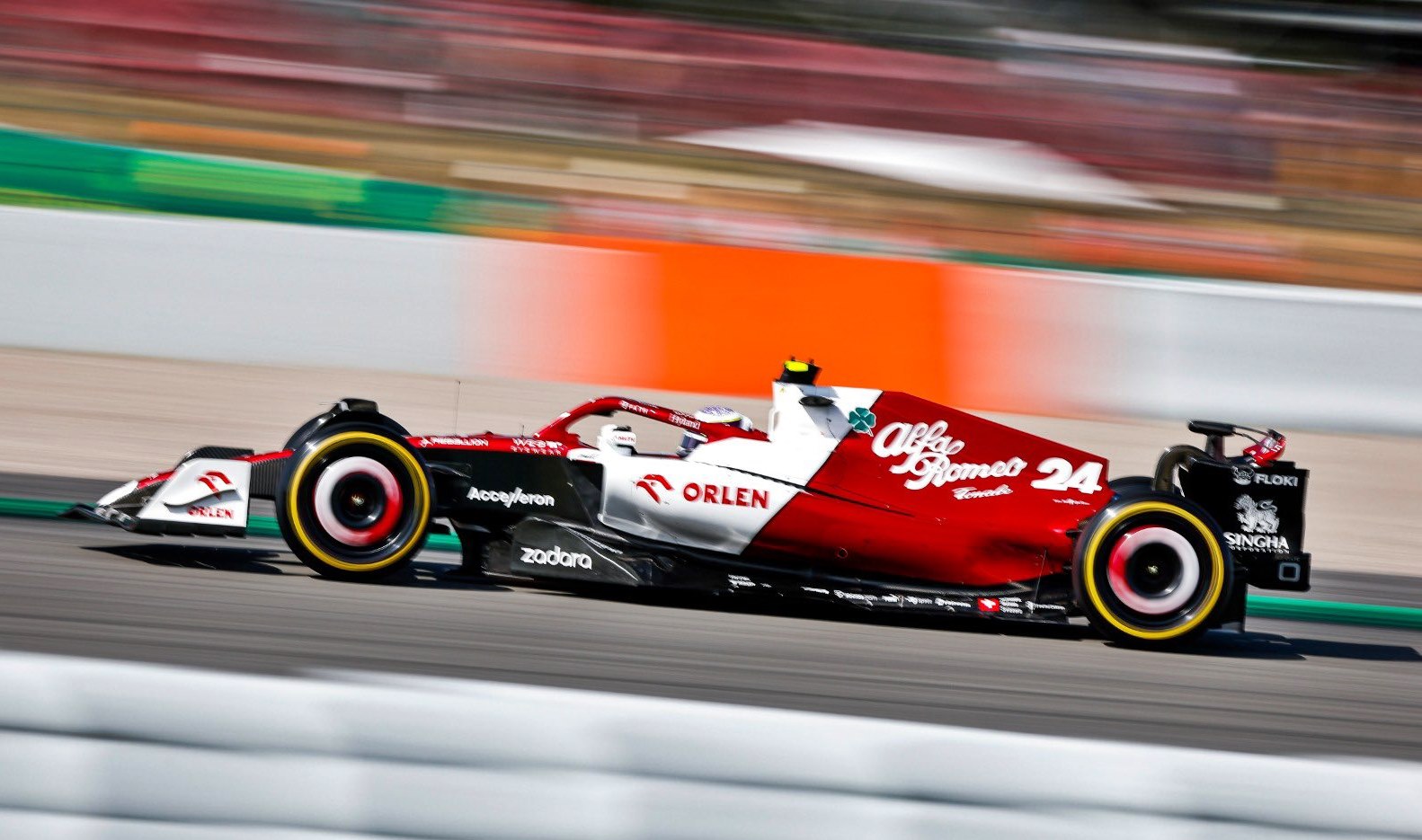
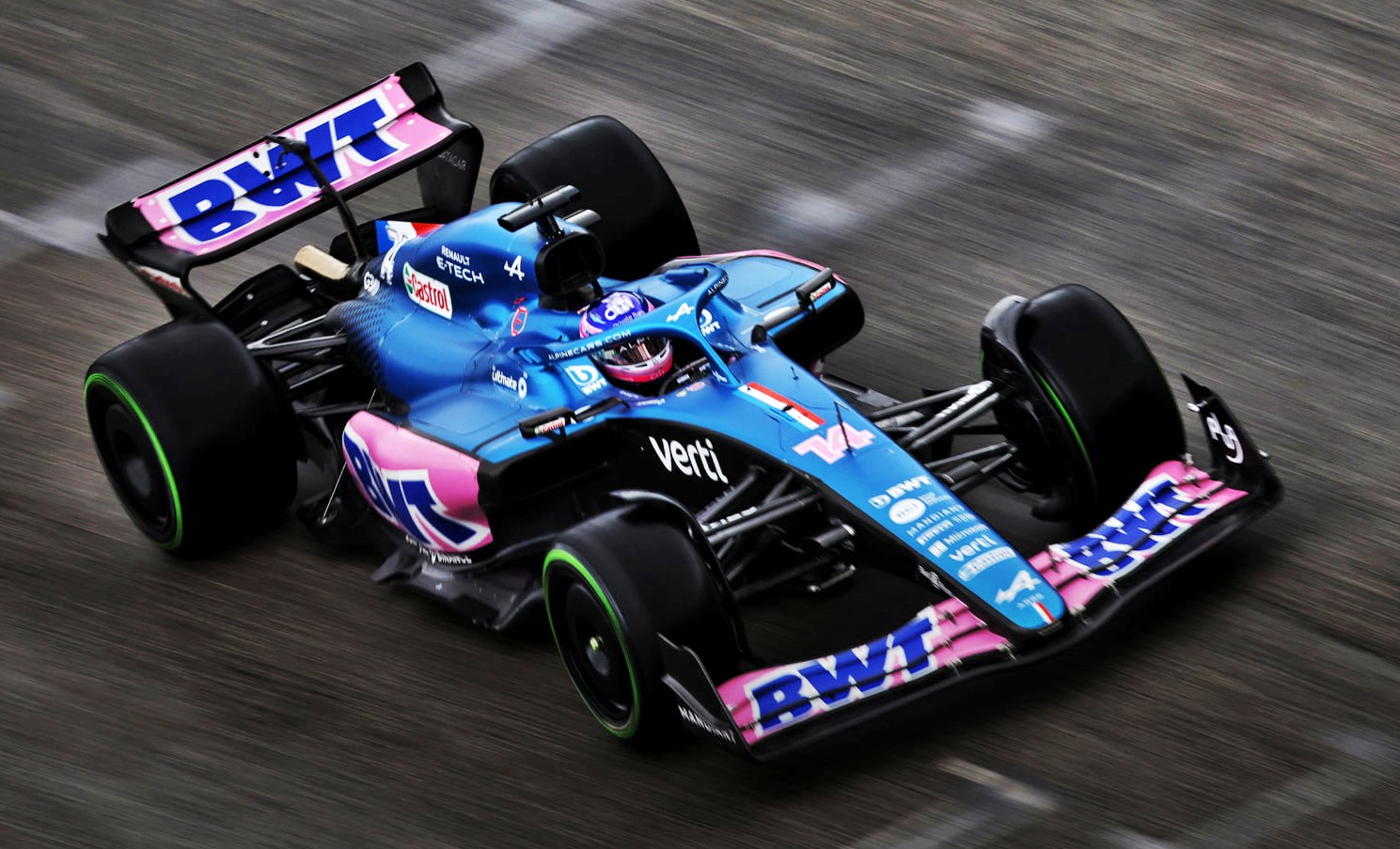
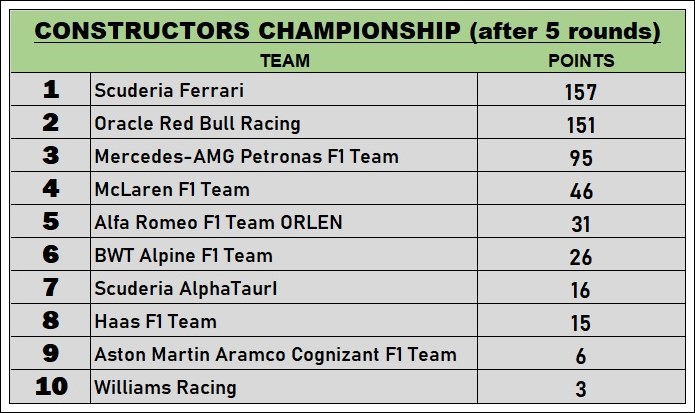
16 seconds behind Perez was Alfa Romeo’s Valtteri Bottas in fifth. He was not yet hassled by BWT Alpine’s Esteban Ocon who was busy trying to stay ahead of Sainz. Hamilton was way back in 16th, struggling to get through traffic. Even to get past Alfa Romeo’s Zhou GuanYu proved difficult as the Chinese driver managed to stay out of reach.

Leclerc was about 8 seconds ahead of Russell when he came in on lap 22 for his first stop. It took just 2.2 seconds from top to go again and when he rejoined, he still had a 5-second gap from the Mercedes-AMG driver. Russell was doing his best to keep his second place with Verstappen trying everything to get past. On lap 26, seeing how his angry team mate was struggling to overtake the Mercedes-AMG, Perez radioed to the team to ask Verstappen to back off and let him go after Russell instead.

And on the next lap, disaster struck the leader who was 12 seconds ahead… Leclerc’s car visibly slowed down and seemed to have lost power. He managed to get back to the pits but did not come out again, and his leading position was taken over by Russell. It was Leclerc’s first retirement of the season.

Since Perez wanted a go at Russell, Verstappen decided to go into the pits, switching from the mediums to softs. The Mexican Red Bull was eager to do battle with the British driver who was less than a second away.

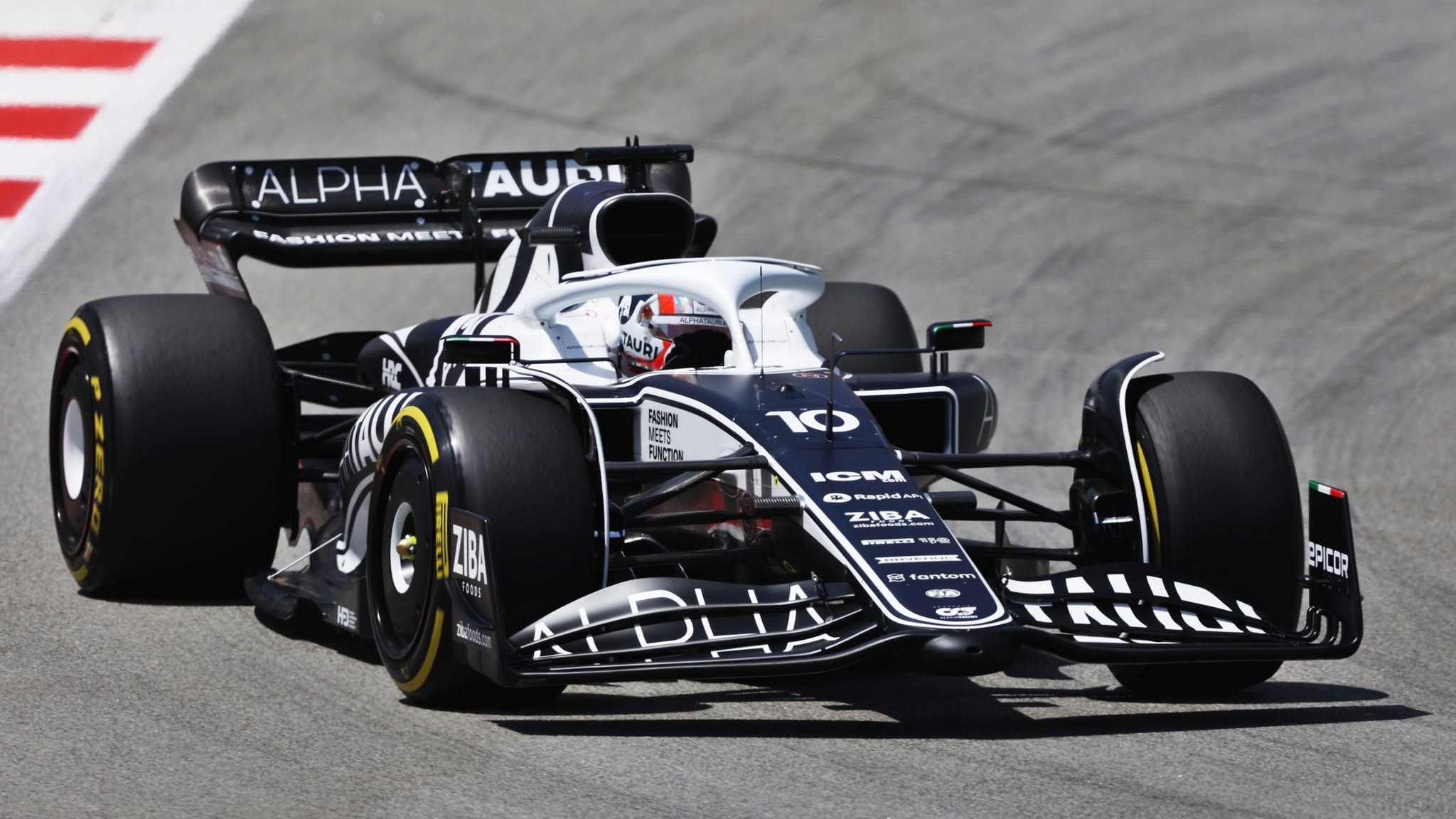
With temperatures hitting almost 40 degrees C., many cars were coming in for tyre changes. With half the race completed, the Stewards informed Pierre Gasly’s Scuderia Alphatauri team that he was given a time penalty for an earlier collision with Aston Martin’s Lance Stroll. On the same lap, Zhou had to retire again, the second time in a row.

Russell put up a good fight but on lap 33, Perez outsmarted him and took over the lead. Now the Mercedes-AMG driver had to watch for Verstappen who was closing in from 6 seconds away. By then, Hamilton had moved up to sixth but some 44 seconds behind Verstappen.

Russell came in on lap 37 for new tyres and rejoined in third. Right after, Perez also came in which let Verstappen take over the lead. Russell was comfortably ahead of Bottas so he could concentrate on regaining his position. For the Dutchman though, the lead was unlikely to last till the end as his soft tyres were already 13 laps old.

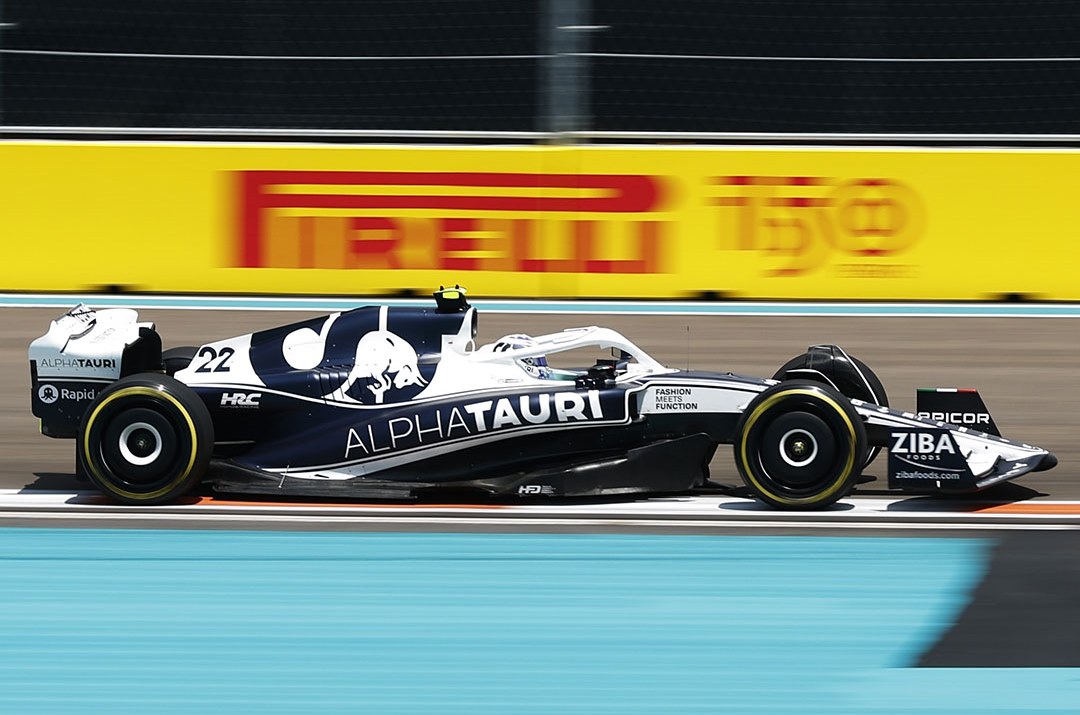
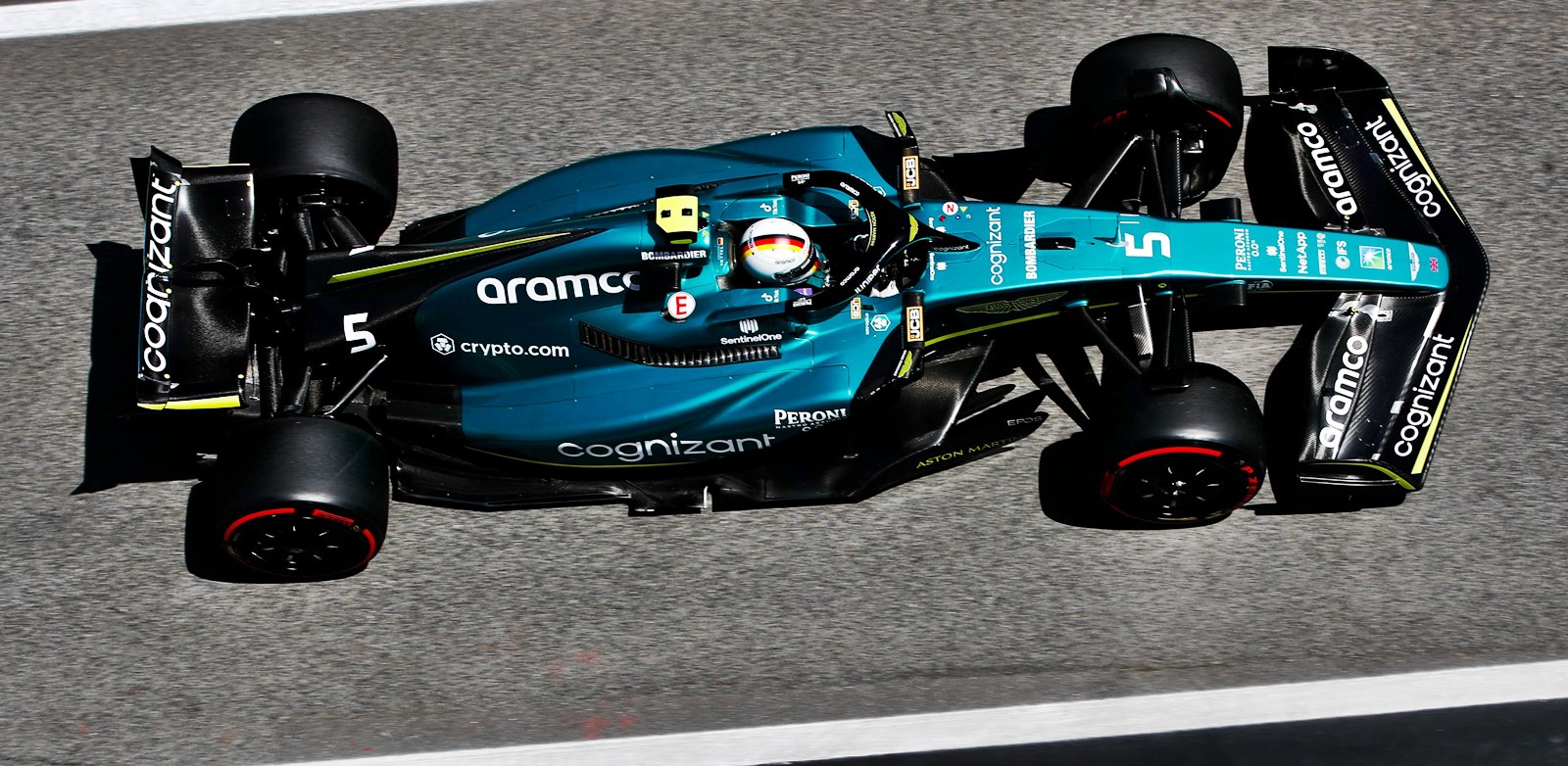
On lap 43, drivers who were comfortably in points-collecting positions were Oc0n, McLaren’s Lando Norris, and BWT Alpine’s Fernando Alonso. Aston Martin’s Sebastian Vettel was also in the top 10 but when he dropped out for tyres, he rejoined down in 14th and that allowed Scuderia Alphatauri’s Yuki Tsunoda to move into 10th and get at least 1 point (if he could stay there till the end).

On lap 45, Verstappen finally came in to get the mediums; after 2.4 seconds of standing still, he rejoined and got in just ahead of Russell so it was 1-2 for the Red Bulls. Russell was 10 seconds behind, reasonably safe from Bottas who was 14 seconds away. He would get on the podium but which step would depend on whether the Red Bulls would get their bad luck again. Verstappen certainly wanted to win as it would then move him into the championship lead.

The gap between the two Red Bulls was less than 2 seconds when team orders came over the radios and Perez was told to move aside and let Verstappen take the lead since has quicker. He mumbled something about it being ‘unfair’ but obeyed the orders nonetheless, as he is expected to.

Russell decided to come in again and get new rubber, which allowed Bottas to move into third position. When the Brit rejoined, he was in fourth and just 3 seconds behind the Alfa Romeo. He had to watch out for Sainz, though, who was not far behind. It took 1 lap for Russell to regain his third position and as he was doing it, Perez also shot into the pits to get new tyres as a precaution in case he had to work harder in the closing stages.

Sainz and Hamilton began duelling on lap 60 and the Mercedes-AMG driver closed in on the main straight, then swept around on the outside to get past into fourth position… quite an impressive recovery from the back. Unlike Red Bull, the Mercedes-AMG team was unlikely to ask Russell to move aside and would instead just be praying that their two cars would make it through the remaining laps and collect a nice set of points.

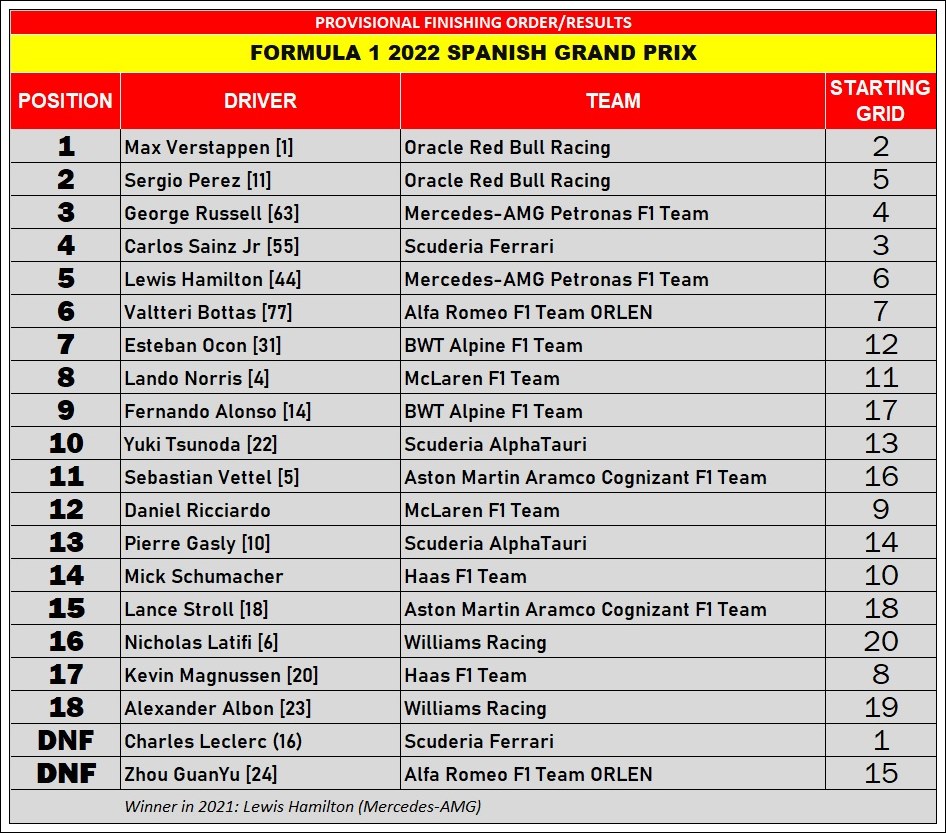
With 2 laps remaining, Verstappen looked set to take the chequered flag, followed by his dutiful team mate across the line. Russell was also on the way to finish third but then Hamilton’s car had overheating problems and Sainz swept past on the second last lap.

And so it was a 1-2 for Red Bull but not 3-4 for Mercedes-AMG as Sainz took Hamilton’s place. Fortunately, the race ended as Bottas was coming up behind Hamilton.


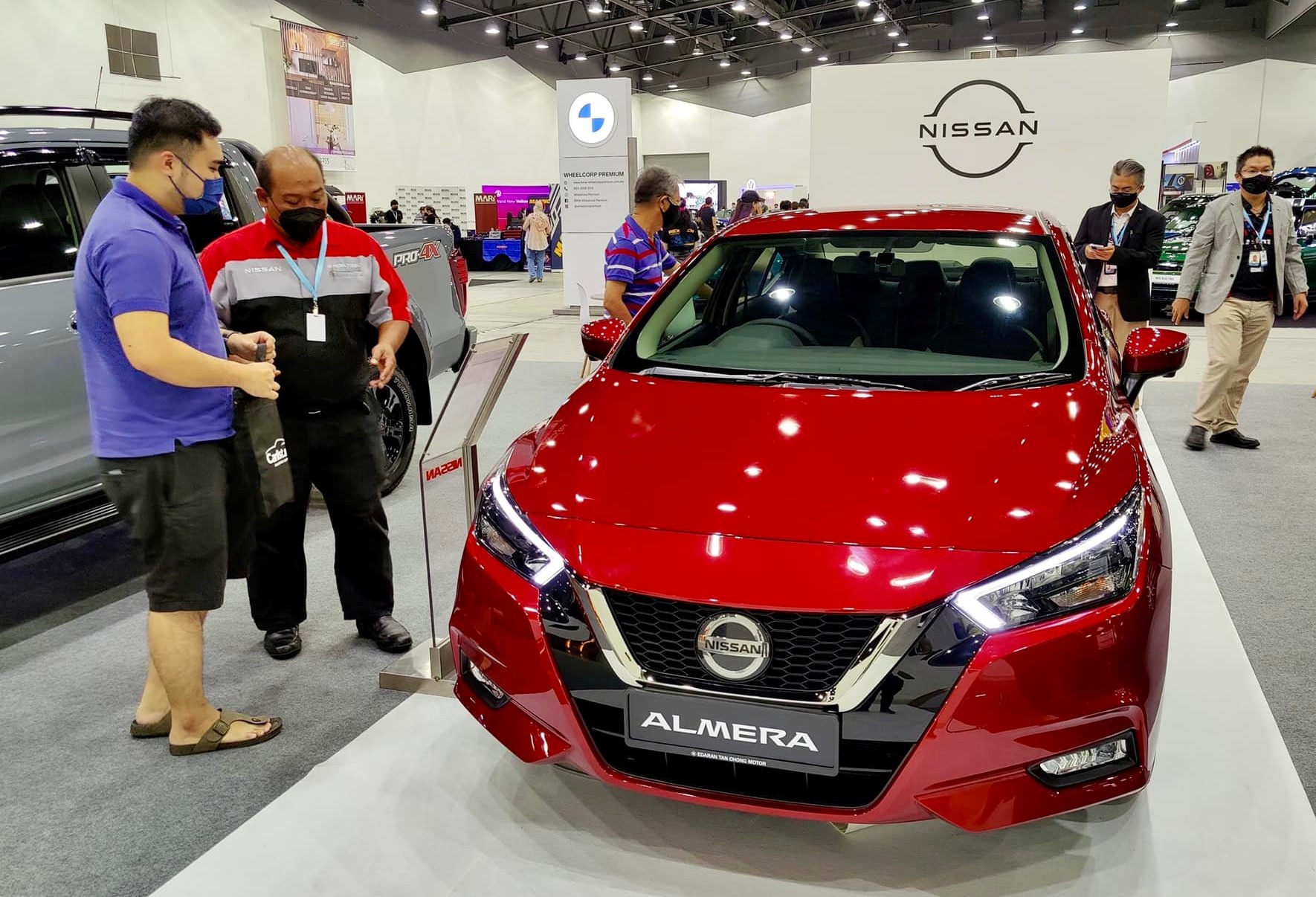
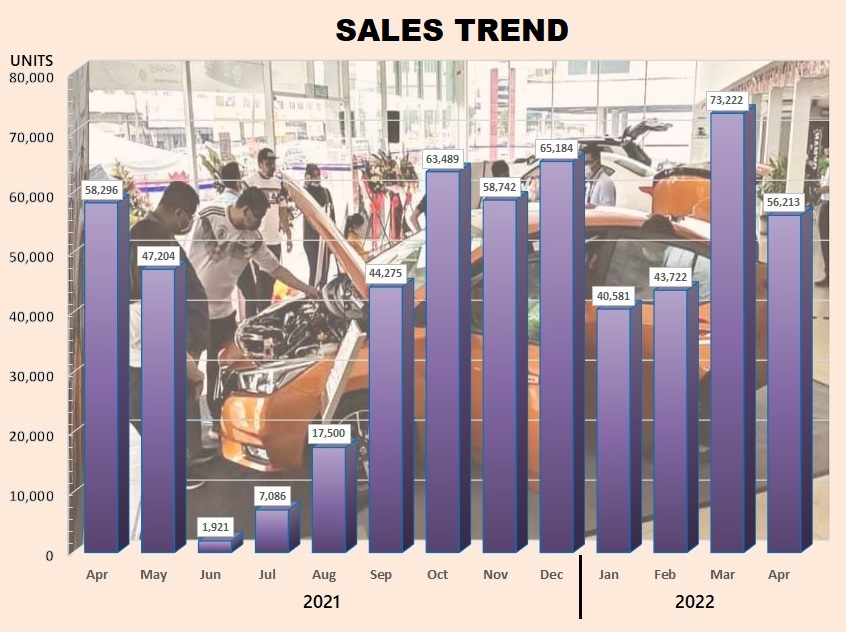
While March saw a big surge in new vehicle sales to take the Total Industry Volume (TIV) past the 70,000-unit level, April’s TIV fell by 23% to 56,213 units of passenger and commercial vehicles.

The decline was attributed by the Malaysian Automotive Association (MAA) to the following reasons – 1) the ongoing global shortage of microchips as well as certain components and logistics delays, and 2) companies with their financial year ending in March put in maximum effort to close with the highest volume.

While the TIV for April 2021 was 4% higher, the cumulative volume after the first 4 months of this year is 8% higher, with 215,965 vehicles sold. This is made up of 140,905 units of passenger vehicles (excluding pick-up trucks) and 25,560 of commercial vehicles (including pick-up trucks).

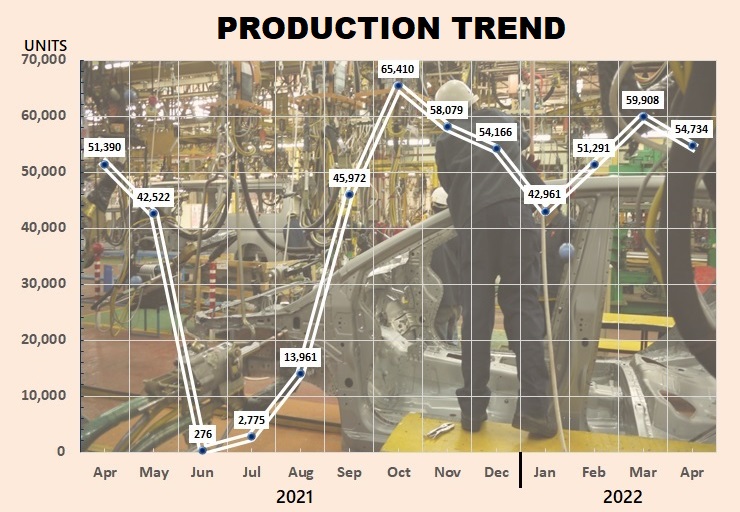
Local production has, likewise, also been higher in the first 4 months of 2022, compared to the same period in 2021. The combined output from all the assembly plants was 208.894 units, 10,418 units more than in 2021.

The output in April was also higher this year, with 54,734 units produced, compared to 51,390 units in the same month last year.

Although May is a short working month due to the long holidays during the Hari Raya Aidilfitri period, the MAA expects that the TIV can be as high as April’s. Many companies still have a backlog of orders to fulfill and even if the market takes a ‘breather’, the numbers can still be high. Nevertheless, how many units that can actually deliver will depend on how many vehicles can be completed given the shortage of microchips.

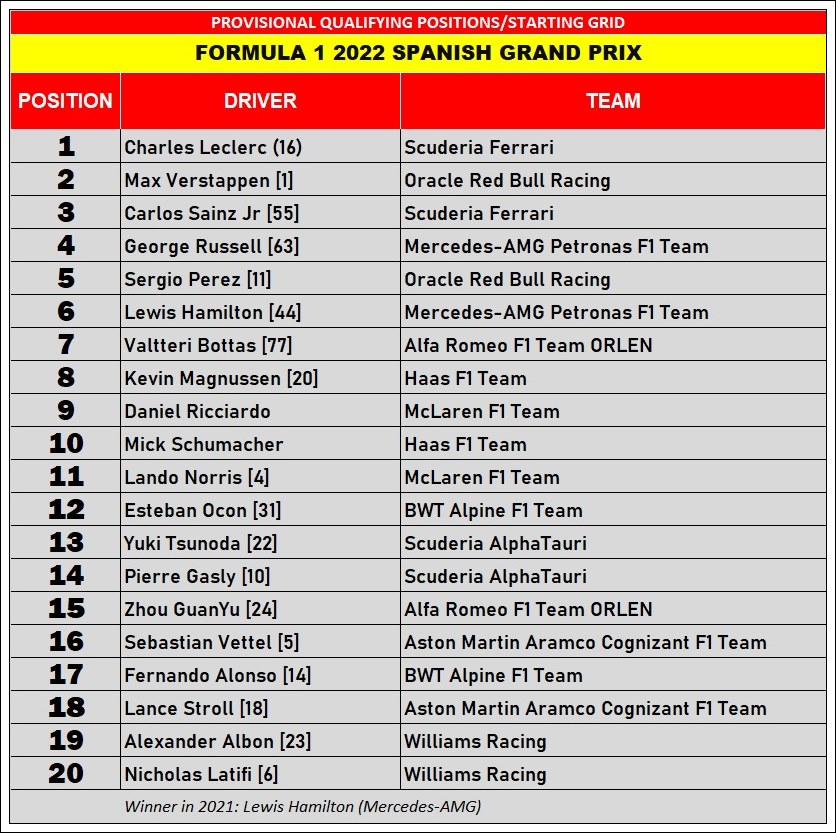
Race starts at 3 pm in Spain/9 pm in Malaysia

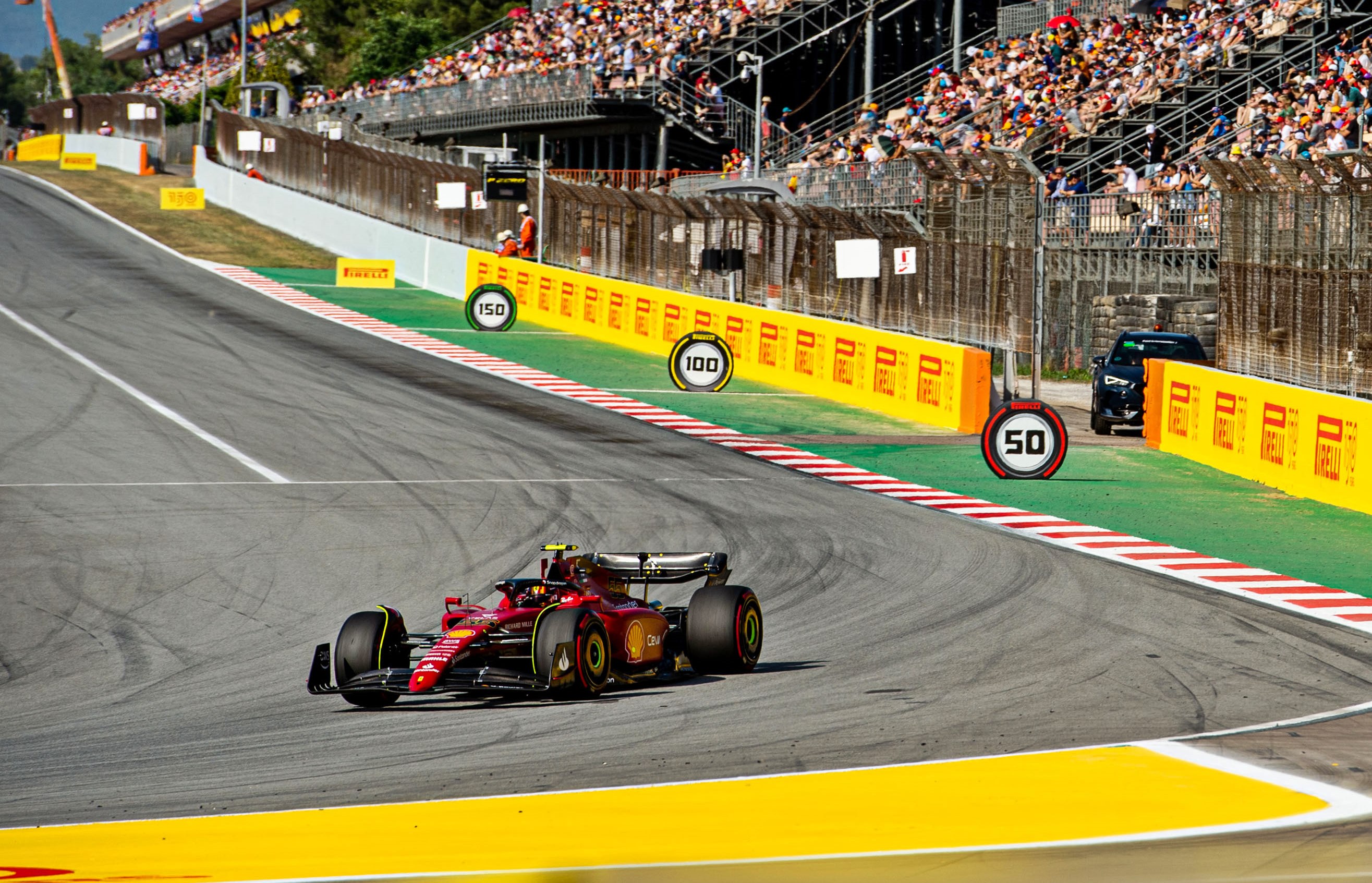
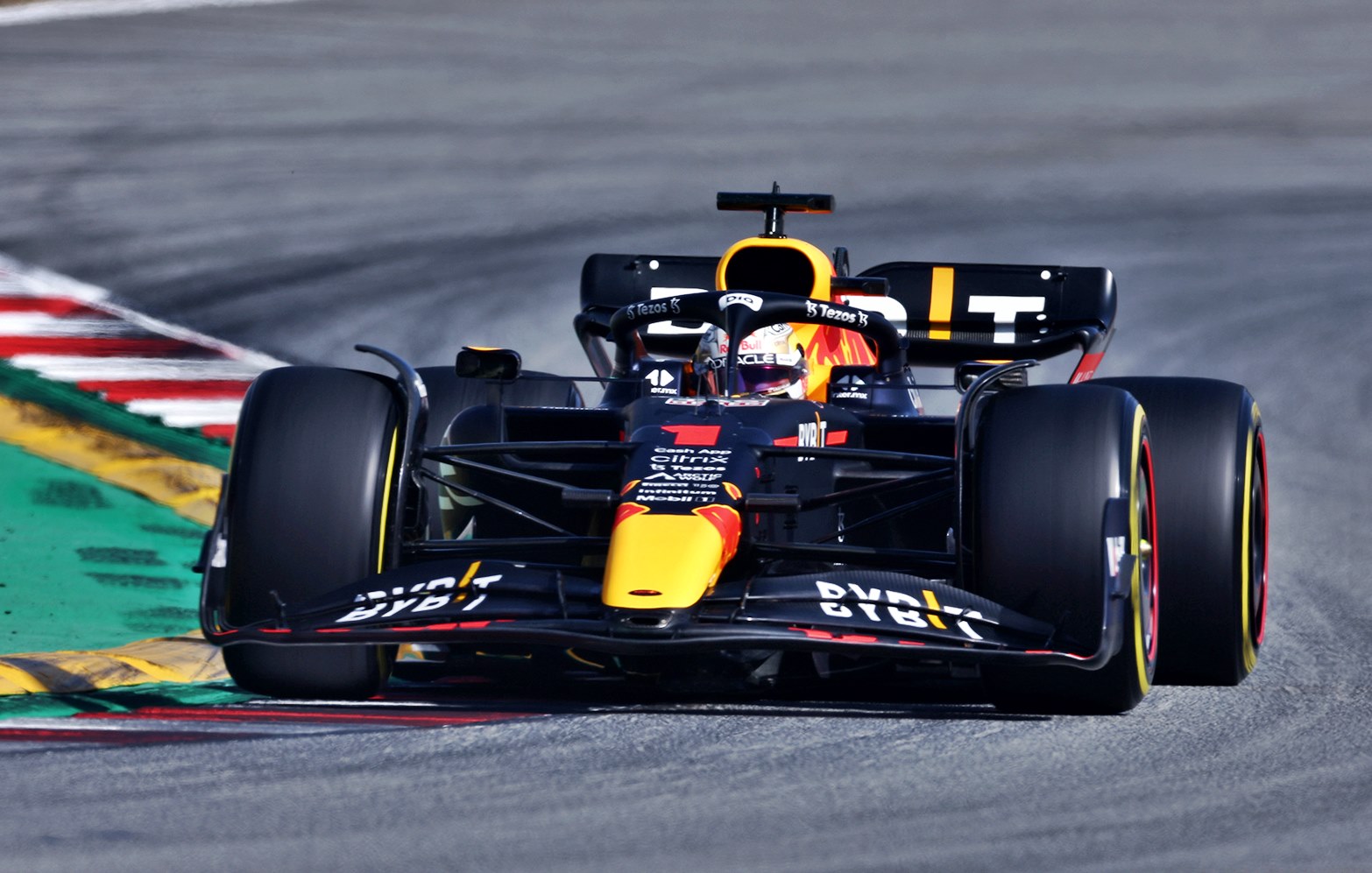
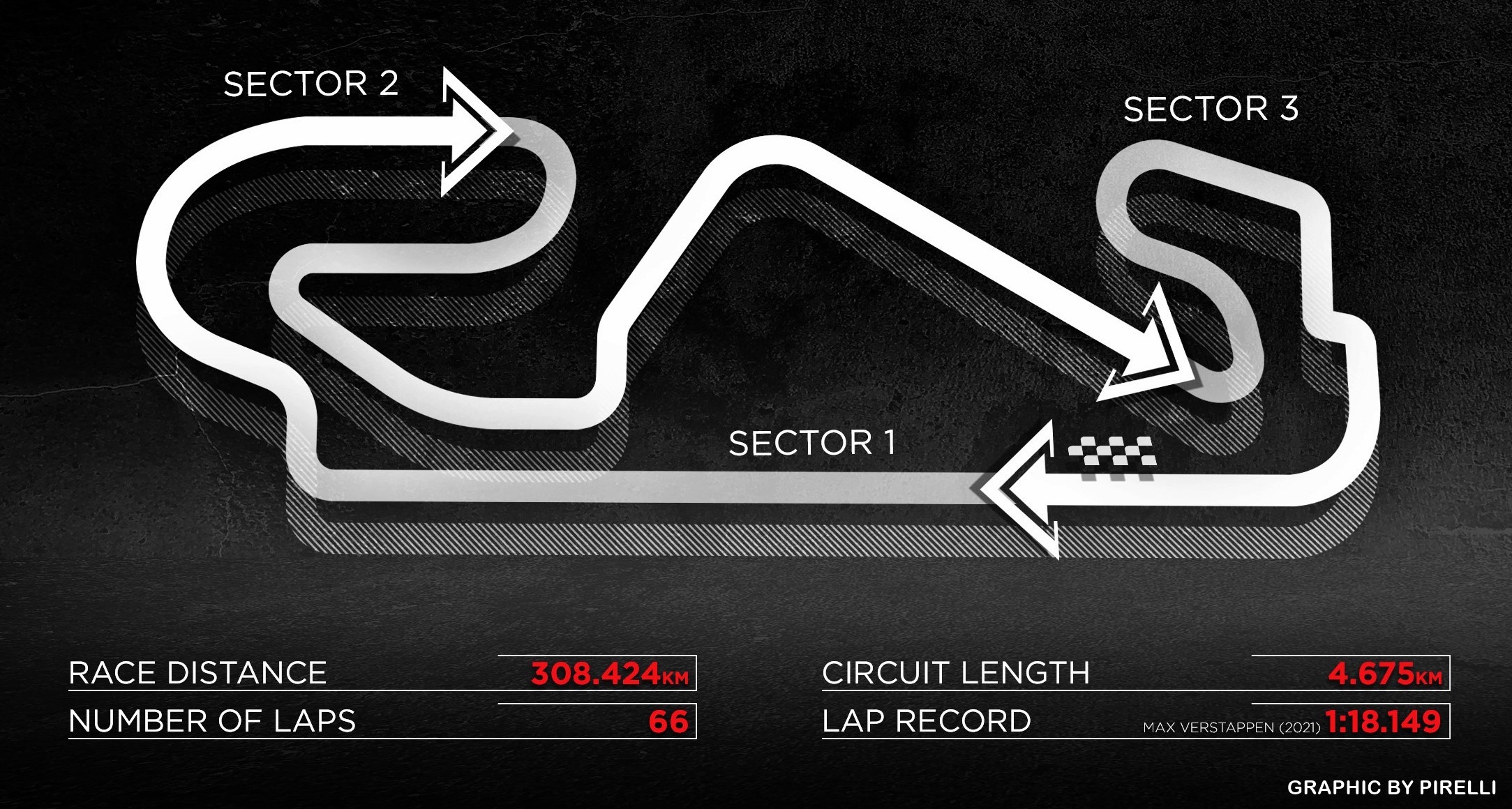
After the inaugural Miami Grand Prix across the Atlantic Ocean, the Formula 1 teams are back at a more familiar battleground this weekend. It’s the Circuit de Barcelona-Catalunya where the Spanish Grand Prix, Round 6 of the 2022 Formula 1 World Championship, will be held. This 4.7-km track has been on the F1 calendar since 1991 although there has been a Spanish GP since 1951.

Like all other tracks since the first 2022 round, there will be a new set of challenges as the racing cars are of an all-new generation. Although there is data from a 3-day pre-season test at this same track in February, it is limited in value. During those test sessions, the teams concentrated on testing compounds in the middle of the range, rather than the hard tyres. Secondly, weather conditions were much cooler and things are expected to be different this weekend. Finally, the new cars were in their most basic launch specification; since then, they have moved on considerably and have upgrades. So there are unknowns that will have to be quickly analysed during practices.

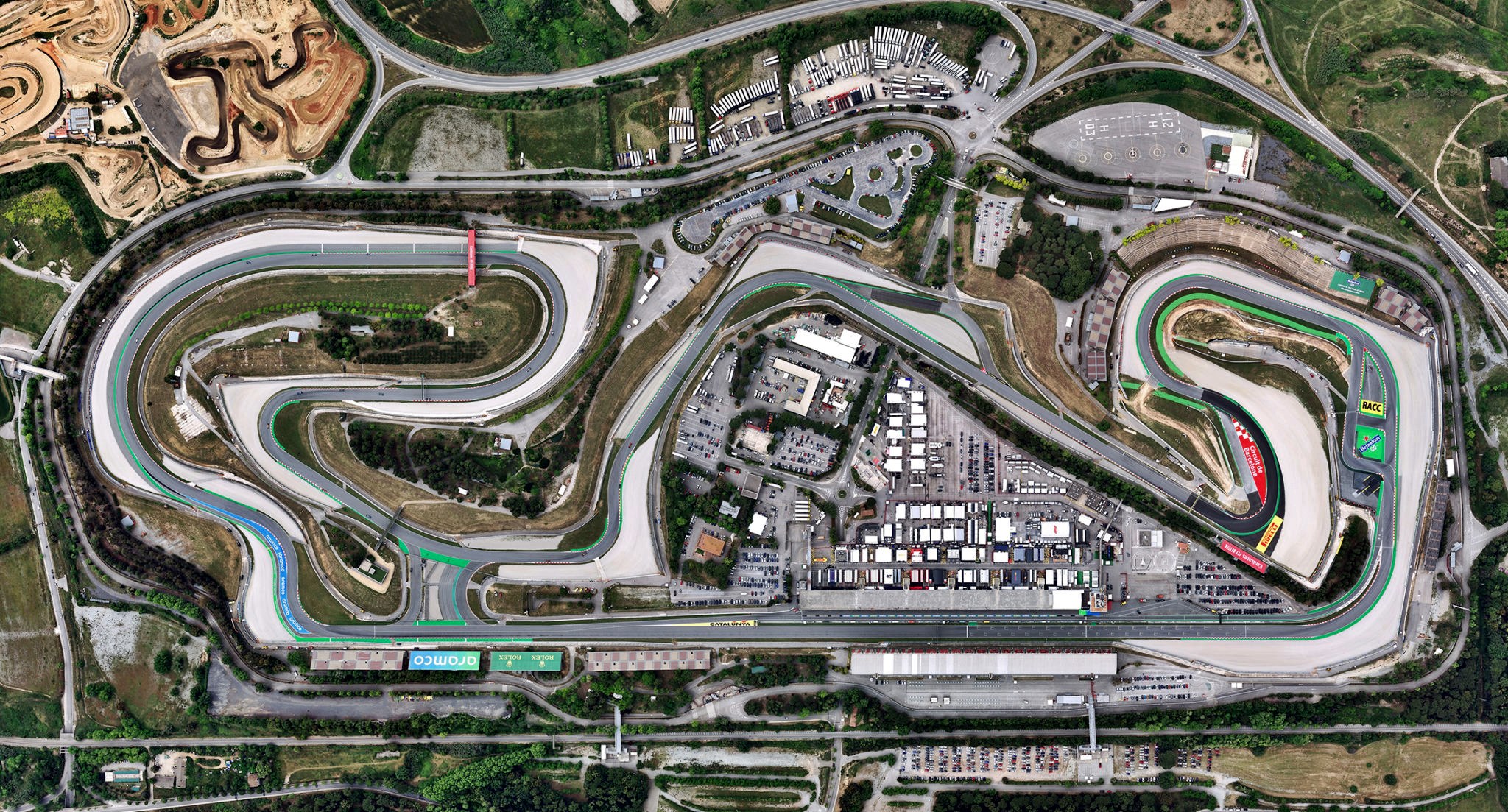
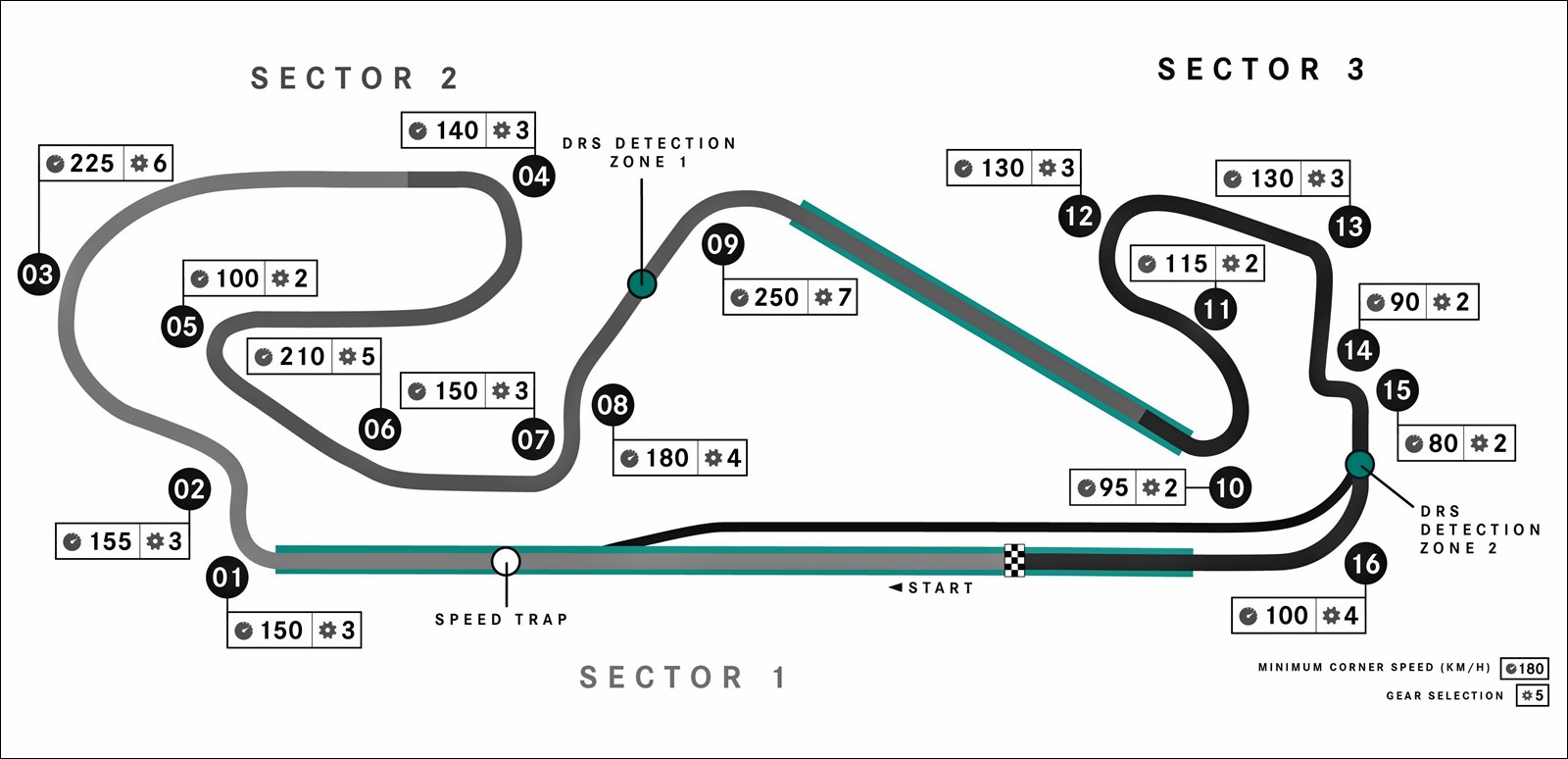
The track itself is unchanged compared to last year, when Turn 10 was modified, slightly increasing the overall length of the circuit. It has a broad mix of corner types, so it puts every aspect of the car to the test. Overtaking is a challenge at this track and the pit straight is the only long one and is entered via a high-speed corner. This will be tough for cars to follow due to the dirty air, while the end of the straight isn’t a particularly heavy braking zone either. The modifications to Turn 10 means the corner is now taken at a faster speed and requires less braking.

The drivers use their brakes on only half of the 16 turns so the brake system is called into action for a total of under 13.5 seconds per lap, according to Brembo. All 5 of the hardest braking episodes in the Spanish GP are on the first 10 turns where maximum deceleration has an average value of 4.2g.

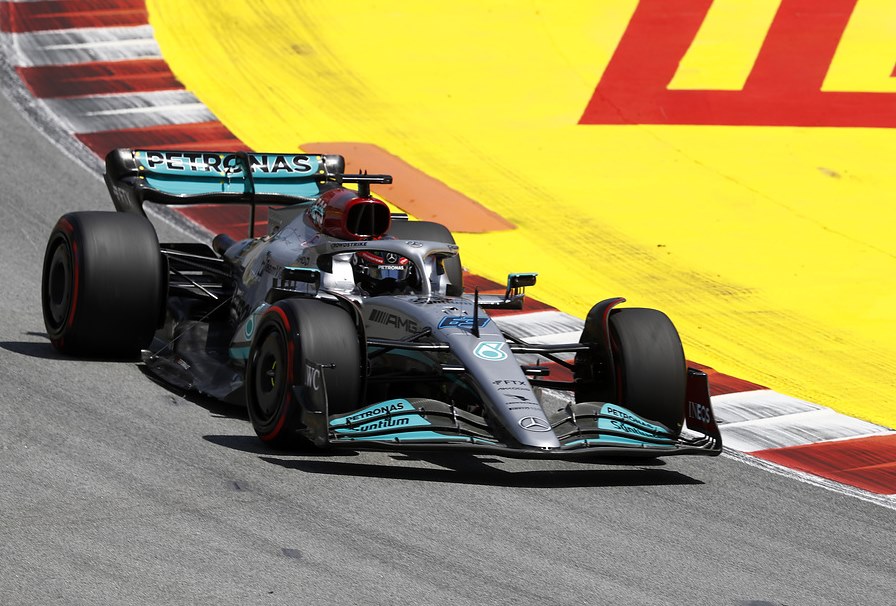
Cornering speeds and gears used by the Mercedes-AMG drivers at the Catalunya circuit this year.

Turn 5 is one of the track’s more unique corners, because drivers approach the corner differently depending on the session. The camber of the road drops at the apex, which unloads the inside-front tyre and increases the risk of lockups. Drivers will take a riskier, tighter line in Qualifying as it shortens the distance, but on a race stint, lock-ups can cause vibrations and damage the tyre, which could prompt an additional pit stop. So, they take a wider line to keep the load off the inside-front and reduce the potential of a lock-up.

Every element must be optimized on the F1 cars to avoid behavior that reduces overall performance. Usually, the focus is on the wings and the bodyshell, but other components also have a negative effect. One of these anomalies has been resolved by Brembo by introducing anti-drag to the brake calipers. This is a system that uses a torsional spring that reduces residual torque, ie the unwanted friction between the disc and the pad, even under extreme conditions. When the brake is not used, the lever keeps the two parts apart.

Michael Schumacher and Lewis Hamilton have had the most wins in the Spanish GP, with 6 to each driver. Among the present teams, Ferrari has had the most victories with 12 to its name, followed by McLaren (8), and Williams and Mercedes-AMG with 7 each.

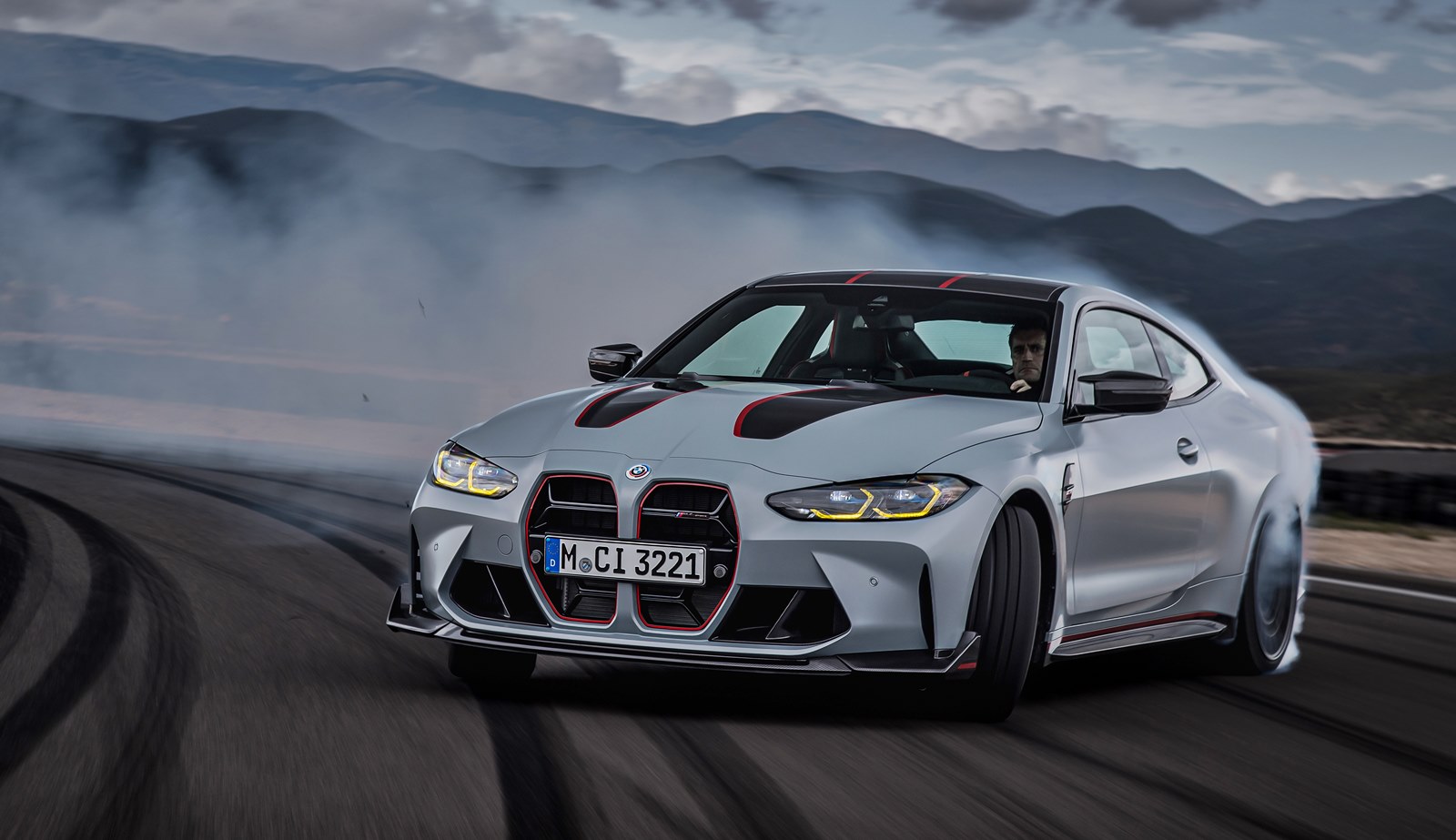
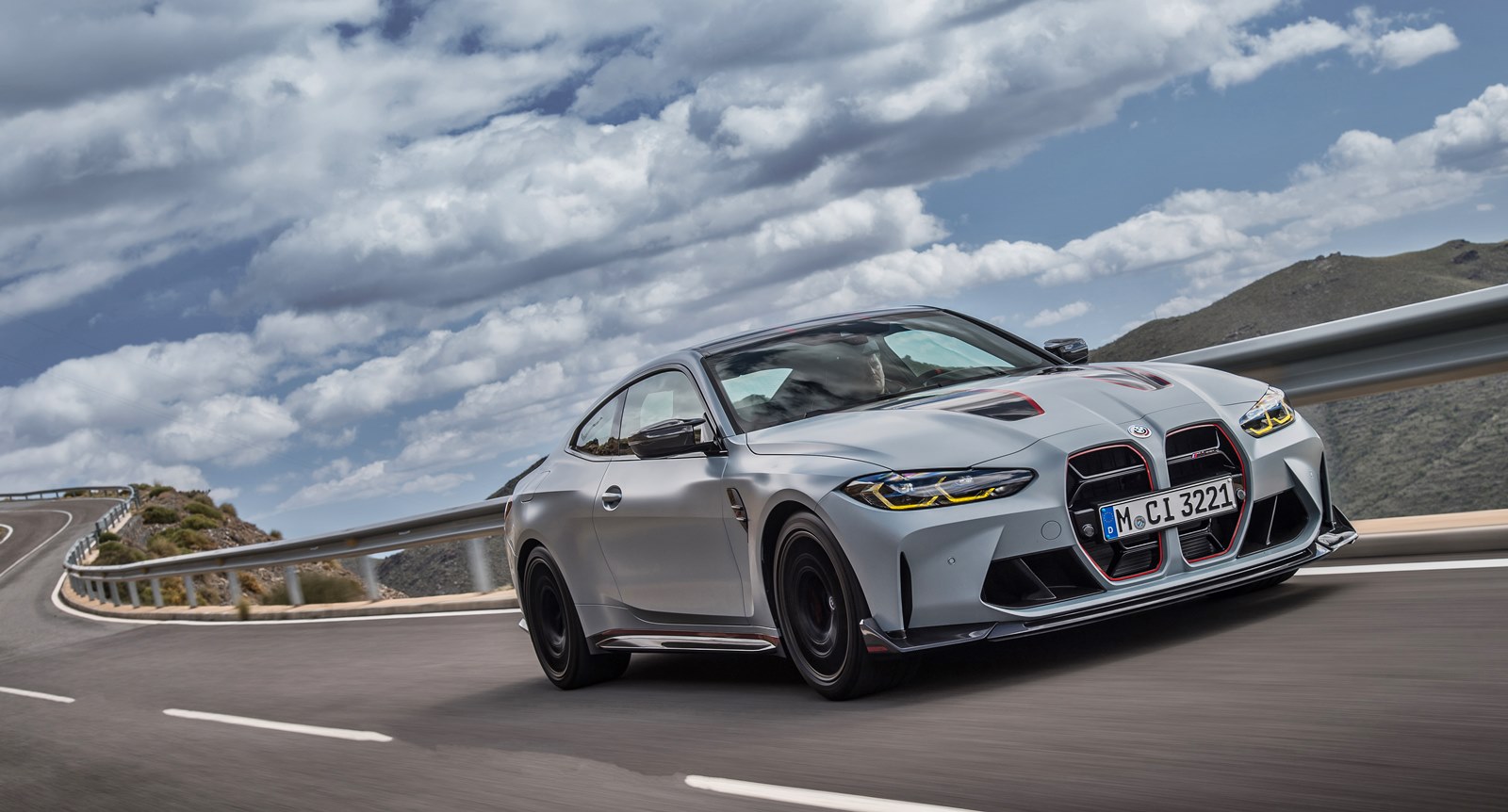
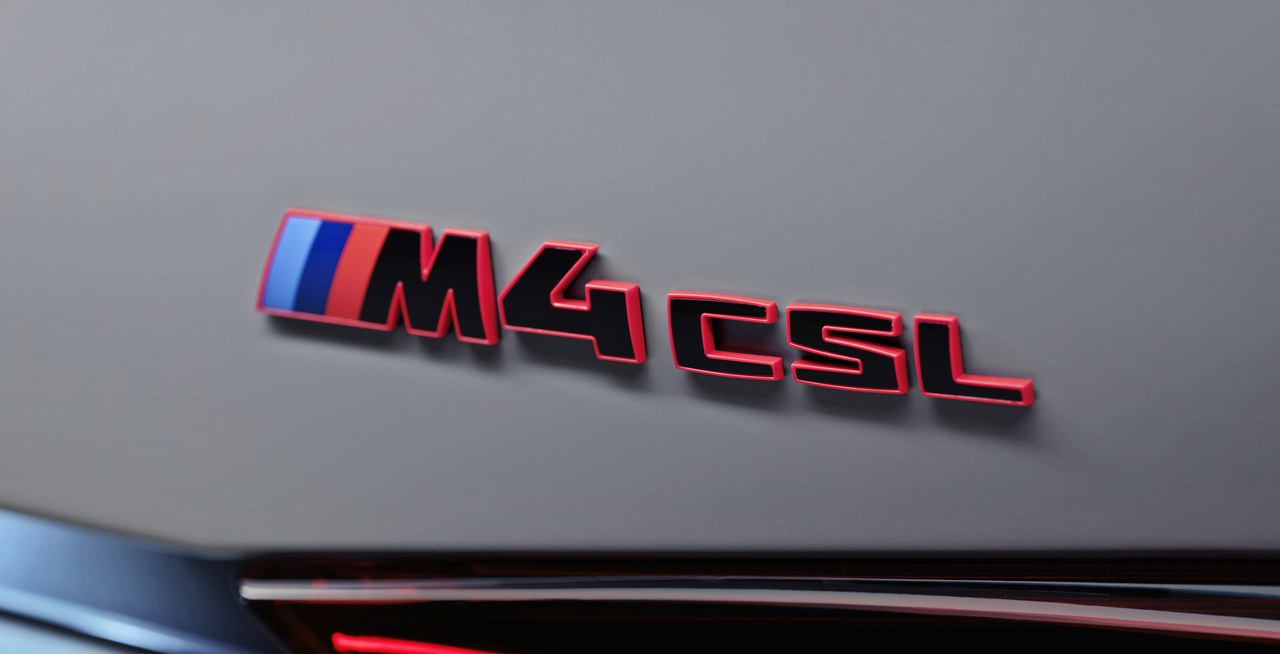
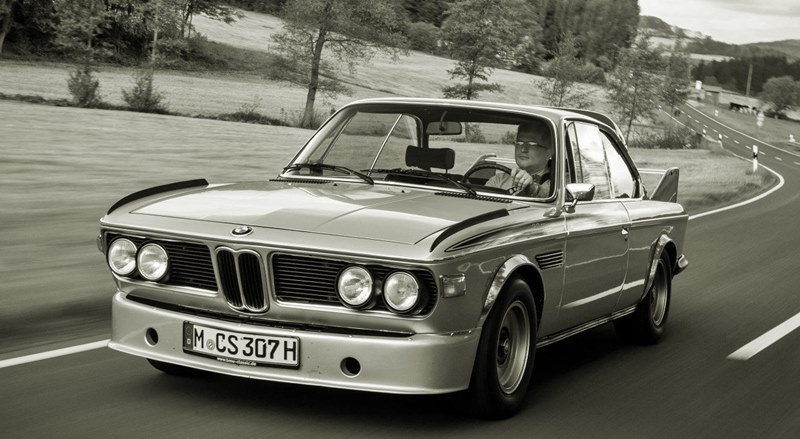
‘CSL’ goes back over 50 years in BMW history, to the days of 1973 E9 3.0 CSL model. It was given the ‘CSL’ (Coupe Sport Leichtbau or Coupe Sport Lightweight) badge and was intended to be a homologation model for BMW to enter the European Touring Car Championship. The designation was not used much and in fact, the new M4 CSL is the third model that has ever had it (the second was the E46 M3 CSL in 2003).

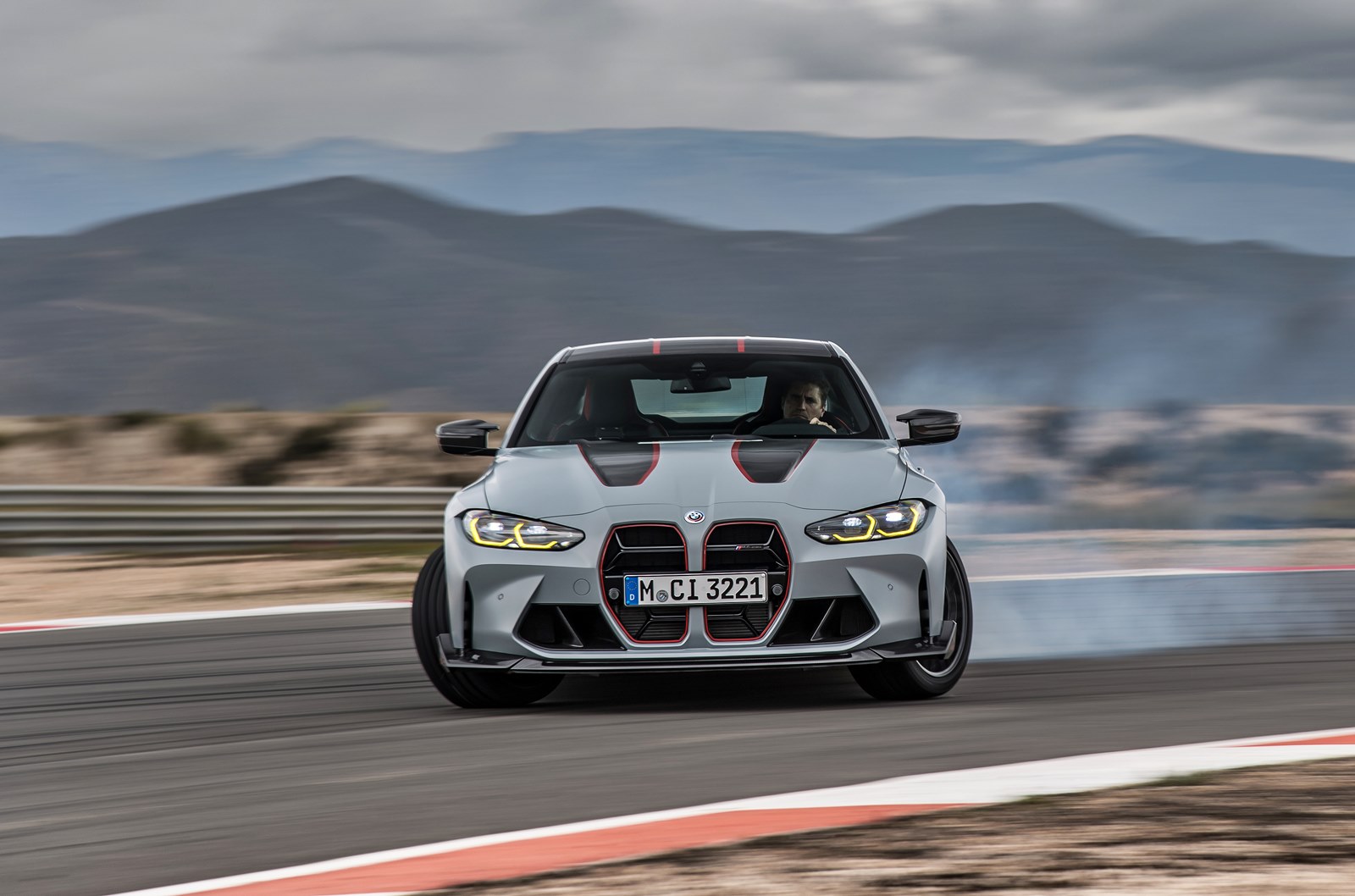
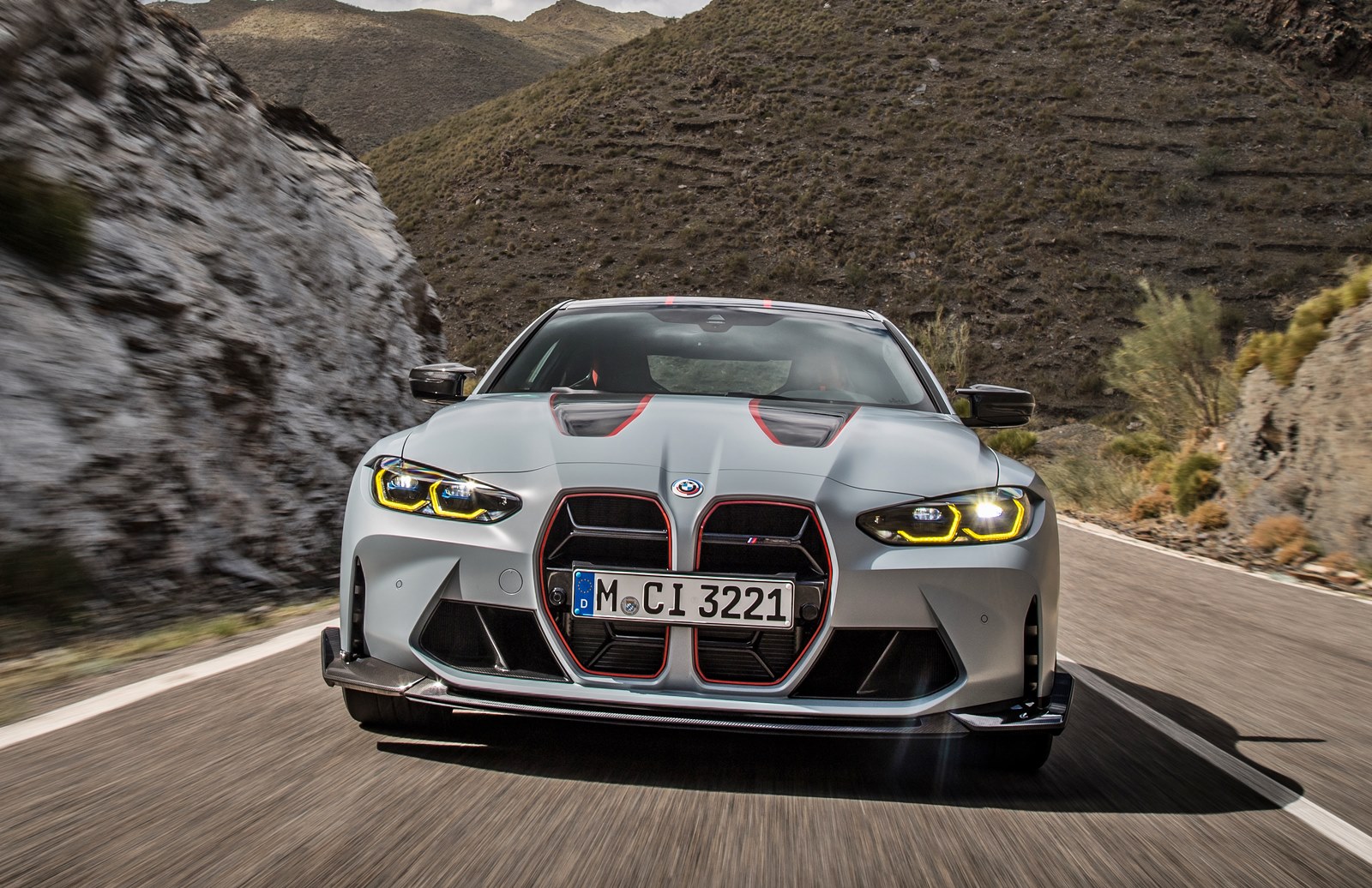
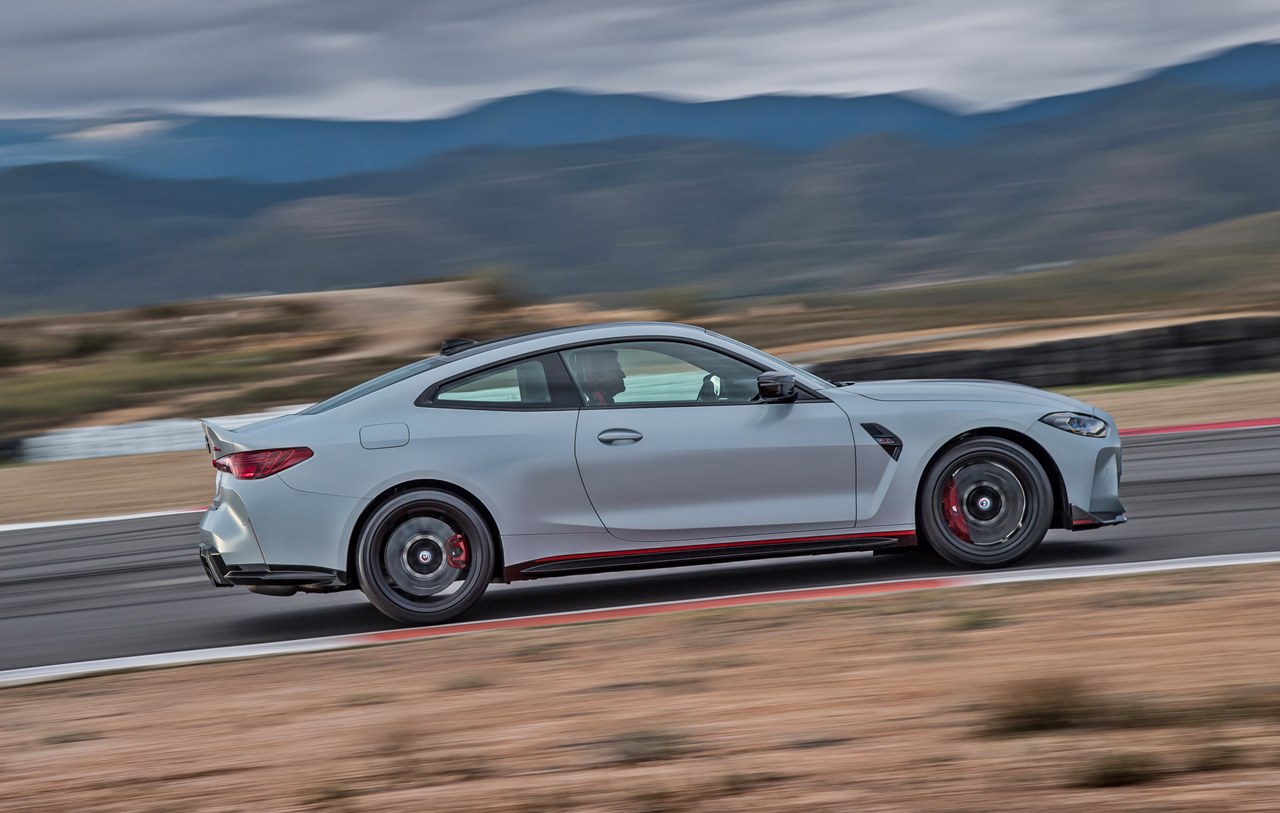
Perhaps BMW has reserved it for very special occasions and there is a special one this year with BMW M GmbH celebrating its 50th birthday. The M4 CSL is a limited edition model which has made use of the company’s long expertise in powertrain and chassis development and also lightweight design.

2022 BMW M4 CSL

2022 BMW M4 CSL

The 1973 3.0 CSL

Strong focus on weight-saving
Lightweight design was one of the advantages of the 1973 3.0 CSL, allowing it to win championships and this is also a strong feature in the new M4 CSL. The M engineers have brought the M4 CSL’s kerb weight to 1,625 kgs for a power-to-weight ratio of 3 kgs/bhp. Compared to the M4 Competition, its weight is 100 kgs less and with a 40 bhp increase over the M4 Competition Coupe’s 550 bhp. Peak torque of 650 Nm, from 2,750rpm and sustained all the way up to 5,950 rpm.

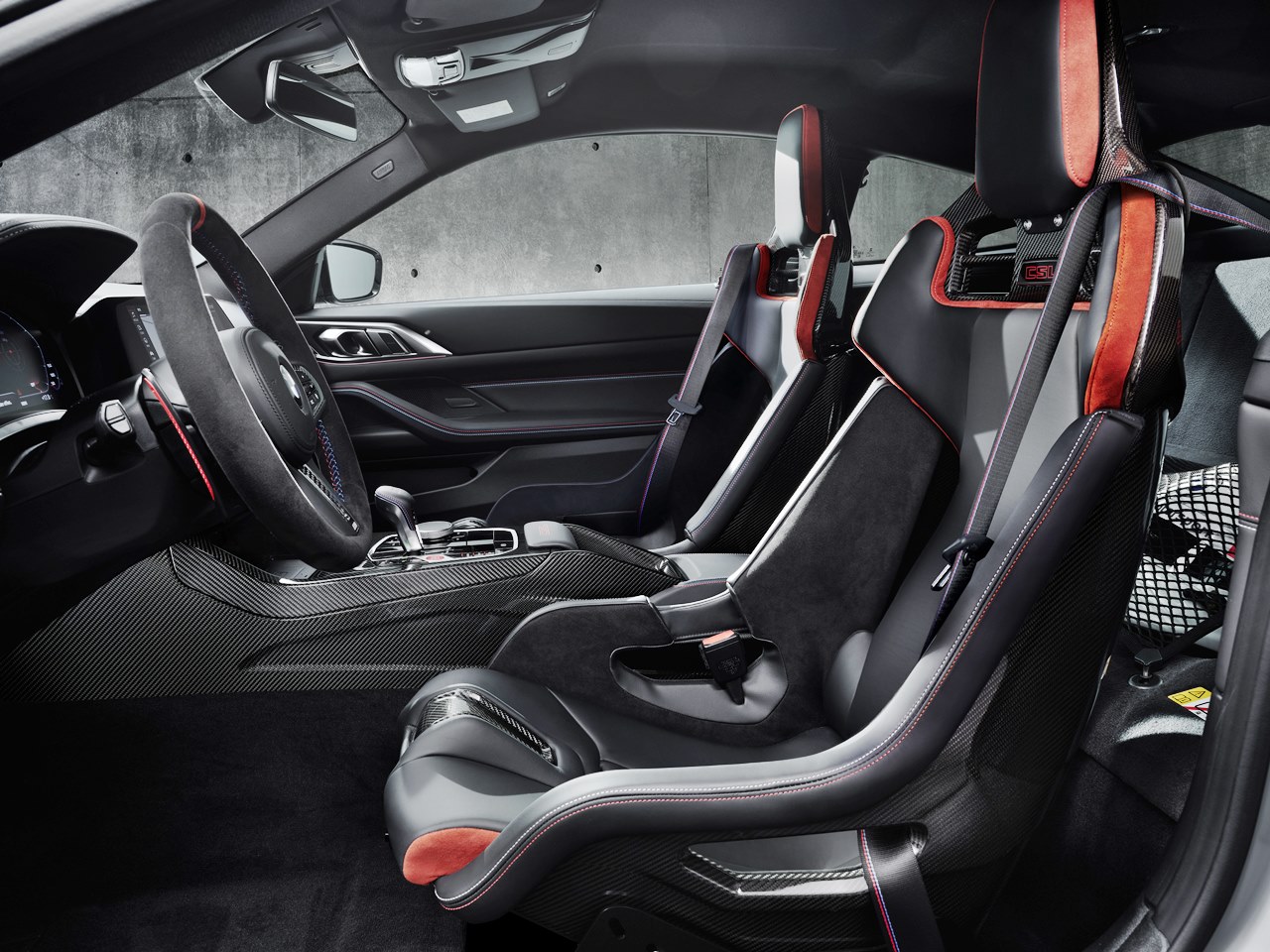
One of the weight-cutting measures is very visible – no rear seats, so it’s strictly a 2-seater. The front M Carbon full bucket seats are also light (24 kgs than standard seats), and the absence of the rear seats saves 21 kgs. Not visible are chassis changes such as the use of lightweight M Carbon ceramic brakes and special light-alloy wheels, springs and struts which saved 21 kgs.

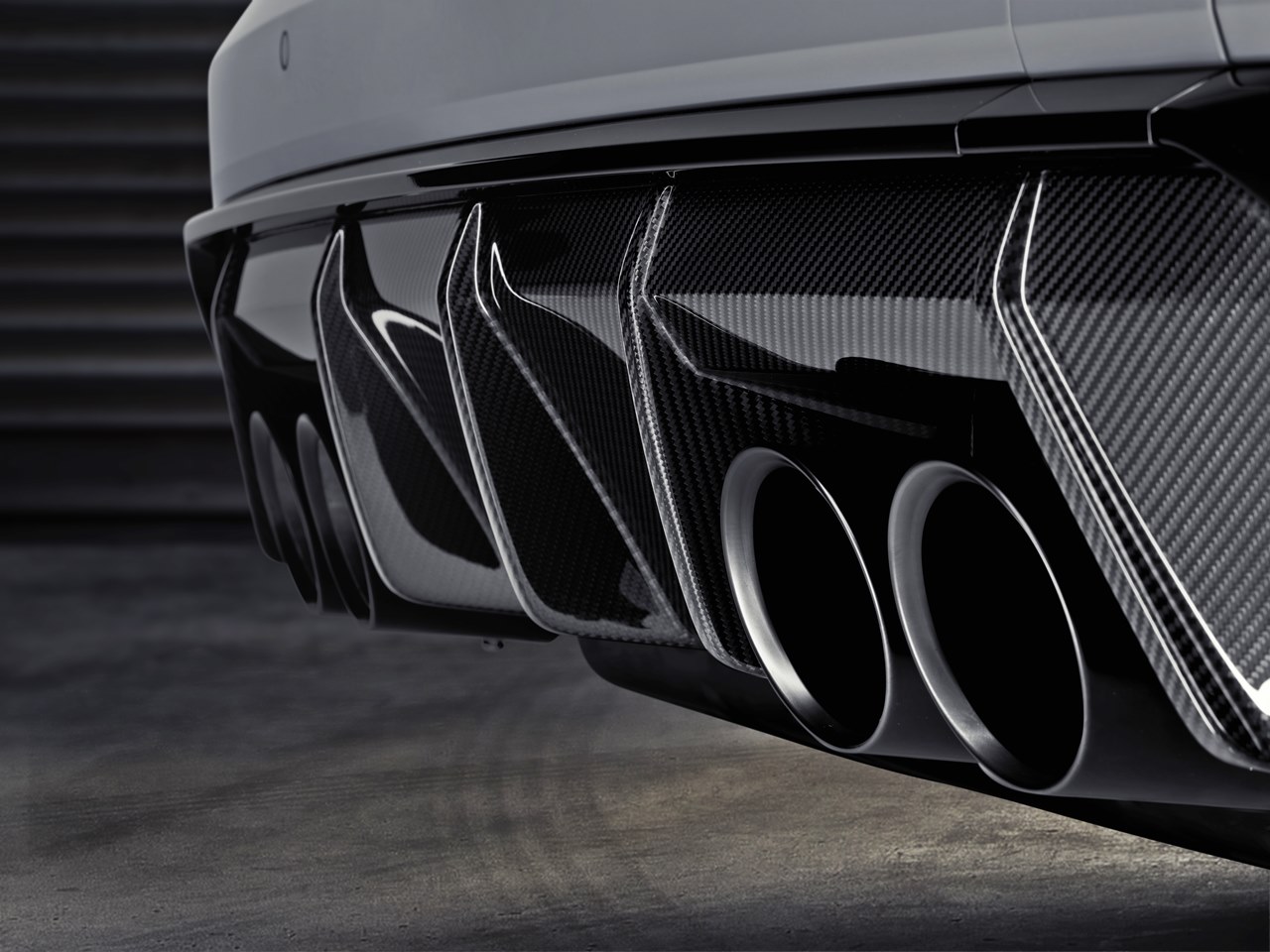
The use of CFRP in the body deducts 11 kgs; a titanium rear silencer cuts more than 4 kgs, and a further 4 kgs was saved from the kidney grille, rear lights, floor mats and climate control. Sound levels not likely to bother the driver, switching to ultra-lightweight sound insulation (which may be better or worse) saved around 15 kgs.

2022 BMW M4 CSL

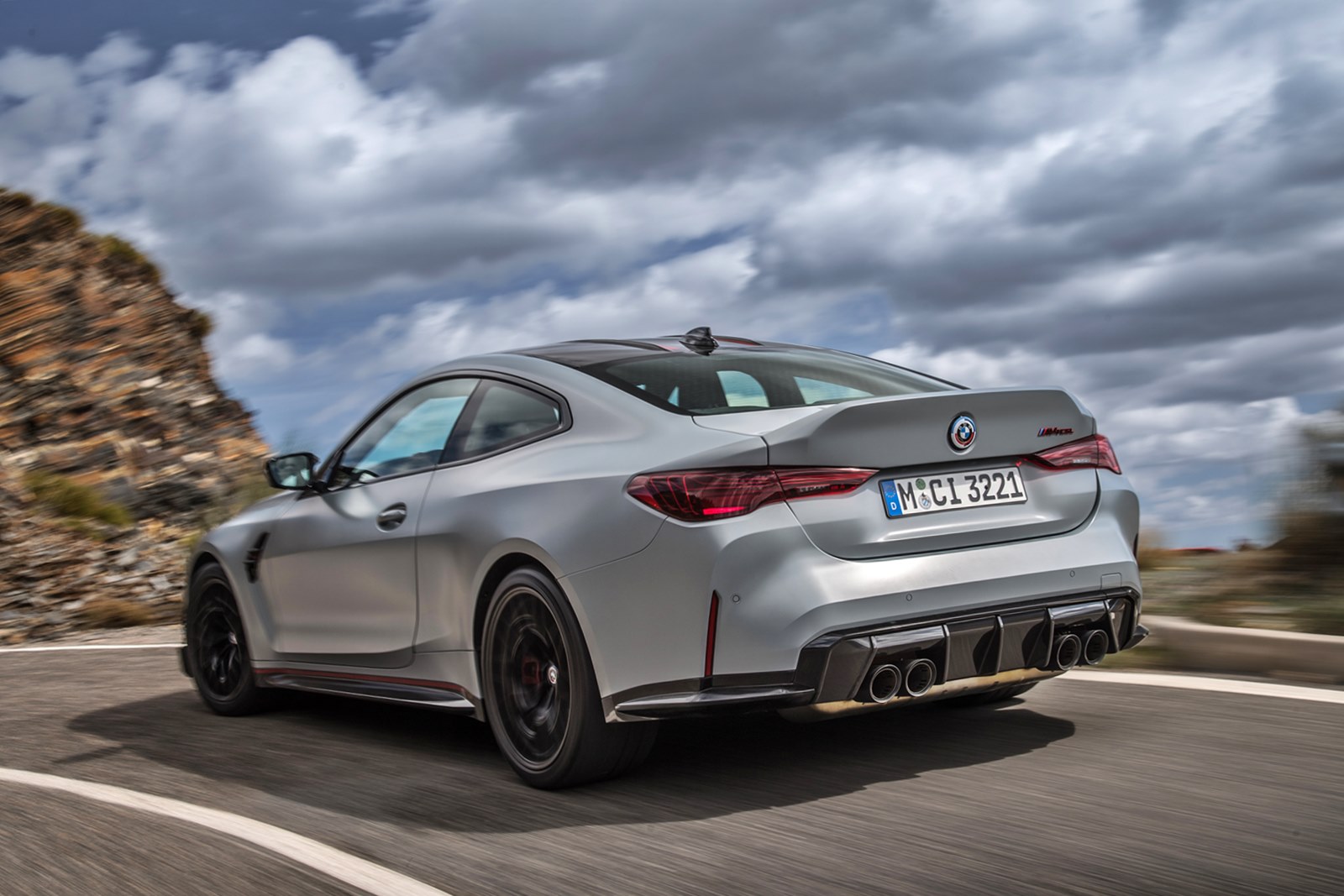
The CFRP bootlid provides a 6.7 kg weight-saving. Its carbonfibre structure is visible inside through the unpainted clearcoat. It has a pronounced spoiler, referencing a similar feature of the 2003 BMW M3 CSL. The diffuser integrated into the rear apron and the exterior mirror caps are also made from CFRP.

The forged cross-spoke M light-alloy wheels have been designed exclusively for the new car and fitted with tyres size 275/35 ZR19 at the front, 285/30 ZR20 at the rear. The brake system has standard M Carbon ceramic brakes that are around 14.3 kgs lighter than the brakes on the M4 Competition Coupe. The rear silencer is made from titanium which reduces weight by 4.3 kgs compared to a conventional steel equivalent.

2022 BMW M4 CSL

Engine output raised
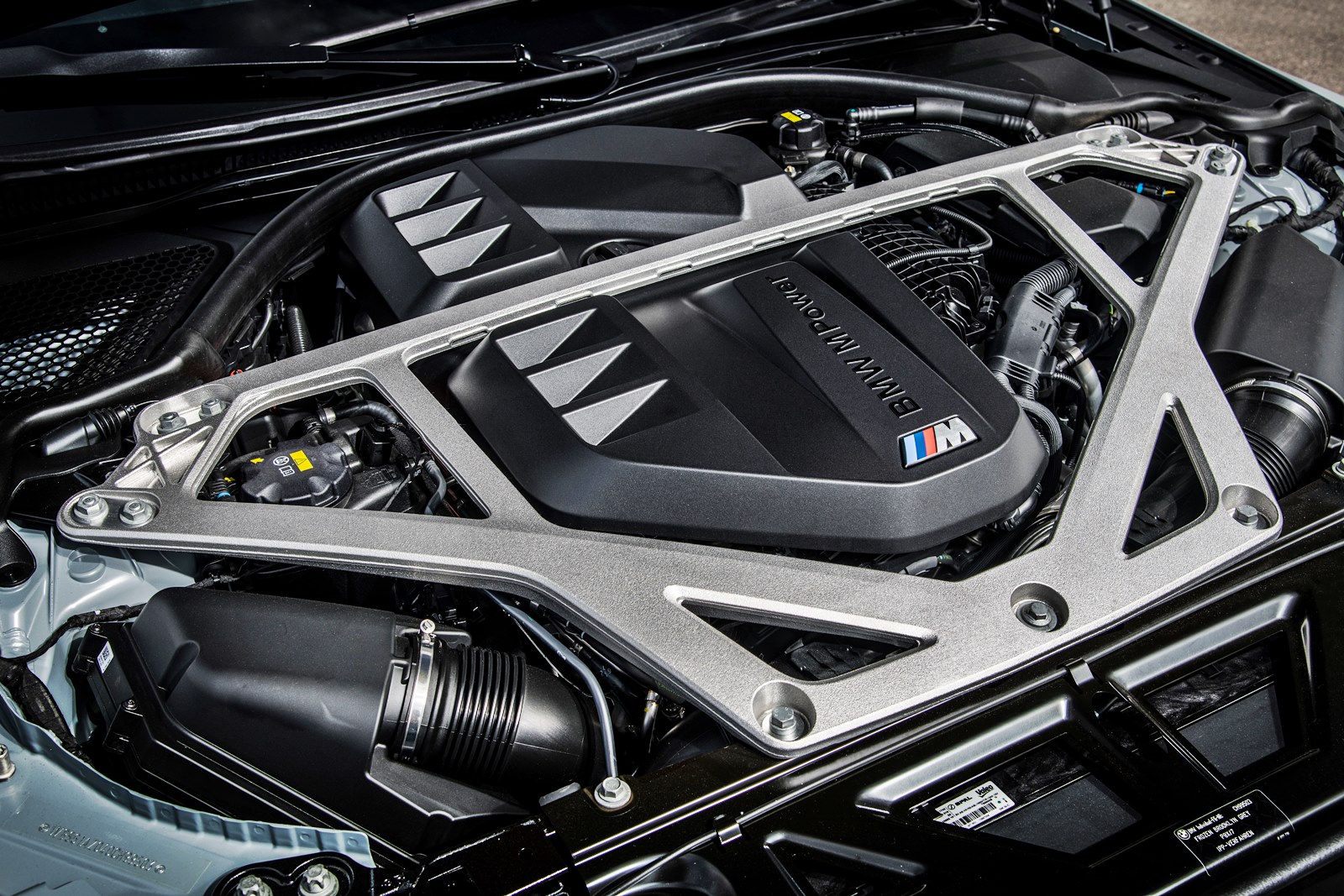
As mentioned earlier, the 3-litre 6-cylinder engine has an extra 40 bhp extracted from it and to get this, the engineers raised boost pressure from 24.7 psi to 30.5 psi. The 8-speed M Steptronic transmission with DriveLogic is said to be upgraded to match the higher power output while there are stiffer engine and transmission mounts.

2022 BMW M4 CSL

Like the M4 Competition Coupe, the M4 CSL has double-joint spring strut front axle and 5-link rear axle. Standard equipment includes adaptive M suspension with electronically-controlled dampers, electromechanical M Servotronic steering with variable ratio, and an M-specific version of the integrated braking system.

The suspension also has an 8 mm reduction in ride height (compared with the M4 Competition Coupe), lowering the centre of gravity. Auxiliary springs are fitted at both the front and rear axle and improve road contact in dynamic situations. The anti-roll bars at both axles and their mountings have also been specially engineered for this model.

2022 BMW M4 CSL

Advanced lighting technology

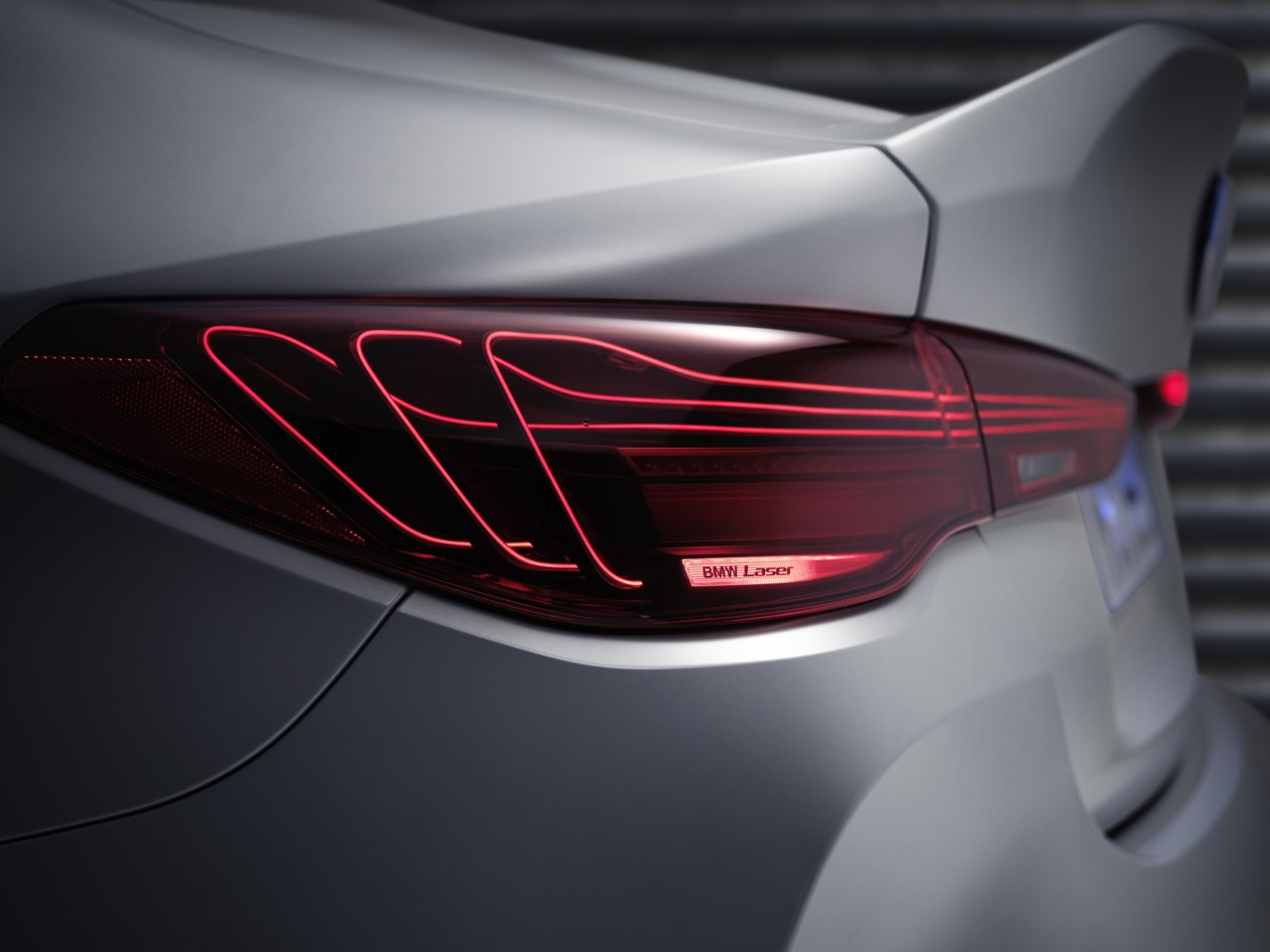
BMW Laserlight headlights (which illuminate in yellow rather than white) bring to mind the look of successful GT racing cars. The rear lights use an innovative technology making its debut in a production car. All light functions use LED units, while the covers have intricate light threads woven into them, illuminated using laser technology. The threads run parallel to one another before crossing over at the outer edges to create a stunning interpretation of the hallmark BMW L-shaped rear light contour.

2022 BMW M4 CSL

2022 BMW M4 CSL

Performance-focussed interior
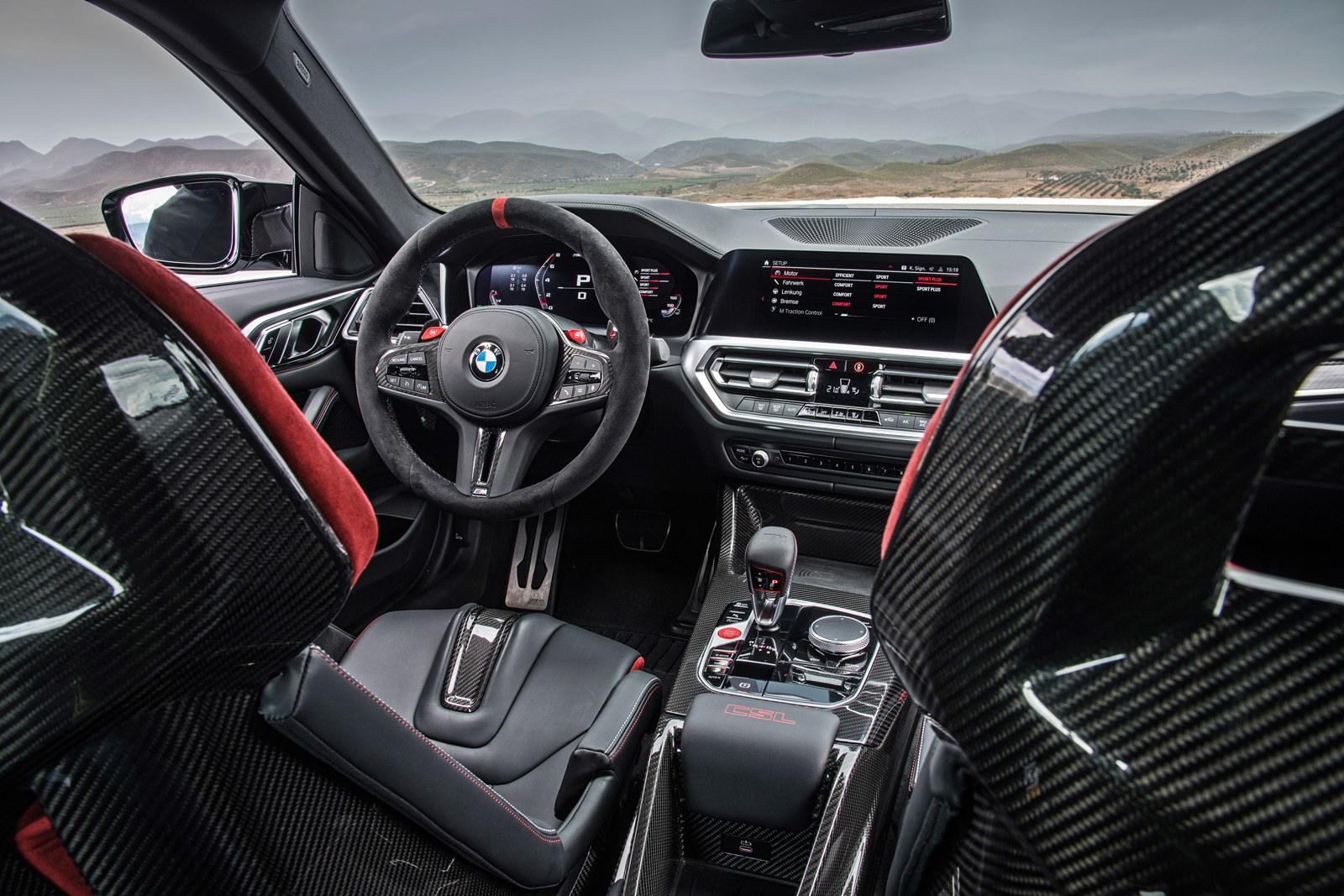
The interior design is largely the same as the M4 Competition Coupe’s, which means it allows the driver to focus on performance. M-specific displays, ergonomically optimized controls with red accents, the M-specific gear selector and the anthracite-coloured headliner create a racing aura as the driver settles in. This is enhanced by the carbonfibre interior trim strip and ‘CSL’ badging below the head restraints, on the centre console and the rear panel.

2022 BMW M4 CSL

2022 BMW M4 CSL

The centre console of the new BMW M4 CSL is made entirely from CFRP, the material’s distinctive structure clearly visible around the gear selector and iDrive Controller. The use of carbonfibre more than halves the weight of the centre console, a saving of around 4 kgs. The M Alcantara steering wheel features a red 12 o’clock marker, carbonfibre inlays and CFRP shift paddles.

The BMW Head-Up Display is available as an option and part of the Ultimate Road Pack. It includes M-specific elements such as a colour tachometer, Shift Lights and M View. Provided as standard are M Drive Professional and M Laptimer for drivers to make improvements in their pursuit of the ideal line and faster lap times. For example, dramatic use of oversteer and opposite lock is recorded by the M Drift Analyser, while the laptimer records and show a variety of information on both the instrument cluster and the Head-Up Display. Drivers can also analyze the data in detail with the BMW M Laptimer iPhone app and share it with the online community.

Production will begin in July 2022 and only 1,000 units will be available, each priced from £128,820 (about RM706,000) in the UK market.

2022 BMW M4 CSL

The Bespoke department of Rolls-Royce already offers the ultimate in personalisation of the brand’s limousines and Cullinan SUV. Virtually every customer today uses the services of the Bespoke team in some way to add or create something special for their Rolls-Royce. But there is yet another level beyond Bespoke and that is Coachbuild. The department, re-established in 2021, brings back a lost art and science of making cars which goes back to the earliest years of the motorcar, before mass production began in factories.

“Our Coachbuild department is for those patrons who wish to go beyond the existing restraints, and explore the almost limitless possibilities this opens up for them. We are able to offer our customers the opportunity to create a motor car in which every single element is hand-built to their precise individual requirements, as befits our status as a true luxury house,” said Torsten Muller-Otvos, CEO of Rolls-Royce Motor Cars.

Rolls-Royce Boat Tail Coachbuilt No. 2 2022

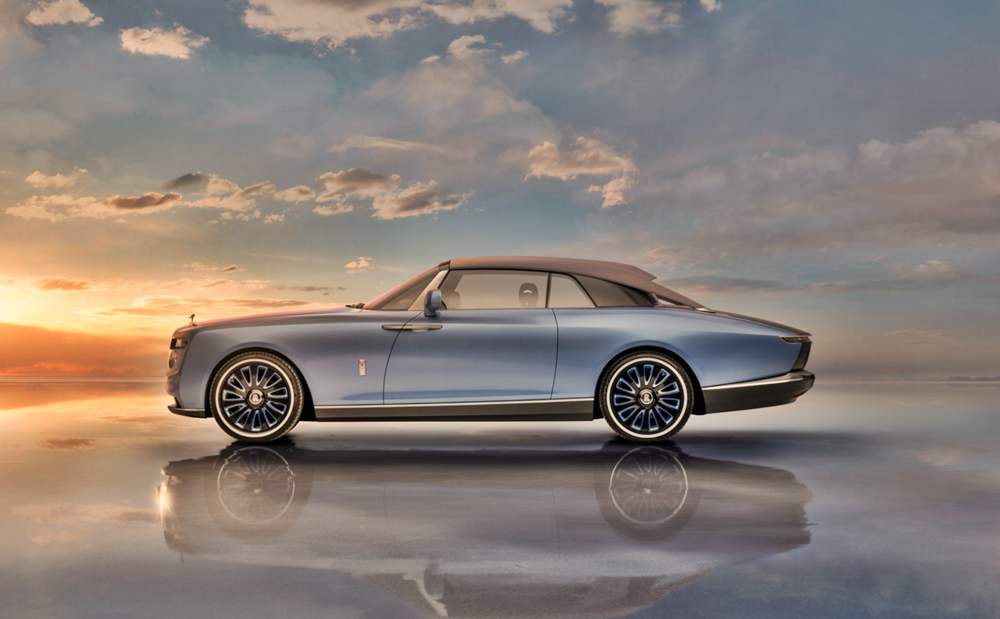
The Sweptail, presented in 2017 as a demonstration of the coachbuilding expertise of Rolls-Royce attracted the attention of a number of customers. Within this group, it emerged that three potential customers shared a deep appreciation of contemporary nautical design. In consultation with the customers concerned, an agreement was reached whereby three cars –  to be known as Boat Tail – would share a common body, but each would then be individually, highly personalised, reflecting the confluence between vision, capability and ambition of the marque and each of the individual commissioning patrons.

Rolls-Royce Boat Tail Coachbuilt No. 2 2022
The second (of only three) Boat Tail comes one year after the first one which was unveiled in May last year (below).

2021 Rolls-Royce Boat Tail

The first Rolls-Royce Boat Tail was completed a year ago and the commissioning customers, who are a globally successful couple, were willing to let the world see their ultra-exclusive car. Their fascination of the Boat Tail form was furthered by a car in their private collection – a 1932 Rolls-Royce Boat Tail, lovingly restored by them, in time for their modern Boat Tail’s completion.

Now comes the next chapter of its Boat Tail coachbuilt commission and as will be the case with all  three cars, each will have a story entirely unique and personal to its owner, reflecting their own history, tastes and sensibilities. With this in mind, the latest Boat Tail, to be revealed at Concorso d’Eleganza, Villa d’Este 2022 on the shores of Lake Como in northern Italy, is a masterwork of restraint, sophistication, elegance and attention to detail.

Rolls-Royce Boat Tail Coachbuilt No. 2 2022

It was commissioned by a customer whose family business has grown from his father’s origins in the pearling industry. Widely travelled, internationally educated and cosmopolitan in his tastes and influences, the customer is an established patron of the arts, who additionally owns a sizeable collection of classic and modern cars, housed in a dedicated private museum.

A level of sophistication, garnered from the client’s extensive knowledge of luxury, is clearly. The overall design aesthetic is restrained; a study in carefully considered materials and precise details that together create a highly personal and emotionally resonant homage to the customer’s father.

Rolls-Royce Boat Tail Coachbuilt No. 2 2022

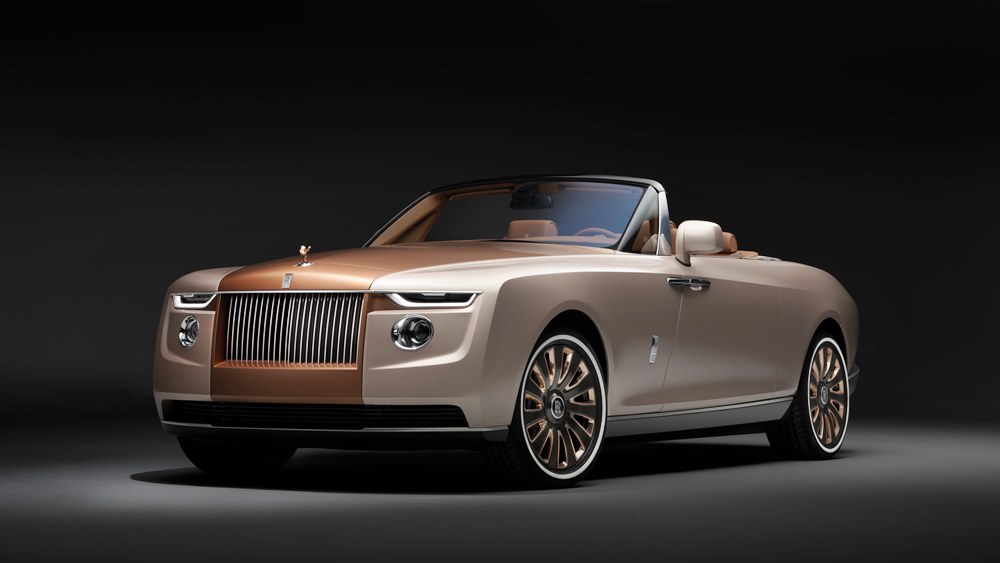
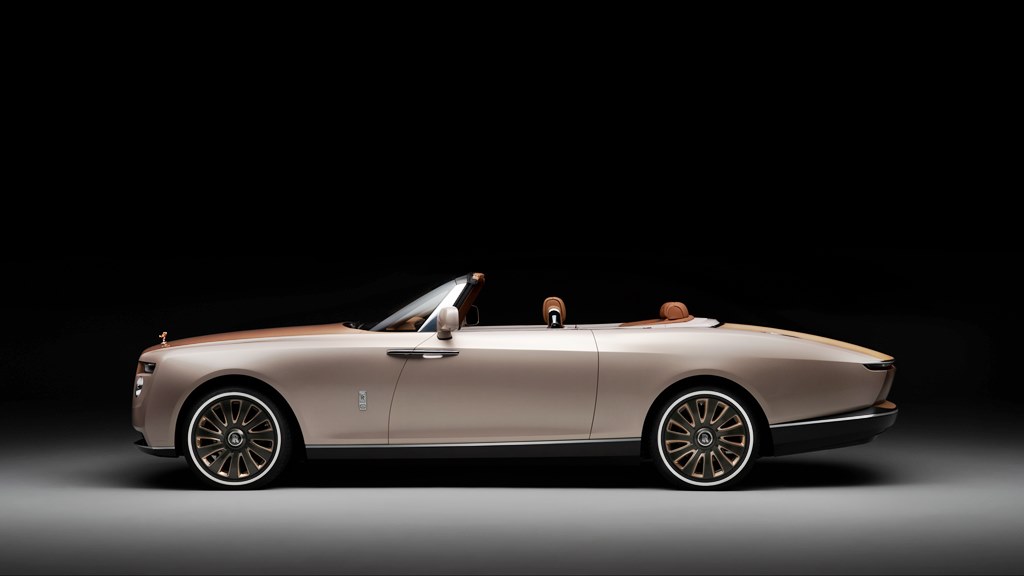
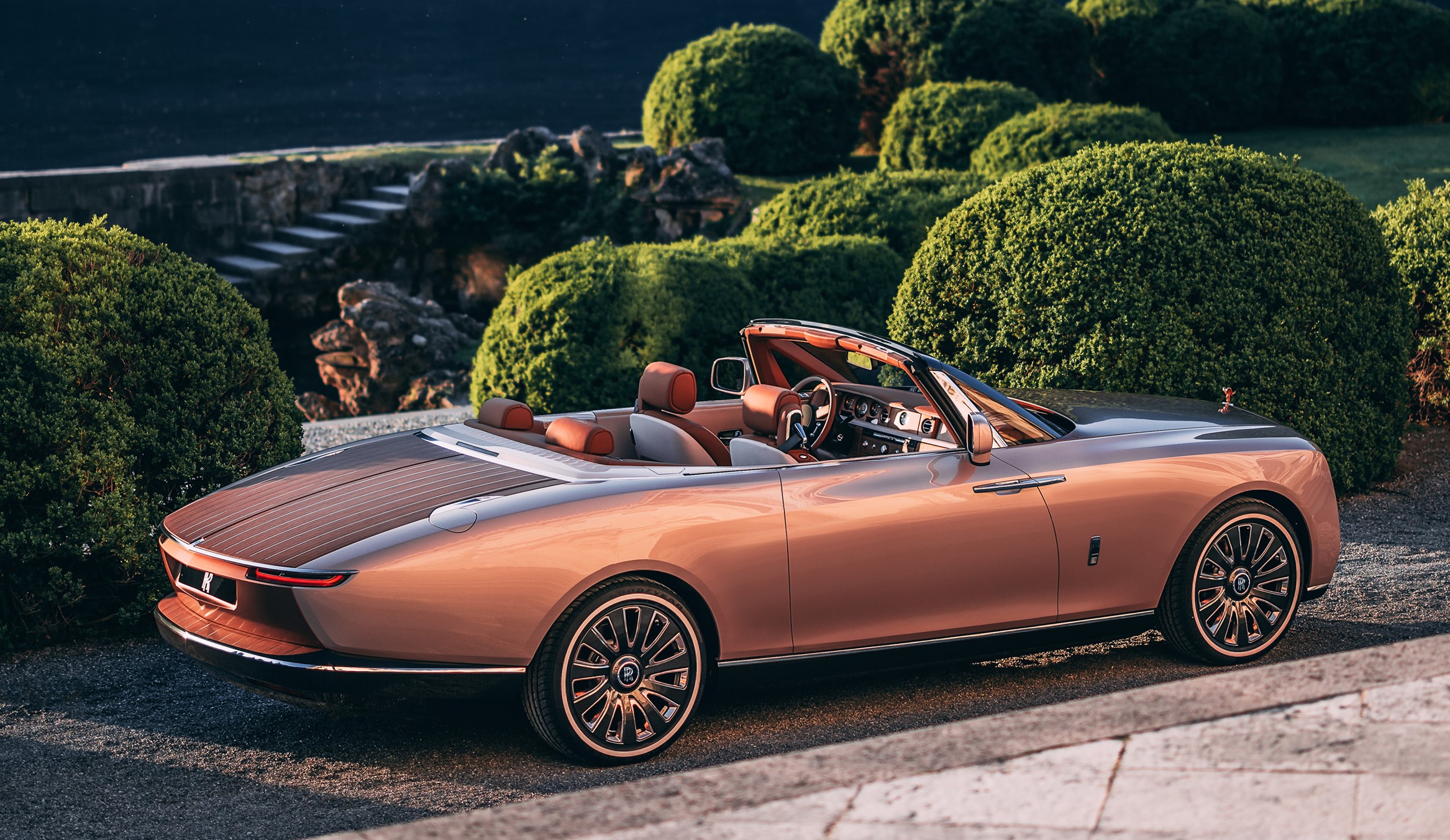
At the onset of the commissioning process, the customer presented Rolls-Royce Coachbuild designers with a selection of 4 pearl shells, personally chosen from his private collection for their unique colour and complexity. The shells provided inspiration for the exterior colour, which is one of the most complex Bespoke finishes ever created by Rolls-Royce.

The foundation of the colour is a shimmering blend of oyster and soft rose, with large white and bronze mica flakes adding a unique pearlescent quality that changes subtly under different light conditions. The contrasting cognac-coloured bonnet, created specifically for this Boat Tail, contains fine bronze and gold coloured aluminium mica flakes complete with a layer of crystal and iced matt clear coat, adding significant warmth and depth to the car’s appearance. The technical fibre lower sills of Boat Tail incorporate a rose gold woven thread.

Rolls-Royce Boat Tail Coachbuilt No. 2 2022

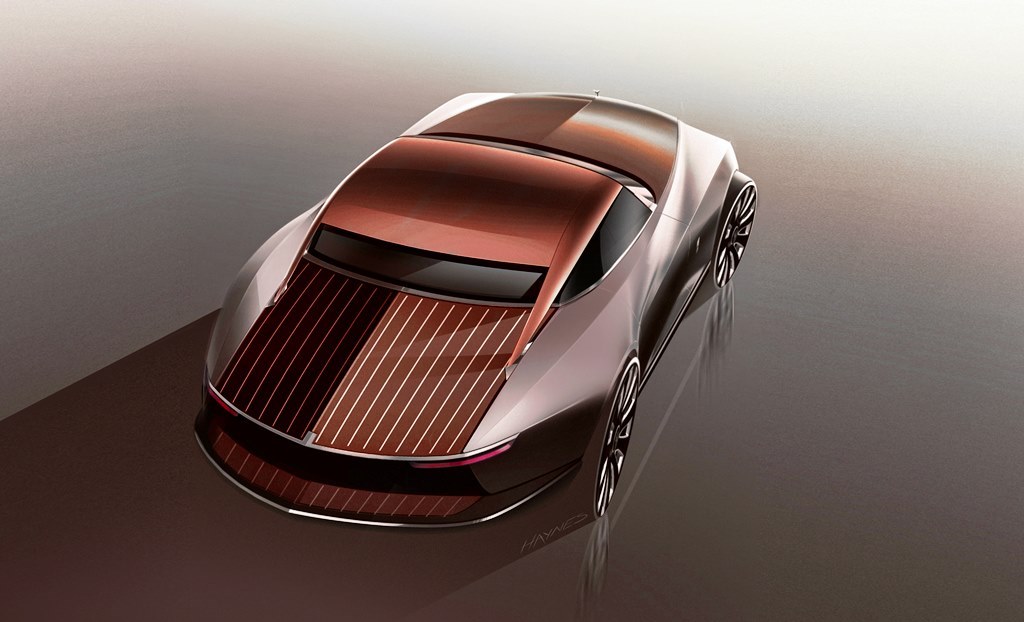
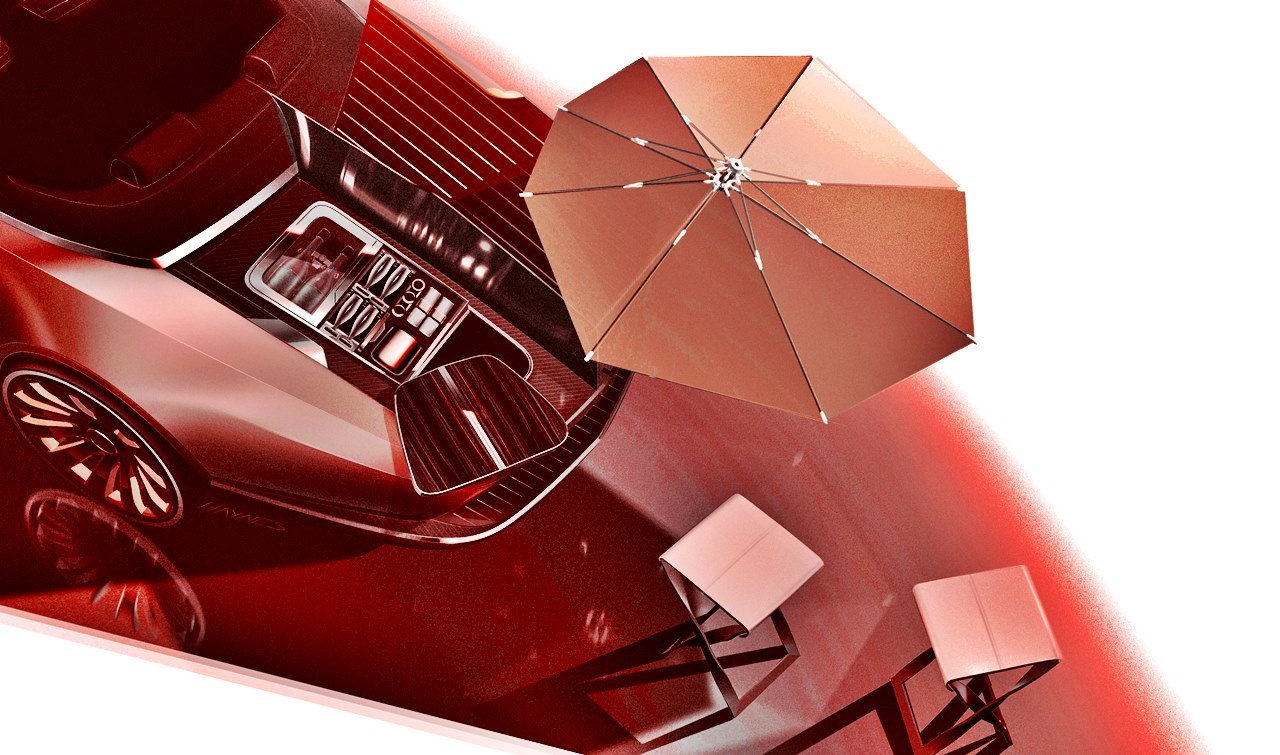
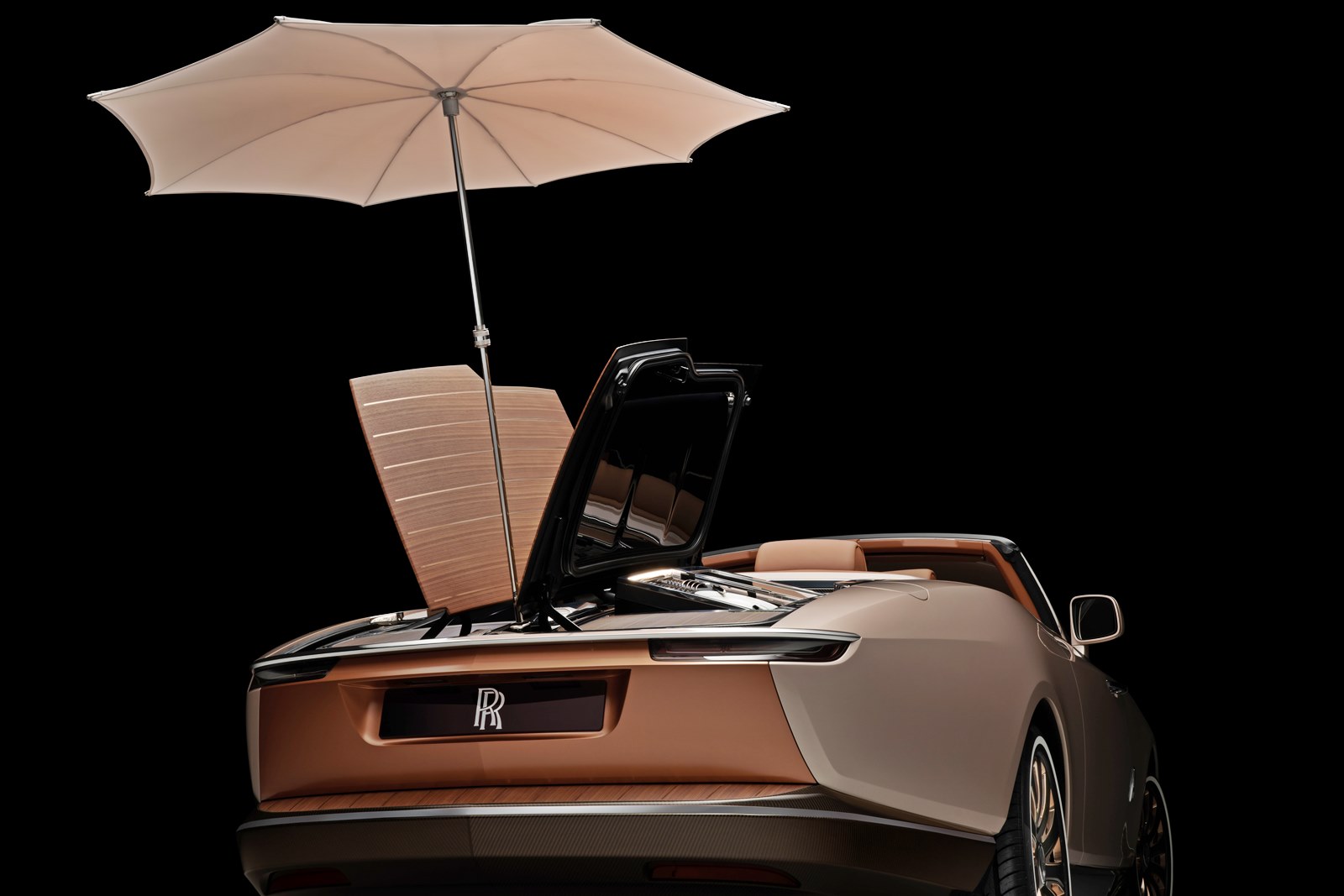
The rear deck, which houses Boat Tail’s unique ‘butterfly-design’ hosting suite, is swathed in Royal Walnut veneer, inlaid with rose gold-plated pinstripes with a satin-brushed finish to ensure a sensitive and sophisticated appearance. The Royal Walnut was specifically selected by the customer  for its beautiful properties as it matures over time, a material that will gradually transition to the tonal properties of the cognac colour. From above, one observes a harmonious balance and satin effect of the iced bonnet and tactile wooden rear deck, in contrast with the high-gloss front and side perspectives.

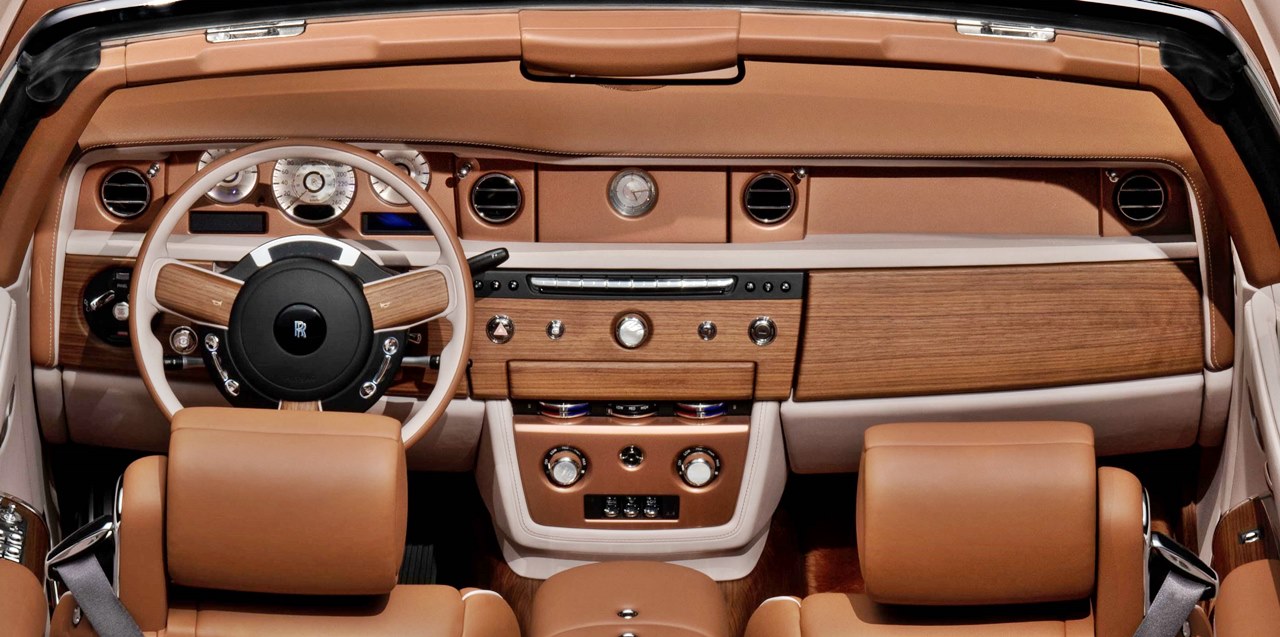
The interior is a beautifully curated combination of perfectly matched cognac and oyster-coloured leathers and Royal Walnut veneer, with rose gold and mother-of-pearl accents throughout. The leathers, complete with a pearlescent finish, accentuate the surfaces and forms of Boat Tail’s seats and interior design. The transmission tunnel is formed from Royal Walnut veneer with rose gold pinstripes, drawing a direct visual reference to the rear deck and adding a glowing warmth to Boat Tail’s interior.

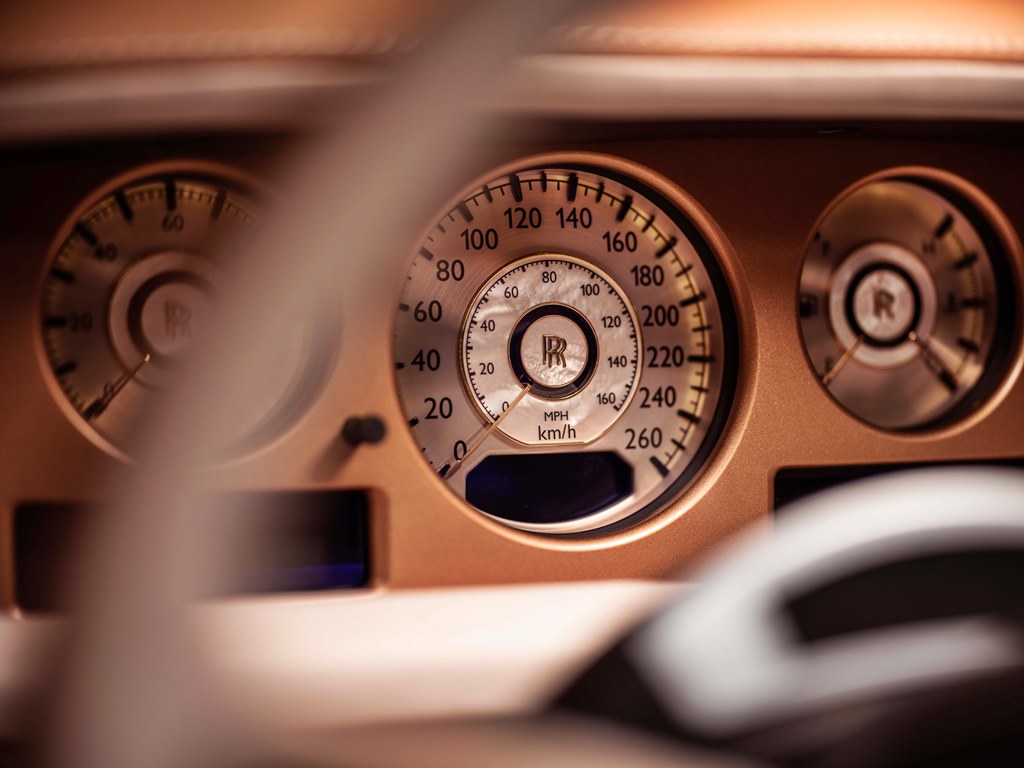
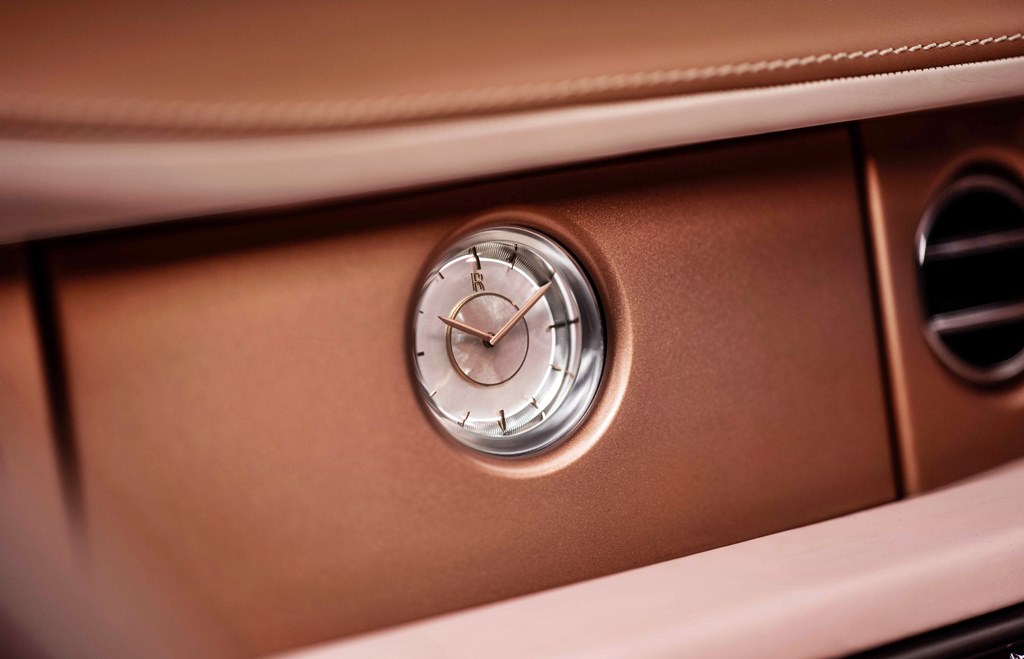
The centrepiece of the dashboard is a timepiece made from mother-of-pearl, chosen and supplied by the client from his own collection. The fascia is pure and minimal in its appearance so as not to detract from the precious material. The same prised substance graces the control switches and instrument dials, creating a strong visual and material connection between the car, the owner, and his family heritage.

Rolls-Royce Boat Tail Coachbuilt No. 2 2022

Rolls-Royce Boat Tail Coachbuilt No. 2 2022

The Boat Tail is entirely hand-built, with the body panels fashioned from vast, single sheets of aluminium to create the distinctive outline inspired by the racing yachts of the early 20th century. From the front, the Pantheon Grille, milled from a single, solid billet of aluminium, is graced with a Spirit of Ecstasy fashioned in rose gold.

With the Architecture of Luxury – which includes a proprietary all-aluminium spaceframe chassis – the marque has ushered in a new coachbuilding movement that encompasses both highly sophisticated 21st Century technology and materials, and a tradition extending back more than 100 years.

Rolls-Royce re-establishes its Coachbuild department to go beyond Bespoke

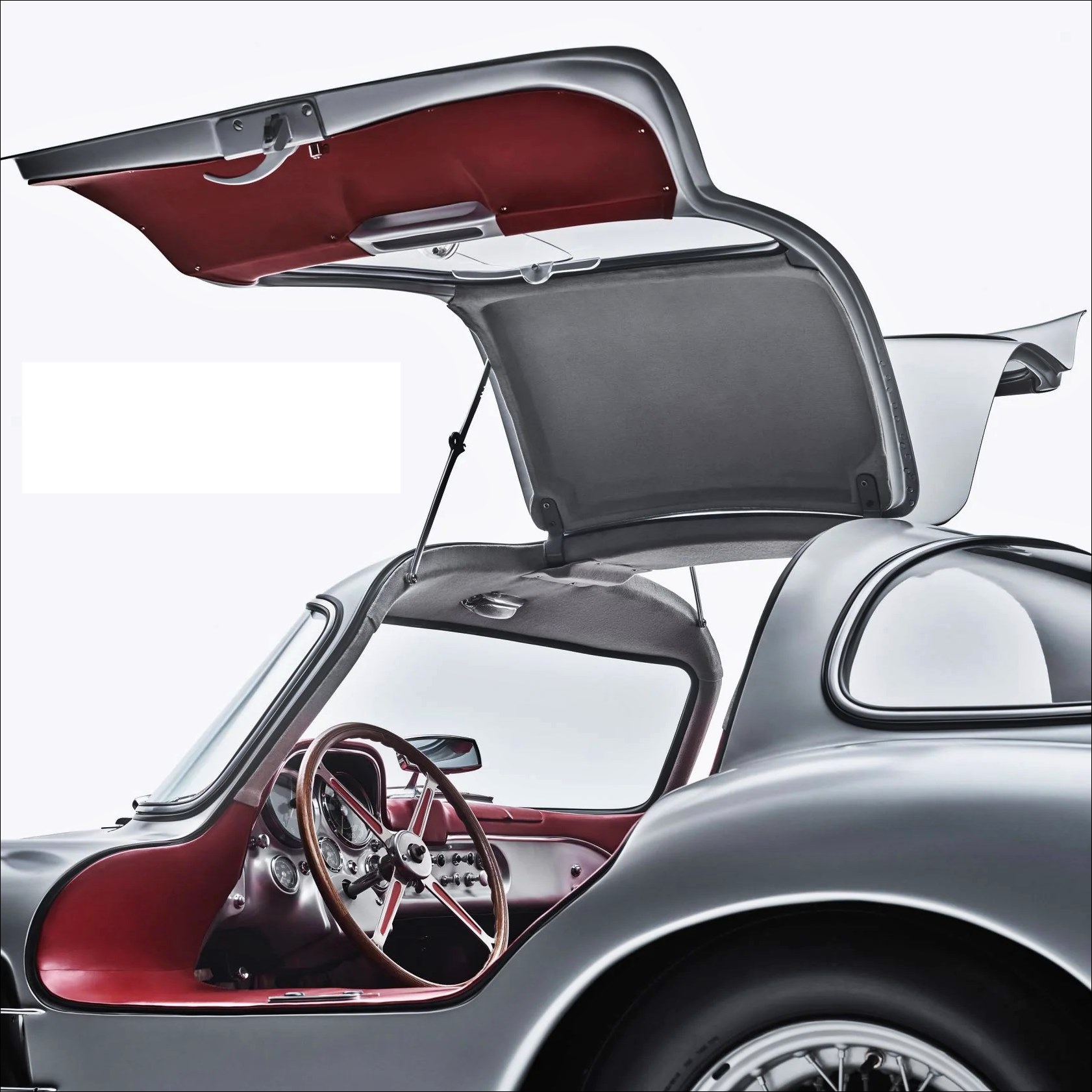
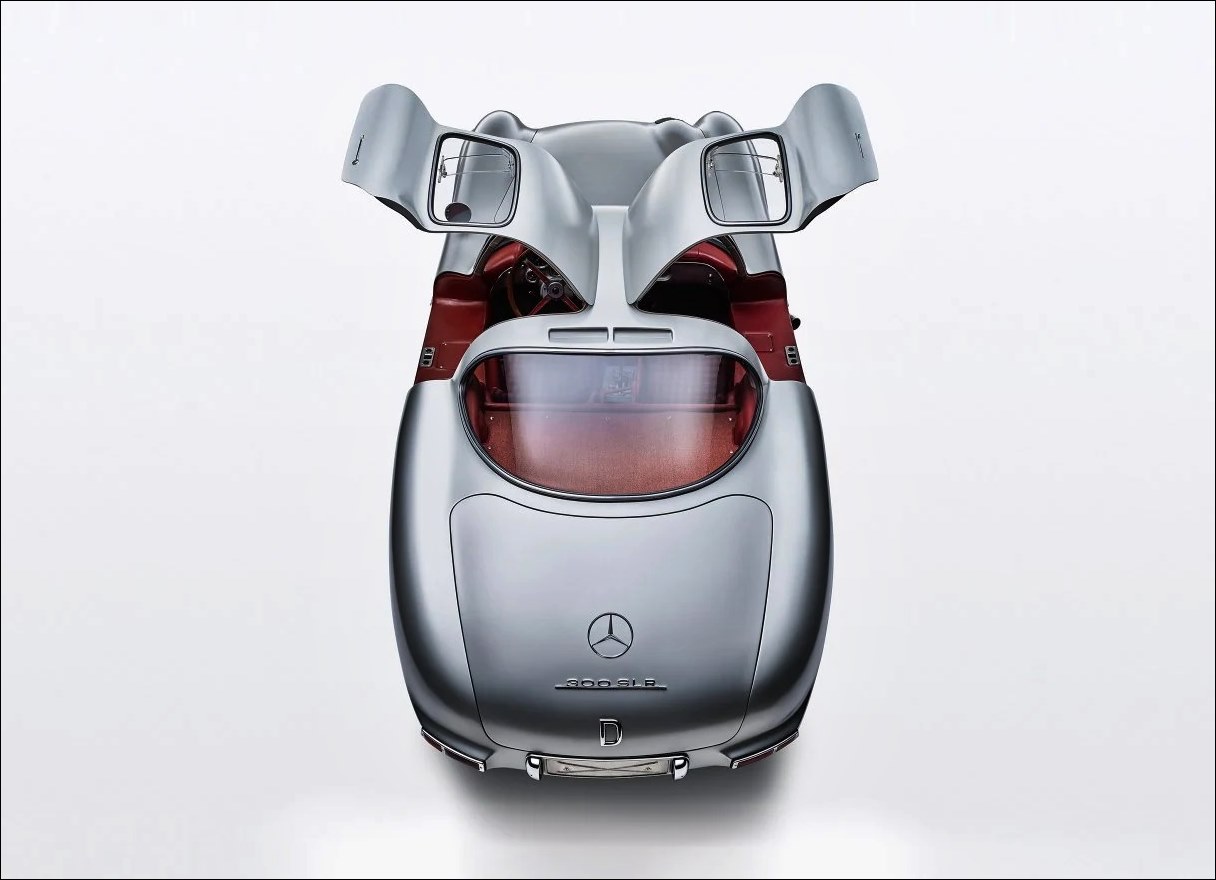
One of two ultra-rare original 300 SLR Uhlenhaut Coupes from the Mercedes-Benz Classic Collection has been auctioned for 135 million euros – that’s equivalent to RM626,822,715 at today’s exchange rate – to a private collector. It’s the highest price ever paid for any car and the money will be used to establish a ‘Mercedes-Benz Fund’.

One of only two units
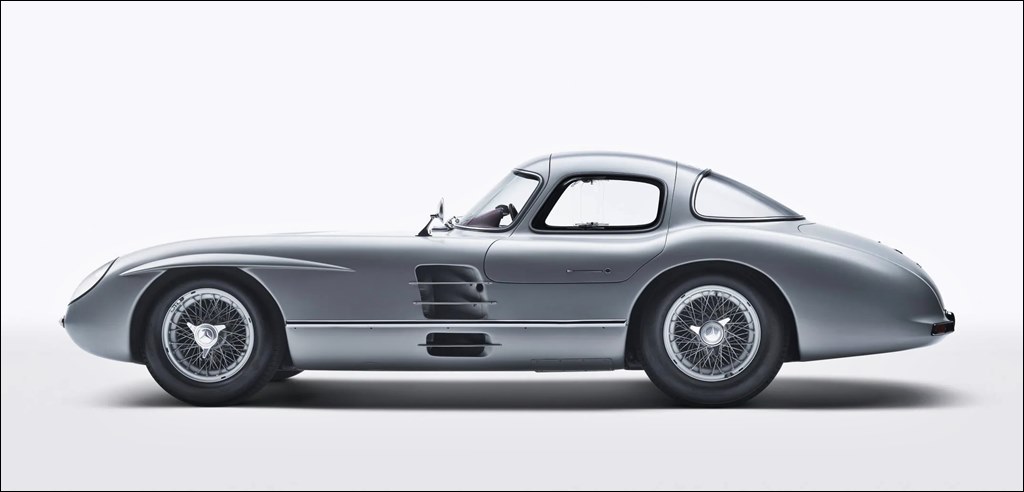
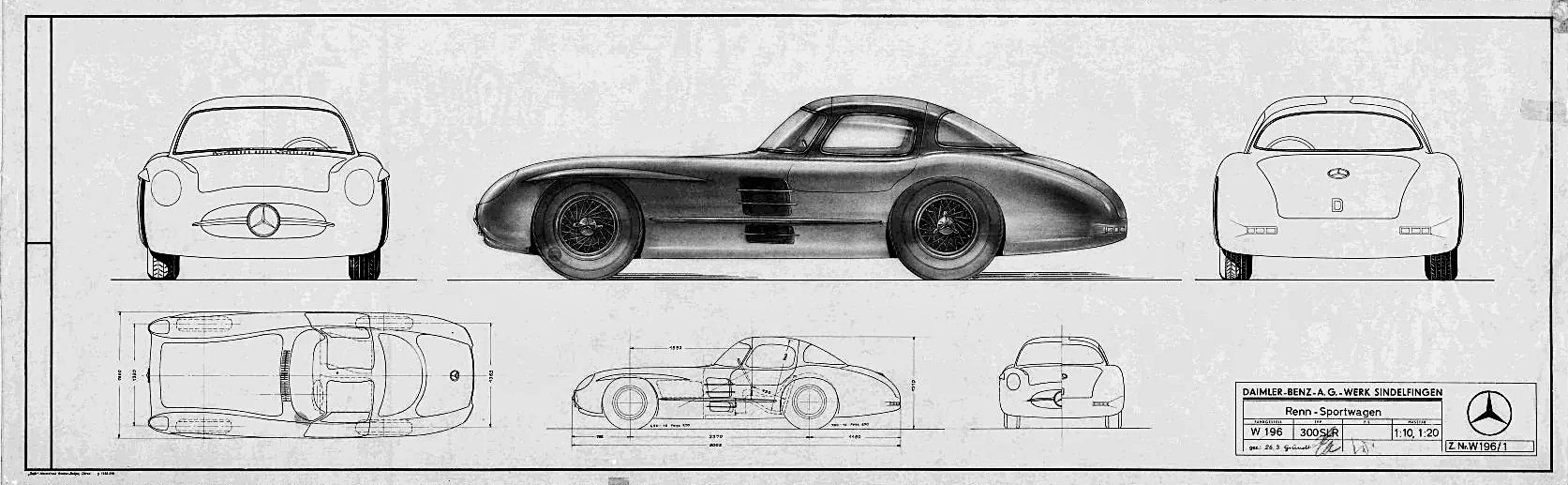
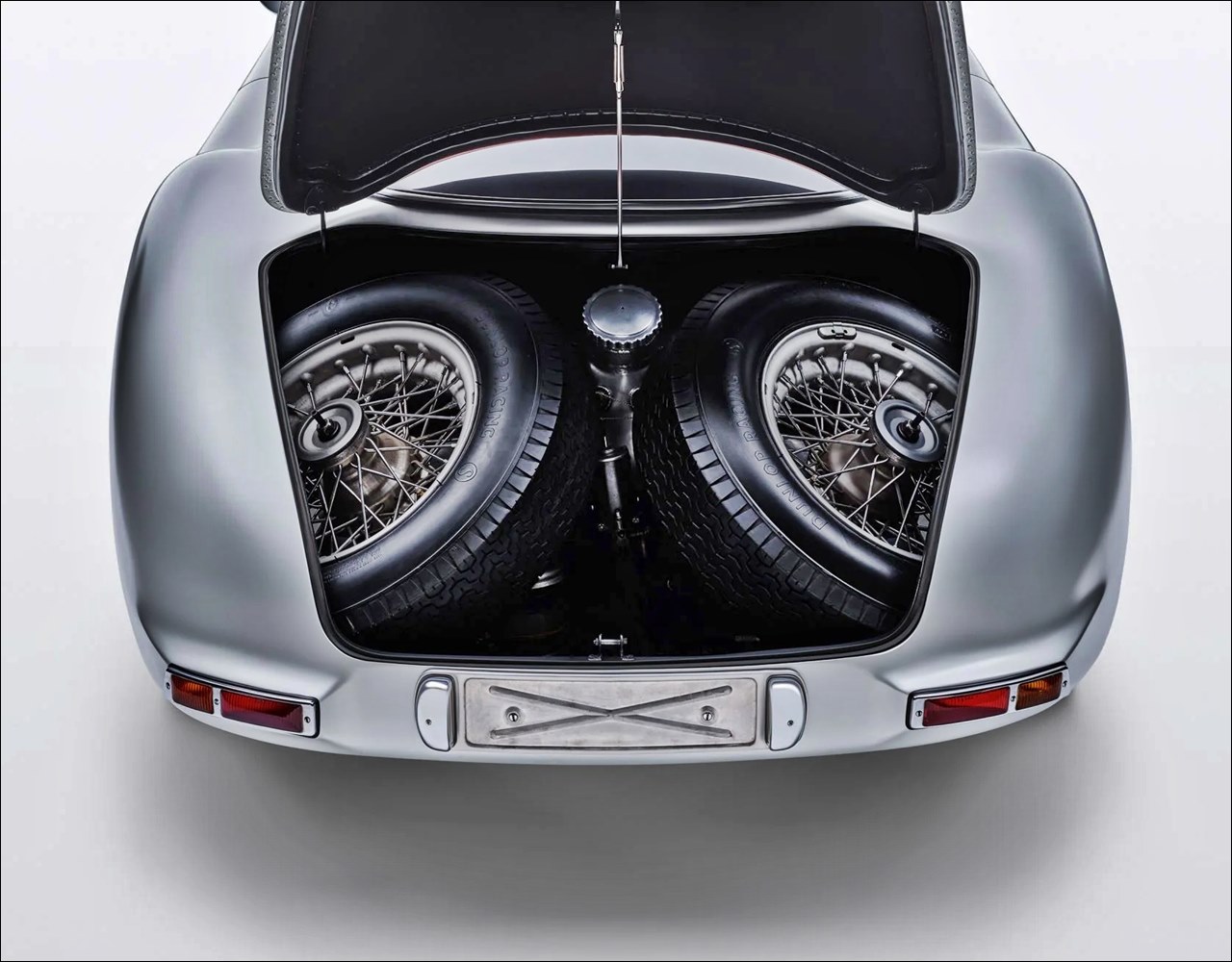
Only two units of the prototype sportscar were built and named after the chief engineer, Rudolf Uhlenhaut. Apart from its rarity, the 300 SLR Uhlenhaut Coupe is considered to be one of the finest examples of automotive engineering and design by automotive experts and enthusiasts worldwide.

1955 300 SLR Uhlenhaut Coupe

The auction was held at the Mercedes-Benz Museum and managed by renowned auctioneer RM Sotheby’s. The sportscar auctioned was part of the non-public vehicle collection belonging to Mercedes-Benz Classic, which has more than 1,100 automobiles ranging from the invention of the automobile in 1886 until today.

“The private buyer has agreed that the 300 SLR Uhlenhaut Coupe will remain accessible for public display on special occasions, while the second original 300 SLR Coupe remains in company ownership and will continue to be displayed at the Mercedes-Benz Museum in Stuttgart,“ said Marcus Breitschwerdt, Head of Mercedes Benz Heritage.

1955 300 SLR Uhlenhaut Coupe

Global scholarship programme
“The 300 SLR Uhlenhaut Coupes are milestones in sportscar development and key historical elements that have shaped our brand. The decision to sell one of these two unique sportscars was taken with very sound reasoning – to benefit a good cause. The proceeds from the auction will fund a global scholarship programme. With the ‘Mercedes-Benz Fund’, we would like to encourage a new generation to follow in Rudolf Uhlenhaut’s innovative footsteps and develop amazing new technologies, particularly those that support the critical goal of decarbonisation and resource preservation,” said Ola Kallenius, CEO of Mercedes-Benz Group AG.

“At the same time, achieving the highest price ever paid for a vehicle is extraordinary and humbling: A Mercedes-Benz is by far the most valuable car in the world,” he added.

1955 300 SLR Uhlenhaut Coupe

The proceeds from the auction will serve as seed capital for the global initiative, and Mercedes-Benz is committed to investing additional resources in the coming years. The Mercedes Benz Fund will be divided into two sub-categories: University Scholarships in order to connect, educate and encourage students to realize/conduct research on environmental science projects, and School Scholarships focussing on pupils to realize local environmental projects in their communities.

The programme funds will be directed to individuals who otherwise do not have the financial means for their projects and career paths. The programme will go beyond financially supporting the young people and include extracurricular elements like Mercedes-Benz mentorships opening up new career prospects.

Rudolf Uhlenhaut and his Coupe
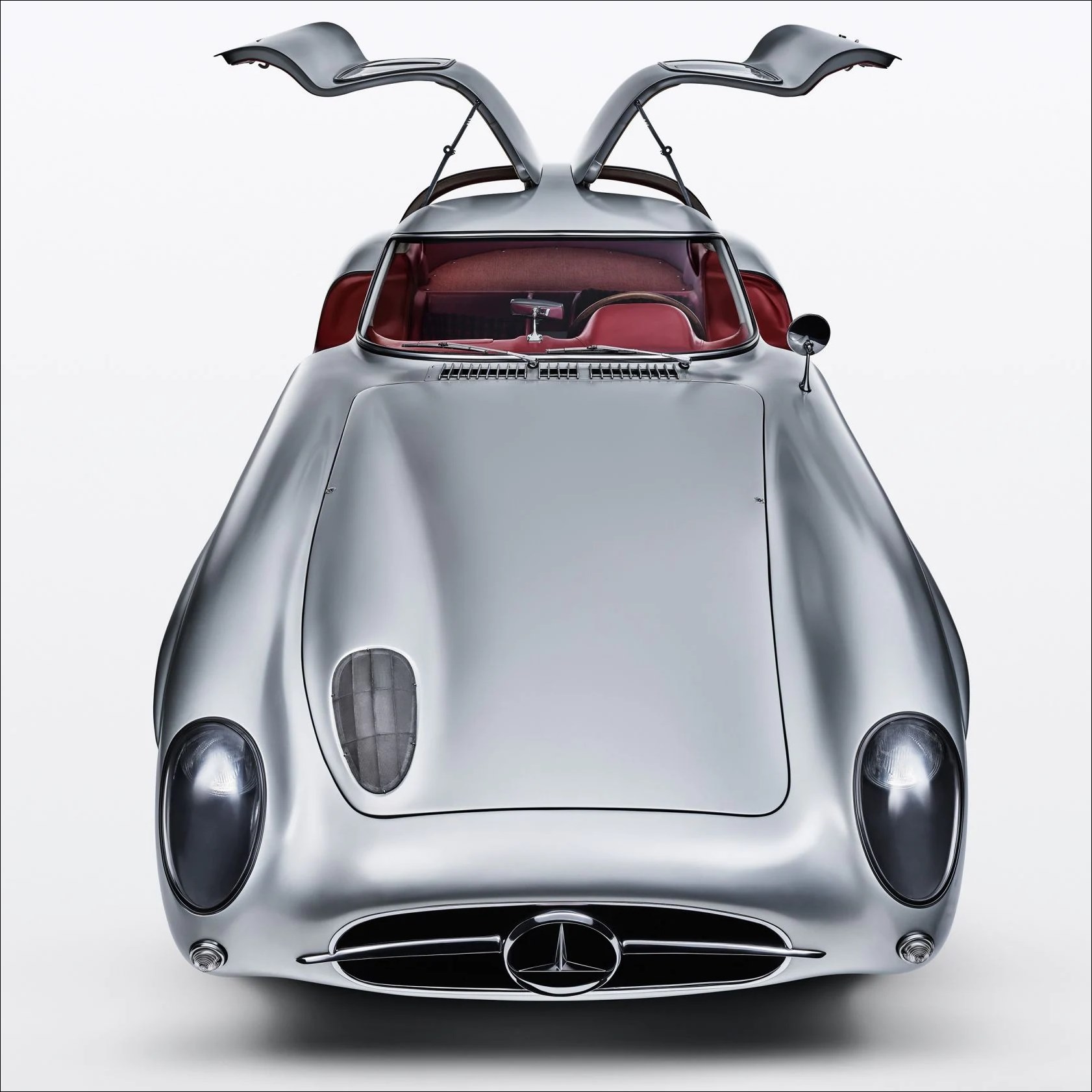
The special circumstances behind its creation, its unique design and its innovative technology have endowed the 300 SLR Uhlenhaut Coupe with a remarkable level of mystique that endures to this day. The design set benchmarks that put it among the world’s most significant automotive icons – not least on account of its distinctive gullwing doors. Added to this is the outstanding performance delivered by its thoroughbred racing technology.

Serving as the head of passenger car development at Mercedes-Benz which included the racing division, Uhlenhaut was also the father of the 300 SL and the W 196 R “Silver Arrows”. The Coupe exceeded the technical possibilities of its time and became the pinnacle in the life’s work of the genius engineer who persistently strove for the maximum.

1955 300 SLR Uhlenhaut Coupe

Mercedes-Benz Museum offers a new perspective with indoor drone tour (w/VIDEO)

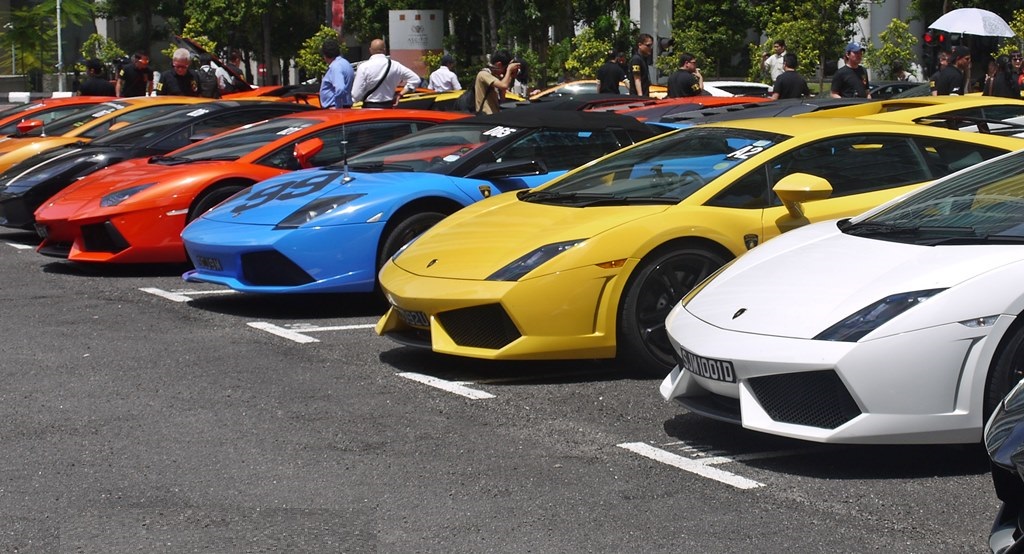
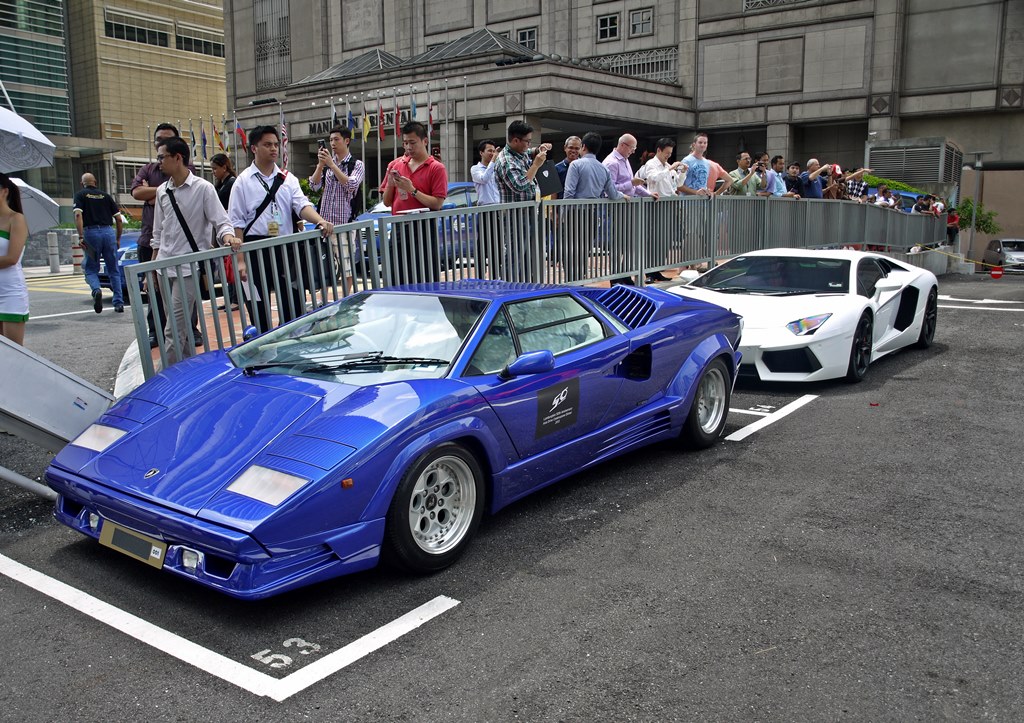
In May 2013, a parade of 77 Lamborghini supercars assembled in Kuala Lumpur, setting a record in the Malaysian Book of Records for the largest number of Lamborghinis at an event. Almost a decade later, the Lamborghini Owners Malaysia (LOM) will try to surpass that feat.

Announcing the attempt for this historic achievement, Dato’ Roslan Rosdi, President of LOM, said the timing could not be more appropriate. “Throughout LOM’s history, we have organised many events, be it short day trips or long overnight drives where, on many occasions, they involve a charity element, mostly making donations to orphanages and taking them for a ride in our cars for some excitement,” he said.

“As we can all gather now safely, we wanted to celebrate the joy of a leisurely drive and will be doing so by attempting to break the record set 9 years ago as part of Lamborghini’s legendary 50th anniversary drive,” he added.

The Lamborghinis arriving for the event in 2013 when 77 of the supercars were gathered at one location.

LOM members will gather at the KLCC’s open-air car park in front of the Mandarin Oriental Hotel on June 11, near the site where the original record had been set. Not only will this event recapture the excitement from 2013’s event, but the assembly will also mark the eagerness of LOM members to return to travel and navigate the idyllic highways of Malaysia after a period of forced isolation.

“This record-breaking event which includes a drive element is being organised by LOM members for its members. Once we have officially trumped the record, we will then travel to the Chateau, Bukit Tinggi where a gala dinner, dubbed ‘Bulls Ball’, will be held,” said Dato’ Roslan.

Members of the public will be able to view the supercars assembled at a site near KLCC.

According to said Dato’ Rakesh Sachdev, LOM Organising Committee Chairperson, the biggest challenge for the attempt is aligning the timing of Lamborghini owners who are all captains in the industry. “Our members however are more than happy to gather for a good cause,” he said, adding that the goal is to raise a minimum of RM40,000 from members and partners for 4 charities.

The public can view the cars gathered which are expected to include rare versions as well as the latest models such as the Gallardo MLE, Huracan Spyder, Urus and Aventador SVJ.

SunAgata Supercars opens Lamborghini Kuala Lumpur sales and service facility in Glenmarie, Selangor

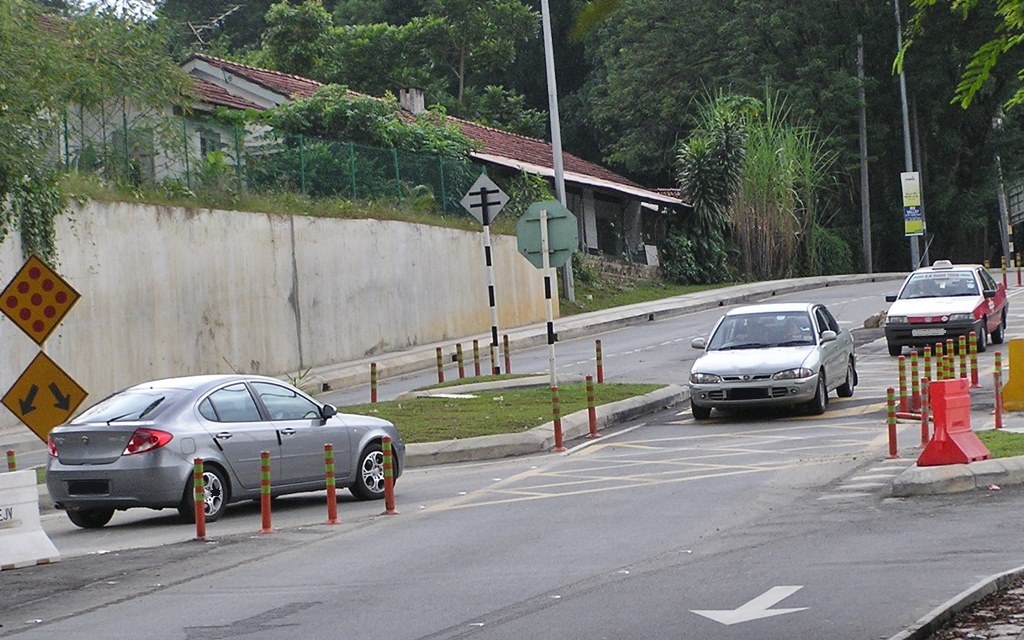
For the protection of all road-users, there is a law which is applied in most countries for all motor vehicles and that is insurance coverage. In order to use a motor vehicle on a public road, it must have insurance coverage that provides for compensation to other parties involved in an accident with it. The minimum is what is known as third-party insurance which compensates only other parties but not the vehicle owner.

Under Section 90 (1) of the Malaysian Road Transport Act 1987, the owner of a vehicle operated on public roads must have insurance coverage for the vehicle. Not doing so means there can be a fine of up to RM 1,000 and even going to jail for up to 3 years. So every year, motorists (and motorcyclists) renew their insurance policies which is also required in order to get another year of roadtax. But there are some who either forget (a weak excuse) or simply do not have insurance coverage for their vehicle, perhaps because they don’t want to spend the money (or cannot afford it).

All vehicles used on public roads must have insurance coverage, which is also mandatory in order to obtain for roadtax renewal.

Compensation for victims
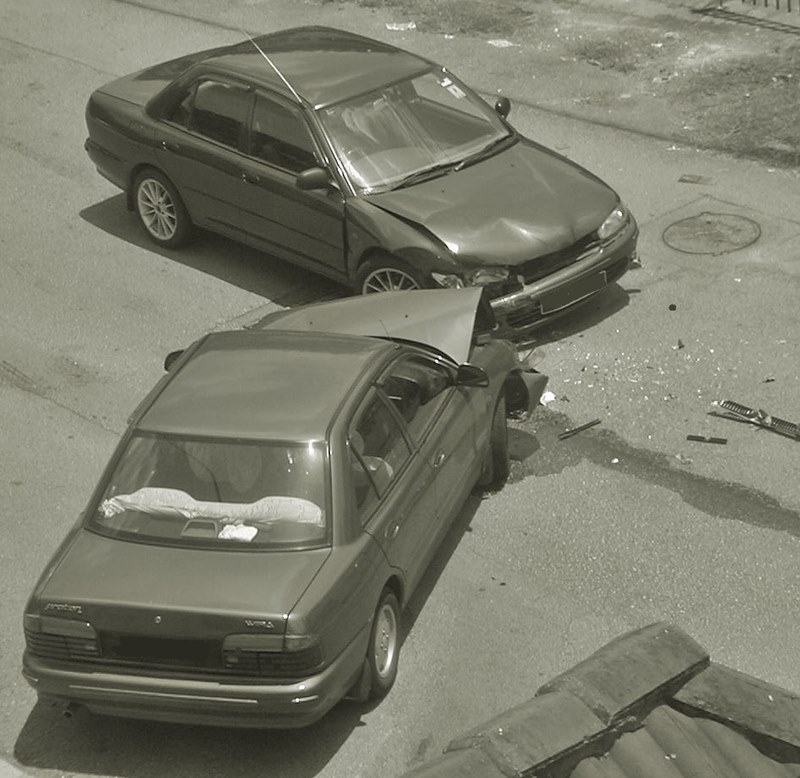
It may seem like that’s their problem if their car is involved in an accident and has to be repaired since they will have to pay from their own pocket. But what about the other party, if they crashed into another vehicle or worse, knocked someone down? If their vehicle is insured, then the other party can claim for compensation from the insurance company. If there is no insurance coverage, who to claim from? The only people who get anything will be the police who collect the fine, which does not go to the victim anyway.

There are no statistics available to show how many vehicles involved in accidents have had no insurance coverage but for someone who is the victim involved, it can be a nightmare since there is no one to claim from. You could get a lawyer to sue the vehicle owner but that will take time and money and he might not be able to pay too.

The Motor Insurers Bureau of West Malaysia
Fortunately, in Malaysia, there is a way to get some form of compensation and that is from the MIB (no, not the Men in Black!) which is the Motor Insurers Bureau of West Malaysia. This bureau, which is not an insurance company, was established in January 1968 after an agreement was signed between the general insurance companies and the Transport Ministry to provide compensation for accidents involving uninsured vehicles. Apparently, the agreement includes Singapore and East Malaysia as well.

The aim of establishing the MIB was to ensure that victims get some compensation and assistance for their injuries resulting from the accident if the vehicle was uninsured.

The MIB will receive claims for compensation but as with any claim, there are procedures to be followed and the claim must be made within 3 years from the date of the accident. The claimant must also notify the MIB about the case within 30 days of filing the action and must furnish all the relevant documents. These would be a description of the accident, police reports, medical report and so on. Details of the vehicle that hit you or your vehicle must also be provided.

However, an important thing to note is that the compensation is for injuries you sustain to your body and there is no compensation given for repairs to the damaged vehicle. And if your phone was damaged as a result of the accident, that too won’t be compensated by the MIB. The aim of having the MIB is to ensure that victims are still provided with compensation to help them with medical expenses, which could be substantial in some cases.

The compensation from the MIB does not cover repairs for the damaged vehicle or for losses or damage to any property inside.

How to contact the MIB
The address of the Motor Insurers Bureau of West Malaysia is Wisma PIAM, No. 150-3, 3rd Floor, Jalan Tun Sambanthan, Brickfields, 50782, Kuala Lumpur. Phone: 03-2274 7395. You do not need a lawyer to submit your claim, but you will be asked to make a payment of RM100 to cover their admin and investigation costs.

Accident scam in Kapar, Selangor – but dashcam saves motorist from being tricked (w/VIDEO)

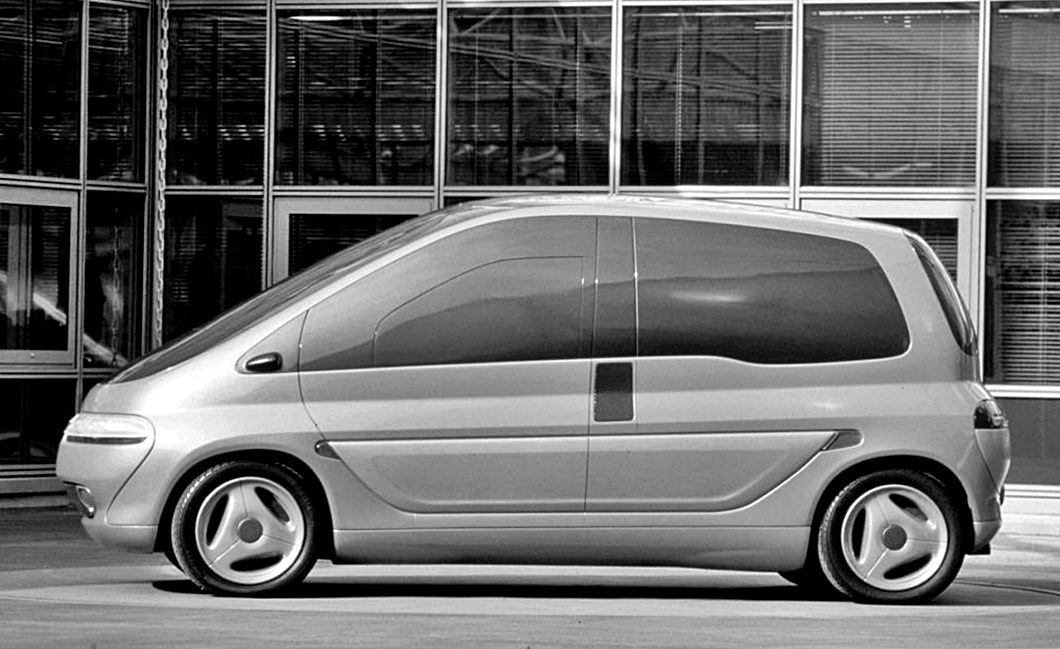
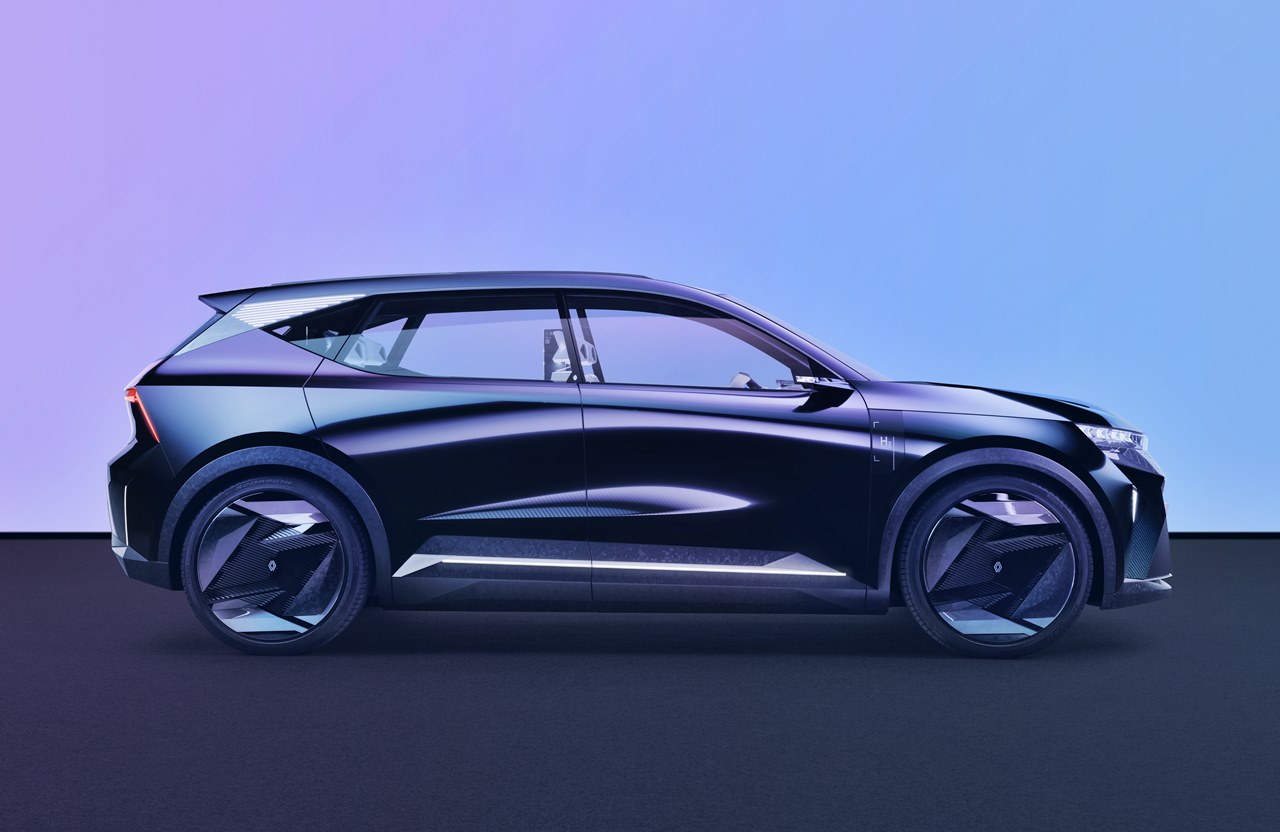
In 1991, Renault displayed a concept car that was the forerunner of compact MPVs with its novel management of the interior layout to comfortably accommodate a whole family. The model was called the Scenic concept, and its format would be used in a new generation of models that also used the same name.

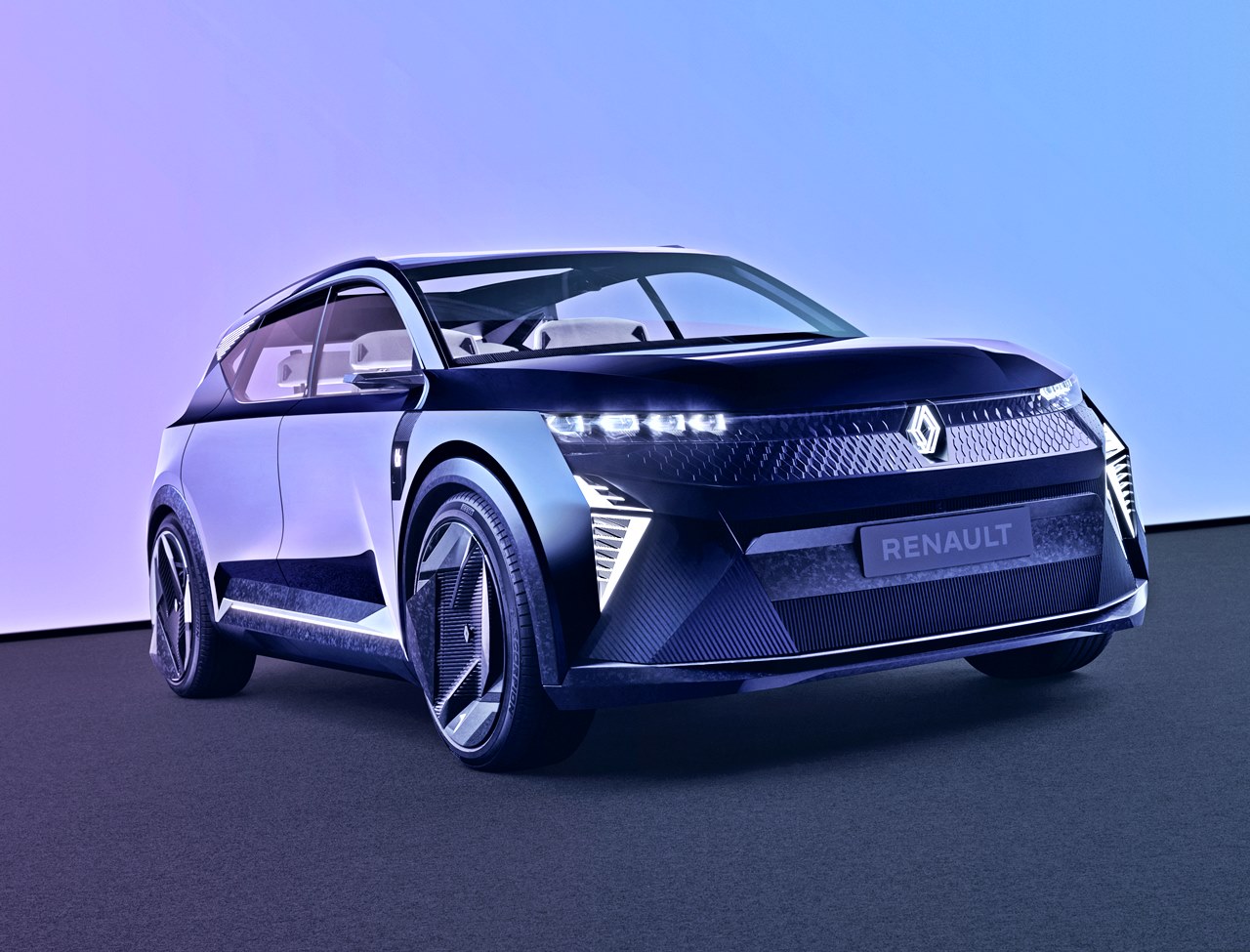
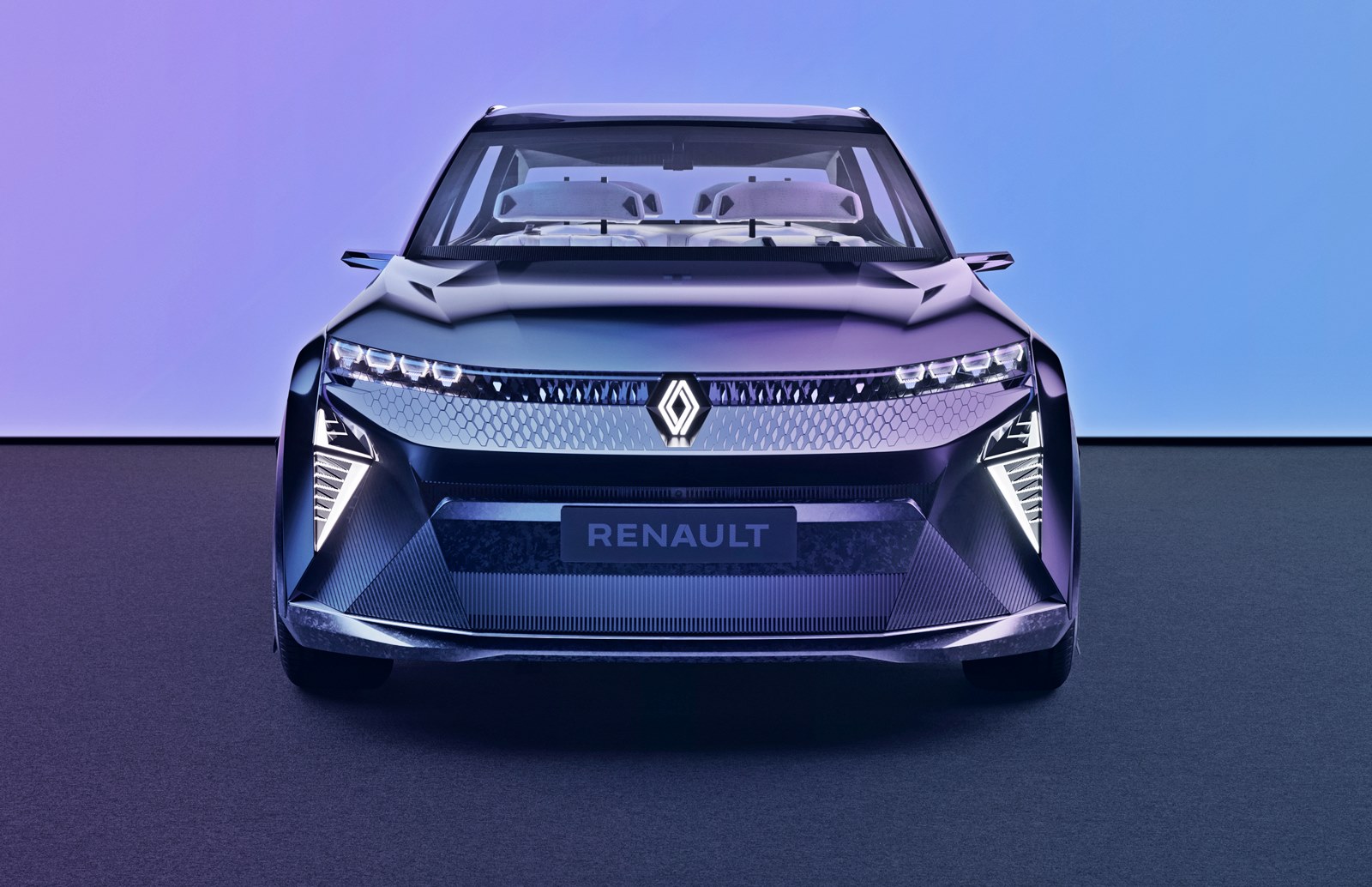
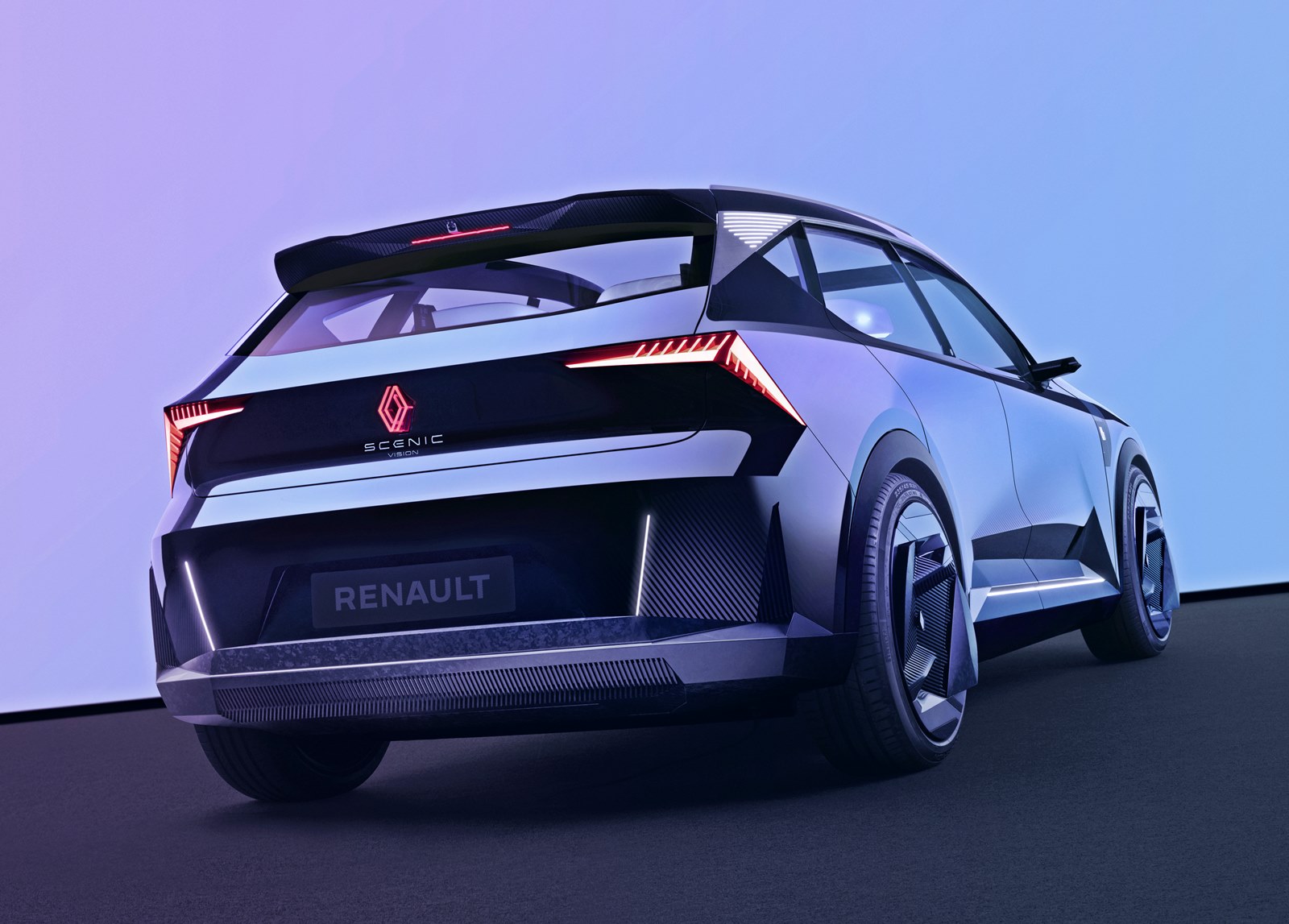
31 years later, the French carmaker is again using the name and as before, the new model starts a new chapter in its history. Known as the Scenic Vision, the new concept car embodies the brand’s sustainable development commitments and encapsulates them in a single vehicle. Its intelligent design and manufacture incorporate methods that the Renault Group and its brands will use to achieve carbon neutrality in Europe by 2040 and worldwide by 2050.

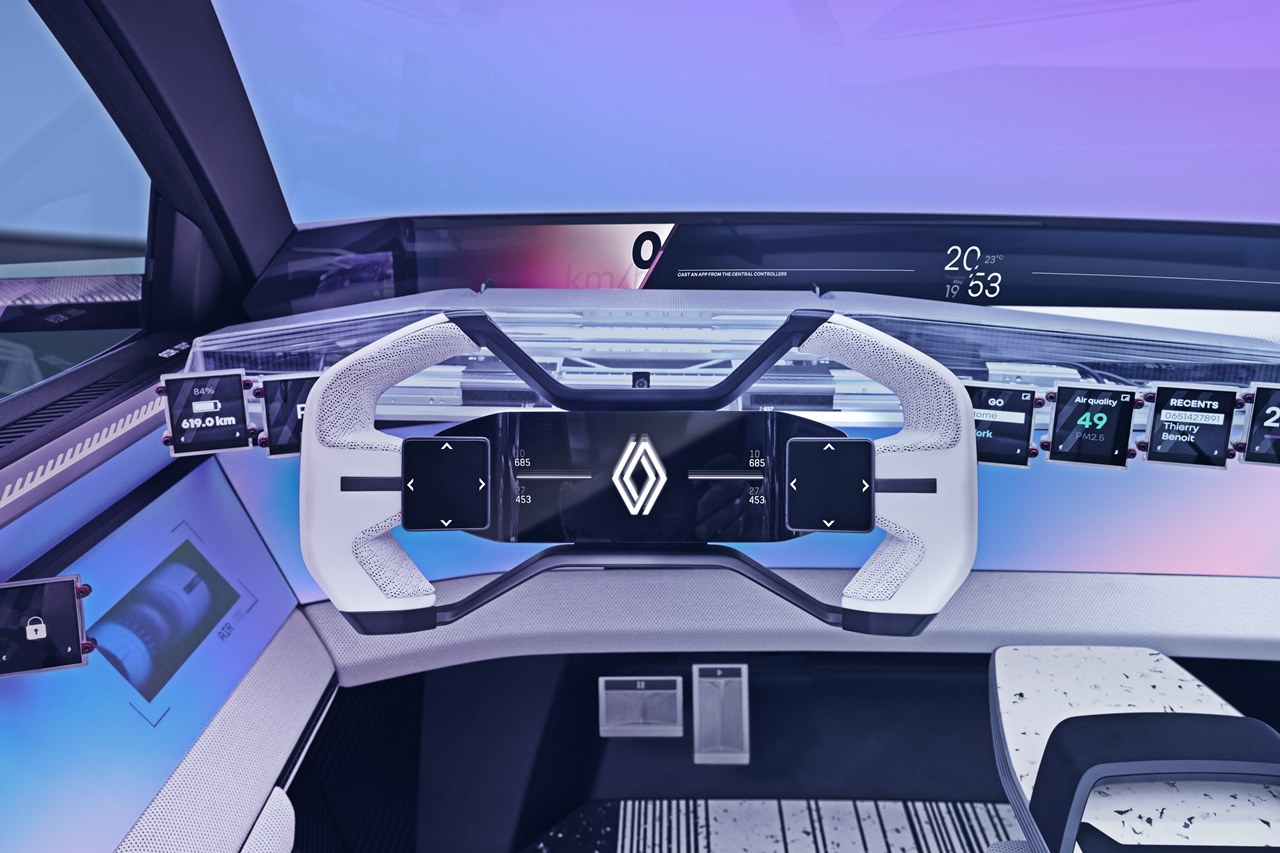
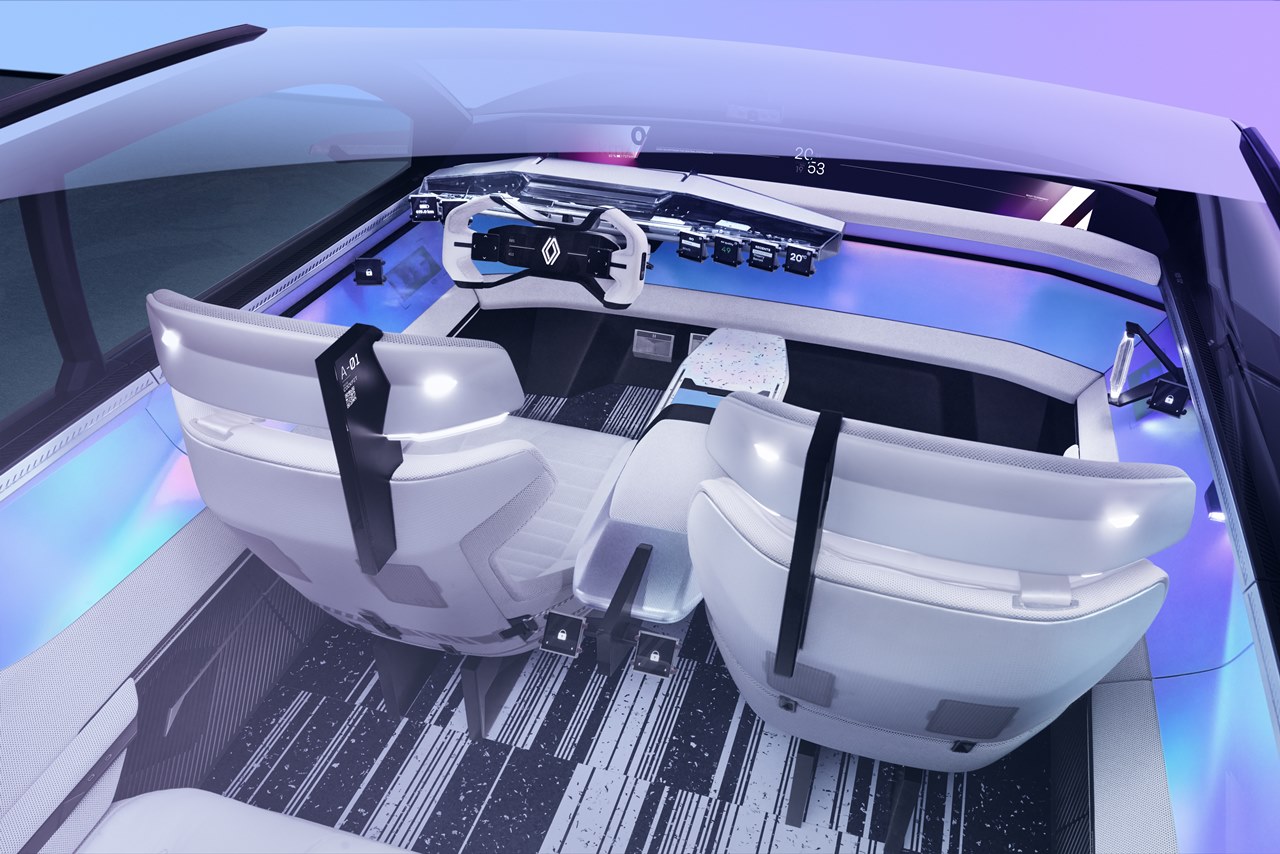
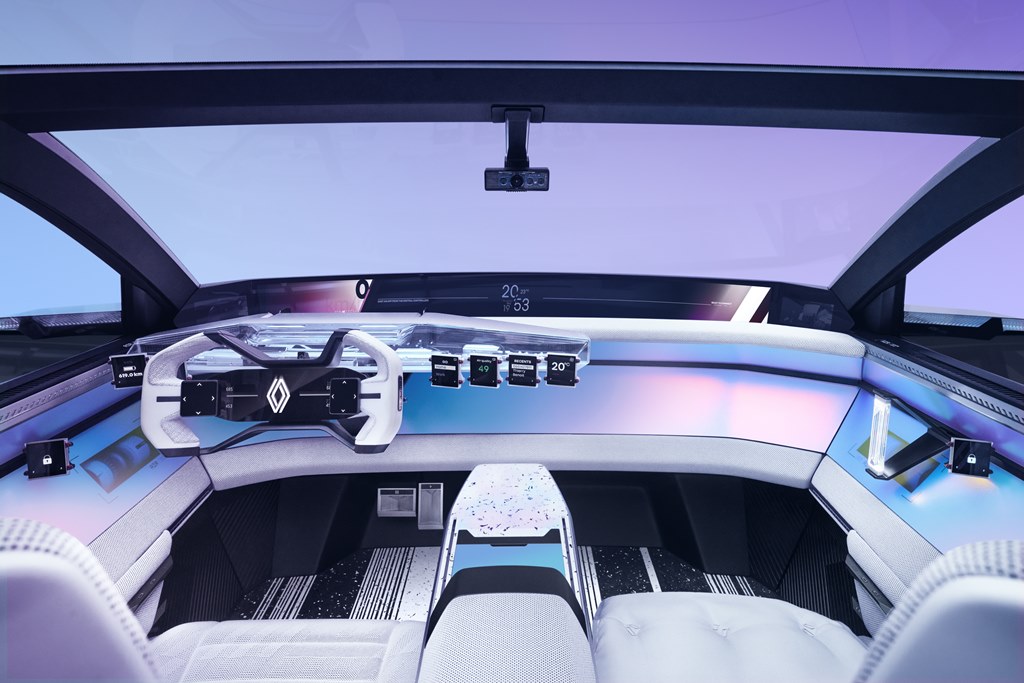
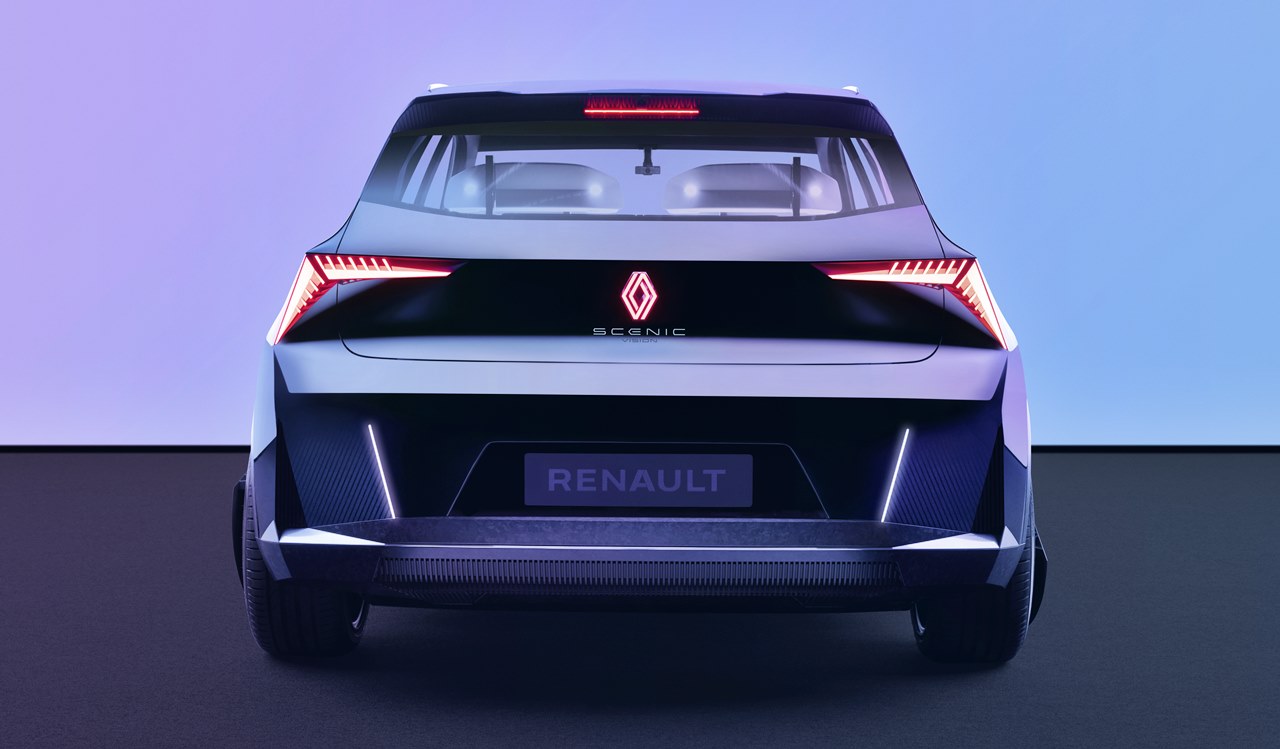
2022 Renault Scenic Vision concept EV

Previous Scenic concept introduced the compact MPV format to the world in 1991.

With the Scenic Vision, Renault is proposing ‘a car for life and for living’, with a new vision for the family car. Its exterior design, measuring 4.49 metres in length, provides a preview of an all-electric model in the C-segment that will be unveiled in 2024.

2022 Renault Scenic Vision concept EV

2022 Renault Scenic Vision concept EV

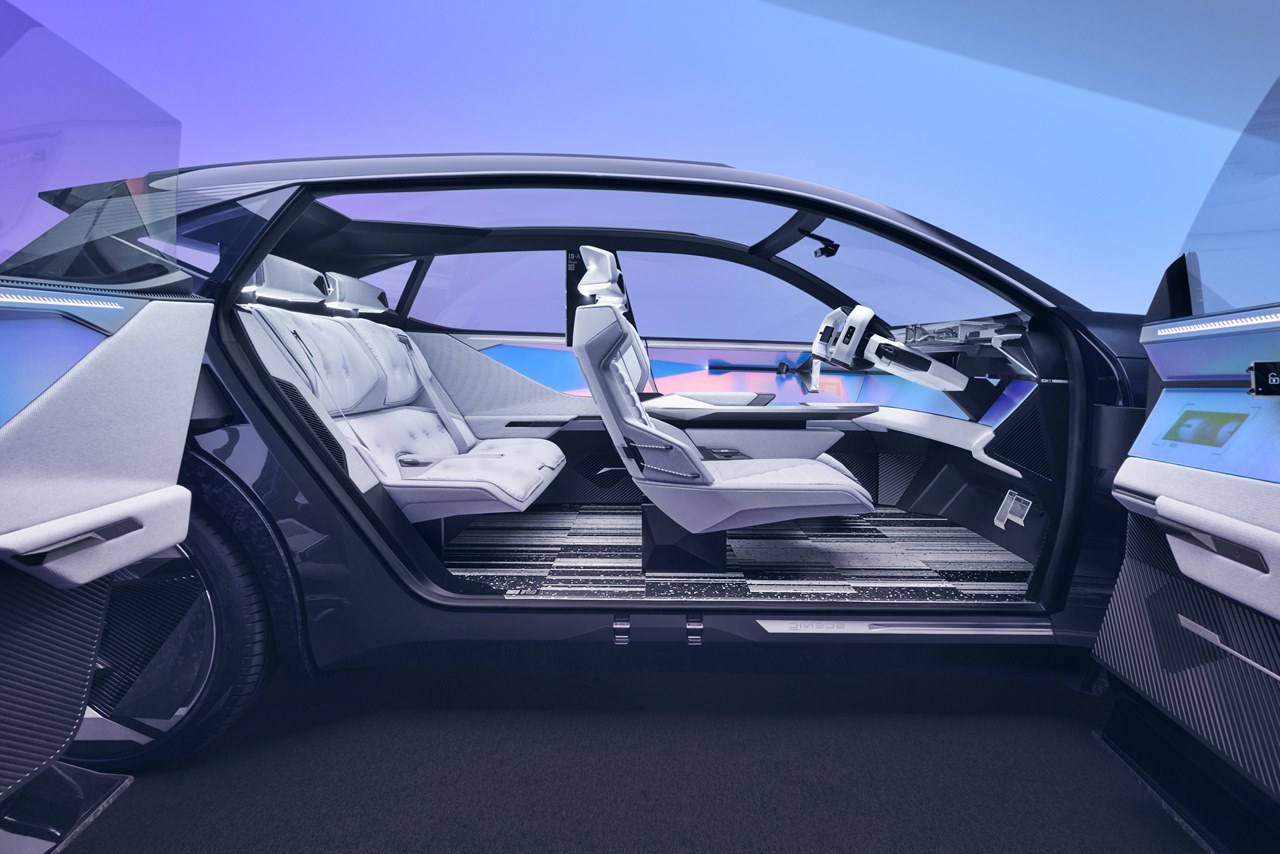
The unique design is enhanced by the choice of colours, where black and white create a singular graphic universe. Shades of black on the outside, and white on the inside, offer a contrast of light and dark that reflects the design team’s wish for this concept car to be a work of art where artistic expression takes to the fore.

Fuel cell powertrain
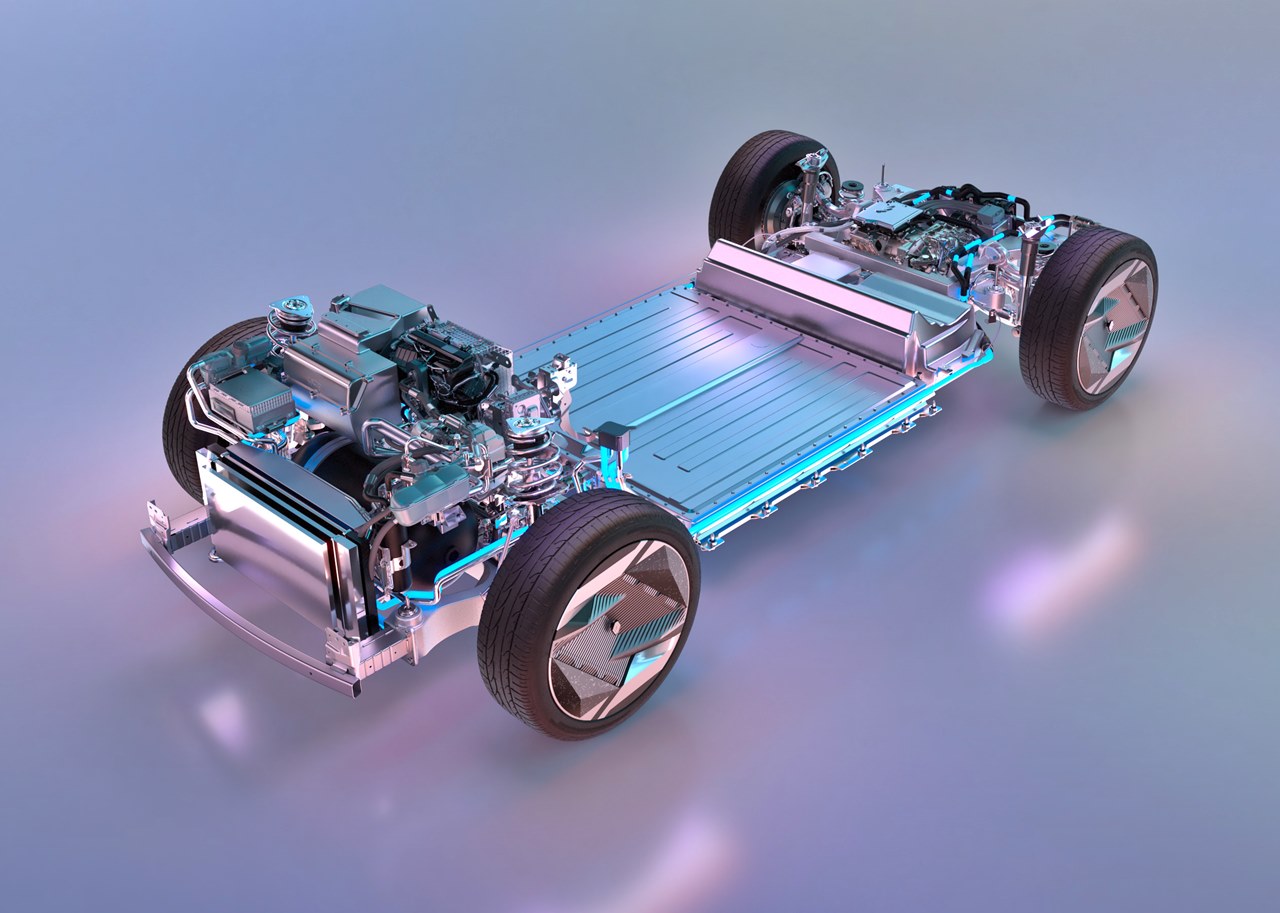
The Scenic Vision is proposed with a fuel cell that generates electricity for a new-generation motor. The 160 kW motor derives directly from the latest Megane E-Tech Electric’s motor and uses no rare-earth elements. This helps to reduce its carbon footprint and create a responsible and sustainable ecosystem.

The 40 kWh battery pack is recyclable and will be made in France by 2024 at the Renault ElectriCity Gigafactory. It is lighter, smaller and costs less than a battery pack for a similar electric vehicle. The 15 kW fuel cell will recharge it during long drives and thus extend its range. In 2030 and beyond, once the network of hydrogen stations is large enough, it will be possible to drive up to 800 kms, with the hydrogen tank able to be refilled in 5 minutes or less.

2022 Renault Scenic Vision concept EV

The all-new platform used by the Scenic Vision is currently in the prototyping phase. It is purpose-designed to fit all the components –  electric motor, hydrogen engine, battery, fuel cell and hydrogen tank. The engine is at the rear, so there is enough space for the 2.5-kg hydrogen tank at the front; the fuel cell is under the floor, at the back of the platform, behind the battery.

Optimal travel times
This propulsion system’s operation is simple and efficient. The car can be driven as a conventional electric vehicle, without using the fuel cell, on daily trips. When there is a requirement to travel longer distances, a route planner calculates the power the fuel cell needs to supply to keep the battery charged for longer, so that there is no need to charge it on the way.

The point of using the fuel cell on long journeys is that it’s quicker to top up the hydrogen tank than to charge the battery. This way, there is no need to charge the battery until the car reaches its destination. When the weather is cold, the hydrogen range-extender also keeps the battery at the right temperate for optimal operation and extra range.

2022 Renault Scenic Vision concept EV

95% recyclable
A full 95% of this concept car’s materials – including the battery – are recyclable. This new approach to design looks beyond the vehicle and includes previously unexplored ventures and technologies. The exterior materials (steel, aluminium, carbonfibre and plastics) can all be recycled at the end of their life.

Everything inside is also designed responsibly. For example, the foams, fabrics and stitching on the light beige seats are made of the same material, produced from fully recycled and recyclable plastic.

2022 Renault Scenic Vision concept EV

Estimates suggest that the number of electric vehicles on Europe’s roads will increase tenfold between now and 2030, from 10 million to 100 million. The Renault Group is the first carmaker to work on the full battery lifecycle, and has developed solid expertise in increasing their durability and using them for a wider variety of purposes. Once a battery is no longer fit to power a vehicle, its energy can be reused in stationary storage solutions in homes or offices, or elsewhere (in boats, refrigeration systems, machinery or airport logistics, etc).

The steel in the vehicle’s structure is made from 95% recycled steel, while all the aluminium parts in the structure (housings, battery casing, seats) and trims (console, cockpit) are made from 100% recycled aluminium. All the carbonfibre is recycled from aviation industry scrap via a partnership with Airbus, and the hydrogen tank is made with carbonfibre produced from paper-industry waste.

2022 Renault Scenic Vision concept EV

Elsewhere, 70% of the interior and exterior plastics are recycled, with 100% of the textile fabrics made of recycled materials. It is also entirely leather-free, while the floor is made of 100% recycled plastics from food and industrial waste

Help for safer motoring
The Scenic Vision previews technology and systems which will provide assistance to drivers, enabling them to better avoid risky situations, and reduce stress behind the wheel. The multiple ADAS (Advanced Driver Assist Systems) and 3 on-board systems  – Safety Score, Safety Coach, and Safe Guardian, are designed to provide extra safety for all, as well as a unique level of both physical and psychological comfort.

New Renault models will soon come with a ‘Safety Score’. Using data collected by sensors mounted on the vehicle, it analyses the driver’s driving style – acceleration, smoothness, inattention, speed management, and driver distractibility. It then gives personalised driving tips to each driver based on a safety score calculated at the end of each trip.

To further aid drivers, the vehicle comes fitted with an array of health monitoring systems. A heart rate sensor placed in the steering wheel and a camera serve to detect signs of driver fatigue or inattentiveness. Should a problem arise, warning signals are sent to the driver and passengers, and emergency services are alerted automatically.

2022 Renault Scenic Vision concept EV

The Scenic Vision has been designed with a new architecture that features an extra-large screen located where the dashboard meets the windscreen. It displays the car’s immediate environment, thanks to an array of on-board cameras located at the front of the vehicle. The system increases the driver’s field of view by 24% due to a visual widening of the windscreen and a front bonnet that ‘disappears’.

New technological solutions help rescue services at the scene of an incident. The Fireman Access and Rescue Code are two such systems already featured on production vehicles, with the former featuring a specialised access hatch to the core of the battery that means it now only takes a few minutes to extinguish a battery fire instead of up to 2 hours.

2022 Renault Scenic Vision concept EV

Renault OpenR puts a huge smartphone in the car

Archive

Follow us on Facebook

Follow us on YouTube