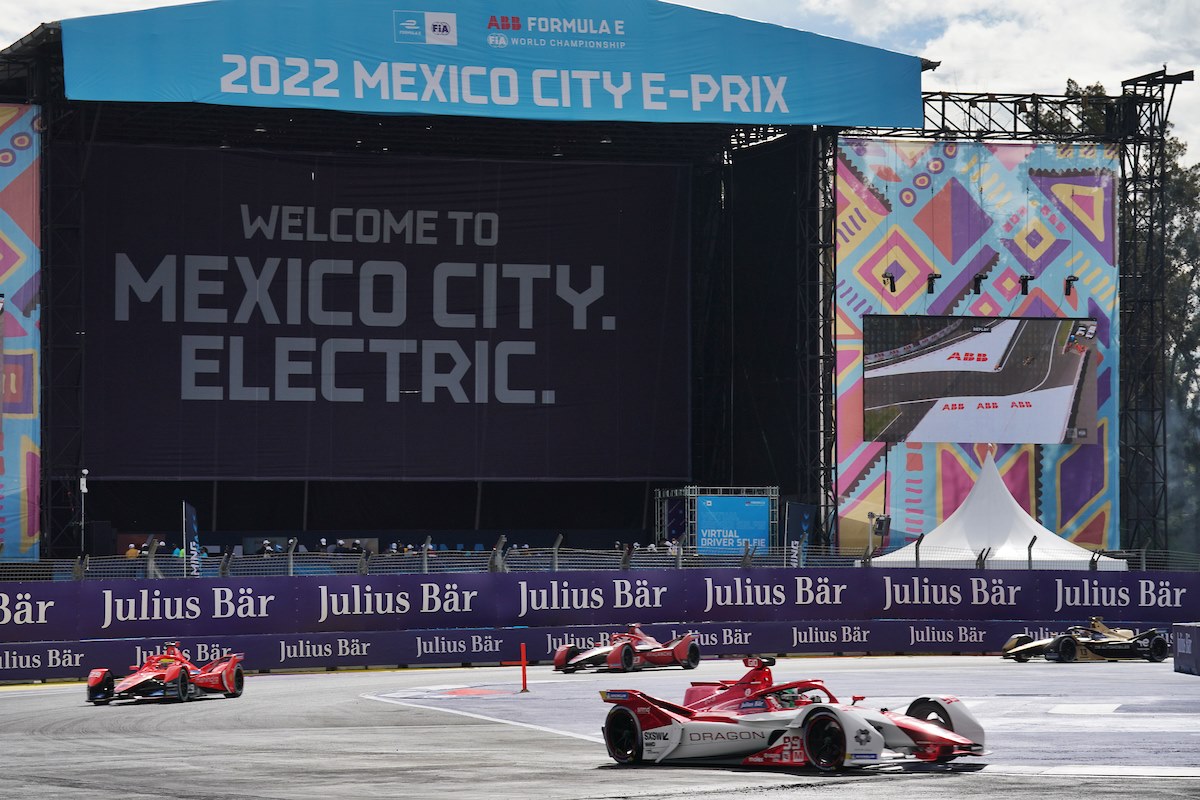
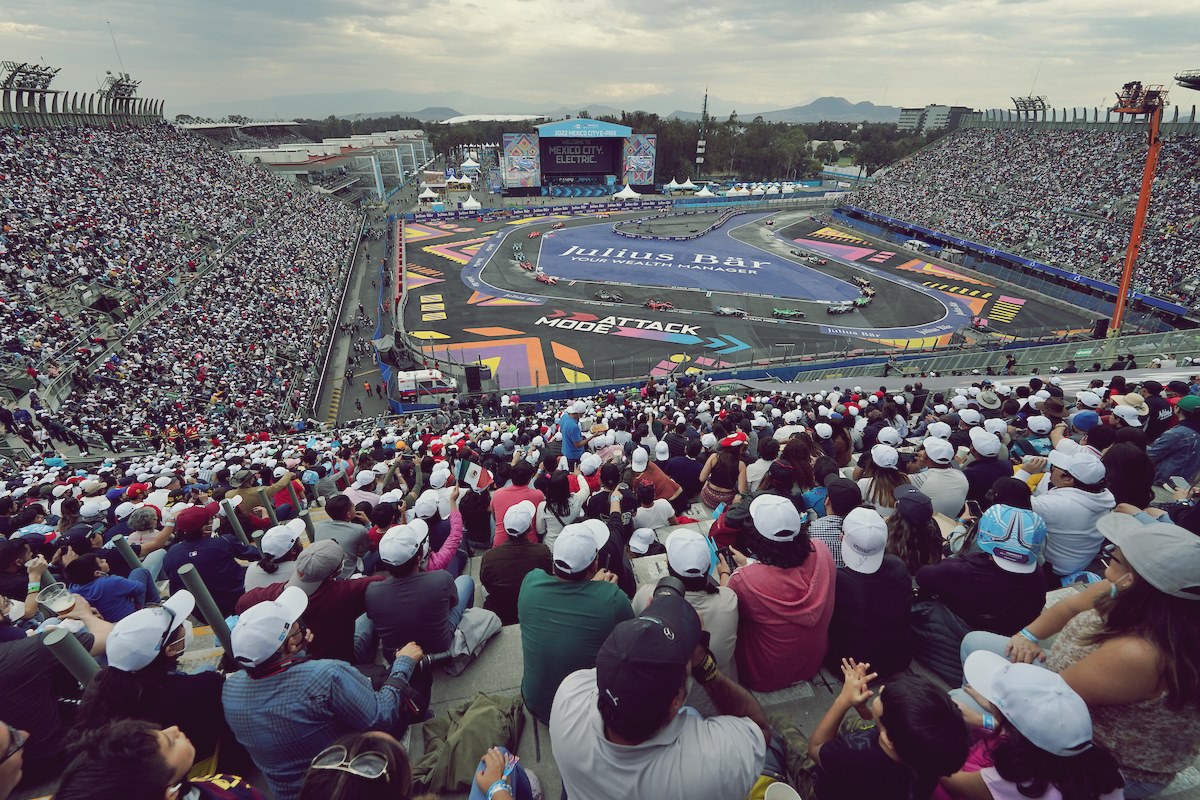
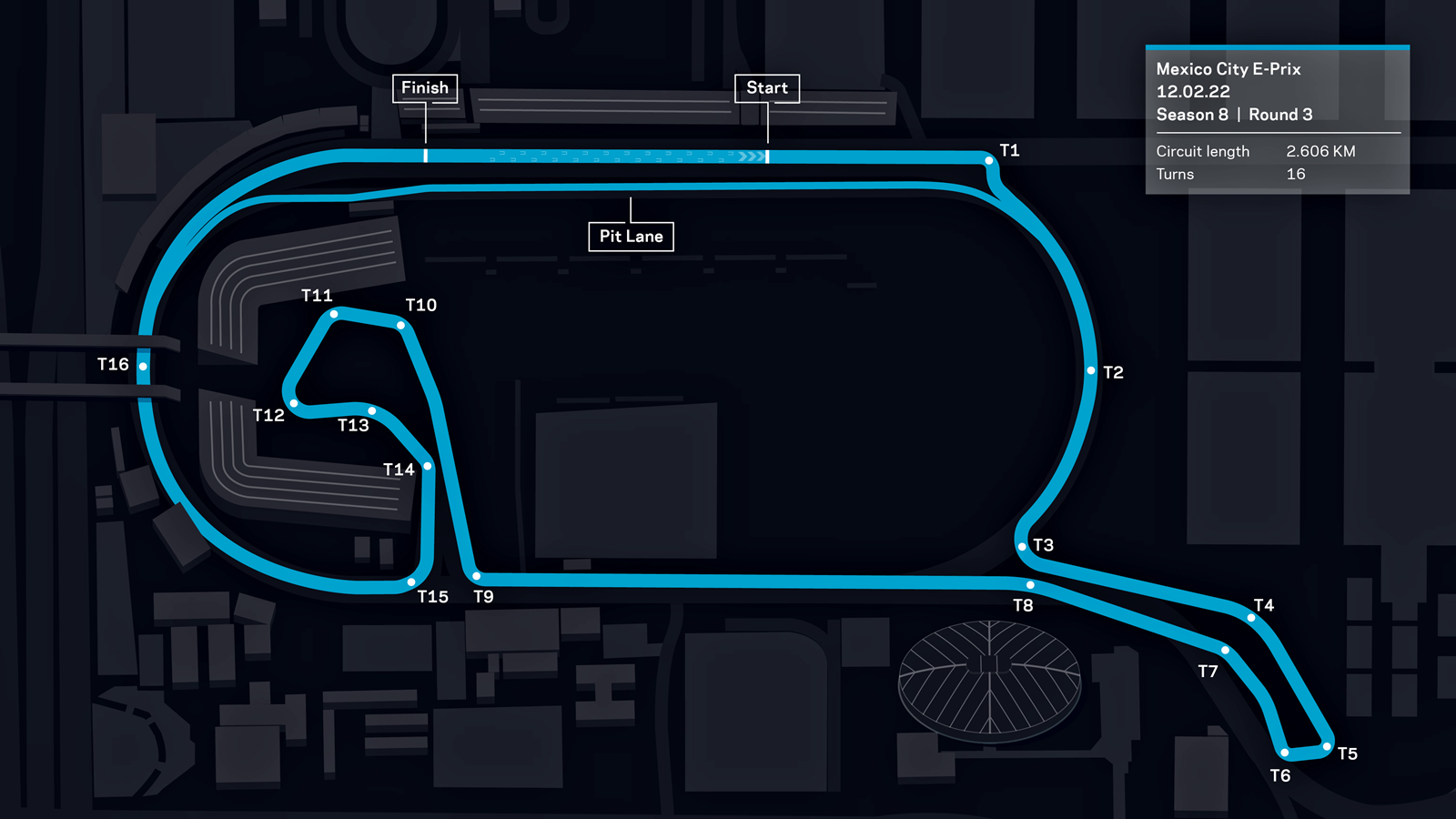
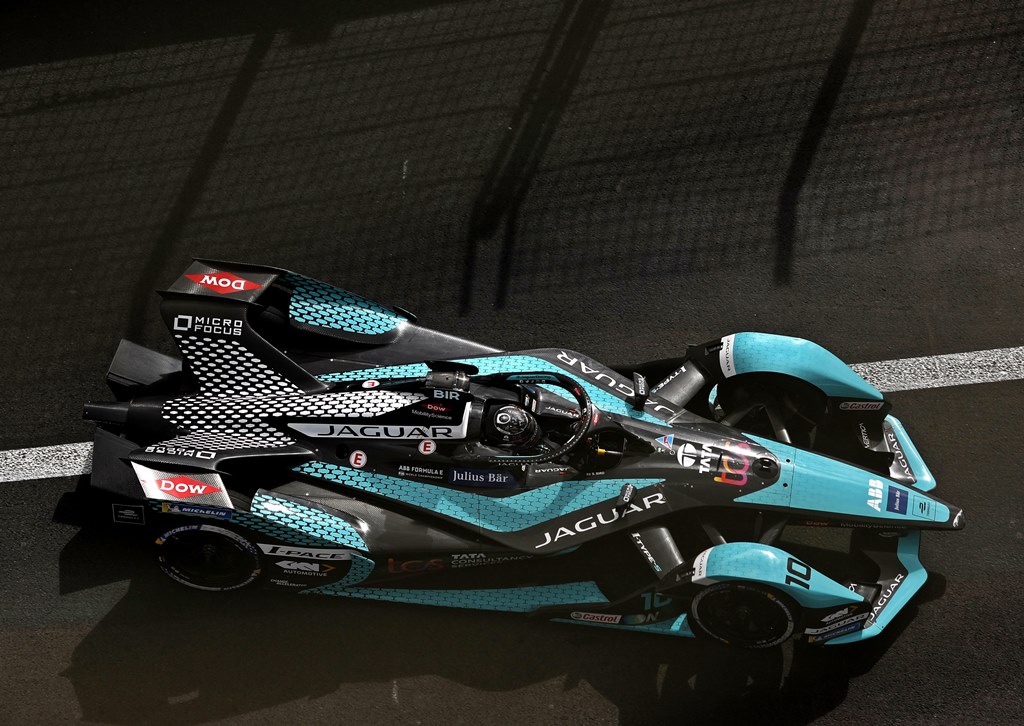
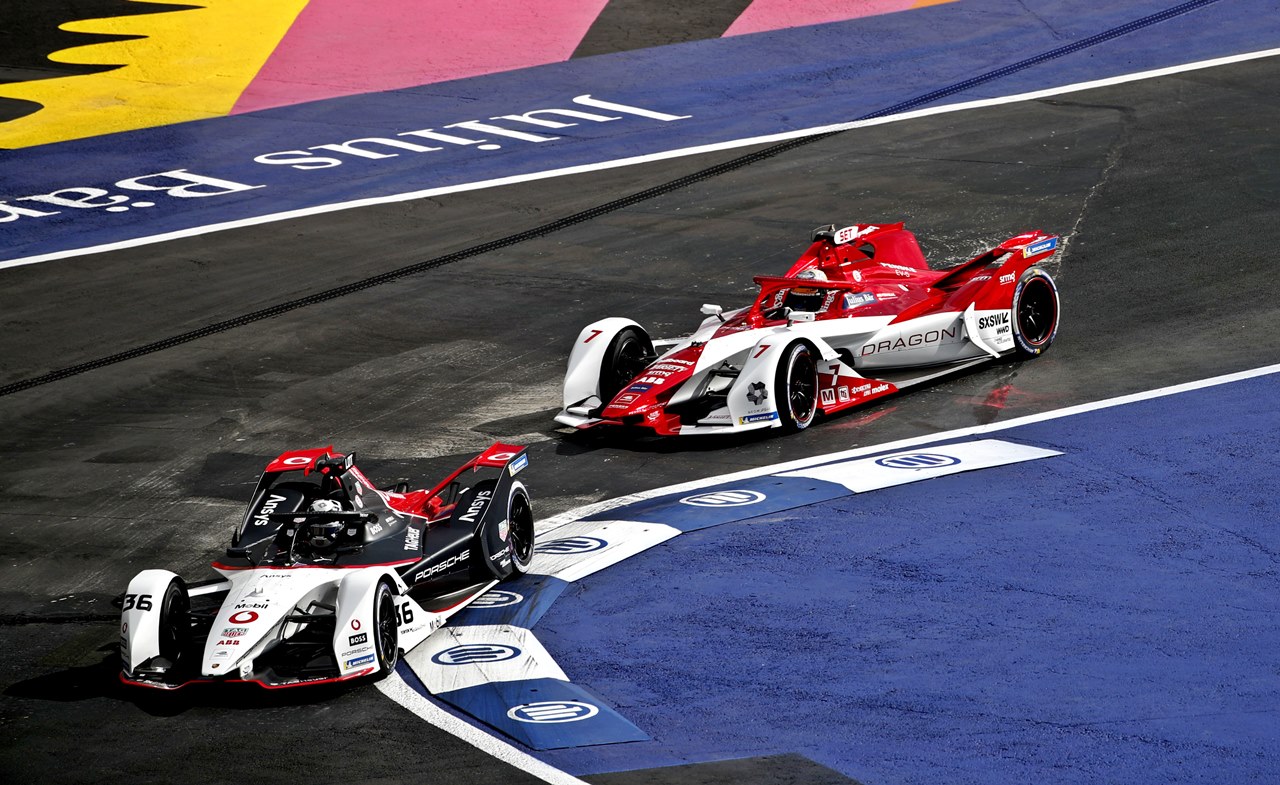
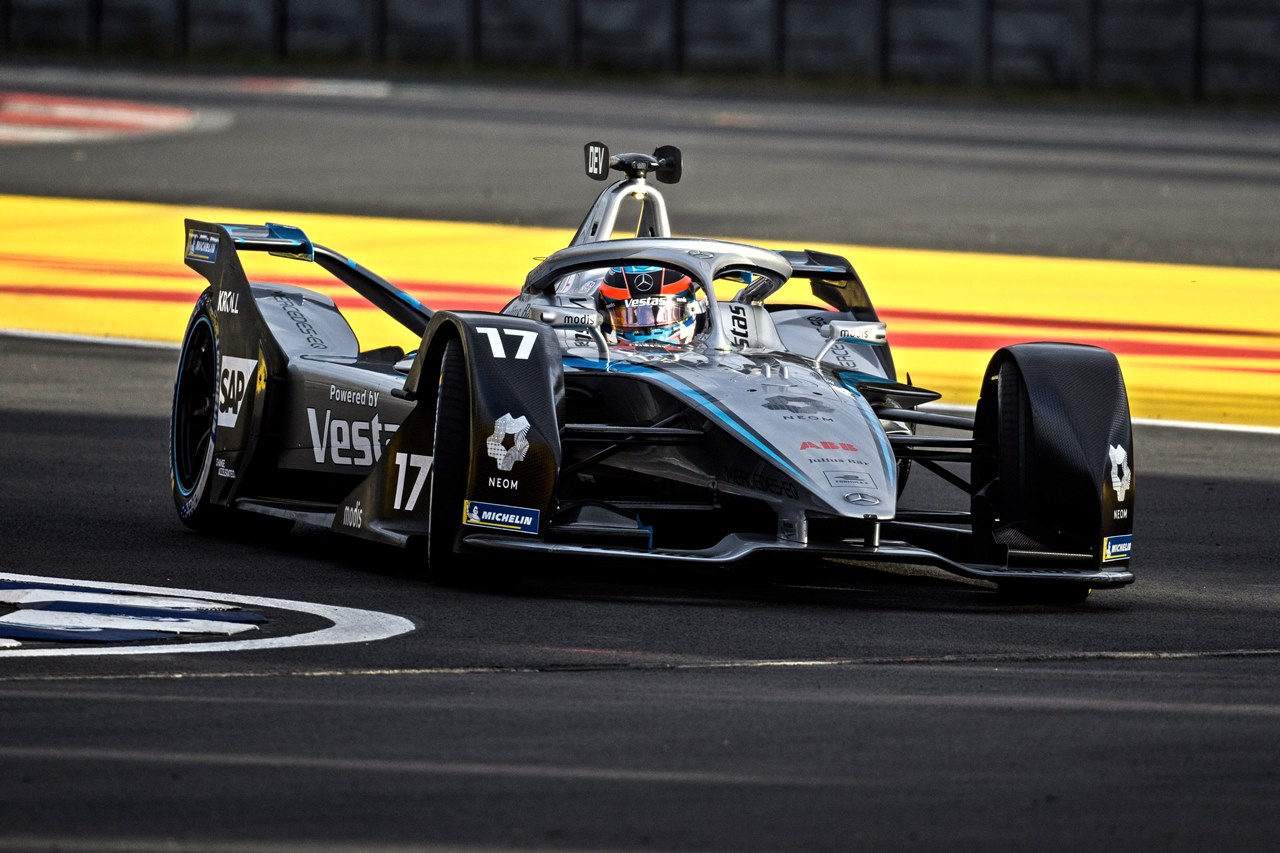
Mexico City was the venue for the third round of the ABB FIA Formula E World Championship yesterday, with 22 drivers whizzing around the Autodromo Hermanos Rodriguez track in the all-electric single-seaters. A perfect mix of long, fast straights and a technical infield section produced intense races and high drama for the 40,000 spectators who turned up.
The circuit in Mexico City, part of which passes through the Foro Sol stadium, has new artwork that represents the modern, progressive, innovative values of Formula E’s race locations. The patterns draw on the rich cultural history of Mexico and combine this with modern-day artistic influences featuring a diverse tapestry of colours and patterns celebrating traditional techniques such as weaving, ceramics and mosaics, in a modern way.
Fresh from a third place finish in Round 2 (which was run at the same venue as Round 1 in Saudi Arabia last month) and a strong opening weekend for his new team, ROKiT Venturi Racing’s Lucas di Grassi would be the one to watch in Mexico. The Brazilian has made two trips to the top step in Mexico City, most recently in Season 5 after his first win two seasons earlier. Teammate Edo Mortara is looking to continue his fine opening weekend form and stay at the top of the drivers’ standings after winning the second of two races in Saudi Arabia.
Mortara’s win followed reigning World Champion Nyck de Vries’ victory in Round 1, as the Mercedes-EQ team immediately got to grips with the all-new Duels qualifying format. De Vries and teammate Stoffel Vandoorne dominated to take a one-two finish in the opening race of the seaon. The German manufacturer, which will leave Formula E after this season, sits just a point behind its customer outfit in the Teams’ World Championship, so Mercedes power is currently the benchmark.
The race
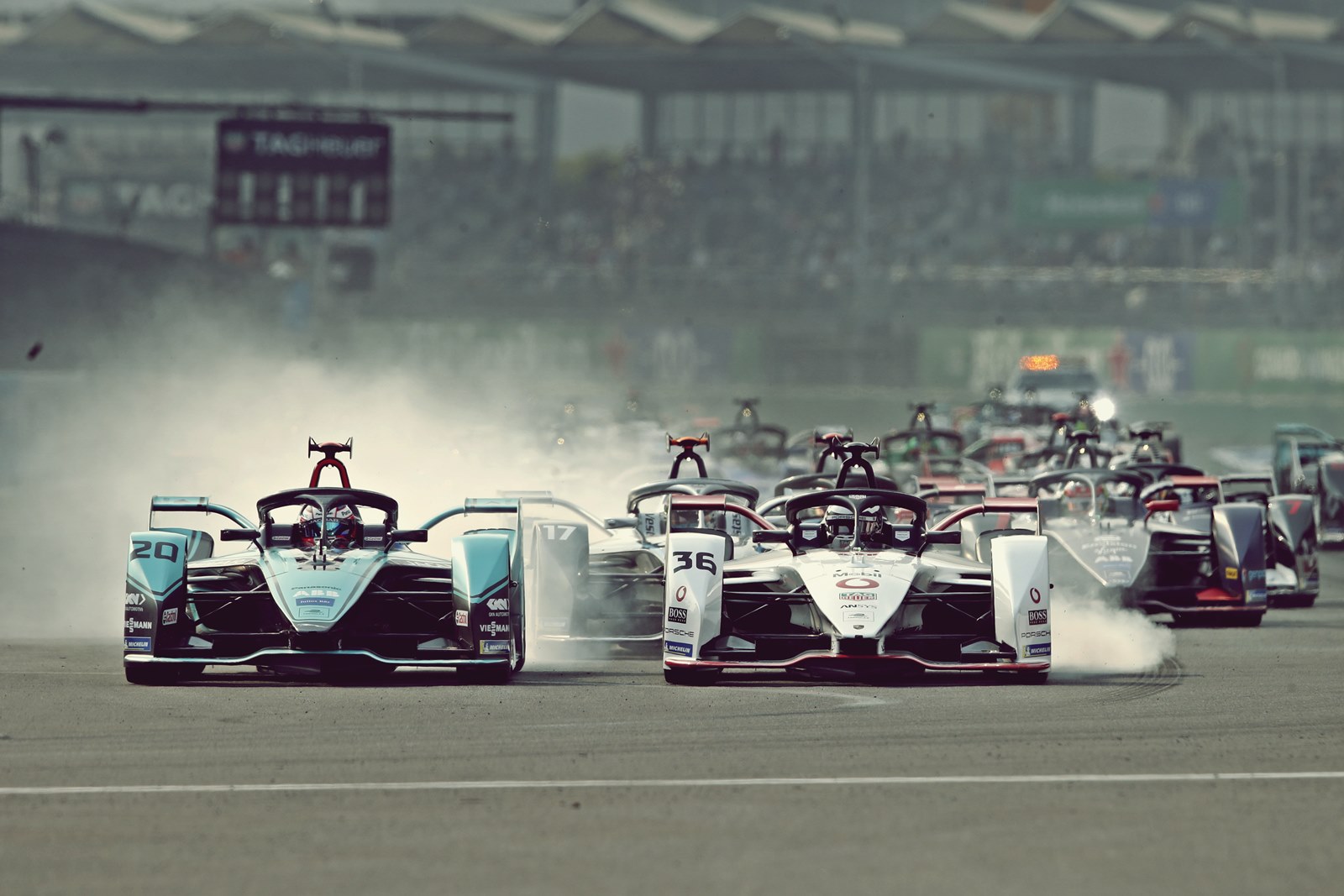
The competition was as close as it has ever been in the championship. Pascal Wehrlein led team mate Andre Lotterer in a historic 1-2 for the TAG Heuer Porsche Formula E, with the pair finishing 9 seconds ahead of the other cars, and both driver and team sealing their first ever victories in the championship. It was a perfect race for Porsche, with Wehrlein leading from Julius Baer Pole Position and fending off standings leader Mortara early on. The pair did drop into the pack behind the Swiss-Italian and Jean-Eric Vergne (DS TECHEETAH) for a brief period but gained a mighty energy advantage on the rest while still matching the leaders’ pace.
Into the final 15 minutes, Wehrlein and Lotterer picked their moment and passed Vergne and then Mortara for the lead. As they crossed the finish line, they were well ahead of the rest and could more than making amends for the heartbreak in Puebla in last season.
“It was very important for me [to win here], I have raced here a couple of times in the Championship and been close so many times. Here in Mexico last year was heart-breaking to finish in P1 but then get disqualified. It was payback this weekend and it feels amazing,” said Wehrlein.
Vergne was able to take third, with teammate da Costa battling to fourth after a number of skirmishes. Mortara did enough to hold on to the Drivers’ World Championship lead with fifth – the Venturi more marginal on energy than the Porsches and DS’ as the race wore on.
Reigning champion de Vries managed to end in sixth, a second ahead of Envision Racing’s Robin Frijns. Sebastien Buemi (Nissan e.dams) showed a stronger turn this time out to take eighth and points, just ahead of teammate Maximilian Guenther and Jake Dennis (Avalanche Andretti). Mortara thus heads the Drivers’ standings by 5 points over de Vries, with Wehrlein jumping to third with the Round 3 race win.
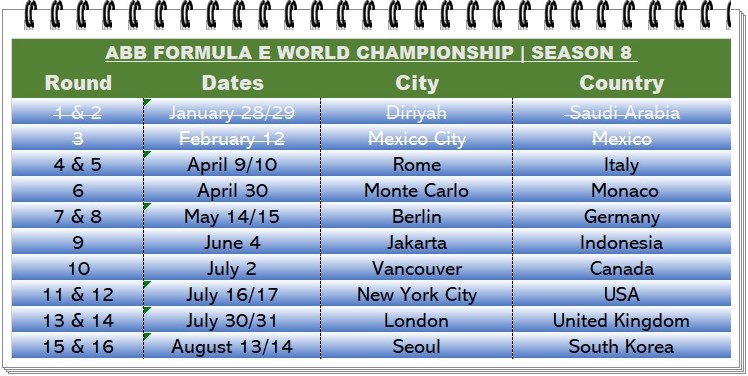
From Mexico City, the championship moves back across the Atlantic Ocean to Italy, where Rounds 4 and 5 will be run in Rome on April 9 and 10.
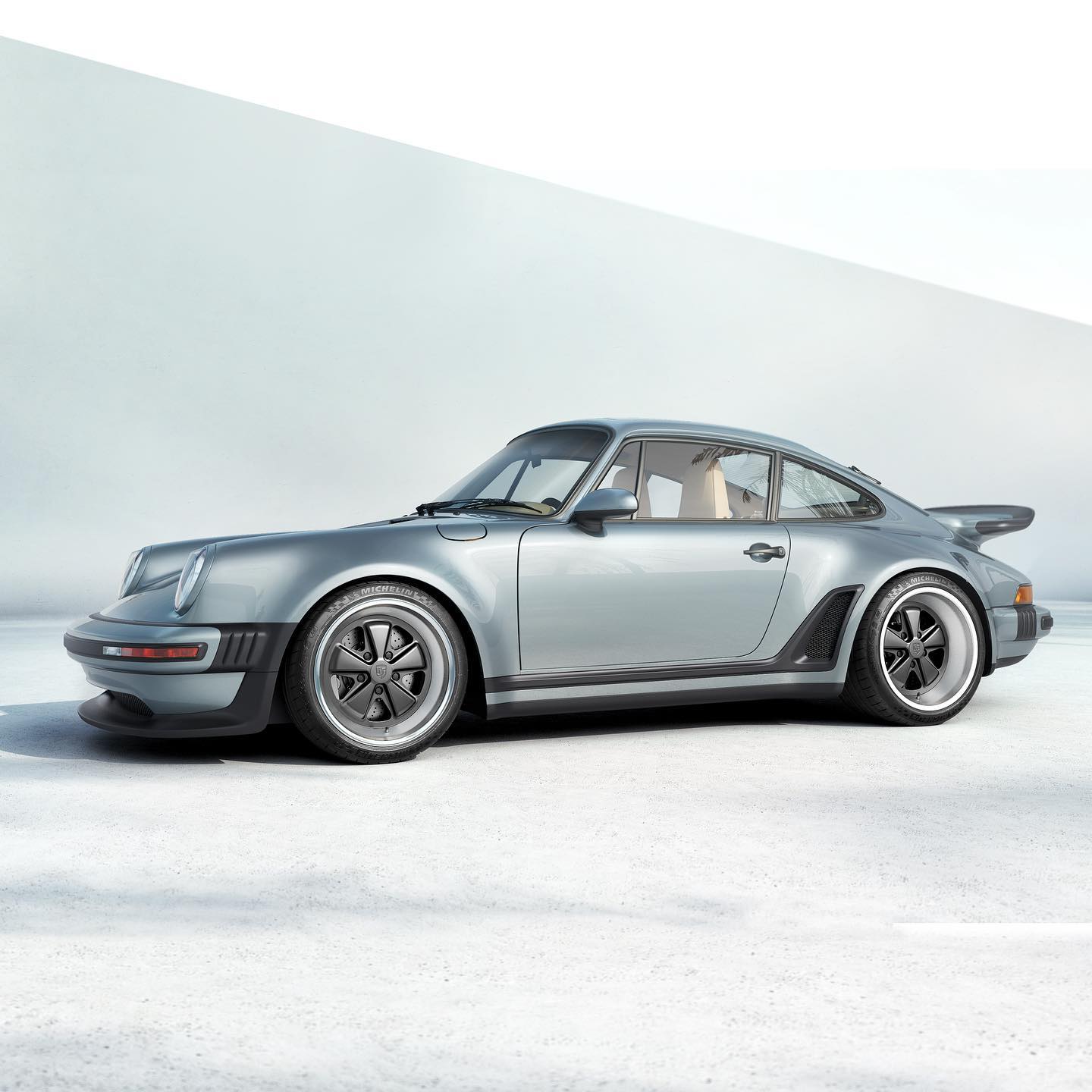
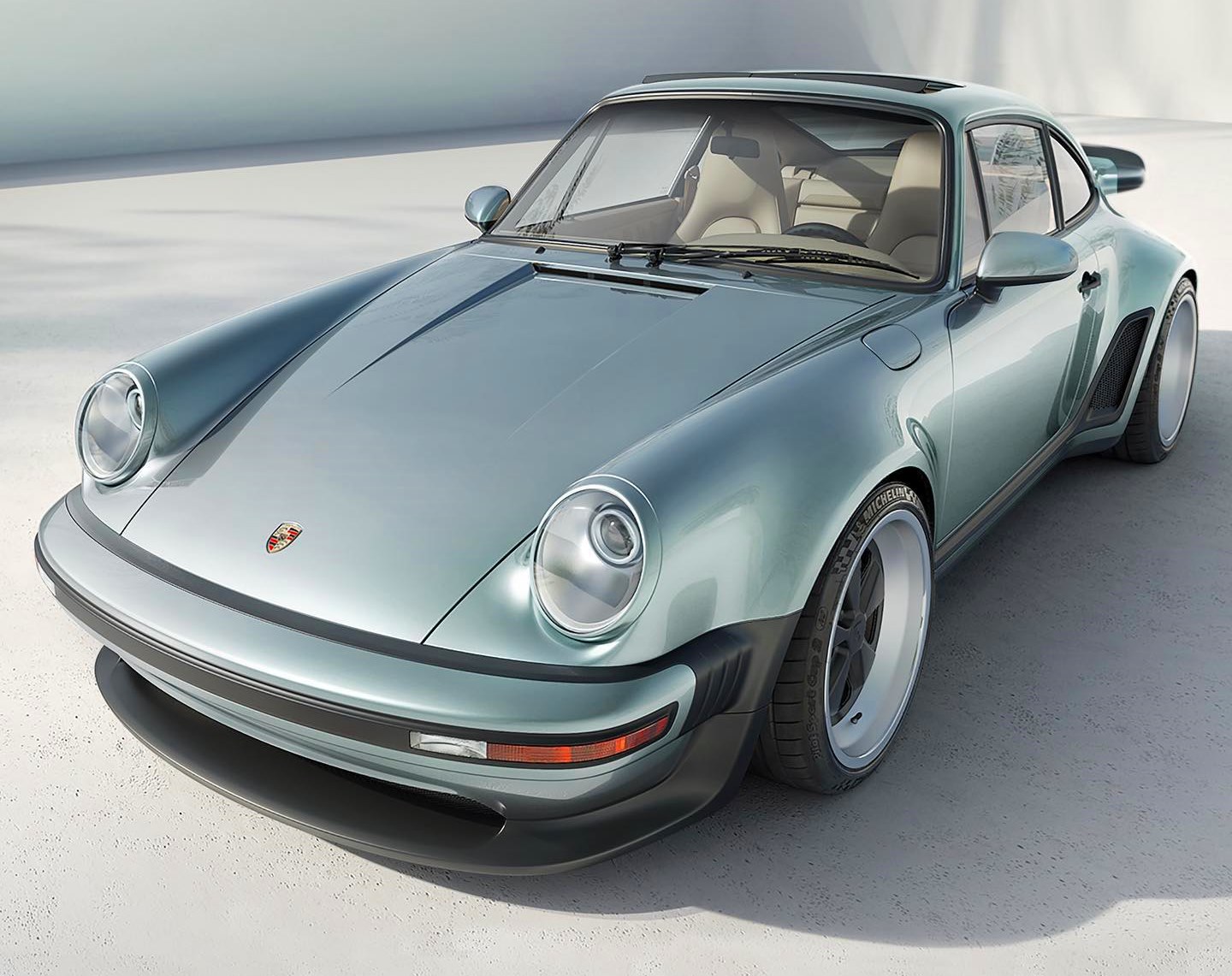
The Porsche 911 which was launched in 1964 remains one of the classic sportscars of all time, with its original concepts maintained (apart from air-cooling) to this day. It is obviously a collector’s item and much sought after and for those who want find one, there’s now an option from California-based Singer Group – the Porsche 911 reimagined by Singer – Turbo Study.
First restoration with turbocharging
While Singer has been offering reimagined 911s for the past 13 years, this is the first road-going one with turbocharging. The Turbo Study is a response to requests from owners for restoration services that incorporate turbocharging. More than 70 owners have reserved bespoke restorations enabled by the study.
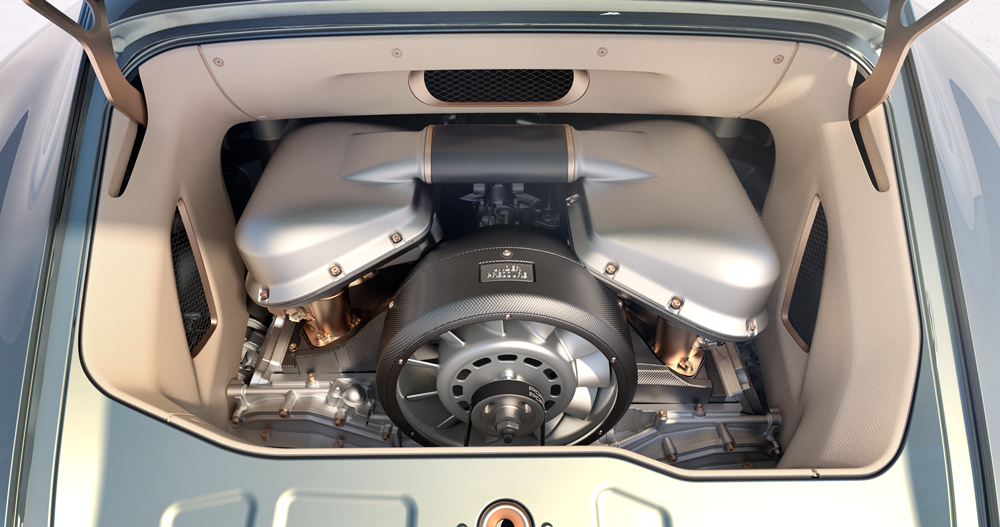
As with all Singer’s restoration services in collaboration with owners of the 911, the Turbo Study takes the Type 964 generation (produced between 1989 – 1993) of air-cooled cars as its starting point. The study features a new evolution of the ‘Mezger’ air-cooled flat-six. Now in 3.8-litre form, the engine has twin turbochargers with electric wastegates. Bespoke air-to-water intercoolers are mounted inside the intake plenums.
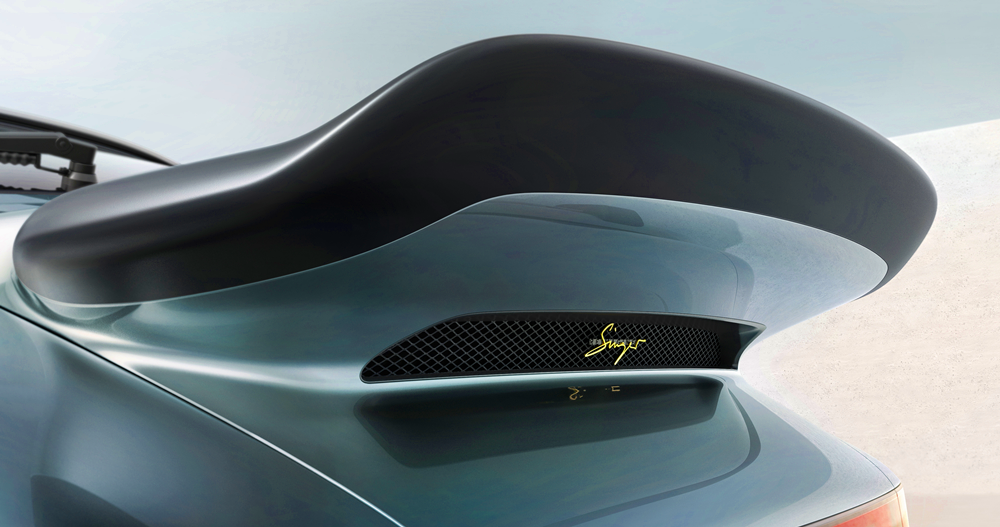
The ‘shark fin’ on the rear fender is reimagined as an intake and supplies cold air to the engine bay to optimize combustion and cooling performance. The use of forced induction enables power outputs starting at 450 bhp. The availability of turbocharged torque allows for effortless speed-matching on hilly terrain to flat autobahn, together with deep reserves of overtaking ability. A higher power output may also be specified by the owner, with a more overtly sporting focus provided by a sports exhaust system and appropriate damping characteristics.
AWD or RWD
The study draws on all-wheel-drive experience that has been developed in-house since the first AWD Classic Study restoration, undertaken in 2014. In recent years, this experience has been brought together with research into turbocharging and high-performance ride and damping expertise. Customers can specify rear-wheel-drive and all-wheel-drive for the Turbo Study.
An owner may decide to specify the AWD configuration to enhance sure-footed deployment of power and torque in all seasons and surface conditions. The RWD configuration allows owners to pursue an alternative sporting focus, if preferred. In both cases, an optimized 6-speed manual transmission underlines the driver engagement that Singer is renowned for.
Advanced materials for bodywork
A bespoke carbonfibre body maintains the careful balancing of iconic DNA with cutting-edge engineering and material science. While inspired by the turbo cars of the mid-1970s, the bodywork is reimagined to optimize aesthetic and functional performance. As always, the use of carbonfibre allows reduced mass and enhanced stiffness, further sharpening dynamic responses.
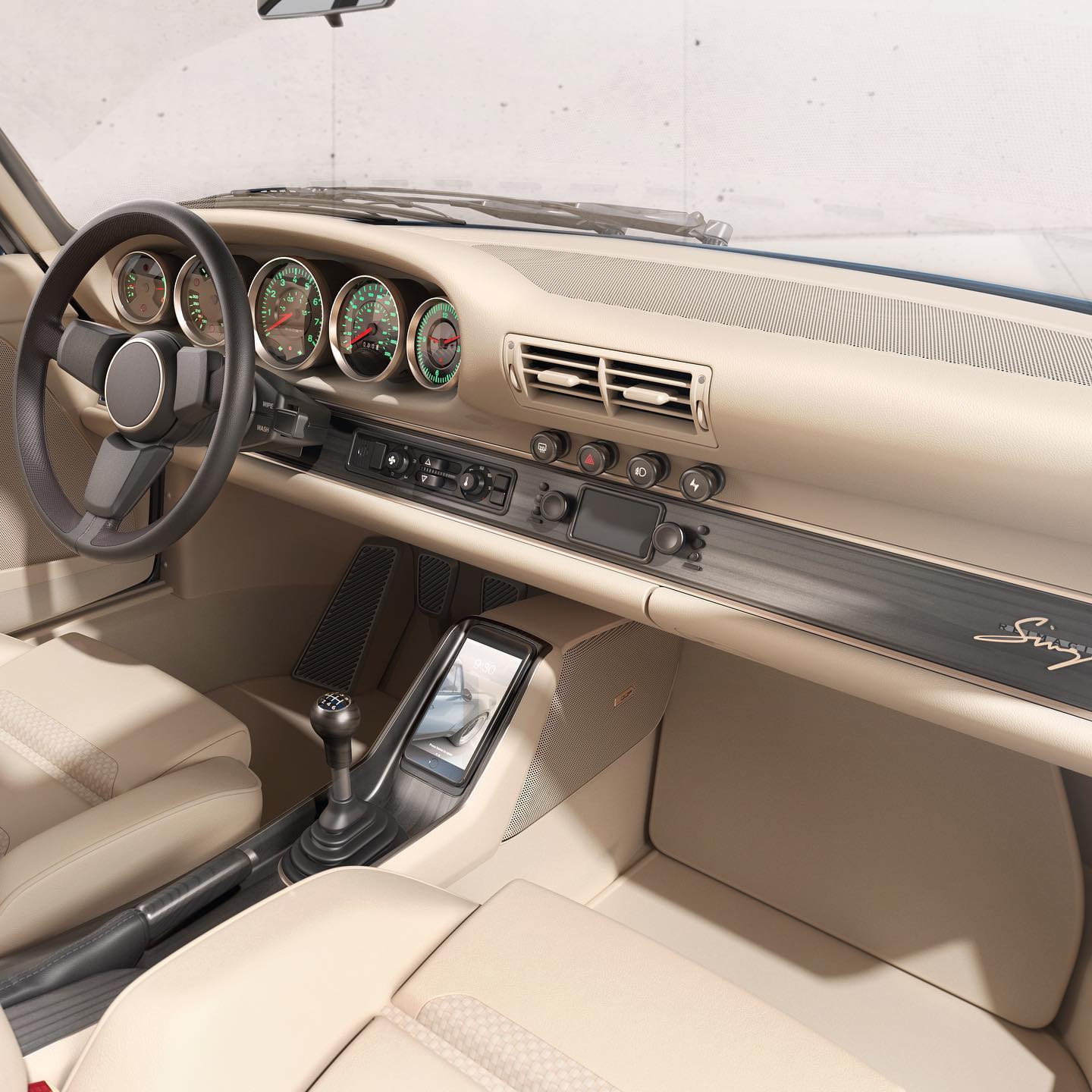
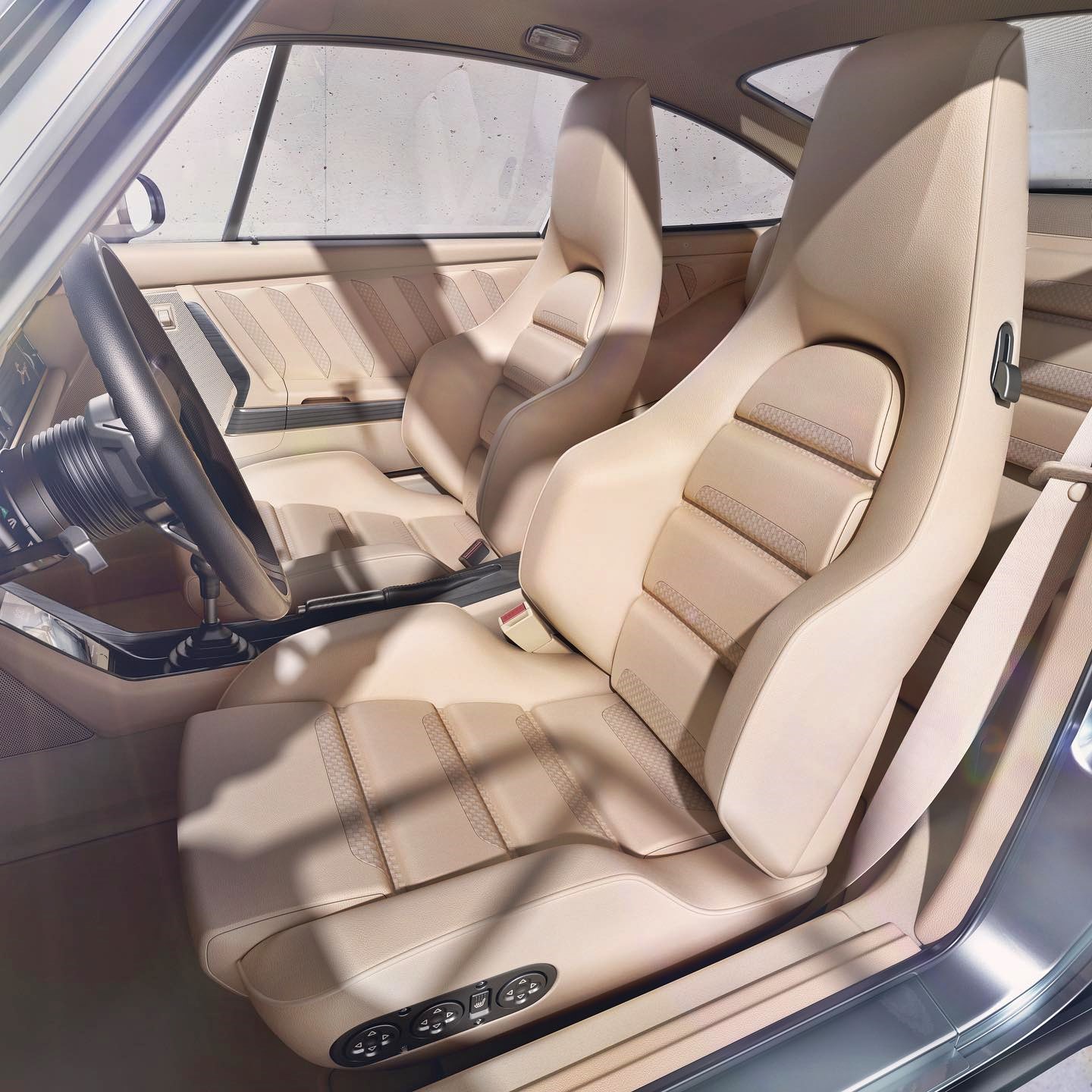
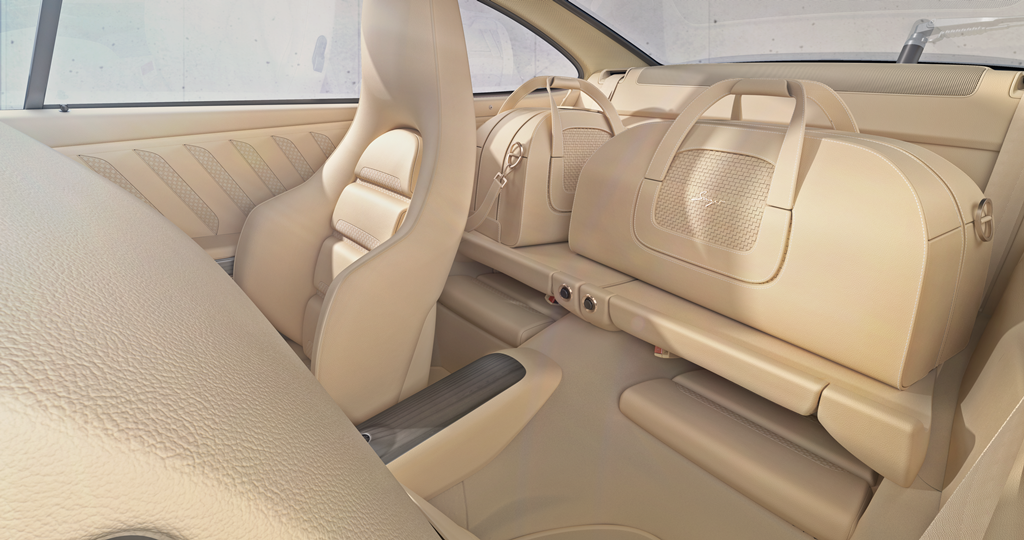
The car in Wolf Blue shown in the pictures is actually a customer’s car, customized using the results of the Turbo Study to reflect a personal vision. This owner has pursued a focus on high-performance, luxury grand touring capabilities. The interior has a Malibu Sand theme with Black Forest wood accents.
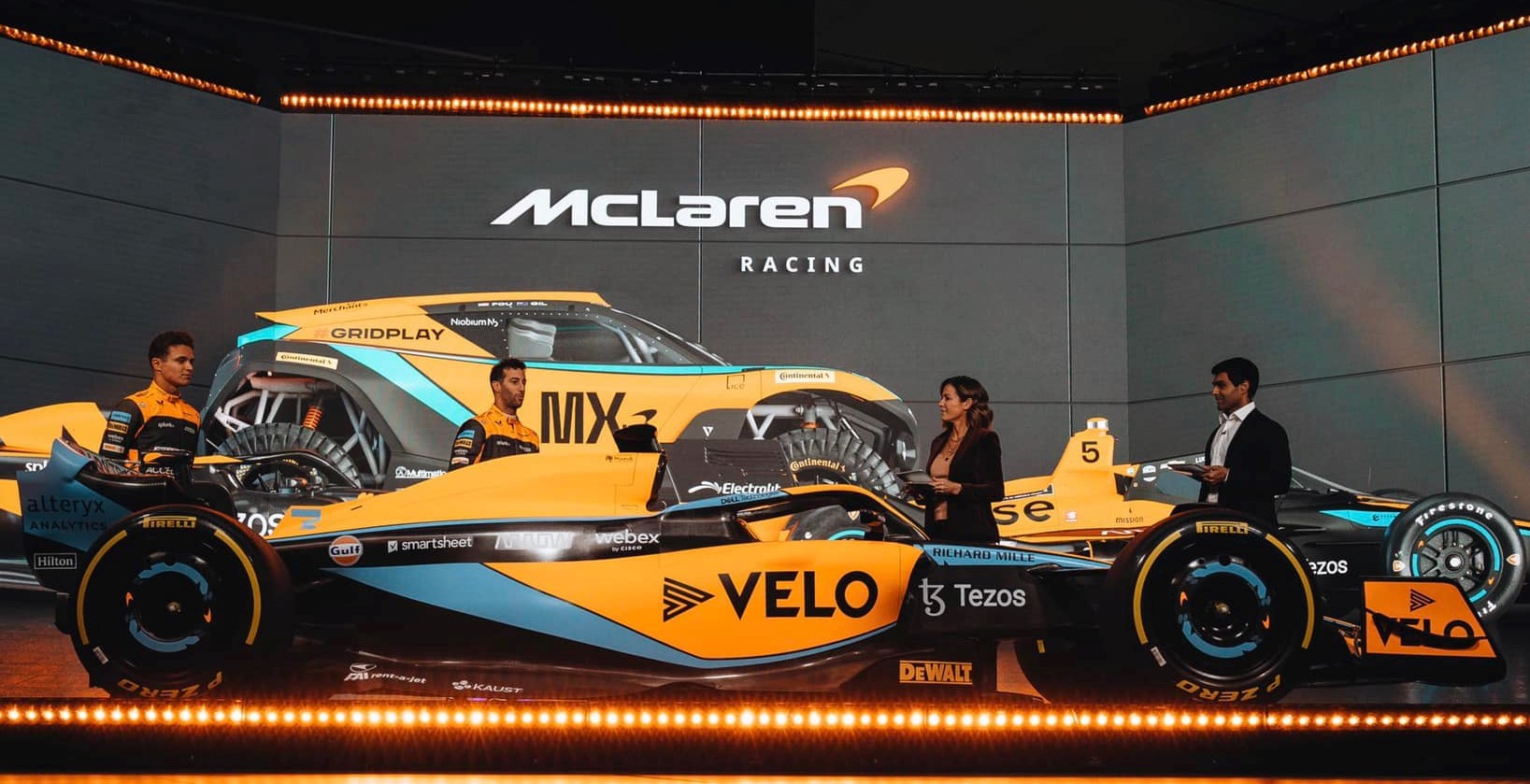
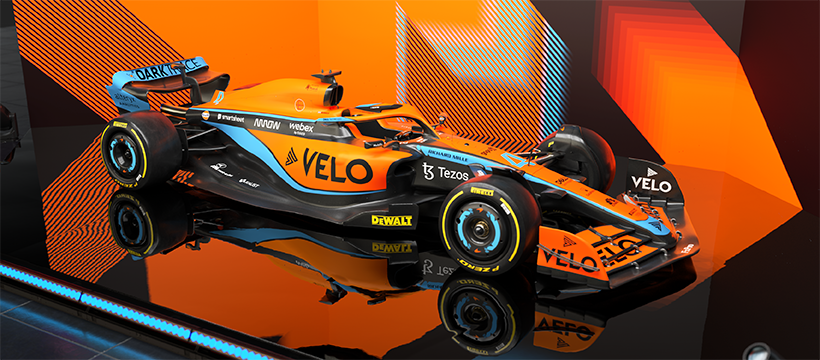
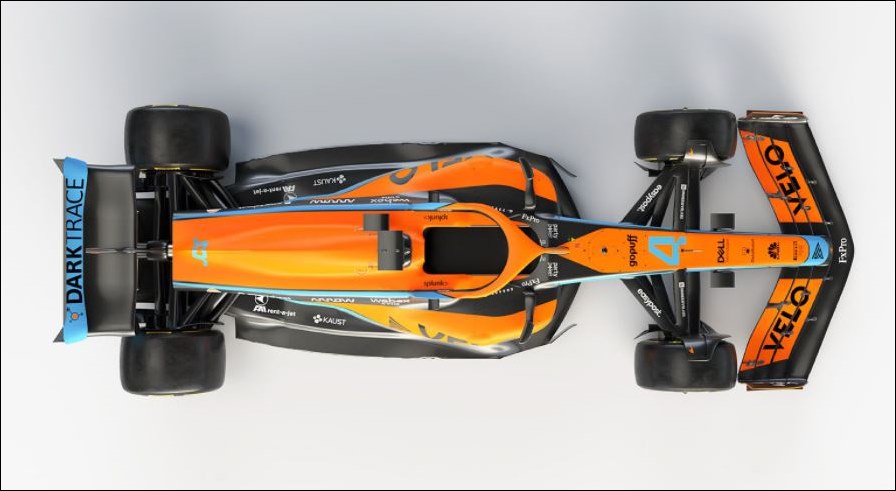
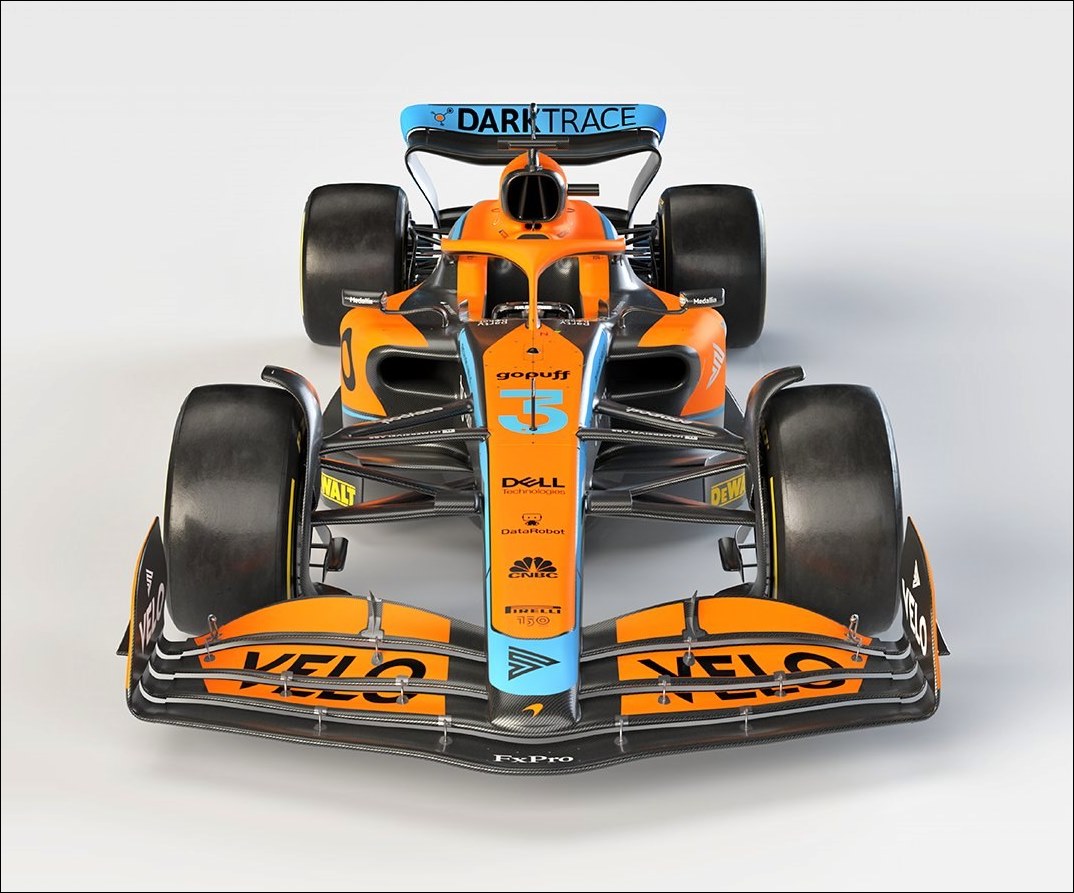
The MCL36 is McLaren Racing’s new Formula 1 car for the 2022 world championship which sees significantly changed technical regulations. The new regulations – which include a switch to 18-inch wheels – have forced the engineers to completely overhaul their designs but the FIA expects that the racing will become closer and more exciting for fans.
With aerodynamics being crucial to performance, Formula 1 cars are designed with features to generate as much downforce as possible. At the same time, this must be achieved without sacrificing performance so it’s a challenge which engineers faced when developing the MCL36.
Gulf Oil racing car inspiration
The new bodywork, described as having ‘speed and elegance… very vibrant’ by McLaren CEO Zak Brown uses similar colours as before but with a different livery. It has ‘Fluro Papaya’ as the dominant colour which will certainly make the car easily identifiable on the track. The blue (lighter than in 2021) is similar to that used by Gulf Oil in its racing cars before, and the racing link with the oil company goes back to 1968.
More sustainable fuel
McLaren will continue to use the Mercedes power unit in the MCL36 which, apart from being improved, has been retuned to run on E10 fuel instead of E5. This is the most significant regulation change of the hybrid era began in 2014. The change is part of the FIA’s move towards making motorsports a sustainable activity and fuels must use sustainable ethanol. The engineers have had to optimize the combustion process but just how well the engine will run on E10 fuel will only be known during official pre-season testing towards the end of this month.
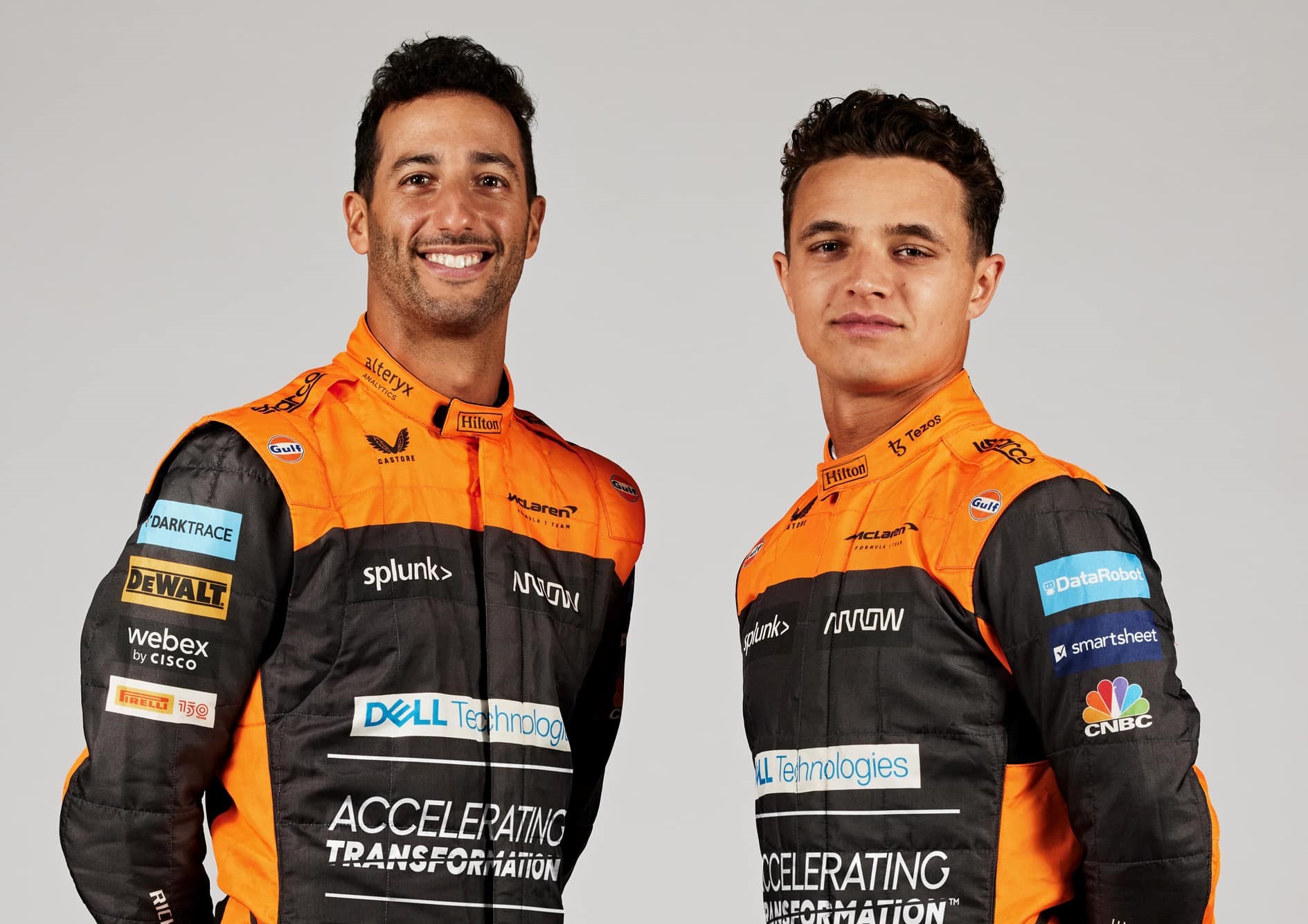
The drivers are the same ‘Commonwealth pair’ as in 2021 – Daniel Ricciardo from Australia and Lando Norris from Britain. Ricciardo, who finished 8th in the Drivers’ Championship last year, began racing in 2011, while Norris, aged 22, entered F1 with McLaren in 2019.
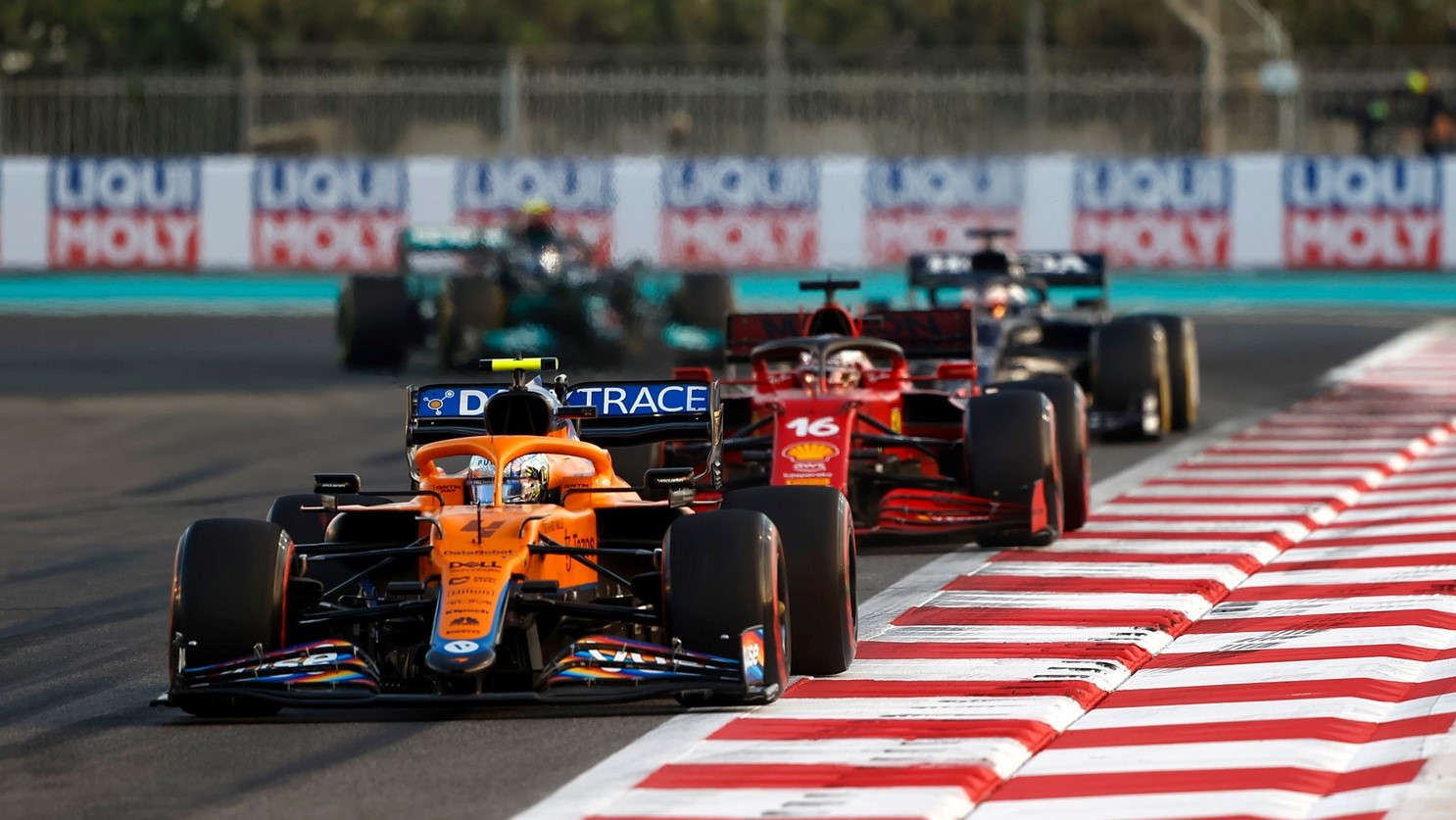
Lando Norris in the McLaren Racing MCL35M at a round of the 2021 F1 World Championship.
McLaren Racing finished fourth in the championship last year with their highest points finish since 2012 that included one race win during the year. They have 20 world championship titles to their name and will be trying just as hard in 2022 to add another. The new regulations are helpful, in a way, in levelling the playing field again as each team has to now start to make their car more competitive from essentially the same ‘base’. The promise of closer racing could also be advantageous for some drivers.
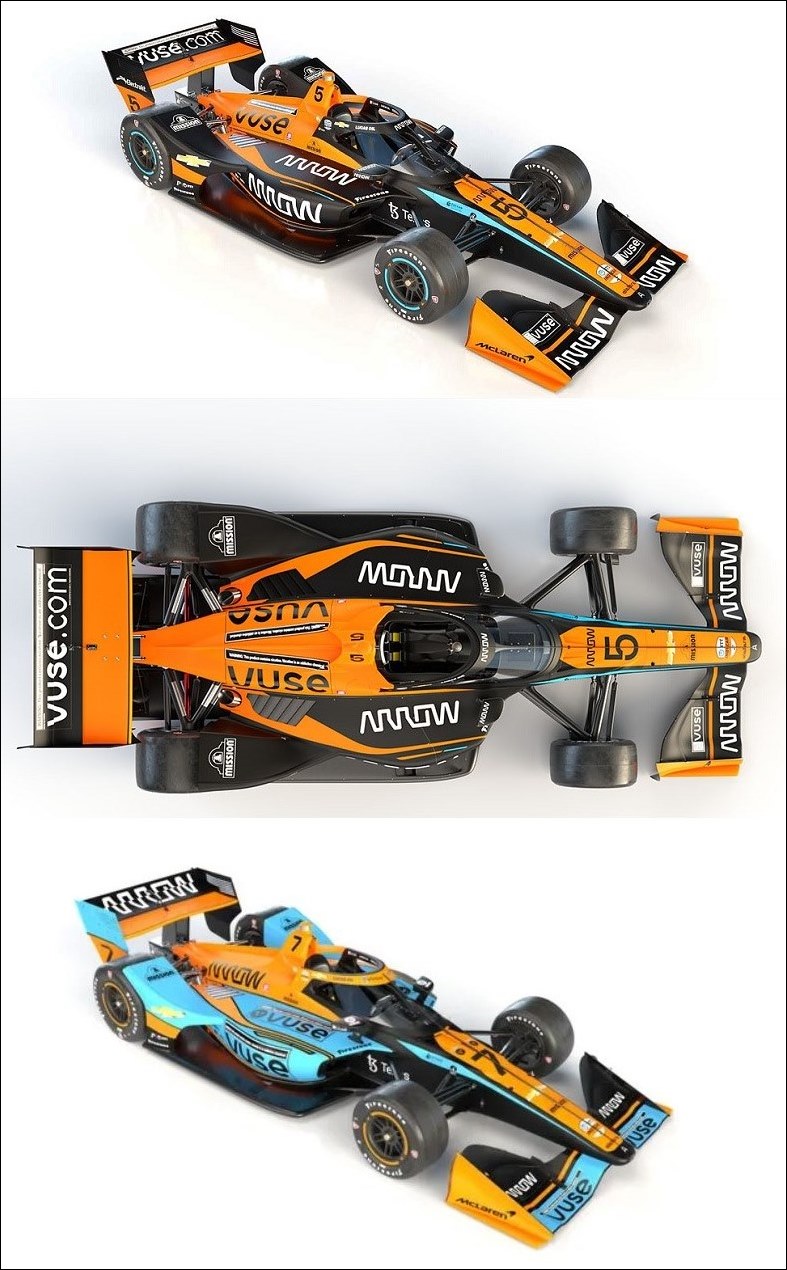
2022 Arrow McLaren SP Team IndyCar racing cars
IndyCar and Extreme E challengers
Also unveiled at their base in England was the team’s IndyCar and Extreme E challengers. In addition, the livery of team’s esports programme, McLaren Shadow, was also shown to the world. The team also presented the 2022 Arrow McLaren SP team of Pato O’Ward and Felix Rosenqvist who will start their 2022 IndyCar campaign at the Grand Prix of St. Petersburg, Florida, on February 27.
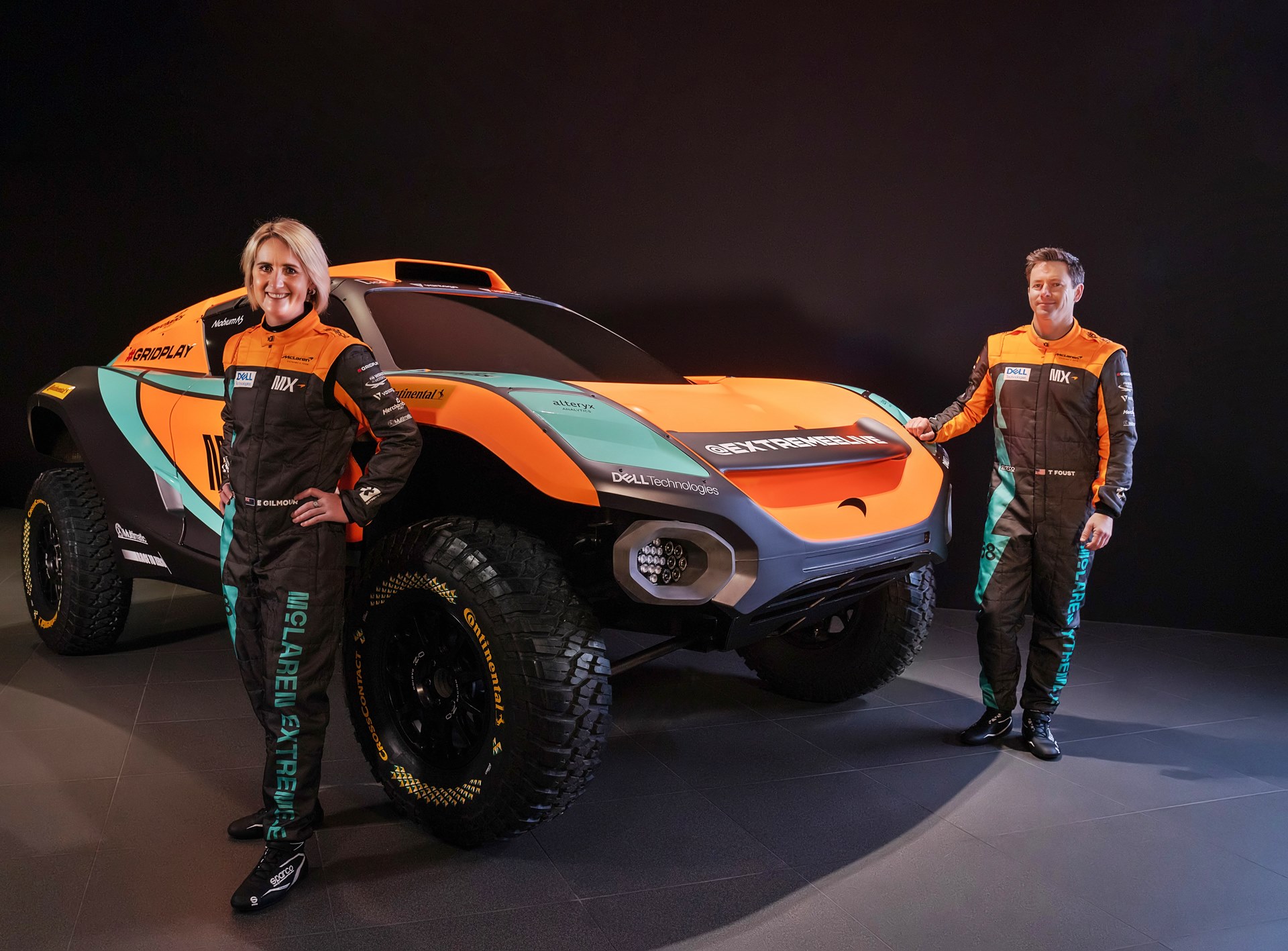
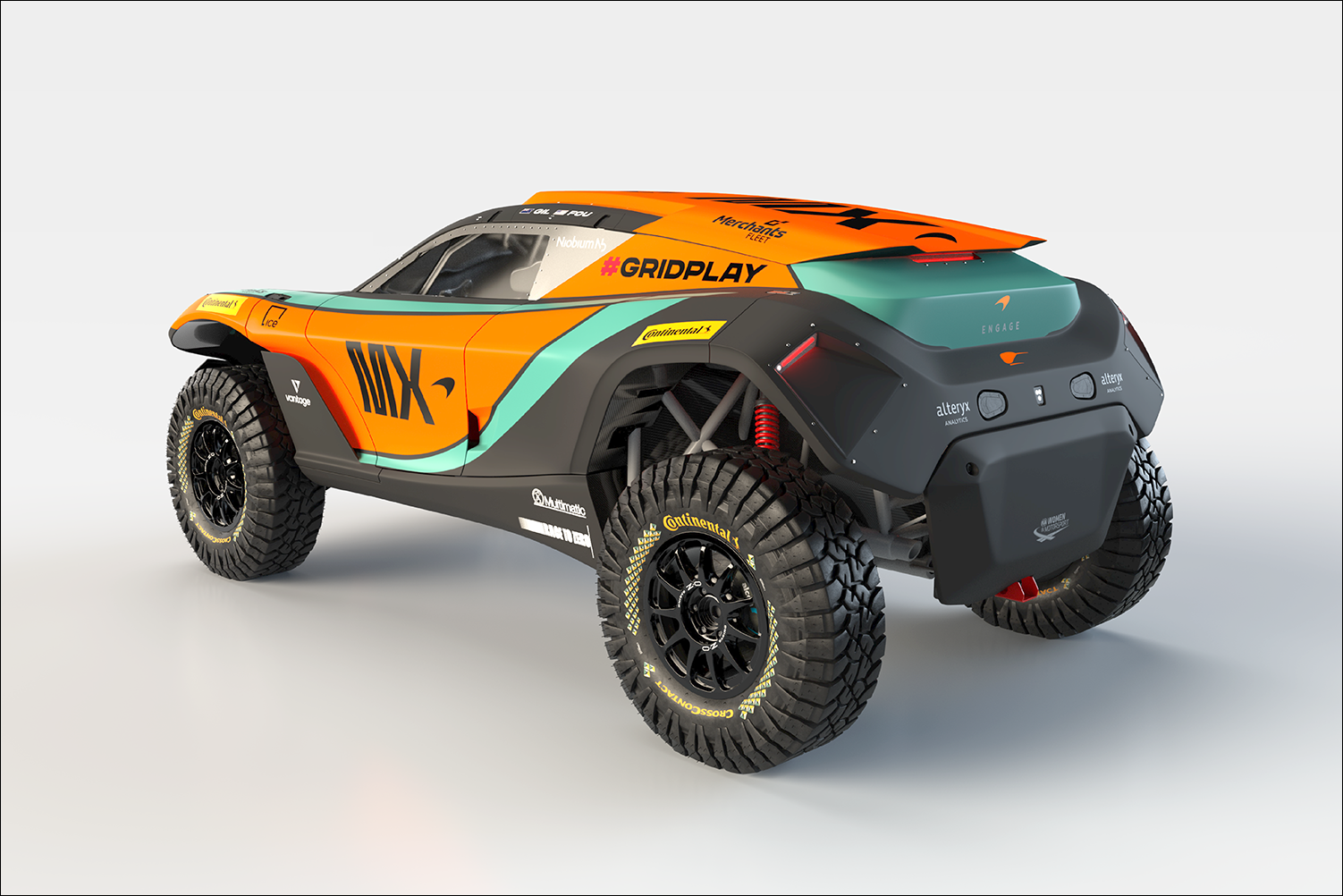
Emma Gilmour and Tanner Foust will race with this all-electric rallycar in the Extreme E series this year.
The McLaren Extreme E all-electric off-road racer will be used for the second season of the all-electric off-road series which began last year. The drivers will be Emma Gilmour from New Zealand, and 4-time US rallycross champion, Tanner Foust. Gilmour, who has also taken part in the WRC, becomes the first female McLaren racing driver, in-line with the team’s commitment to showcase and inspire diversity in motorsport. The McLaren Extreme E team will be on the starting line for the first round of the 2022 Extreme E Championship at the Desert X-Prix in Saudi Arabia next weekend.
Car designers have long turned to the aeronautical industry for ideas that have led to innovations. In particular, the shapes of car bodies have been heavily influenced by aircraft because of the pursuit of airflow efficiency. Features today like spoilers and rear wings have their origins in aircraft design although with ‘reversed’ effects where instead of lift, the objective is to gain downforce.
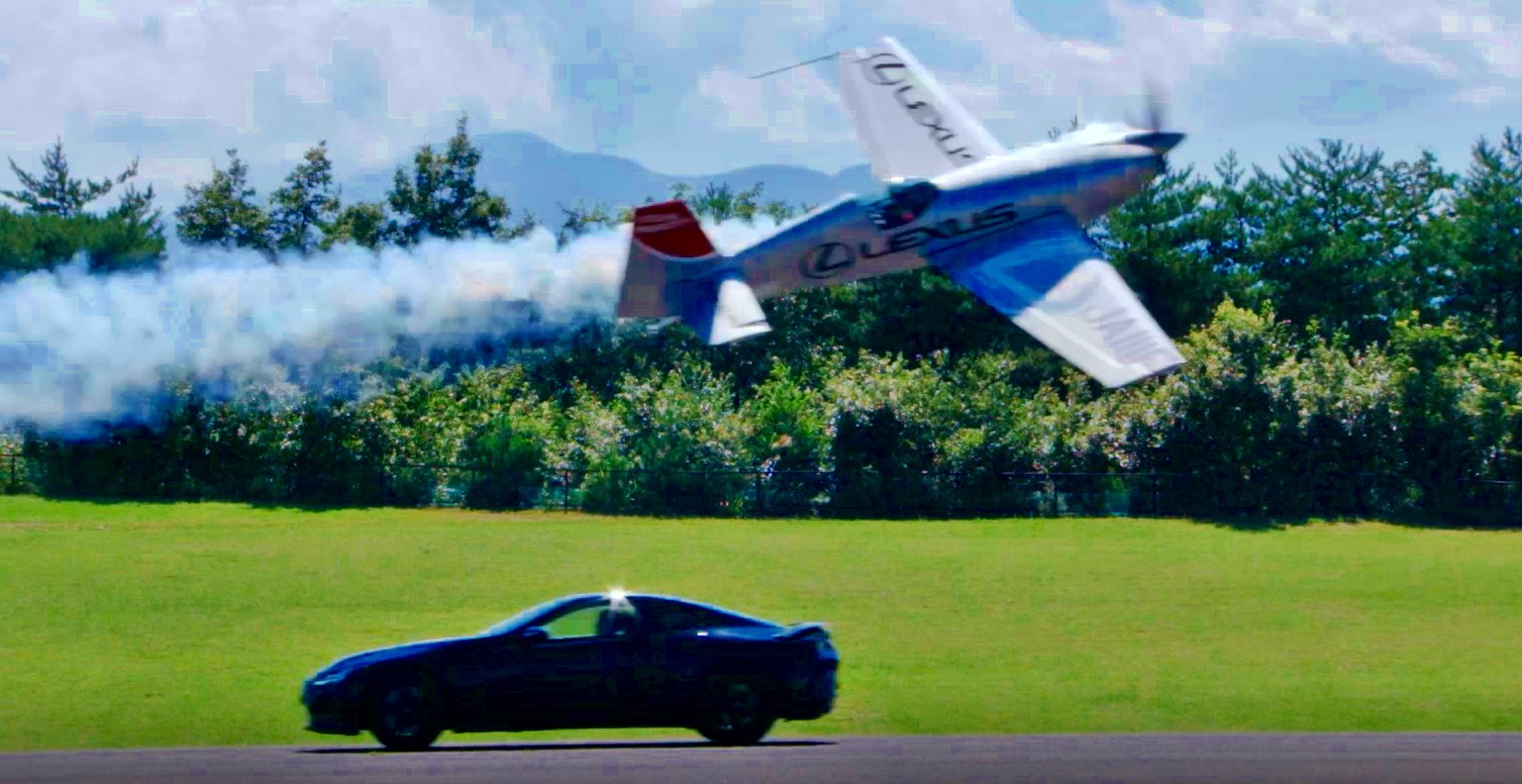
For high-performance sportscars, downforce is important to keep the car as stable as possible at high speeds. This has seen all types of rear wings being installed, some very ‘distinctive’ though with questionable benefits. However, for a new rear carbonfibre wing that was developed for the Lexus LC Coupe, the company formed a long-term collaboration with world champion air race pilot Yoshihide ‘Yoshi’ Muroya to gain advances in aerodynamics that would enable them to design the rear wing.
Long and unique collaboration
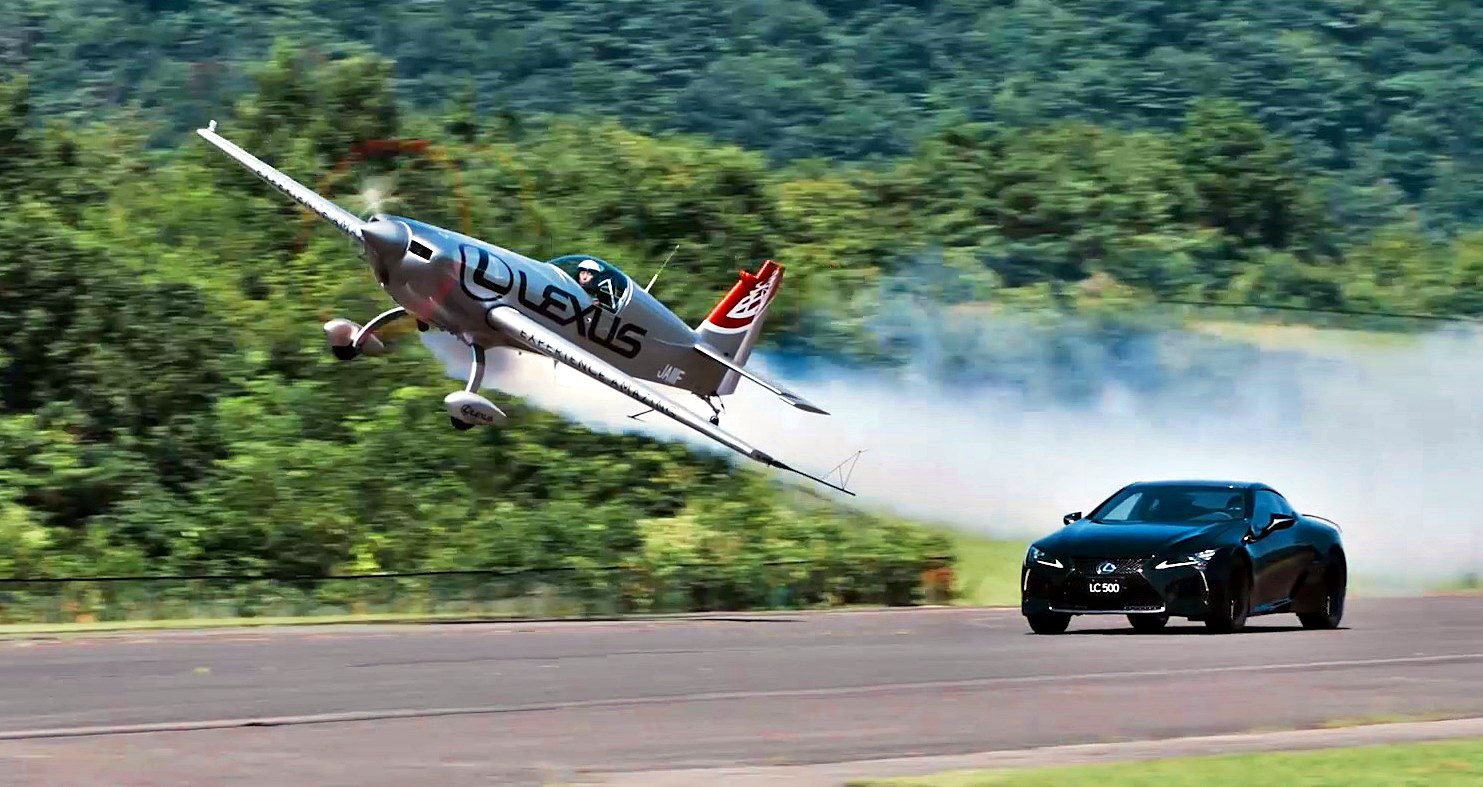
Since 2016, Lexus has been reaching for the skies in a unique collaboration with Muroya, winner in 2017 of the Red Bull Air Race World Championship series. In this rare cross-industry partnership, the carmaker benefits from aeronautic technology while the air race pilot leverages Lexus’ automotive breakthroughs.
With the principal aim of winning air races, Lexus and Muroya worked together to develop championship-winning aircraft using the technology, craftsmanship and experience from Lexus. The Lexus design and engineering team has helped develop flight technologies in areas such as aerodynamics, cooling and ergonomics.
The collaboration has produced notable innovations, including a control column grip for Muroya’s cockpit that incorporates Lexus’ sensitivity technologies and a new turning manoeuvre for the aircraft based on aerodynamic data from Lexus.
The new rear wing
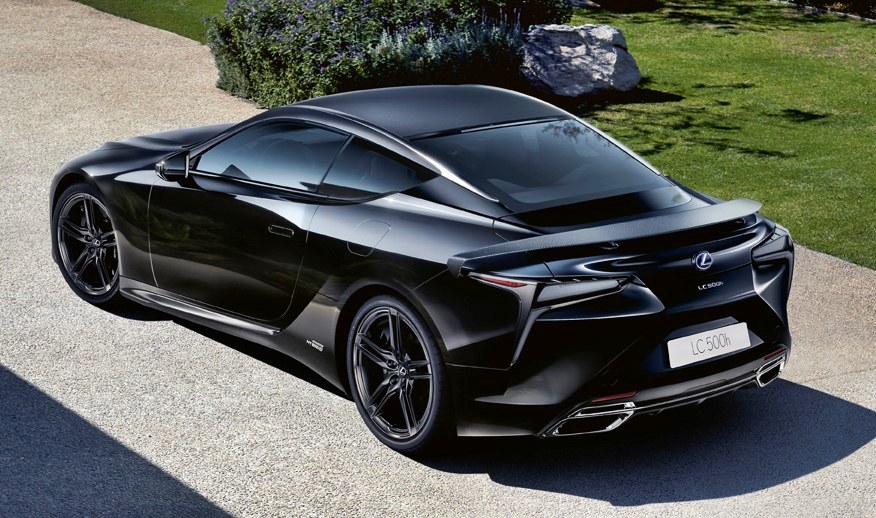
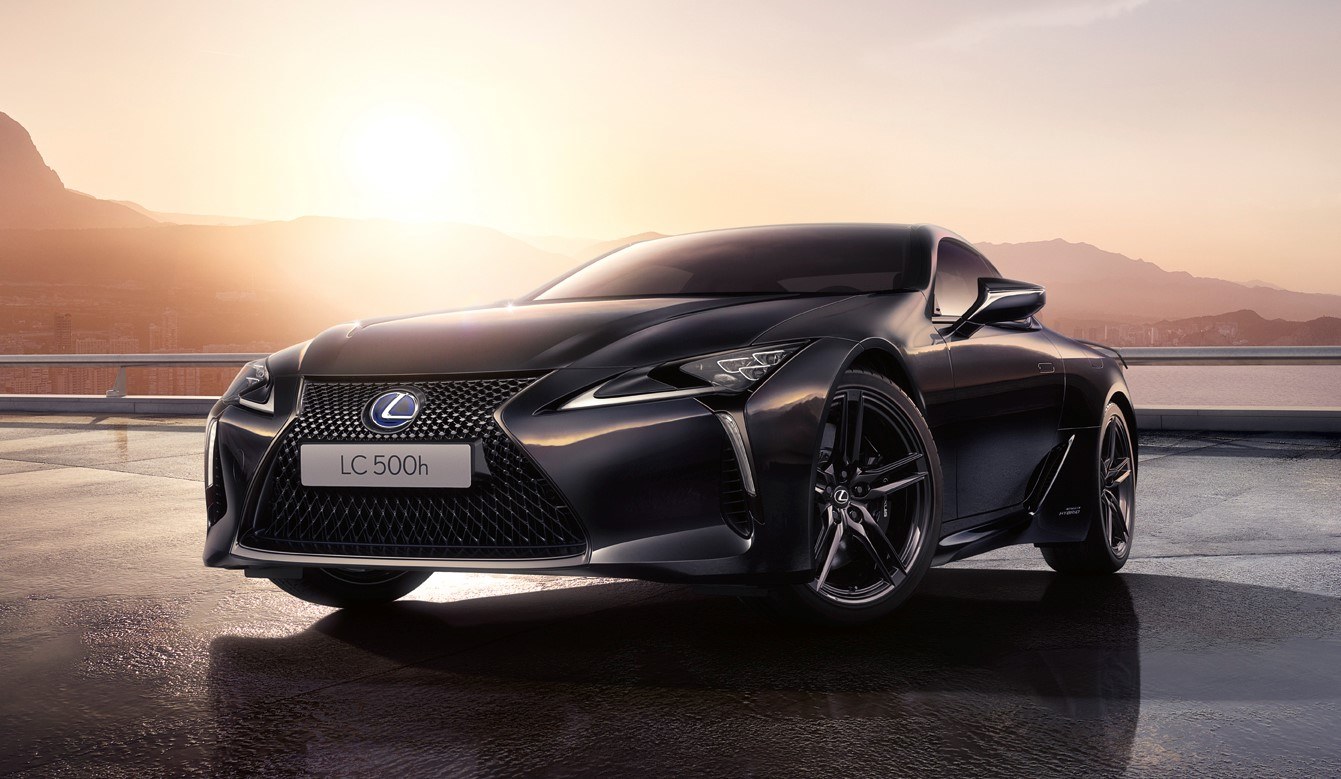
For 2022, the Lexus LC will sport a new carbonfibre reinforced plastic rear wing developed together with Muroya. This lightweight, highly rigid and sleek wing maximises aerodynamic performance and makes for more agile driving.
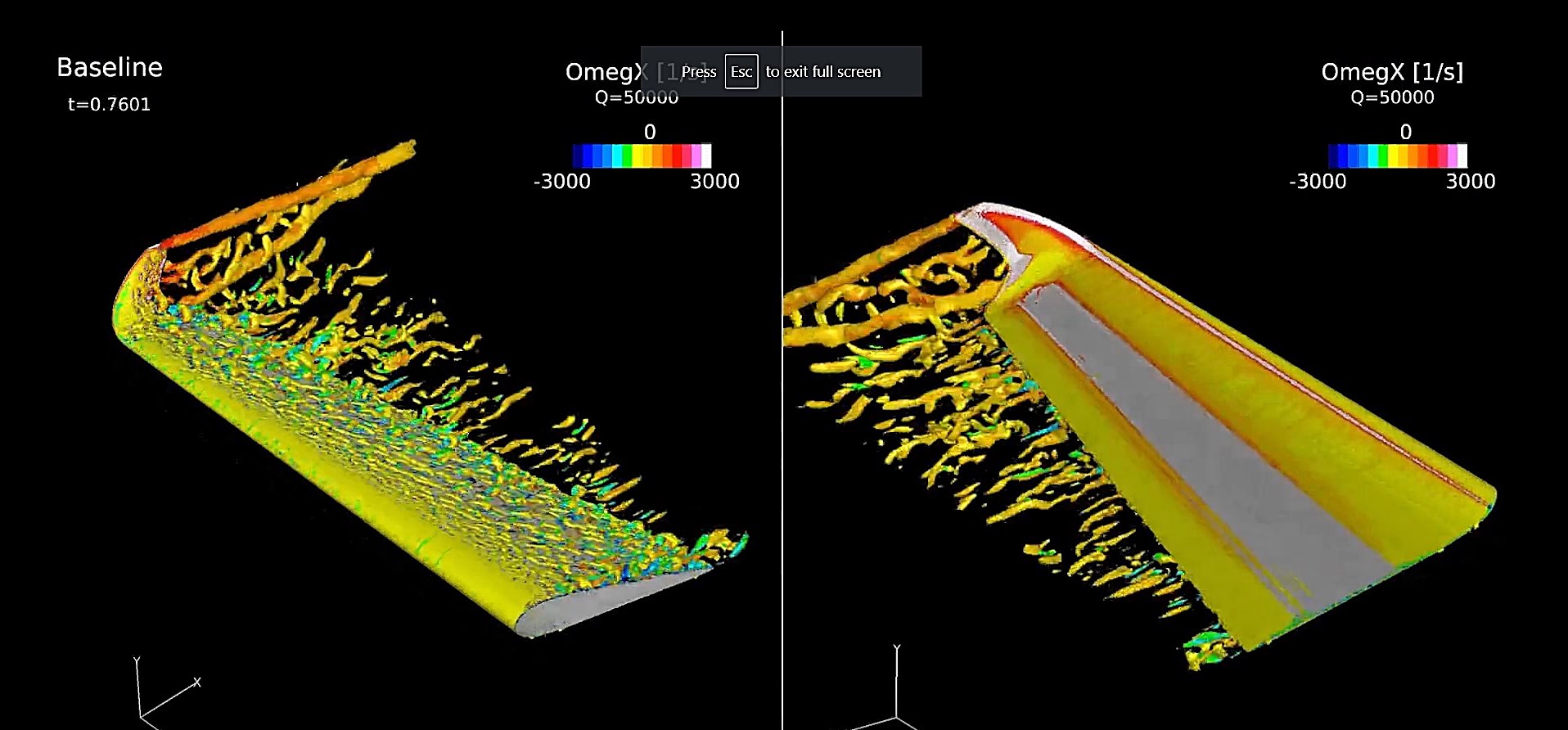
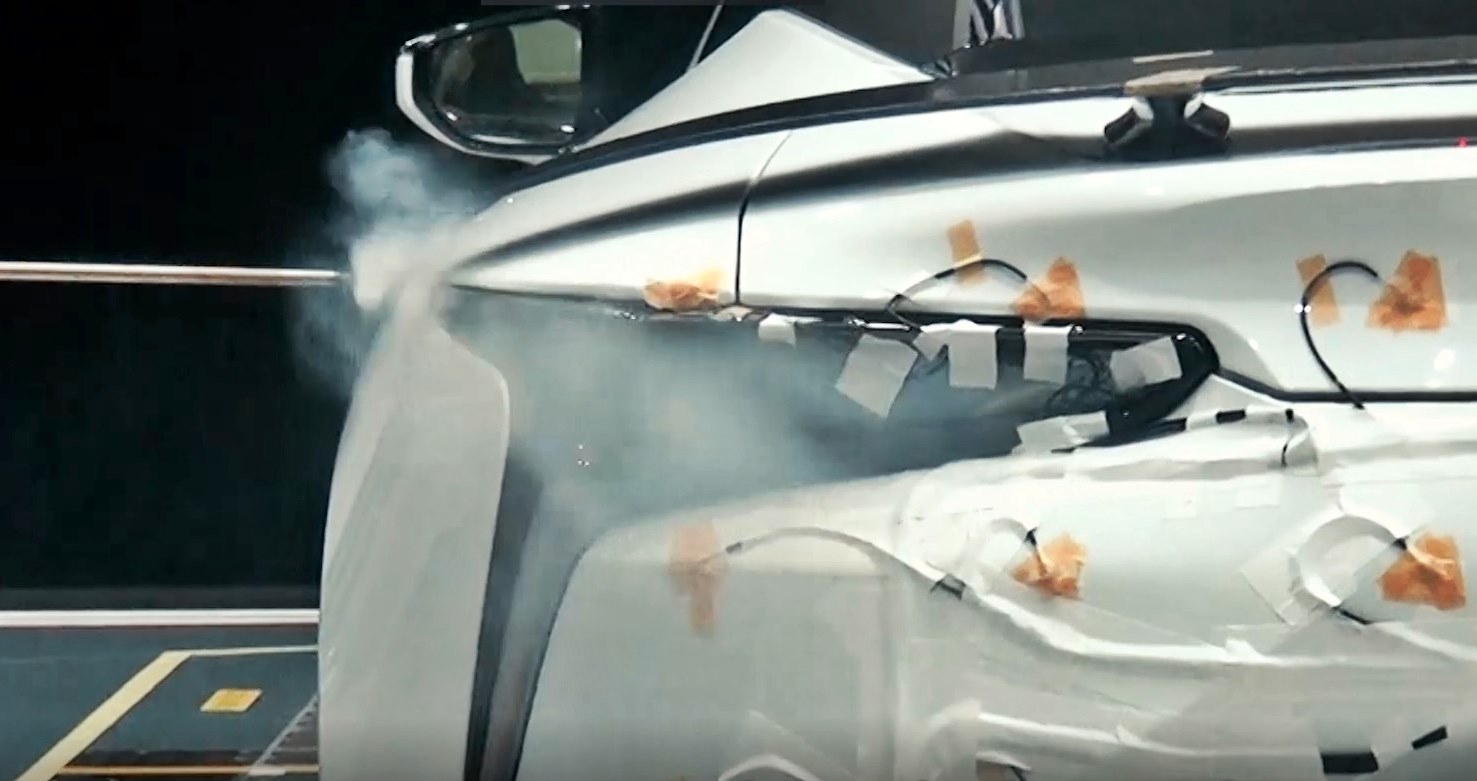
The design draws its inspiration from the wing-tip vortices that influence the design of winglets on jet aircraft. During demanding test flights with Yoshihide Muroya, Lexus engineers analysed his plane’s drag-reducing winglets and the associated vortices that are normally problematic. In the Lexus wind tunnel, engineers found that vehicle dynamics on the ground could be improved by turning the wing upside down and adding winglets.
The upside-down wing was thoroughly tested and analysed in computer simulations as well as wind tunnel studies (below).
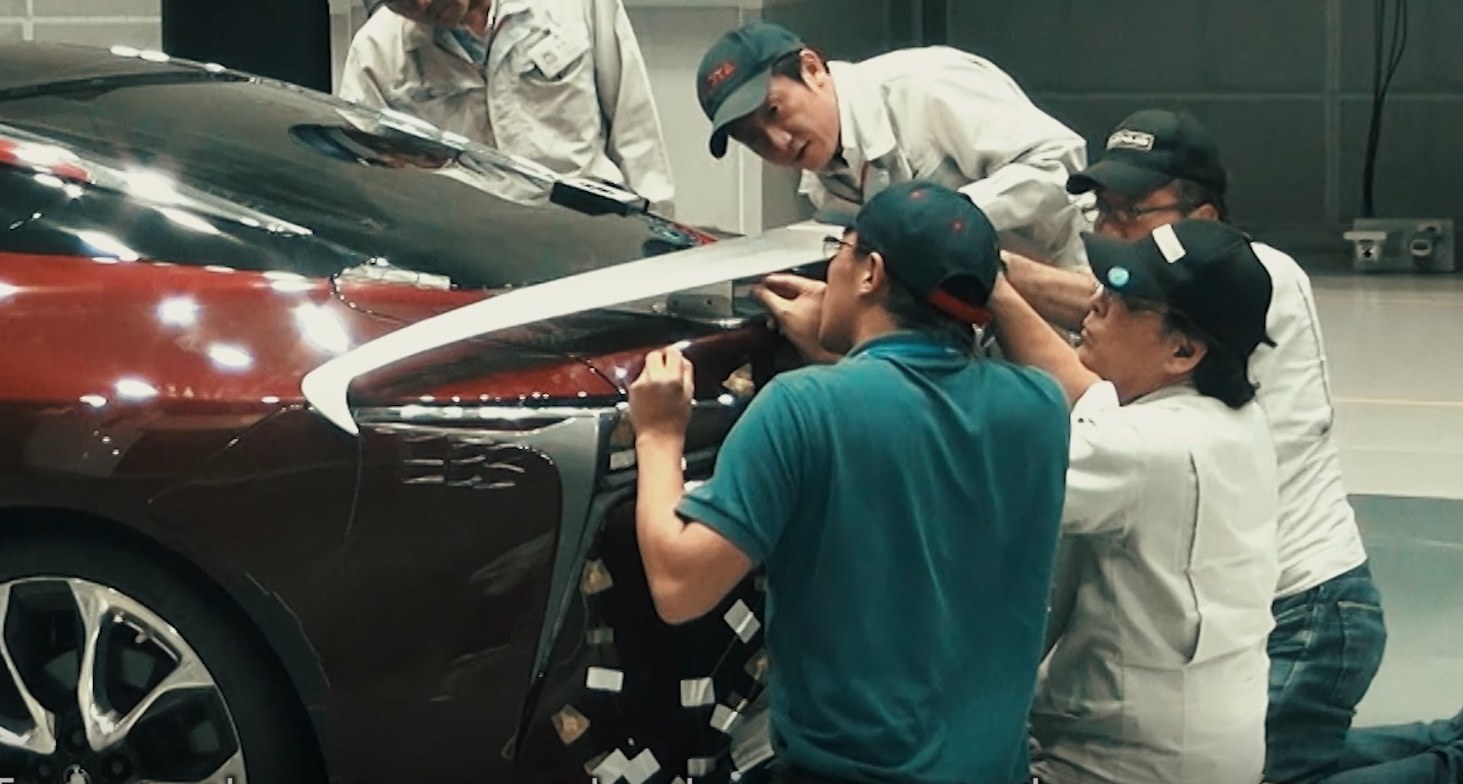
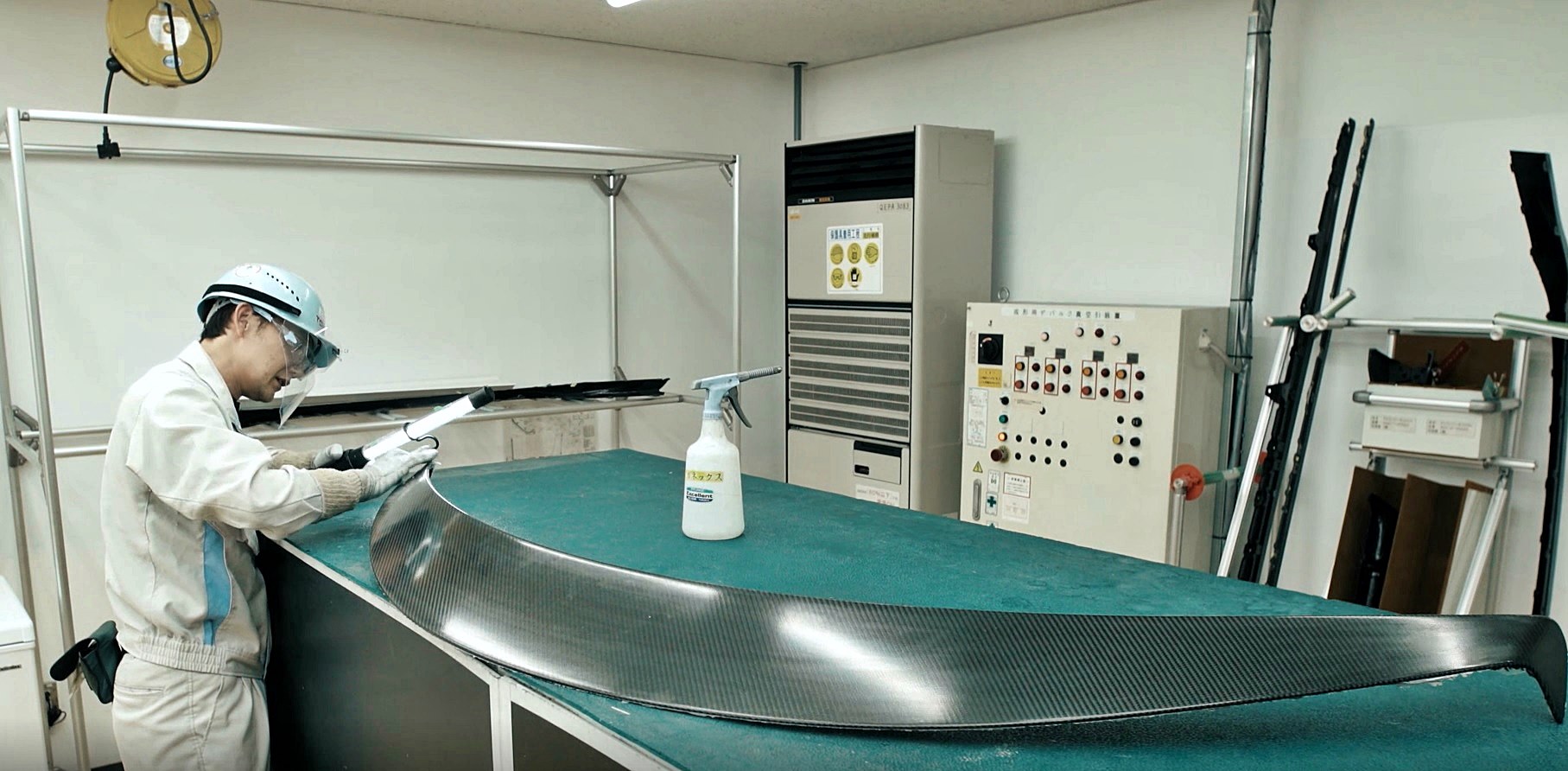
Once computer and wind tunnel tests were completed, Lexus’ elite team of designers, engineers and Takumi artisans set to work milling an aluminium prototype. Like Muroya’s race plane wings, it was later produced in carbonfibre reinforced plastic (CFRC). Laminated in carbonfibre and epoxy resin with a hollow core, after baking in an autoclave, the woven texture is visible through the lacquered finish.
Downforce without performance loss
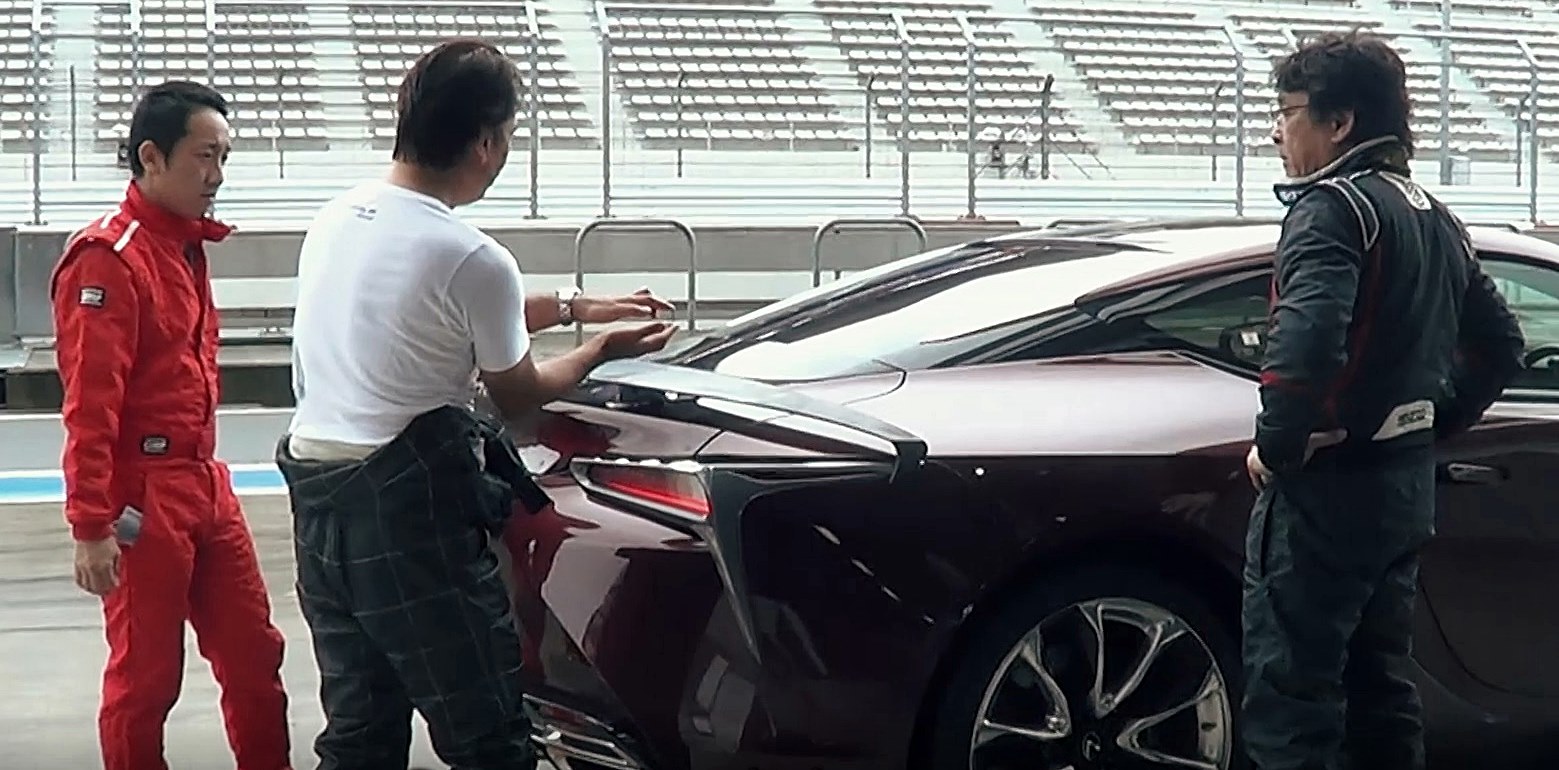
Long and lean, the LC’s new wing is nearly 2 metres wide, yet very durable and warp resistant. According to Lexus Takumi master driver, Yoshiaki Ito, the winglets sharpened the LC’s handling, but without using drag-creating downforce, resulting in better performance without sacrifices. The Lexus team called the car the LC Special Edition Aviation, to highlight the background to the development of the rear wing.
The carbonfibre rear wing spoiler is available (in limited numbers) exclusively with the new Lexus Bespoke Build programme. This is a special personalisation programme for customers buying a LC or LC Convertible. The vehicle will be built by an elite team of ‘Takumi’ master craftspeople at the and such units will be distinguished with a personalised interior badge installed on the centre console.
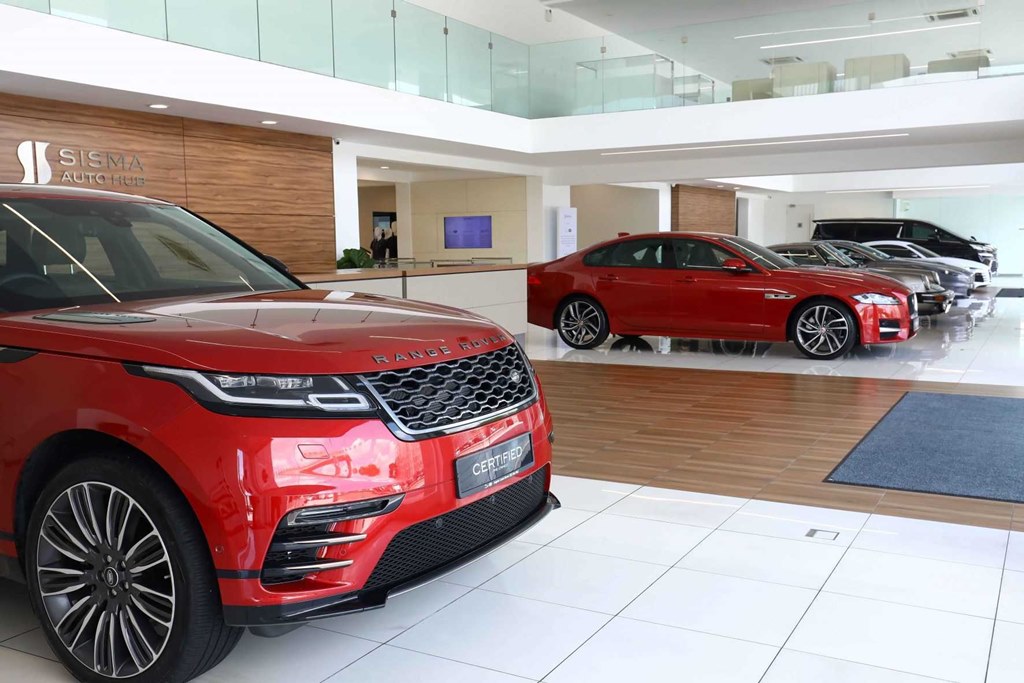
Following the move by Jaguar Land Rover (Malaysia) Sdn Bhd (JLRM), a joint venture between SISMA Auto and Sime Darby, to consolidate its retail operations in Malaysia, SISMA Auto has announced the opening of SISMA Auto Hub, a new premium multi-brand 3S centre to buy, sell or service any brand of luxury car.
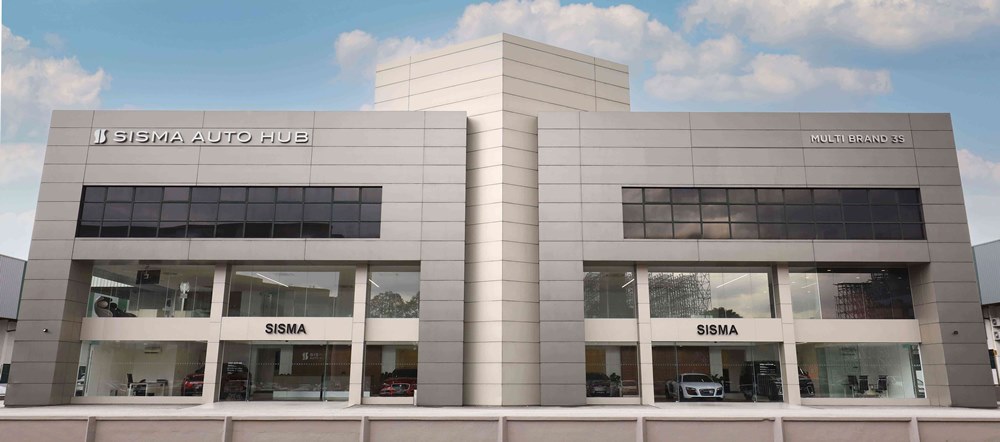
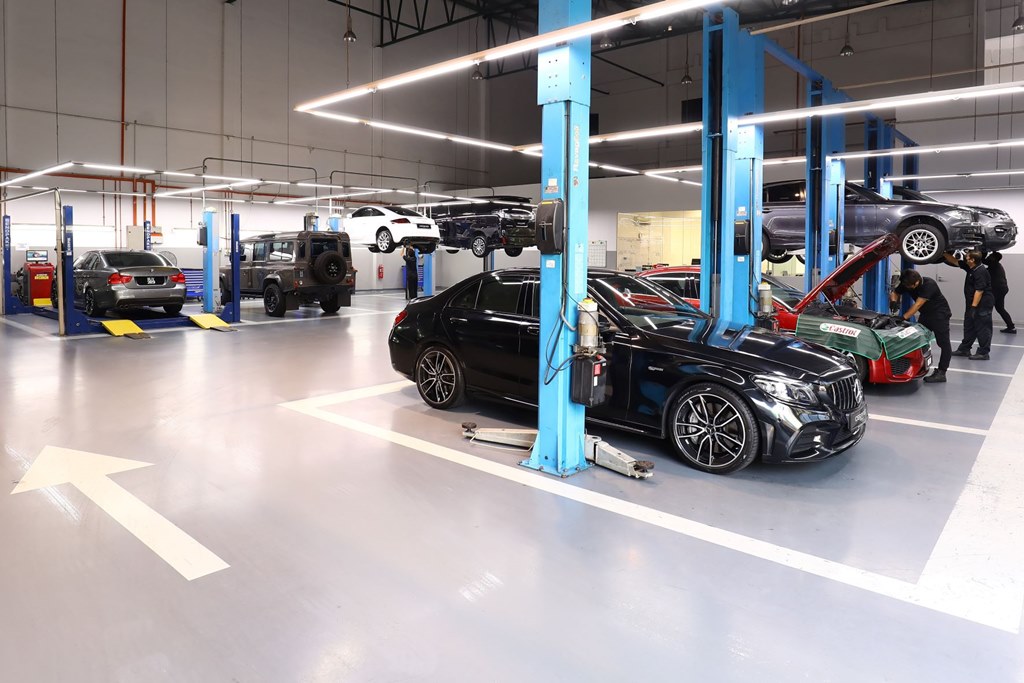
Located at the former Jaguar Land Rover 3S centre in Glenmarie, Shah Alam, Selangor, the new SISMA Auto Hub Glenmarie has a 14-car showroom and a 16-workbay service centre.
While SISMA Auto still retains significant interest in the Jaguar Land Rover business as a joint venture partner in JLRM, it now plans to leverage its more than 25 years as a franchise dealer for Jaguar, Land Rover and Volvo to offer the same premium 3S experience for any brand of luxury car.
Continuing to grow
The company aims to continue to grow with the Volvo Cars brand in Malaysia and has started construction of its flagship Volvo 3S facility in Sungai Besi, Kuala Lumpur. The 50,000 square foot facility spread over 4 floors, represents a significant expansion of SISMA Auto’s Volvo business. It is expected to commence operations by the end of 2022.
Aside from Jaguar Land Rover (Malaysia) and SISMA Auto Hub, the company currently operates two Volvo outlets – a sales showcase atBukit Bintang and Service and Selekt Centre in a Glenmarie, next to the SISMA Auto Hub.
“We believe that a premium 3S experience should be available to all luxury car owners. At SISMA Auto Hub, our highly trained team will provide the same level of exceptional service that you have come to expect from SISMA Auto,” said Syed Khalil bin Syed Ibrahim, Managing Director of SISMA Auto.
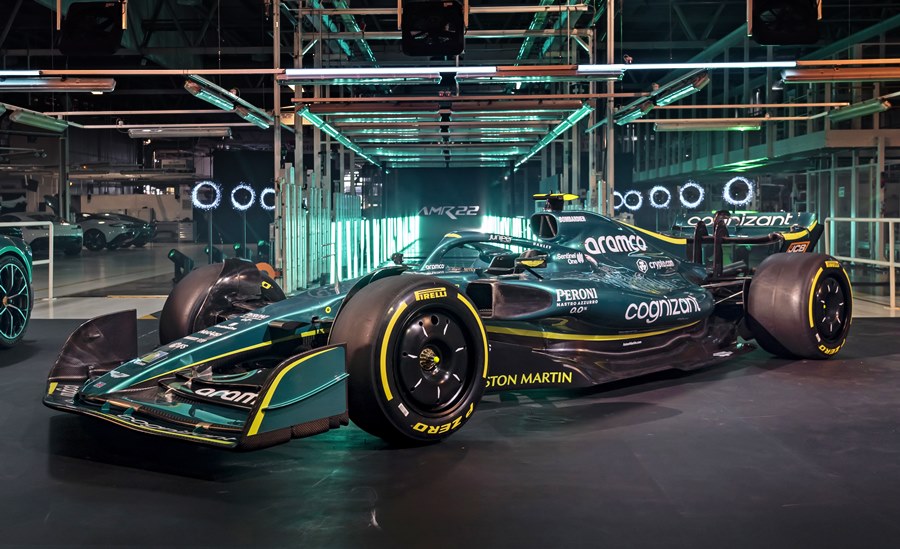
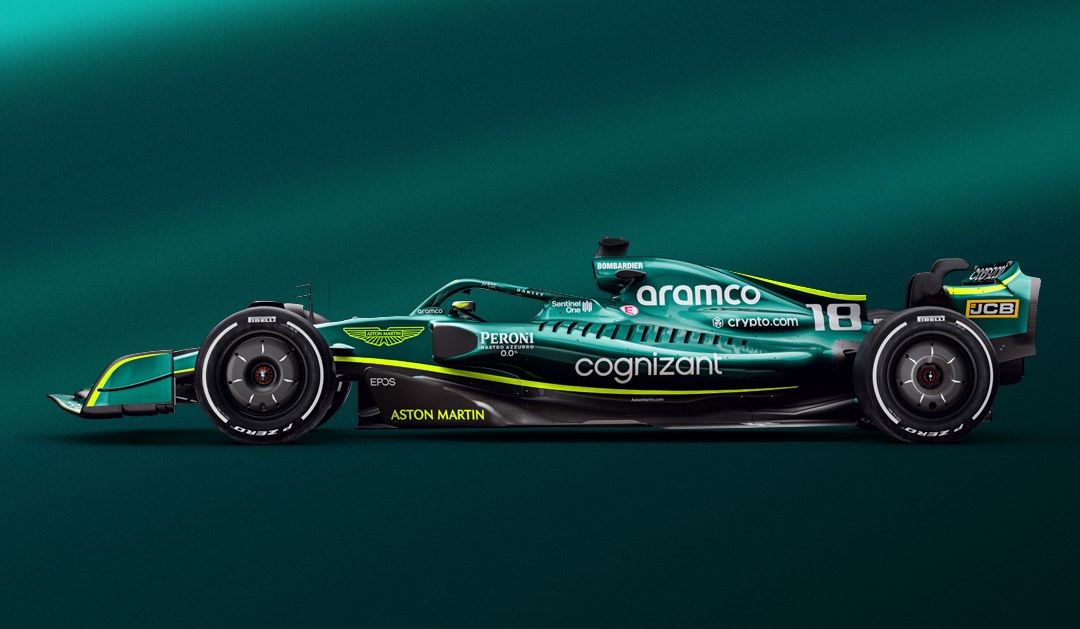
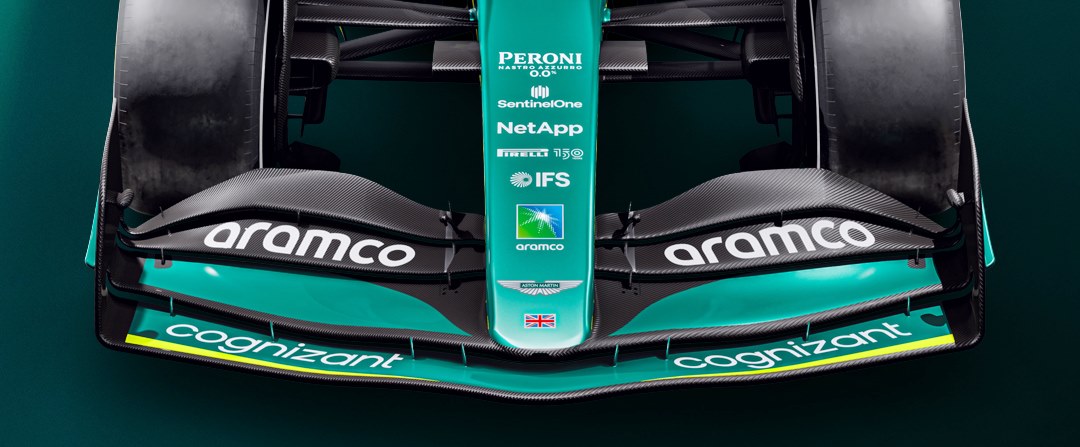
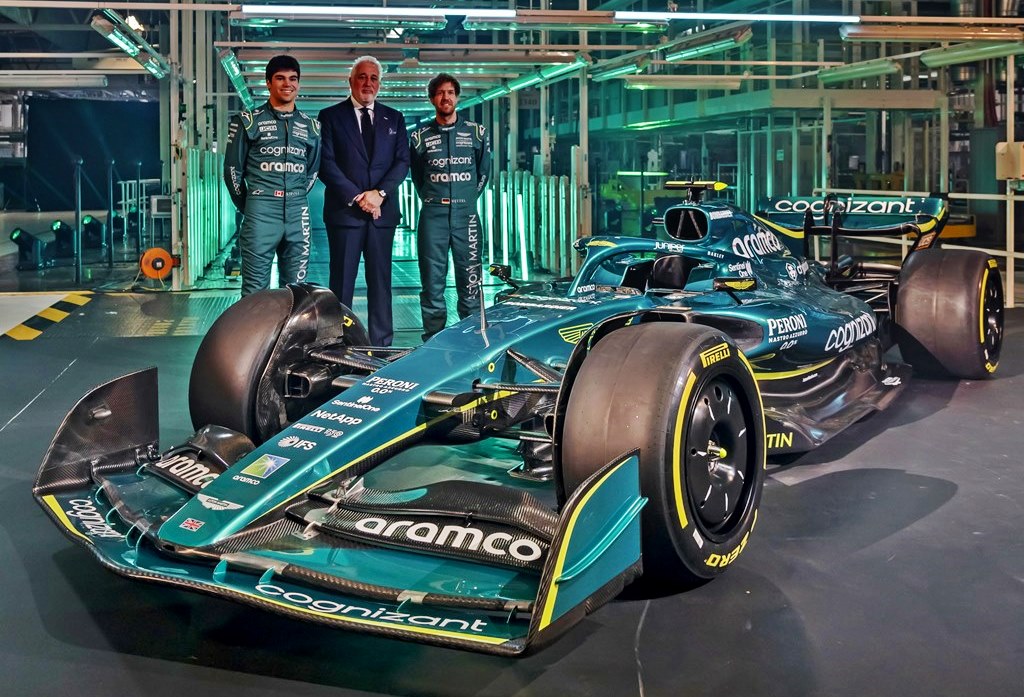
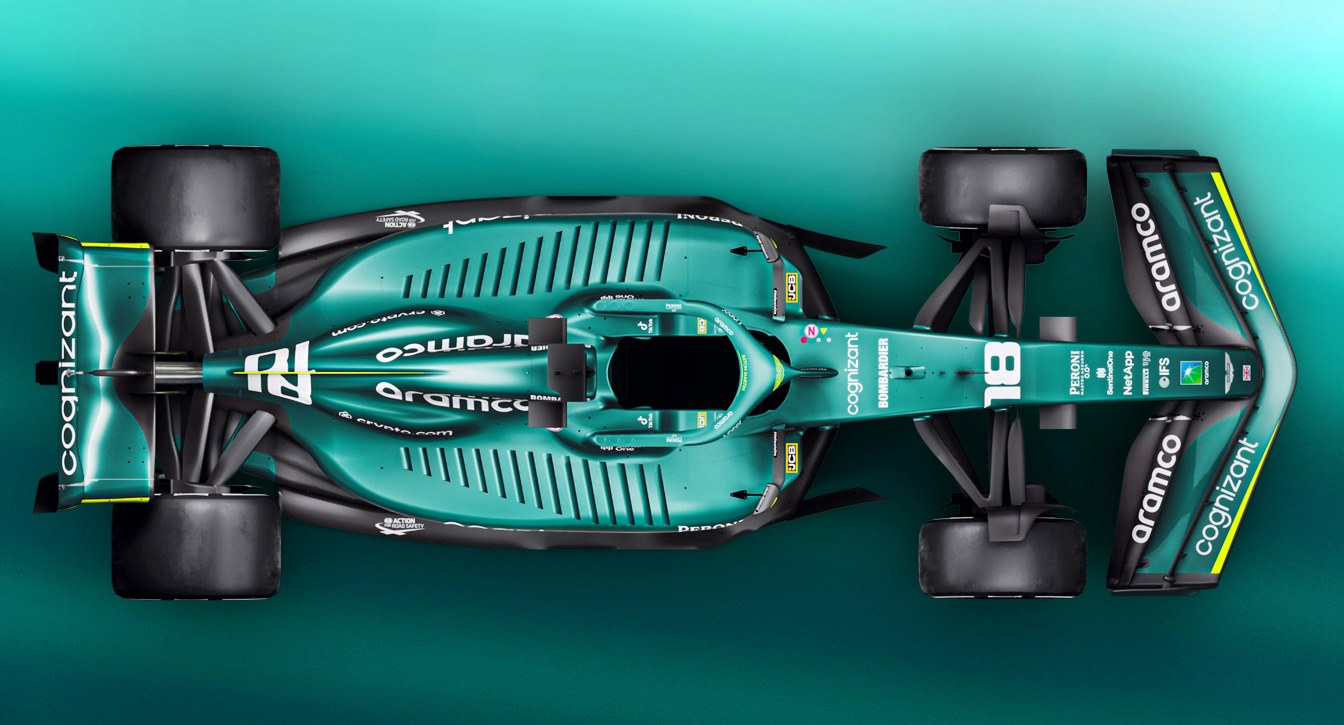
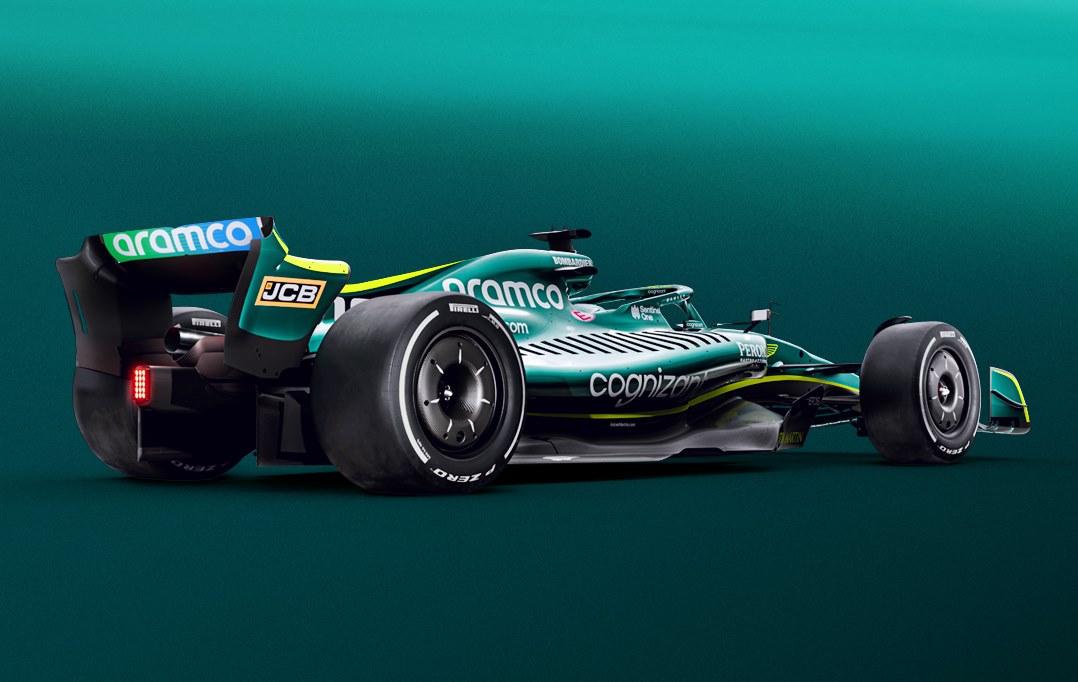
The Aston Martin Aramco Cognizant Formula One Team is the third of the F1 teams to show its new racing car which will be used in the 2022 championship The car retains the overall green bodywork with new sponsor’s logos all over. The sponsors this year include Aramco, the Saudi Arabian oil and gas company which is one of the largest companies in the world.
Designated the AMR22, it is totally new to meet the significant changes in technical regulations for the sport. These include aerodynamic aspects – which are expected to allow for more overtaking – as well as a switch to larger 18-inch tyres that give a new look. However, as the new regulations will be around a while, the design of the car will continue to evolve and might even have changes when the first round starts.
The Aston Martin Aramco Cognizant Formula One Team will continue to have 4-time World Champion Sebastian Vettel and Lance Stroll (whose father is Executive Chairman of the company) as its drivers.
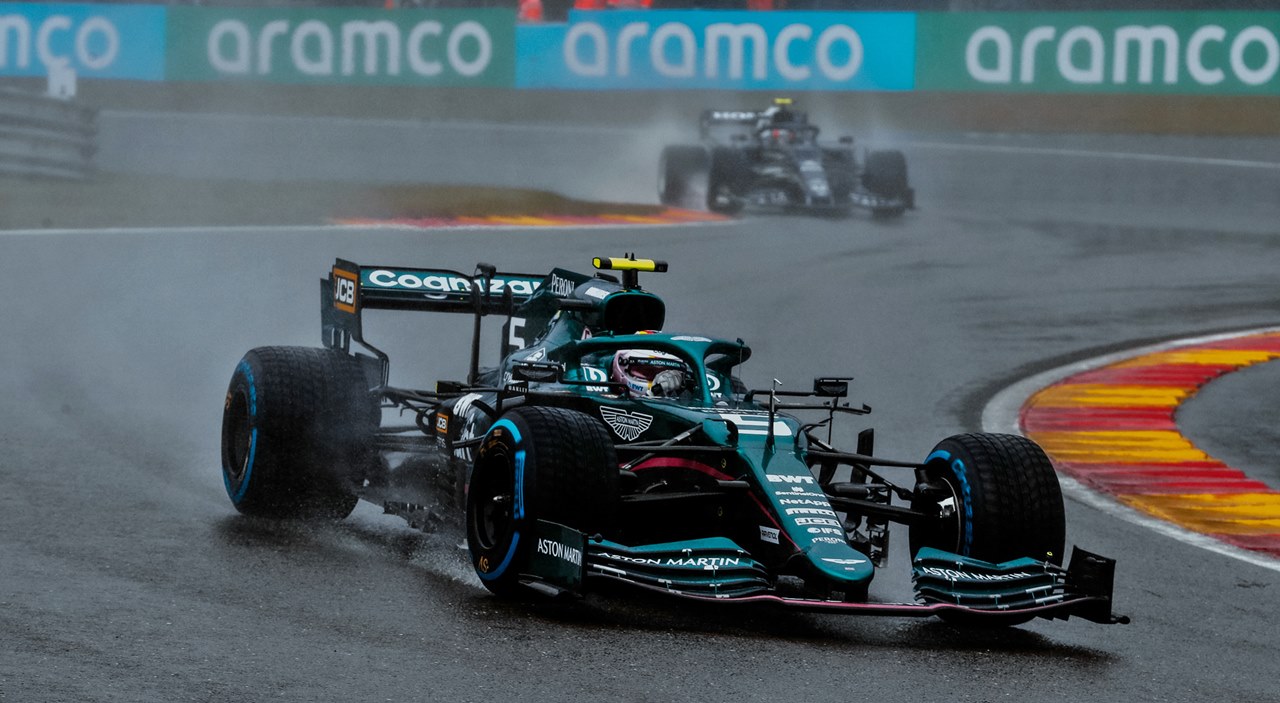
Aston Martin returned to F1 racing only last year and after a difficult season, finishing seventh in the world championship. But it is no stranger to GP racing as Aston Martins raced in the top-level category 100 years ago, starting with the 1922 French Grand Prix.
Sebastian Vettel in the AMR21 during the 2021 season which the team finished overall seventh in the world championship.
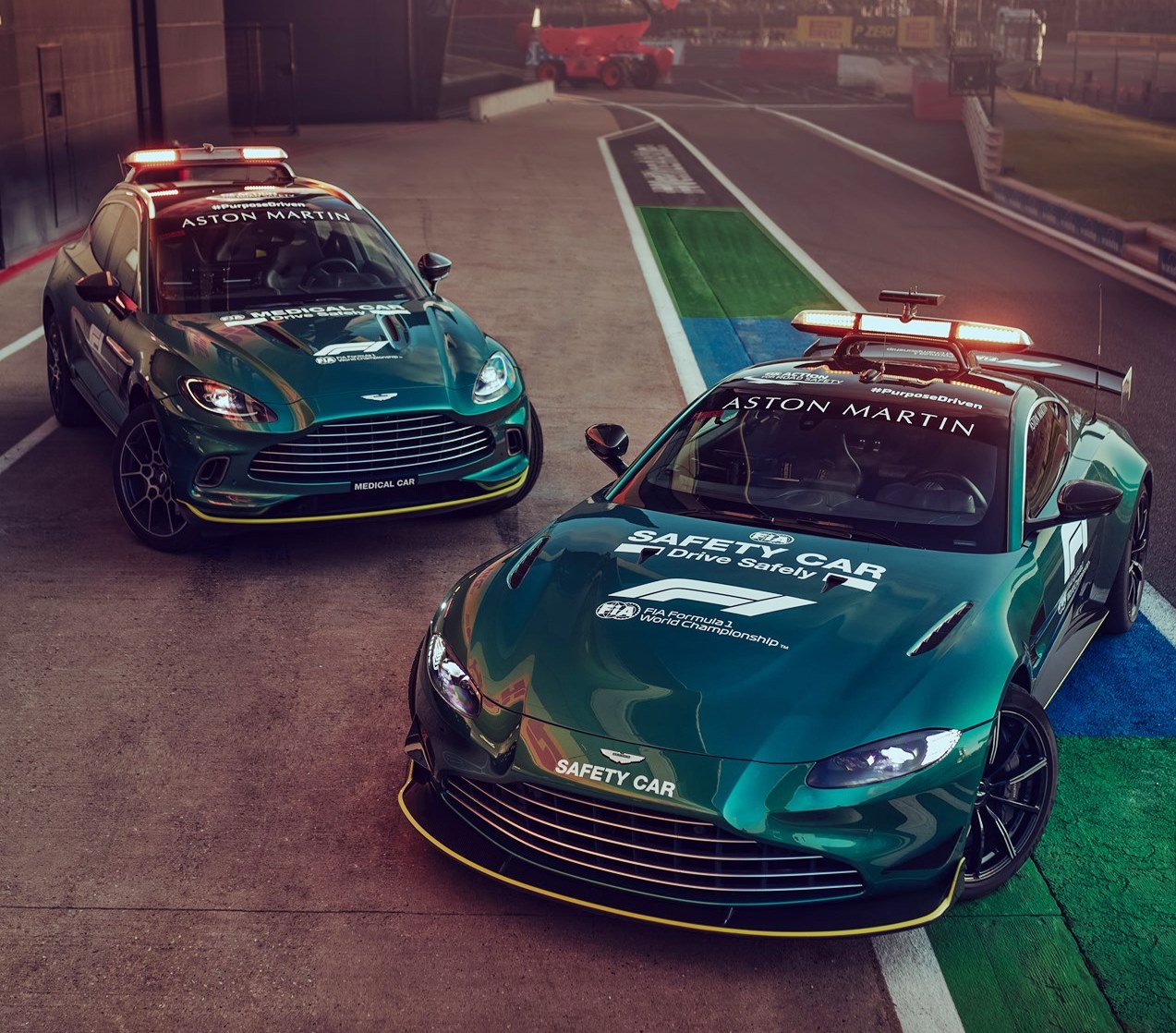
Aston Martin says that data from the 2021 season demonstrates that the global platform of Formula 1 is heightening brand desirability and product familiarity for Aston Martin as the sport enjoys growing popularity worldwide. Its website traffic increased by 15% when there were races on, compared to non-race Sundays. This increased to 25% on weekends where the company supplied the Vantage and DBX as Official F1 Safety & Medical Cars.
Lawrence Stroll, Executive Chairman of Aston Martin Lagonda, said: “The return of Aston Martin to Formula One has been a monumental moment for the brand, with transformative impact for our performance credentials and global awareness. Through the race team and our status as the Official Safety and Medical Car of Formula One, we have been able to showcase our product and test new technologies on the world’s greatest circuits.”
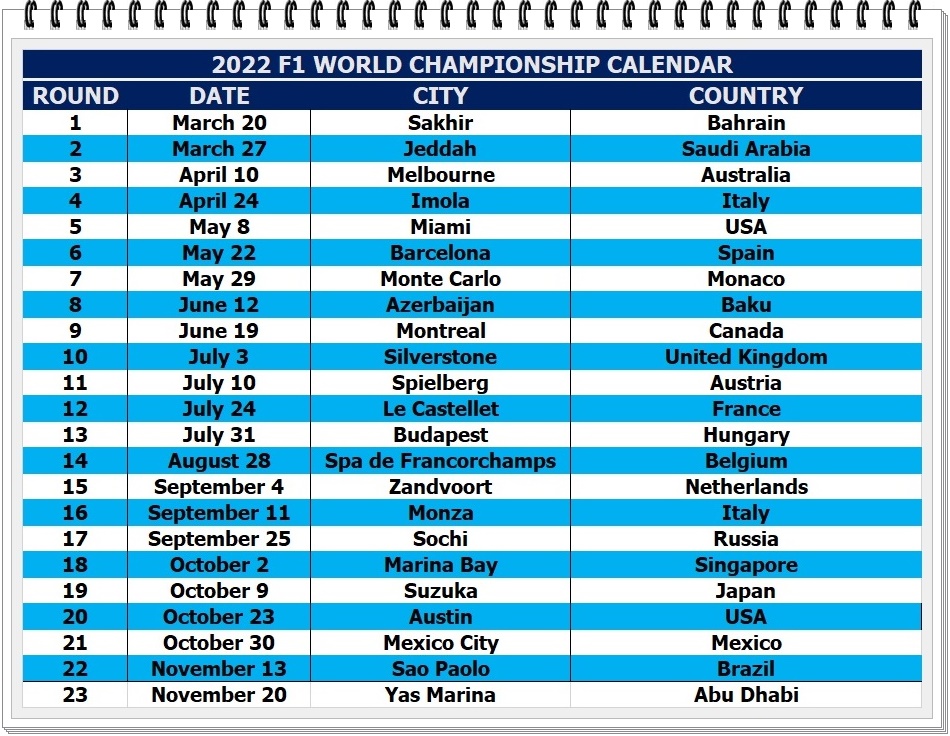
Official testing will take place at the Bahrain International Circuit over 3 days on March 10-12. The first round of the 2022 Formula 1 World Championship season will also be at the same circuit on March 20.
Remember the Nissan Almera Turbo Fuel Efficiency Charity Drive which Edaran Tan Chong Motor (ETCM) ran last year? It was a campaign that invited owners of the latest Nissan Almera Turbo to submit their very best fuel consumption achieved with the car. ETCM would then convert the total number of kilometres of all the submissions into money for charity at the rate of RM1 per kilometre.
Almera Turbo owners throughout the country participated, trying their best to get the lowest consumption (which was shown on the instrument panel’s computerized display) and when the entries were added up, the total distance was 12,841 kms. This meant that RM12,841 would be provided by ETCM which would be donated to few charitable organizations.
The company, among the oldest Malaysian car companies, decided that the money should go towards helping vulnerable communities affected by the recent devastating floods. Tens of thousands of Malaysians suffered losses in various degrees and had their livelihoods and well-being impacted.
The campaign’s accumulated amount of RM12,841 would be used for post-flood recovery efforts, including buying of necessities, food, personal hygiene items as well as cleaning and repairing housing areas damaged by severe flooding.
RM20,000 donated
A total of RM20,000 was donated to help alleviate the burden of the flood victims. Of the proceeds, RM10,000 was channelled to Pusat Jagaan Baitul Hidayah while Rumah SVP Klang and Pertubuhan Kebajikan Kanak-Kanak Klang Utama Caring Home each received RM5,000.
Pusat Jagaan Baitul Hidayah in Puchong is a charitable children’s home which houses orphans and children of low-income families. The home currently houses 65 boys and girls aged between 3 – 16 years old.
Ruman SVP Klang houses abandoned, underprivileged and children of single parents. It cares for 11 boys under the age of 12 years old. Pertubuhan Kebajikan Kanak-Kanak Klang Utama Caring Home houses 43 orphans with ages up to 24 years old.
“The floods almost submerged our house completely. It happened so quickly and we could hardly save anything. Everything was destroyed in a split second. Children’s safety is always our top priority and I am grateful that the children are all safe. On behalf of the children, we are so thankful for the heart-warming support given by ETCM during these difficult times; it definitely will ease our daily burdens,” said Pusat Jagaan Baitul Hidayah’s caretaker Puan Saadiah.
“There are so many heart-breaking stories on the struggle that Malaysians are going through. We are deeply saddened to see floodwaters submerge houses and cars and hope our gestures will help to relieve the burden of those affected during this difficult time,” said Daniel Ho, Group CEO of Tan Chong Motor Holdings Berhad.
Nissan Flood Relief Assistance programme
ETCM, together with Tan Chong Ekspres Auto Servis Sdn. Bhd., also have the Nissan Flood Relief Assistance programme that offers 20% discount on parts and labour charges, a special upholstery restoration prices and an Easy Payment Plan up to 12 months on total bill. This is to help alleviate the financial burden for Nissan owners whose vehicles were damaged by the floods.
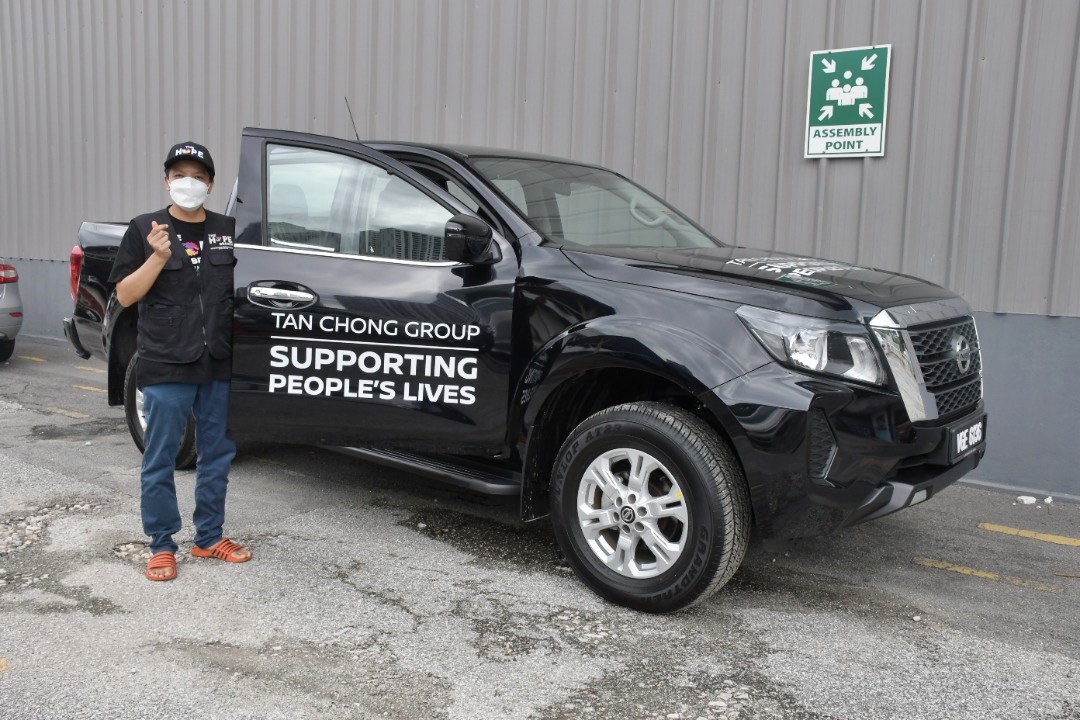
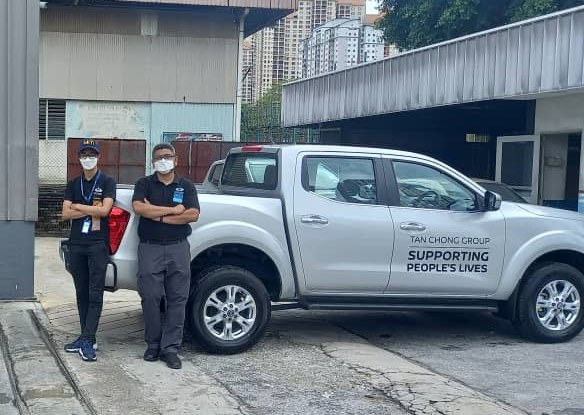
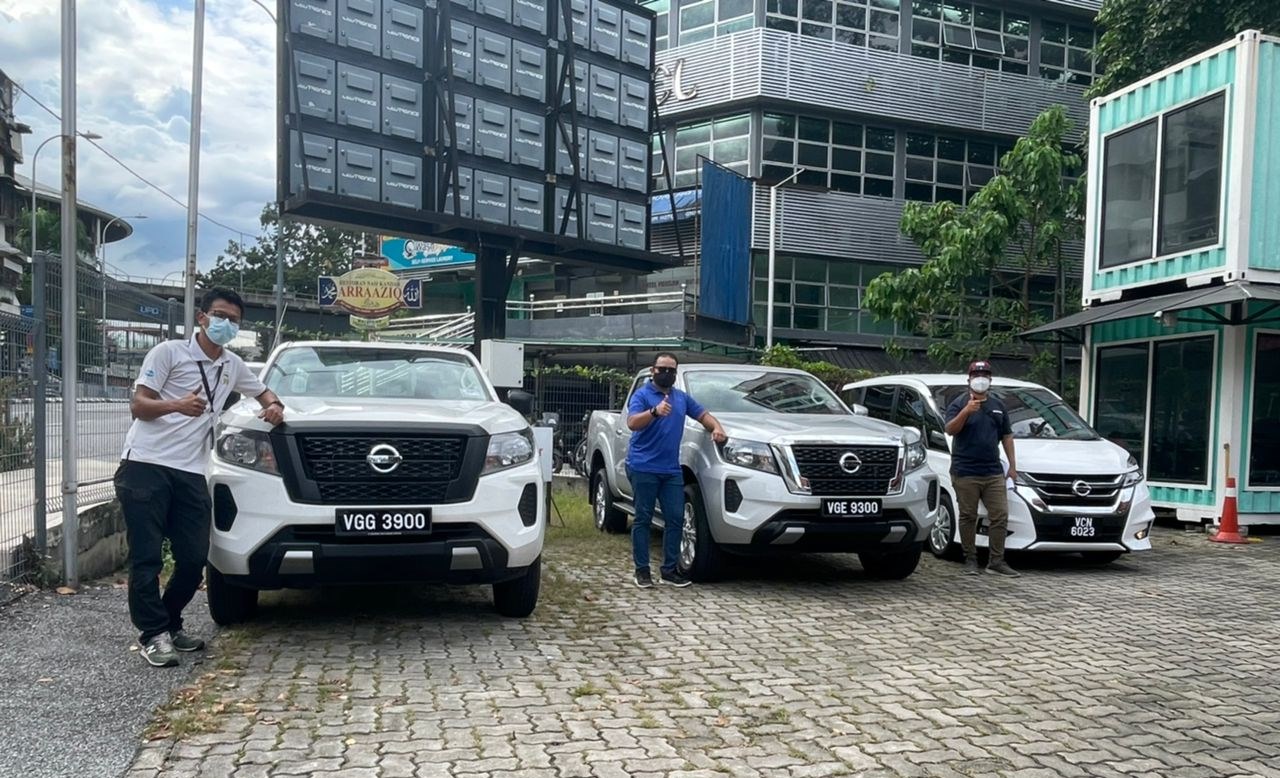
As part of the company’s Corporate Social Responsibility (CSR) activities, ETCM has also loaned 6 vehicles to NGOs and MITI. 5 of them are the Navara 4WD, while the remaining one is a Serena MPV. The vehicles will be used to support the flood relief efforts and the vaccination programme.
Racing cars are expensive machines, and Formula 1 racing cars are very expensive machines. That’s why each team has only a few cars built so team managers dread accidents during races that damage the cars. But you can own a Formula 1 cars for just RM799.90 – although you won’t be able to drive it or sit in it. Still, it will look good in your home or office.
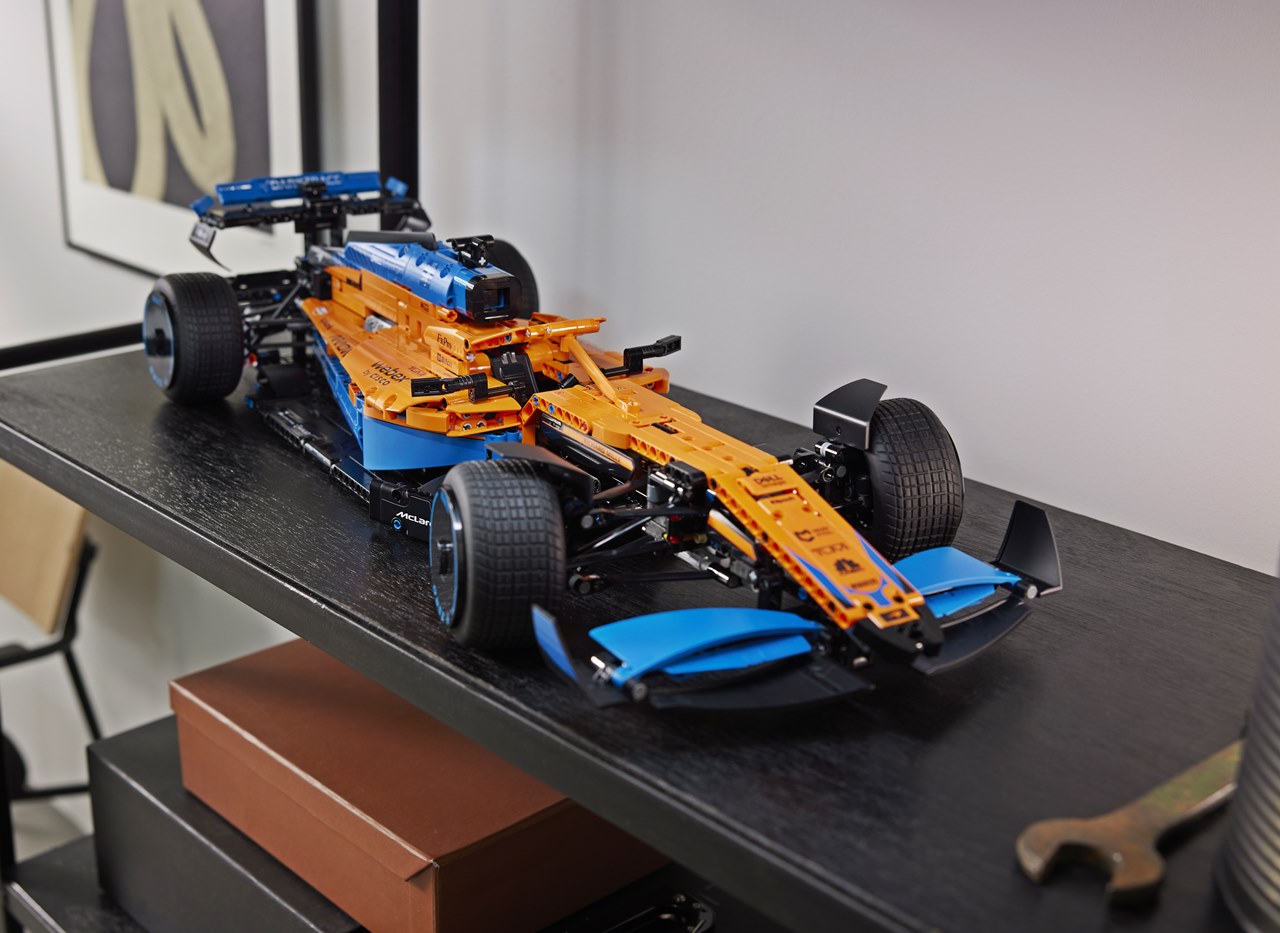
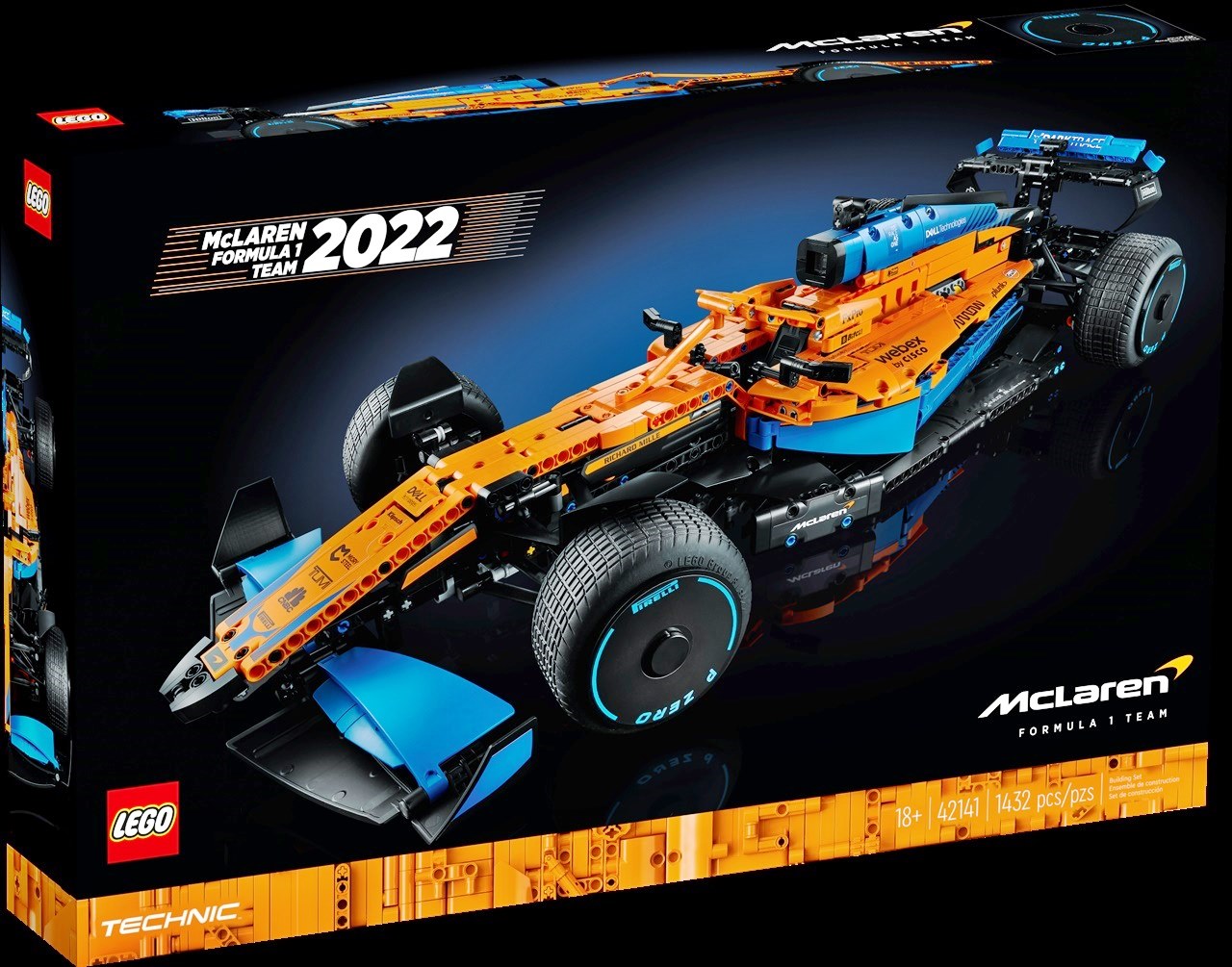
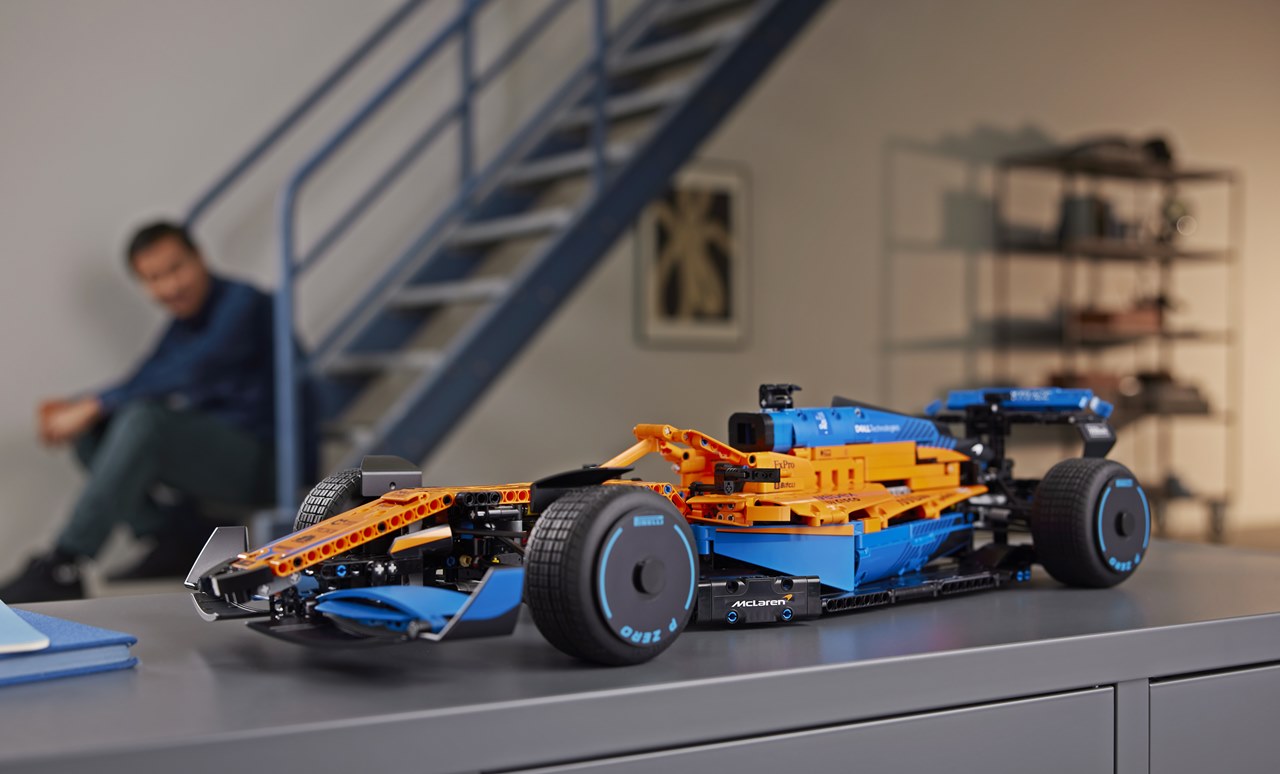
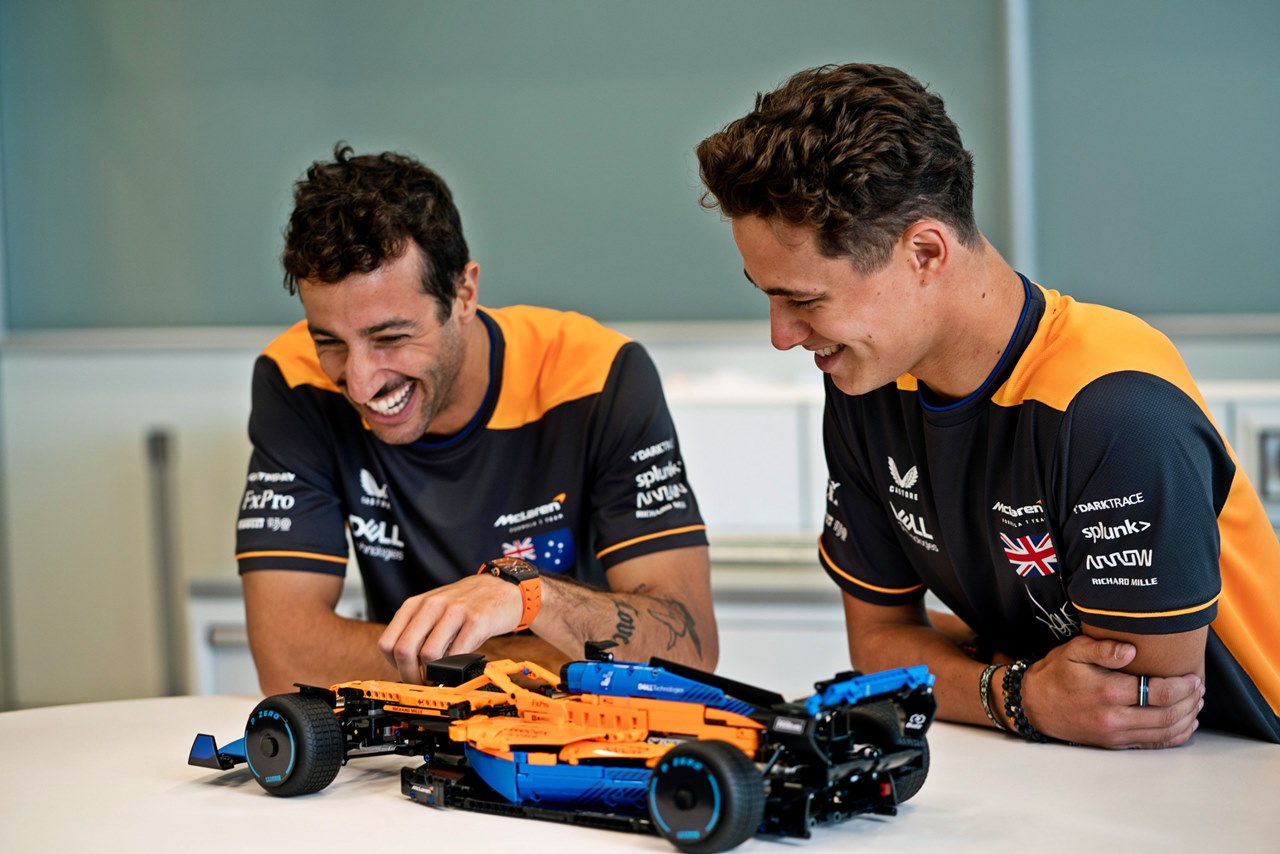
The racing car is the McLaren Formula 1 Race Car by LEGO Technic and it’s been developed in close collaboration between engineering experts from the LEGO Group and McLaren Racing. Just like its real-life counterpart, this LEGO model is truly a one-of-a-kind piece of engineering excellence and packed with functionality.
2021 livery, 2022 looks
While the model has the team’s distinctive 2021 season livery, it gives fans a glimpse of what they might expect from McLaren Racing’s new F1 season model in 2022, which will see big technical changes in the regulations.
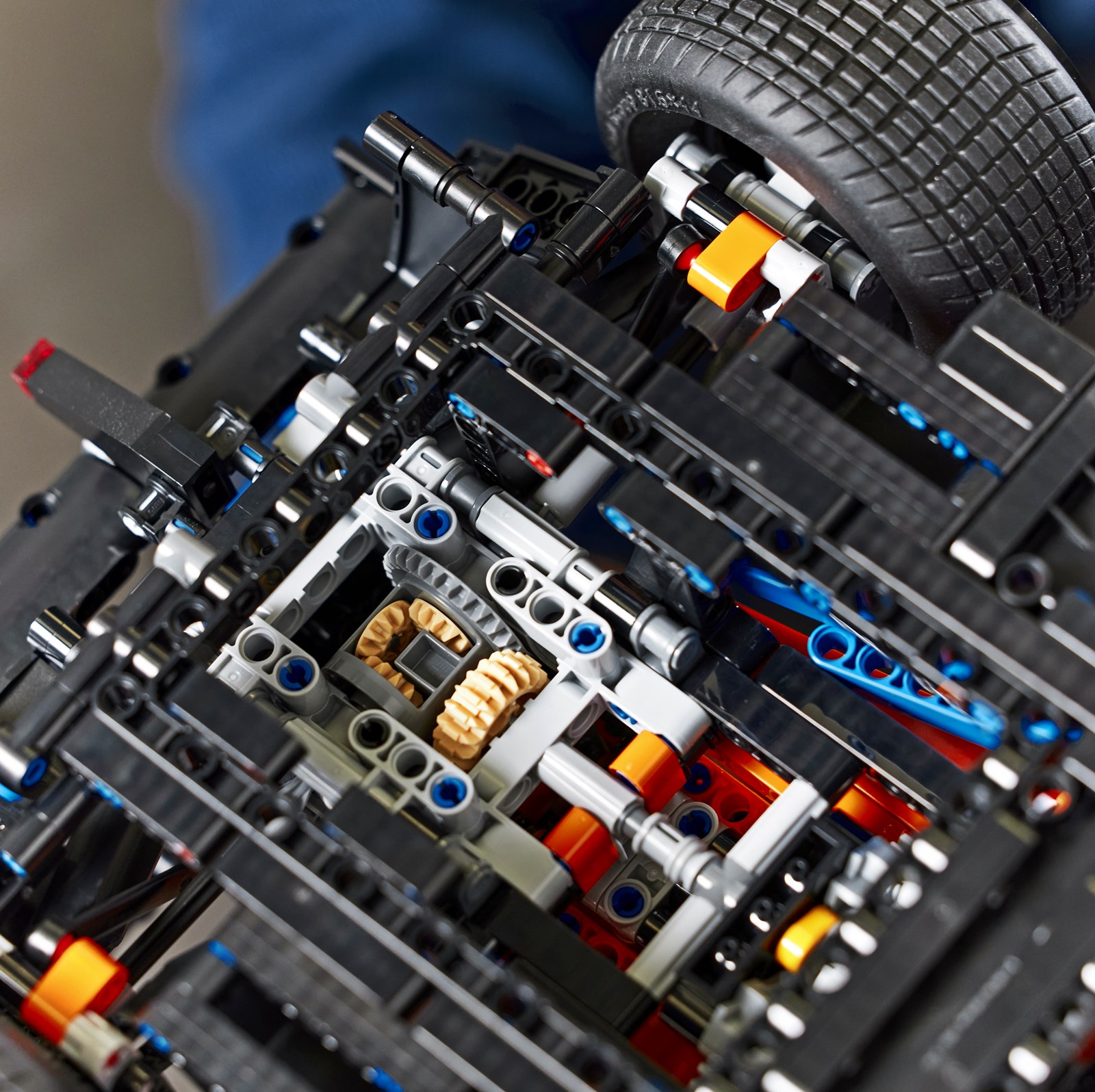
The LEGO Technic version is fully modeled on the life-size version featuring a V6 engine with moving pistons, steering activated from the cockpit, suspension and even a differential lock! Although LEGO Technic has many high-performance cars in its range (like the Senna GTR), the McLaren Formula 1 Race Car is the first Formula 1 car.
1,432 pieces to assemble
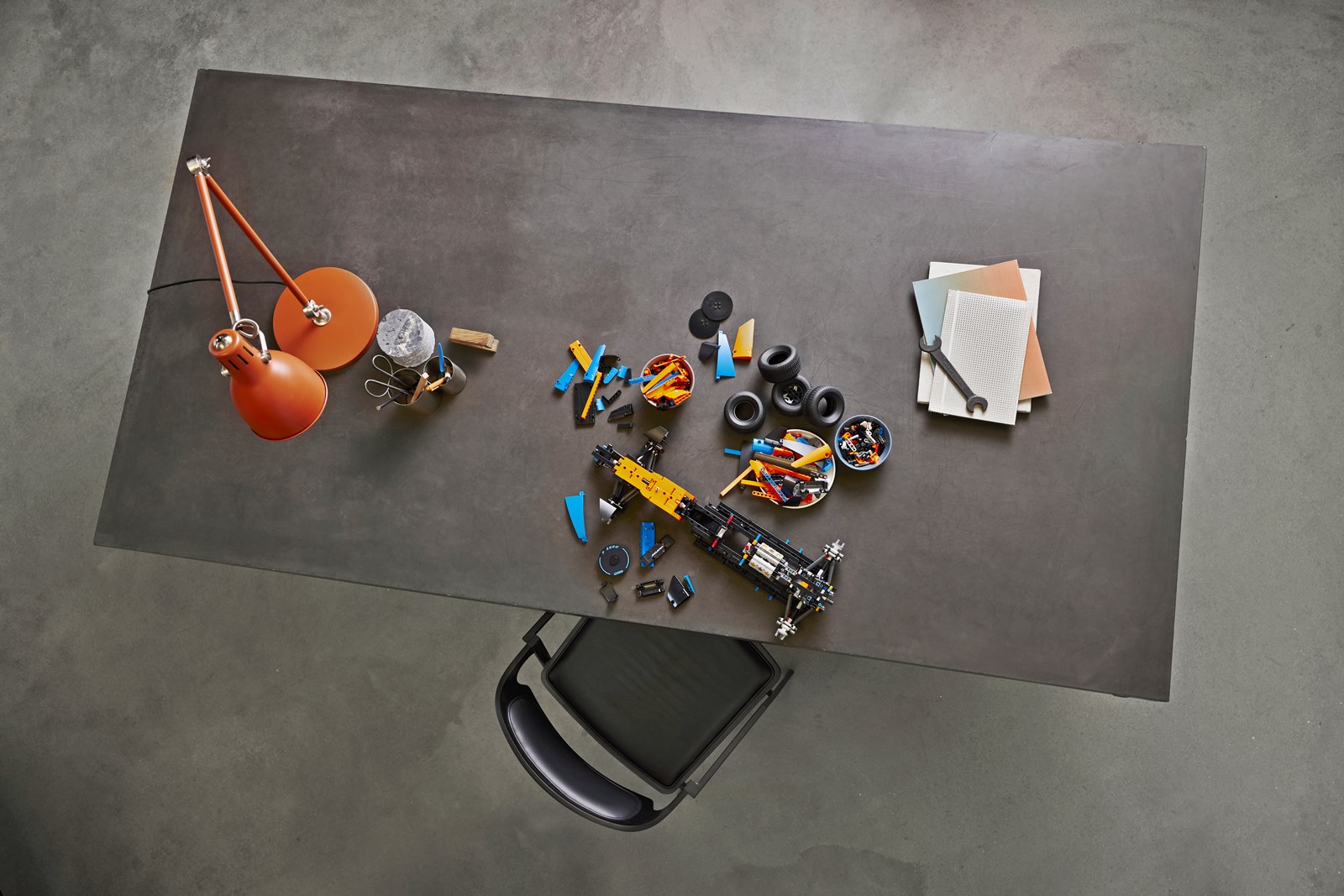
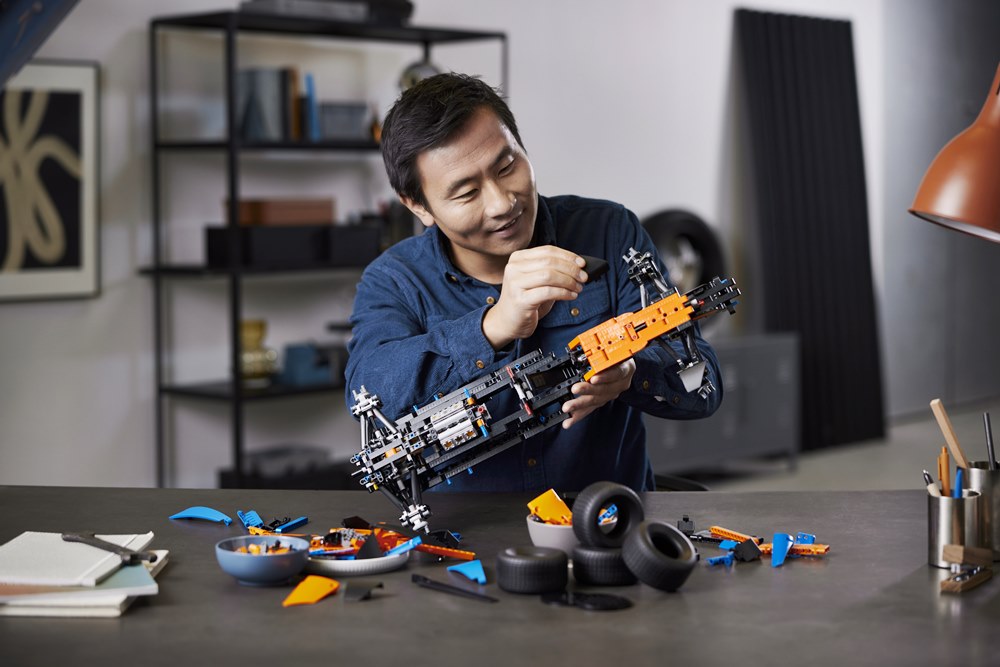
Like every LEGO Technic model, this one will provide many hours of enjoyment (actually, LEGO says it can be done in about 2 hours) being assembled. There are 1,432 pieces and when completed, the car is over 13 cm high, 65 cm long and 27 cm wide. It also comes with stickers of the various sponsors supporting the team.
McLaren Racing’s F1 drivers Daniel Ricciardo and Lando Norris delighted to see their racing car reproduced by LEGO Technic.
“We are excited to unveil the unique LEGO Technic model of our McLaren F1 car, a fun and engaging product that celebrates our 2021 season livery while giving fans a hands-on interpretation of the new 2022 F1 car design. This has been made possible by an agile collaboration with the LEGO Group team, who have truly embraced the spirit of our brave and bold approach to design. The final product looks fantastic, and we cannot wait to make this available to our fans,” said James Key, Executive Director, Technical, McLaren Racing.
The LEGO Technic McLaren Formula 1 Race Car will be available from March 1, 2022, at LEGO Certified Stores, on-line retailers and other major retailers and department stores in Malaysia.
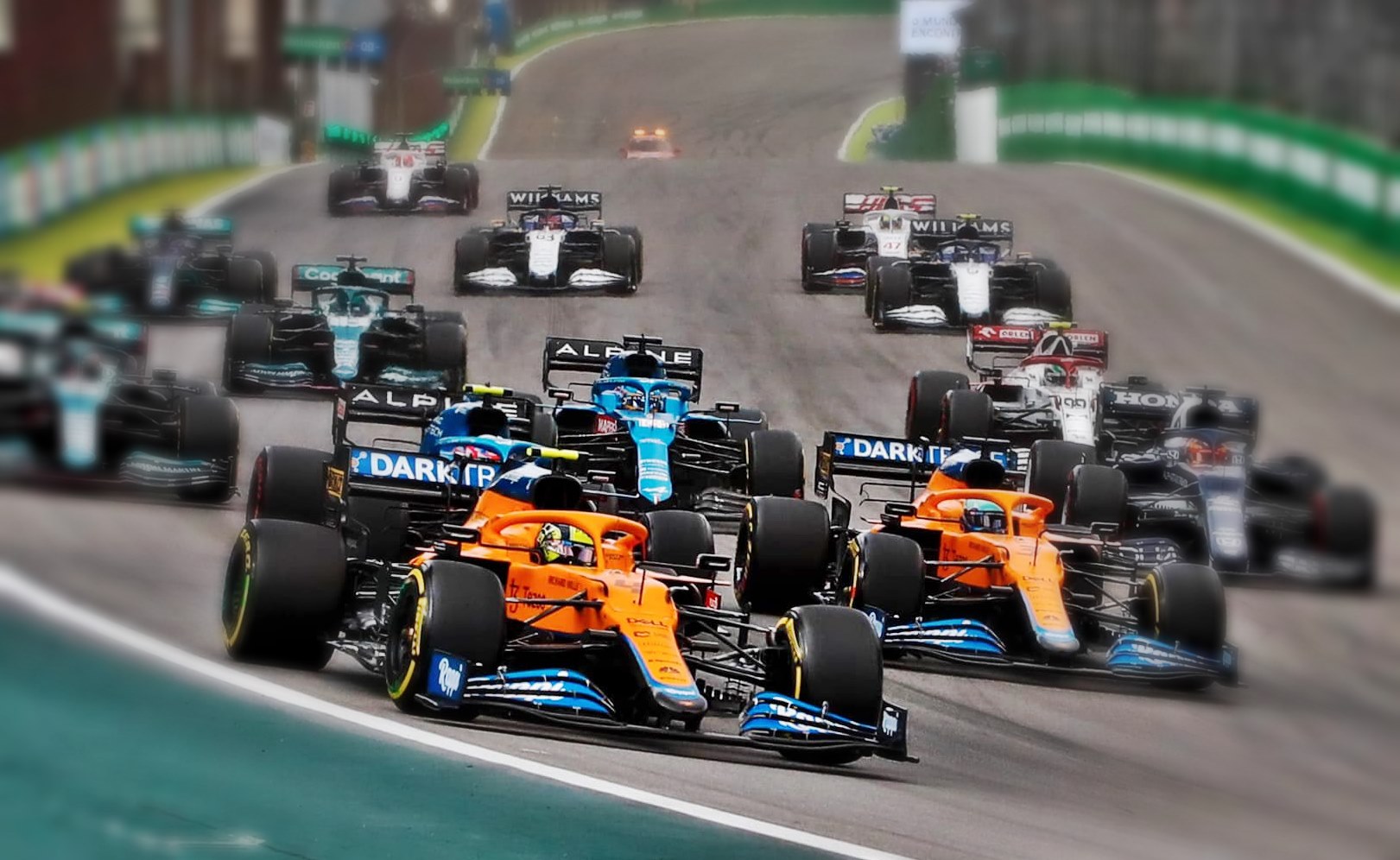
The McLaren racing cars in action during the 2021 Formula 1 World Championship.
With its low volumes, Alfa Romeo has struggled for many years and relied on the loyalty of the alfisti to keep it around. Heritage can only go so far in modern business, but Alfa Romeo has usually survived to continue its business. Now under the Stellantis Group, it will have some more breathing space with access to considerable shared resources that will allow one new model to be launched every year during this decade.
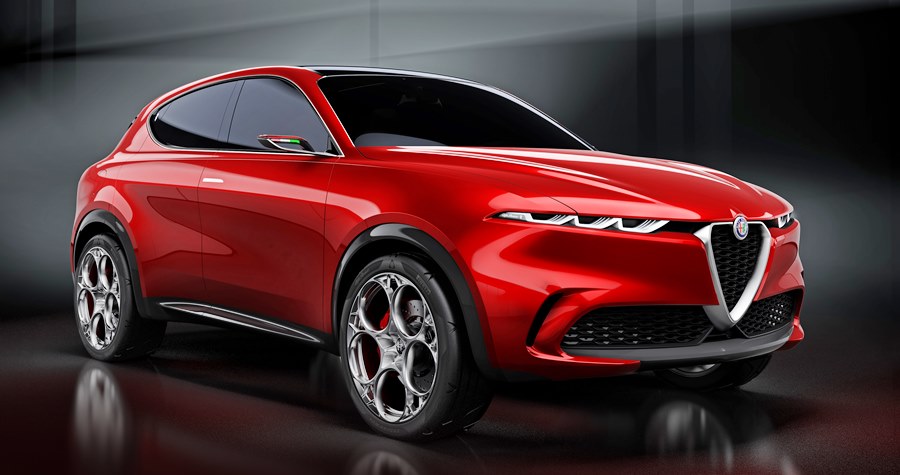
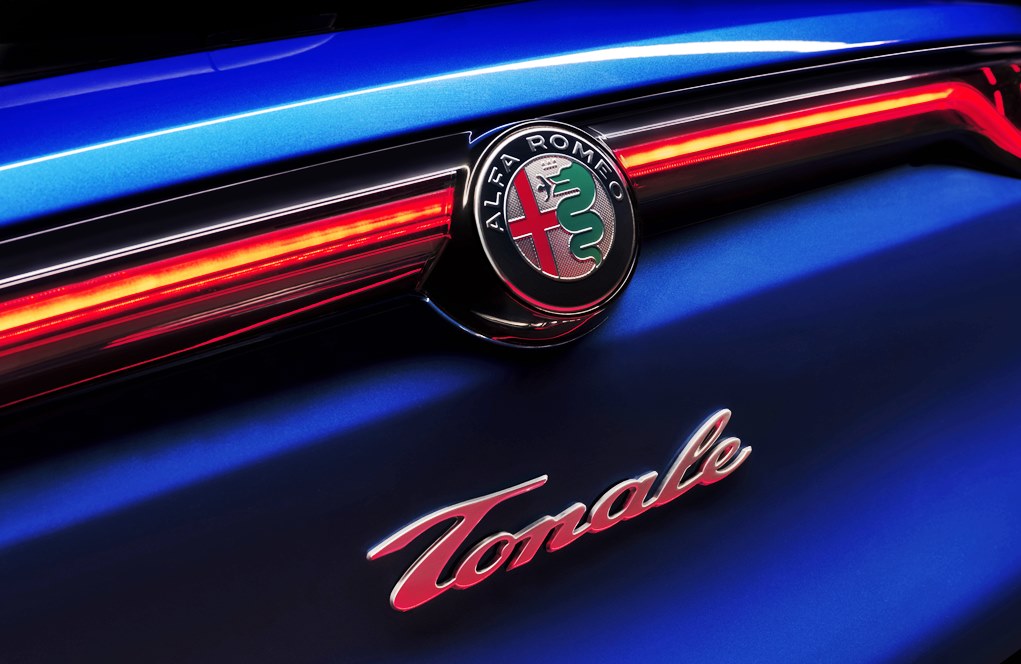
It’s been a while since we saw a really new model from Alfa Romeo and the new Tonale is something that has taken almost 3 years to go into production. A concept was shown at the 2019 Geneva Auto Show with a plan to put it in showrooms in a few years. By the time Stellantis came into the picture, the development would have been too far ahead to stop or change, so in 2022, it has its global debut although many markets may only get it in 2023.
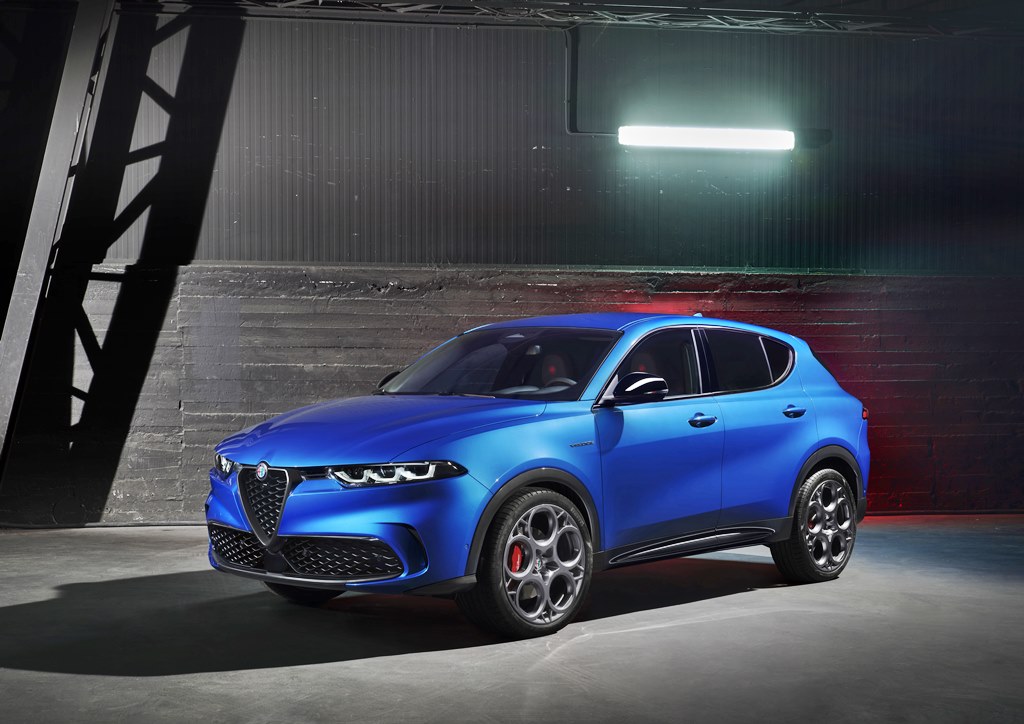
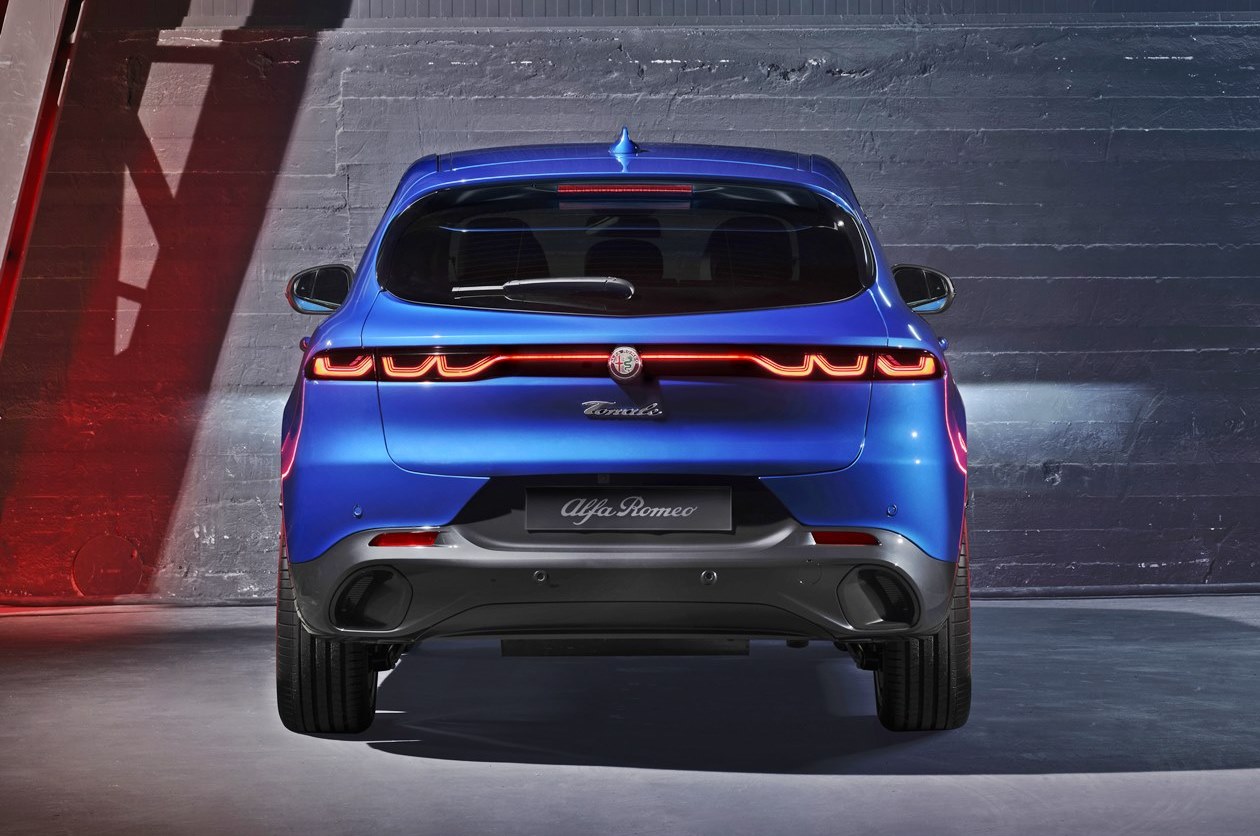
The Tonale has compact dimensions which means it will do battle in the most competitive area of the SUV segment. While said to remain true to its DNA of Italian sportiness, it also marks the metamorphosis of the brand as it starts a new era of connectivity and electrification.
2019 Alfa Romeo Tonale Concept
Concept car inspiration
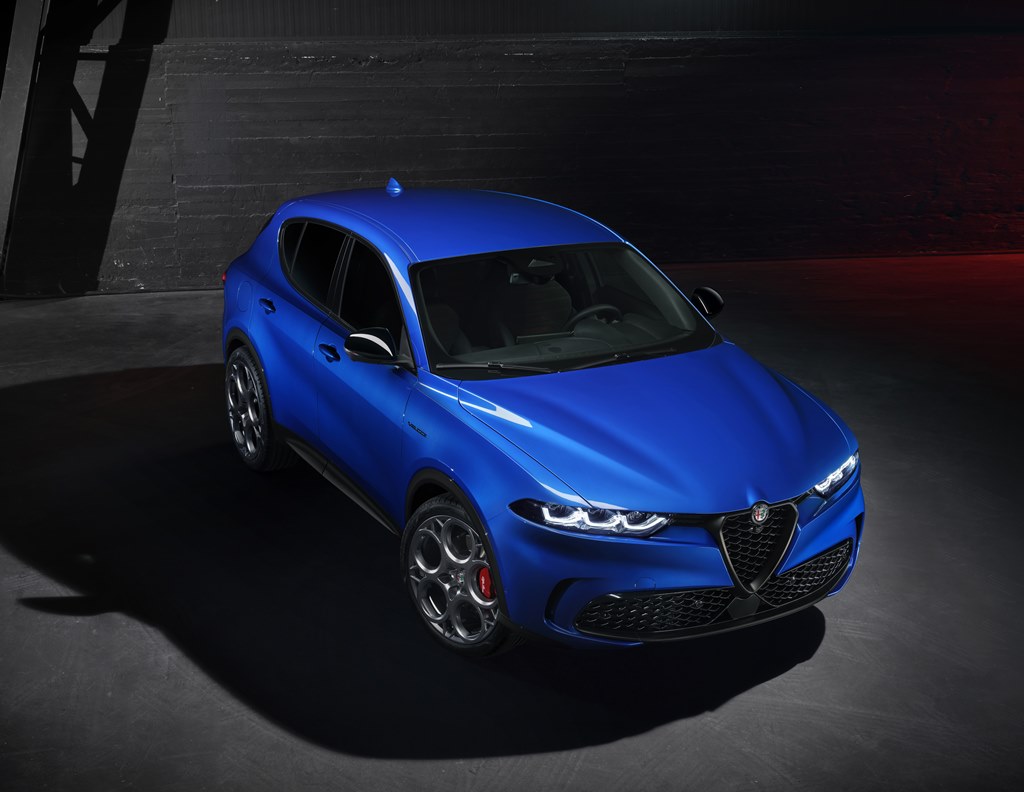
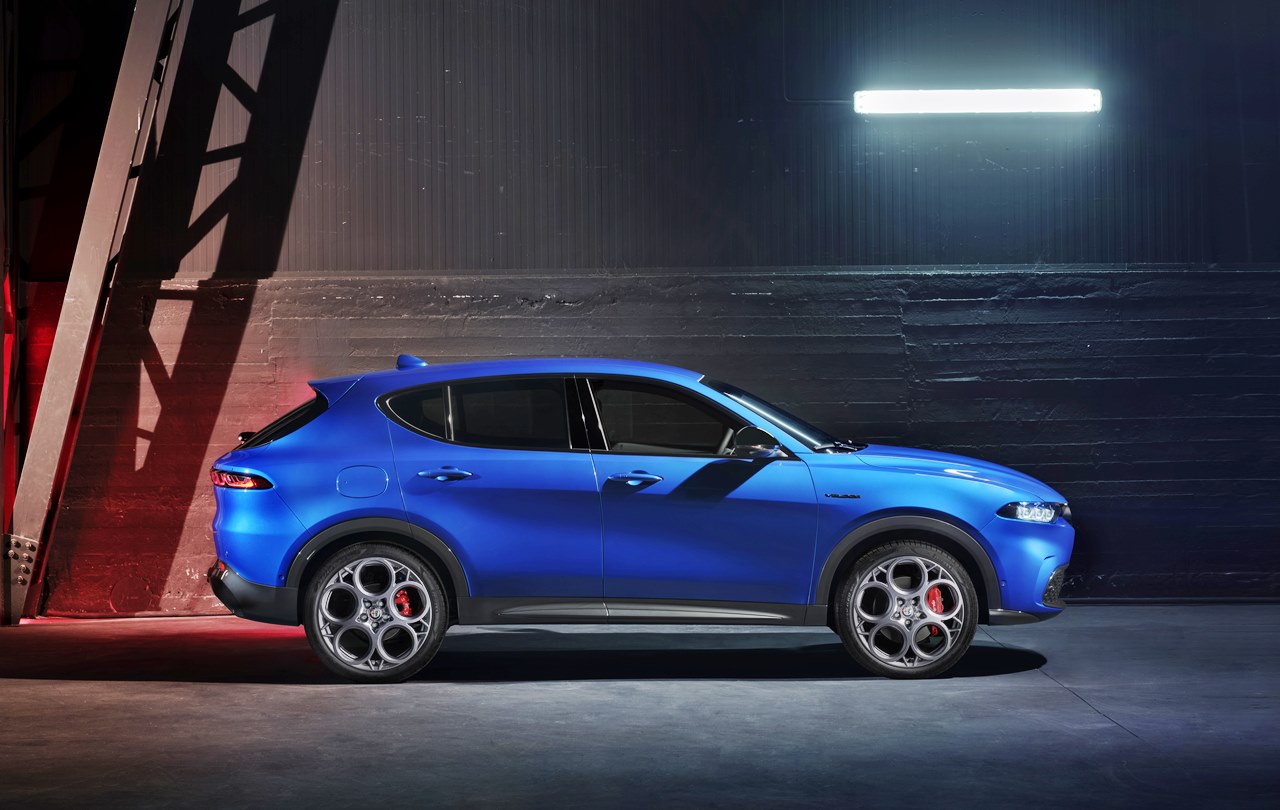
Much of the design draws on the concept car shown in Geneva which contained many classic Alfa Romeo stylistic features, reinterpreted in the name of modernity. The sides are notable for their extended curve below the waistrail, known as the ‘GT Line’, which runs from the rear to the headlights, giving definition to the car’s body and its profile. In terms of the modelling, its full volumes and sensuality are reminiscent of models such as the 8C Competizione.
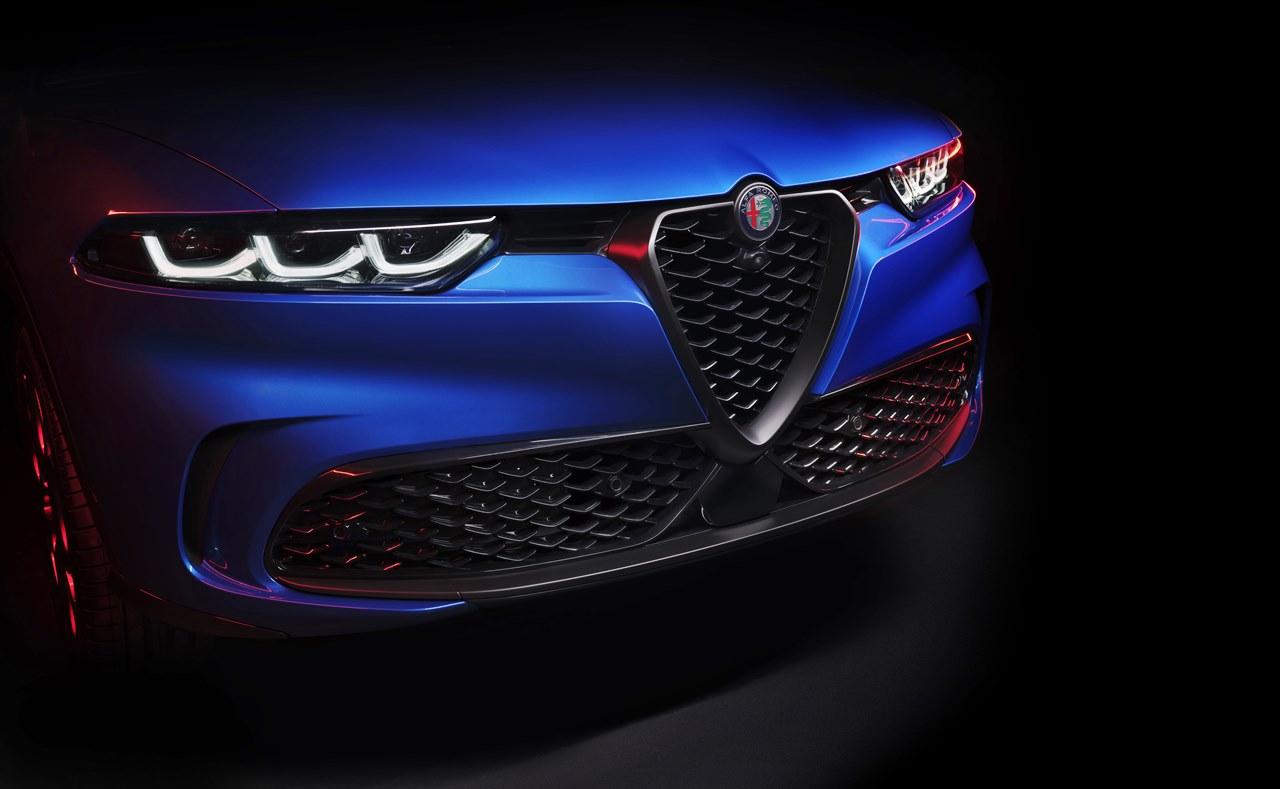
At the front, the new floating ‘Scudetto’ shield is no longer a part of the bumper but a distinctive element on its own. The lower part includes two main side air intakes which together with the shield create what is known as the ‘Trilobo’.
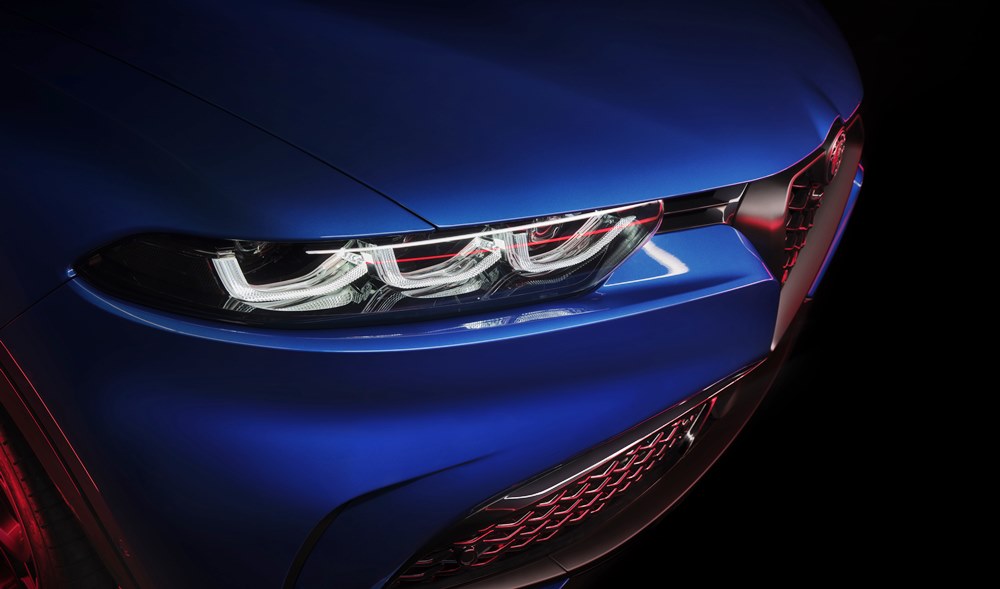
The eye-catching ‘3+3’ headlights are inspired by the SZ Zagato and the Proteo concept car. These lights adopt a new full-LED adaptive matrix and provide daylight, dynamic turn signals and a ‘welcome and goodbye’ feature. They also have adaptive capabilities to maximize illumination without dazzling other drivers, with a third module automatically activated when turning corners to expand the lighting laterally.
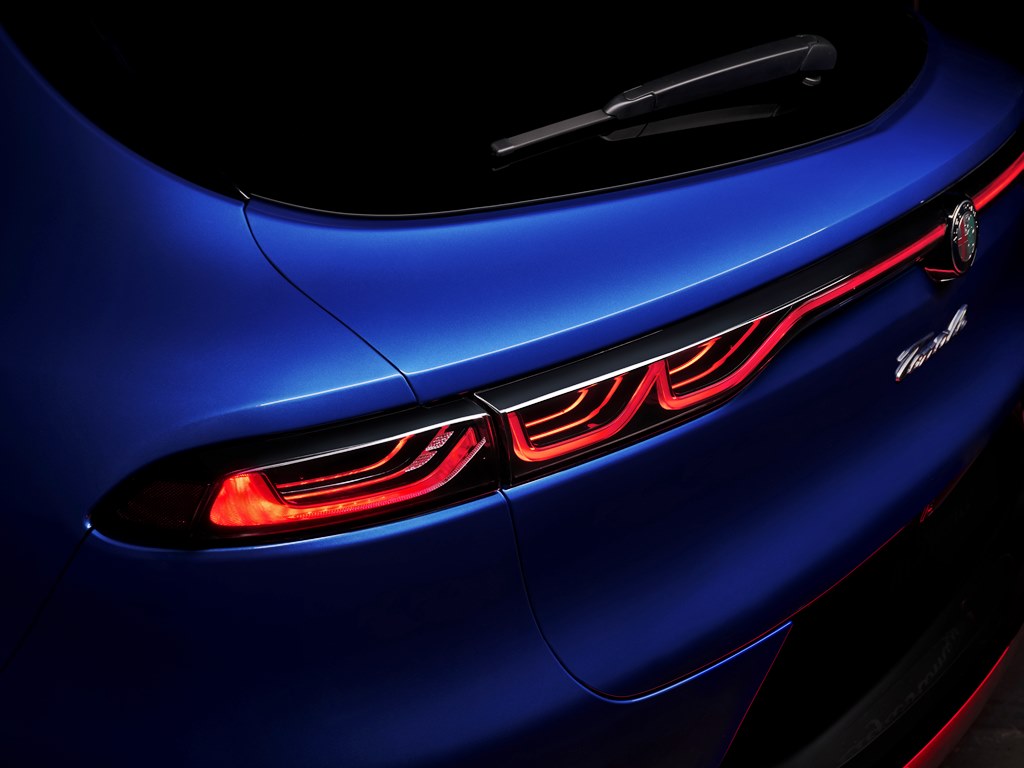
At the rear too, the light units are strong elements that for a visual signature for the Tonale. The roundness and, now classic, fold in the lower centerline shape of the rear window characterizes the SUV’s upper rear volume in a sporty yet elegant way evoking iconic cars like the 8C Competizione where the daylight opening, the edges of the side windows and the top of the rear window meet.
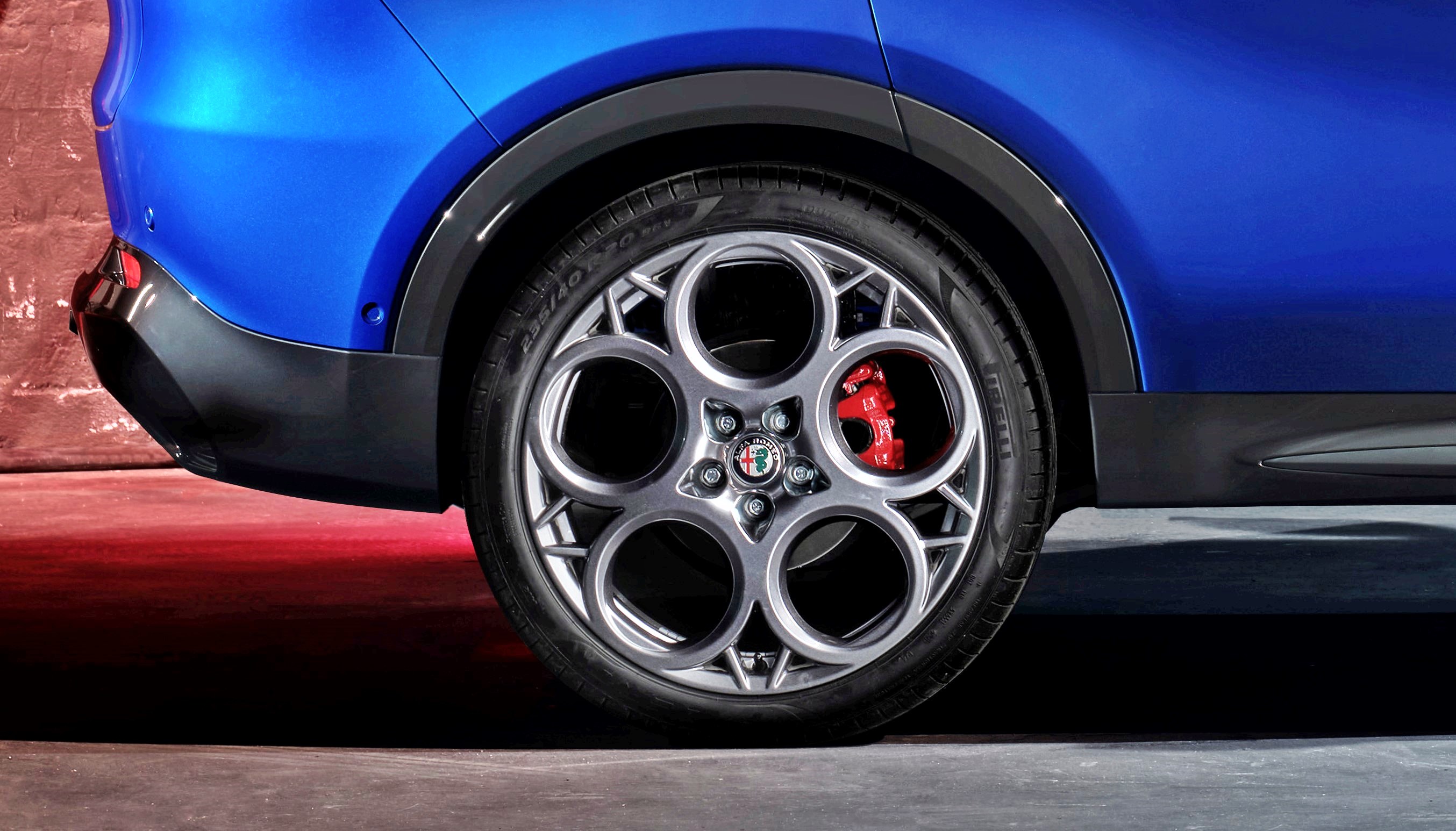
The ‘teledial’ alloy wheels that were received positive feedback when shown on the concept car have also been adopted on the production model. This is the reworking of the perforated telephone dial theme, the result of an evolution that began in the 1960s with the 33 Stradale. Over time, the perforations have gradually been increased in size and becoming more closely related to needs for brake cooling, lightness and resistance.
Driver-centric cabin
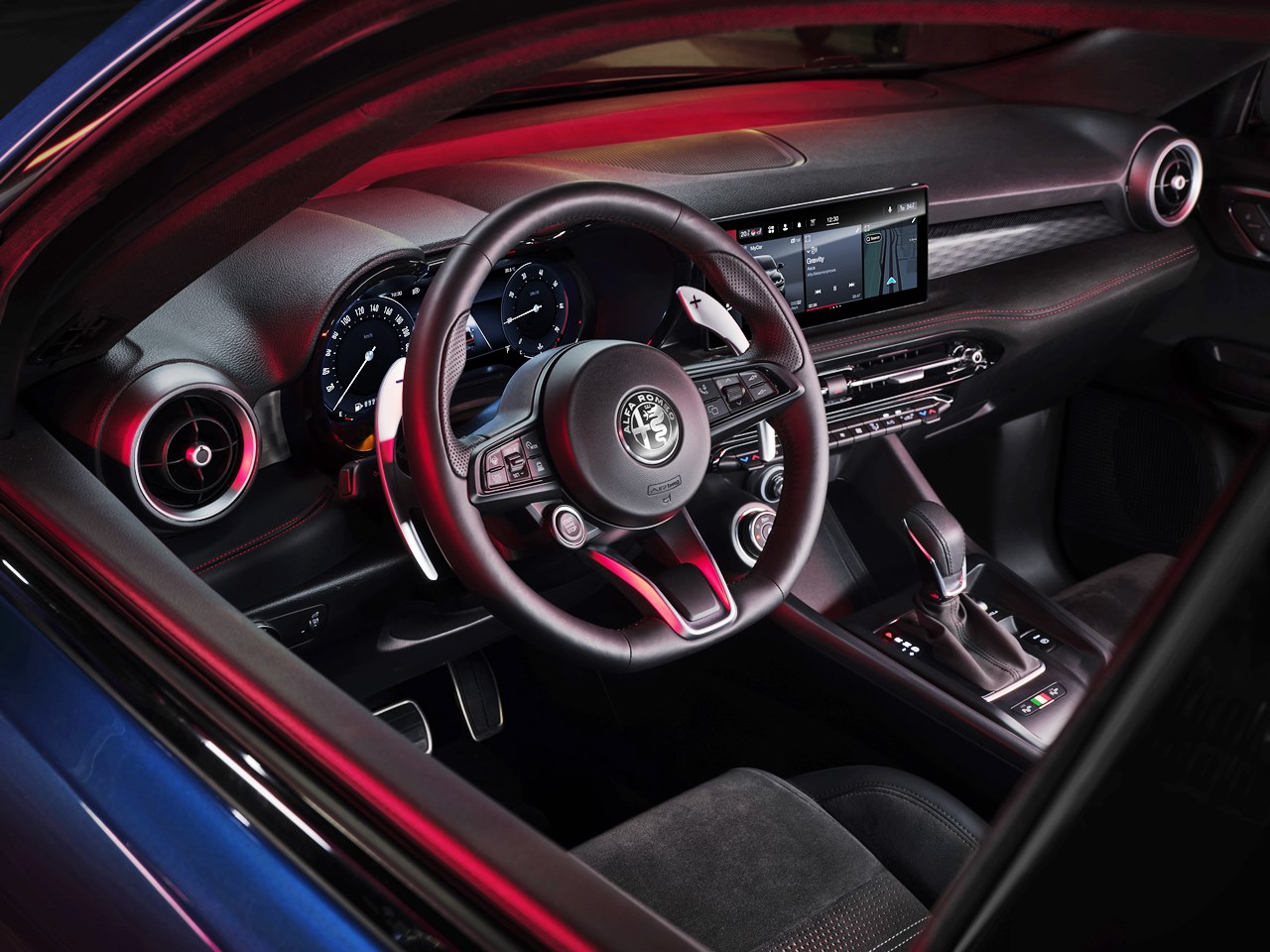
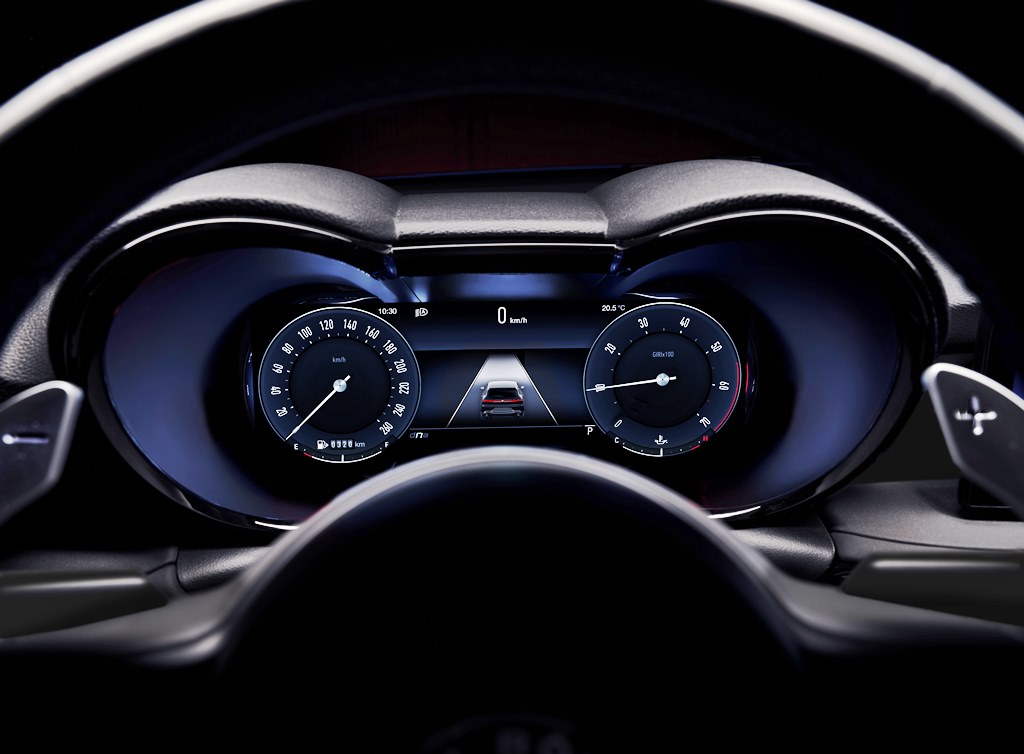
As would be expected, this is an SUV but the racing heritage of Alfa Romeo is not ignored. Everything is driver-centric, with the diagonal tunnel, slightly undulating dashboards and instruments facing the driver. The characteristic elements of the new model include the telescopic instrument panel, with its clear Alfa Romeo stylistic matrix, and the compact steering wheel with aluminium shift paddles.
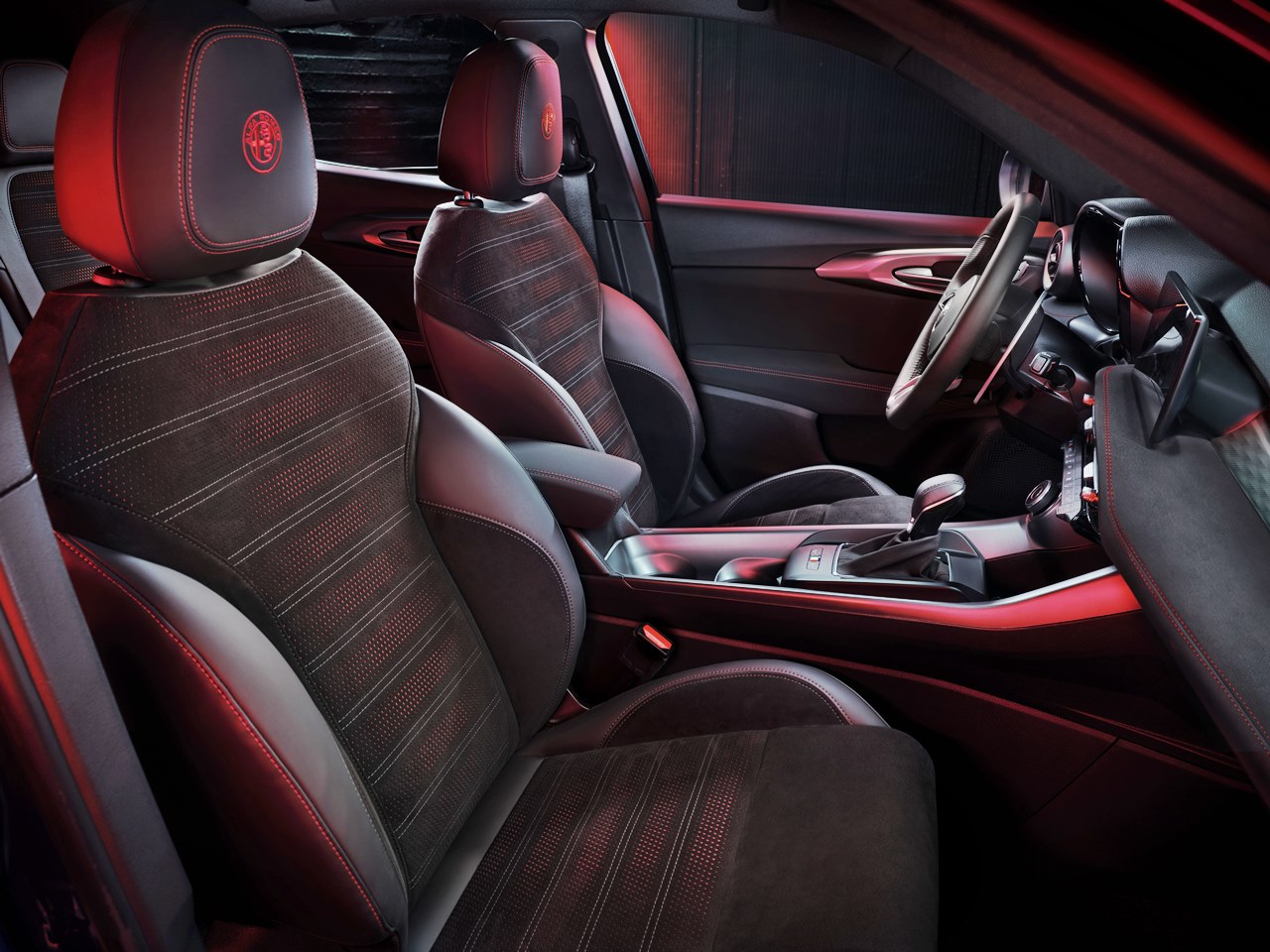
The new D.N.A. driving mode selector, slim central air conditioning vents and external turbine shaped vents, the central tunnel and handles are embellished with a diamond texture inspired by precision mechanical processing with laser engraving. The dashboard also includes an insert with a backlight effect so when the panel is off, a graphic appears. The same 3D features can be seen in the seat fabrics, from the basic versions all the way to the gradient effect with contrasting background colour.
Powertrain choices
Depending on the market, electrified powertrains or combustion engines (or both) will be offered. The front-wheel drive hybrid powertrain has a new 4-cylinder 1.5-litre petrol engine with a Variable-Geometry Turbocharger, and a 48V 15-kW electric motor. Besides two output levels – 130 ps and 160 ps – there’s also a 275 ps plug-in hybrid (PHEV) Q4 version with all-wheel drive that will have a claimed electric range of up to 80 kms.
The new 7-speed TCT dual-clutch transmission enables start-up and travel in only electric mode at low speeds and when parking and cruising, subject to battery levels. A full battery recharge is said to take 2.5 hours when using a 7.4kW fast charger.
Some markets will still be able to get good old powertrains with just combustion engines. There will be Tonale variants with a 2-litre 4-cylinder turbocharged petrol engine as well as a 1.6-litre turbodiesel engine.
The driving dynamics of Alfa Romeos have always been much appreciated and respected, and even with an SUV, these cannot be compromised. One element that contributed to ensuring this is the optimally balanced weight distribution between the two axles. This required special management of mass and materials, which was done both by working on the car’s layout and by placing all the heavier components as centrally as possible.
The Tonale has an Integrated Brake System (IBS), an innovative electromechanical system that combines stability control with conventional servo brakes. Said to be an industry first, the integration between electronics and mechanics, significant weight optimization, optimal feeling and the total absence of pedal vibrations can guarantee the system instantaneous brake response. The fixed calipers are from Brembo, with four pistons and self-ventilated discs at the front and solid discs at the rear.
The Dual Stage Valve electronic suspension provides a choice between performance and comfort. Developed in conjunction with Alfa Romeo’s long-standing technology partner Marelli, the electronic shock absorbers feature a special electro-actuated valve within the shock absorber that provides independent damping curves for 2 modes (Comfort and Sport).
New ADAS systems
The Tonale is equipped with new Alfa Romeo Advanced Driver Assistance Systems (ADAS) for Level 2 autonomous driving, which means that the vehicle can automatically handle acceleration, braking and staying within a lane while maintaining driving safety. However, the driver still needs to be alert and involved, though to a lesser degree which can reduce fatigue on long journeys.
In the event that the driver loses concentration or even falls asleep, there are features like Autonomous Emergency Braking which will activate the brakes if the driver does not react to alerts. The Drowsy Driver Detection system constantly analyses the vehicle’s movements to detect any characteristics which indicate driver fatigue. Once a certain threshold has been exceeded, the system emits beeps and/or visual warnings, recommending the driver stop for a break.
Connectivity with Amazon
Connectivity in a car today is more than just being able to connect a smartphone to the infotainment system. It now encompasses being able to connect to the rest of the world and a major new feature in the Tonale is the built-in Amazon Alexa voice assistant. Where it is available, Secure Delivery Service can set the vehicle as the place to deliver Amazon packages. The doors can be unlocked, and the courier can leave them inside the vehicle. Updates on vehicle status can also be received at home so it will be possible to know the battery charge level and other information. Alexa can also be used to search for nearby restaurants or even adjust lights or heating connected to the home automation system.
NFT for a car
In a world exclusive, the Tonale debuts non-fungible token (NFT) technology. Alfa Romeo is the first automaker to link a car with an NFT digital certificate. The technology is based on the ‘blockchain card’ concept, a confidential and non-modifiable record of the main stages in the life of an individual vehicle. Upon the customer’s consent, the NFT will record vehicle data, generating a certificate that can be used as a guarantee of the car’s overall status, with a positive impact on its residual value. On the pre-owned car market, NFT certification represents an additional source of credibility for owners or dealers to count on.