Piston.my

English

Germs are all over the place and they’ve been there all along. Over the thousands of years, the human body has managed to build up defences for some of them or making ‘deals’ that if they don’t kill the human they live in, they can just stay. Medical advances have helped to fight infections too when the defences have failed and we have become sick.

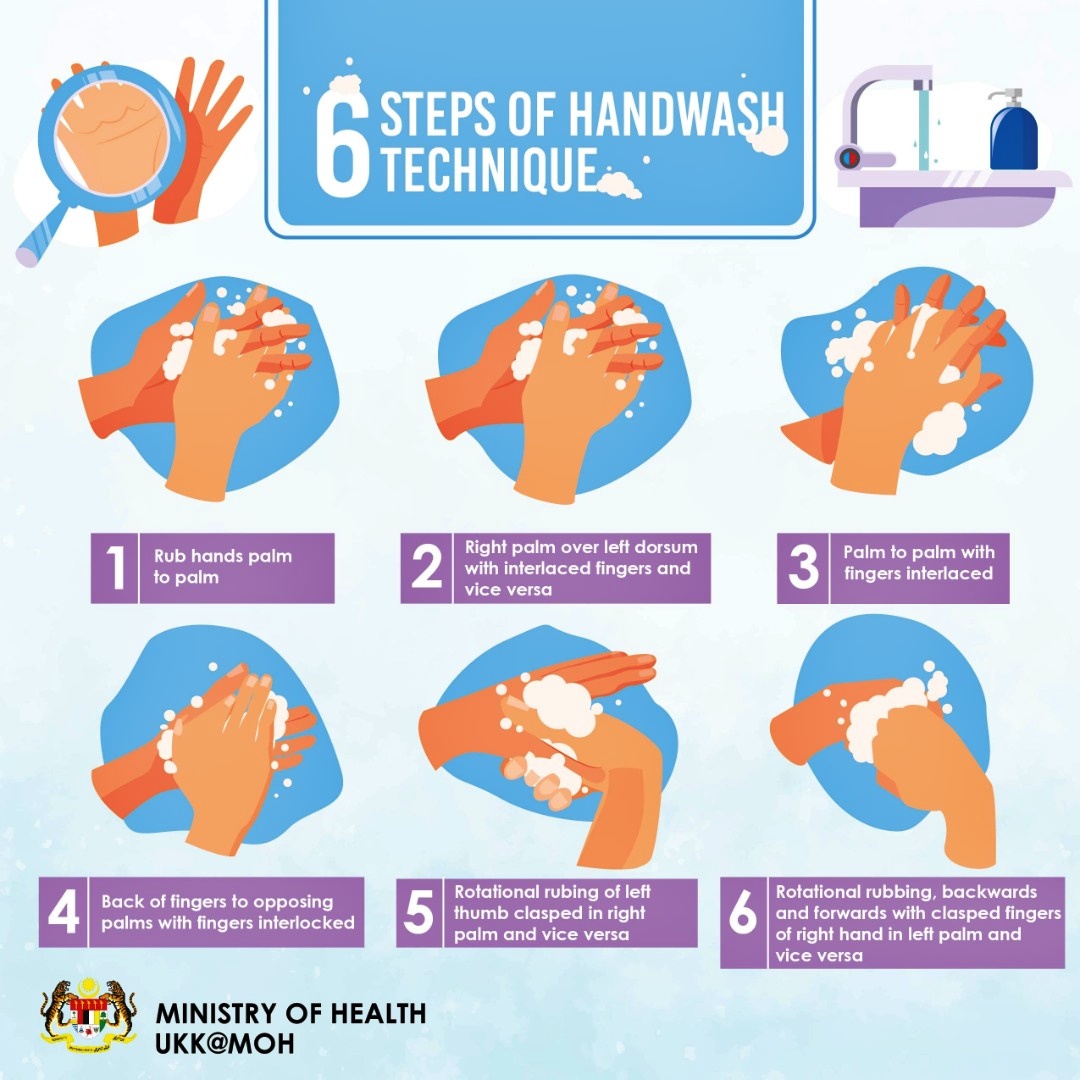
But now we have a new enemy – the COVID-19 coronavirus – which has impacted the whole world, creating a pandemic. It’s not an alien invasion that we have seen in the movies but seems like one with the way it has swept the world and is killing thousands. Worse, it’s an invisible enemy which we cannot see so we don’t know where it is. Droplets of the virus could be on your keyboard, deposited there after you touched a basket at the supermarket and didn’t wash your hands with soap and water after you got home.
CORONAVIRUS

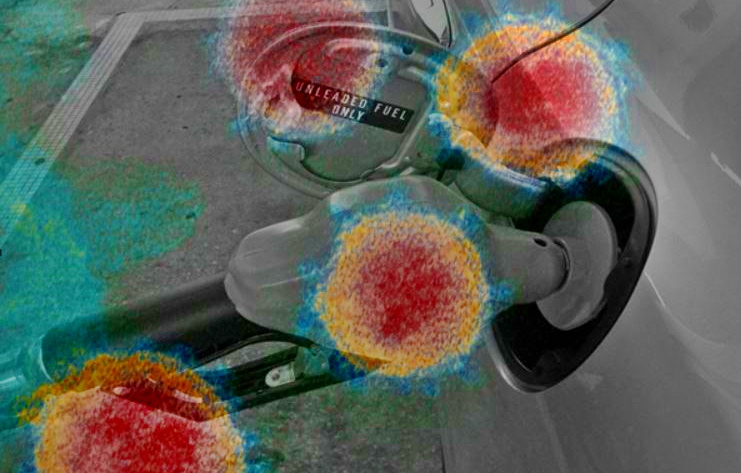
A home for germs
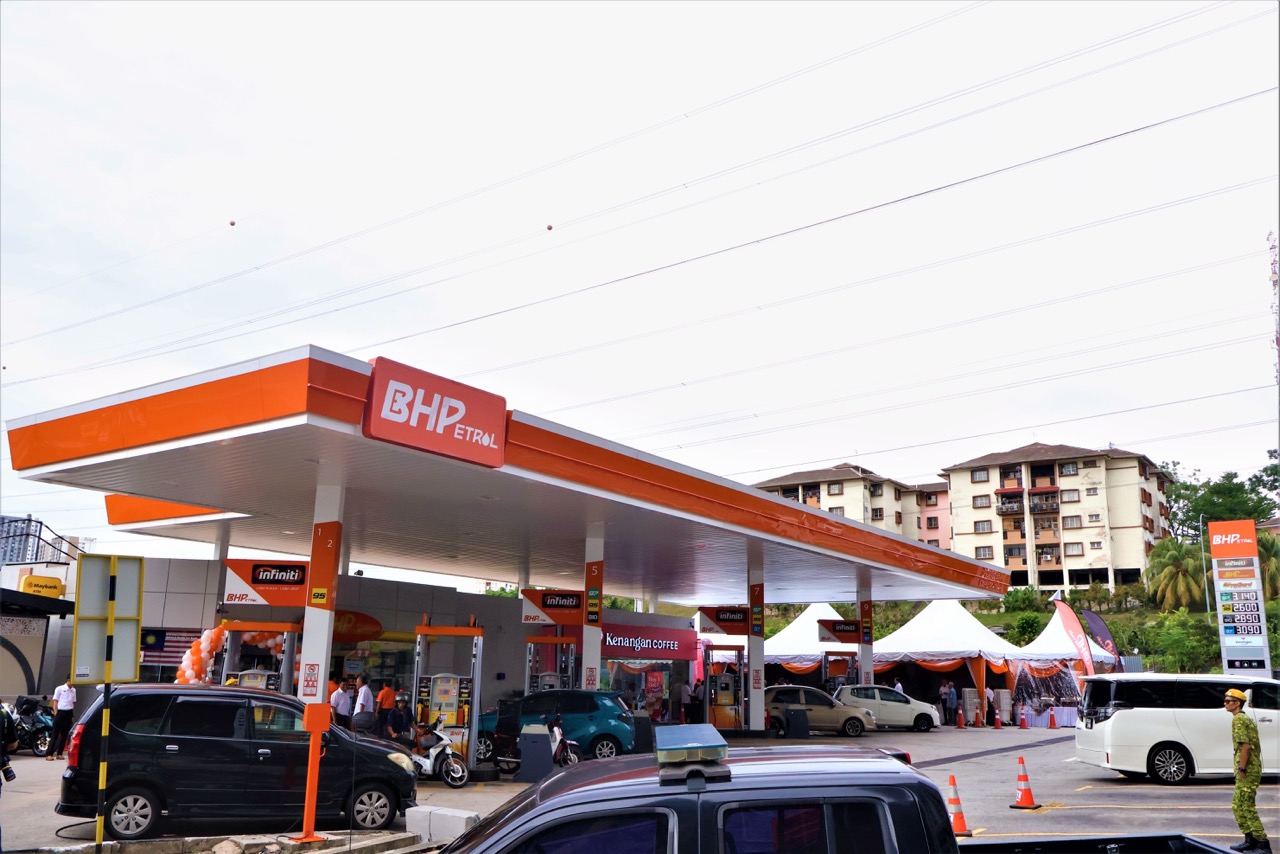
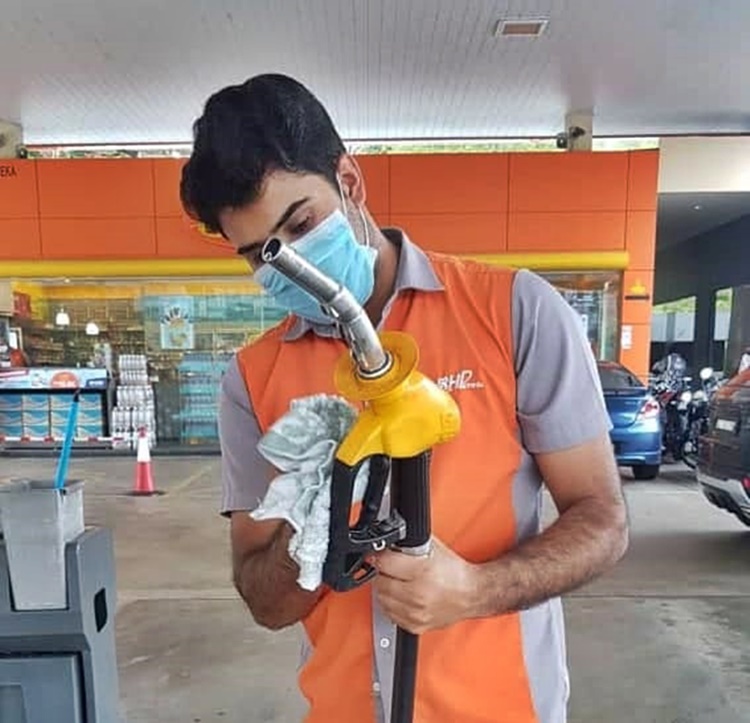
Since the virus can be almost anywhere and remains dangerous for hours and even days, precautions have to be taken touching any surface. These include using sanitizing wipes, sprays or gloves as well as hand sanitizers whenever you are away from home (which would be less now). One place where many may forget such precautions is at the petrol station: having pumped petrol countless times in our lives, we just forget that the pump nozzle  handle is a home for germs too.

Many different people grip the handle daily. Some may be sick and leave their germs behind and then if you are unlucky, you pick up the germs and then you get sick as well. Perhaps that is how you got the flu the last time, who knows? But fortunately, until now, the danger has been very low to the extent that the need to protect yourself when holding the handle is not that important. More important is that you avoid inhaling the fumes from the fuel which can be bad for you.

Avoid direct contact with your skin
Now, more than ever, you should take precautions when pumping petrol. If you use a credit card and need to enter a PIN, then you might want to either wipe the keypad first with an antiseptic tissue or use some other object to press the keys to avoid direct contact. The PETRONAS Setel system is a contactless system which activates the pump using the mobilephone and some pumps also have wave capability for credit/debit cards.
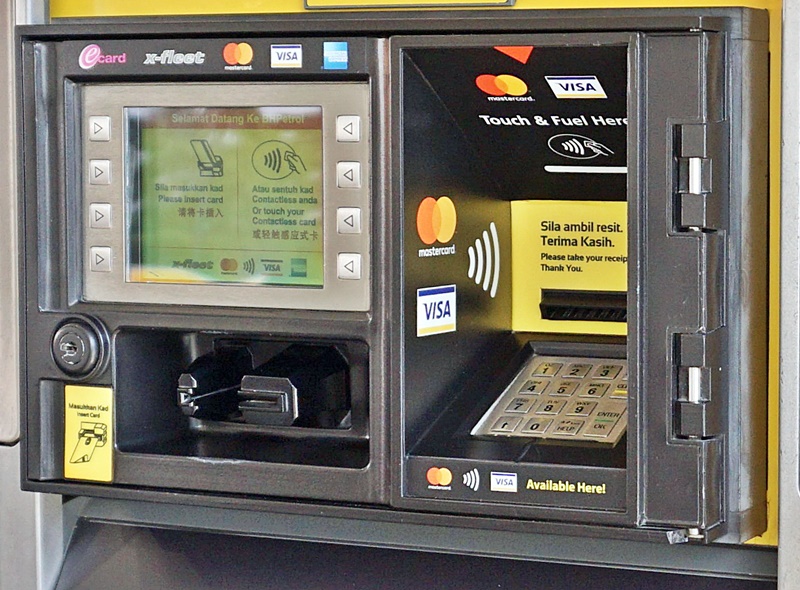
Payment console

Next is holding the nozzle handle and for this, you could use gloves, which you should dispose of after use (to conserve your supply, you could probably just use one glove). Disposable plastic gloves (the thin type) are a risk as they could cause static electricity so use only latex gloves.

Or you could get an unused cloth or paper and use it as a glove. The important thing is just to avoid direct contact with the handle so your hand doesn’t pick up any germs.

The final step, if you feel it is necessary, would be to clean your hands using a hand sanitizer which you should have in your vehicle. Try to avoid touching too many areas in the cabin so as not to deposit anything on them and if possible, use antiseptic wipes to clean them (we’ll talk about that in another article).
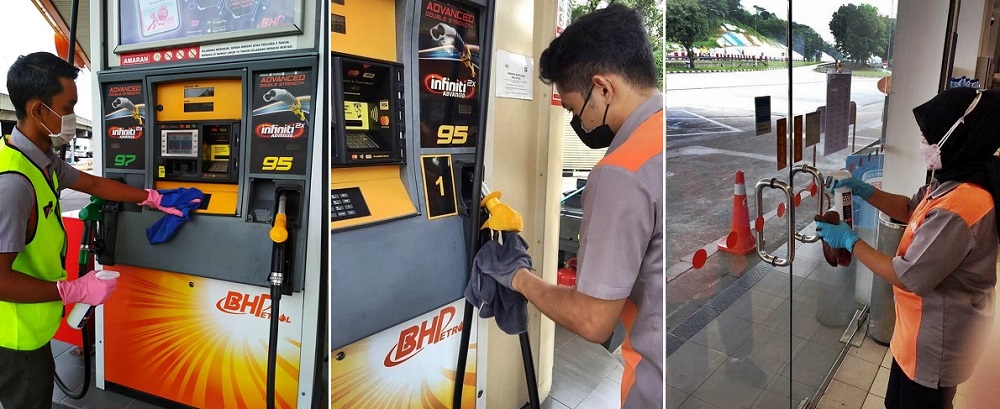
COVID-19 measures at BHPetrol station

Petroleum companies also do their part
The petroleum companies also realise the importance of ensuring that the surfaces and points of contact are kept as hygienically clean as possible for the safety of customers visiting their stations. At BHPetrol stations, for example, the staff frequently sanitize and disinfect many areas and also offer filling services for motorists who prefer not to get out to do it.

You probably use your car much less now with the Movement Control Order in effect, unless you are commuting daily because you are involved in one of the essential services. So consumption would be lower and a full tank will last you much longer than usual. But should you have a need to refuel, do keep in mind our suggestions – to protect yourself and your loved ones.

StayAtHome

Handwash


BHPetrol RON95 Euro4M

With its motorbike-filled motorways, Vietnam has never been a country that’s been associated with the production of cars although it does have some assembly plants. But VinFast, Vietnam’s first domestic automotive manufacturer, is driving the charge to shift perceptions of the country from being a car assembly shop to a major automotive manufacturer.

In a new documentary, ‘Geared for the Future’, to be broadcast on Discovery Channel  [Astro Channel 551] at 8:05pm and Discovery Asia [Astro Channel 571] at 8:45 pm tomorrow night (Friday March 27), racing driver and car enthusiast Claire Jedrek, gets inside the action as VinFast sets its eyes to compete on the global automotive stage.

Vinfast A2.0

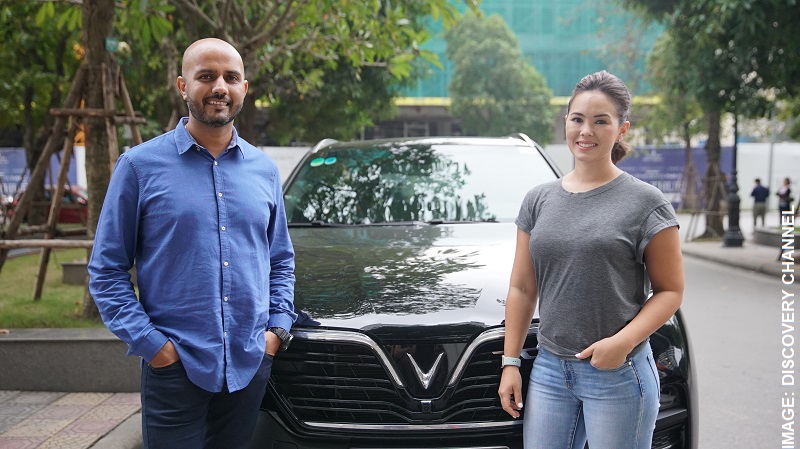
In this Discovery special, Claire speaks to experts and key industry players including Dr. Tran Đình Thien, member of the Economic Advisory Group of Vietnamese Prime Minister, motoring expert Keshvinder Singh Dhillon (Keshy) and Van Anh, Deputy CEO of VinFast, to uncover the story of Vietnam’s miracle growth and VinFast’s journey and goal of becoming the biggest automaker in Southeast Asia.

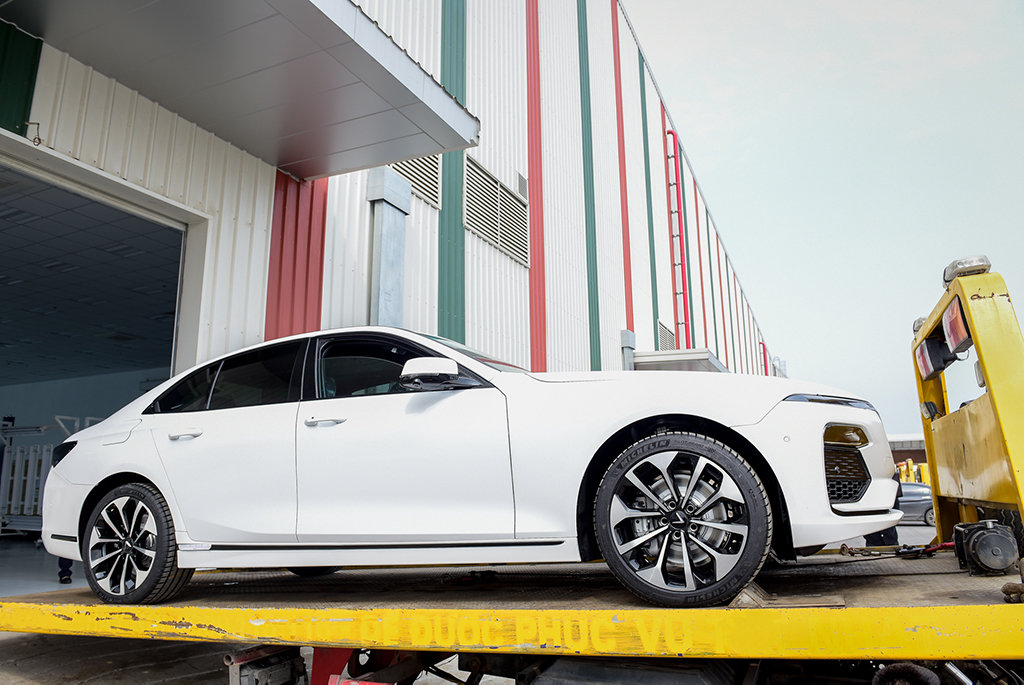
VinFast is fast proving itself as a major driving force after building Vietnam’s first homegrown car brand from scratch. In 2018, the company successfully launched its first car models within a span of just 2 years with an estimated investment of US$3.5 billion. It only took them 21 months to build a factory, complete car design, and start mass production – creating a record in the global automotive industry.

Vinfast factory

Discovery Channel Vinfast

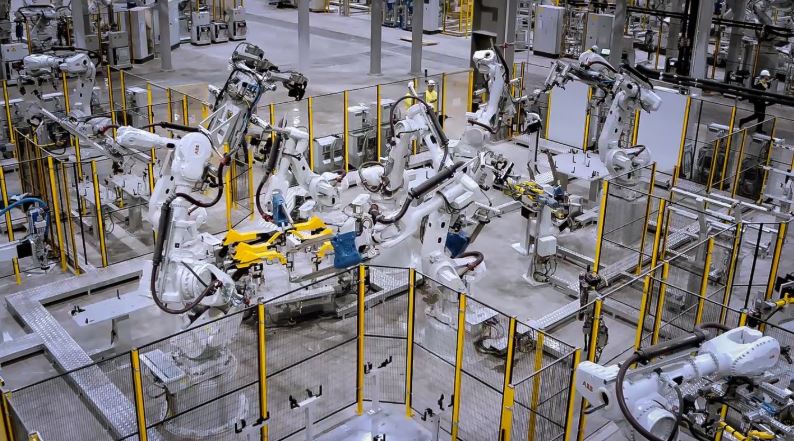
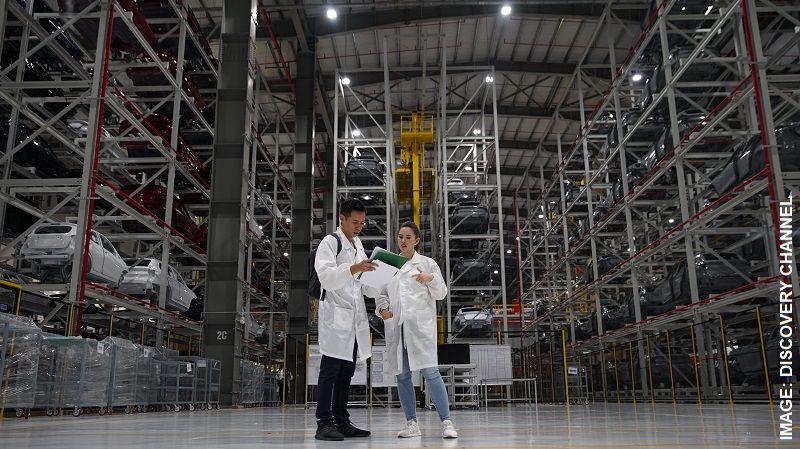
Claire visited Southeast Asia’s first fully digital automotive factory, observing the state-of-the-art technology that gets the job done. She shares with viewers the challenges behind creating a car that would appeal to the Vietnamese people and, at the test track, puts a VinFast car to the test.

Discovery Channel Vinfast
PISTON.MY’s Keshy Dhillon and Claire Jedrek

Vinfast

These made-in-Vietnam cars may have just hit the market, but the company is ready to go full throttle. To date, the company has already received more than 17,000 orders from the domestic market. Its range will soon expand to include luxury cars, SUVs, electric motorbikes and buses which it plans to sell in other Southeast Asian markets and beyond.

First flagship models of Vietnam’s Vinfast score 5 stars in ASEAN NCAP tests

PISTON.MY


Since the outbreak of the COVID-19 coronavirus pandemic in China, Geely Auto has been proactive in finding ways to keep its customers safe from infection. Its engineers developed a virus-filtration system that is incorporated in the vehicle’s climate control system within 20 days and then the company also introduced a fully contactless sales process.


Related: Geely Auto develops cabin virus-filtering system


Complementing the contactless sales process (a proprietary online sales system), Geely Auto has also improved upon its contactless home delivery system which looks to directly deliver new vehicles to customers’ homes or place of work rather than collecting from dealerships.

Geely Drone

The new system will now use drones in select locations to pass new car keys to consumers by delivering directly to their door or balcony, furthering the distance between staff and consumer and creating a truly contactless process. This is especially important in these times when social distancing (being apart by one metre of more) is being emphasized.

Social distance

Since the platform was launched in February, some 10,000 consumers have ordered and paid for vehicles on Geely’s online mall with a further 110,000 users registering their interest to buy a Geely vehicle in the short term. All confirmed orders and confirmed leads are a sent to local dealers who process orders and begin the home delivery process.

All Geely Auto vehicles are thoroughly disinfected (including through ionization) by the dealership prior to delivery.

Geely ICON
New ICON crossover SUV

As part of Geely’s commitment to developing cars which are more hygienically clean, Geely Auto has set aside a 370 million RMB (about RM228,600) fund that will focus on the development of cleaner, healthier vehicles providing clean cabin air and using materials that are antimicrobial in nature. The first mass produced vehicle equipped with anti-bacterial filters, the ICON, was launched in late February 2020.

“Geely Auto’s constant change to market requirements and consumer concerns is the driving force behind Geely’s continued success in the Chinese market,” said Victor Yang, Vice-President of Geely Auto Sales Company.

Geely sends medical equipment and supplies to Malaysia and other countries

PISTON.MY


The Prime Minister has announced that the Movement Control Order (MC) will be extended a further two weeks until April 14, 2020. When first introduced on March 18, it was to have been until March 31, 2020 but the number of new COVID-19 cases is still not heading downwards. Up till noon today, the number of cases on record is 1,796, with 172 new cases being reported.

The PM made the announcement after discussions with the National Security Council “The government is of the opinion that the Movement Control Order should continue. The trend is expected to continue for a while before we can see the number of new cases reported decline.. In line with this, the government have decided to extend the MCO until April 14. I am informing you on the extension earlier so that the people can be prepared,” he said in a televised broadcast.

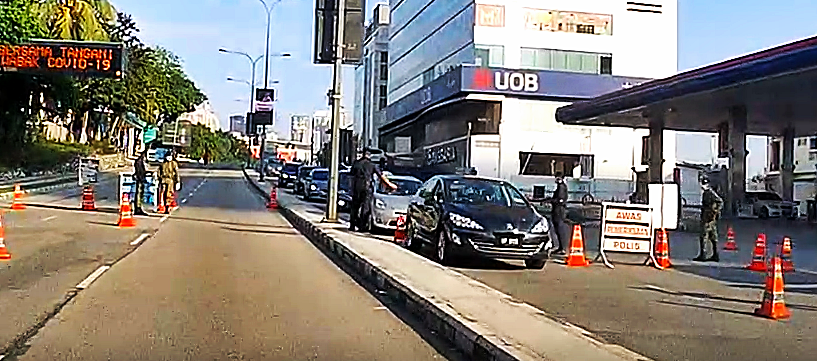
Advising Malaysians to be mentally and physically prepared to stay at home for a reasonably longer period of time, he said that those already in their hometowns need not return to Kuala Lumpur or other cities at the end of this week. In any case, under the MCO, there is a ban on interstate travel except with authorisation by the police.

Roadblock

The same restrictions apply and we should be glad that at least some movement is still permitted for people to go out and obtain essential items periodically. In some countries where there are lockdowns, the restrictions are stricter. You should only go out (one person per household) to buy the items needed and then return home immediately.

Supermarkets are allowed to remain open for business and restaurants can provide food for takeaway and deliveries. You can still get your nasi lemak and McDonalds or KFC using food delivery services such as Grab or Foodpanda. The PM gave assurance that food supplies are sufficient for everybody even though the MCO has been extended. So don’t buy more than necessary since you can go out again to resupply.


Related: How motorists can help to prevent the spread of COVID-19


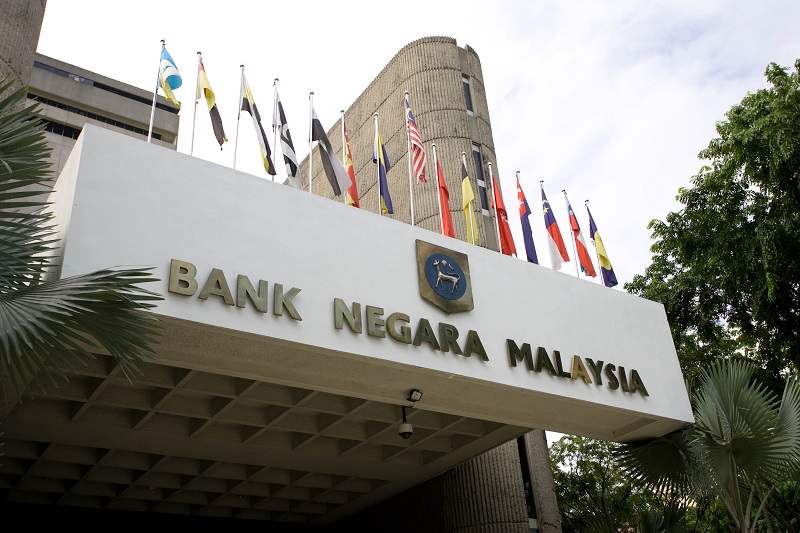
Businesses that are non-essential will have to remain closed, posing a problem for small companies. The government has been looking at ways to provide relief to all sectors and for individuals and SMEs (Small & Medium Enterprises), Bank Negara Malaysia has directed that a moratorium be provided for loan repayment. This will be for 6 months from April 1 and during that time, vehicle owners who have H-P loans do not have to pay the instalments and will not get a late penalty charge.

We are not alone in this. In virtually every country around the world, governments are forced to take measures, some very severe, to fight the COVID-19 pandemic as numbers keep growing. Stay strong and stay at home to do your part in preventing the virus from spreading.

StayAtHome

PISTON.MY

BHPetrol RON95 Euro4M

These are tough times for everyone and conserving cash and savings is important because we don’t know how long this situation will continue. In a normal recession, there comes a time when it ends and the economy slowly picks up again but this time, this is not something to do with the economy. It’s a pandemic which has to be fought like a war and hopefully, mankind will win and defeat the enemy.

For those who have hire-purchase loans from banks for their vehicles, you would normally have to continue paying the monthly instalments. So a portion of the money you are trying to save for essentials still has to be set aside to meet this commitment, otherwise your vehicle gets repossessed.

Understanding the burden on many people, Bank Negara Malaysia (BNM) has directed all banks to automatically allow a 6-month moratorium on loans (ringgit-denominated) being serviced by individuals and SMEs (Small & Medium Enterprises) from April 1, 2020. This means that instalments for the months of April, May, June, July, August and September 2020 need not be paid as scheduled.

It does not mean that you get the 6 months deducted as you will have to resume paying from October onwards and your repayment period will end 6 months later than the original ending month.

You will not be charged any penalty for late payment during the 6 months but according to a BNM FAQ, the interest for the month will still be charged. So at the end of the loan term, you will have an extra amount to settle which was not present at the start when you took your loan.

If you have set monthly deductions from your bank account to pay instalments automatically, deductions will not be made during the period (but check with your bank to confirm).


Related: Click here to read the Bank Negara Malaysia FAQ on loan deferment


“Banking institutions should provide individuals and SME borrowers with adequate information on how the suspended loan/financing repayments/payments will be treated during the moratorium period,” BMM said.

From what we understand, no application is needed as the deferment will be automatic and is applicable to loans or financing that are not in arrears exceeding 90 days as at April 1, 2020. Credit card balances are not covered under this moratorium although it may be possible to discuss with your bank about rescheduling payments or converting to loans.

So you have some extra money in the coming months. Do spend it wisely on essentials and don’t  go on a ‘shopping trip’ online! If you do not wish to defer your instalments, you should notify your bank.

StayAtHome

PISTON.MY

BHPetrol RON95 Euro4M

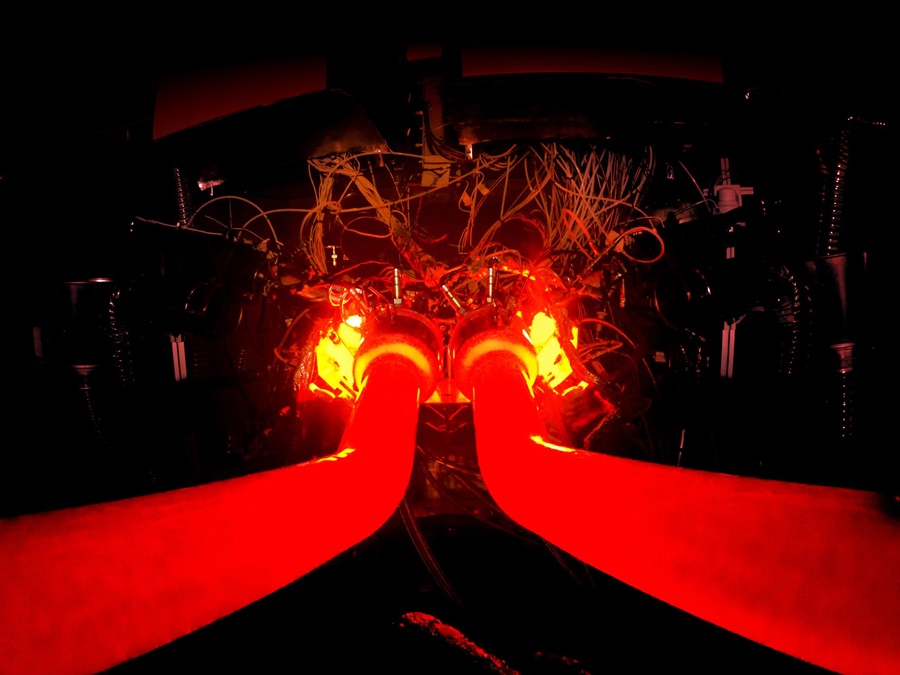
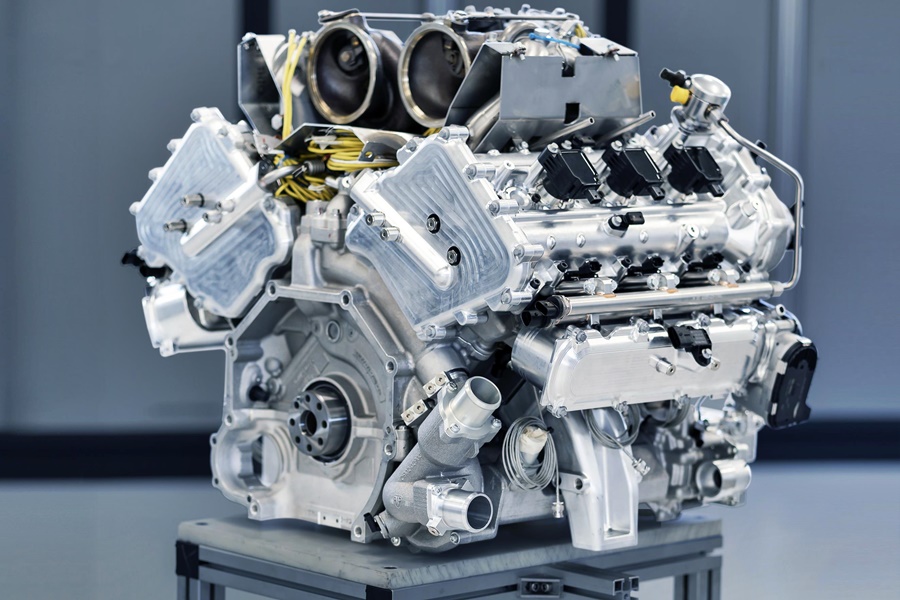
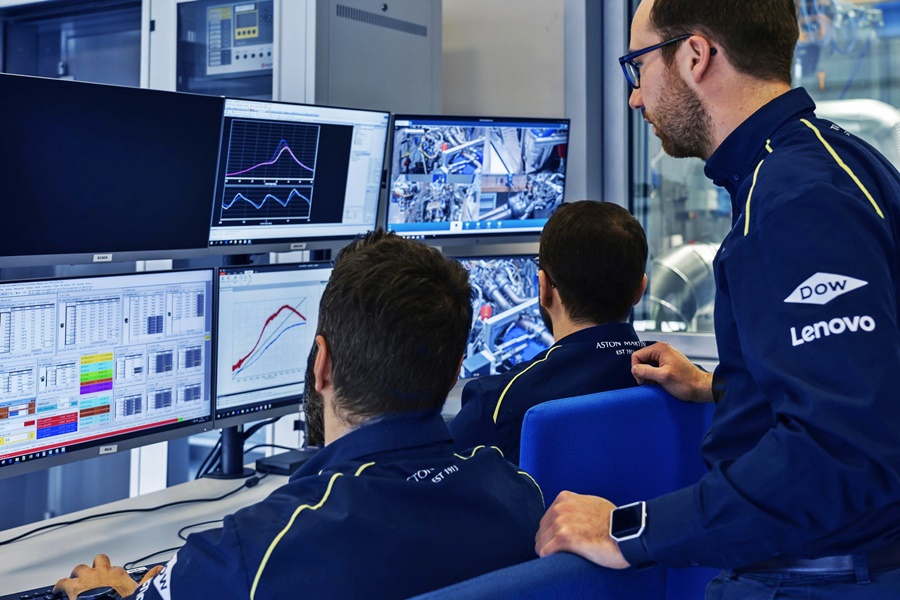
Aston Martin has revealed further details of its in-house designed V6 engine, created initially for deployment in a new range of mid-engined sportscars, starting with the Valhalla from 2022. Codenamed TM01 – celebrating Aston Martin’s illustrious engineer of the 1950s and 1960s, Tadek Marek – the engine has already undergone a series of extensive testing sessions on the dyno, as the team make progress towards creating the luxury British brand’s first in-house designed engine since 1968.

New Aston Martin V6 engine

Confirmed today as a 3.0-litre turbocharged V6, the full powertrain will be electrified – an aspect that has been key to the engine’s development from day one. In parallel to the tests shown today, Aston Martin is developing a new range of hybrid systems that will ensure that the complete unit will become the most powerful in the Aston Martin range when on sale. The final power and torque figures for each application of this powertrain will be determined by the desired characteristics of each product it serves and confirmed at the time of launch.

New Aston Martin V6 Engine

Following the Valkyrie – the brand’s first mid-engined hypercar – many key learnings have been directly applied to this project. As a result, the decision to develop the engine with a ‘hot V’ structure was clear from the start, with the configuration allowing for this compact engine to weigh less than 200 kgs.

Aston Martin Valhalla

Higher engine speeds, in combination with the benefits of electrification, will offer the performance characteristics of a mid-engined sportscar on an extreme level. Naturally, the engine will be positioned directly behind the driver’s cabin and equipped with a dry sump system to guarantee the lowest possible centre of gravity. The system will also deliver exceptional lubrication performance during on-limit, high-speed cornering. Despite the overt nature of this powertrain, the engine is designed to meet all future emission requirements for Euro7.

“This project has been a great challenge from the start. Putting a team together to deliver what is going to be the future power of Aston Martin has been an honour. From the very beginning, we have had the freedom to explore and innovate in a way that we have not been able to do so in a very long time. Most importantly, we wanted to create something that is befitting of the TM01 nameplate and create something that would have impressed our predecessor and pioneering engineer, Tadek Marek,” said Joerg Ross, Powertrain Chief Engineer.

StayAtHome

Max Verstappen and Alex Albon test-drive the Aston Martin Valkyrie hypercar

PISTON.MY

Handwash

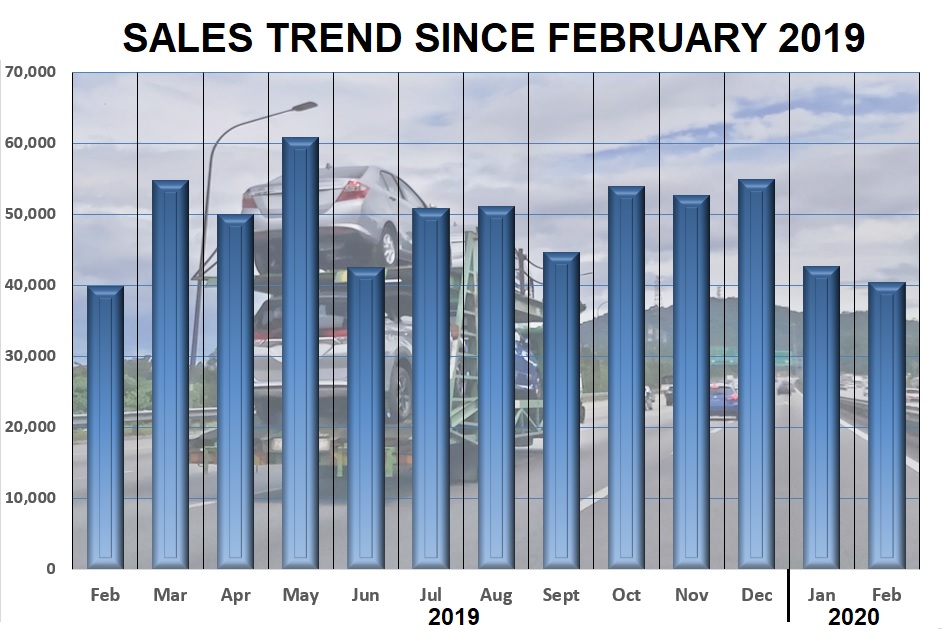
Sales
Data source: Malaysian Automotive Association

KEY POINTS:

♦ Although the Total Industry Volume (TIV) for the month – 40,403 units – was higher (by 1.5%) than the same month in 2019, it was 5.3% or 2,249 units lower than the figure reported for the month of January 2020.

♦ The total sales of new passenger vehicles was 36,702 units (about the same as last year) while commercial vehicles, including pick-up trucks, was 3,701 units (20% higher than February 2019).

♦ The decline in sales was attributed to delays in launches of new models and consumer concerns about the COVID-19 pandemic which showed signs of worsening.

♦ The Malaysian Automotive Association, which has been compiling data since the 1960, expects that March sales will be lower as the Movement Control Order came into effect around the middle of the month.

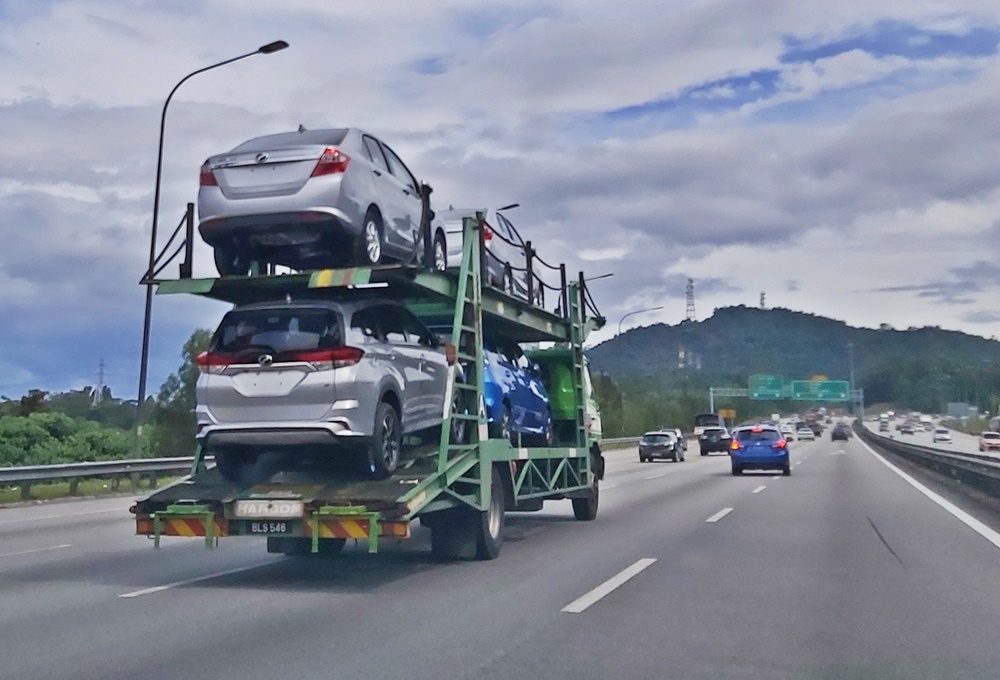
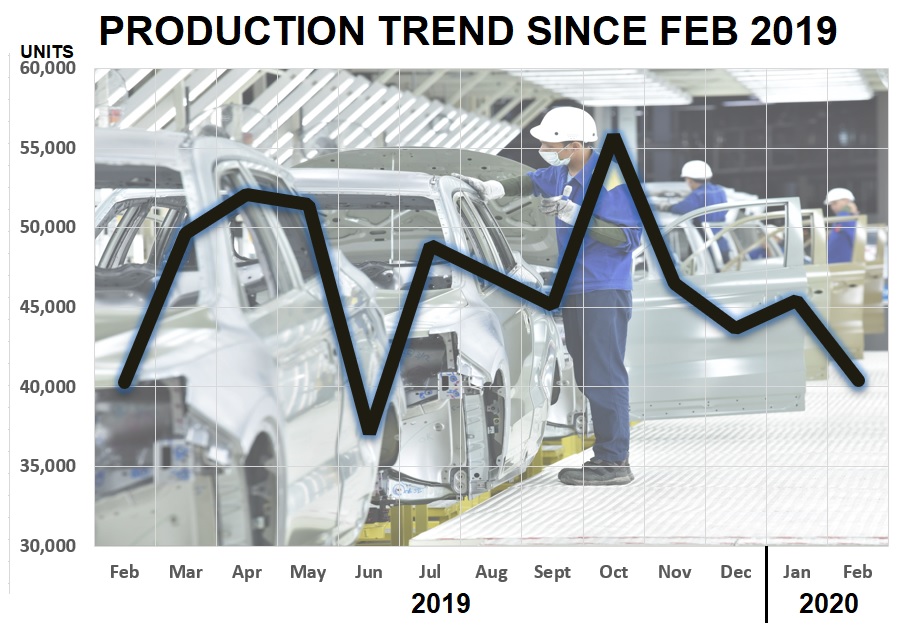
♦ Production of new vehicles dipped 11.1% after the upswing in January. As demand could be seen to be slowing down, many companies would have cut output to avoid building up too many stocks.

♦ The total output of 40,371 units during February 2020 was 17% lower than that of the same month in 2019.

Production

 StayAtHome

PISTON.MY

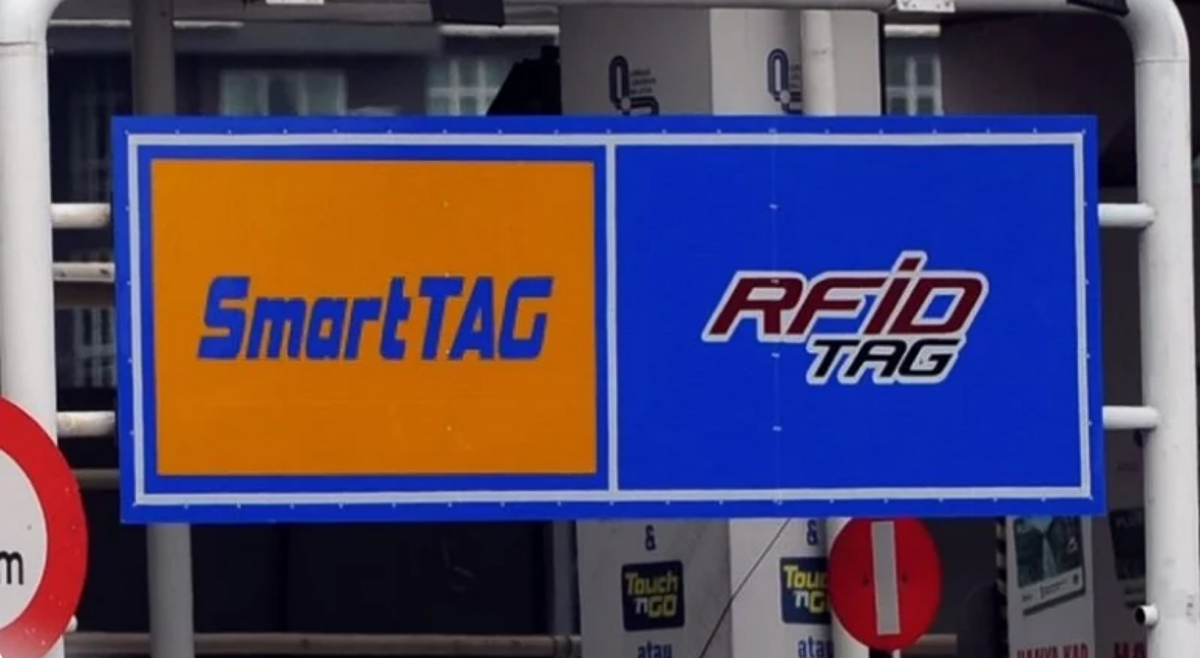
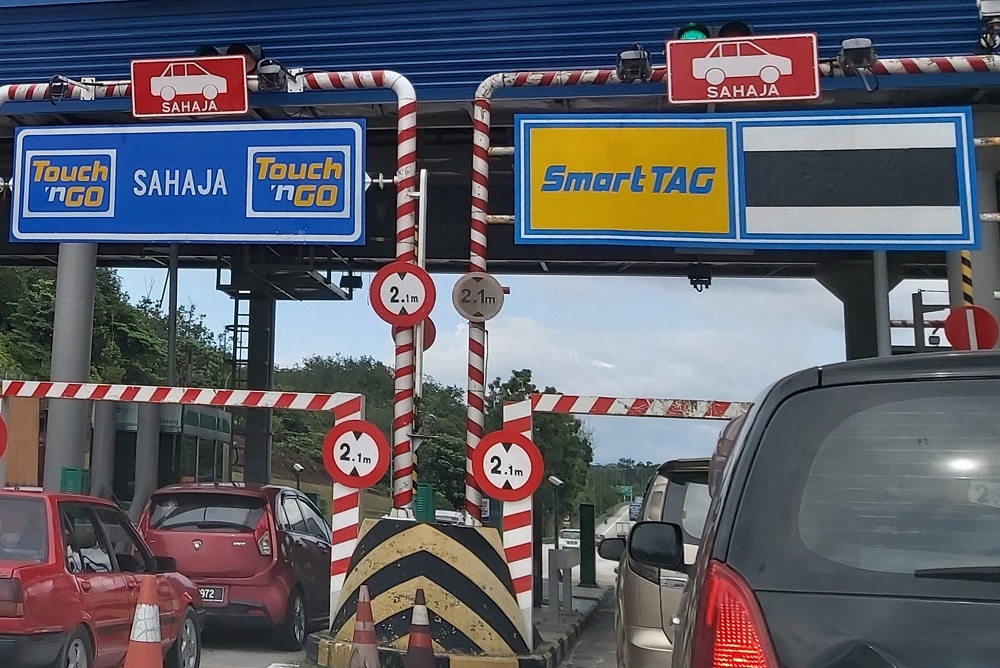
The completion date of the introduction of RFID (Radio-Frequency IDentification) system for paying charges electronically at all remaining PLUS toll plazas has been postponed. Following implementation on its Open System highways in January, the concessionaire had been carrying out testing and progressive work with the aim of having the remaining 83 PLUS and 10 LPT2 (East Coast) Closed System toll plazas equipped with RFID facilities by April 1, 2020.

Open System toll plazas are for highways where a fixed rate is paid whereas the Closed System  charges by the distance travelled, eg along the North-South Expressway.

RFID

Due to the Movement Control Order (MCO) being in force since March 18 and to run until March 31, 2020, the work has been suspended. “At PLUS, we believe the MCO is an important move to protect the health, safety and well-being of not just our employees but all Malaysians from the threat of COVID-19. Based on this principle, we have decided to defer the launch of the RFID payment system on PLUS and LPT2 highways to a new date upon the lifting of the MCO,” said PLUS Managing Director, Datuk Azman Ismail.


Related: 62 highways (including Penang Bridges and 2nd Link) to accept RFID payments from January 1, 2020


PLUS also takes this opportunity to urge the public to adhere to the MCO and to remain at home in order to help flatten the spread of COVID-19 and more crucially, to protect one’s health and family’s wellbeing.

StayAtHome

Motorists using PLUS highways should also be aware that the reload facilities at all its Toll Plaza Customer Service Centres and Reload lanes at both Open and Close Toll Highway are closed during the MCO period. Reloads of the Touch’nGo cards can be done at Self-Service Kiosks available at 67 locations at selected R&R areas as well as various ATMs, petrol stations and convenience stores.

“We strongly advise all motorists to plan their journeys by reloading their Touch‘nGo card at reloading centres nationwide, as well as other reload facilities available,” PLUS said, adding that motorists are also advised to keep a 1-metre distance apart when queuing, not just at the reload machines but also in any public place.

Meanwhile the highway concessionaire has also clarified that none of its toll plazas and highways are closed. However, with the MCO in effect, the police may be filtering vehicles to ensure their occupants are authorised to travel. PLUS advises the public to contact the PDRM Hotline at 03-2266 3356 for latest updates on road diversions and inspection throughout this period.


Related: Updated List Of Toll Plazas With Restrictions


Shops at many PLUS R&R/lay-bys to remain closed till March 31

PISTON.MY

In September 2017, Nissan organised a project to enable researchers to visit Brazil’s historic archaeology sites. Known as the “Nissan Expedition: In search of Brazil’s beginnings”, its objective was to contribute to culture and scientific research by exploring the wealth of Brazil’s historic rock paintings.

The expedition was done in 5 stages and the researchers got close looks at items found in exploring the country’s rock art sites. They also came across remains of campfires of people who lived in the Piauí sierra region 50,000 years ago.

Nissan Expedition
The first Nissan Expedition which ‘went back in time’.

Discovering Brazil’s heritage
The second edition of this activity took place this year, with explorers following Brazil’s Heritage Trail. It is thus known as the ‘Nissan Expedition – Following Brazil’s Heritage Trail’ and recently concluded at Chapada dos Veadeiros, the highest plain in Central Brazil, in the state of Goias.

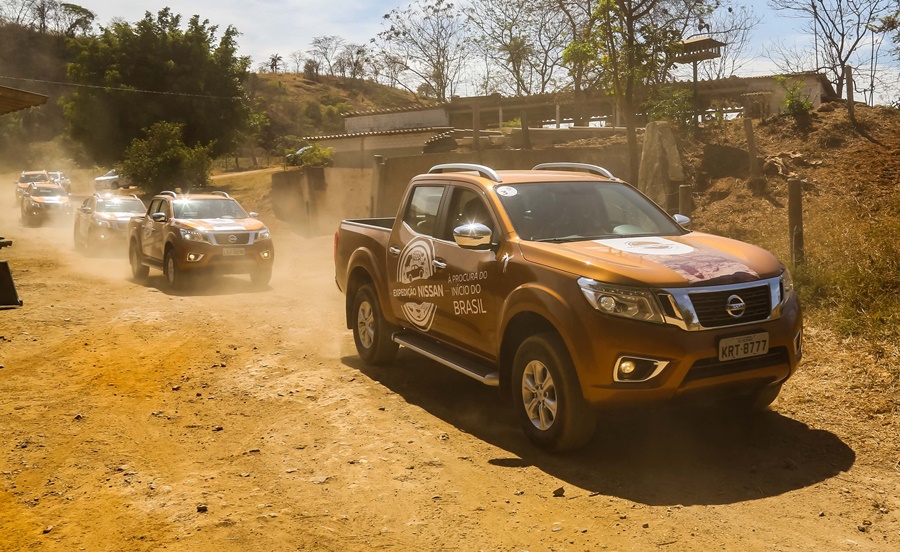
For 3 days, the participants in a fleet of 16 Nissan Frontiers faced trails in the region known as Cerrado, a vast tropical savannah ecoregion in Brazil. Along the way, they explored a stunning landscape listed as a UNESCO World Heritage Site while driving more than 1,000 kms in the state of Goiás and the Federal District.

Nissan Expedition Brazil

The expedition started in the city of Brasília, which is considered the world’s largest world heritage site (112.25 square kilometres) and is widely known for its modernist architecture and uniquely artistic urban planning. The adventurers also visited key historic and cultural sites, such as 308 Sul, the first superquadra (superblock) built following the Plano Piloto (the originally planned city) as well as the President JK Bridge and the Ministries Esplanade.

Visiting Brasilia, the planned capital city
The expeditioners also visited the Live Museum of Candanga Memory, which tells the story of the construction of Brasilia (named after the nickname given to the workmen who built the city) and Catetinho Museum, the first official workplace of the President of Brazil Juscelino Kubitschek, whose name is a reference to Catete, Brazil’s presidential palace before Brasília was built.

On the second day, the group learnt about the initiatives to protect the Chapada dos Veadeiros National Park and the region’s importance to the environment. They then toured the park with its outstanding scenic beauty and went around the region known as Almecegas.

Nissan Expedition

At this location is an aerial attraction: the Flight of the Hawk – an 850-metre long, 100-metre high zip line that stretches across the Almecegas Range and the Sao Bento Plantation Belvedere. By the end of the day, they were at Almecegas, one of the park’s tallest waterfalls and known for its high quartzite walls.

Nissan Frontier put to the test
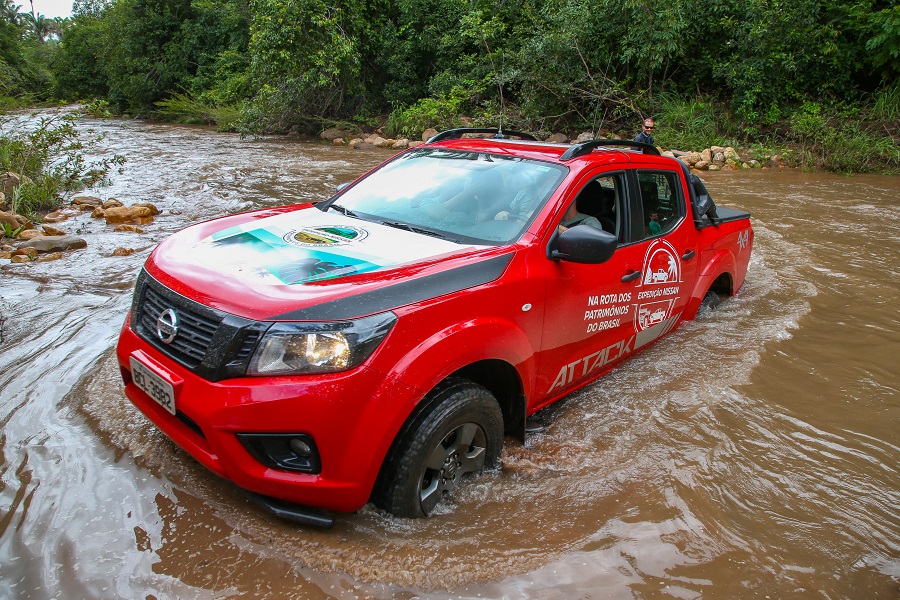
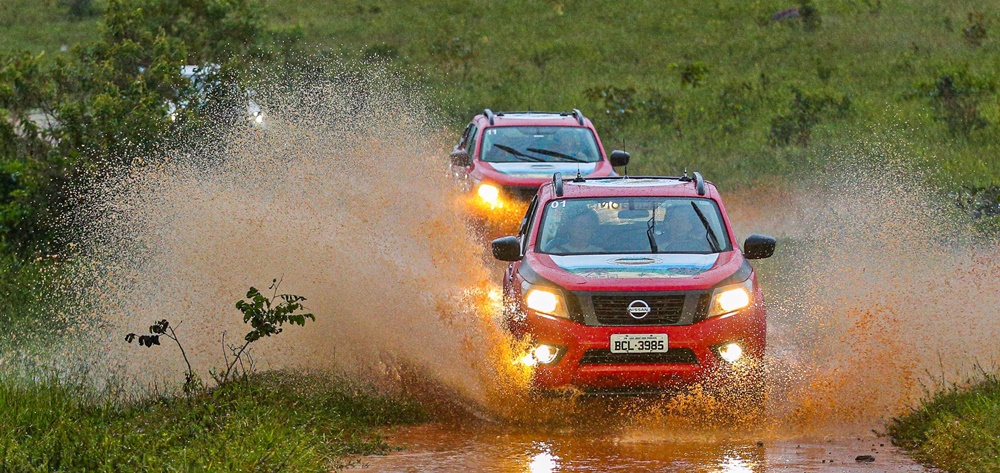
On the third day of the expedition, the group had an off-roading experience through the Cerrado region. Here, the toughness of the Frontier pick-up was put to the test. Needless to say, it passed with flying colours, demonstrating its robustness and capabilities.

Nissan Expedition Brazil

After the off-roading experience at the Bellatrix reserve, the group headed for the Label waterfall, before facing more rough terrain and crossing some streams. Although swollen with the summer rains, the unbridged waters were crossed by the Frontiers that can cope with deep waters. The final stop was reached after climbing 1,200 metres to reach the Sao Joao d’Aliança range and see the expanse of the Cerrado region in Goias.

Visit www.nissan.com.my to know more about Nissan pick-up trucks in Malaysia

StayAtHome

2020 Nissan Patrol gets advanced Nissan Intelligent Mobility technologies

PISTON.MY


Archive

Follow us on Facebook

Follow us on YouTube