
Piston.my

English

A new generation of the Ford Ranger will be launched in Malaysia soon, and given what we know about the new model from the global debut, it’s destined to continue the success story of its predecessors. But it’s not just the Ranger that is a successful truck model for Ford; in fact, Ford trucks have been dominant in the company’s sales for decades – and the bestselling vehicle in the USA.

Over 100 years of truck experience
Ford knows how to build great trucks because it has a history of making them for more than 100 years. Throughout its history, Ford has continuously improved its trucks with new innovations that improve their ability to get the job done. The cumulative experience means that today’s trucks like the Ranger have superior performance and are more durable and reliable than ever.
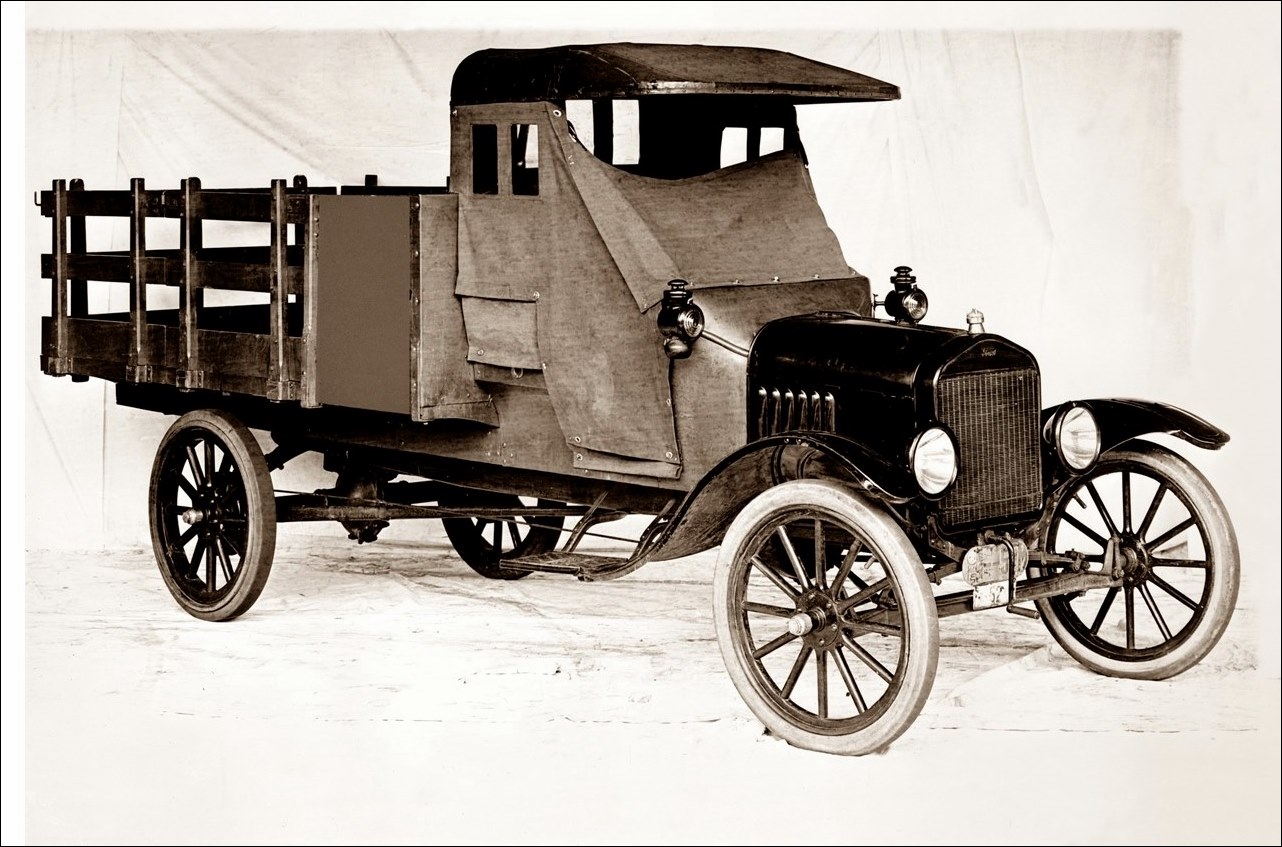
1917 Model TT – the first Ford truck.

The first Ford truck was created just 9 years after the first Model T began putting the world on wheels. Henry Ford received requests from customers asking for a vehicle that could carry heavier loads and provide greater utility for the work and deliveries which had been done by horse-carriages.

On July 27, 1917, Ford introduced the Model TT and it was able to bring out this new model so fast because it retained the Model T cab and engine. It was an approach that would be used till today where platforms, including powertrains, are shared among models, with the bodywork being different. The Model TT came with a heavier-duty frame capable of carrying one ton of payload.
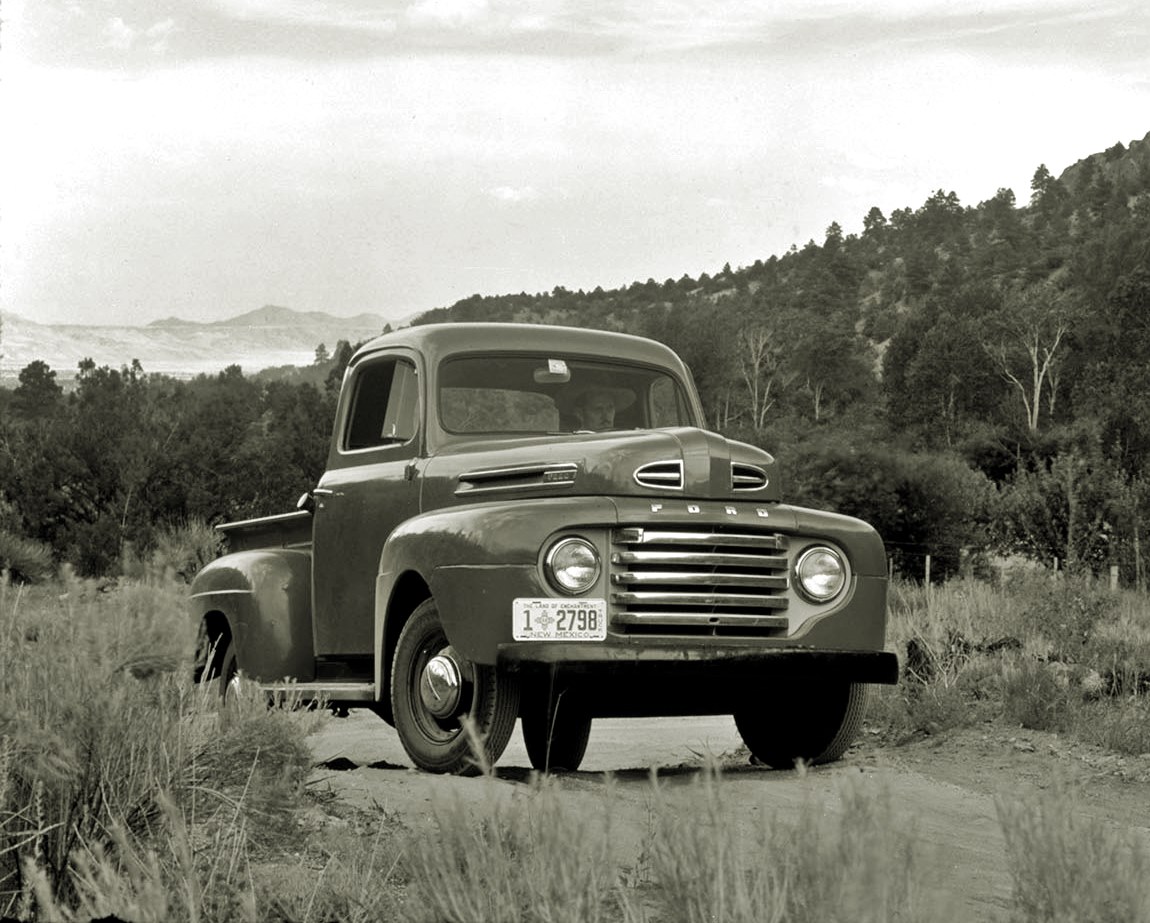
First F-Series introduced in 1948

The formula for success
Similar to the Fordson tractor introduced in the same year, Ford envisioned a chassis that could accommodate beds and cargo areas that were made by other parties (like today’s commercial vehicle body-builders). By enabling such flexibility to customise the basic design, there would be increased functionality to get work done.

It was a formula for success. By 1928, Ford had sold 1.3 million Model TTs before replacing the truck with the more capable Model AA with a 1.5-ton chassis. Ford marketed its early trucks largely in rural areas, according to Bob Kreipke, a Ford historian. “Model AA trucks in particular had a certain class to them,” he said. “Customers could use them on the farm, yet still take them to church on Sunday.”

1935 Model 50 with Ford flathead V8.

Like the Model TT, the Model AA was available exclusively as a chassis cab offered in two lengths, with new powertrain and axle options for greater capacity. To stay ahead in what had become a hotly competitive business, Ford replaced the Model AA with the even more capable Model BB in 1933. Many were outfitted as mail and freight vehicles, as well as ambulances and other types of commercial vehicles. Two years later, Ford introduced the 1935 Model 50 pick-up truck , powered exclusively by its famous Ford Flathead V8 engine.

1953 Ford F-100

Making trucks more innovative
By 1941, Ford had sold more than 4 million trucks. Changing over to war production resulted in the loss of consumer sales but a gain in experience building heavy-duty military truck chassis and 4-wheel-drive personnel carriers. A year after consumer production resumed in 1947, Ford drew on that knowledge to provide even more innovations for its customers.

“After the war, a lot of rural Americans moved to urban and suburban centres looking for work, and many took their Ford pick-ups with them,” said Kreipke. “Ford saw this as an opportunity, and began work on the next generation of trucks for 1948 – which came to be known as F-Series Bonus Built trucks.”
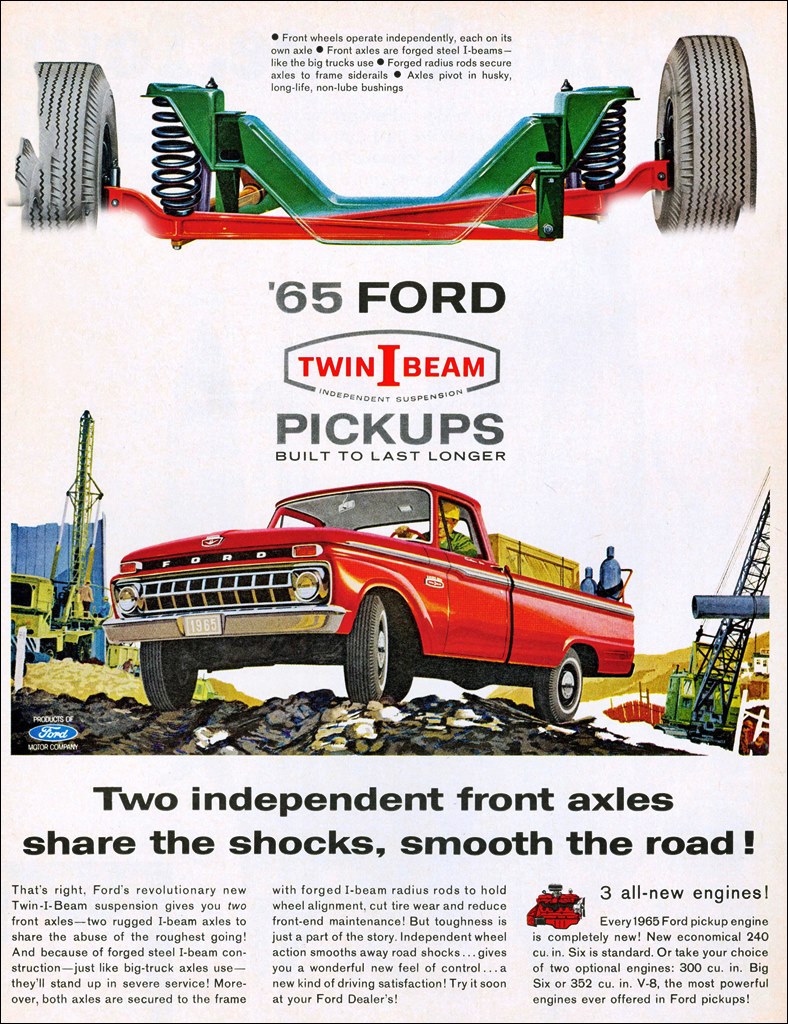
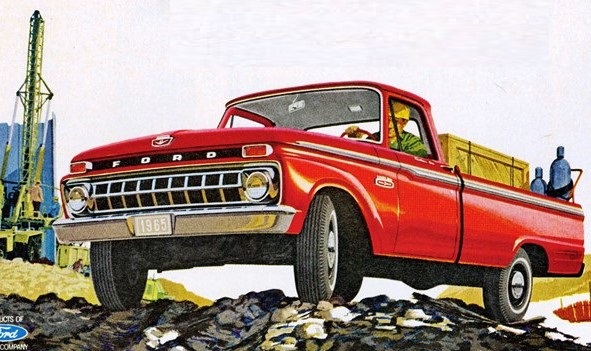
Ford truck advertisement in 1965

After a successful run with the first generation F-Series, the second generation arrived in 1953 with  increased engine power and capacity. The model line was also rebranded, with the F-1 becoming the F-100, while F-2 and F-3 trucks were integrated into the new F-250 line. Meanwhile, the F-4 became F-350 and the larger Class 8 trucks were spun off into a new C-Series commercial truck unit.

Ford trucks became dual-purpose vehicles – for work on weekdays and for family getaways on weekends.

Changing the truck role
Throughout this period, Ford trucks started looking less utilitarian, sporting features like 2-tone paint, automatic transmissions, and improved heater and radio offerings. New standard features debuted with the 1953 F-100, including armrests, dome lights and sun visors. Lower and with a wider cab, the new truck featured integrated front fenders and a more aerodynamic design.

45 years later, in the ASEAN region, the same thing would happen as Ford introduced the Ranger as its idea of the ‘Asian Car’. It came with a stylish look that was rugged, and had the features and convenience of a passenger car. In Malaysia, the timing was just right as local regulations had changed to permit use of trucks as private vehicles rather than only for commercial use.
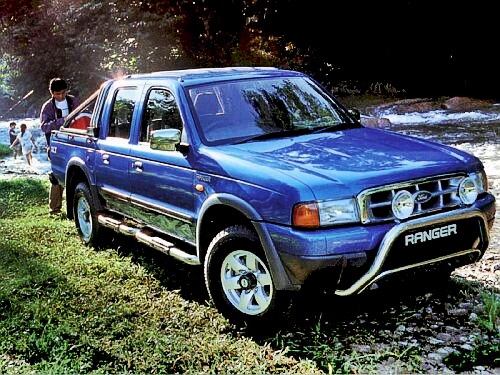
First generation of the Ranger built and introduced in ASEAN in the 1990s.

Built Ford Tough
In 1961 – 44 years after the Model TT – Ford introduced its fourth-generation F-Series. It continued to have innovations that kept it a market leader, eg the revolutionary twin I-beam front suspension which debuted in 1965. An upscale Ranger package appeared in 1967 and advertisements emphasized improved comfort, value and durability, as Ford trucks now offered power steering and brakes, and a lower chassis profile.
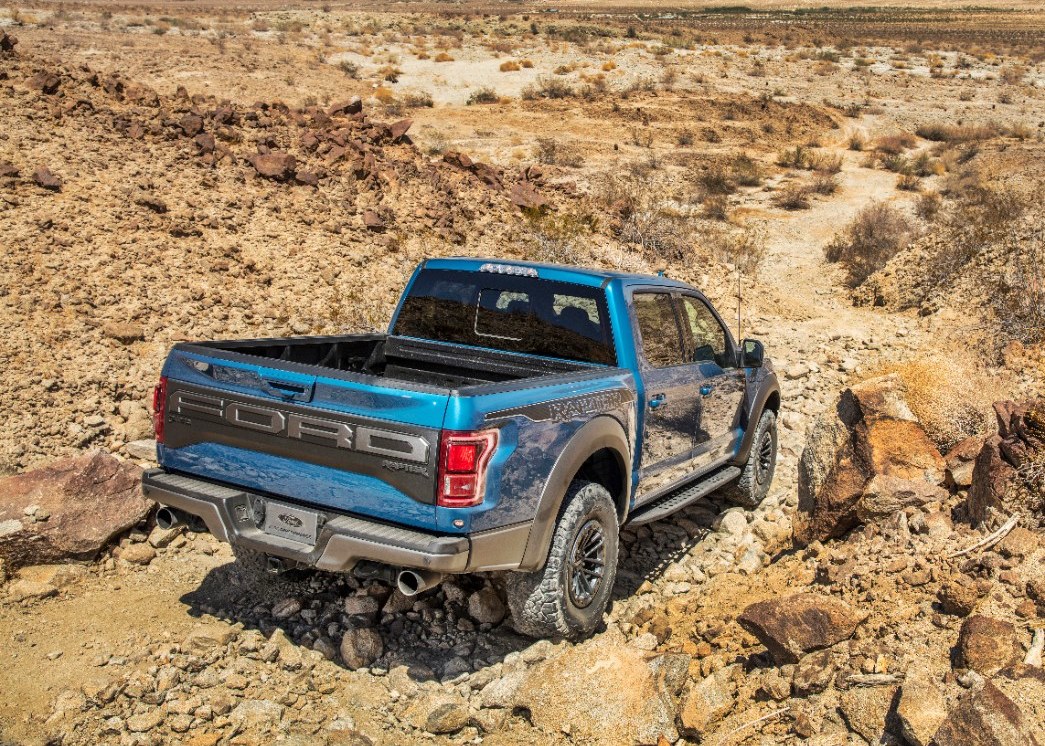
Built Ford Tough

By 1977, the F-Series trucks were clear market leaders and sometime that year, a copywriter for a Ford truck magazine is said to have written three simple words that would come to define the brand:  Built Ford Tough. It is more than a slogan – it’s a brand promise to owners and the mantra for Ford’s entire truck team.
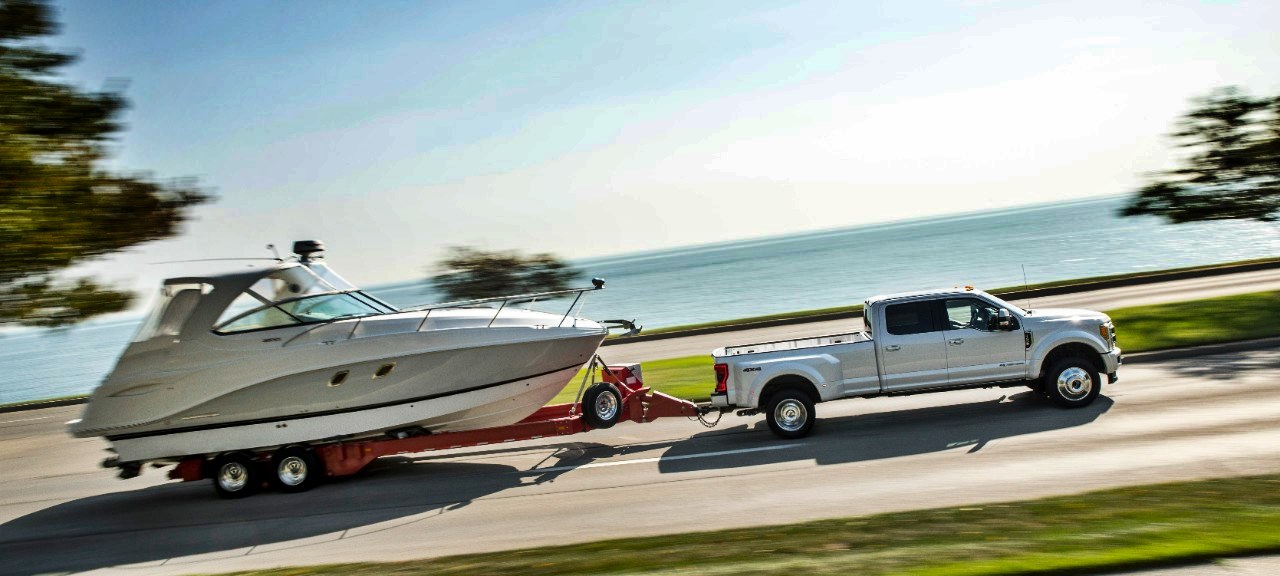
Developing truck culture
In the years that followed, truck culture became very much part of American life. Trucks had become universal family vehicles; in addition to being only work trucks during the week, people also used them for weekend getaways. Ford trucks thus made American lifestyle more active and in 2022, the same thing is happening in Malaysia with Sime Darby Auto ConneXion’s ‘Ford Ranger Getaways’.

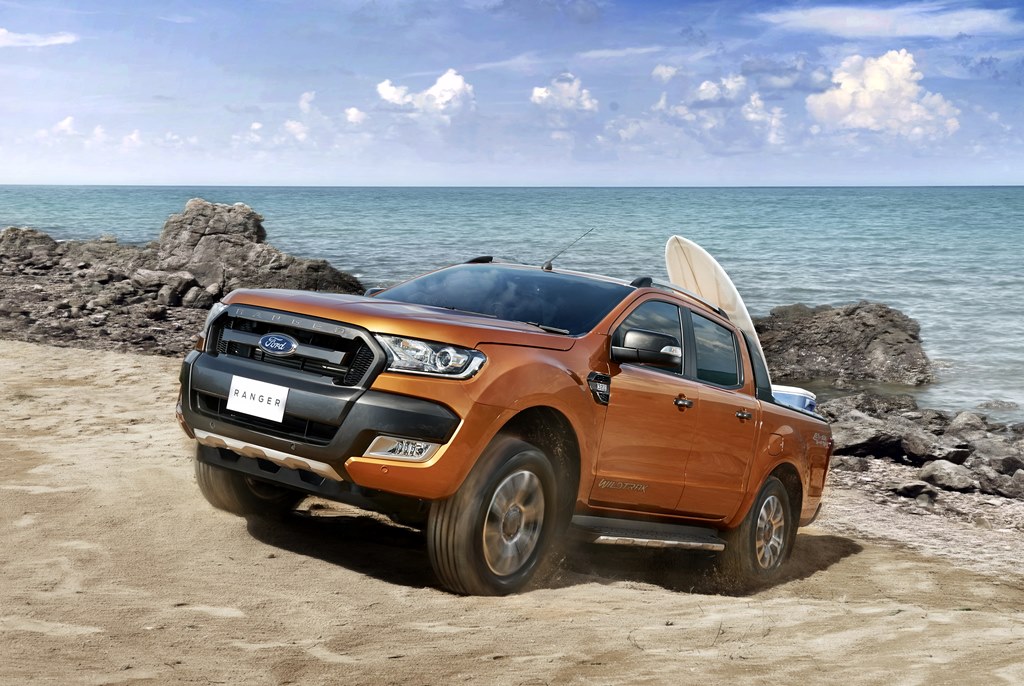
While the F-Series has been dominant in North America, Ford has also used its truck expertise with the Ranger in other parts of the world. Versatile and efficient, the Ranger has built a reputation for being tough and capable, leading it to thrive in diverse markets around the world.
Raptor – the performance truck
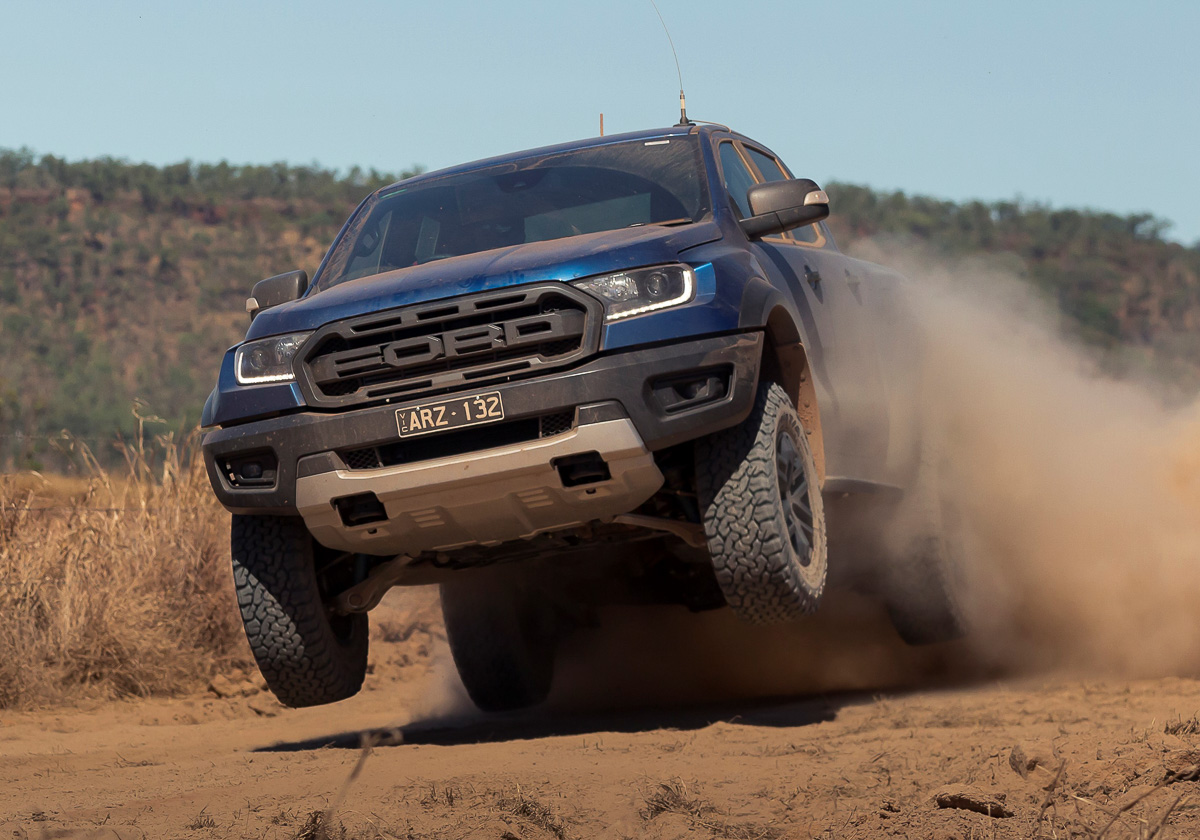
And while performance for a truck usually refers to the loads it can carry, Ford also added a new dimension to truck performance in the way that enthusiasts understand it. With the assistance of Ford Performance, the company’s high-performance division, the Raptor was created to enter the specialty truck segment. Inspired by desert racing and designed specifically to meet the needs of off-road truck enthusiasts, the Raptor was the first off-road trophy truck from a major manufacturer.

Developed by Ford Performance, the F-150 Raptor set the bar high for off-road performance. The same formula was applied to the Ranger to also create a Raptor variant that has become the ultimate truck, with no rivals.
To know more about Ford trucks available in Malaysia, especially the next-generation Ranger coming soon, visit www.sdacford.com.my. If you sign up here, you can get an exclusive invitation to a debut event at a city near you as well as receive regular updates to keep you informed.

Next Generation Ranger Set To Debut At The End of This Month!

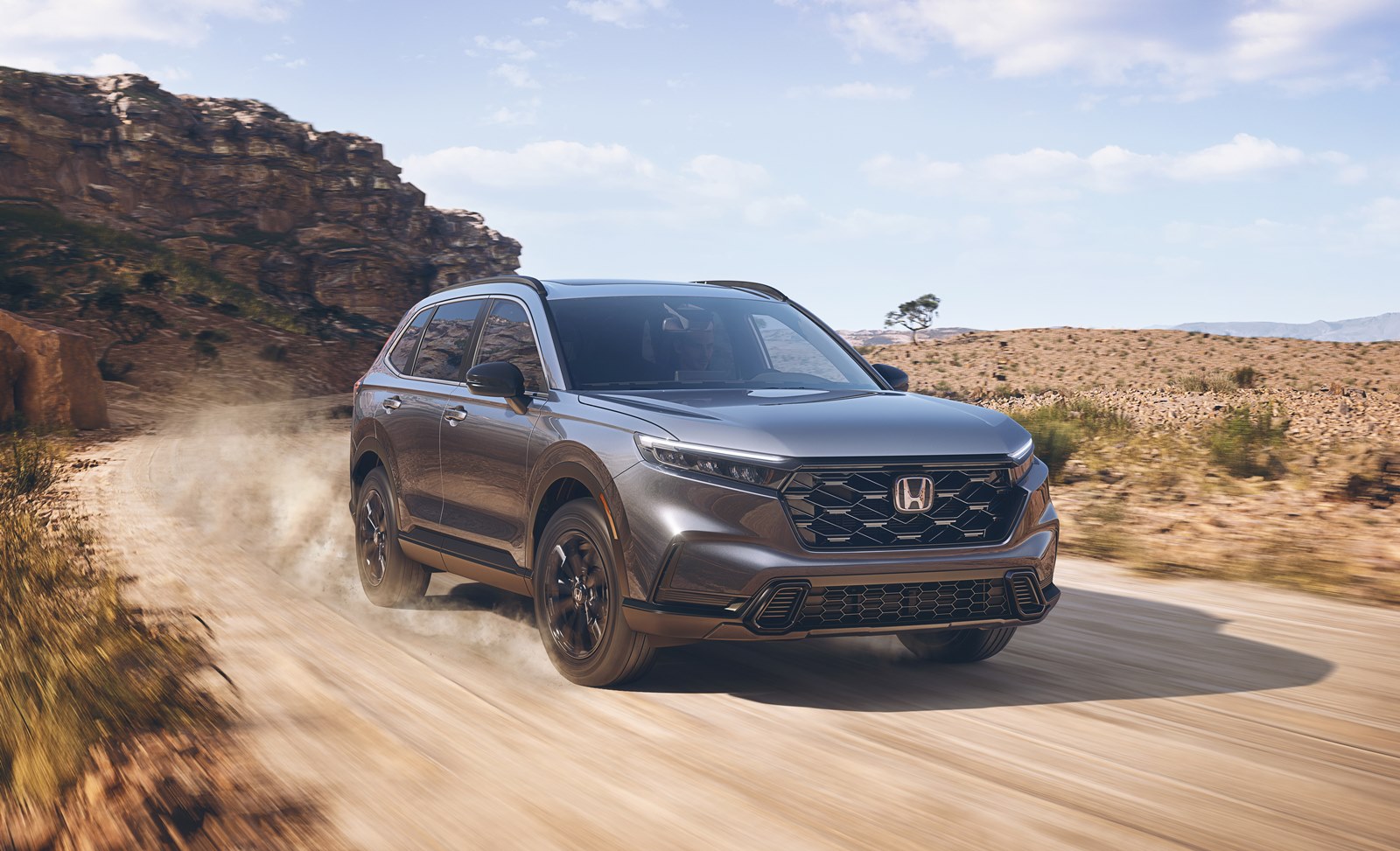
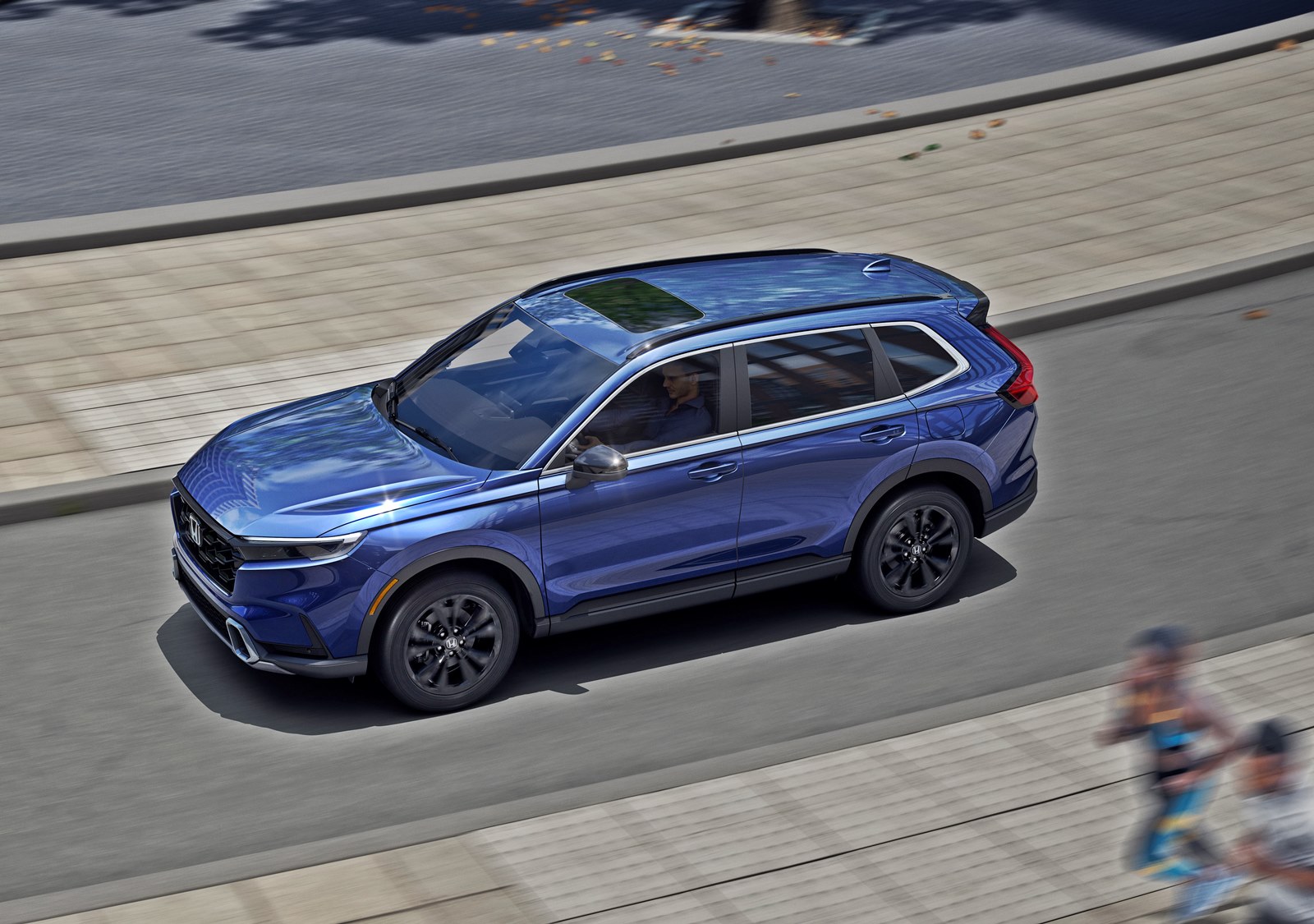
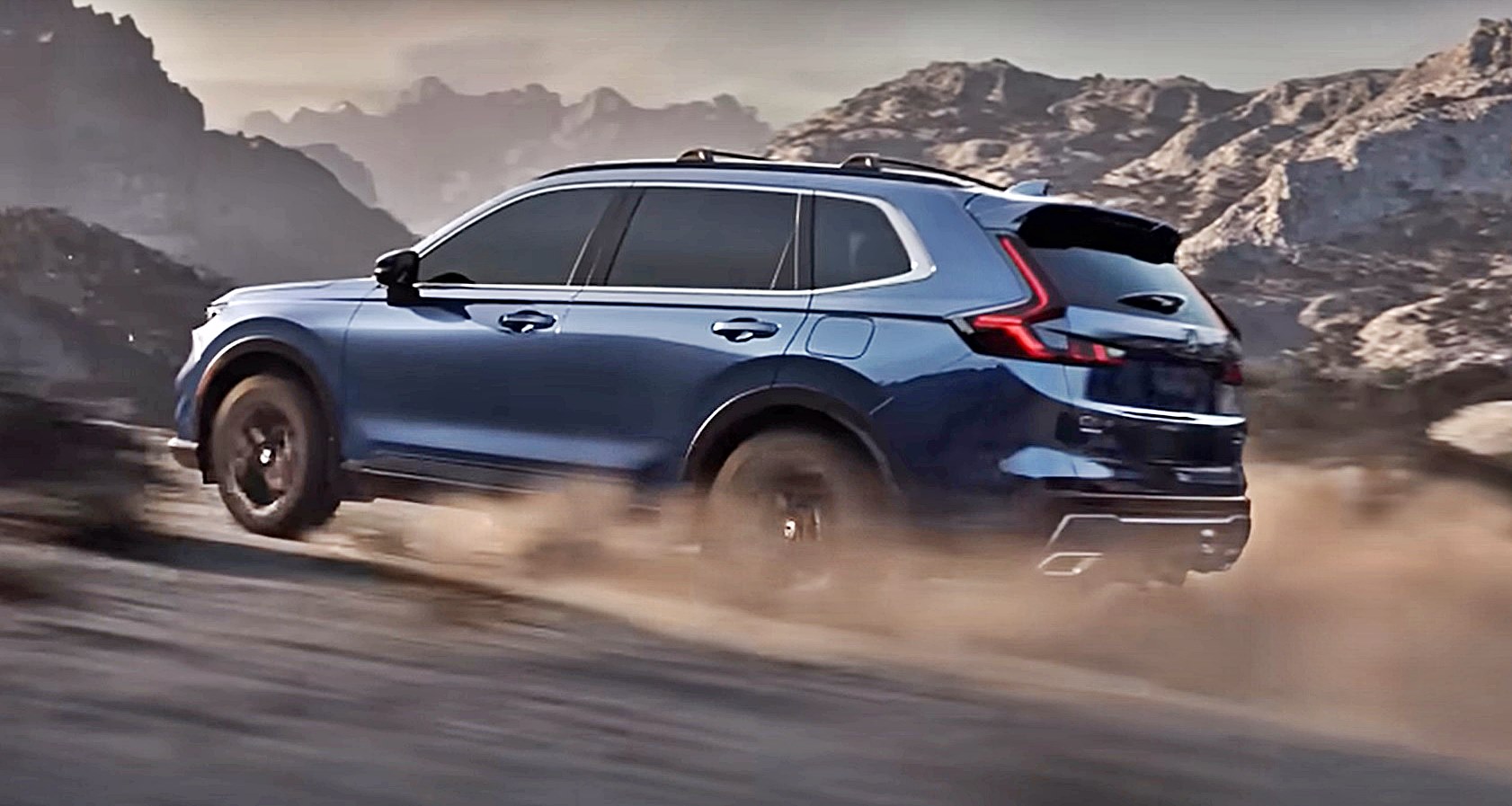
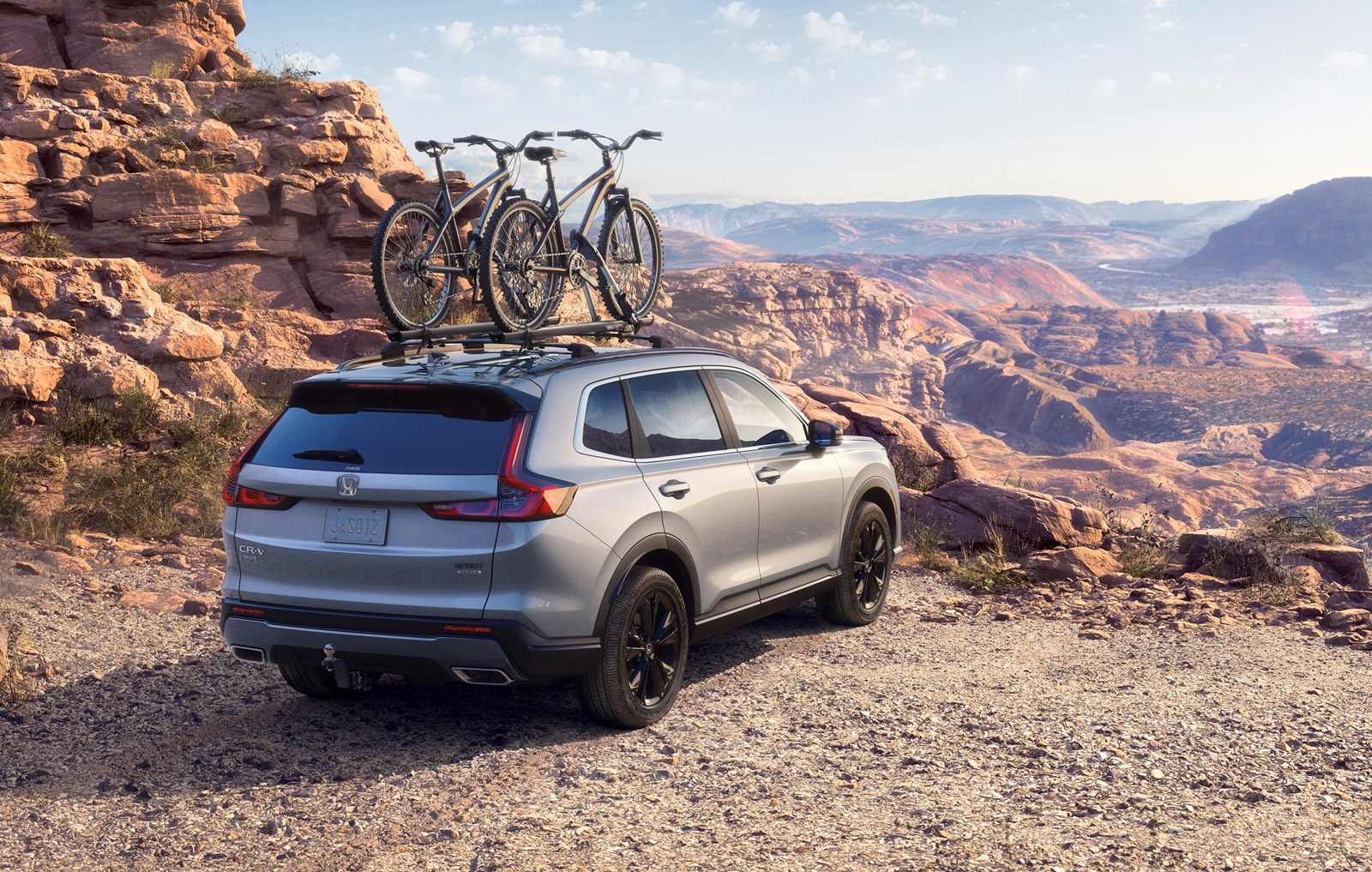
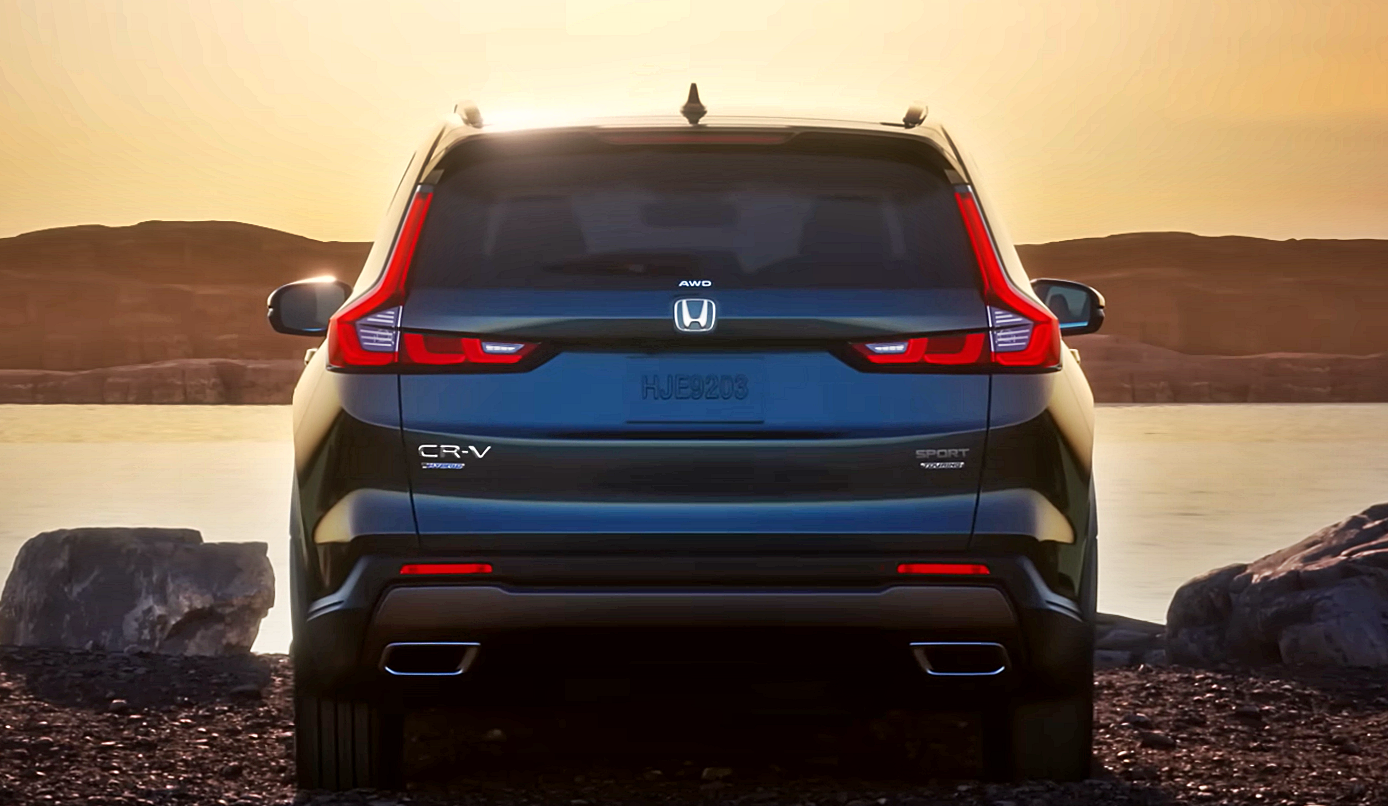
While attention in Malaysia is on the new Honda HR-V, another new model is capturing the attention of Honda fans in America – the new CR-V. Predictably, the company is starting the launch of the popular SUV in its bestselling market where, along with the Toyota RAV4, it created a new market segment almost overnight over 25 years ago.

While retaining the form of a traditional SUV, the new CR-V adopts the new design language with a large front grille. It’s almost 70 mm longer, with the A-pillar moved back 127 mm and 75 mm outwards. This is to improve forward visibility although, in an SUV, the driver already has a commanding view with the higher seating position than in a passenger car.

Focus on hybrid po
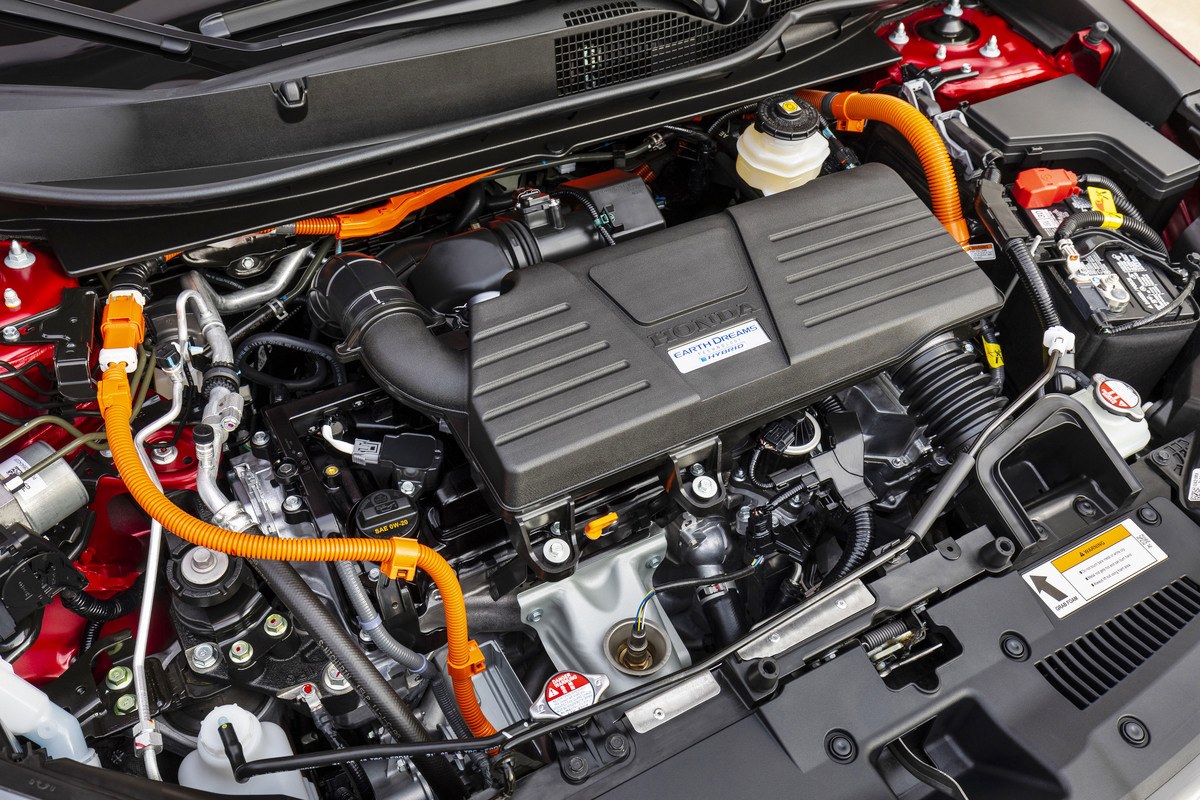
For the North American market, there will be two hybrid powertrains – one with a 1.5-litre turbocharged engine and the other with a 2-litre engine. Honda says the engines, which are also used in other models, have been refined and for the smaller engine, the 4-2 exhaust port cylinder head helps maintain peak power over a broader range of rpm.

The CVT has been updated to reduce noise and vibration with significant drivability and performance improvements include Step-Shift programming that simulates gear changes at full throttle. An updated Real Time AWD with Intelligent Control System improves traction management in slippery conditions and can now send up to 50% of engine torque to the rear wheels.

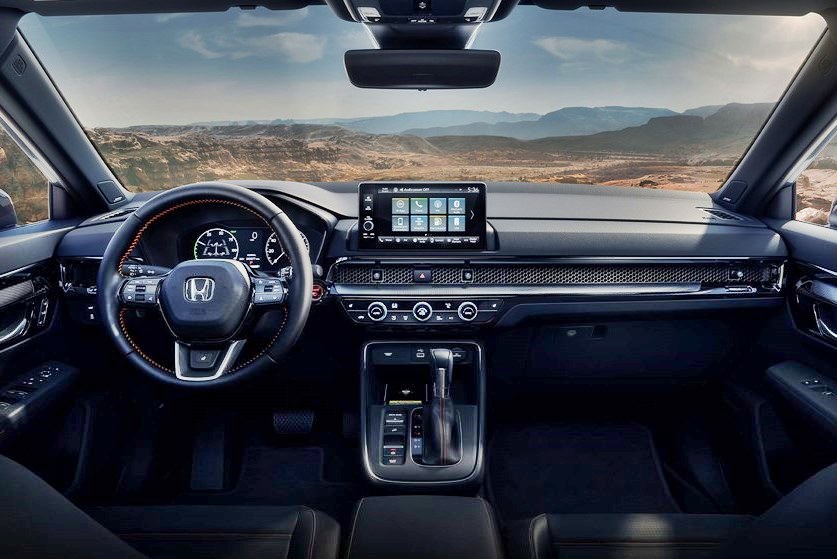
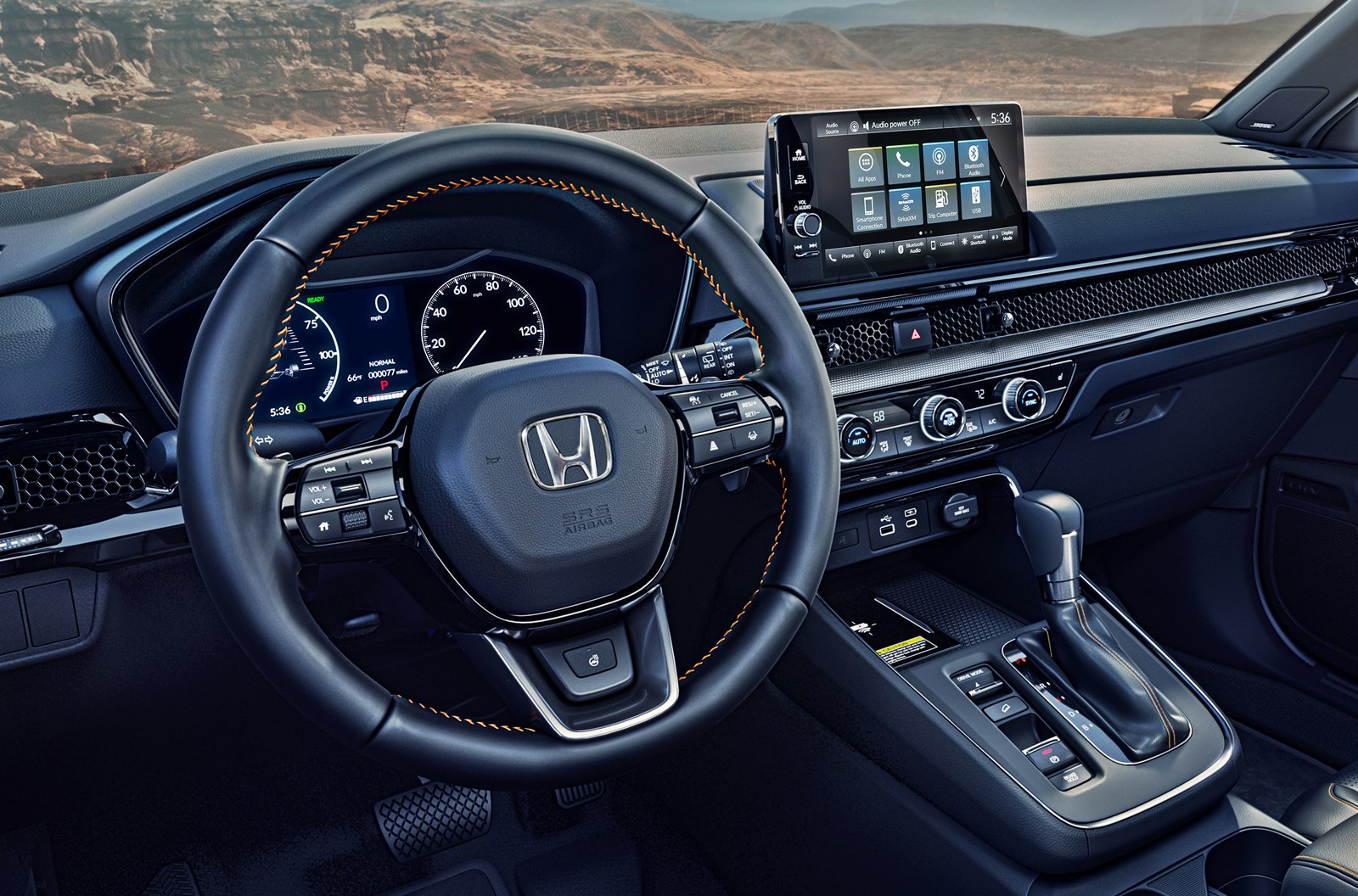
Civic-themed interior
Inside, the new interior layout has the most cabin and cargo space in CR-V history. While it has functionality, its styling theme is also similar to that of the latest Civic. Body Stabilizing Seats for the front occupants reduce fatigue and improve posture, while there are lots of mut-have tech features for the driver and passenger.

More advanced safety features
The 6th-generation CR-V also gets more advanced active and passive safety technology. This includes the latest version of Advanced Compatibility Engineering (ACE) architecture that has been enhanced for even better compatibility with larger vehicles.

First introduced on the new Civic, the new driver and passenger front airbags can minimize the potential for severe brain trauma associated with angled frontal collisions. The new front driver’s airbag uses an innovative donut-shaped structure to cradle and hold the head to reduce rotation. The passenger-side front airbag uses a 3-chamber design to achieve a similar result, with two outer chambers designed to cradle the head and minimize rotation.

Updated Honda SENSING safety and driver-assistive technology is installed, with a new camera and radar. The camera has a 90-degree field of view while the radar has a 120-degree field of view for maximum coverage of the area ahead.

The new CR-V shown here is for the North American market (where it is also manufactured) and the model which will eventually come to the ASEAN markets (probably in 2023) is likely to have cosmetic and technical differences to suit the region’s needs.

Honda’s electrification plans will still include hybrid models, at least until 2035

Back in the 1970s, as traffic congestion in many cities increased, the idea of ‘park and ride’ was promoted. Motorists were encouraged to park their cars at bus stations or train stations and use public transport to travel into the city. This would reduce the number of vehicles on the restricted road network within the city and thereby reduce congestion.

The idea works to varying degrees in different cities. Where the public transport is efficient and desirable, many will ‘park and drive’ as it would make sense. However, there are places where the public transport system may have a network that is not comprehensive enough, and people find it inconvenient to get to stations or get from stations to their destination.

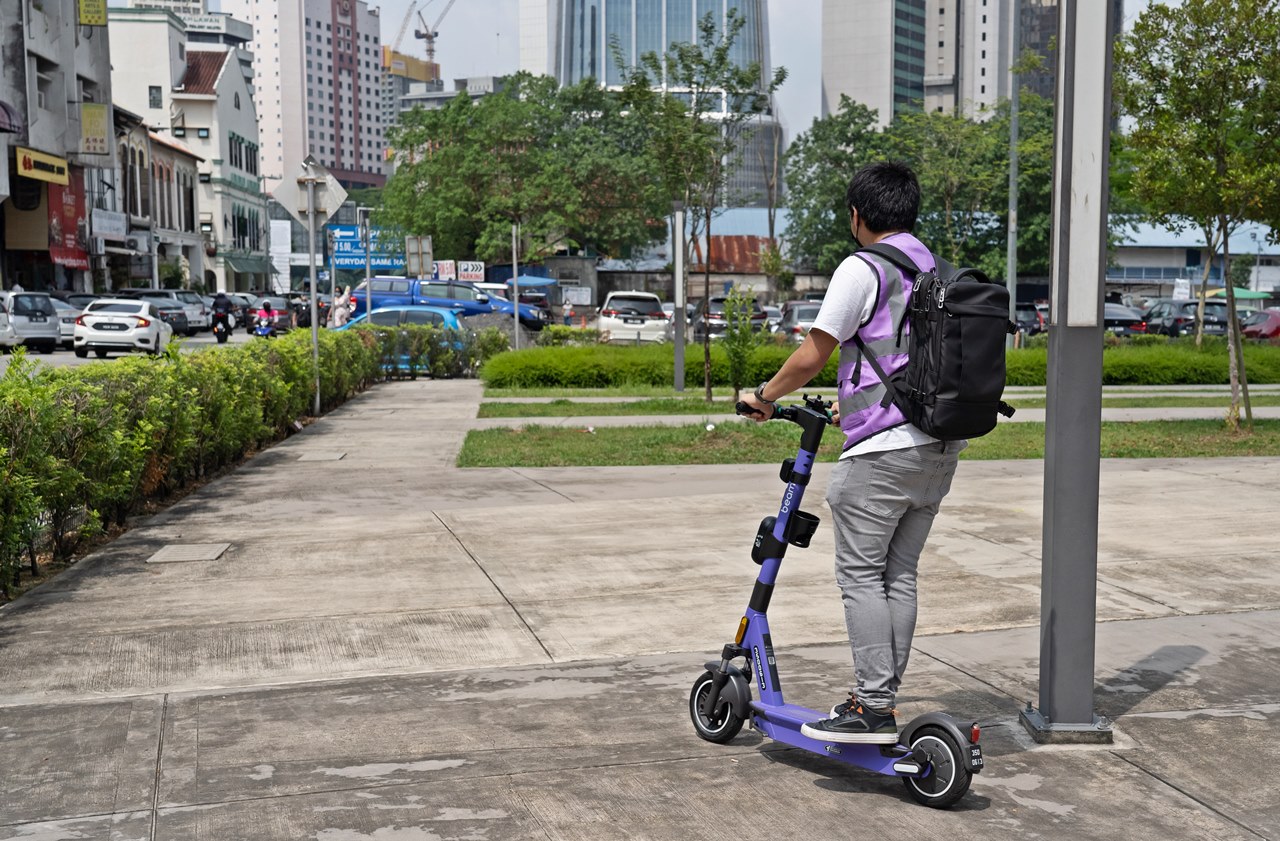
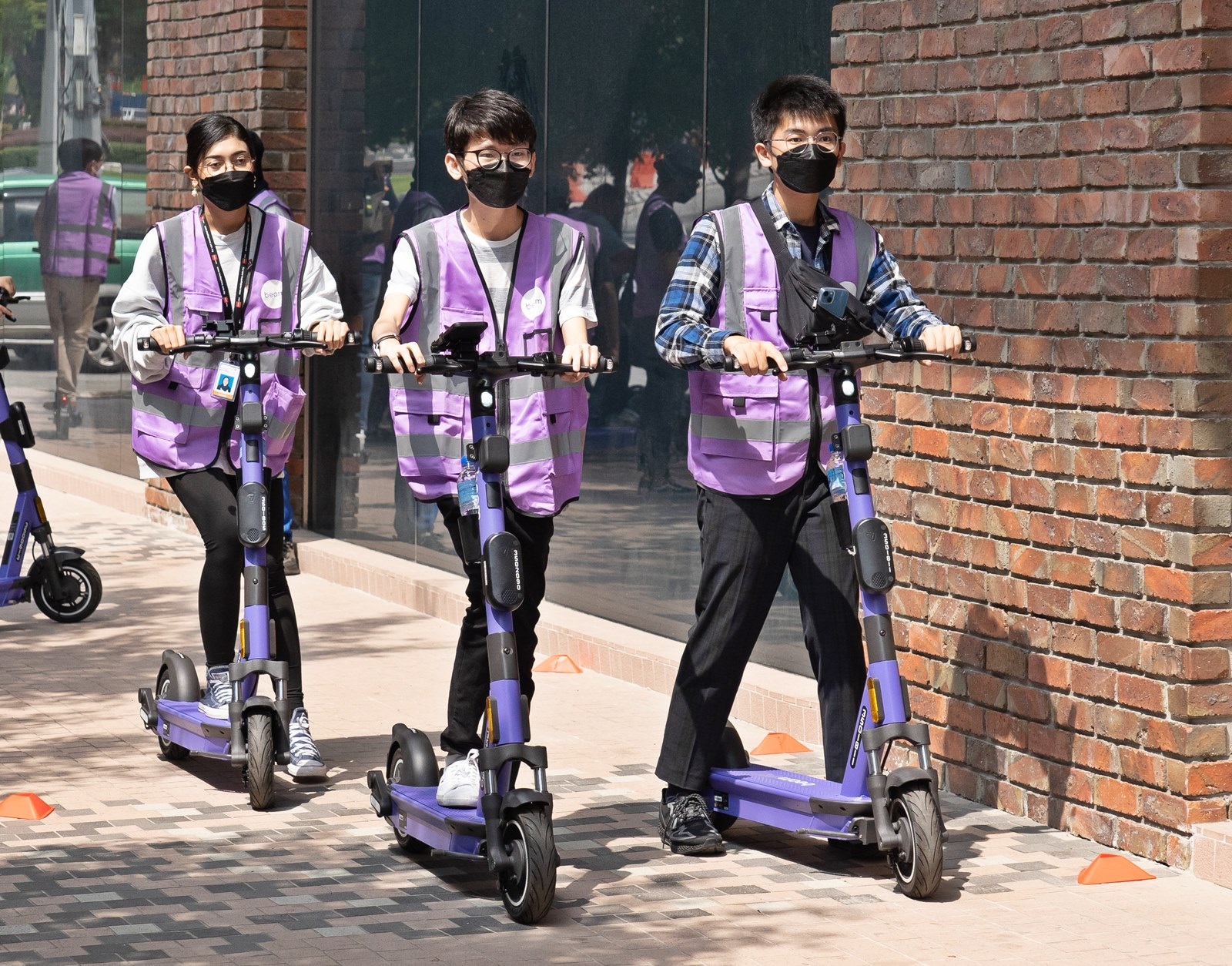
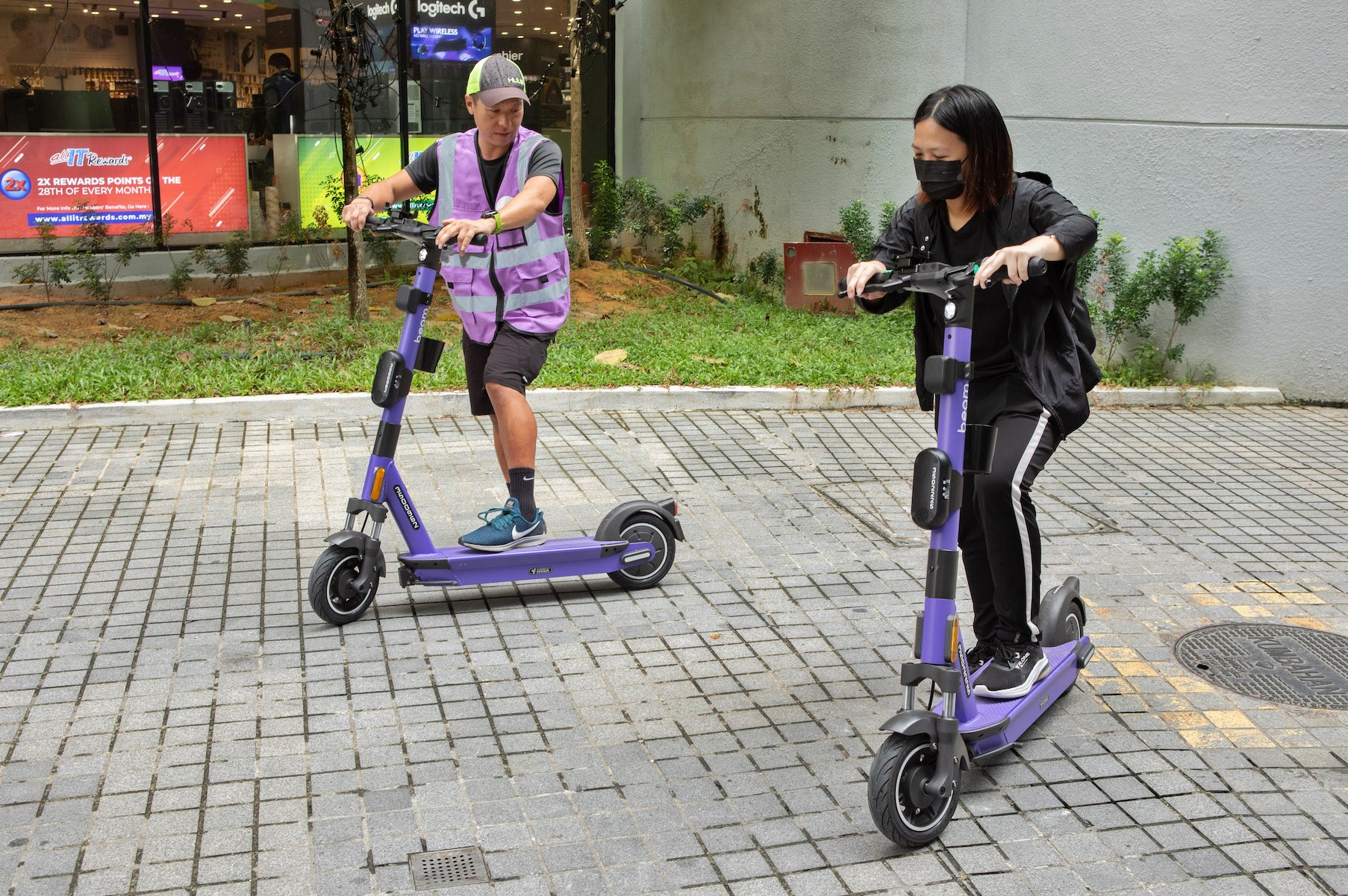
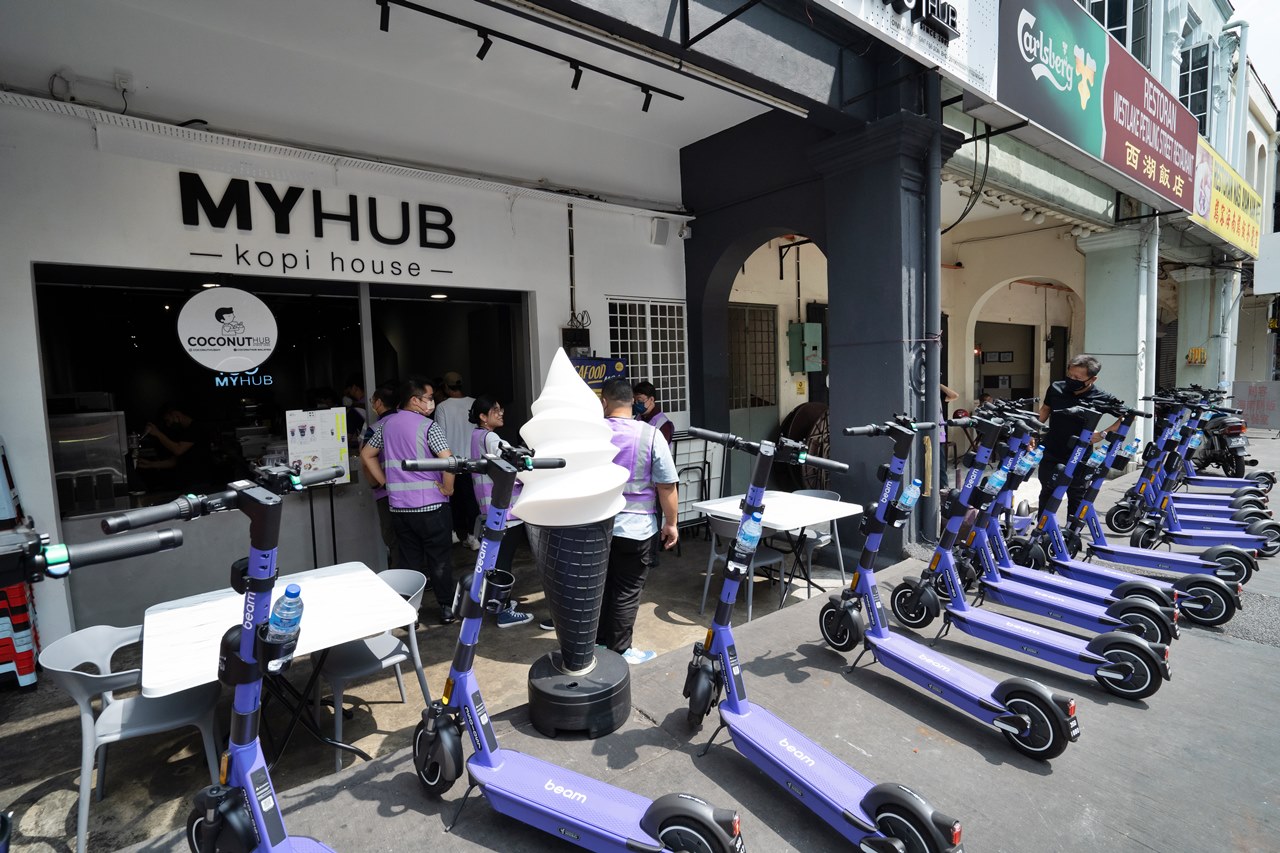
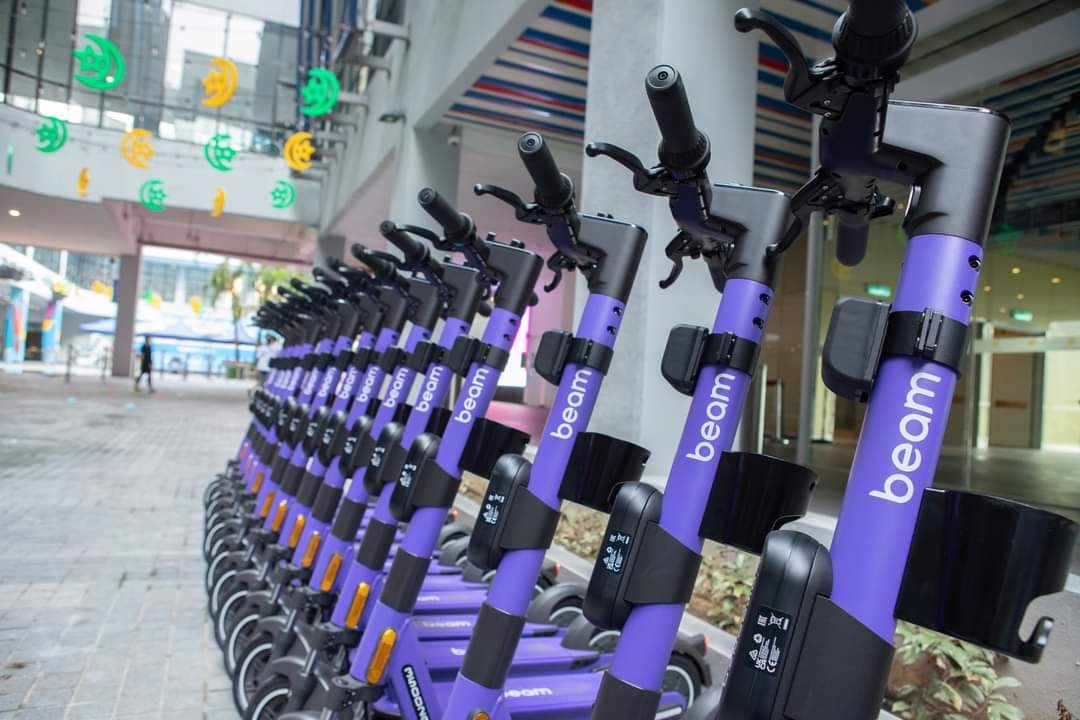
This is where a solution to cover the ‘first mile’ and ‘last mile’ is necessary. One solution offered by Beam Mobility is the share e-scooter service that is now available in Malaysia. The service is said to solving the everyday issue of completing first and last mile journeys when using public transport.

The e-scooters, which are for a single person, are for use within the city and apart from being useful for motorists entering the city, it would also be good for tourists and urban dwellers who want to get around without having to sweat it out.

Complementary service
Beam’s service thus complements the existing public transport ecosystem, reducing dependency on private vehicles. In a recent poll among micromobility riders in May 2022, almost 50% of the 1,800 Beam riders surveyed said that access to e-scooters for the ‘first or last mile’ of a journey had made them more likely or much more likely consider using public transport as an option for long journeys rather than using cars or ride-hailing services. This attitude flows into real behaviours, with 77% of regular riders saying they always, usually, or sometimes use an e-scooter to connect to or from public transport.

The surveys illustrate that Malaysians urban dwellers and visitors are open to the possibility of shared e-scooters operating in their city, with just 9% of the 1,544 interviewees saying they felt any degree of negativity to the idea. This number halved once the safety features, convenience, and environmental benefits of shared e-scooters had been explained to them.

Environment-friendly too!
Apart from being an easier and quicker way to move around, the Beam e-scooters are also good for the environment. According to the company, for every 10 kms that an e-scooter travels, it can save 2.65 kgs of carbon dioxide emissions which a car would generate over the same distance.

Anyone should be able to use an e-scooter and Beam incorporates technology to ensure users’ safety. Underneath the e-scooter’s sturdy aircraft-grade aluminium chassis is an efficient electric powertrain with a high-grade IoT (Internet of Things) communications device. The battery packs that are used for the e-scooters are certified to the very highest standards of fire safety as well.

User-friendly features include Beam’s proprietary virtual parking technology which encourages proper use and return of e-scooters, while its speed-limiting technology (capped at 25 km/h) keeps users from going too fast – even when riding downhill.

No worries about restricted areas
You may have read news reports about e-scooters being banned but this only applies to certain areas. The public can still use them in other areas and with the geofencing technology in each e-scooter, users will not stray into restricted zones. If they do, there will be an alert sound and if no action is taken the e-scooter will stop (the operations team will also be aware).

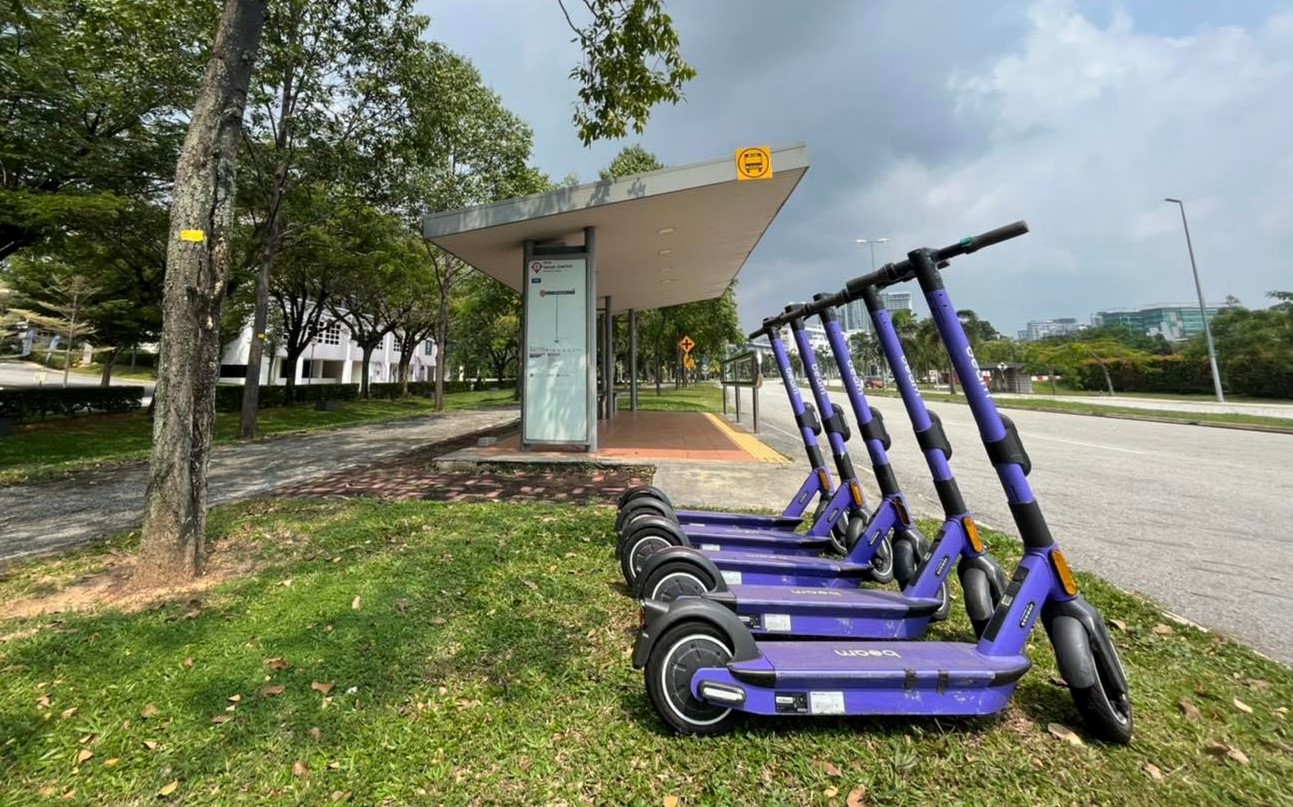
Using a smartphone app, the various locations where the e-scooters can be collected can be found.  Like rental cars, they have to be returned to designated locations. The charge is 60 sen a minute, which is paid using a credit card. If the user does not return the e-scooter to a designated spot, there will be a penalty charge.

The Beam app for smartphones shows where e-scooter parks are for collecting and returning them. The QR code on the e-scooter unlocks the machine for use.

“Beam’s e-scooters are built for convenience and to encourage people to opt for greener commutes within the city centre. With its growing availability in key transit points and destinations around the Klang Valley, the ability to quickly hop on and off an e-scooter to travel door-to-door in minutes gives Malaysians an easy and convenient solution to the first and last mile challenges of public transport usage. Moving between places that are too far for a comfortable walk, and too short a distance to drive, is solved with our e-scooters,” said Taty Azman, Head of Public Affairs, Beam Mobility Malaysia.

Toyota Mobility Foundation’s CATCH offers two solutions to address Kuala Lumpur’s mobility and city planning challenges

Fuel cell electric vehicle (FCEV) technology is not new to Hyundai Motor. In fact, the company was already carrying out R&D on such vehicles, which use hydrogen, from the early 2000s. By 2013, it was able to commercialise a FCEV in the form of the iX35, the first carmaker to do so.

Since then, development on FCEVs has advanced further and the company has accumulated even more experience and feedback through the use of its FCEVs over millions of kilometres in many parts of the world.

2022 Hyundai N Vision 74 prototype

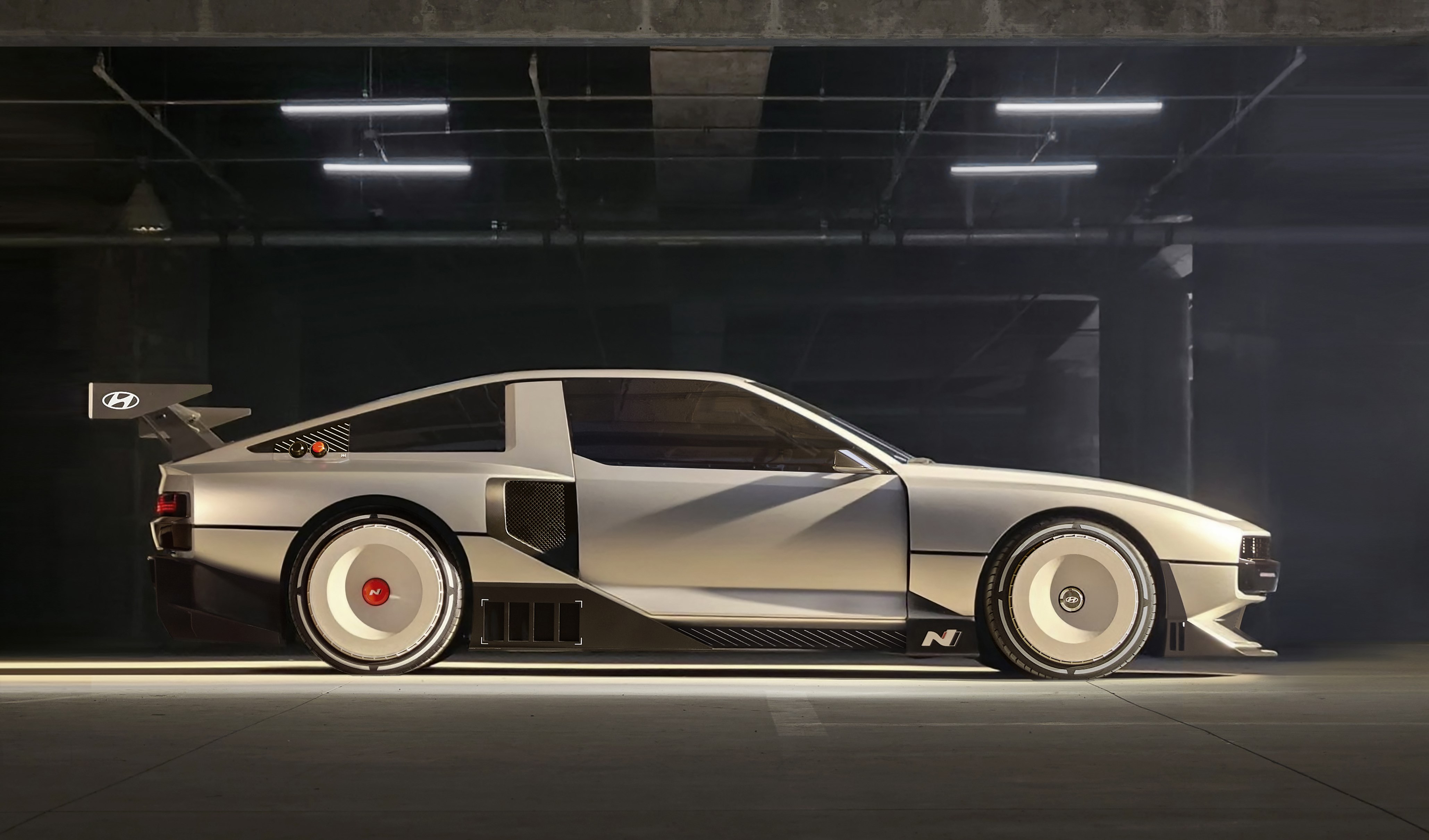
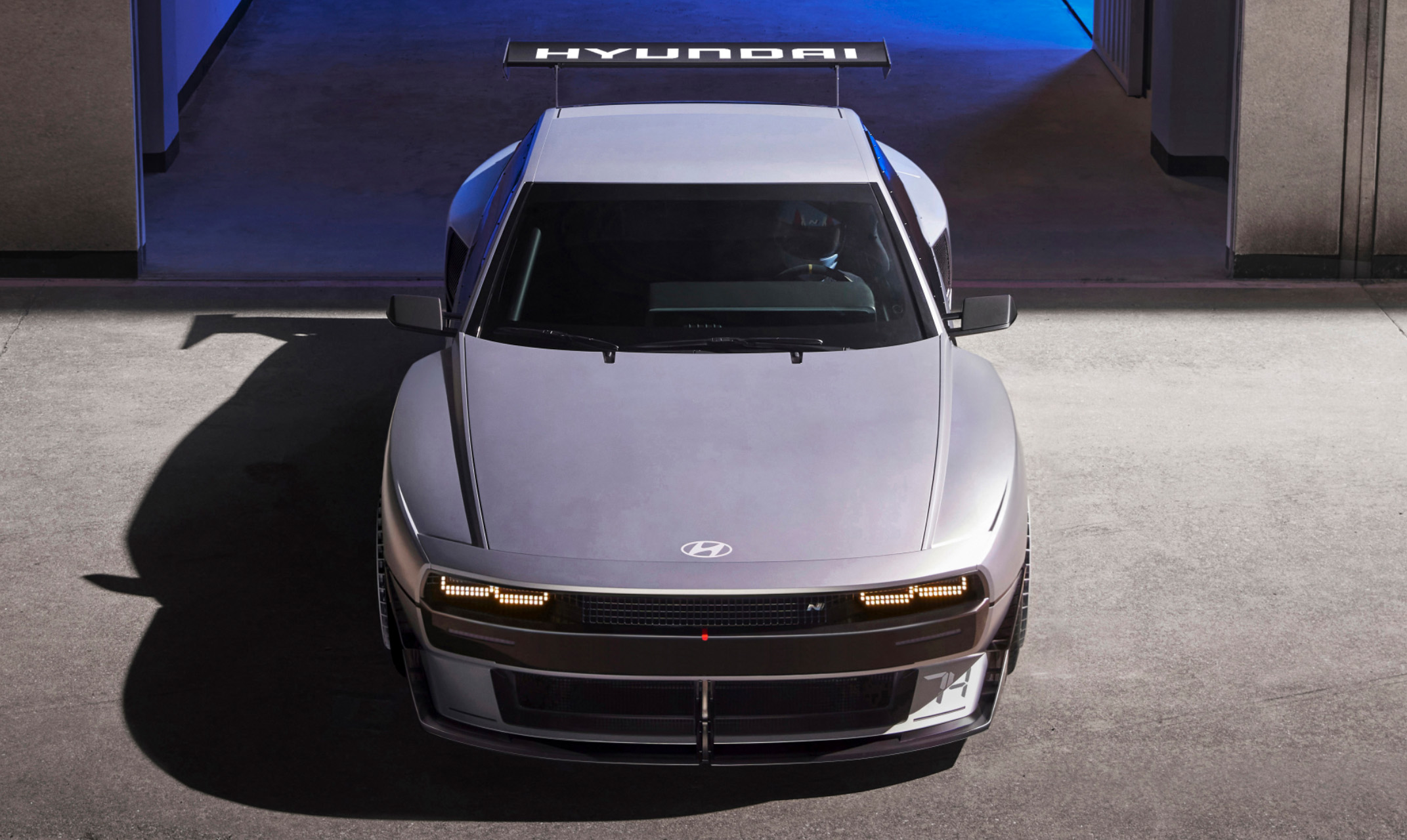
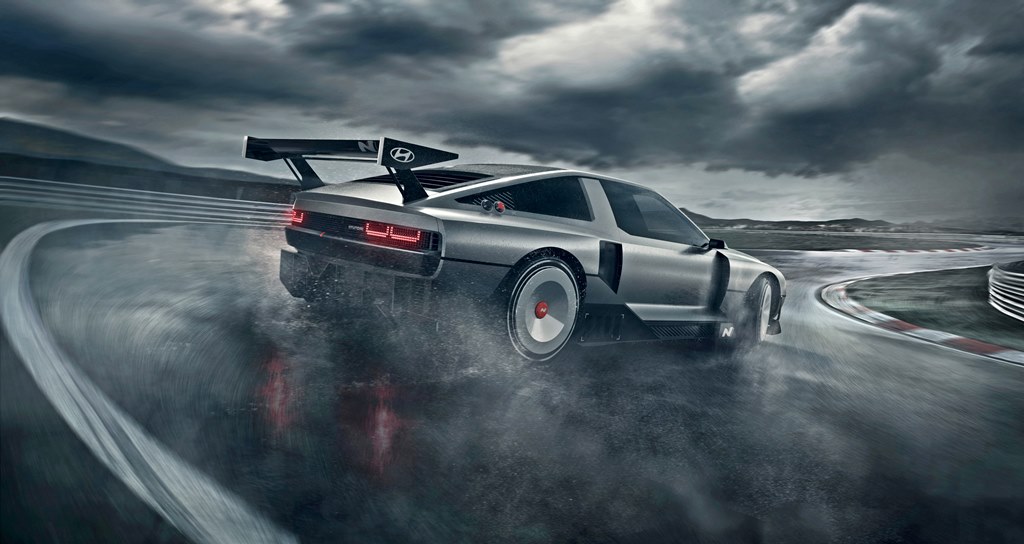
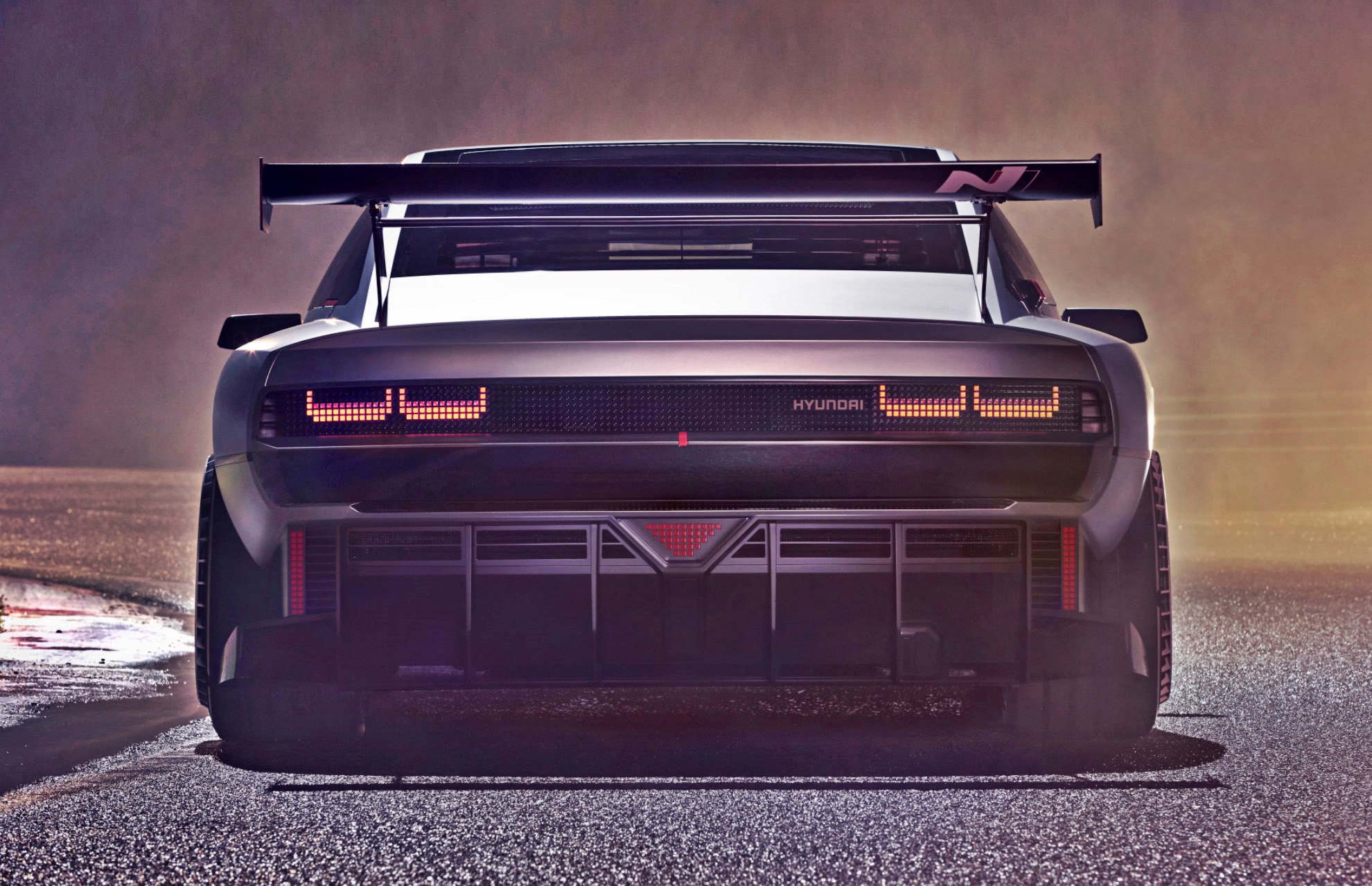
Hyundai N, the performance arm, is also looking at FCEV technology for the future and has developed the N Vision 74 as a high-performance hydrogen fuel cell hybrid rolling laboratory. While it is the first such high-performance rolling lab for Hyundai N’s engineers to use, it is not the first time for N where FCEV technology is concerned.

2022 Hyundai N Vision 74 prototype

2022 Hyundai N Vision 74 prototype

In 2015, the company also created the N 2025 Vision Gran Turismo with the launch of the N brand to envision the future of hydrogen-based high performance. The futuristic N 2025 was conceived to represent Hyundai in the Vision Gran Turismo program, a series of fictional concept cars for the Gran Turismo videogame by Polyphony Digital. While it was never produced as a real-life running model, it had advanced technologies that gave extremely high performance which gamers could experience.

For the N Vision 74, Hyundai’s engineers developed a hybrid structure of a battery-electric vehicle (BEV) in combination with an FCEV system, placed in an all-new layout. By having a fuel cell system and battery-electric system powering the car together, the cooling efficiency is improved.

2022 Hyundai N Vision 74 prototype

The two different power sources can be used together or independent, depending on different driving conditions. This fine-tuned logic system enables better torque vectoring by twin motors on the rear, allowing a precise and responsive cornering experience. Moreover, the N Vision 74 explores the balance between the performance and cooling with a 3-channel cooling system.

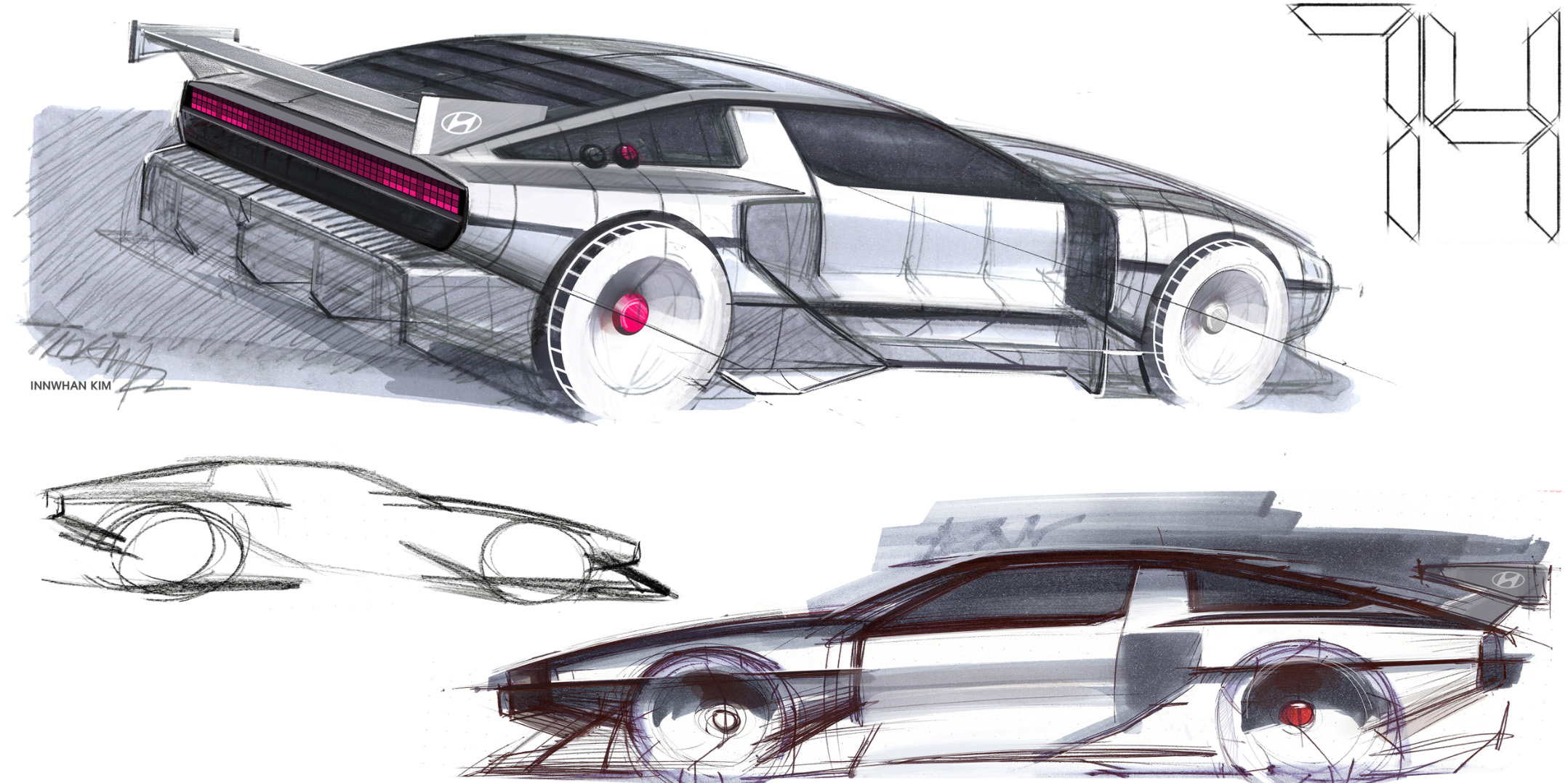
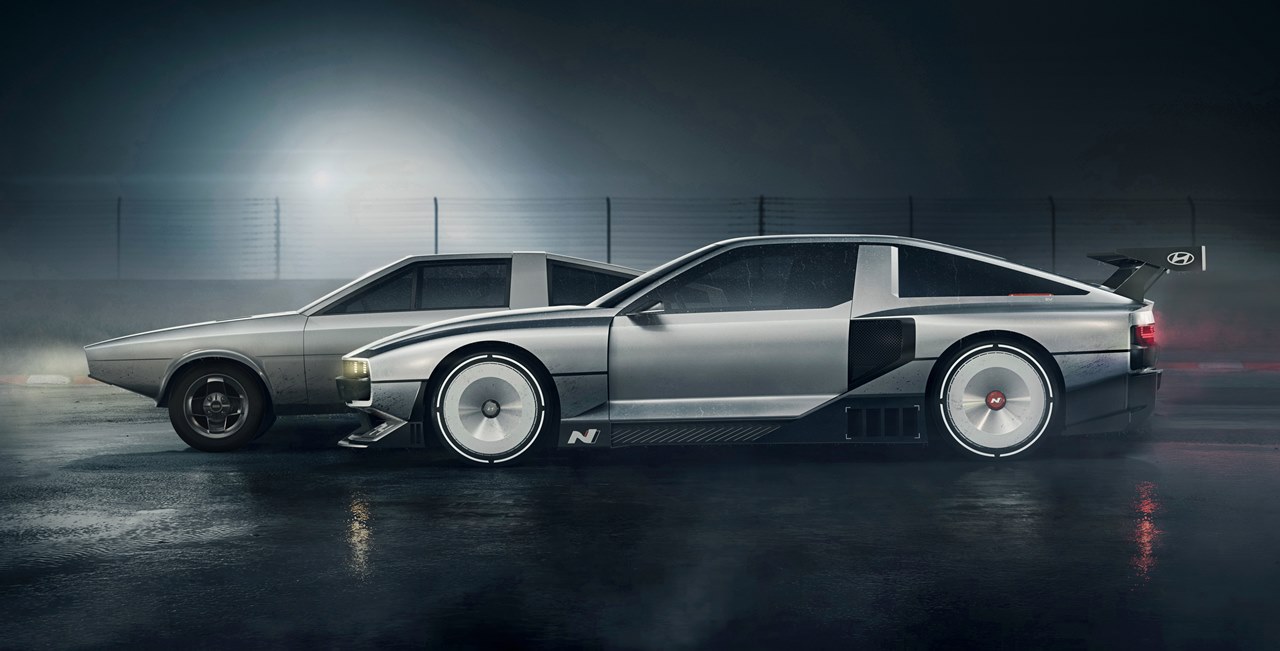
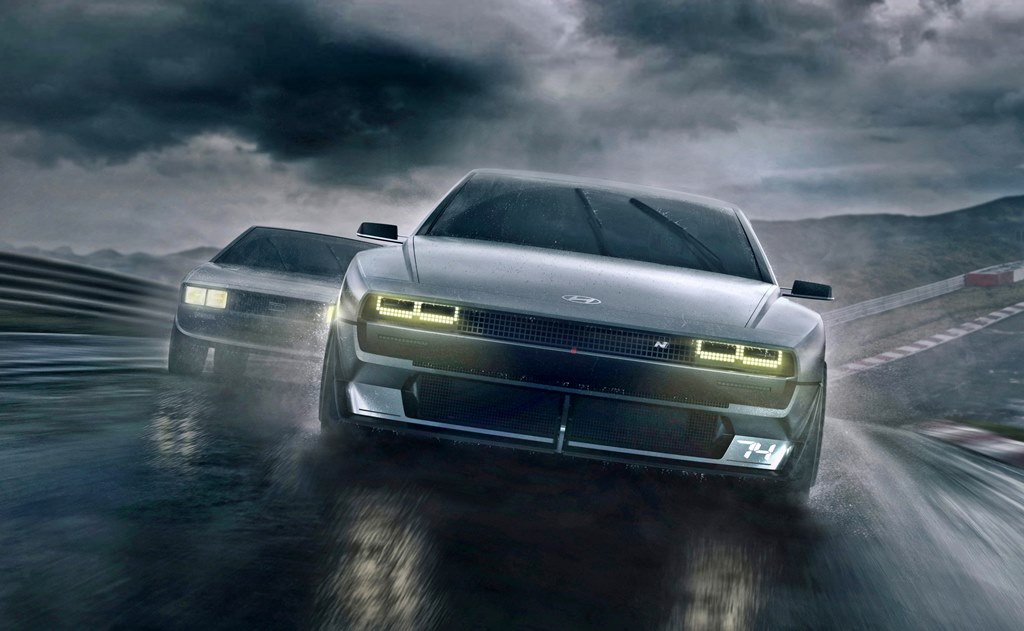
Measuring 4952 mm long, 1995 mm wide and 1331 mm tall on a 2905 mm wheelbase, the design of the concept car is inspired by the Hyundai Pony Coupe concept of 1974. This concept car developed by the designer Giorgetto Giugiaro was a proposal for a sportscar based on the very significant model in Hyundai Motor’s history. The concept car was then built into prototypes for what was to be Hyundai’s first production sportscar. Although it could not reach production in the end, the daring attitude set the tone for the entire company.

2022 Hyundai N Vision 74 prototype

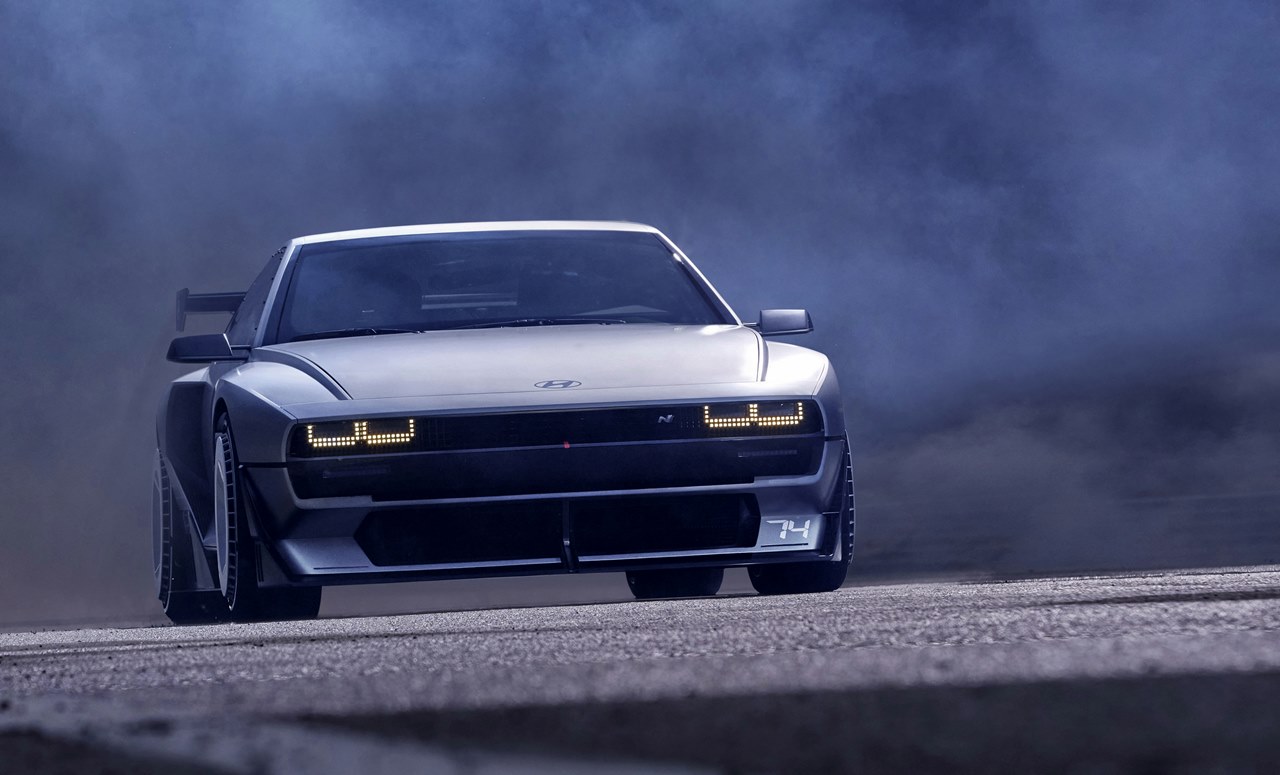
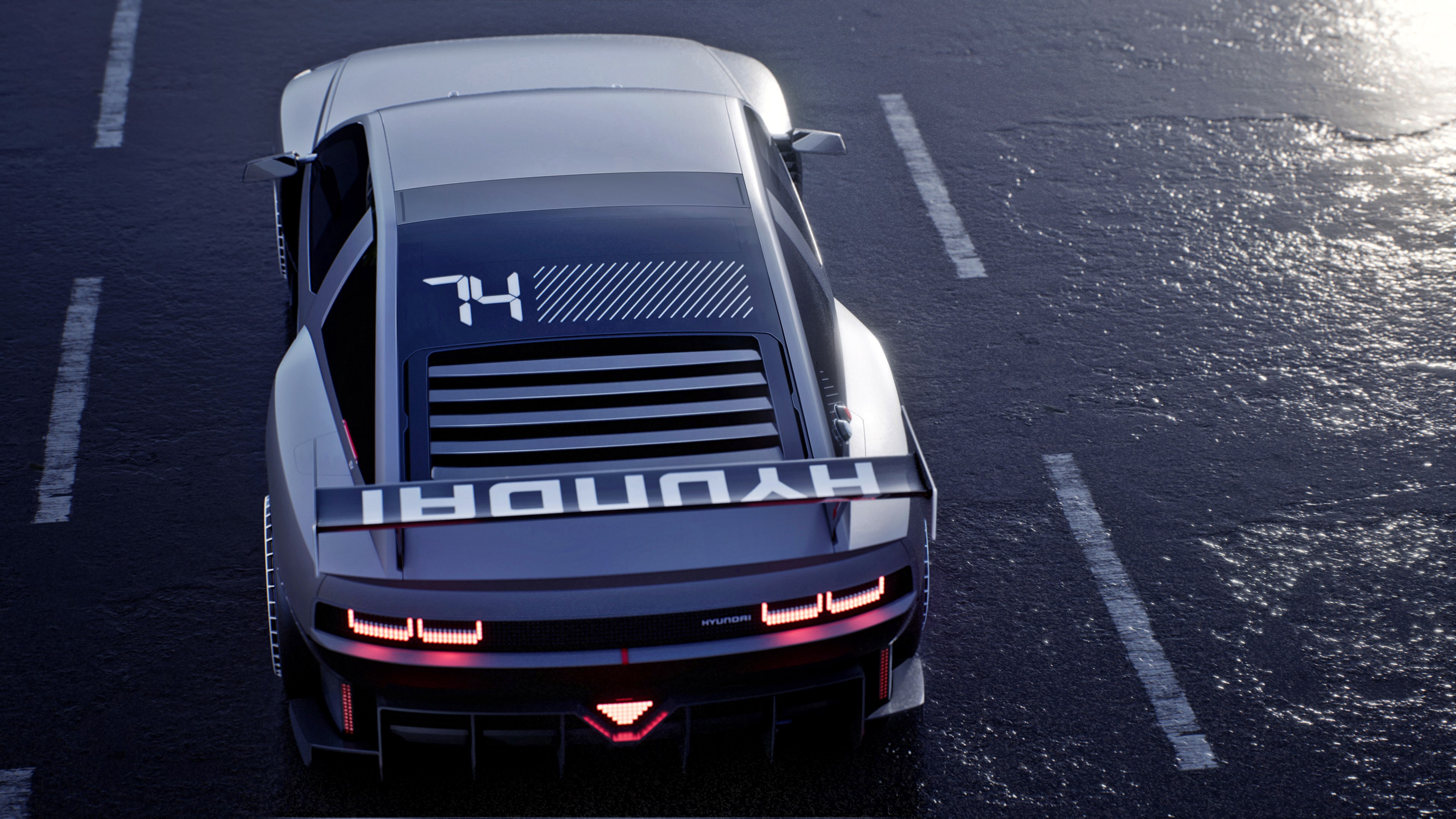
The N Vision 74 inherited the pure surface, dynamic proportioned profile and the unique B-pillar from the Pony Coupe concept. In addition, the lighting units have Parametric Pixel lighting, a feature which is seen on the latest models.

2022 Hyundai N Vision 74 prototype

2022 Hyundai N Vision 74 prototype

“N Vision 74’s future-oriented design reflects the respect and appreciation we have for the dedication and passion that went into the Pony Coupe concept,” said SangYup Lee, Executive Vice-President and Head of Hyundai Design Centre.

2022 Hyundai N Vision 74 prototype

RN22e concept shows how Hyundai N will ensure high performance in fully electric cars


Ralliart is a name that motorsports enthusiasts, especially fans of off-road events, will know well. It was the competition division of Mitsubishi Motors and associated with the Dakar Rally as well as the World Rally Championship. Unfortunately, MMC went through difficult times and had to reorganize itself, which led to the Ralliart division having to cease its operations in 2010.

However, in 2021, the company indicated that it would revive the Ralliart brand although it did not give details of what could be expected. It showed some Ralliart-themed models  in Bangkok but enthusiasts are hoping for some performance-oriented products.

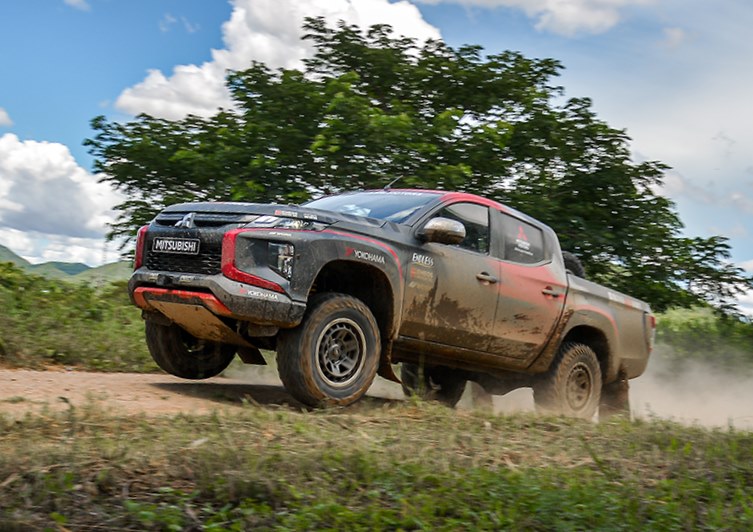
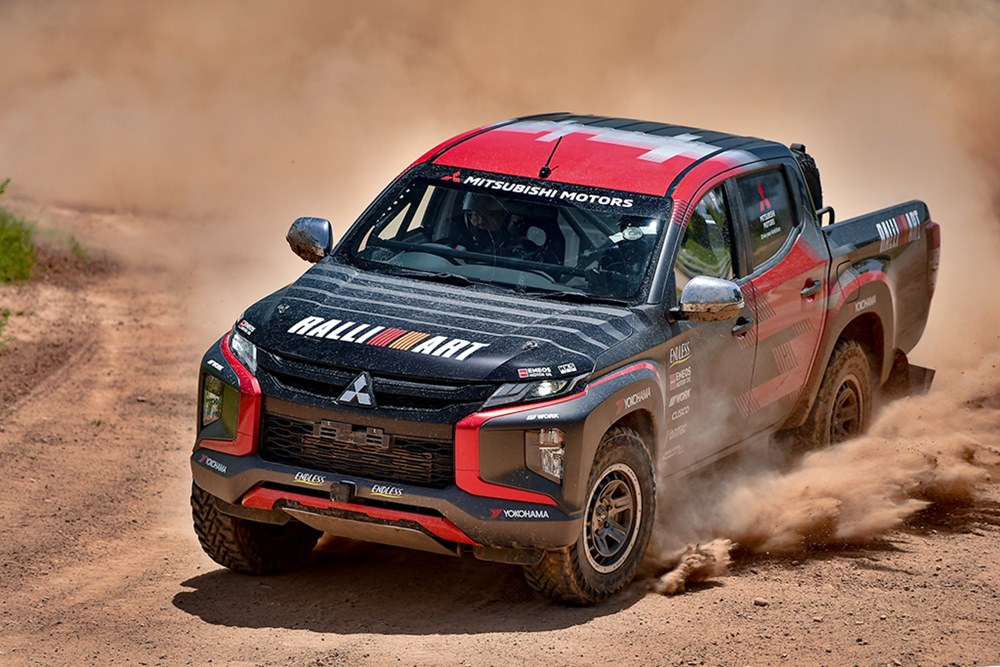
Perhaps they are still formulating plans on what they want to do with the brand, which is still strong in people’s minds. Soon, we’ll see Team Mitsubishi Ralliart in action again when it competes in the Asia Cross-Country Rally (AXCR) 2022. Prior to the event, the team conducted endurance tests with a Triton on an off-road course in Thailand on June 27 and 28.

The endurance tests subjected the car to high loads comparable to those expected in the rally and focused mainly on the reliability and durability of the chassis and engine. To test the performance of the truck in an environment similar to that of the actual course, the team used a 10-kms course that combines a high-speed range, rough gravel road and a narrow, winding forest course.

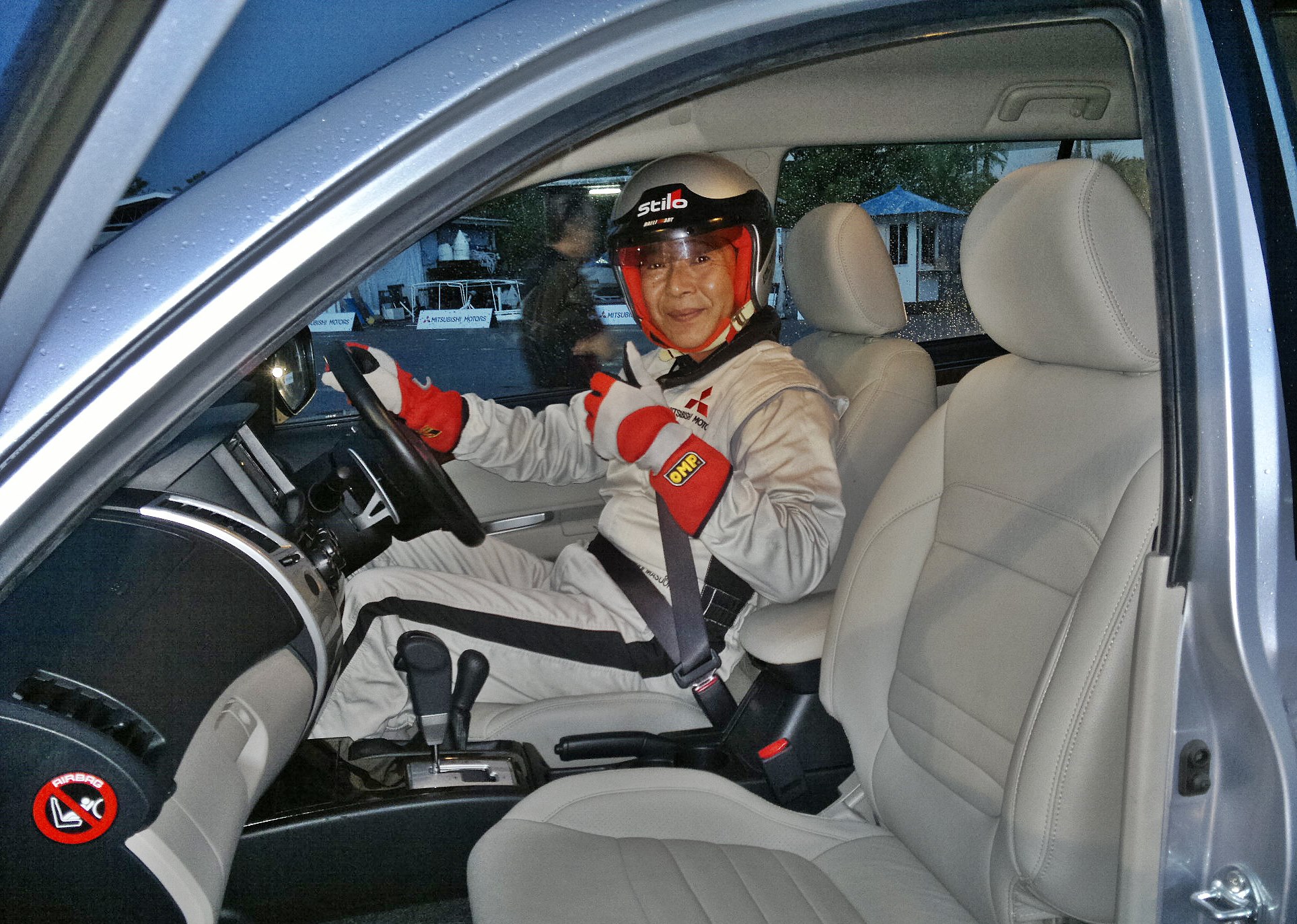
“Since the Triton has a robust chassis frame and an excellent handling performance, we decided to reduce the vehicle weight at a minimum for the rally modification while leveraging its original strength as much as possible,” said Hiroshi Masuoka, team director of Team Mitsubishi Ralliart. “Having covered more than 800 kms in two days, the vehicle showed its great performance throughout the tough endurance tests as we expected, and now we are confident that our preparation is on the right track.”

Hiroshi Masuoka is a very experienced off-road driver, having participated in the Dakar Rally since 1987 and winning it in 2002 and 2003 – with the Mitsubishi Ralliart team, of course. He has also visited Malaysia to assist Mitsubishi Motors Malaysia in introducing models such as the Triton and Pajero Sport.

AXCR is a gruelling, week-long, 2,000-km cross-country rally that races through the natural terrain of Southeast Asia. Normally held in August of each year, the rally was cancelled in 2020 and 2021 due to the COVID-19 pandemic. This year, the dates for the rally were pushed back to November 21 to 26, and the course will be about 1,700 kms long. It will start in Buriram in the northeast of Thailand (where there is a racetrack) before crossing into Cambodia and ending at the World Heritage site of Angkor Wat.

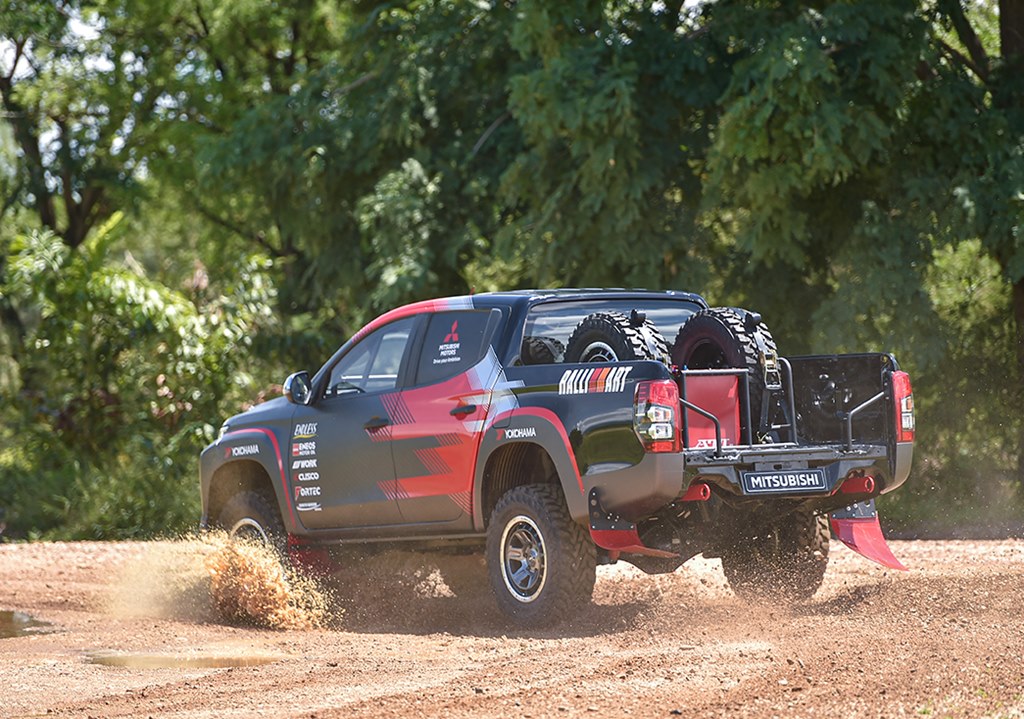
Team Mitsubishi Ralliart’s Triton
The Triton is classified by the FIA as a Group T1 rally car (prototype cross-country vehicle). Based on the Thailand-specification double-cab model, the car’s bonnet, front and rear doors, interior and other parts have been lightened, while the body has been strengthened with a roll-cage and under guards.

The dedicated suspension provides superb handling characteristics, while the front and rear limited-slip differential, large-diameter off-road tyres and lightweight alloy wheels greatly improve handling on rough road surfaces. Tuning of the 2.4-litre turbodiesel engine has focused on reducing friction loss and weight, and improving responsiveness in the mid-speed ranges frequently used in rallies.

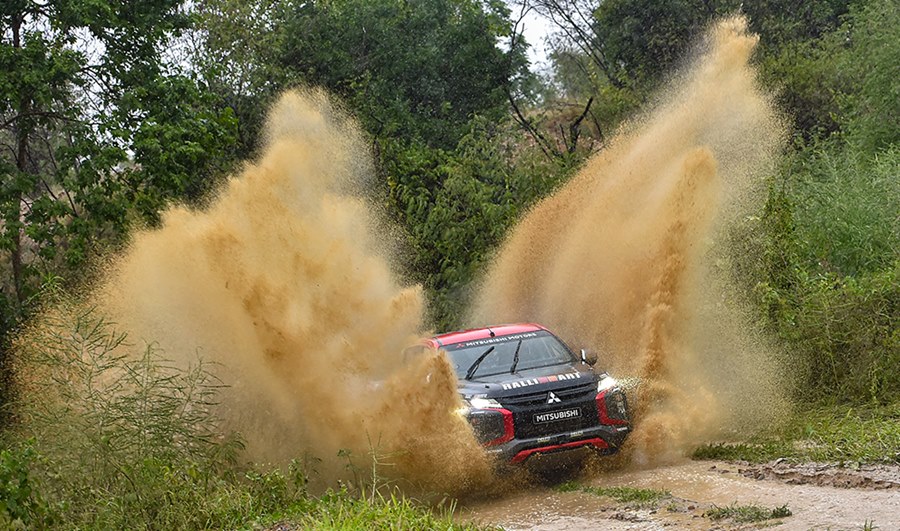
Some AXCR stages include river crossings, so water-proofing modifications have also been added, such as stronger sealing and an air-intake snorkel.

Mitsubishi Motors to revive Ralliart

With the government encouraging the switch to electric vehicles (EVs), we will be seeing more of these zero emission vehicles in use nationwide. As such, there will be a growing need for qualified personnel in the aftersales industry. However, because of the different nature of EVs, new skills are necessary as skills and experience with combustion engines are not so suitable.

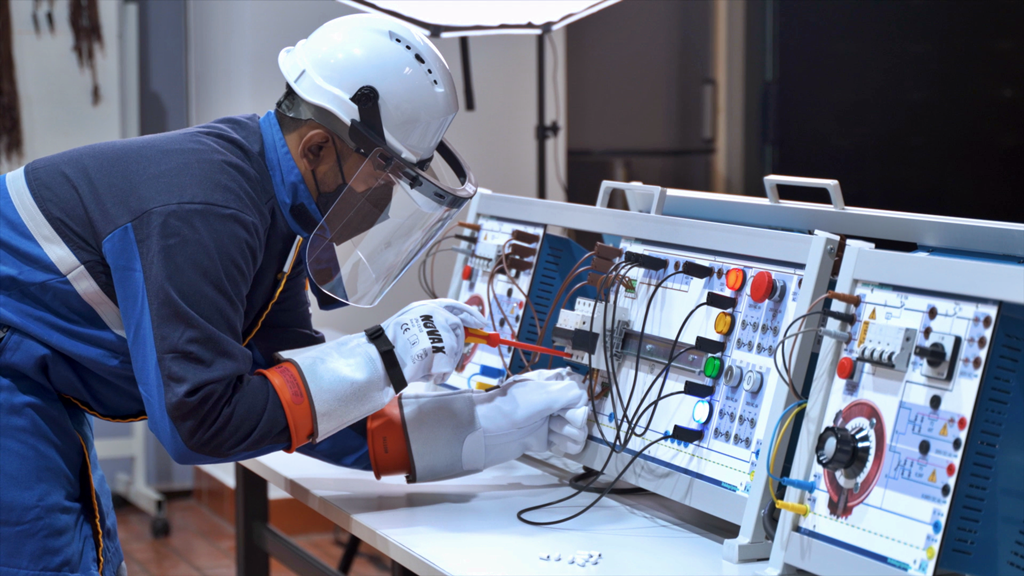
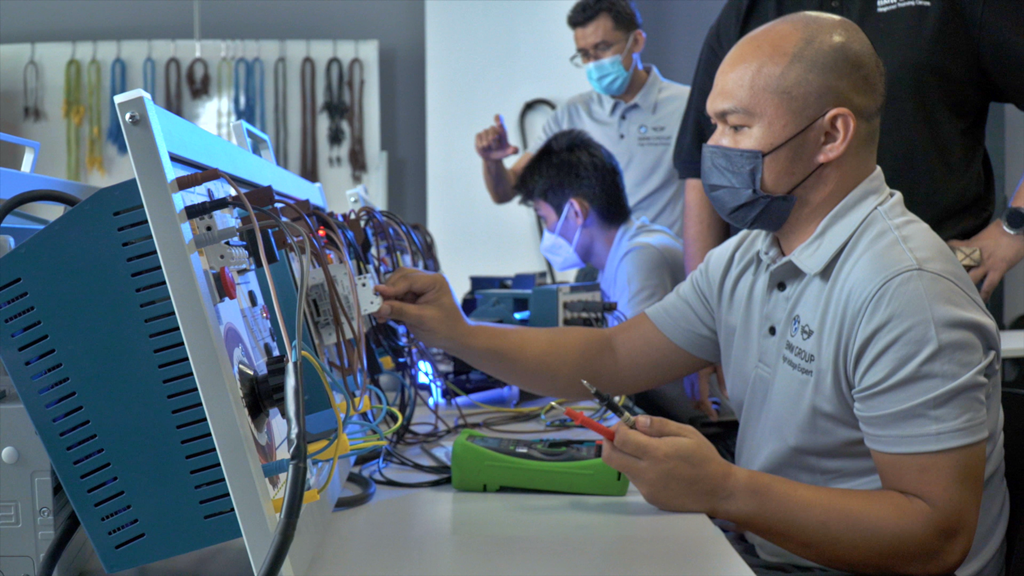
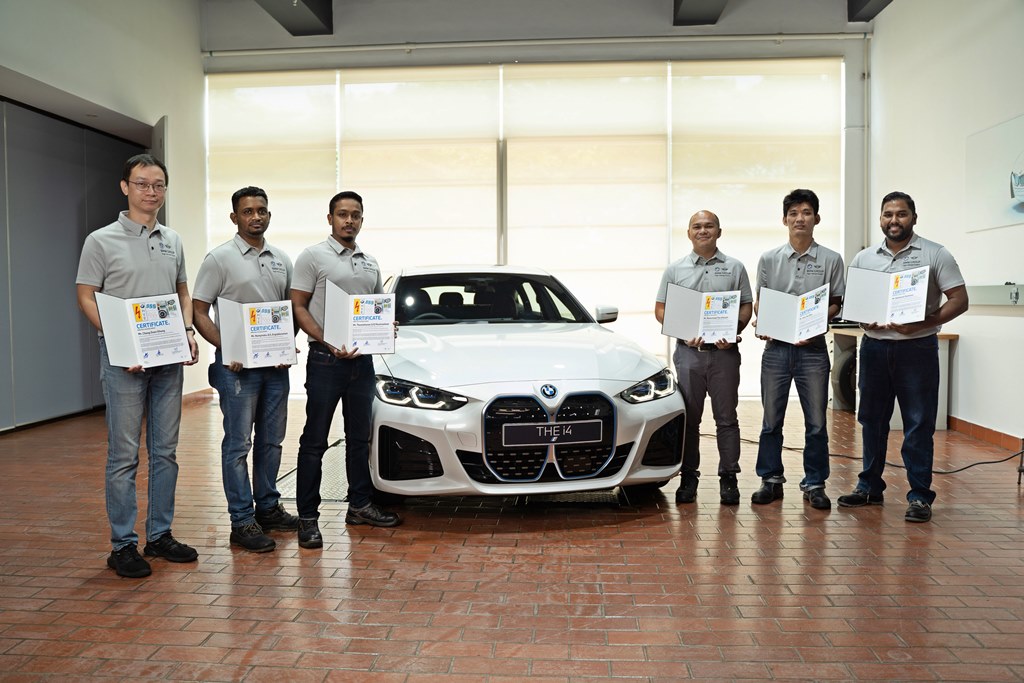
As such, BMW Group Malaysia is cultivating highly skilled experts in the field through its internationally recognised BMW High Voltage Expert Certification programme. Conducted at the BMW Group Regional Training Centre in Malaysia, the programme offers training for the servicing and repair of the most advanced BMW i vehicles worldwide.

To qualify as a BMW High Voltage Expert, the prospect must already be an existing BMW High Voltage Technician, who must first undergo a pre-selection process which includes a knowledge assessment and an interview. The prospect would also need to obtain first aid certification and undergo a full body check-up. Next, they are put through 15 days of intensive training, with the requirement of passing 2 theory exams and four practical exams to proceed to the next stage. This is followed by a final theory exam and practical demonstration under live high voltage to secure the certification which is completed in another 10 days.

More than just selling EVs
BMW Group Malaysia’s initiative in this area is to be expected as the company has been selling an increasing number of EVs and electrified vehicles. And it has not only been selling them but also ensuring that proper supporting services are available for owners.

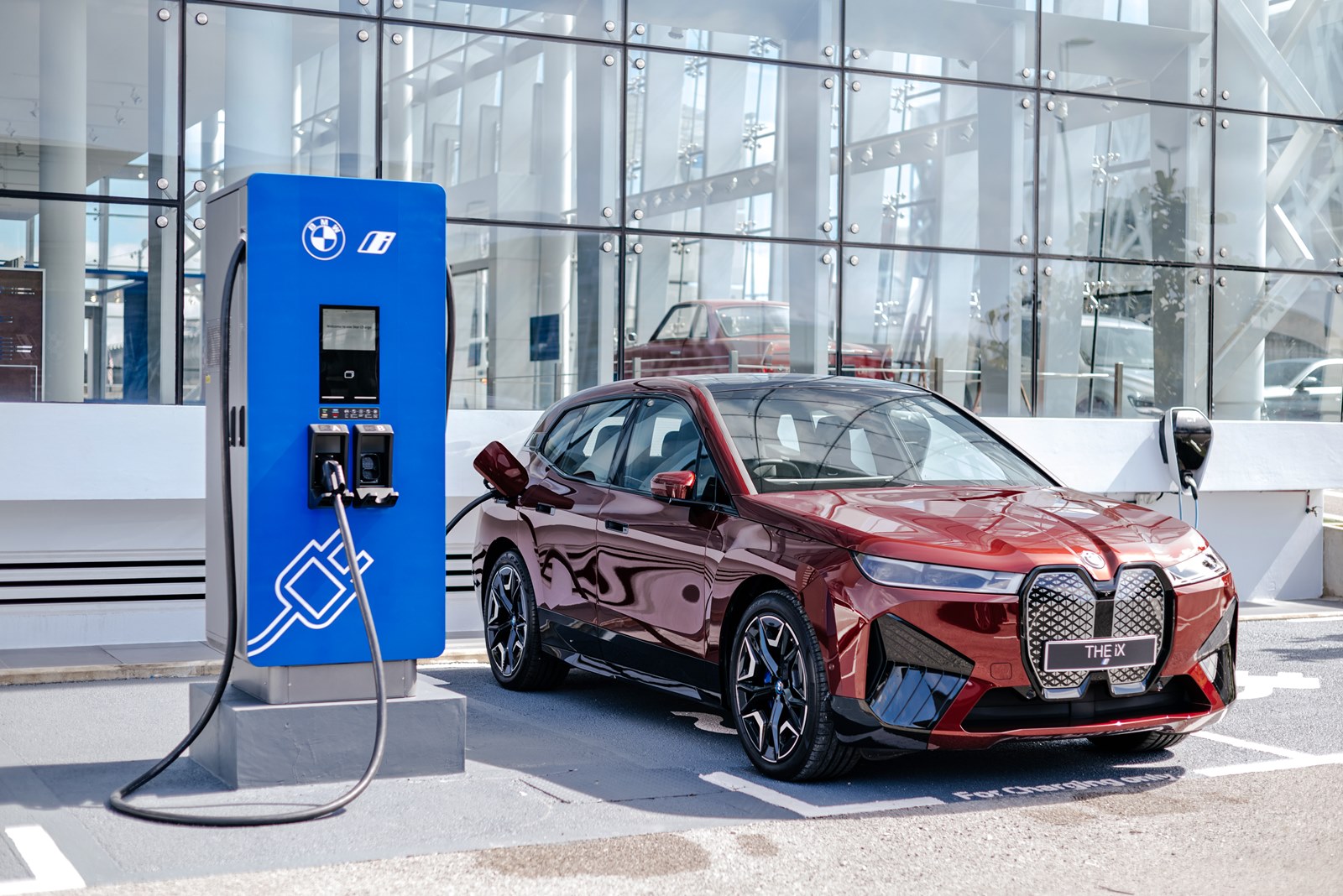
In addition to creating a bigger EV landscape in Malaysia, BMW Group Malaysia is also working with partners to broaden the charging network. To ensure a fair and standardised experience for all EV owners in Malaysia, BMW Group Malaysia has released an official pricing structure for BMW i Charging facilities across the country.

Supporting the electric future
“At the BMW Group, we have always believed that the future is Electric. Since BMW Group Malaysia first introduced BMW i to the country back in 2015, we have envisioned a Malaysia where electric mobility is fully embraced and have been working hard to that end. We understood the obstacles faced by Malaysians in adopting EVs, such as range anxiety, which we have been alleviating by rolling out EV infrastructure across the country. At the same time, service and repair are also important points of consideration, ensuring that BMW i owners have greater peace of mind when it comes to the ownership of their BMW electric vehicles,” said Hans de Visser, Managing Director of BMW Group Malaysia.

For BMW Group Malaysia, the BMW High Voltage Expert Certification is an important pillar in supporting the development of a mature ecosystem in Malaysia where EVs can thrive. As more BMW i vehicles are being introduced on Malaysian roads, greater accessibility to BMW certified experts ensures that the Premium Electric Ownership Experience is met at the highest standards for all owners of BMW i vehicles.

BMW Group Malaysia provides official pricing structure for BMW i Charging facilities nationwide

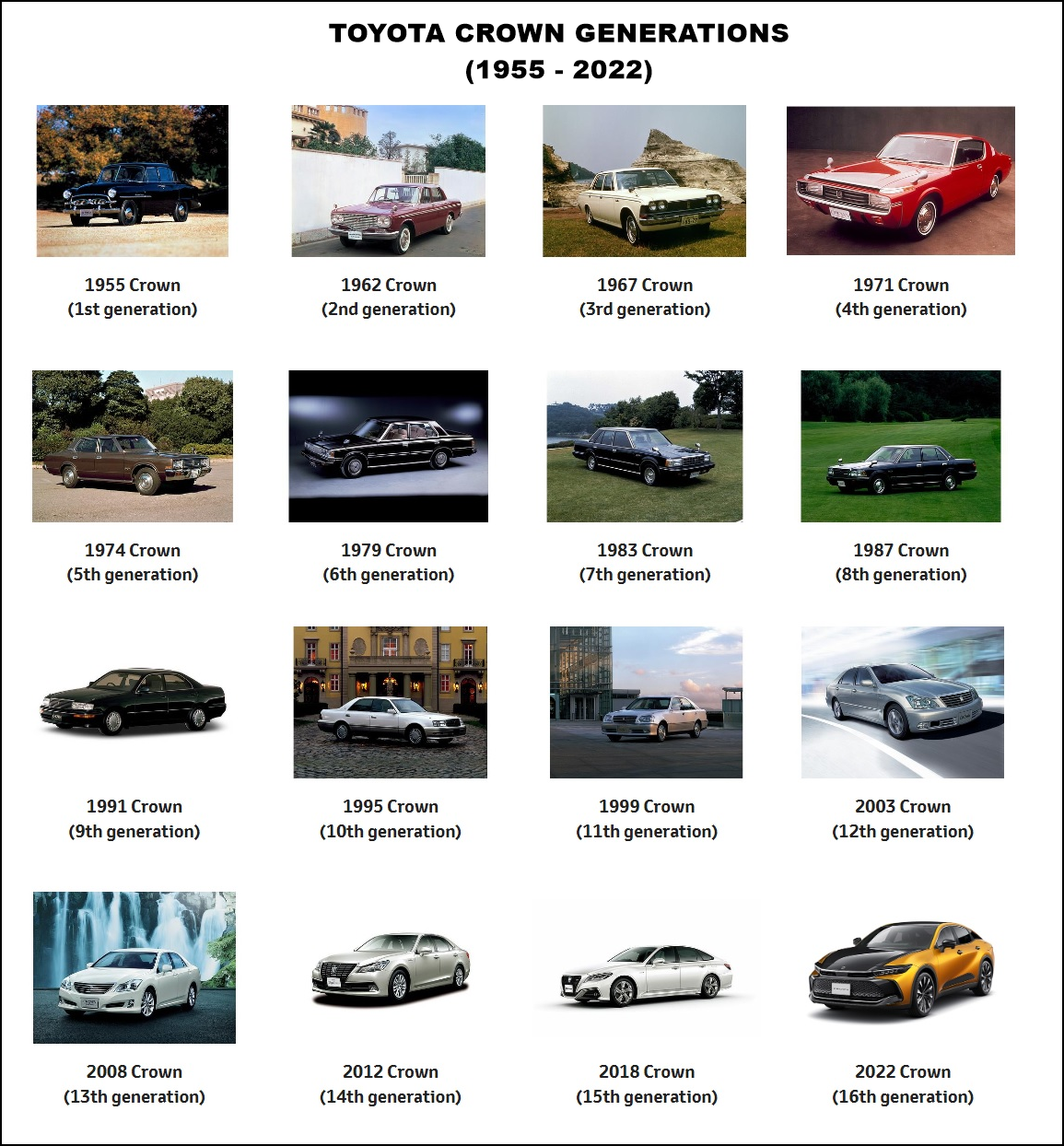
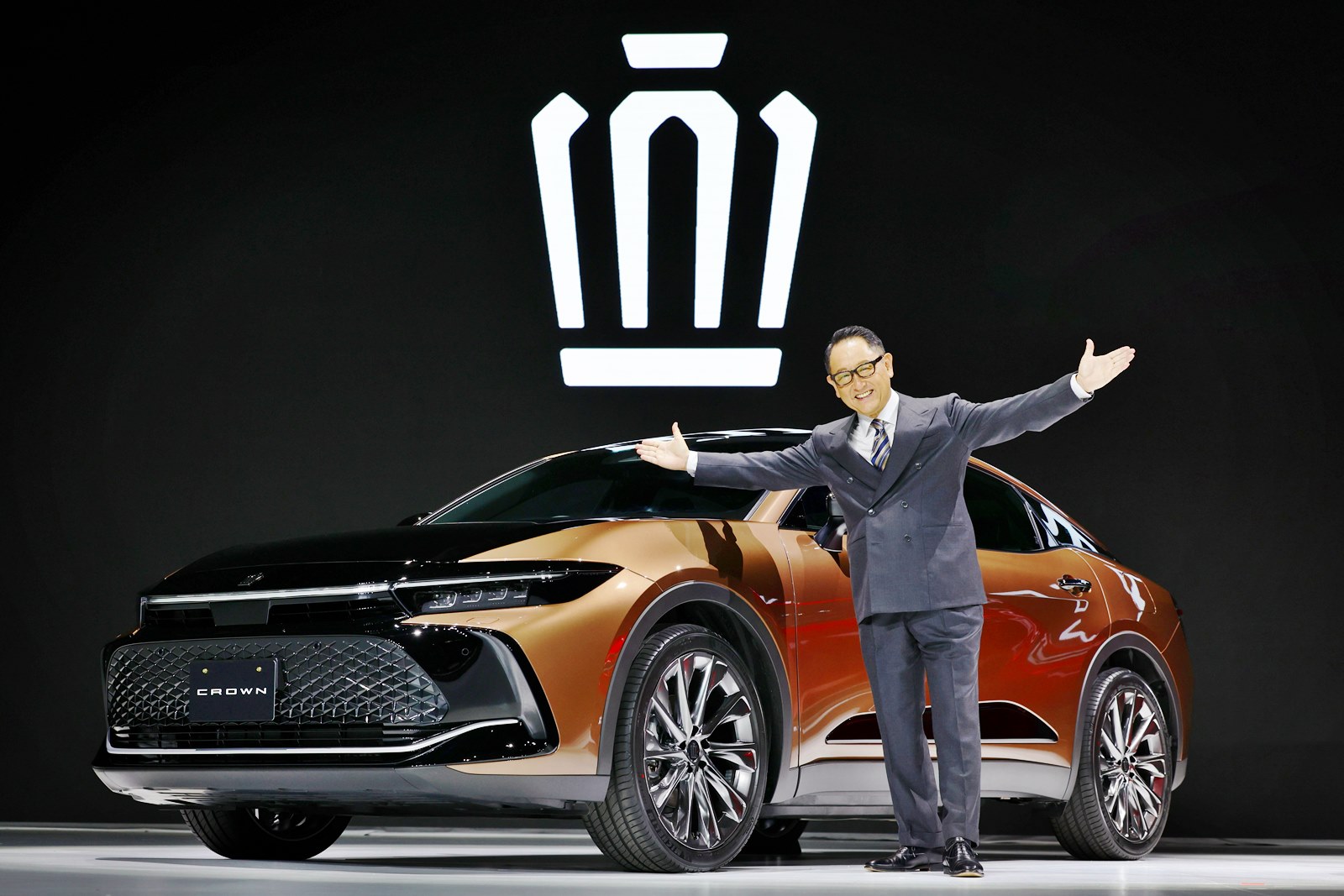
The Crown is one of Toyota’s oldest models, having made its initial debut in 1955 as the company’s first mass produced passenger vehicle. It has remained in the line-up to this day, elevating to flagship status during the 67 years. However, times have changed and Toyota feels the Crown has become unable to fully meet the diversifying needs of its customers, and its role as a flagship model has also become less significant.

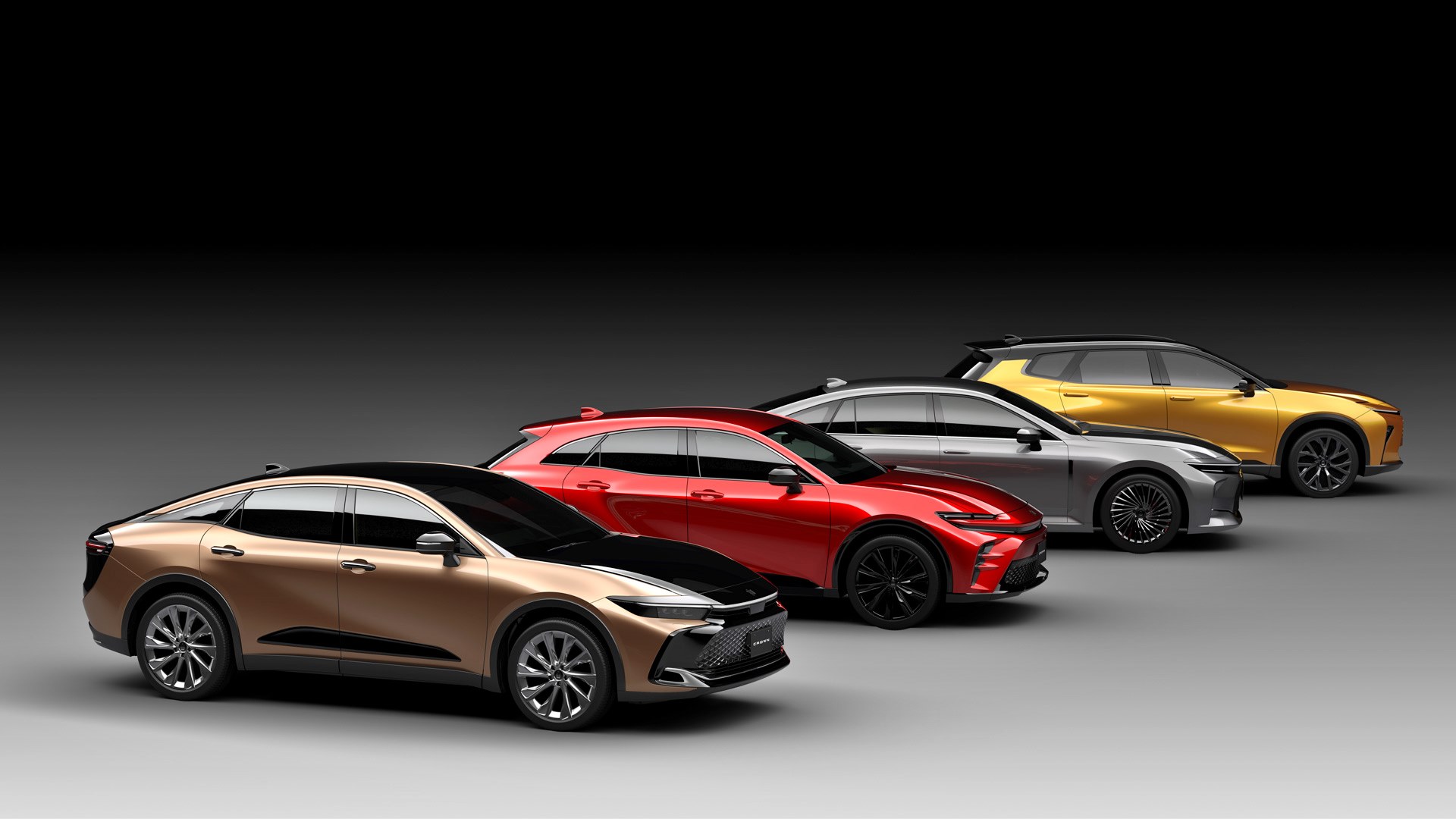
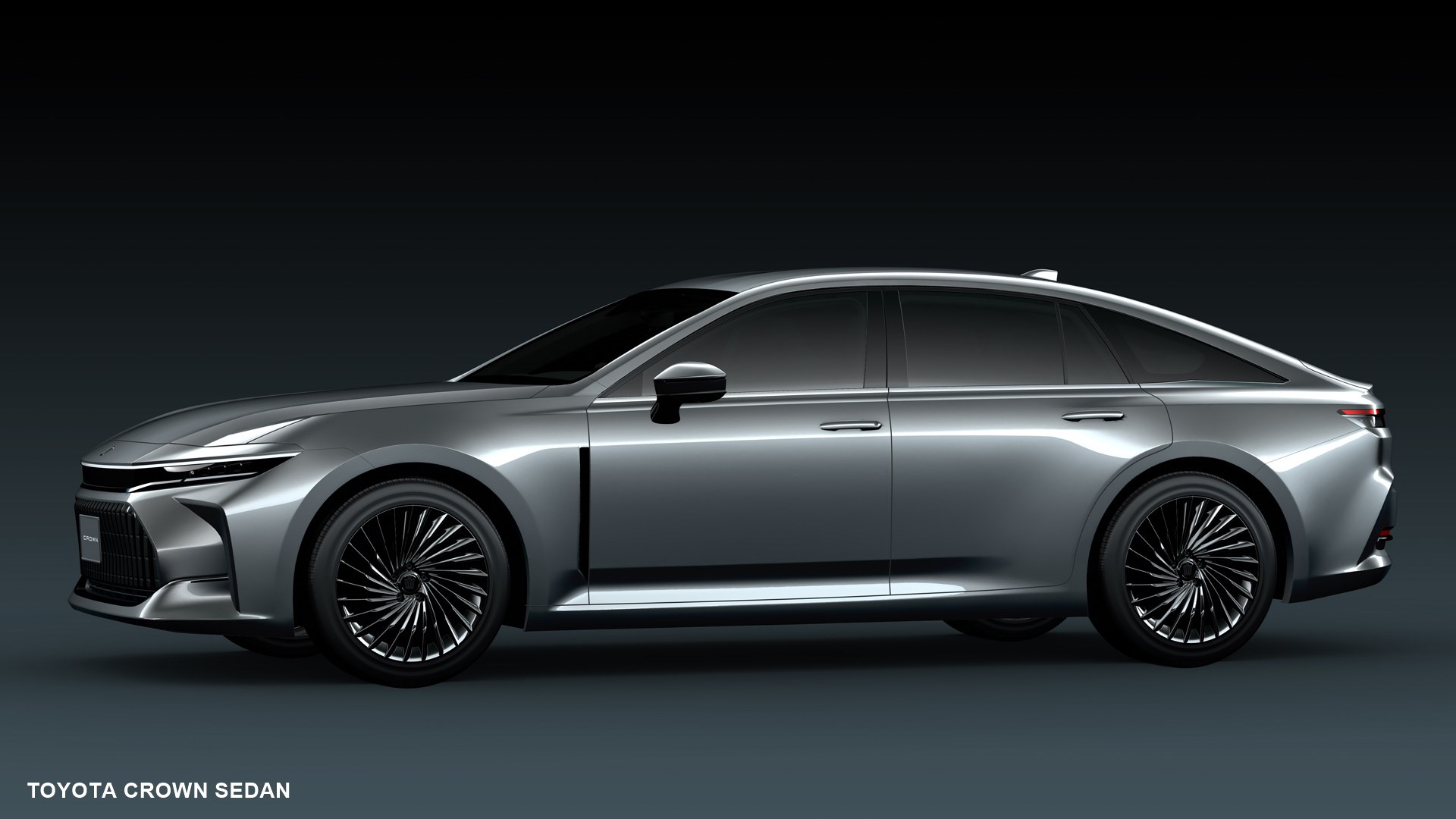
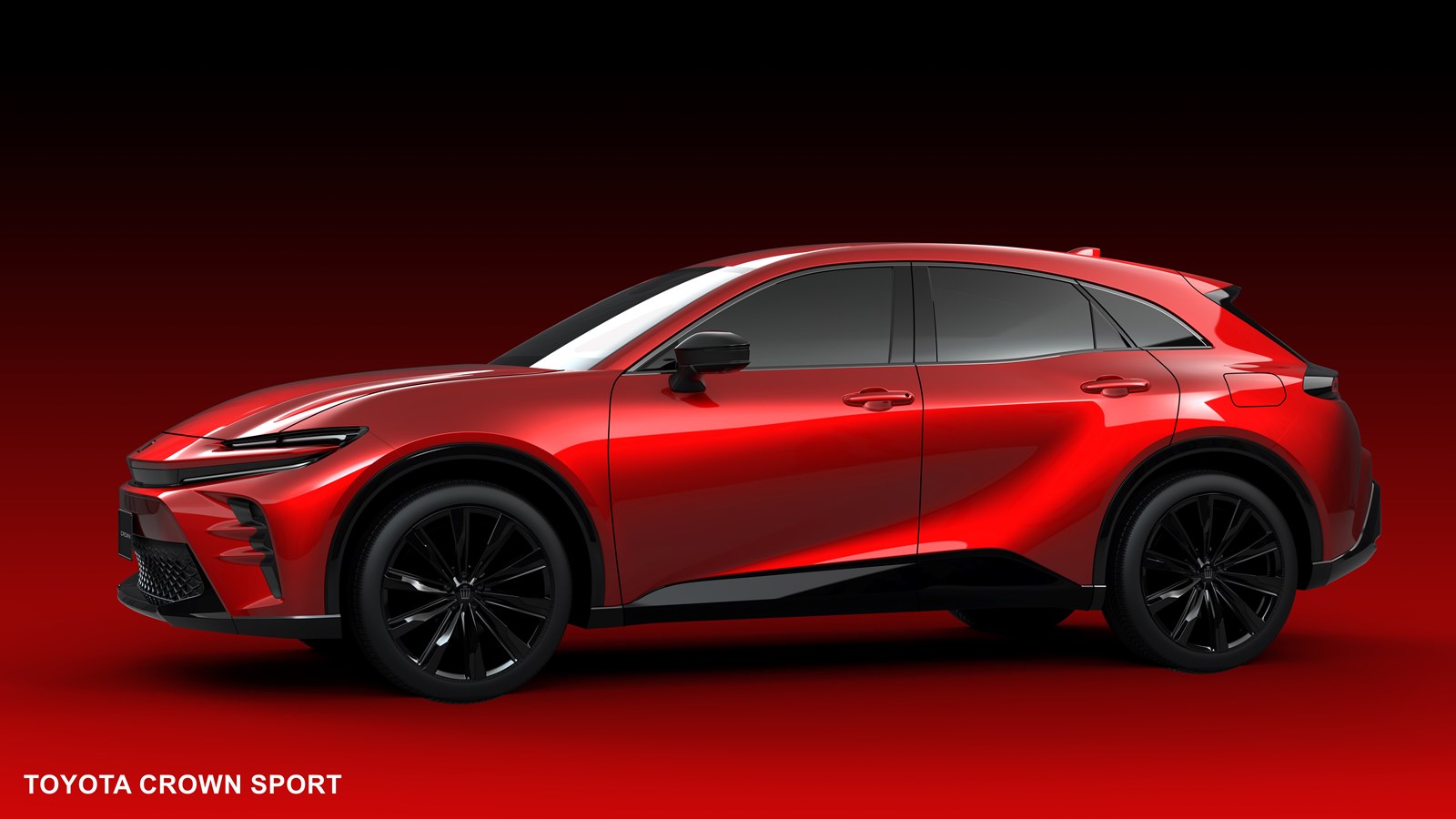
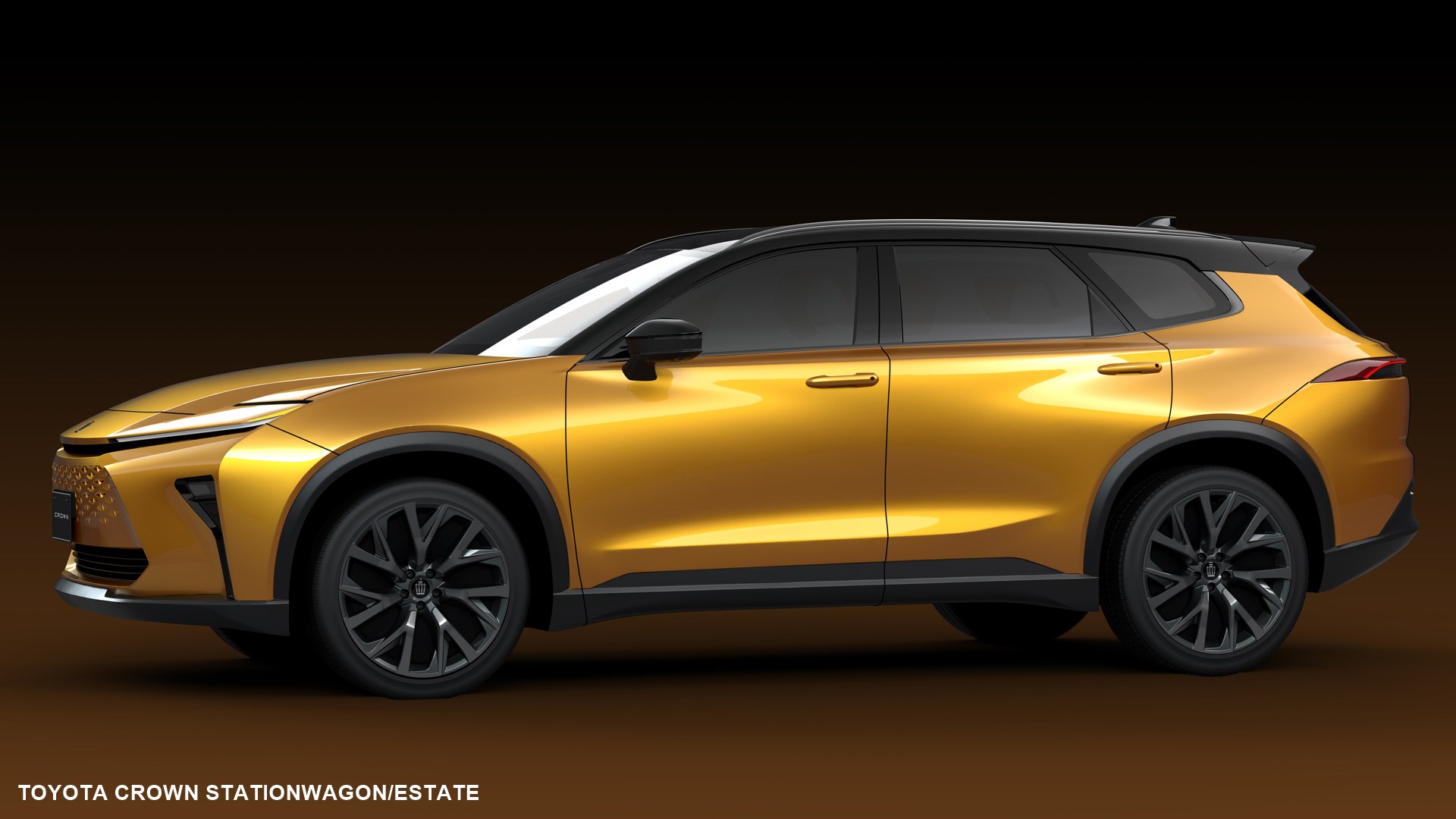
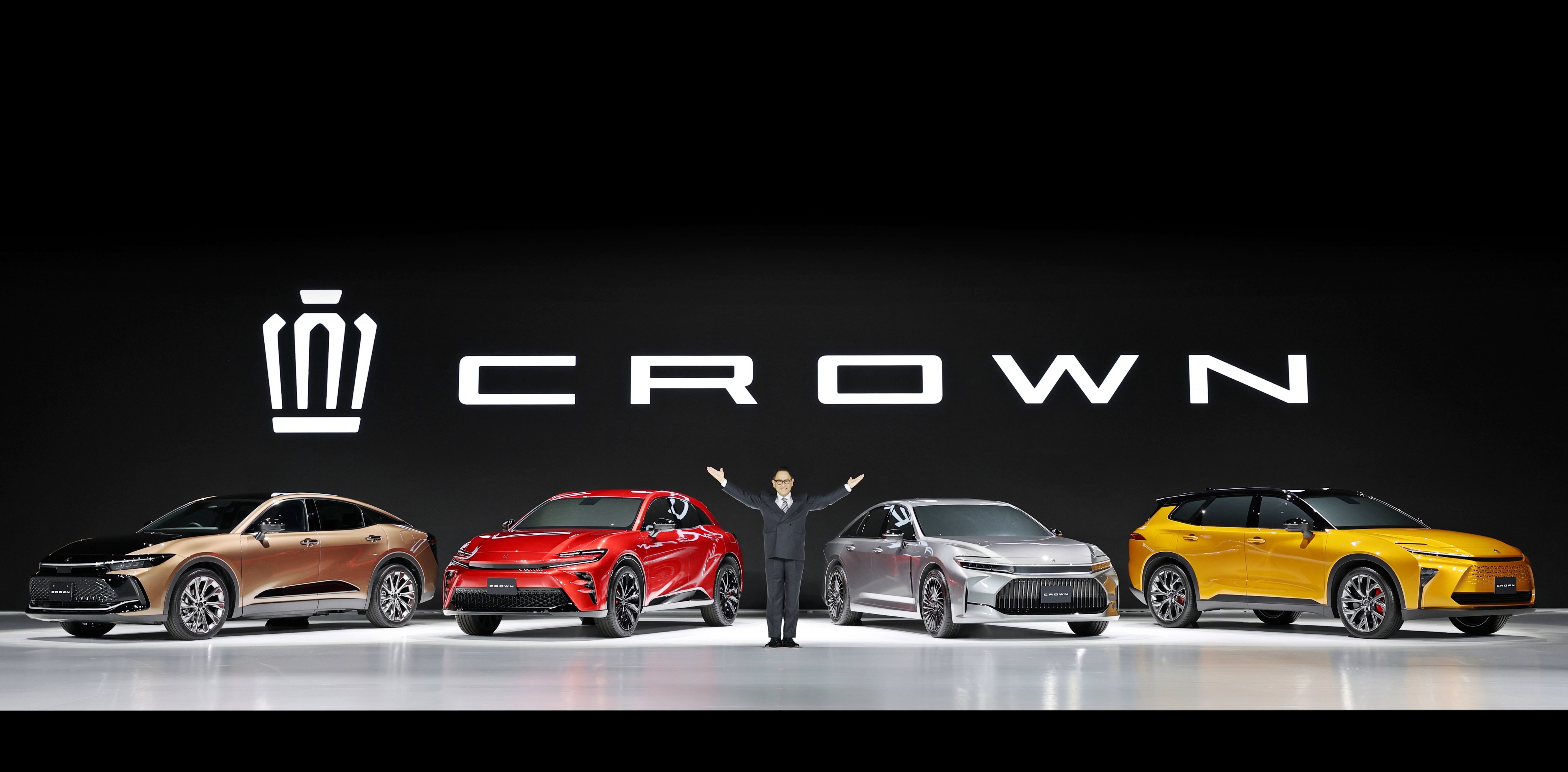
This has led to a complete rethink for the new generation which sees 4 different models that will carry the nameplate. In addition to a new Crossover, there will be a Sport as a new addition. There will still be a Sedan, of course, and this will continue with a formal design (although the pictures show something very advanced), and a Stationwagon/Estate which is now more of a functional SUV.

Due to the diverse range, Toyota won’t be launching all the versions together and, as a reflection of the current market preference, it will start with the Crossover. This model will go on sale from the fourth quarter of this year and will be offered in around 40 countries, Malaysia being a possibility. The eventual annual production is expected to reach 200,000 units.

Incidentally, the Crown was assembled in Malaysia at one time back in the early 1980s but large limousine-type Japanese cars were not favoured then so the model was discontinued. Times have changed, of course, and while the German brands still command the premium segment, Lexus has shown that the Japanese can also offer comparably premium products. So it’s likely that the new Crown will eventually appear in Malaysia as a complement to the Alphard.

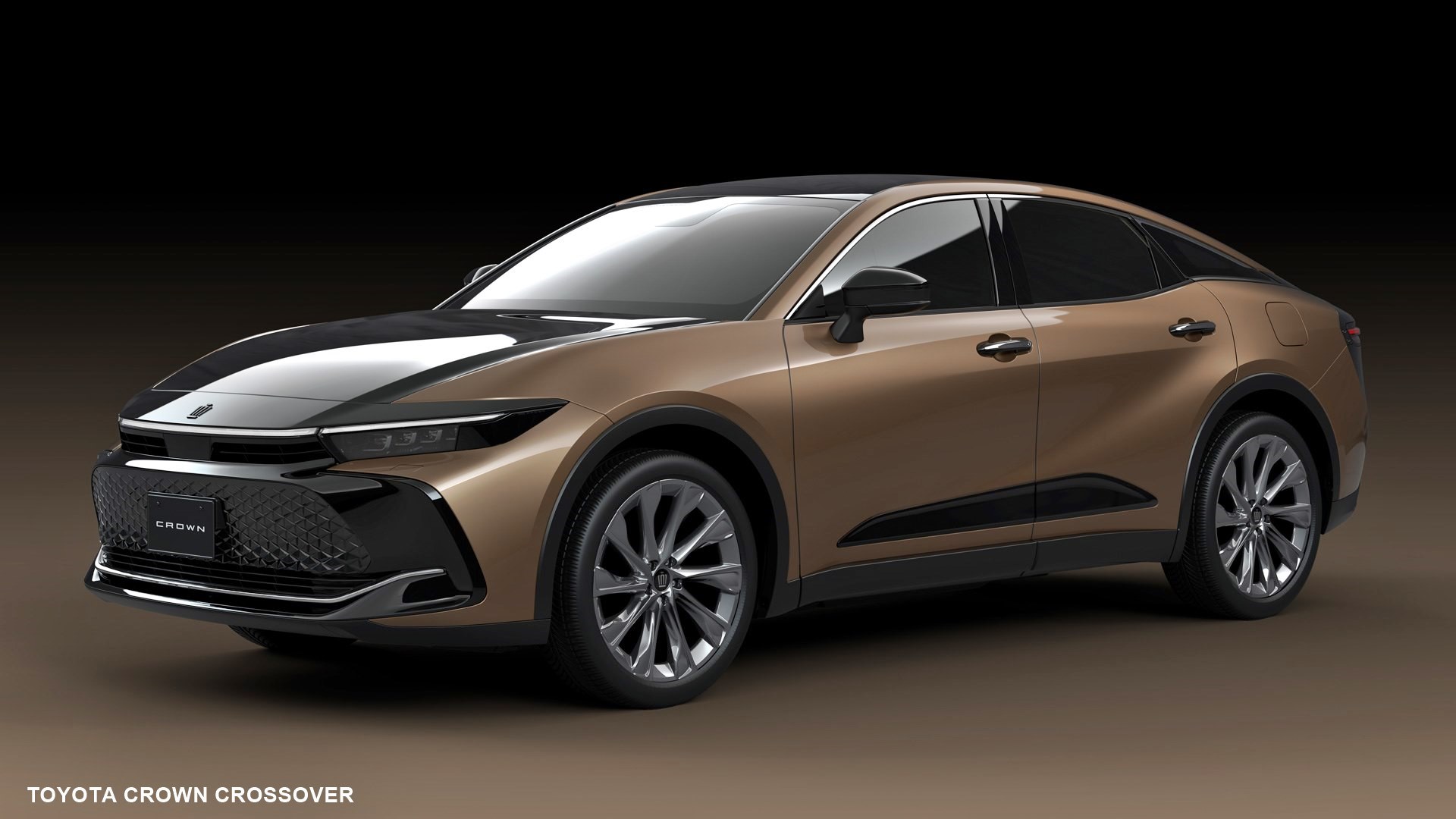
The Crown Crossover
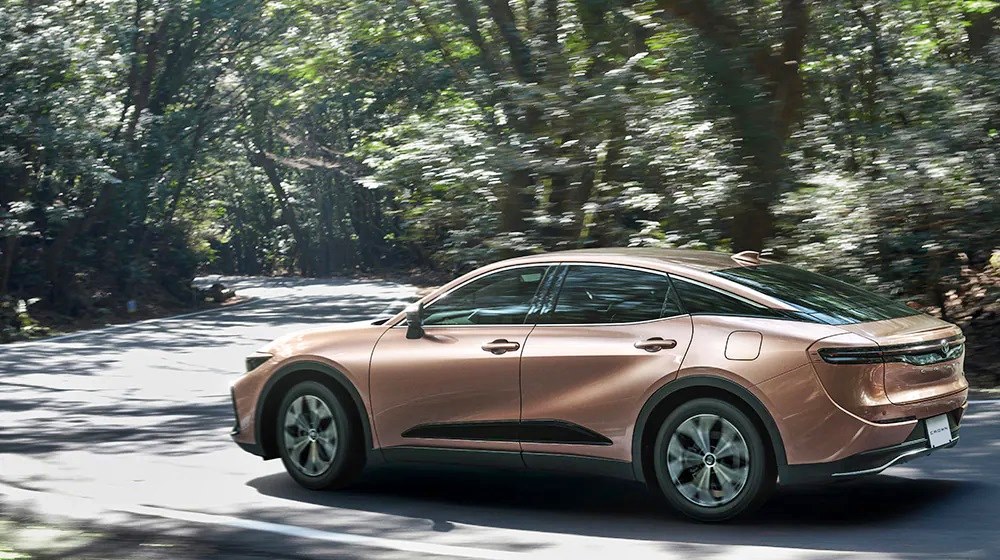
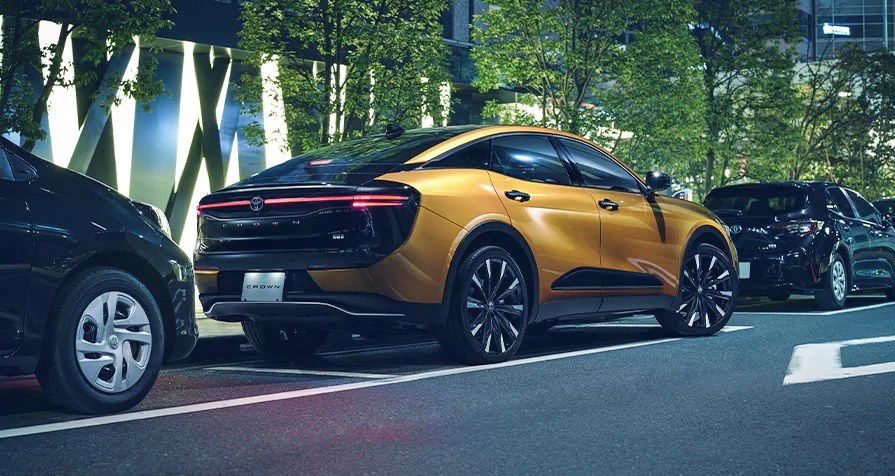
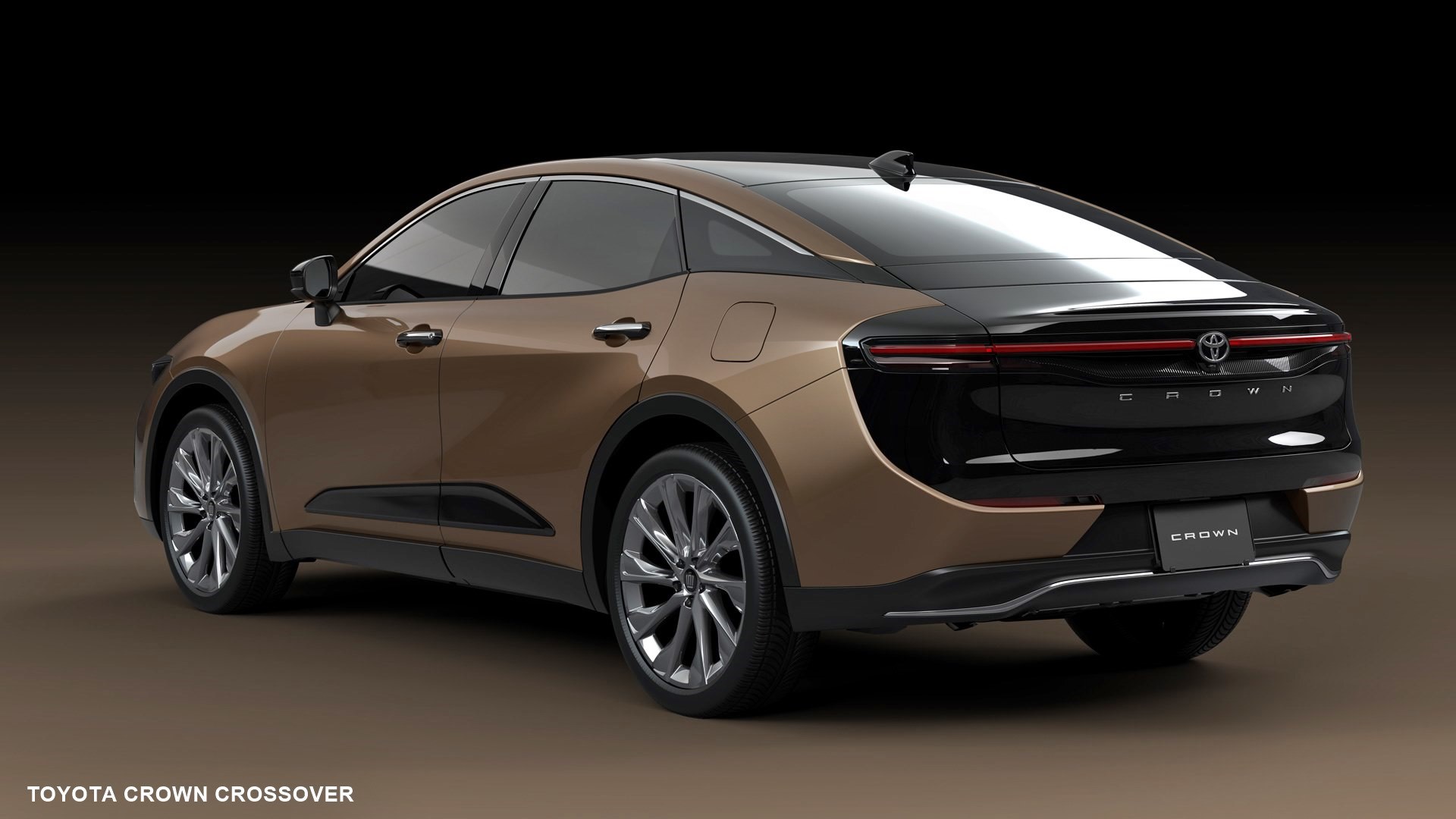
At this time, Toyota is only providing details of the Crossover so that’s what we’ll look at. As the term suggests, the bodystyle is a ‘crossover’ from a sedan to a SUV (‘the fusing a sedan and an SUV’ as Toyota puts it) and is a popular approach these days. The design has a coupe-like silhouette for a sporty image, while the elevated body satisfies the SUV side.

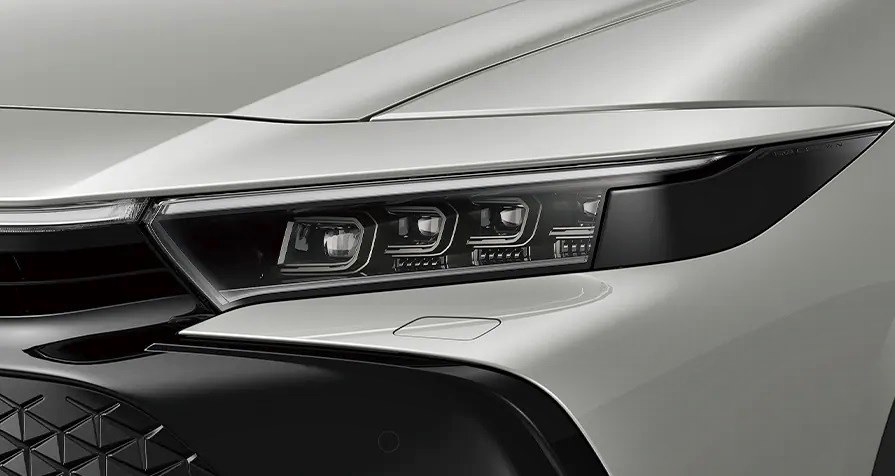
The lighting units at the front and rear connected from left to right in a single straight line, emphasising width visually. The side view shows surface variation without relying on character lines, creating a clean but sophisticated appearance. The overall length is 4930 mm, with a width of 1840 mm, on a wheelbase of 2850 mm. That’s larger than a Lexus RX and around the same length as a BMW X6.

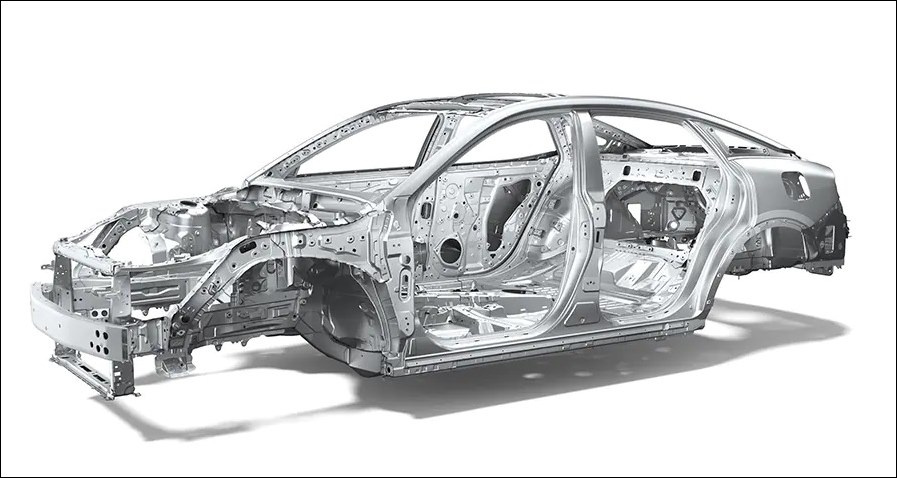
The new Crown also uses TNGA, the versatile platform with Toyota’s New Generation Architecture. This has been adapted for use (TNGA-K) in the new model and provides a lightweight and well-balanced body with high rigidity. As with all SUVs and crossovers, the hip point is high for ease of entry and exit which is prioritised. This has been helped by having large-diameter wheels that raise the floor level. Additional space is provided above the head and to the front and rear for a more comfortable cabin.

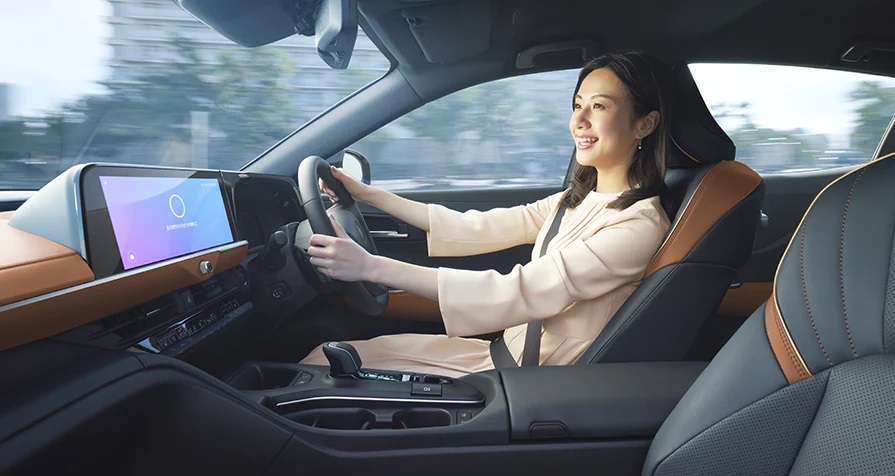
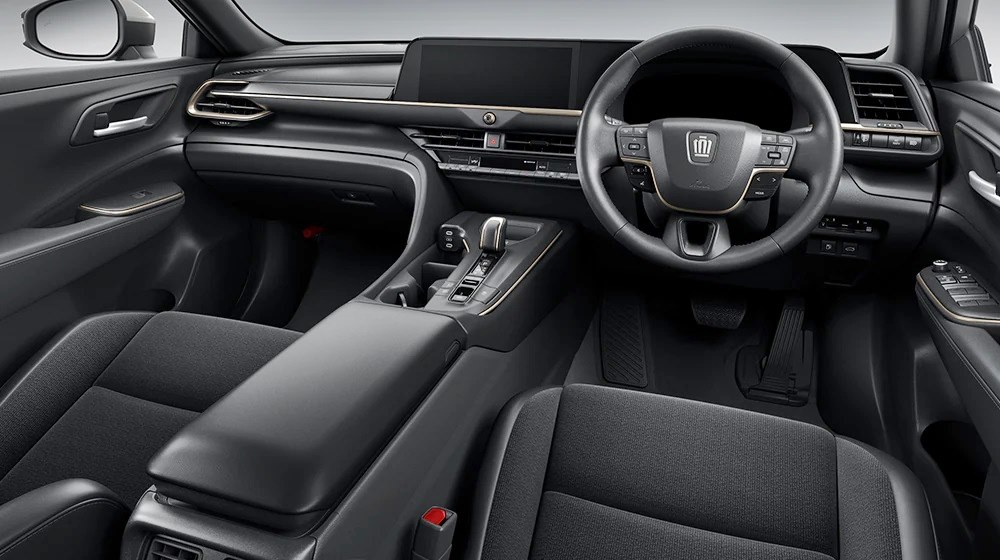
The 2-row interior is typically Toyota with a lot of attention to visual and physical comfort. Horizontally integrating the display and operating equipment creates a functional layout that can be operated intuitively from any seat. The wrap-around form from the instrument panel to the doors also gives a sense of security.

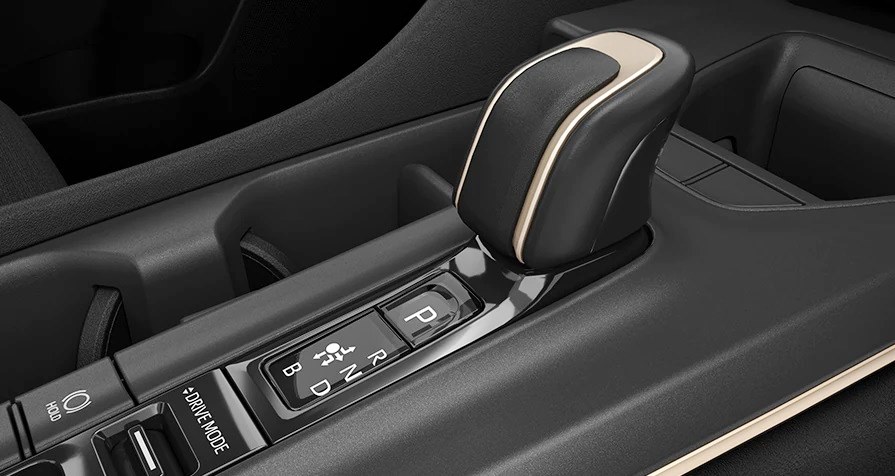
As befits a flagship model, much attention has been given to every interior element, with the use of an understated and welcoming material known as WARM STEEL. The finishing of the seats, designed to be ‘first class’, helps a space with a sense of quality and richness.

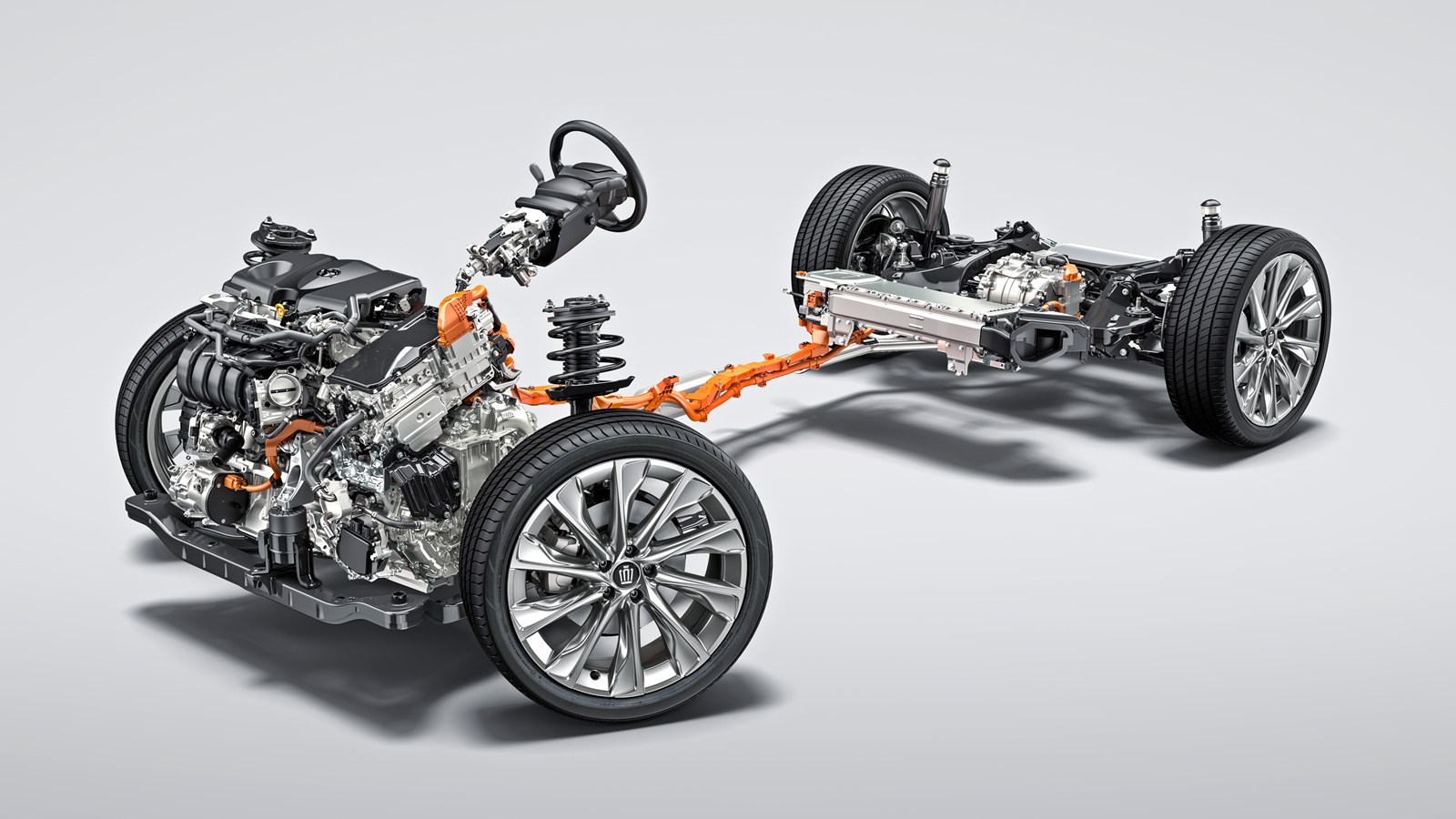
While other carmakers may use the opportunity to go fully electric, Toyota remains cautious in how it moves into the electric era and still strongly believes hybrid electric vehicle technology is a practical solution for now. Thus the new Crown will come with two hybrid powertrains – 2.5-litre Series Parallel Hybrid System and 2.4-litre Turbo Hybrid System.

The 2.4-litre Turbo Hybrid System combines an inline 4-cylinder turbocharged engine with strong torque (550 Nm/350 ps) even at low RPM with the latest eAxle electric powertrain. The rear wheel eAxle uses a high output water-cooled electric motor combined with the engine to directly transmit force to all four wheels.

Electrical power will be supplied by a newly-developed bipolar nickel-hydrogen battery pack, a first for Toyota.

The Toyota Safety Sense suite is an upgraded one with advanced and improved functions. The range of situations it can respond to has been expanded even further, giving the driver more peace of mind to enjoy motoring.

Also available will be Toyota Teammate, a suite of driver-assistance technologies. Advanced Drive support during traffic congestion), and Advanced Park. The latter can automatically park and exit  from a parking space in a variety of situations and can be operated remotely as well.

“The Crown has long served as the flagship of the Toyota brand. This flagship has represented Japanese success and pride, bringing together Japan’s world-class technology and skilled workforce. The new Crown is full of these underlying strengths,” said Toyota President, Akio Toyoda, at the presentation of the new model today.

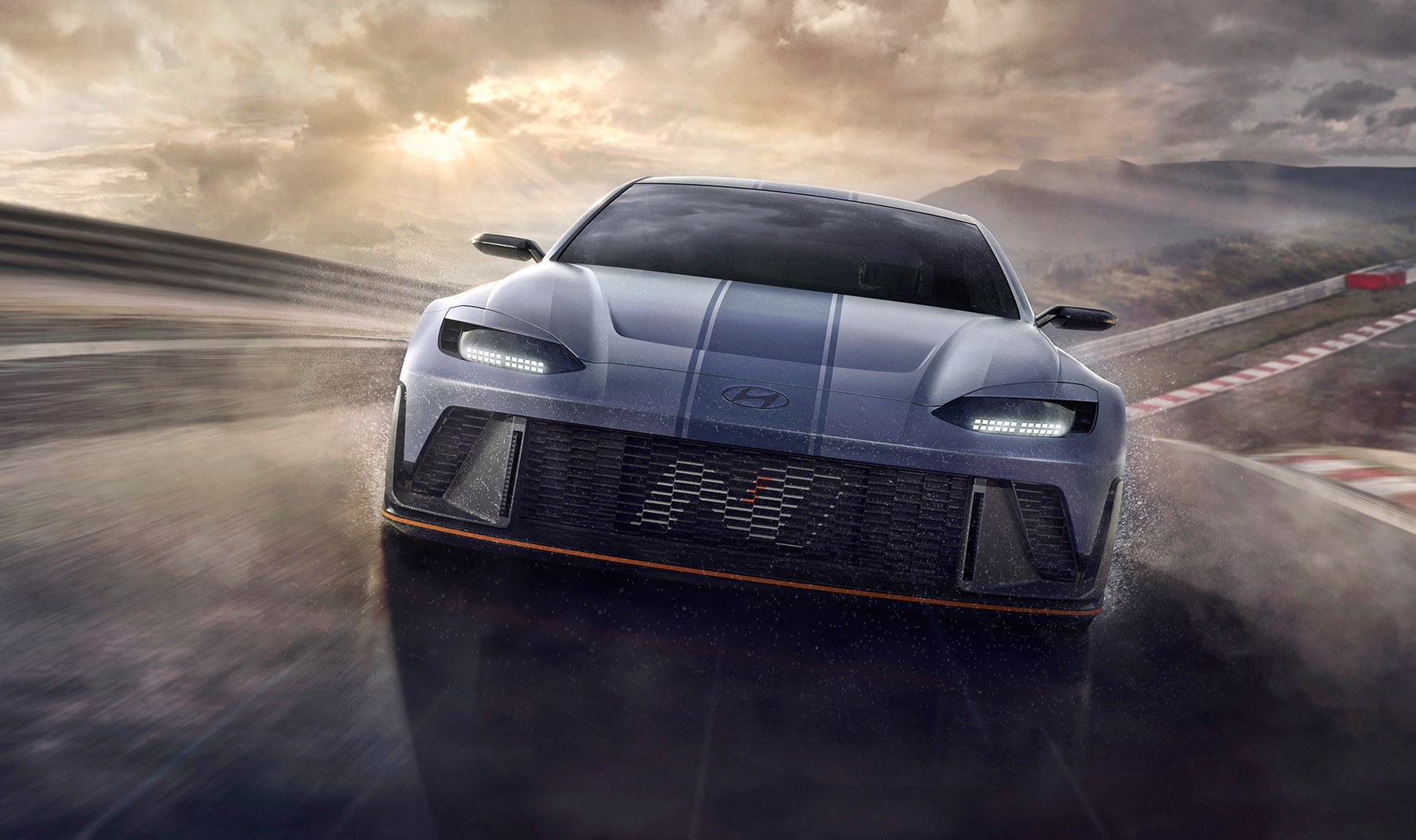
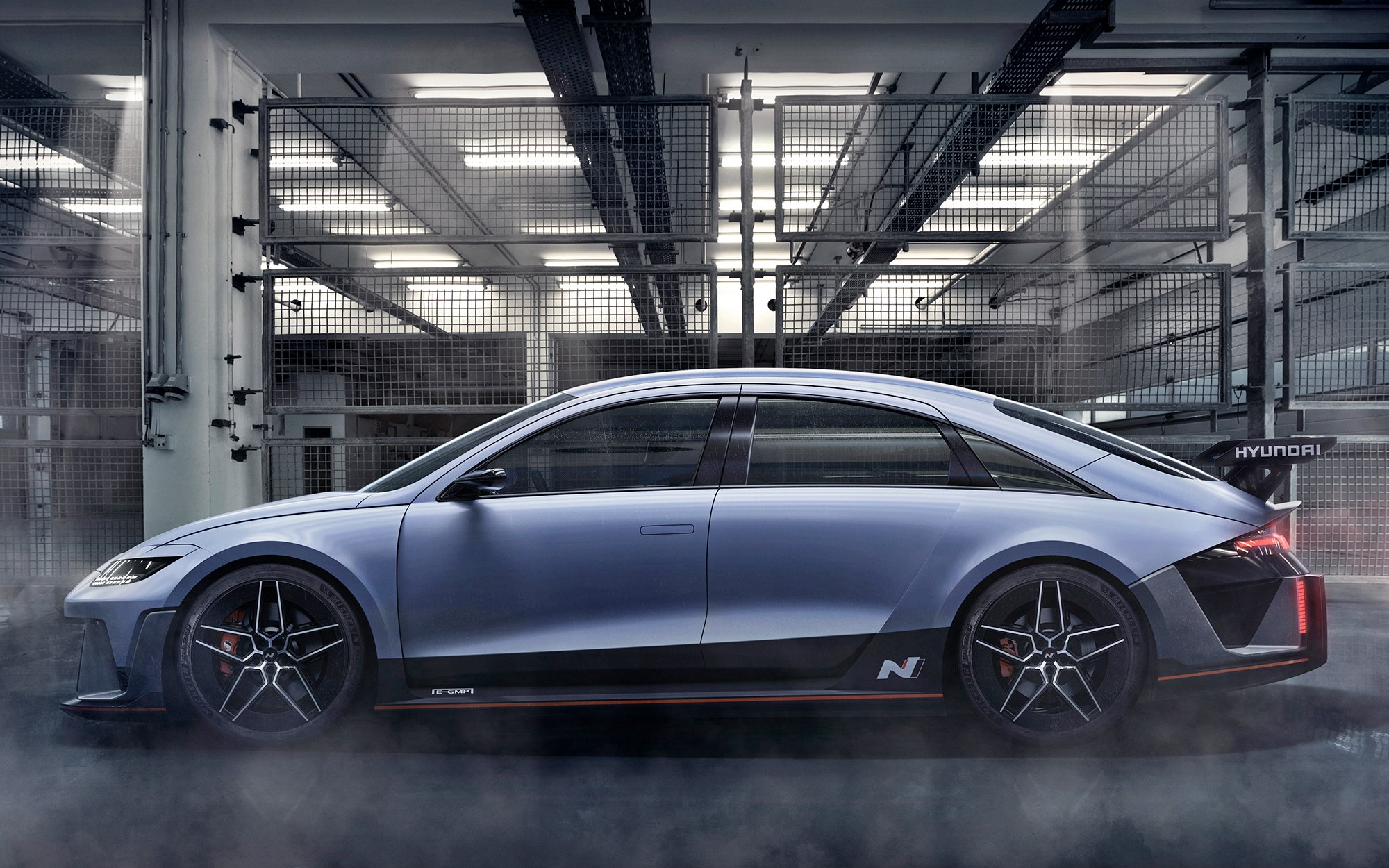
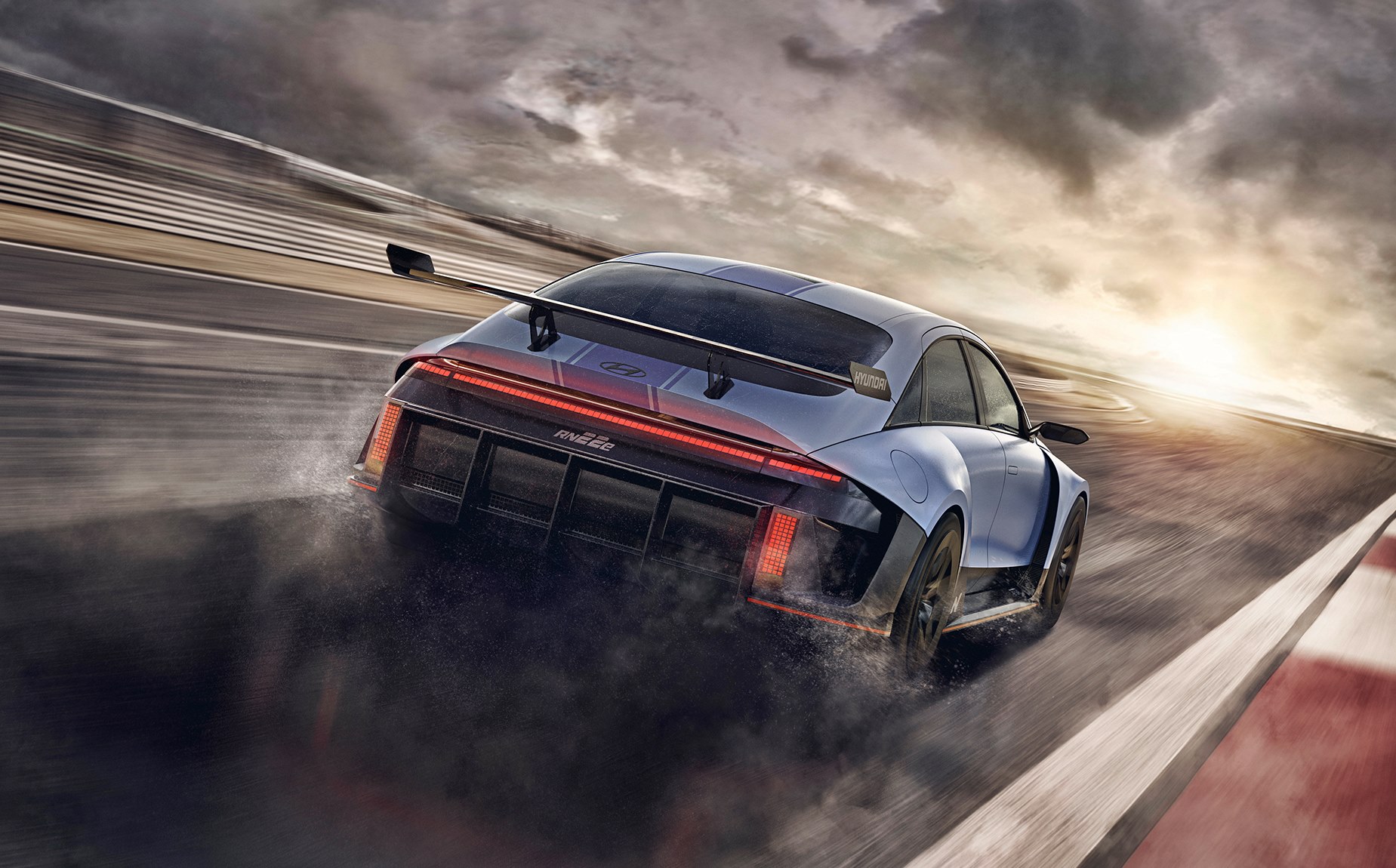
Hyundai will launch its first all-electric high-performance model in 2023. This will be based on the IONIQ 5 and is currently being developed by the carmaker’s N high-performance division. For the development work, the engineers are using two high-performance concept cars — the RN22e and N Vision 74 – as ‘rolling laboratories’.

Hyundai Motor’s ‘rolling labs’ are where it tests and verifies the company’s advanced technologies to apply them to future production models. In this case, a lot of work is being done on electrification and how to provide models with the type of performance the N brand is known for.

2022 Hyundai RN22e concept EV

Adapt from IONIQ 6
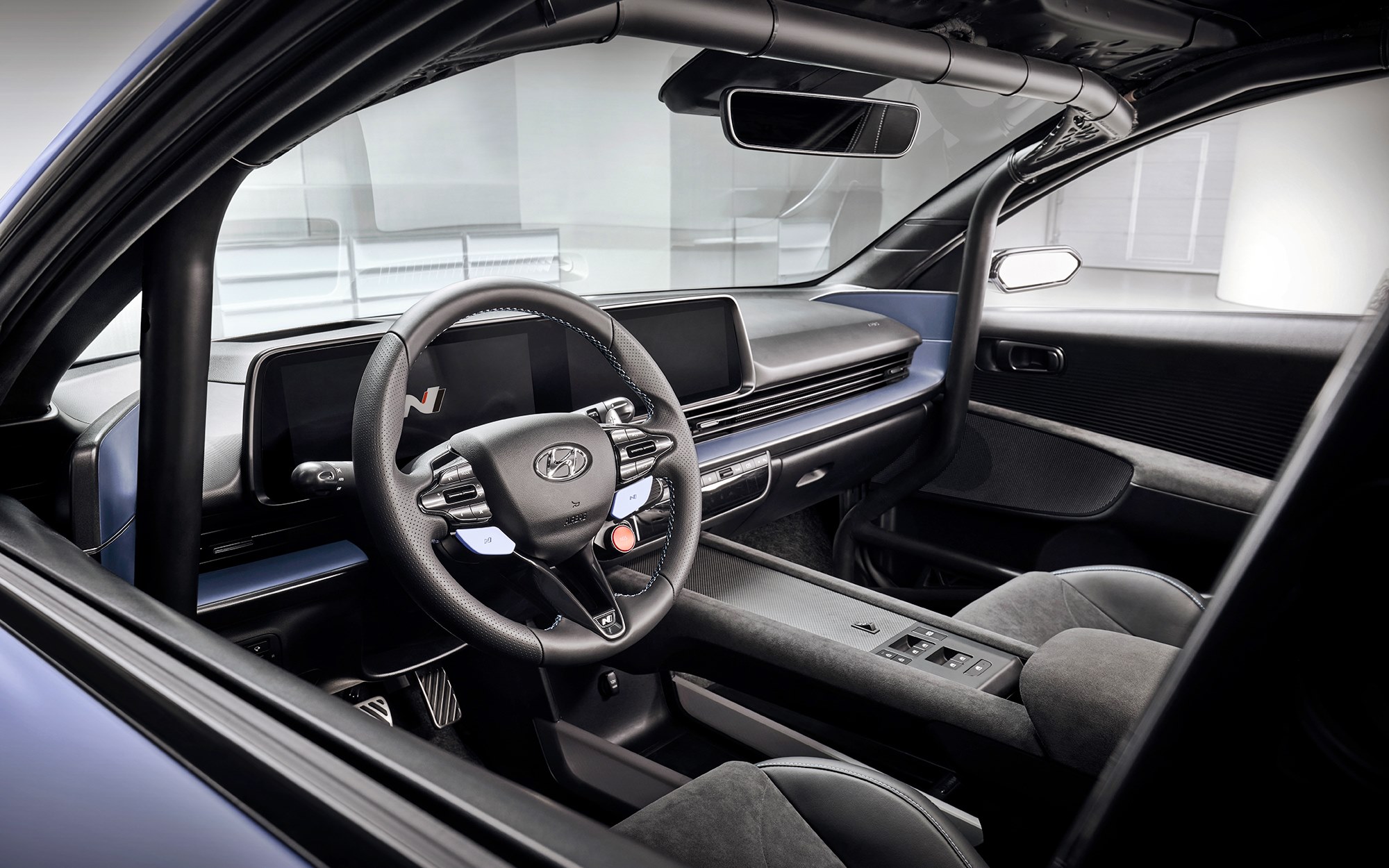
The RN22e, which possesses track-ready performance, uses the Hyundai Motor Group’s E-GMP and a design based on the IONIQ 6 Electric Streamliner. As Hyundai N’s first rolling lab based on the E-GMP, the RN22e shows the N brand’s vision and direction in an electrified future. The concept received its designation because it is the rolling lab of N brand developed in 2022 and is an EV performance.

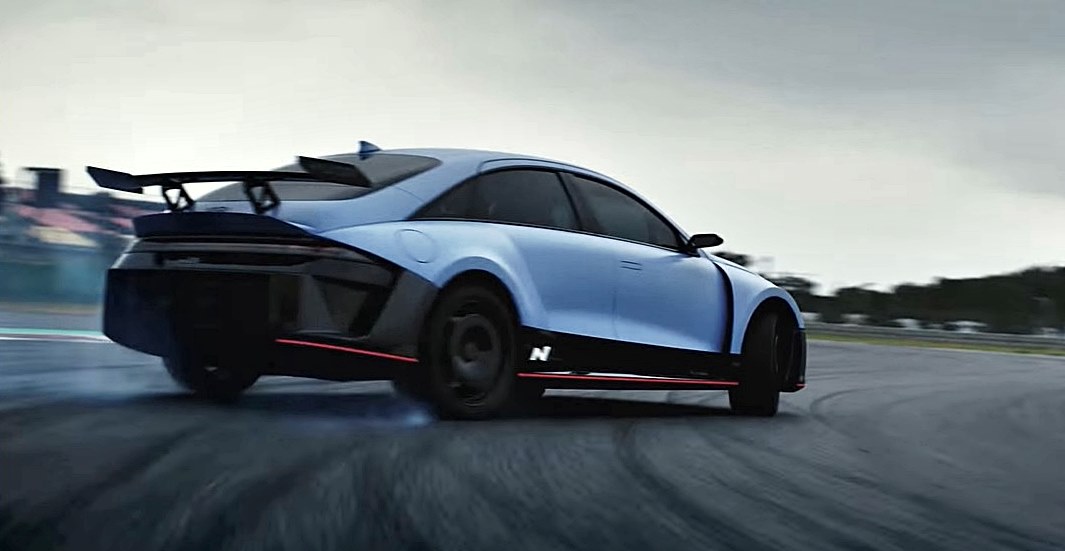
Testing of the RN22e focusses on the brand’s three performance pillars. These start with ‘corner rascal’, a cornering capability since the brand launch that makes use of e-LSD, Corner Carving Differential for most N models. The RN22e enhances the ‘corner carving’ feel with heavier weighting  by exploiting torque vectoring. 3D-printed parts reduce weight and keep the rigidity high for better handling. With AWD, there is optimized torque distribution whatever the drive mode and the driver can customise the amount of torque going to the front and rear wheels.

2022 Hyundai RN22e concept EV

Enhancing racetrack capability
To enhance the RN22e’s racetrack capability, the N engineers focused on cooling and braking endurance. Track-optimized settings let drivers go to the limit with 4-piston monobloc calipers and 400-mm hybrid discs to ensure plenty of stopping power is available. In addition, the engineers will use the RN22e to study how to deliver dynamic movement with regenerative braking that can precisely controls yaw and corner attack. Once verified, the new state-of-the-art technologies can be transferred to N production models.

2022 Hyundai RN22e concept EV

Hyundai N Sound+

Sound is also part of the emotional driving experience – but electrified models don’t have the type of sound that excites enthusiasts. So the RN22e has N Sound+ which generates sound from speakers inside and outside the car. In addition, the N e-shift integrates the vibration and shifting feel with N Sound+.
By adapting the IONIQ 6’s streamliner design, the RN22e will leverage on the new EV’s aerodynamic features. In order to maximize the performance, Hyundai N added motorsport-inspired details that add visual dynamism and also improve cooling performance and aerodynamics.

2022 Hyundai RN22e concept EV

The Story of N – Hyundai N (w/VIDEO)

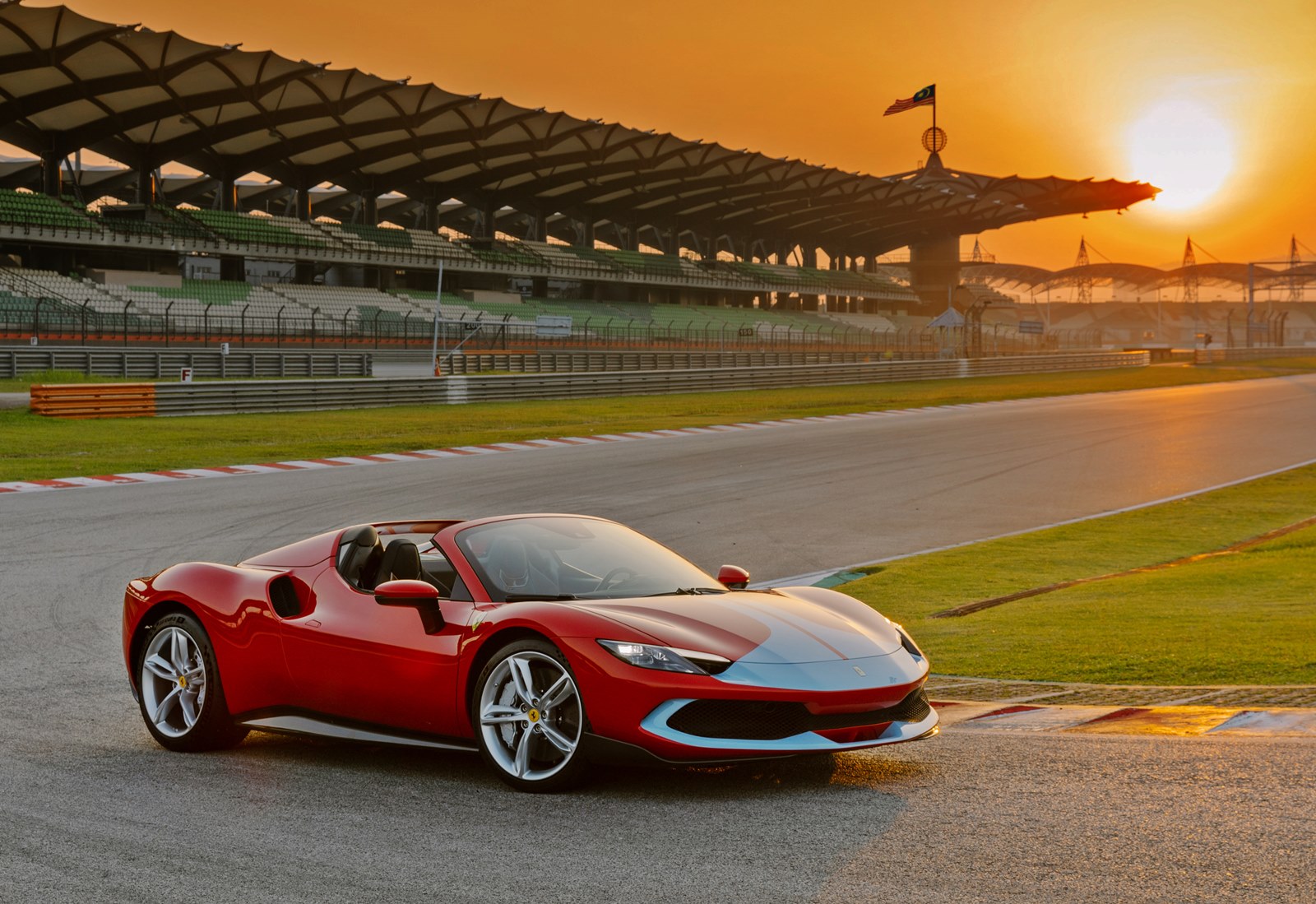
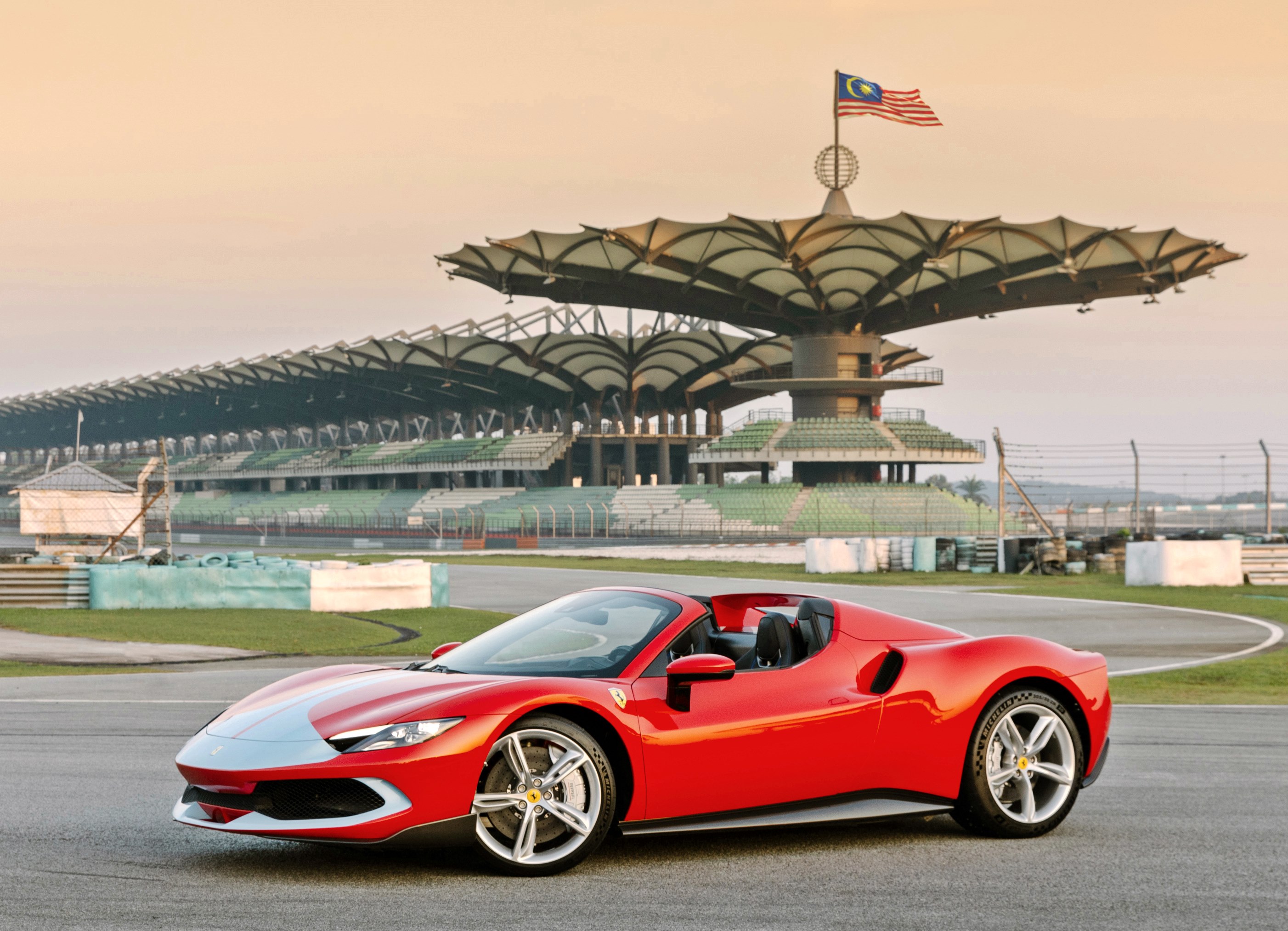
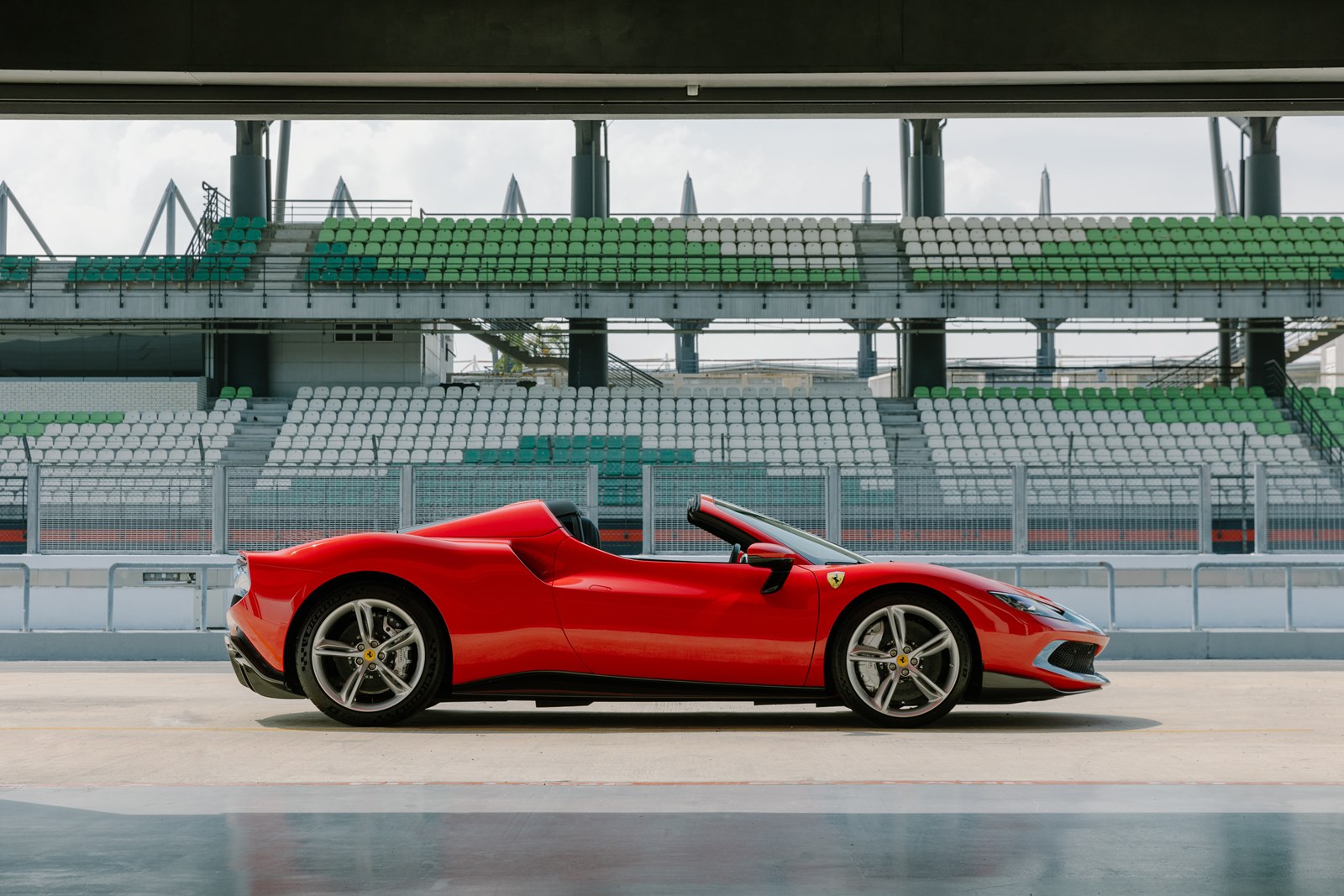
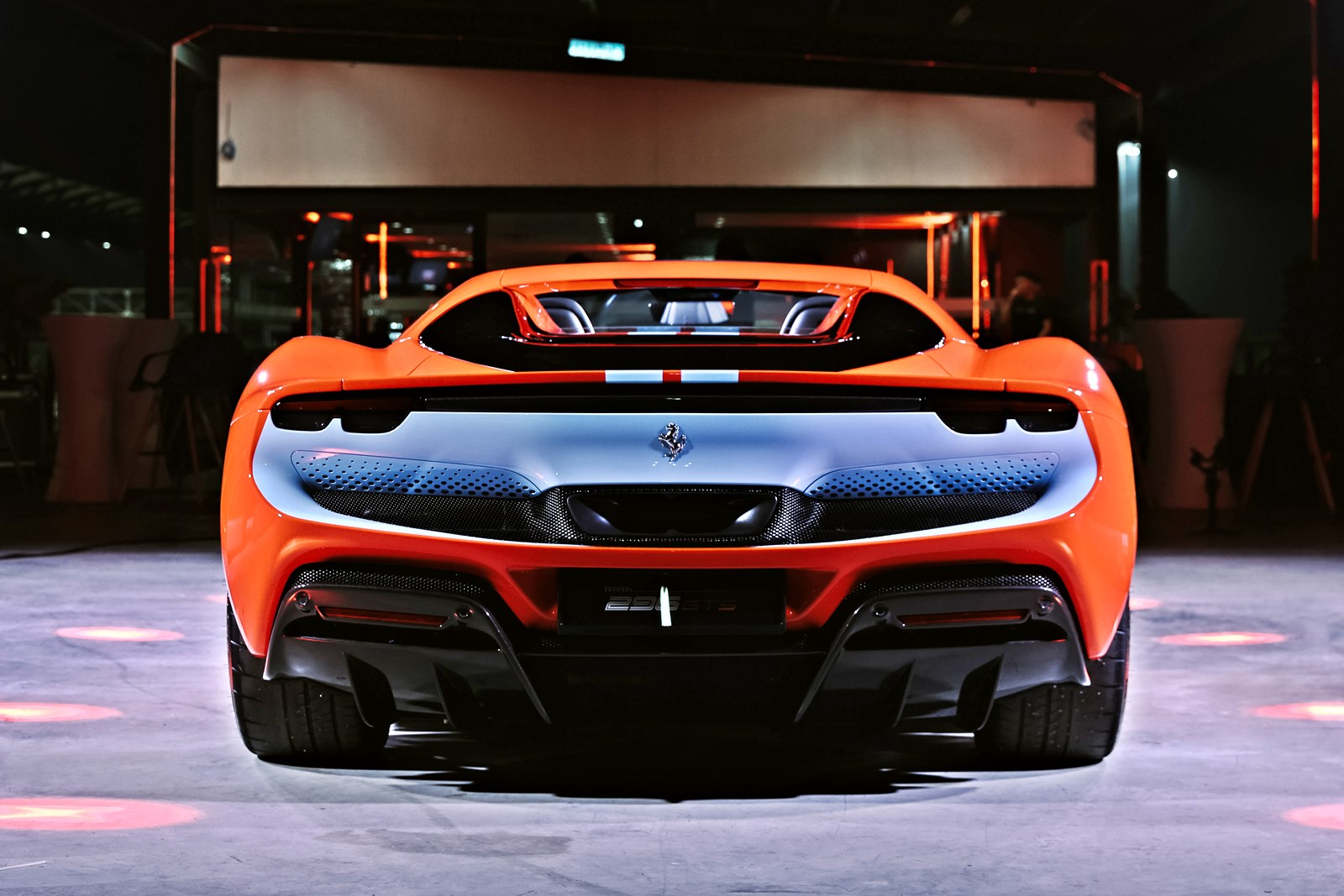
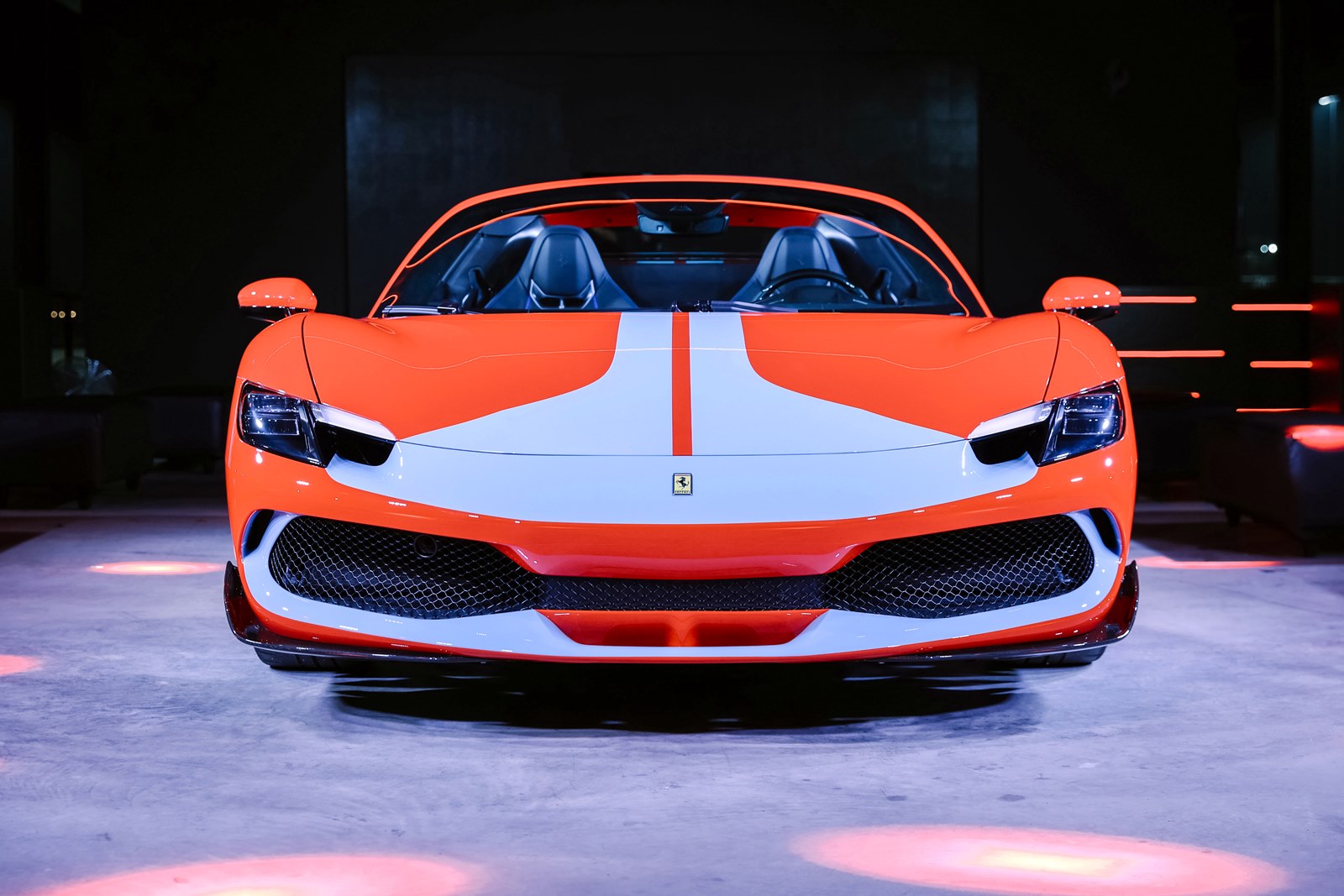
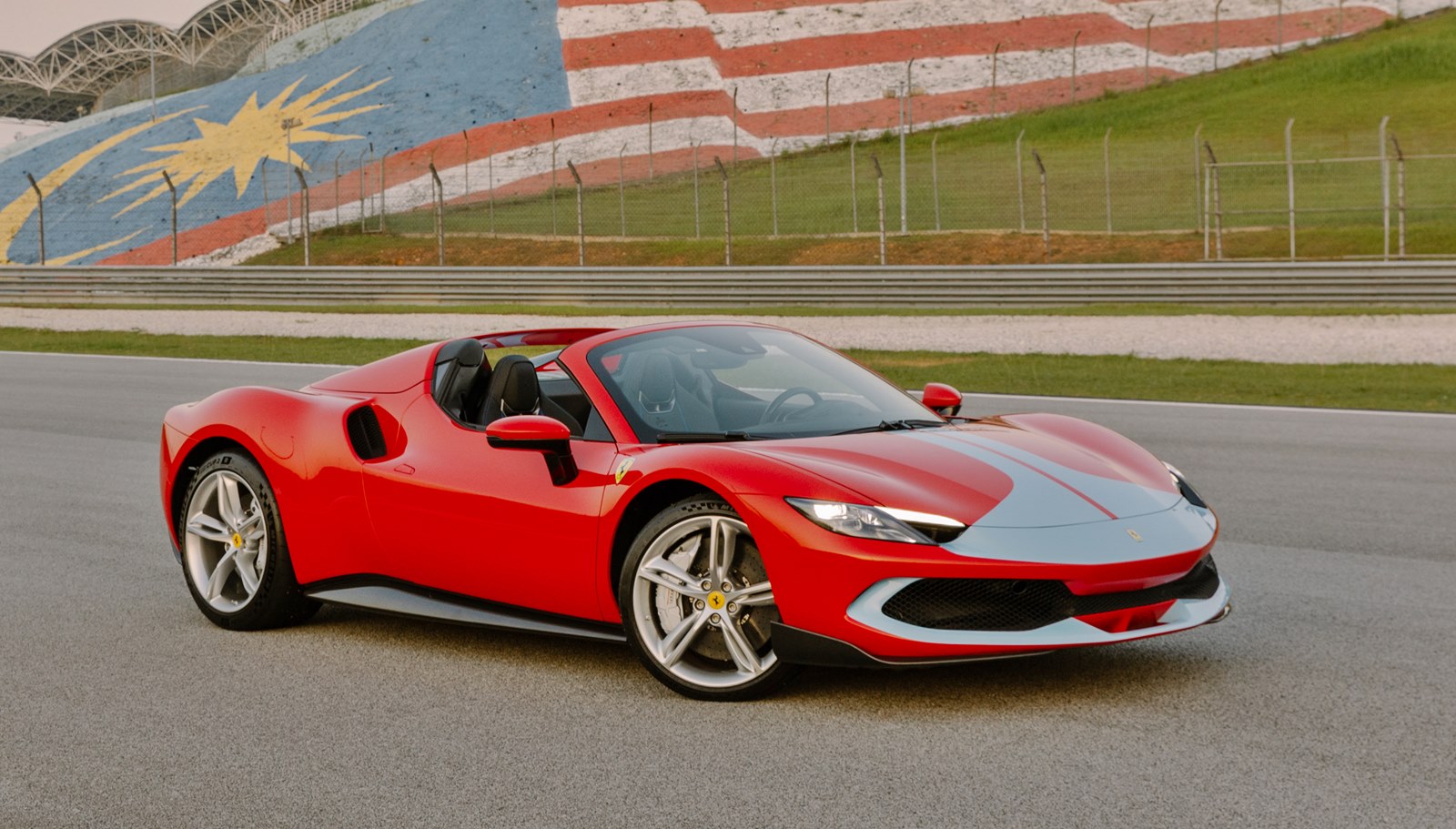
Just a few months after its global debut, the Ferrari 296 GTS – the ‘topless’ version of the 296 GTB – is in Malaysia, with its Southeast Asian premiere held at the Sepang International Circuit recently. Apart from the allure of being a berlinetta spider, this is the first ever Ferrari spider with a rear-wheel drive-only PHEV (plug-in hybrid electric vehicle) architecture in which the engine is integrated with a rear-mounted electric motor. The hybrid drivetrain is derived from Ferrari’s Formula 1 racing cars and another example of racing technology being transferred to road cars.

2022 Ferrari 296 GTS

Plug-in hybrid powertrain
The 296 GTS uses the new 663 ps 120° 2992 cc V6 coupled with an electric motor capable of delivering a further 167 ps, the same unit found in the 296 GTB. With the additional power generated by the electric motor, total system output from the powertrain is 830 ps/740 Nm, of which 165 ps comes from the electric motor. This allows it to achieve a new specific power output record for a production car of 221 ps/litre.

Hybrid powertrain technology used in Ferrari’s Formula 1 racing cars has been brought to the 296 road car.

2022 Ferrari 296 GTS

The powertrain assembly comprises the engine that powers the rear wheels via the 8-speed DCT and E-Diff, and the MGU-K located between the engine and the gearbox. A clutch is set between the engine and the electric motor to decouple them when in electric-only eDrive mode.

Sound-wise, the V6 engine rewrites the rulebook by harmoniously combining two characteristics that are normally diametrically opposed: the force of the turbos and the harmony of the high-frequency notes of a naturally-aspirated V12. Even at low revs, inside the cabin, the soundtrack features the pure V12 orders of harmonics; at higher revs, there is that typical high-frequency treble. This Ferrari’s soundtrack matches its performance, creating a sense of unprecedented involvement even with the top down.

2022 Ferrari 296 GTS

Power with efficiency
Being a PHEV gives the 296 GTS the best of both worlds – lighting quick performance and also zero emissions motoring which can be up to 25 kms in all-electric eDrive mode. As was the case with the SF90 Stradale, customers who want to take the car further, especially on the track, can specify the Assetto Fiorano package which includes lightweight features and aero modifications.

The innovative top

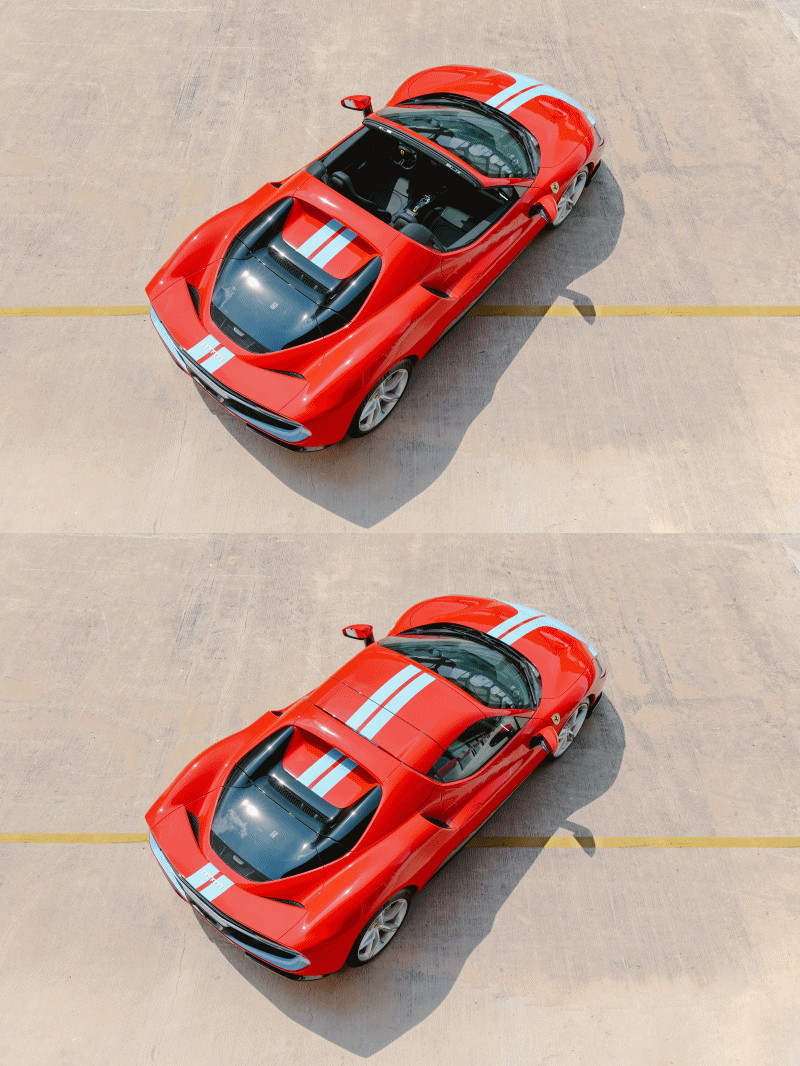
With the RHT (retractable hard top) in use, the silhouette remains very similar to that of the 296 GTB. When it is stowed away, a sleek, sporty design is created. The lightweight RHT takes 14 seconds to retract or deploy at speeds of up to 45 km/h.

2022 Ferrari 296 GTS

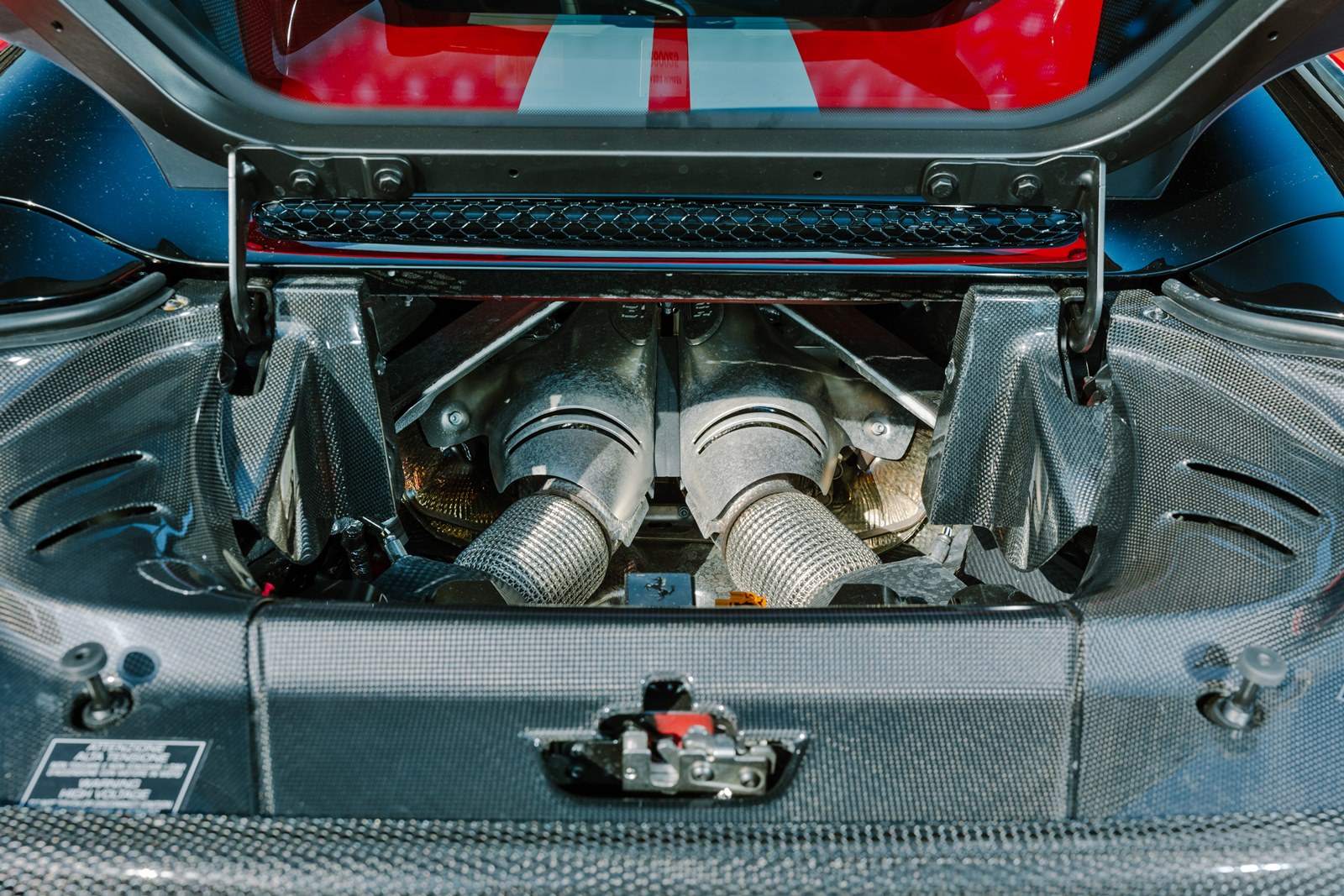
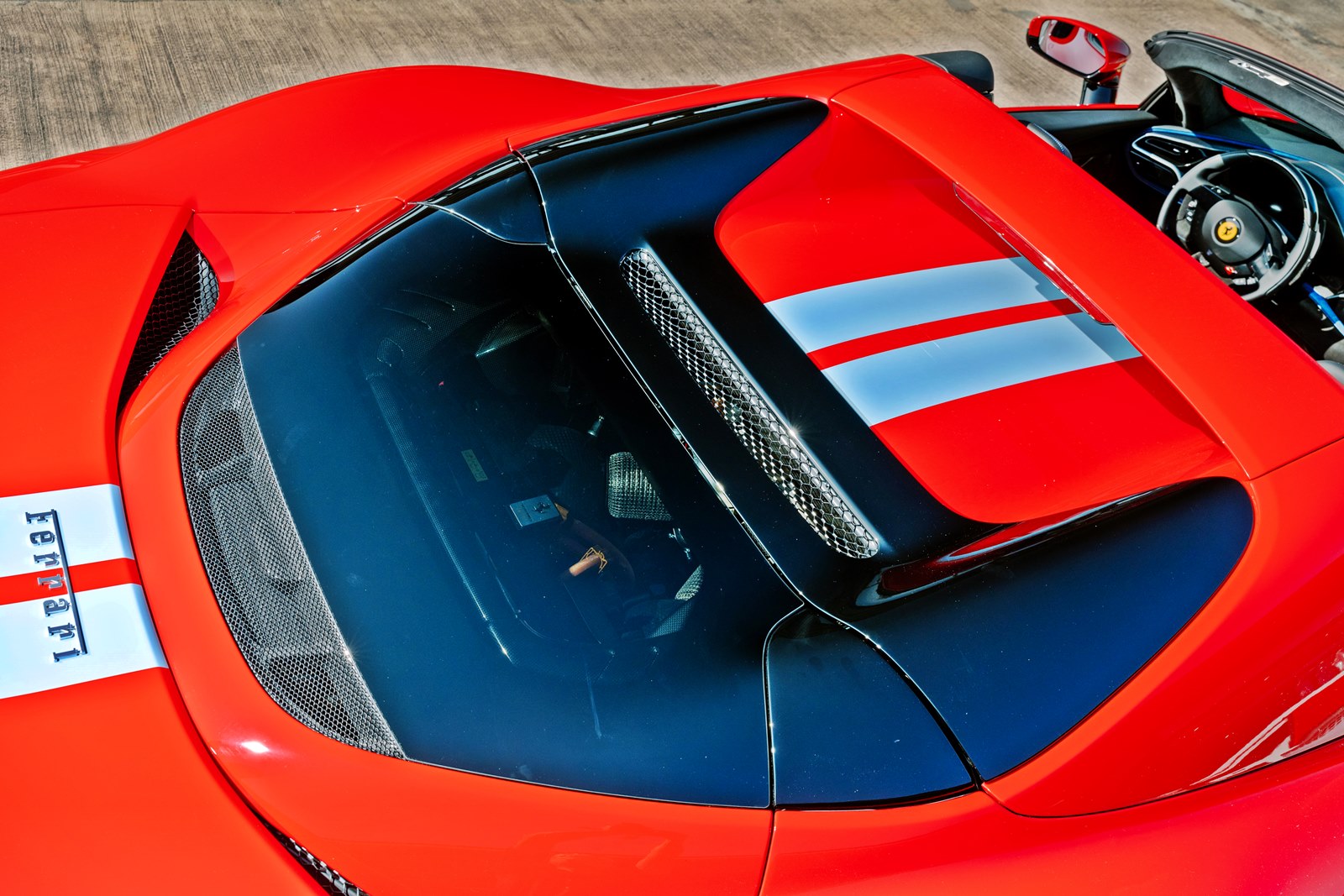
The need to stow the RHT inside the engine compartment required the creation of a new tonneau cover design. As a result, the folding roof splits into two sections that fold flush over the front of the engine, thus maintaining the engine bay’s thermal dissipation characteristics and the balance of the overall design. This also allowed the designers to introduce a window in the rear section of the engine cover through which the new V6 is clearly visible.

When the top is retracted, the cabin and the rear deck are separated by a height-adjustable glass rear screen which guarantees optimal passenger comfort even at high speeds. The separation line between the car’s body and the roof is above the B post.

2022 Ferrari 296 GTS

Redesigning the 296 GTS’s engine bay to seamlessly integrate the RHT means that the engine has the same rich tone and intensity as the 296 GTB when the roof is up. The exhaust resonator system (Hot-Tube) has been optimised for the new cockpit geometry. The dropping of the top creates a direct, completely unobstructed connection between the cockpit and the sound produced by the single tailpipe exhaust line.

Radical aerodynamic solutions
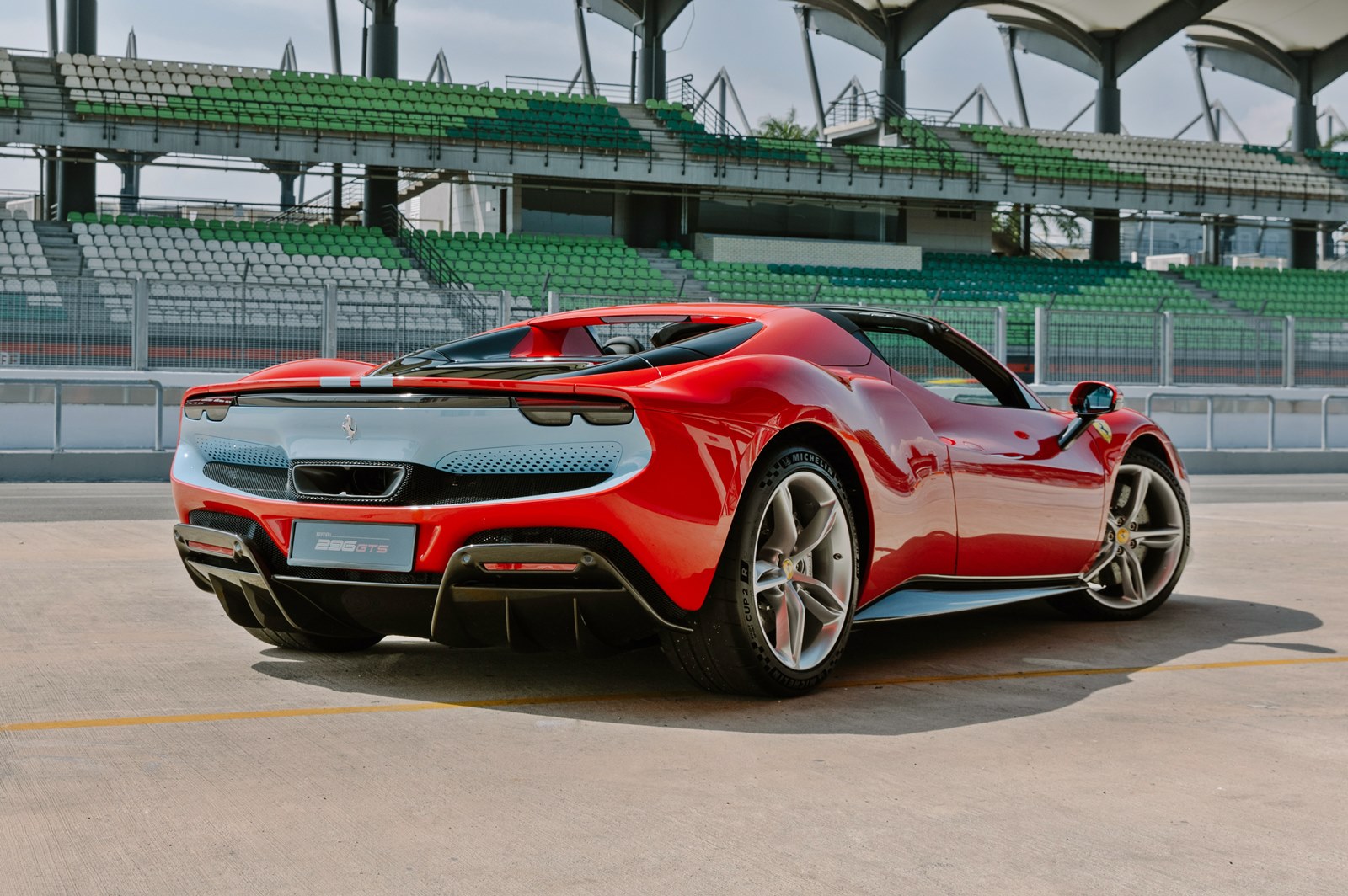
The 296 GTS adopts several radical and innovative solutions in aerodynamics. The aero choices have turned the active aero paradigm, introduced from the 458 Speciale onwards, on its head. On the 296 GTS, an active device is being used not to manage drag but to generate extra downforce. The LaFerrari-inspired active spoiler integrated into the rear bumper allows the 296 GTS to generate a high level of rear downforce when required – up to a maximum of 360 kgs at 250 km/h.

2022 Ferrari 296 GTS

The aero development work done on the 296 GTS means that even in low-drag configuration, the car can deliver more downforce than previous applications. In high-downforce configuration, there is an additional 100 kgs in downforce, thanks to the active spoiler.

The brake cooling system was developed around the Aero calipers that debuted on the SF90 Stradale, with ventilation ducts integrated into their castings. This cooling concept requires a dedicated duct to correctly channel cool air coming in through the air intakes on the front bumper through the wheelarch. In the case of the 296 GTS, the intake has been integrated into the headlight design.

2022 Ferrari 296 GTS

This made it possible to push the design of the car’s underbody to new extremes, increasing the cooling capacity of the underbody without having to adopt any active front aero mechanisms. The signature aerodynamic element at the front of the 296 GTS is the ‘tea-tray’, a concept widely applied to single-seater racing cars. The rear surface of the bumper works in synergy with the upper surface of the tea tray to create a high overpressure field, which counteracts the depression field that characterises the underbody.

High levels of driver engagement
The car’s dynamic development focused around boosting pure performance and delivering class-leading levels of driver engagement. The targets were achieved by honing the architecture and keeping all the main vehicle components as compact as possible, as well as managing energy flows and their integration with the car’s vehicle dynamic controls.

2022 Ferrari 296 GTS

The 296 GTB’s chassis was redesigned and optimised to improve torsional rigidity and bending stiffness compared to previous spider applications. From a chassis perspective, at 2600mm, the wheelbase is 50 mm shorter than previous Ferrari mid-rear-engined berlinettas to the benefit of the car’s dynamic agility. Other solutions that enhance the car’s handling and performance include the brake-by-wire system, the ‘Aero’ brake callipers, electric power steering, the rear active aero device and SCM-Frs magnetorheological dampers.

Meticulous attention was paid to reducing weight to ensure the car’s balance and delicacy of handling. The added weight of the hybrid system was offset by a number of different solutions, including the new V6 which weighs 30 kgs less than the V8 unit used on previous berlinettas.

Digital interface for cockpit
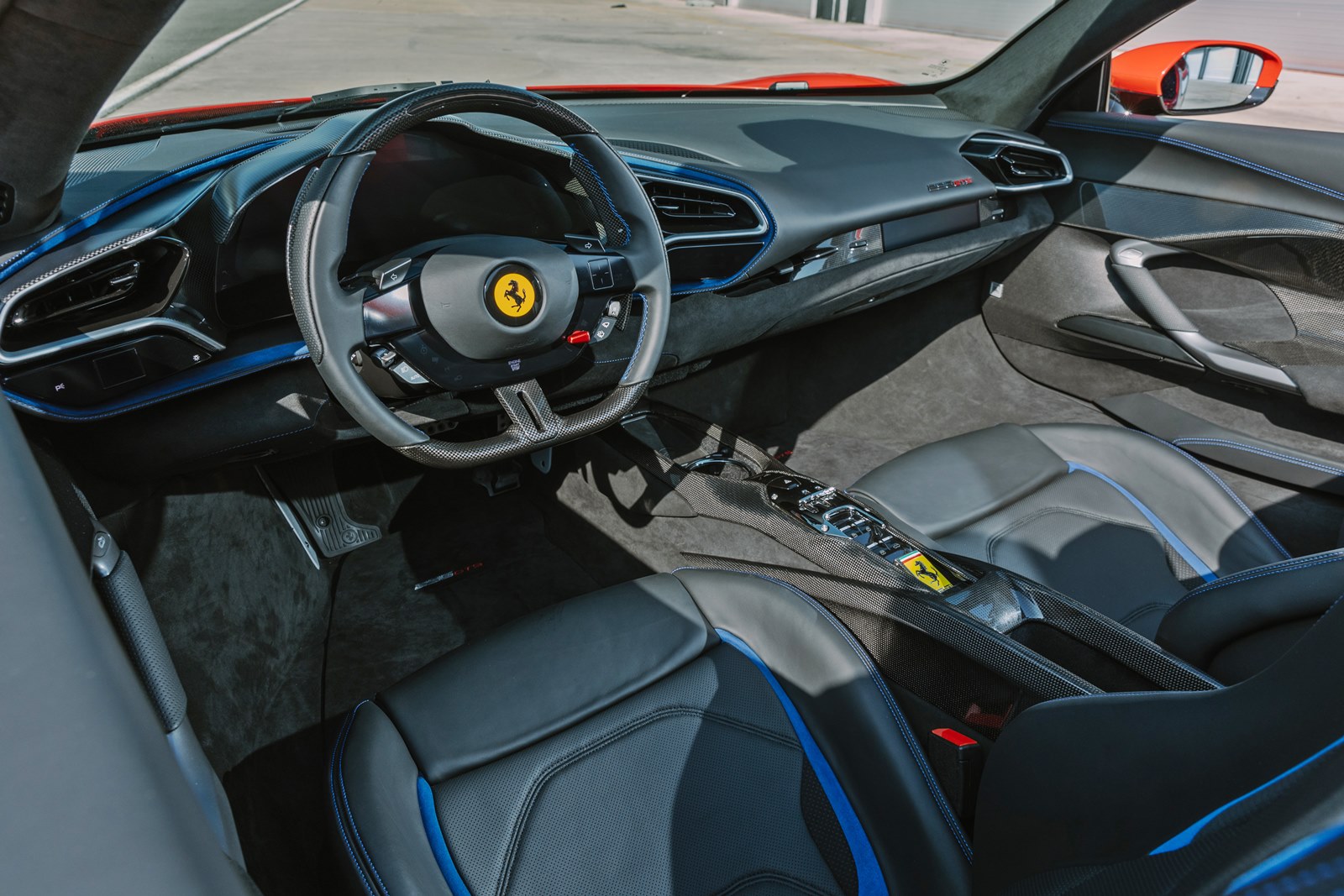
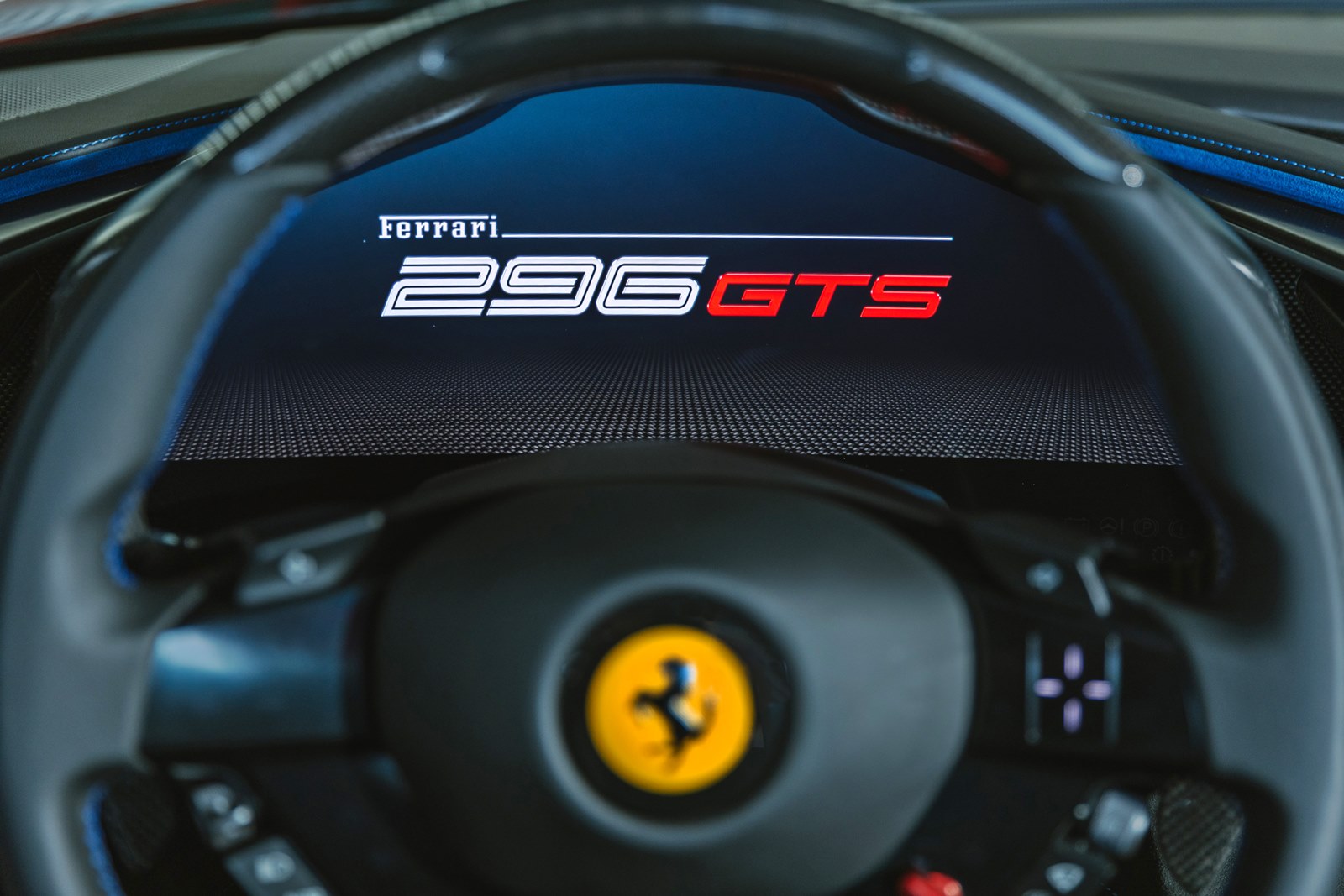
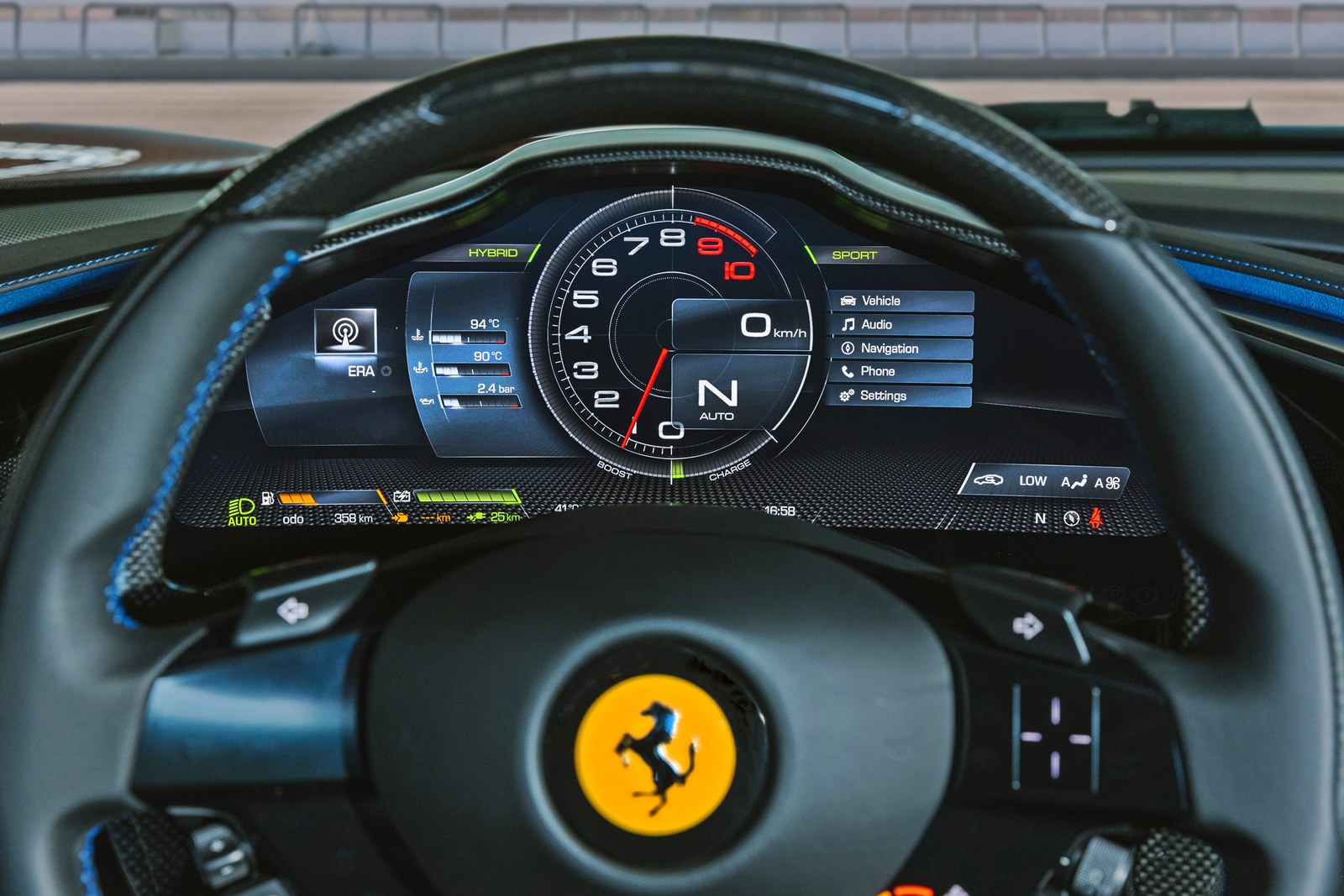
The 296 GTS’s cockpit was developed around the new concept of an entirely digital interface. This interior layout draws on the latter’s stylistic coherence for its forms. While with the SF90 Stradale the designers wanted to highlight the presence of the advanced technology and underscore a clear break with the past, in the case of the 296 GTS, the idea was to clothe that technology to sophisticated effect.

2022 Ferrari 296 GTS

2022 Ferrari 296 GTS

2022 Ferrari 296 GTS

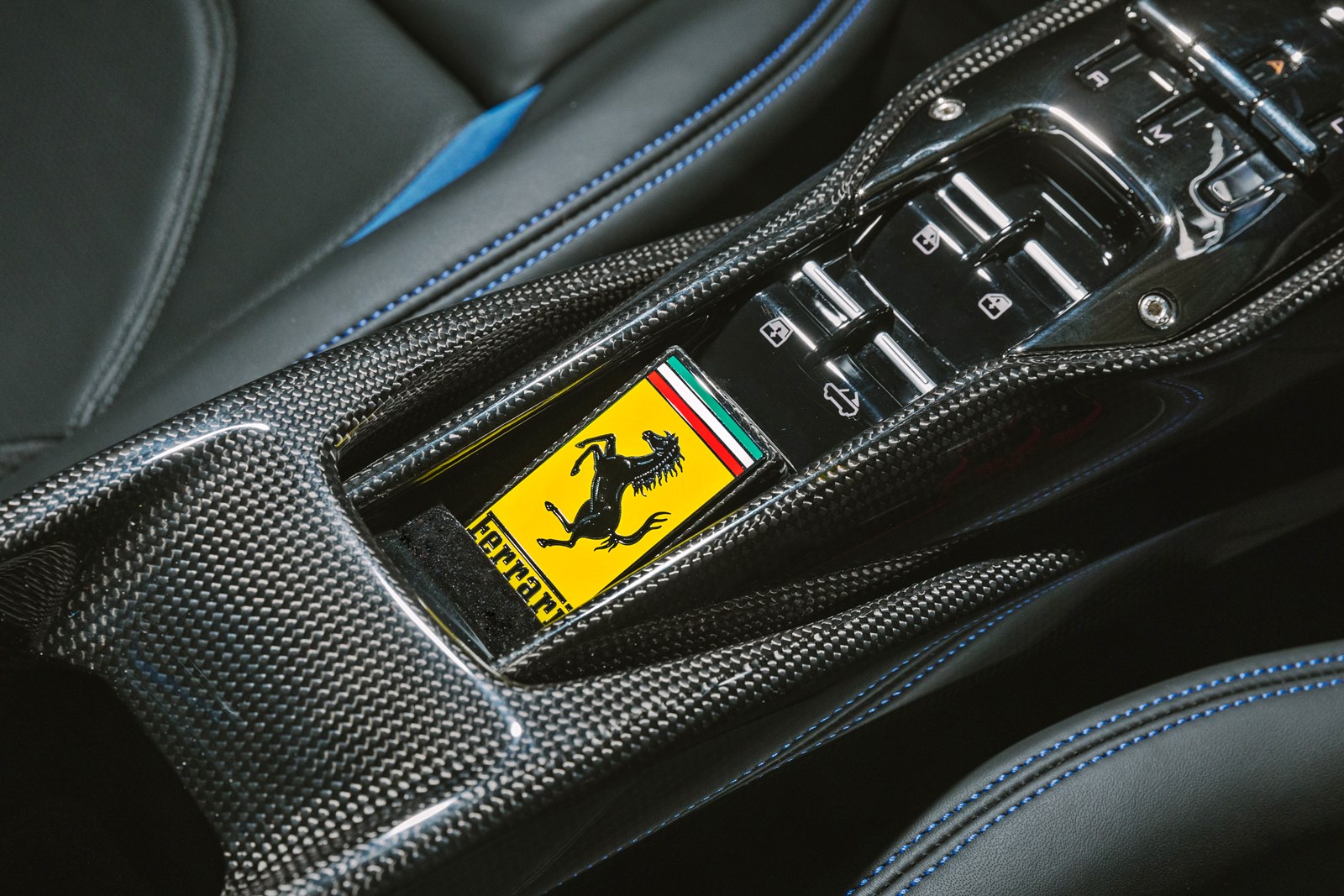
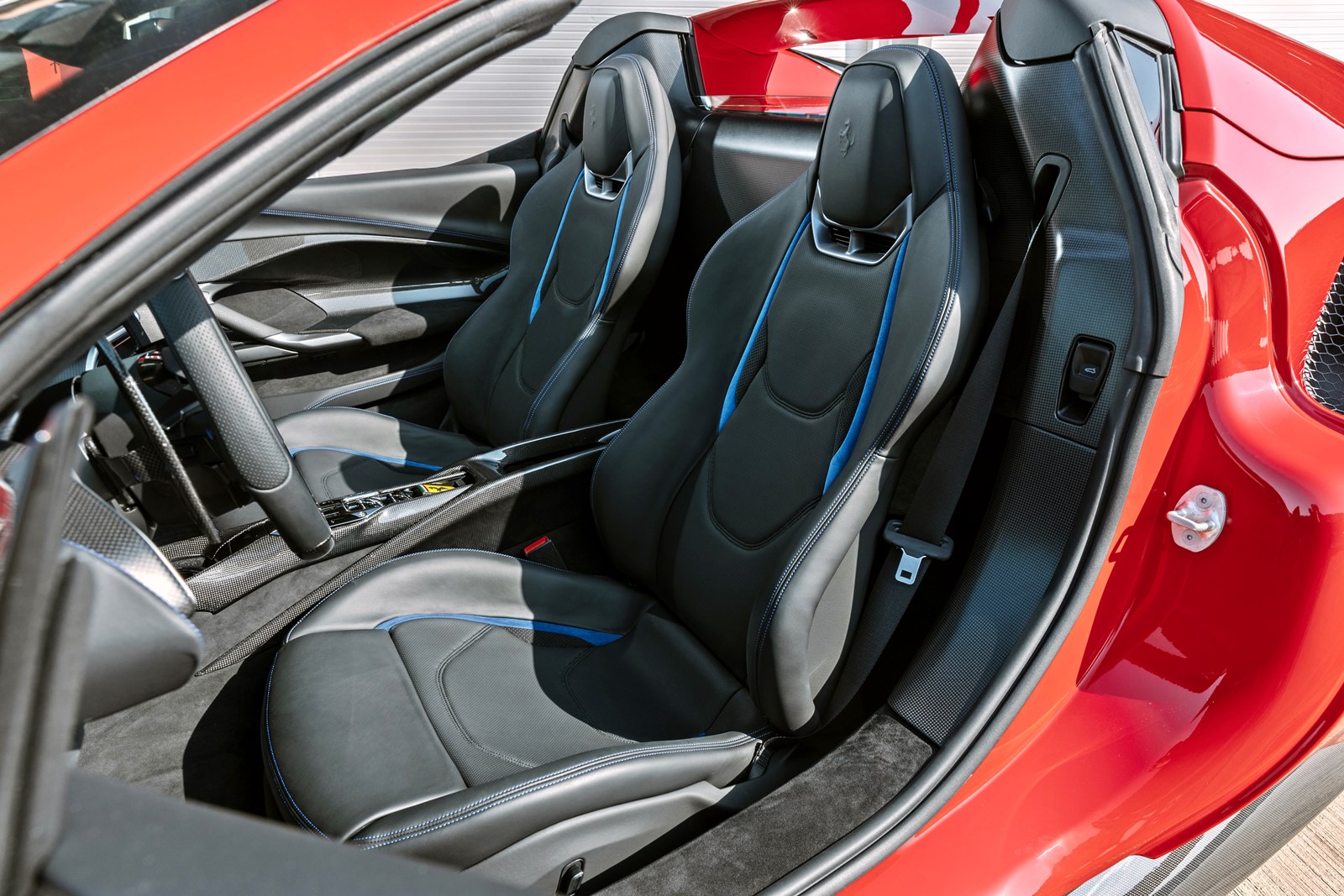
The cabin has the concept of the formal purity of the functional elements. When the engine is off, the onboard instruments go black, underscoring the minimalist look of the cabin. Exclusive Italian leather trim to the seats and trim is further enhanced by the noble technical materials used on the functional components. Aerodynamic flaps have been integrated into the rear trim structure to reduce buffeting and increase comfort in open-top driving.

2022 Ferrari 296 GTS

2022 Ferrari 296 GTS

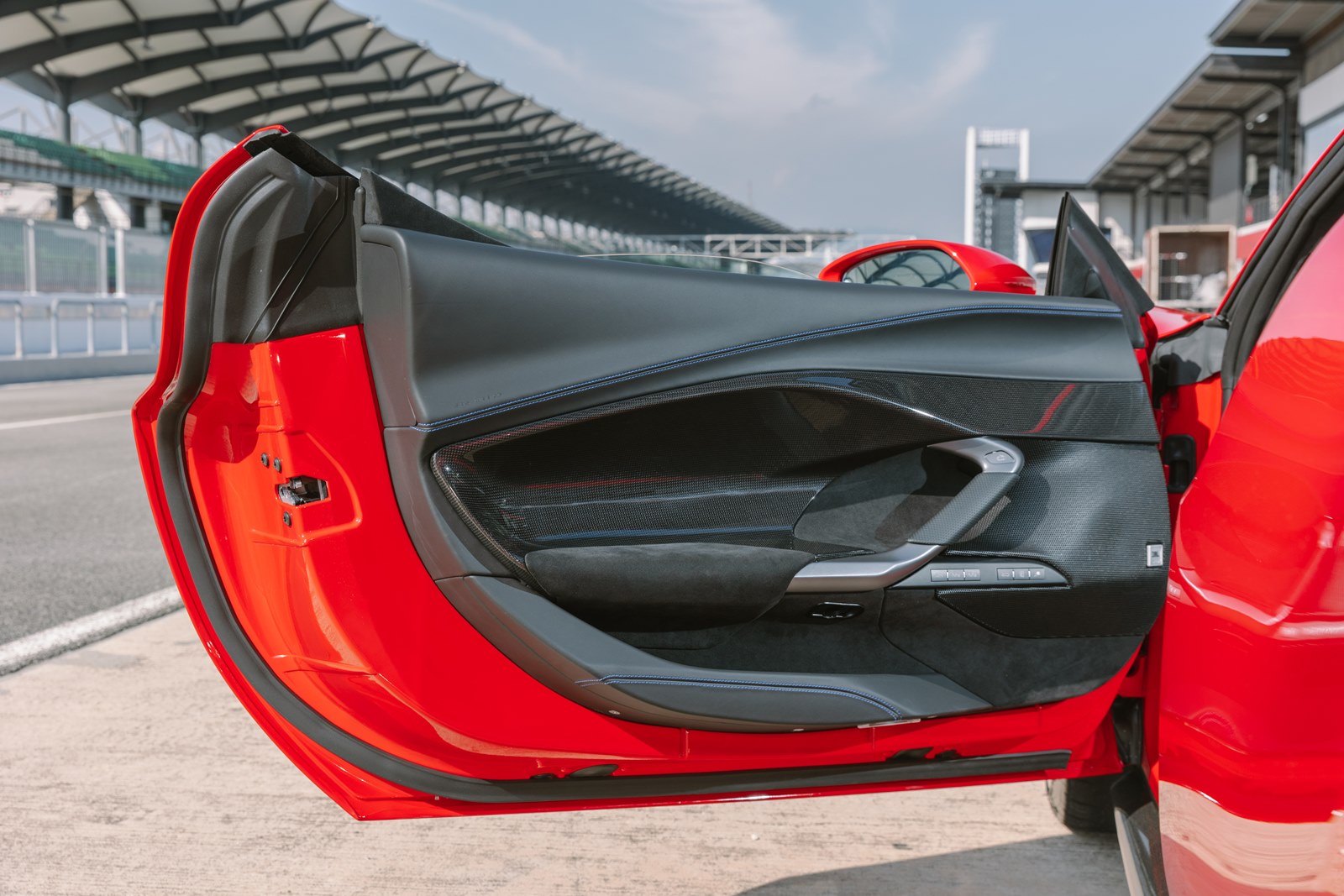
The sculptural door panel is a seamless continuation of the dashboard in terms of both materials and colour. On the central medallion, the styling cue is a deep lozenge-shaped scoop, a three-dimensional element. This type of architecture makes the entire door panel look extremely light and integrates the theme that connects it to the rear trim.

2022 Ferrari 296 GTS

“The convertible version of Ferrari’s first 6-cylinder road-going car takes driving thrills to new heights. Subtly restyled to accommodate the open top, the Ferrari 296 GTS adds a sense of freedom to the fun of every journey. At the wheel of the 296 GTS, you get to enjoy the result of Ferrari’s exploration into electric technology and also have the ability to make the most of the weather and your mood, maximising driving pleasure,” said Damien Woo, General Manager, Ferrari Malaysia, Naza Italia Sdn Bhd.

With Ferrari’s 7-Year Genuine Maintenance programme, the 296 GTS is priced from RM1,448,000 (before duties, customization options, taxes and insurance) from Ferrari Malaysia.

2022 Ferrari 296 GTS

Naza Italia introduces Ferrari 296 GTB PHEV, priced from RM1,228,000

These days, there’s a new electric vehicle (sometimes even more than one) being launched or previewed every month and the technical aspects sound pretty much the same. The technologies to are generally similar with each company having some advancements of its own to shout about.

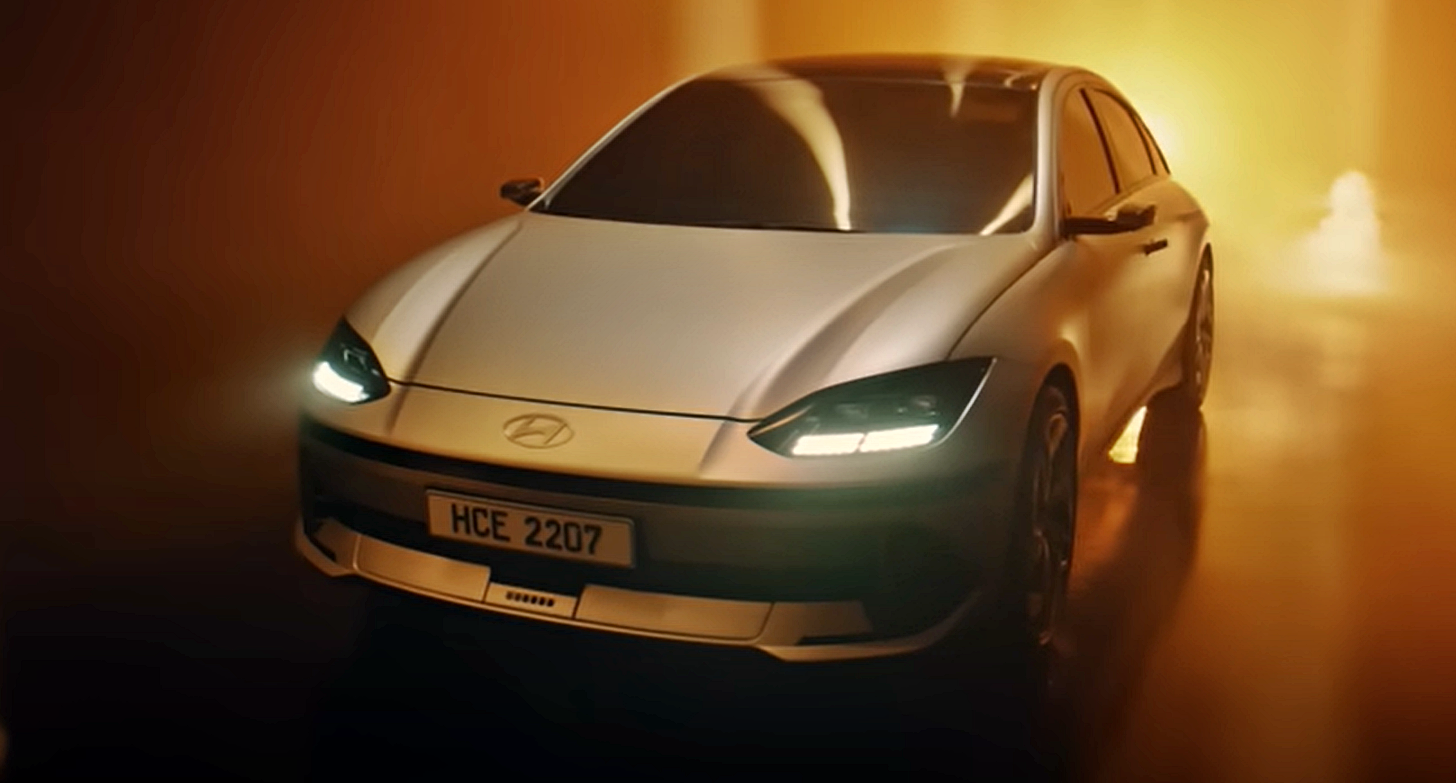
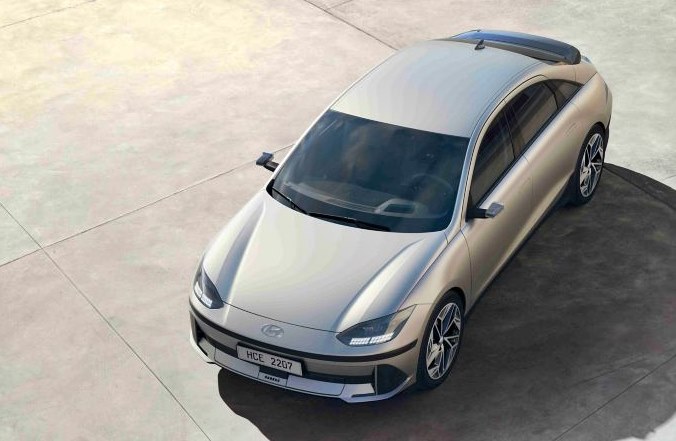
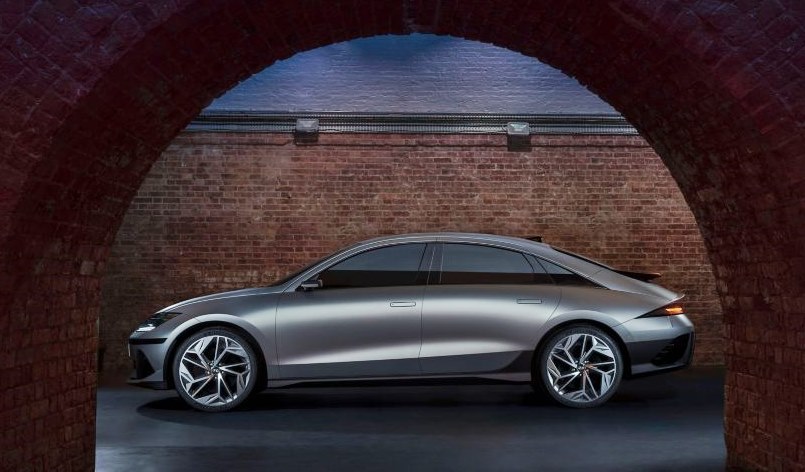
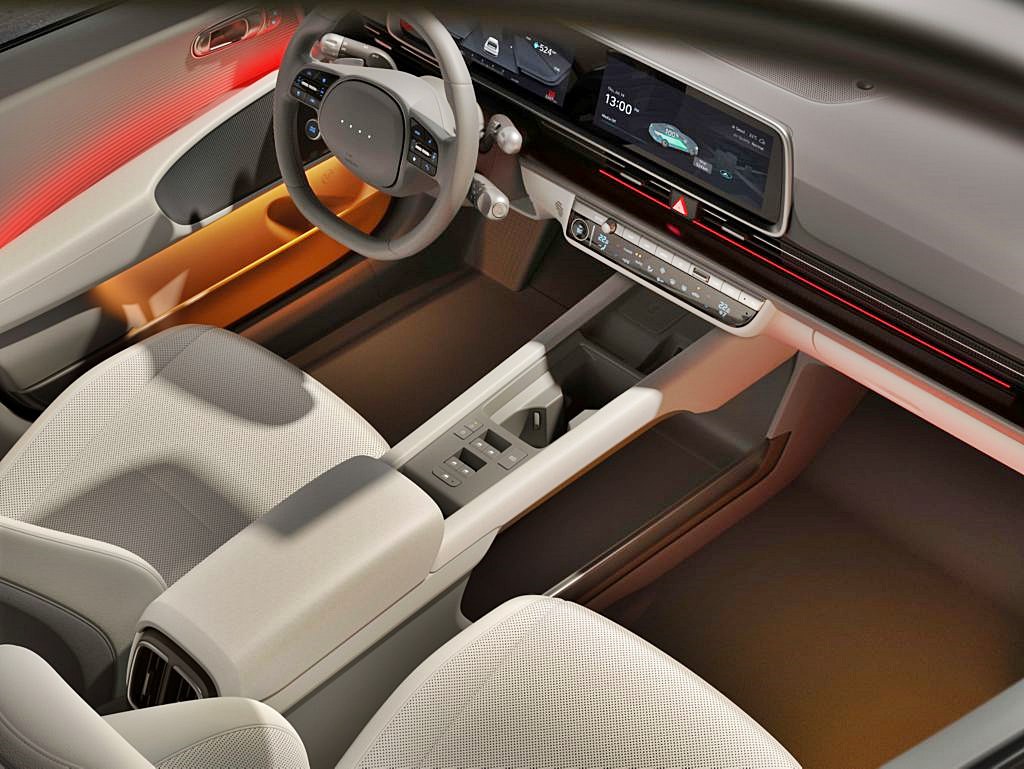
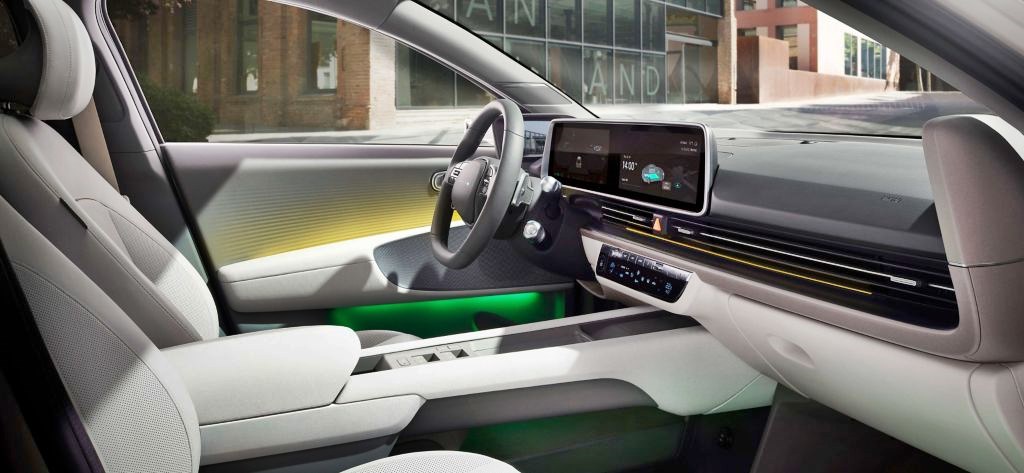
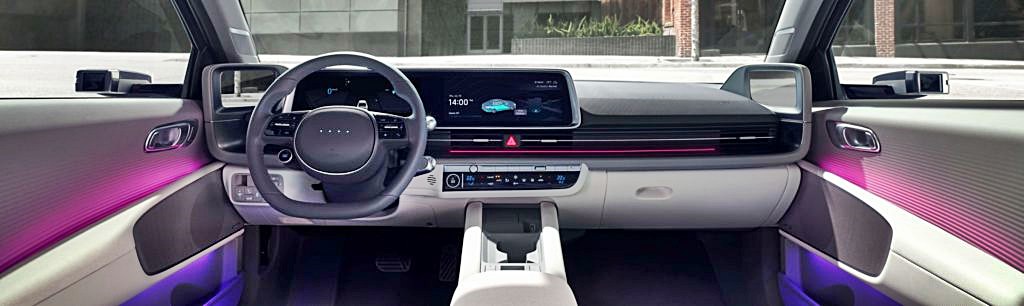
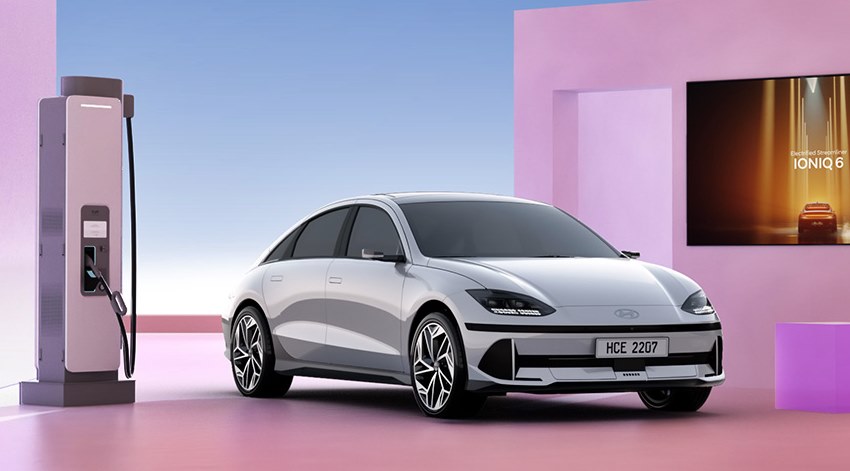
So with the new IONIQ 6, Hyundai Motor seems to skirt the technical parts and instead draws attention to the inside of the first sedan in its EV sub-brand. The interior of the ‘Electrified Streamliner’ is developed to serve as a comfortable and personalized ‘hideaway’, providing a unique and distinctive experience for drivers and their passengers.

2022 Hyundai IONIQ 6

“IONIQ 6 is designed and engineered to seamlessly enhance our daily lives as space to awaken your potential,” said Thomas Schemera, Executive Vice-President, Global Chief Marketing Officer and Head of Customer Experience Division, Hyundai Motor Company. “The innovative interior is meticulously thought out as a cocoon-like personal space, enhanced with the latest technologies to create a safe, fun, and stress-free driving experience. The spacious interior, with sustainability and usability at its heart, once again represents a step forward for electric vehicles, in line with the values of our customers.”

2022 Hyundai IONIQ 6

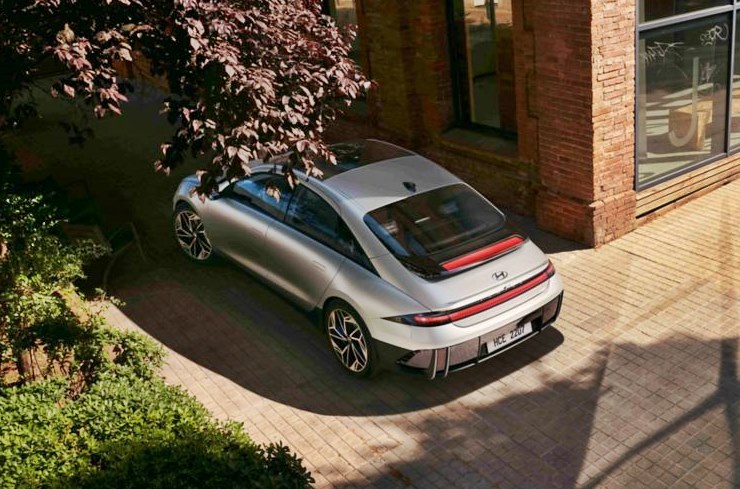
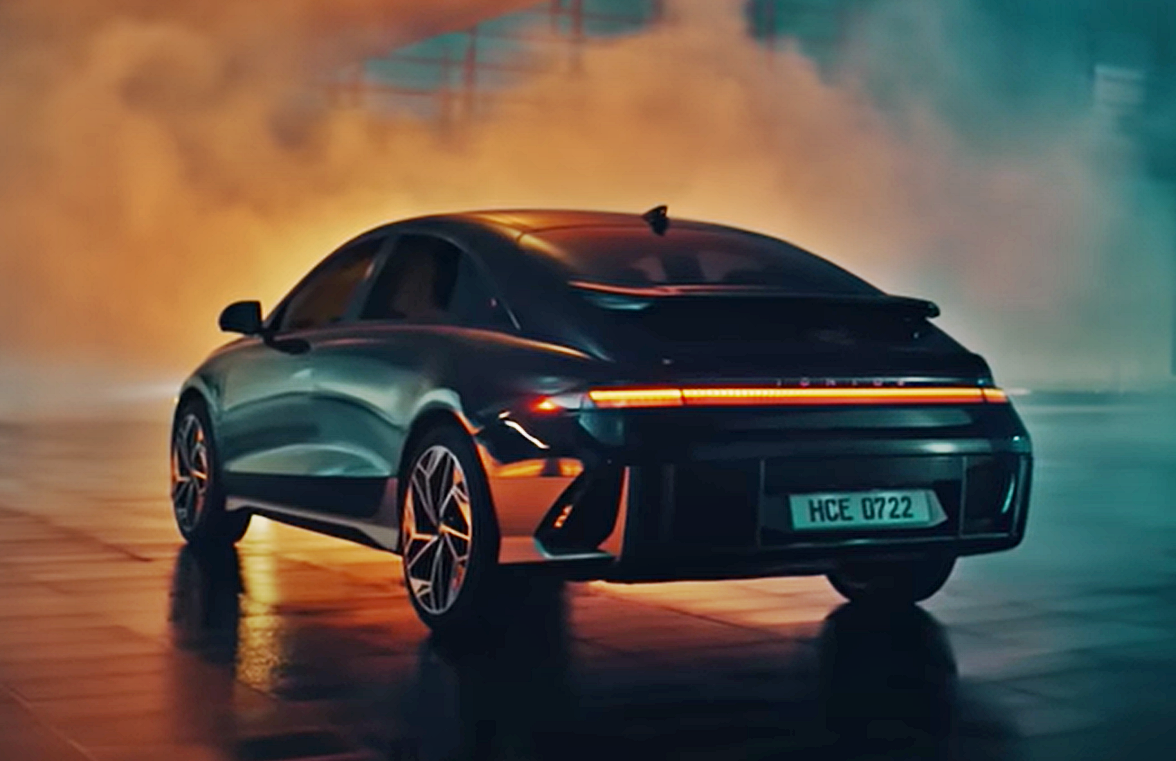
The cabin takes advantage of the E-GMP (the Hyundai Motor Group’s Electric Global Modular Platform) which allows an extremely long 2950 mm wheelbase, supported by a choice of 20-inch or 18-inch wheels. The E-GMP supports a streamlined body with an overall length of 4855 mm, 1880 mm width and 1495 mm height, which puts it in the D-segment.

2022 Hyundai IONIQ 6

A modular touchscreen dashboard integrates a 12-inch full-touch infotainment display and 12-inch digital cluster that houses advanced technologies for an enhanced digital user experience that can be customized to meet their needs. The infotainment system provides real-time travel radius mapping based on the current state of charge, while connected car services help search and plan the best route to include a charging station along the way.

Apple CarPlay and Android Auto bring favourite smartphone apps to the widescreen display. For those without compatible smartphones, there’s also Bluetooth multi-connection support available. Two devices can be paired at the same time — one for phone calls and one for music streaming.

2022 Hyundai IONIQ 6

The premium Bose sound system’s 8 speakers, including a subwoofer, are strategically placed throughout the vehicle for a high-quality listening experience. Complementing this is a ‘spaceship-like’ sound with a sound texture that changes based on the vehicle’s driving status. How this will be received by the occupants of the car remains to be seen. Perhaps the new generation of car-buyers brought up in the digital age will appreciate such sounds!
The optional Relaxation Comfort Seats in the first row promote leisure by simply adjusting the seat angle. In addition, all of its seats are specifically-manufactured for all-electric models, and they are approximately 30% thinner than those in other conventional models, providing more space for passengers.

Dual Colour Ambient Lighting allows a driver to customize the look and feel of the interior space by selecting from a spectrum of 64 colours and 6 pre-selected themes. The Speed Sync Lighting mode adds emotion to the driving experience by changing the brightness of the interior lighting in the first row based on the car’s travelling speed.

2022 Hyundai IONIQ 6

The IONIQ 6’s personalized driving experience is further enhanced by the EV Performance Tune-up system. This allows the driver to freely adjust steering effort, motor power, accelerator pedal sensitivity and driveline mode. Drivers can create a variety of different combinations with just a few button clicks to meet their individual needs.

Of course, we still need to tell you something about the technical aspects and here, the powertrains are varied. Customers can choose a long-range 77.4-kWh battery with 2 electric motor layouts, either rear-wheel-drive (RWD) or all-wheel-drive (AWD). The top-of-the-line dual motor set-up is an AWD option producing a combined power output of 325 ps/605 Nm, with a claimed 0 to 100 km/h of 5.1 seconds.

2022 Hyundai IONIQ 6

Hyundai Motor claims an impressive energy consumption rate of under 14 kWh/100 kms, with the 53-kWh standard battery pack, 18-inch tyres and RWD. It supports 400V and 800V charging infrastructures and with a 350 kW charger, the recharging time from 10% to 80 percent is said to be within 18 minutes. A fully charged battery pack should be good for over 610 kms.

The IONIQ 6, like the IONIQ 5, is also able to function as a mobile power station to charge electric devices. This would be ideal not only for camping but also when there is a disruption to power supply. In addition to the external power outlet, there is a second outlet under the back row seat which can be used for charging laptops, phones and other devices.

2022 Hyundai IONIQ 6

This EV Is Hyundai Motor’s first model to offer the Over-the-Air (OTA) Software Updates for various controllers. This allows owners to upgrade the car’s controllers for electric devices, autonomous driving, battery, maps (and more) without having to go to a service centre. As such, the systems will be kept up to date and optimised.

In the Korean market, the IONIQ 6 is priced between 55 million – 65 million won (about RM185,000 – RM218.000). Production is to begin production in the third quarter of 2022. Sales are expected to begin before the end of the year with exports to selected markets starting in early 2023.

2022 Hyundai IONIQ 6

Hyundai to use new Integrated Modular Architecture for all future BEV models

Archive

Follow us on Facebook

Follow us on YouTube