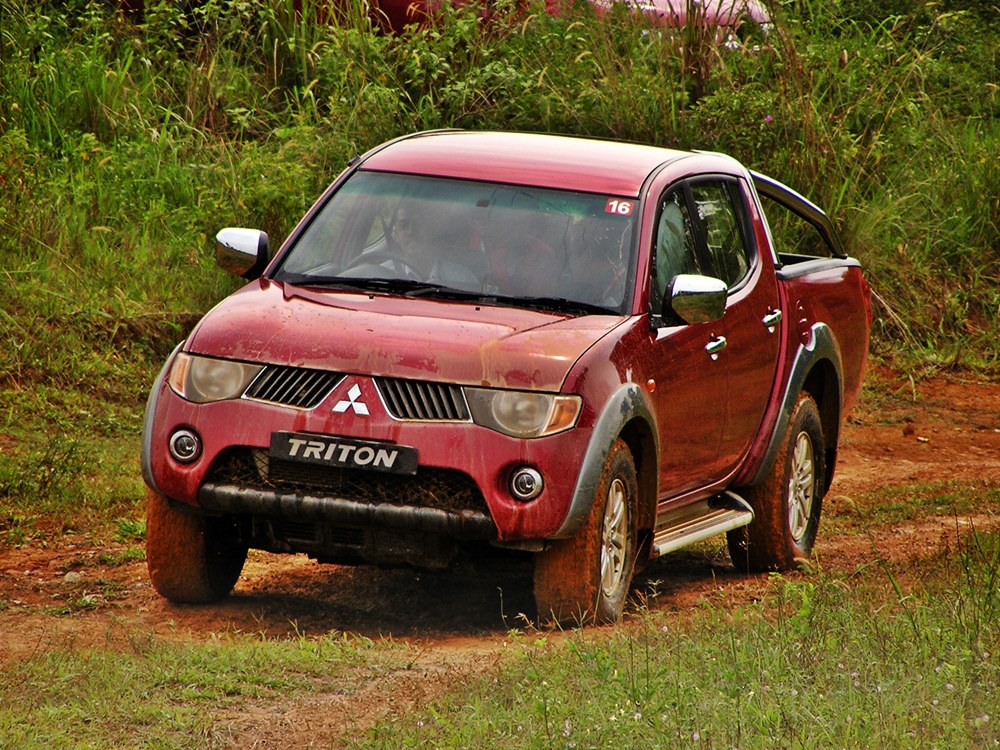
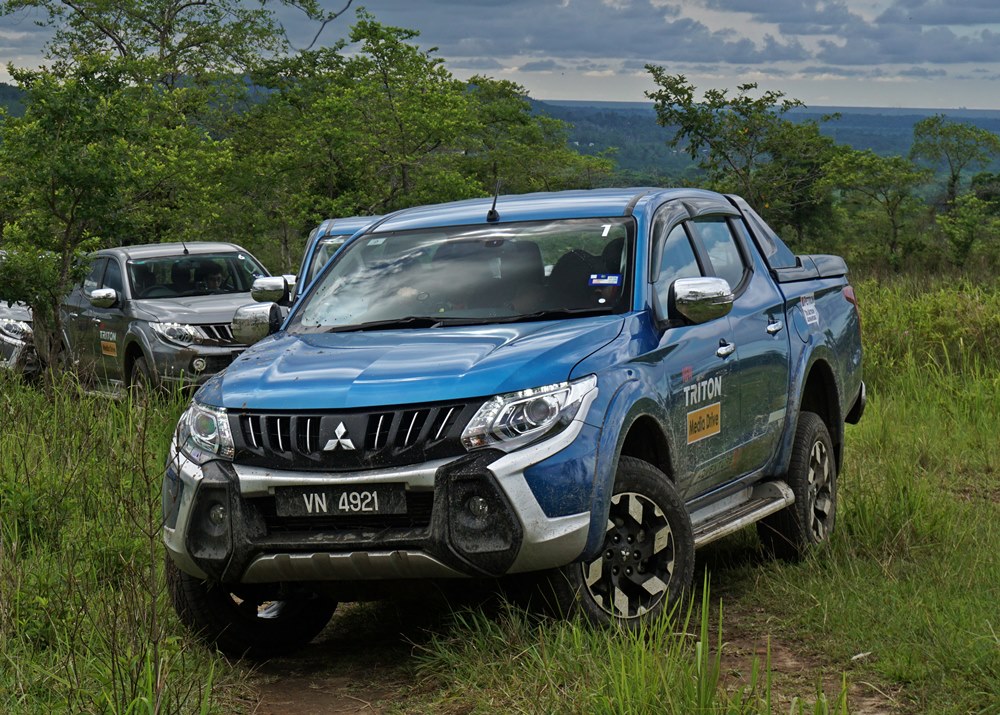
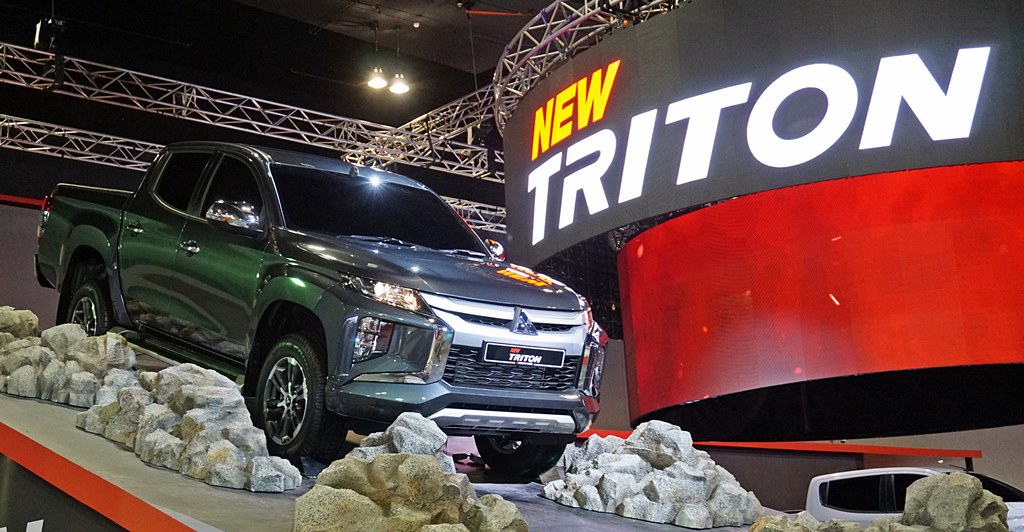
When Mitsubishi Motors Malaysia (MMM) was established in 2005, one of the models it offered was the Triton. It arrived at a time when pick-up trucks were growing in popularity as they could be registered for private use (earlier, they could only be registered as commercial vehicles). With its stylish design and Mitsubishi Motors’ heritage in the Dakar Rally, the Triton became one of the popular choices for Malaysians wanting a truck.
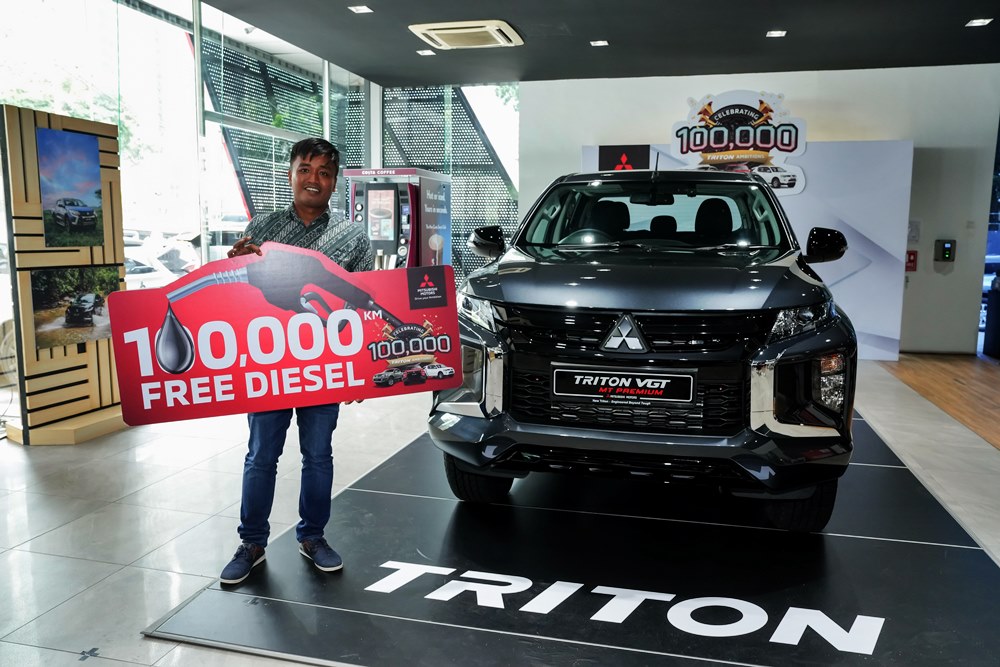
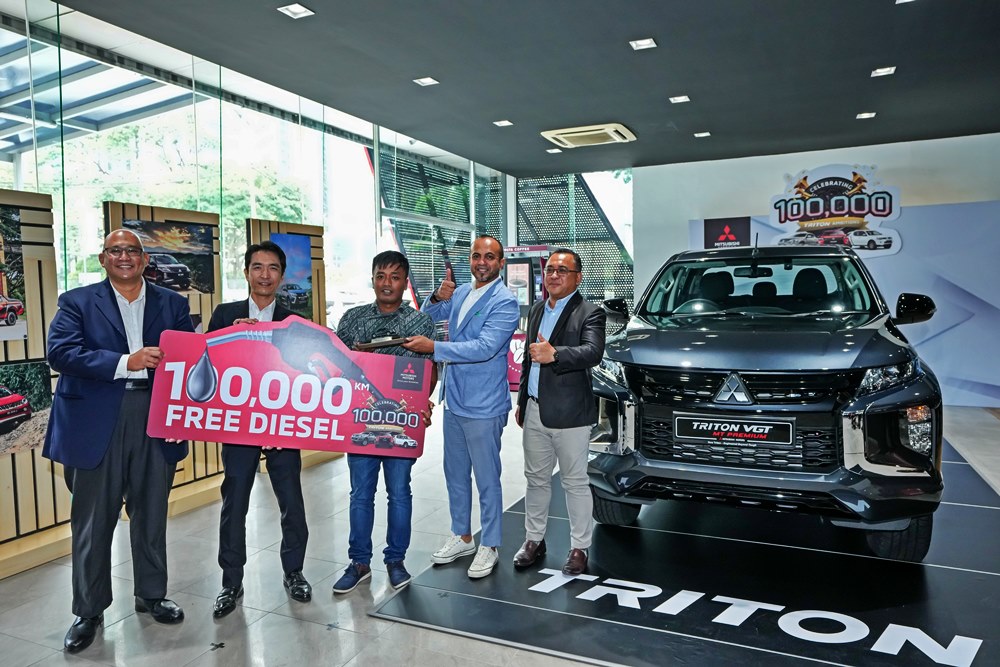
Recently, the company delivered its 100,000th Triton and commemorated the milestone by giving the customer, Muhammad Faerus, diesel for 100,000 kms which is worth RM27,000. Encik Muhammad Faerus, a solar panel installation contractor, purchased the Triton from EON Auto Mart, an authorized Mitsubishi Motors dealership in Kuala Lumpur.
“Since the Triton was introduced in Malaysia, it has proven to be one of the favourite pick-up trucks in the market with its rugged look, versatility, and good handling. It is capable in the harshest of off-road conditions but also perfect as an everyday vehicle. Our customers come from all walks of life – business owners, off-road enthusiasts, and lifestyle users. Over the years, with improved technology and functionality, it has inspired owners to take on challenges and push the boundaries in creating an exciting life journey, while fulfilling their dreams and ambitions,” said Shinya Ikeda, CEO of Mitsubishi Motors Malaysia, at the presentation ceremony.
The three generations of the Triton introduced in Malaysia since 2005.
Last year, despite the pandemic and competition from rivals, the model maintained a solid market share of 22% with 9,268 units sold. Six variants are available, all imported from the Mitsubishi Motors factory in Thailand. Prices (without insurance) range from RM81,390 to RM146,600.
Contest for owners In conjunction with this achievement, MMM is running the ‘100,000 Triton Ambitions’ Contest which will commence on September 14, 2022. To participate, Triton owners need to fill up a contest survey form and submit a photo which features a Triton in it.
Their photo can be entered in one or all four of the following categories: a. The Stylo King – owner’s most memorable leisure activity with the Triton; b. Tough Champ – owner’s toughest experience with the Triton; c. Extreme Adventurer – owner’s most memorable long-distance journey with the Triton; and d. Mod Hero – owner’s coolest modified Triton
One winner from each of the four categories will win 25,000 kms of diesel (worth up to RM7,000) each. The contest form, photo submission, and detailed contest terms and conditions can be found at the MMM website at www.mitsubishi-motors.com.my.
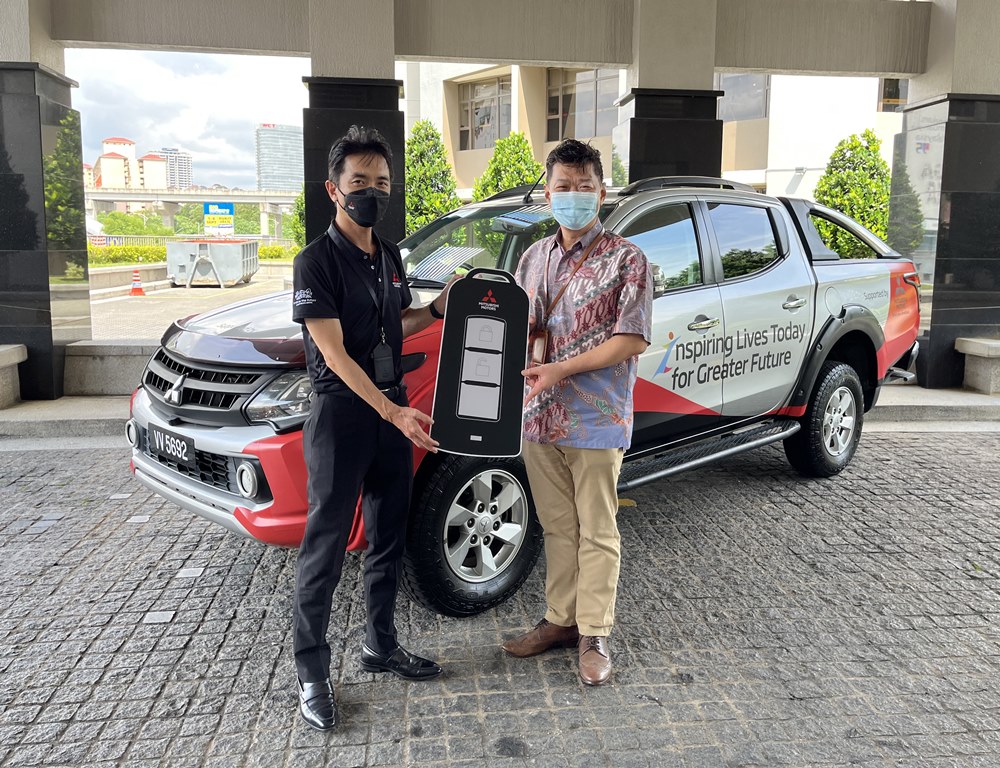
The National Cancer Society Malaysia (NCSM) recently received a Mitsubishi Triton pick-up truck from Mitsubishi Motors Malaysia (MMM). The donation by MMM, part of the company’s Corporate Social Responsibility (CSR) practice, will help in providing NCSM’s services to rural communities around Malaysia.
NCSM, a non-profit organization (NGO) established in 1966, will use it to provide an extensive range of cancer services and support to people affected by cancer. With the Triton’s off-road capabilities, it will be able to travel further into the countryside to reach rural communities that have little or no access to cancer screening facilities.
With the Triton, NCSM personnel will be able to travel more easily in the countryside to reach rural communities to provide cancer screening servicesand support to people affected by cancer.(more…)
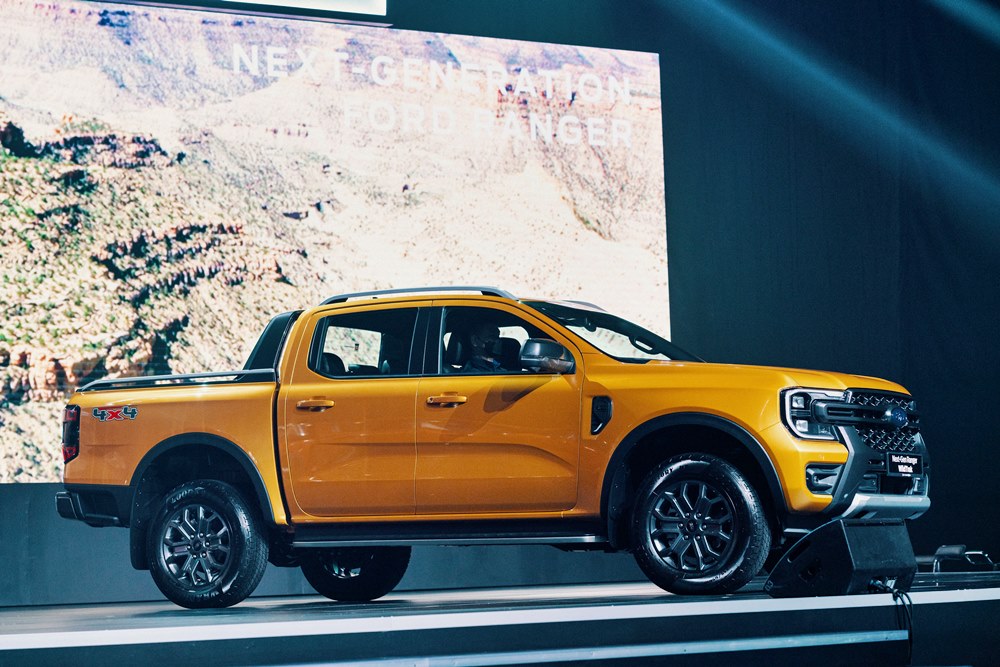
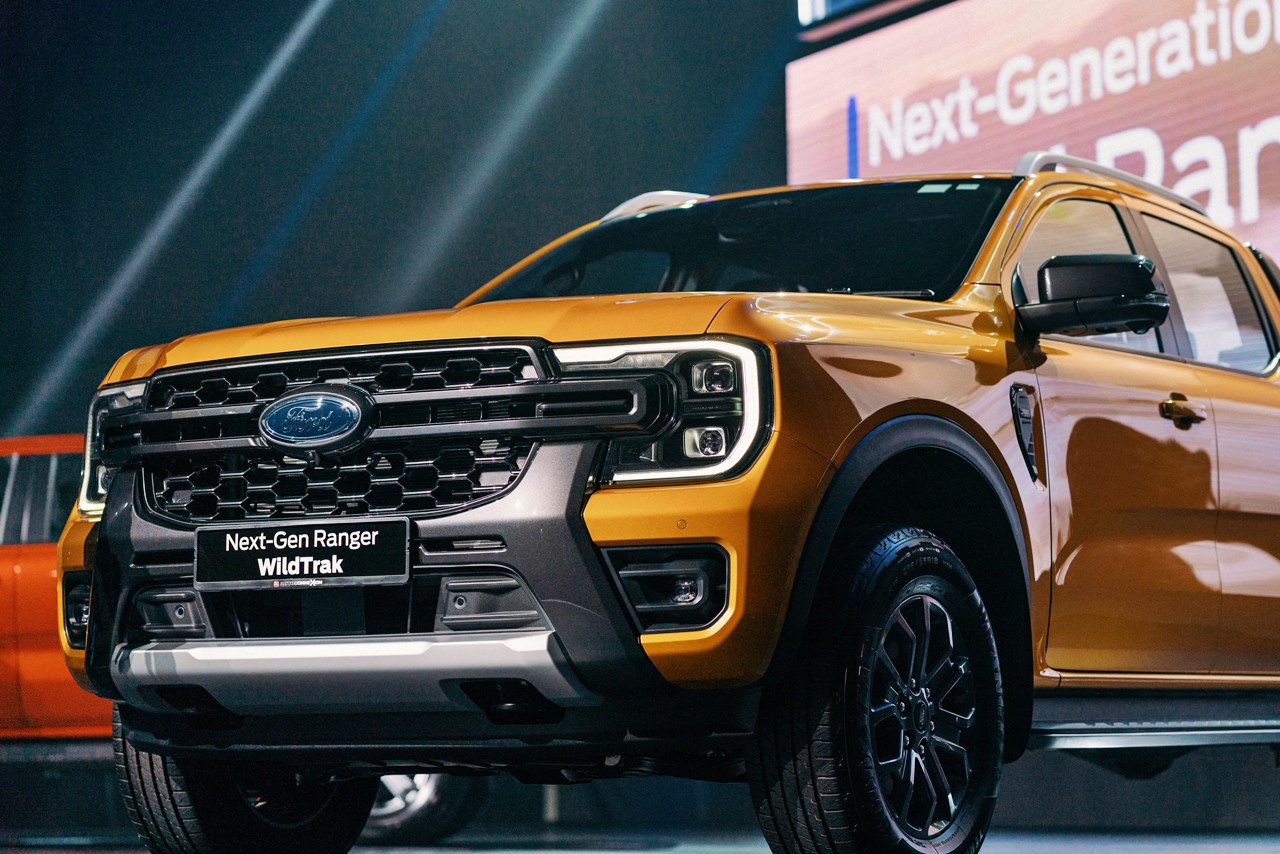
Different people will buy a pick-up truck for different reasons but some basic expectations will be good performance, refinement and economical operation. With the next-gen Ford Ranger, these expectations are met in the best way with powertrains for work, family and play.
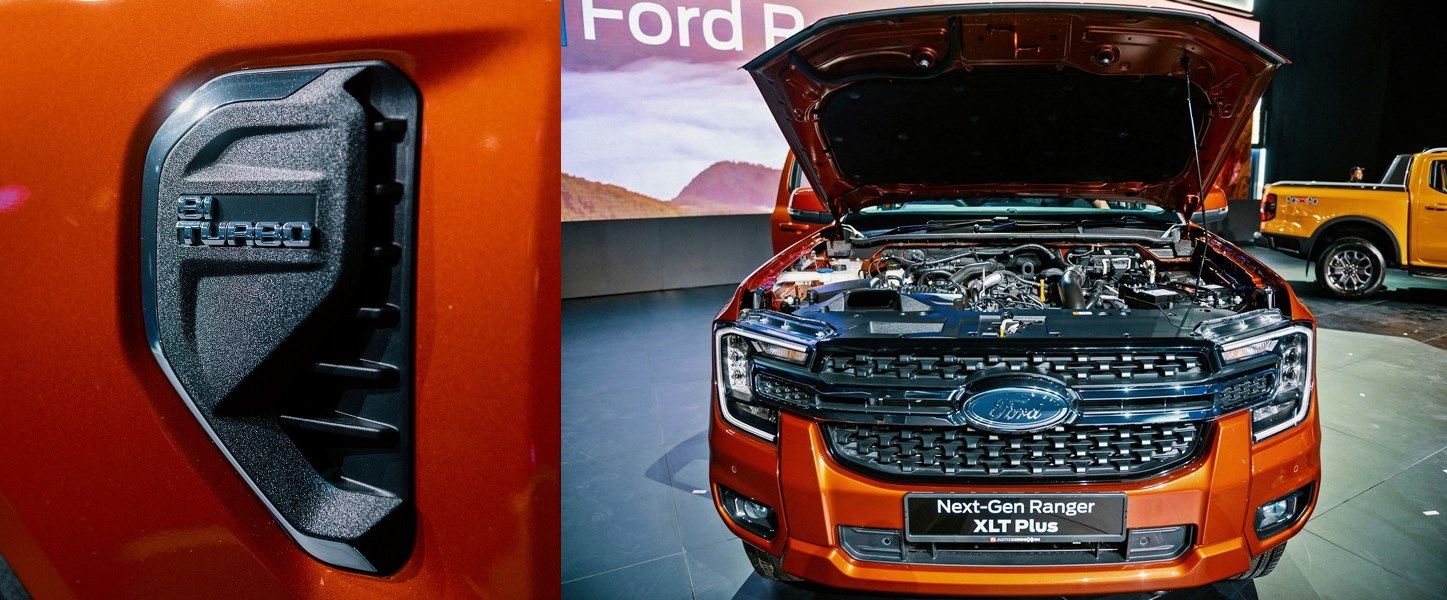
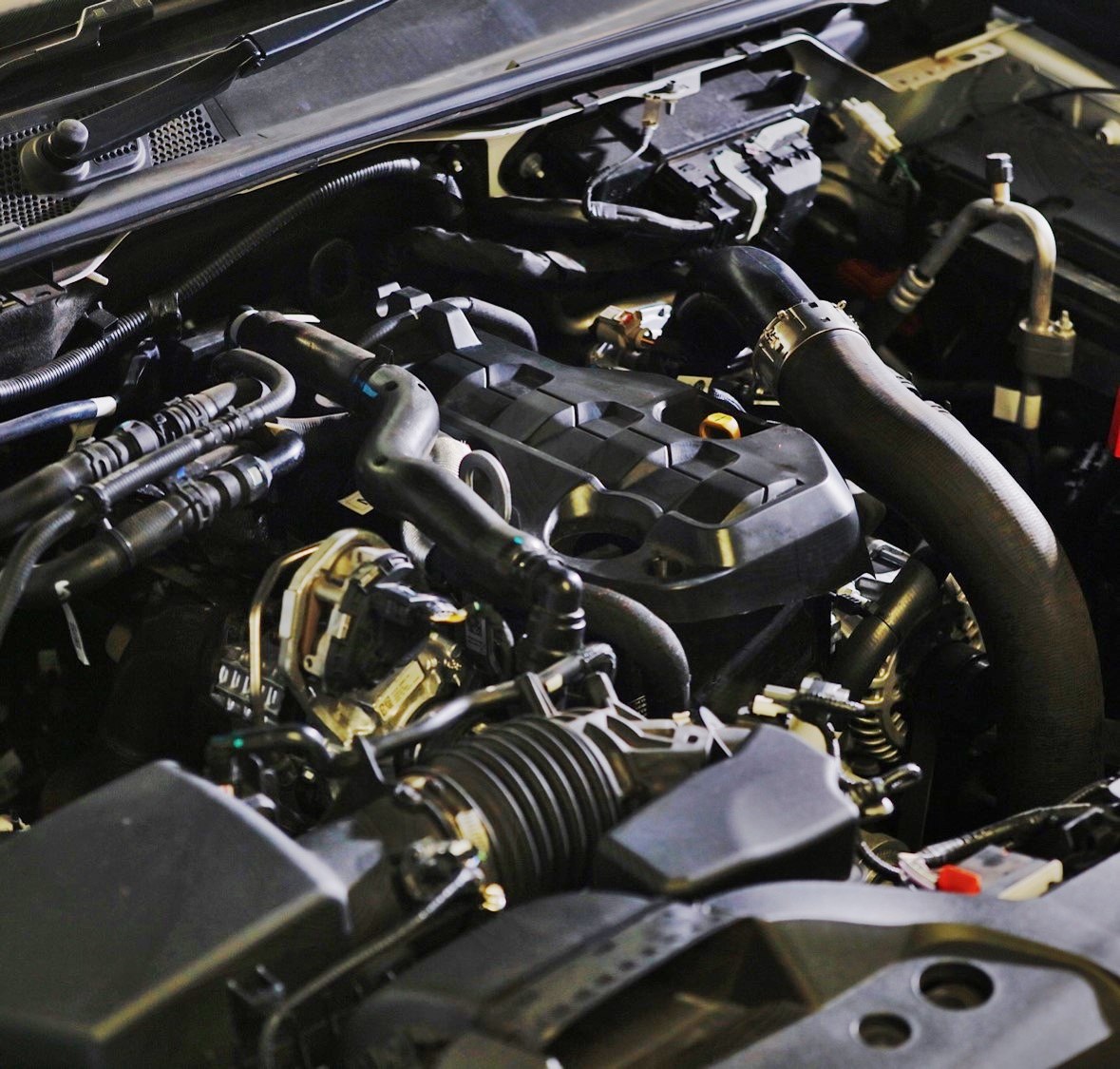
Two 4-cylinder 2-litre turbodiesel engines are available with the next-gen Ranger – the Single-Turbo and the Bi-Turbo, both well proven and updated as well as compatible with biodiesel.
The Bi-Turbo engine has a clever bypass system that determines the optimum operating mode. Depending on the conditions, the turbochargers can operate in series (at lower engine speeds for enhanced torque and responsiveness) or the smaller turbocharger can be bypassed to allow the larger turbocharger to push more air into the combustion chambers.
The Single Turbo offers 170 ps at 3,500 rpm, with 405 Nm of torque available between from 1,750 and 2,500 rpm. With the more powerful Bi-Turbo, there’s up to 210 ps of power at 3,750 rpm and an impressive 500 Nm of torque generated between 1,750 and 2,000 rpm.
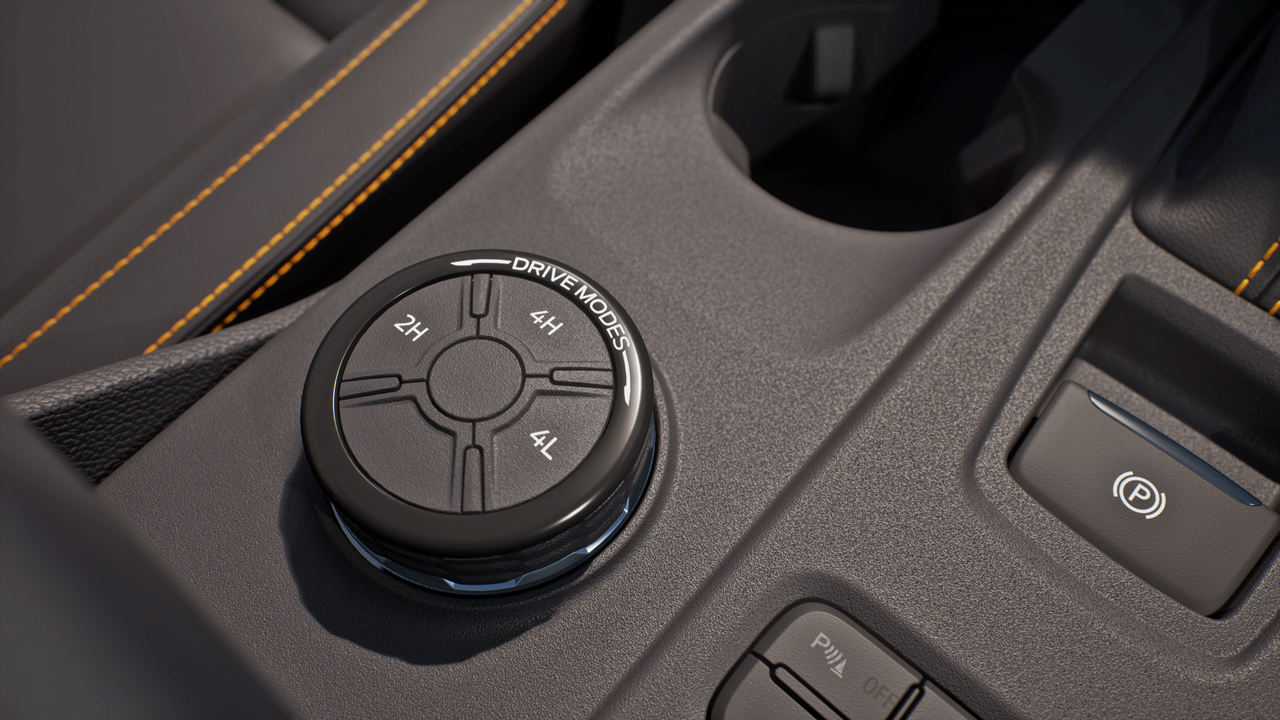
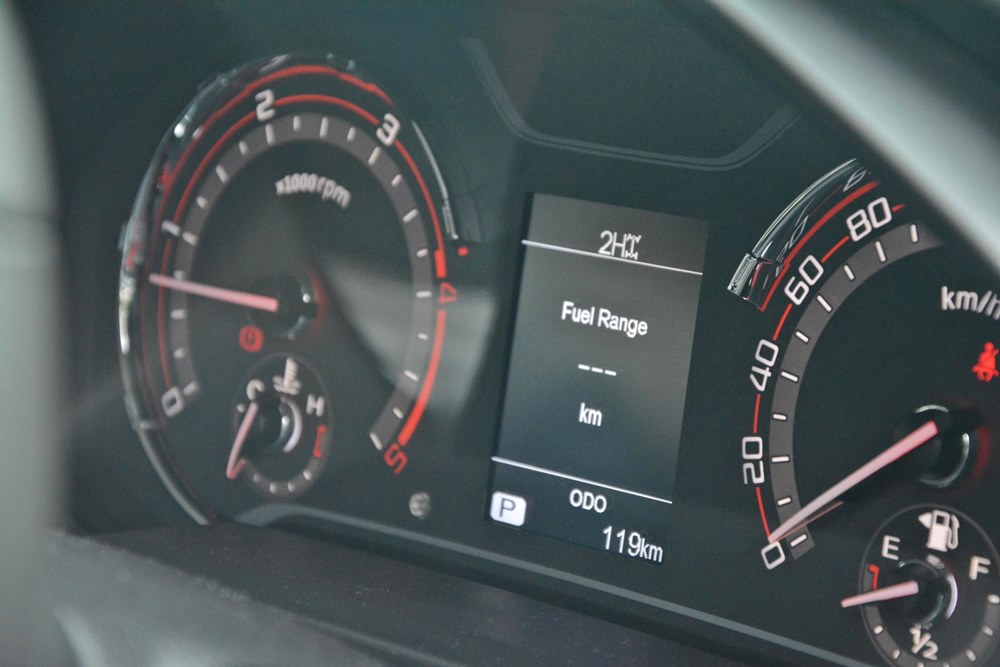
Two 4-wheel drive systems To get all that power to the ground, the next-gen Ranger comes with a choice of two types of 4-wheel drive systems. There’s a conventional ‘part-time’ system with a 2-speed electronic shift-on-the-fly transfer case offering 2H, 4H and 4L modes. Also available is an on-demand 4-wheel drive system (2H, 4A, 4H, and 4L) which allows the truck to be driven in 4-wheel drive on high-traction surfaces like highways via its 4A (automatic) mode. The system intelligently distributes power between the front and rear axles for optimum performance in all on-road conditions.
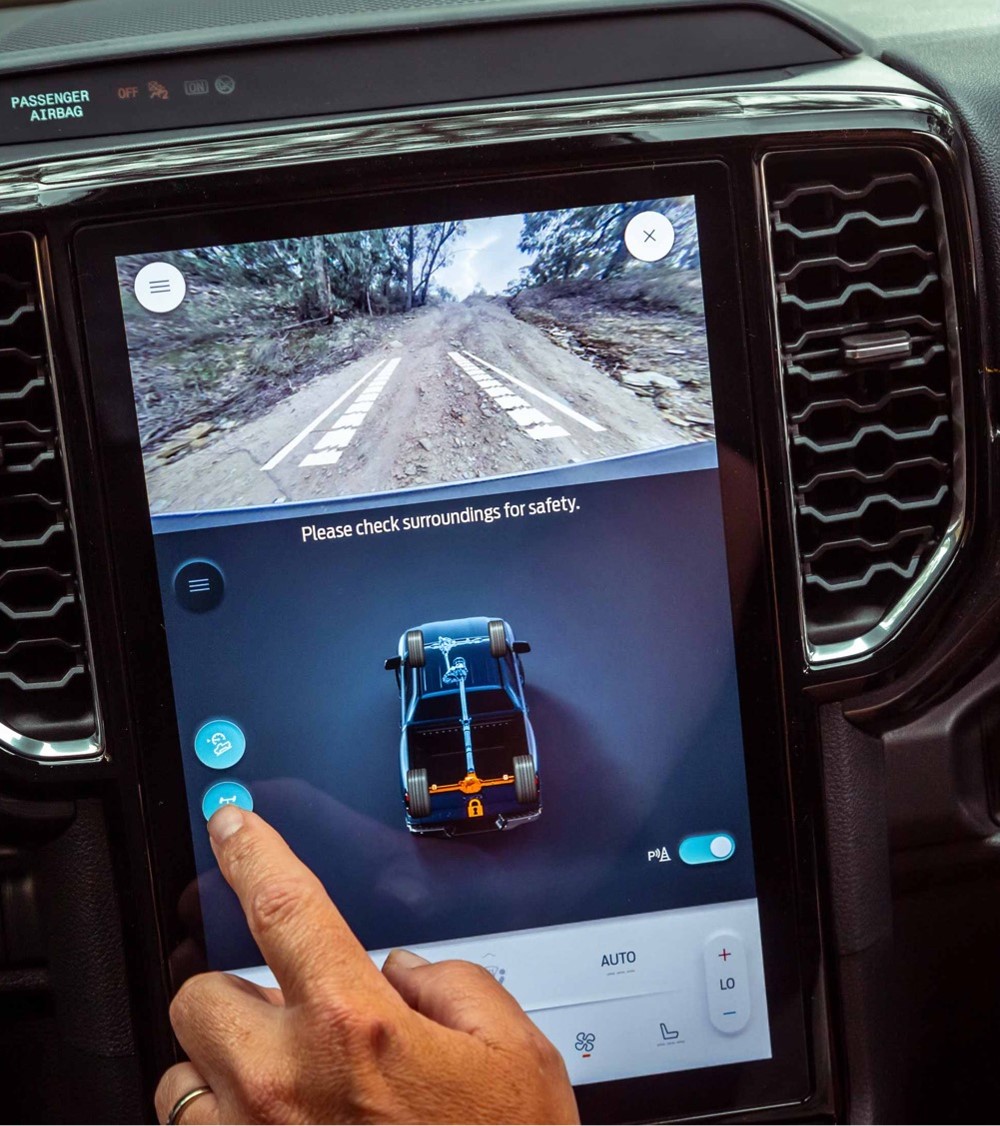
For additional stability in slippery or rough terrain, the next-gen Ranger continues to be offered with rear differential lock (Ranger WildTrak and XLT Plus). This lock creates a connection between the left and right rear wheels so they rotate at the same speed, helping to get out of a difficult situation off-road. Activation of the rear differential lock is easily done on the SYNC screen in the cabin.
Selectable Drive Modes Making greater use of the computing power on board the next-gen Ranger, there are up to 6 drive modes (depending on the variant) which can make driving over difficult terrain easier. For example, the Slippery mode is for on-road surfaces while the Mud/Ruts and Sand mode is for use off-road.
As in the Ranger Raptor before, the drive modes alter various operating parameters to optimise performance in specific conditions. These cover gearchanges, throttle response, traction and stability controls and the brake system.
In addition to the selectable drive modes, the next-gen Ranger has a special off-road screen on the SYNC4A infotainment system. At the press of a button, the display appears and driveline and diff lock settings, steering angle, vehicle pitch and roll angles, as well as a front camera view with predictive overlay guidelines. With such information, the driver can travel more confidently over challenging terrain.
Tough and protected Going off-road can be punishing for any vehicle with all sorts of obstacles and hazards. This has been kept in mind by the engineers who have designed various protective underbody shields for the next-gen Ranger. These shields protect the steering, sump, transmission and transfer case – critical components that cannot be damaged.
The shields are made from pressed and folded laser-cut steel. The mounting bolts are recessed so they won’t get damaged but can still be easily removed at the service centre. Because the shields are bolted directly to the chassis, they also to the structural integrity of the vehicle.
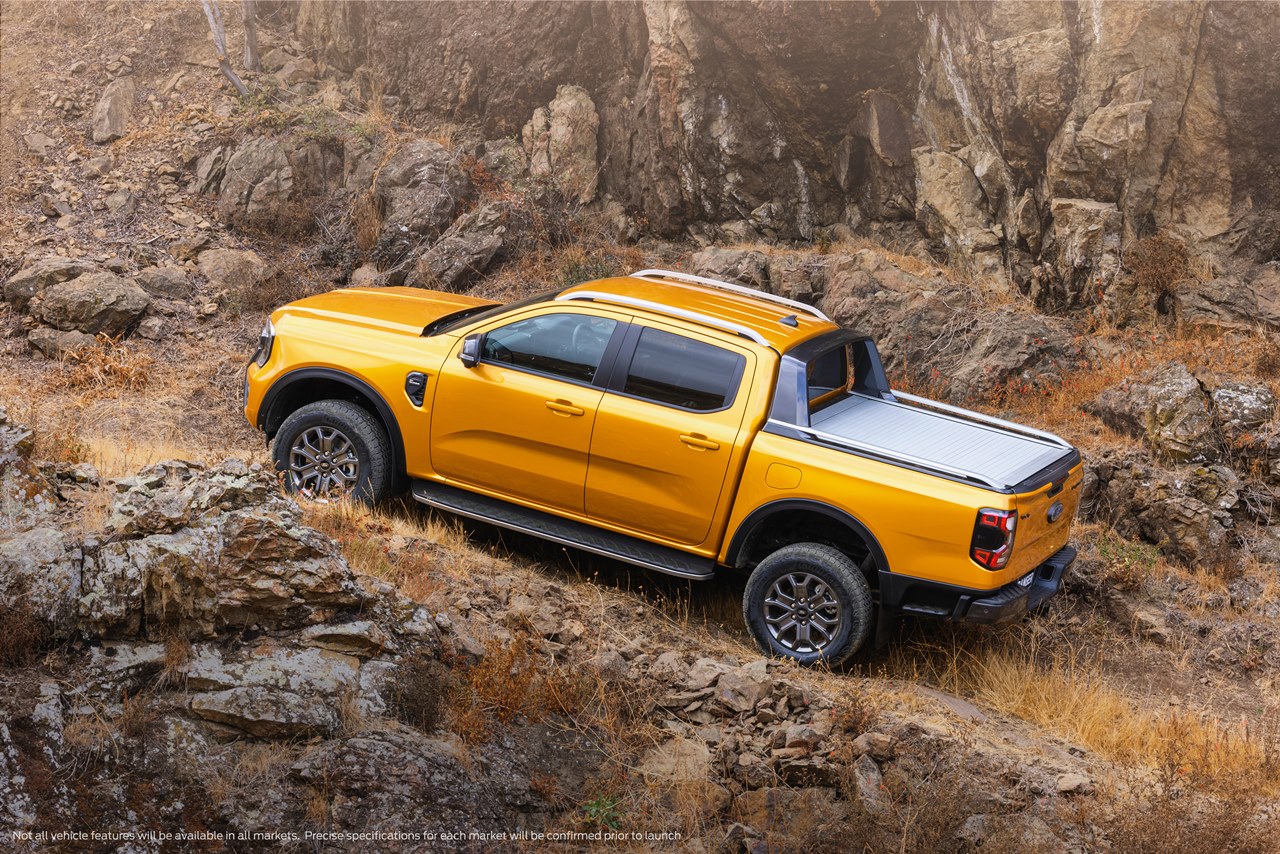
Small changes, big benefits Although virtually similar in overall size as the previous Ranger, the next-gen Ranger has 50 mm increases in the tracks and wheelbase. These may seem like small changes but they improve stability on as well as off the road.
Drivers will find that they can take on steep slopes more easily with the improved front approach angle increased to 30 degrees (from 28.5 degrees) in the, Likewise, the rear departure angle has also increased by 2 degrees to 23 degrees.
For those worried about climate change bringing more floods, owning the next-gen Ranger could be one way of preparing for such conditions. With a maximum water wading depth of 800 mm (travelling at 7 km/h), the next-gen Ranger will be able to get across many flooded areas easily.
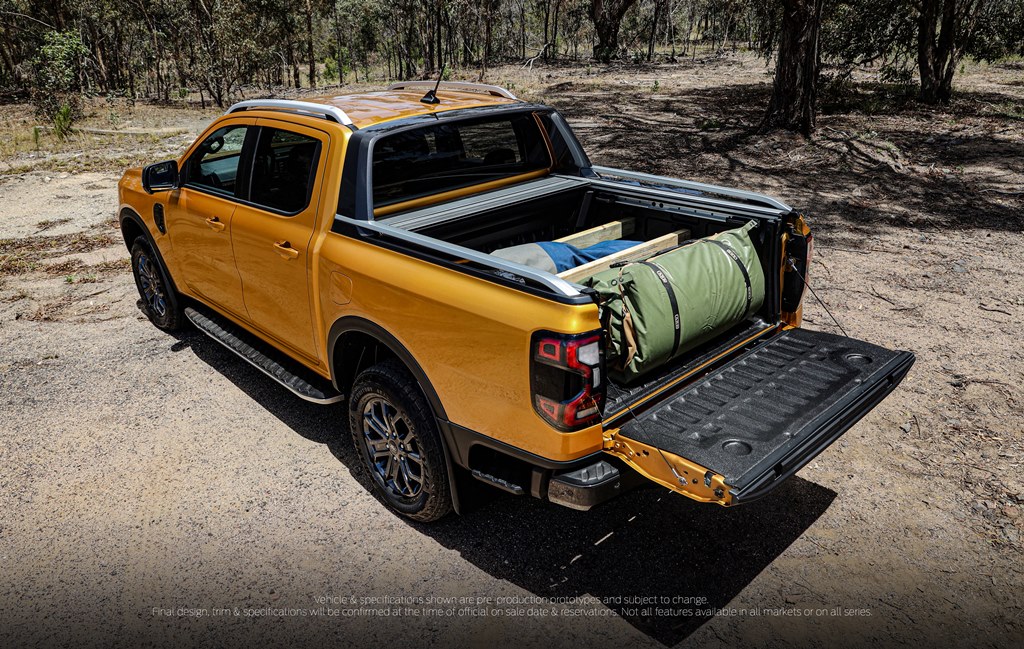
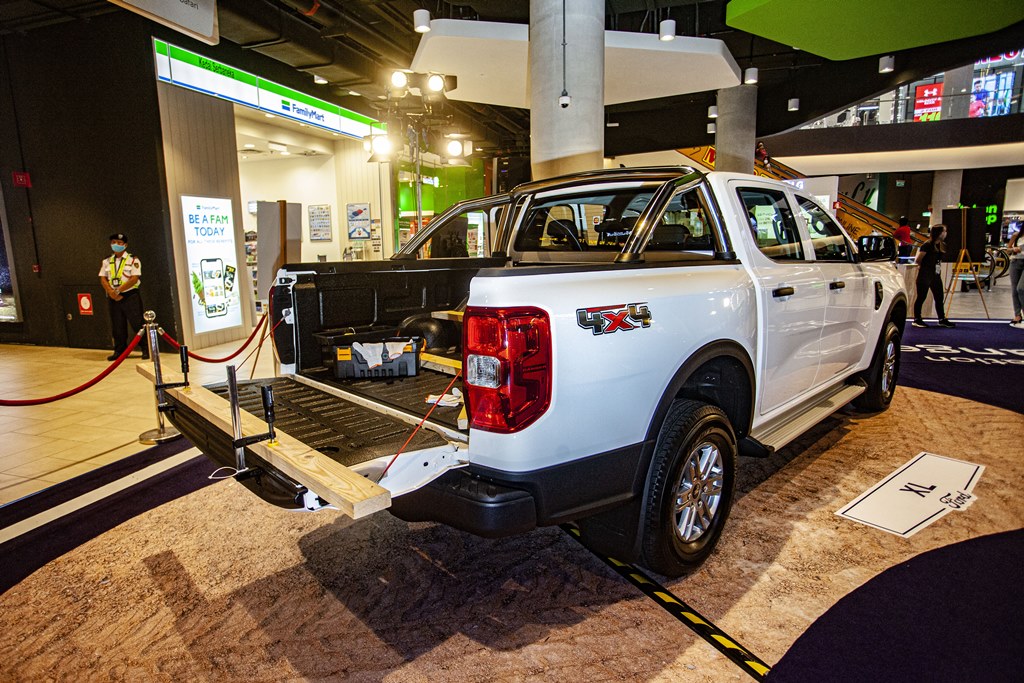
Taking more load Widening the track also allows the designers to widen the cargo bed and offer a more versatile load space. The rear dampers were also moved outboard of the springs which makes for a more controlled ride whether the vehicle is carrying a lot or empty. Depending on the variant and market, the payload capacity is up to 1,000 kgs (1 tonne).
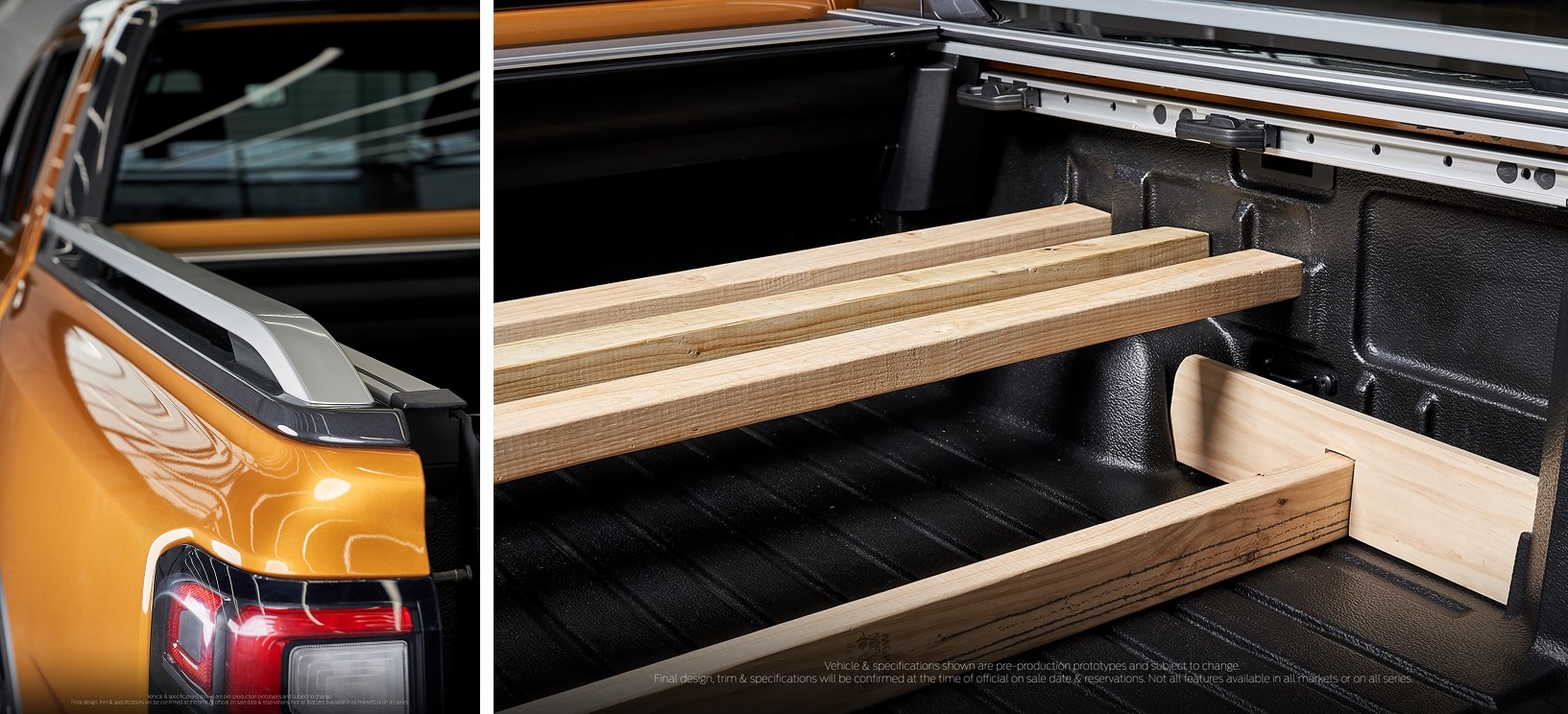
If more stowage space is needed, the next-gen Ranger’s roof can also take up loads of up to 350 kgs static and 85 kgs dynamic. Ford dealers have a range of versatile cargo management solutions to meet different customer needs. These range from adjustable cleats on each side to tray-mounted tie-downs and styled box rails. There are also tailgate clamp pockets and box capping with 6 structural mounting points for after-market accessories.
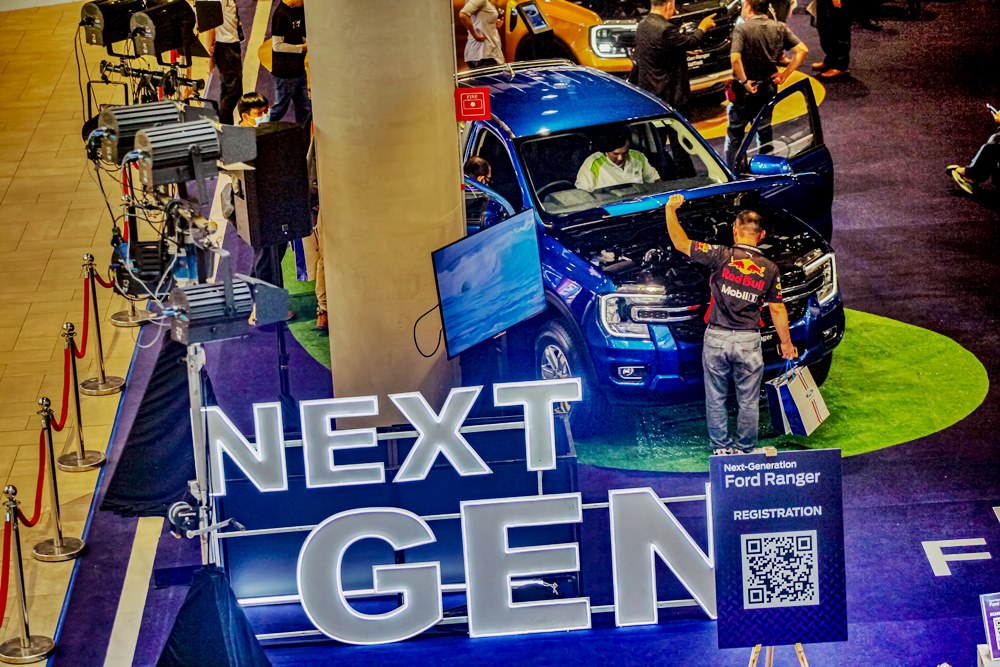
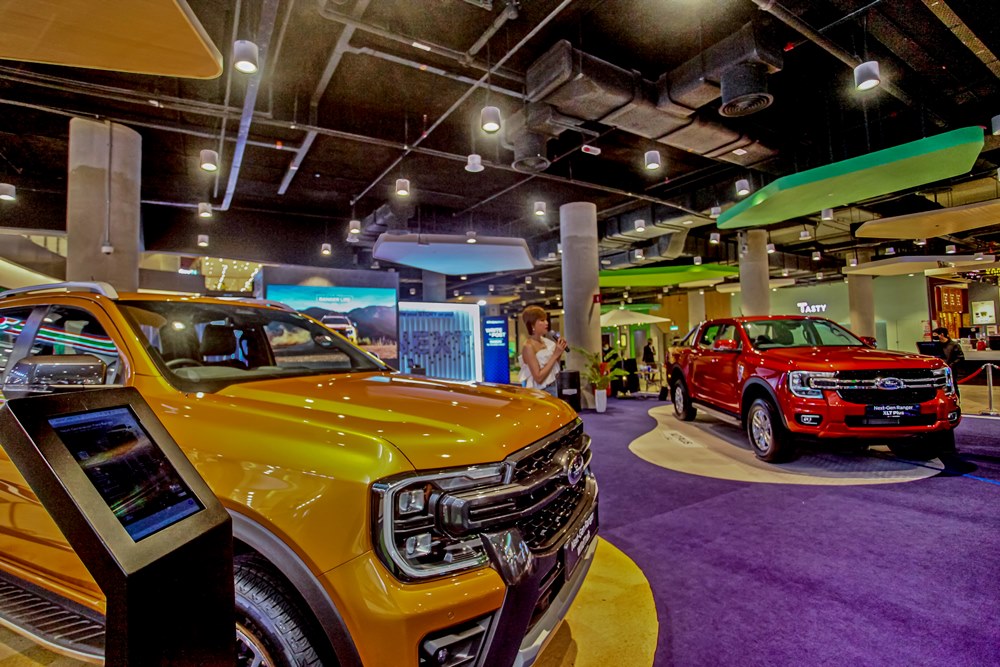
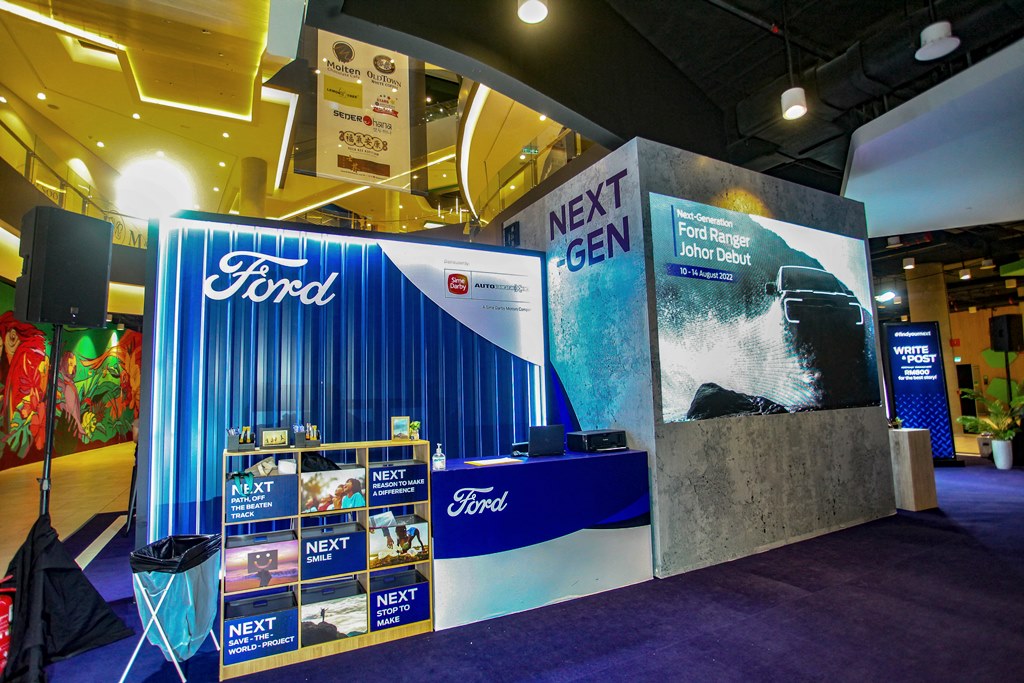
See the Next-Gen Ranger in East Malaysia The next-gen Ranger will be in showrooms in coming months but before it has its official showroom launch, it will be on display in East Malaysia. Sime Darby Auto ConneXion (SDAC) will hold previews at Vivacity Megamall in Kuching, on September 7 – 11, and at Suria Sabah Shopping Centre in Kota Kinabalu on October 5 – 9, 2022.
These events will enable you to learn more about the next-gen Ranger (and also book one). If you would like to attend either of these two events, sign up here for an exclusive invitation. Alternatively, you can visit www.sdacford.com.my for more information about the next-gen Ranger, or follow the Ford Malaysia Facebook, Instagram, Twitter and YouTube channels.
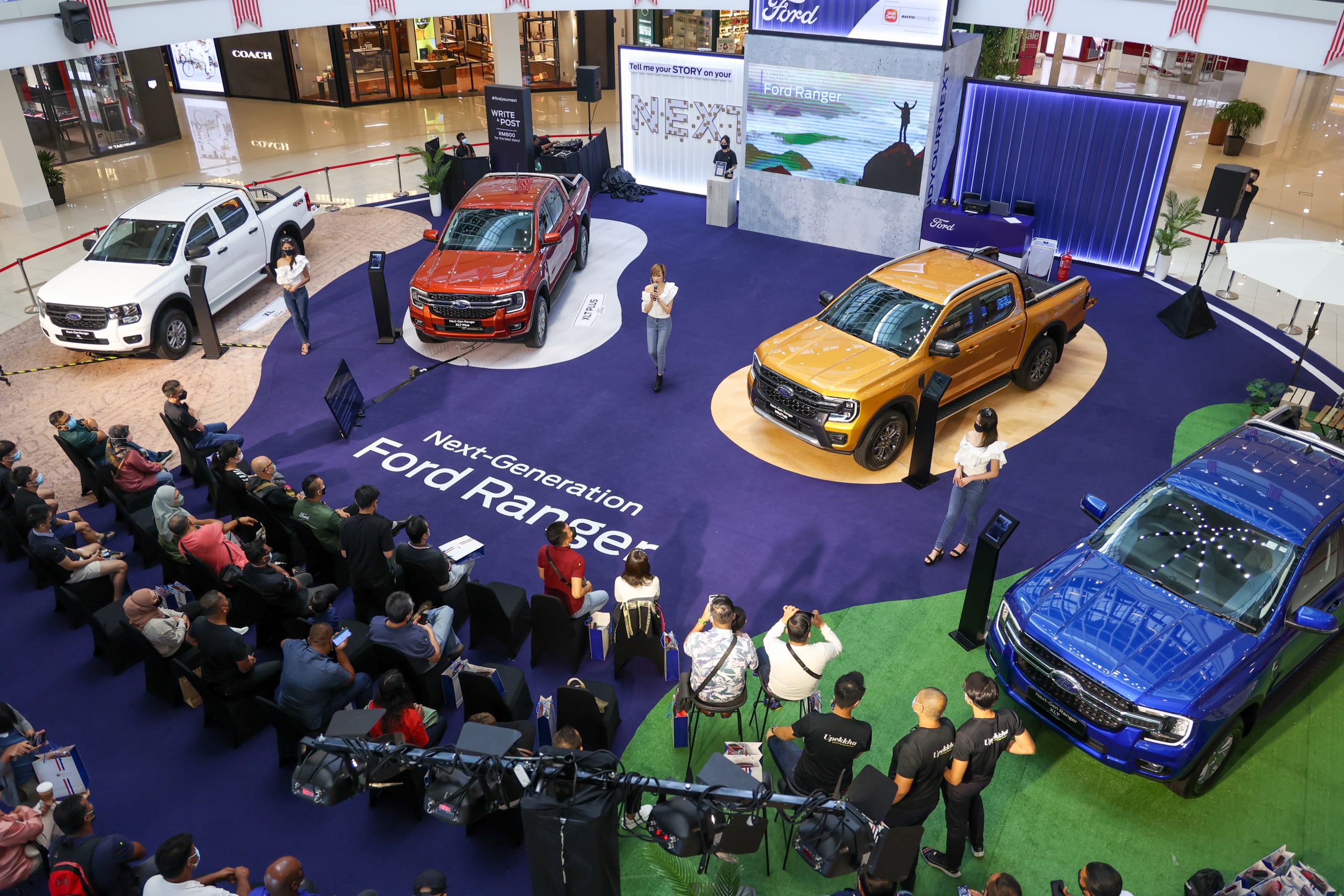
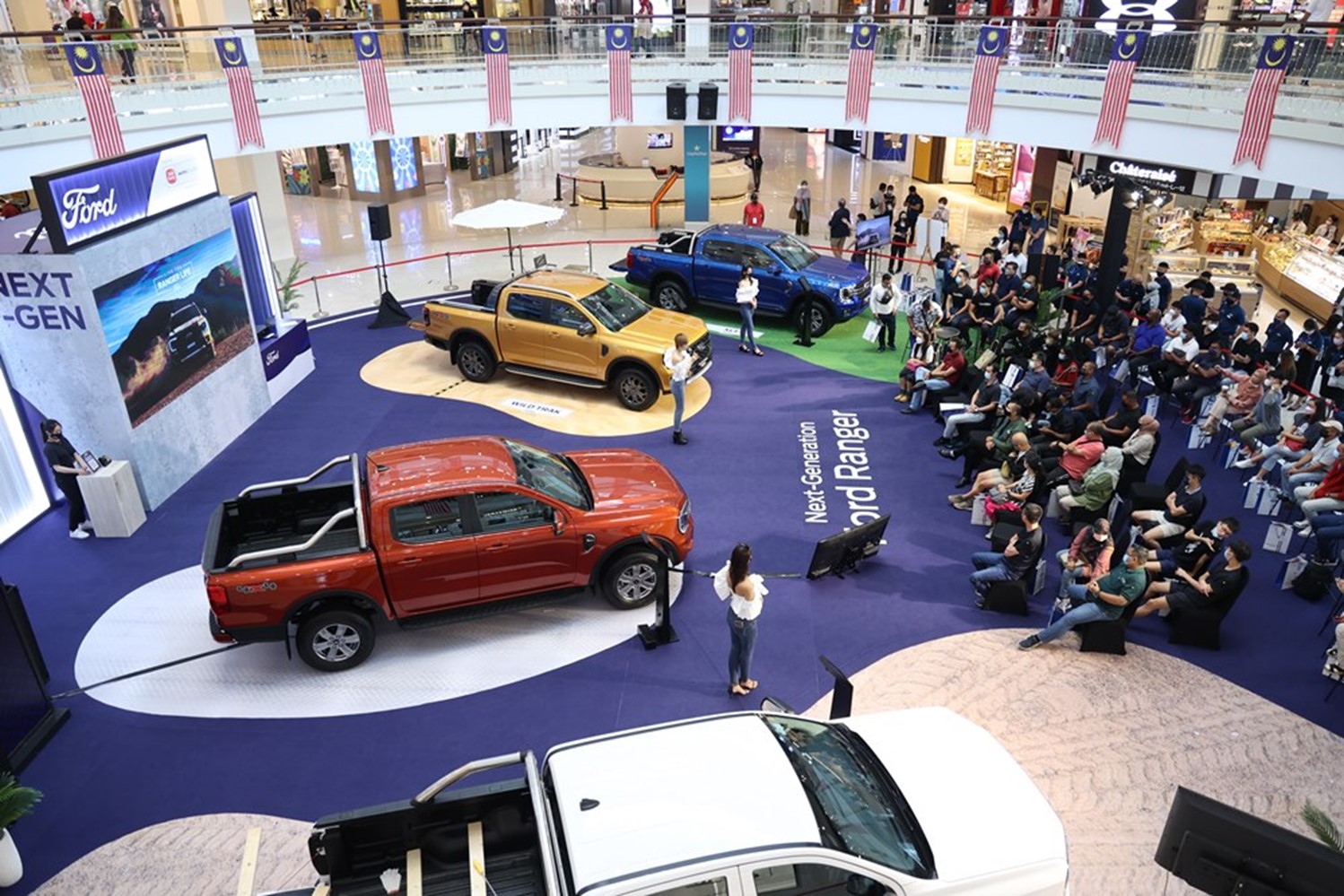
The next-generation Ford Ranger continues its journey around the country on a series of previews before it officially starts to become a regular showroom display nationwide. After being shown in the Klang Valley, Penang and Johor Bahru, the all-new Ranger will cross the South China Sea to East Malaysia.
Sime Darby Auto ConneXion (SDAC) will hold previews at Vivacity Megamall in Kuching, on September 7 – 11, and at Suria Sabah Shopping Centre in Kota Kinabalu on October 5 – 9, 2022.
Ahead of its showroom launch, these last two preview events that are part of the nationwide debut tour of 5 regions over 5 weekends for the public to get a first-hand look at the latest generation of Ford’s iconic vehicle.
Those who have received their exclusive event invitation will have a seat at the unveiling ceremony at the events. They will also be able to learn all about the new Ranger through an in-depth presentation. Registrations are open 30 minutes prior to the unveiling ceremony.
Apart from getting close-up to the vehicle, there are also exclusive Ford merchandise items to be won so pay attention to the presentation!
If you want to receive an exclusive invitation, click here to select which of the two venues you would like to go to. Alternatively, you can visit www.sdacford.com.my for more information.
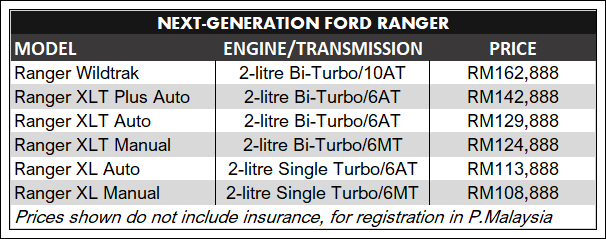
Six versions available There are six versions of the new Ranger available, withprices ranging from RM108,888 to RM162,888. All have double cabs and two versions are available with manual transmissions. A bit later on, the Ranger Raptor will also be imported and we understand that this more hardcore version has already attracted much interest and SDAC-Ford has received many orders.
After conducting more than 5,000 interviews and dozens of customer workshops around the planet, Ford designers had a good idea of what was required and expected from the next-gen Ranger. Customers and owners told them that they wanted a flexible, modern cockpit that would cater to both work and family duties, with smart and connected features and a high level of well-integrated technology.
The result is the smartest Ranger ever, with an enhanced user experience that means owners can transition seamlessly from home or work to their vehicle. With customer focussed technology, the next-gen Ranger pushes the boundaries of what a smart pick-up should be.
Key Technology Features
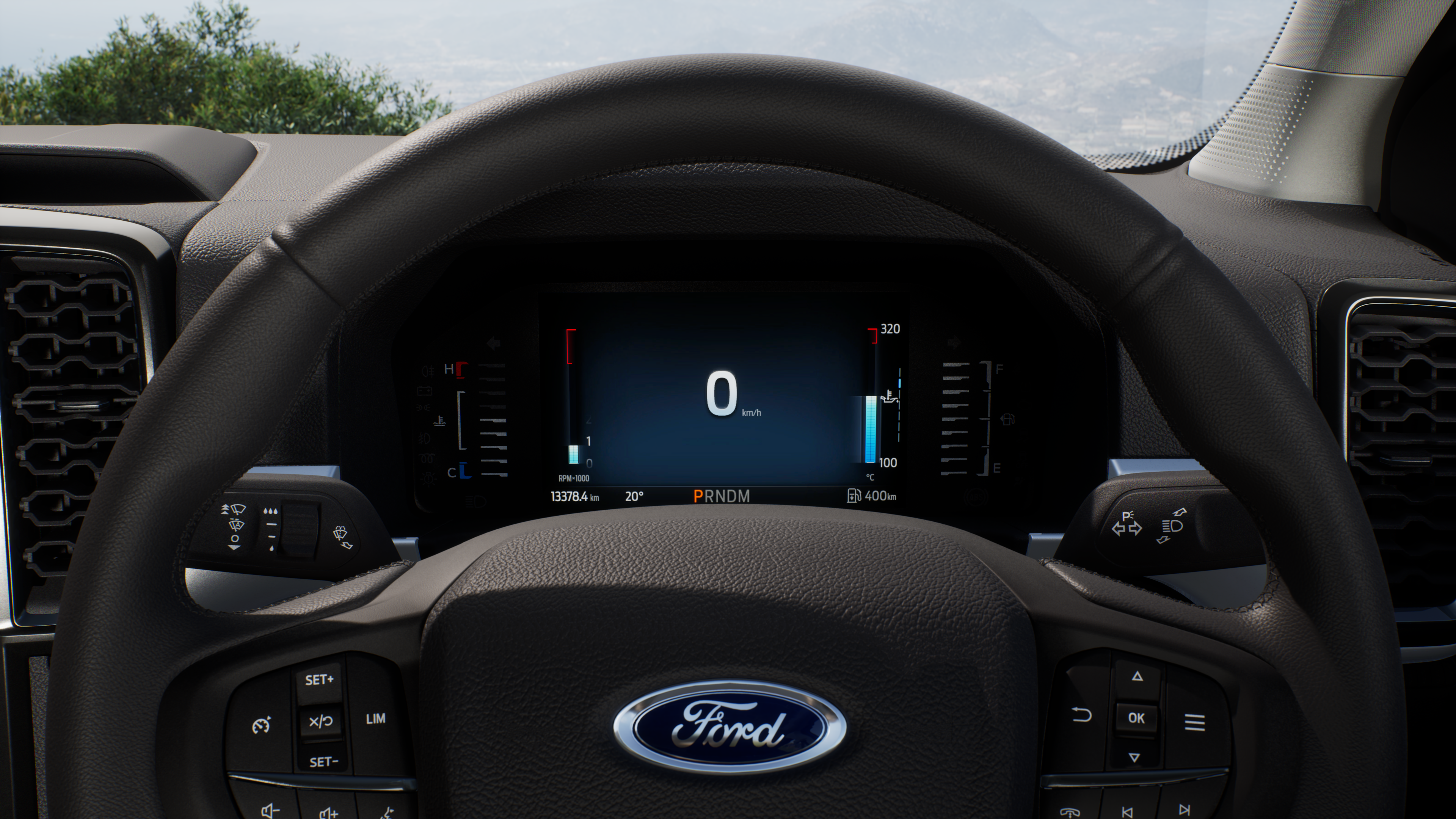
Digital Display The physical instrument panel that used to house things like the speedometer and tachometer was always limiting in the amount of information it could provide the driver. With the next-gen Ranger, that’s replaced by an 8-inch digital instrument panel that can be customised.
These displays show a start-up and farewell animation and a digital speedometer and tachometer, while the graphics feature realistic body-style avatars. Depending on the variant, the driver can switch between layouts to show additional information like the driver-assist technologies. And for those times when he or she wants to focus on driving, there’s also a ‘calm view’ which minimises the information shown to the minimum necessary for safety.
The panel is also matched to the various on-road and off-road driving models, showing a different theme so the driver knows at a glance what’s been selected. The mode changes also have animations as the driver scrolls from one to the other.
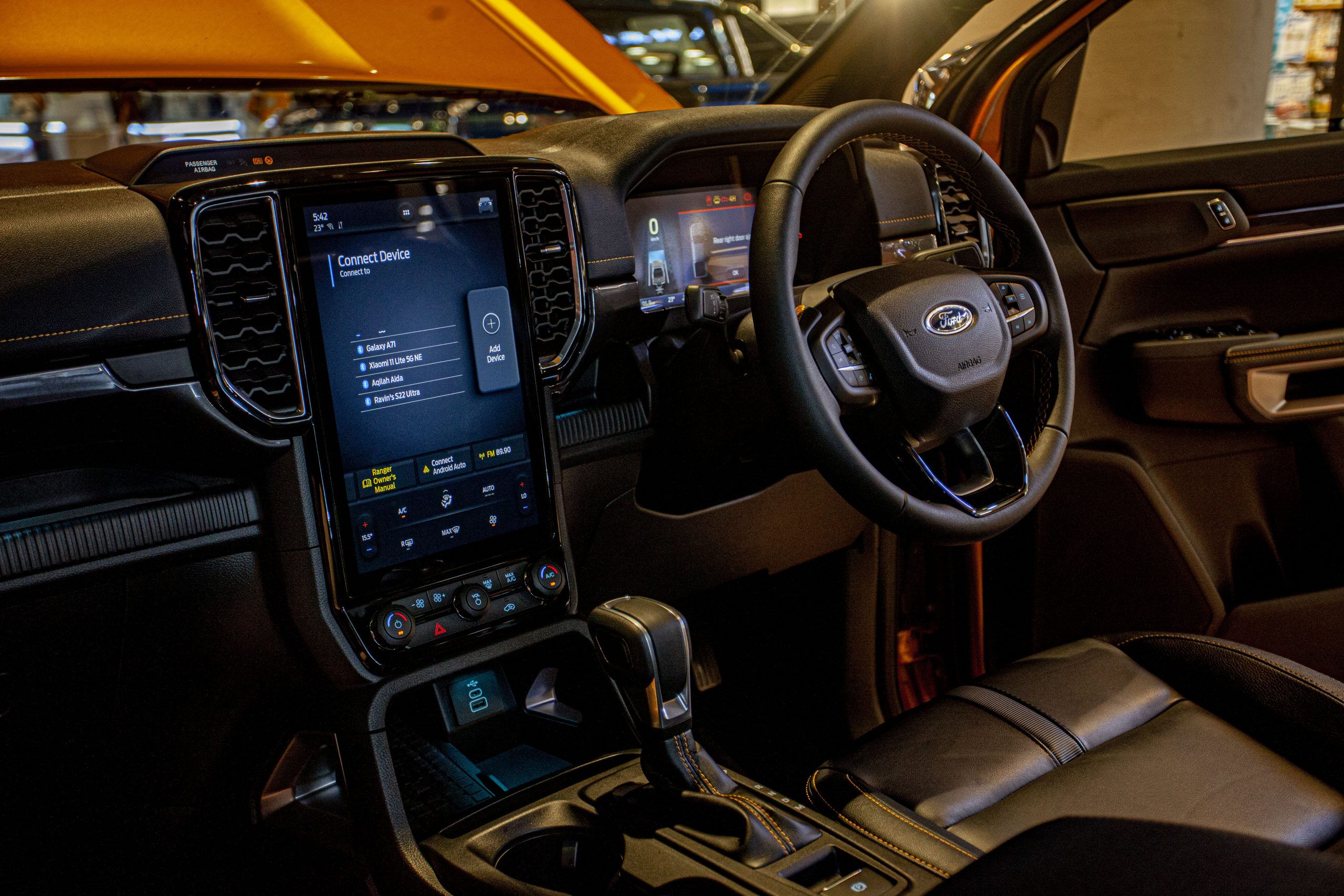
Smarter, Intuitive Connectivity At the heart of the next-gen Ranger’s technology story is the SYNC 4A communications and entertainment system. SYNC 4 brings new levels of connectivity and voice recognition seamless for a personalized driving experience while delivering easy smartphone integration. Wireless Apple CarPlay and Android Auto enables favourite apps (eg Waze and Spotify) from compatible smartphones to be transferred onto the display where they can be used.
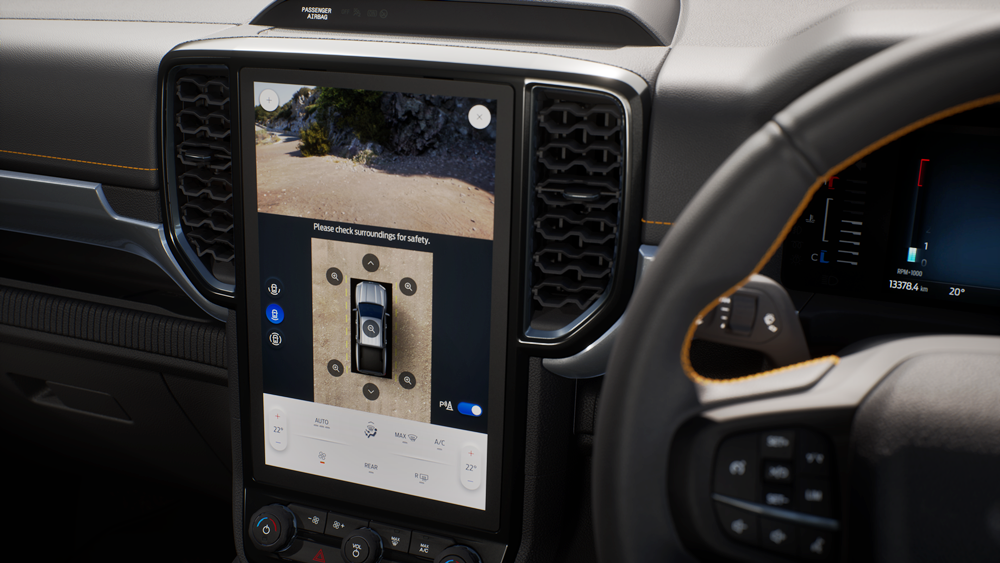
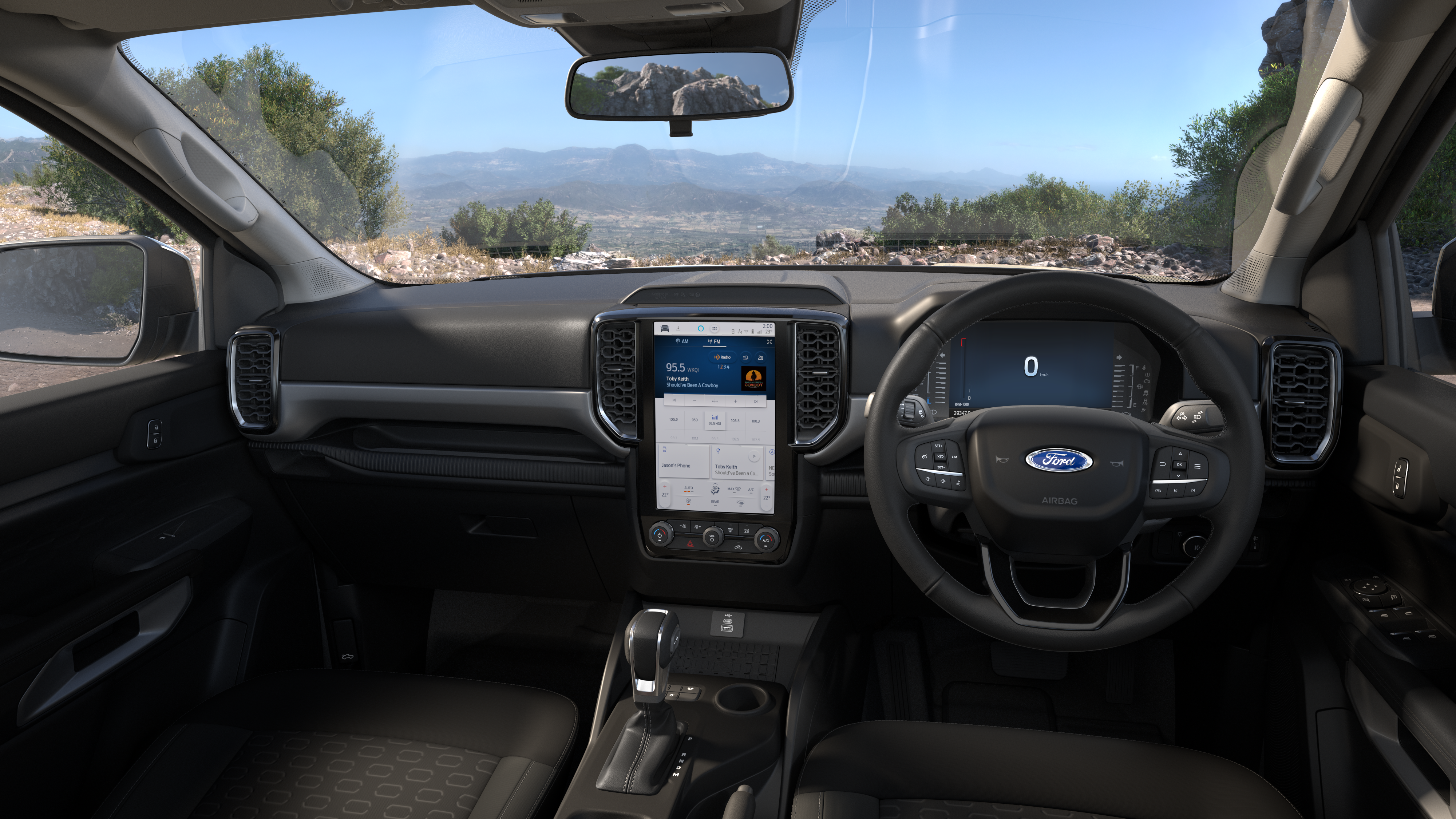
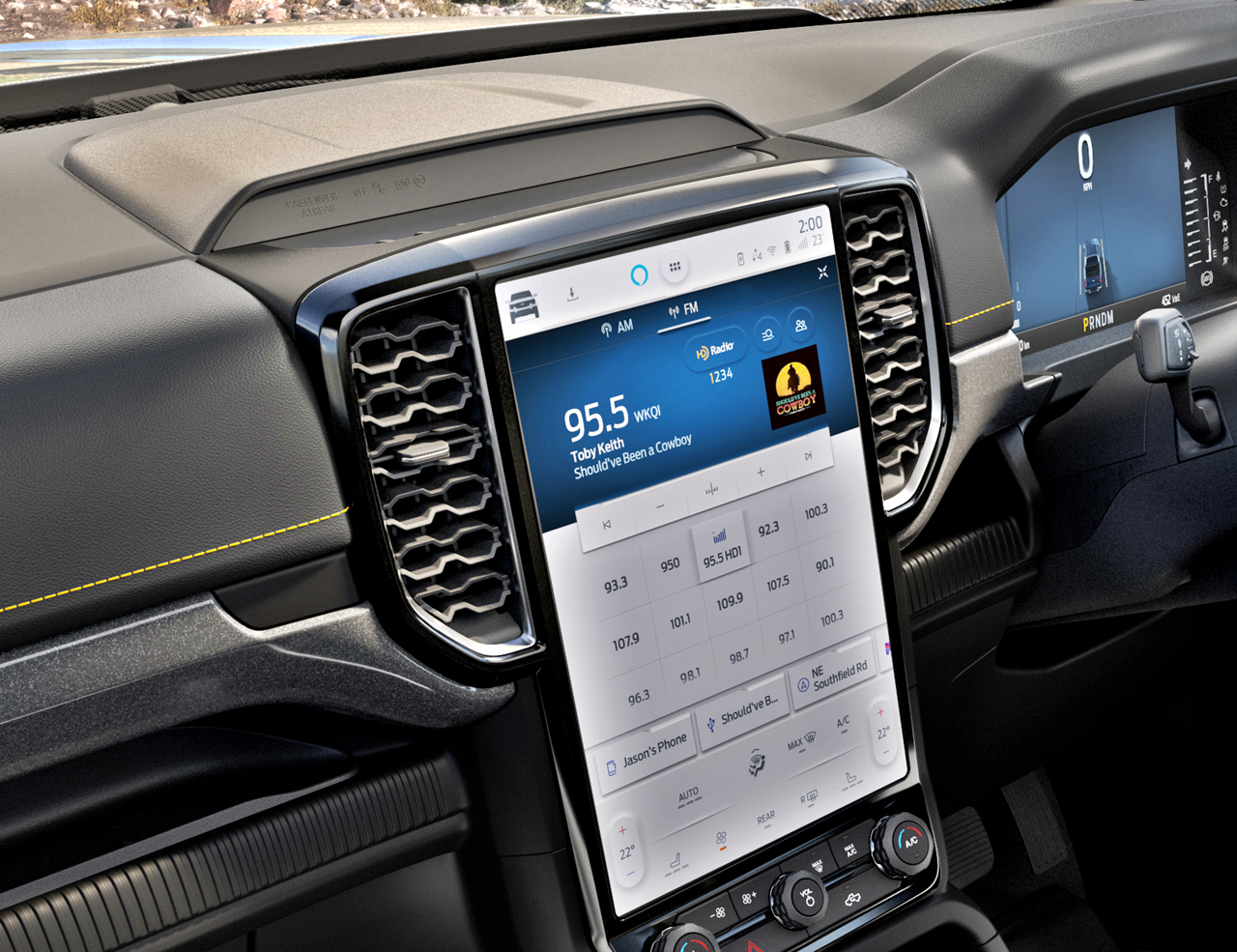
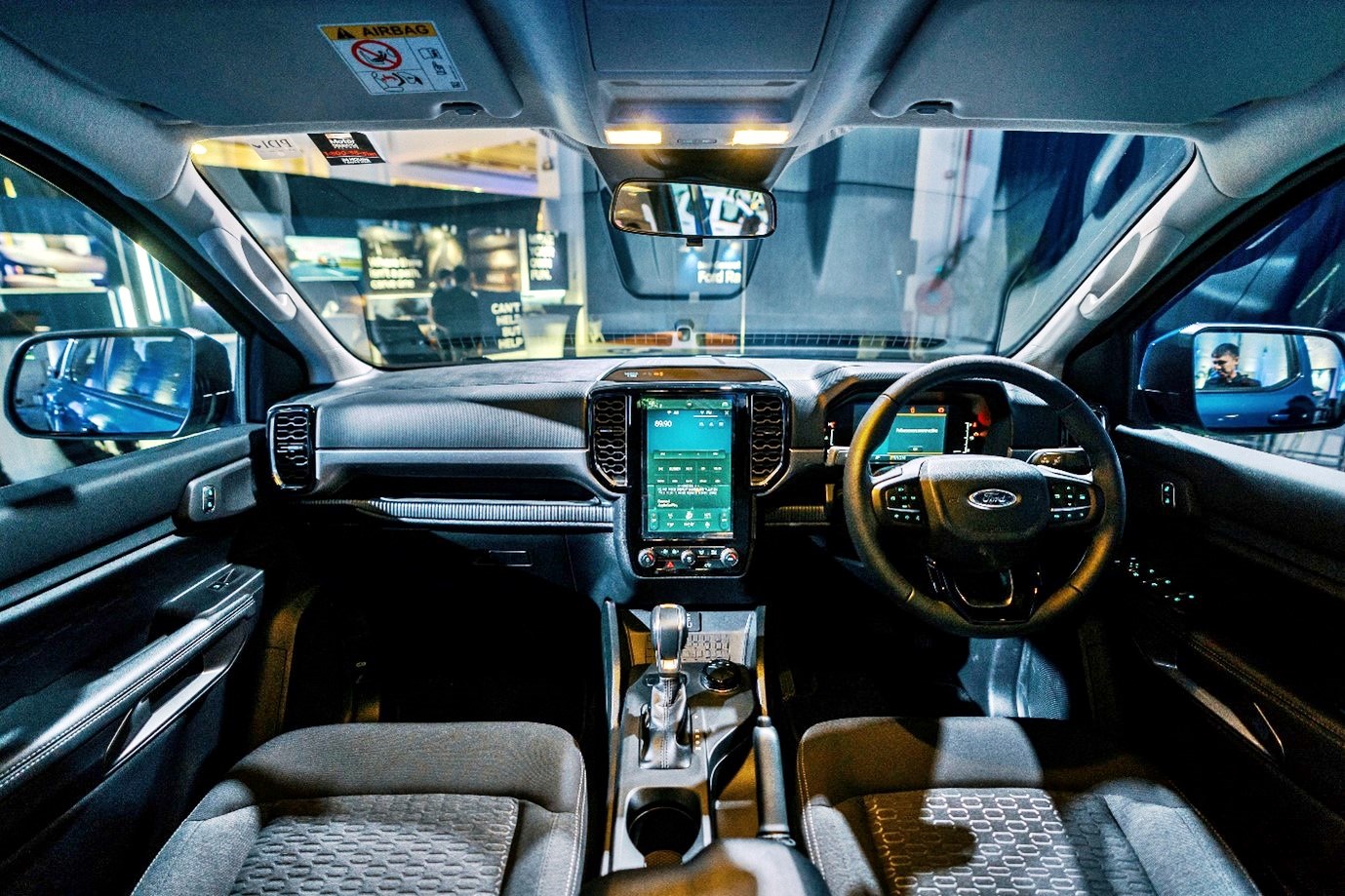
Big Screen The centrally located infotainment screen is mounted portrait style, with a 10.1-inch or a best-in-class 12-inch size (depending on the variant). The design team chose a large-format tablet screen because it allowed for a good depiction of navigation with room to spare lower down.
Its extra height allows a customisable split-screen set-up with an information-on-demand panel always visible at the bottom of the screen. This displays key information, the user’s connected smartphone and more.
Fewer Buttons, More Capability In line with the digital instrument panel, many of the traditional driving mode controls have been moved from the dashboard and centre console to a dedicated display on the SYNC screen. Depending on the variant, for example, with one button press, the driver can go to Ranger’s dedicated off-road screen where he can monitor the driveline, steering angle, vehicle pitch, roll angles and other controls.
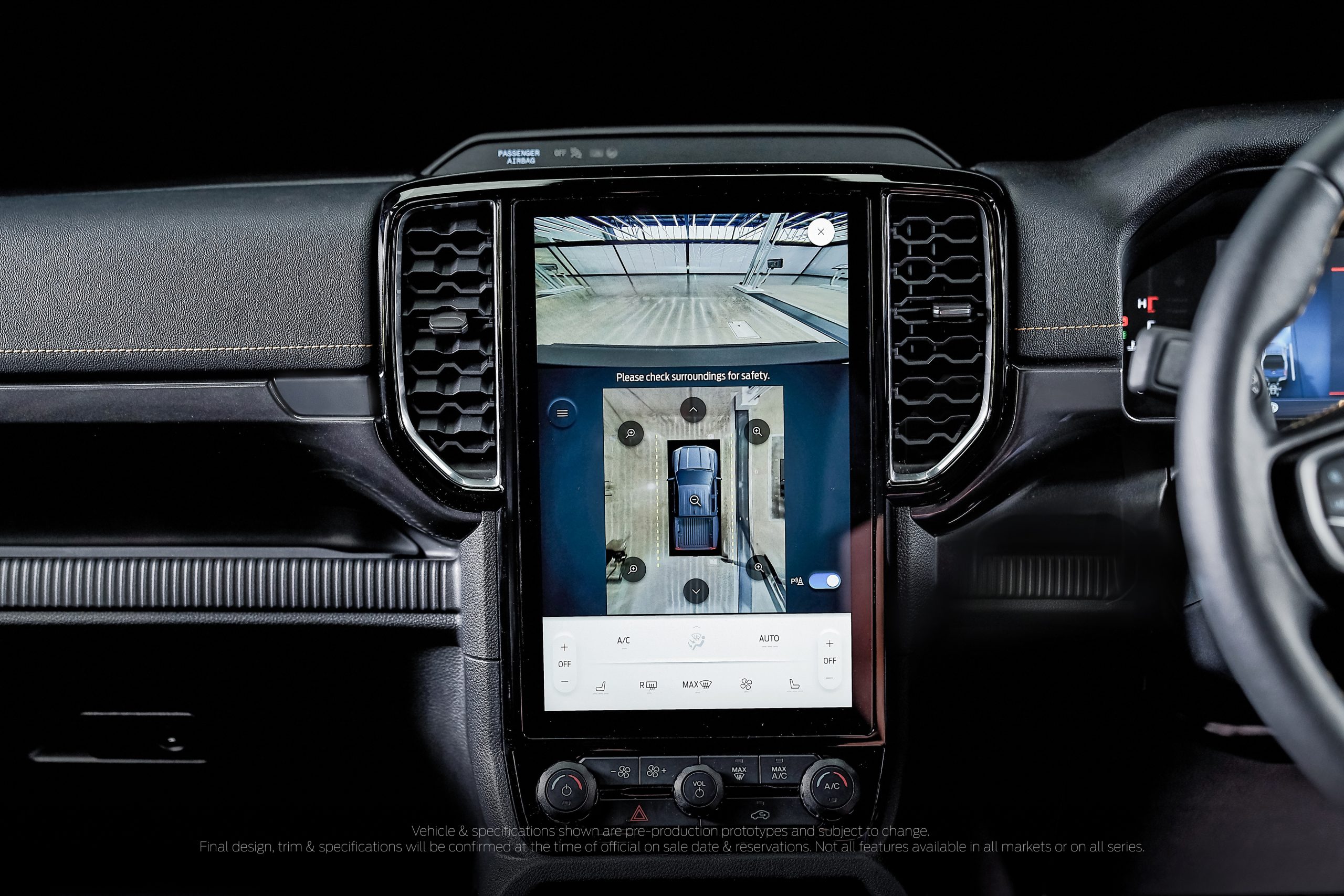
The cabin temperature and ventilation as well as entertainment can be controlled via the SYNC screen too. Additional physical controls mounted just below the screen allow for quick and easy adjustments.
Look All Around The next-gen Ranger is long and large but that’s no issue as a 360-degree camera allows the driver to see all round and even from above with a simulated view. This makes parking easy in tight spots or even when moving over tricky terrain while travelling off-road.
Electric Parking Brake Along with other mechanical elements, the traditional handbrake lever is also gone in the next-gen Ranger Wildtrak. In its place is a first-in-class electric parking brake for a more high-tech feel. Not only does it free up space on the centre console but it also requires very little effort to use (just one finger).
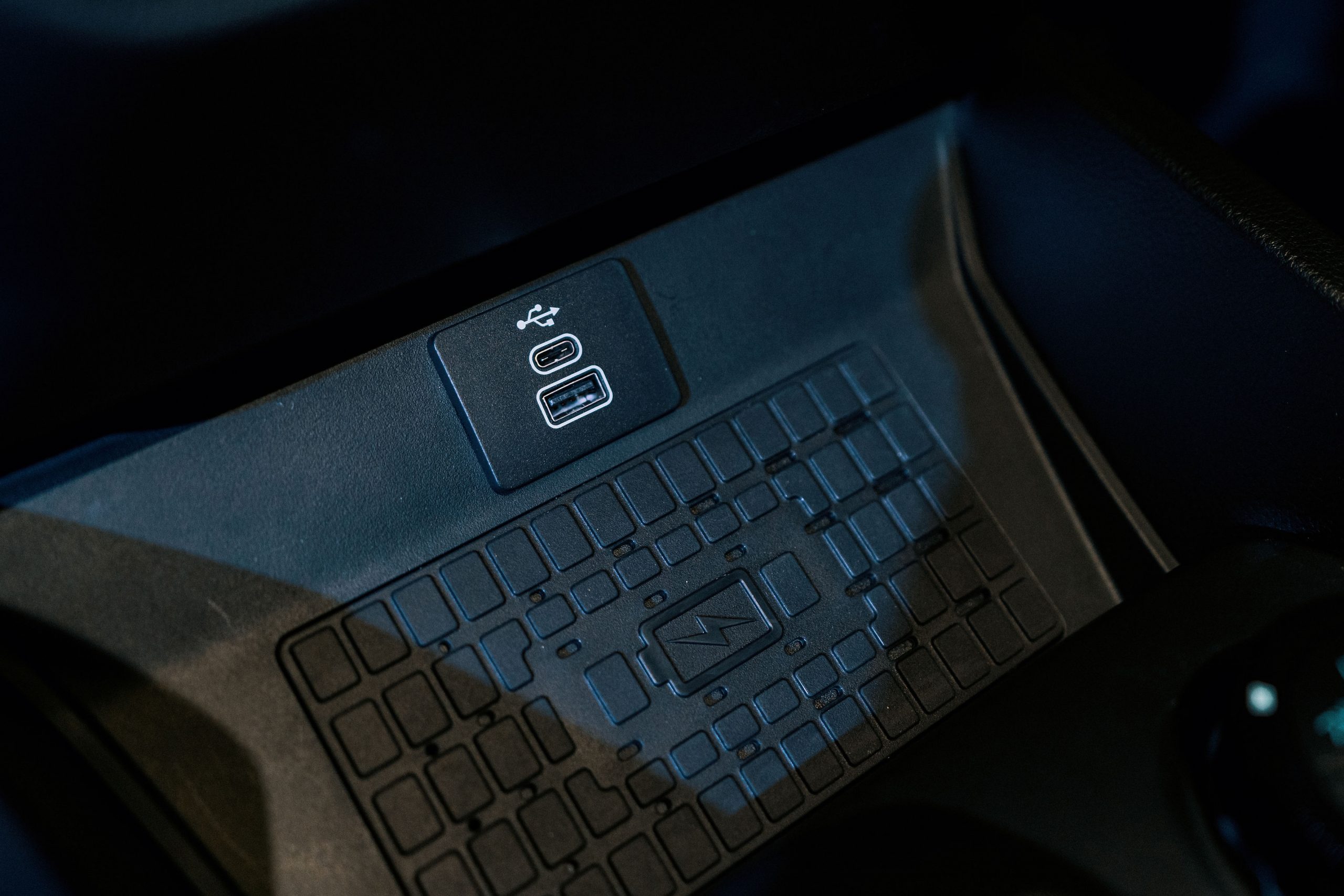
Charged And Ready Always The next-gen Ranger comes with power sockets to charge or supply electricity to many different devices. Compatible smartphones with wireless charging capability can be placed on a charging pad at the base of the centre console, or connected via a cable to a USB port. There are also 12V/240V sockets and a 150W inverter to provide power for laptops and other devices. Depending on the variant, located at the side of the cargo deck, there are 400W and 12V sockets to power camping gear.
With more and more drivers using dashcams to keep a record of their journeys, the designers thoughtfully installed a USB port at the top of the windscreen. It’s located adjacent to the rearview mirror so there’s no cable dangling down. This Type-A USB outlet converts 12V power into 5V USB output suitable for an external GPS or dash camera. It also can be used to charge a smartphone (but isn’t connected to the SYNC 4A system).
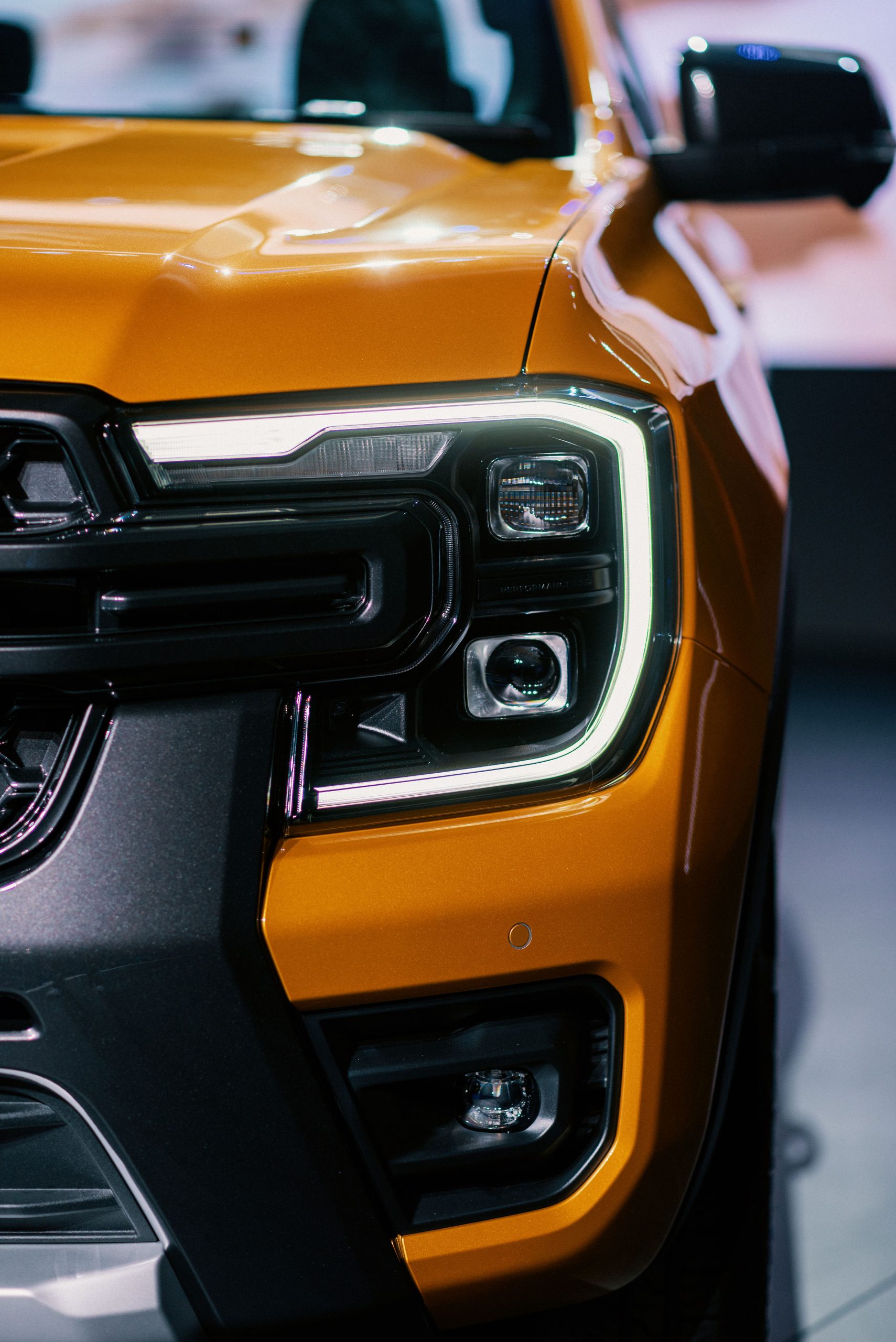
Let There Be Light The segment-first Matrix LED headlights (on the Ranger Wildtrak) not only have the high-tech look but also many clever features. These include auto dynamic levelling and speed-dependent lighting that can adjust the intensity of the beam in front of the vehicle depending on the speed at which you’re travelling.
The headlights also offer both static and dynamic bending capability as well as glare-free high-beams, which help block light that could otherwise temporarily blind other drivers and cyclists. That means maximum illumination is provided whenever it is possible without disturbing other road-users.
Join the Debut Tour The next-generation Ranger has been making a debut tour since its first public appearance last month. Sime Darby Auto ConneXion (SDAC), the sole distributor for Ford in Malaysia, is offering previews at a series of events around the country over 5 weekends. These include events in Kuching on September 7 -11 at Vivacity Megamall, and at the Suria Sabah Shopping Centre, Kota Kinabalu on October 5 – 9.
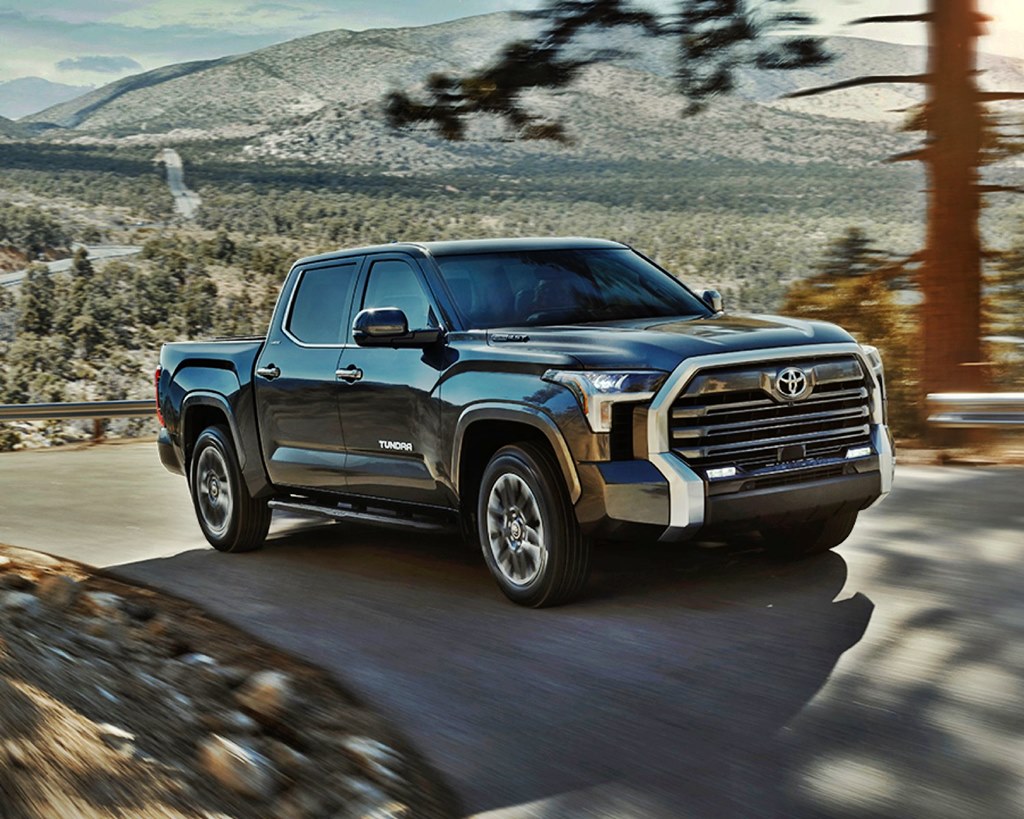
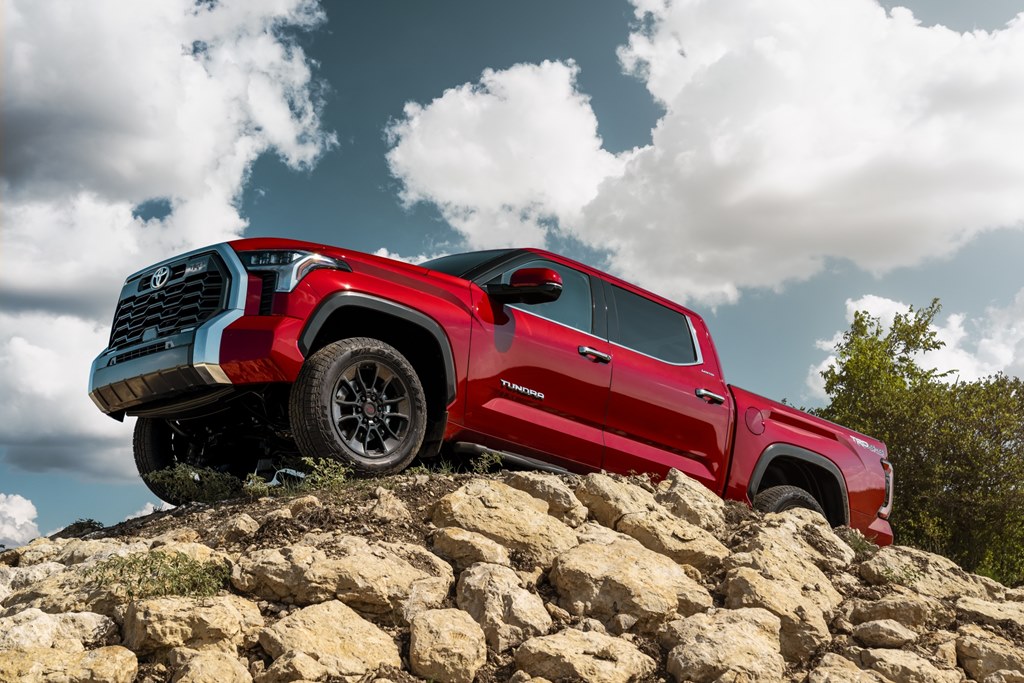
The Tundra is a pick-up model Toyota developed specially for the North American market and also manufactures it there. As a full-size truck, it is Toyota’s challenger in the world’s largest pick-up truck market. However, because it has been sold almost entirely in North America since being introduced in 1999, it has remained as a lefthand drive (LHD) model, limiting export potential in some ways.
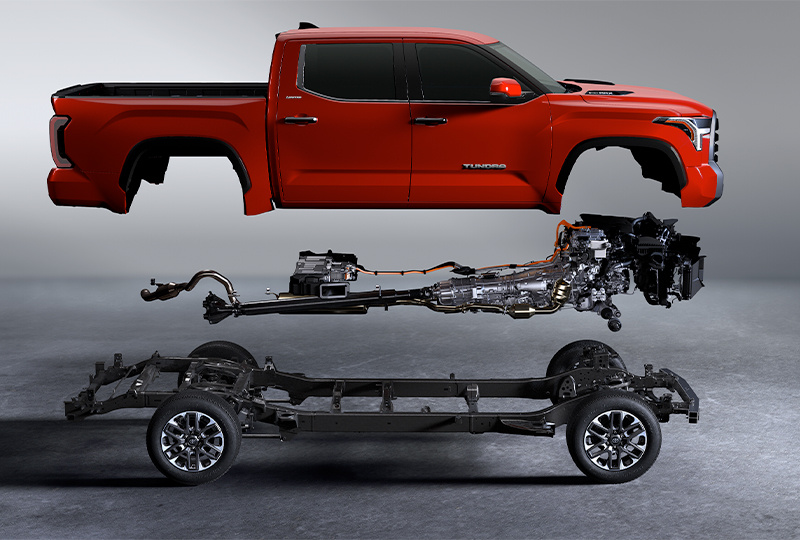
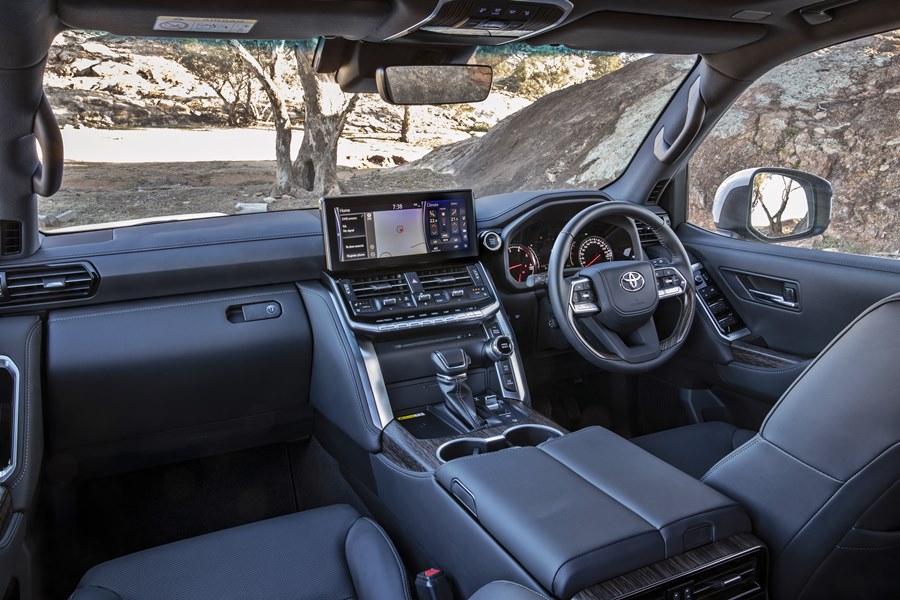
Now Toyota has decided that it will also offer a Tundra with righthand drive (RHD), which means it can become a global model. A RHD variant is not merely a case of moving the driver’s seat and steering wheel to the right side and requires an engineering program that is extensive. It might not be as extensive as developing a brand new model as much of the basic architecture has been done but it is also not as simple as it may seem.
It won’t be the first time that Toyota has converted a LHD model into a RHD one as it also did the same with the Chevrolet Cavalier in the late 1990s. Back then, as a favour to General Motors, Toyota agreed to take the Cavalier and sell it in Japan as a Toyota Cavalier. To do so meant re-engineering it to be RHD, a task which the engineers found challenging. Besides moving the steering wheel to the right side, there were also little details that needed to be altered to conform to Japanese regulations.
This time round, for the Tundra, Toyota is working Walkinshaw Automotive Group and has assigned Toyota Australia to lead the project. Since ending manufacturing activities in Australia in 2017, Toyota has given its Australian operations a role as one of its global R&D centres. With the wide open spaces and varied local terrain, it is an ideal region for testing prototypes.
The RHD Tundra will use components from the Land Cruiser 300.
Parts from Land Cruiser 300 The program with the Walkinshaw Automotive Group is expected to set a new benchmark in Australia for the re-engineering of a full-sized pick-up truck from LHD to RHD. It will include the adoption of key components from Toyota’s comprehensive global parts catalogue, including the steering column and rack, accelerator, brake pedals and shift lever from the Land Cruiser 300 platform, with which the Tundrsa shares the same TNGA platform.
The vehicles will be equipped with a new inline hybrid system that has a twin-turbo 3.5-litre petrol V6 engine.
After significant development in-house, prototype testing on public roads will begin in September 2022. Starting from October next year, approximately 300 vehicles will be deployed all around Australia as part of the final stage of the re-engineering program. These vehicles will not be for sale but will involve monitoring under real-world usage conditions in Australia.
Launch date not confirmed yet At this time, Toyota is not saying when the Tundra will go on sale, but Australia will be the first market. Due to the brand’s strong demands for quality, durability and reliability, there will be a thorough approval process until all aspects meet the high standards.
The Tundra, now in its third generation, is a huge truck that fits right into the American landscape. It is much larger than a Hilux with a wheelbase that is 1 metre longer. Since the first generation, over 2 million units have been sold and annual sales have never been less than 100,000 units.
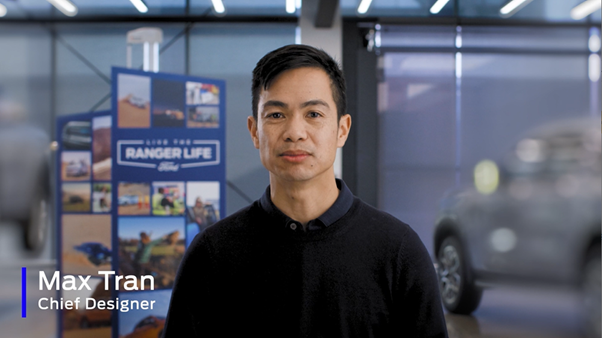
To make a great pick-up truck, ask customers what they want. That was how designers of the next-generation Ford Ranger started their project. Max Tran, chief designer for the new Ranger, and his team spent hundreds of hours with customers around the world to see how they use their pick-up trucks on a daily basis.
More than 5,000 interviews were conducted and more than 1,800 pages of field notes were generated for reference, which helped development and guide both engineers and designers to build a truck with the features and capability customers wanted.
With these insights, plus the Ranger’s award-winning pick-up truck formula, they created the next-generation Ranger as an iconic, versatile and trusted pick-up truck customers can trust to tackle almost anything.
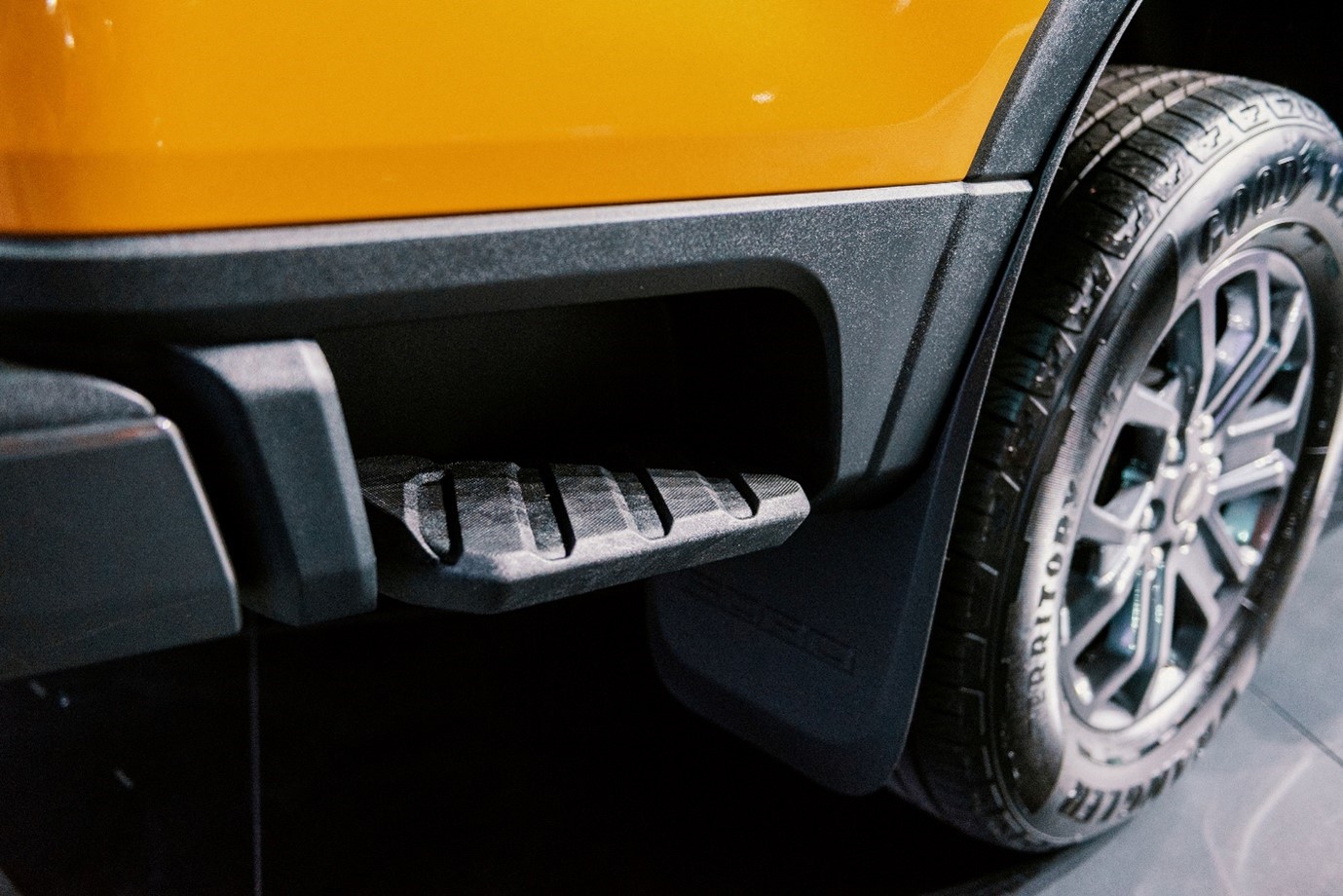
“Seeing owners use their trucks, whether for work, family or play, inspired some fantastic ideas that drove our design and development decisions,” said Tran. “One great example of that is the integrated box side-step. During our clinic sessions, we noticed that many customers had trouble reaching over the side of the truck into the bed; others were standing on the rear tyre or the bumper to gain access,” Tran said.
“So, we came up with the idea of a box step, behind the rear wheel,” he said. “We mocked one up, tested it with owners and the response was overwhelming. People told us that step would be reason enough to buy the Ford Ranger,” he revealed.
Exterior Design The exterior design of the next-generation Ranger followed two important guiding principles: to bring it into the future and to make it Built Ford Tough. “Customers had clear ideas on what they liked and how they used their Rangers in their day-to-day lives,” Tran said. “We also needed to incorporate features customers wanted and valued to ensure it was welcoming and contemporary and as versatile as it was capable.”
Some of the designers looked to nature, some to architecture and some others to art for inspiration. “We didn’t hold back. We let our designers loose to really go for it,” Tran said. They also thought of the Ranger as the brother of the F-150, the best-selling truck in the world, and drew some styling elements from it.
“The Ranger has developed a strong following over the past 10 years, and we really leaned into the iconic design features that have made it such a beloved truck across the world but also push the design envelope,” said Tran.
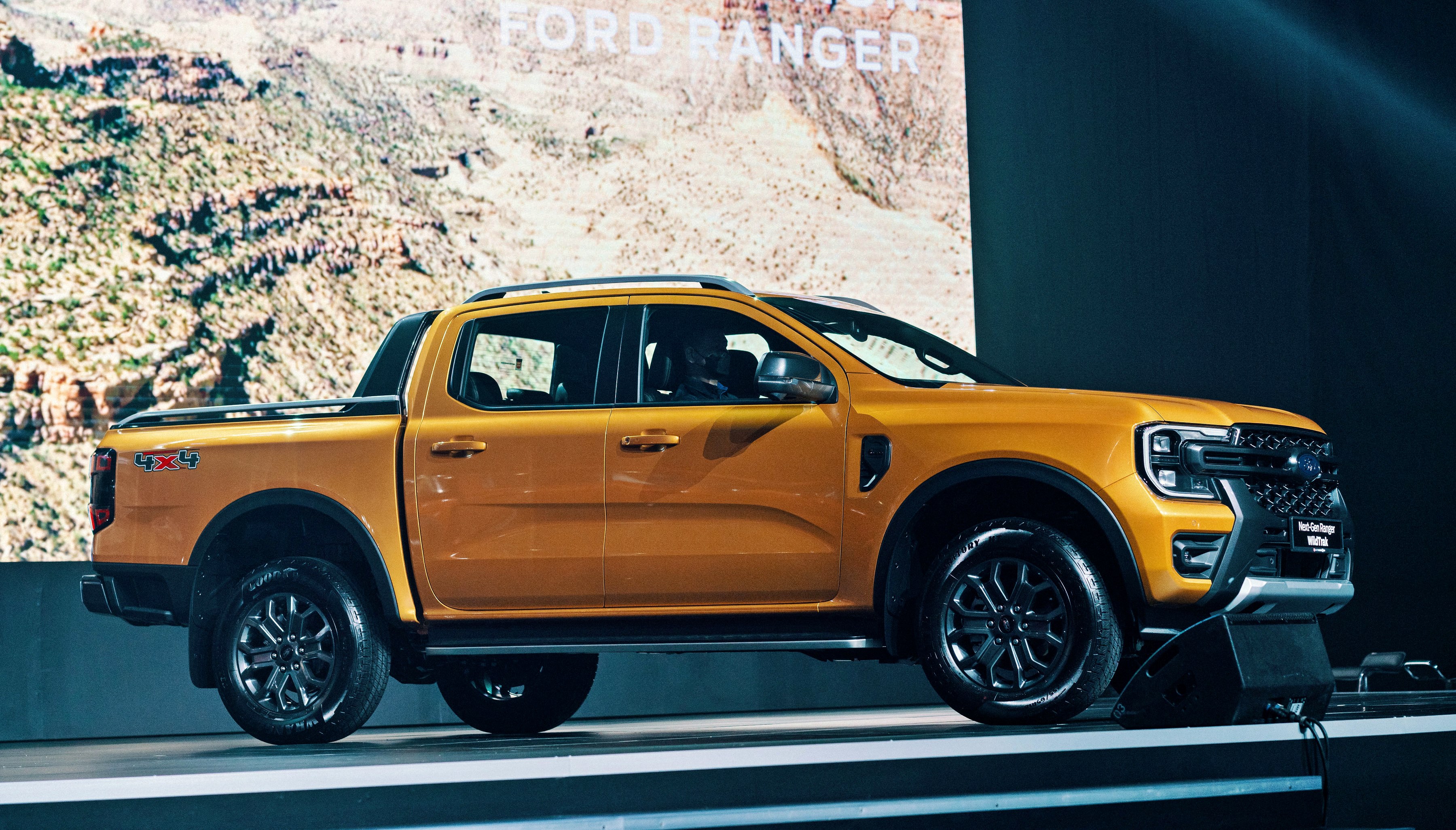
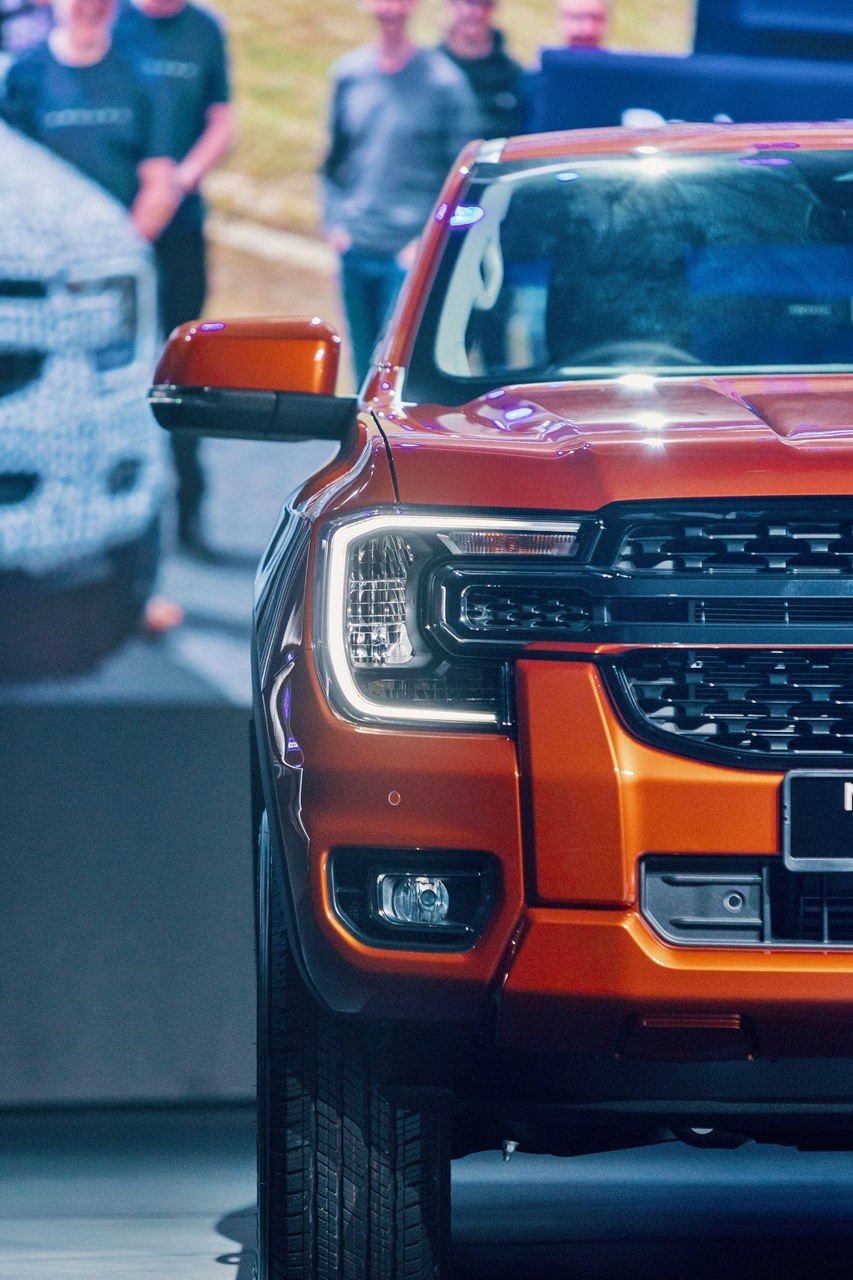
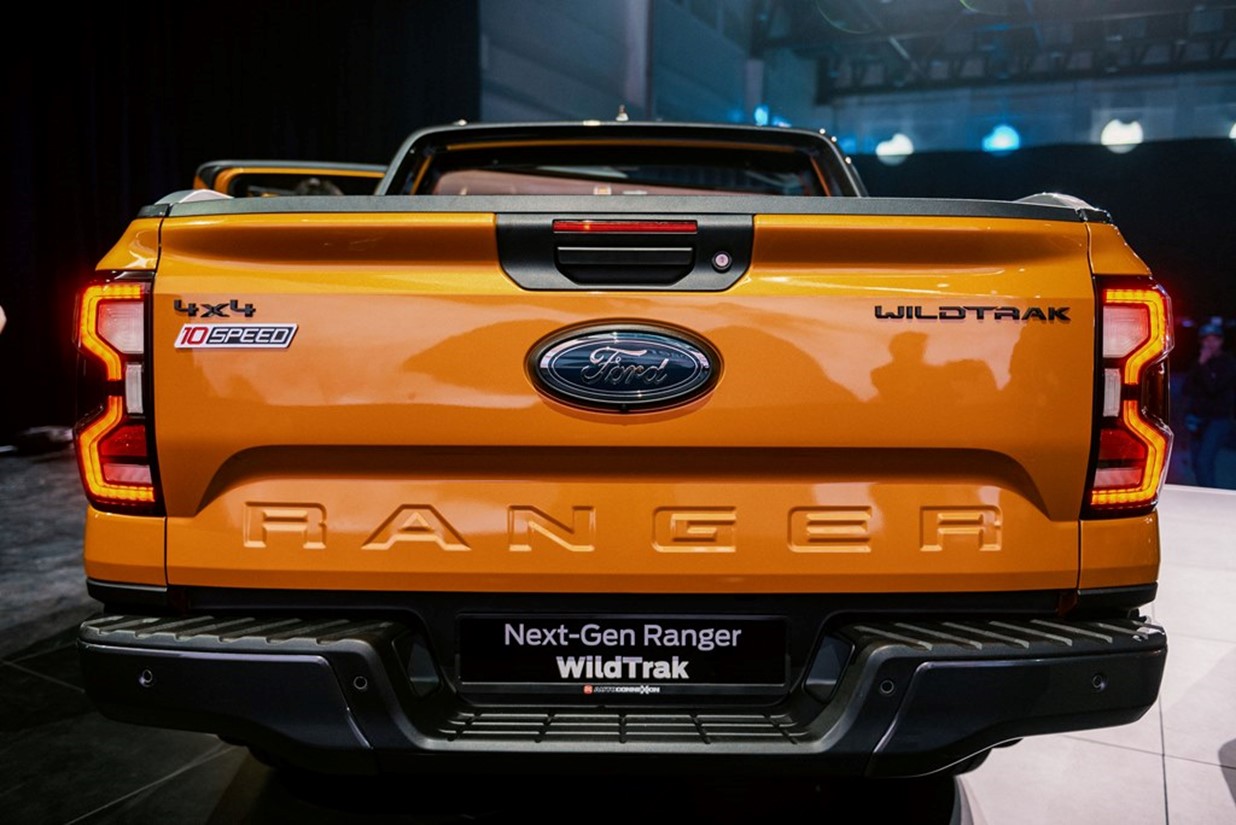
The pick-up’s athletic look is intentional, with surface treatments executed to be strong and muscular. From the bold new grille with its C-clamp headlights, daytime running lights and strong horizontal upper grille bar, to the pronounced wheelarches, strong shoulder line and large sculpted Ranger logo on the tailgate, the next-generation Ranger conveys confidence and capability.
At the rear, the taillamps were designed in harmony with the graphics of the C-clamp headlight treatment. By extending the track and wheelbase by 50 mm (compared to the previous Ranger), the designers were able to push the front wheels out to the corners, enhancing its on-road stance.
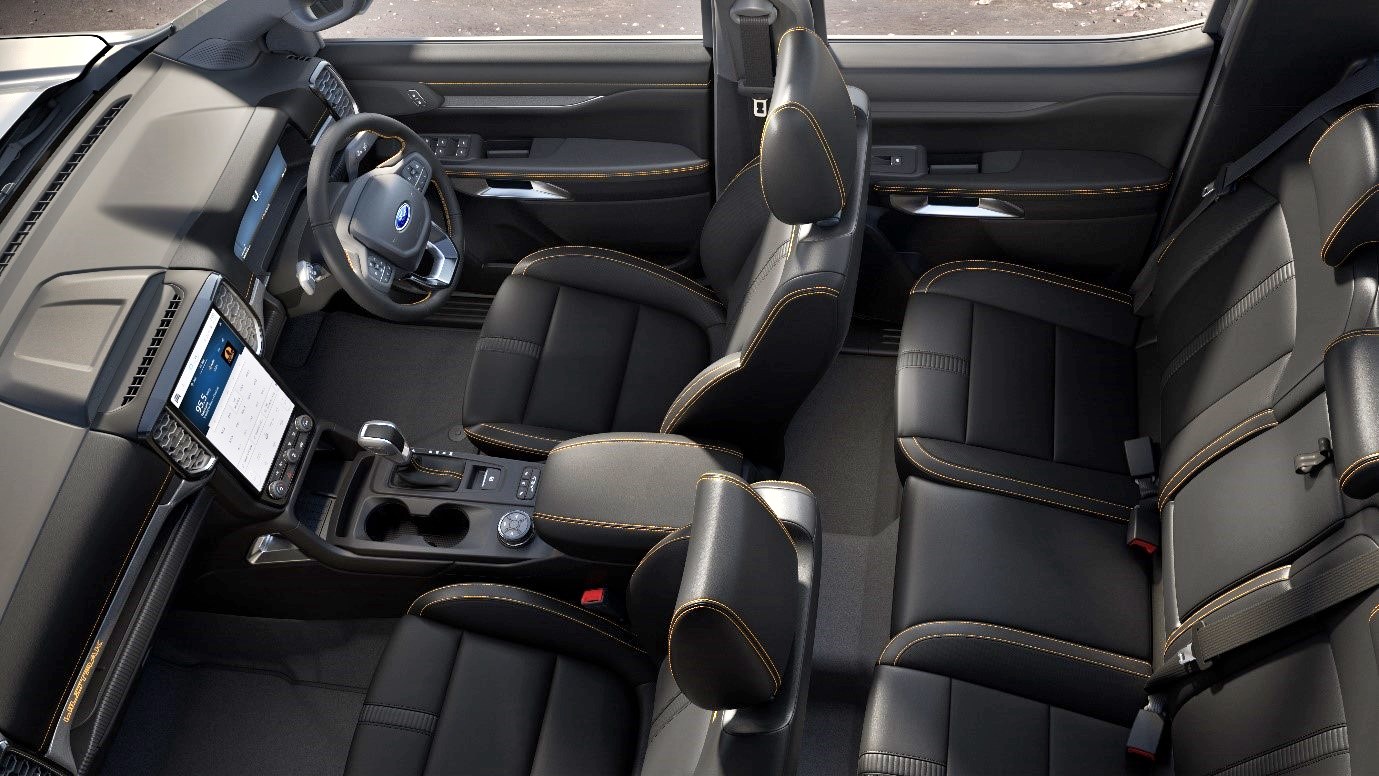
Interior design Inside, the next-generation Ranger not only features a stylish new and spacious cabin but the cockpit also has user-friendly technology. Soft-touch materials and appliques elevate the interior ambience with a premium feel while the new instrument panel adopts a coast-to-coast design that enhances the spacious feel.
Several design cues also are carried over from the exterior. The air vent vanes, for example, feature a similar design to those in the front grille, and several exterior surface treatments have been adapted for interior use.
The dashboard is dominated by a 10.1-inch or 12-inch high-resolution touchscreen (depending on version) solidly mounted into the centre section, complementing the digital instrument cluster. Customers expressed a preference for the screen’s portrait orientation because it created enough space for navigation screens while also leaving room in the lower portion of the screen for other menus, like those for the climate and entertainment controls.
The designers also reimagined key aspects of the cabin. One example: how the door release handles could be better integrated into the ‘coast-to-coast’ dashboard design, making them easier to use. Again, customer feedback led to the door release handles being mounted lower, providing easier reach to window switches and the armrests. Rear occupants also get cooling outlets at the rear of the centre console.
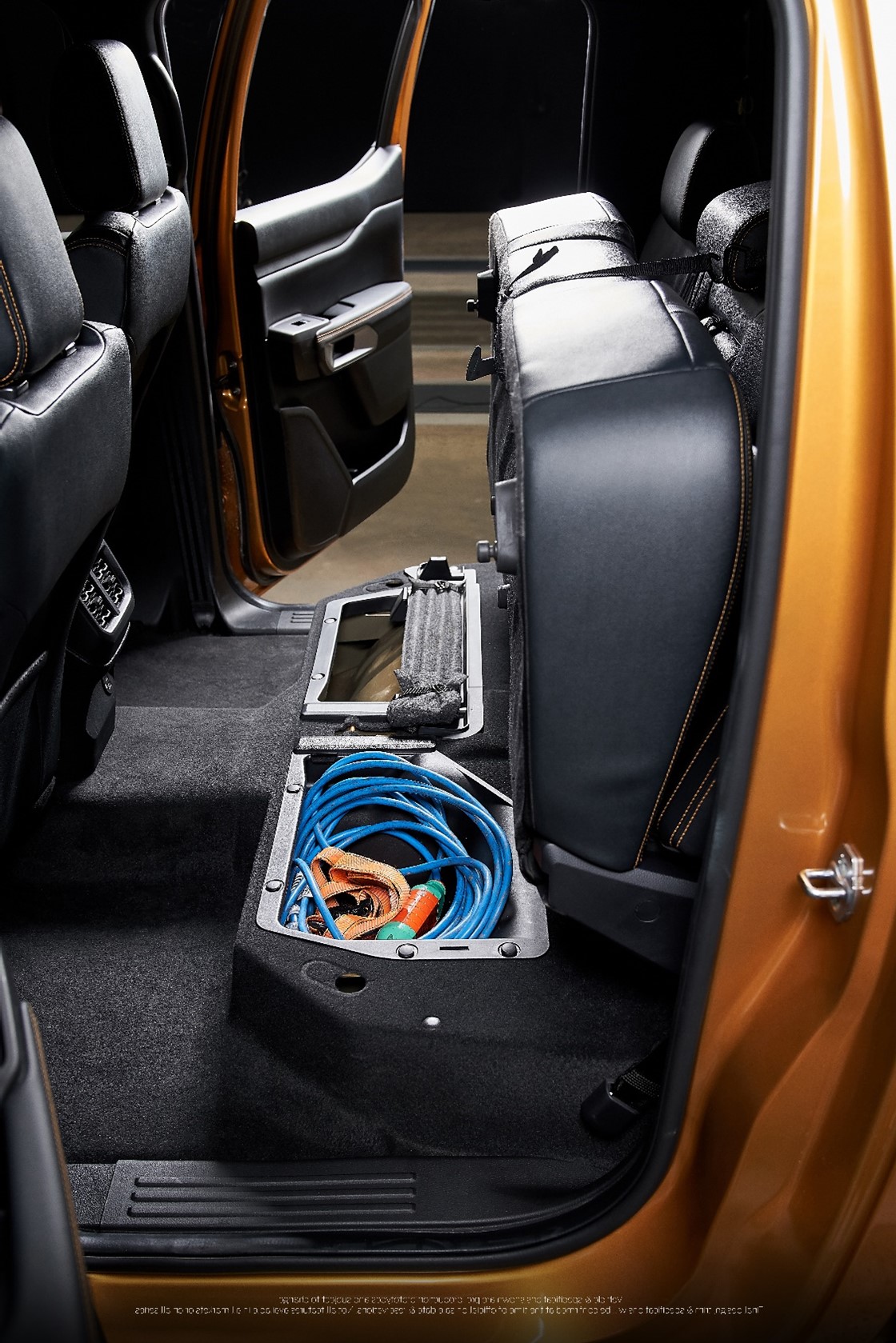
The seats also have been redesigned, with new bolsters and foam inserts that are more inviting, stylish and comfortable. Versatility is key with the second-row seats now folding flat and boasting out-of-sight and secure under-seat storage. There is also an added storage area in the door pockets with space both in the front and back.
“The next-gen Ranger really redefines the role of the pickup as a trusted partner for work, family and play,” said Gary Boes, Enterprise Product Line Management director, Global Trucks. “With the help of all the rich insights from customers, we’ve created a Ranger we believe will inspire owners to do more of what they love to do, with features that encourage them to explore new horizons.”
Join the Debut Tour The next-generation Ranger has been making a debut tour since its first public appearance last month. Sime Darby Auto ConneXion (SDAC), the sole distributor for Ford in Malaysia, is offering previews at a series of events around the country over 5 weekends. These include events in Kuching on September 7 -1 1 at Vivacity Megamall, and at the Suria Sabah Shopping Centre, Kota Kinabalu on October 5 – 9.
There was a time when the pick-up truck was seen as just a workhorse, a vehicle that was used in rough conditions and the important requirement was durability, not style. The manufacturers therefore made it simple, focussing on the engineering to make it lasting, and capable for tough tasks.
That image gradually changed and in Malaysia, it changed in the late 1990s when the law changed to permit ownership of pick-up trucks for personal use rather than business use. Overnight, a new segment was created and because of the go-anywhere capability of the pick-up truck, it became a popular choice for those who had an adventurous lifestyle.
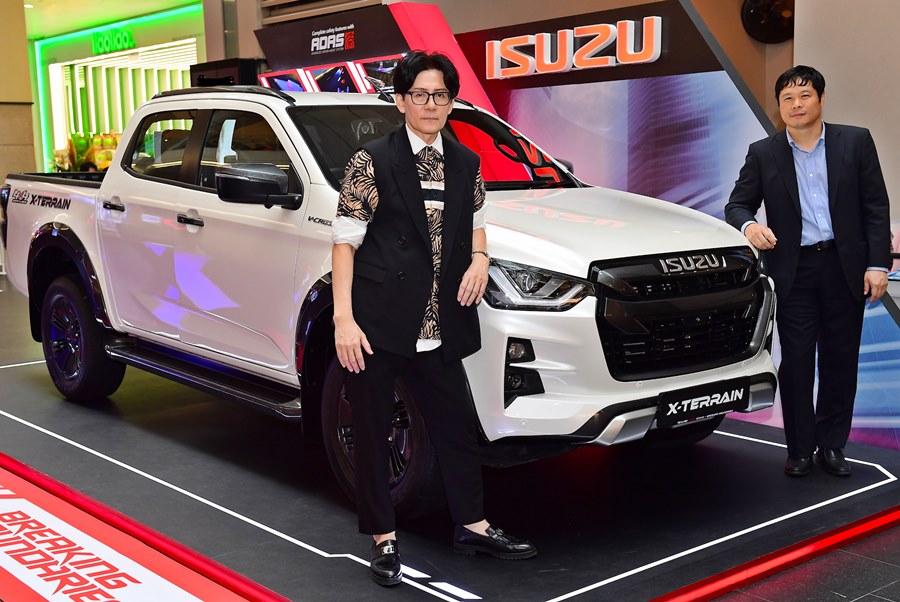
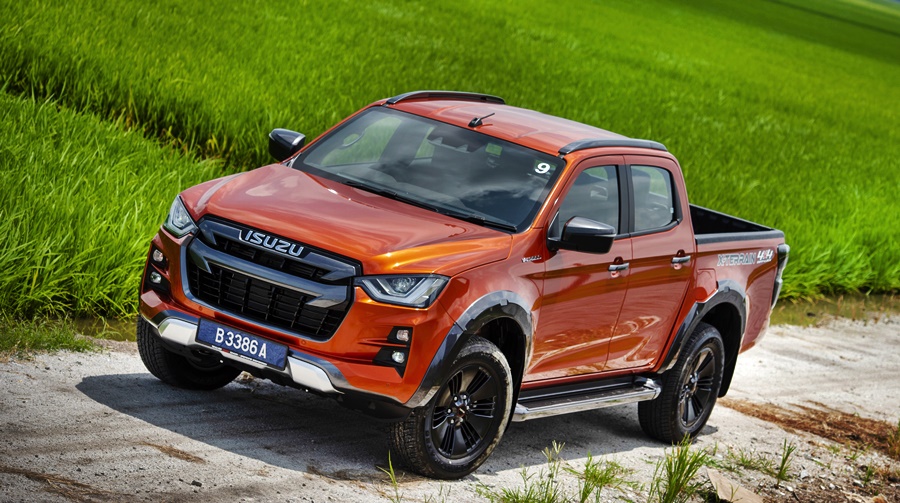
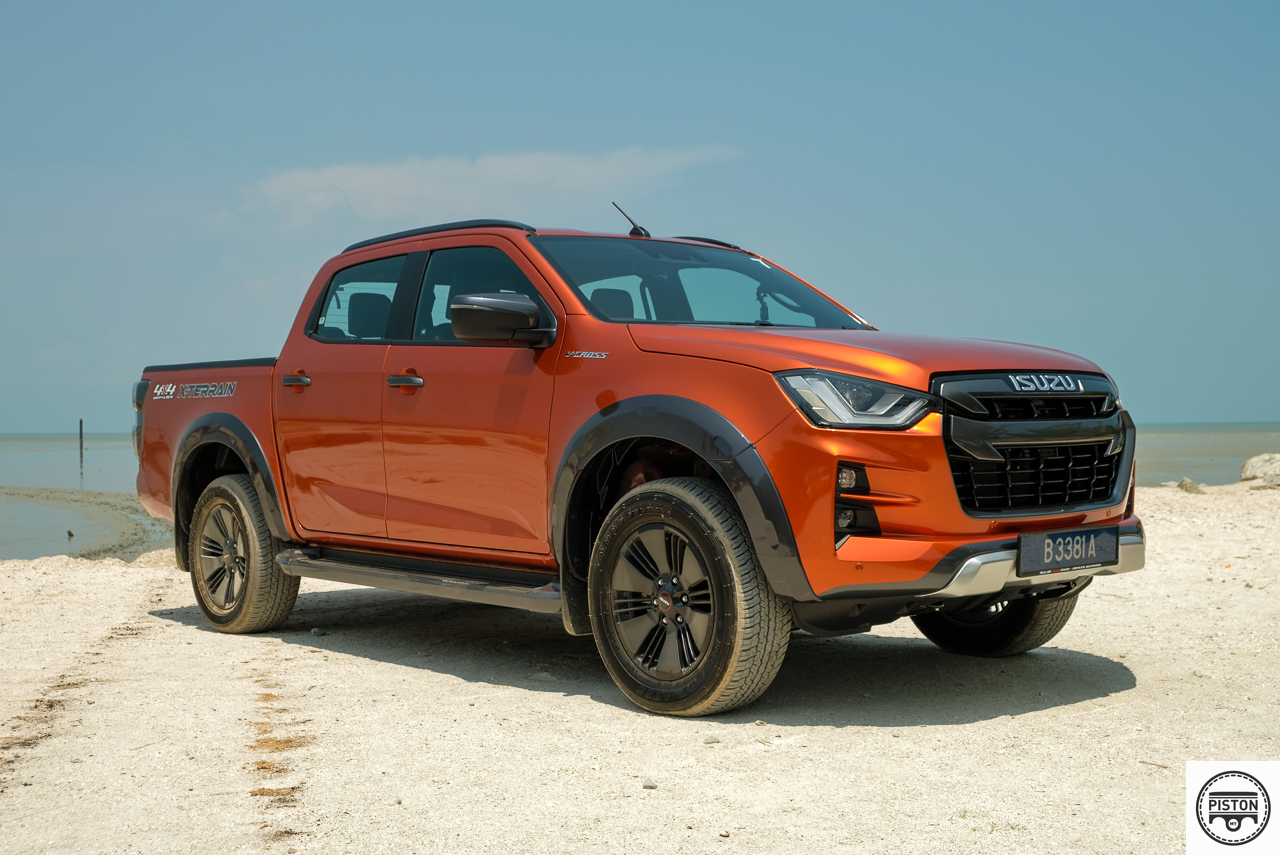
And being a lifestyle vehicle also meant that it had to be stylish. Isuzu responded to this trend and today, its latest D-Max X-Terrain combines style with the ruggedness expected of such vehicles. No longer would be it embarrassing to drive a pick-up truck to a hotel lobby or have to park it some distance and walk to an event. Today’s trucks like the D-MAX makes a statement for their owners.
It’s therefore not surprising that Isuzu Malaysia has chosen to be associated with the KL Fashion Week (KLFW), now in its 10th year in 2022. The company is supplying the D-MAX X-Terrain as the Official Vehicle of the event which has the theme ‘The Bigger, The Better’ (which also seems appropriately related to the D-MAX).
Isuzu Malaysia’s COO, Kenkichi Sogo (right) with Andrew Tan, founder of the KL Fashion Week.
Commenting on their involvement in the 2022 KL Fashion Week, Isuzu Malaysia’s Chief Operating Officer, Kenkichi Sogo, said: “With its cutting-edge design, superlative features and extraordinary go-anywhere, do-anything capabilities, the Isuzu D-Max is all about challenging the norm and allowing you to forge your fondest memories. Together with the KLFW, we aim to bring forward novel, imaginative and inspiring designs to share with the Malaysian audience.”
As the event’s Official Ultimate Lifestyle Vehicle sponsor, the D-MAX X-Terrain showcases a fresh dimension to its identity, one that hinges on its appeal as an urban vehicle and not one purely focused on its talents as a capable cargo-mover and dependable off-roader.
Being the flagship of the range, the D-MAX X-Terrain has a premium look and feel within, with high-quality materials used throughout. It also has a passenger car-like environment which offers comfort that would be expected of a lifestyle vehicle.
Standard are high-tech features like a 360˚ Around View Monitor and wireless charging for compatible smartphones as well as Android Auto and wireless Apple Carplay connectivity. The driver also has a host of Advanced Driver Assistance Systems to make driving safer as well as less tiring.
The D-MAX X-Terrain will be featured prominently at the KL Fashion Week which will be on from August 15 to August 21 at the Pavilion Kuala Lumpur in Bukit Bintang. Three units will be showcased – a Valencia Orange unit that depicts the truck’s fun and adventure nature; an Onyx Black version that highlights its stylish and premium side; and a Silky Pearl White unit which presents a sophisticated and intelligent character.
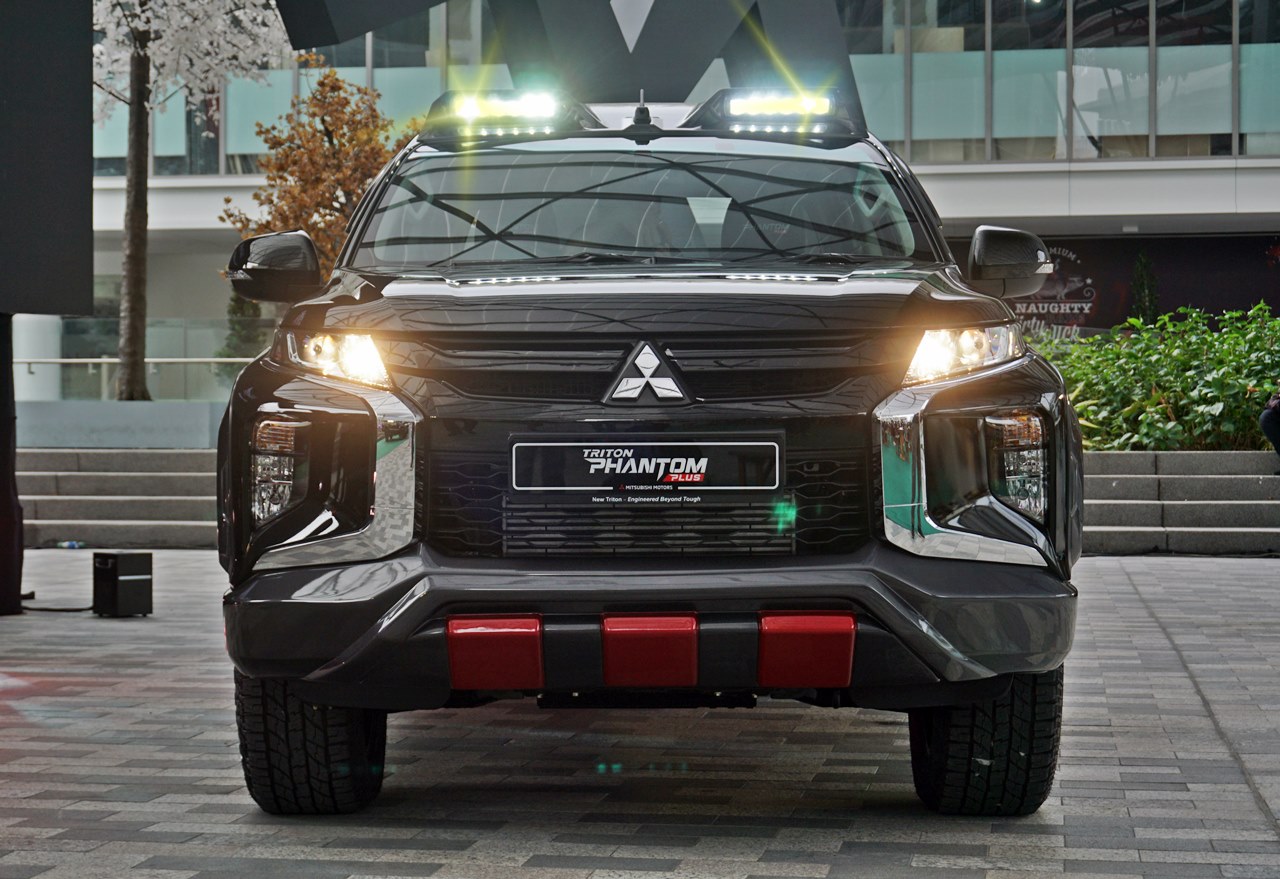
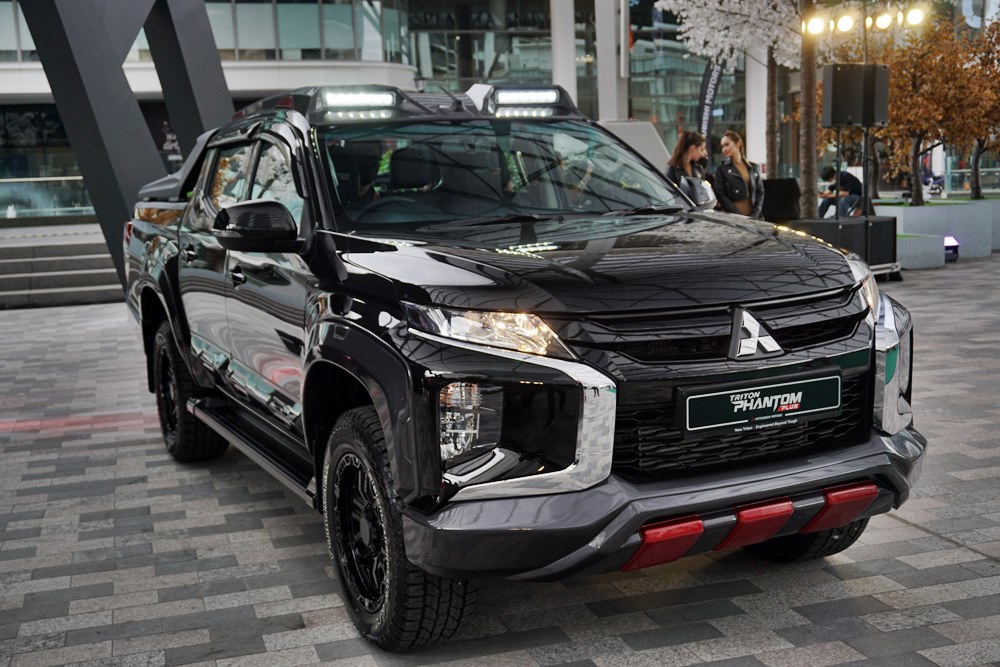
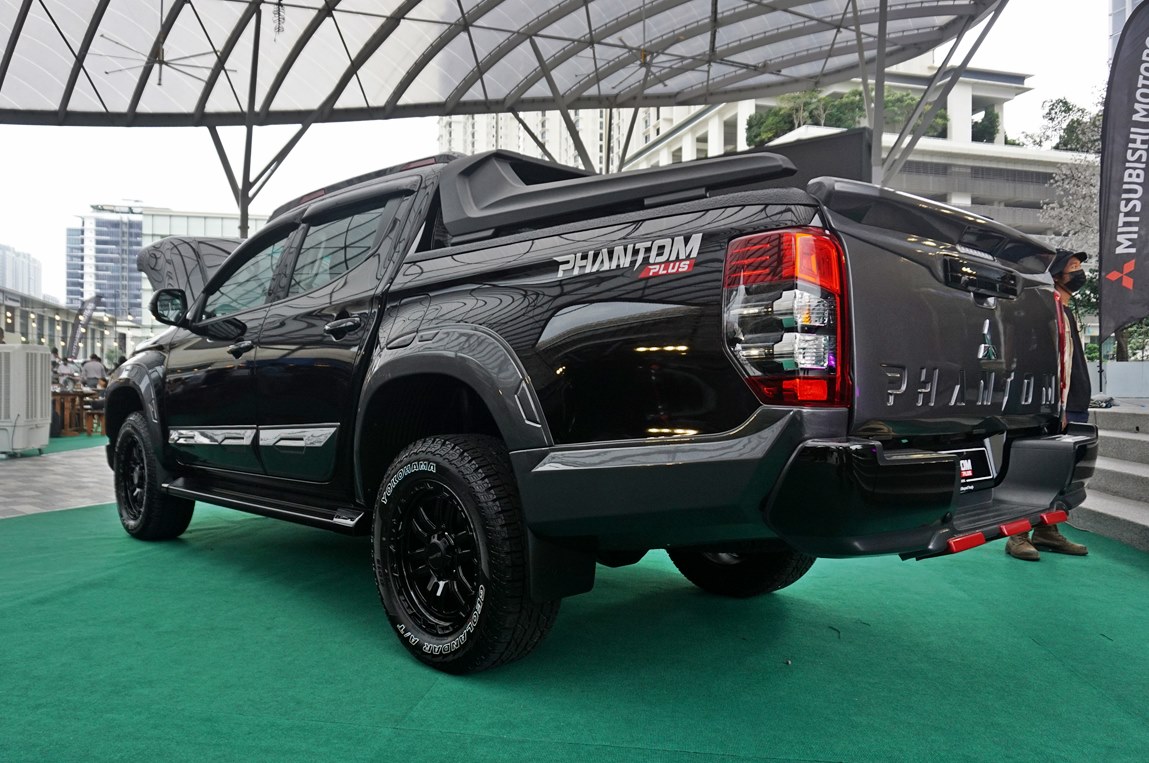
Like many other car companies, Mitsubishi Motors Malaysia (MMM) has been quiet over the past two years due to the pandemic. Now that things are gradually returning to normal, the company is also resuming its activities and to start off, it has introduced a limited edition of the popular Triton pick-up truck. Known as the Triton Phantom Plus Edition, only 1,000 units will be available for sale (imported CBU from Thailand) and all come in a bold Jet Black Mica finish.
Priced at RM139,700 (excluding insurance, Peninsular Malaysia registration), the Triton Plus Phantom Edition is positioned below the flagship Triton Athlete model, having similar features and equipment as the Triton Premium. As with the other Triton versions, Mitsubishi Motors Malaysia offers a long warranty of 5 years or maximum of 200,000 kms.
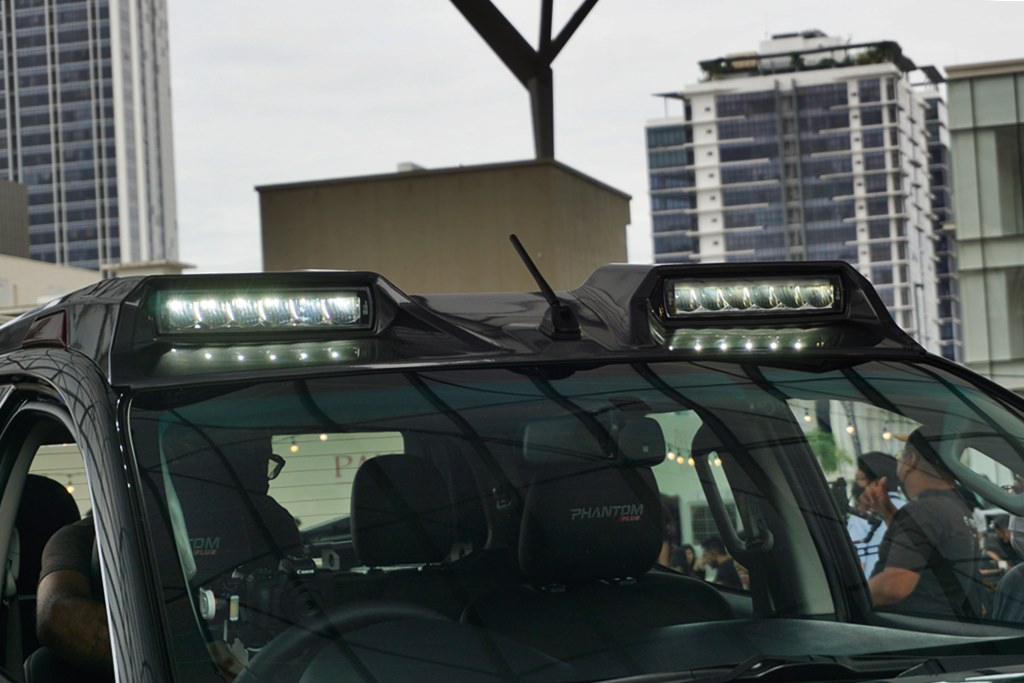
While the exterior styling is essentially similar to the top versions of the Triton range, the limited edition model stands out with the spotlights on the roof of the double cab. Inspired by the Triton Absolute concept truck displayed in Bangkok two years ago, the spotlights are developed locally and their fitment has been approved by the JPJ.
The spotlights, which are in narrow LED strips on the left and right side of the lead edge of the roof, provide powerful additional lighting which would be useful in off-road situations. They are wired to the headlights and will only be available when the high beams are in use. There is also a separate switch to keep them off if not required.
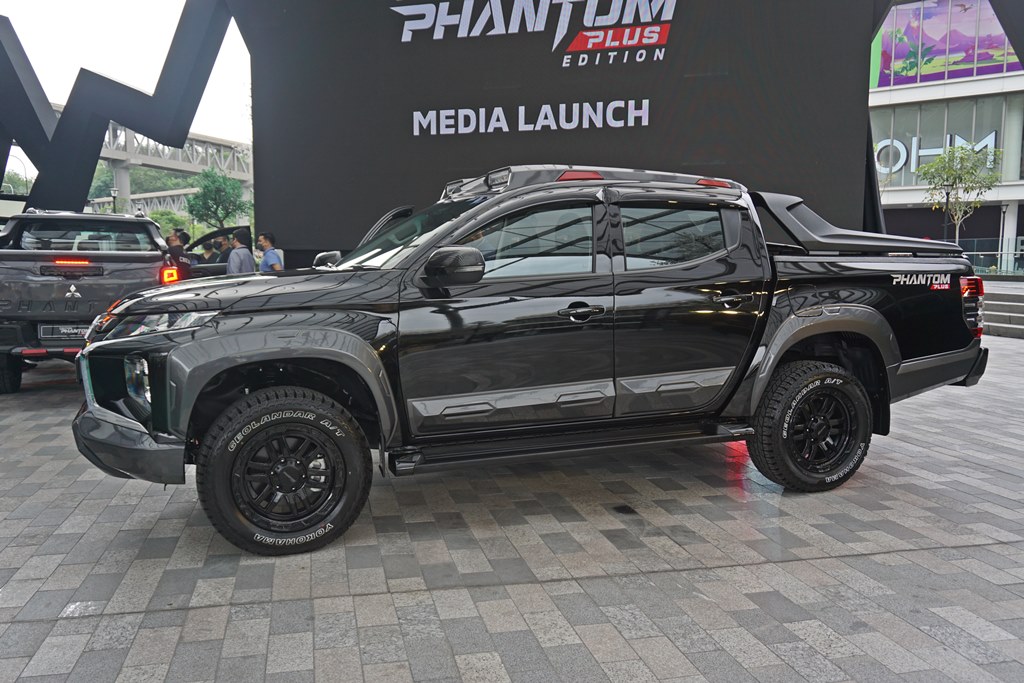
The Triton Phantom Plus Edition can also be identified by the red accents on the front and rear skidplates as well as more distinctive bodyside moulding on the front and rear doors. The sports bar behind the cab has a matte finish and at the rear end, the tailgate has ‘PHANTOM’ moulded into it along with ‘PHANTOM PLUS’ decals on the sides.
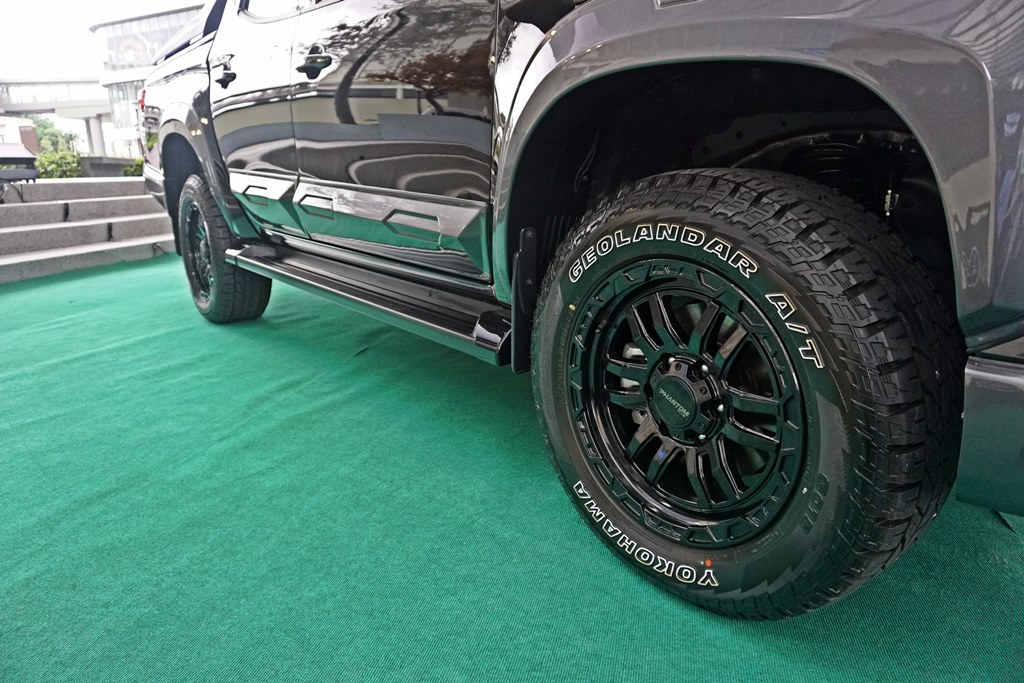
Below the muscular wheelarches are 18-inch alloy wheels finished in a gloss black, with Yokohama Geolander all-terrain tyres fitted as standard.
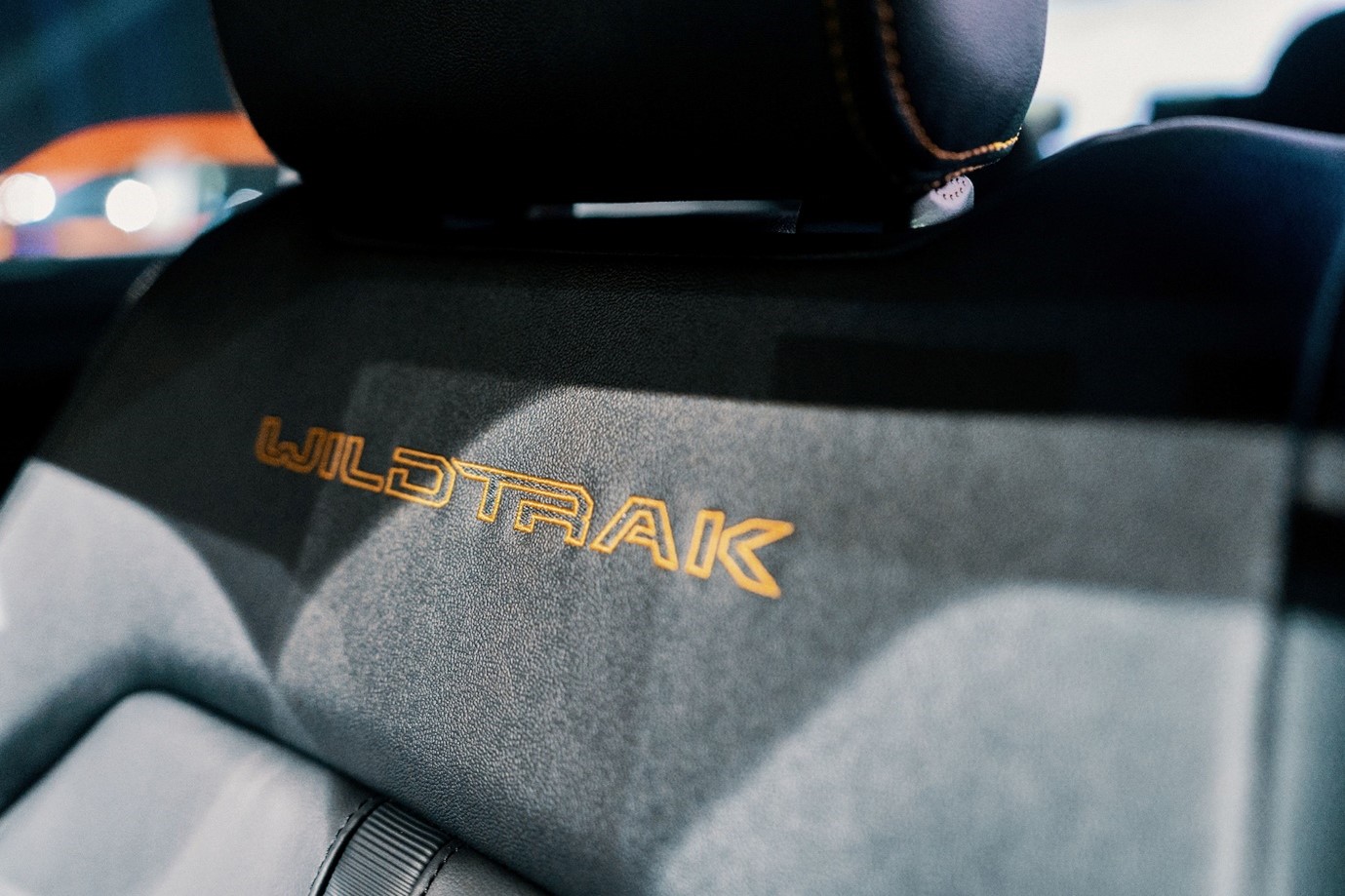
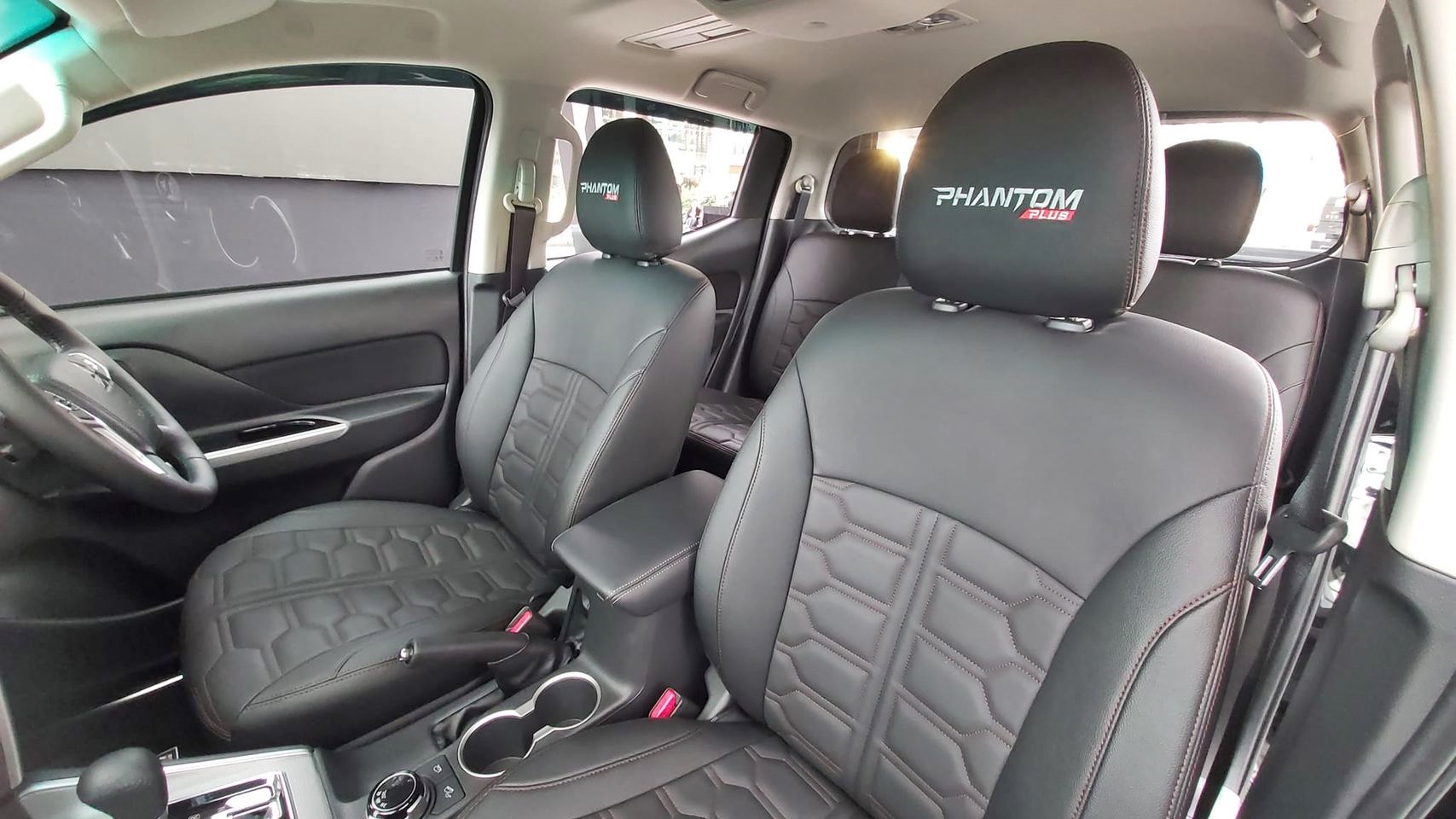
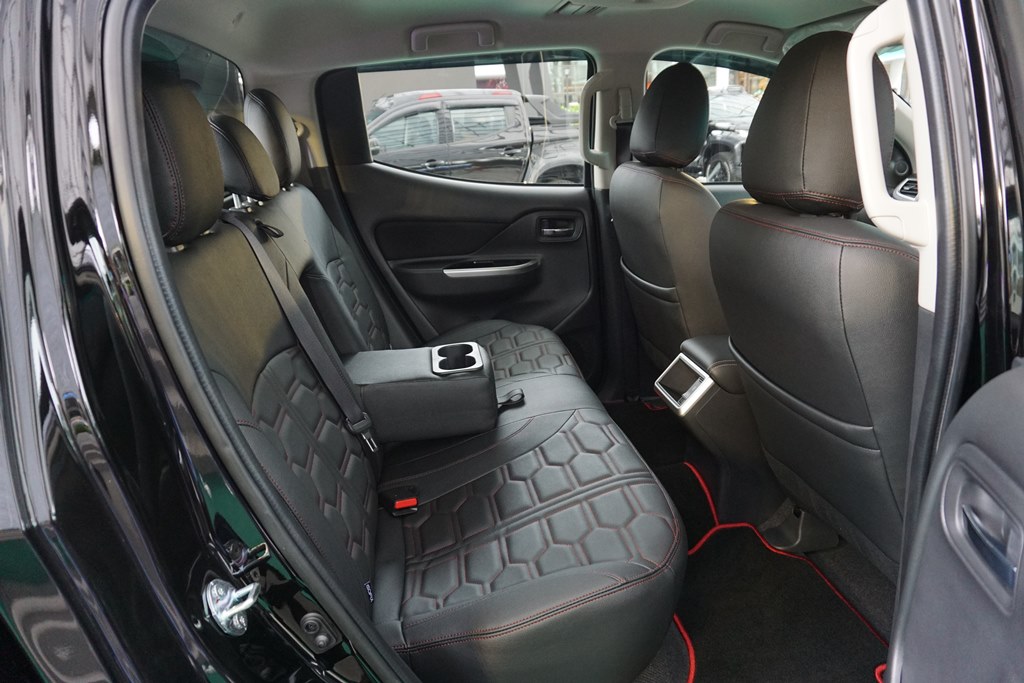
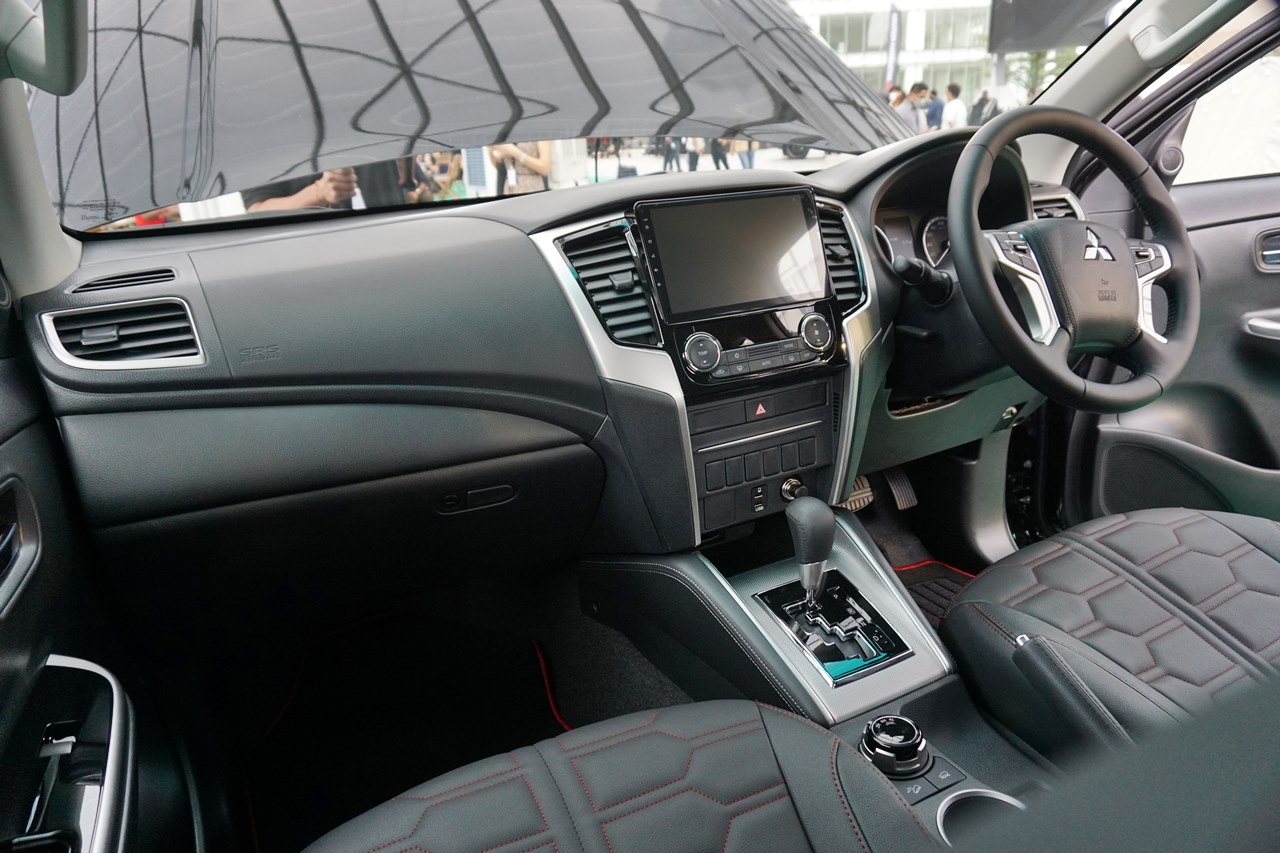
The Triton has always had a stylish and spacious cabin for 5 persons and for the limited edition, there are sportier seats with leatherette upholstery and carpet mats with red accents. To emphasis the limited edition status, the PHANTOM name is also incorporated on the seat upholstery.
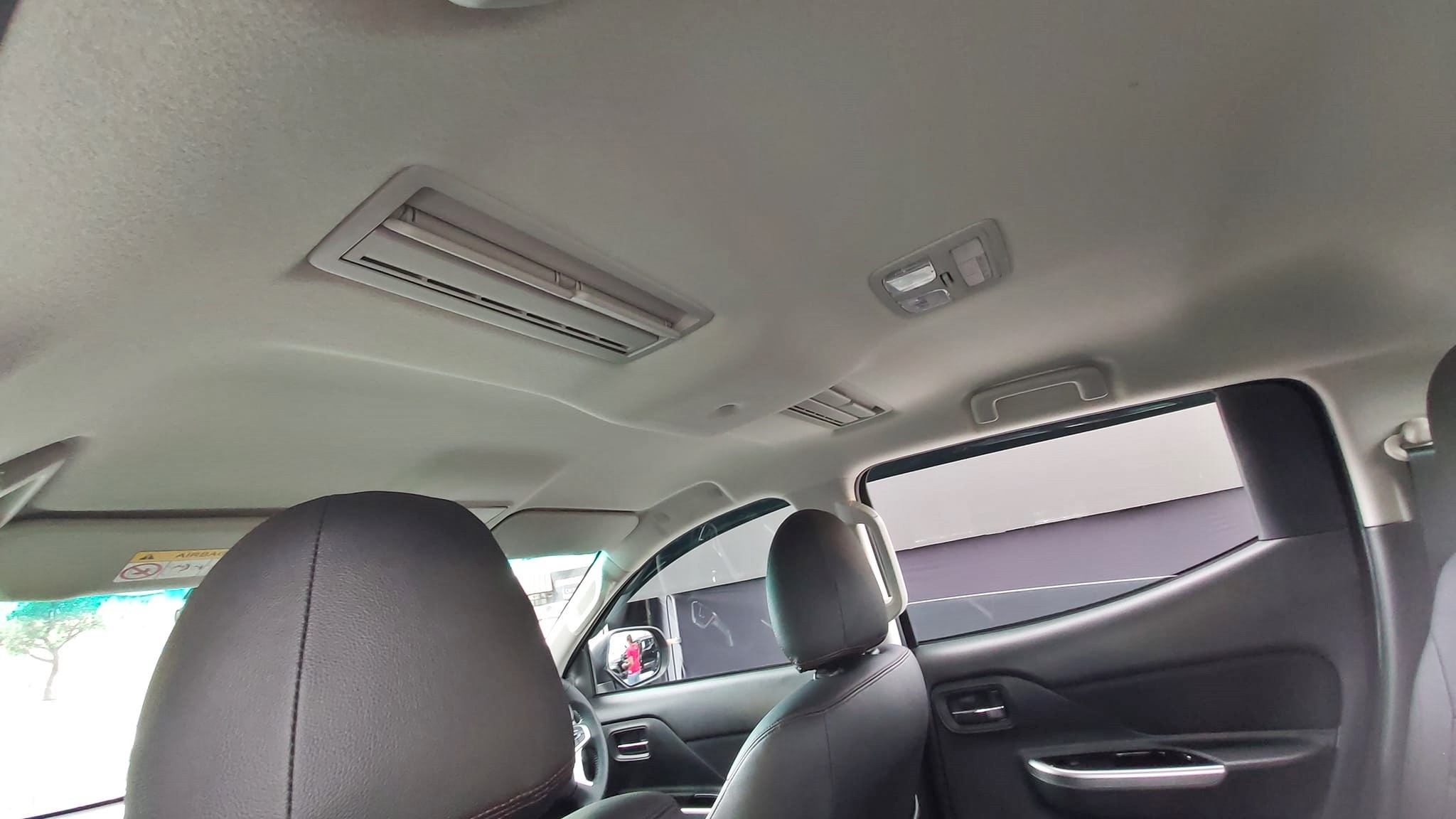
There is also a ceiling air recirculation system to improve comfort within the cabin.
For management of the infotainment system, there’s a 9-inch touchscreen in the centre of the dashboard. For those with compatible smartphones, it’s possible to transfer favourite apps to the screen using Android Auto or Apple CarPlay.
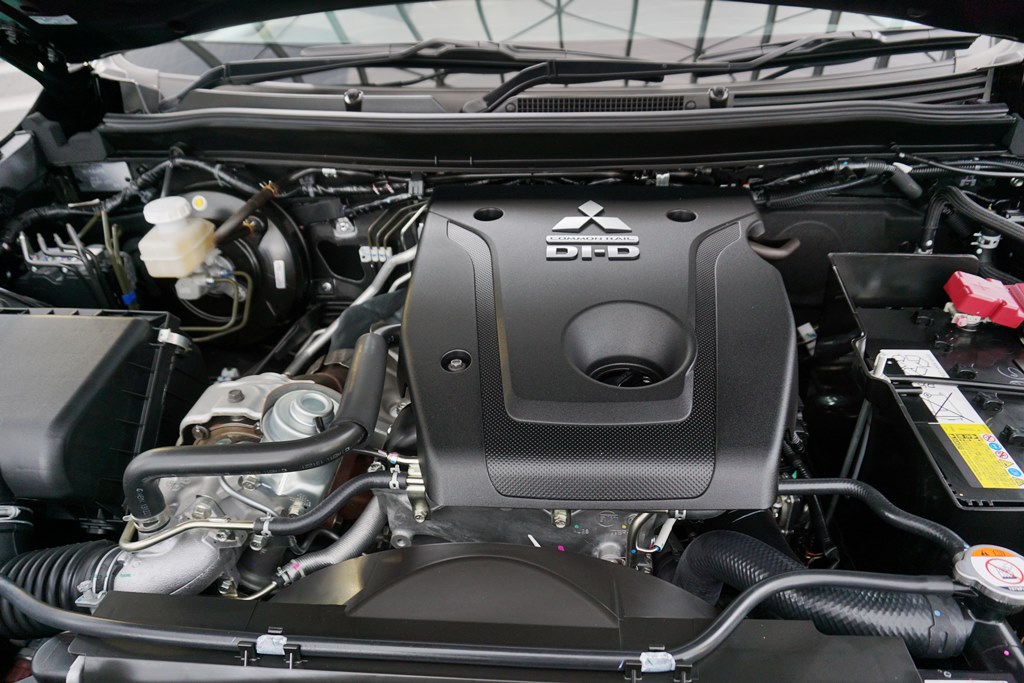
The technical aspects of the model are the same as the other Tritons with a 2.4-litre MIVEC turbodiesel engine which produces 181 ps/430 Nm max torque. Variable Valve Timing enhances efficiency to extend the cruising range of the Triton.
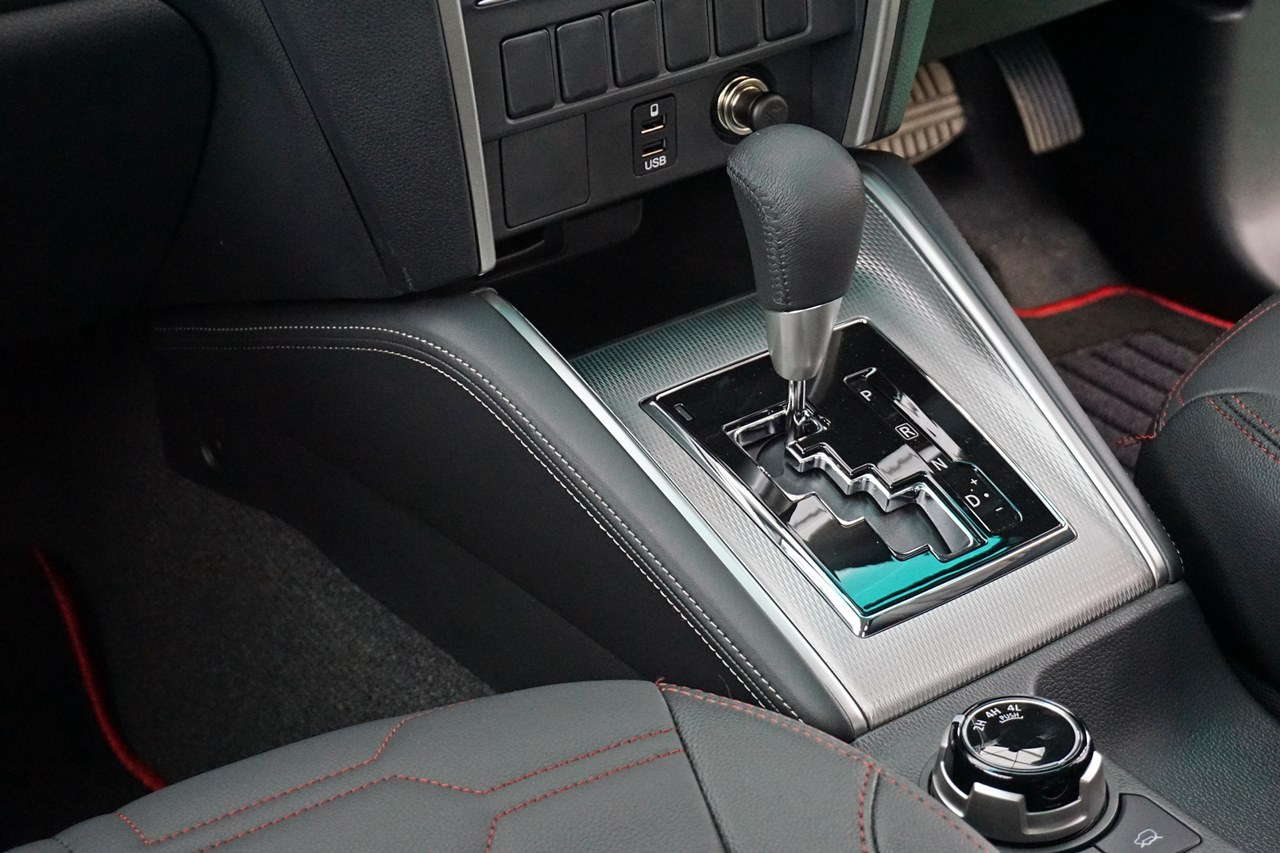
The 4×4 system is the same as the other Tritons with a gated shifter and selection of the 2H, 4H and 4L ranges done with an Easy-Select rotary knob. This is a lot more convenient than the old trucks which required operating a second lever. For more control over gear selection, there is also a sequential manual mode. There’s also Hill Descent Control to help when going downhill whereby the computer will manage the speed and the driver just has to concentrate on steering and avoiding obstacles.
Besides the Triton Phantom Plus Edition, there are 6 other Triton variants to choose from, with prices ranging from RM81,390 to RM146,600. Those in the Kuala Lumpur/Selangor area can see the Triton Phantom Plus Edition and other models at a roadshow at Pavilion Built Jalil from today until Sunday (August 7). There are also stalls selling camping gear at the roadshow for those who want to pick up such items for adventures with their truck.
To know more about the Triton and other Mitsubishi models, or to locate a showroom in Malaysia, visit www.mitsubishi-motors.com.my.
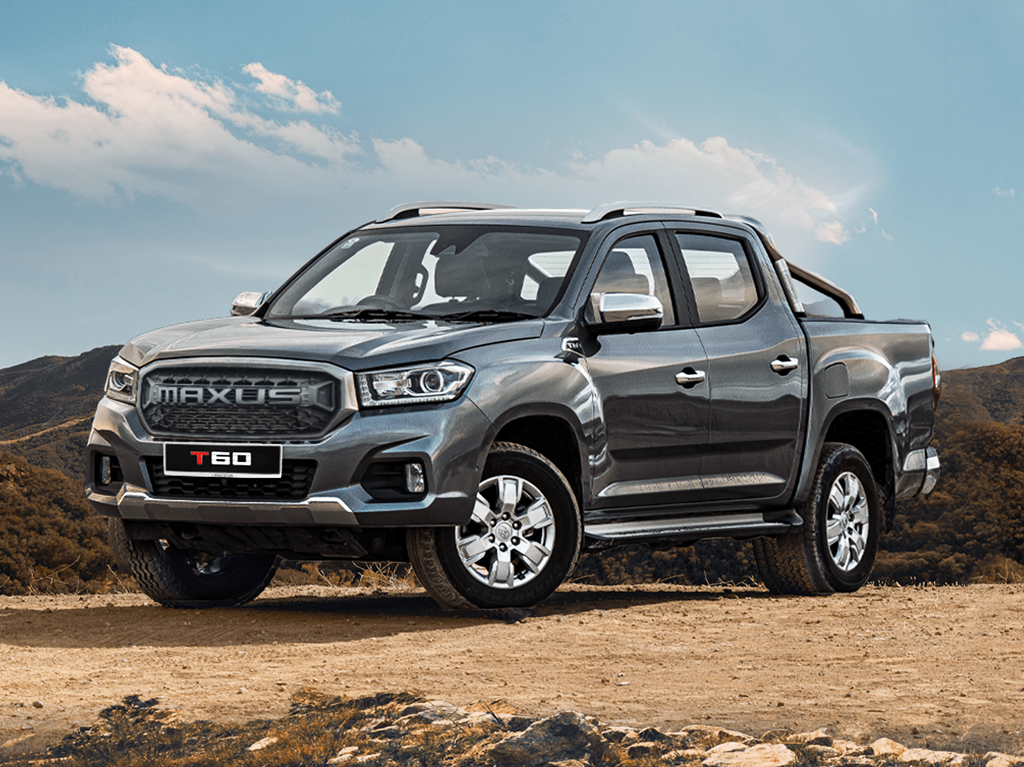
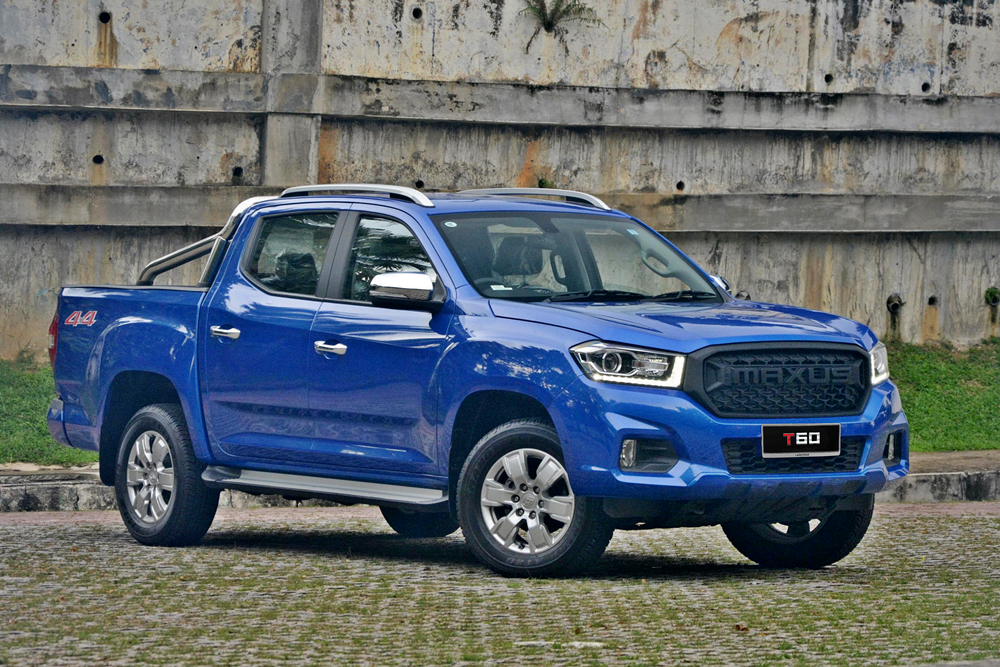
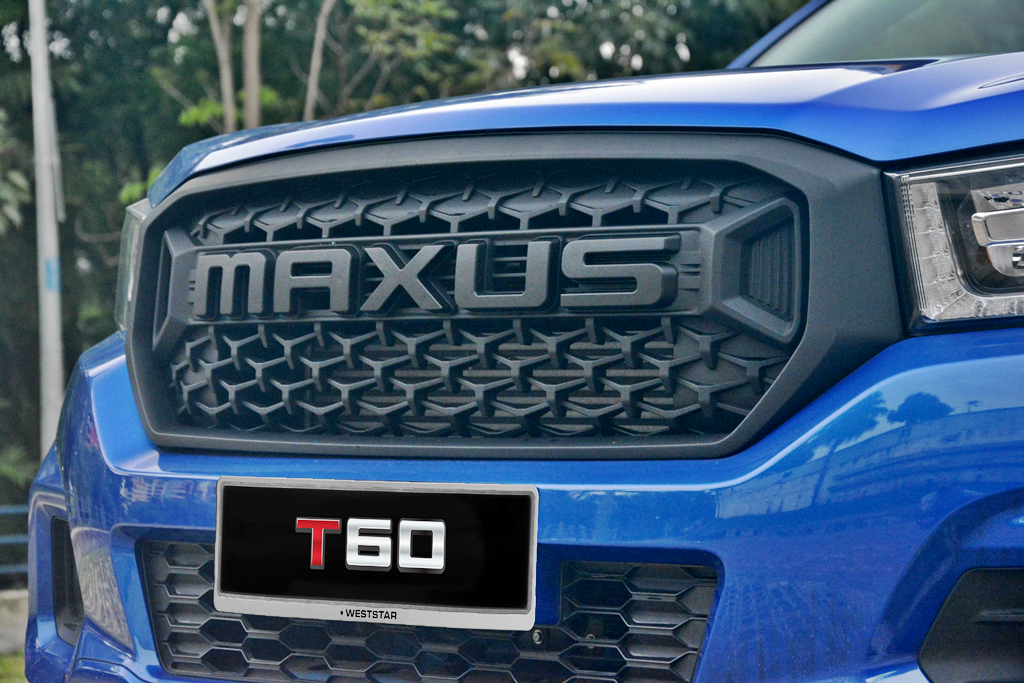
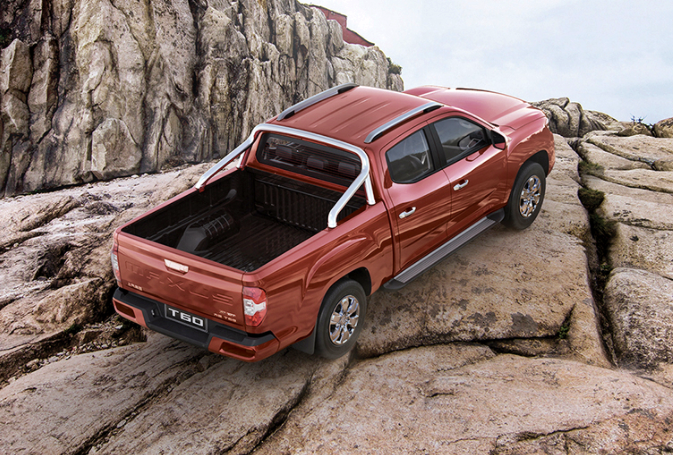
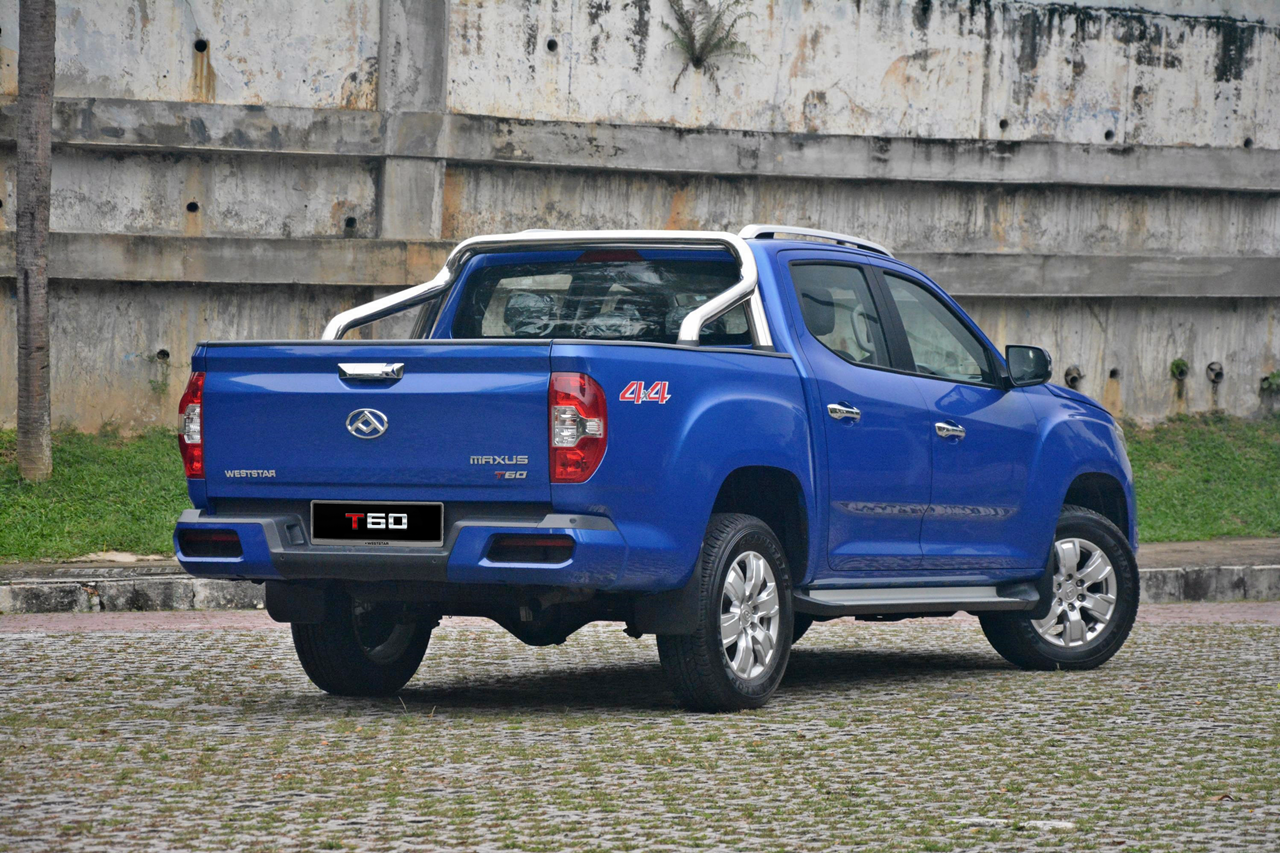
Better known for its MPV and commercial vehicles, Maxus also has a representative in the pick-up truck segment in Malaysia. This is the T60 which it has been selling since mid-2019, and which has now been updated to become a better value-for-money proposition.
Complimentary Performance Kit
Besides cosmetic changes, there are feature upgrades as well as an improved powertrain. For a limited time, all bookings of the updated T60 will come with a complimentary new performance enhancement kit, dubbed the MAXUS Performance Kit. Worth RM3,000, the kit raises power to 155 bhp at 3000 rpm and boosts torque from the standard 360 Nm to 425 Nm between 1600 – 2300 rpm.
Though more powerful, the fuel consumption is actually better and where the standard engine is claimed to do 10.4 kms/litre, the uprated engine can go up to 11.1 kms/litre. With the 75-litre fuel tank, the T60 should be able to travel further before requiring refuelling – which would be welcome by those who venture deep into the jungle.
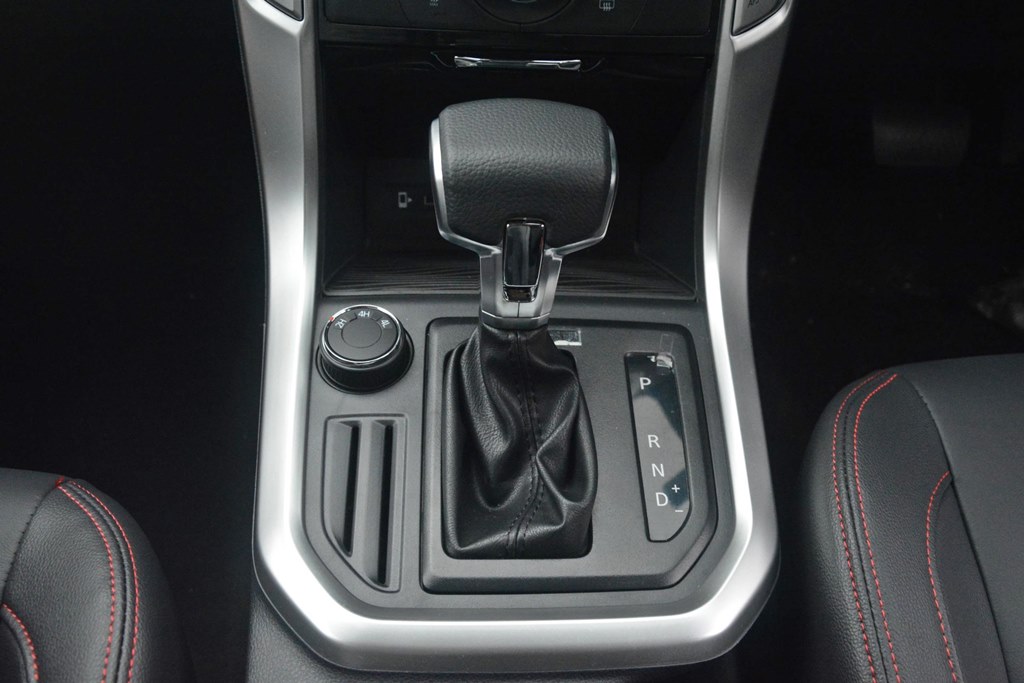
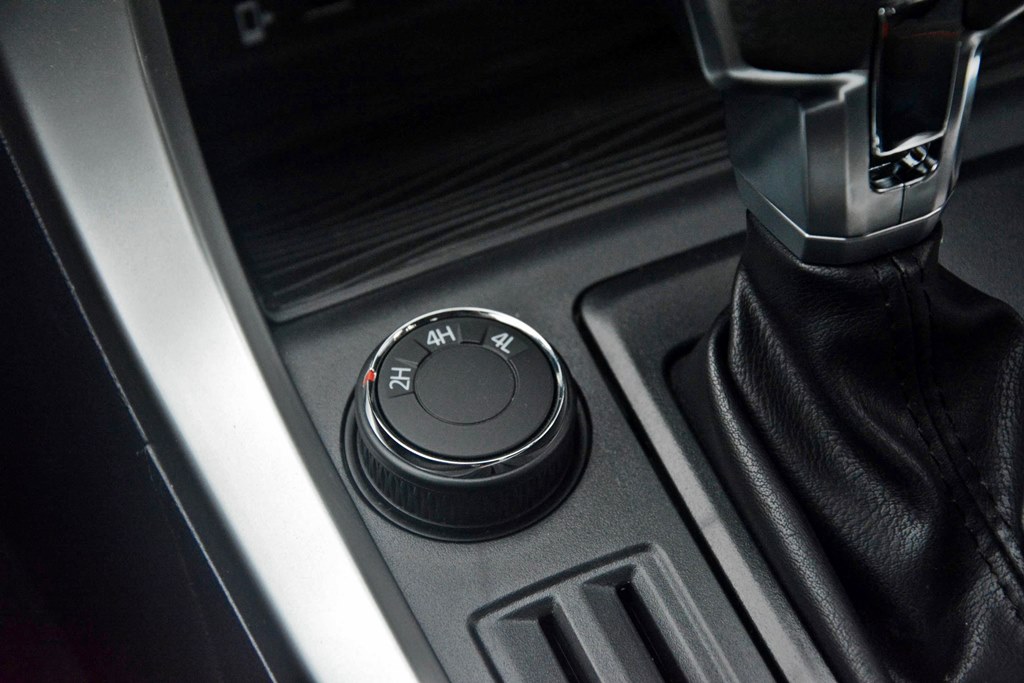
The Performance Kit is fitted to the same 2.8-litre, 16-valve, DOHC turbocharged (VGT) engine which meets Euro 4 emission standards. Power goes to all 4 wheels via the 6-speed PUNCH automatic transmission with a BorgWarner Electronically-Controlled Four-Wheel Drive System that has the usual 2H, 4H and 4L modes that can be selected while on the move. An Eaton mechanical differential lock is also provided as standard for better stability in difficult conditions.
The driver can also select from three drive models – Eco, Power and Normal – to suit the driving conditions. The Eco mode is claimed to stretch the mileage by 2% (compared to the default Normal mode) while the Power mode is said to give a 5% increase in performance.
In addition to the complimentary Performance Kit, the T60 comes with 17-inch wheels. The previously available 19-inch wheels are still available as optional equipment basis for an extra RM3,000.
Safety like a car
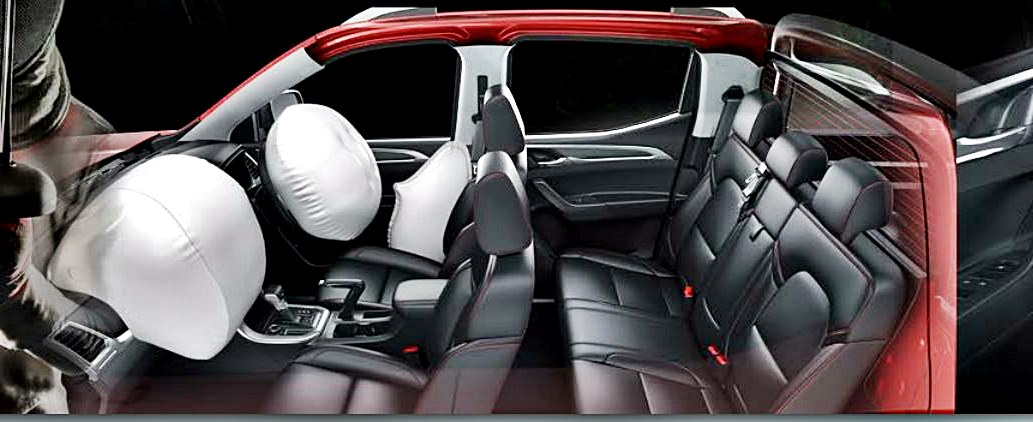
The T60 has high safety standards and when it was introduced, it raised the bar in its segment as the only 4×4 pick-up that offered front and rear ventilated disc brakes and a Tyre Pressure Monitoring System. Besides that, it also has Bosch Electronic Stability Program, ABS, Electronic Brake Distribution, Traction Control System, and Brake Assist – all active safety systems commonly found in passenger cars.
Due to the higher centre of gravity of a pick-up truck, drivers need to be cautious when cornering fast. To provide safer cornering, the T60 has Roll Movement Intervention (RMI) which gives greater stability as well as improved traction at high speeds or in the event of emergency avoidance (lane-change) maneuvers. The RMI recognizes the threat of an impending roll-over from the various sensors and intuitively applies the brakes individually to counter the motion and return stability to the vehicle. On steep slopes, the driver can press a button for assisted driving upwards or downwards.
Premium features inside
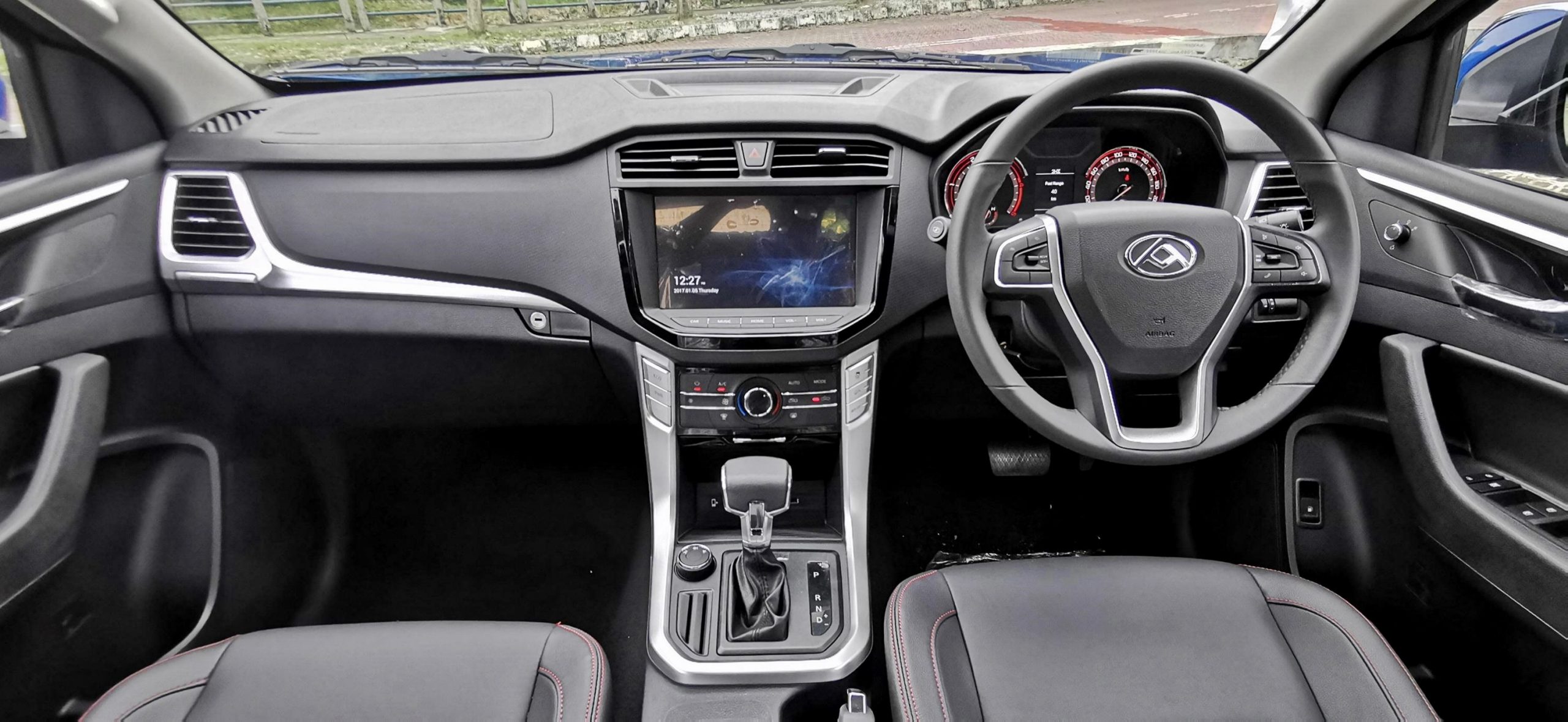
In the cabin, the atmosphere is passenger car-like with features like power-adjustable front seats, a multifunction steering wheel with integrated switches, 10-inch inch HD infotainment system with touchscreen (Android Auto /Apple CarPlay ready), pushstart button, and automatic air-conditioning.
Besides 15 storage areas around the cabin, the forward and rearward folding rear seats provide extra storage, while the overall cargo volume is 1,188 litres. For those who need still additional carrying capability, there’s an aluminium luggage rack.
The new T60 is priced from RM115,888 and, for a limited period, there is a RM1,500 rebate for all bookings received. Confident of the reliability and durability of the vehicle, Maxus offers a warranty of 5 years or maximum of 130,000 kms. For the first 4 years of ownership (or maximum of 80,000 kms), scheduled maintenance will be free with a complimentary service package that covers required parts, lubricants and labour charges.
“We are proud to announce that the 2022 model is not only refreshed in terms of looks, but also comes with performance options for the growing pick-up truck segment here in Malaysia. The CBU unit is the ideal balance of performance, capability, and safety, and offers the best value for money for a pick-up truck in the current market. We are fortunate our principal has given us priority and sufficient stock for us to supply the current demand here in the country,” said Syed Ammar Syed Azman, CEO of Weststar Automotive Division.