Piston.my

supercar

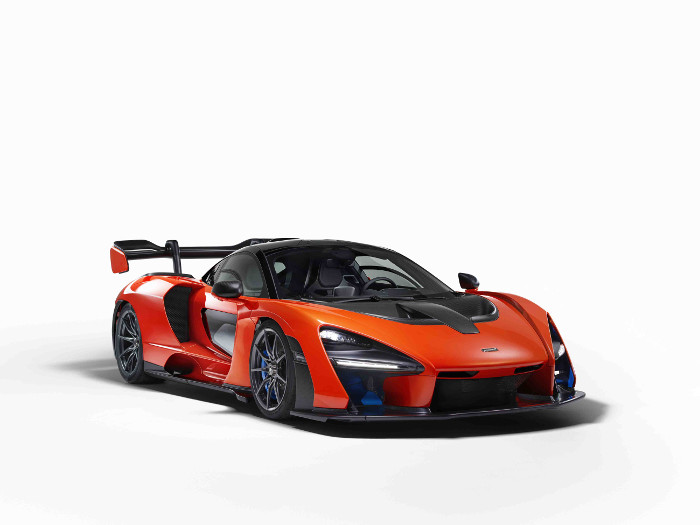
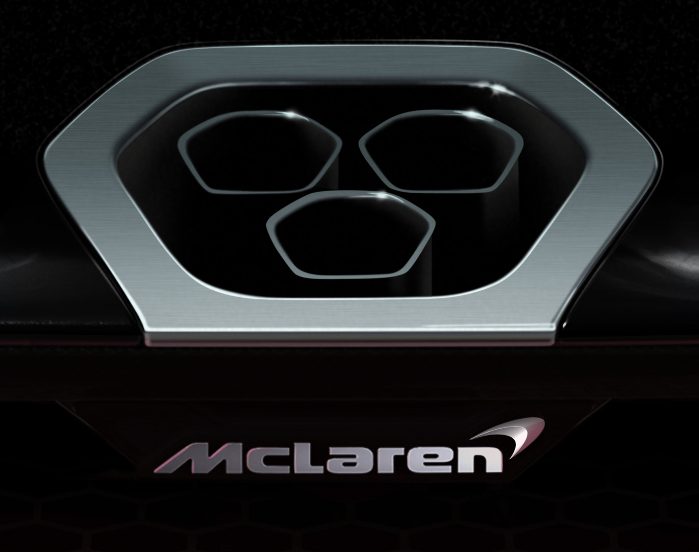
McLaren has announced that it will unveil a new hypercar sometime during the first quarter of 2018. According to the British automaker, the car which remains nameless, will be an addition to its Ultimate Super Series product portfolio under its Track22 Business plan.

It is said to be the most extreme, track-concentrated road car McLaren has ever produced. Having said that, the automaker isn’t muddling its words regarding the purpose of this a vehicle. It has admitted that ‘daily usability will be sacrificed’ to offer the most intensive driving experience on track.

Though completely road legal, McLaren wants you know that, right from the onset, that this isn’t going to be the car of choice for daily commutes. Instead, its going to be a highly precise track-focused race car that can be driven on public roads – if you choose to do so.

McLaren describes the car’s look as ‘brutal’ and will be the ‘purest expression yet of the company’s ‘form follows function’ philosophy’. This could mean that the car will sport some outlandish looks and aero kits that will allow it to reduce drag and increase downforce.

Shortly after the launch of this car, McLaren will be following it up with the reveal of another vehicle that will also be part of the Ultimate Series. Codenamed BP23, the car is supposed to be the world’s first ever Hyper-GT. Both cars will be built in limited numbers and all are already spoken for.

Cars belonging to the Ultimate Series model line are positioned above McLaren’s core Super Series vehicles, which are considered relatively more affordable offerings. Cars like the McLaren P1 and P1 GTR, which are considered supercar royalty, fall under the Ultimate Series product line – the upper echelon of the UK-based automaker’s supercars.

McLaren will reveal further details of its new halo car by the end of this year, which should hopefully include some teaser images and performance specifications.
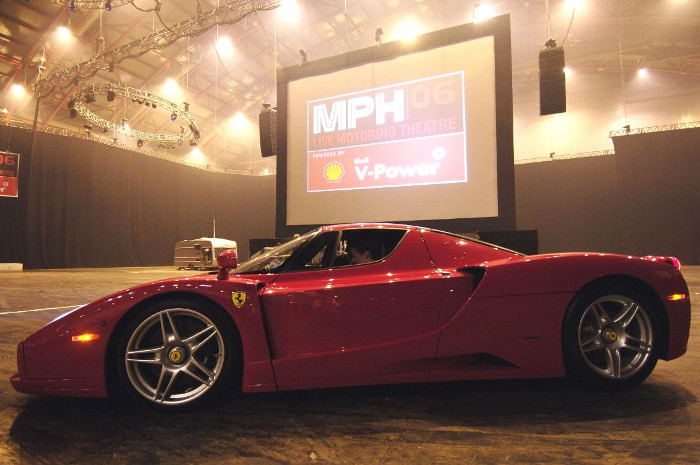
Custom coach-built cars are a rarity these days let alone ones that look far more stunning than the vehicles that they are based upon. Pininfarina, a world renowned coach builder and design house has had a hand in producing some of the most stunning Italian cars the world has ever seen.

Ken Okuyama is former head of design and one of Pininfarina’s most accomplished designers of his generation, who can also lay claim to the design work on the Ferrari Enzo and Maserati Quattroporte. He decided to leave the Italian design outfit to set up his own design house bearing his namesake, and develop his own cars.

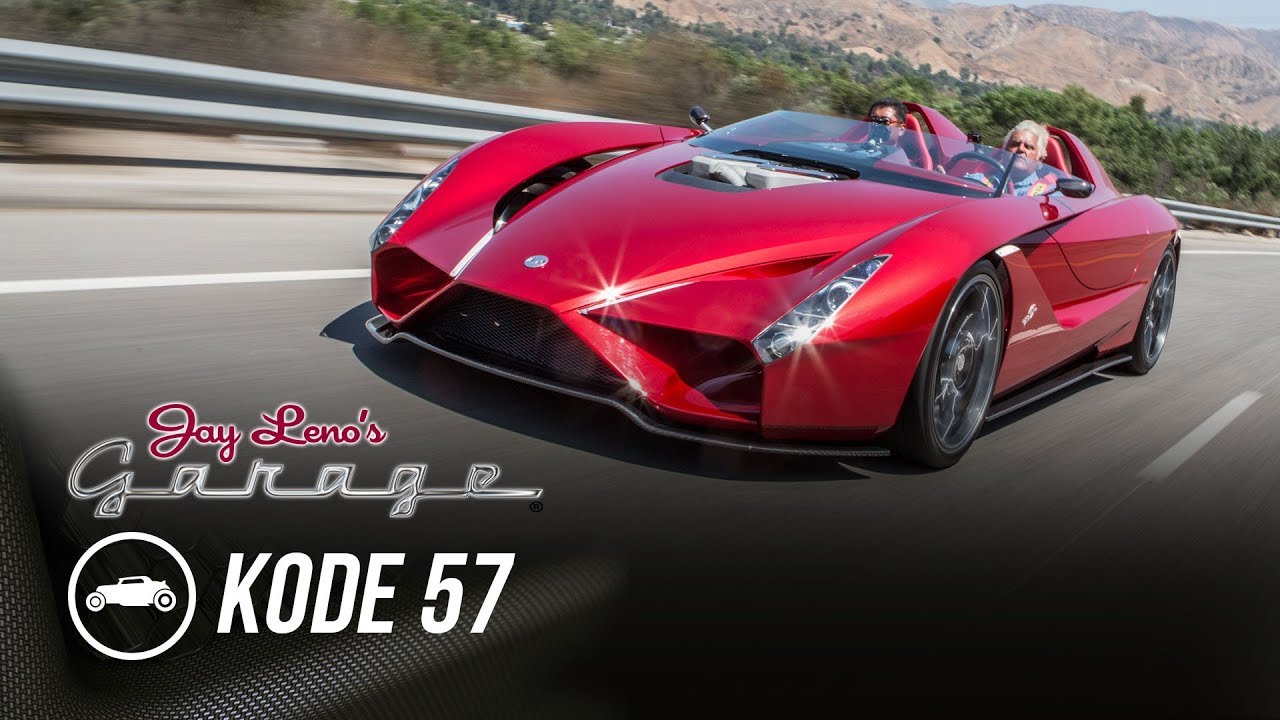
His latest creation has been featured on Jay Leno’s ‘Jay Leno’s Garage’ Youtube channel where he gives us a complete walkaround to highlight the extensive work that went into his creation. Check out the video for the full scoop on what was done to manufacture this unique exotic.

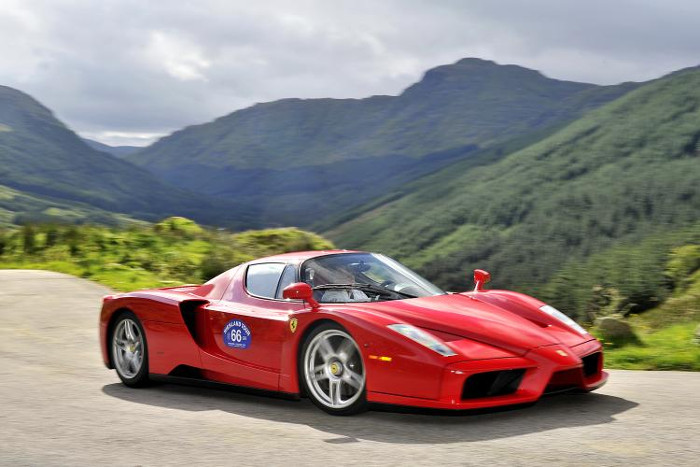
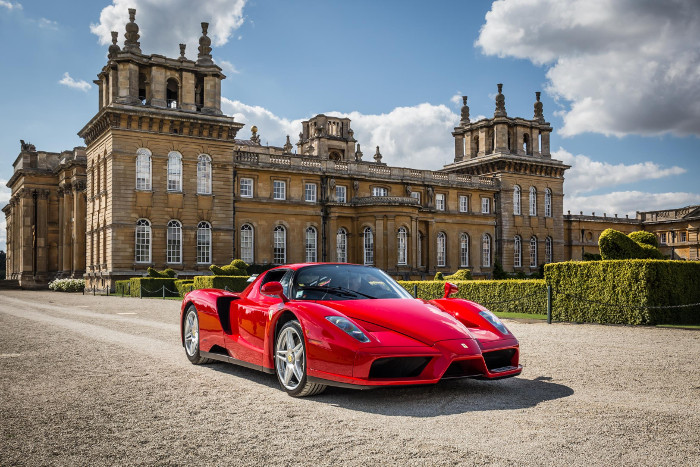
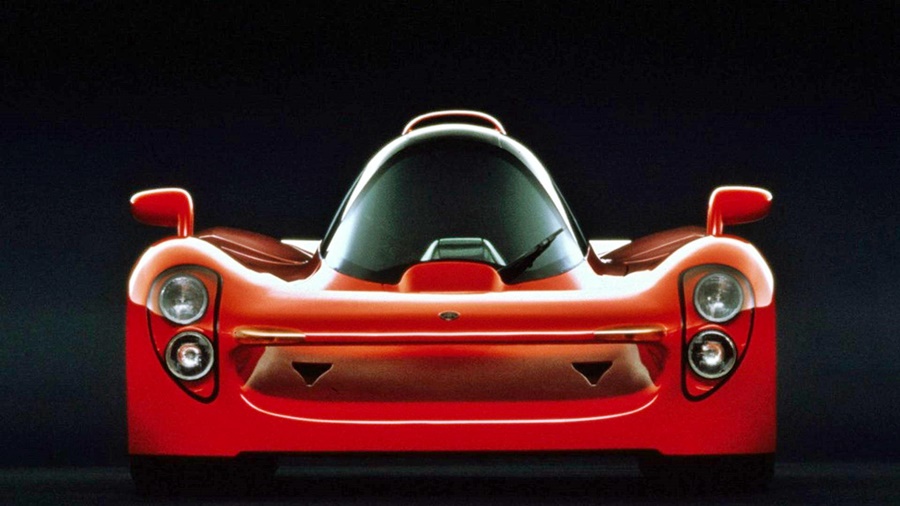
This latest project from his firm, is an Enzo resembling supercar that marries Italian styling with aerodynamic functionality. The front end and fenders feature similar styling to that seen on open wheel racing cars. It is fitted with a low profile windshield made from polycarbonate and oozes class and performance unlike anything else on the road.

Powered by a Ferrari sourced 6.0-litre V12 engine that produces 600 horsepower, the car known as KODE 57 is a more extreme version of an Italian sports car. Unlike what we are used to seeing from Ferrari, the top of the front mounted V12 engine of the Kode 57, is left bare and devoid of covers or casings.

The rear seems a bit too busy and a major departure from what we are used to seeing from the Italian automaker, which makes Okuyama’s creation all the more unique. Without the need to refer to a ‘design language guide book’, has allowed Okuyama considerable leeway at cherry picking the best design cues of Italian exotics and combining them with his own visions and designs.

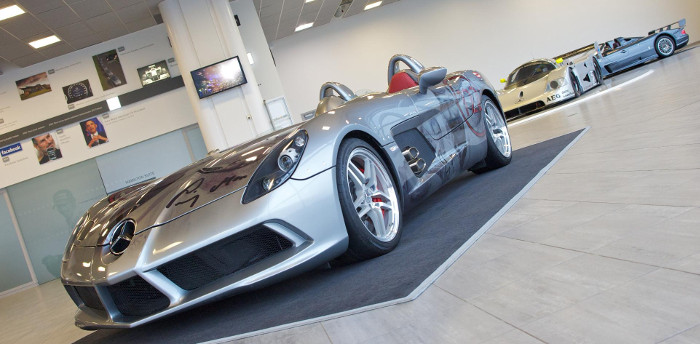
The result is an awesome two seat sports car that emits a distinctive Ferrari V12 exhaust note and looks like a cross between a Ferrari Enzo and a Mercedes-Benz SLR McLaren Stirling Moss edition. It’s a stunning masterpiece built for a very special customer of Okuyama’s, who wanted a unique car that still retained the essence of an Italian exotic.

Aston Martin has announced that it is now the title sponsor for the Red Bull Racing Formula 1 team. Next year, the team will compete in the 2018 championship as Aston Martin Red Bull Racing. The move will allow for better brand presence for Aston Martin, and entice the automaker to become more involved in the sport.

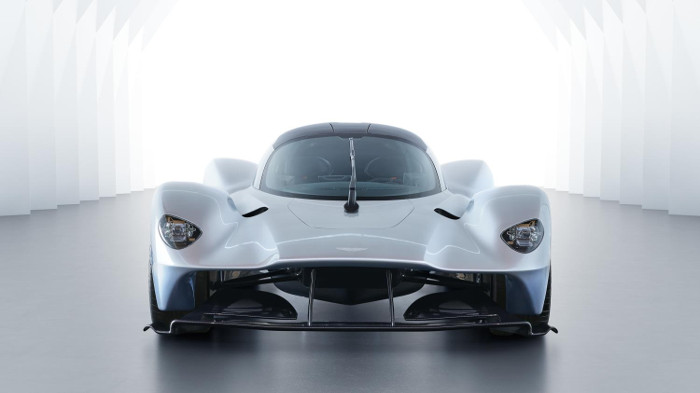
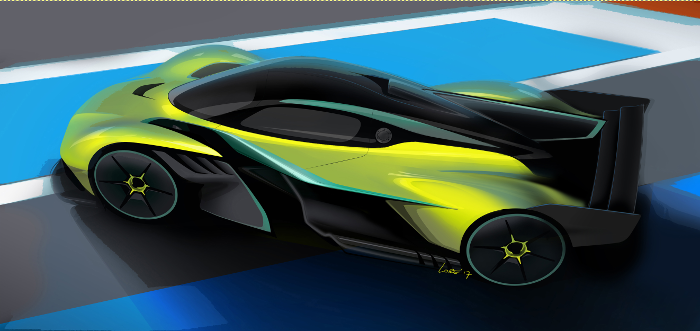
Both companies will have a closer working relationship pertaining to the development of F1 and road car technology. In fact, the ostentatious Aston Martin Valkyrie, which was unveiled in 2016, was a collaborative effort between both parties. Deliveries of the supercar to customers should take place sometime next year, but I digress.

This new F1 partnership will see the creation for 110 new jobs including employees who will be responsible for the future development of sports cars of these companies. Red Bull Racing has admitted that more than 100 of Aston Martin staff will service the new Advanced performance centre in Milton Keynes, the location of its HQ.

Despite Aston Martin admitting that the collaboration will offer the supercar maker better brand awareness and opportunities, that is only the tip of the iceberg. In fact, Aston’s CEO, Andy Palmer has said that, if conditions become favorable to the automaker, it could entertain the possibility of becoming an engine supplier.

Aston Martin will only be willing to consider the idea if the FIA make certain changes that allow for better regulations on the costs and dynamometer hours. It isn’t willing to jump in the game as did Honda, until it feels that it can be reasonably competitive in the sport.

This news comes after Porsche admitted that it is mulling over the idea of becoming an engine supplier for Formula One teams in 2021. Thanks to certain regulation changes in the sport, mainstream automakers are beginning to see the benefits of getting involved in Formula One.

Source: F1.com

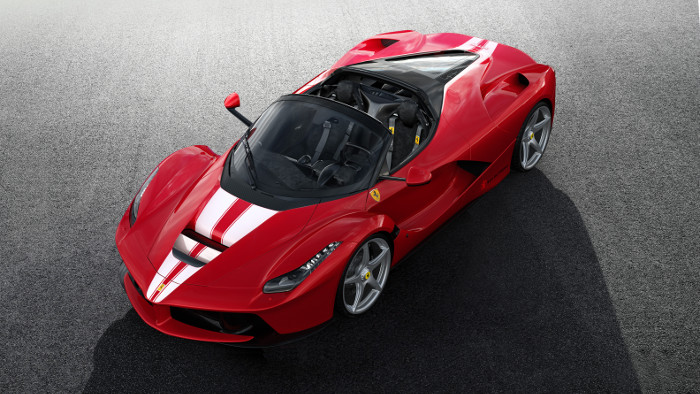
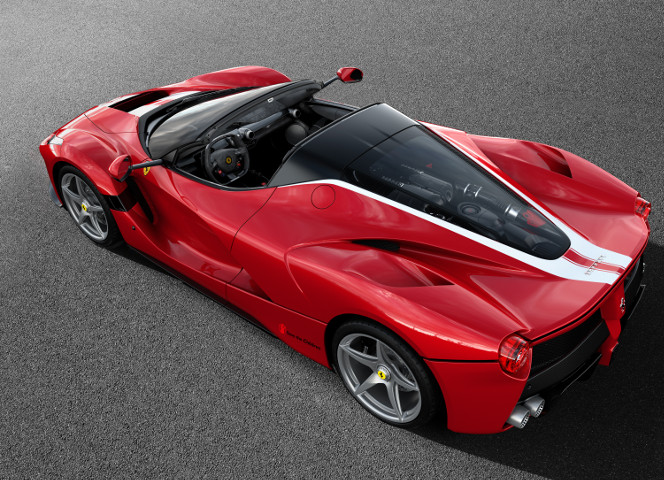
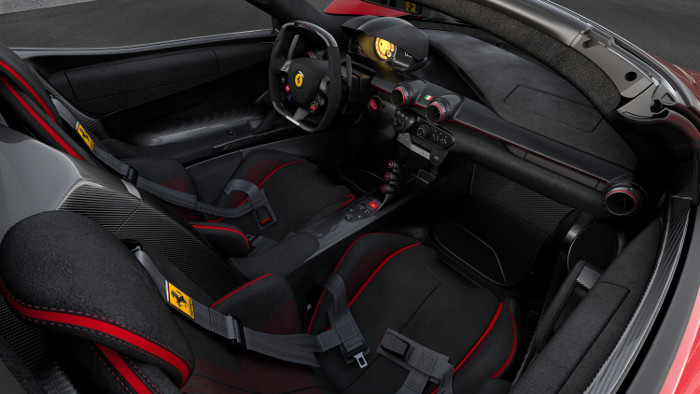
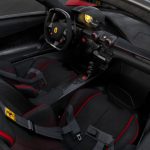
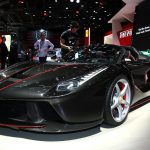
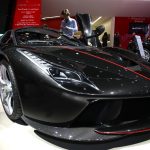
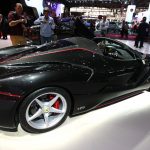
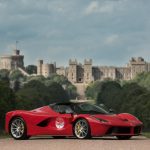
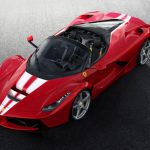
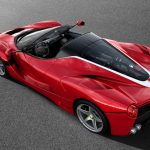
The rare LaFerrari Aperta that we covered in a previous article has finally gone under the hammer at Rm Sotheby’s auction. The car was auctioned off during the Prancing Horse’s 70th Anniversary celebrations at the Fiorano circuit for a cool 8.3 million euro (RM 41.9 million).

The proceeds from this sale will be donated to Save the Children, which is an international non-profit organisation that work to improve the lives of disadvantaged children in over 120 countries worldwide. The money from the LaFerrari sale will be used particularly to fund educational projects in Asia and Africa.

What makes this Ferrari so unique is that it’s a special extra addition to the initial 209 cars built to date. And unlike the rest of these vehicles, it boasts a one-of-a-kind metallic Rosso livery that is complemented by double metallic Biano Italia racing stripes on its bonnet and rear end.

Though these numbers are common for such auctions, it happens to be a new record figure received by a 21st centrey car. The previous record was held by an exclusive LaFerrari that sold for $7 million (RM 29.4 million) at Daytona, USA in December 2016. It was auctioned off to raise funds for earthquake victims in Central Italy.

That said, the LaFerari Aperta wasn’t the only car that rolled on the auction block in Fiorano, other worthy mentions include a California 250 GT SWB that sold for 7.9 million euro (RM 39.7 million), a 1958 250 GT Cabriolet Series I for 4.7 million euro (RM 23.6 million) and the aluminium-bodied 365 GTB/4, which sold for 1.8 million euro (RM 9.1 million).

It’s good to know that Ferrari and other automakers are doing their part to help raise funds to help those indeed, especially people from impoverished nations or ones that have been affected by natural disasters.

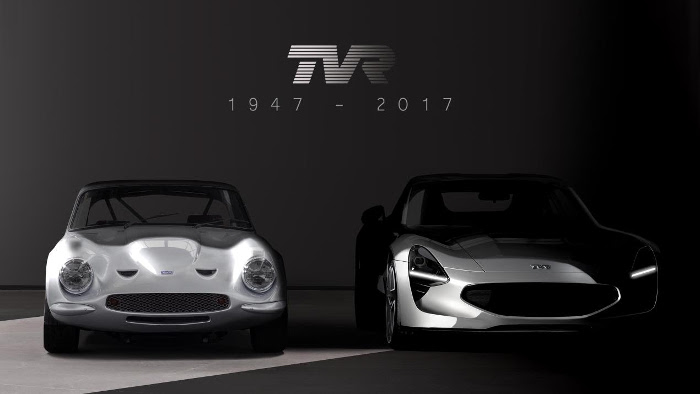
TVR’s resurrection is tabled for the 8th of Septmber 2017 where it will unveil its first ever sports car since it went dark a few years ago. This is to be the first of a range of cars that are culmination of effort of TVR, Gordon Murray and Cosworth.

This car will be unveiled at the Goodwood Revival Earls Court Motor Show, marking the brand’s 70th anniversary. Based on the teaser image that was recently released, the car features angular contours that are reminiscent of its predecessors.

According to TVR, this vehicle will offer performance that will rival that of some of the established models from the likes of Porsche, Jaguar and Ferrari. And contrary to popular belief, the British automaker has a solid team in place that are serious about restarting one of the most revered driver-focused British sports car brands in existence.

Gordon Murray Design Limited and iStream have been involved in the design work of the new range of cars. Both design firms have a wealth of knowledge in engineering and constructing automobiles. Both teams should help bring the company to new heights.

And in case you didn’t know, Gordon Murray was responsible for the McLaren F1. The very car that was not only beautiful to look at, but had the performance of an aircraft. It held the record for the fastest production car in the world for many years and it was only that the car was dethroned.

If you are as anxious as we are for the launch of the new TVR, stay tuned and we will bring you the very latest news when we find out.

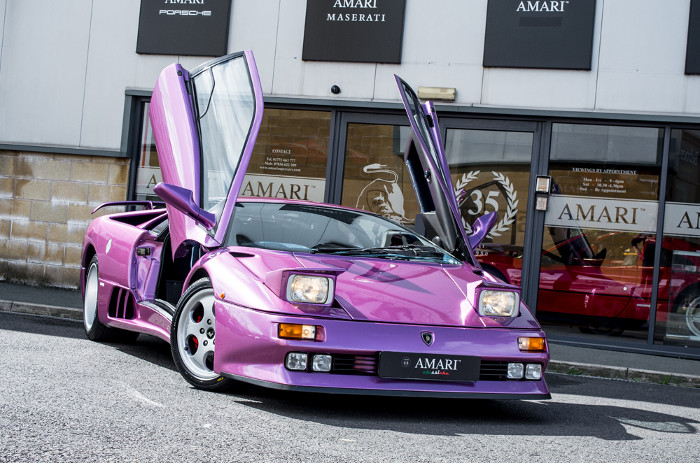
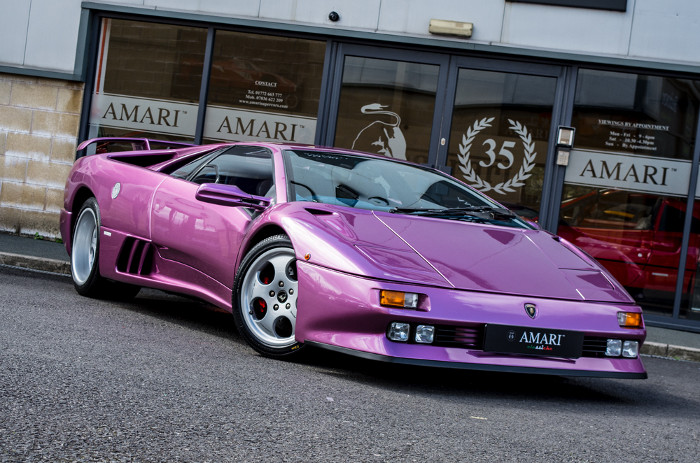
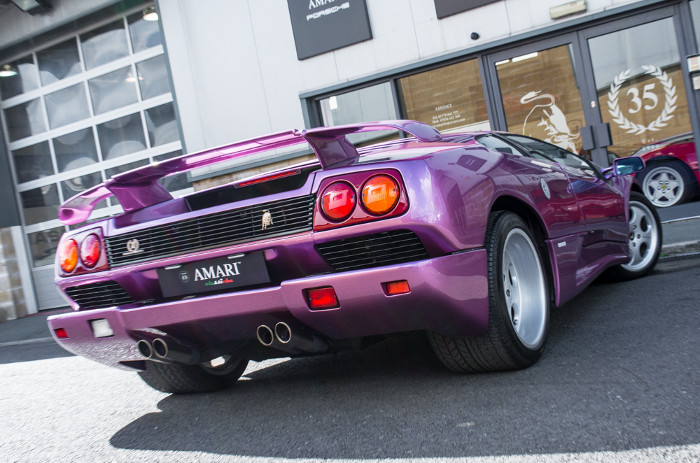
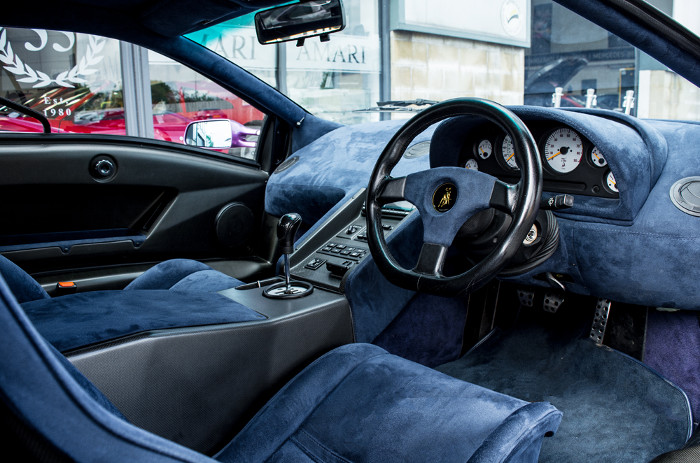
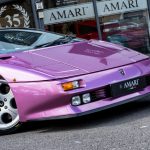
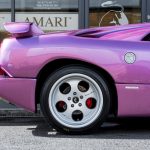
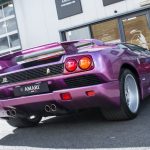
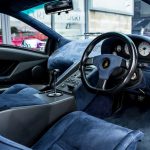
The viola-metallic Lamborghini Diablo, made famous after being featured in Jamiroquai’s 1990s hit single, Cosmic Girl, has been put up for sale. It has been listed on Auto Trader, which is the UK’s largest marketplace for new and used cars.

It’s one of two identical car that were featured in the 1996 music video. The first car met its unfortunate end after a crash on the video set. This second car, took its place but it too encountered an unlucky incident. During filming, a precision camera fell on it from a considerable height, decimating the windshield.

Jamiroquai’s lead man, Jay Kay, decided to keep driving the car for the remainder of the filming without a front windshield. And as such, unlike many celebrity cars, this particular Lambo has had quite a past and probably a hex too.

Now, its up for sale with a price tag of £549,995 (RM 3,113,357) and happens to be one of only 16 right-hand-drive models in exsistance. Amari Supercars, a car dealership in the UK, claims to have sold it to the band in 1996. And since then, the Lambo has been past on two further owners before being returned to the dealership after spending sometime in Germany.

Speaking of the car, Auto Trader Car’s Editor, Andy Pringle, said, “One of three classic supercars used in the Cosmic Girl video – it’s the only one that the ‘Space Cowboy’ actually owned – so although it might price-out most music fans at over half a million pounds – there could be a love affair reunited on the cards if Jay Kay’s browsing Auto Trader this week.”

Celebrity involvement aside, the Diablo was one of the most iconic cars of the 1990s. It was the quintessential hypercar of an era when Traction Control and Stability Assist systems were almost nonexistent. It was a true driver’s car and one that required a significant amount of physical strength to keep it in check.

Built at Sant’Agata Bolognese, Italy, the Diablo, which is Spanish for devil, was a mid-engine hypercar built between 1990 and 2001. It had either a 5.7 or 6.0-litre V12 engine that was mated to a 5-speed manual transmission.

It replaced the wedge-shaped Countach and was a brute with 485bhp available from its spectacular V12 engine. It was capable of sprinting from 0-100km/h in just 4.5 seconds, which was incredibly fast for the time and capable of achieving a top speed of 325km/h.

Unlike the Countach, the Diablo came with better creature comforts including adjustable seats and steering wheel, power windows and Alpine stereo system. Despite this, the car was a real handful to drive because power steering and ABS only became available in later years.

It was eventually replaced by the Murcielago but we are quite sure that the one up for sale, will fetch a significant amount of money and will be an amazing collector’s item for the near future.

McLaren is currently hard at work producing one of its most potent offerings in recent history. It’s called the P15 and is meant to be the most powerful supercar in the company’ stable, second only to the P1 GTR. In fact, the automaker has stated that it has given its engineers freedom to prioritize performance over everything else in order to make it the best performer.

Carbon-fibre will only be used where a considerable weight saving advantage is plausible. The car will feature McLaren’s latest Monocage II one-piece carbonfibre tub and race-inspired two-seater interior. The absence of an electrical powertrain means that the P15 will weigh just 1,300kg which is significantly less than the P1’s 1,547kg.

According to McLaren this gives the car an even better power-to-weight ratio, thanks in part to the 3.8-litre turbocharged V8 engine. It’s basically the same engine taken from the P1 but tweaked to produce 789bhp, which is about 52bhp more.

Though the engine produces more power than the same unit found in the P1, the latter still trumps it at overall power due to the electric motors that brings peak power to 903bhp. That said, it will still be able to match, if not beat, the time taken for the P1 to sprint from 0-100km/h, which is about 2.7 seconds.

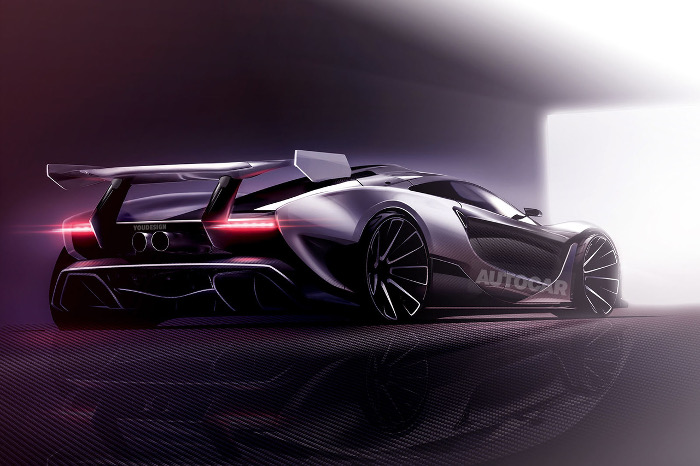
Autocar UK had an exclusive session with the Woking based manufacturer and has revealed an image of what the car could look like.The styling said to be the ‘ultimate distillation of form following function’ and features active aerodynamics with self-adjusting spoilers, massive rear diffuser and an ostentatious twin exhaust pipes. The entire silhouette is far more aggressive than what we are used to seeing from McLaren, which could mean that this new P15 may be a track car for the road.

The P15 should make its debut in March of next year at the Geneva Motor Show sporting a price tag of £840,000 (RM 4,696,309) with production said to be limited to just 500 cars. More details should be revealed in the coming months, so stay tuned.

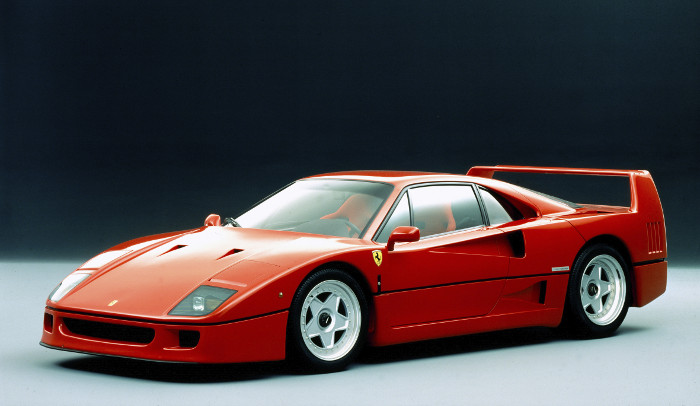
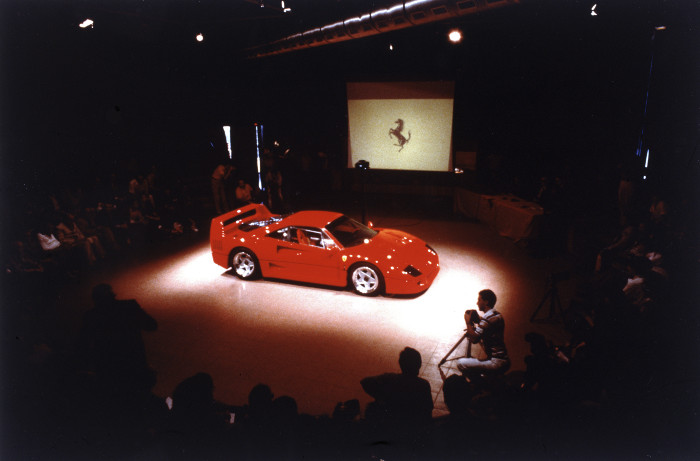
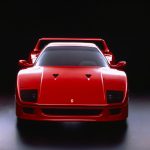
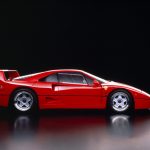
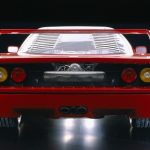
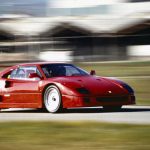
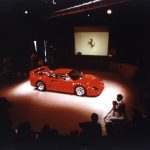
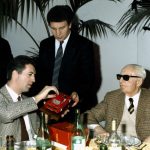
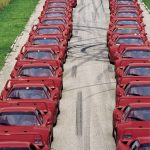
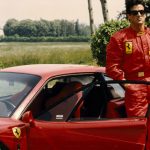
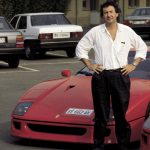
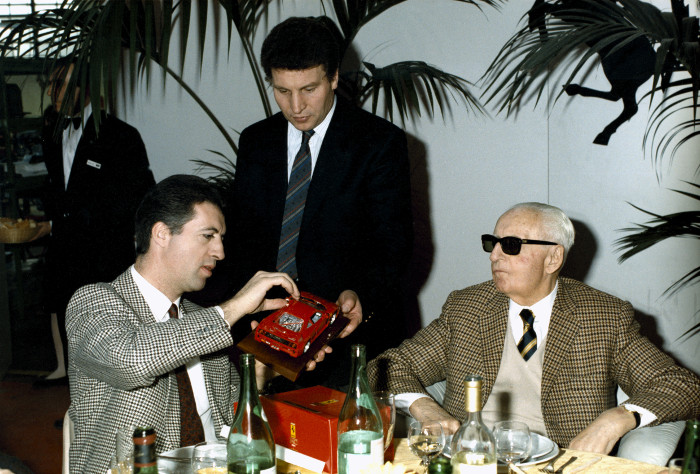
The F40 is now three decades old, does that make you feel old yet? One of the most memorable Ferraris ever made was introduced to the world in 1987 and was the last car that Enzo Ferrari had a hand developing.

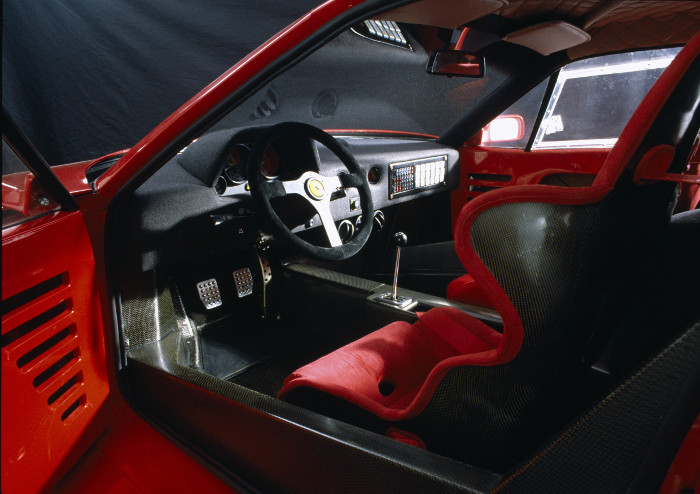
The car came to be because il Commendatore, which is how Mr. Ferrari was referred to, wanted to build a true Ferrari. It was to be a vehicle that embodied everything he and his company stood for. Built from carbon-fibre, the iconic F40 silhouette was a culmination of extensive wind tunnel testing as well as research and development.

Leonardo Fioravanti, a member of the Pininfarina team that designed the car, was invited by Enzo to drive the 288 GTB Evoluzione, the 650bhp experimental prototype supercar. It never really made it onto showroom floors due to regulatory issues, but it was still an amazing machine in its own right.

Speaking of the car, Fioravanti said, “We knew, as he knew (Enzo Ferrari), that it would be his last car. We threw ourselves headlong into the work. Extensive research at the wind tunnel went into aerodynamic optimisation, to achieve coefficients appropriate for the most powerful Ferrari road car ever.”

He then added, “Its style matches its performance: the low bonnet with a very tiny overhang, the NACA air vents and the rear spoiler, which my colleague Aldo Brovarone placed at right angles, made it famous. If I had to point out one overriding reason for the success of the F40, I would say that its line succeeded in instantly transmitting the exceptionality of its technical content: speed, lightness, and performance.”

As a matter of fact, the engine of the F40 was actually a derivative of that that powered the 288 GTB Evoluzione. A number of innovations were made though and the end result, was a twin-turbo V8 that produced 478bhp.

Great emphasis and time were placed on the design of the engine. There was extensive use of magnesium for the oil sump, cylinder-head covers, intake manifolds, and gearbox bell-housing. At the time, It’s use was considered unconventional and rather expensive.

Magnesium, as a material, costs five times as much as aluminium alloy, which is what is usually used. And since, the F40, it was never used in such quantities again for any subsequent production car, which makes the car, all the more special.

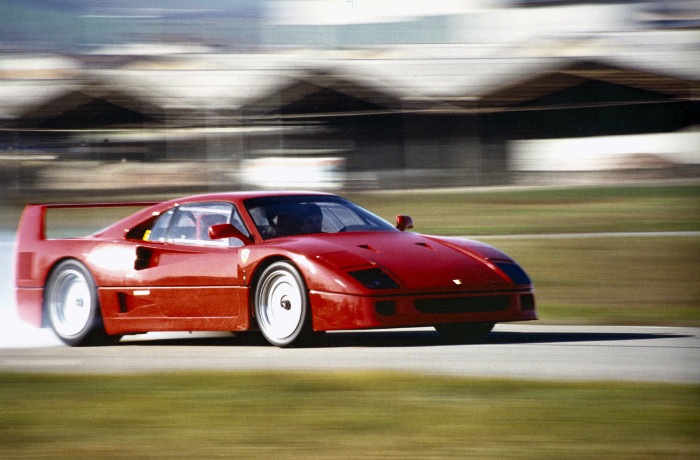
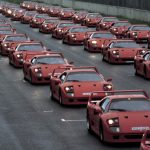
In just 13 short months, the F40 went from the drawing board to a fully fleged supercar that was extremely powerful, lightweight, and had the handling characteristics of a professional Go-Kart. A little more than a thousand cars were produced in total and despite its age, the F40 is one of the most revered cars from the Ferrari stable and the world in general.

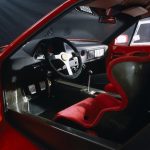
Unlike its modern brotheren, it lacked the technologically advanced wizardry that governs cars like the F430 and as such, it was a true driver’s car. The fat rear tyres provided it with exceptional grip, allowing it to handle cornering with ease. The F40, like Ferraris before it, had a little bit of Enzo in them, which to fans of the brand, is something worth more than gold.

We will end this lengthy tribute to the car by saying – happy birthday F40! You look just as good now as you did 30 years ago.

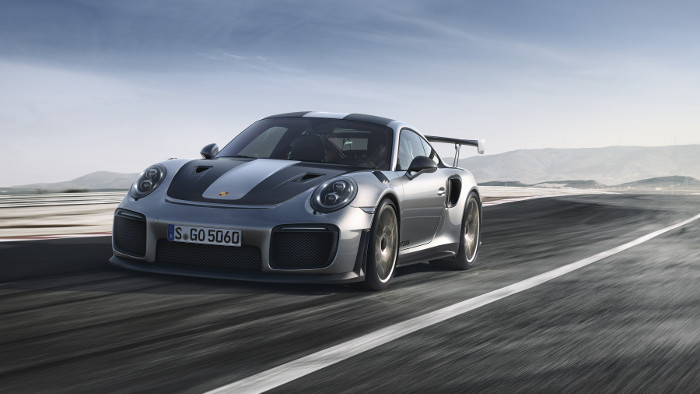
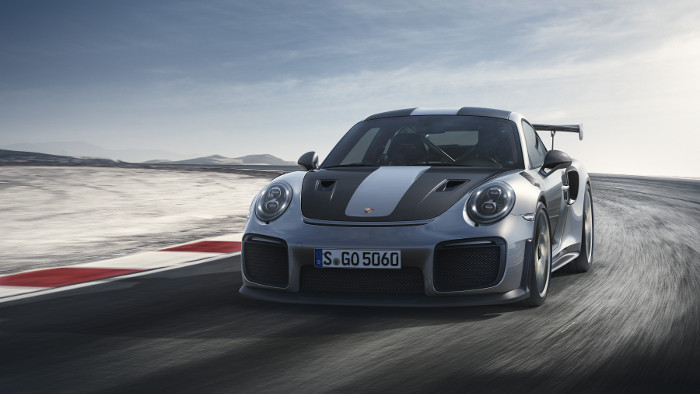
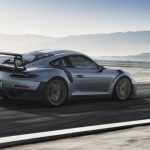
Porsche has finally unveiled its 911 GT2 RS, a track-focused, rear-wheel drive sports car that features a race-bred chassis and rear axle steering. It’s a lightweight car, which is evident by the extensive use of carbon fiber reinforced plastic (CFRP) for the exterior mirrors, air intakes on the rear quarter panels, front luggage compartment lid, certain other parts of the rear and many of the interior components.

Porsche has also fitted a titanium exhaust system that weighs 7kg less than that in the 911 Turbo and is said to deliver a distinct yet pleasing exhaust note. The roof panel is made from magnesium, which should help lower the overall centre of gravity.

And if that isn’t enough, more weight can be shed by opting for the optional Weissach package. This gets you magnesium wheels, other trim panels made from carbon fiber, which include the roof, anti-roll bars and end links on both axles.

https://youtu.be/XWpTjUk0nb4

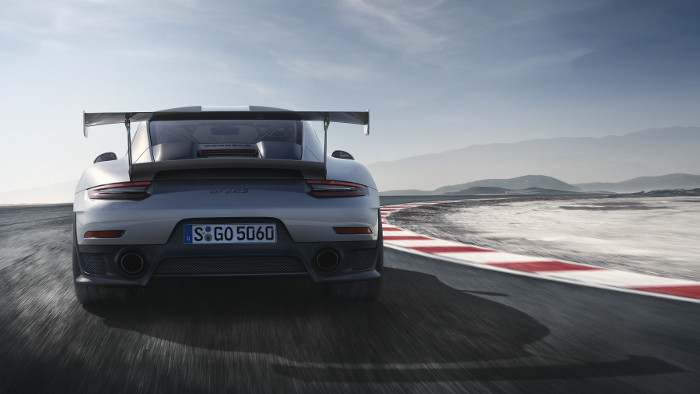
What really separates the GT2 from other 911 cars are the large air intakes and outlets on the bumpers as well as a unique rear wing that improve the car’s overall aerodynamic efficiency and increase downforce. Porsche says that the car has exceptional grip due to the race-bred chassis, rear axle steering capabilities and the ultra high performance tyres.

This GT2 RS has the same 3.8-litre engine as that found in the 911 Turbo S but power has been increased further by the use of larger turbocharger and a new additional cooling system for the intercoolers.

As such, the twin-turbo flat six engine produces 700bhp and 750Nm of torque which is about 80bhp and 50Nm more than its predecessor. Power is sent to the rear wheels via a customised GT 7-speed dual clutch (PDK) gearbox that offers maximum efficiency and uninterrupted torque transfer. It can go from 0-100km/h in just 2.8 seconds and reach a speed of 340km/h.

Despite being a track ready car, the GT2 RS does come with the usual electronic driver safety aids that include stability control and traction control. They make up the Porsche stability management system or PSM, which can be switched off in two states using ESC off and then ESC + TC off.

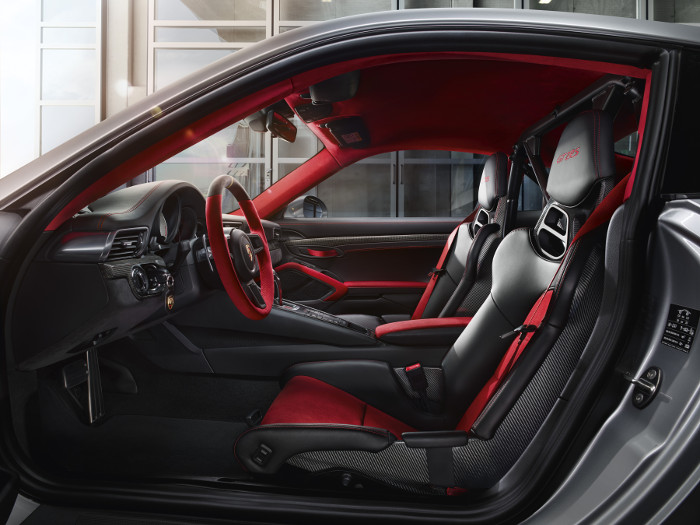
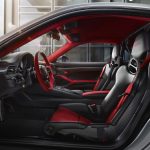
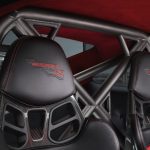
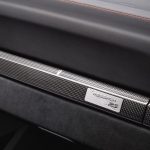
Inside, the car has a red Alcantara black leather upholstery and several carbon fiber trim pieces throughout the cabin. There’s a GT2 RS Sports steering wheel that is fitted as standard and so are the full bucket seats with carbon fiber reinforced backrests and Porsche Communication Management (PCM) system, which functions as the central control unit for audio, navigation, and communication. Porsche Connect Plus and the Porsche Track Precision app are also included as standard.

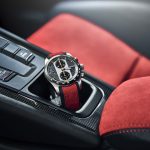
Porsche has also released a chronograph watch to mark the launch of this very special car, which will only be available exclusively to 911 GT2 RS owners. It is the first clock movement that Porsche Design can call their own and is housed within an elegantly made lightweight titanium body. The movement is a caliber 01.200 one that includes a flyback function, a load-path-optimized movement bridge, and an official COSC certificate of authenticity.

The Porsche 911 GT2 RS is available to order now but customers should receive their cars towards the end of this year or in early 2018.

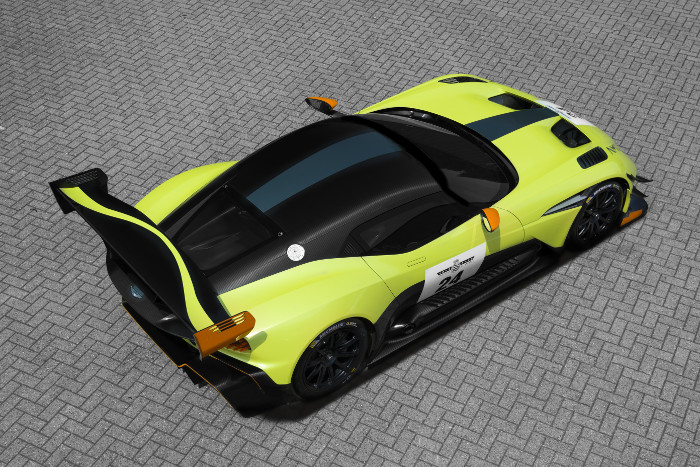
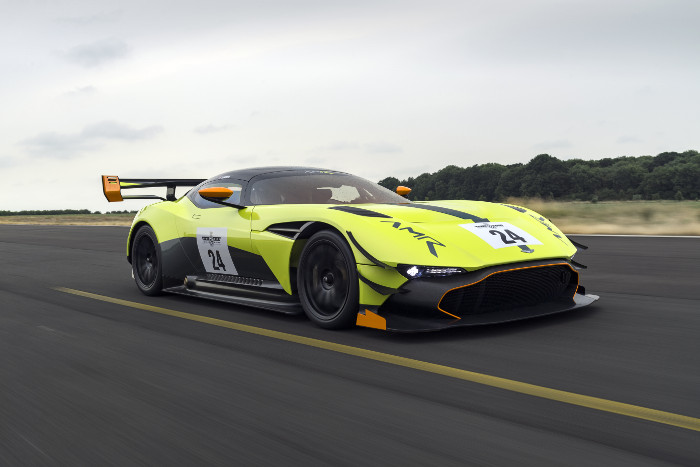
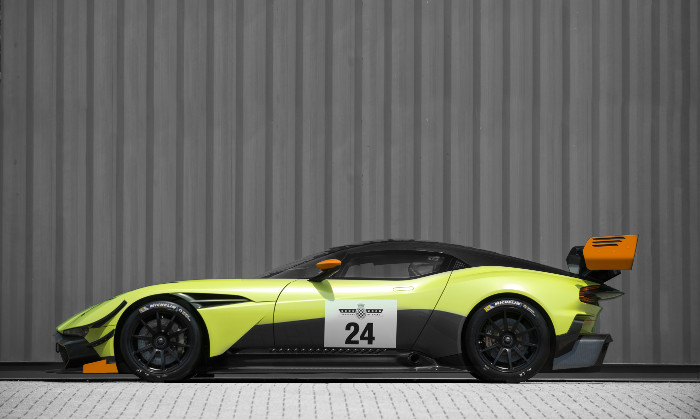
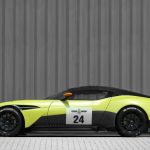
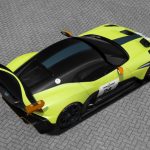
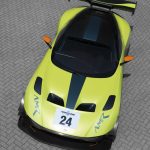
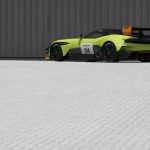
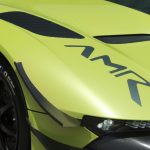
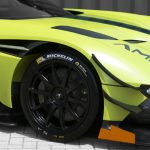
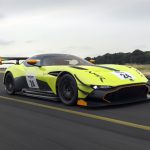
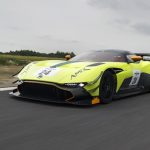
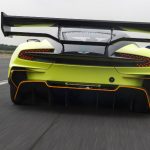
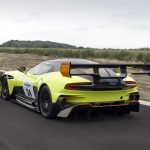
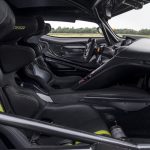
Aston Martin has been dominating the news these past few days and rightly so, considering that it announced several new releases and the fact that will be using Mercedes-Benz engines in its future cars. This time around, the news is on the wildest car to come from Gaydon, being made even wilder. The car in question, is the Vulcan fitted with the AMR Pro package.

After the upgrade, the car is badged as an AMR, Aston’s newly created performance brand. Compared with the base Vulcan, this upgrade gives the car extensive aerodynamic enhancements and shortened gearing to produce increased downforce, greater responsiveness and reduced lap times.

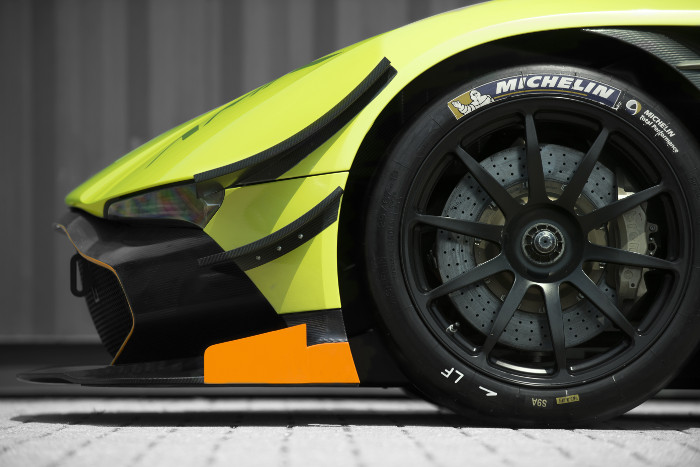
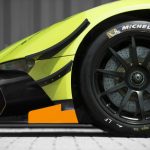
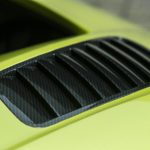
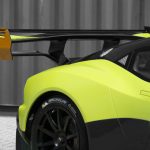
The aerodynamic changes that are made include loured panels added above the front wheel arches to extract high pressure air and reduce aerodynamic lift. A sizable pair of dive planes have been added to each side of the nose to help pin the front-end to the track and the front splitter has turning vanes fitted to its underside to improve steering response. Through some clever engineering, the car’s engine cover has been lightened too, by an impressive 5kg.

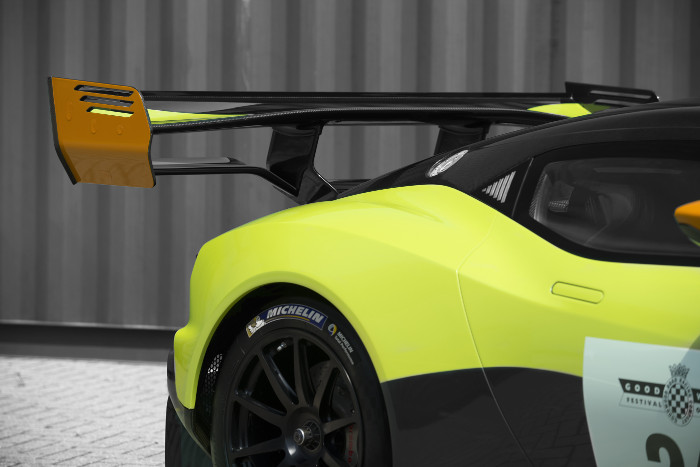
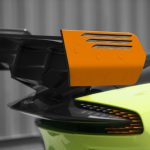
As for the rear, the changes are just as extensive as those at the front thanks to a new rear wing. Unlike that of the standard Vulcan, the AMR Pro’s wing has a dual plane design rather than a single plane one, and its main element features a 20mm ‘Gurney’ flap that is aided by slotted wing end-plates that have additional 15mm Gurneys to maximize downforce.

All these tweaks combined, give the AMR Pro 4000Nm of downforce compared to the standard Vulcan’s 3150Nm. This figure dwarfs that of the downforce generated by the 2017 Le Mans Winning Aston Martin Racing Vantage GTE with just 3104Nm. They have also allowed the Centre of Pressure to be shifted closer to the middle at 47% compared to 41.5% of the base Vulcan. This will help improve traction, steering response and front-end grip.

Speaking of this upgrade pack Aston Martin Vice President and Chief Special Operations Officer, David King, said, “The shorter gearing makes for truly explosive acceleration between the corners, while the aero package’s increased downforce and improved balance gives our customers the all-important confidence to explore the extraordinary performance on offer.”

Having said all of this, the standard Vulcan is no slouch. Prior to the introduction of the AMR Pro package, it was the fastest, loudest and meanest looking Aston Martin to be made. It produces an impressive 820bhp from its colossal 7.0-litre V12 engine, coupled with a kerb weight of just 1,350kg, the car is nothing less than a rocketship.

Production was limited to just 24 cars and was delivered to customers throughout 2016. It was conceived and engineered to deliver similar excitement but exceed the performance of the automaker’s Le Mans winning race cars. Owners of the Vulcan have received extensive driver training by Aston Martin’s expert team of instructors to enable them to hone their skills at being able to tame the relatively bullish Vulcan.

The AMR Pro is an upgrade package that will be fitted to existing Vulcan cars in stages and depending on whether customers are keen to get the upgrade done. The package will be installed by Q by Aston Martin Advanced Operations. An already completed AMR Pro will be make an appearance at the Good Wood Festival of Speed today.
Archive

Follow us on Facebook

Follow us on YouTube