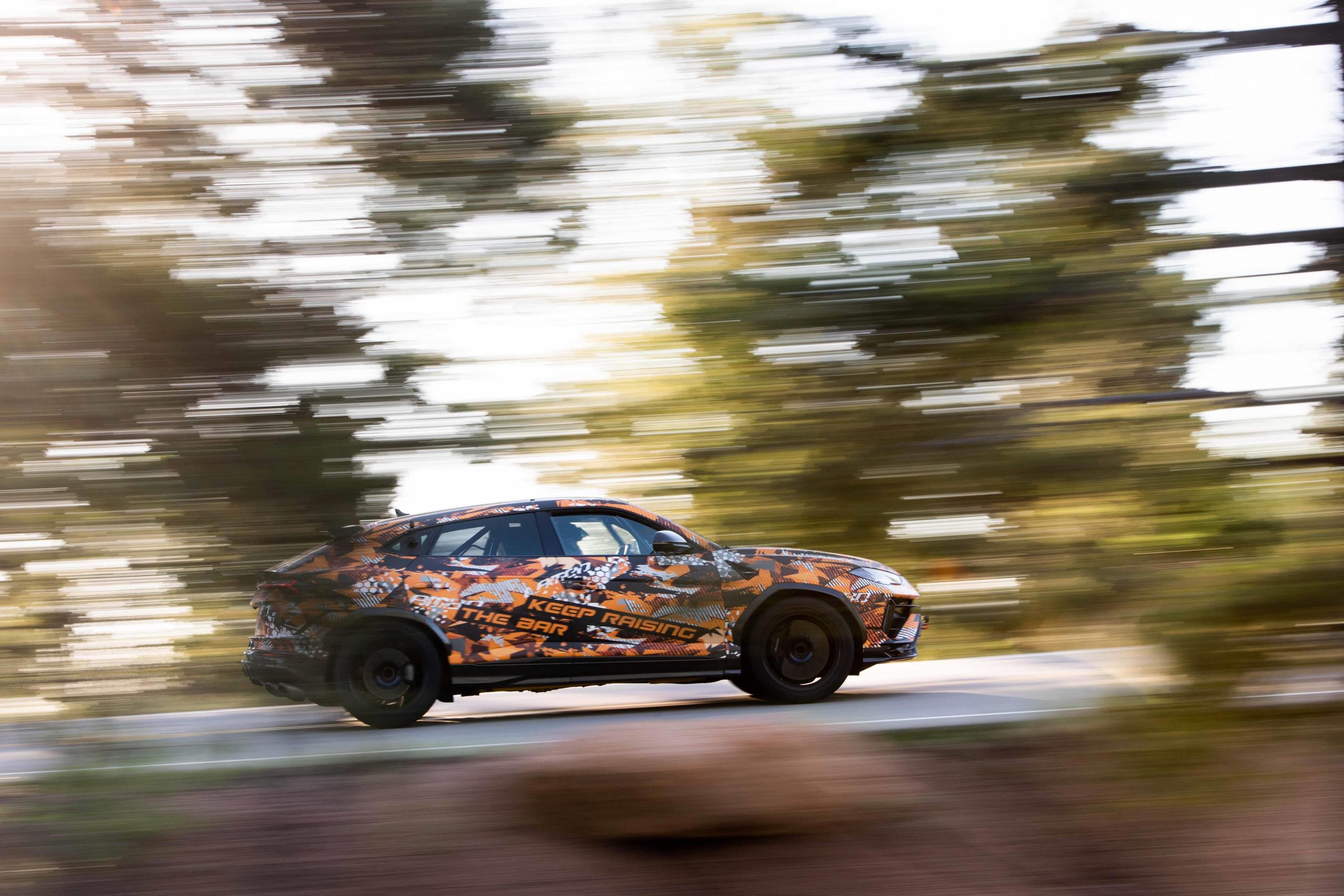
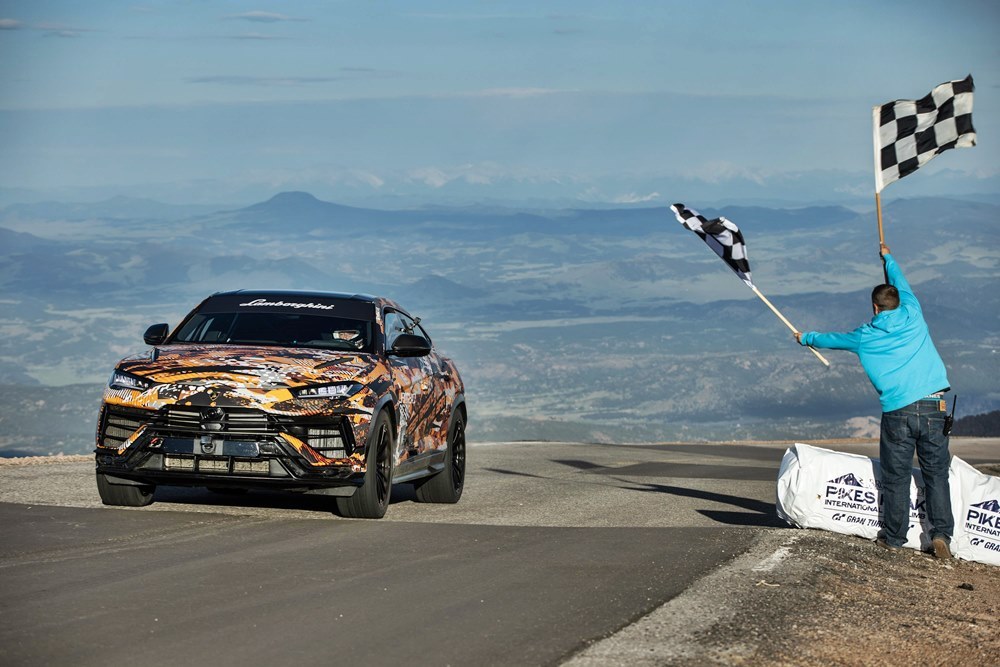
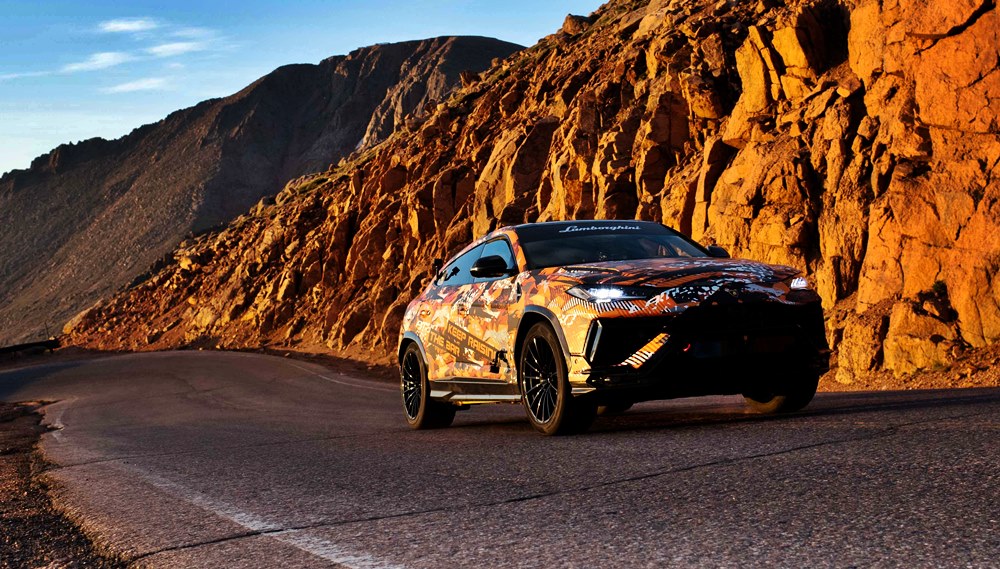
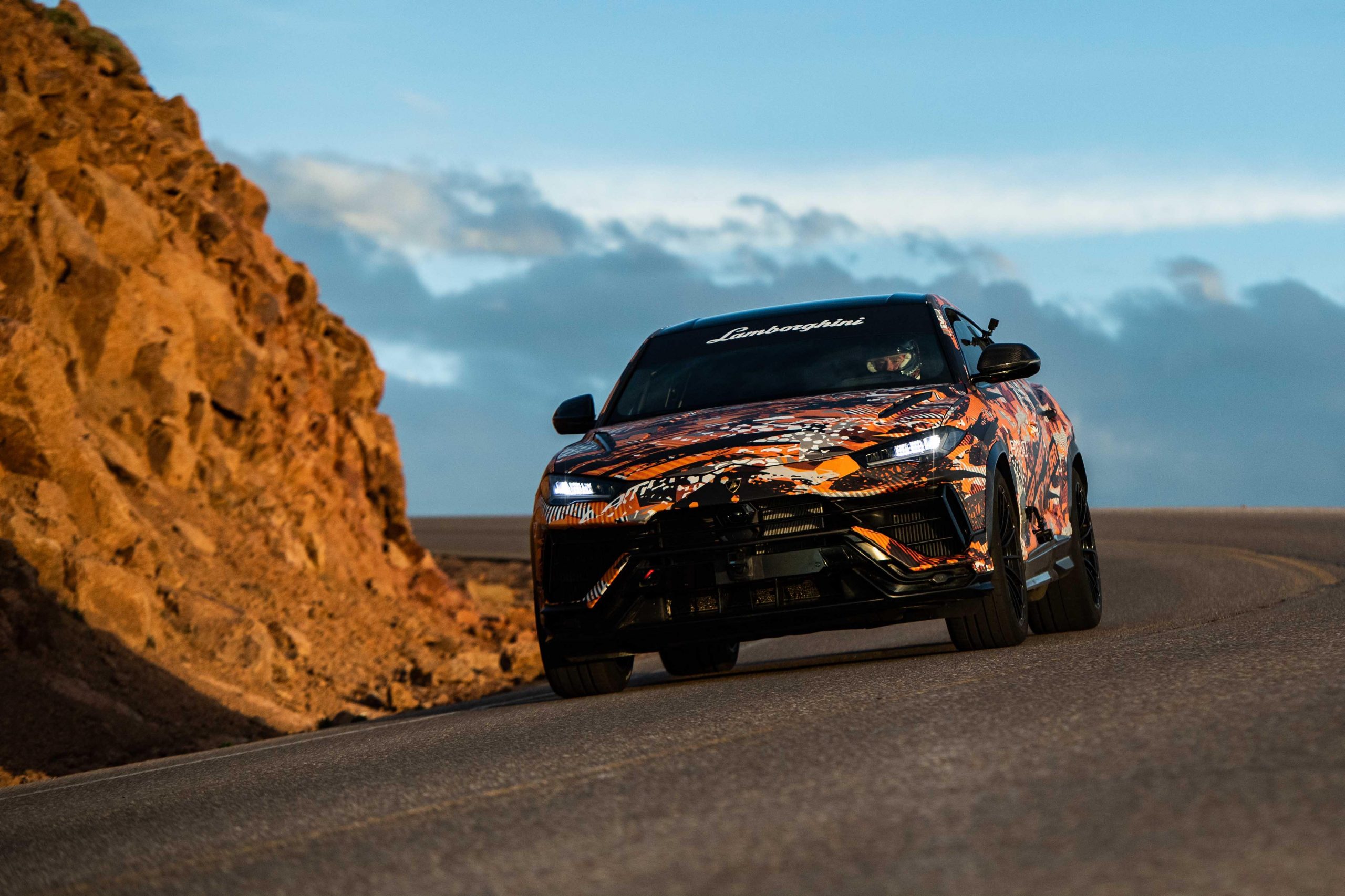
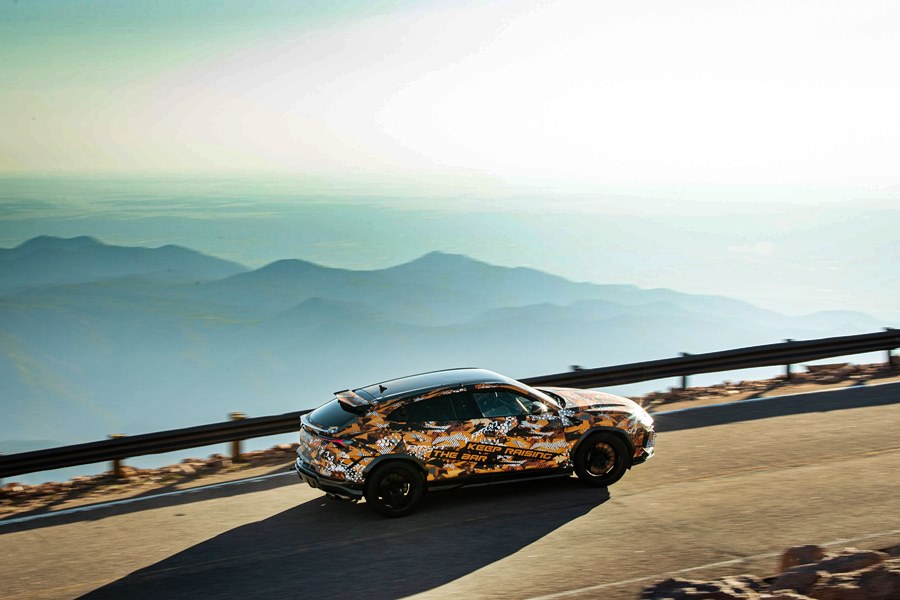
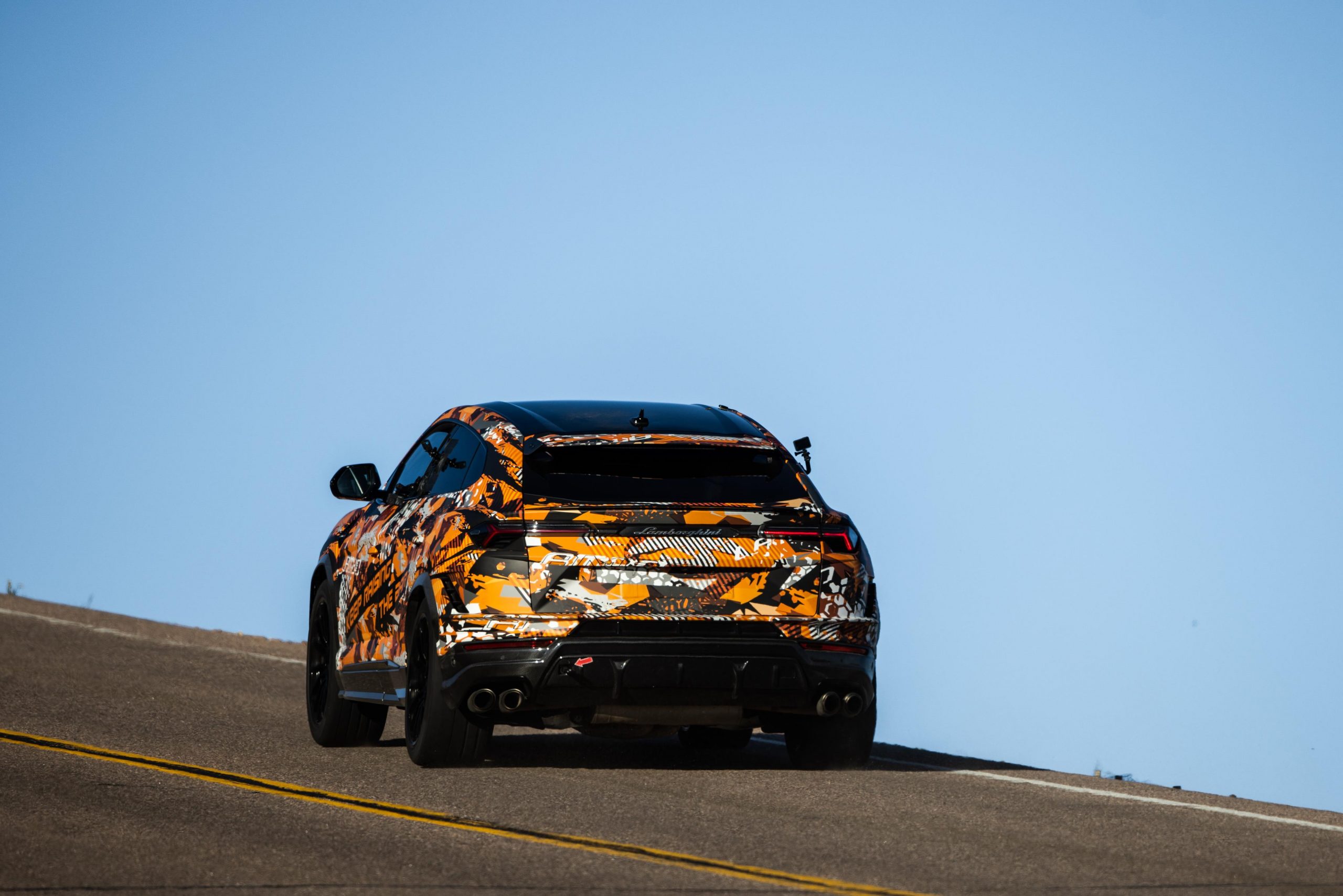
A new Urus SUV will make its debut in the near future but even before its world premiere, it has already collected a new record in the production SUV category on the track used for the Pikes Peak International Hill Climb (PPIHC) in America.
Yet to make its formal debut, the new Urus was not entered in the official race but the time was recorded by the official timekeepers of the event. When it reached the peak, its record time was quicker than both the previous PPIHC-sanctioned non-race day manufacturer record of 12:35.610 set by Paul Dallenbach in 2014, and the current race day record of 10:49.902 held by Rhys Millen, set in 2018, in a Bentley Bentayga.
The Urus was piloted by hillclimb champion and Pirelli test driver, Simone Faggioli, holder of the rear-wheel drive record set in the 2018 ‘Race to the Clouds’, the name given to the PPIHC. Because it has not made its official debut, the SUV was covered with a camouflage wrap to conceal some of its styling features.
The timed drive took place on the same route as the race, with the road closed to traffic for the occasion. Starting from an altitude of 2862 metres, Faggioli tackled the 156 turns that wind for 20 kms, rising a further 1,439 metres to reach the finish-line at the top which is at an altitude of 4,302 metres. It took him 10:32.064.
“The decision to test ourselves at Pikes Peak reflects the Lamborghini spirit of ‘expect the unexpected’, and demonstrates the outstanding performance of the new Urus model to be presented shortly,” said Rouven Mohr, Automobili Lamborghini Chief Technical Officer. “Pikes Peak is the most famous hillclimb event in the world, as well as being extremely challenging for the car: the uneven track layout tests the chassis’ balance; the significant altitude differences stress the powertrain; and the weather conditions can change very rapidly between start to finish.”
The Urus, equipped with the standard twin-turbo V8 engine, was modified to comply with the safety regulations of the event. Some of the changes and additions were the roll-cage installed around the cabin; the standard seats replaced by a racing seat with 6-point harness; and a fire extinguishing system.
The tyres fitted (285/40 R22 and 325/35 R22) were an evolution of the Urus’ Pirelli P Zero Trofeo R. For the first time, the Pirelli semi-slick tyre has been developed to meet the characteristics of an SUV, with this particular variant developed in cooperation with Lamborghini.
The result of the collaboration is a tyre with increased versatility, returning high performance both on dry asphalt with high ambient temperatures and on wet surfaces with colder temperatures.
The new vehicle market in China is the biggest in the world, having overtaken the US market in 2009. Last year, around 26.3 million new vehicles were sold, about 15 million more than the US volume. Every manufacturer would like to sell in China as even a small share of the market still means big volumes. However, apart from its own regulations, the China market also has some specific requirements which need to be met if a model is to appeal to the consumers and sell well.
And because of the potential volumes, foreign manufacturers are willing to develop models or alter existing models to meet the tastes of the Chinese customer. These tastes extend to styling and also size, with extended wheelbases being favoured.
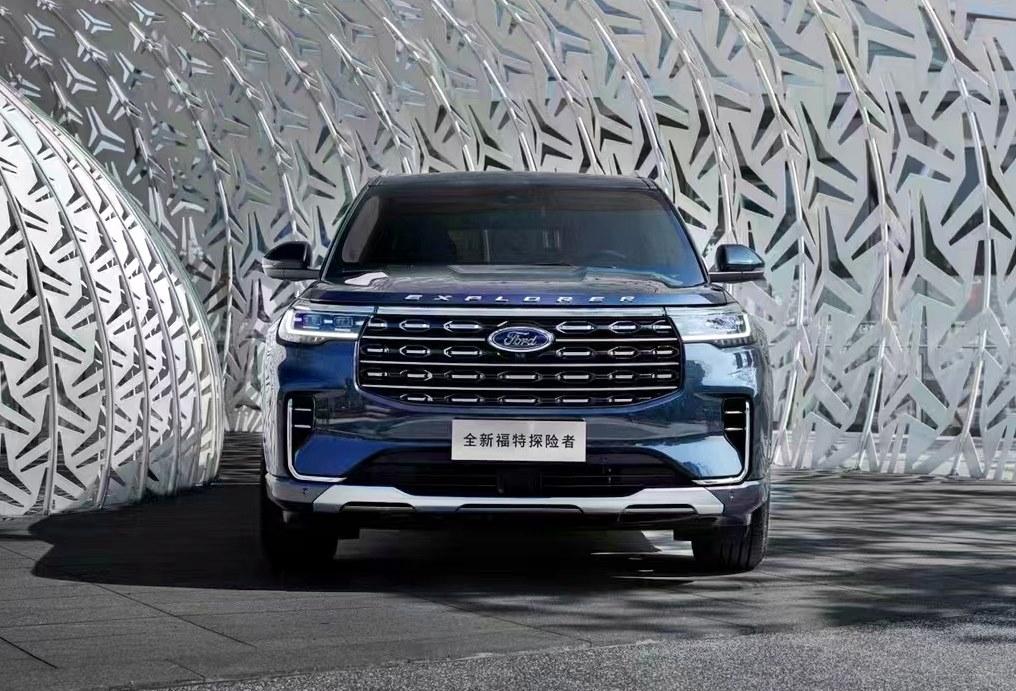
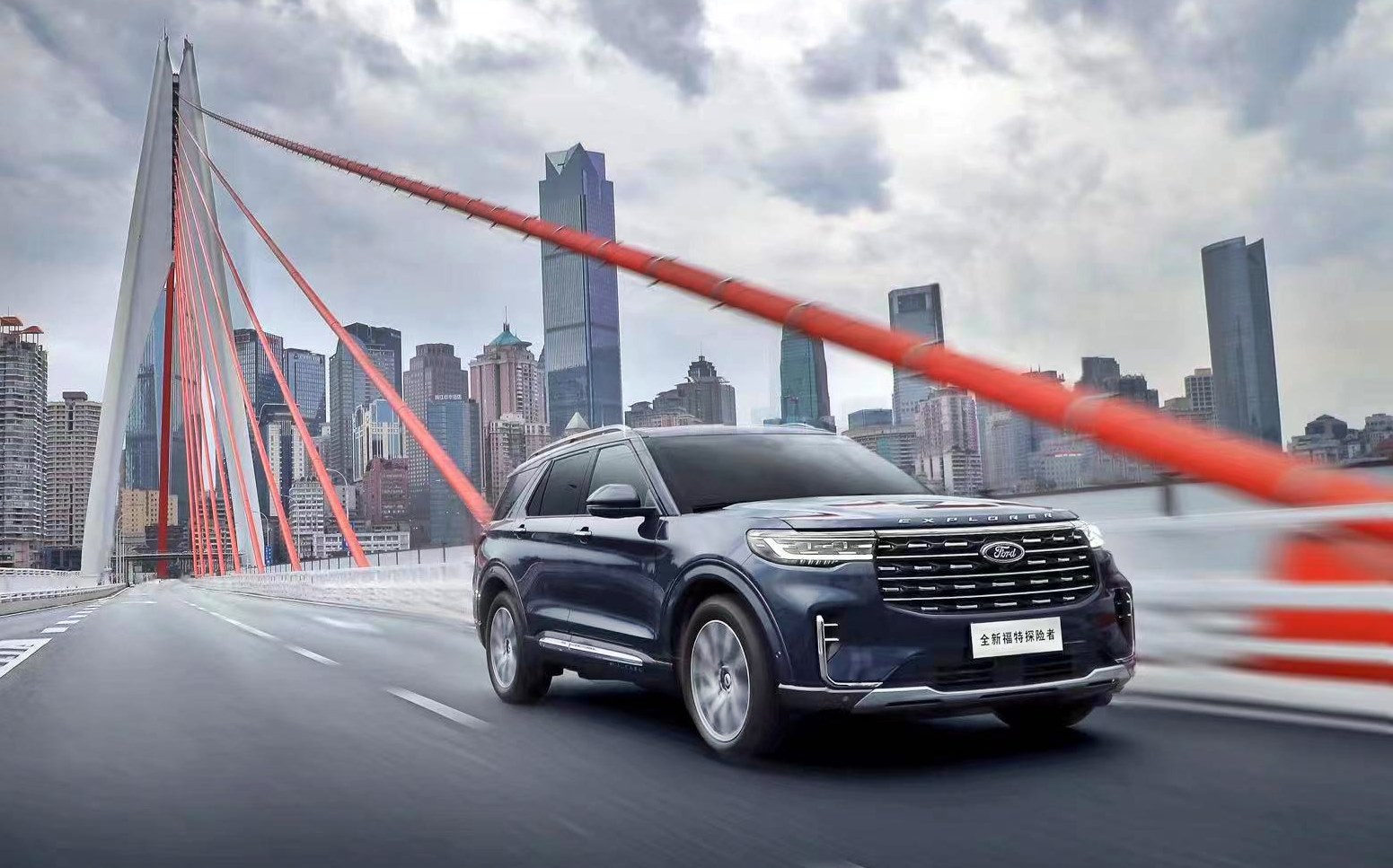
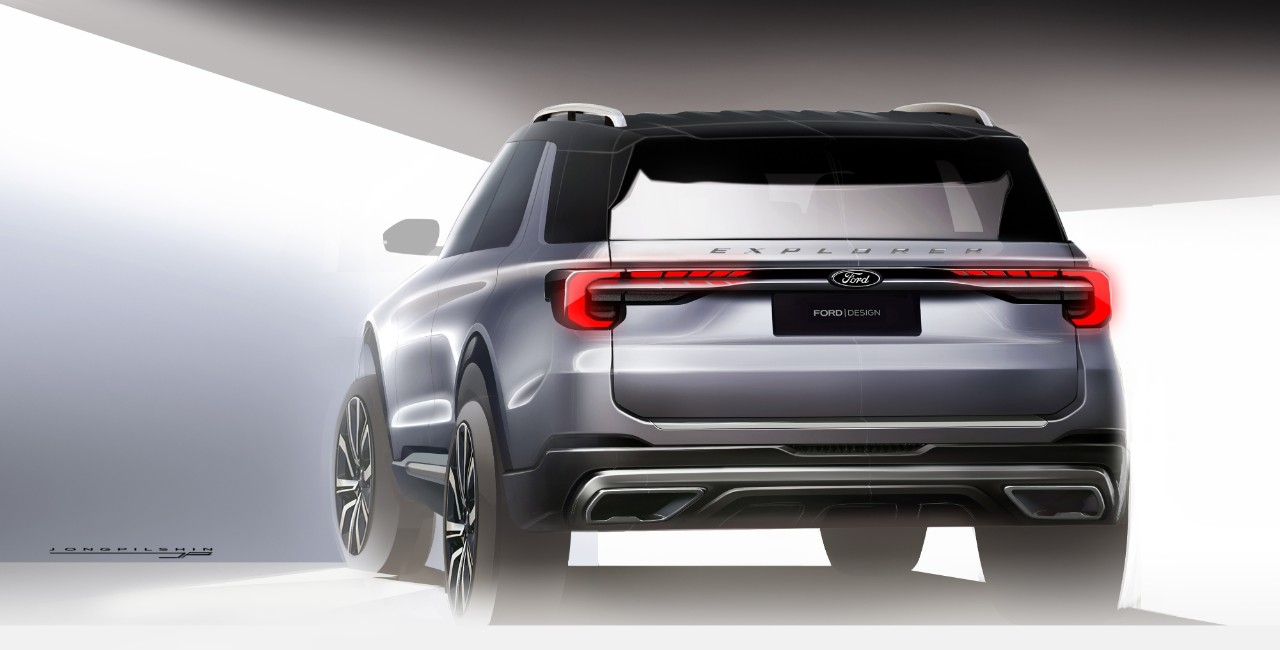
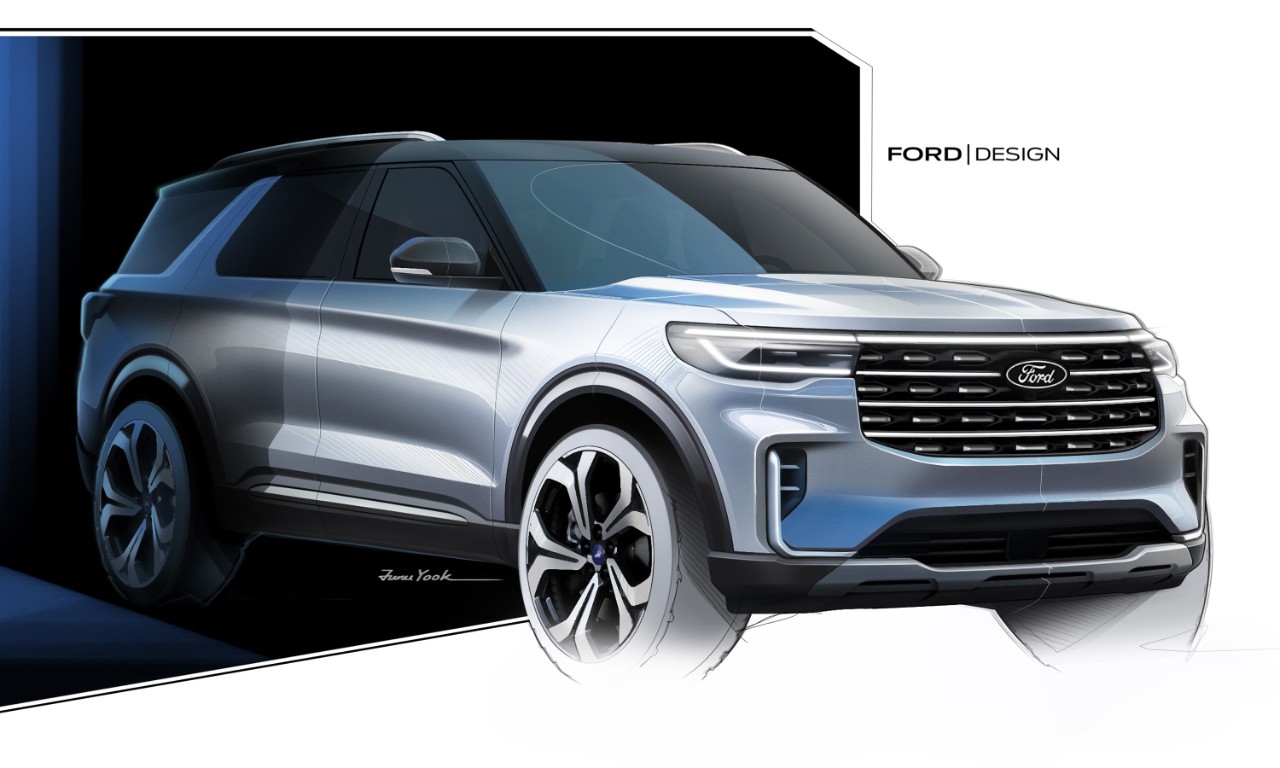
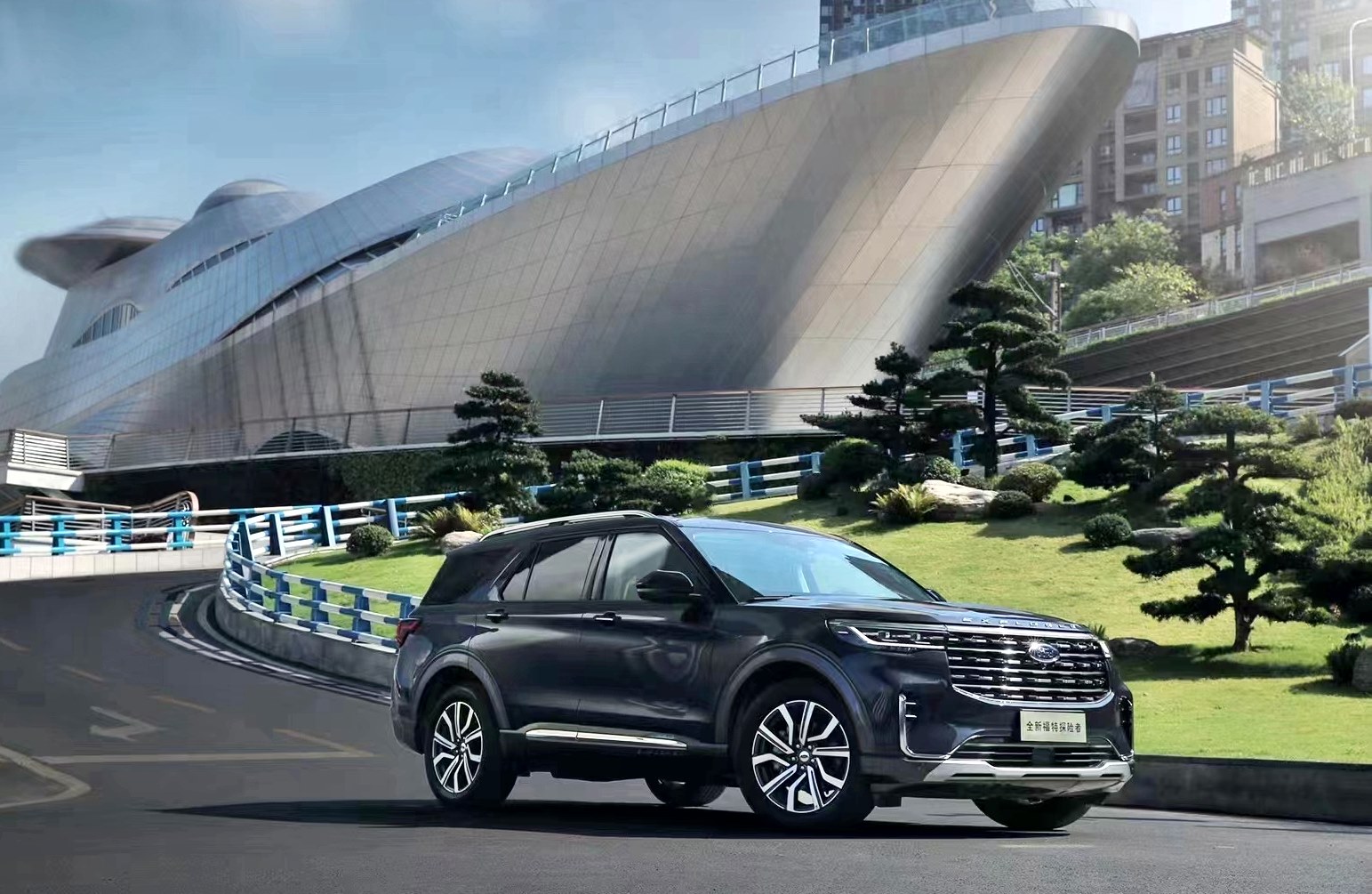
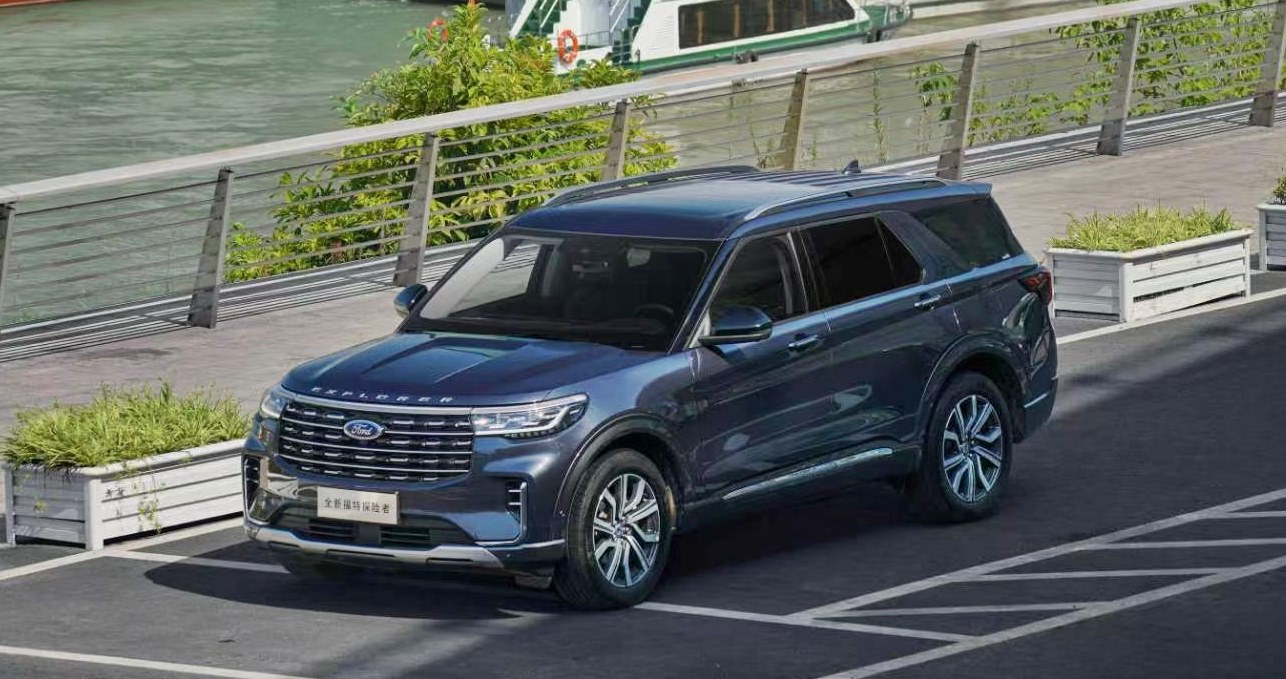
One example is the Ford Explorer SUV which was recently unveiled in China. The model, an extremely popular SUV in America, has been sold in China since 2012 and for the latest generation, Ford has given it an appearance and features that are specifically for the market.
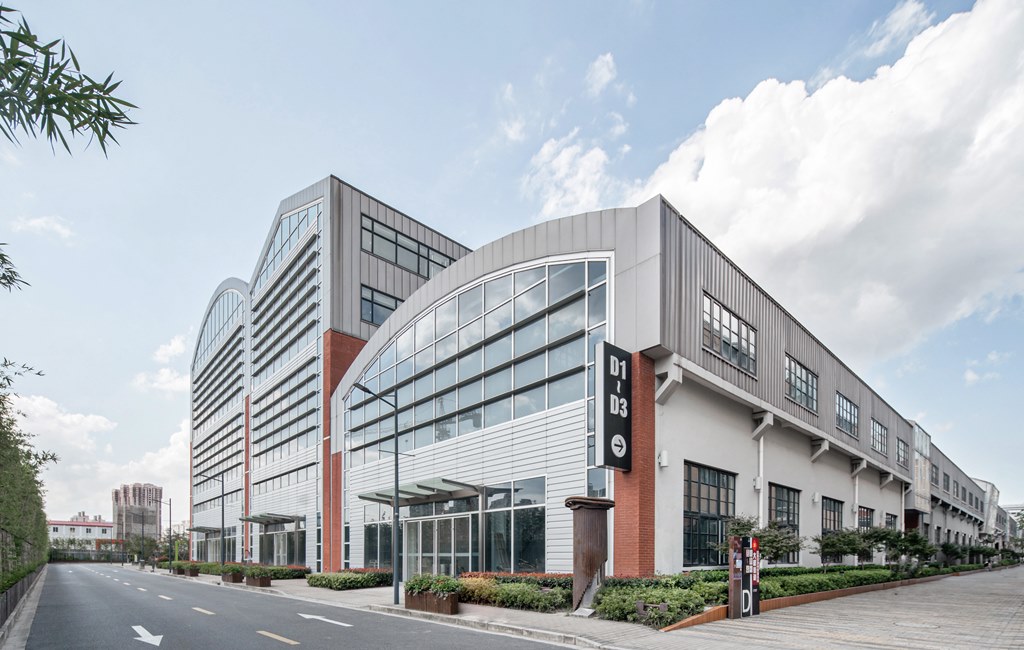
Designed in China for China The Explorer for China was developed in China, at Ford’s design centre in Shanghai. The company’s sixth global design studio, the China Design Centre is a state-of-the-art facility that also encompasses a full showroom and in-house clay workshop.
Ford China Design Centre in Shanghai
The design team is a fusion of east and west, with 75% of the staff being local but maintaining close connections to the design teams globally. With their international outlook and local insights, this diverse group was given the task of designing the model for the Chinese market.
“Being the first time the Explorer was designed outside of North America, it was important that it continues its successful heritage of pioneering innovation and adventure whilst being modernized for the progressive China market,” said Simon Brook, Chief Designer of Ford China Design Centre. Elaborating on further differences when it comes to design, he said: “We know our Chinese customers value a high degree of sophistication, luxury and premium refinement, from exterior to interior.”
The process began with the creation of hundreds of detailed sketches to define the thematic direction. These themes were then narrowed down to strong proposals that ran from luxury to progressive to bold, to ensure that the optimum balance was achieved in the sense of strength and luxury while staying true to the Explorer heritage. High-tech solutions such as Virtual Reality and digital review tools were used to evaluate the themes from the sketch phase before committing and identifying the core design directions.
Ford’s China Design Language Brook defines the ‘Progressive energy in strength’ mantra as being ‘all about taking Ford design heritage and that trust, and then innovating, and taking us somewhere new’. The Explorer design fully integrates the design DNA of the Explorer and combines it with modern Chinese aesthetics.
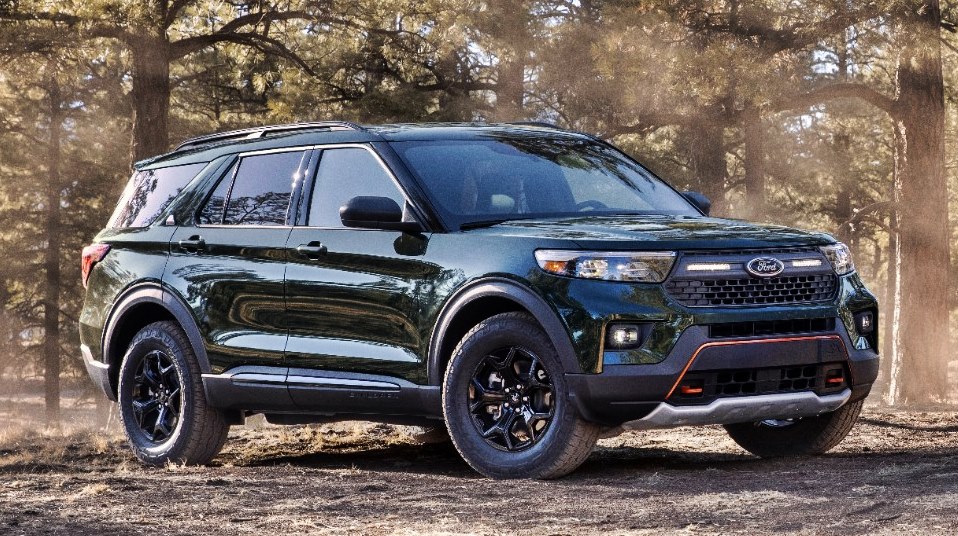
The frontal appearance of the Explorer for China (above) is significantly different from the version sold in the USA and other markets (below).
The key visual signatures of the Explorer heritage – such as the connected grille to lamps, C-clamp rear lighting signature and an open and expansive cabin – are all retained in the latest Explorer. The luxury yacht inspiration can be found throughout the exterior design. The new 21-inch Turbine fan wheels spin like a ship’s propeller, the iconic C-pillar graphic echoes the mast of a luxury sailboat, while the front end captures the essence of a ship’s bow as it breaks through the waves.
With the luxury-yacht feel retained and established, the key to the new Explorer’s design innovations for the Chinese market were to be found by leveraging the ‘Progressive Energy in Strength’ Chinese design DNA to capture three main principles: Agile, Responsive, Commanding.
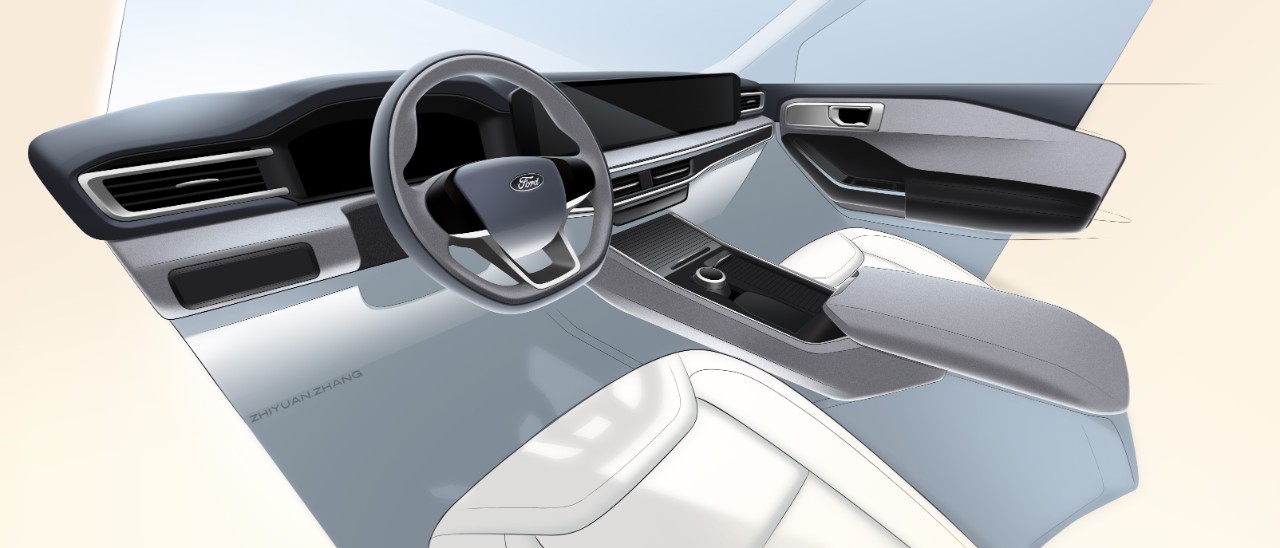
High-tech interior The philosophy behind the main interior elements is based on three fundamental aesthetic principles: clarity in build, harmony within composition and detailed craftsmanship. Aside from the overall proportion and form language, Chinese customers pay close attention to the mastery of craftsmanship and are more willing to embrace new, advanced technologies.
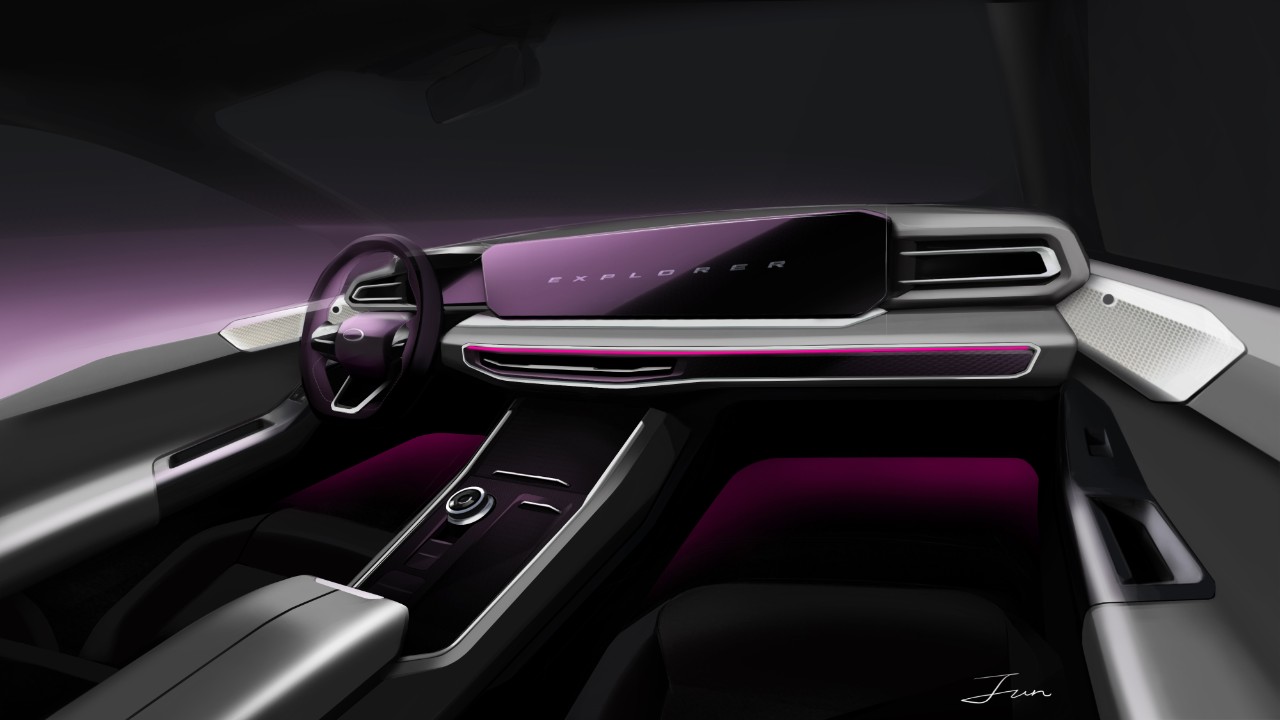
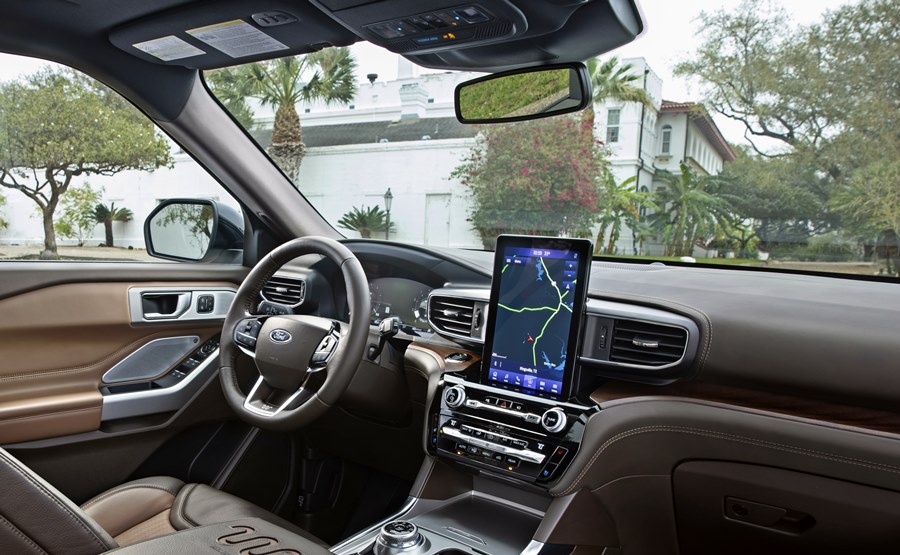
Explorer for China has a very wide display screen in the middle, whereas the US version (below) has the portrait-oriented screen that is also found in the new Ranger and Mach-E.
The overall interior architecture and prominent 27-inch touchscreen both reflect the commanding presence of the exterior, giving the Explorer a ‘Masculine Presence’ while ensuring it lives up to the ‘Tech Enhanced’ demands for well-integrated high technology. That’s further heightened through the newly designed instrument panel and centre console with its strong horizontal emphasis.
Time spent within the vehicle and the overall driving experience were considerations that remained at the forefront throughout the design process, with ‘customer voices’ prominently declaring comfort to be equally as important as safety and reliability. Driving an Explorer had to remain a rewarding experience, which necessitated finding a balance between comfort and technology. This was achieved via the harmonious integration of the technology itself and its intuitive usages, combining them with experiences that stimulate the senses.
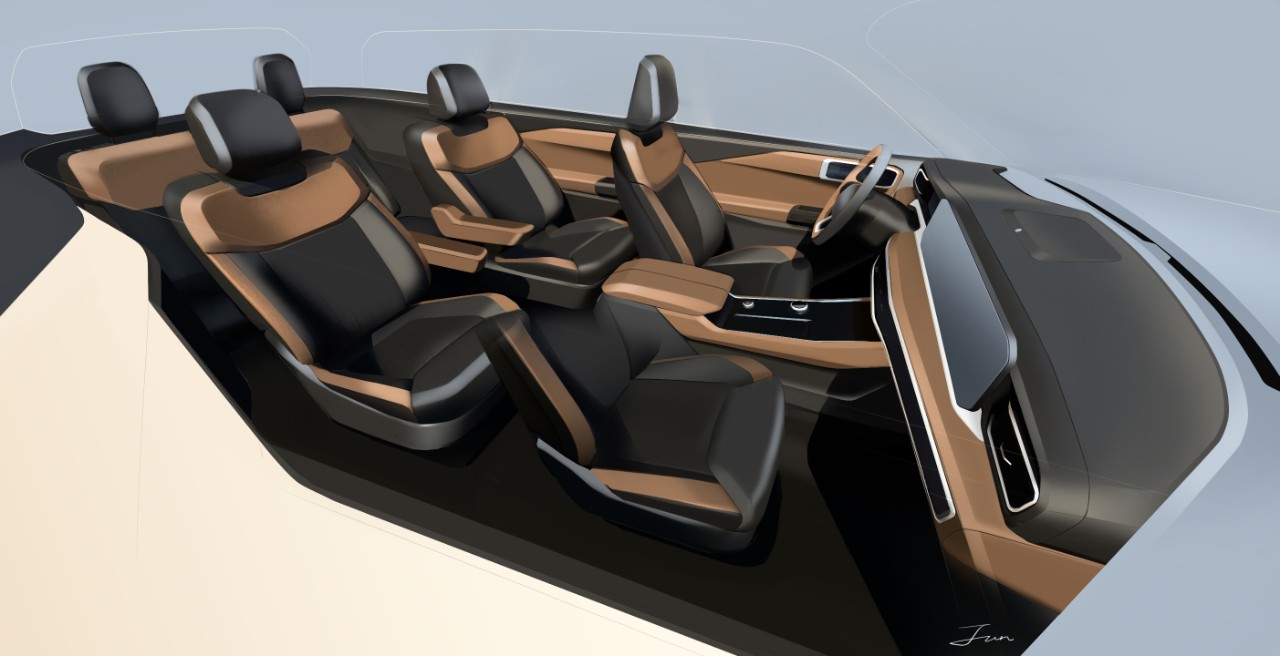
New seating In order to improve physical comfort, and place an emphasis on ‘Premium Quality and Solidity’, Ford’s designers came up with new seating with wider seat dimensions and fuller side bolsters to enable an optimally comfortable seating posture.
A standout feature is the unique China seat material and patterns designed in cooperation with Eagle Ottawa. Via the application of high-definition technology, the design team was able to express extremely fine detailing and new innovative patterns that would not have been possible using traditional quilting techniques, resulting in a design that is immaculate in its precision without sacrificing functionality.
As expressed through the interior colour scheme, the premium brown and black theme represents a confident presence by projecting an image of strength and sophisticated adventure, while the ruby and black theme represents an exquisite premium expression combining a commanding quality suffused with elegance and a premium feel through the accent colours and selected finishes.
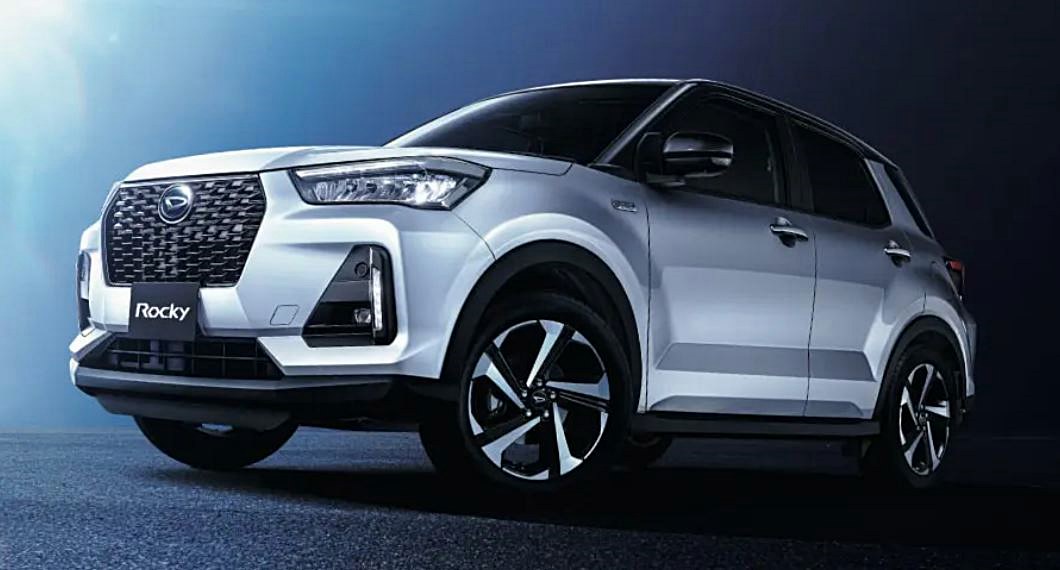
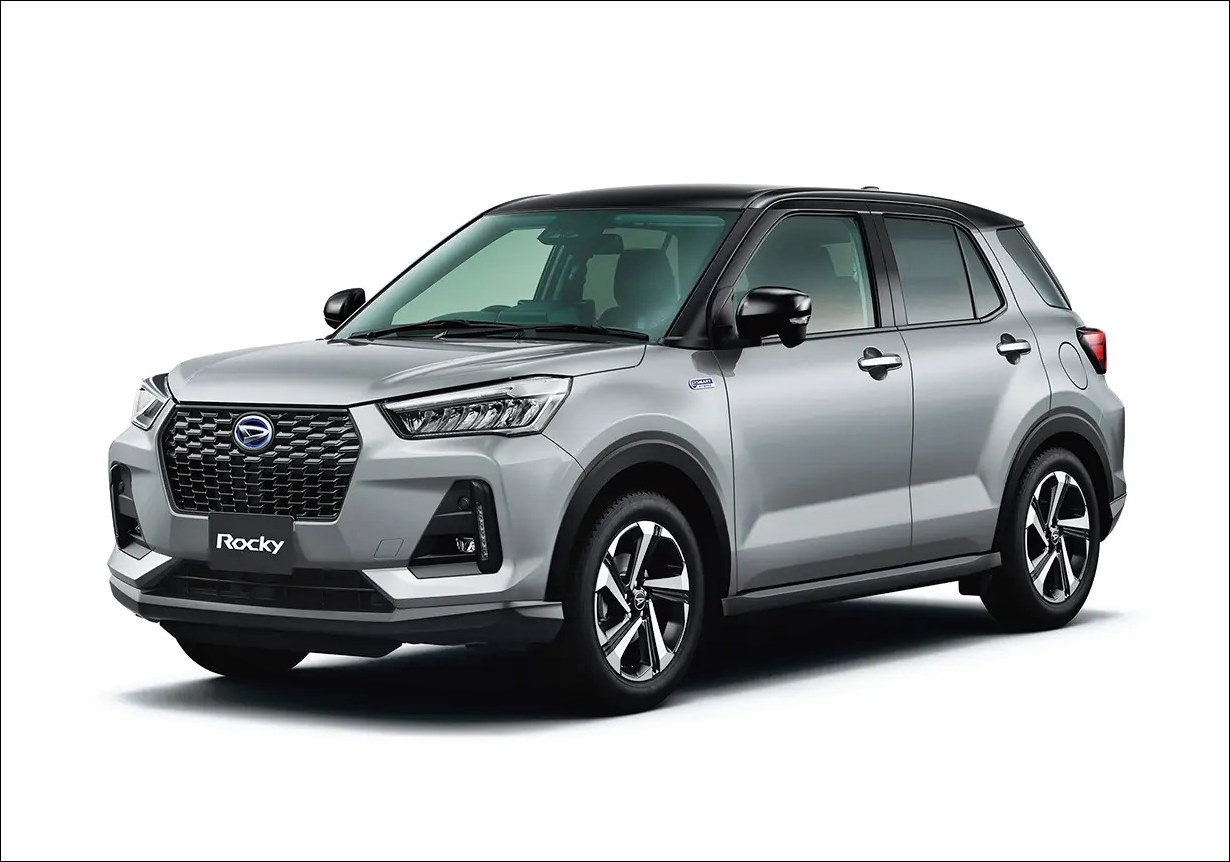
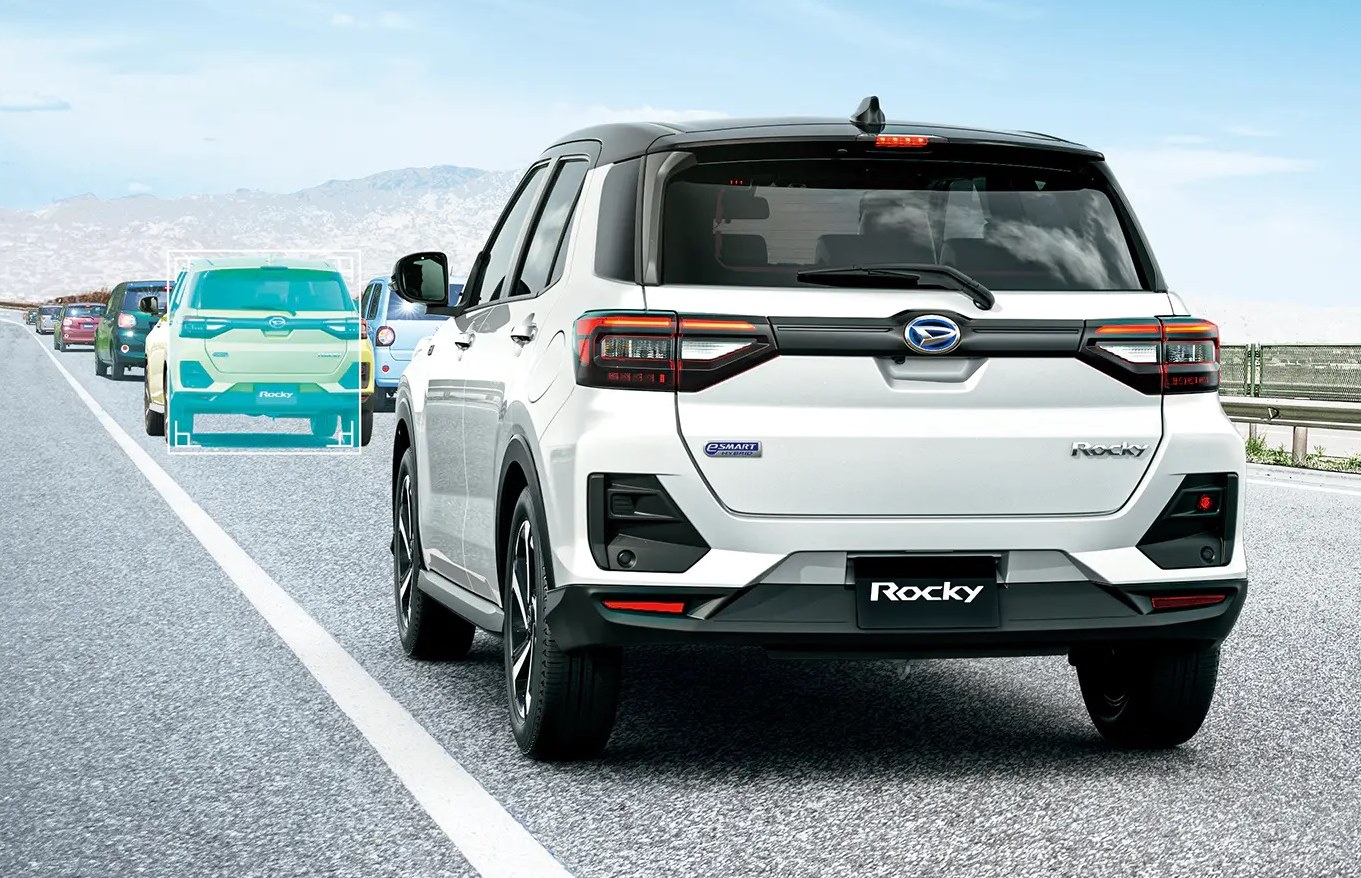
Although its vehicles are very fuel-efficient, Perodua will also be starting on an electrification journey with hybrid powertrains. This will begin with a fleet of 300 Daihatsu Rocky Hybrids that have been imported for the purpose of testing in local conditions. The Rocky is the Daihatsu equivalent of the Perodua Ativa, while Toyota’s version is called the Raize.
Rather than conducting the testing itself (which it will also do), the carmaker will be offering the model to interested customers under a subscription program. The customers who will be offered the chance to participate will be existing customers who have booked an Ativa but have not received it.
5-year program Under the program, they will pay an upfront fee of RM2,150 and a monthly fee of RM500. The costs relating to insurance coverage, roadtax and scheduled maintenance will be covered by Perodua. The period of subscription will last for 5 years and customers will be required to allows tracking of their vehicle movements (using a GPS device) so that data on their driving and usage can be collected.
They will also have to provide feedback regularly and report on any technical issues they face. Within a year, the data from 300 SUVs should provide Perodua with a lot of information on the running conditions of the hybrid powertrain which they can use in developing their future powertrain for a later model. Whether it will be for the Ativa or another model remains to be seen.
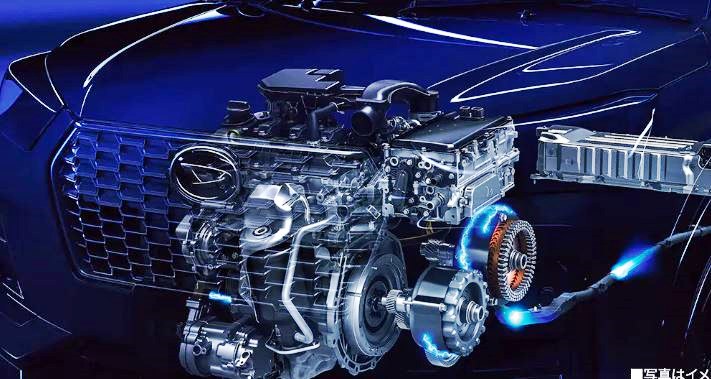
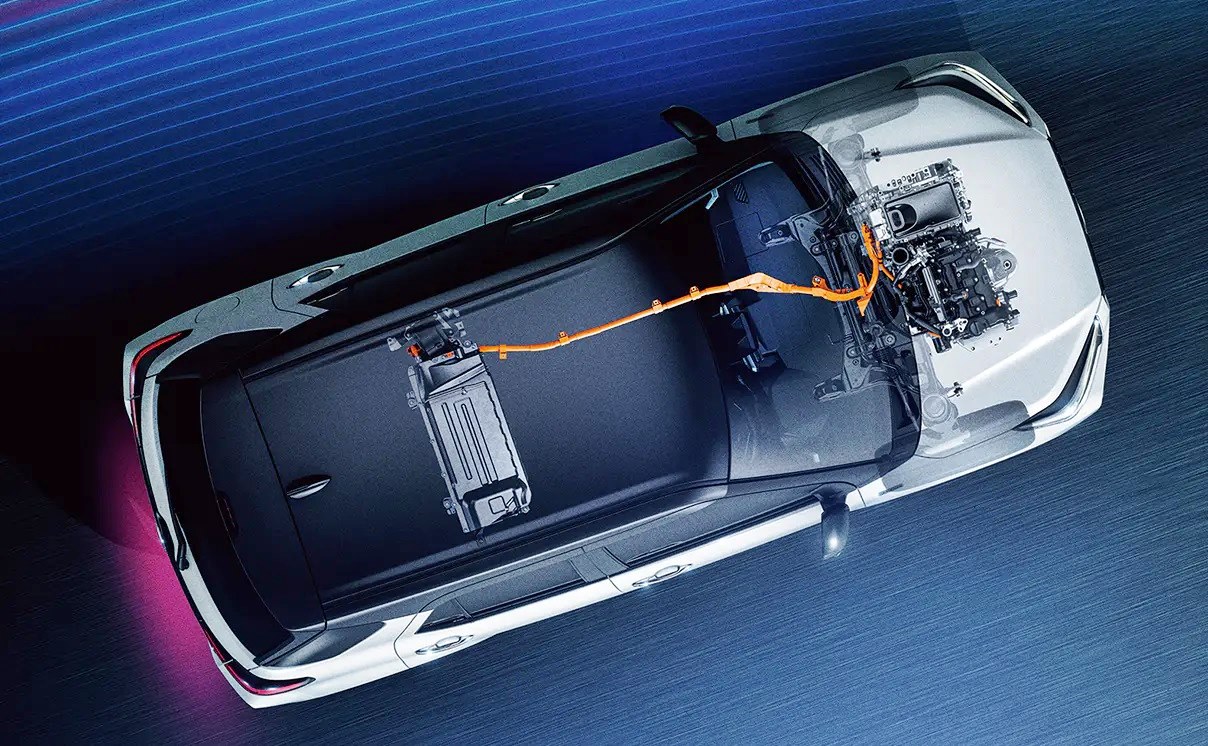
The e-SMART HYBRID system Daihatsu has worked on hybrid powertrains for a long time, with the first prototype shown as far back as 1981. The latest hybrid powertrain in the Rocky Hybrid is an e-SMART HYBRID which has the capability of running purely on electric power. It uses a 1.2-litre engine and a transaxle specially developed for hybrid electric vehicles.
The transaxle, which efficiently transmits the motor output to the wheels, consists of a motor generator that drives and generates power, a speed reduction mechanism, and a differential mechanism. The two motors are optimally arranged to achieve compactness so that they can be installed in compact vehicles.
The Rocky HYBRID also has a Smart Pedal (S-PDL) which can adjust the vehicle’s speed just by stepping on or releasing the accelerator pedal. When using the S-PDL, the amount of regeneration increases due to the reduced deceleration caused by the brake pedal, contributing to improved fuel efficiency.
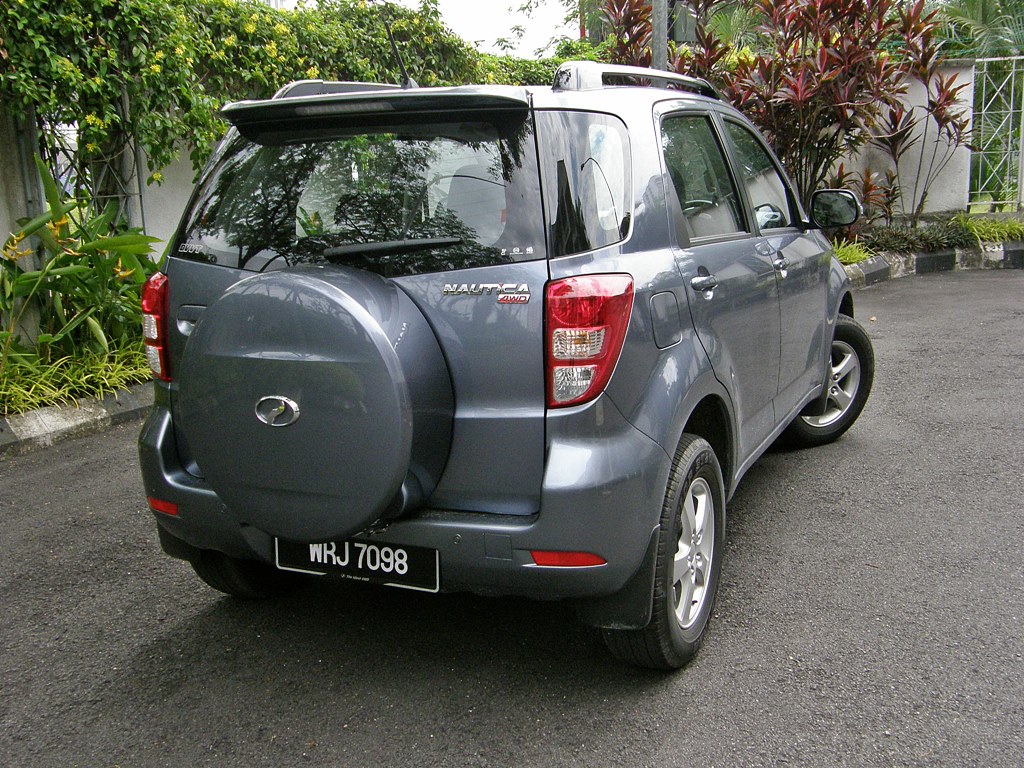
Second time having CBU vehicles This would be the second time that Perodua is importing completely built-up (CBU) Daihatsu vehicles. Back in 2008, the company brought in a batch of Daihatsu Terios SUVs from Indonesia. These were to be badged as the Perodua Nautica, the successor to the Kembara. However, the plan was scrapped after a year and Perodua did not have a SUV until the Aruz was introduced in 2019.
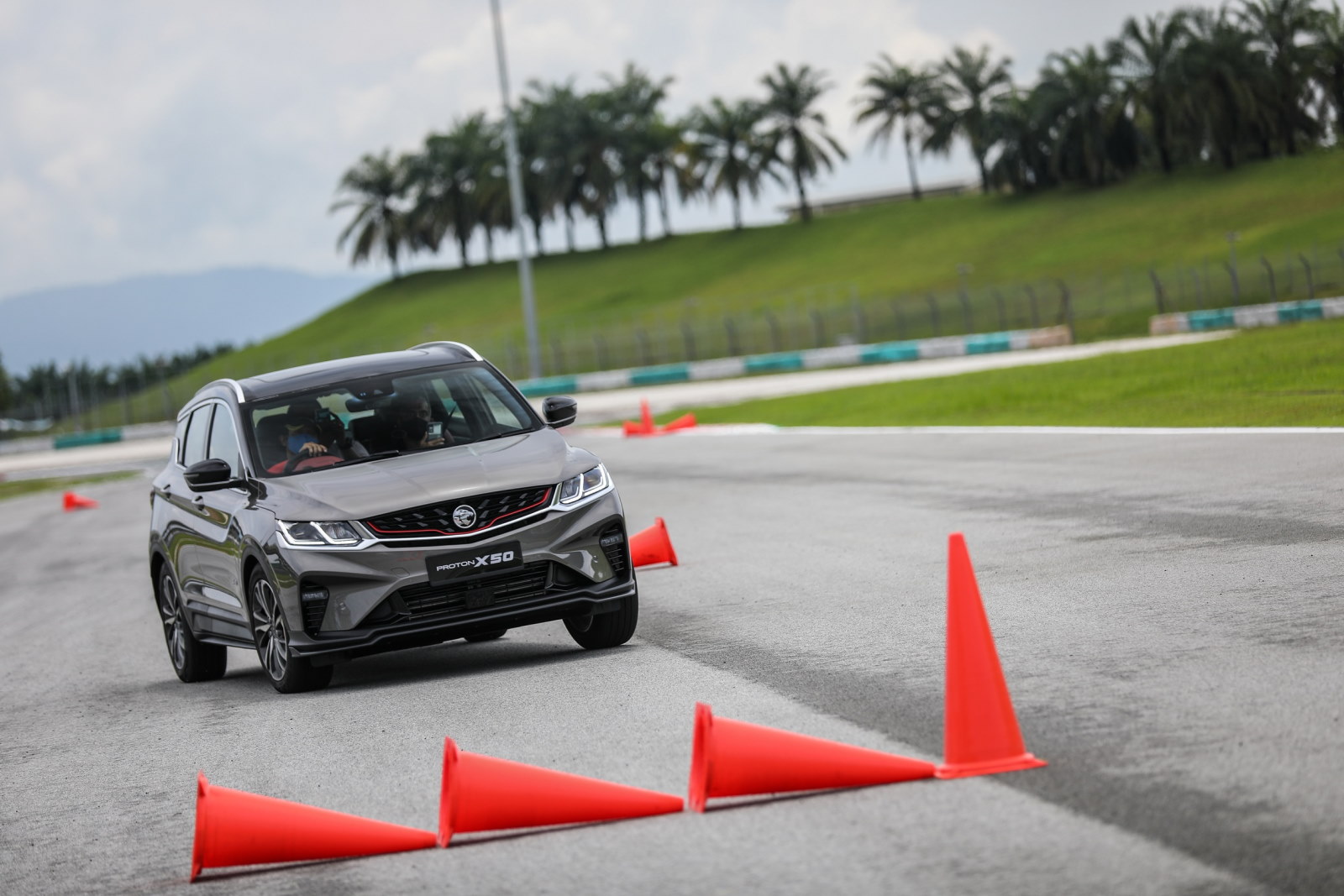
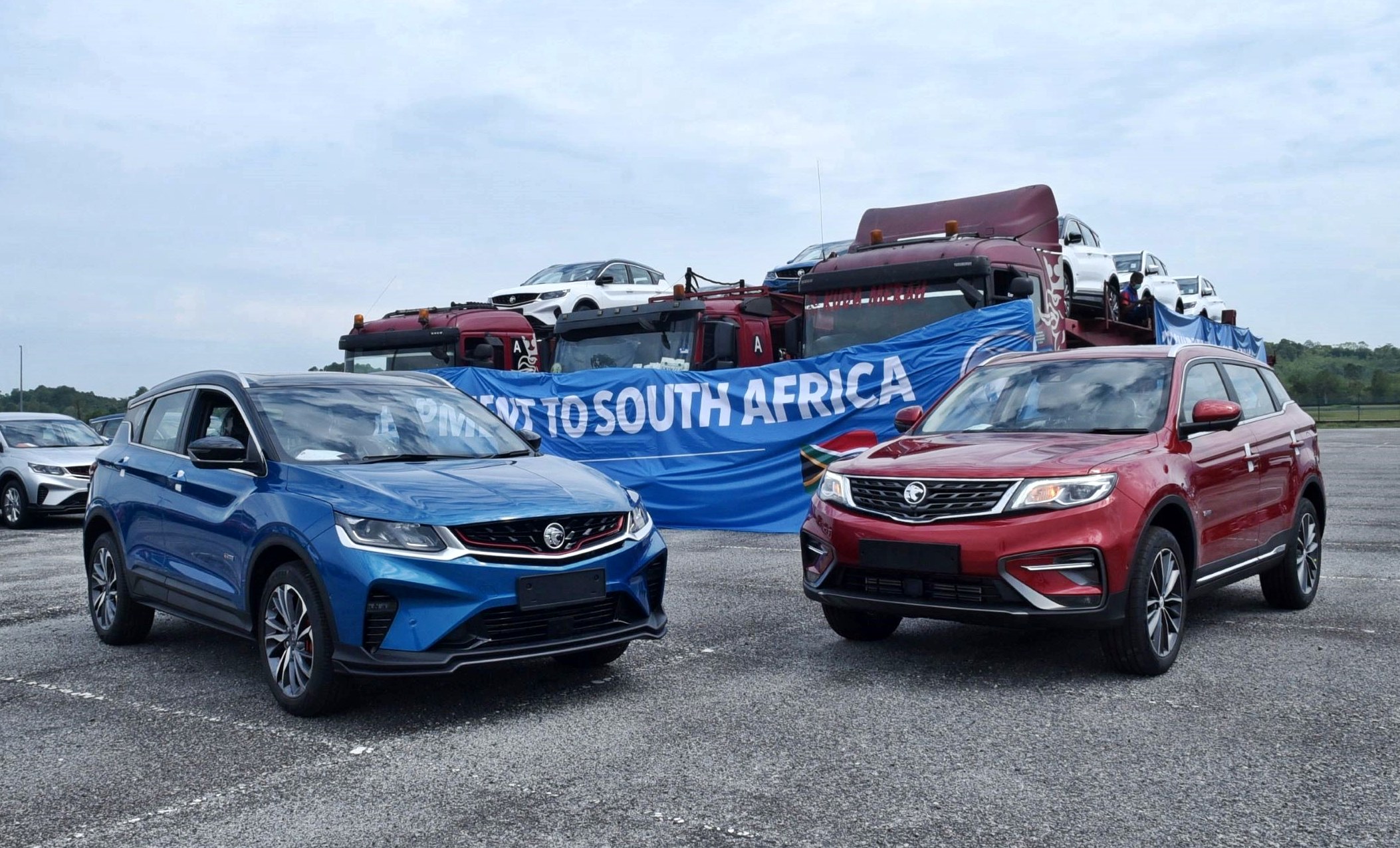
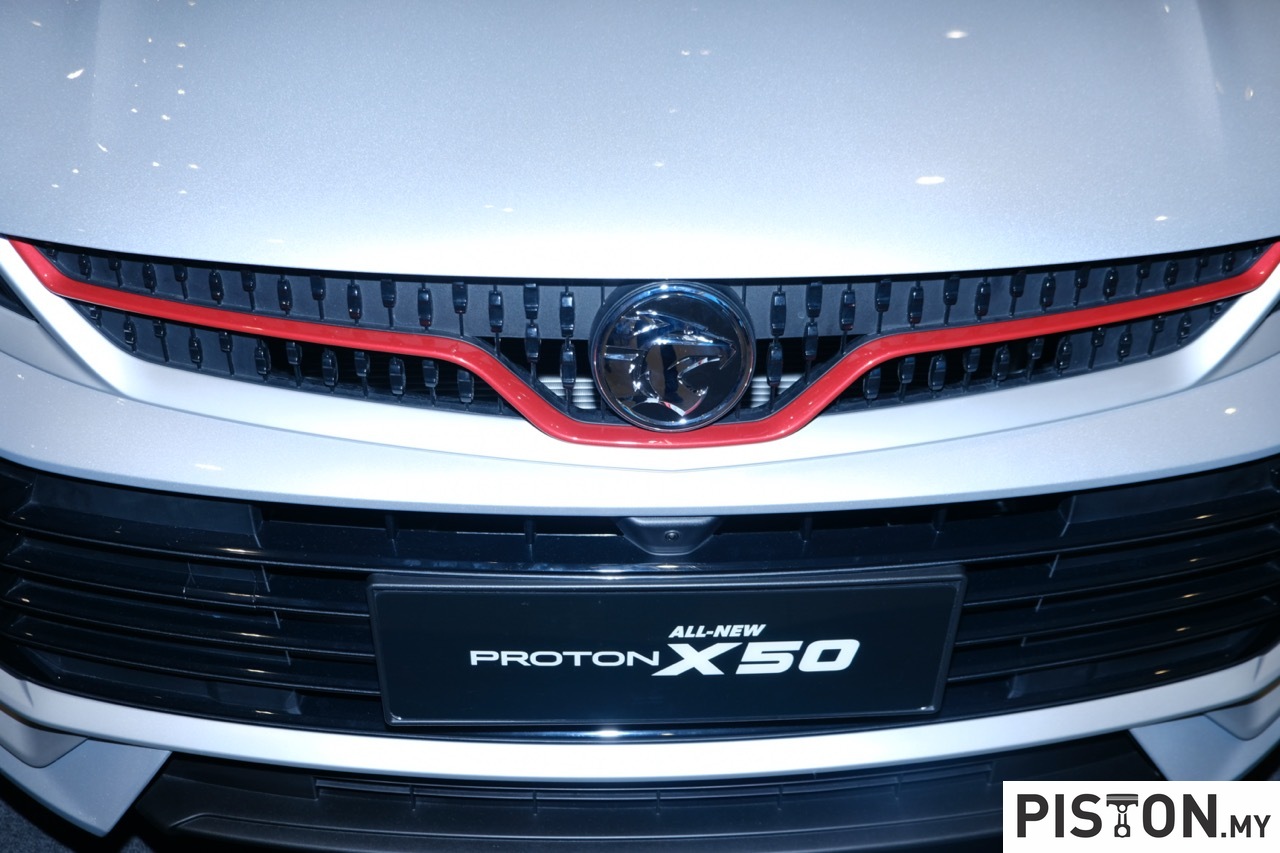
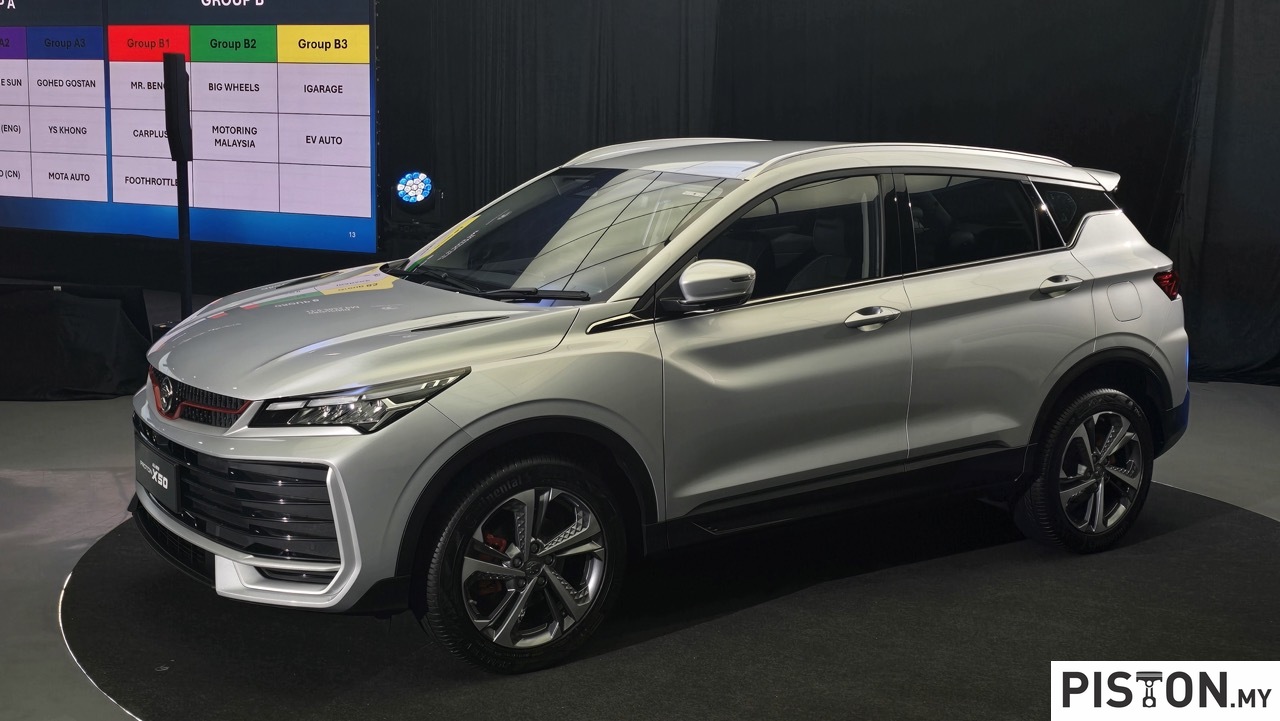
Having enough vehicles to deliver has been an ongoing problem for some time, due to the difficulty in completing vehicles as critical parts like microprocessors are in short supply globally. There is some progress in increasing output and at Proton, the effort has paid off with the carmaker able to deliver a record number of its X50 SUV in July.
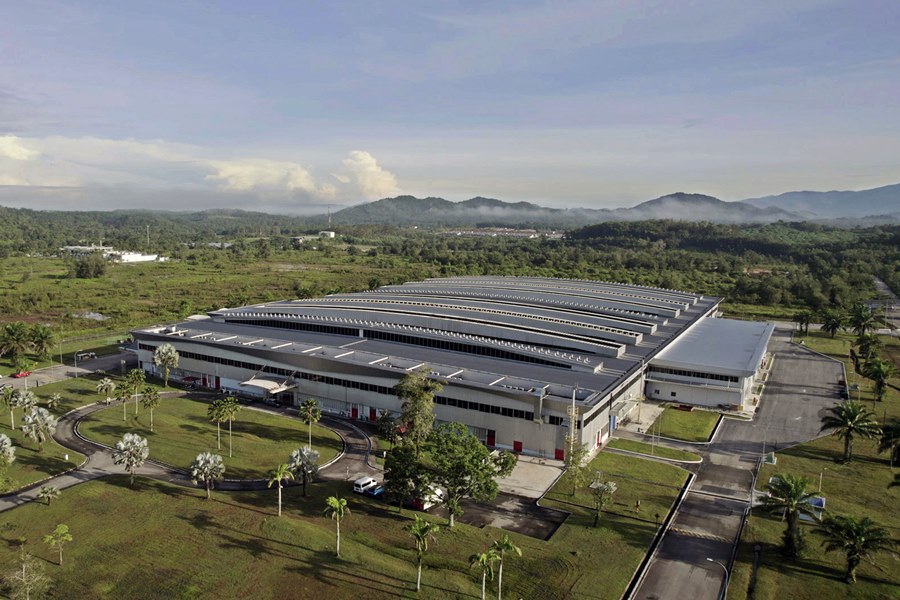
And not only was it a new monthly sales volume record for the model but from their market intelligence, Proton also found that the 4,763 units of X50 delivered nationwide was the highest number for any model in the market. It’s been a long time since Proton could enjoy such an achievement and reflects the increasing output of vehicles from its factory in Tg. Malim, Perak.
Proton factory in Tg. Malim, Perak.
The record number of units also strengthens Proton’s position as the leader in the hotly contested SUV segment and is also the first time such a vehicle has led the overall market in volume.
The X50 accounted for 41.5% of the total Proton registrations for the month – 11,477 units (domestic + export). The cumulative volume for 7 months has reached 71,601 units, an increase of 19.7% over the same period in 2021.
Proton had a 22.7% market share in July, based on its estimation of the Total Industry Volume for the month being 50,500 units. Its cumulative volume from January to July would likely see its market share going up to 18.7%.
Proton X70
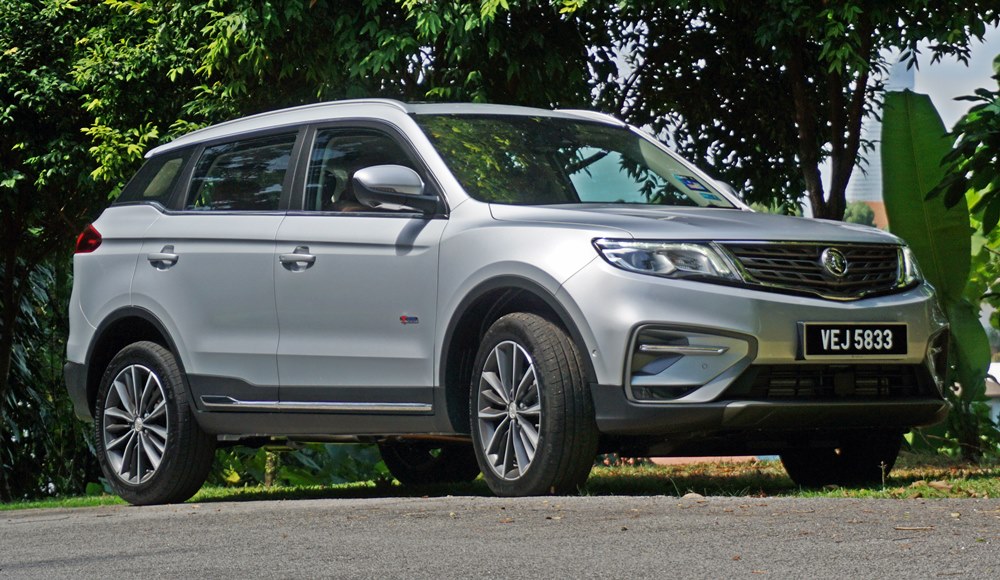
Besides the impressive performance of the X50 in July, the X70 also sees continued strong sales. With the updated model launched in early June, interest has grown and 1,704 units were registered in July. This allowed it to retain sales leadership for C-segment SUVs, contributing to Proton’s cumulative SUV volume in 2022 going past 31,500 units.
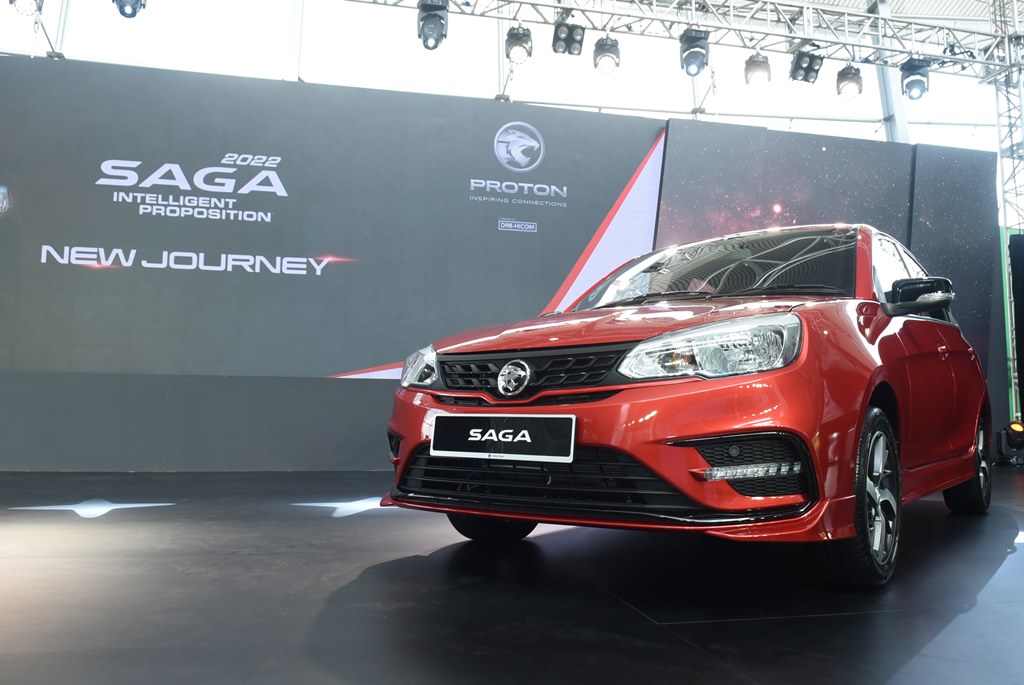
Strong performances by other models The rejuvenated Proton also continues to record strong numbers, with 4,521 units registered in July and bringing total volume for the year to 28,005 units. The figures also indicate the 2022 model, launched on May 12, achieved 9,811 registrations in just 80 days.
The Exora MPV also retained its long-standing leadership position with 476 units registered. However, due to approval delays in July, the Persona and Iriz numbers were not their usual high as registrations had to be temporarily suspended.
“Following a hectic June where automotive industry players scrambled to lock in bookings before the end of sales tax incentives, July was a month of consolidation where market demand fell to normal levels, and everybody concentrated on fulfilling orders already received. Proton was no exception and with our parts supply situation continuing to improve, we were finally able to show the true sales potential of the Proton X50,” said Roslan Abdullah, Deputy CEO of Proton.
“The company is immensely proud of the model becoming the first SUV to be crowned as the best-selling vehicle in Malaysia and we are thankful for the support from our customers. This achievement and Proton’s sales leadership in other segments shows our business plan is on the right track and repays the confidence placed in the brand by buyers, investors and other stakeholders,” he said.
“The easing of restrictions in global trade has been a major boost for Proton’s export division. With 5 months to go, we are on target for yet another year of double-digit percentage growth, though our enthusiasm is couched by economic issues faced in overseas markets,” said Encik Roslan Abdullah.
Proton Commerce Sdn Bhd Proton’s financing subsidiary, Proton Commerce Sdn Bhd, has announced it will honour all Letters of Understanding (LOU) at the stated interest rate even if they were issued prior to recent interest rate hikes. Terms and conditions apply, and funds must be disbursed by December 31, 2022, but it ensures customers who already have an LOU from Proton Commerce and are awaiting their orders do not have worry about being charged a higher rate for financing.
“We are working to ensure that despite recent interest rate hikes, our customers will still be able to afford the vehicles they ordered. It’s vital to ensure we convert as many bookings as possible into transacted sales as this will help drive registrations as we continue to strive for more future success,” said Encik Roslan Abdullah.
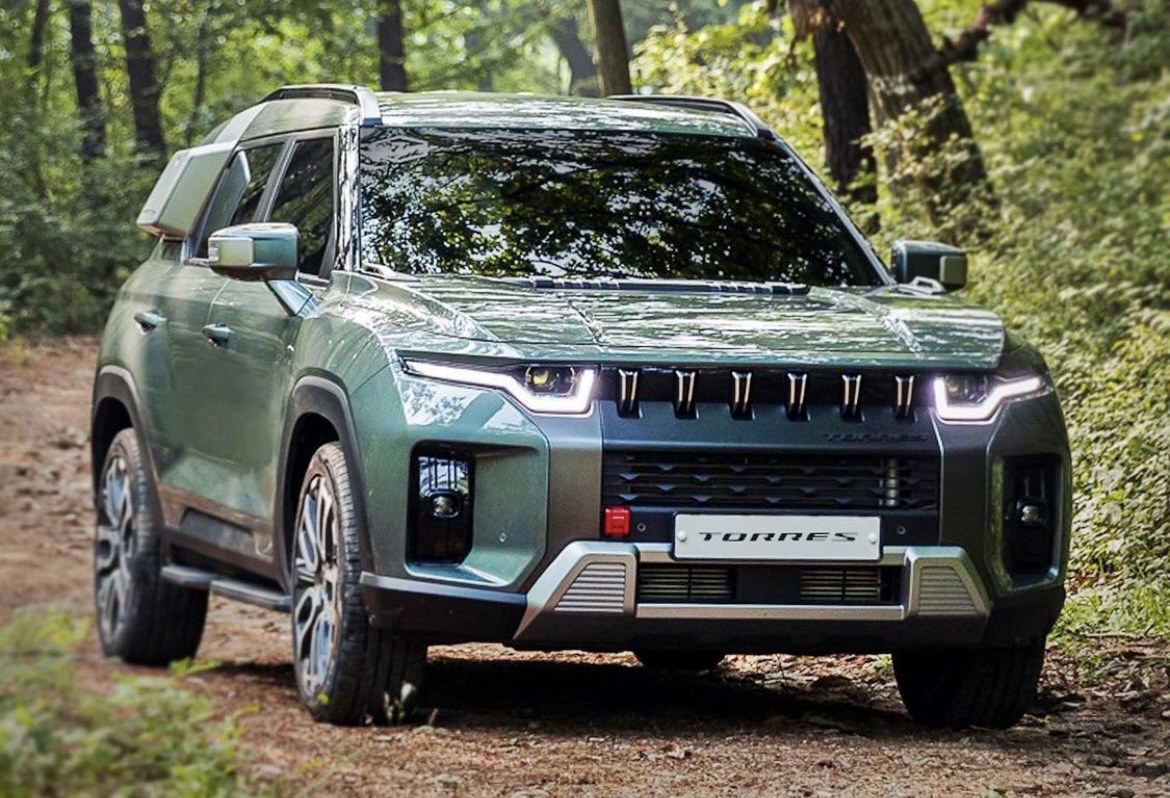
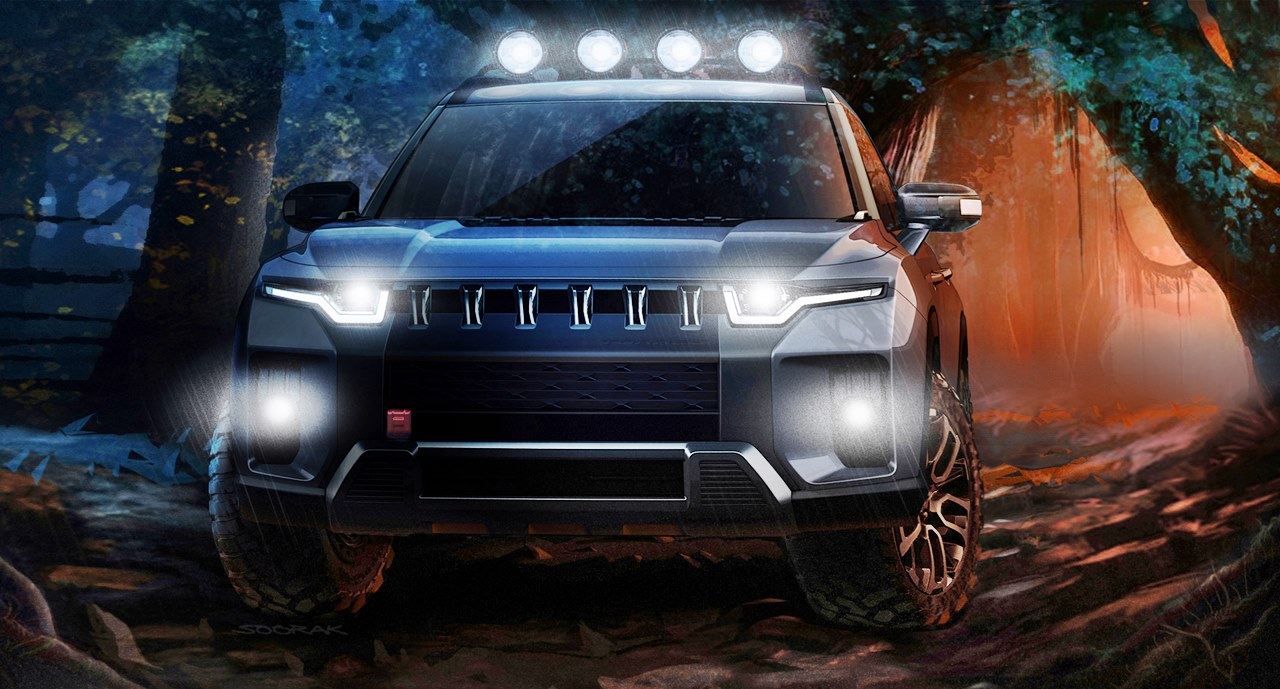
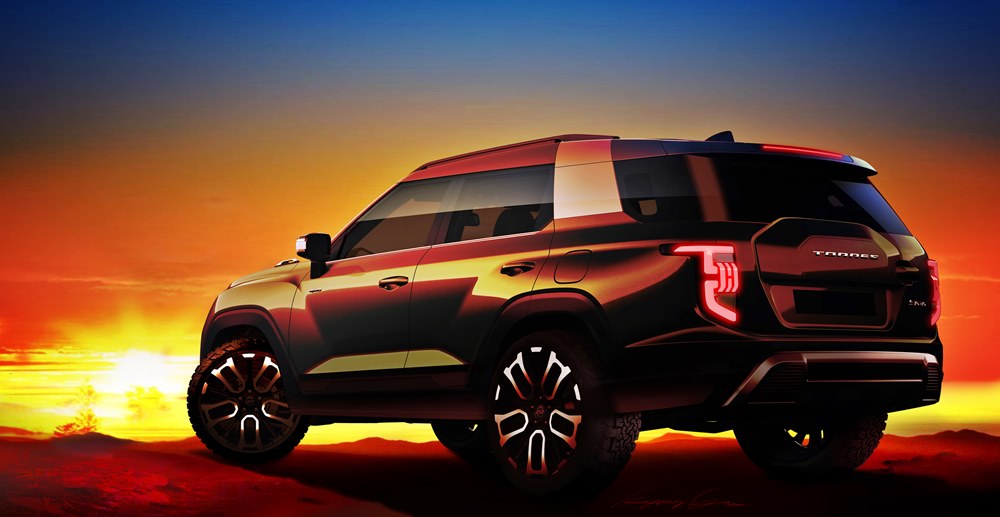
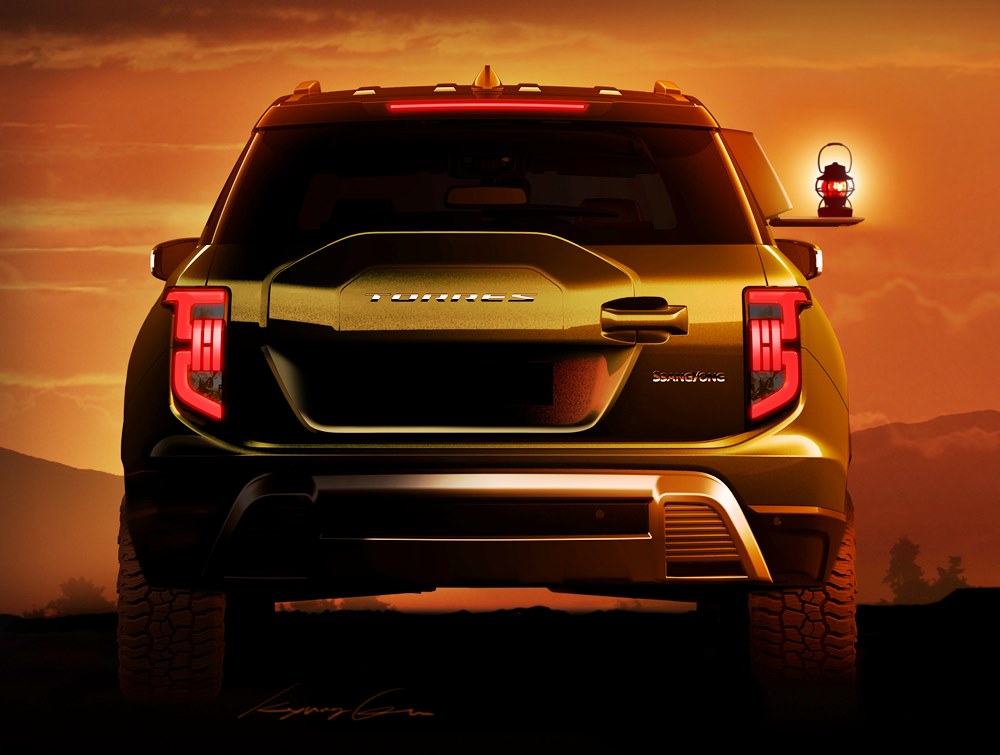
SsangYong Motor Company (SMC) has been struggling with financial problems, but it has also been allowed to continue running its operations. This includes product development for its next generation of models and one of the new ones will be a SUV called Torres. Two pictures of a production model have now been shown on social media outside Korea.
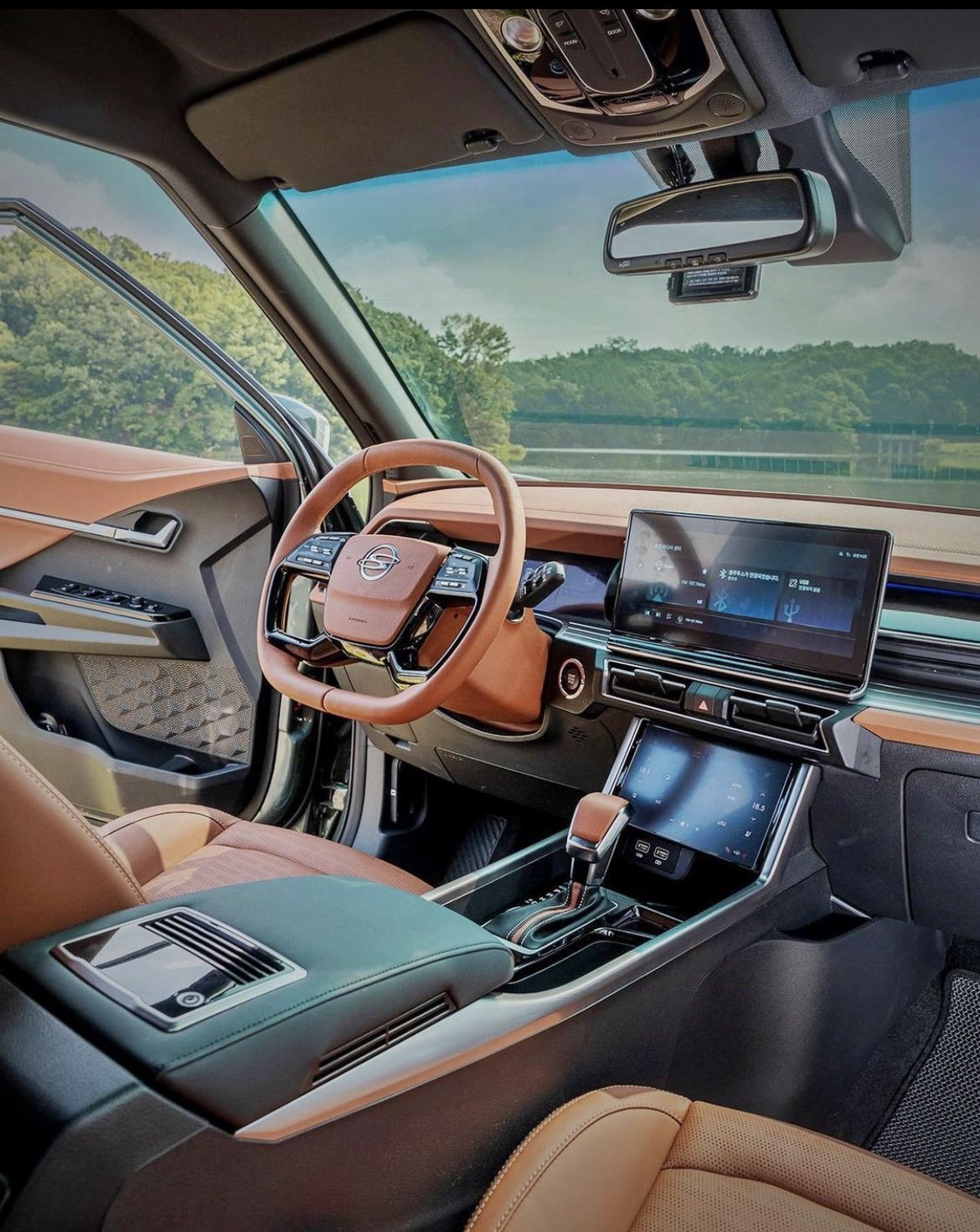
The front of the Torres has a vertical radiator-style grille, a classic look for SUVs, while the rear tailgate continues this theme with a classic off-road appearance. Inside, there is the functional and rugged look that many SUVs are given as well as a dual centre display. The upper panel has a widescreen format for map displays, with the lower one appearing to be more for adjusting functions and features.
The name was inspired by the spectacular views of Torres del Paine National Park in Patagonia, South America. The park was designated a World Biosphere Reserve status by UNESCO in 1978 and is well known for its magnificent mountains, glaciers, lakes, and rivers. The name this ‘embodies a sense of adventure, challenge, and escapism’, according to the Korean carmaker.
The Torres is the first model to reflect the brand’s new design philosophy ‘Powered by Toughness’, and is said to introduce a new segment in the SUV sector. The first teaser images of the exterior of the Torres show a modern SUV style which uses some elements of earlier models.
“The SUV market continues to expand and subdivide, and with Torres, we are filling the gap between semi-medium-sized SUVs such as Korando and large SUVs like Rexton. This move will create an additional segment in the market and will open up new opportunities for us, especially as we further develop the product offering and continue to add value and originality,” said a spokesperson for SMC.
The Torres will soon go into production and customers who have booked vehicles since last month will be taking delivery during this quarter. For the European market, a BEV version (U100) will be introduced towards the end of 2023.
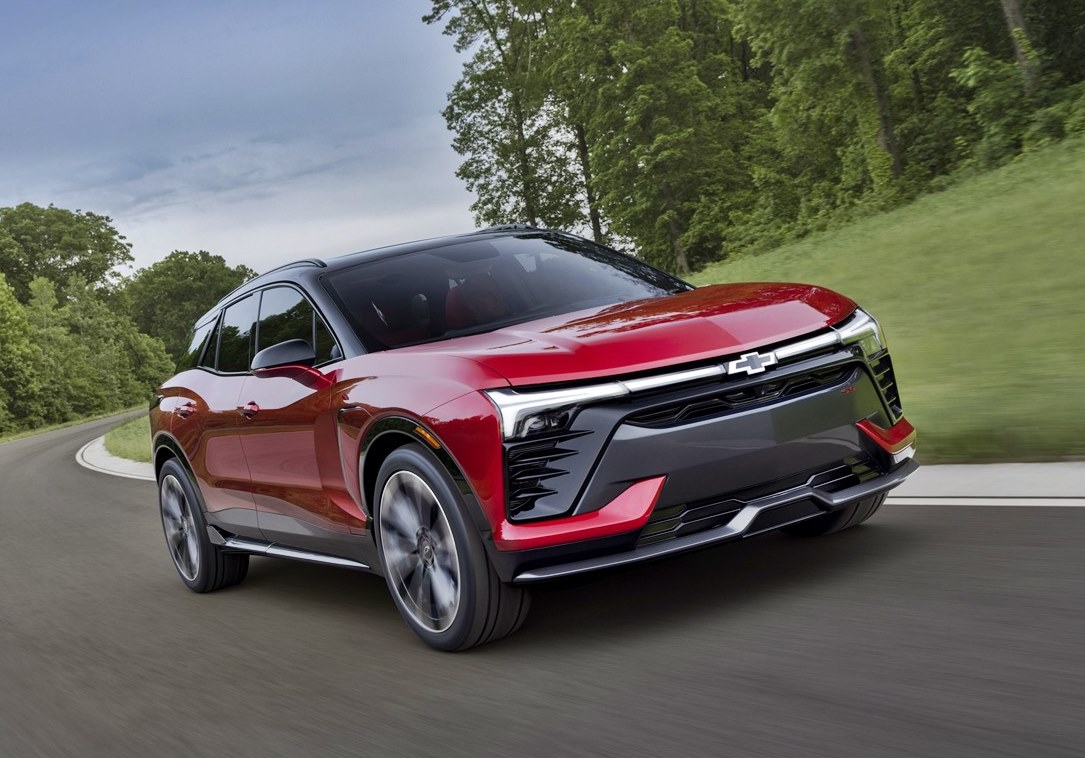
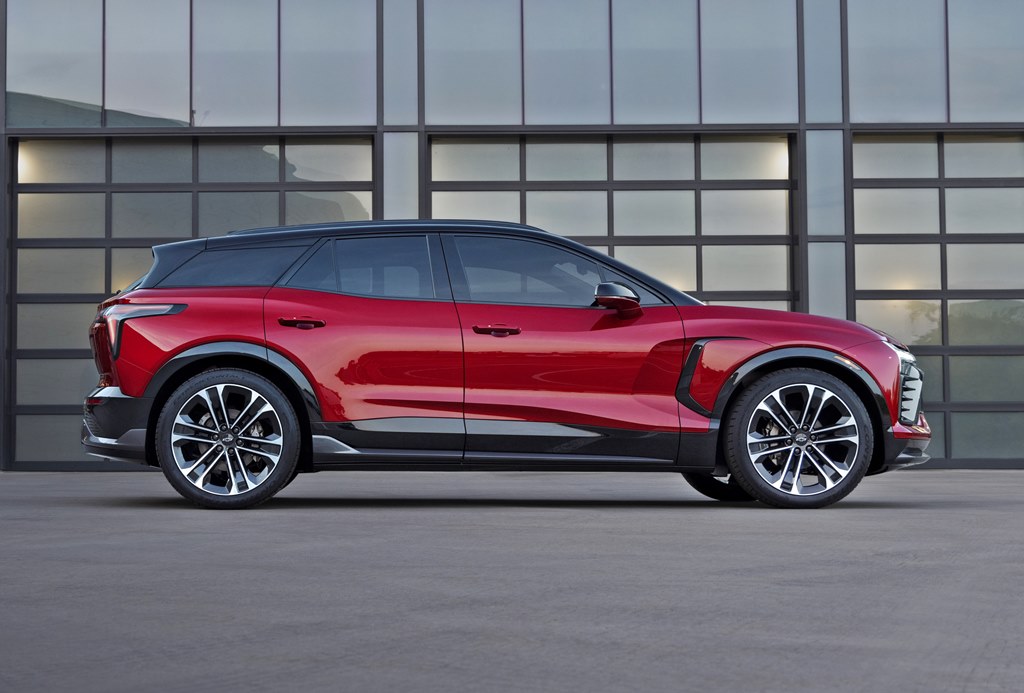
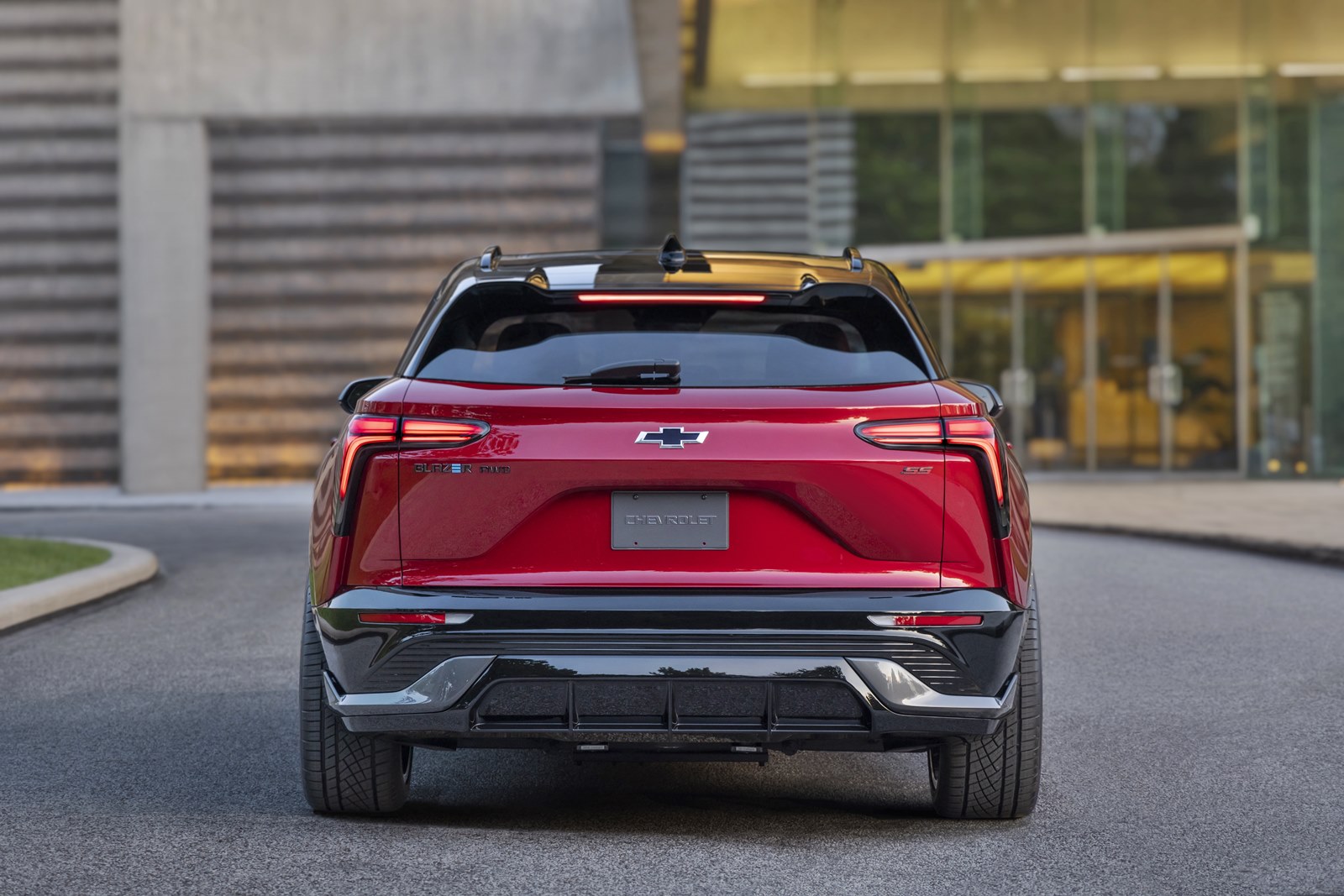
General Motors is fully committed to going electric as quickly as possible and all its divisions are headed in the same direction. While some of the divisions have shown concept cars, Chevrolet has revealed a production-ready electric model – the 2024 Blazer EV.
“The 2024 Blazer EV sets a new tone for electric SUVs, with options and intuitive technologies that help position Chevy for leadership in one of the fastest-growing EV segments,” said Scott Bell, Vice-President of Chevrolet. “Along with the all-new Silverado EV and Equinox EV coming next year, we are making great strides in offering more choices for zero tailpipe-emissions vehicles — choices that make switching to an EV easier than ever.”
The Blazer EV is not a combustion-engined Blazer with an electric powertrain. It was developed independent and uses GM’s modular Ultium Platform which has been designed for multiple applications. The Ultium platform and its batteries are the heart of GM’s strategy. The batteries are unique in the industry because the large-format, pouch-style cells can be stacked vertically or horizontally inside the battery pack. This allows engineers to optimize battery energy storage and layout for each vehicle design.
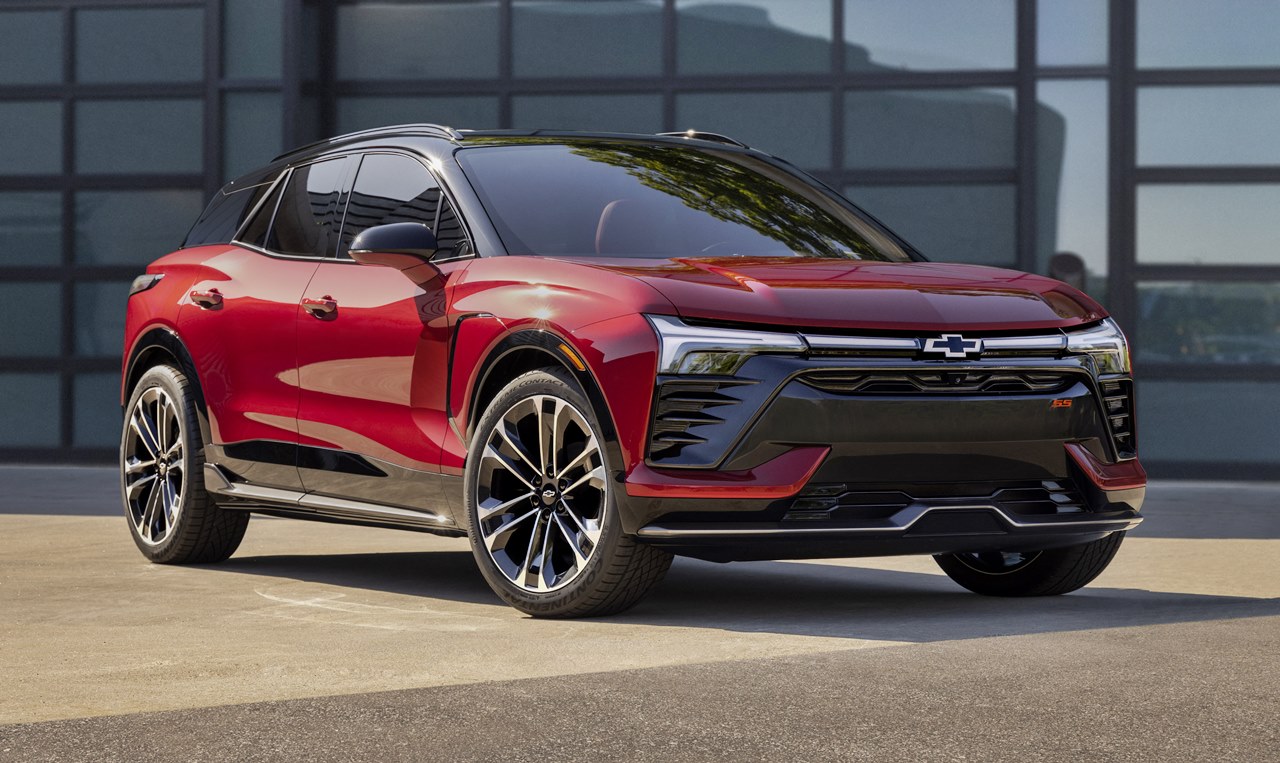
The athletic styling of the Blazer EV mimics that of the 2018 Blazer – with performance cues inspired by the Camaro and Corvette. Each version has a muscular, athletic profile with taut converging body lines. Prominent front-fender extractor vents associate with Chevy’s motorsports legacy.
The designers elevated the Blazer EV’s presence with a bold, dual-element LED exterior lighting signature that also has choreographed lighting sequences. These activate when the driver approaches or walks away. The effect features a full light bar and illuminated Bowtie emblem on the front. The front lighting also conveys the state of charge while the vehicle charges. A sequential orchestration of the lighting increases in speed and intensity as the battery’s charge increases.
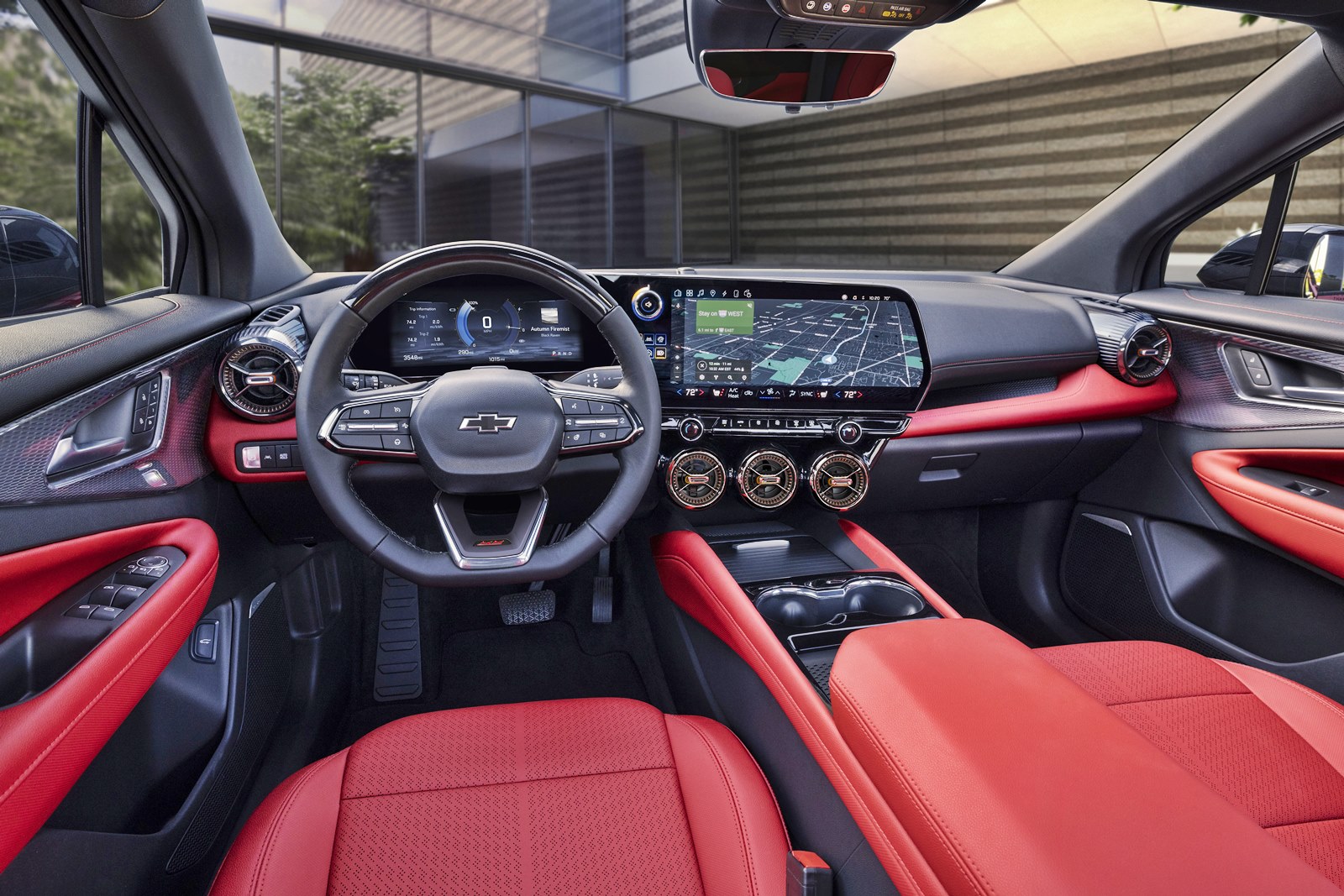
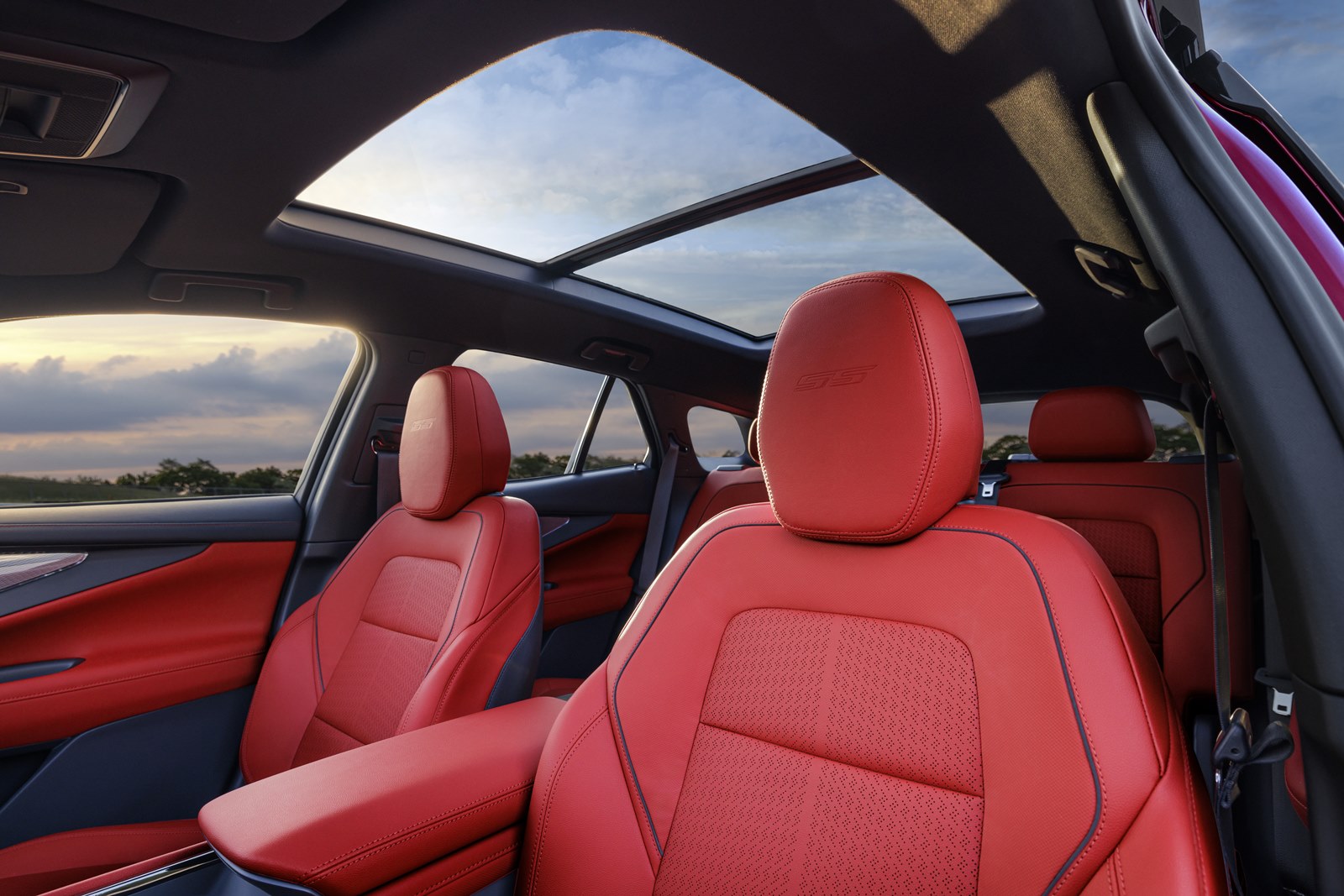
Inside, the cabin also makes a modern design statement. Like the exterior, many of its elements draw inspiration from Chevrolet’s sportscars and performance heritage, such as a flat-bottom steering wheel and sculpted vents inspired by turbines.
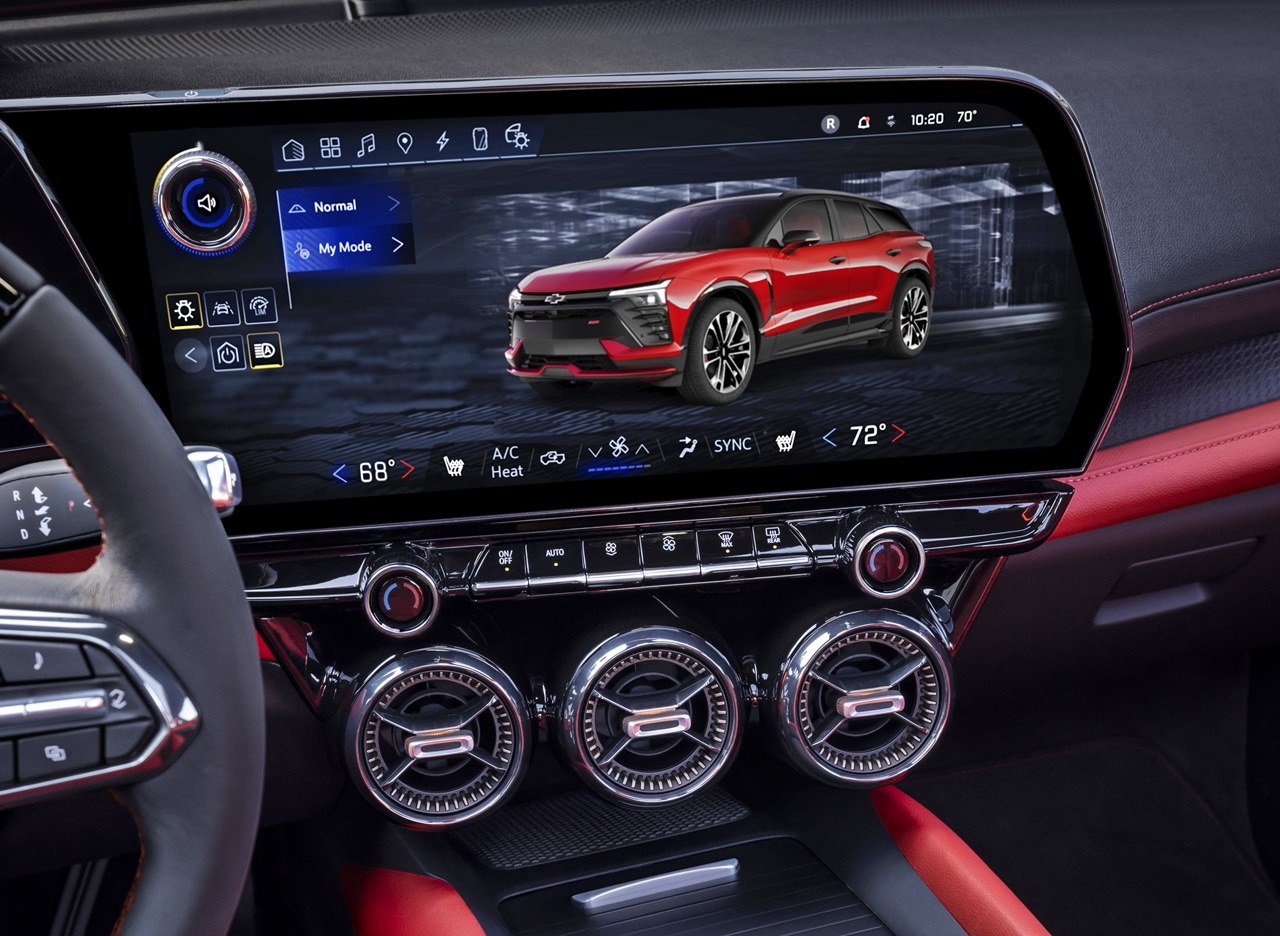
An expansive, 17.7-inch-diagonal colour touchscreen is the focal point of the cabin and the command centre for the vehicle’s infotainment system. A large 11-inch-diagonal colour Driver Information Centre in the instrument cluster complements the central touchscreen.
With design and engineering developed to live up to the legacy of the iconic Super Sport performance designation, the Blazer EV SS offers customers the most powerful experience in the line-up. It features an exclusive performance AWD propulsion configuration designed to produce up to 557 ps/878 Nm, and unique WOW (Wide Open Watts) mode enabling very quick acceleration.
When it comes to charging, the Blazer EV uses an 11.5 kW onboard AC charging module for home charging and public charging, along with high-speed DC public fast-charging capability of up to 190 kW. It can recharge in about 10 minutes and get around 125 kms of range. A fully charged battery pack is claimed to be good for 515 kms.
A major enabler of the Blazer EV’s technologies is Ultifi, GM’s new end-to-end vehicle software platform. It separates the vehicle’s software from the hardware to enable the frequent and seamless delivery of software-defined features, apps and services to customers over the air (OTA). Ultifi will allow customers to upgrade and personalize their vehicle as improvements and new features become available over time.
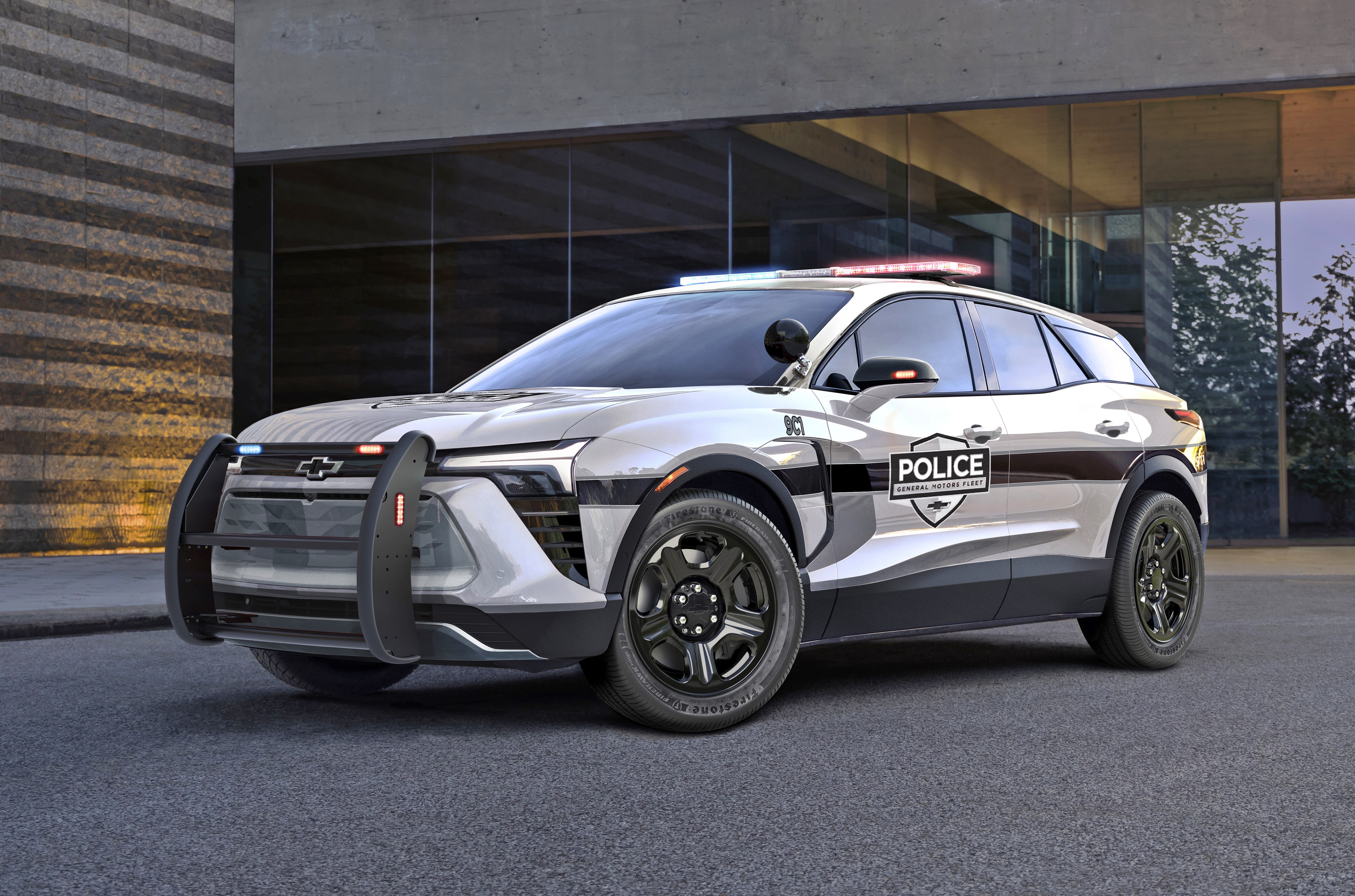
Besides four different versions for sale to the public, Chevrolet will also be offering a pursuit-rated Police Pursuit Vehicle (PPV) model for police fleet applications. These PPVs will have the largest Ultium battery in the line-up and a specific interior designed for police officers with ample room to accommodate emergency equipment and gear. To go on sale from mid-2023, the Blazer EV will have prices ranging from US$44,995 to US$65,995.
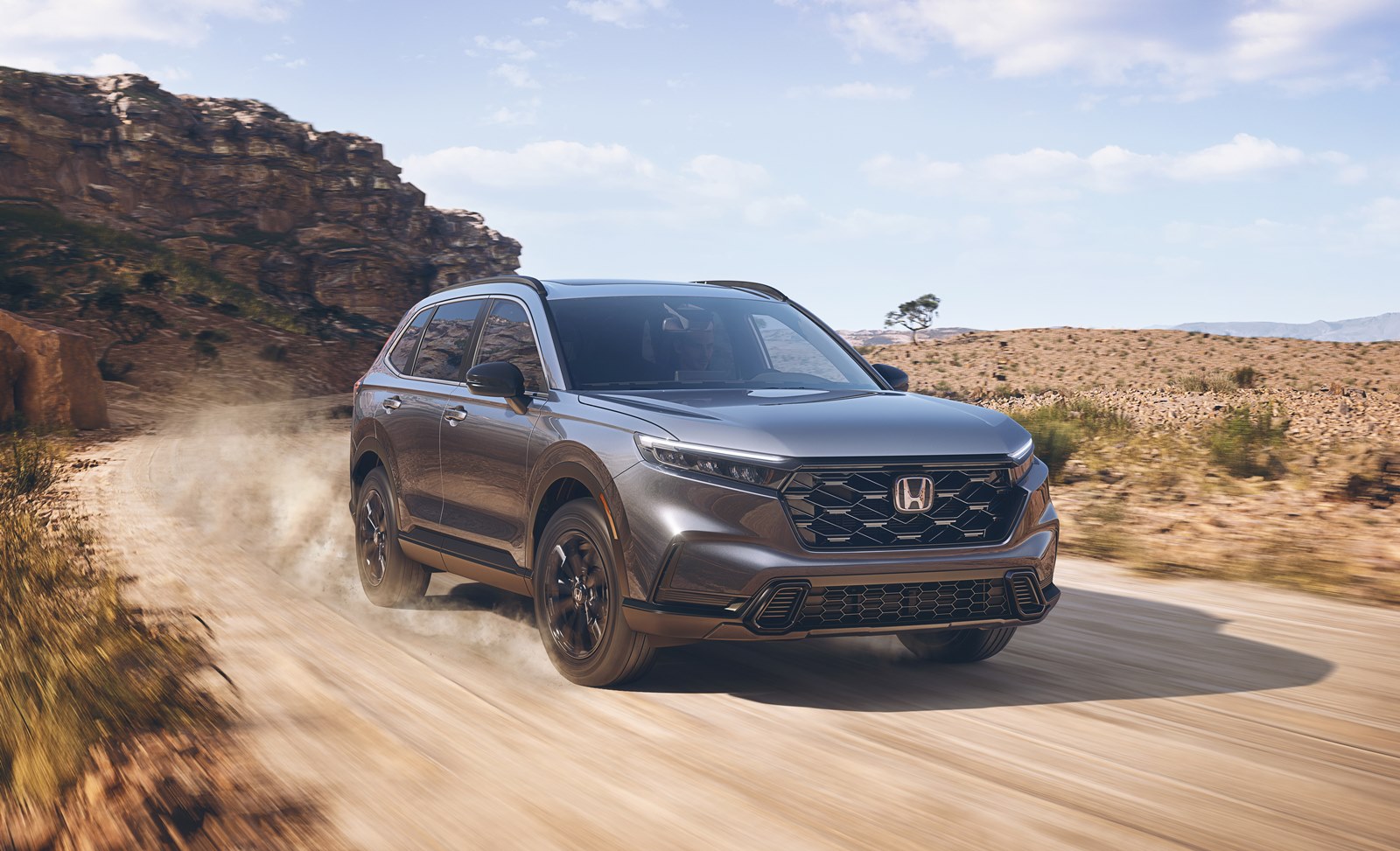
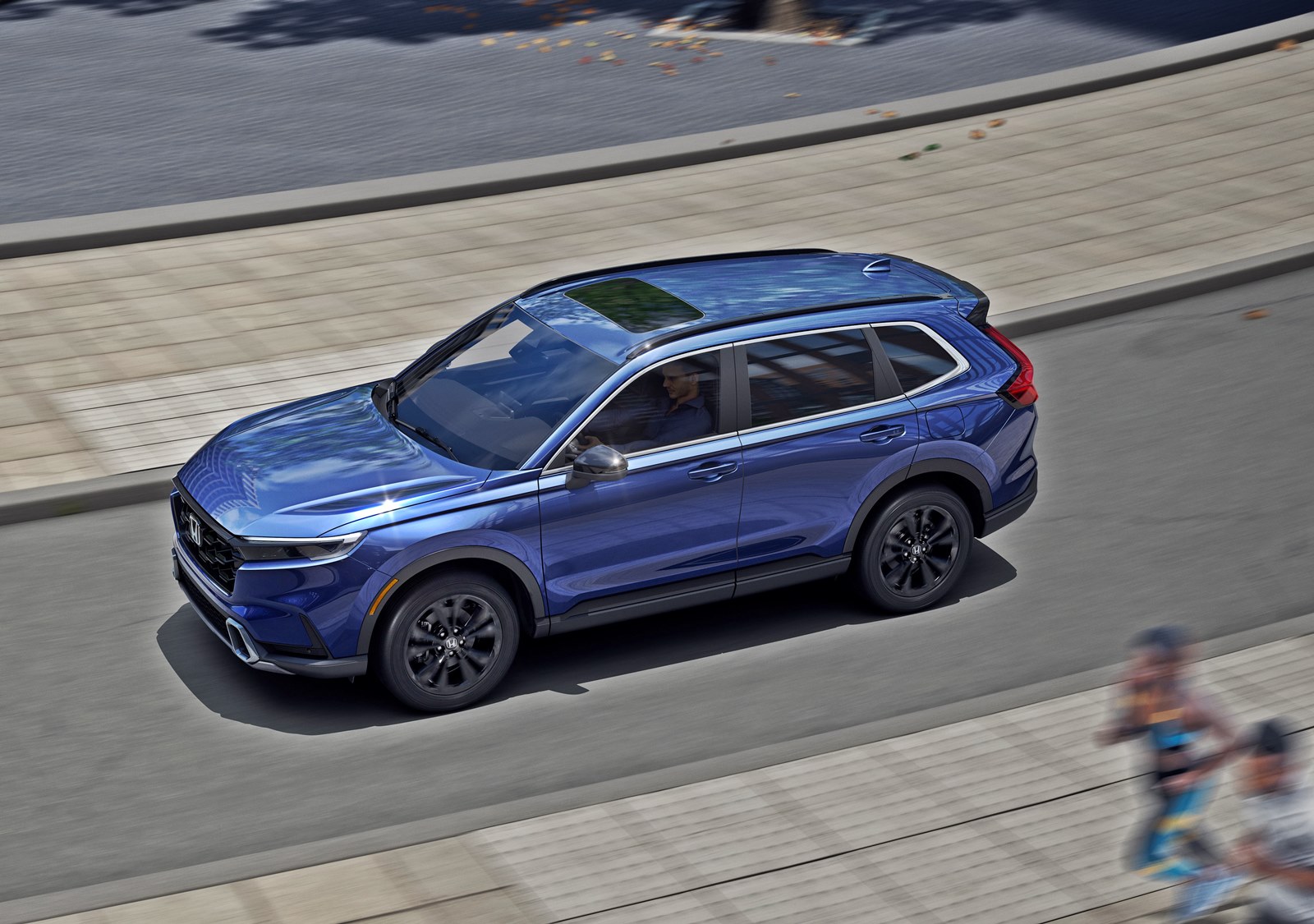
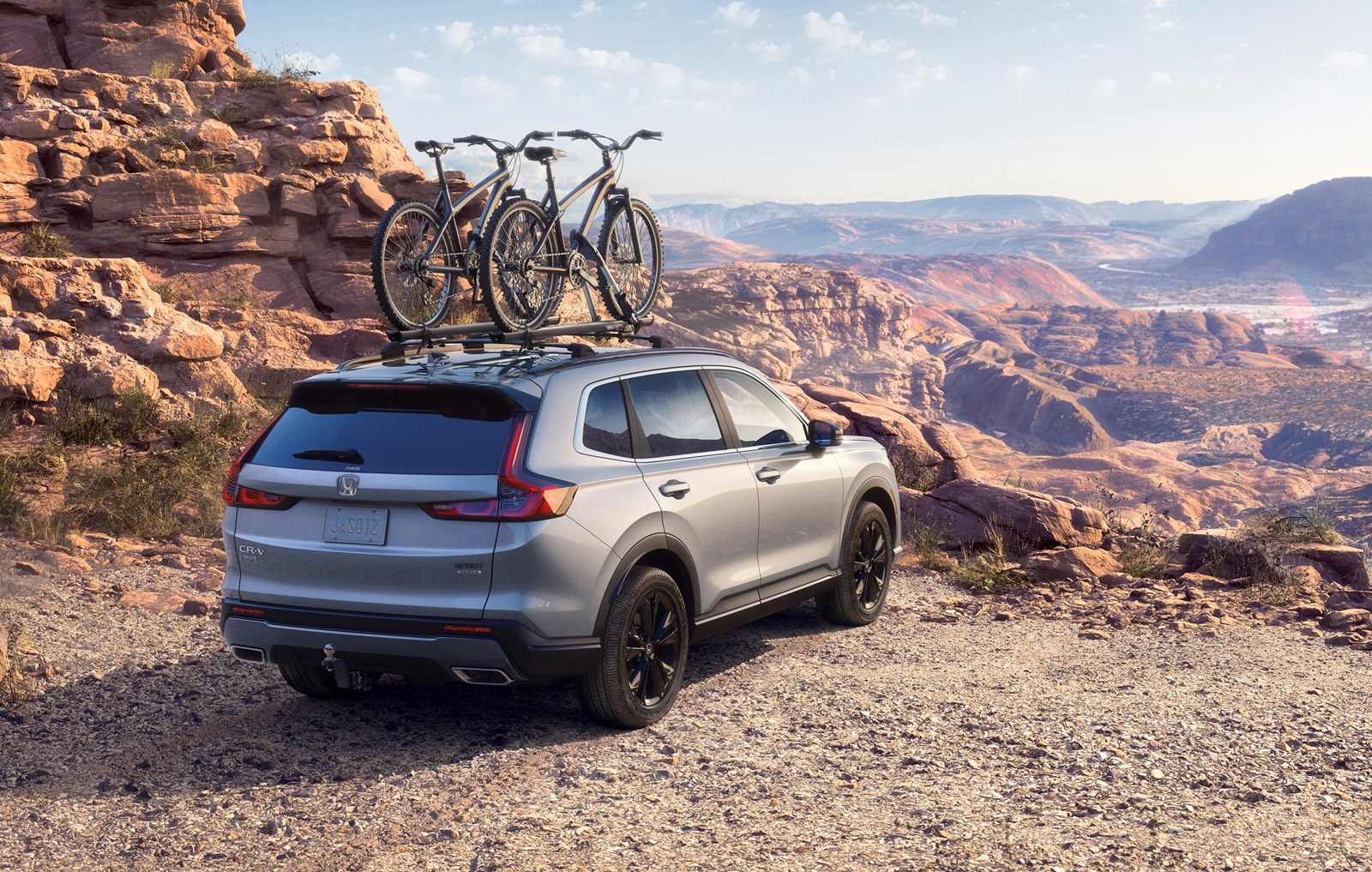
While attention in Malaysia is on the new Honda HR-V, another new model is capturing the attention of Honda fans in America – the new CR-V. Predictably, the company is starting the launch of the popular SUV in its bestselling market where, along with the Toyota RAV4, it created a new market segment almost overnight over 25 years ago.
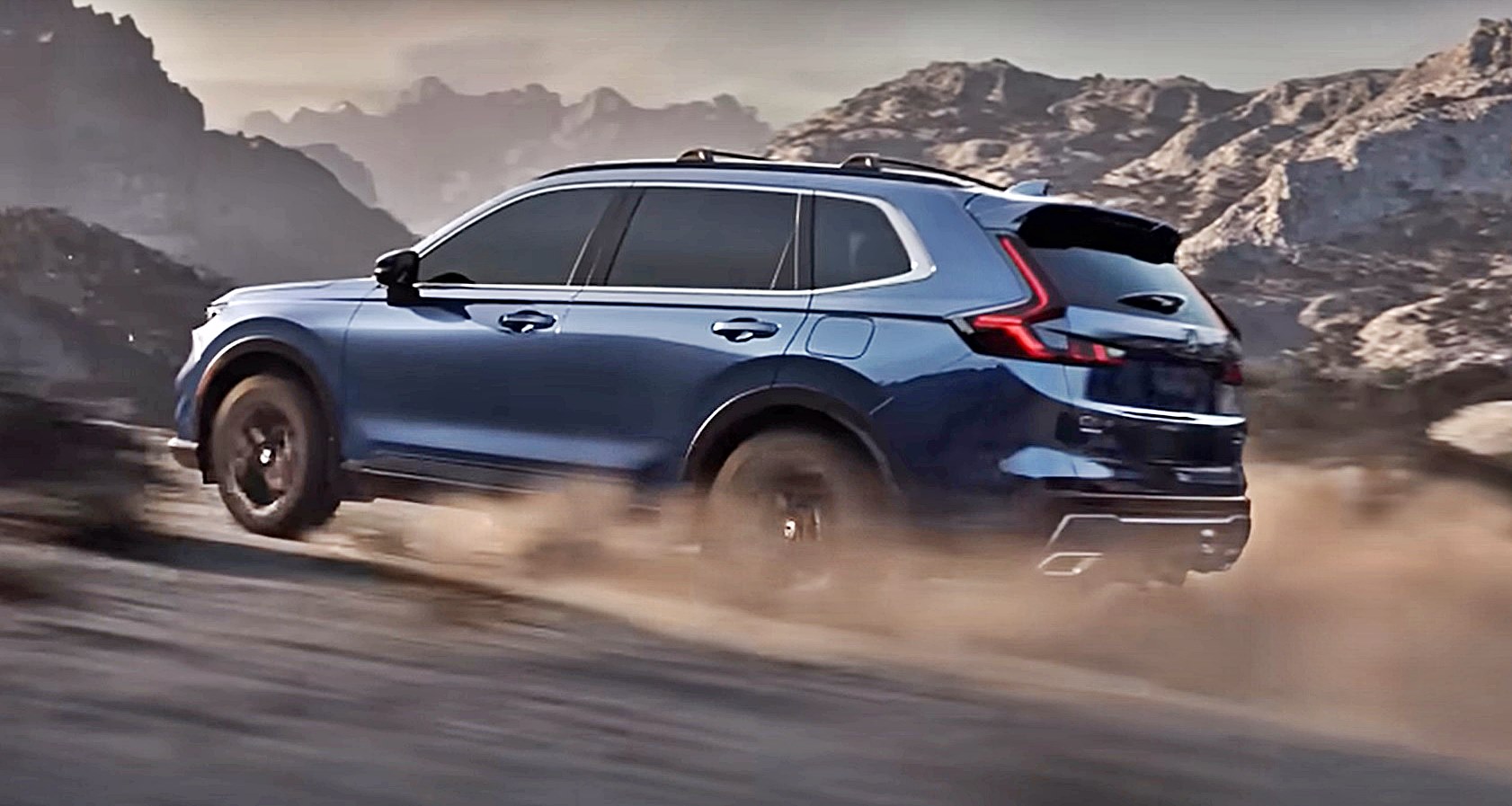
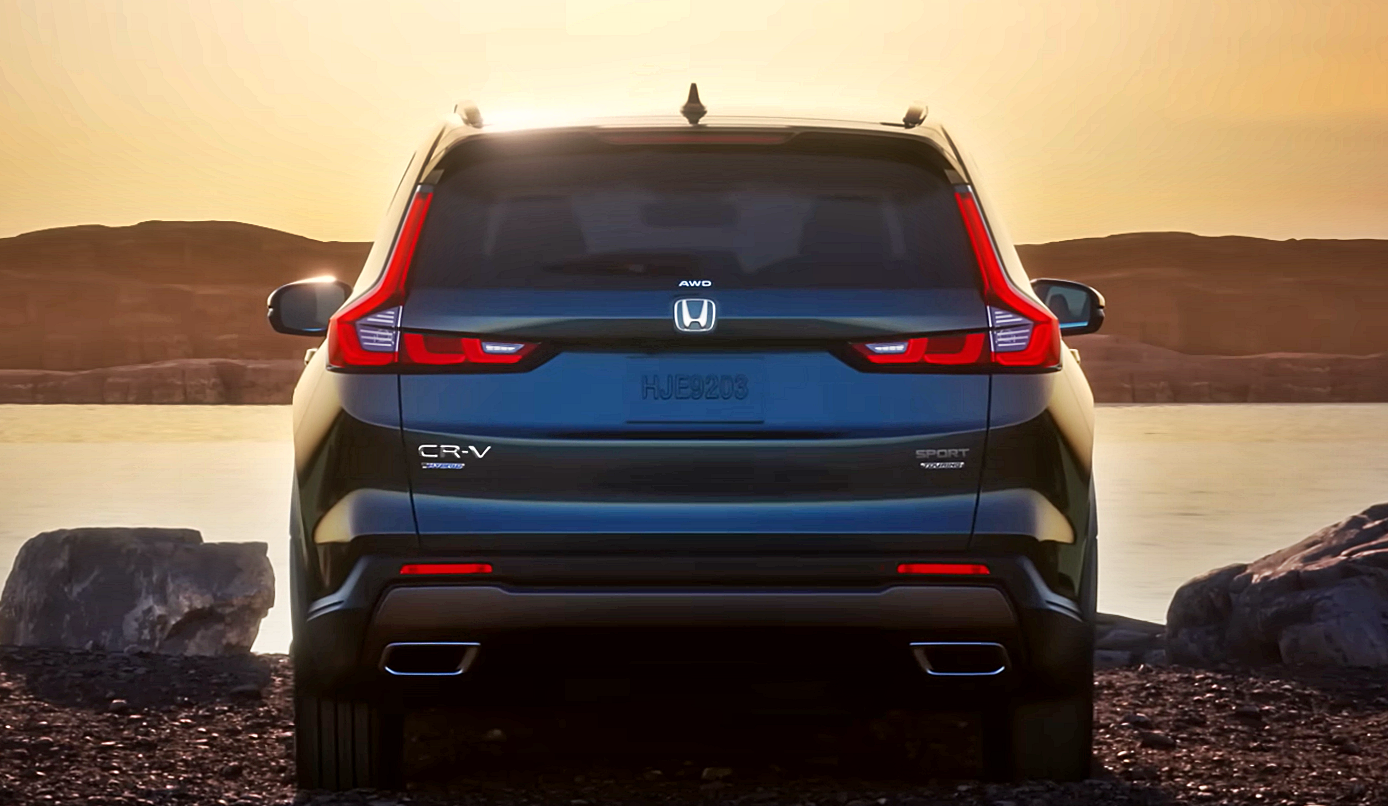
While retaining the form of a traditional SUV, the new CR-V adopts the new design language with a large front grille. It’s almost 70 mm longer, with the A-pillar moved back 127 mm and 75 mm outwards. This is to improve forward visibility although, in an SUV, the driver already has a commanding view with the higher seating position than in a passenger car.
Focus on hybrid po
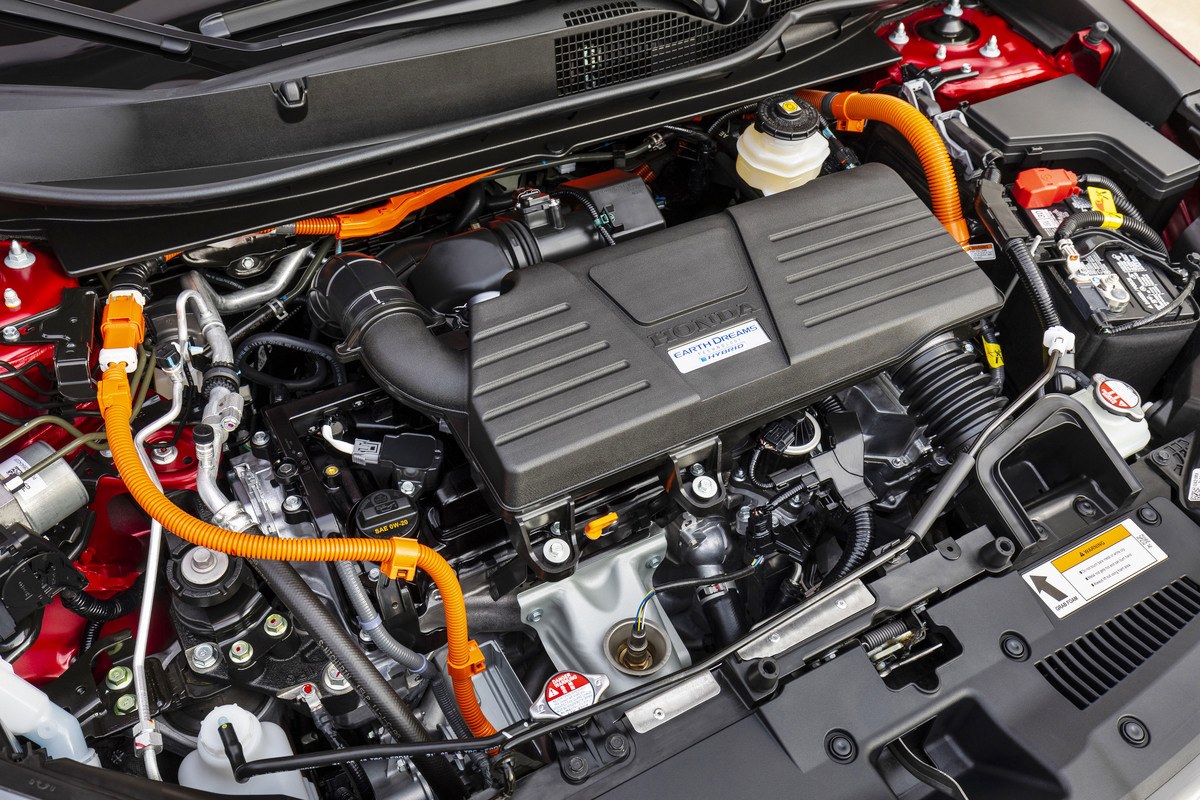
For the North American market, there will be two hybrid powertrains – one with a 1.5-litre turbocharged engine and the other with a 2-litre engine. Honda says the engines, which are also used in other models, have been refined and for the smaller engine, the 4-2 exhaust port cylinder head helps maintain peak power over a broader range of rpm.
The CVT has been updated to reduce noise and vibration with significant drivability and performance improvements include Step-Shift programming that simulates gear changes at full throttle. An updated Real Time AWD with Intelligent Control System improves traction management in slippery conditions and can now send up to 50% of engine torque to the rear wheels.
Civic-themed interior
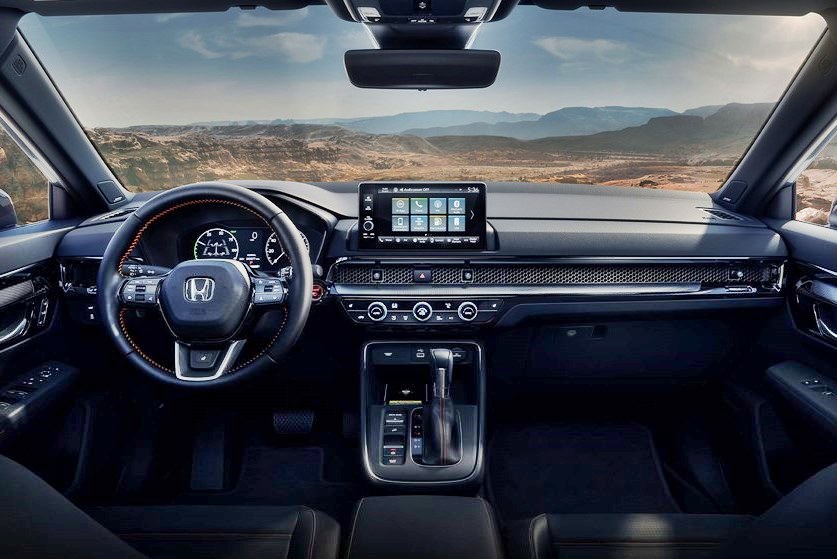
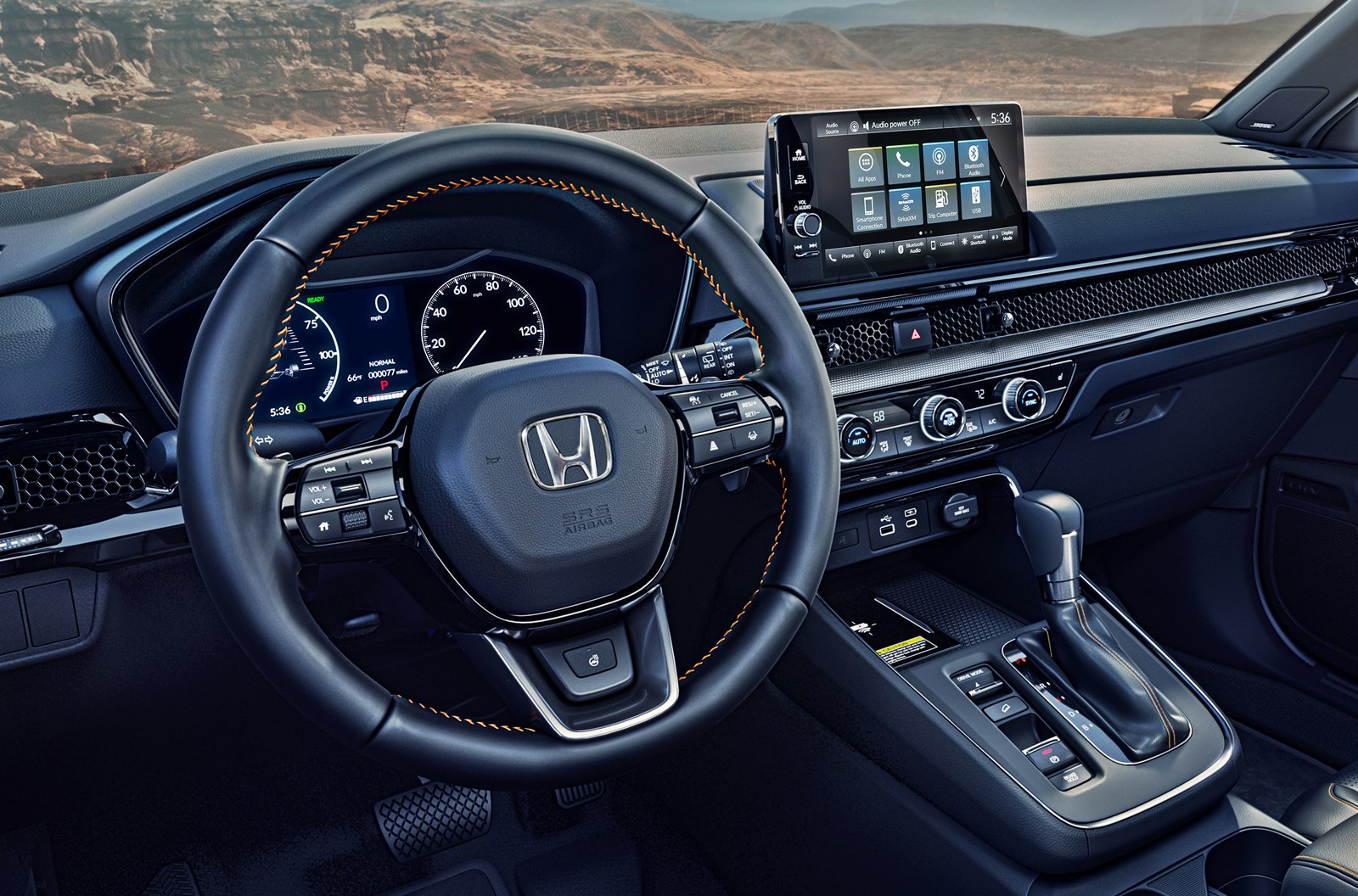
Inside, the new interior layout has the most cabin and cargo space in CR-V history. While it has functionality, its styling theme is also similar to that of the latest Civic. Body Stabilizing Seats for the front occupants reduce fatigue and improve posture, while there are lots of mut-have tech features for the driver and passenger.
More advanced safety features
The 6th-generation CR-V also gets more advanced active and passive safety technology. This includes the latest version of Advanced Compatibility Engineering (ACE) architecture that has been enhanced for even better compatibility with larger vehicles.
First introduced on the new Civic, the new driver and passenger front airbags can minimize the potential for severe brain trauma associated with angled frontal collisions. The new front driver’s airbag uses an innovative donut-shaped structure to cradle and hold the head to reduce rotation. The passenger-side front airbag uses a 3-chamber design to achieve a similar result, with two outer chambers designed to cradle the head and minimize rotation.
Updated Honda SENSING safety and driver-assistive technology is installed, with a new camera and radar. The camera has a 90-degree field of view while the radar has a 120-degree field of view for maximum coverage of the area ahead.
The new CR-V shown here is for the North American market (where it is also manufactured) and the model which will eventually come to the ASEAN markets (probably in 2023) is likely to have cosmetic and technical differences to suit the region’s needs.
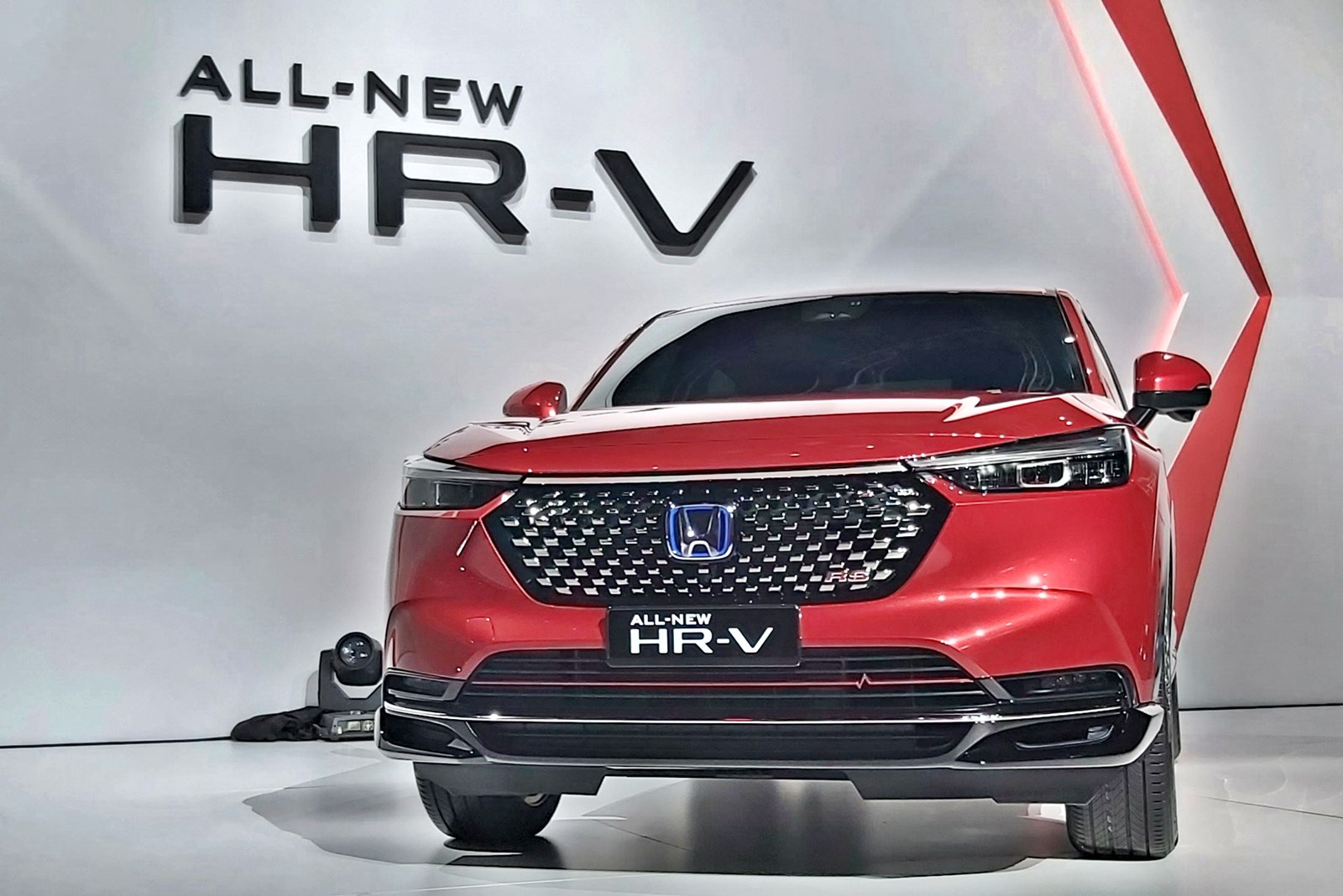
New Honda models almost always grab a lot of attention and the interest shown by the public actually translates into strong sales that remain constantly high. The HR-V is one such example; even from the time before the first generation was officially launched in Malaysia, it already drew crowds wherever it was displayed. And when it finally arrived in showrooms, even more orders flooded in and placed the crossover SUV in a leadership position in its segment.
After putting around 111,000 units on the road in 7½ years, it’s now time for a new generation and again, there has been the same strong interest that the first generation had. Prior to the launch today, one unit was sent around the country for exclusive previews at selected showrooms and drew a lot of potential customers.
Bookings were accepted from June 9 and with the sales tax exemption set to expire at the end of the month, many did not want to miss the opportunity to save money so they made their bookings right away. By today, Honda Malaysia has received more than 20,000 orders – more than 12 times the monthly sale target the company has set. As such, the waiting period will stretch to at least 12 months!
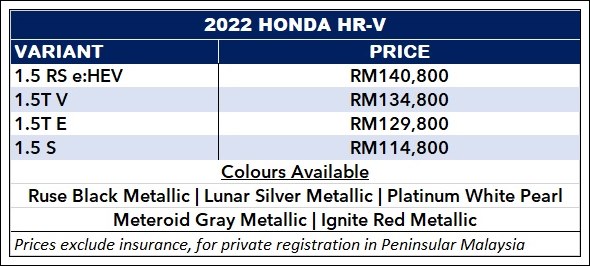
It’s been a while since a Honda model has had such a long waiting period, the last one in memory being the Accord back in the 1980s. However, the company is uncertain of the actual number that will be taken because there may be cancellations so it can only get an idea of the real demand after the July numbers are reviewed. Those who did book before June 30 will be entitled to the sales tax exemption and save money but for those who do want to get one, the following are the retail prices:
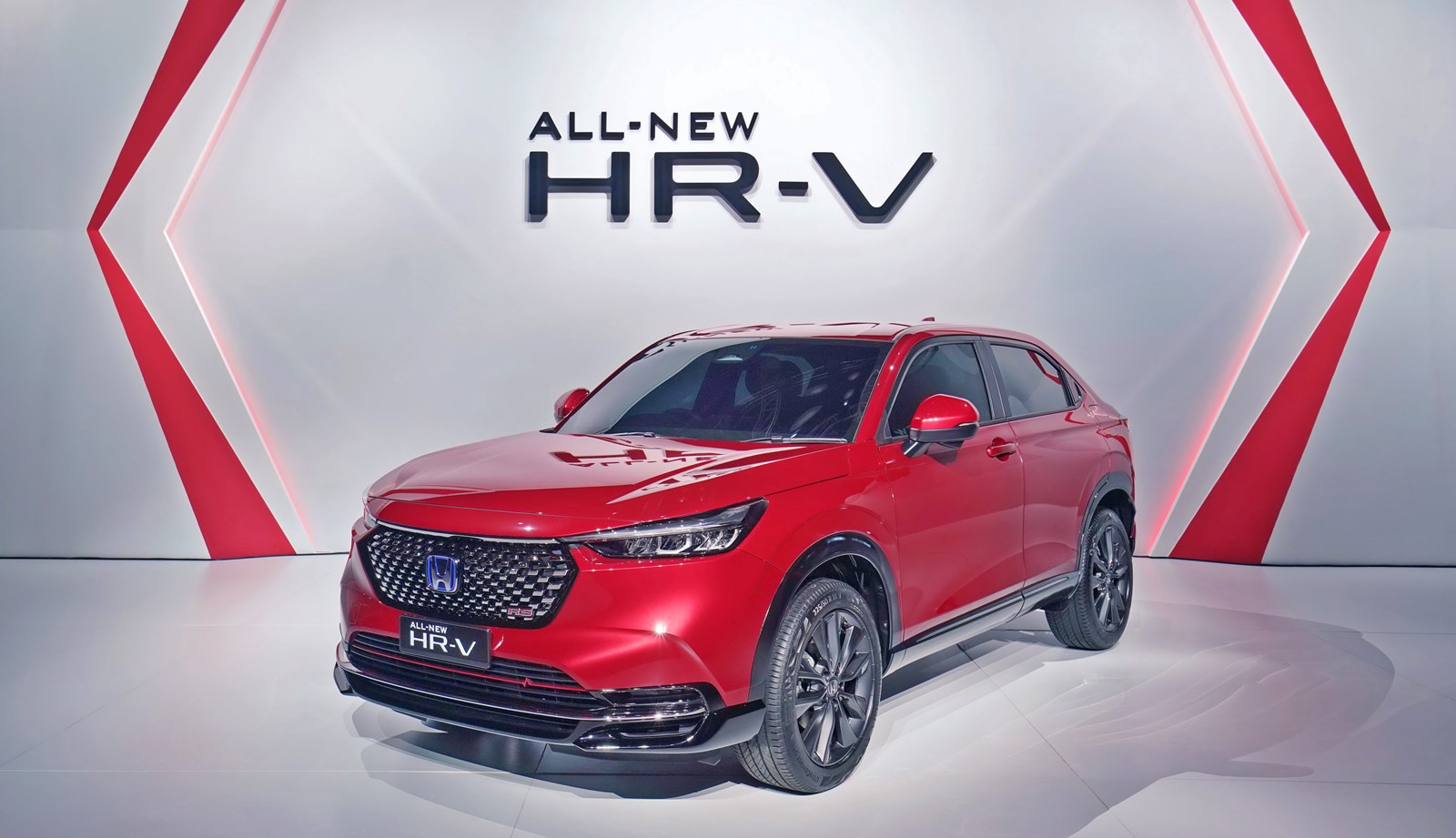
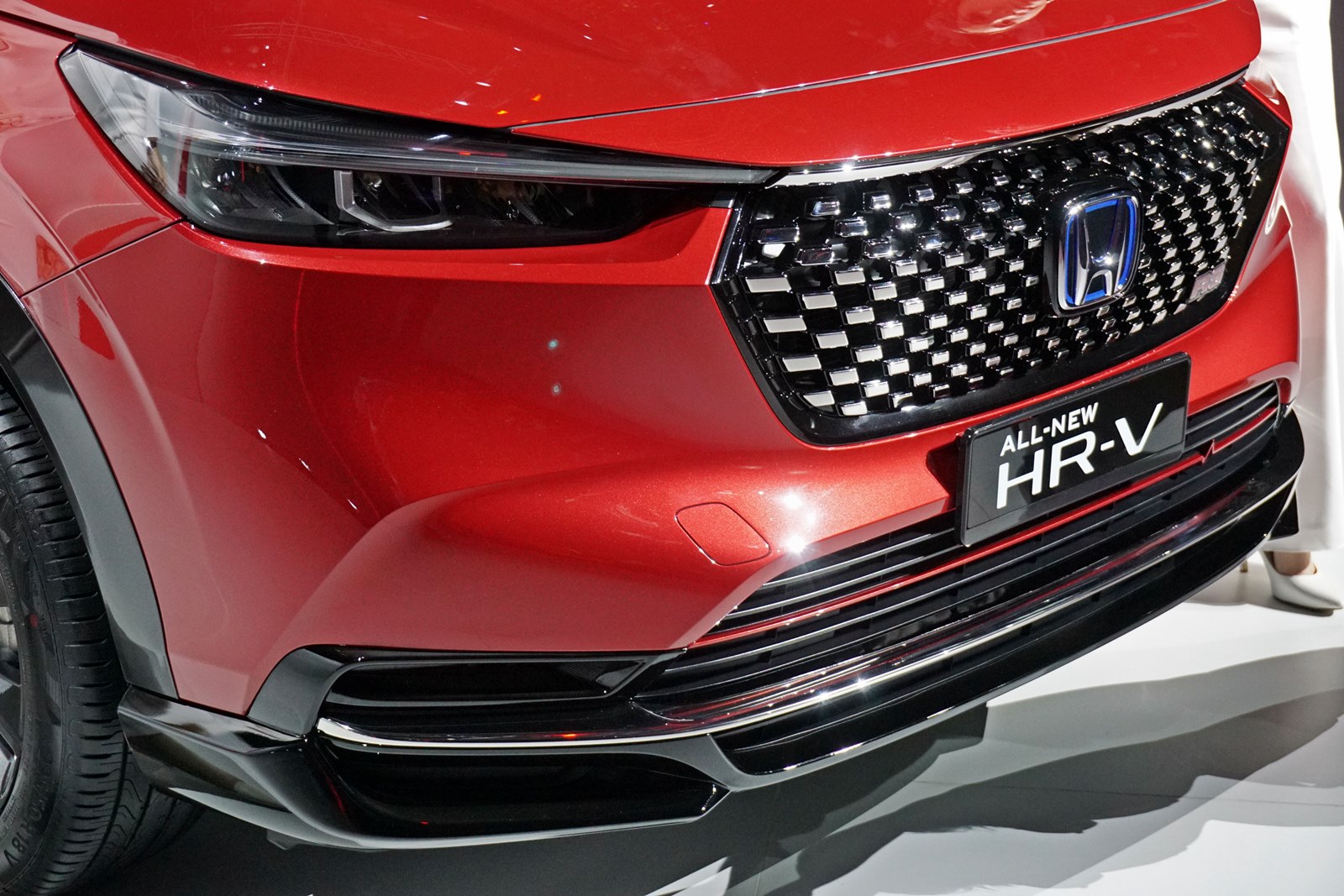
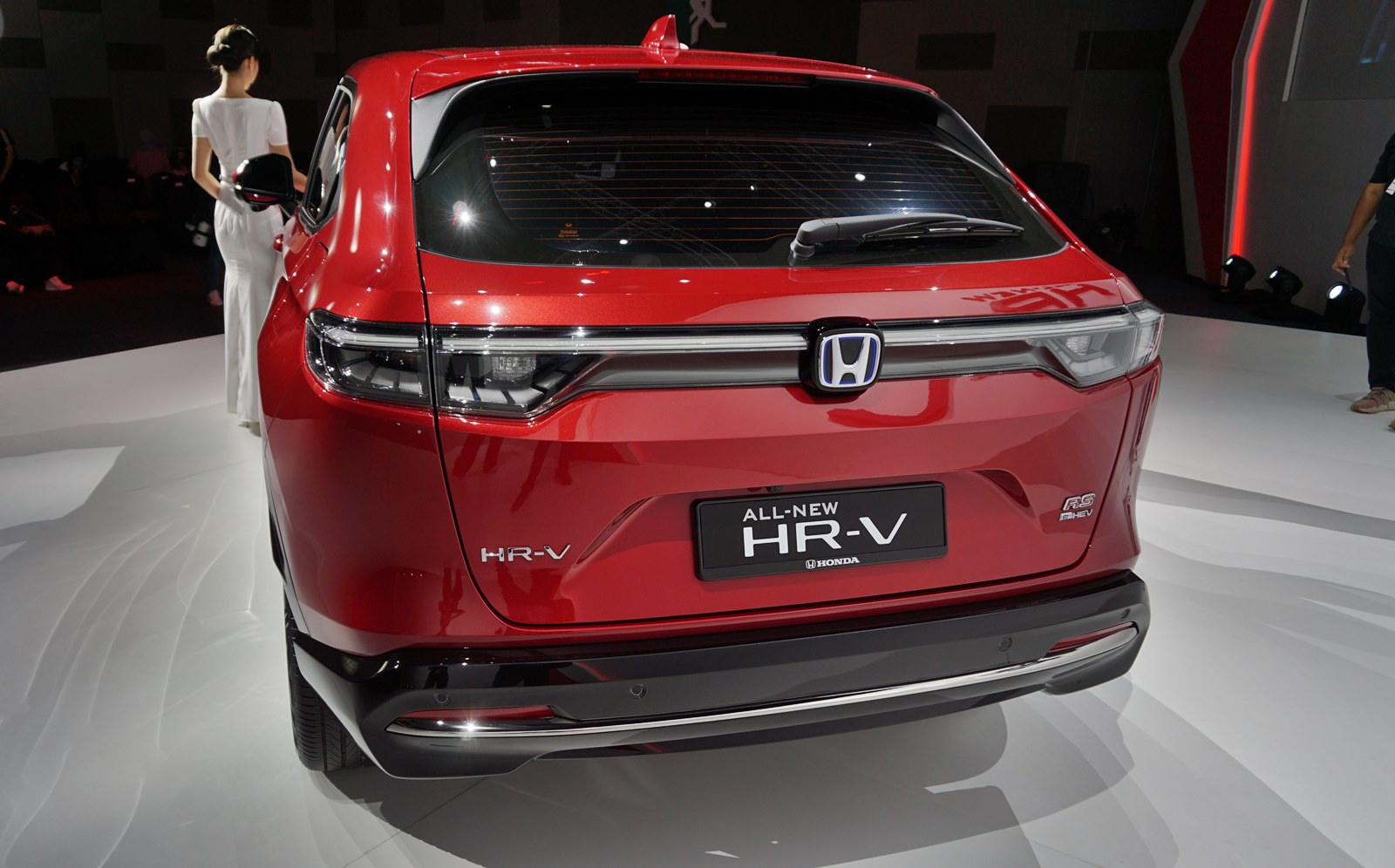
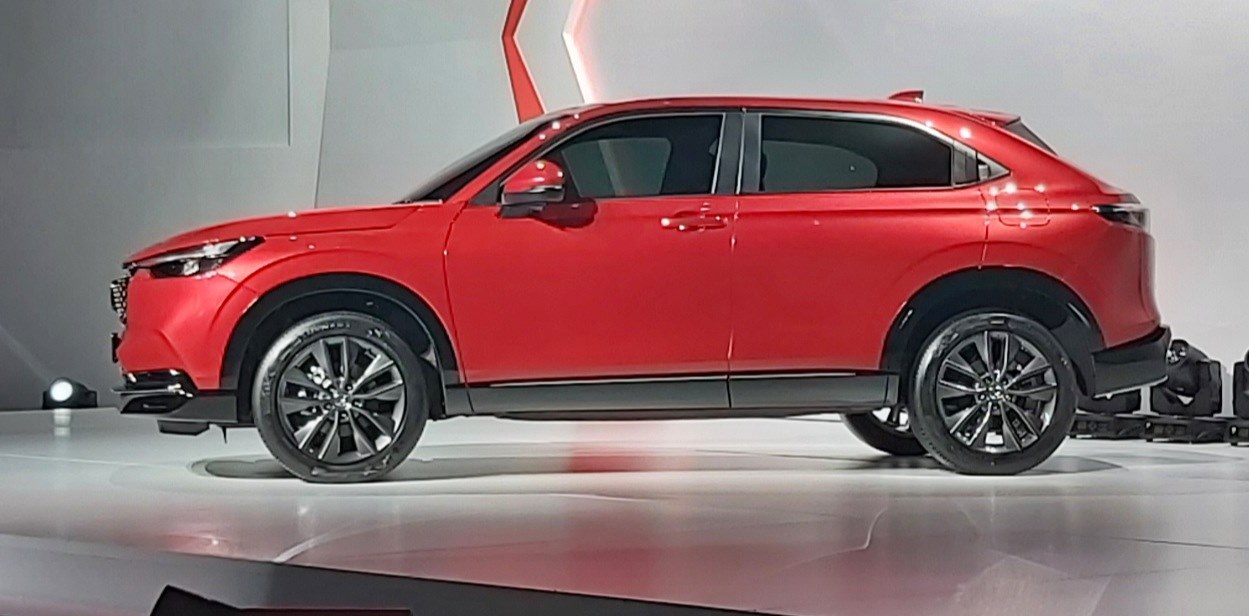
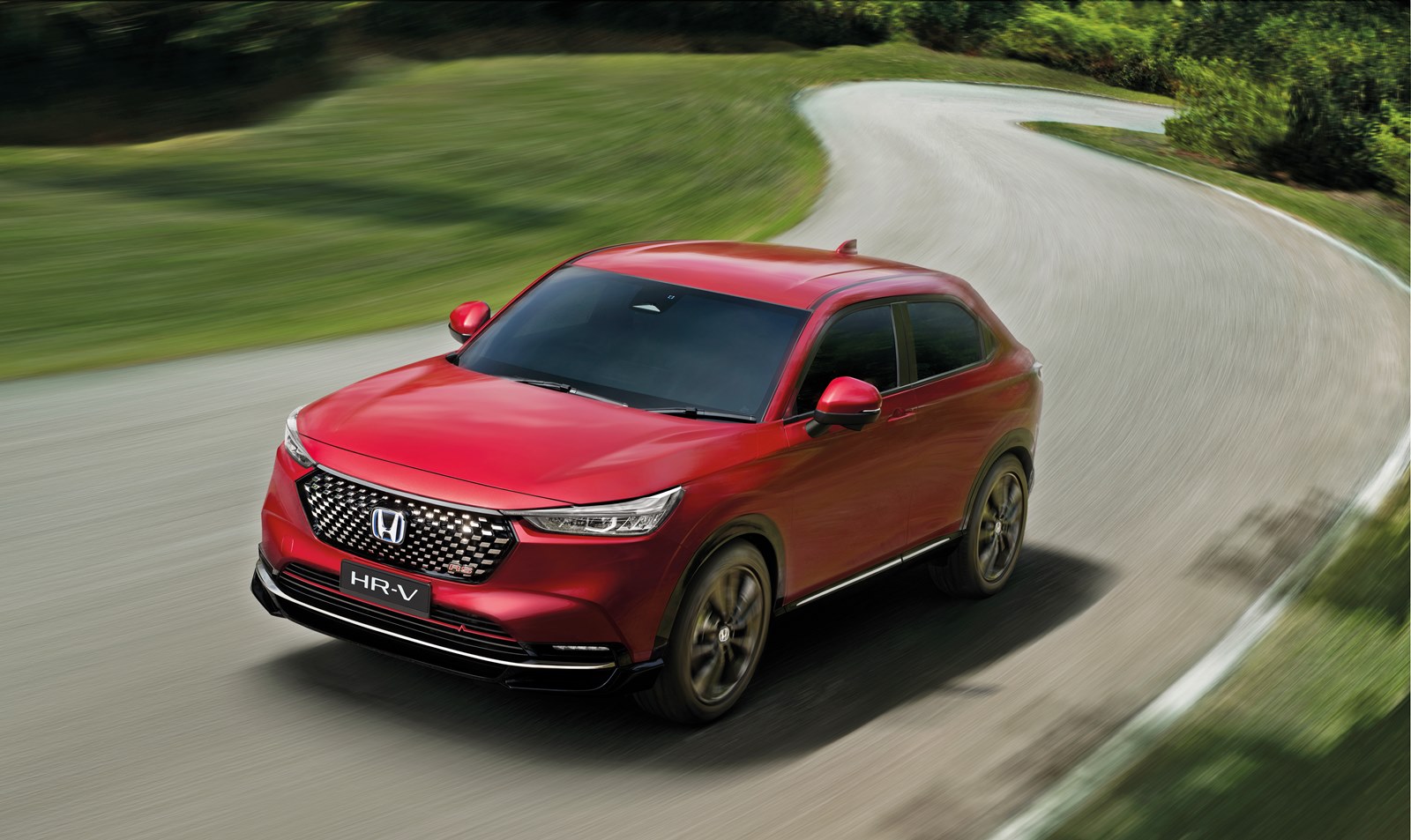
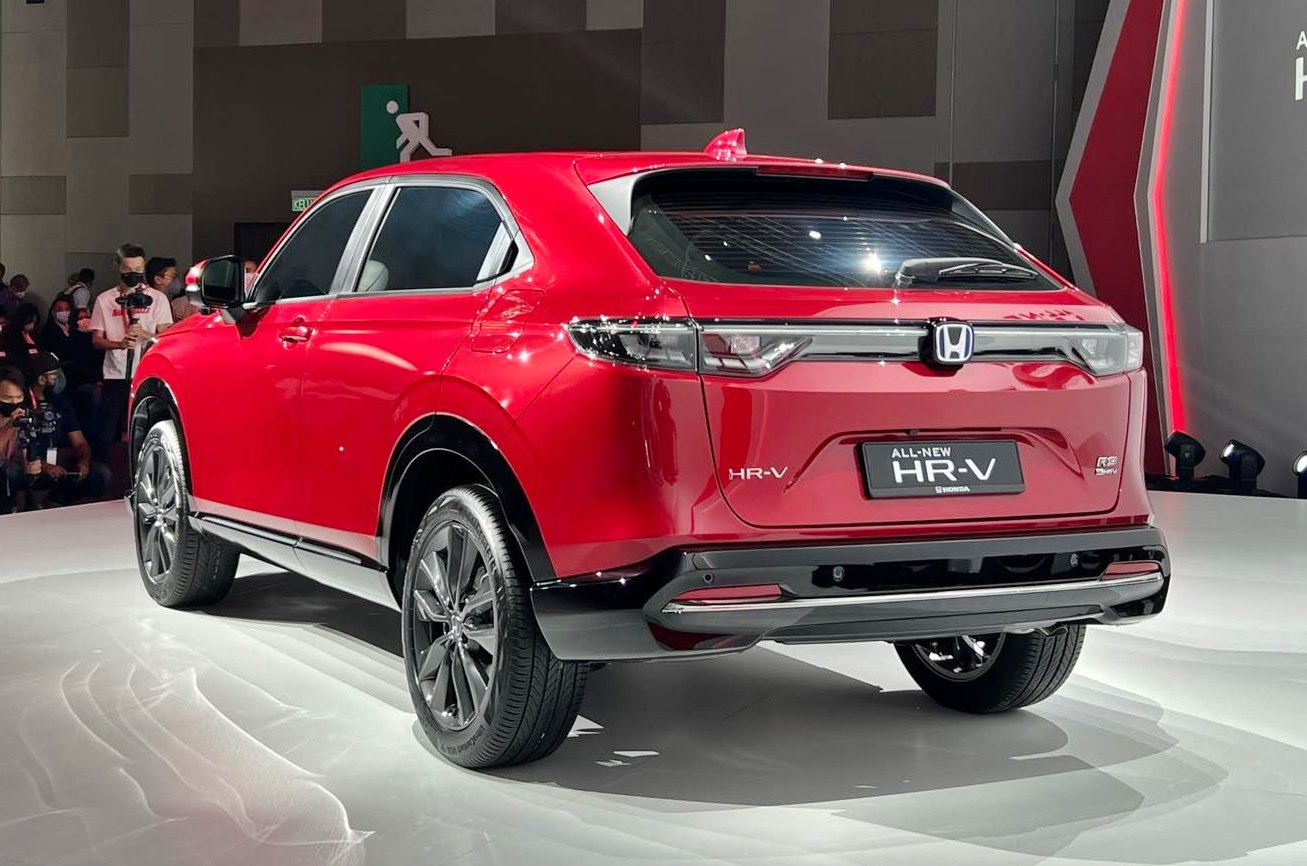
With the success of the first generation, coming up with the next generation must have proved to be a challenge. While maintaining the profile with a coupe-like fastback, the designers took the opportunity to use this generation change to also start introducing a new design language which is a total departure from the previous ‘wing’ theme.
The front appearance is bolder with a new and dominating grille design. As it is a big visual change, some may like it and some may not. But lack of enthusiasm for the new look is likely to fade away in time as it becomes more familiar. It is often the case that there are some designs which are not so well received when a new model is launched but eventually, the negative views diminish. In fact, a designer once said that he would be worried if a new design generated too much excitement at the start because there was a danger it could also become dated quickly. He preferred designs to ‘mature’ and gradually become more accepted amd appreciated over time.
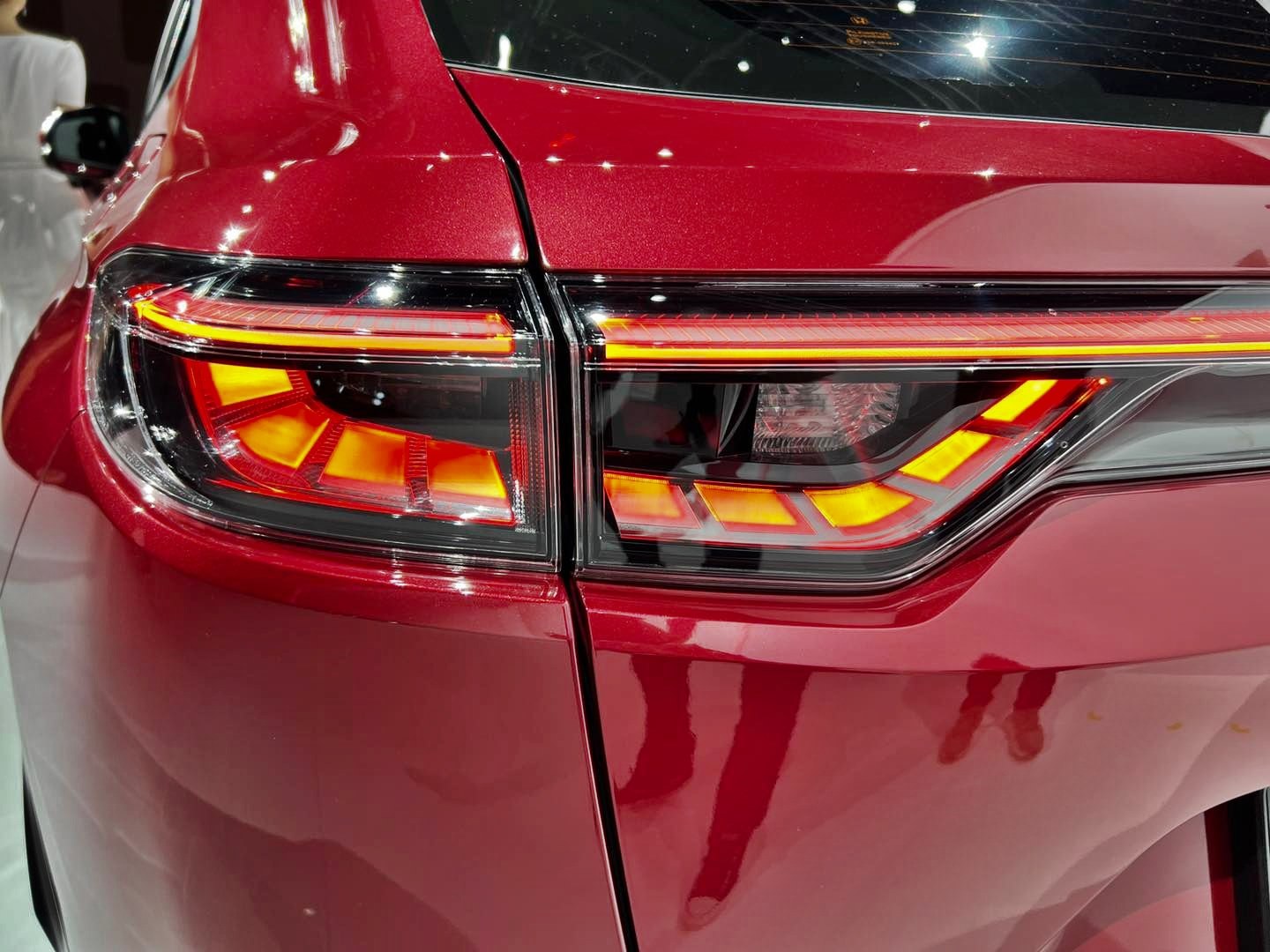
New exterior features include front LED Sequential Turn Signals (the signals ‘move’ as the illuminate), and a full-width LED Taillight Strip which adds a visual signature visible from a distance. Other key exterior features include new LED headlights with DRLs, LED foglights and 18-inch alloy wheels.
Sizewise, the new HR-V measures 4385 mm in length, which is 39 mm longer than its predecessor. The 1790 mm width is similar to the previous RS version, while the roof is 15 mm closer to the road so the profile is more low-slung. The contemporary, uncluttered form has a crisp horizontal shoulderline running from the rear light cluster to the front headlights, generating a sense of forward momentum.
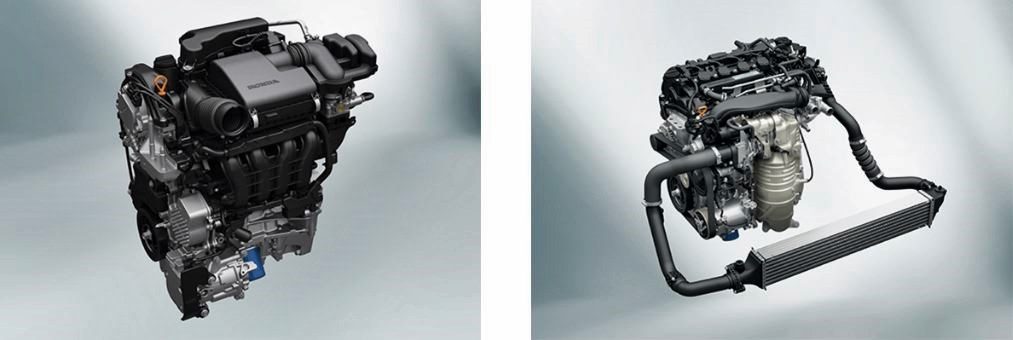
This time round, Honda Malaysia is offering a choice of three powertrains in four variants. There is no longer a 1.8-litre engine and all the powertrains have a 1.5-litre displacement. At the lower end is the HR-V 1.5S which has a 1.5-litre DOHC i-VTEC engine producing 121 ps/145 Nm. The other two variants – the E and V – have the widely used 1.5-litre turbocharged VTEC engine (shown below right) which produces up to 181 ps/240 Nm. The S, E and V variants all use a CVT delivering power to the front wheels.
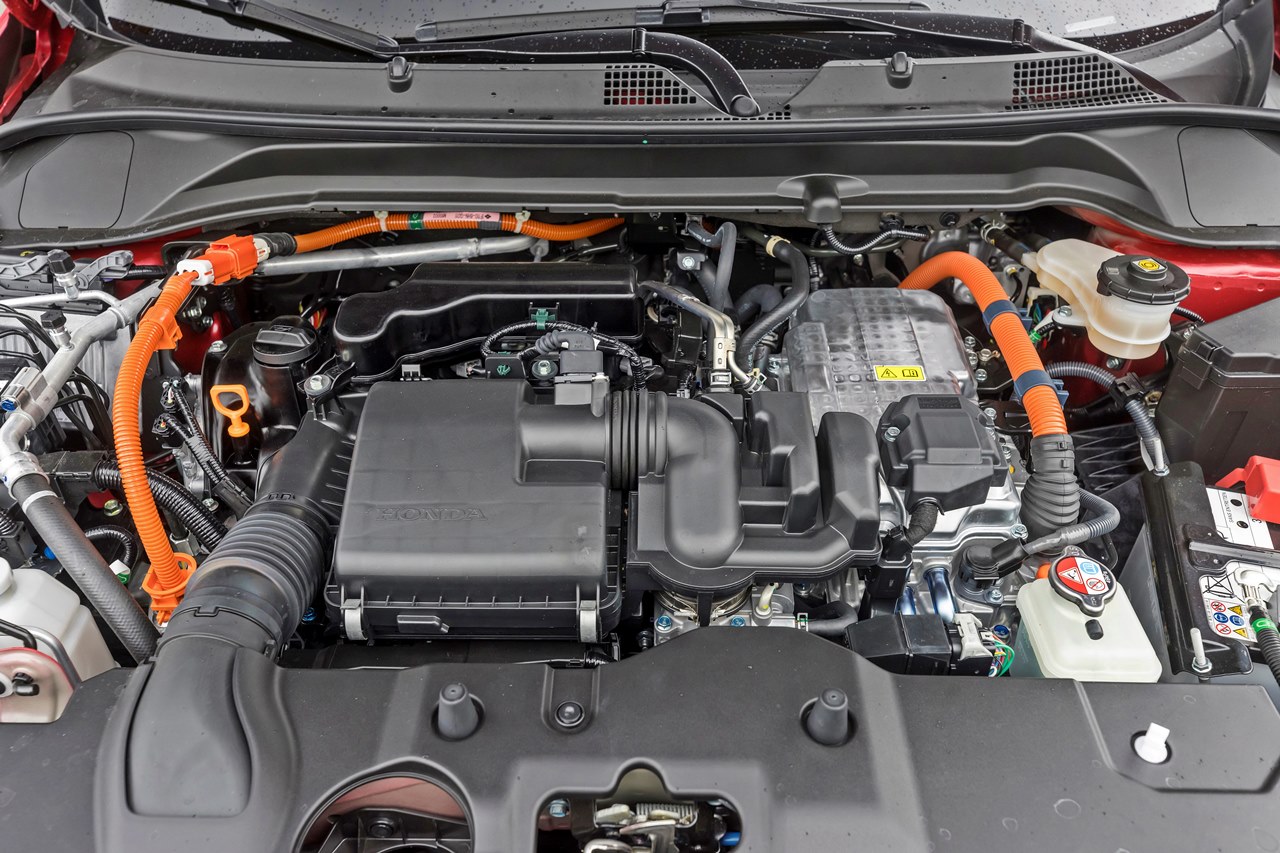
The top variant, as before, is the HR-V RS which has e:HEV technology with the intelligent Multi-Mode Drive (i-MMD) system. Already available in the City RS, this 1.5-litre hybrid powertrain with 2 motors (above left) generates 131 ps with an impressive 253 Nm of torque. From our experience with its in the City RS, it not only delivers strong performance but can also be very economical because it can run on just the electric motor for short distances, meaning no petrol is used at all. And as the battery pack recharges while driving, the e:HEV approach is the best one for Malaysia at this time, rather than moving to full electric vehicles so quickly.
Honda e:HEV powertrain
Compared to the e:HEV powertrain in the City RS, the one in the new HR-V has received improvements to increase performance. The battery pack in the Intelligent Power Unit has 60 cells, 25% more than the one in the City RS, so storage capacity is greater. The system also generates 20% more power and the CVT has a lower ratio, probably to suit the higher weight of the HR-V.
The chassis is the same as before with MacPherson struts in front and a torsion beam at the rear, a common layout in many of today’s vehicles. Feedback from customers identified certain areas that needed improving in the vehicle dynamics. The improvements have been achieved by small engineering revisions in the suspension, body architecture and electric power steering. Adding reinforcements in some areas has contributed to better rigidity.
The torsional rigidity and spring rate of the steering column has also been increased by 15%, affording a smoother feel during direction changes. Initial corner turn-in is more direct when compared to the previous HR-V, and the overall feel during manoeuvres is much more linear and precise.
At the rear, the compliance bushes have been modified in both construction and design to improve rear wheel control and ride comfort. The liquid-filled bushes have increased damping performance and good low-frequency performance providing excellent primary ride, whilst absorbing certain frequency vibrations to improve secondary ride. In revising the bush design, a flange has been added to reduce lateral movement across the bush.
Noise, vibration and harshness (NVH) are what the passengers constantly experience and making them as low as possible makes a big difference to not just comfort but also the perception of quality. To lower NVH, the engineers focussed on two areas – engine acceleration and road noise. They didn’t just mask the noise and vibrations by using more insulation but also made changes to certain parts or added reinforcements so that the frequencies would become less disturbing.
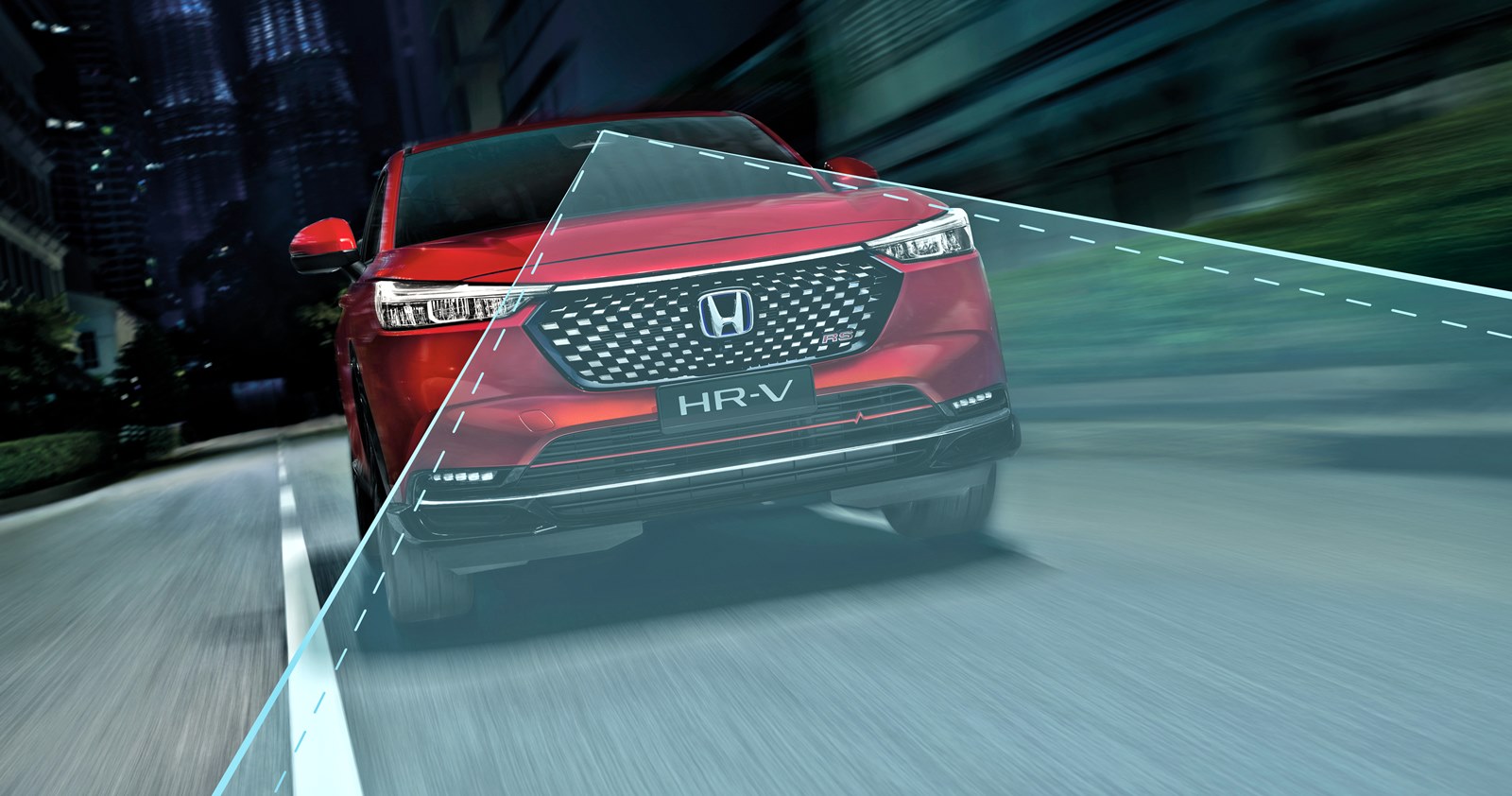
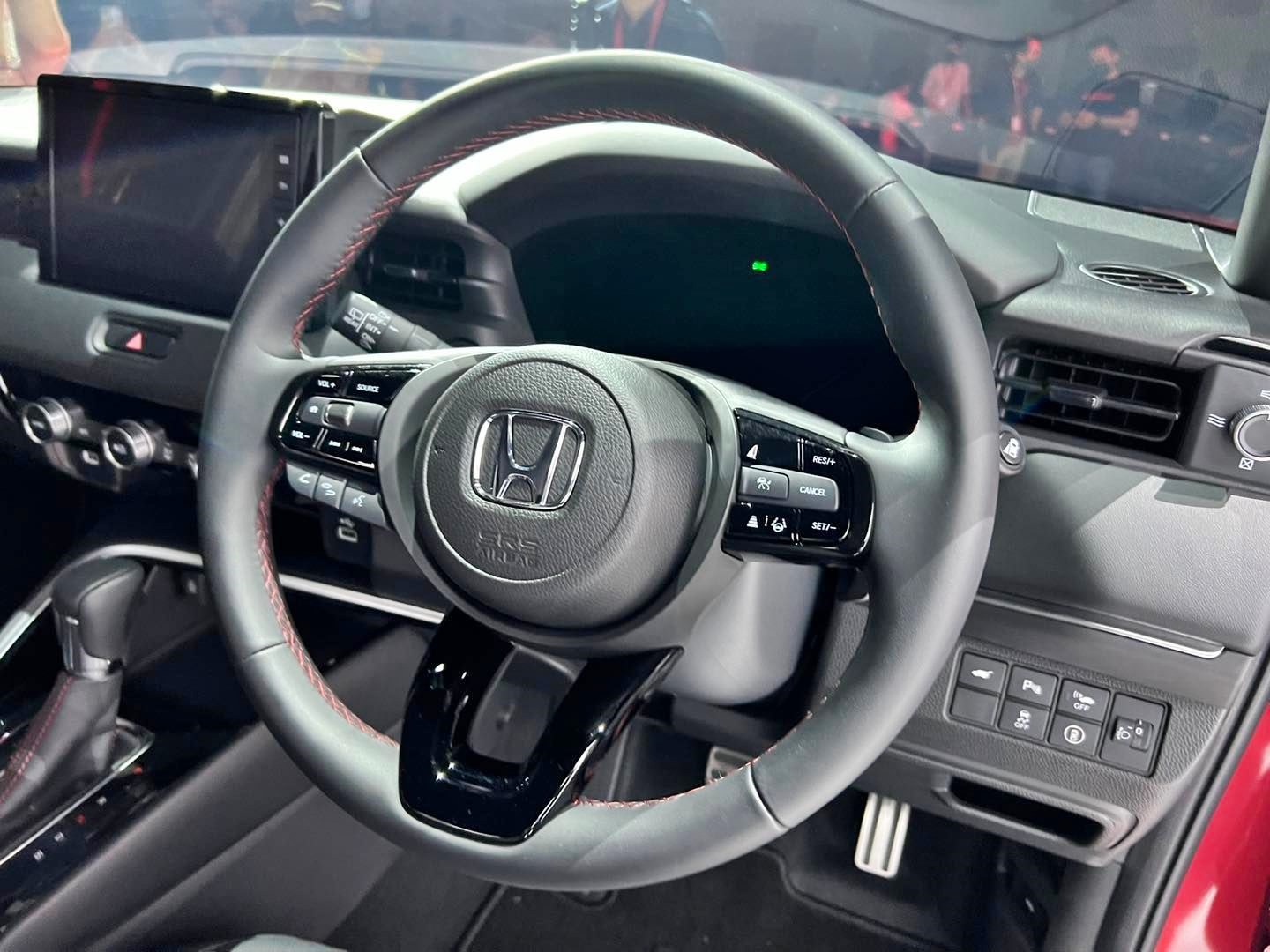
Contributing to reducing accidents, Honda Malaysia has made Honda SENSING standard in every variant. This suite consists of 9 active safety systems, including Adaptive Cruise Control, and they rely on a camera positioned at the top of the windscreen. The omission of a radar helps to lower cost and to ensure that the camera alone is enough, it has been given a wide forward view (about 100 degrees left to right) and the image processing software is also more advanced for enhanced recognition capability.
The system can identify other vehicles, people and also lane markings as well as gravel and grass edges. The latter is important for the Lane Keeping function which limits the vehicle from drifting out of its lane. On long distances, this feature can help reduce fatigue as the driver does not have to make minor corrections to the steering to stay in the lane.
When driving on slopes, there are also systems that will help the driver. Hill Descent Control, when activated, will manage the speed safely downhill so all the driver has to do is steer to avoid obstacles. There is also an AUTO HOLD function to keep the vehicle motionless on a slope without having to keep the foot on the brake. This is now possible with the electrically-operated parking brake.
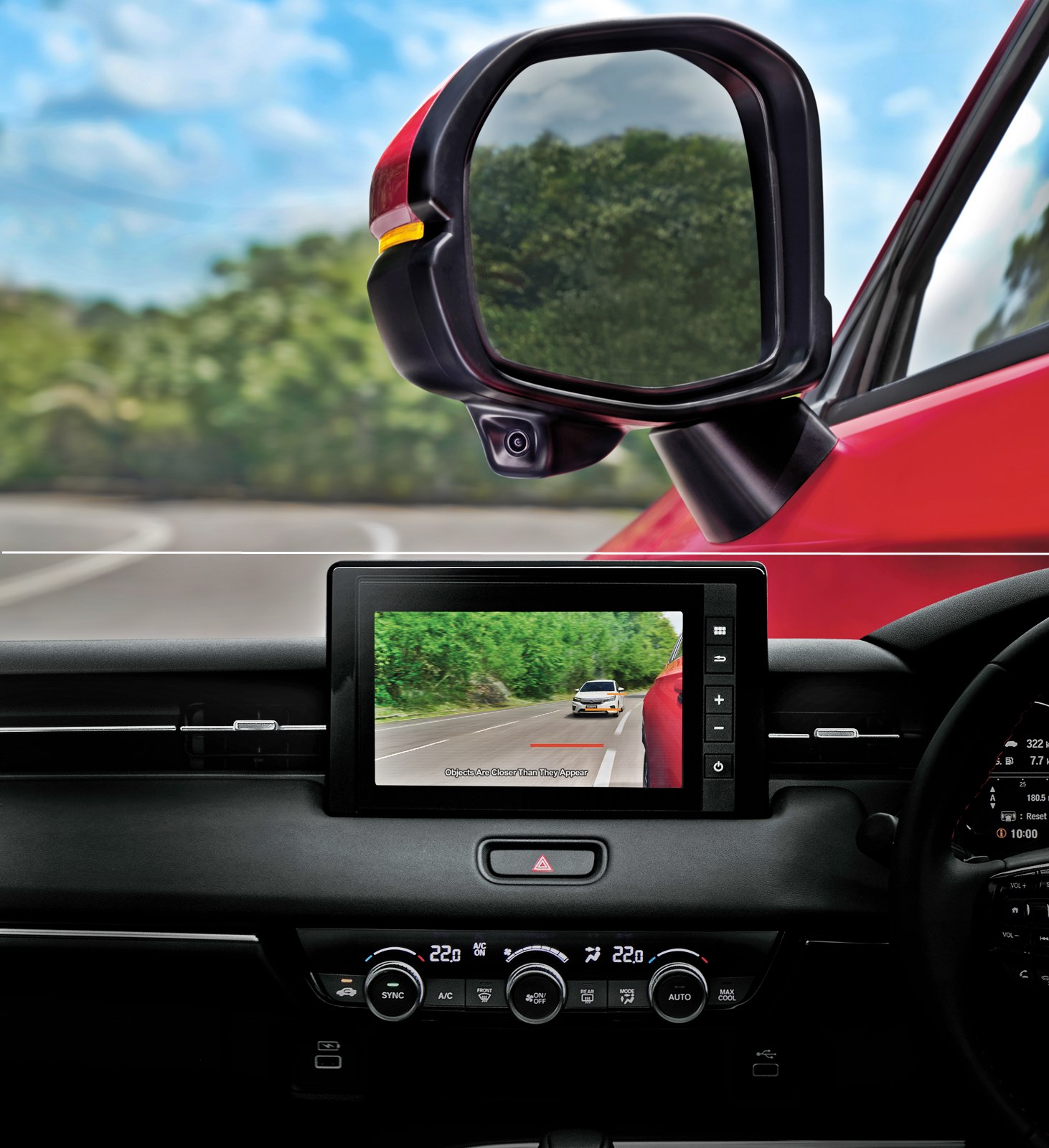
Honda LANEWATCH, the innovative camera-based blindspot monitor, is fitted to the V and RS variants. This system shows real-time images of the left side of the vehicle, allowing the driver to spot if there is a motorcyclist or other vehicle coming up. The image is shown on the centre panel and comes on whenever the left signal light is activated.
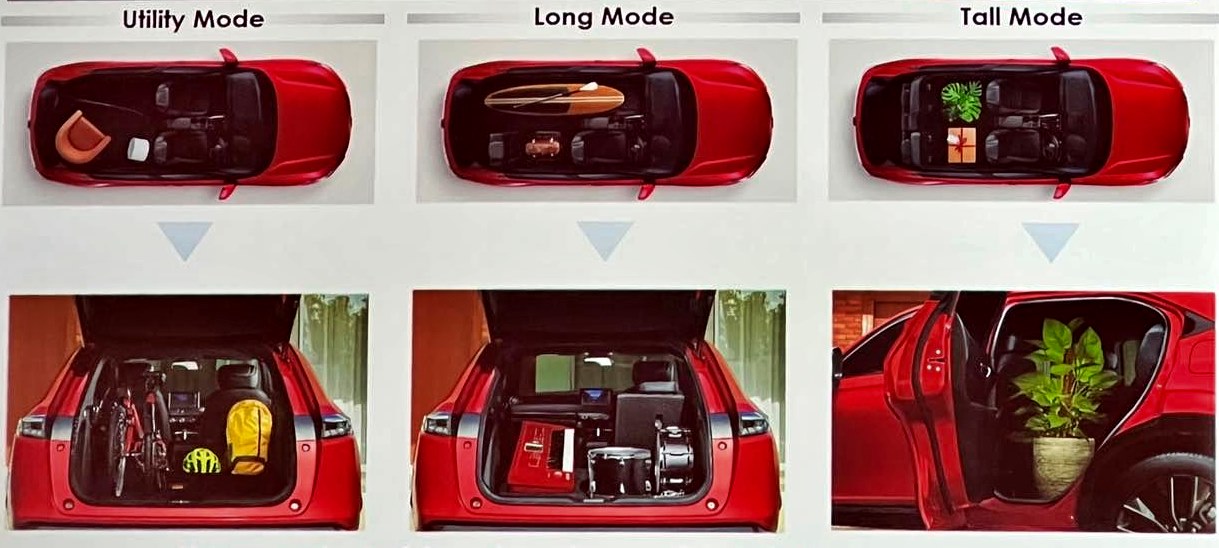
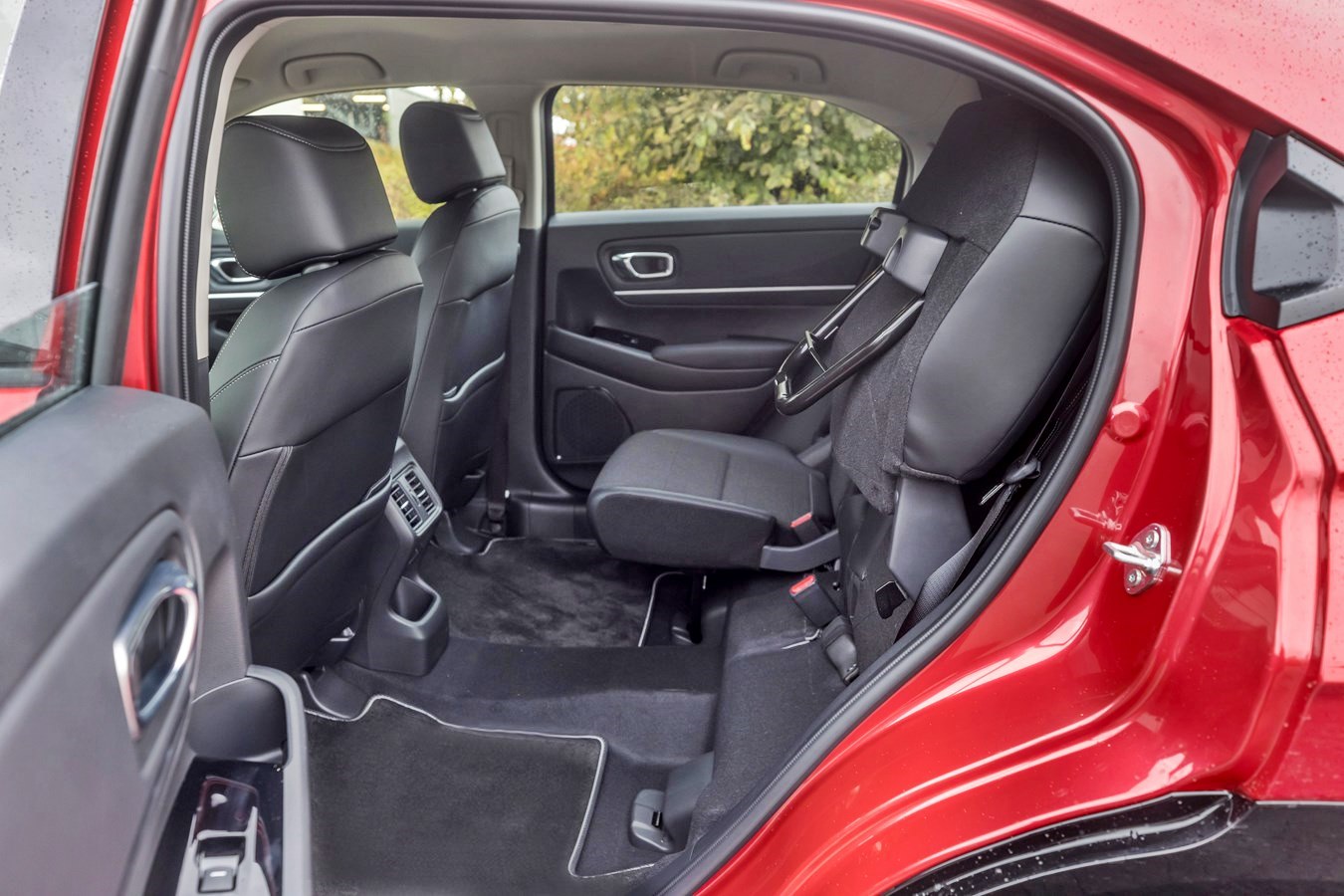
The compact dimensions of the HR-V allow for only two rows of seats but the legroom is generous, with rear passengers getting 35 mm more space. This is helped by having the fuel tank situated under the centre (an idea which originated with the first Jazz). Like the City Hatchback, the HR-V cabin can be configured in three layout modes – Utility, Long and Tall. In the Long mode, there is a floor length of up to 1.9 metres when the rear backrests are folded down. Along with the high ceiling, this allows for 2 mountain bikes (with front wheels removed) to be stored on board. The Tall mode allows tall items (like plants) to be carried as the floor to ceiling height is maximised by folding the rear seats up. The idea has been used in some Honda models for around 20 years, since it first appeared in the Jazz.
For those who own the RS variant, loading cargo is even more convenient with the handsfree feature that opens the rear door automatically. Just placing a foot under the rear bumper unlocks and raises it and even better, it will close by itself too when the owner has gone further than 2 metres away.
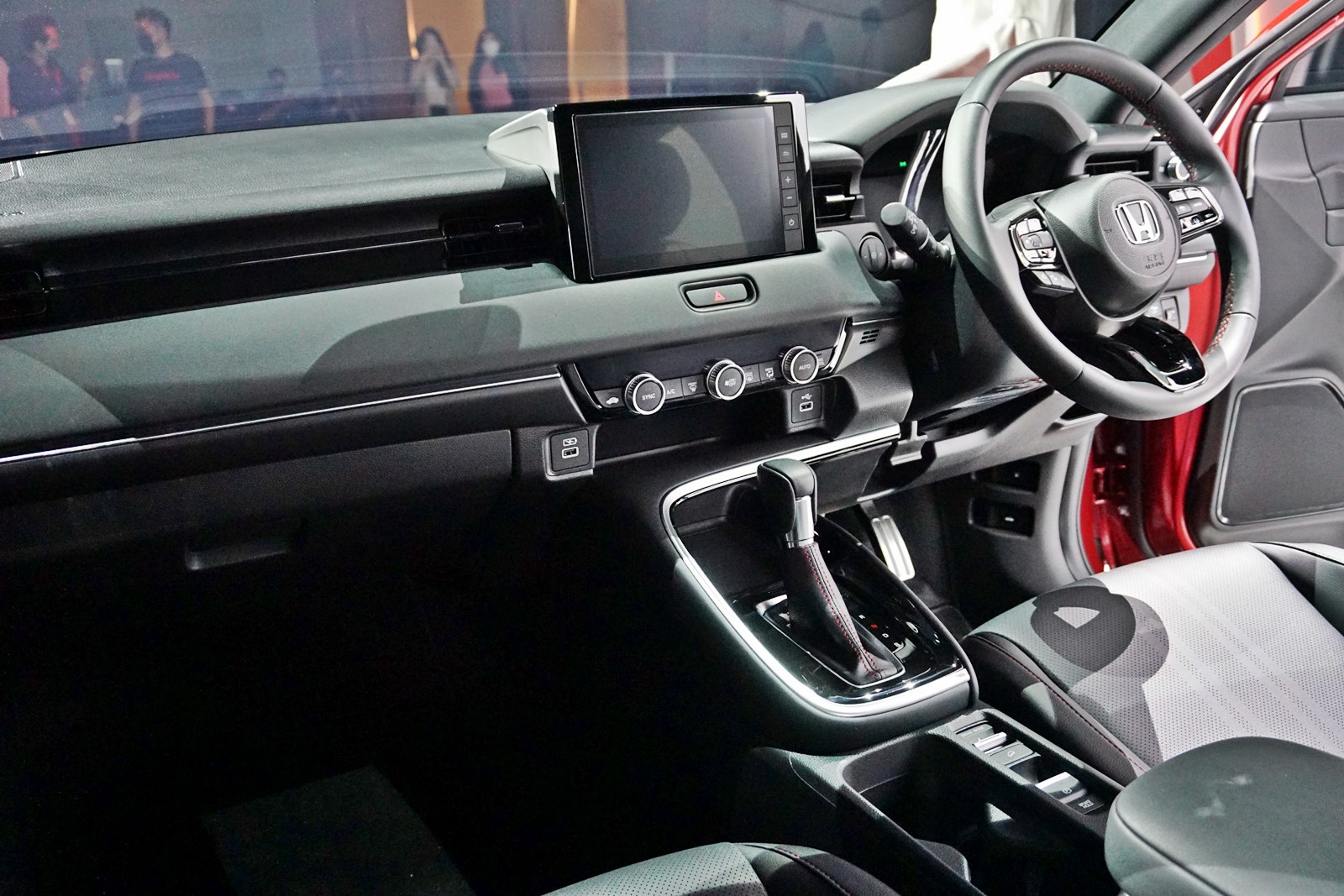
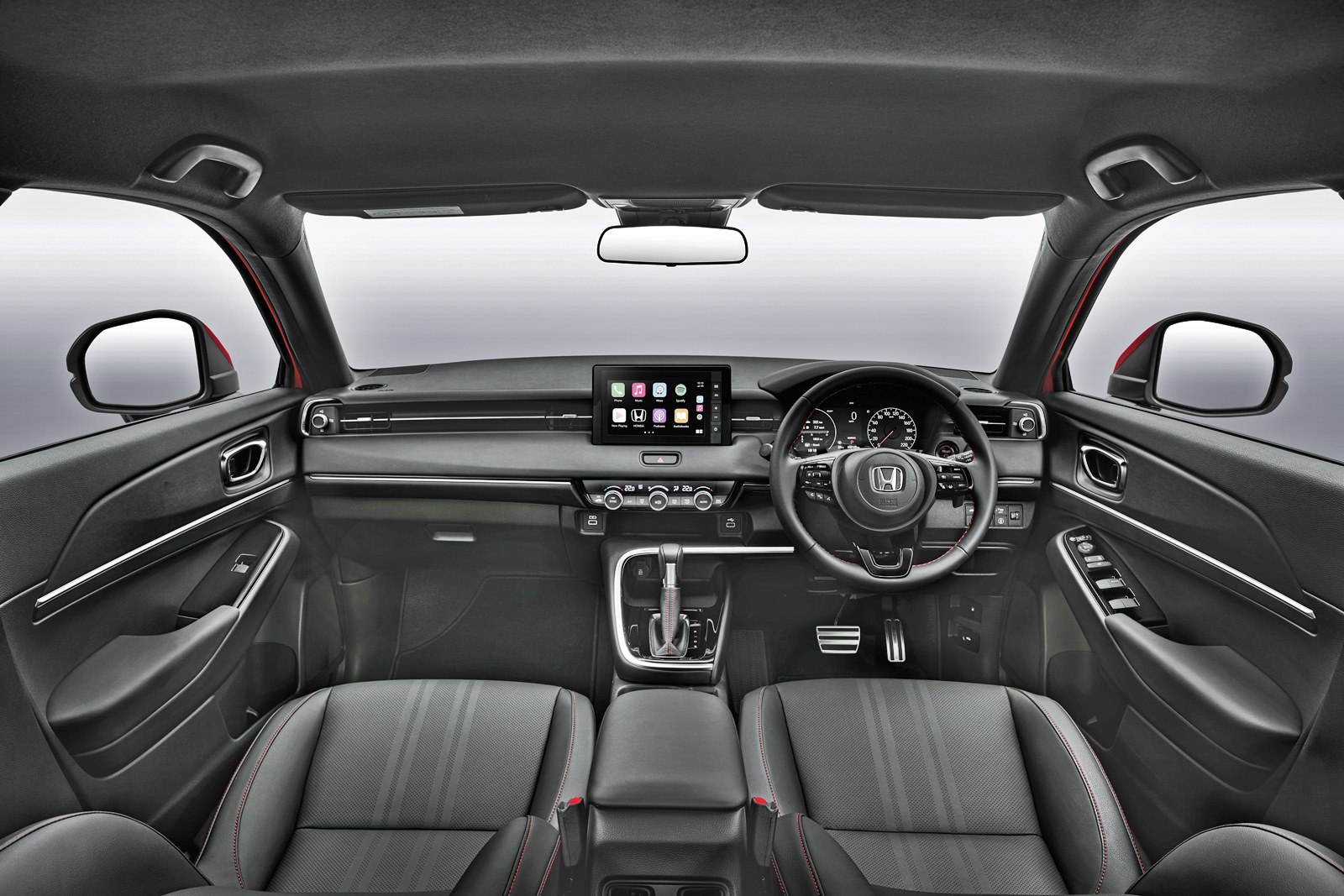
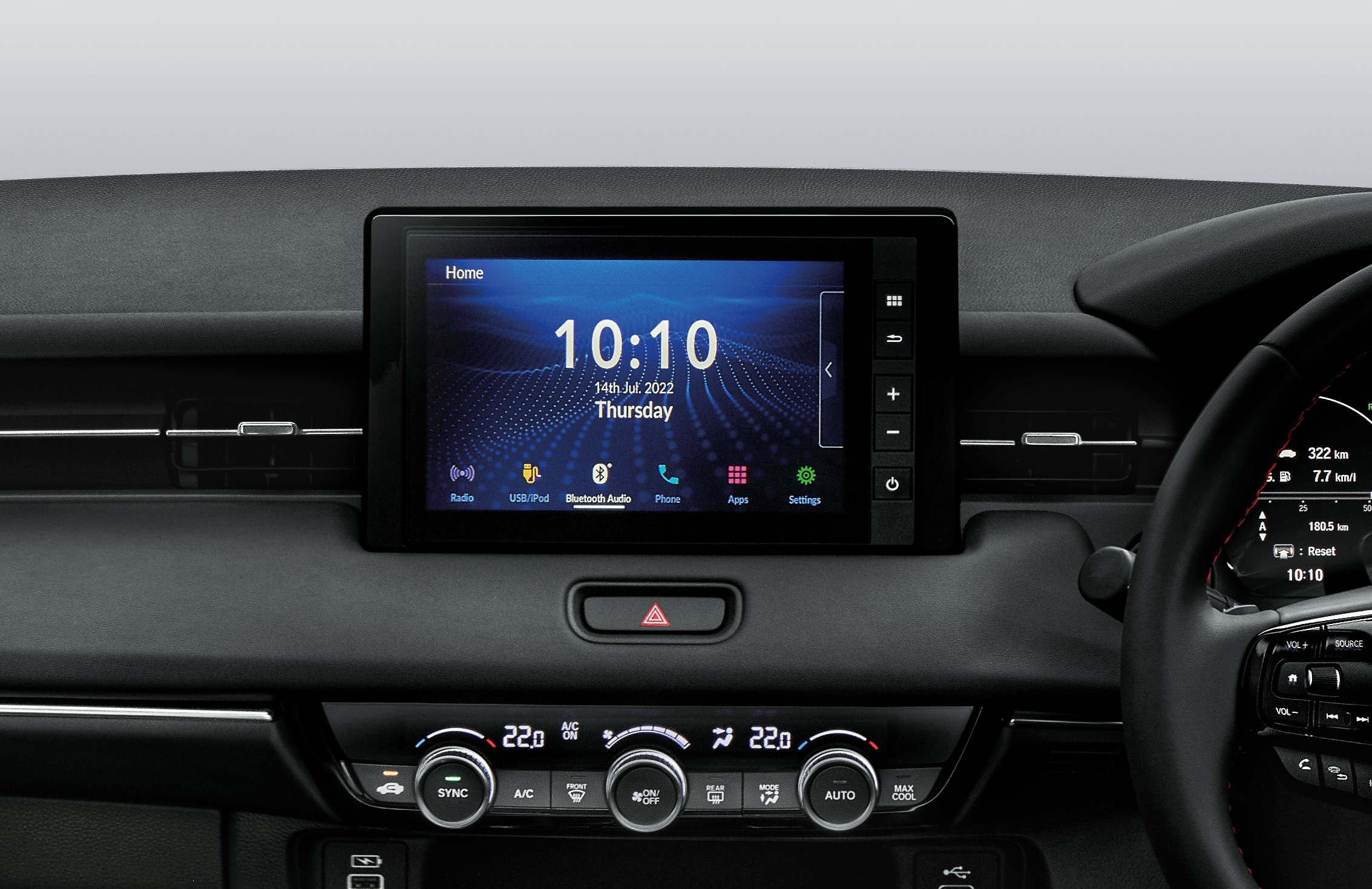
The dashboard has the same clean design with a combination of touch and physical controls. It’s clear now that touch controls are not necessarily ideal for every function so the interior designers have provided rotary controls and pushbuttons for the air-conditioner and ventilation system. These can be operated without having to look, unlike touch controls where you have to look and then focus on an icon – which is not so good for driving safety.
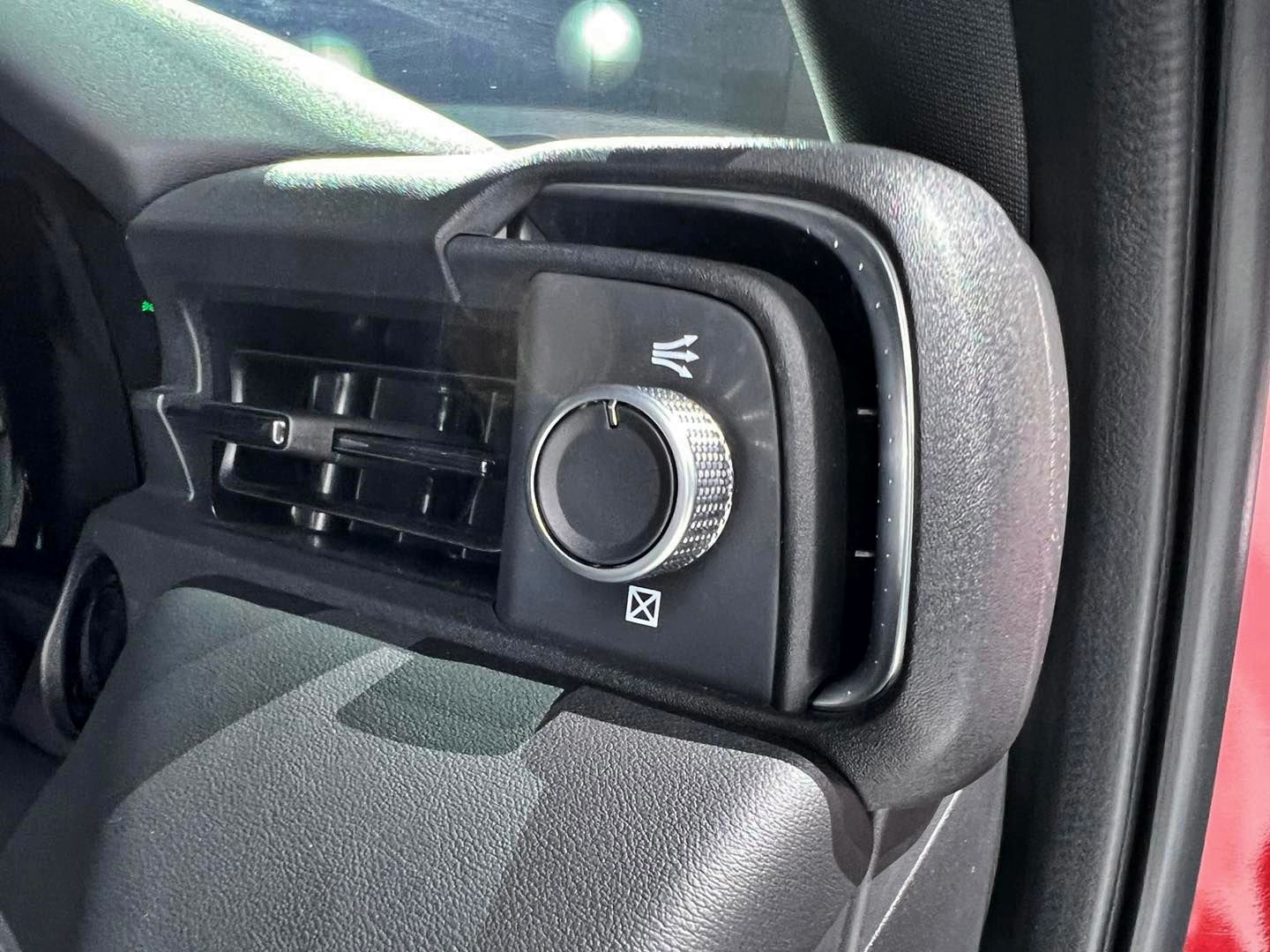
Talking of air-conditioning, besides having two zones so the front passenger and driver can set their preferred temperatures, there is also an Air Diffusion System which is a first for Honda. This introduces a new concept of air conditioning, with L-shaped vents positioned in the top corners of the dashboard that deliver the restorative effects of a natural breeze to all occupants.
The idea was born from the concept of designing light and wind to improve passenger comfort, with nature as inspiration. The new ventilation approach resolves a disparity in traditional vent configurations, where passengers often feel uncomfortable with air blowing directly onto them. When activated by turning a dial, the Air Diffusion System creates a new gentle flow of air which discreetly flows like a soft breeze along the side windows.
The air also travels to the roof, creating a gentle vortex of air that is barely perceptible to passengers. We’re not sure if the breeze will reach the back but the rear passengers will also be comfortable as there are vents closer to them behind the centre console.
Being a Honda, the equipment list can be expected to be extensive with many features thoughtfully included. The infotainment system has Android Auto and Apple Carplay which expands its useability to include apps from smartphones (like Waze and Spotify) while there are 4 USB ports for recharging devices. The driver of the V and RS variants gets 8-way adjustment on their seats and those in the V variant also have paddle shifters. All variants have pushbutton start/stop and also auto locking when walking away (with the engine off).
Except for the S variant, all the other three HR-Vs can be started from a distance with the Remote Start. In movies, such a feature would be used as a precaution in case there’s a bomb under the car (set to go off when the engine starts) but in real life, Remote Start is useful for starting the engine so the air-conditioner can run and cool down the cabin.
For those who like the extra class that leather gives, this is standard for the upholstery in the V and RS variants. For the other two variants, fabric upholstery is provided. Throughout the cabin though, there are many areas where the panels have soft padding for a more premium feel.
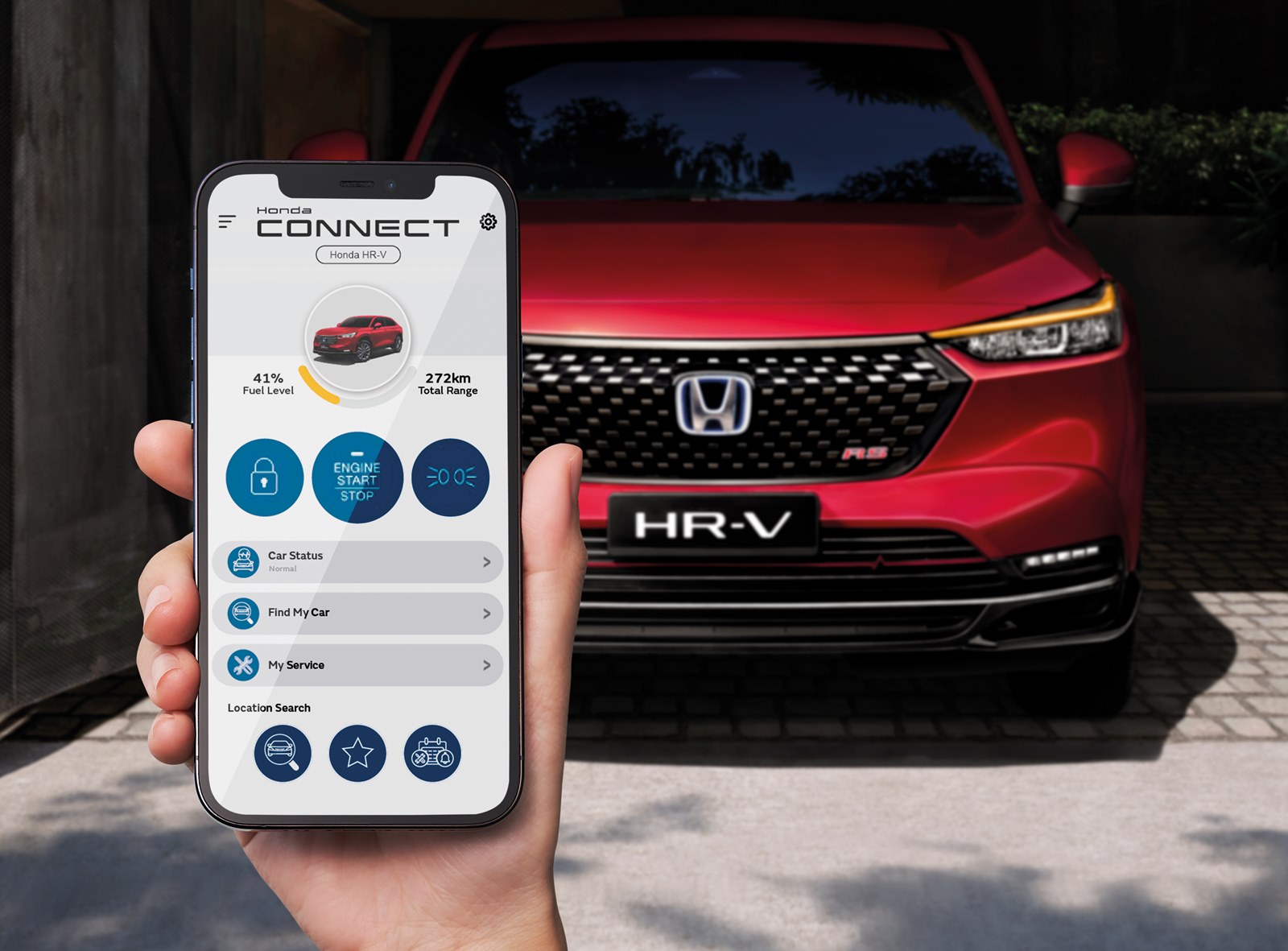
Honda CONNECT, a telematics system that provides safety, security and convenience, is provided with the E, V and RS variants. This system can track the vehicle’s position so it can be located if stolen and owners can also set ‘geo-fencing’ so they will be alerted if the vehicle moves out of a designated zone. In the event of a severe collision, an automatic notification will be sent out so that help can be quickly sent. Honda CONNECT also allows the owner to check on the condition of the battery and fuel level without being inside the vehicle, and there will be reminders when routine maintenance is due.
As with other Honda models, there is also the option of adding genuine accessories to personalize the HR-V. Honda Malaysia offers 5 packages with different themes, with prices ranging from RM1,106 to RM3,780. As the cost of these packages would be included in the total price of the vehicle, they would also be part of the financing plan.
The new HR-V is now at Honda dealerships nationwide and if you want to view or test-drive on, locate the nearest showroom at www.honda.com.my.
Yes, the Chinese carmakers are going to be serious rivals to the established brands in due course. While they may have given a poor impression 20 years ago because of low quality, they have improved steadily and now have the volumes to fund R&D to develop their own technologies and invest in the latest advanced manufacturing processes to achieve high quality.
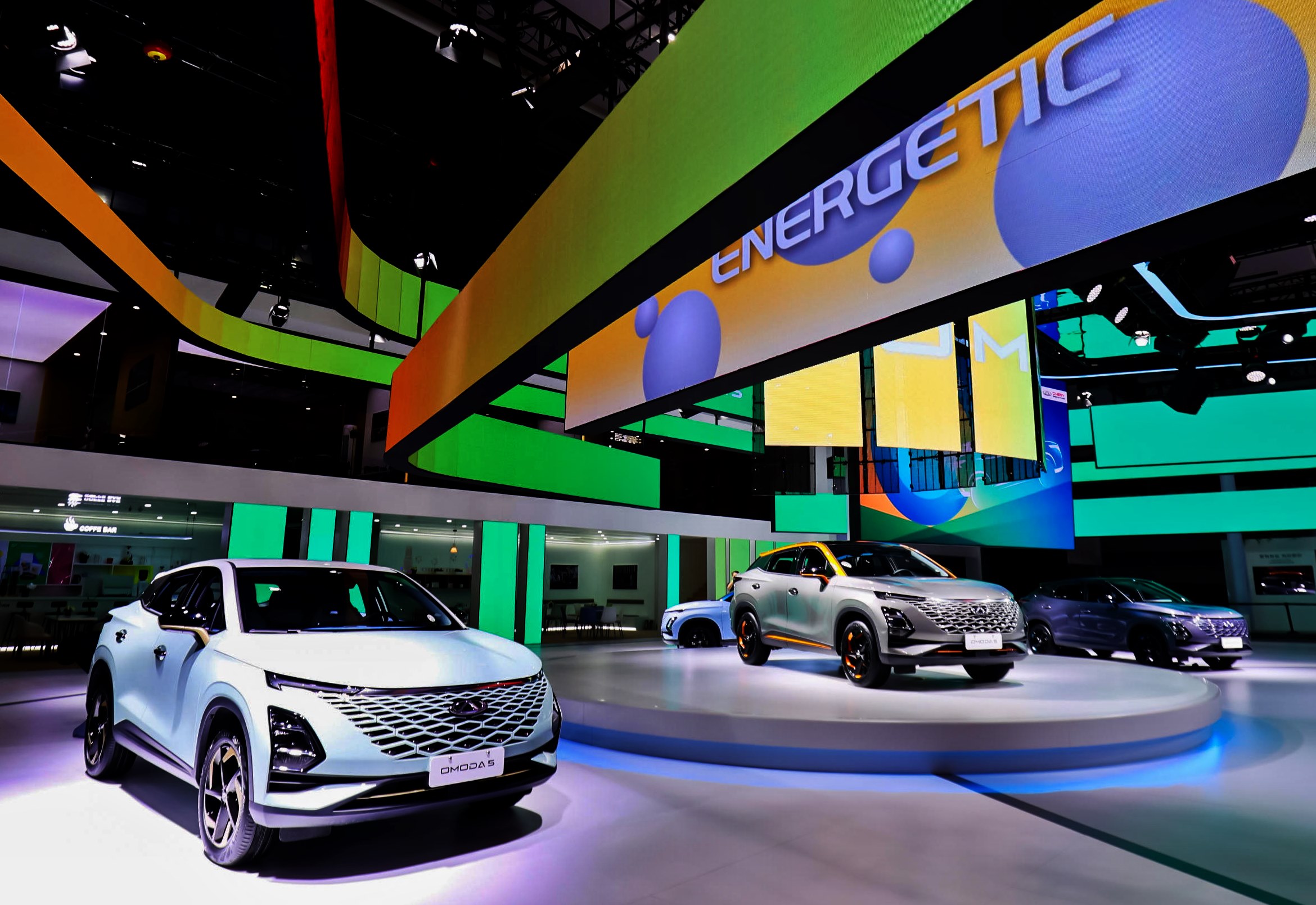
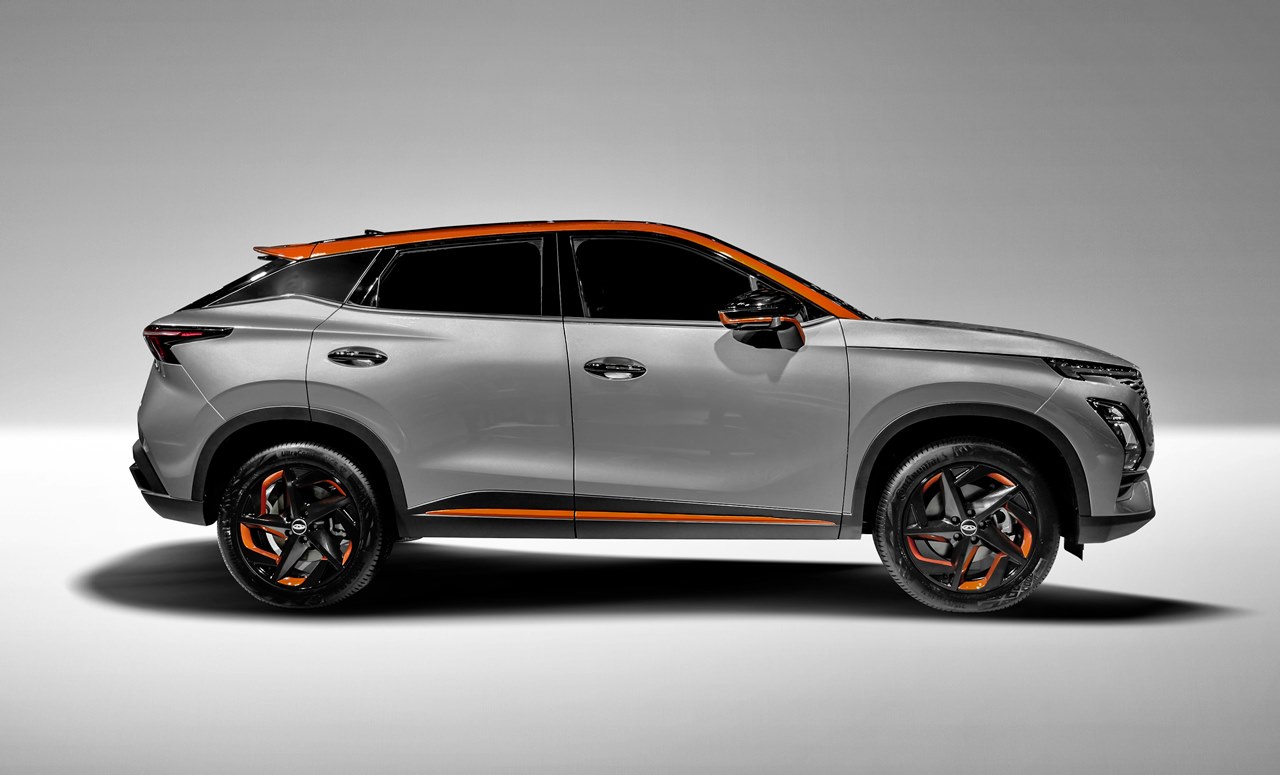
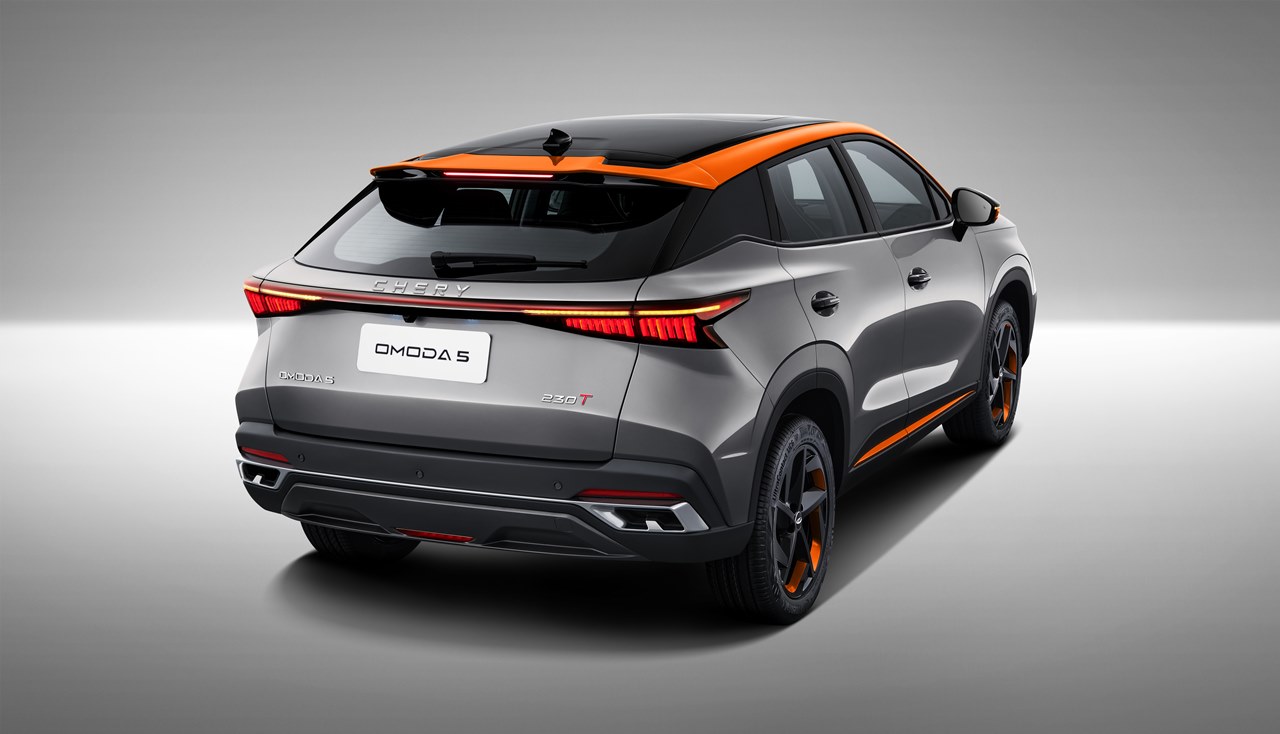
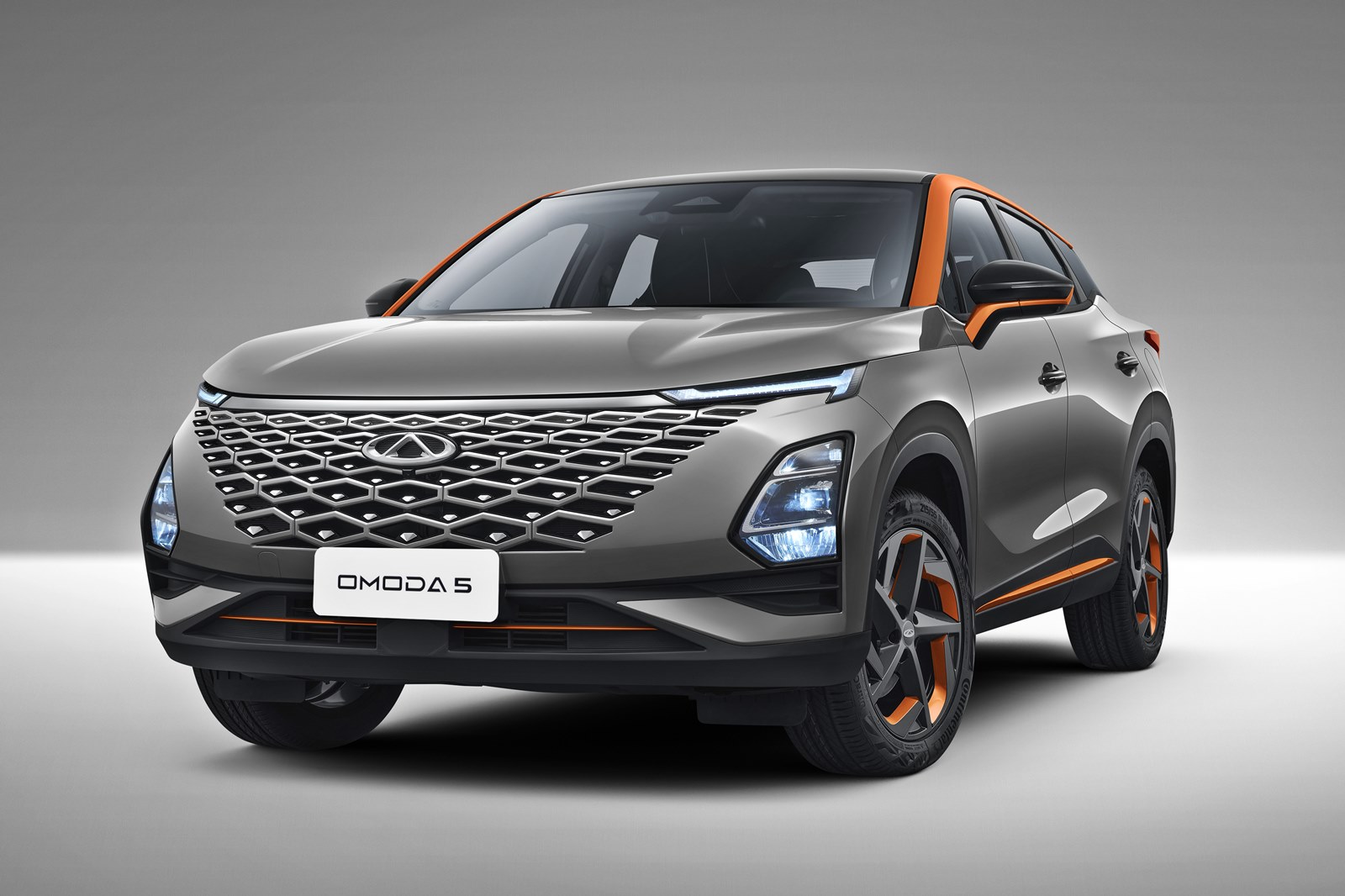
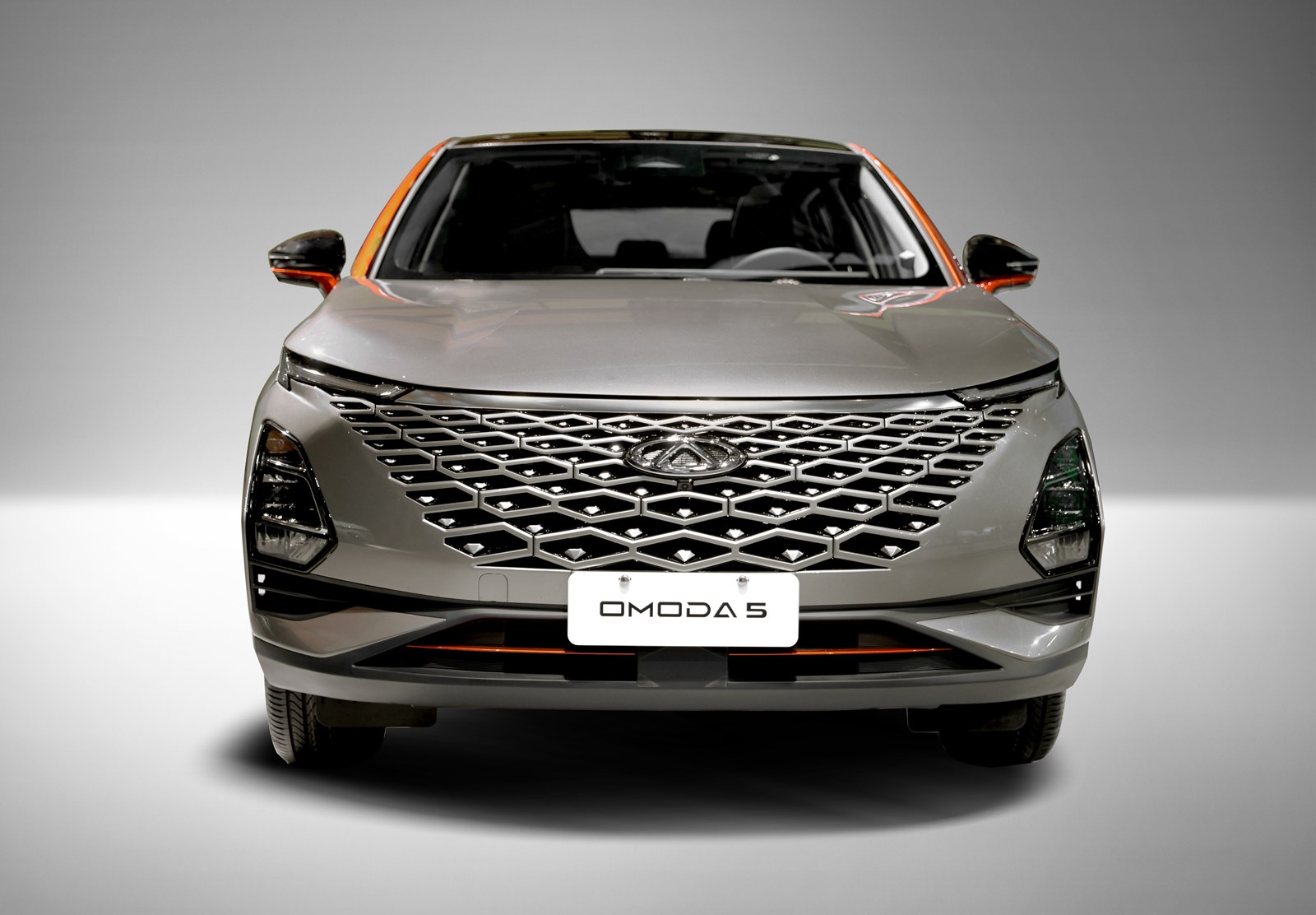
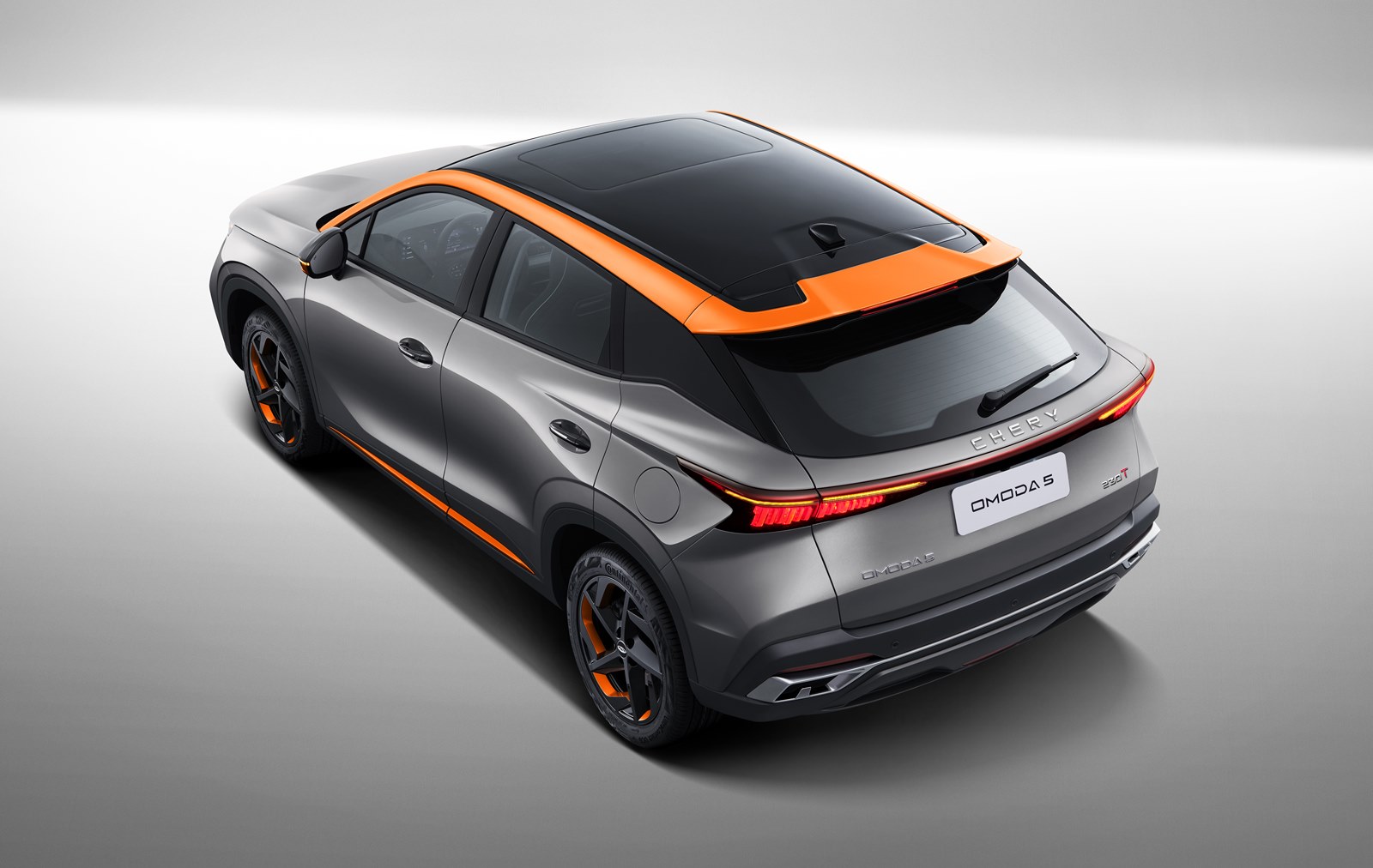
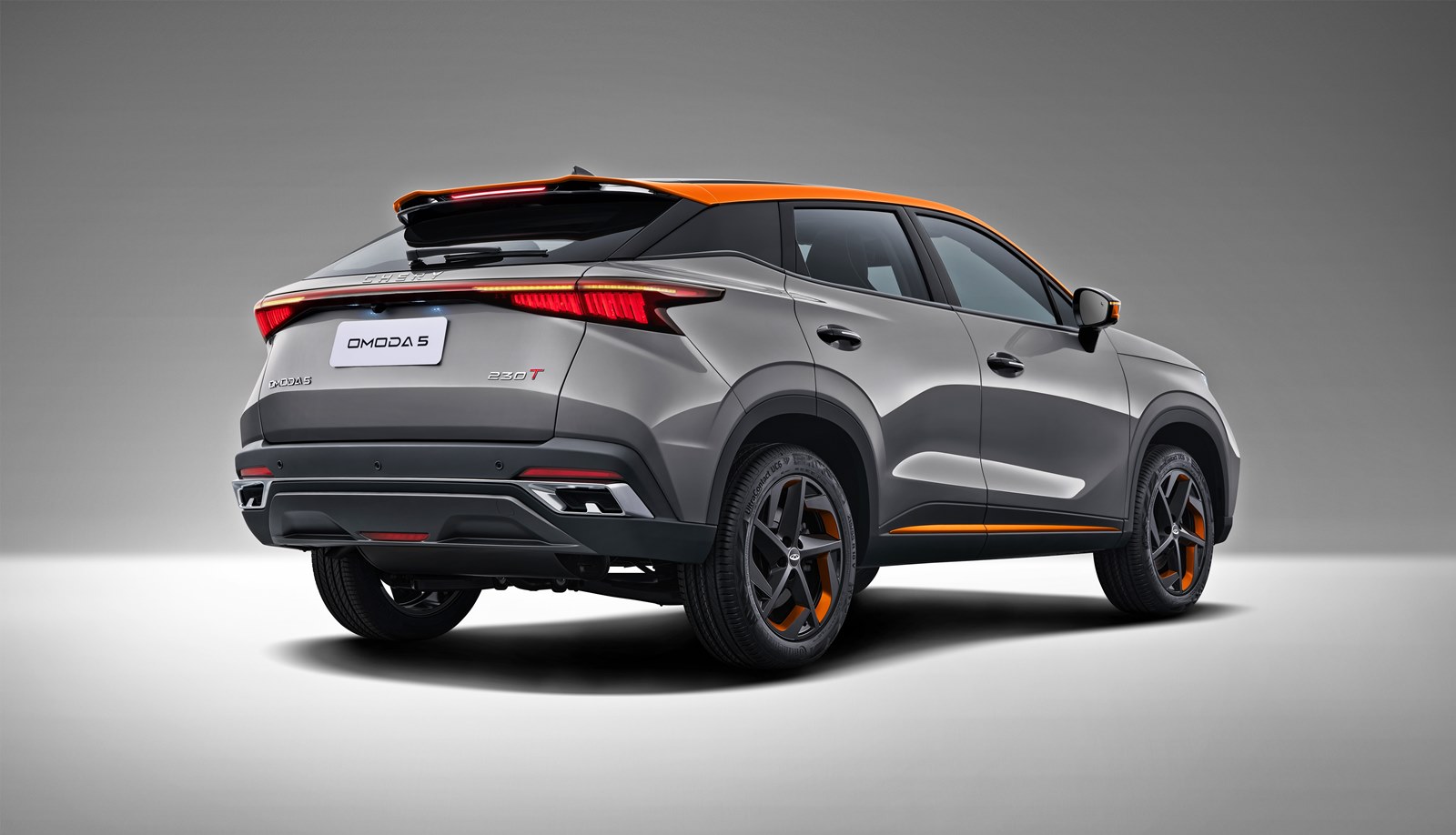
One of the latest examples of this new generation of Chinese cars is the Chery OMODA 5 which has just been launched in China, with exports to begin to many countries including Malaysia. Priced in China between RMB92,900-RMB126,900 (about RM61,300 – RM83,700), the OMODA 5 is a sporty new crossover SUV that was first previewed as the X-C concept at Auto Guangzhou in 2021.
B+ segment
Its overall length of 4400 mm and width of 1830 mm (on a wheelbase of 2630 mm) gives it a slightly larger body that Malaysian rivals like the Proton X50 and Perodua Ativa. So it’s a ‘B+’ segment model but not too big to qualify to be in the C-segment.
The OMODA 5 uses the brand’s ‘Art in Motion’ design language that makes much use of curves and molded surfaces to dynamic aesthetics even when standing still. The body panels are carefully shaped to create an interplay of light and shadow as the SUV moves. The borderless diamond-cut geometric matrix grille extends from the middle to both sides, as if to create a ‘parallel universe where dreams match reality’.
1.6-litre TGDI engine
The OMODA 5 is powered by a Kunpeng 1.6TGDI, the letters signifying that it is a turbocharged engine with direct fuel injection. The 1.6-litre 4-cylinder engine produces 197 ps/290 Nm which goes to the front wheels through a 7-speed dual-clutch transmission. The claimed 0 to 100 km/h time is 7.8 seconds and while on the move, the driver can activate a Super Sport mode for more engaging driving. In this mode, there is also simulated sound to enhance the perception of high performance.
AI in the cockpit
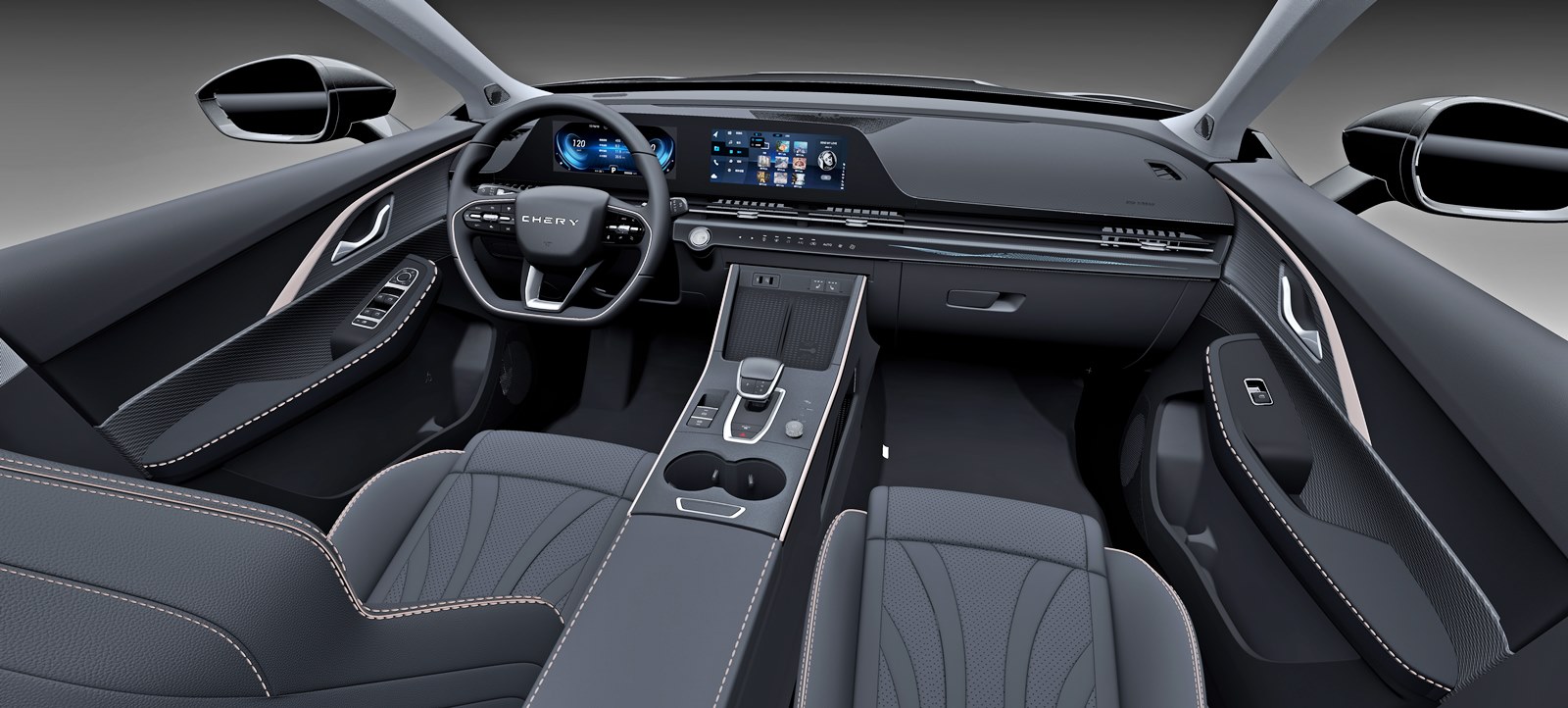
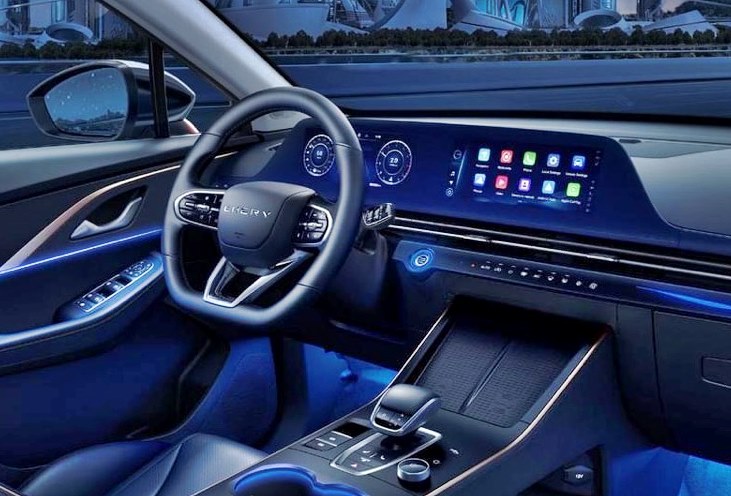
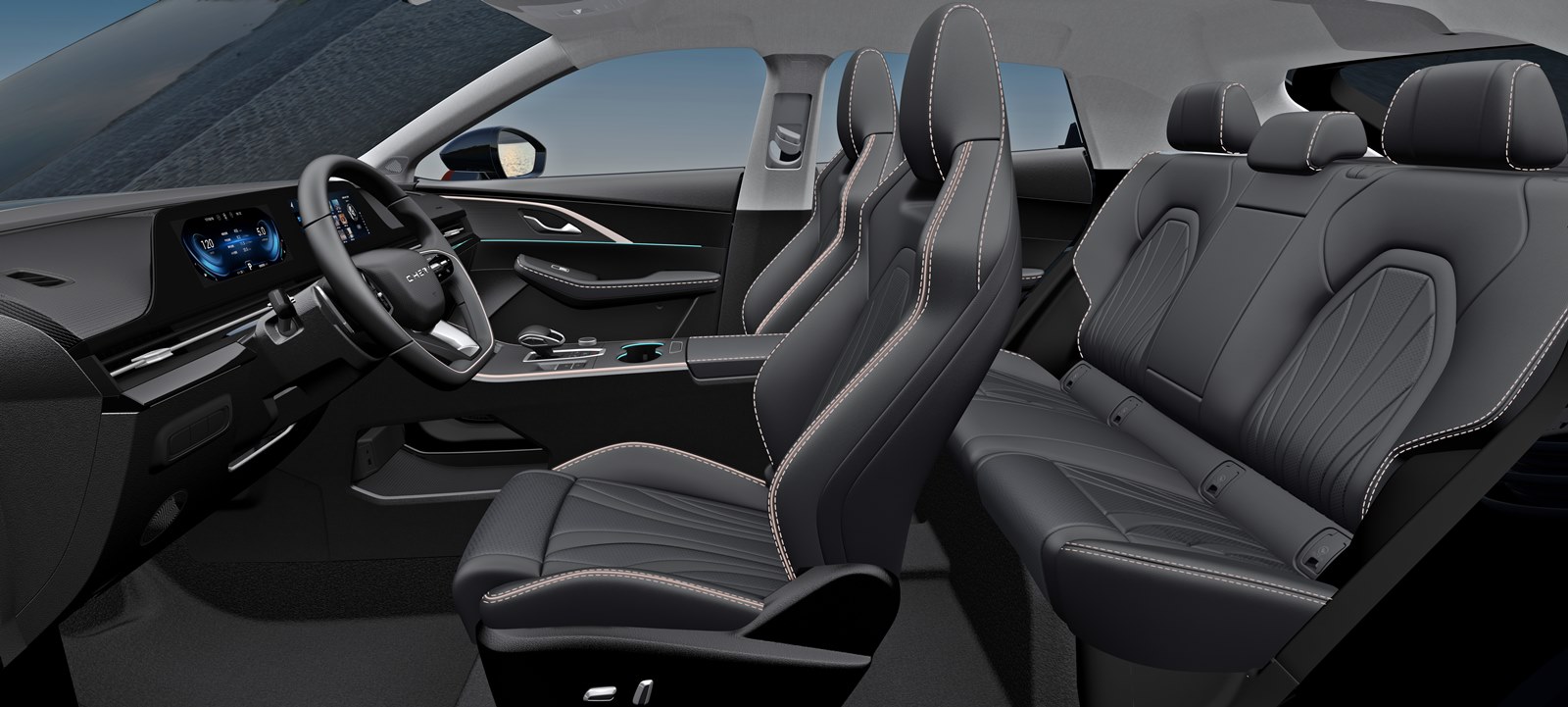
The cabin has Chery’s latest-generation Lion 5.0 AI (artificial intelligence) technology smart cockpit with intelligent technology. AI is used for emotion monitoring and adjustment, while entertainment is managed on a large 24.6-inch display screen. A Sony audio system collaborates with 64-colour rhythmic ambient lighting for immersive audio-visual entertainment.
Besides having European-standard environmental protection technology and ecological design, the OMODA 5’s C-PURE green cabin has a negative-ion air purification and filtration system. This will provide clean air to the occupants, an important consideration these days.
Global product
The Chery OMODA 5 has been designed with youth in mind, and through its technology-rich features, aims to project a new, more vibrant Chery to global consumers. The OMODA 5’s launch marks an important step in Chery’s global brand rejuvenation as it sets its sights on many other markets worldwide,” said Jia Yaquan, Chery Automobile’s Deputy General Manager and General Manager of Marketing.
Besides the OMODA 5, Chery will be returning to Malaysia with the Tiggo 8 Pro and Tiggo 7 Pro, part of the Pro line which has 4 SUV models and one sedan. Chery Malaysia has not indicated when they will have their launches although they should happen before the end of this year. Given how GAC Motors and GWM have started their activities, Chery won’t want to lose potential customers who are keen to try new brands and are drawn to these two newcomers first.
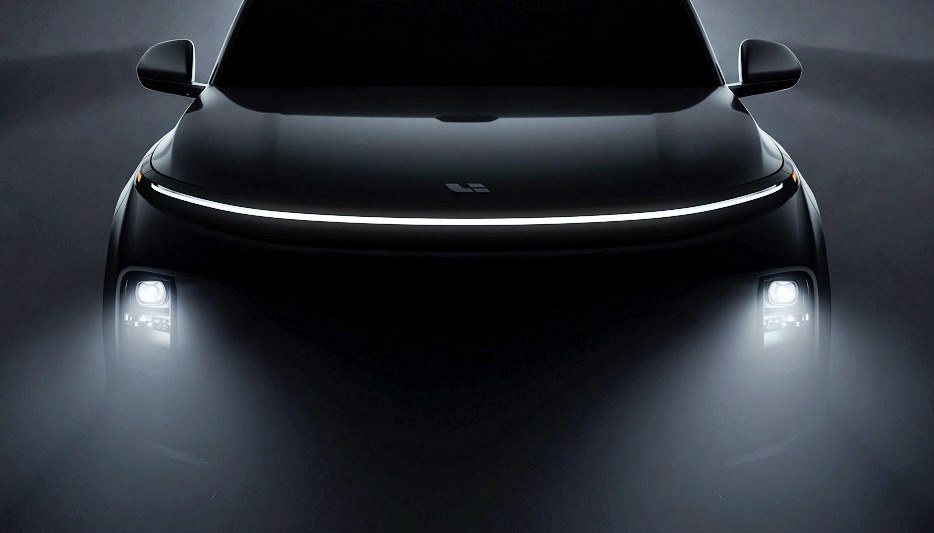
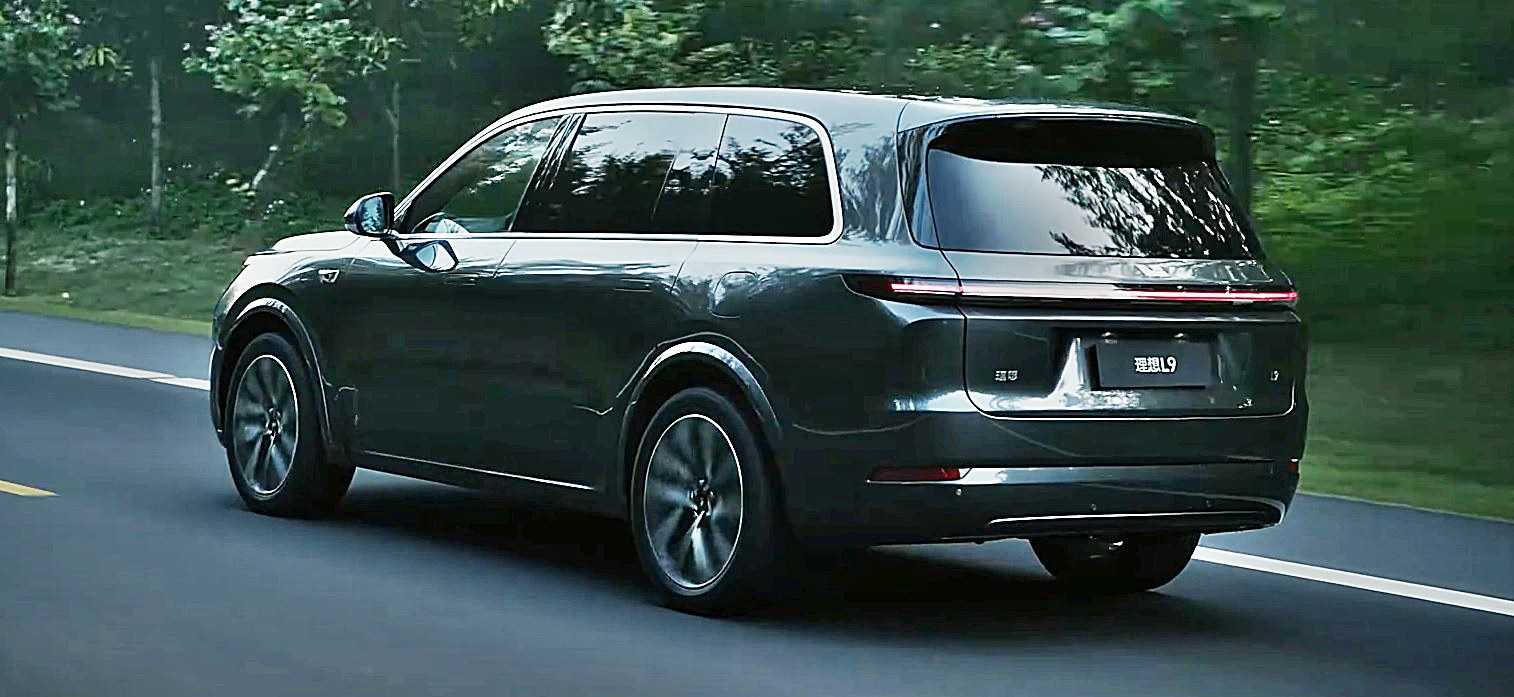
China’s car market is so huge and so diverse that keeping track of all the manufacturers can be difficult. Every so often, a new name pops up and has already progressed into production with new models. The impetus brought on by the country’s focus on New Energy Vehicles brought forth a number of new players, and among them is Li Auto Inc. which came into existence in 2015 and is already listed on NASDAQ (the stock exchange in New York City).
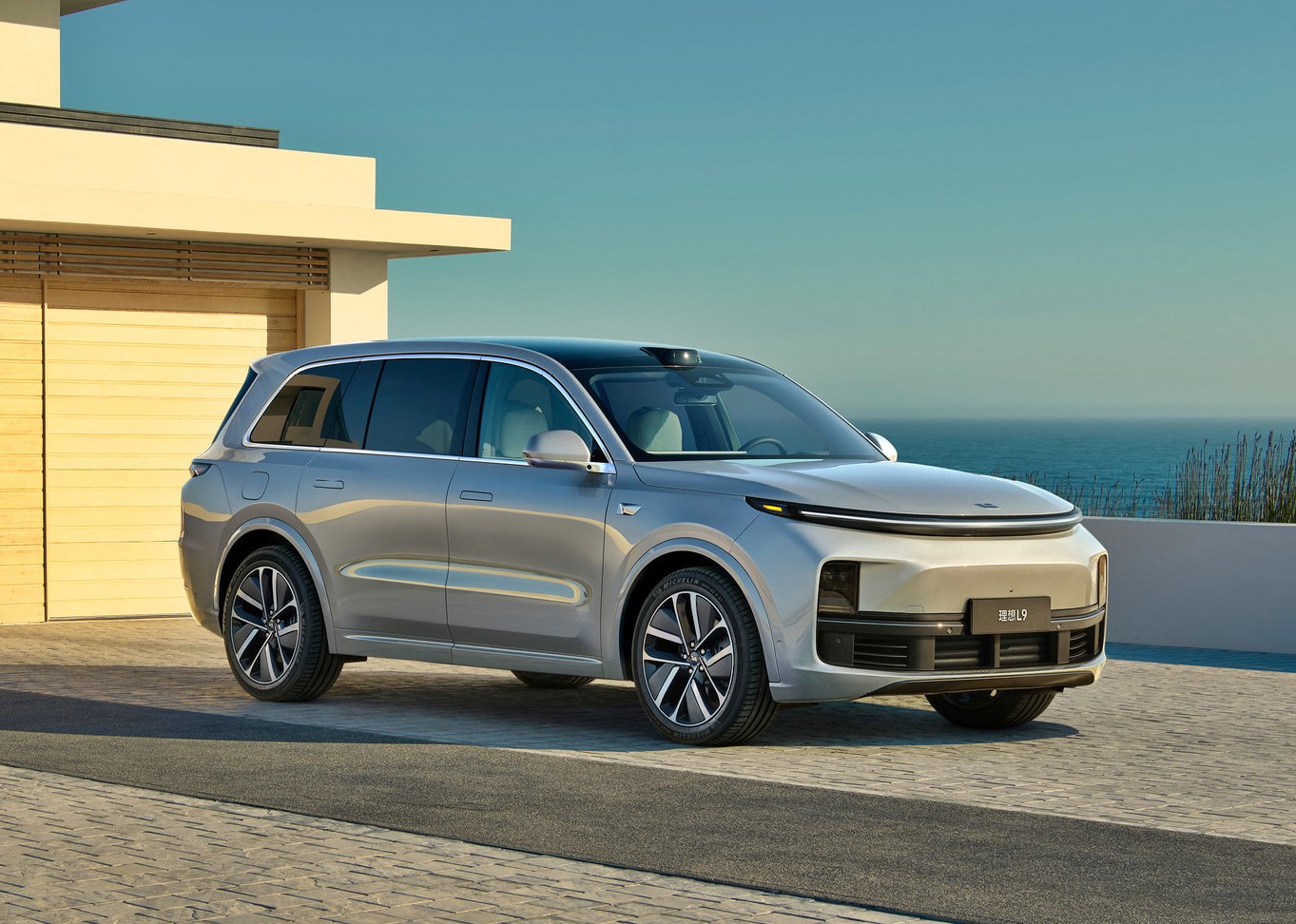
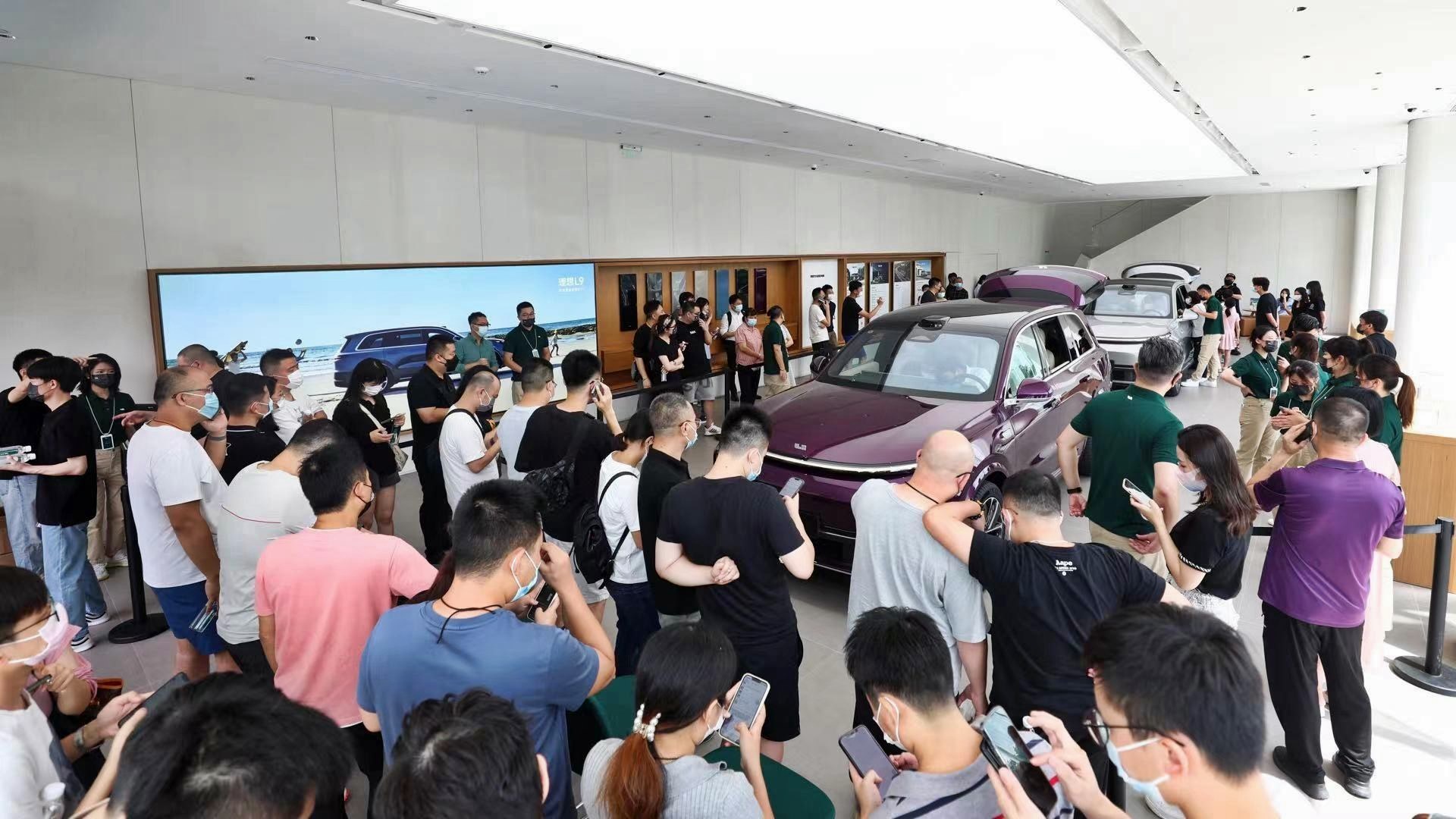
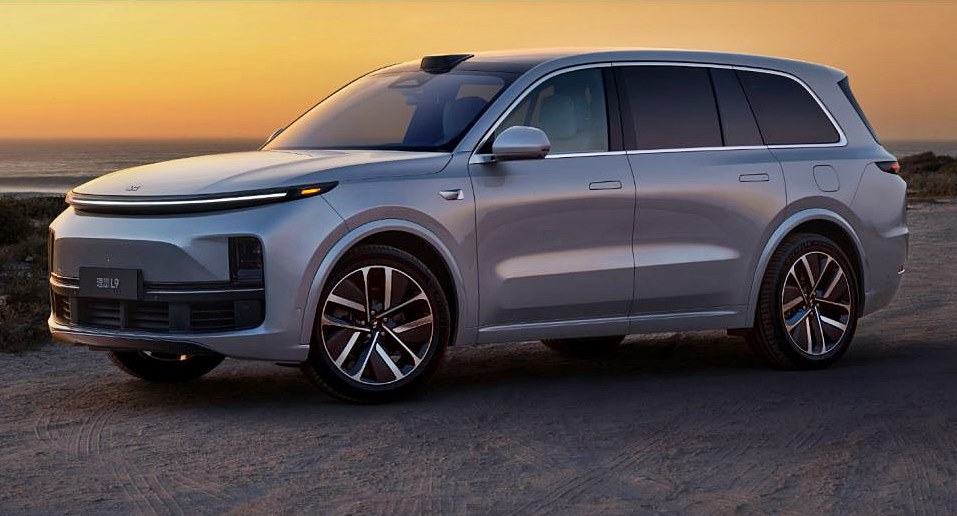
Li Auto has so far completed development of two models – the Auto ONE and L9. The L9 is the flagship model and made its online debut last month, appearing in showrooms in China last week. Online pre-orders are said to number more than 30,000 customers and the first units are expected to be delivered from the end of August 2022. Pricing starts from RMB459,800 (about RM303,310).
More than 30,000 orders within 72 hours of making debut online.
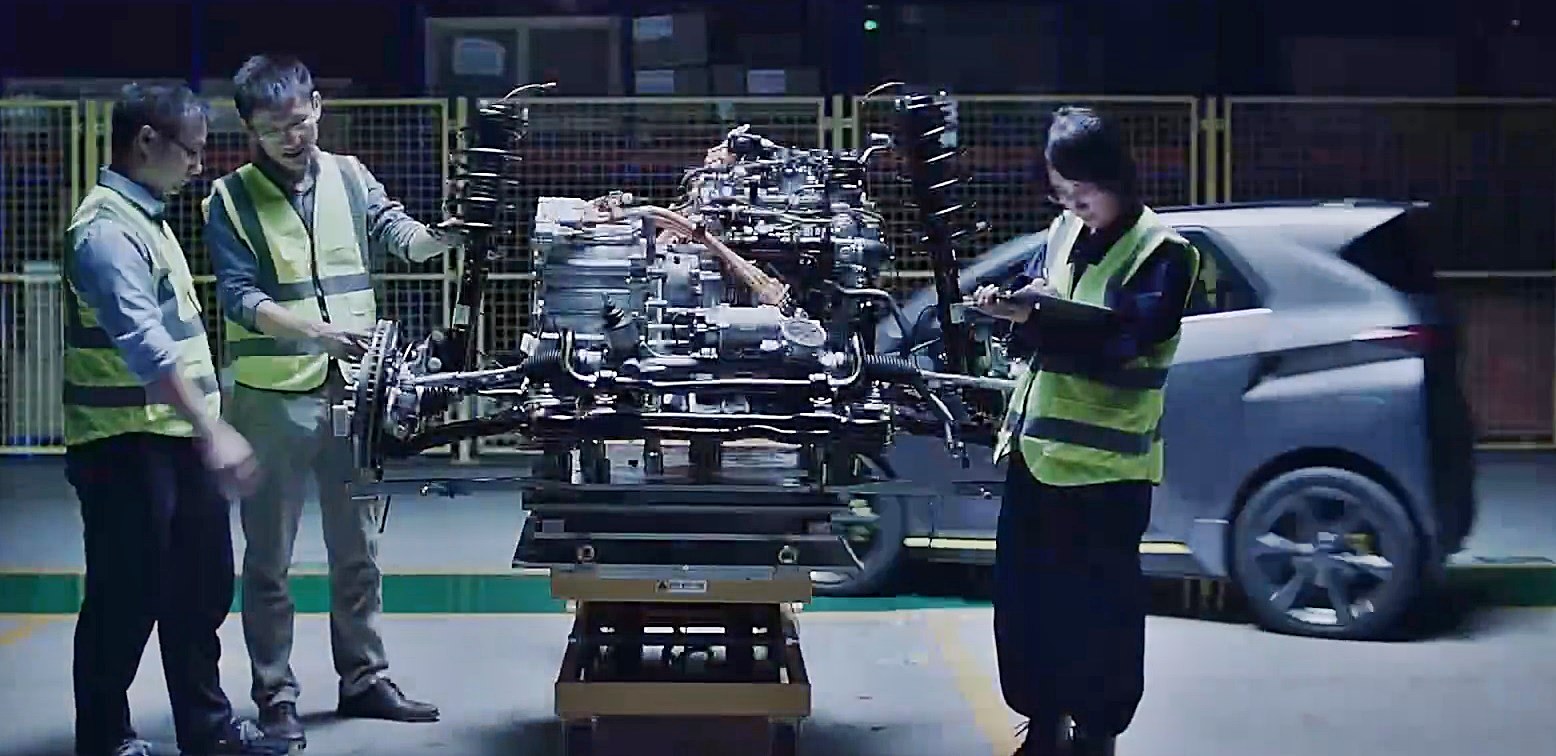
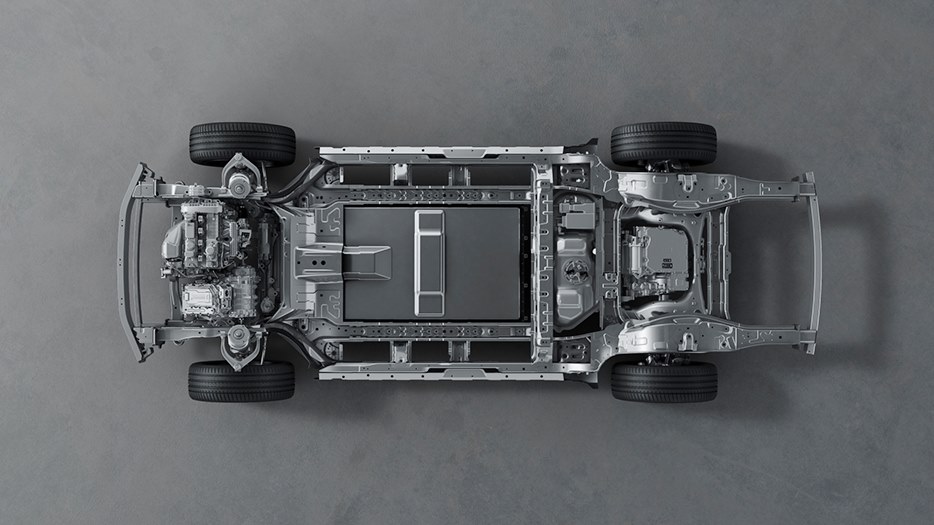
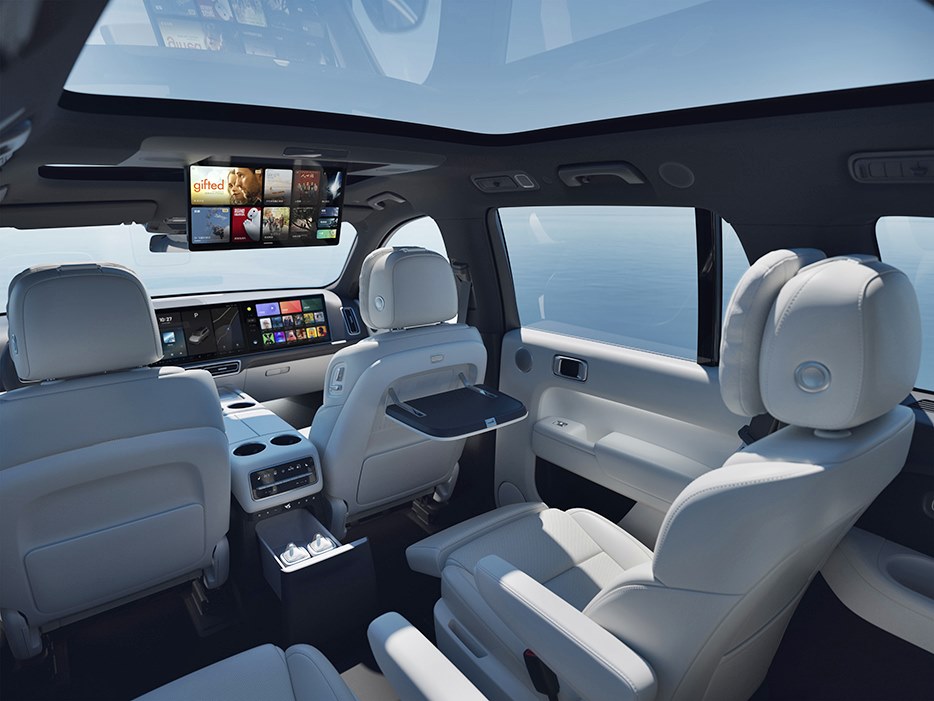
The L9 is a large full-size SUV with space for 6 within. Its 5218 mm long body with a clean and simple design sits on an in-house developed platform which supports a dual-motor 300 kW/620 Nm powertrain with all-wheel drive. Fitted with a new-generation NCM lithium battery storing 44.5 kilowatt-hour, a range of between 180 – 215 kms is claimed.
There is also a range-extender system powered by a 1.5-litre, 4-cylinder, turbocharged engine with maximum thermal efficiency of 40.5%. Coupled with a low drag coefficient and high motor efficiency, the L9’s with range-extender in use is said to be able to reach between 1,100 – 1,315 kms. It can also supply up to 3.5 kW of electricity for external use if needed.
Proprietary autonomous technology
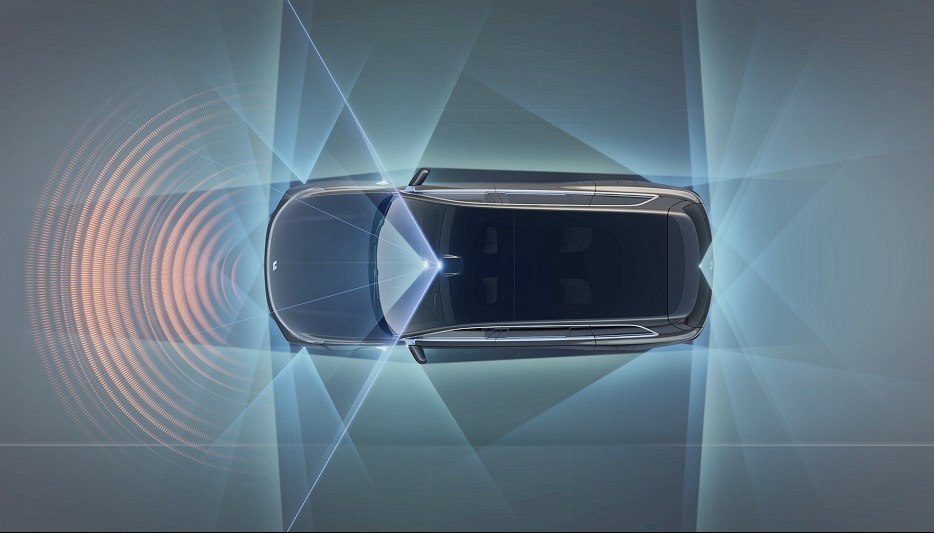
The L9 also has the company’s self-developed autonomous driving system called Li AD Max with enhanced functionality bolstered by upgraded perception capability and data processing power. The perception hardware includes one forward 128-line LiDAR, six 8-megapixel cameras, five 2-megapixel cameras, one forward millimetre wave radar, and 12 ultrasonic sensors. Together, the coverage is 360 degrees for detection of both vehicle surroundings and distant objects. In addition, there is a ‘sentry’ mode that monitors both the inside and outside of the vehicle through interior 3D ToF transmitters and exterior cameras.
To handle the increased processing needs resulting from the large number of sensors, the Li AD Max is powered by dual Orin-X chips with 508 TOPS of computing power and real-time, efficient processing of fusion signals. The dual processors provide fallback redundancies for each other, ensuring more stable operation of the autonomous driving system. In addition, the system is optimized to recognize and react to common accident scenarios, with features designed to identify and evade risks in advance and help prevent accidents.
Domain-based vehicle architecture
This SUV is one the first production models that deploys NXP’s S32G automotive network processors on its chassis system. The family of NXP S32G vehicle network processors marks a significant turning point in how vehicle architectures are designed and implemented, transforming the automotive industry to a high-performance domain-based vehicle architecture and providing software with minimal complexities and enhanced security and safety.
Adopting the S32G processors, there is an extra layer to the performance experience. The S32G processors not only provide ASIL D MCU and MPU performance with application-specific network hardware acceleration but also offloads processors to provide services with deterministic network performance necessary for the car to respond to the sophisticated real-time driving circumstances.
The S32G processors also embed high-performance hardware security acceleration, along with Public Key Infrastructure support for trusted key management enabled by its Hardware Security Engine (HSE). The firewalled HSE is the root of trust supporting secure boot, providing system security, and protecting against side-channel attacks, a crucial element in autonomous vehicles.
Smart cockpit
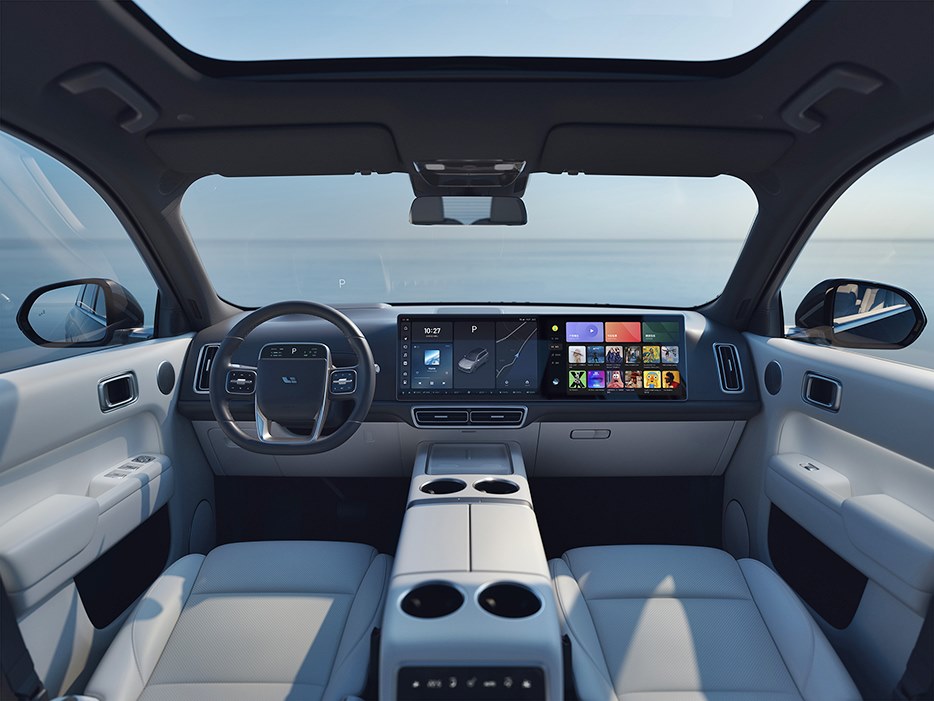
Within the SUV is a pioneering 5-screen 3-dimensional interactive mode which works with a head-up display (HUD) and interactive safe driving screen to present key driving information to the driver. The interactive screen, which is located above the steering wheel, adopts mini-LED and multi-touch technology, enabling easier interactions. The other 3 screens are large 15.7-inch 3K automotive-grade OLED screens that can be used for entertainment.
The L9’s smart cockpit is supported by a computing platform composed of two Qualcomm Snapdragon automotive-grade 8155 chips, which ensures the smoothness and responsiveness of its 5-screen 3-dimensional interactions.